


Sam Caulder
-
Posts
105 -
Joined
-
Last visited
Content Type
Profiles
Joomla Posts 1
Chicago Cubs Videos
Chicago Cubs Free Agent & Trade Rumors, Notes, & Tidbits
2026 Chicago Cubs Top Prospects Ranking
News
2023 Chicago Cubs Draft Picks
Guides & Resources
2024 Chicago Cubs Draft Picks
The Chicago Cubs Players Project
2025 Chicago Cubs Draft Pick Tracker
2026 Chicago Cubs Draft Tracker: Picks & Bonuses
Blogs
Events
Forums
Store
Gallery
Everything posted by Sam Caulder
-
An intradivisional blockbuster involving Hunter Greene feels almost impossible. But if the Reds decide to listen, the Cubs may have exactly what it takes to make a deal happen.
-
Image courtesy of Jeff Curry-Imagn Images It’s no secret that, if the Cubs want to make a deep postseason run this October, they have to add some pitching before Monday's trade deadline. They have some depth, but when October rolls around, every contender wants as many top-of-the-rotation starters as possible. That's why names like Tarik Skubal and Joe Ryan have dominated the rumor mill over the past several weeks. But there's one name that almost nobody has mentioned. What if the Cubs made a run at Cincinnati Reds ace Hunter Greene? Now, before you race to the comments to tell me how crazy this is, it's worth acknowledging the obvious. Greene is only 26 years old, one of the most electric pitchers in baseball, and he's under team control well beyond this season. On top of that, trades between division rivals are uncommon, especially when they involve a player of Greene's caliber and who's under control for more than part of a season. There are plenty of reasons why this deal never gets off the ground. The Reds may have no interest in helping a division rival, even if they're willing to move Greene. If Cincinnati does decide to listen to offers, they might prefer sending him to an American League club, rather than keeping him in the NL. And because of Greene's age, talent, and remaining team control, the asking price would almost certainly be enormous. The Cubs would have to decide whether the upside of adding a true ace outweighs the risk of giving up multiple premium young players for a pitcher with an extensive injury history—and giving them, specifically, to a division foe. But even with all of those obstacles, the more you look at Cincinnati's situation, the more you can start to understand why the Cubs should at least pick up the phone. There's no questioning Greene's talent. When healthy, he's every bit the ace teams spend years trying to develop. His upper-90s fastball is among the best in baseball; he misses bats at an elite rate; and he's shown he can dominate the league's best lineups. The problem has never been ability; it's been availability. Despite debuting back in 2022, Greene has never thrown more than 150 innings in any season. Injuries have repeatedly interrupted what has otherwise looked like a career that should include a Cy Young Award or two. This season has been another reminder of that reality. Greene missed more than three months at the start of the year, after undergoing elbow surgery to remove bone spurs in his throwing arm. While the procedure isn't viewed the same way as Tommy John surgery (which he's also had), it adds another entry to an injury history that's becoming difficult to ignore. It's also far from the only issue he's dealt with. In addition to his arm injuries, he's dealt with a lengthy list of lower-body and other non-arm ailments that have limited his time on the mound. When Greene's healthy, he's one of the best pitchers in the National League. The problem is knowing how often you'll actually have him, and that's where things could become interesting for Cincinnati. The Reds certainly aren't one of baseball's biggest spenders, and Greene's contract is about to become considerably more expensive. He's owed roughly $32 million over the next two seasons, a more than reasonable number for an ace but a much more difficult commitment for a small-market club when that ace hasn't been able to stay on the field. Cincinnati has to ask a difficult question: Is it worth committing that kind of money to a pitcher whose biggest obstacle year after year is his own health? If the answer is no, Greene suddenly becomes a fascinating trade candidate. The Reds could capitalize on his immense value while avoiding the financial risk that comes with paying for his late-20s seasons. From the Cubs' perspective, it's exactly the kind of gamble a contender should be willing to make. If Greene stays healthy, he'd immediately give Chicago one of the better postseason rotations in baseball, while remaining under contract well beyond this year's playoff run. That's not something most of the other starters on the market can offer. The Cubs have the organizational depth to put together a compelling offer if the Reds ever became serious about moving Greene. It would take a significant package—arguably, so much so that it would leave the cupboard bare—but it's not impossible. A deal centered around Matt Shaw and Jaxon Wiggins would give Cincinnati a young, everyday outfielder and the Cubs' best pitching prospect, along with another player or two. Another possibility could feature Pedro Ramírez, Moisés Ballesteros and Wiggins, giving the Reds two young players on the verge of becoming everyday major-leaguers, along with a high-upside arm. If the Cubs were truly willing to push all of their chips to the middle, they could offer Shaw, Wiggins and Jefferson Rojas in a true blockbuster package. None of those returns would be easy to stomach, but that's the type of talent it would likely take to pry away a 26-year-old ace with multiple years of team control. Rental pitchers certainly have value, but acquiring someone like Greene would strengthen the Cubs' rotation for years, instead of months. That's a debate worth having, but it's also why Greene stands out from the rest of the market. Most trade targets come with limited upside or only a few months of team control. Greene offers something few pitchers can: legitimate ace potential for multiple seasons. Even if the odds of a deal remain slim, the Cubs should at least explore the possibility. Sometimes the best trade deadline moves are the ones nobody sees coming. If the Reds decide the injury concerns and future financial commitment outweigh the reward, Hunter Greene could become one of the most intriguing names available before the deadline. Even that's unlikely, but the more you hear the word 'creative' about them this week, the wider you can imagine that door opening. View full article
-
Intradivisional Blockbusters Never Happen, But This One's Worth Dreaming On
Sam Caulder posted an article in Cubs
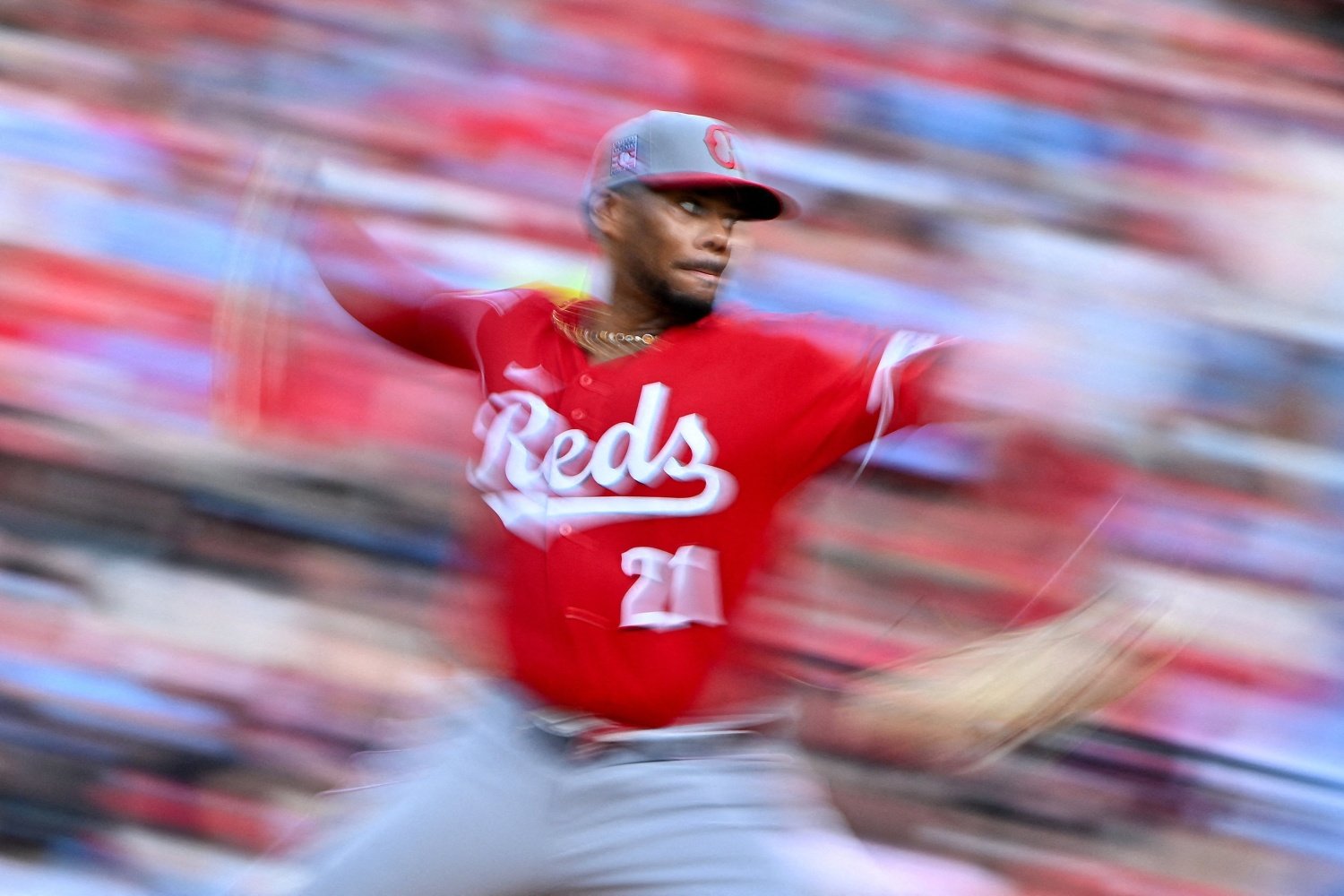 It’s no secret that, if the Cubs want to make a deep postseason run this October, they have to add some pitching before Monday's trade deadline. They have some depth, but when October rolls around, every contender wants as many top-of-the-rotation starters as possible. That's why names like Tarik Skubal and Joe Ryan have dominated the rumor mill over the past several weeks. But there's one name that almost nobody has mentioned. What if the Cubs made a run at Cincinnati Reds ace Hunter Greene? Now, before you race to the comments to tell me how crazy this is, it's worth acknowledging the obvious. Greene is only 26 years old, one of the most electric pitchers in baseball, and he's under team control well beyond this season. On top of that, trades between division rivals are uncommon, especially when they involve a player of Greene's caliber and who's under control for more than part of a season. There are plenty of reasons why this deal never gets off the ground. The Reds may have no interest in helping a division rival, even if they're willing to move Greene. If Cincinnati does decide to listen to offers, they might prefer sending him to an American League club, rather than keeping him in the NL. And because of Greene's age, talent, and remaining team control, the asking price would almost certainly be enormous. The Cubs would have to decide whether the upside of adding a true ace outweighs the risk of giving up multiple premium young players for a pitcher with an extensive injury history—and giving them, specifically, to a division foe. But even with all of those obstacles, the more you look at Cincinnati's situation, the more you can start to understand why the Cubs should at least pick up the phone. There's no questioning Greene's talent. When healthy, he's every bit the ace teams spend years trying to develop. His upper-90s fastball is among the best in baseball; he misses bats at an elite rate; and he's shown he can dominate the league's best lineups. The problem has never been ability; it's been availability. Despite debuting back in 2022, Greene has never thrown more than 150 innings in any season. Injuries have repeatedly interrupted what has otherwise looked like a career that should include a Cy Young Award or two. This season has been another reminder of that reality. Greene missed more than three months at the start of the year, after undergoing elbow surgery to remove bone spurs in his throwing arm. While the procedure isn't viewed the same way as Tommy John surgery (which he's also had), it adds another entry to an injury history that's becoming difficult to ignore. It's also far from the only issue he's dealt with. In addition to his arm injuries, he's dealt with a lengthy list of lower-body and other non-arm ailments that have limited his time on the mound. When Greene's healthy, he's one of the best pitchers in the National League. The problem is knowing how often you'll actually have him, and that's where things could become interesting for Cincinnati. The Reds certainly aren't one of baseball's biggest spenders, and Greene's contract is about to become considerably more expensive. He's owed roughly $32 million over the next two seasons, a more than reasonable number for an ace but a much more difficult commitment for a small-market club when that ace hasn't been able to stay on the field. Cincinnati has to ask a difficult question: Is it worth committing that kind of money to a pitcher whose biggest obstacle year after year is his own health? If the answer is no, Greene suddenly becomes a fascinating trade candidate. The Reds could capitalize on his immense value while avoiding the financial risk that comes with paying for his late-20s seasons. From the Cubs' perspective, it's exactly the kind of gamble a contender should be willing to make. If Greene stays healthy, he'd immediately give Chicago one of the better postseason rotations in baseball, while remaining under contract well beyond this year's playoff run. That's not something most of the other starters on the market can offer. The Cubs have the organizational depth to put together a compelling offer if the Reds ever became serious about moving Greene. It would take a significant package—arguably, so much so that it would leave the cupboard bare—but it's not impossible. A deal centered around Matt Shaw and Jaxon Wiggins would give Cincinnati a young, everyday outfielder and the Cubs' best pitching prospect, along with another player or two. Another possibility could feature Pedro Ramírez, Moisés Ballesteros and Wiggins, giving the Reds two young players on the verge of becoming everyday major-leaguers, along with a high-upside arm. If the Cubs were truly willing to push all of their chips to the middle, they could offer Shaw, Wiggins and Jefferson Rojas in a true blockbuster package. None of those returns would be easy to stomach, but that's the type of talent it would likely take to pry away a 26-year-old ace with multiple years of team control. Rental pitchers certainly have value, but acquiring someone like Greene would strengthen the Cubs' rotation for years, instead of months. That's a debate worth having, but it's also why Greene stands out from the rest of the market. Most trade targets come with limited upside or only a few months of team control. Greene offers something few pitchers can: legitimate ace potential for multiple seasons. Even if the odds of a deal remain slim, the Cubs should at least explore the possibility. Sometimes the best trade deadline moves are the ones nobody sees coming. If the Reds decide the injury concerns and future financial commitment outweigh the reward, Hunter Greene could become one of the most intriguing names available before the deadline. Even that's unlikely, but the more you hear the word 'creative' about them this week, the wider you can imagine that door opening.
 -
Chicago’s free agent situation is becoming impossible to ignore, and Seiya Suzuki could be the piece that fixes multiple problems. View full video
-
Chicago’s free agent situation is becoming impossible to ignore, and Seiya Suzuki could be the piece that fixes multiple problems.
-
Image courtesy of Joe Puetz-Imagn Images A lot of the focus around the Chicago Cubs leading up to the trade deadline has centered around their pitching staff, and rightfully so. It's hard to look at this roster and come away with any other conclusion than that adding another arm should be the front office's top priority. But there's another issue quietly looming over this team that hasn't gotten nearly as much attention. Chicago has some important players entering free agency after the 2026 season, and odds are good that the Cubs simply can't keep all of them. If that's the case, the front office has to ask itself an uncomfortable question: is it better to make one difficult move now than risk losing multiple contributors for nothing a few months from now? If so, Seiya Suzuki might be the best place to start. Suzuki is in the final season of the five-year, $85-million contract he signed with the Cubs in March 2022, and he's done just about everything the organization could have hoped for during that deal. Even after missing time early in the year, he's once again been one of Chicago's most productive hitters. Across 387 plate appearances, Suzuki is slashing .265/.354/.473 with an .827 OPS, continuing to provide the middle-of-the-order production the Cubs have relied on throughout his tenure. For a team with legitimate postseason aspirations, that's not the type of bat you willingly remove from the lineup. But trading Suzuki wouldn't be about his performance. If anything, his production is exactly why the Cubs should at least entertain the possibility. The bigger picture is what makes this interesting. Suzuki isn't the only key player headed toward free agency. Fellow outfielder Ian Happ is also set to hit the open market after the season, as are Shota Imanaga, Carson Kelly and Matthew Boyd. Add in a few other expiring contracts around the roster, and suddenly, the Cubs are staring at an offseason where they could need to replace a whole lot of outgoing talent in the compressed window for activity created by a winter lockout. Bringing everyone back isn't likely, and probably wouldn't end well. If the Cubs are forced to choose, Suzuki probably has the strongest case to stay based strictly on offensive production. He's been one of the most dangerous hitters in their lineup. At the same time, though, the roster is beginning to evolve. Matt Shaw has already made the transition to right field this season, and the Cubs have no shortage of young position players pushing for larger roles. Pete Crow-Armstrong has established himself as a legitimate superstar, and a couple youngsters (James Triantos and Pedro Ramírez) could also wind up landing in the outfield corners. The organization has spent years building toward a younger, more athletic core, and eventually, those players need somewhere to play. Moving Suzuki would clarify the Cubs' long-term outfield picture instead of kicking that decision down the road another few months. Then there's the financial side of things. The Cubs currently carry one of baseball's larger payrolls, at roughly $254 million for the purposes of the competitive balance tax. They're already projected to be about $10 million over the first threshold. To stay under the second one while adding any salary at the deadline, they could need to subtract some, too. Unlike many rental players, Suzuki isn't simply an expiring contract. He's an impact bat capable of changing a lineup, which means his value should remain extremely high despite his impending free agency. There are plenty of contenders who could use exactly that. Teams like the Rays, Guardians, and Phillies all make sense. Whether any of them ultimately emerge as serious suitors remains to be seen, but the market should exist. I'm not going to speculate on exactly what a return would look like, and if you want some insight into it, I encourage you to read this piece. But it's not difficult to imagine Suzuki bringing back the type of pitcher the Cubs have spent weeks trying to acquire. The Cubs would be addressing three different problems with one move. They'd open up their long-term outfield picture, create additional financial flexibility, and add desperately needed pitching for both this season and (potentially) beyond. That's a difficult combination to ignore. Of course, the Cubs are trying to make a deep postseason run, and Suzuki gives them a better chance of doing exactly that. If the front office believes this roster is capable of winning the National League, holding onto one of its best hitters is a perfectly reasonable decision. There's nothing wrong with pushing your chips into the middle when a championship is within reach. Suzuki also has a no-trade clause, so moving him would be complicated. It might even be impossible. But the front office also has to think beyond October. This isn't just about Suzuki. It's about recognizing that the Cubs probably aren't going to keep every major free agent they have after the season. Rather than watching multiple players walk away for nothing, they should seriously consider turning one of those expiring assets into something that helps both now and in the future. If they decide to go that route, Suzuki may be the player who makes the most sense. View full article
-
Could Cubs Trade Seiya Suzuki, Even as They Buy at Trade Deadline?
Sam Caulder posted an article in Cubs
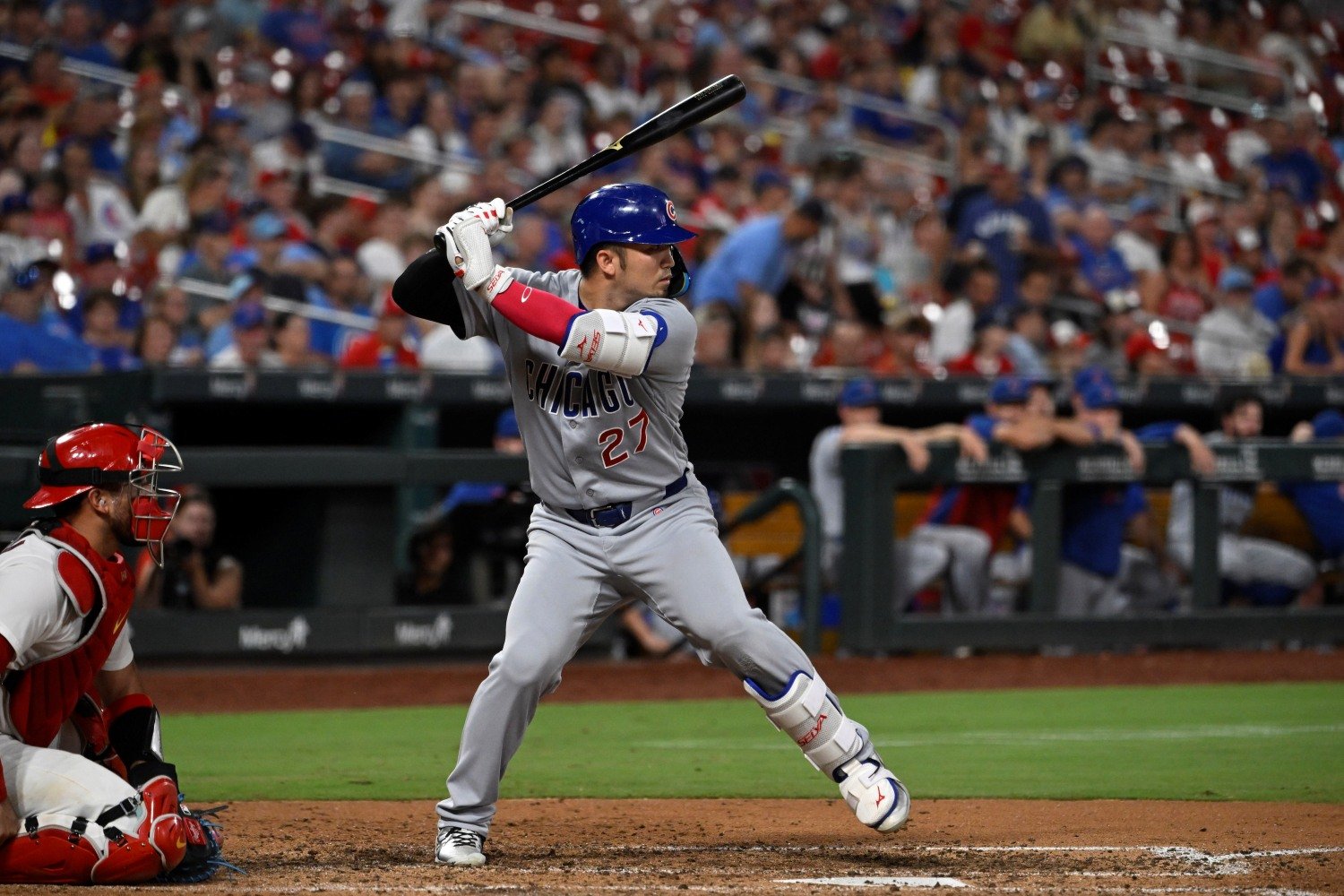 A lot of the focus around the Chicago Cubs leading up to the trade deadline has centered around their pitching staff, and rightfully so. It's hard to look at this roster and come away with any other conclusion than that adding another arm should be the front office's top priority. But there's another issue quietly looming over this team that hasn't gotten nearly as much attention. Chicago has some important players entering free agency after the 2026 season, and odds are good that the Cubs simply can't keep all of them. If that's the case, the front office has to ask itself an uncomfortable question: is it better to make one difficult move now than risk losing multiple contributors for nothing a few months from now? If so, Seiya Suzuki might be the best place to start. Suzuki is in the final season of the five-year, $85-million contract he signed with the Cubs in March 2022, and he's done just about everything the organization could have hoped for during that deal. Even after missing time early in the year, he's once again been one of Chicago's most productive hitters. Across 387 plate appearances, Suzuki is slashing .265/.354/.473 with an .827 OPS, continuing to provide the middle-of-the-order production the Cubs have relied on throughout his tenure. For a team with legitimate postseason aspirations, that's not the type of bat you willingly remove from the lineup. But trading Suzuki wouldn't be about his performance. If anything, his production is exactly why the Cubs should at least entertain the possibility. The bigger picture is what makes this interesting. Suzuki isn't the only key player headed toward free agency. Fellow outfielder Ian Happ is also set to hit the open market after the season, as are Shota Imanaga, Carson Kelly and Matthew Boyd. Add in a few other expiring contracts around the roster, and suddenly, the Cubs are staring at an offseason where they could need to replace a whole lot of outgoing talent in the compressed window for activity created by a winter lockout. Bringing everyone back isn't likely, and probably wouldn't end well. If the Cubs are forced to choose, Suzuki probably has the strongest case to stay based strictly on offensive production. He's been one of the most dangerous hitters in their lineup. At the same time, though, the roster is beginning to evolve. Matt Shaw has already made the transition to right field this season, and the Cubs have no shortage of young position players pushing for larger roles. Pete Crow-Armstrong has established himself as a legitimate superstar, and a couple youngsters (James Triantos and Pedro Ramírez) could also wind up landing in the outfield corners. The organization has spent years building toward a younger, more athletic core, and eventually, those players need somewhere to play. Moving Suzuki would clarify the Cubs' long-term outfield picture instead of kicking that decision down the road another few months. Then there's the financial side of things. The Cubs currently carry one of baseball's larger payrolls, at roughly $254 million for the purposes of the competitive balance tax. They're already projected to be about $10 million over the first threshold. To stay under the second one while adding any salary at the deadline, they could need to subtract some, too. Unlike many rental players, Suzuki isn't simply an expiring contract. He's an impact bat capable of changing a lineup, which means his value should remain extremely high despite his impending free agency. There are plenty of contenders who could use exactly that. Teams like the Rays, Guardians, and Phillies all make sense. Whether any of them ultimately emerge as serious suitors remains to be seen, but the market should exist. I'm not going to speculate on exactly what a return would look like, and if you want some insight into it, I encourage you to read this piece. But it's not difficult to imagine Suzuki bringing back the type of pitcher the Cubs have spent weeks trying to acquire. The Cubs would be addressing three different problems with one move. They'd open up their long-term outfield picture, create additional financial flexibility, and add desperately needed pitching for both this season and (potentially) beyond. That's a difficult combination to ignore. Of course, the Cubs are trying to make a deep postseason run, and Suzuki gives them a better chance of doing exactly that. If the front office believes this roster is capable of winning the National League, holding onto one of its best hitters is a perfectly reasonable decision. There's nothing wrong with pushing your chips into the middle when a championship is within reach. Suzuki also has a no-trade clause, so moving him would be complicated. It might even be impossible. But the front office also has to think beyond October. This isn't just about Suzuki. It's about recognizing that the Cubs probably aren't going to keep every major free agent they have after the season. Rather than watching multiple players walk away for nothing, they should seriously consider turning one of those expiring assets into something that helps both now and in the future. If they decide to go that route, Suzuki may be the player who makes the most sense.
 -
Ian Happ is on pace to break his career-high 25 home runs. But is that coming at too high a cost?
-
Ian Happ is on pace to break his career-high 25 home runs. But is that coming at too high a cost? View full video
-
Image courtesy of © Kamil Krzaczynski-Imagn Images Ian Happ has long been one of the most effectively boring players in baseball. Every year, it feels like you know exactly what you’re getting with him. He’s going to hit right around .250, post an on-base percentage roughly 100 points higher than his batting average, and finish with an OPS somewhere in the high-.700s. That’s the type of hitter Happ has been throughout most of his career, and it’s worked out well for the Chicago Cubs. Since 2022, Happ has posted a wRC+ of at least 113 every single season. He’s been a steady, reliable middle-of-the-order bat. Not necessarily a superstar, but the kind of player every contender needs. And while that sort of consistency might not always be exciting, that kind of production will always play at the major league level. But 2026 has been slightly different. On the surface, nothing really jumps out. His batting average has dipped down near .220, but his on-base percentage and OPS remain largely in line with what Cubs fans have come to expect. If you just glanced at the back of the baseball card, you probably wouldn’t think much of it. Under the hood, though, there’s a much more concerning trend developing. Happ’s bat-to-ball skills have seemingly taken a noticeable step backward in his age-32 season. And while he’s never been known as an elite contact hitter necessarily, there’s enough regression here to at least raise an eyebrow. In 2025, Happ’s whiff rate sat at 24.6%, just below league average. In 2026, that number has jumped all the way to 31.9%, placing him in just the 12th percentile among major-league hitters. That’s a massive change in a relatively short amount of time. Breaking balls, in particular, have given Happ fits. Despite seeing slightly fewer breaking pitches than he did a year ago, his whiff rate against them has climbed by 11.3 percentage points. That’s not a small increase, and it suggests something larger may be taking place. A couple of different factors likely drive that change. For one, Happ is chasing pitches outside the zone more than he has in previous seasons. It’s not an egregious increase, but it’s enough to make a difference over the course of hundreds of plate appearances. But beyond that, it also appears there’s been a shift in his approach. Looking at Happ’s batted-ball profile, his fly-ball rate has climbed to a career-high 45.9%, while his pull rate is as high as it’s been since his rookie season back in 2017. Those numbers paint a pretty clear picture. It appears as though Happ has placed a greater emphasis on generating power, and to be fair, it’s worked. He’s already up to 18 home runs and is on pace to eclipse his career high of 25. This is not to say that Happ’s declining bat-to-ball skills are inherently a bad thing. Clearly, the changes he’s made are producing some positive results, and for right now, that approach will play. Happ is still in the prime of his career—albeit, the back end of it—but he has enough power to make this profile work. A hitter who can draw walks, hit 25-plus home runs, and provide solid defense in left field is still a valuable player. Where I would start to worry a little bit is if this approach begins to completely define who he is. If Happ continues to chase pitches outside the strike zone more often, and continues to sell out for power at the expense of contact, eventually that’s going to catch up with him. Come October, if opposing pitchers know he’s someone who will expand the zone and chase a curveball in the dirt, you better believe that’s exactly what they’ll be feeding him. Playoff baseball is all about exploiting weaknesses, and increased swing-and-miss creates opportunities for pitchers to do just that. For now, though, it’s more interesting than alarming. Happ’s contract with the Cubs is set to expire after the 2026 season, so maybe he won’t be around long enough for fans to see whether this trend becomes a larger issue. Maybe this version of Happ remains productive for several more years, or maybe the bat-to-ball skills he's sacrificing now will be too difficult to get back at a certain age. So long as he keeps delivering impact this year, we can worry about what comes next later. View full article
-
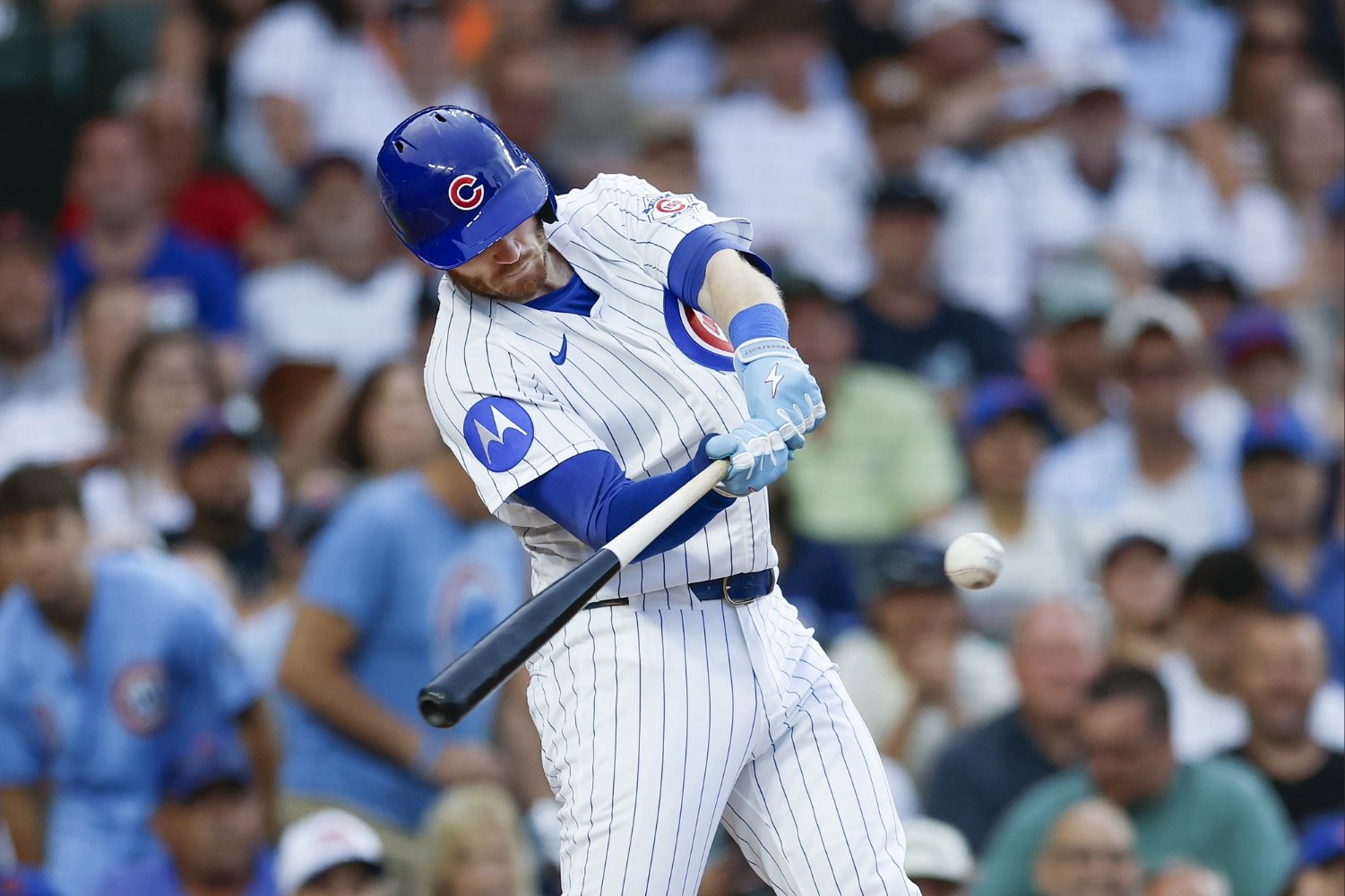 Ian Happ has long been one of the most effectively boring players in baseball. Every year, it feels like you know exactly what you’re getting with him. He’s going to hit right around .250, post an on-base percentage roughly 100 points higher than his batting average, and finish with an OPS somewhere in the high-.700s. That’s the type of hitter Happ has been throughout most of his career, and it’s worked out well for the Chicago Cubs. Since 2022, Happ has posted a wRC+ of at least 113 every single season. He’s been a steady, reliable middle-of-the-order bat. Not necessarily a superstar, but the kind of player every contender needs. And while that sort of consistency might not always be exciting, that kind of production will always play at the major league level. But 2026 has been slightly different. On the surface, nothing really jumps out. His batting average has dipped down near .220, but his on-base percentage and OPS remain largely in line with what Cubs fans have come to expect. If you just glanced at the back of the baseball card, you probably wouldn’t think much of it. Under the hood, though, there’s a much more concerning trend developing. Happ’s bat-to-ball skills have seemingly taken a noticeable step backward in his age-32 season. And while he’s never been known as an elite contact hitter necessarily, there’s enough regression here to at least raise an eyebrow. In 2025, Happ’s whiff rate sat at 24.6%, just below league average. In 2026, that number has jumped all the way to 31.9%, placing him in just the 12th percentile among major-league hitters. That’s a massive change in a relatively short amount of time. Breaking balls, in particular, have given Happ fits. Despite seeing slightly fewer breaking pitches than he did a year ago, his whiff rate against them has climbed by 11.3 percentage points. That’s not a small increase, and it suggests something larger may be taking place. A couple of different factors likely drive that change. For one, Happ is chasing pitches outside the zone more than he has in previous seasons. It’s not an egregious increase, but it’s enough to make a difference over the course of hundreds of plate appearances. But beyond that, it also appears there’s been a shift in his approach. Looking at Happ’s batted-ball profile, his fly-ball rate has climbed to a career-high 45.9%, while his pull rate is as high as it’s been since his rookie season back in 2017. Those numbers paint a pretty clear picture. It appears as though Happ has placed a greater emphasis on generating power, and to be fair, it’s worked. He’s already up to 18 home runs and is on pace to eclipse his career high of 25. This is not to say that Happ’s declining bat-to-ball skills are inherently a bad thing. Clearly, the changes he’s made are producing some positive results, and for right now, that approach will play. Happ is still in the prime of his career—albeit, the back end of it—but he has enough power to make this profile work. A hitter who can draw walks, hit 25-plus home runs, and provide solid defense in left field is still a valuable player. Where I would start to worry a little bit is if this approach begins to completely define who he is. If Happ continues to chase pitches outside the strike zone more often, and continues to sell out for power at the expense of contact, eventually that’s going to catch up with him. Come October, if opposing pitchers know he’s someone who will expand the zone and chase a curveball in the dirt, you better believe that’s exactly what they’ll be feeding him. Playoff baseball is all about exploiting weaknesses, and increased swing-and-miss creates opportunities for pitchers to do just that. For now, though, it’s more interesting than alarming. Happ’s contract with the Cubs is set to expire after the 2026 season, so maybe he won’t be around long enough for fans to see whether this trend becomes a larger issue. Maybe this version of Happ remains productive for several more years, or maybe the bat-to-ball skills he's sacrificing now will be too difficult to get back at a certain age. So long as he keeps delivering impact this year, we can worry about what comes next later.
 -
Pedro Ramírez has wasted little time making an impression, combining elite contact ability, strong underlying metrics, and positional versatility to cement himself as an important part of Chicago's future. View full video
-
Pedro Ramírez has wasted little time making an impression, combining elite contact ability, strong underlying metrics, and positional versatility to cement himself as an important part of Chicago's future.
-
Nico Hoerner is the Type of Player Built for October
Sam Caulder posted a topic in Chicago Cubs Talk
Image courtesy of © Matt Marton-Imagn Images As we all know, Nico Hoerner hasn't been quite as indispensable for the 2026 Cubs as it looked like he might be. On the year, he’s slashing just .247/.314/.340. He doesn’t hit the ball particularly hard; he doesn’t produce many extra-base hits; and his two-month slump took him from a budding leadoff dynamo to someone being kept in the lineup by his glove and his contract. Fortunately, he's emerging from that quagmire, but he's no longer as essential to the team's offense, given the next-level season Pete Crow-Armstrong is having. Yet, while Hoerner may not be the type of player who dominates a box score, there are several things he does at an extremely high level—and when you look at the way postseason baseball is played, he could quietly be one of the biggest reasons why the Cubs do—or don’t—make a serious run this October. There’s reason to believe he’s been better than his stats indicate. Hoerner’s expected batting average sits at .289, more than 40 points higher than his actual mark. His squared-up rate ranks in the 98th percentile among major-league hitters, showing that even though he doesn’t consistently produce elite exit velocities, he’s still finding ways to make quality contact. His bat-to-ball skills remain among the best in baseball; his whiff rate and strikeout rate both rank in the 98th percentile or better. He's walking more than he’s striking out this season. That’s the type of skill set that can become incredibly important in October. Postseason games are often decided by small margins. One extended at-bat, one baserunner created out of nowhere or one mistake avoided can completely change the outcome of a game. Hoerner has built his career around those types of plays. And while his offensive numbers haven’t been what many expected, his ability to consistently put the ball in play gives the Cubs another tough at-bat in their lineup. If he's now getting back to being that .290 hitter with patience and a modicum of gap power, he rapidly becomes a major threat again. Throughout his career, Hoerner has been one of the more dangerous baserunners in baseball. While his sprint speed may not quite be what it once was, he still ranks among the better athletes at his position. He’s stolen at least 29 bases in each of the last three seasons, showcasing his ability to change games without needing to drive the ball over the fence. That type of pressure can completely alter the way pitchers attack hitters. A single can turn into a runner in scoring position. A routine ground ball can become a potential scoring opportunity. Defenses have to play differently when they know a player has the ability to take an extra base. Those are the things that don’t always show up in traditional statistics, but they matter. The same can be said for Hoerner’s defense. This season, he ranks in the 99th percentile in Outs Above Average, continuing to show why the Cubs value him so highly on that side of the ball. Organizations around baseball have placed a greater emphasis on defense in recent years, and that’s a big part of why the Cubs committed to Hoerner for the next six years. As the saying goes, defense wins championships. While that may sound cliché, there’s a reason it continues to be repeated. In the postseason, one defensive mistake can be the difference between moving on and going home. Having a player like Hoerner, who can consistently turn difficult plays into outs, gives the Cubs a level of stability that becomes even more important in high-pressure moments. His own defensive miscue cost the team the game Monday night, but that only underscores the importance of his skill set, and on balance, he's less likely to have such a costly hiccup than almost anyone else in the league. Perhaps the most encouraging sign for the Cubs is that Hoerner has already shown he can elevate his game when the lights get brighter. During last year’s postseason run, he was one of Chicago’s biggest contributors. Across the Cubs’ eight playoff games, Hoerner went 13-for-31, collecting as many extra-base hits as strikeouts. He didn’t try to become a different player. You need that from your veterans. Hoerner may not always receive the same attention as some of the Cubs’ biggest names, but if Chicago is going to make a deep postseason run, he’s going to have a major role in it. He’s the kind of player who can quietly change a game, and that makes him one of the Cubs’ biggest X-factors heading down the stretch. View full article -
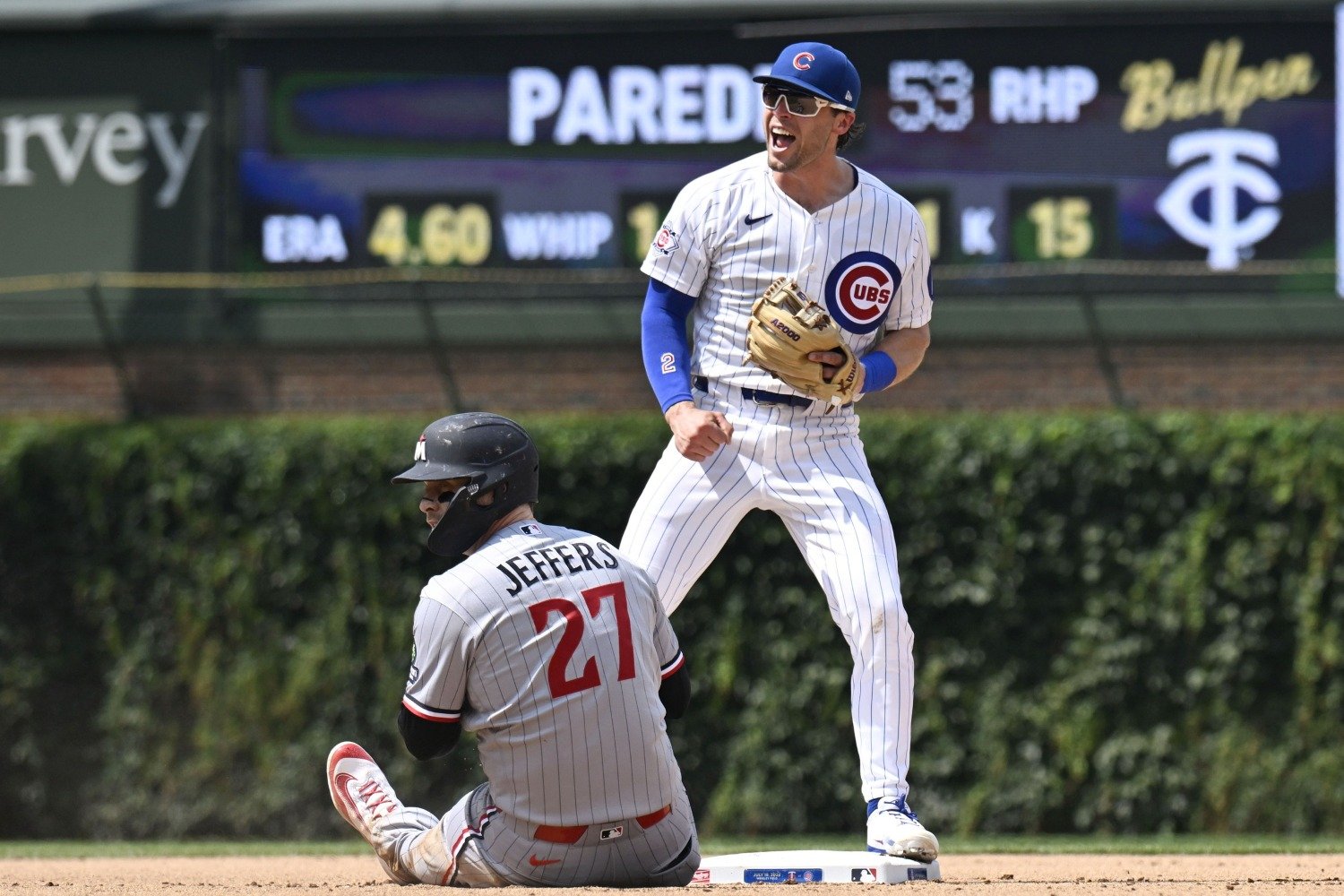 As we all know, Nico Hoerner hasn't been quite as indispensable for the 2026 Cubs as it looked like he might be. On the year, he’s slashing just .247/.314/.340. He doesn’t hit the ball particularly hard; he doesn’t produce many extra-base hits; and his two-month slump took him from a budding leadoff dynamo to someone being kept in the lineup by his glove and his contract. Fortunately, he's emerging from that quagmire, but he's no longer as essential to the team's offense, given the next-level season Pete Crow-Armstrong is having. Yet, while Hoerner may not be the type of player who dominates a box score, there are several things he does at an extremely high level—and when you look at the way postseason baseball is played, he could quietly be one of the biggest reasons why the Cubs do—or don’t—make a serious run this October. There’s reason to believe he’s been better than his stats indicate. Hoerner’s expected batting average sits at .289, more than 40 points higher than his actual mark. His squared-up rate ranks in the 98th percentile among major-league hitters, showing that even though he doesn’t consistently produce elite exit velocities, he’s still finding ways to make quality contact. His bat-to-ball skills remain among the best in baseball; his whiff rate and strikeout rate both rank in the 98th percentile or better. He's walking more than he’s striking out this season. That’s the type of skill set that can become incredibly important in October. Postseason games are often decided by small margins. One extended at-bat, one baserunner created out of nowhere or one mistake avoided can completely change the outcome of a game. Hoerner has built his career around those types of plays. And while his offensive numbers haven’t been what many expected, his ability to consistently put the ball in play gives the Cubs another tough at-bat in their lineup. If he's now getting back to being that .290 hitter with patience and a modicum of gap power, he rapidly becomes a major threat again. Throughout his career, Hoerner has been one of the more dangerous baserunners in baseball. While his sprint speed may not quite be what it once was, he still ranks among the better athletes at his position. He’s stolen at least 29 bases in each of the last three seasons, showcasing his ability to change games without needing to drive the ball over the fence. That type of pressure can completely alter the way pitchers attack hitters. A single can turn into a runner in scoring position. A routine ground ball can become a potential scoring opportunity. Defenses have to play differently when they know a player has the ability to take an extra base. Those are the things that don’t always show up in traditional statistics, but they matter. The same can be said for Hoerner’s defense. This season, he ranks in the 99th percentile in Outs Above Average, continuing to show why the Cubs value him so highly on that side of the ball. Organizations around baseball have placed a greater emphasis on defense in recent years, and that’s a big part of why the Cubs committed to Hoerner for the next six years. As the saying goes, defense wins championships. While that may sound cliché, there’s a reason it continues to be repeated. In the postseason, one defensive mistake can be the difference between moving on and going home. Having a player like Hoerner, who can consistently turn difficult plays into outs, gives the Cubs a level of stability that becomes even more important in high-pressure moments. His own defensive miscue cost the team the game Monday night, but that only underscores the importance of his skill set, and on balance, he's less likely to have such a costly hiccup than almost anyone else in the league. Perhaps the most encouraging sign for the Cubs is that Hoerner has already shown he can elevate his game when the lights get brighter. During last year’s postseason run, he was one of Chicago’s biggest contributors. Across the Cubs’ eight playoff games, Hoerner went 13-for-31, collecting as many extra-base hits as strikeouts. He didn’t try to become a different player. You need that from your veterans. Hoerner may not always receive the same attention as some of the Cubs’ biggest names, but if Chicago is going to make a deep postseason run, he’s going to have a major role in it. He’s the kind of player who can quietly change a game, and that makes him one of the Cubs’ biggest X-factors heading down the stretch.
 -
Image courtesy of © Matt Marton-Imagn Images Michael Busch has quietly become a clearly first-division—and maybe a fringe All-Star—first baseman. Since the Cubs acquired him from the Dodgers ahead of the 2024 season, he's become a fixture, culminating in a breakout 2025 campaign that looked like the arrival of a true middle-of-the-order star. But after taking that massive leap forward, his production has come back down a bit in 2026. The big question now is whether Busch can rediscover the version of himself that broke out in 2025, or if that season will ultimately go down as the offensive outlier of his career. That question, of course, centers on his power. Busch's 34 home runs ranked sixth among all National League hitters last year, and his .866 OPS led all Cubs. Everything seemed to click. He's never had the bat speed you'd expect from an elite slugger, but by hitting the ball in the air a lot (and particularly pulling it in the air a lot), he still produced like one. This year, he's neither pulling nor lifting as often, with predictable results. After homering for the second time since the All-Star break Monday night, he's currently slashing .245/.370/.409. That’s still a perfectly respectable line, especially considering the value that comes with getting on base as often as Busch does. But when they're compared to what he accomplished a season ago, it's hard not to view this year as a step backward. The biggest difference—the source being a further downtick in bat speed, and related to the inability to get around and beneath the ball—is the quality of his contact. He's not hitting the baseball nearly as hard. Last season, Busch posted a 92.2 MPH average exit velocity. This year, that number has fallen to 88.3 MPH. His hard-hit rate has fallen substantially. He's generating far less consistently loud contact than he did during his breakout season, and it's reflected in the power numbers. Right now (probably not because of a conscious adjustment, but because he hasn't had the same easy bat speed or feel for the barrel), he's more of an all-fields line-drive hitter. Even though his power production has dipped, the foundation that made Busch successful in the first place remains very much intact. He's still one of the more selective hitters in baseball, and if anything, those skills have actually improved. His walk rate has climbed to 14.7% after sitting at 9.5% last season, and despite his batting average being 16 points lower than it was in 2025, his on-base percentage is actually 27 points higher. His contact rates have improved as well. Pitchers aren't going to make this easy on him. Less than half of the pitches Busch is seeing this season are actually landing inside the strike zone, meaning fewer opportunities to generate premium contact. After watching him launch 34 home runs last season, the league isn't nearly as willing to give him pitches he can drive. That's life for good hitters. One reading of this season in sequence would be that Busch has undergone a prolonged adjustment to being pitched very differently. He had to learn not to get himself out when the hittable fastball never comes, and while he was doing so, he gave up a bit of his aggressiveness and lost the pull-side launch that makes him so dangerous at his best. Lately, there are signs that he's rediscovered the timing and the connection of bat to ball to drive it in the air to right field, and if he does that as often as he did last year, he might get right back to hitting for huge power. We need a little more extended success before we can be confident that that's where things are trending, though. View full article
-
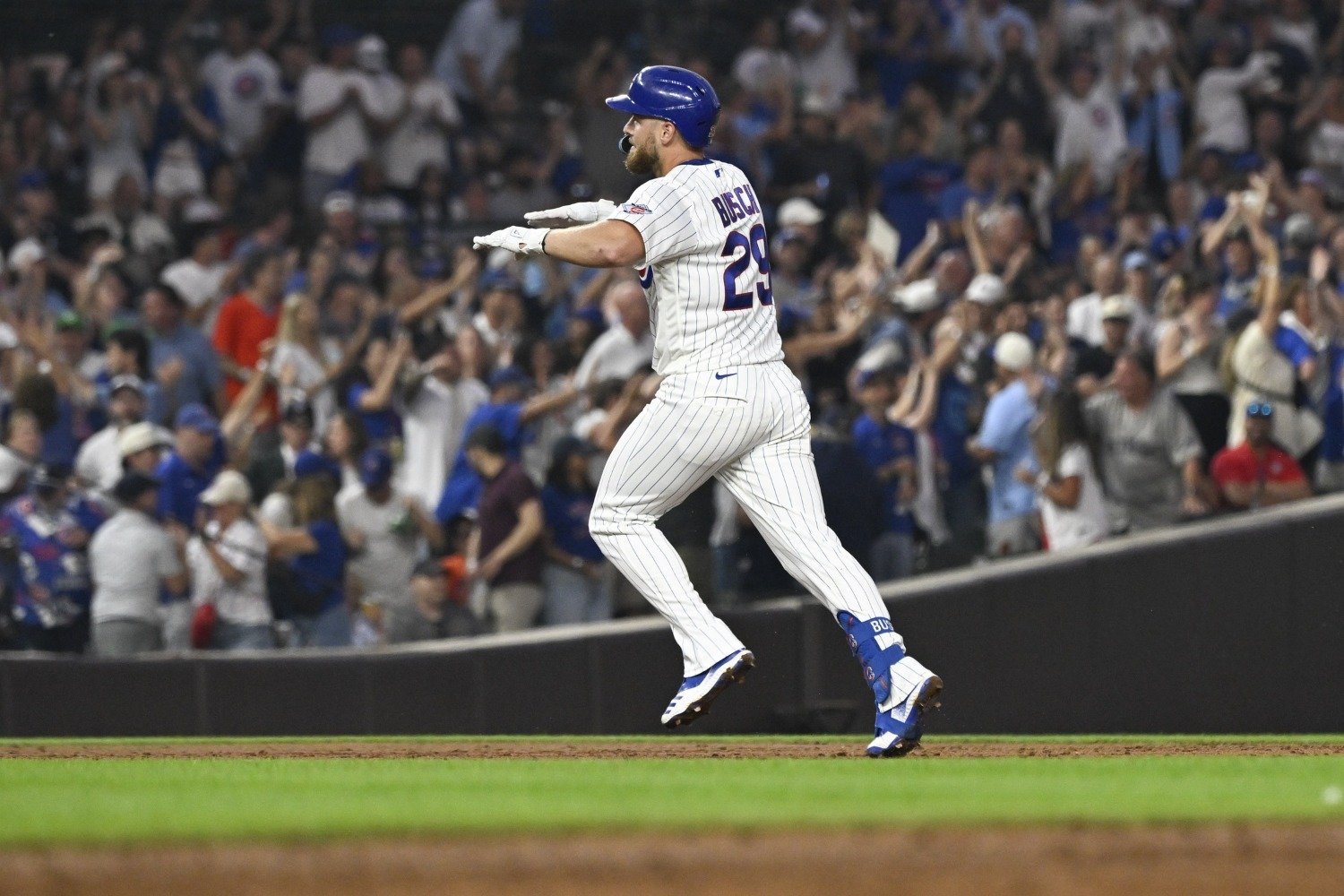 Michael Busch has quietly become a clearly first-division—and maybe a fringe All-Star—first baseman. Since the Cubs acquired him from the Dodgers ahead of the 2024 season, he's become a fixture, culminating in a breakout 2025 campaign that looked like the arrival of a true middle-of-the-order star. But after taking that massive leap forward, his production has come back down a bit in 2026. The big question now is whether Busch can rediscover the version of himself that broke out in 2025, or if that season will ultimately go down as the offensive outlier of his career. That question, of course, centers on his power. Busch's 34 home runs ranked sixth among all National League hitters last year, and his .866 OPS led all Cubs. Everything seemed to click. He's never had the bat speed you'd expect from an elite slugger, but by hitting the ball in the air a lot (and particularly pulling it in the air a lot), he still produced like one. This year, he's neither pulling nor lifting as often, with predictable results. After homering for the second time since the All-Star break Monday night, he's currently slashing .245/.370/.409. That’s still a perfectly respectable line, especially considering the value that comes with getting on base as often as Busch does. But when they're compared to what he accomplished a season ago, it's hard not to view this year as a step backward. The biggest difference—the source being a further downtick in bat speed, and related to the inability to get around and beneath the ball—is the quality of his contact. He's not hitting the baseball nearly as hard. Last season, Busch posted a 92.2 MPH average exit velocity. This year, that number has fallen to 88.3 MPH. His hard-hit rate has fallen substantially. He's generating far less consistently loud contact than he did during his breakout season, and it's reflected in the power numbers. Right now (probably not because of a conscious adjustment, but because he hasn't had the same easy bat speed or feel for the barrel), he's more of an all-fields line-drive hitter. Even though his power production has dipped, the foundation that made Busch successful in the first place remains very much intact. He's still one of the more selective hitters in baseball, and if anything, those skills have actually improved. His walk rate has climbed to 14.7% after sitting at 9.5% last season, and despite his batting average being 16 points lower than it was in 2025, his on-base percentage is actually 27 points higher. His contact rates have improved as well. Pitchers aren't going to make this easy on him. Less than half of the pitches Busch is seeing this season are actually landing inside the strike zone, meaning fewer opportunities to generate premium contact. After watching him launch 34 home runs last season, the league isn't nearly as willing to give him pitches he can drive. That's life for good hitters. One reading of this season in sequence would be that Busch has undergone a prolonged adjustment to being pitched very differently. He had to learn not to get himself out when the hittable fastball never comes, and while he was doing so, he gave up a bit of his aggressiveness and lost the pull-side launch that makes him so dangerous at his best. Lately, there are signs that he's rediscovered the timing and the connection of bat to ball to drive it in the air to right field, and if he does that as often as he did last year, he might get right back to hitting for huge power. We need a little more extended success before we can be confident that that's where things are trending, though.
 -
Image courtesy of © Patrick Gorski-Imagn Images It’s hard to not be pleased with Pedro Ramírez’s first cup of coffee in the majors. The 22-year-old has made a very strong impression since he made his debut with the Cubs back in late May, quickly showing why the organization has been so high on his bat throughout his development. Through his first 71 plate appearances in the majors, Ramírez is slashing .281/.329/.438, good for a 110 wRC+. Those numbers are impressive enough on their own, especially for a player adjusting to the highest level of competition for the first time. But what makes Ramírez’s early success even more encouraging is that his production has been backed up by strong underlying numbers. No, he hasn’t continued hitting an extra-base hit every other game (like he did at Triple-A); nor should anyone have expected him to. That type of production is nearly impossible to sustain against major-league pitching, and Ramírez doesn't have that kind of power. But the quality of his at-bats and the quality of his contact have carried over, which is a much better indicator of whether his success is legitimate. Ramírez’s average exit velocity of 89.2 MPH and hard-hit rate of 42.9% are both right around league average, which is impressive considering his 5-foot-9 frame. (It's worth noting that, though officially listed at 165 pounds, he's clearly more like 180.) He isn’t a player who is going to attack pitches with raw strength and vaporize the ball, but he's shown he can consistently square up baseballs. His bat speed is a big reason why. Ramírez’s average bat speed of 72.6 MPH is above the league average, which gives him the ability to catch up to high-velocity fastballs while maintaining the plate discipline and contact skills that have always been a major part of his profile. After all, that's what Ramírez is truly known for. Throughout his professional career, Ramírez has always been an elite contact hitter with an impressive ability to avoid strikeouts. That skill has translated immediately to the majors, where his strikeout rate sits at just 14.9%, one of the better marks in baseball. His ability to make contact inside the strike zone has been even more impressive, as his zone contact rate sits at 93.3%. Ramírez gets the bat on the ball, and when he does, good things tend to happen. Given his batted-ball profile, there’s reason to believe this early success is sustainable. Ramírez has never been a player who relies on hitting towering fly balls or selling out for power. Instead, he consistently puts quality swings on pitches and uses the entire field. Through his first few months with the Cubs, 65% of the balls he has put in play have been either ground balls or line drives. That number was even higher at Triple-A, where 69% of his batted balls fell into those two categories. He doesn’t try to do too much at the plate. He doesn’t chase home runs or try to pull every pitch. He simply takes what pitchers give him and finds ways to get on base. In that regard, he is very similar to his Cubs teammate Nico Hoerner. Neither player is known for overwhelming power, but both are smart hitters who consistently put the ball in play, control the strike zone, and find holes in the defense. In today’s game, where power has become such a major focus, that type of offensive profile can sometimes be overlooked. But players who consistently create quality at-bats still have plenty of value. Ramírez, like Hoerner, also brings an element of speed that adds another layer to his offensive game. He can pressure defenses on the basepaths, take extra bases, and turn singles into scoring opportunities. That athleticism only adds to his overall offensive profile. At just 22 years old, Ramírez already looks like a hitter who is well beyond his years. The bat should keep him in the Cubs’ lineup (at least part of the time; his right-handed swing is far behind his left-handed one) for a long time. The biggest question surrounding his long-term future is where he fits defensively. Ramírez has moved around the diamond throughout his professional career, but he has spent the most time at second base and third base. However, he hasn’t exactly established himself as a standout defender at either position. More importantly, both spots appear to be occupied for the foreseeable future. Hoerner has second base locked down, while Alex Bregman gives the Cubs a long-term option at third base. Ramírez has also seen time at shortstop and left field, but Dansby Swanson is locked in for the long haul at short, which Ramírez is not quite good enough to play at the highest level, anyway; and left field would place a heavy demand on that bat. Because of that, it’s possible Ramírez eventually settles into more of a platoon DH role, while still moving around the field when needed. He started at DH on both Saturday and Sunday. The Cubs don’t need Ramírez to be a Gold Glove-caliber defender if he continues to provide the type of offensive value he has shown early in his career. His versatility gives Craig Counsell more flexibility, and his bat gives the lineup another consistent presence. Regardless of where he ultimately ends up defensively, Ramírez has flashed a lot of upside over the last two months. He’s a hitter with a well-rounded offensive skill set, impressive bat-to-ball ability, and the approach needed to succeed at the highest level. While his defensive future is a little less clear, his offensive profile is exactly the type of player teams look for. There's a lot to like here, and whether he does it via direct contributions or as a valuable trade chip, he looks poised to help the team both this season and beyond. View full article
-
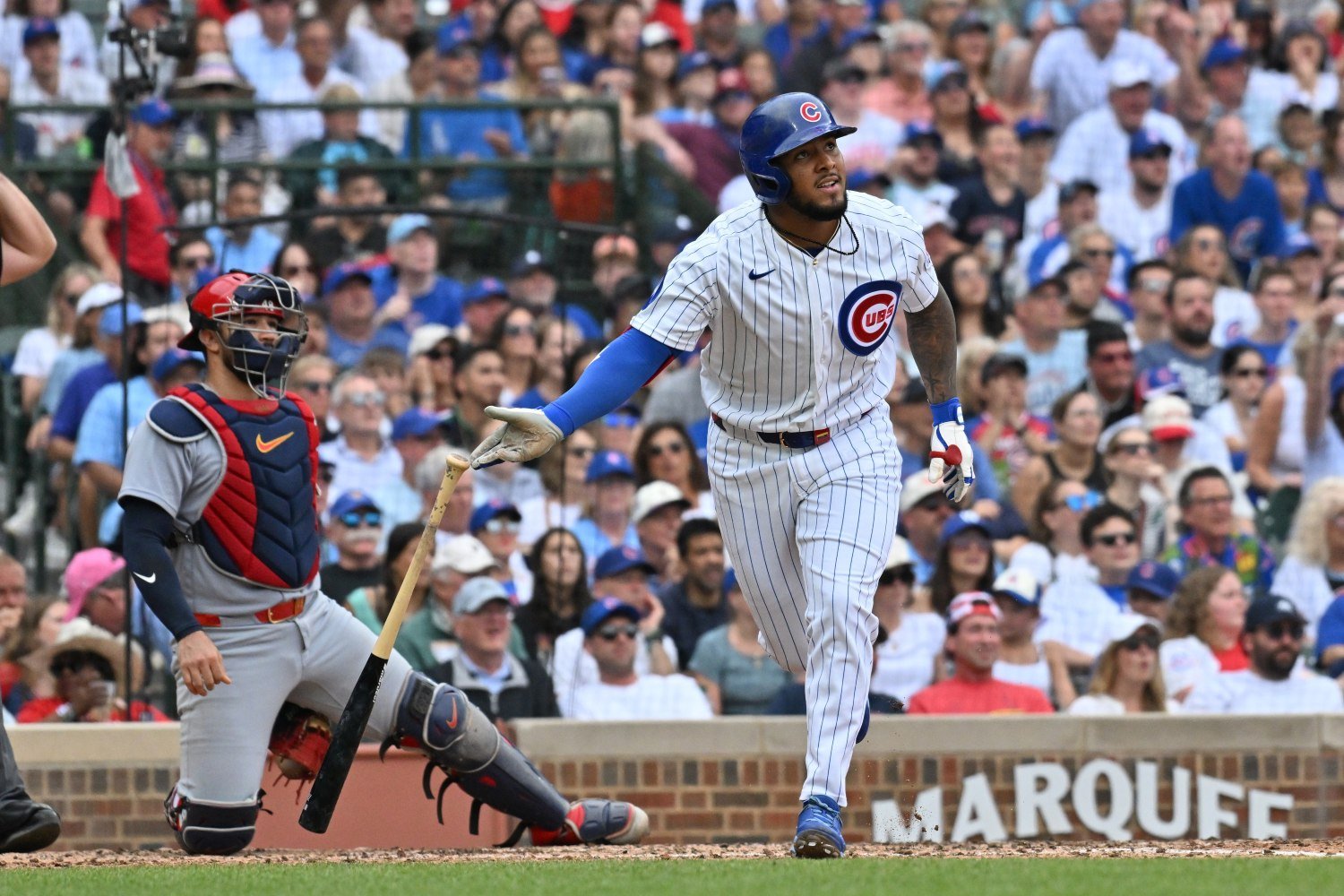 It’s hard to not be pleased with Pedro Ramírez’s first cup of coffee in the majors. The 22-year-old has made a very strong impression since he made his debut with the Cubs back in late May, quickly showing why the organization has been so high on his bat throughout his development. Through his first 71 plate appearances in the majors, Ramírez is slashing .281/.329/.438, good for a 110 wRC+. Those numbers are impressive enough on their own, especially for a player adjusting to the highest level of competition for the first time. But what makes Ramírez’s early success even more encouraging is that his production has been backed up by strong underlying numbers. No, he hasn’t continued hitting an extra-base hit every other game (like he did at Triple-A); nor should anyone have expected him to. That type of production is nearly impossible to sustain against major-league pitching, and Ramírez doesn't have that kind of power. But the quality of his at-bats and the quality of his contact have carried over, which is a much better indicator of whether his success is legitimate. Ramírez’s average exit velocity of 89.2 MPH and hard-hit rate of 42.9% are both right around league average, which is impressive considering his 5-foot-9 frame. (It's worth noting that, though officially listed at 165 pounds, he's clearly more like 180.) He isn’t a player who is going to attack pitches with raw strength and vaporize the ball, but he's shown he can consistently square up baseballs. His bat speed is a big reason why. Ramírez’s average bat speed of 72.6 MPH is above the league average, which gives him the ability to catch up to high-velocity fastballs while maintaining the plate discipline and contact skills that have always been a major part of his profile. After all, that's what Ramírez is truly known for. Throughout his professional career, Ramírez has always been an elite contact hitter with an impressive ability to avoid strikeouts. That skill has translated immediately to the majors, where his strikeout rate sits at just 14.9%, one of the better marks in baseball. His ability to make contact inside the strike zone has been even more impressive, as his zone contact rate sits at 93.3%. Ramírez gets the bat on the ball, and when he does, good things tend to happen. Given his batted-ball profile, there’s reason to believe this early success is sustainable. Ramírez has never been a player who relies on hitting towering fly balls or selling out for power. Instead, he consistently puts quality swings on pitches and uses the entire field. Through his first few months with the Cubs, 65% of the balls he has put in play have been either ground balls or line drives. That number was even higher at Triple-A, where 69% of his batted balls fell into those two categories. He doesn’t try to do too much at the plate. He doesn’t chase home runs or try to pull every pitch. He simply takes what pitchers give him and finds ways to get on base. In that regard, he is very similar to his Cubs teammate Nico Hoerner. Neither player is known for overwhelming power, but both are smart hitters who consistently put the ball in play, control the strike zone, and find holes in the defense. In today’s game, where power has become such a major focus, that type of offensive profile can sometimes be overlooked. But players who consistently create quality at-bats still have plenty of value. Ramírez, like Hoerner, also brings an element of speed that adds another layer to his offensive game. He can pressure defenses on the basepaths, take extra bases, and turn singles into scoring opportunities. That athleticism only adds to his overall offensive profile. At just 22 years old, Ramírez already looks like a hitter who is well beyond his years. The bat should keep him in the Cubs’ lineup (at least part of the time; his right-handed swing is far behind his left-handed one) for a long time. The biggest question surrounding his long-term future is where he fits defensively. Ramírez has moved around the diamond throughout his professional career, but he has spent the most time at second base and third base. However, he hasn’t exactly established himself as a standout defender at either position. More importantly, both spots appear to be occupied for the foreseeable future. Hoerner has second base locked down, while Alex Bregman gives the Cubs a long-term option at third base. Ramírez has also seen time at shortstop and left field, but Dansby Swanson is locked in for the long haul at short, which Ramírez is not quite good enough to play at the highest level, anyway; and left field would place a heavy demand on that bat. Because of that, it’s possible Ramírez eventually settles into more of a platoon DH role, while still moving around the field when needed. He started at DH on both Saturday and Sunday. The Cubs don’t need Ramírez to be a Gold Glove-caliber defender if he continues to provide the type of offensive value he has shown early in his career. His versatility gives Craig Counsell more flexibility, and his bat gives the lineup another consistent presence. Regardless of where he ultimately ends up defensively, Ramírez has flashed a lot of upside over the last two months. He’s a hitter with a well-rounded offensive skill set, impressive bat-to-ball ability, and the approach needed to succeed at the highest level. While his defensive future is a little less clear, his offensive profile is exactly the type of player teams look for. There's a lot to like here, and whether he does it via direct contributions or as a valuable trade chip, he looks poised to help the team both this season and beyond.
 -
The Cubs may not want to move Matt Shaw, but their crowded outfield and pitching struggles create an interesting trade possibility involving the young slugger. View full video
-
The Cubs may not want to move Matt Shaw, but their crowded outfield and pitching struggles create an interesting trade possibility involving the young slugger.
-
Image courtesy of © Albert Cesare/The Enquirer / USA TODAY NETWORK via Imagn Images The Chicago Cubs sit 12 games above .500 coming out of the All-Star Break, and all things considered, that's pretty impressive. The pitching staff has been absolutely decimated by injuries—you could almost put together an entire pitching staff just from the names currently on the injured list. Despite that, Chicago has managed to stay firmly entrenched in the playoff picture. A lot of that has been thanks to an offense that's been one of the best in baseball, along with several pitchers stepping up when the team has needed them most. And yet, there are still a few key players who haven't quite looked like themselves this season. If the Cubs are going to make a legitimate run in October, they're going to need those players to turn things around over the second half. So with that, here are three Cubs that I believe are in line for big second halves. Nico Hoerner The first name on the list is Nico Hoerner. Hoerner got off to an extremely strong start to the season. Over the first month, he was hitting .307 with an .855 OPS and a 137 wRC+, looking every bit like one of the most complete middle infielders in baseball. Unfortunately for the Cubs, that success didn't last. Fast-forward to the All-Star break, and Hoerner is hitting just .233 with a .631 OPS and a 79 wRC+, making him comfortably below league average offensively. Even with those struggles, though, there are plenty of reasons to believe a turnaround is coming. For starters, the underlying metrics paint a much more optimistic picture than the traditional numbers do. Hoerner owns a .284 expected batting average, which is dramatically higher than his actual mark, and his expected slugging percentage also sits comfortably above his current production. That suggests he's been one of the more unlucky hitters in baseball this season, and beyond the expected numbers, he's still Nico Hoerner. His bat-to-ball skills remain among the very best in the sport. He ranks in the 98th percentile in whiff rate and the 100th percentile in strikeout rate, meaning almost nobody puts the bat on the ball more consistently than he does. Pair that with his exceptional defense at second base, and it's easy to see why the Cubs handed him a lucrative extension earlier this year. The underlying data would indicate that Hoerner has simply gotten extremely unlucky at the plate, and eventually, that kind of bad fortune tends to even itself out. I fully expect a big second half from the Cubs' second baseman. Matthew Boyd The next player who needs to step up is Matthew Boyd. And to be fair, Boyd deserves a little bit of leeway. Despite carrying a 4.50 ERA into the second half, his season took a bizarre turn back in early May when he tore his meniscus after sitting down to play with his kids. He was just trying to be a good dad—such a cruel world. Even outside of the injury, though, 2026 has been a frustrating season for Boyd. The encouraging part is that his actual stuff still looks really good. His whiff rate and chase rate both rank in at least the 78th percentile among major-league pitchers, showing that hitters are still having plenty of trouble squaring him up when they swing. He's also continued doing what he's always done well, which is throwing strikes and attacking the zone. The biggest issue has simply been the quality of contact when hitters do connect. His hard-hit rate ranks all the way down in the fourth percentile, while his barrel rate and average exit velocity aren't much better. That's obviously not ideal. At the same time, Boyd's 3.58 FIP suggests he's been considerably better than his ERA would indicate and that he has suffered from some poor luck on balls in play. He's also looked much sharper since returning from the injured list. Across four starts after coming back, Boyd has allowed just seven earned runs over 22 innings, giving the Cubs exactly the kind of stability they've desperately needed in an injury-riddled rotation. Health permitting, Matthew Boyd feels like someone who's in line for a nice second half. And with how banged up the Cubs' starting rotation has been all year, they'll absolutely need it. Alex Bregman The third and final player I'll mention is, of course, Alex Bregman. After signing a massive five-year, $175 million contract this offseason, it hasn't exactly been the start in Chicago that Bregman envisioned. He's hitting just .241 with a sub-.700 OPS, and unlike Hoerner, the underlying metrics don't really suggest he's been the victim of bad luck. Both his expected batting average and expected slugging percentage are actually three points lower than his current numbers, while several of his quality-of-contact metrics rank among the worst of his career. So, this prediction is definitely more speculation than it is data-driven. But sometimes history matters. Throughout his career, Bregman has consistently been a much better hitter during the second half of the season. His career second-half slash line sits at .284/.372/.508, which is comfortably better than his .260/.356/.446 line before the All-Star Break. For whatever reason, Bregman always seems to hit the ball harder, reach base more often, and perform at a higher level once the calendar creeps closer to October. Maybe 2026 ends up being the exception. Maybe this is simply the beginning of a long-term decline. But I'm not quite ready to believe that yet. Instead, I'm betting on another classic Bregman second-half surge over the final two-and-a-half months of the regular season. If that happens, it'll give the Cubs another dangerous bat in an already-loaded lineup and make them an even tougher team to deal with once October arrives. View full article
-
 The Chicago Cubs sit 12 games above .500 coming out of the All-Star Break, and all things considered, that's pretty impressive. The pitching staff has been absolutely decimated by injuries—you could almost put together an entire pitching staff just from the names currently on the injured list. Despite that, Chicago has managed to stay firmly entrenched in the playoff picture. A lot of that has been thanks to an offense that's been one of the best in baseball, along with several pitchers stepping up when the team has needed them most. And yet, there are still a few key players who haven't quite looked like themselves this season. If the Cubs are going to make a legitimate run in October, they're going to need those players to turn things around over the second half. So with that, here are three Cubs that I believe are in line for big second halves. Nico Hoerner The first name on the list is Nico Hoerner. Hoerner got off to an extremely strong start to the season. Over the first month, he was hitting .307 with an .855 OPS and a 137 wRC+, looking every bit like one of the most complete middle infielders in baseball. Unfortunately for the Cubs, that success didn't last. Fast-forward to the All-Star break, and Hoerner is hitting just .233 with a .631 OPS and a 79 wRC+, making him comfortably below league average offensively. Even with those struggles, though, there are plenty of reasons to believe a turnaround is coming. For starters, the underlying metrics paint a much more optimistic picture than the traditional numbers do. Hoerner owns a .284 expected batting average, which is dramatically higher than his actual mark, and his expected slugging percentage also sits comfortably above his current production. That suggests he's been one of the more unlucky hitters in baseball this season, and beyond the expected numbers, he's still Nico Hoerner. His bat-to-ball skills remain among the very best in the sport. He ranks in the 98th percentile in whiff rate and the 100th percentile in strikeout rate, meaning almost nobody puts the bat on the ball more consistently than he does. Pair that with his exceptional defense at second base, and it's easy to see why the Cubs handed him a lucrative extension earlier this year. The underlying data would indicate that Hoerner has simply gotten extremely unlucky at the plate, and eventually, that kind of bad fortune tends to even itself out. I fully expect a big second half from the Cubs' second baseman. Matthew Boyd The next player who needs to step up is Matthew Boyd. And to be fair, Boyd deserves a little bit of leeway. Despite carrying a 4.50 ERA into the second half, his season took a bizarre turn back in early May when he tore his meniscus after sitting down to play with his kids. He was just trying to be a good dad—such a cruel world. Even outside of the injury, though, 2026 has been a frustrating season for Boyd. The encouraging part is that his actual stuff still looks really good. His whiff rate and chase rate both rank in at least the 78th percentile among major-league pitchers, showing that hitters are still having plenty of trouble squaring him up when they swing. He's also continued doing what he's always done well, which is throwing strikes and attacking the zone. The biggest issue has simply been the quality of contact when hitters do connect. His hard-hit rate ranks all the way down in the fourth percentile, while his barrel rate and average exit velocity aren't much better. That's obviously not ideal. At the same time, Boyd's 3.58 FIP suggests he's been considerably better than his ERA would indicate and that he has suffered from some poor luck on balls in play. He's also looked much sharper since returning from the injured list. Across four starts after coming back, Boyd has allowed just seven earned runs over 22 innings, giving the Cubs exactly the kind of stability they've desperately needed in an injury-riddled rotation. Health permitting, Matthew Boyd feels like someone who's in line for a nice second half. And with how banged up the Cubs' starting rotation has been all year, they'll absolutely need it. Alex Bregman The third and final player I'll mention is, of course, Alex Bregman. After signing a massive five-year, $175 million contract this offseason, it hasn't exactly been the start in Chicago that Bregman envisioned. He's hitting just .241 with a sub-.700 OPS, and unlike Hoerner, the underlying metrics don't really suggest he's been the victim of bad luck. Both his expected batting average and expected slugging percentage are actually three points lower than his current numbers, while several of his quality-of-contact metrics rank among the worst of his career. So, this prediction is definitely more speculation than it is data-driven. But sometimes history matters. Throughout his career, Bregman has consistently been a much better hitter during the second half of the season. His career second-half slash line sits at .284/.372/.508, which is comfortably better than his .260/.356/.446 line before the All-Star Break. For whatever reason, Bregman always seems to hit the ball harder, reach base more often, and perform at a higher level once the calendar creeps closer to October. Maybe 2026 ends up being the exception. Maybe this is simply the beginning of a long-term decline. But I'm not quite ready to believe that yet. Instead, I'm betting on another classic Bregman second-half surge over the final two-and-a-half months of the regular season. If that happens, it'll give the Cubs another dangerous bat in an already-loaded lineup and make them an even tougher team to deal with once October arrives.
 -
With the Cubs' bullpen battered by injuries, adding relief help should be a top priority. Alex Lange, Victor Vodnik, and Keaton Winn are three intriguing trade targets who could help stabilize the late innings. View full video
-
With the Cubs' bullpen battered by injuries, adding relief help should be a top priority. Alex Lange, Victor Vodnik, and Keaton Winn are three intriguing trade targets who could help stabilize the late innings.
