Paul Niemiec
-
Posts
127 -
Joined
-
Last visited
Content Type
Profiles
Joomla Posts 1
Chicago Cubs Videos
Chicago Cubs Free Agent & Trade Rumors, Notes, & Tidbits
2026 Chicago Cubs Top Prospects Ranking
News
2023 Chicago Cubs Draft Picks
Guides & Resources
2024 Chicago Cubs Draft Picks
The Chicago Cubs Players Project
2025 Chicago Cubs Draft Pick Tracker
2026 Chicago Cubs Draft Tracker: Picks & Bonuses
Blogs
Events
Forums
Store
Gallery
Everything posted by Paul Niemiec
-
Image courtesy of © Rick Scuteri-Imagn Images Spring training 2026 is officially underway. Even fanbases of teams that lost 100+ games last season have a reason for their blind optimism: it's a new calendar year, and every team has the same record. One thing to remember is that spring training means virtually nothing, and success does not translate over to the regular season. The stars and consistent role players use this time to get loose and hang out with the boys, while playing sparingly to avoid a potential injury. The most exciting part of spring training, besides baseball being back in general, is getting to watch top prospects and fringe roster players compete for a spot on the team. Whether it be for a starting job or a spot on the end of the bench, these players without a clear path to playing time are going to take this next month very seriously. At North Side Baseball, we will hold a bi-weekly check-in to see who is hot, who is not, and who might be close to earning a spot on the roster. While the Cubs’ starting lineup is set, there’s a bench spot or two up for grabs. Jed’s bargain bin bullpen approach has not changed for 2026, so it's going to be fun to see who makes the cut for Opening Day. As of February 24th, the Cubs are 1-3, losing to the White Sox, Rangers, and Giants while beating the Royals. Let's take a look at some highlights (and lowlights) over the first 4 games. It's worth mentioning that early in Spring Training, a ton of playing time goes to NRIs, so we haven’t seen much action from the studs yet. Who's Hot? 🔥 OF Brett Bateman The 23-year-old is a short, scrappy, left-handed outfielder who ranked as the team’s #19 prospect prior to 2025, per MLB.com. While Bateman will never amount to much of a slugger, he is looking to carve out a role where he can use his speed and ability to put the ball in play in order to put opposing defenses in awkward situations. He has played in all four games so far, and has three singles in seven at-bats, while drawing three walks as well. There is a wide open competition for not one, but potentially two bench outfield spots, and Bateman is proving himself worthy for consideration, even if he is not on the 40-man roster. INF Pedro Ramirez Prospects are being called up earlier and earlier, a league-wide phenomenon. MLB.com projects the 21-year-old Ramirez to make his debut at some point in 2026. Matt Shaw is currently the only non-first baseman infielder with any MLB experience slated for a bench role this season, which is good news if you’re Ramirez, who is on the 40-man roster. Like Bateman, he has three hits (one double) in seven at-bats and has played in every game thus far. He’s played mostly third base thus far, but has experience at second base as well. Ramirez is a switch-hitter, which no other infielder competing for a job can say. INF Jefferson Rojas Rojas is only 20 years old and not on the 40-man roster, but he is one of the top organizational prospects, ranking behind only Jaxon Wiggins and Moises Ballesteros. MLB.com doesn’t project a debut from Rojas until the 2027 season, and he has not played above AA, so he’s here in camp to serve as depth. It's hard to ignore the early results, though. He has three hits in eight at-bats, including a home run that came yesterday versus the Royals. He’s played exclusively shortstop so far this Spring, but can flip over to second in a pinch. RHP Ben Brown Even though he is under team control for a few more seasons, 2026 seems like a real prove-it year for Brown. The stuff is there, but his inability to consistently harness it casts a cloud of ambiguity on his future with the team. Brown started yesterday against Kansas City and pitched two innings, allowing two hits, striking out three, and allowing no runs. He gave up two hits in the first to Maikel Garcia and Vinnie Pasquantino, two of Kansas City’s best hitters, but ended the inning by striking out Salvador Perez. He had a 1-2-3 second inning, striking out two more Royals. Although Brown got the “start”, he may be more valuable to the Cubs if he can excel in the bullpen this season. RHP Grant Kipp One of the older prospects in the organization, the 26-year-old is with the team as an NRI. He had a multi-inning outing in the spring training opener against the White Sox, and was one of the few bright spots for the Cubs on the mound in a game they lost 8-1. Kipp entered the game in top of the fourth, and immediately got the Cubs out of a jam, getting infielder Sam Antonacci to ground into a double play. He stayed in the game for the top of the fifth and gave up a single to Korey Lee to start the inning, but then retired the next three hitters in a row. With a good spring, Kipp may find himself added to the 40-man roster, even if it's unlikely he breaks camp with the club. Who's Cold? 🧊 OF Justin Dean 2025 World Series Champion Justin Dean was claimed by the Cubs from the Giants earlier in the offseason and is currently one of the reserve outfielders on the 40-man roster. His early spring audition is not going well. He’s played in three games and had nine at-bats; he’s notched one hit but has struck out five times. The 29-year-old has never been a regular contributor in the major leagues. He made his MLB debut last season with the Dodgers and was used almost exclusively as a defensive replacement. He appeared in 18 games, but only got two at-bats, and is still searching for his first MLB hit. With the way spring training has started, he might be one of the first players cut from the 40-man. INF/OF Scott Kingery While the aforementioned Dean has at least one hit this spring, former top prospect Kingery cannot say the same. Throughout his three appearances so far, he is 0-8 with three strikeouts. Last season, he went 4-27 in his first taste of big league action since 2022, so his inability to hit so far should come as no surprise. Even with Kingery’s ability to play all over the field, the Cubs are better off giving more playing time to someone like Ramirez or Rojas. Even James Triantos has contributed with three stolen bases, though he’s gone 2-9 at the plate. LHP Matthew Boyd While the other inclusions on this list have all been fringe guys or prospects, Boyd was arguably the Cubs’ best pitcher in 2025, so his inclusion here is discouraging. It's a good thing that spring training is just a workout for rotation staples like Boyd, but it is worth noting that, including the playoffs, the 35-year-old threw the most innings of his career last season. He got the start on Saturday versus the Rangers and surrendered five hits in 1 2/3rds innings of work. He did strike out four, though, and don’t be surprised if he looks much better his second time out. RHP Porter Hodge As we get further away from Hodge being a dependable reliever in 2024, questions about his future with the team will continue to pop up. After posting a sub 2.00 ERA in two seasons ago, Hodge had an ERA of 6.27 in 33 innings last season, while battling injuries. He took the mound in the opener versus the White Sox and only recorded one out. He gave up one hit but walked four. He looked a lot better in his second appearance versus Kansas City, pitching a scoreless inning while striking out two, but he also issued a walk in that one as well. It would be great to count on Hodge this season, as he was once viewed as a potential closer, but he needs to get the free passes under control. View full article
-
Spring Temperature Check: Who's Hot and Who's Cold in Cubs Camp? (Feb 20-23)
Paul Niemiec posted an article in Cubs
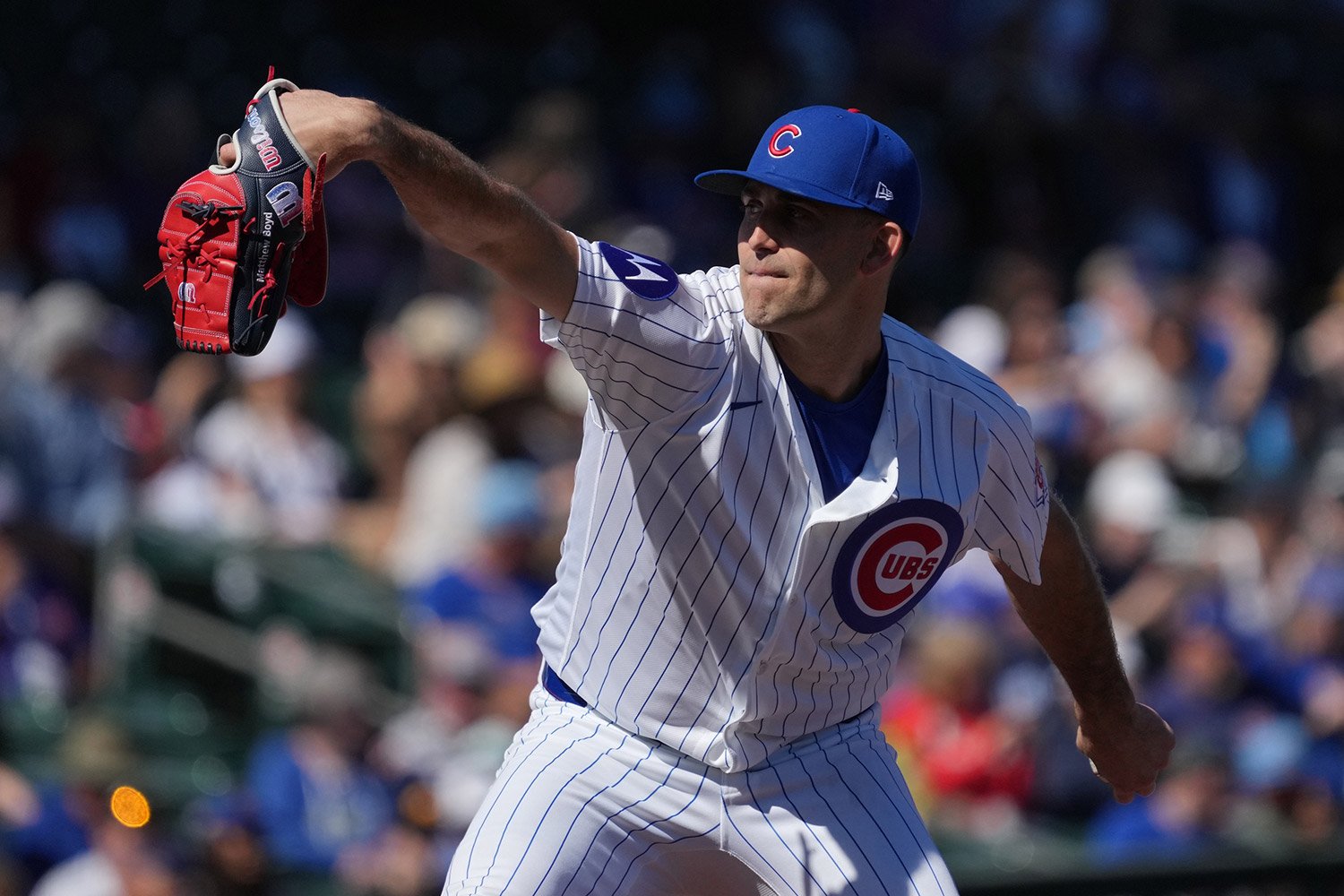 Spring training 2026 is officially underway. Even fanbases of teams that lost 100+ games last season have a reason for their blind optimism: it's a new calendar year, and every team has the same record. One thing to remember is that spring training means virtually nothing, and success does not translate over to the regular season. The stars and consistent role players use this time to get loose and hang out with the boys, while playing sparingly to avoid a potential injury. The most exciting part of spring training, besides baseball being back in general, is getting to watch top prospects and fringe roster players compete for a spot on the team. Whether it be for a starting job or a spot on the end of the bench, these players without a clear path to playing time are going to take this next month very seriously. At North Side Baseball, we will hold a bi-weekly check-in to see who is hot, who is not, and who might be close to earning a spot on the roster. While the Cubs’ starting lineup is set, there’s a bench spot or two up for grabs. Jed’s bargain bin bullpen approach has not changed for 2026, so it's going to be fun to see who makes the cut for Opening Day. As of February 24th, the Cubs are 1-3, losing to the White Sox, Rangers, and Giants while beating the Royals. Let's take a look at some highlights (and lowlights) over the first 4 games. It's worth mentioning that early in Spring Training, a ton of playing time goes to NRIs, so we haven’t seen much action from the studs yet. Who's Hot? 🔥 OF Brett Bateman The 23-year-old is a short, scrappy, left-handed outfielder who ranked as the team’s #19 prospect prior to 2025, per MLB.com. While Bateman will never amount to much of a slugger, he is looking to carve out a role where he can use his speed and ability to put the ball in play in order to put opposing defenses in awkward situations. He has played in all four games so far, and has three singles in seven at-bats, while drawing three walks as well. There is a wide open competition for not one, but potentially two bench outfield spots, and Bateman is proving himself worthy for consideration, even if he is not on the 40-man roster. INF Pedro Ramirez Prospects are being called up earlier and earlier, a league-wide phenomenon. MLB.com projects the 21-year-old Ramirez to make his debut at some point in 2026. Matt Shaw is currently the only non-first baseman infielder with any MLB experience slated for a bench role this season, which is good news if you’re Ramirez, who is on the 40-man roster. Like Bateman, he has three hits (one double) in seven at-bats and has played in every game thus far. He’s played mostly third base thus far, but has experience at second base as well. Ramirez is a switch-hitter, which no other infielder competing for a job can say. INF Jefferson Rojas Rojas is only 20 years old and not on the 40-man roster, but he is one of the top organizational prospects, ranking behind only Jaxon Wiggins and Moises Ballesteros. MLB.com doesn’t project a debut from Rojas until the 2027 season, and he has not played above AA, so he’s here in camp to serve as depth. It's hard to ignore the early results, though. He has three hits in eight at-bats, including a home run that came yesterday versus the Royals. He’s played exclusively shortstop so far this Spring, but can flip over to second in a pinch. RHP Ben Brown Even though he is under team control for a few more seasons, 2026 seems like a real prove-it year for Brown. The stuff is there, but his inability to consistently harness it casts a cloud of ambiguity on his future with the team. Brown started yesterday against Kansas City and pitched two innings, allowing two hits, striking out three, and allowing no runs. He gave up two hits in the first to Maikel Garcia and Vinnie Pasquantino, two of Kansas City’s best hitters, but ended the inning by striking out Salvador Perez. He had a 1-2-3 second inning, striking out two more Royals. Although Brown got the “start”, he may be more valuable to the Cubs if he can excel in the bullpen this season. RHP Grant Kipp One of the older prospects in the organization, the 26-year-old is with the team as an NRI. He had a multi-inning outing in the spring training opener against the White Sox, and was one of the few bright spots for the Cubs on the mound in a game they lost 8-1. Kipp entered the game in top of the fourth, and immediately got the Cubs out of a jam, getting infielder Sam Antonacci to ground into a double play. He stayed in the game for the top of the fifth and gave up a single to Korey Lee to start the inning, but then retired the next three hitters in a row. With a good spring, Kipp may find himself added to the 40-man roster, even if it's unlikely he breaks camp with the club. Who's Cold? 🧊 OF Justin Dean 2025 World Series Champion Justin Dean was claimed by the Cubs from the Giants earlier in the offseason and is currently one of the reserve outfielders on the 40-man roster. His early spring audition is not going well. He’s played in three games and had nine at-bats; he’s notched one hit but has struck out five times. The 29-year-old has never been a regular contributor in the major leagues. He made his MLB debut last season with the Dodgers and was used almost exclusively as a defensive replacement. He appeared in 18 games, but only got two at-bats, and is still searching for his first MLB hit. With the way spring training has started, he might be one of the first players cut from the 40-man. INF/OF Scott Kingery While the aforementioned Dean has at least one hit this spring, former top prospect Kingery cannot say the same. Throughout his three appearances so far, he is 0-8 with three strikeouts. Last season, he went 4-27 in his first taste of big league action since 2022, so his inability to hit so far should come as no surprise. Even with Kingery’s ability to play all over the field, the Cubs are better off giving more playing time to someone like Ramirez or Rojas. Even James Triantos has contributed with three stolen bases, though he’s gone 2-9 at the plate. LHP Matthew Boyd While the other inclusions on this list have all been fringe guys or prospects, Boyd was arguably the Cubs’ best pitcher in 2025, so his inclusion here is discouraging. It's a good thing that spring training is just a workout for rotation staples like Boyd, but it is worth noting that, including the playoffs, the 35-year-old threw the most innings of his career last season. He got the start on Saturday versus the Rangers and surrendered five hits in 1 2/3rds innings of work. He did strike out four, though, and don’t be surprised if he looks much better his second time out. RHP Porter Hodge As we get further away from Hodge being a dependable reliever in 2024, questions about his future with the team will continue to pop up. After posting a sub 2.00 ERA in two seasons ago, Hodge had an ERA of 6.27 in 33 innings last season, while battling injuries. He took the mound in the opener versus the White Sox and only recorded one out. He gave up one hit but walked four. He looked a lot better in his second appearance versus Kansas City, pitching a scoreless inning while striking out two, but he also issued a walk in that one as well. It would be great to count on Hodge this season, as he was once viewed as a potential closer, but he needs to get the free passes under control.
 -
Image courtesy of © Rick Scuteri-Imagn Images Spring Training is upon us and the Chicago Cubs are ready to roll. Gone is Kyle Tucker, but in comes Alex Bregman, Edward Cabrera, and almost an entirely new bullpen. We know who the key offensive contributors will be. We know what this suddenly very deep rotation should look like. But spring training works as a proving ground for those fringe players looking to make the roster. Last season, we saw Brad Keller turn a minor-league deal into a career resurgence in the bullpen. If one of these players makes that kind of impact in 2026, it’s a major win. Let’s see who else is in camp outside of the players you already know. Cubs Non-Roster Invitees: Catchers Christian Bethancourt Bethancourt is back with the Cubs on a minor-league deal. This marks the second time the Cubs have come to such an agreement with the 34-year-old catcher. The last time he played in the majors was during his 24-game stint with the team in 2024, where he hit .281 including a 7-RBI game. In 2025, Bethancourt was with the Blue Jays’ Triple-A affiliate, and hit .173 in 58 games. Ariel Armas The Cubs drafted Armas in the 5th round of the 2024 draft out of the University of San Diego. Since being drafted, Armas has played in 105 games in High-A and has a slash line of .230/.324/.339. He was likely invited to spring training to serve as catching depth, especially in split-squad games. The 23-year-old will likely begin the season in High-A again, hoping to hit his way to Knoxville soon. Casey Optiz Much like Armas, Optiz is going to serve as extra catching depth on the spring roster. Drafted in the 8th round of the 2021 draft, Optiz has been bouncing between High-A and Double-A for the majority of his career. In parts of five minor league seasons, the 27-year-old has a batting average of .201 and has generally been a part-time player to this point. Cubs Non-Roster Invitees: Infielders Scott Kingery Now 31, Kingery is looking to make the majors with the third team of his career. Prior to 2018, he was one of the top prospects in baseball, and was given a six-year extension worth $24 million by the Phillies. He showed some promise in 2019, where he hit .258/.315/.474 in 126 games, but his career has stalled out since then. Between 2020-2022, played in only 52 games due to injuries and ineffectiveness. He remained with the Phillies in 2023 and 2024 but never reached the majors. He caught on with the Angels for 2025 and got his first MLB action in three years. He has shown an ability to play all around the field, as he played second base, shortstop, right field and center field in his brief 19-game audition with the Halos. This versatility benefits the Cubs, as their old utility man Willi Castro is now on the Rockies, but it’s been years since Kingery has done anything at the plate. Kingery represents the only NRI infielder with any major-league experience. B.J. Murray In 2024, Murray got his first opportunity in Triple-A, where he hit .204 with 11 home runs in 88 games. That wasn’t enough to keep him there, as he spent the entirety of 2025 with Double-A Knoxville. He showed some solid pop from the right side, hitting 20 home runs in 125 games, and can fill in at both third base and first base. Murray was ranked as the No. 18 Cubs prospect prior to the 2024 season, but has not appeared on that list since. With a hot spring, Murray might be able to claw his way into the team’s plans as a power bat off the bench, so he will need to capitalize on all his opportunities. Jonathon Long Long was the Cubs’ No. 6 prospect for the 2025 season, and he figures to remain a fixture inside the top 10. He hit .305/.404/.479, smashing 20 home runs and driving in 91 for Iowa last season. The two main concerns with Long come from his defense. He has been used primarily as a first baseman, but he’s also gotten opportunities sparingly at third base and left field, where he underwhelmed defensively. Even if he was fine defensively at first, third, or left field, all those positions are spoken for. He should be able to crack the major-league roster this year, but it remains to be seen how much playing time he will get. If free-agent acquisition Tyler Austin struggles, Long may be able to take his role. Jefferson Rojas The 20-year-old middle infielder was one of the top prospects in the 2022 international class and is currently listed as the number three organizational prospect. He was promoted to Knoxville last season after producing an .871 OPS in 67 games with South Bend. He struggled mightily in 39 games in Double-A, hitting only .164. He is currently behind fellow prospects James Triantos and Pedro Ramirez on the depth chart, but he's a better defender than both of them. Rojas will get a few spring training appearances, but likely won’t be contending for a bench role out of camp. The conversation regarding Rojas will be much more interesting next offseason if the Cubs move on from Nico Hoerner. Cubs Non-Roster Invitees: Outfielders Chas McCormick The 30-year-old was a productive outfielder for the Astros as recently as 2023 where he hit .273 with 22 home runs while playing above-average defense and adding additional value on the base paths with 19 steals. Since then, he has dealt with a variety of injuries and fell way down the depth chart for Houston, causing them to non-tender him. As it stands, he sits behind Kevin Alcantara and Justin Dean on the depth chart, but could make a push with a good spring. Between Alcantara, Dean, and the two other outfield NRIs on this list, McCormick has the longest track record of success in the major leagues. Dylan Carlson Once one of the top prospects in the game, Carlson is now looking to crack the roster of his fourth team since the beginning of 2024. After being jettisoned from the Cardinals’ roster, he has spent time in the AL East with the Rays and Orioles. It has not clicked for Carlson since his encouraging sophomore season in 2021 where he had a .780 OPS and 3.2 WAR. His switch-hitting ability provides some intrigue for the Cubs, who likely won’t have another switch hitter on the roster outside of Ian Happ. 2026 will be Carlson’s age-27 season, so he is young enough to inspire a little bit of hope for a career resurgence, even if it’s certain he won’t live up to the hype he had in St. Louis. Brett Bateman The 23-year-old was the 19th-ranked organizational prospect for the 2025 season and spent the entirety of the campaign with Double-A Knoxville. He hit .261 with two home runs and nine doubles in 94 games. The left-handed hitter is never going to drive the ball with authority, but his plus speed will allow him to turn some weak contact into base hits. He has a good knowledge of the strike zone and won’t be fooled often on pitches outside it. Bateman is a depth addition to the spring roster but could make his way into the 2026 plans if he gets off to a hot start. Cubs Non-Roster Invitees: Pitchers Jeff Brigham Brigham will be 34 before Opening Day and has thrown 120 2/3 MLB innings in his career. His longest stint in the majors was back in 2019 with the Marlins where he threw 38 1/3 with a 4.46 ERA. The right-hander does not have any sustained success at the highest level, but the Cubs have shown that they’re able to squeeze more out of most veteran arms. Grant Kipp One of the older ranked prospects in the organization, the 26-year-old starting pitcher is coming off a fine season in Double-A. He made 26 appearances (23 starts) and pitched to a 4.22 ERA with 9.1 K/9. The Yale product has a 4.64 ERA across parts of four minor-league seasons, but could make his way onto the 40-man roster if he is able to improve his pitch mix and fastball velocity. His lethal curveball is widely considered the best in the Cubs’ system, so he could be used as a reliever if he is unable to work out some of the kinks in his repertoire. Corbin Martin Pitching in parts of four major-league seasons since 2019, Martin is yet to find any sort of success. He has a career 6.54 ERA in 75 2/3 innings pitched. He was originally a starter when he came up with Houston, and made a few more starts with Arizona before Baltimore used him exclusively as a reliever last season. His 6.00 ERA with Baltimore doesn’t inspire much confidence, but he should be willing to stay with the organization if he doesn’t crack the roster. Connor Noland A 9th-round pick in 2022, Noland has been a mixed bag of results so far throughout his first three minor-league seasons. The 20th-ranked organizational prospect turned heads in 2024 with Double-A Knoxville, pitching to a 2.50 ERA in 16 starts, which earned him a promotion to Triple-A Iowa. He struggled to the tune of a 5.29 ERA after that promotion, but pitched to a 4.07 ERA across 132 2/3 innings in Iowa last season. Noland is a finesse arm rather than a power arm, but the Cubs are not shy about leaning on those types of pitchers. If he continues his upward trend in Triple-A, he could make the majors as soon as this summer. Connor Schultz Schultz joined the Cubs organization in 2024 when his contract was purchased from the Missoula Paddleheads of the Pioneer League. After going undrafted out of the University of Iowa, he was named a Pioneer League All-Star in 2023 in a season where he threw 96 2/3 innings with a 3.82 ERA. He has primarily pitched in both Low- and High-A ball with the Cubs, but had a brief three-start run with Knoxville last season where he only gave three runs total. At 27 years old, he’s one of the older players in Double-A, but his inclusion to the spring roster shows the Cubs have some faith in him. Collin Snider Snider is the most exciting name on this list outside of top pitching prospect Jaxon Wiggins. The right-handed reliever was taken by the Royals in the 12th round out of Vanderbilt University way back in 2017. He didn’t make his debut until 2022, where he was knocked around in 42 games. He managed to get in 20 more games the next season, but ended his Royals tenure with a 5.93 ERA in 54 2/3 innings. He caught on with Seattle for 2024 and changed his pitch mix, switching to a four-seam fastball and a sweeper instead of the sinker/slider combo he used with Kansas City. This tweak caused his breakout year in the bullpen, where he had a 1.94 ERA with 47 strikeouts in 41 2/3 innings pitched. He dealt with injuries and regression in 2025. He appeared in only 24 games and his ERA climbed to 5.47. If Snider is healthy, the Cubs’ pitching lab has a good of a shot as anyone at helping him revert closer to who he was in 2024. Trent Thornton The 32-year-old righty has dealt with a number of injuries throughout his seven-year career with the Blue Jays and Mariners. In 2025 alone, he missed a month with appendicitis, and then in July he tore his Achilles, knocking him out for the year. His best season was 2023, when he was traded from Toronto to Seattle mid-season. Pitching mainly for Seattle, he finished with a 2.01 ERA on the year. The caveat is that it was only over 31 1/3 innings. His first full season in Seattle was solid, throwing over 70 innings for the second time in his career. His FIP of 3.47 was actually lower than his ERA of 3.61, so a healthy Trent Thornton was a quality reliever only twp years ago. If he’s healthy, he has all the makings of a reliever who can make the Cubs out of camp. Jaxon Wiggins I don’t want to disappoint anyone, but it is highly unlikely that Wiggins breaks camp with the team. "Highly unlikely" is still a generous phrase to use here, as the Cubs’ top pitching prospect only made three short starts in Triple-A last year after ripping through High-A and Double-A. Wiggins will be up at some point this season, likely in a similar fashion to Cade Horton last year, who was called up on May 10. The current Cubs’ rotation doesn’t carry a lot of heat outside of Edward Cabrera and Horton, so Wiggins making his debut before the All Star break is completely plausible. Kyle Wright The No. 5 overall pick in 2017 by the Braves was singed to a minor-league deal as pitchers and catchers reported to camp. Once projected as a key cog in the Braves' rotation, the righty out of Vanderbilt struggled in his first four seasons. Walks were one of his biggest issues, as he averaged 6.9 BB/9 in 70 innings. Everything did seem to click in 2022; he led the majors in wins with 21, and pitched to a 3.19 ERA while striking out 174 in 180 1/3rd innings. He finished 10th in Cy Young voting and became the first Brave to lead baseball in wins since Tom Glavine in 2000. In 2023, Wright regressed back into the pitcher he was before 2022. He pitched 31 innings with a 6.97 ERA before suffering a shoulder strain that sidelined him for two months. He was activated in September but did not pitch in the majors. He then underwent another shoulder surgery that would cause him to miss the entirety of 2024. He was traded to the Royals for the 2025 season but did not pitch in a game due to more injuries, mainly related to shoulder fatigue. If he makes an appearance for the Cubs, it will be his first taste of big-league action since 2023. View full article
-
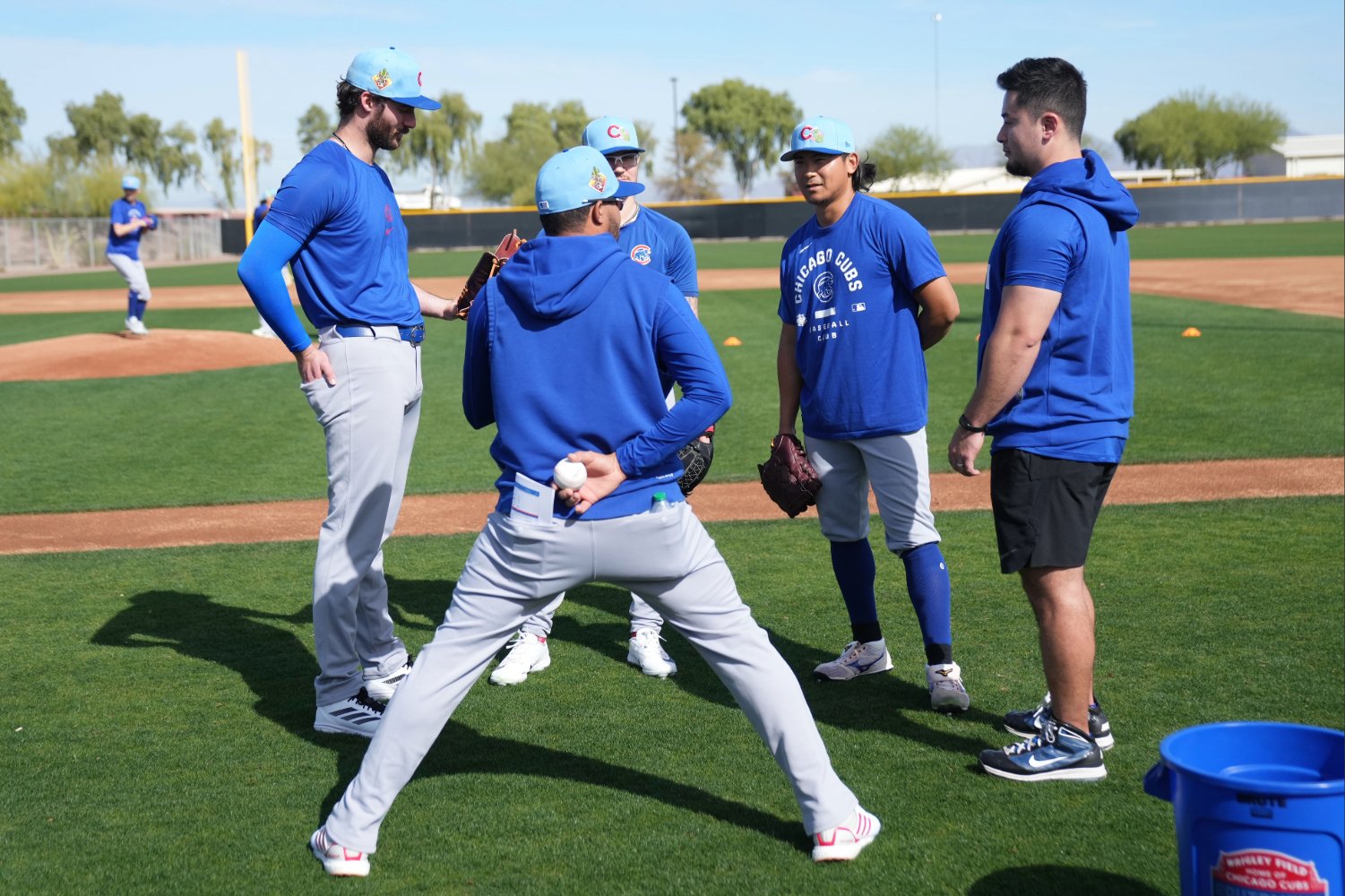 Spring Training is upon us and the Chicago Cubs are ready to roll. Gone is Kyle Tucker, but in comes Alex Bregman, Edward Cabrera, and almost an entirely new bullpen. We know who the key offensive contributors will be. We know what this suddenly very deep rotation should look like. But spring training works as a proving ground for those fringe players looking to make the roster. Last season, we saw Brad Keller turn a minor-league deal into a career resurgence in the bullpen. If one of these players makes that kind of impact in 2026, it’s a major win. Let’s see who else is in camp outside of the players you already know. Cubs Non-Roster Invitees: Catchers Christian Bethancourt Bethancourt is back with the Cubs on a minor-league deal. This marks the second time the Cubs have come to such an agreement with the 34-year-old catcher. The last time he played in the majors was during his 24-game stint with the team in 2024, where he hit .281 including a 7-RBI game. In 2025, Bethancourt was with the Blue Jays’ Triple-A affiliate, and hit .173 in 58 games. Ariel Armas The Cubs drafted Armas in the 5th round of the 2024 draft out of the University of San Diego. Since being drafted, Armas has played in 105 games in High-A and has a slash line of .230/.324/.339. He was likely invited to spring training to serve as catching depth, especially in split-squad games. The 23-year-old will likely begin the season in High-A again, hoping to hit his way to Knoxville soon. Casey Optiz Much like Armas, Optiz is going to serve as extra catching depth on the spring roster. Drafted in the 8th round of the 2021 draft, Optiz has been bouncing between High-A and Double-A for the majority of his career. In parts of five minor league seasons, the 27-year-old has a batting average of .201 and has generally been a part-time player to this point. Cubs Non-Roster Invitees: Infielders Scott Kingery Now 31, Kingery is looking to make the majors with the third team of his career. Prior to 2018, he was one of the top prospects in baseball, and was given a six-year extension worth $24 million by the Phillies. He showed some promise in 2019, where he hit .258/.315/.474 in 126 games, but his career has stalled out since then. Between 2020-2022, played in only 52 games due to injuries and ineffectiveness. He remained with the Phillies in 2023 and 2024 but never reached the majors. He caught on with the Angels for 2025 and got his first MLB action in three years. He has shown an ability to play all around the field, as he played second base, shortstop, right field and center field in his brief 19-game audition with the Halos. This versatility benefits the Cubs, as their old utility man Willi Castro is now on the Rockies, but it’s been years since Kingery has done anything at the plate. Kingery represents the only NRI infielder with any major-league experience. B.J. Murray In 2024, Murray got his first opportunity in Triple-A, where he hit .204 with 11 home runs in 88 games. That wasn’t enough to keep him there, as he spent the entirety of 2025 with Double-A Knoxville. He showed some solid pop from the right side, hitting 20 home runs in 125 games, and can fill in at both third base and first base. Murray was ranked as the No. 18 Cubs prospect prior to the 2024 season, but has not appeared on that list since. With a hot spring, Murray might be able to claw his way into the team’s plans as a power bat off the bench, so he will need to capitalize on all his opportunities. Jonathon Long Long was the Cubs’ No. 6 prospect for the 2025 season, and he figures to remain a fixture inside the top 10. He hit .305/.404/.479, smashing 20 home runs and driving in 91 for Iowa last season. The two main concerns with Long come from his defense. He has been used primarily as a first baseman, but he’s also gotten opportunities sparingly at third base and left field, where he underwhelmed defensively. Even if he was fine defensively at first, third, or left field, all those positions are spoken for. He should be able to crack the major-league roster this year, but it remains to be seen how much playing time he will get. If free-agent acquisition Tyler Austin struggles, Long may be able to take his role. Jefferson Rojas The 20-year-old middle infielder was one of the top prospects in the 2022 international class and is currently listed as the number three organizational prospect. He was promoted to Knoxville last season after producing an .871 OPS in 67 games with South Bend. He struggled mightily in 39 games in Double-A, hitting only .164. He is currently behind fellow prospects James Triantos and Pedro Ramirez on the depth chart, but he's a better defender than both of them. Rojas will get a few spring training appearances, but likely won’t be contending for a bench role out of camp. The conversation regarding Rojas will be much more interesting next offseason if the Cubs move on from Nico Hoerner. Cubs Non-Roster Invitees: Outfielders Chas McCormick The 30-year-old was a productive outfielder for the Astros as recently as 2023 where he hit .273 with 22 home runs while playing above-average defense and adding additional value on the base paths with 19 steals. Since then, he has dealt with a variety of injuries and fell way down the depth chart for Houston, causing them to non-tender him. As it stands, he sits behind Kevin Alcantara and Justin Dean on the depth chart, but could make a push with a good spring. Between Alcantara, Dean, and the two other outfield NRIs on this list, McCormick has the longest track record of success in the major leagues. Dylan Carlson Once one of the top prospects in the game, Carlson is now looking to crack the roster of his fourth team since the beginning of 2024. After being jettisoned from the Cardinals’ roster, he has spent time in the AL East with the Rays and Orioles. It has not clicked for Carlson since his encouraging sophomore season in 2021 where he had a .780 OPS and 3.2 WAR. His switch-hitting ability provides some intrigue for the Cubs, who likely won’t have another switch hitter on the roster outside of Ian Happ. 2026 will be Carlson’s age-27 season, so he is young enough to inspire a little bit of hope for a career resurgence, even if it’s certain he won’t live up to the hype he had in St. Louis. Brett Bateman The 23-year-old was the 19th-ranked organizational prospect for the 2025 season and spent the entirety of the campaign with Double-A Knoxville. He hit .261 with two home runs and nine doubles in 94 games. The left-handed hitter is never going to drive the ball with authority, but his plus speed will allow him to turn some weak contact into base hits. He has a good knowledge of the strike zone and won’t be fooled often on pitches outside it. Bateman is a depth addition to the spring roster but could make his way into the 2026 plans if he gets off to a hot start. Cubs Non-Roster Invitees: Pitchers Jeff Brigham Brigham will be 34 before Opening Day and has thrown 120 2/3 MLB innings in his career. His longest stint in the majors was back in 2019 with the Marlins where he threw 38 1/3 with a 4.46 ERA. The right-hander does not have any sustained success at the highest level, but the Cubs have shown that they’re able to squeeze more out of most veteran arms. Grant Kipp One of the older ranked prospects in the organization, the 26-year-old starting pitcher is coming off a fine season in Double-A. He made 26 appearances (23 starts) and pitched to a 4.22 ERA with 9.1 K/9. The Yale product has a 4.64 ERA across parts of four minor-league seasons, but could make his way onto the 40-man roster if he is able to improve his pitch mix and fastball velocity. His lethal curveball is widely considered the best in the Cubs’ system, so he could be used as a reliever if he is unable to work out some of the kinks in his repertoire. Corbin Martin Pitching in parts of four major-league seasons since 2019, Martin is yet to find any sort of success. He has a career 6.54 ERA in 75 2/3 innings pitched. He was originally a starter when he came up with Houston, and made a few more starts with Arizona before Baltimore used him exclusively as a reliever last season. His 6.00 ERA with Baltimore doesn’t inspire much confidence, but he should be willing to stay with the organization if he doesn’t crack the roster. Connor Noland A 9th-round pick in 2022, Noland has been a mixed bag of results so far throughout his first three minor-league seasons. The 20th-ranked organizational prospect turned heads in 2024 with Double-A Knoxville, pitching to a 2.50 ERA in 16 starts, which earned him a promotion to Triple-A Iowa. He struggled to the tune of a 5.29 ERA after that promotion, but pitched to a 4.07 ERA across 132 2/3 innings in Iowa last season. Noland is a finesse arm rather than a power arm, but the Cubs are not shy about leaning on those types of pitchers. If he continues his upward trend in Triple-A, he could make the majors as soon as this summer. Connor Schultz Schultz joined the Cubs organization in 2024 when his contract was purchased from the Missoula Paddleheads of the Pioneer League. After going undrafted out of the University of Iowa, he was named a Pioneer League All-Star in 2023 in a season where he threw 96 2/3 innings with a 3.82 ERA. He has primarily pitched in both Low- and High-A ball with the Cubs, but had a brief three-start run with Knoxville last season where he only gave three runs total. At 27 years old, he’s one of the older players in Double-A, but his inclusion to the spring roster shows the Cubs have some faith in him. Collin Snider Snider is the most exciting name on this list outside of top pitching prospect Jaxon Wiggins. The right-handed reliever was taken by the Royals in the 12th round out of Vanderbilt University way back in 2017. He didn’t make his debut until 2022, where he was knocked around in 42 games. He managed to get in 20 more games the next season, but ended his Royals tenure with a 5.93 ERA in 54 2/3 innings. He caught on with Seattle for 2024 and changed his pitch mix, switching to a four-seam fastball and a sweeper instead of the sinker/slider combo he used with Kansas City. This tweak caused his breakout year in the bullpen, where he had a 1.94 ERA with 47 strikeouts in 41 2/3 innings pitched. He dealt with injuries and regression in 2025. He appeared in only 24 games and his ERA climbed to 5.47. If Snider is healthy, the Cubs’ pitching lab has a good of a shot as anyone at helping him revert closer to who he was in 2024. Trent Thornton The 32-year-old righty has dealt with a number of injuries throughout his seven-year career with the Blue Jays and Mariners. In 2025 alone, he missed a month with appendicitis, and then in July he tore his Achilles, knocking him out for the year. His best season was 2023, when he was traded from Toronto to Seattle mid-season. Pitching mainly for Seattle, he finished with a 2.01 ERA on the year. The caveat is that it was only over 31 1/3 innings. His first full season in Seattle was solid, throwing over 70 innings for the second time in his career. His FIP of 3.47 was actually lower than his ERA of 3.61, so a healthy Trent Thornton was a quality reliever only twp years ago. If he’s healthy, he has all the makings of a reliever who can make the Cubs out of camp. Jaxon Wiggins I don’t want to disappoint anyone, but it is highly unlikely that Wiggins breaks camp with the team. "Highly unlikely" is still a generous phrase to use here, as the Cubs’ top pitching prospect only made three short starts in Triple-A last year after ripping through High-A and Double-A. Wiggins will be up at some point this season, likely in a similar fashion to Cade Horton last year, who was called up on May 10. The current Cubs’ rotation doesn’t carry a lot of heat outside of Edward Cabrera and Horton, so Wiggins making his debut before the All Star break is completely plausible. Kyle Wright The No. 5 overall pick in 2017 by the Braves was singed to a minor-league deal as pitchers and catchers reported to camp. Once projected as a key cog in the Braves' rotation, the righty out of Vanderbilt struggled in his first four seasons. Walks were one of his biggest issues, as he averaged 6.9 BB/9 in 70 innings. Everything did seem to click in 2022; he led the majors in wins with 21, and pitched to a 3.19 ERA while striking out 174 in 180 1/3rd innings. He finished 10th in Cy Young voting and became the first Brave to lead baseball in wins since Tom Glavine in 2000. In 2023, Wright regressed back into the pitcher he was before 2022. He pitched 31 innings with a 6.97 ERA before suffering a shoulder strain that sidelined him for two months. He was activated in September but did not pitch in the majors. He then underwent another shoulder surgery that would cause him to miss the entirety of 2024. He was traded to the Royals for the 2025 season but did not pitch in a game due to more injuries, mainly related to shoulder fatigue. If he makes an appearance for the Cubs, it will be his first taste of big-league action since 2023.
 -
The Chicago Cubs have signed former Astros outfielder Chas McCormick to a minor-league contract with an invite to Spring Training, per Chandler Rome of The Athletic. McCormick was outrighted off the Astros roster following the 2025 season where he missed nearly 2 months with a left oblique strain. He appeared in 64 games at the Major League level and slashed .210/.279/.290 with a -1.0 WAR. For the second straight season, McCormick appeared in fewer than 100 games while posting a negative WAR. McCormick is nothing more than an outfield depth flier for the Cubs. The soon-to-be 31 year old looked like a late-blooming star in 2023 when he hit .273 with 22 home runs, 19 stolen bases, and an .842 OPS; all while playing above average defense across the outfield. As it stands, McCormick will be competing for a backup outfielder role with top prospect Kevin Alcantara and newly acquired Justin Dean, who are both on the 40 man roster. View full rumor
-
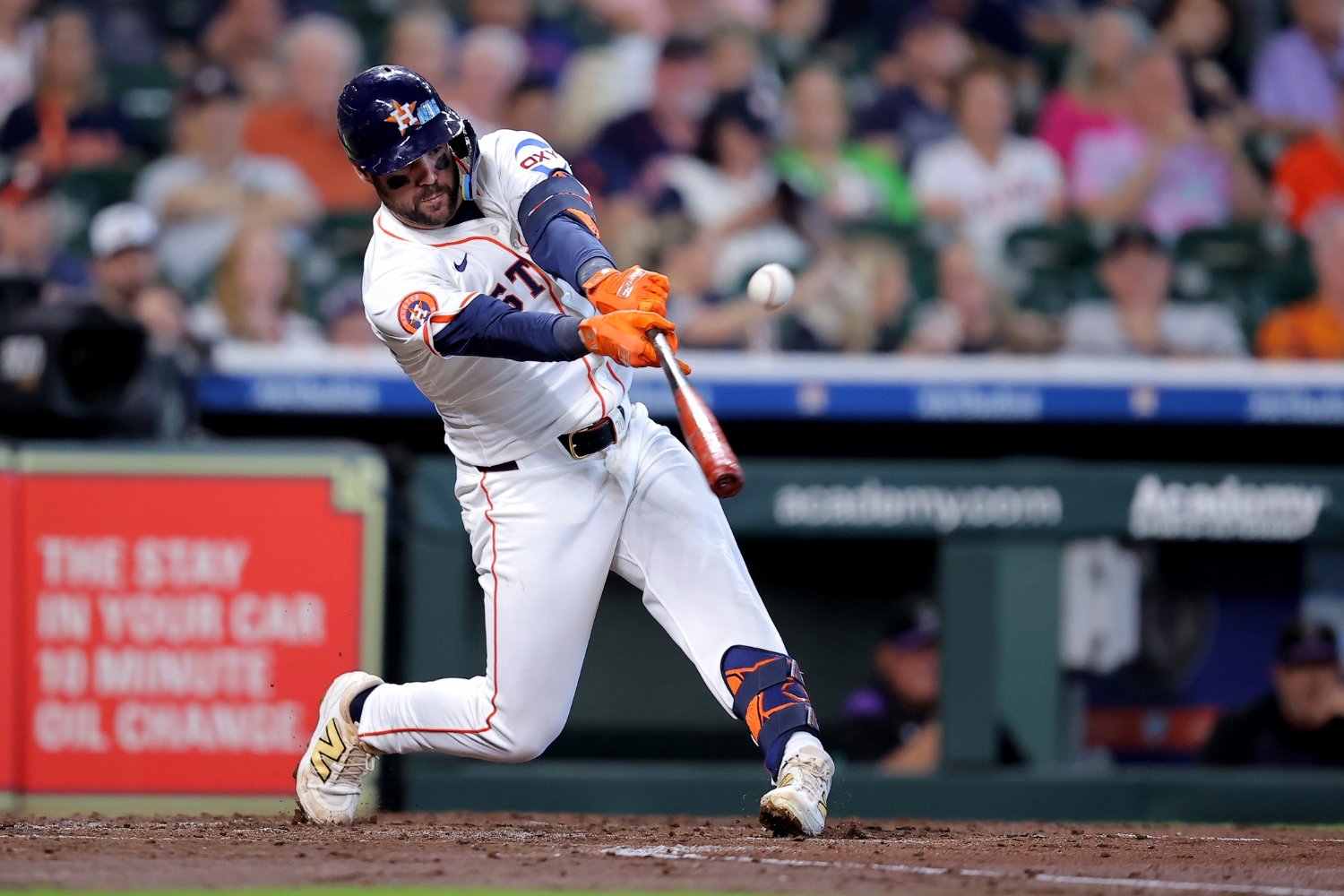 The Chicago Cubs have signed former Astros outfielder Chas McCormick to a minor-league contract with an invite to Spring Training, per Chandler Rome of The Athletic. McCormick was outrighted off the Astros roster following the 2025 season where he missed nearly 2 months with a left oblique strain. He appeared in 64 games at the Major League level and slashed .210/.279/.290 with a -1.0 WAR. For the second straight season, McCormick appeared in fewer than 100 games while posting a negative WAR. McCormick is nothing more than an outfield depth flier for the Cubs. The soon-to-be 31 year old looked like a late-blooming star in 2023 when he hit .273 with 22 home runs, 19 stolen bases, and an .842 OPS; all while playing above average defense across the outfield. As it stands, McCormick will be competing for a backup outfielder role with top prospect Kevin Alcantara and newly acquired Justin Dean, who are both on the 40 man roster.
 -
Image courtesy of © David Banks-Imagn Images Prior to last week, the Chicago Cubs’ offseason could have been described as passive. They added a few veteran relievers on cheap contracts and brought back Shota Imanaga via the qualifying offer. This left fans wondering if the big move was coming; not when. Fast-forward to now, and the Cubs have silenced the inactivity narrative that has defined their offseason by trading for the electric starter Edward Cabrera and signing three-time All Star Alex Bregman. The Cubs' playoff rotation in 2025 needed one more starter, and now, they have that starter should he remain healthy. Kyle Tucker never really seemed like anything more than a one-year rental, leaving them down an impact bat in the top of the lineup. After paying Bregman the highest AAV in franchise history, they now have that bat. (As well as the first two picks of the 2015 draft). The former Astros, Red Sox, and LSU Tigers star will certainly help the Cubs contend for a postseason spot, and hopefully the NL Central division in 2026 and beyond. His ability to get on base, drive balls to his pull side, and play Gold Glove defense will define his impact on the field. His natural leadership ability will make an impact off the field with young stars Michael Busch and Pete Crow-Armstrong. Fans do need to realize Bregman is not the same type of player that Kyle Tucker is, and will not be able to carry the offense on his own. Bregman is a key cog in a machine, but not the machine himself. This is not meant to discourage the Bregman signing, but it is more of a warning flag to fans. Bregman won’t be able to win games on his own. The Cubs will need a better year out of Dansby Swanson; they'll need to see Crow-Armstrong look closer to his first half self from 2025; Seiya Suzuki and Michael Busch need to show their 30-homer seasons were no fluke. It might even make sense for the Cubs to target another free-agent outfielder or trade for a power-hitting threat off the bench (your mileage will vary on that). Before anyone starts preparing the championship banners, let's review the possible pitfalls of Bregman's contract. Age: Bregman will turn 32 right as the regular season begins in late March. This contract, which has no opt-outs and a no-trade clause, will run through his age-36 season. There's no question that the 7 and 8 WAR seasons Bregman had in 2018 and 2019 are a thing of the past, but will he be able to continue to post 4+ WAR seasons for the majority of this deal? If he didn’t miss time last season, he likely would have eclipsed 4 WAR for the fourth straight season. FanGraphs' Steamer projects Bregman to have an fWAR of 3.8 for the 2026 season, along with a wRC+ of 121. These projections represent a slight decline from his previous seasons but still align what the Cubs are believing they’re paying for. Consistent production at that level might be challenging, though. Professional sports are getting younger across the globe, and gone are the days in baseball where players are posting elite production into their mid- and late-30s, but the chart below shows just how rare it is for players in their thirties to have 4+ WAR seasons. Rk Player WAR Season Age Team 1 Aaron Judge 10.8 2024 32 NYY 2 Aaron Judge 9.7 2025 33 NYY 3 Marcus Semien 7.7 2023 32 TEX 4 Paul Goldschmidt 7.7 2022 34 STL 5 Freddie Freeman 6.8 2023 33 LAD 6 Freddie Freeman 6.2 2022 32 LAD 7 Brandon Crawford 6.1 2021 34 SFG 8 Paul Goldschmidt 5.9 2021 33 STL 9 José Ramírez 5.8 2025 32 CLE 10 Trea Turner 5.4 2025 32 PHI 11 Jose Altuve 5.2 2022 32 HOU 12 Mookie Betts 4.9 2025 32 LAD 13 George Springer 4.8 2025 35 TOR 14 Starling Marte 4.8 2021 32 MIA,OAK 15 Freddie Freeman 4.7 2024 34 LAD 16 Kyle Schwarber 4.7 2025 32 PHI 17 Marcell Ozuna 4.3 2024 33 ATL 18 José Abreu 4.3 2022 35 CHW 19 George Springer 4.2 2022 32 TOR 20 Matt Chapman 4.1 2025 32 SFG 21 Marcus Semien 4.1 2024 33 TEX 22 Manny Machado 4.1 2025 32 SDP This is the entire list of 4+ WAR seasons from position players aged 32 and up since 2021. Most of these players were considered elite or are still considered elite, and Bregman has largely been looped in with this group. Bregman should add his name to this in the next season or two, but most players, including many on the list above, will not age like Freddie Freeman. The Cubs need to perform now to maximize this deal, as it may look a bit rough toward the end. Injury concerns: Generally speaking, Bregman’s injury history is sparse compared to a lot of major leaguers. He's played in at least 145 games in six out of his 10 seasons. Of the four seasons he didn’t play as many games, one was his rookie year and another was the pandemic season. In 2021, Bregman missed over two months with a quad strain before stringing together three healthy seasons in a row. Then, he strained his other quad in 2025, causing him to miss about six weeks. He came back toward the end of 2025 and hit .300 in the postseason, so the quad issue seems not have lingered. The concerns here are less about his injury history and more about his ability to play third base regularly through his mid-30s. The only primary starters at third base in 2025 older than Bregman were Jose Ramirez and Eugenio Suarez, and the free agent Suarez is likely to sign as a first baseman. If the Cubs hold onto Matt Shaw, which seems to be the plan, Bregman will have more opportunities to DH for the 2026 season with Nico Hoerner still in town. If the second baseman walks next winter, the Cubs will likely be in a position where they will need to bring in another starting quality second or third baseman in order to give an older Bregman enough time off his feet. Power concerns: Bregman is still a complete hitter without a doubt, but he’s not going to be that home run threat the Cubs have been missing. Hopefully, Busch and Suzuki become guys that can be counted on for 30-plus home runs again and again. This overly cautious front office deciding to pay Bregman an average of $35 million a year shows they believe they have the home run power already in-house. Bregman hasn’t had a 30 home run season since before the pandemic, when he hit 41 in 2019 (the juiced-ball year). He hit 18 in 114 games in 2025, though he averaged 24 from 2022-2024. Unless the 5’11 infielder is able to go on a late-career power surge like Nelson Cruz, the Cubs will need to look elsewhere for some fence-clearing regularity. Bregman should still be able to clear 20+ home runs throughout most of his contract, but this could be an issue that persists, especially as he gets older. View full article
-
Can Alex Bregman Remain Elite Throughout the Life of His Cubs Contract?
Paul Niemiec posted an article in Cubs
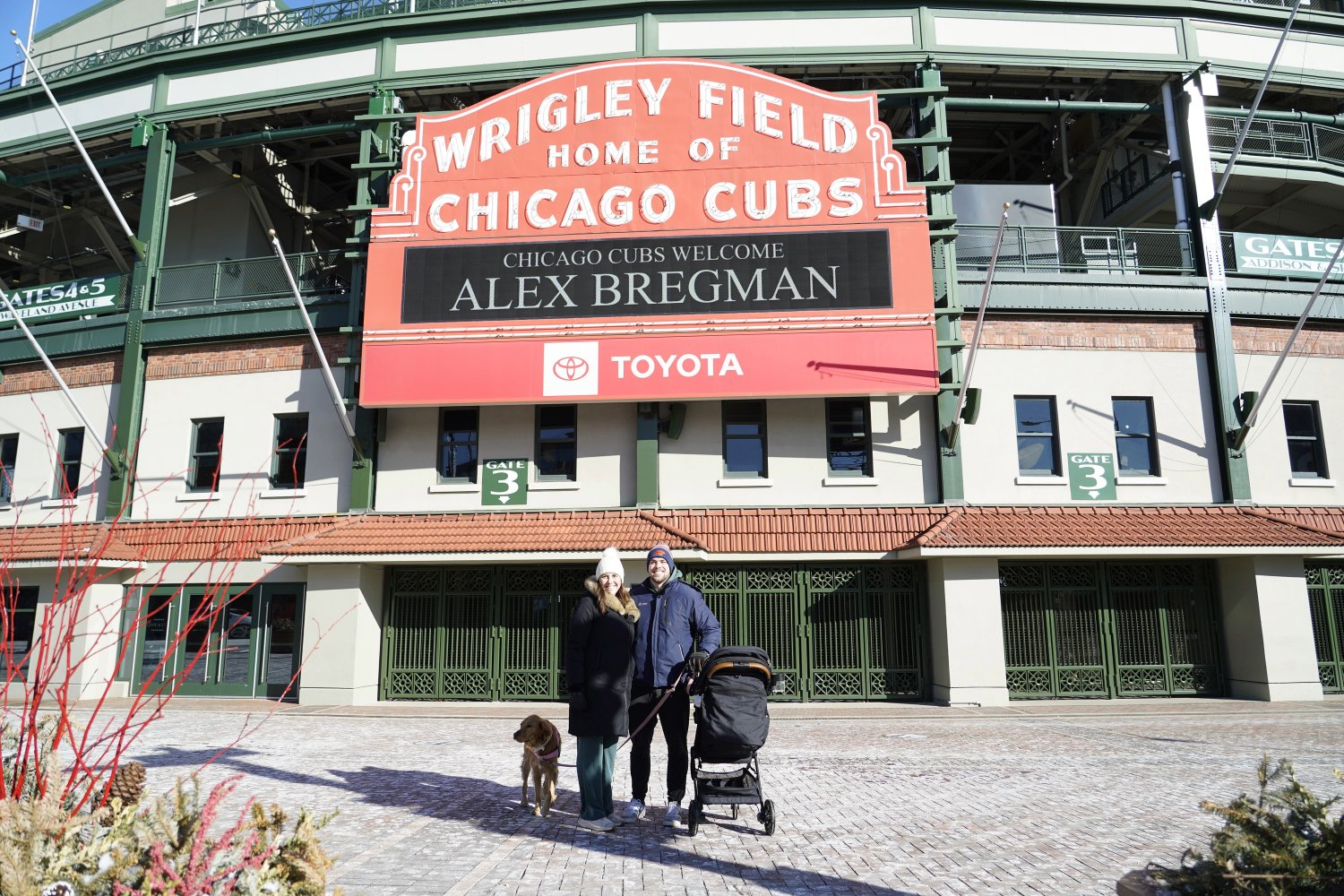 Prior to last week, the Chicago Cubs’ offseason could have been described as passive. They added a few veteran relievers on cheap contracts and brought back Shota Imanaga via the qualifying offer. This left fans wondering if the big move was coming; not when. Fast-forward to now, and the Cubs have silenced the inactivity narrative that has defined their offseason by trading for the electric starter Edward Cabrera and signing three-time All Star Alex Bregman. The Cubs' playoff rotation in 2025 needed one more starter, and now, they have that starter should he remain healthy. Kyle Tucker never really seemed like anything more than a one-year rental, leaving them down an impact bat in the top of the lineup. After paying Bregman the highest AAV in franchise history, they now have that bat. (As well as the first two picks of the 2015 draft). The former Astros, Red Sox, and LSU Tigers star will certainly help the Cubs contend for a postseason spot, and hopefully the NL Central division in 2026 and beyond. His ability to get on base, drive balls to his pull side, and play Gold Glove defense will define his impact on the field. His natural leadership ability will make an impact off the field with young stars Michael Busch and Pete Crow-Armstrong. Fans do need to realize Bregman is not the same type of player that Kyle Tucker is, and will not be able to carry the offense on his own. Bregman is a key cog in a machine, but not the machine himself. This is not meant to discourage the Bregman signing, but it is more of a warning flag to fans. Bregman won’t be able to win games on his own. The Cubs will need a better year out of Dansby Swanson; they'll need to see Crow-Armstrong look closer to his first half self from 2025; Seiya Suzuki and Michael Busch need to show their 30-homer seasons were no fluke. It might even make sense for the Cubs to target another free-agent outfielder or trade for a power-hitting threat off the bench (your mileage will vary on that). Before anyone starts preparing the championship banners, let's review the possible pitfalls of Bregman's contract. Age: Bregman will turn 32 right as the regular season begins in late March. This contract, which has no opt-outs and a no-trade clause, will run through his age-36 season. There's no question that the 7 and 8 WAR seasons Bregman had in 2018 and 2019 are a thing of the past, but will he be able to continue to post 4+ WAR seasons for the majority of this deal? If he didn’t miss time last season, he likely would have eclipsed 4 WAR for the fourth straight season. FanGraphs' Steamer projects Bregman to have an fWAR of 3.8 for the 2026 season, along with a wRC+ of 121. These projections represent a slight decline from his previous seasons but still align what the Cubs are believing they’re paying for. Consistent production at that level might be challenging, though. Professional sports are getting younger across the globe, and gone are the days in baseball where players are posting elite production into their mid- and late-30s, but the chart below shows just how rare it is for players in their thirties to have 4+ WAR seasons. Rk Player WAR Season Age Team 1 Aaron Judge 10.8 2024 32 NYY 2 Aaron Judge 9.7 2025 33 NYY 3 Marcus Semien 7.7 2023 32 TEX 4 Paul Goldschmidt 7.7 2022 34 STL 5 Freddie Freeman 6.8 2023 33 LAD 6 Freddie Freeman 6.2 2022 32 LAD 7 Brandon Crawford 6.1 2021 34 SFG 8 Paul Goldschmidt 5.9 2021 33 STL 9 José Ramírez 5.8 2025 32 CLE 10 Trea Turner 5.4 2025 32 PHI 11 Jose Altuve 5.2 2022 32 HOU 12 Mookie Betts 4.9 2025 32 LAD 13 George Springer 4.8 2025 35 TOR 14 Starling Marte 4.8 2021 32 MIA,OAK 15 Freddie Freeman 4.7 2024 34 LAD 16 Kyle Schwarber 4.7 2025 32 PHI 17 Marcell Ozuna 4.3 2024 33 ATL 18 José Abreu 4.3 2022 35 CHW 19 George Springer 4.2 2022 32 TOR 20 Matt Chapman 4.1 2025 32 SFG 21 Marcus Semien 4.1 2024 33 TEX 22 Manny Machado 4.1 2025 32 SDP This is the entire list of 4+ WAR seasons from position players aged 32 and up since 2021. Most of these players were considered elite or are still considered elite, and Bregman has largely been looped in with this group. Bregman should add his name to this in the next season or two, but most players, including many on the list above, will not age like Freddie Freeman. The Cubs need to perform now to maximize this deal, as it may look a bit rough toward the end. Injury concerns: Generally speaking, Bregman’s injury history is sparse compared to a lot of major leaguers. He's played in at least 145 games in six out of his 10 seasons. Of the four seasons he didn’t play as many games, one was his rookie year and another was the pandemic season. In 2021, Bregman missed over two months with a quad strain before stringing together three healthy seasons in a row. Then, he strained his other quad in 2025, causing him to miss about six weeks. He came back toward the end of 2025 and hit .300 in the postseason, so the quad issue seems not have lingered. The concerns here are less about his injury history and more about his ability to play third base regularly through his mid-30s. The only primary starters at third base in 2025 older than Bregman were Jose Ramirez and Eugenio Suarez, and the free agent Suarez is likely to sign as a first baseman. If the Cubs hold onto Matt Shaw, which seems to be the plan, Bregman will have more opportunities to DH for the 2026 season with Nico Hoerner still in town. If the second baseman walks next winter, the Cubs will likely be in a position where they will need to bring in another starting quality second or third baseman in order to give an older Bregman enough time off his feet. Power concerns: Bregman is still a complete hitter without a doubt, but he’s not going to be that home run threat the Cubs have been missing. Hopefully, Busch and Suzuki become guys that can be counted on for 30-plus home runs again and again. This overly cautious front office deciding to pay Bregman an average of $35 million a year shows they believe they have the home run power already in-house. Bregman hasn’t had a 30 home run season since before the pandemic, when he hit 41 in 2019 (the juiced-ball year). He hit 18 in 114 games in 2025, though he averaged 24 from 2022-2024. Unless the 5’11 infielder is able to go on a late-career power surge like Nelson Cruz, the Cubs will need to look elsewhere for some fence-clearing regularity. Bregman should still be able to clear 20+ home runs throughout most of his contract, but this could be an issue that persists, especially as he gets older.
 -
Image courtesy of © Robert Edwards-Imagn Images The calendar has flipped. We're barely six weeks from pitchers and catchers reporting to spring training. There are a few top-of-the-market free agents still unsigned, but the cupboard is becoming more bare almost every day. The Chicago Cubs have been frustratingly quiet. They are yet to add a frontline pitcher, and the offense still has the hole left by Kyle Tucker's departure. Cubs fans are sitting here with burning questions: What is the offseason plan? Is there a plan? Is the inactivity part of the plan? The only thing we have confirmed is that the plan for the bullpen is to hope for the same magic as last season, with veteran arms on cheap deals. We just saw Japanese starter Tatsuya Imai sign a shorter-than-expected deal with the Astros, which stings, because the Cubs were seen as a great fit. Maybe Jed Hoyer prefers to explore the trade market again, as they have a few big league-ready players without a clear path to playing time. Let's look at some of the options left on the free-agent market, as well as some trade candidates that could save the Cubs’ offseason. Free Agents: Framber Valdez Ranger Suárez Zac Gallen The Cubs rotation has some depth, and Justin Steele should return at some point in 2026, so they just need one more top-of-the-rotation arm to make that group an area of strength again. All three of these players come with red flags, but when they’re right, they're solidly above-average starters. The Cubs have also been linked to all three (at one point or another) this offseason. Valdez is probably the only one who can be considered a true ace. He earned Cy Young and MVP votes each year from 2022-2024, but was not himself in 2025. His ERA of 3.66 was high, by his standards, but he still made over 30 starts. It's easy to compare him to Jon Lester and use the six-year deal as a baseline, but many are predicting Valdez to sign for just four or five years. Valdez comes with some postseason concerns, though, largely due to his volatility. He was electric in the playoffs in 2020 and 2022, where he pitched to a sub-2.00 ERA. In 2021, 2023 and 2024, however, he had an average ERA of 7.67. To worry about the playoffs, one must get to the playoffs, and Valdez would likely bolster the team's odds to do that most. Unlike Lester, though, he's not an asset in the clubhouse; it's closer to the opposite. Lester, too, had something much closer to an ace-caliber October track record. Suárez likely isn’t on any team’s radar as an ace; he profiles best as the second or third hurler in a good rotation. The 2024 All-Star is coming off the best full season of his career as a full-time starter. He finished the season with a 3.20 ERA paired with an impressive 3.21 FIP, suggesting that he wasn’t the beneficiary of a ton of luck. The issues with Suárez are his health and his declining fastball. He has made at least 22 starts per year since 2022, but has spent time on the injured list with back problems in three of the last four seasons. He was never a power pitcher, but his average fastball in 2025 was 91.3 miles per hour, the lowest in his career. These issues will likely scare teams away from a longer-term pact, but a three- or four-year deal would make sense. Before 2023, the Cubs signed Jameson Taillon to a four-year deal worth $68 million. Suárez will probably get more, but not all that much more. Gallen probably fits the Cubs' predilections best. Picking up Cy Young votes in 2020, 2022 and 2023, Gallen showed about as much upside as Valdez, but will cost less after a considerably worse 2025 campaign. He's coming off a rough year, wherein he had a 4.83 ERA, but he was still durable, throwing 192 innings. That ability to eat innings would make a huge impact in the Cubs’ rotation for 2026. Steele will be coming off Tommy John surgery, Matthew Boyd just threw the most innings he has in a single season since 2019, and leaning on sophomore Cade Horton for 200 innings sounds unduly optimistic. The front-line upside from Gallen is what separates him from other innings-eaters available, like Lucas Giolito or Miles Mikolas. Trade Candidates The Brewers won't trade Freddy Peralta to the Cubs, for obvious reasons, and it looks unlikely that Tarik Skubal will be traded at all. It's unlikely that the Marlins will trade Sandy Alcantara at the kind of price with which the Cubs will be comfortable. Three names that make sense for Chicago on the trade market are MacKenzie Gore, Edward Cabrera, and Nick Pivetta. The Cubs were linked to Gore at the 2025 trade deadline, but reportedly were not able to come to an agreement because they would not include Cade Horton and Matt Shaw in the trade package. The current asking price should have come down a bit, as Gore did not pitch nearly as well in the second half and ended up finishing the year with a 4.17 ERA, after entering the All Star break with a 3.02 ERA. Many think Gore’s best days are still ahead of him, as he has shown an ability to miss bats at an elite rate throughout his career. He can give up hard contact at times, and also walk more hitters than a true ace should, but this is a former top prospect who has taken strides forward every season since his debut in 2022. Gore will be 27 on Opening Day and is under control via arbitration through 2027, meaning the rebuilding Nationals will likely benefit from moving him sooner, rather than later. Horton and top pitching prospect Jaxon Wiggins should be off the table, but the team's young, non-established hitters are very much in play. The Marlins are more likely to move Cabrera than Alcantara this offseason, and he is another arm to whom the Cubs have been linked. Per FanGraphs, Cabrera's average velocities on his four-seam fastball and sinker were 97 mph and 96.8 mph, respectively, with a changeup touching 95 mph and a slider that can scrape 90 mph. He also comes with major issues with the free pass and durability. Last year was a step in the right direction, as he topped 100 innings for the first time in his career, but he'll need to keep that up in order to make any real impact for a competing club. The Yankess are in advanced talks with Miami about Cabrera, so time is short, but if they're willing to part with their top offensive prospects, Chicago could still storm in with a late bid. The Cubs have Moisés Ballesteros and Kevin Alcántara hanging on the edges of the big-league roster, without a clear path to playing time in 2026. The Marlins have a few quality young catchers, in Agustín Ramírez and prospect Joe Mack, but Ballesteros could fit there at first base. Pivetta is the oldest player on this list. He will be 33 on Opening Day, but he is coming off a season wherein he generated Cy Young buzz in the first half. Overall, he had a 2.87 ERA in 181 2/3 innings, while striking out 190. All of those marks are career bests. Under the hood, there are some reasons to be concerned. He had a 45% hard-hit rate in 2025. This was also the first season of his career in which he finished with an ERA under 4.00. Though the Padres are still trying to compete, they've made it known they’re willing to sell high on Pivetta in order to add some MLB-ready talent. He does have an opt-out after this season, so if he pitches well again, this will likely turn into a rental deal. The best case for the Cubs would be a situation where Pivetta remains an ace-level pitcher for this season, helps them make a deep playoff run, and opts out, leaving the Cubs free of paying $32 million over the last two years of the deal. One problem is that the Padres would likely want a young pitcher they can expect to contribute in 2026, along with an outfielder. Wiggins is the only Cubs pitching prospect that might catch the attention of GM A.J. Preller, but that will be a non-starter for the Cubs. The other problem, as illustrated by the team's unwillingness to grant opt-outs after 2026 in their offers to both Imai and fellow righty starter Michael King earlier this winter, is that the team is set to lose Taillon, Boyd, Imanaga and a bevy of position players to free agency next offseason, so bringing in anyone else who will similarly depart after 2026 is an undesirable outcome for Hoyer. As we discussed earlier this week, the odds of the Cubs adding a top-flight starter have dwindled in recent weeks. It's still possible, but it's certainly not a given. If they do still want to make it happen, though, these are the key names to watch. View full article
-
The Cubs Still Need a Frontline Starter, but Time is Running Out
Paul Niemiec posted an article in Cubs
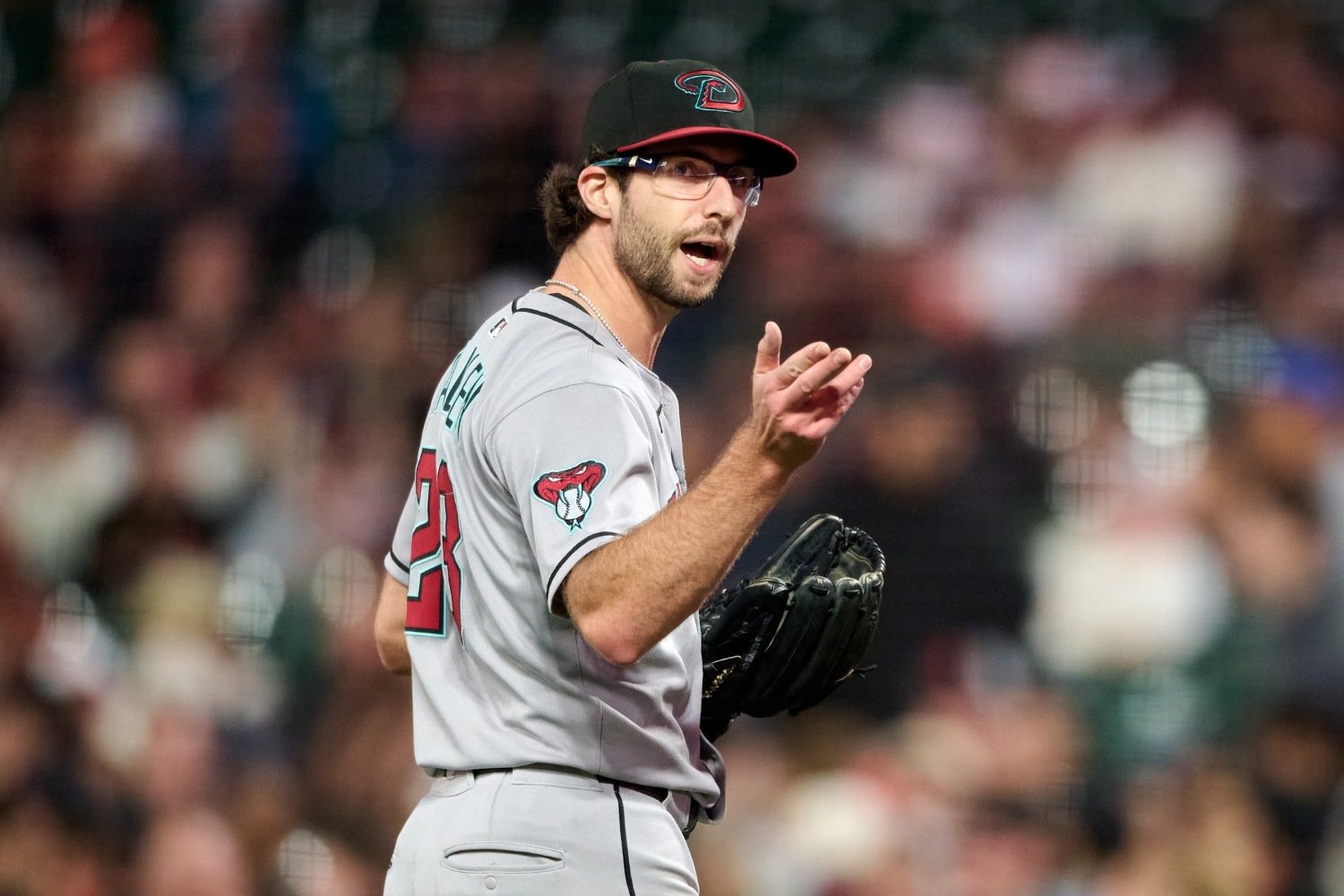 The calendar has flipped. We're barely six weeks from pitchers and catchers reporting to spring training. There are a few top-of-the-market free agents still unsigned, but the cupboard is becoming more bare almost every day. The Chicago Cubs have been frustratingly quiet. They are yet to add a frontline pitcher, and the offense still has the hole left by Kyle Tucker's departure. Cubs fans are sitting here with burning questions: What is the offseason plan? Is there a plan? Is the inactivity part of the plan? The only thing we have confirmed is that the plan for the bullpen is to hope for the same magic as last season, with veteran arms on cheap deals. We just saw Japanese starter Tatsuya Imai sign a shorter-than-expected deal with the Astros, which stings, because the Cubs were seen as a great fit. Maybe Jed Hoyer prefers to explore the trade market again, as they have a few big league-ready players without a clear path to playing time. Let's look at some of the options left on the free-agent market, as well as some trade candidates that could save the Cubs’ offseason. Free Agents: Framber Valdez Ranger Suárez Zac Gallen The Cubs rotation has some depth, and Justin Steele should return at some point in 2026, so they just need one more top-of-the-rotation arm to make that group an area of strength again. All three of these players come with red flags, but when they’re right, they're solidly above-average starters. The Cubs have also been linked to all three (at one point or another) this offseason. Valdez is probably the only one who can be considered a true ace. He earned Cy Young and MVP votes each year from 2022-2024, but was not himself in 2025. His ERA of 3.66 was high, by his standards, but he still made over 30 starts. It's easy to compare him to Jon Lester and use the six-year deal as a baseline, but many are predicting Valdez to sign for just four or five years. Valdez comes with some postseason concerns, though, largely due to his volatility. He was electric in the playoffs in 2020 and 2022, where he pitched to a sub-2.00 ERA. In 2021, 2023 and 2024, however, he had an average ERA of 7.67. To worry about the playoffs, one must get to the playoffs, and Valdez would likely bolster the team's odds to do that most. Unlike Lester, though, he's not an asset in the clubhouse; it's closer to the opposite. Lester, too, had something much closer to an ace-caliber October track record. Suárez likely isn’t on any team’s radar as an ace; he profiles best as the second or third hurler in a good rotation. The 2024 All-Star is coming off the best full season of his career as a full-time starter. He finished the season with a 3.20 ERA paired with an impressive 3.21 FIP, suggesting that he wasn’t the beneficiary of a ton of luck. The issues with Suárez are his health and his declining fastball. He has made at least 22 starts per year since 2022, but has spent time on the injured list with back problems in three of the last four seasons. He was never a power pitcher, but his average fastball in 2025 was 91.3 miles per hour, the lowest in his career. These issues will likely scare teams away from a longer-term pact, but a three- or four-year deal would make sense. Before 2023, the Cubs signed Jameson Taillon to a four-year deal worth $68 million. Suárez will probably get more, but not all that much more. Gallen probably fits the Cubs' predilections best. Picking up Cy Young votes in 2020, 2022 and 2023, Gallen showed about as much upside as Valdez, but will cost less after a considerably worse 2025 campaign. He's coming off a rough year, wherein he had a 4.83 ERA, but he was still durable, throwing 192 innings. That ability to eat innings would make a huge impact in the Cubs’ rotation for 2026. Steele will be coming off Tommy John surgery, Matthew Boyd just threw the most innings he has in a single season since 2019, and leaning on sophomore Cade Horton for 200 innings sounds unduly optimistic. The front-line upside from Gallen is what separates him from other innings-eaters available, like Lucas Giolito or Miles Mikolas. Trade Candidates The Brewers won't trade Freddy Peralta to the Cubs, for obvious reasons, and it looks unlikely that Tarik Skubal will be traded at all. It's unlikely that the Marlins will trade Sandy Alcantara at the kind of price with which the Cubs will be comfortable. Three names that make sense for Chicago on the trade market are MacKenzie Gore, Edward Cabrera, and Nick Pivetta. The Cubs were linked to Gore at the 2025 trade deadline, but reportedly were not able to come to an agreement because they would not include Cade Horton and Matt Shaw in the trade package. The current asking price should have come down a bit, as Gore did not pitch nearly as well in the second half and ended up finishing the year with a 4.17 ERA, after entering the All Star break with a 3.02 ERA. Many think Gore’s best days are still ahead of him, as he has shown an ability to miss bats at an elite rate throughout his career. He can give up hard contact at times, and also walk more hitters than a true ace should, but this is a former top prospect who has taken strides forward every season since his debut in 2022. Gore will be 27 on Opening Day and is under control via arbitration through 2027, meaning the rebuilding Nationals will likely benefit from moving him sooner, rather than later. Horton and top pitching prospect Jaxon Wiggins should be off the table, but the team's young, non-established hitters are very much in play. The Marlins are more likely to move Cabrera than Alcantara this offseason, and he is another arm to whom the Cubs have been linked. Per FanGraphs, Cabrera's average velocities on his four-seam fastball and sinker were 97 mph and 96.8 mph, respectively, with a changeup touching 95 mph and a slider that can scrape 90 mph. He also comes with major issues with the free pass and durability. Last year was a step in the right direction, as he topped 100 innings for the first time in his career, but he'll need to keep that up in order to make any real impact for a competing club. The Yankess are in advanced talks with Miami about Cabrera, so time is short, but if they're willing to part with their top offensive prospects, Chicago could still storm in with a late bid. The Cubs have Moisés Ballesteros and Kevin Alcántara hanging on the edges of the big-league roster, without a clear path to playing time in 2026. The Marlins have a few quality young catchers, in Agustín Ramírez and prospect Joe Mack, but Ballesteros could fit there at first base. Pivetta is the oldest player on this list. He will be 33 on Opening Day, but he is coming off a season wherein he generated Cy Young buzz in the first half. Overall, he had a 2.87 ERA in 181 2/3 innings, while striking out 190. All of those marks are career bests. Under the hood, there are some reasons to be concerned. He had a 45% hard-hit rate in 2025. This was also the first season of his career in which he finished with an ERA under 4.00. Though the Padres are still trying to compete, they've made it known they’re willing to sell high on Pivetta in order to add some MLB-ready talent. He does have an opt-out after this season, so if he pitches well again, this will likely turn into a rental deal. The best case for the Cubs would be a situation where Pivetta remains an ace-level pitcher for this season, helps them make a deep playoff run, and opts out, leaving the Cubs free of paying $32 million over the last two years of the deal. One problem is that the Padres would likely want a young pitcher they can expect to contribute in 2026, along with an outfielder. Wiggins is the only Cubs pitching prospect that might catch the attention of GM A.J. Preller, but that will be a non-starter for the Cubs. The other problem, as illustrated by the team's unwillingness to grant opt-outs after 2026 in their offers to both Imai and fellow righty starter Michael King earlier this winter, is that the team is set to lose Taillon, Boyd, Imanaga and a bevy of position players to free agency next offseason, so bringing in anyone else who will similarly depart after 2026 is an undesirable outcome for Hoyer. As we discussed earlier this week, the odds of the Cubs adding a top-flight starter have dwindled in recent weeks. It's still possible, but it's certainly not a given. If they do still want to make it happen, though, these are the key names to watch.
 -
Image courtesy of © Ken Blaze-Imagn Images Here, you can find the first half of this list. This is a continuation of the top 10 Cubs free agent signings of all time, inspired by the 50th anniversary of modern MLB free agency. 5.) Ryan Dempster When the Cubs signed Dempster before the 2004 season, he was nothing more than a depth arm. He was coming off a brutal season and a half with the Reds, wherein he had an ERA over 6.00 across 37 games. He was still recovering from Tommy John surgery, which ended his 2003 season. He briefly appeared at the end of the 2004 season, but did not start making a real impact until taking the closer job from LaTroy Hawkins early in 2005. He collected 33 saves in 35 save opportunities—the best conversion rate in the league—after originally beginning the season in the rotation. He saved 52 more games over the next two seasons before moving back to the rotation in 2008, which was his best season in a Cubs uniform. That season, he made 33 starts with a 2.96 ERA and earned his first All-Star selection since 2000. He was the ace of a staff that also featured Carlos Zambrano, who had been the Cubs’ default ace in the few seasons prior. Whether it be in the bullpen or the rotation, Dempster was one of the essential pieces of the pitching staff when the Cubs won back-to-back division titles in 2007 and 2008. After that 2008 campaign, Dempster signed a 4-year deal to stay in Chicago and filled the veteran leadership role on some Cubs teams that were quite forgettable. The other reason why he is so high on this list is that his exit from Chicago brought back one of the greatest Cubs starters of all-time, and a key piece of the 2016 rotation. At the 2012 trade deadline, Dempster was traded to the Rangers for a package involving right handed starter Kyle Hendricks. (The Cubs got lucky there.) 4.) Jason Heyward Heyward was, by far, the hardest signing to rank here. His 8-year, $184-million contract remains the largest in Cubs history. The Cubs usually rank in the top 5 among MLB’s most valuable franchises, trailing only the Dodgers, Yankees, and Red Sox, so it remains baffling that 19 teams have handed out a larger free-agent contract or extension. There’s no question that the frugality we have seen from ownership of late is an effect of this contract. Over his 7 years as a Cub, Heyward accumulated 9.1 WAR. In comparison, he posted 23 WAR in his 5 years with Atlanta, and 7 WAR in his single season with St. Louis. He slashed .245/.323/.377 with only 62 home runs and 32 stolen bases, which were all far cries from the numbers he posted prior to 2016. He played a dependable center or right field, earning Gold Gloves in his first 2 seasons in Chicago. The Cubs even cut ties with Heyward before the 2023 season, which was supposed to be the last year of his contract. His inclusion on this list comes from one moment that took place in the visitors' locker room at Progressive Field, during the rain delay in Game 7 of the 2016 World Series. Lockdown closer Aroldis Chapman had just given up a game-tying 3-run home run to Rajai Davis in the bottom of the eighth, and before the top of the 10th, the umpires called the teams off the field for what would be a 17-minute delay. At this point, Heyward gathered the team, and spoke from his heart, highlighting the path they took to get there and their ability to win as a team. The mood changed from disappointment to hunger. The team knew who they were, and knew they could win. Anthony Rizzo called the rain delay the “best rain delay of all time” and credited the team's eventual victory to Heyward. There’s no real way of knowing how the team would have fared without the rain delay, but that question will forever be moot. Heyward was a major disappointment for virtually all of his time in Chicago, but the legend of his speech will live on forever. 3.) Andre Dawson The only Hall of Famer on this list, Dawson had one of the most peculiar cases of free agency ever. After 11 seasons, 3 All-Star selections, 6 Gold Gloves, 3 Silver Sluggers, a Rookie of the Year award, and a collection of knee injuries, Dawson wanted out of Montreal and the artificial turf used at Olympic Stadium. After the 1986 season, Dawson expressed a need to play for a team who played on grass, and heavily campaigned for an offer for the Cubs. Due to collusion among MLB owners, many high-profile free agents were having trouble securing contracts during the 1986-87 offseason. Cubs GM Dallas Green originally resisted signing Dawson, due to a desire to play Brian Dayett in the outfield. Dawson’s agent, Dick Moss. hatched a plan whereby he and Dawson would approach the Cubs with a blank check and let the Cubs decide what they would pay him. The Cubs decided to pay him $500,000, with a bonus of $150,000 if he avoided the injured list, and an extra $50,000 if he made the All-Star team. He admired Wrigley Field and the dedication of the fanbase, and was willing to bet on himself, knowing his play on the field would earn him a bigger contract next offseason. That certainly worked out for him, as he won the NL MVP in 1987, slashing .287/.328/.568 while leading the league in both home runs (49) and RBI (137). Though Dawson did his part, the Cubs finished in the cellar, but this would make the first time ever that a league MVP played for a last-place team. It was the first of 5 consecutive All-Star seasons for Dawson on the North Side, where he also earned 2 Gold Gloves and a Silver Slugger, picking up down-ballot MVP votes in 3 of the next 4 seasons. The Cubs only reached the postseason once during Dawson’s tenure, reaching the NLCS in 1989 before being quickly dismissed by the Giants. Still, his 6 seasons in Chicago were enough to cement him as one of the most loved Cubs of all time. 2.) Ben Zobrist After losing to the Mets in the 2015 NLCS, the uber-talented but young Cubs core was ready to be taken seriously. Like Dexter Fowler, Zobrist was signed to provide veteran leadership for the clubhouse and some consistency to an offense with a lot of free swingers. Fresh off a World Series win with the Royals, Zobrist came to Chicago to reunite with Joe Maddon and fill a hole at second base after a trade of Starlin Castro, and to provide that key versatility that he displayed over his tenure with the Rays. His presence was felt almost immediately, as he made the All-Star team in his first season and finished with 3.5 WAR. Zobrist, like Heyward, was a hero of Game 7 of the World Series. After the rain delay (and Heyward’s speech), Kyle Schwarber, playing in his first series since getting hurt in April, singled off Cleveland reliever Bryan Shaw. After pinch-runner Albert Almora Jr. advanced on a Kris Bryant fly ball, Rizzo was intentionally walked, bringing Zobrist to the plate with two runners on. This became the biggest at-bat of the game, as Zobrist doubled to left, driving in the go-ahead run. That hit earned him World Series MVP honors, and his second World Series ring in as many years. Zobrist had varying levels of success throughout his next 3 seasons as a Cub, and his power nearly evaporated after 2016, but he still helped the team with his defensive versatility and ability to get on base. Zobrist’s Cubs tenure gets more interesting when his age is considered. He was 35 when he signed the 4-year deal, and remained a productive player through his late 30s, something that only a few position players do anymore. 1.) Jon Lester Lester is the clear and obvious pick for the greatest Cubs free agent signing of all time. The 6-year, $155-million contract he signed prior to the 2015 season is one of the best contracts that any team has given to a starting pitcher in the last 25 years. The Cubs were expected to turn a corner in 2015. Some of their top-ranked farm system got a cup of coffee in the big leagues in 2014, but 2015 would mark the debut of the best prospect in baseball: Kris Bryant. Kyle Schwarber and Addison Russell were all highly ranked among the top prospects in baseball and seemed set to make their debuts, as well. Culture guru Joe Maddon was signed to be the skipper, and all of a sudden Theo Epstein’s vision for the Cubs was coming to be. Lester was one of the top arms on the market, and the Cubs were instantly seen as a top suitor. Lester was seen as the veteran, frontline arm who would slot perfectly above Jake Arrieta, Jason Hammel, and emerging rookie Kyle Hendricks. Lester made 2 All-Star teams as a Cub and finished second in NL Cy Young voting in 2016, when he also posted the lowest ERA of his career (2.44). Lester was a proven postseason arm, with a 2.11 ERA in 76 2/3 playoff innings with Boston, and that continued in Chicago, where he had a 2.44 ERA in the postseason. Lester finished his time in Chicago with a 77-44 record, a 3.64 ERA, and 940 strikeouts. This was a rare example of a long-term contract for a pitcher that worked throughout the majority of the term. He had some down-ish years, but even in his late 30s, he was able to eat innings and get outs. At his best, he was an ace who dominated in the playoffs and was essential in the Cubs’ pursuit of the World Series. View full article
-
The Top 10 Cubs Free-Agent Signings of All Time: Part 2 (Nos. 1-5)
Paul Niemiec posted an article in Cubs
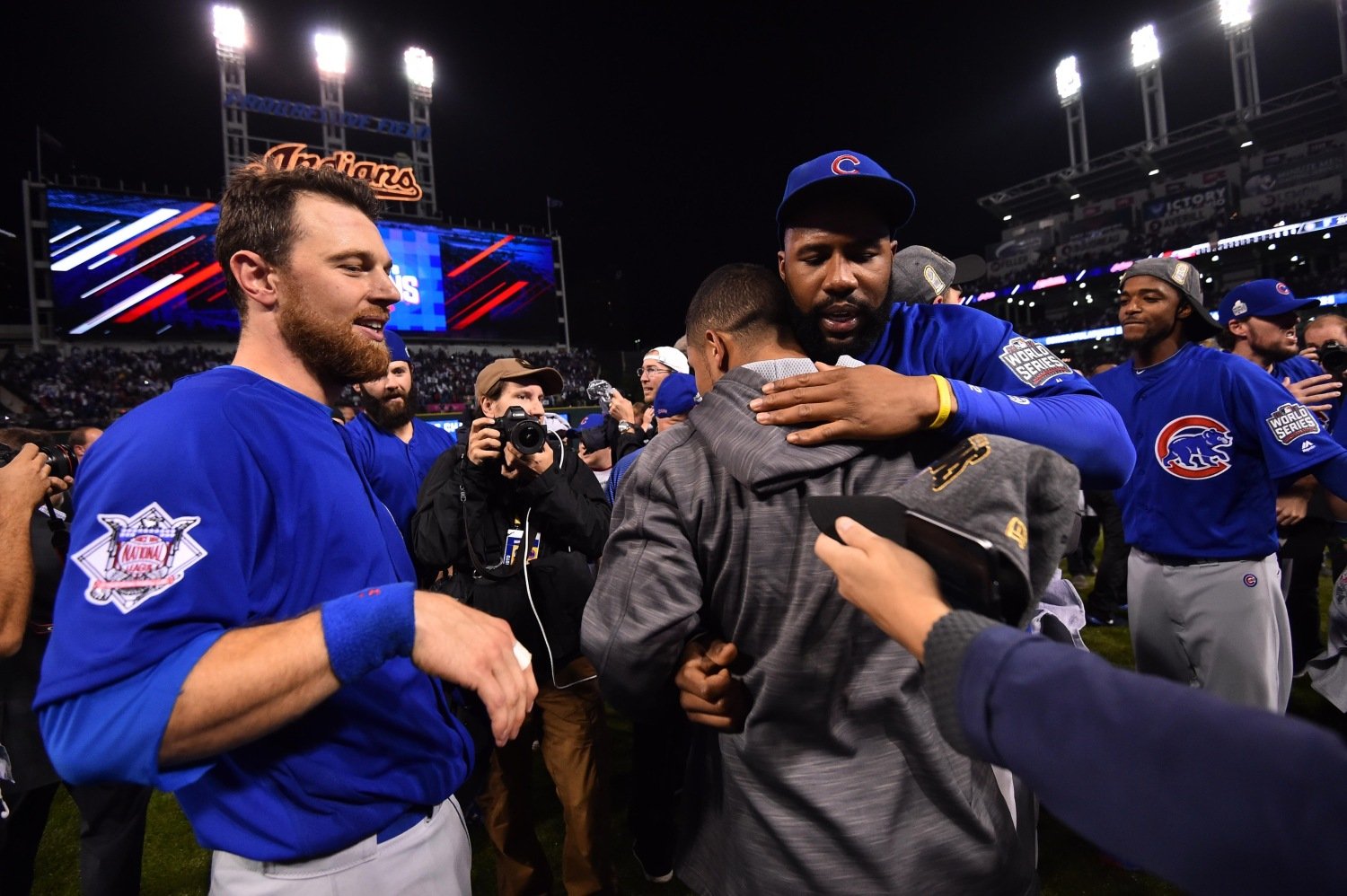 Here, you can find the first half of this list. This is a continuation of the top 10 Cubs free agent signings of all time, inspired by the 50th anniversary of modern MLB free agency. 5.) Ryan Dempster When the Cubs signed Dempster before the 2004 season, he was nothing more than a depth arm. He was coming off a brutal season and a half with the Reds, wherein he had an ERA over 6.00 across 37 games. He was still recovering from Tommy John surgery, which ended his 2003 season. He briefly appeared at the end of the 2004 season, but did not start making a real impact until taking the closer job from LaTroy Hawkins early in 2005. He collected 33 saves in 35 save opportunities—the best conversion rate in the league—after originally beginning the season in the rotation. He saved 52 more games over the next two seasons before moving back to the rotation in 2008, which was his best season in a Cubs uniform. That season, he made 33 starts with a 2.96 ERA and earned his first All-Star selection since 2000. He was the ace of a staff that also featured Carlos Zambrano, who had been the Cubs’ default ace in the few seasons prior. Whether it be in the bullpen or the rotation, Dempster was one of the essential pieces of the pitching staff when the Cubs won back-to-back division titles in 2007 and 2008. After that 2008 campaign, Dempster signed a 4-year deal to stay in Chicago and filled the veteran leadership role on some Cubs teams that were quite forgettable. The other reason why he is so high on this list is that his exit from Chicago brought back one of the greatest Cubs starters of all-time, and a key piece of the 2016 rotation. At the 2012 trade deadline, Dempster was traded to the Rangers for a package involving right handed starter Kyle Hendricks. (The Cubs got lucky there.) 4.) Jason Heyward Heyward was, by far, the hardest signing to rank here. His 8-year, $184-million contract remains the largest in Cubs history. The Cubs usually rank in the top 5 among MLB’s most valuable franchises, trailing only the Dodgers, Yankees, and Red Sox, so it remains baffling that 19 teams have handed out a larger free-agent contract or extension. There’s no question that the frugality we have seen from ownership of late is an effect of this contract. Over his 7 years as a Cub, Heyward accumulated 9.1 WAR. In comparison, he posted 23 WAR in his 5 years with Atlanta, and 7 WAR in his single season with St. Louis. He slashed .245/.323/.377 with only 62 home runs and 32 stolen bases, which were all far cries from the numbers he posted prior to 2016. He played a dependable center or right field, earning Gold Gloves in his first 2 seasons in Chicago. The Cubs even cut ties with Heyward before the 2023 season, which was supposed to be the last year of his contract. His inclusion on this list comes from one moment that took place in the visitors' locker room at Progressive Field, during the rain delay in Game 7 of the 2016 World Series. Lockdown closer Aroldis Chapman had just given up a game-tying 3-run home run to Rajai Davis in the bottom of the eighth, and before the top of the 10th, the umpires called the teams off the field for what would be a 17-minute delay. At this point, Heyward gathered the team, and spoke from his heart, highlighting the path they took to get there and their ability to win as a team. The mood changed from disappointment to hunger. The team knew who they were, and knew they could win. Anthony Rizzo called the rain delay the “best rain delay of all time” and credited the team's eventual victory to Heyward. There’s no real way of knowing how the team would have fared without the rain delay, but that question will forever be moot. Heyward was a major disappointment for virtually all of his time in Chicago, but the legend of his speech will live on forever. 3.) Andre Dawson The only Hall of Famer on this list, Dawson had one of the most peculiar cases of free agency ever. After 11 seasons, 3 All-Star selections, 6 Gold Gloves, 3 Silver Sluggers, a Rookie of the Year award, and a collection of knee injuries, Dawson wanted out of Montreal and the artificial turf used at Olympic Stadium. After the 1986 season, Dawson expressed a need to play for a team who played on grass, and heavily campaigned for an offer for the Cubs. Due to collusion among MLB owners, many high-profile free agents were having trouble securing contracts during the 1986-87 offseason. Cubs GM Dallas Green originally resisted signing Dawson, due to a desire to play Brian Dayett in the outfield. Dawson’s agent, Dick Moss. hatched a plan whereby he and Dawson would approach the Cubs with a blank check and let the Cubs decide what they would pay him. The Cubs decided to pay him $500,000, with a bonus of $150,000 if he avoided the injured list, and an extra $50,000 if he made the All-Star team. He admired Wrigley Field and the dedication of the fanbase, and was willing to bet on himself, knowing his play on the field would earn him a bigger contract next offseason. That certainly worked out for him, as he won the NL MVP in 1987, slashing .287/.328/.568 while leading the league in both home runs (49) and RBI (137). Though Dawson did his part, the Cubs finished in the cellar, but this would make the first time ever that a league MVP played for a last-place team. It was the first of 5 consecutive All-Star seasons for Dawson on the North Side, where he also earned 2 Gold Gloves and a Silver Slugger, picking up down-ballot MVP votes in 3 of the next 4 seasons. The Cubs only reached the postseason once during Dawson’s tenure, reaching the NLCS in 1989 before being quickly dismissed by the Giants. Still, his 6 seasons in Chicago were enough to cement him as one of the most loved Cubs of all time. 2.) Ben Zobrist After losing to the Mets in the 2015 NLCS, the uber-talented but young Cubs core was ready to be taken seriously. Like Dexter Fowler, Zobrist was signed to provide veteran leadership for the clubhouse and some consistency to an offense with a lot of free swingers. Fresh off a World Series win with the Royals, Zobrist came to Chicago to reunite with Joe Maddon and fill a hole at second base after a trade of Starlin Castro, and to provide that key versatility that he displayed over his tenure with the Rays. His presence was felt almost immediately, as he made the All-Star team in his first season and finished with 3.5 WAR. Zobrist, like Heyward, was a hero of Game 7 of the World Series. After the rain delay (and Heyward’s speech), Kyle Schwarber, playing in his first series since getting hurt in April, singled off Cleveland reliever Bryan Shaw. After pinch-runner Albert Almora Jr. advanced on a Kris Bryant fly ball, Rizzo was intentionally walked, bringing Zobrist to the plate with two runners on. This became the biggest at-bat of the game, as Zobrist doubled to left, driving in the go-ahead run. That hit earned him World Series MVP honors, and his second World Series ring in as many years. Zobrist had varying levels of success throughout his next 3 seasons as a Cub, and his power nearly evaporated after 2016, but he still helped the team with his defensive versatility and ability to get on base. Zobrist’s Cubs tenure gets more interesting when his age is considered. He was 35 when he signed the 4-year deal, and remained a productive player through his late 30s, something that only a few position players do anymore. 1.) Jon Lester Lester is the clear and obvious pick for the greatest Cubs free agent signing of all time. The 6-year, $155-million contract he signed prior to the 2015 season is one of the best contracts that any team has given to a starting pitcher in the last 25 years. The Cubs were expected to turn a corner in 2015. Some of their top-ranked farm system got a cup of coffee in the big leagues in 2014, but 2015 would mark the debut of the best prospect in baseball: Kris Bryant. Kyle Schwarber and Addison Russell were all highly ranked among the top prospects in baseball and seemed set to make their debuts, as well. Culture guru Joe Maddon was signed to be the skipper, and all of a sudden Theo Epstein’s vision for the Cubs was coming to be. Lester was one of the top arms on the market, and the Cubs were instantly seen as a top suitor. Lester was seen as the veteran, frontline arm who would slot perfectly above Jake Arrieta, Jason Hammel, and emerging rookie Kyle Hendricks. Lester made 2 All-Star teams as a Cub and finished second in NL Cy Young voting in 2016, when he also posted the lowest ERA of his career (2.44). Lester was a proven postseason arm, with a 2.11 ERA in 76 2/3 playoff innings with Boston, and that continued in Chicago, where he had a 2.44 ERA in the postseason. Lester finished his time in Chicago with a 77-44 record, a 3.64 ERA, and 940 strikeouts. This was a rare example of a long-term contract for a pitcher that worked throughout the majority of the term. He had some down-ish years, but even in his late 30s, he was able to eat innings and get outs. At his best, he was an ace who dominated in the playoffs and was essential in the Cubs’ pursuit of the World Series.
 -
Image courtesy of © Mark J. Rebilas-Imagn Images Fifty years ago, Major League Baseball was forced to adopt a rule change that would drastically change the sport forever. This wasn’t a traditional rule change like the universal DH, larger bases, pace of play initiatives or the shift ban. This was a change that would finally put more power in the hands of players when it came to where they played and how much they were paid. This rule change, of course, was the elimination of the reserve clause, which created modern free agency. Prior to free agency, a team held the rights to a player even after their contract expired. After a contract expired, the team could offer the player a new contract, trade them, reassign them to the minors, or sell the rights to another team. This left players with little-to-no negotiating power, as they could only ask for a trade/release or refuse to play. Since its inception in 1975, free agency has evolved and changed due to updated CBAs, but the bottom line remains the same: players now have much more influence in who they play for. Here is a list of the most impactful Cubs free agent signings of all time: 10. Rod Beck The 1998 season was a good one in which to be a Cubs fan. With a record of 90-73 (including winning a one-game playoff with San Francisco), the Cubs returned to the postseason for the first time since 1989. Sammy Sosa and Mark McGwire each broke Roger Maris’s single-season home run record, with McGwire winning the home run race but Sosa winning the MVP. On the pitching side, Kerry Wood made his debut, and struck out 20 batters in his fifth career start. The one-year deal given to seemingly washed-up ex-closer Rod “Shooter” Beck seems like an afterthought, but his 51 saves were second in the NL, trailing only future Hall of Famer Trevor Hoffman. He was also a great example of durability out of the pen, leading the NL in games pitched with 81. Though Beck was not an All-Star with Chicago, his 81 strikeouts and 1.3 WAR were the third-highest marks of his 13-year career. Beck was also a fun player to watch. He had a lazy-looking windup (it was slow and incorporated a pretty high leg kick), but he thrived off deception, so the unique delivery helped him fool hitters with his nasty forkball. Modern Cubs fans are used to feeling uneasy in the ninth inning, so it’s nice to look back to a time where they had a proven closer to lock it down. 9. Shota Imanaga Imanaga is the only current Cub who makes this list, and his inclusion speaks to what he represents outside of his pure stats. The two-time NPB All-Star was posted by his former team, the Yokohama Bay Stars, after the 2023 season. He spent much of his free agency in the shadow of countryman Yoshinobu Yamamoto, before signing with the Cubs in January 2024. The four-year, $53-million deal that brought Imanaga to the Cubs had some unique aspects that made it far from the traditional free-agent contract, and we saw this play out this offseason. After Year 2 of the deal, the Cubs had the option to extend the contract to five years, but if the Cubs declined to extend him, he could opt out. The Cubs did not extend him, and Imanaga ended up opting out, though he accepted the qualifying offer for $22.025 million over one year, instead. Imanaga will be back in the rotation in 2026, and while the end of his 2025 campaign rang some alarm bells, his time in Chicago as a whole has exceeded expectations. He has a 24-11 record, a 3.28 ERA, and 291 strikeouts across 318 MLB innings. His 2024 season alone cemented him on this list, as he went 15-3 with a 2.91 ERA, accumulated 3.0 WAR, and made the All-Star team. He also finished fourth in NL Rookie of the Year voting and fifth for the NL Cy Young. Imanaga quickly became a fan favorite, as he and Justin Steele formed one of the best rotation duos in baseball. Hopefully, he regains some of his 2024 form for next season, but regardless of how 2026 goes, the Cubs would not have turned a corner without the help of Imanaga. 8. Moisés Alou Alou’s most memorable moment as a Cub is probably the most infamous moment in franchise history, but let's focus on the impact he made on the field. Before the 2002 season, the Cubs signed the 35-year-old to a three-year deal worth $27 million. (This was during a time when a player in his mid-30s could secure a multi-year deal, play almost every day, and be counted on as a middle-of-the-order bat.) In his three seasons with the team, Alou slashed .283/.353/.484, making an All-Star team in 2004 while finishing seventh in the league in home runs (39). He spent most of his Cubs tenure hitting behind Sammy Sosa, forming a powerful heart of the order that also included a young Aramis Ramírez. He was a key reason why the Cubs made it back to October in 2003, their first time since 1998. 7. Alfonso Soriano After Alou departed following the 2004 season, left field was a bit of a revolving door for the Cubs. Todd Hollandsworth was the Opening Day left fielder in 2005, but he was more of a bench bat during his years as a Cub. Prospect Matt Murton won the job in 2006, but he quickly proved that he wasn’t going to be the force in the lineup that many thought he would be. For the 2007 season, GM Jim Hendry needed to make some impactful changes to vault the team back into contention. One of those was signing lovable yet hot-tempered manager Lou Piniella, and the other was handing out the largest free-agent contract in franchise history (at the time) to Alfonso Soriano—an eight-year deal worth almost $136 million, nearly double what his former team, the Washington Nationals, were looking to give him. The five-time All-Star and four-time Silver Slugger was just coming off the fourth 40/40 season in MLB history, and the Cubs needed another star to pair with Derrek Lee and Ramírez. Although he was a streaky hitter prone to swing and miss, he still launched 181 home runs as a Cub, which is good for 12th on the Cubs' all-time home run list. In six and a half seasons with the team, Soriano slashed .264/.317/.495, made two All-Star teams, and played a key role in two playoff runs. Soriano is likely the second-most loved left fielder the team has had since 2000, trailing only Ian Happ. 6. Dexter Fowler In 2014, we saw the debuts of some of the eventual championship core. Anthony Rizzo was already entrenched at first base, but Javier Báez and Kyle Hendricks were called up for the first time. With Kris Bryant, Kyle Schwarber, Addison Russell, Albert Almora Jr., and Willson Contreras on the way, Cubs fans could start to buy into Theo Epstein’s vision. Before acquiring Fowler from Houston for 2015, the Cubs had been using a merry-go-round of mediocre options in center field, such as Arismendy Alcantara, Emilio Bonifacio, Junior Lake and Ryan Sweeney. Fowler slashed a respectable yet unspectacular .250/.346/.447 in his first season in Chicago, but helped the team reach the postseason for the first time since 2008. The seven-year veteran brought leadership to a young, emerging team looking for a catalyst at the top of the order. It was rumored that Fowler was going to leave the Cubs to join the Orioles on a four-year deal, but that contract never got across the finish line. Instead, Fowler chose to surprise Cubs players and fans by returning on a one-year deal. Joe Maddon famously told Fowler “You go, we go”, and Fowler took that seriously. He had the best season of his career, he slashed .276/.393/.447 and had 4.0 WAR on the season, while making his first and only All-Star team. He had the lowest chase percentage in baseball, only swinging at 19.4% of pitches outside the strike zone. This was essential for a lineup that had a few free swingers in it. Even if he was not the catalyst or leader that he was, Fowler would be on this list, because he gave us one of the greatest greatest Cubs home runs of all-time, and became the first Black player to start a World Series for the Cubs. View full article
-
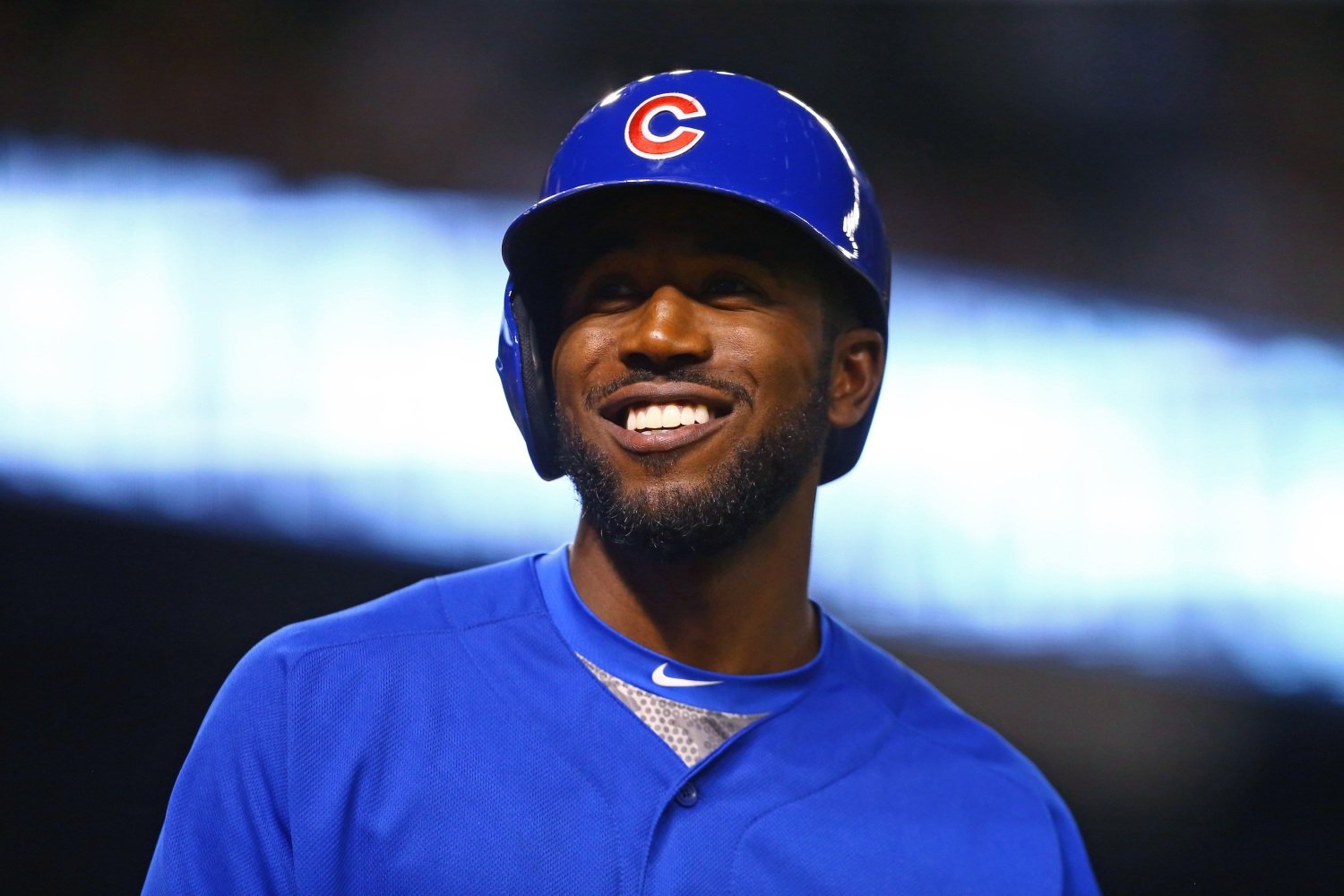 Fifty years ago, Major League Baseball was forced to adopt a rule change that would drastically change the sport forever. This wasn’t a traditional rule change like the universal DH, larger bases, pace of play initiatives or the shift ban. This was a change that would finally put more power in the hands of players when it came to where they played and how much they were paid. This rule change, of course, was the elimination of the reserve clause, which created modern free agency. Prior to free agency, a team held the rights to a player even after their contract expired. After a contract expired, the team could offer the player a new contract, trade them, reassign them to the minors, or sell the rights to another team. This left players with little-to-no negotiating power, as they could only ask for a trade/release or refuse to play. Since its inception in 1975, free agency has evolved and changed due to updated CBAs, but the bottom line remains the same: players now have much more influence in who they play for. Here is a list of the most impactful Cubs free agent signings of all time: 10. Rod Beck The 1998 season was a good one in which to be a Cubs fan. With a record of 90-73 (including winning a one-game playoff with San Francisco), the Cubs returned to the postseason for the first time since 1989. Sammy Sosa and Mark McGwire each broke Roger Maris’s single-season home run record, with McGwire winning the home run race but Sosa winning the MVP. On the pitching side, Kerry Wood made his debut, and struck out 20 batters in his fifth career start. The one-year deal given to seemingly washed-up ex-closer Rod “Shooter” Beck seems like an afterthought, but his 51 saves were second in the NL, trailing only future Hall of Famer Trevor Hoffman. He was also a great example of durability out of the pen, leading the NL in games pitched with 81. Though Beck was not an All-Star with Chicago, his 81 strikeouts and 1.3 WAR were the third-highest marks of his 13-year career. Beck was also a fun player to watch. He had a lazy-looking windup (it was slow and incorporated a pretty high leg kick), but he thrived off deception, so the unique delivery helped him fool hitters with his nasty forkball. Modern Cubs fans are used to feeling uneasy in the ninth inning, so it’s nice to look back to a time where they had a proven closer to lock it down. 9. Shota Imanaga Imanaga is the only current Cub who makes this list, and his inclusion speaks to what he represents outside of his pure stats. The two-time NPB All-Star was posted by his former team, the Yokohama Bay Stars, after the 2023 season. He spent much of his free agency in the shadow of countryman Yoshinobu Yamamoto, before signing with the Cubs in January 2024. The four-year, $53-million deal that brought Imanaga to the Cubs had some unique aspects that made it far from the traditional free-agent contract, and we saw this play out this offseason. After Year 2 of the deal, the Cubs had the option to extend the contract to five years, but if the Cubs declined to extend him, he could opt out. The Cubs did not extend him, and Imanaga ended up opting out, though he accepted the qualifying offer for $22.025 million over one year, instead. Imanaga will be back in the rotation in 2026, and while the end of his 2025 campaign rang some alarm bells, his time in Chicago as a whole has exceeded expectations. He has a 24-11 record, a 3.28 ERA, and 291 strikeouts across 318 MLB innings. His 2024 season alone cemented him on this list, as he went 15-3 with a 2.91 ERA, accumulated 3.0 WAR, and made the All-Star team. He also finished fourth in NL Rookie of the Year voting and fifth for the NL Cy Young. Imanaga quickly became a fan favorite, as he and Justin Steele formed one of the best rotation duos in baseball. Hopefully, he regains some of his 2024 form for next season, but regardless of how 2026 goes, the Cubs would not have turned a corner without the help of Imanaga. 8. Moisés Alou Alou’s most memorable moment as a Cub is probably the most infamous moment in franchise history, but let's focus on the impact he made on the field. Before the 2002 season, the Cubs signed the 35-year-old to a three-year deal worth $27 million. (This was during a time when a player in his mid-30s could secure a multi-year deal, play almost every day, and be counted on as a middle-of-the-order bat.) In his three seasons with the team, Alou slashed .283/.353/.484, making an All-Star team in 2004 while finishing seventh in the league in home runs (39). He spent most of his Cubs tenure hitting behind Sammy Sosa, forming a powerful heart of the order that also included a young Aramis Ramírez. He was a key reason why the Cubs made it back to October in 2003, their first time since 1998. 7. Alfonso Soriano After Alou departed following the 2004 season, left field was a bit of a revolving door for the Cubs. Todd Hollandsworth was the Opening Day left fielder in 2005, but he was more of a bench bat during his years as a Cub. Prospect Matt Murton won the job in 2006, but he quickly proved that he wasn’t going to be the force in the lineup that many thought he would be. For the 2007 season, GM Jim Hendry needed to make some impactful changes to vault the team back into contention. One of those was signing lovable yet hot-tempered manager Lou Piniella, and the other was handing out the largest free-agent contract in franchise history (at the time) to Alfonso Soriano—an eight-year deal worth almost $136 million, nearly double what his former team, the Washington Nationals, were looking to give him. The five-time All-Star and four-time Silver Slugger was just coming off the fourth 40/40 season in MLB history, and the Cubs needed another star to pair with Derrek Lee and Ramírez. Although he was a streaky hitter prone to swing and miss, he still launched 181 home runs as a Cub, which is good for 12th on the Cubs' all-time home run list. In six and a half seasons with the team, Soriano slashed .264/.317/.495, made two All-Star teams, and played a key role in two playoff runs. Soriano is likely the second-most loved left fielder the team has had since 2000, trailing only Ian Happ. 6. Dexter Fowler In 2014, we saw the debuts of some of the eventual championship core. Anthony Rizzo was already entrenched at first base, but Javier Báez and Kyle Hendricks were called up for the first time. With Kris Bryant, Kyle Schwarber, Addison Russell, Albert Almora Jr., and Willson Contreras on the way, Cubs fans could start to buy into Theo Epstein’s vision. Before acquiring Fowler from Houston for 2015, the Cubs had been using a merry-go-round of mediocre options in center field, such as Arismendy Alcantara, Emilio Bonifacio, Junior Lake and Ryan Sweeney. Fowler slashed a respectable yet unspectacular .250/.346/.447 in his first season in Chicago, but helped the team reach the postseason for the first time since 2008. The seven-year veteran brought leadership to a young, emerging team looking for a catalyst at the top of the order. It was rumored that Fowler was going to leave the Cubs to join the Orioles on a four-year deal, but that contract never got across the finish line. Instead, Fowler chose to surprise Cubs players and fans by returning on a one-year deal. Joe Maddon famously told Fowler “You go, we go”, and Fowler took that seriously. He had the best season of his career, he slashed .276/.393/.447 and had 4.0 WAR on the season, while making his first and only All-Star team. He had the lowest chase percentage in baseball, only swinging at 19.4% of pitches outside the strike zone. This was essential for a lineup that had a few free swingers in it. Even if he was not the catalyst or leader that he was, Fowler would be on this list, because he gave us one of the greatest greatest Cubs home runs of all-time, and became the first Black player to start a World Series for the Cubs.
 -
Image courtesy of © Patrick Gorski-Imagn Images As the 2025 MLB Winter Meetings came and went, the Chicago Cubs largely sat idly. In fairness, so did many of their competitors; there was limited action at the league's annual hot stove festival. The Cubs signed two relievers: reclamation project Collin Snider (on a minor-league deal), and Hoby Milner, a soft-tossing lefty with a funky delivery and familiarity with Craig Counsell. Other teams were busier, though. Most of the top free-agent relievers have signed elsewhere. The Braves re-signed Raisel Iglesias and lured in ex-Padres closer Robert Suarez. The Dodgers and Mets gave three-year deals to Edwin Díaz and Devin Williams, respectively; the Blue Jays gave a slightly less lucrative one to Tyler Rogers. Kyle Finnegan and Kenley Jansen signed with the Tigers. Ryan Helsley went to the Orioles on a two-year deal, which he can renounce after 2026 if he sees a chance to make more money elsewhere. Emilio Pagán went back to the Reds on a two-year deal worth $20 million. The Cubs have signed righty setup man Phil Maton, in addition to Snider and Milner, but some of those players signing elsewhere stung. Helsley would have been a great fit. Williams made sense, as well, and it was reported that he was interested in reuniting with Counsell. Suarez was a fit, and the Cubs were allegedly kicking the tires on him, but the kick must not have inspired much confidence in his ability to hold up. Díaz, Helsley, Williams, and Suarez were considered the elite relief options on the free-agent market. It's no surprise, though, that the Cubs weren't willing to offer up the deals any of them ultimately secured. That's not how Jed Hoyer believes in building a bullpen. In each of the last few years, though, Hoyer has found bargains once the initial surge of relief signings has softened the demand for players and begun to pull down their price tags. Here are a few of the top relievers remaining, whom Hoyer could turn to as he tries to fill out a bullpen still rife with opportunity. Brad Keller A longtime starter, Keller reinvented himself as a high-leverage reliever for the 2025 Cubs. The initial engagement between player and team worked gorgeously; why should Keller risk going somewhere else? In 69 2/3 innings this season, Keller had a 2.07 ERA, a WHIP of 0.96, and 75 strikeouts, and even filled the closer role late in the season. His fastball averaged 97 mph, trailing only Daniel Palencia among Cubs hurlers. There is little reason to believe this was a fluke, and the Cubs should have the inside track on signing him. He's likely to command a multi-year deal worth at least $10 million per year, though. Taylor Rogers Sticking with the theme of familiar faces, Rogers has a potential role with the team in 2026, even with the signing of Milner, who has a similar profile. Outside of Milner, the only left-handed relief options on the roster are Luke Little, Jordan Wicks, and rookie Riley Martin. Ideally, there would be another hard thrower added to the bunch, but Rogers would serve as much-needed depth. Though he had an unimpressive 5.02 ERA after being traded to the Cubs, Rogers had a 3.32 ERA across his 50 2/3 total innings in 2025. He should be willing to sign a cheap one-year contract this offseason. Pete Fairbanks Fairbanks is arguably the most exciting option left on the relief market. He served as the Rays' closer for the last three seasons, and collected 75 saves over that span. In 2025, Fairbanks had a 2.83 ERA, 59 strikeouts to 18 walks, and 27 saves in 60 1/3 innings. If the Cubs sign Fairbanks, he would immediately become the most accomplished closer on the roster. Fairbanks will be 32 before Opening Day and is coming off his first fully healthy season since 2020. From 2021-2024, he dealt with rotator cuff, shoulder, lat and hip problems, and even a nerve issue that limited him to 156 2/3 innings during that time. While injuries will be a concern, Fairbanks's price should reflect that. A two--year deal somewhere in the same neighborhood as Pagán's will likely be what gets it done. Luke Weaver Weaver made his debut in 2016 with the Cardinals. He was one of the better starting pitching prospects in baseball at the time. After eight seasons as (mostly) a back-of-the-rotation arm, mainly with the Cardinals and Diamondbacks, he converted to relief with the Yankees in 2024. He rewarded them with a 2.89 ERA and 103 strikeouts in 84 innings. He did take a slight step back in 2025, as he posted a 3.62 ERA and was limited to mostly one-inning appearances, but that had much to do with the heavy workload he bore all the way through October the year before. The transition to the bullpen has helped Weaver improve his fastball velocity, which has lived above 95 mph since 2024. Weaver doesn’t have full seasons of closing experience like Fairbanks, but would still be an established right-handed, late-inning option in a Cubs bullpen that thins out after Palencia and Maton. Evan Phillips A key piece of the Dodgers’ bullpen from 2022-2024, Phillips was non-tendered after undergoing Tommy John surgery early in the 2025 season. Phillips will not be available for the start of 2026, but should be able to make an impact at some point. He was excellent with the Dodgers in 2022, with a 1.14 ERA and 77 strikeouts, and had another elite year in 2023 with a 2.04 ERA. At 31 years old, he should be able to regain at least some of that form. The Cubs would need to add a few more arms to make the bullpen a strength for next season, but if they do add the necessary reinforcements, Phillips can be that piece to put them over the top in October. In 15 1/3 postseason innings, he has not given up a run. There are not many arms on the market that have the same postseason experience and recent success as Phillips. The Tommy John recovery will likely limit him to a one-year deal. View full article
-
After Cubs Missed Big on Relievers at MLB Winter Meetings, Who's Left?
Paul Niemiec posted an article in Cubs
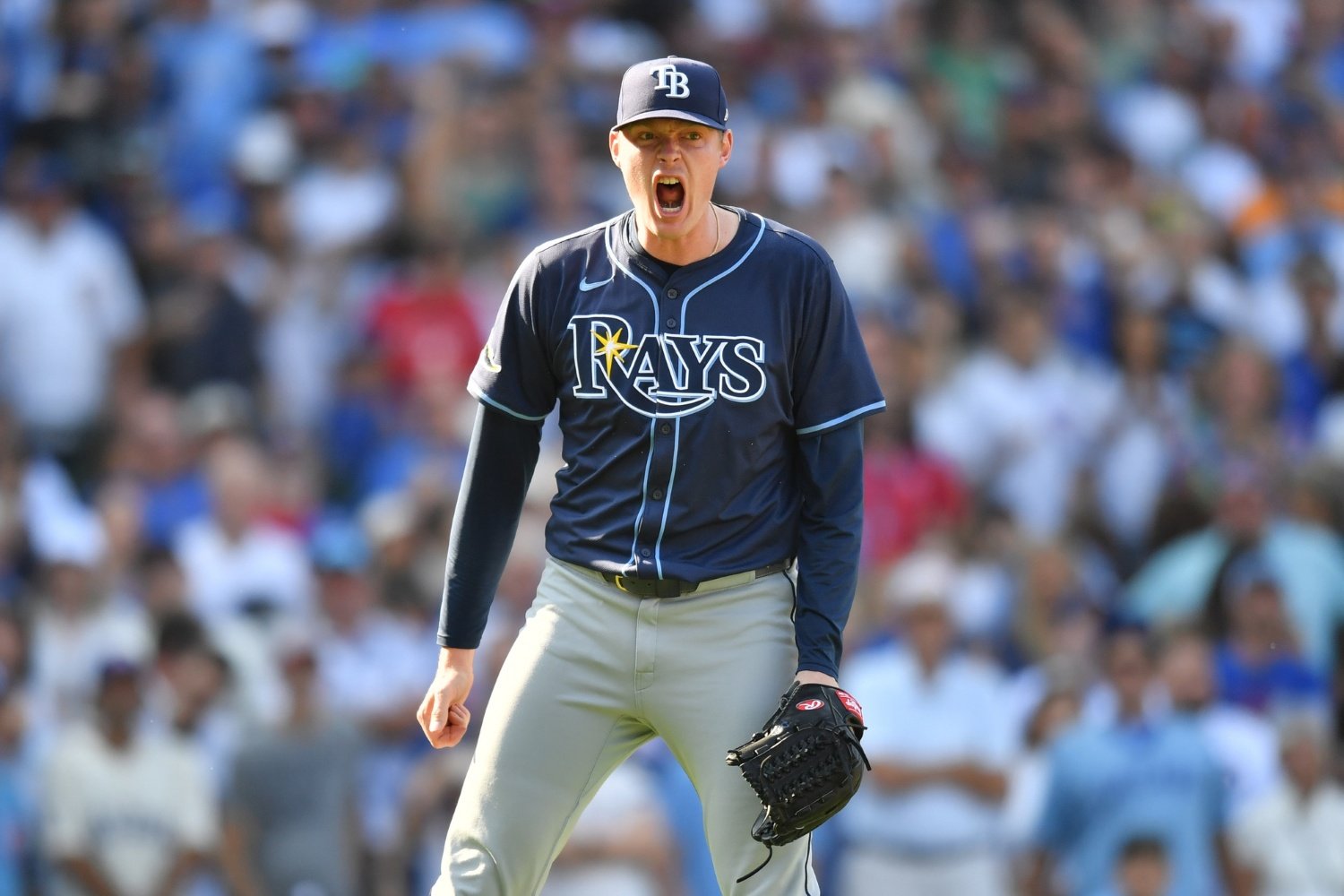 As the 2025 MLB Winter Meetings came and went, the Chicago Cubs largely sat idly. In fairness, so did many of their competitors; there was limited action at the league's annual hot stove festival. The Cubs signed two relievers: reclamation project Collin Snider (on a minor-league deal), and Hoby Milner, a soft-tossing lefty with a funky delivery and familiarity with Craig Counsell. Other teams were busier, though. Most of the top free-agent relievers have signed elsewhere. The Braves re-signed Raisel Iglesias and lured in ex-Padres closer Robert Suarez. The Dodgers and Mets gave three-year deals to Edwin Díaz and Devin Williams, respectively; the Blue Jays gave a slightly less lucrative one to Tyler Rogers. Kyle Finnegan and Kenley Jansen signed with the Tigers. Ryan Helsley went to the Orioles on a two-year deal, which he can renounce after 2026 if he sees a chance to make more money elsewhere. Emilio Pagán went back to the Reds on a two-year deal worth $20 million. The Cubs have signed righty setup man Phil Maton, in addition to Snider and Milner, but some of those players signing elsewhere stung. Helsley would have been a great fit. Williams made sense, as well, and it was reported that he was interested in reuniting with Counsell. Suarez was a fit, and the Cubs were allegedly kicking the tires on him, but the kick must not have inspired much confidence in his ability to hold up. Díaz, Helsley, Williams, and Suarez were considered the elite relief options on the free-agent market. It's no surprise, though, that the Cubs weren't willing to offer up the deals any of them ultimately secured. That's not how Jed Hoyer believes in building a bullpen. In each of the last few years, though, Hoyer has found bargains once the initial surge of relief signings has softened the demand for players and begun to pull down their price tags. Here are a few of the top relievers remaining, whom Hoyer could turn to as he tries to fill out a bullpen still rife with opportunity. Brad Keller A longtime starter, Keller reinvented himself as a high-leverage reliever for the 2025 Cubs. The initial engagement between player and team worked gorgeously; why should Keller risk going somewhere else? In 69 2/3 innings this season, Keller had a 2.07 ERA, a WHIP of 0.96, and 75 strikeouts, and even filled the closer role late in the season. His fastball averaged 97 mph, trailing only Daniel Palencia among Cubs hurlers. There is little reason to believe this was a fluke, and the Cubs should have the inside track on signing him. He's likely to command a multi-year deal worth at least $10 million per year, though. Taylor Rogers Sticking with the theme of familiar faces, Rogers has a potential role with the team in 2026, even with the signing of Milner, who has a similar profile. Outside of Milner, the only left-handed relief options on the roster are Luke Little, Jordan Wicks, and rookie Riley Martin. Ideally, there would be another hard thrower added to the bunch, but Rogers would serve as much-needed depth. Though he had an unimpressive 5.02 ERA after being traded to the Cubs, Rogers had a 3.32 ERA across his 50 2/3 total innings in 2025. He should be willing to sign a cheap one-year contract this offseason. Pete Fairbanks Fairbanks is arguably the most exciting option left on the relief market. He served as the Rays' closer for the last three seasons, and collected 75 saves over that span. In 2025, Fairbanks had a 2.83 ERA, 59 strikeouts to 18 walks, and 27 saves in 60 1/3 innings. If the Cubs sign Fairbanks, he would immediately become the most accomplished closer on the roster. Fairbanks will be 32 before Opening Day and is coming off his first fully healthy season since 2020. From 2021-2024, he dealt with rotator cuff, shoulder, lat and hip problems, and even a nerve issue that limited him to 156 2/3 innings during that time. While injuries will be a concern, Fairbanks's price should reflect that. A two--year deal somewhere in the same neighborhood as Pagán's will likely be what gets it done. Luke Weaver Weaver made his debut in 2016 with the Cardinals. He was one of the better starting pitching prospects in baseball at the time. After eight seasons as (mostly) a back-of-the-rotation arm, mainly with the Cardinals and Diamondbacks, he converted to relief with the Yankees in 2024. He rewarded them with a 2.89 ERA and 103 strikeouts in 84 innings. He did take a slight step back in 2025, as he posted a 3.62 ERA and was limited to mostly one-inning appearances, but that had much to do with the heavy workload he bore all the way through October the year before. The transition to the bullpen has helped Weaver improve his fastball velocity, which has lived above 95 mph since 2024. Weaver doesn’t have full seasons of closing experience like Fairbanks, but would still be an established right-handed, late-inning option in a Cubs bullpen that thins out after Palencia and Maton. Evan Phillips A key piece of the Dodgers’ bullpen from 2022-2024, Phillips was non-tendered after undergoing Tommy John surgery early in the 2025 season. Phillips will not be available for the start of 2026, but should be able to make an impact at some point. He was excellent with the Dodgers in 2022, with a 1.14 ERA and 77 strikeouts, and had another elite year in 2023 with a 2.04 ERA. At 31 years old, he should be able to regain at least some of that form. The Cubs would need to add a few more arms to make the bullpen a strength for next season, but if they do add the necessary reinforcements, Phillips can be that piece to put them over the top in October. In 15 1/3 postseason innings, he has not given up a run. There are not many arms on the market that have the same postseason experience and recent success as Phillips. The Tommy John recovery will likely limit him to a one-year deal.
 -
Image courtesy of © Joe Camporeale-Imagn Images With the Winter Meetings on the horizon, there's no roster that's truly set in stone. MLB fans will see a flurry of trades and free agency moves as teams prepare for 2026 and the uncertainty beyond it. The Chicago Cubs are in one of the more complex situations in baseball. On one hand, they stormed back into relevancy by making the playoffs for the first time since 2020, and winning their first playoff series since 2017. On the other hand, they relied heavily on journeyman veterans who had career years, and it's looking like a foregone conclusion Kyle Tucker will sign somewhere else this winter. Even with his second-half struggles, the Cubs' offense would not have carried the team in the first half without the .926 OPS Tucker produced through the Midsummer Classic. When a team loses a player of that caliber, it's hard to anticipate the offense taking a step forward. Prior to any big moves Here is a look at the Cubs’ current depth chart for the corner outfield in a post-Kyle Tucker world. Right Field Let's start with the position that Tucker is vacating right field. Due to his injury, we did see Craig Counsell switch Tucker and Seiya Suzuki between right and DH late in the season and the playoffs. As things currently stand, Seiya is the starting right fielder, and that likely will not change unless there is a big free-agent signing. After hitting a career-high 32 home runs in 2025, Counsell will try to keep his bat in the middle of the lineup for the duration of the 2026 season. Defensively, having Pete Crow-Armstrong in center can help mitigate Suzuki’s shortcomings in the outfield. This is not to say Suzuki is inherently a poor outfielder, but the Cubs’ pitching relied on their excellent defense throughout 2025, so replacing Tucker with Suzuki for the majority of games is a blow that the pitching staff will surely feel at some point. Owen Caissie is the in-house option to replace Tucker that would allow Suzuki to spend more time at DH. Caissie remains the team’s top offensive prospect going into 2026 and will likely be a big part of the team’s plans in some way. In 2025, he only had 26 at-bats in the big leagues, where he tallied five hits, including a home run. There are two issues with moving Caissie to the top of the depth chart for right field. First, he was never regarded as a plus defender at any point in his minor-league career. He has a plus arm, and he moves around well enough for a bigger player, but he is not the Gold Glover that Kyle Tucker has been. The second issue with Caissie is the fear that throwing him into the starting lineup right out of the gate could create a similar situation that we saw at third base in 2025. Matt Shaw was largely underwhelming in 2025, and outside of a few hot streaks, he looked overmatched by major-league pitching. Caissie has more margin for error thanks to his prodigious power, but banking on a rookie to provide even 70% of what Tucker was in 2025 is pure foolishness. If the Cubs do end up pursuing a player like Alex Bregman or Japanese slugger Munetaka Murakami as an upgrade over Shaw, it will take some pressure off Caissie to be an immediate difference maker. Left Field In left field, four-time Gold Glove winner Ian Happ will be the starter yet again. Although he had a slower start to 2025, he still put up the type of numbers we expect. He slashed .243/.342/.420 with 23 home runs and 79 RBI. The 31-year-old should produce similar numbers as he heads into the last year of the three-year, $61 million contract he signed in April of 2023. Much like Dansby Swanson, Nico Hoerner, and Michael Busch, Happ in left is one of the lineup locks for the Cubs in 2026. The only other full-time outfielder on the 40-man roster is prospect Kevin Alcantara. Alcantara has been a fixture on the team’s top prospect rankings since they acquired him from the Yankees in the Anthony Rizzo trade. It is seemingly now or never for Alcantara to get his longer audition on the MLB roster, and like Caissie, he could also be included in trade rumors during this offseason. Alcantara is a speedy outfielder with a strong arm and some power, but his 6’6 frame suggests he should be able to tap into more of it. In 2025, Alcantara had four hits in 11 at-bats with the Cubs, but also struck out in four of those at-bats as well. He is a natural center fielder, but with Crow-Armstrong entrenched there, Alcantara will be vying for playing time at all three outfield positions. After the prospects, there are not too many notable names on the roster. First-round pick Ethan Conrad might have a spot on this list a year from now, but as it stands, there are not a ton of depth options outside of Alcantara. Infielder James Triantos got a few looks in left and center in 2025, and was added to the 40-man roster this November, but he will need to improve upon his .259 MiLB batting average in 2025, which fell from .300 in 2024. The next-highest prospect who isn’t in the lower levels of the minors is Brett Bateman. A contact-before-power hitter, Bateman played the entirety of 2025 with the Knoxville Smokies. He hit .261 with a .683 OPS in 94 games. He has a keen awareness of the strike zone and rarely swings and misses, but gets on base through ground balls that find holes. Bateman may have a role as a backup MLB outfielder one day, but that seems to be his ceiling. Corner outfielder Jordan Nwogu put up his best statistical season with Double-A Knoxville in 2025, hitting .280 in 368 plate appearances, although his power has evaporated. The 2020 third-round pick out of the University of Michigan will be 27 years old before Opening Day and is not much of a prospect anymore. Likewise, 2021 seventh-round pick Parker Chavers was promoted to Triple-A Iowa in 2025 but only had 15 hits in 101 plate appearances, which was good for a .176 batting average. At this point, neither Chavers or Nwogu look like a reliable major-league contributor. The Cubs will need to look for depth on the trade or free-agent market for 2026. Even if they decide not pursue a big name to replace Tucker, there are still players available who can be quality backups in case players like Alcantara or Caissie don’t deliver. Some of the names that could intrigue the Cubs are a reunion with Willi Castro or Mike Tauchman. They could also look to employ a part-time player like Austin Hays, Randall Grichuk, Tommy Pham, Lane Thomas or Alex Verdugo, among many other battle-tested veterans available this offseason. View full article
-
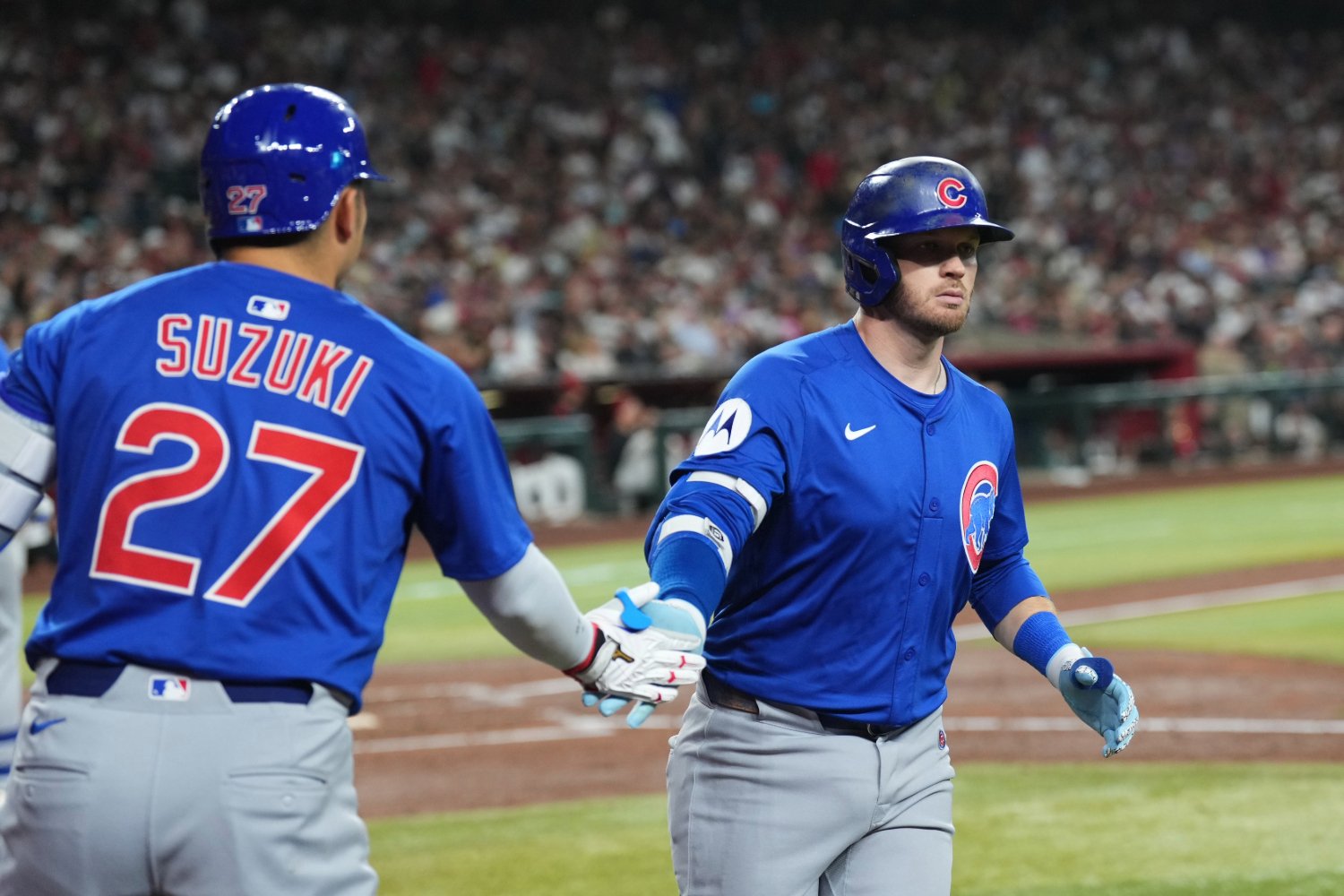 With the Winter Meetings on the horizon, there's no roster that's truly set in stone. MLB fans will see a flurry of trades and free agency moves as teams prepare for 2026 and the uncertainty beyond it. The Chicago Cubs are in one of the more complex situations in baseball. On one hand, they stormed back into relevancy by making the playoffs for the first time since 2020, and winning their first playoff series since 2017. On the other hand, they relied heavily on journeyman veterans who had career years, and it's looking like a foregone conclusion Kyle Tucker will sign somewhere else this winter. Even with his second-half struggles, the Cubs' offense would not have carried the team in the first half without the .926 OPS Tucker produced through the Midsummer Classic. When a team loses a player of that caliber, it's hard to anticipate the offense taking a step forward. Prior to any big moves Here is a look at the Cubs’ current depth chart for the corner outfield in a post-Kyle Tucker world. Right Field Let's start with the position that Tucker is vacating right field. Due to his injury, we did see Craig Counsell switch Tucker and Seiya Suzuki between right and DH late in the season and the playoffs. As things currently stand, Seiya is the starting right fielder, and that likely will not change unless there is a big free-agent signing. After hitting a career-high 32 home runs in 2025, Counsell will try to keep his bat in the middle of the lineup for the duration of the 2026 season. Defensively, having Pete Crow-Armstrong in center can help mitigate Suzuki’s shortcomings in the outfield. This is not to say Suzuki is inherently a poor outfielder, but the Cubs’ pitching relied on their excellent defense throughout 2025, so replacing Tucker with Suzuki for the majority of games is a blow that the pitching staff will surely feel at some point. Owen Caissie is the in-house option to replace Tucker that would allow Suzuki to spend more time at DH. Caissie remains the team’s top offensive prospect going into 2026 and will likely be a big part of the team’s plans in some way. In 2025, he only had 26 at-bats in the big leagues, where he tallied five hits, including a home run. There are two issues with moving Caissie to the top of the depth chart for right field. First, he was never regarded as a plus defender at any point in his minor-league career. He has a plus arm, and he moves around well enough for a bigger player, but he is not the Gold Glover that Kyle Tucker has been. The second issue with Caissie is the fear that throwing him into the starting lineup right out of the gate could create a similar situation that we saw at third base in 2025. Matt Shaw was largely underwhelming in 2025, and outside of a few hot streaks, he looked overmatched by major-league pitching. Caissie has more margin for error thanks to his prodigious power, but banking on a rookie to provide even 70% of what Tucker was in 2025 is pure foolishness. If the Cubs do end up pursuing a player like Alex Bregman or Japanese slugger Munetaka Murakami as an upgrade over Shaw, it will take some pressure off Caissie to be an immediate difference maker. Left Field In left field, four-time Gold Glove winner Ian Happ will be the starter yet again. Although he had a slower start to 2025, he still put up the type of numbers we expect. He slashed .243/.342/.420 with 23 home runs and 79 RBI. The 31-year-old should produce similar numbers as he heads into the last year of the three-year, $61 million contract he signed in April of 2023. Much like Dansby Swanson, Nico Hoerner, and Michael Busch, Happ in left is one of the lineup locks for the Cubs in 2026. The only other full-time outfielder on the 40-man roster is prospect Kevin Alcantara. Alcantara has been a fixture on the team’s top prospect rankings since they acquired him from the Yankees in the Anthony Rizzo trade. It is seemingly now or never for Alcantara to get his longer audition on the MLB roster, and like Caissie, he could also be included in trade rumors during this offseason. Alcantara is a speedy outfielder with a strong arm and some power, but his 6’6 frame suggests he should be able to tap into more of it. In 2025, Alcantara had four hits in 11 at-bats with the Cubs, but also struck out in four of those at-bats as well. He is a natural center fielder, but with Crow-Armstrong entrenched there, Alcantara will be vying for playing time at all three outfield positions. After the prospects, there are not too many notable names on the roster. First-round pick Ethan Conrad might have a spot on this list a year from now, but as it stands, there are not a ton of depth options outside of Alcantara. Infielder James Triantos got a few looks in left and center in 2025, and was added to the 40-man roster this November, but he will need to improve upon his .259 MiLB batting average in 2025, which fell from .300 in 2024. The next-highest prospect who isn’t in the lower levels of the minors is Brett Bateman. A contact-before-power hitter, Bateman played the entirety of 2025 with the Knoxville Smokies. He hit .261 with a .683 OPS in 94 games. He has a keen awareness of the strike zone and rarely swings and misses, but gets on base through ground balls that find holes. Bateman may have a role as a backup MLB outfielder one day, but that seems to be his ceiling. Corner outfielder Jordan Nwogu put up his best statistical season with Double-A Knoxville in 2025, hitting .280 in 368 plate appearances, although his power has evaporated. The 2020 third-round pick out of the University of Michigan will be 27 years old before Opening Day and is not much of a prospect anymore. Likewise, 2021 seventh-round pick Parker Chavers was promoted to Triple-A Iowa in 2025 but only had 15 hits in 101 plate appearances, which was good for a .176 batting average. At this point, neither Chavers or Nwogu look like a reliable major-league contributor. The Cubs will need to look for depth on the trade or free-agent market for 2026. Even if they decide not pursue a big name to replace Tucker, there are still players available who can be quality backups in case players like Alcantara or Caissie don’t deliver. Some of the names that could intrigue the Cubs are a reunion with Willi Castro or Mike Tauchman. They could also look to employ a part-time player like Austin Hays, Randall Grichuk, Tommy Pham, Lane Thomas or Alex Verdugo, among many other battle-tested veterans available this offseason.
 -
 The Kiwoom Heroes of the Korean Baseball Organization have posted their star third baseman, Sung Mun Song. He now has until December 21 to sign with an MLB club. If he doesn't, he will return to the Heroes for 2026, but it looks as though Song will join the slow but steady stream of Korean hitters coming to the United States in their prime. The 29-year-old is coming off a season wherein he hit .315 with a .917 OPS in 144 games. He hit a career-high 26 home runs and stole 25 bags which was also his best mark yet. He had an equally impressive 2024, in which he hit .340 and led the Heroes in RBIs (with 104) and home runs (with 19). The left-handed hitter is a bit of a late bloomer. His first excellent season was that 2024 campaign, nine years after he made his debut as a teenager in 2015. He's looking to join former teammates Ha-Seong Kim, Jung Hoo Lee, and Hyeseong Kim in the American majors. He's two years the latter two players' senior, but a year younger than Ha-Seong Kim. Song has some serious power and speed, but his offensive game as a whole remains in question. He offers some defensive versatility, as he has played first and second base in addition to his primary spot at the hot corner, and will likely be viewed as a potential bench option in the majors. This is a player who likely won’t be chased by the first class contenders. If Song chases playing time instead of a ring, he might find what he is looking for with teams like the Angels, Athletics, White Sox, or Marlins. There have not been any credible rumors on the Cubs’ interest in Song, but they make sense as a possible suitor. Song likely would not hop over Matt Shaw as the starting third baseman on the depth chart, but if Shaw does struggle early on, Song would make for an interesting contingency plan. That he bats lefty also suggests some matchup value; he could spell Shaw against some right-handed starters and strengthen the position for the team by creating a semi-platoon. The only other reserve infielders on the 40-man roster right now are prospects James Triantos and Pedro Ramirez, so the Cubs do need to add an infielder or two. They signed veteran utility man Scott Kingery to a minor-league deal Tuesday, but Kingery is unlikely to play a significant role for any big-league team, in 2026 or any season thereafter. In 2025, Shaw was handed the starting third base job with no real competition. This is not a slight to Jon Berti, Gage Workman, Vidal Bruján or 41-year-old Justin Turner, but we saw all regular season and playoffs how unprepared the Cubs were for any potential growing pains with Shaw. Compared with signing an unexciting backup infield option, Song provides more upside. He was one of the best hitters in the KBO in each of the last two seasons, and would add a fun extra storyline in 2026. Early last season, we saw Lee take at least a brief turn one of the best hitters in baseball. If Song produces a well-timed, scorching-hot month or so, that would go a long way toward improving a lineup that is likely to lose Kyle Tucker—and he should come at a very affordable price.
 -
Image courtesy of MLB.com The Kiwoom Heroes of the Korean Baseball Organization have posted their star third baseman, Sung Mun Song. He now has until December 21 to sign with an MLB club. If he doesn't, he will return to the Heroes for 2026, but it looks as though Song will join the slow but steady stream of Korean hitters coming to the United States in their prime. The 29-year-old is coming off a season wherein he hit .315 with a .917 OPS in 144 games. He hit a career-high 26 home runs and stole 25 bags which was also his best mark yet. He had an equally impressive 2024, in which he hit .340 and led the Heroes in RBIs (with 104) and home runs (with 19). The left-handed hitter is a bit of a late bloomer. His first excellent season was that 2024 campaign, nine years after he made his debut as a teenager in 2015. He's looking to join former teammates Ha-Seong Kim, Jung Hoo Lee, and Hyeseong Kim in the American majors. He's two years the latter two players' senior, but a year younger than Ha-Seong Kim. Song has some serious power and speed, but his offensive game as a whole remains in question. He offers some defensive versatility, as he has played first and second base in addition to his primary spot at the hot corner, and will likely be viewed as a potential bench option in the majors. This is a player who likely won’t be chased by the first class contenders. If Song chases playing time instead of a ring, he might find what he is looking for with teams like the Angels, Athletics, White Sox, or Marlins. There have not been any credible rumors on the Cubs’ interest in Song, but they make sense as a possible suitor. Song likely would not hop over Matt Shaw as the starting third baseman on the depth chart, but if Shaw does struggle early on, Song would make for an interesting contingency plan. That he bats lefty also suggests some matchup value; he could spell Shaw against some right-handed starters and strengthen the position for the team by creating a semi-platoon. The only other reserve infielders on the 40-man roster right now are prospects James Triantos and Pedro Ramirez, so the Cubs do need to add an infielder or two. They signed veteran utility man Scott Kingery to a minor-league deal Tuesday, but Kingery is unlikely to play a significant role for any big-league team, in 2026 or any season thereafter. In 2025, Shaw was handed the starting third base job with no real competition. This is not a slight to Jon Berti, Gage Workman, Vidal Bruján or 41-year-old Justin Turner, but we saw all regular season and playoffs how unprepared the Cubs were for any potential growing pains with Shaw. Compared with signing an unexciting backup infield option, Song provides more upside. He was one of the best hitters in the KBO in each of the last two seasons, and would add a fun extra storyline in 2026. Early last season, we saw Lee take at least a brief turn one of the best hitters in baseball. If Song produces a well-timed, scorching-hot month or so, that would go a long way toward improving a lineup that is likely to lose Kyle Tucker—and he should come at a very affordable price. View full article
-
Image courtesy of © Allan Henry-Imagn Images The Cubs made three additions to their 40-man roster Tuesday. Teams had a deadline of 6 PM Central to add players to their 40-man roster who would otherwise be exposed to the Rule 5 Draft, which is set to take place on December 10 at the MLB Winter Meetings. The Cubs selected left-handed pitcher Riley Martin, and infielders James Triantos and Pedro Ramírez. Of the trio, Ramírez is the highest-ranked prospect. Per mlb.com, Ramirez ranked as the Cubs’ eighth-best prospect in their latest prospect rankings, and he was 10th on Baseball America's ranking of them to begin the offseason. The 21-year-old signed with the Cubs as a teenager back in 2021 out of Venezuela, just like 2025 rookie Moisés Ballesteros. Much like Ballesteros, Ramírez has hit well at every level at which he has played so far. In 2025, Ramirez played the entirety of the season with the Double-A Knoxville Smokies. Over 563 plate appearances, he slashed .280/.346/.386 with 8 home runs, hitting primarily in the top of the order. Ramírez played 68 games at third base and 59 at second base in 2025, although due to a lack of arm strength, he should provide more value at second. Ramírez doesn’t have a clear path to playing time the way the current roster is constructed, so he may be viewed best as a potential trade chip for this upcoming winter. Although he is only 21 and has not played above Double A, his hit tool might have been too attractive for an infield-needy team to pass up in the upcoming Rule 5 Draft. If he does stay with the Cubs, his utility will be as a flexible backup at both the positions he played this season. Triantos is the name on this list that most fans will recognize. The second-round pick from 2021 still has a bit of prospect sheen, but it wasn’t too long ago that he was viewed as the heir apparent to Nico Hoener. Some even thought his arrival could put Hoerner in more trade rumors. His stock was highest in 2022, when he ranked as the club's third-best prospect behind only Brennen Davis and Christian Hernandez. He hit .302 with the Iowa Cubs in 2024, but took a step back in an injury-plagued 2025. He batted .258/.315/.369 over 102 games with 7 home runs, and while he did tally 28 stolen bases, he was also thrown out 10 times. Triantos has never been a power hitter, and he is an average defender at best, so he needs to get on base more to provide value to a big-league club. Like Ramírez, Triantos doesn’t have a path to playing time with the Cubs in 2026, and with his prospect stock in decline, he probably won’t be the main piece in a significant trade. If he does end up hitting more with Iowa, the 22-year-old could end up getting a brief look at some point next season as a bench bat or injury replacement. Martin has the clearest path to playing time in 2026. If he was on the 40-man in 2025, he could have been considered for a September call-up. In fact, some fans called for that very thing, even though it would have meant adding him to the roster a couple months sooner. Martin was never a big-name prospect, and has been volatile during a five-year professional career, but he just put together his best full season exclusively at Triple-A Iowa. The southpaw had an ERA of 2.69 across 63 2/3 innings, striking out 80. He had one start, but worked mainly as a reliever who could handle longer outings. There's no such thing as too much bullpen depth, and with aging lefties Caleb Thielbar and Drew Pomeranz hitting free agency, Martin should get a long look in spring training. The Cubs will add relief options this winter, but Martin being added to the roster shows there’s confidence in him. Even if he doesn't break camp with the club, the 27-year-old should get his shot sometime next season. View full article
-
Chicago Cubs Add 3 Players to 40-Man Roster Ahead of Rule 5 Draft
Paul Niemiec posted an article in Cubs
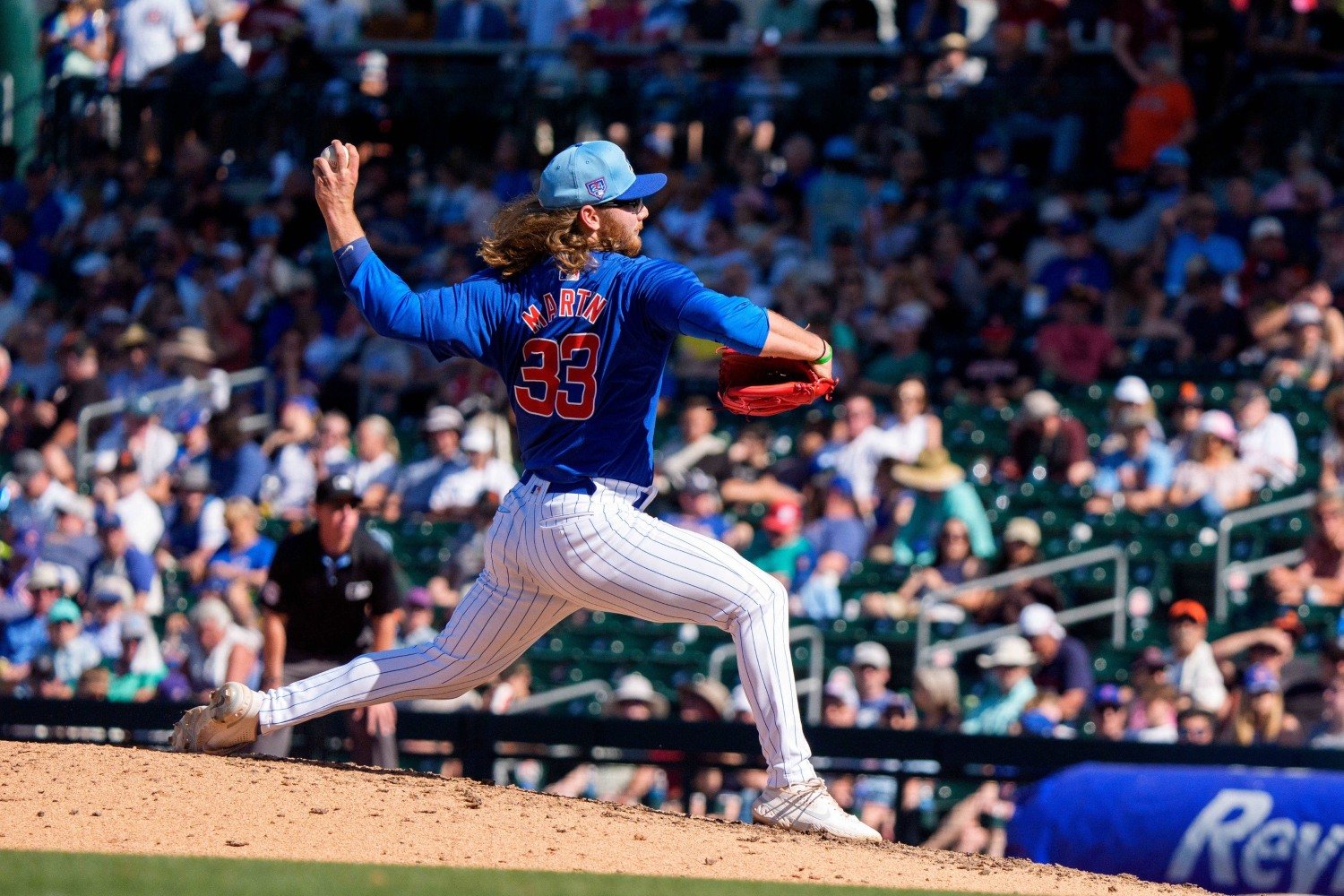 The Cubs made three additions to their 40-man roster Tuesday. Teams had a deadline of 6 PM Central to add players to their 40-man roster who would otherwise be exposed to the Rule 5 Draft, which is set to take place on December 10 at the MLB Winter Meetings. The Cubs selected left-handed pitcher Riley Martin, and infielders James Triantos and Pedro Ramírez. Of the trio, Ramírez is the highest-ranked prospect. Per mlb.com, Ramirez ranked as the Cubs’ eighth-best prospect in their latest prospect rankings, and he was 10th on Baseball America's ranking of them to begin the offseason. The 21-year-old signed with the Cubs as a teenager back in 2021 out of Venezuela, just like 2025 rookie Moisés Ballesteros. Much like Ballesteros, Ramírez has hit well at every level at which he has played so far. In 2025, Ramirez played the entirety of the season with the Double-A Knoxville Smokies. Over 563 plate appearances, he slashed .280/.346/.386 with 8 home runs, hitting primarily in the top of the order. Ramírez played 68 games at third base and 59 at second base in 2025, although due to a lack of arm strength, he should provide more value at second. Ramírez doesn’t have a clear path to playing time the way the current roster is constructed, so he may be viewed best as a potential trade chip for this upcoming winter. Although he is only 21 and has not played above Double A, his hit tool might have been too attractive for an infield-needy team to pass up in the upcoming Rule 5 Draft. If he does stay with the Cubs, his utility will be as a flexible backup at both the positions he played this season. Triantos is the name on this list that most fans will recognize. The second-round pick from 2021 still has a bit of prospect sheen, but it wasn’t too long ago that he was viewed as the heir apparent to Nico Hoener. Some even thought his arrival could put Hoerner in more trade rumors. His stock was highest in 2022, when he ranked as the club's third-best prospect behind only Brennen Davis and Christian Hernandez. He hit .302 with the Iowa Cubs in 2024, but took a step back in an injury-plagued 2025. He batted .258/.315/.369 over 102 games with 7 home runs, and while he did tally 28 stolen bases, he was also thrown out 10 times. Triantos has never been a power hitter, and he is an average defender at best, so he needs to get on base more to provide value to a big-league club. Like Ramírez, Triantos doesn’t have a path to playing time with the Cubs in 2026, and with his prospect stock in decline, he probably won’t be the main piece in a significant trade. If he does end up hitting more with Iowa, the 22-year-old could end up getting a brief look at some point next season as a bench bat or injury replacement. Martin has the clearest path to playing time in 2026. If he was on the 40-man in 2025, he could have been considered for a September call-up. In fact, some fans called for that very thing, even though it would have meant adding him to the roster a couple months sooner. Martin was never a big-name prospect, and has been volatile during a five-year professional career, but he just put together his best full season exclusively at Triple-A Iowa. The southpaw had an ERA of 2.69 across 63 2/3 innings, striking out 80. He had one start, but worked mainly as a reliever who could handle longer outings. There's no such thing as too much bullpen depth, and with aging lefties Caleb Thielbar and Drew Pomeranz hitting free agency, Martin should get a long look in spring training. The Cubs will add relief options this winter, but Martin being added to the roster shows there’s confidence in him. Even if he doesn't break camp with the club, the 27-year-old should get his shot sometime next season.
 -
Image courtesy of © Matt Marton-Imagn Images On Monday, another member of the Chicago Cubs’ 2016 championship team decided to hang it up. The Professor, Kyle Hendricks, will no longer be schooling hitters with his pinpoint accuracy and looping curveball. The 35-year-old pitched 12 seasons in the big leagues, 11 with the Cubs, accumulating 22.8 Career WAR, a 3.79 ERA, and 1373 strikeouts over 1,745.0 innings. In a generation where velocity is everything, Hendricks made quite the career by locating his pitches, pitching to contact, mixing up his repertoire, and attacking hitters head on. His career average speed on his fastball was approximately 87.7 mph, which is nearly seven miles per hour slower than the average fastball in 2025. Although his fastball lacked the whole “fast” aspect, he was still one of the most consistent pitchers in baseball throughout most of his career. Although he was never named to an All-Star team, he received Cy Young votes in two seasons (including a third-place finish in 2016) and was a staple in the front of the rotation for the Cubs from 2016-2020. Off the field, Hendricks made it known that he loved being a Cub, and his penchant for living up to big moments is the stuff of legend. Below are seven of the most memorable moments from Hendrick’s career, in no particular order. Sept. 28th, 2024- Hendrick's final start as a Cub at Wrigley Field Although he stuck around the league one more year with the Los Angeles Angels, this start marked the end of an era. Hendricks was the last remaining piece from the 2016 team, and he struggled mightily through most of the 2024 season. He accepted a brief demotion to the bullpen after a horrendous start to the season, but he still managed to pitch like his vintage self a few times. On his last start at Wrigley, he threw 7 1/3 shutout innings versus the Reds with only two strikeouts and two walks. July 24, 2020: Hendricks begins the Covid-shortened season with a shutout In a season in which we were lucky to even have 60 games of baseball, Hendricks started it off on an excellent note. He didn’t walk a single Brewer in a complete game shutout where he also struck out nine. He had a 2.88 ERA across 12 starts this season, and collected a few Cy Young votes along with teammate Yu Darvish. This marks the last time the Cubs won the division as well. May 3rd, 2019: Hendricks throws a Maddux against the Cardinals A Maddux is a complete game shutout achieved in fewer than 100 pitches thrown. Hendricks took it to a new level against the Cardinals, when he threw a complete game shutout on 81 pitches. Only a handful of players in MLB history have thrown a shutout on less pitches, including Greg Maddux himself. October 17th, 2017: Hendricks shuts down Nationals in Game 1 of the NLDS Hendricks fired seven shutout innings, striking out six in what feels like the last time the Cubs seemed like a “great” team in the playoffs. Hendricks accomplished this feat against one of the most powerful lineups in baseball that season. He used nothing but finesse to stifle a Nationals lineup featuring Bryce Harper, Ryan Zimmerman, Trea Turner, Anthony Rendon and Daniel Murphy. May 21st, 2015: Hendricks throws his first career shutout Although this one wasn’t a Maddux, Hendricks only needed 108 pitches to shut out the Padres in what was only his 22nd career appearance. This was one of the early moments in 2015 that was a sign of things to come for the Cubs as a whole, as well as marking Hendricks’ ascension into Cubs lore. November 2nd, 2016: Hendricks starts Game 7 of the World Series This one is less about Hendricks’ individual performance, and more about him being the starting pitcher of the game that broke a 108-year curse. Hendricks held the Cubs’ lead through 4 2/3 innings, allowing only one run, before the real drama started in the bullpen. There's no use questioning the decision-making since the Cubs won the game, but Hendricks clearly could have gone further (and maybe have reduced the general heart rate in Chicago that night by about 20 bpm). October 22nd, 2016: Hendricks’ 7.1 shutout innings in Game 6 of the NLCS propel Cubs to World Series The offense got going early off Clayton Kershaw, scoring at least one run in four out of the five first innings of the game. Hendricks allowed only two hits to a stacked Dodgers lineup featuring up-and-coming superstars Joc Pederson and Corey Seager, as well as perennial All-Stars like Adrian Gonzalez and Chase Utley. Joe Maddon gave the ball to Aroldis Chapman immediately after Hendricks to close out the remainder of the game. The Dodgers were no match for these two pitchers with polar opposite repertoires. There's no guarantee the Cubs even win this series without The Professor. If you want an in-depth write-up of this heroic start, check out Matt Trueblood's piece here. What's your favorite start from this list? Do you have a favorite Kyle Hendricks memory that isn't here? Let us know in the comments! View full article
-
 On Monday, another member of the Chicago Cubs’ 2016 championship team decided to hang it up. The Professor, Kyle Hendricks, will no longer be schooling hitters with his pinpoint accuracy and looping curveball. The 35-year-old pitched 12 seasons in the big leagues, 11 with the Cubs, accumulating 22.8 Career WAR, a 3.79 ERA, and 1373 strikeouts over 1,745.0 innings. In a generation where velocity is everything, Hendricks made quite the career by locating his pitches, pitching to contact, mixing up his repertoire, and attacking hitters head on. His career average speed on his fastball was approximately 87.7 mph, which is nearly seven miles per hour slower than the average fastball in 2025. Although his fastball lacked the whole “fast” aspect, he was still one of the most consistent pitchers in baseball throughout most of his career. Although he was never named to an All-Star team, he received Cy Young votes in two seasons (including a third-place finish in 2016) and was a staple in the front of the rotation for the Cubs from 2016-2020. Off the field, Hendricks made it known that he loved being a Cub, and his penchant for living up to big moments is the stuff of legend. Below are seven of the most memorable moments from Hendrick’s career, in no particular order. Sept. 28th, 2024- Hendrick's final start as a Cub at Wrigley Field Although he stuck around the league one more year with the Los Angeles Angels, this start marked the end of an era. Hendricks was the last remaining piece from the 2016 team, and he struggled mightily through most of the 2024 season. He accepted a brief demotion to the bullpen after a horrendous start to the season, but he still managed to pitch like his vintage self a few times. On his last start at Wrigley, he threw 7 1/3 shutout innings versus the Reds with only two strikeouts and two walks. July 24, 2020: Hendricks begins the Covid-shortened season with a shutout In a season in which we were lucky to even have 60 games of baseball, Hendricks started it off on an excellent note. He didn’t walk a single Brewer in a complete game shutout where he also struck out nine. He had a 2.88 ERA across 12 starts this season, and collected a few Cy Young votes along with teammate Yu Darvish. This marks the last time the Cubs won the division as well. May 3rd, 2019: Hendricks throws a Maddux against the Cardinals A Maddux is a complete game shutout achieved in fewer than 100 pitches thrown. Hendricks took it to a new level against the Cardinals, when he threw a complete game shutout on 81 pitches. Only a handful of players in MLB history have thrown a shutout on less pitches, including Greg Maddux himself. October 17th, 2017: Hendricks shuts down Nationals in Game 1 of the NLDS Hendricks fired seven shutout innings, striking out six in what feels like the last time the Cubs seemed like a “great” team in the playoffs. Hendricks accomplished this feat against one of the most powerful lineups in baseball that season. He used nothing but finesse to stifle a Nationals lineup featuring Bryce Harper, Ryan Zimmerman, Trea Turner, Anthony Rendon and Daniel Murphy. May 21st, 2015: Hendricks throws his first career shutout Although this one wasn’t a Maddux, Hendricks only needed 108 pitches to shut out the Padres in what was only his 22nd career appearance. This was one of the early moments in 2015 that was a sign of things to come for the Cubs as a whole, as well as marking Hendricks’ ascension into Cubs lore. November 2nd, 2016: Hendricks starts Game 7 of the World Series This one is less about Hendricks’ individual performance, and more about him being the starting pitcher of the game that broke a 108-year curse. Hendricks held the Cubs’ lead through 4 2/3 innings, allowing only one run, before the real drama started in the bullpen. There's no use questioning the decision-making since the Cubs won the game, but Hendricks clearly could have gone further (and maybe have reduced the general heart rate in Chicago that night by about 20 bpm). October 22nd, 2016: Hendricks’ 7.1 shutout innings in Game 6 of the NLCS propel Cubs to World Series The offense got going early off Clayton Kershaw, scoring at least one run in four out of the five first innings of the game. Hendricks allowed only two hits to a stacked Dodgers lineup featuring up-and-coming superstars Joc Pederson and Corey Seager, as well as perennial All-Stars like Adrian Gonzalez and Chase Utley. Joe Maddon gave the ball to Aroldis Chapman immediately after Hendricks to close out the remainder of the game. The Dodgers were no match for these two pitchers with polar opposite repertoires. There's no guarantee the Cubs even win this series without The Professor. If you want an in-depth write-up of this heroic start, check out Matt Trueblood's piece here. What's your favorite start from this list? Do you have a favorite Kyle Hendricks memory that isn't here? Let us know in the comments!
 -
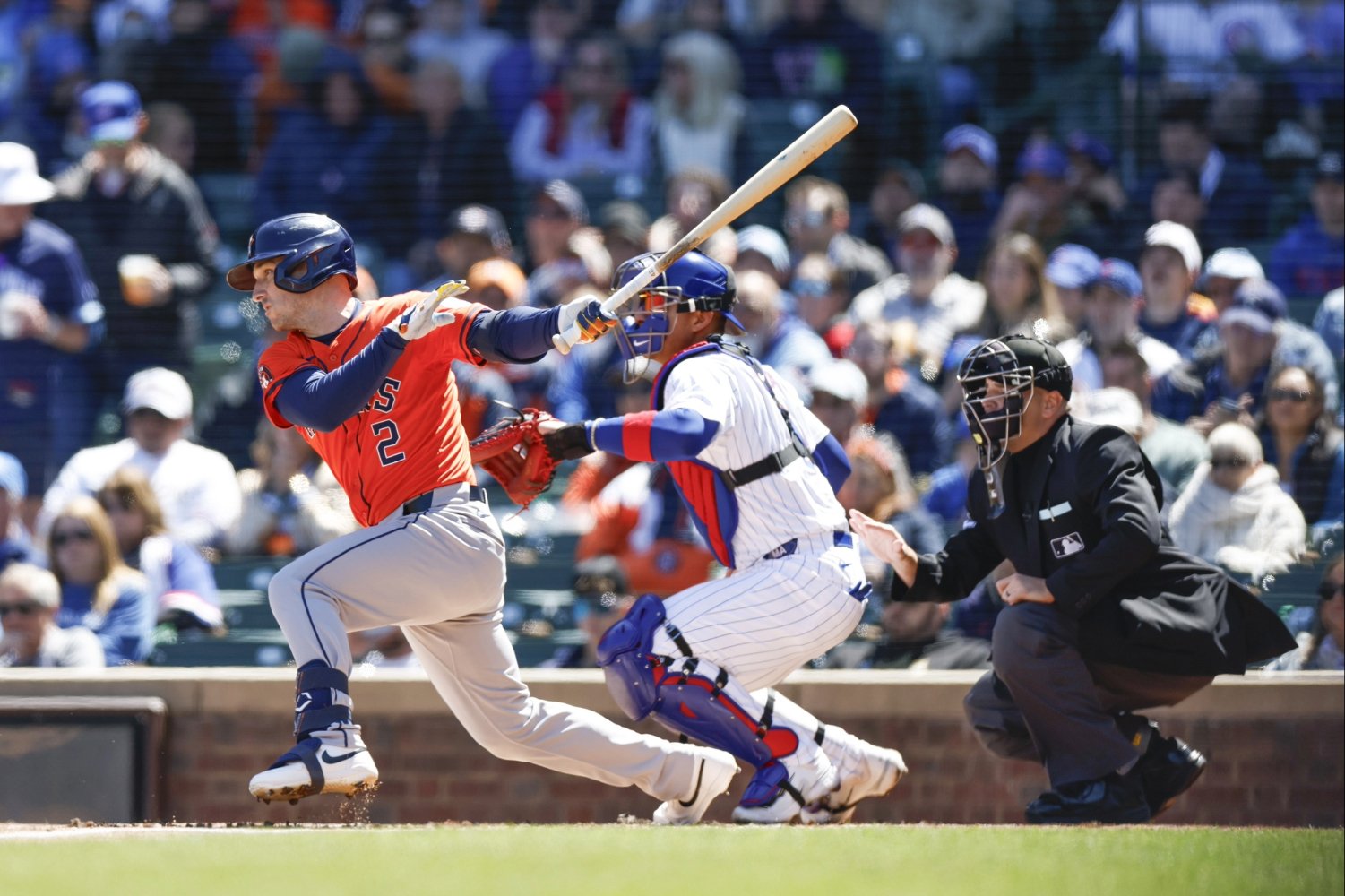 The Chicago Cubs have quite the shopping list this offseason if they want to remain contenders in 2026. They’re set to lose key contributors in the rotation (Shota Imanaga), bullpen (Brad Keller, Drew Pomeranz, and Andrew Kittredge), and the middle of the lineup (Kyle Tucker). The looming CBA negotiations will affect their approach to roster construction, and certainly, their payroll going beyond 2026. One area that was a cause for concern prior to the 2025 season was third base. The dominos started to fall at the 2024 trade deadline when the Cubs shipped third baseman Christopher Morel to the Rays for Isaac Paredes. After a subpar two months in Chicago, Parades was included in the package that also sent third base prospect Cam Smith to Houston for Kyle Tucker. This left a hole at third base that ended up being filled by 2023 first-round pick Matt Shaw. Although the team lazily pursued Alex Bregman, Shaw seemed to be Plan A without any solid fallback. Even at the time, handing the job to a rookie seemed risky for a team intent on competing. Shaw had a few hot streaks, but he looked largely overmatched in his first season. His .690 OPS is encouraging enough for his long-term outlook, but the Cubs cannot afford another year of growing pains for the 23=year-old. If Owen Caissie is the Cubs’ plan to fill Tucker’s spot in the outfield, they need a dependable bat to fill in somewhere else. If they choose to add another third base option, here are the most intriguing free agent options available:. Alex Bregman Last season, the Cubs were listed as one of the three finalists for Bregman alongside the Red Sox and the Tigers. Bregman opted to go with the short-term, high-AAV contract with Boston that included a few opt-outs. He spent some time on the IL in 2025, but outside of that, he was a key contributor on a playoff-bound Red Sox team. Bregman made his third All-Star team, and ended the year with 3.5 WAR and an .821 OPS across 114 games. The Boras client will be seeking long-term security this winter, and for the soon-to-be 32-year-old, the magic number seems to be six years and about $150 million. Even at 32, Bregman is the type of player that should age well. He has excellent knowledge of the strike zone, and has a lengthy track record of putting the ball in play with high exit velocities. Defensively, he won his first Gold Glove in 2024 and has put up above-average defensive numbers throughout his career. Why he makes sense for the Cubs: In a lineup that has a bit of swing and miss, Bregman is the type of hitter the Cubs desperately need. He likely won’t be leading the team in home runs, but he should be able to challenge Nico Hoerner for the team lead in batting average. Outside of his personal success, Bregman knows how to be part of a winning ballclub. The Astros have been a mainstay in the playoffs since Bregman’s first full-time season in 2017, and Boston made their first playoff appearance since 2021 after they signed him as a free agent. Depending on how you feel about Matt Shaw, this might be good news or bad news, but Bregman would likely make Shaw expendable. The Cubs can sign Bregman, and use Shaw as part of a package to get a high-end starter off the trade market. In an offseason where there are few impact free-agent starters after Dylan Cease and Framber Valdez, this might be a path worth exploring. Why he doesn’t make sense for the Cubs: Like I just mentioned, replacing former first-round pick and top prospect Matt Shaw after a subpar rookie year might be an overreaction. Bregman and Shaw had similar prospect profiles, so an optimistic Cubs fan or frugal ownership might believe that Shaw can replicate Bregman's production eventually. The CBA negotiations are also a knock against signing him. If the 2027 season is affected in any way, likely by a reduction in games, whoever signs Bregman could be paying him for a lost season. That would be a huge blow for a player in his age-33 season. Most of Bregman’s production will likely come in the front half of his contract, and with the uncertainty beyond 2026, it adds an extra layer of risk. Kazuma Okamoto It's official. The Yomiuri Giants of the NPB are posting their star corner infielder. Since becoming a mainstay in the Giants' lineup in 2018, Okamoto has shown a plus ability to hit for both power and average. From 2018-2023, he hit over 30 home runs each season (41 in 2023). His career batting average in the NPB is .277 with an OPS of .882. He has shown an ability to draw more walks and limit strikeouts as his career progressed overseas. His projected contract, according to Bleacher Report, is four years at $64 million. He has a chance to be an impact bat without breaking the bank. Why he makes sense for the Cubs: Since Hee-Seop Choi in 2002, the Cubs have always been a popular destination for Asian imports. Whether it be from the NPB or KBO, the Cubs do a decent job at turning these players into solid major leaguers. Okamoto’s ability to hit for average as well as power makes him a fit in a lineup that currently lacks in both of those departments. Some see him transitioning to the MLB as a first baseman rather than a third baseman, but even if first is his best defensive position, there will be playing time with the way the roster currently sits. He can rotate between DH, third base, and first base when Michael Busch needs a break. Why he doesn’t make sense for the Cubs: With so many question marks in the Cubs lineup, it would make more sense to target someone who has produced at a high level in the MLB before. When it comes to position players, the Asian market has a far less spectacular track record in the MLB than the pitchers do. FanGraphs' Eric Longenhagen notes that Okamoto struggles with fastballs above 93 mph. With the average MLB fastball sitting just over 94 mph, this is a glaring area of concern. We have seen some of these imports make the necessary adjustments to square up a MLB fastball, but it seems like there are more failures than success stories. Over the last decade, we have seen numerous flops coming over from Asia with a similar profile to Okamoto: Jung Ho Kang (PIT), Yoshi Tsutsugo (TB), and Hyun Soo Kim (PHI), to name a few. Okamoto would be quite the gamble, and the Cubs should probably stop gambling and sign a proven big leaguer. Munetaka Murakami The 25-year-old NPB slugger has been on the minds of MLB organizations and fans alike for a few years now. His 80-grade power from the left side draws comparisons to fellow countryman Shohei Ohtani and Cub-that-got-away Kyle Schwarber. Although the two-time NPB MVP has a triple crown to his name and 246 home runs, his strikeout concerns are on the same level as Adam Dunn and Joey Gallo. In his two MVP seasons, Murakami had a 21% strikeout percentage. Since then, it has increased to over 28%, a troubling trend since NPB players don’t usually tend to strikeout less after coming stateside. Why he makes sense for the Cubs: When it comes to a dependable left-handed power bat, the Cubs only have Michael Busch. Maybe Pete Crow-Armstrong reverts back to the player he was in the first half of 2025, but it's possible we won’t see those offensive numbers from him again. There are also few left-handed power bats on the market. Tucker, Schwarber, and Cody Bellinger likely won’t be pursued too aggressively by Chicago. First basemen Ryan O’Hearn and Josh Naylor don’t have a place on the current roster either. Nonetheless, Murakami has more raw power than all of those guys outside of Schwarber. One might think it doesn’t make sense for the Cubs to pay Murakami when Schwarber is on the market, but Schwarber has made it clear he would love to stay in Philadelphia, and is seven years older than Murakami. The Japanese phenom would be part of the long-term future, as his projected contract is eight years and $180 million. Would Jed Hoyer want to give one of the largest contracts in franchise history to a guy who has never played in the MLB before? I think we know the answer, which should temper fans' expectations. Why he doesn’t make sense for the Cubs: There are questions surrounding Murakami’s defense at third base, which is good news for Matt Shaw. If the Cubs do pursue him, he will likely get a bulk of his at bats at the DH position. He can also be the second-string first baseman after Busch. If the bat plays like many think it will, the Cubs have the flexibility to get him into the lineup. This is still a massive gamble, much more than Okamoto due to the length and value of the contract. When a player doesn’t have a real defensive home, the expectations for the bat are very high. If the Cubs had a rich lineup of established sluggers, they could afford to take a risk on a player like this, but they don’t have that kind of long-term stability. There will be immediate pressure on Murakami to lead the offense immediately. To put it into perspective, he could sit comfortably in the six-hole if he signs with Dodgers, but if he goes to Chicago, he will likely be hitting in the two or three spot on Opening Day. Eugenio Suarez After seeing the package Arizona received from Seattle at the trade deadline, it’s hard to believe that Hoyer even gave Mike Hazen and the Diamondbacks a call about Suarez. This should be considered another example of blatant malpractice, but the Cubs have another chance to acquire the slugging third baseman fresh off a 49 home run season. Although he hit only .189 in the regular season after the trade, he still bashed 13 home runs, and an additional three in the playoffs including an absurdly clutch grand slam. Why he makes sense for the Cubs: Suarez might be the cheapest way to get elite, bankable power on the free-agent market. Bleacher Report has his projected contract around three years and worth $63 million. Other plus power hitters like Schwarber, Pete Alonso, Cody Bellinger, and Tucker are all projected to earn at least double the money that Suarez is looking at. Suarez is turning 35 next July, and has seen his defensive ability decline over the past few seasons. However, if Suarez plays half his games at DH, Shaw will still get enough playing time to hopefully prove to fans that he is the long-term answer at third. Why he doesn’t make sense for the Cubs: Ample due diligence is required to hand out a multi-year deal to a player in his mid-30s. He strikes out a lot, and that is an understatement. In 2019, 2022, and 2023, he led the league in strikeouts. which could be a problem for a Cubs team that already struggles with giving up free outs. Since the end of the Joe Maddon days with the previous core, we have seen the Cubs' offense consistently live and die by the home run. It may make sense to target more of a table setter, but when you remove Tucker’s power from the lineup, it needs to be replaced somehow. Paul DeJong I truly hate to say it, but this seems like the most believable option here, considering the way the front office operates. DeJong only played in 57 games with the Nationals in 2025 due to injury, but he launched 24 home runs in 2024, mostly with the White Sox. At this point in his career, the 32-year-old is not an everyday player, but his pop and ability to play all four infield positions will make him an attractive bench piece. In 2025, his one-year deal with Washington was worth $1 million, and he did not exactly raise his stock, so a similar deal should be in play this season. Why he makes sense for the Cubs: DeJong will allow the Cubs to roll Shaw out there for the bulk of the season. He will assume a utility infielder role as well as the go-to right-handed pinch hitter job off the bench. Should Shaw struggle again, DeJong is a better fallback option offensively than the light-hitting backup options we saw in 2025. Why he doesn’t make sense for the Cubs: If the Cubs go out and sign an impact bat as well as DeJong, this would be a great fit, especially if Chicago can get him on a minor-league contract. If Plan A is Owen Caissie in right field, with DeJong and Shaw splitting time at third base, that will be quite the uninspiring attempt at filling the Tucker-sized hole in the lineup. DeJong would only be a poor addition for the Cubs if he is the only addition. Yoan Moncada Similar to DeJong, Moncada is best used as a part-time player. The 2025 campaign was his first season away from Chicago, and he posted a solid .783 OPS in 84 games. He hasn’t been too much of an offensive contributor outside of his 2019 season where he hit .315 with 25 home runs, but he has still shown an ability to hit at a decent clip a few times since then. Outside of his rookie season and 2022, his OPS has been above .700 every year. It's also never a bad thing to add another switch hitter to the lineup. Why he makes sense for the Cubs: Although he doesn’t have the power and defensive versatility as DeJong; he’s still a former generational prospect who is used to playing in Chicago. Maybe the Wrigley Field vibes help the 30-year-old turn back the clock and become a bit more like the player the White Sox thought they had. Why he doesn’t make sense for the Cubs: Moncada doesn’t move the needle much. He is another Plan B option behind Matt Shaw. If there is a bigger move made in conjunction, like signing a top free agent outfielder or DH, Moncada would be a fine depth signing. Counting on him for anything more would be a non-competitive move.