


Paul Niemiec
-
Posts
131 -
Joined
-
Last visited
Paul Niemiec's Achievements






-
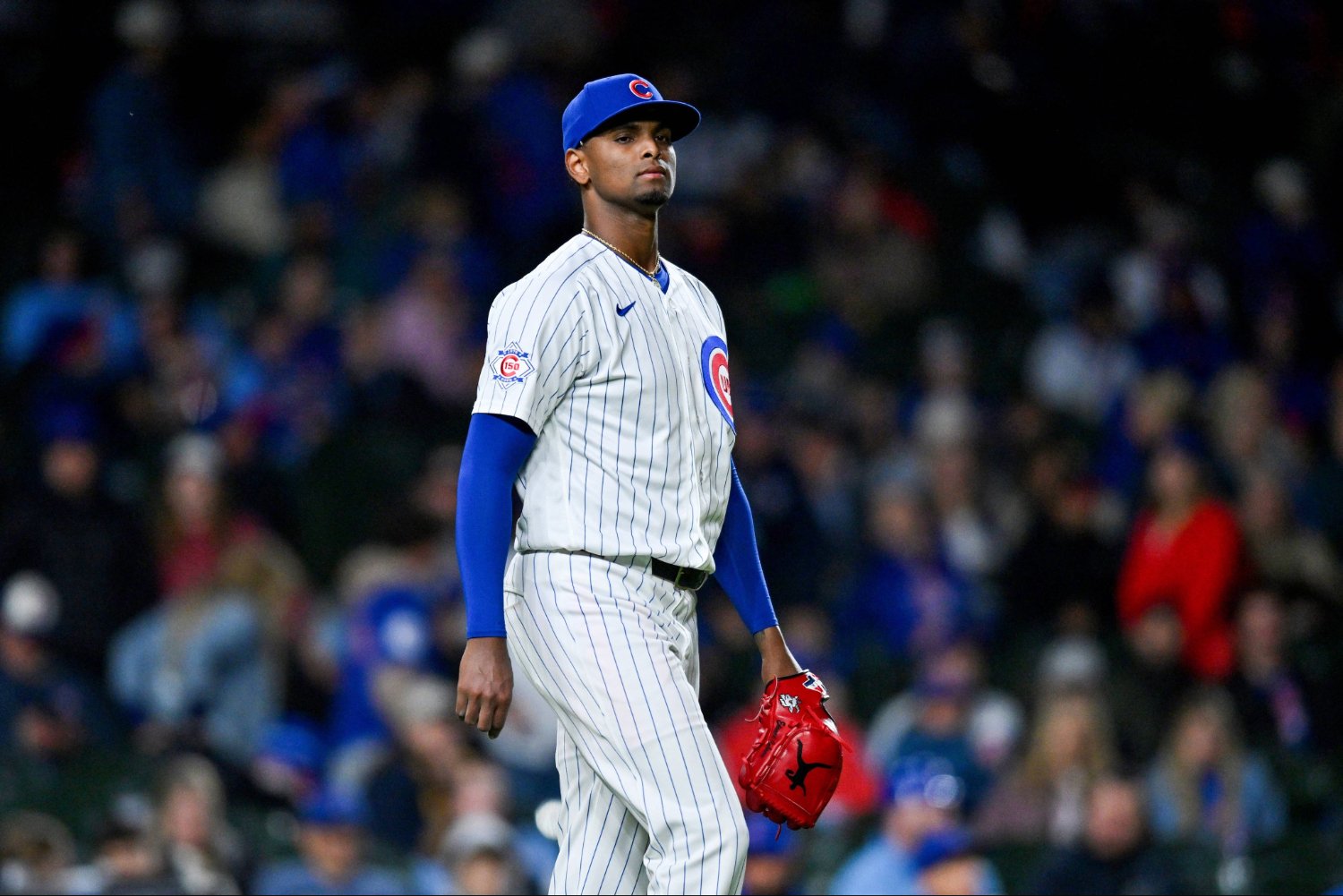 The 2025 Chicago Cubs’ starting rotation finished 28th in baseball in average four-seam fastball velocity, so for the 2026 season, they needed an additional power arm to pair with Cade Horton. On January 7, they acquired that arm in Edward Cabrera, at the expense of their top organizational prospect Owen Caissie, as well as some additional pieces. Cabrera had spent the entirety of his five-year career with the Miami Marlins, and was consistently regarded as one of the game’s higher-end pitching prospects. Injuries and control issues prevented him from achieving that breakout season many thought was around the corner, but in 2025 he made 26 starts with a 3.53 ERA, striking out 150 in 137⅔ innings. A healthy Cabrera was supposed to be another anchor in their rotation, and the Cubs’ pitching lab was supposed to help him evolve into a frontline starter. At least the story got off to a nice beginning. Cabrera was excellent in his first start as a Cub, pitching six innings, allowing only one hit, one walk, and striking out five in a 7-2 win against the Angels. He continued his nearly unhittable ways through his next start in Cleveland, allowing one hit over 5⅔ innings, but in this start he walked five, which had been par for the course so far in his career. Unfortunately, those two starts ended up being the two best starts of his 2026 season. Over his next six outings, opposing teams averaged 7.3 hits per game, allowing exactly three earned runs per start, except one where he allowed five. He was at least reining in the walks during this period, never allowing more than three in a start, and he did strikeout eight Reds on May 4, which was his season high. Still, he was pitching more like a mid-rotation starter, not a frontline guy that the Cubs were hoping for when they moved their top prospect. On his tenth start of the season, he only lasted three innings, allowing three runs to the Brewers. Four days later, he was placed on the 15-day injured list with a blister. This would mark the first of his three trips to the injured list, which again, is nothing new for him. When he returned in early June, the Giants promptly torched him for eight runs, knocking three homers in 3⅔ innings. After this blowup, his ERA on the season rose to 4.99. He made three more starts, tallying two, five, and two earned runs before injury-list stint number two with a hamstring strain. He returned for a mid-August start against the Cardinals, who were over .500, but had dwindling playoff hopes. Cabrera kept those hopes alive a little bit longer, as the Redbirds lit him up for seven earned runs, knocking him out of the game before the fourth inning. That lone clunker of a start marked his only appearance from July through August, as he was, for the third time, placed on the injured list with another blister. That also ended up being the last start he made of the season, as he was sent to the bullpen when he returned in mid-September. With David Peterson holding his own, plus the acquisitions of Clay Holmes and Kevin Gausman at the trade deadline, the Cubs were not in nearly a dire enough position to bring Cabrera and his 5.68 ERA back into the rotation. There was hope that he would be more effective in shorter stints, as well as lessening his risk for re-injury. Craig Counsell compared Cabrera to Roki Sasaki, hoping he could be an effective multi-inning reliever in the same way the Japanese phenom was for the 2025 Dodgers in the playoffs. The sentiment was nice, but then Cabrera was tagged for five runs across three relief appearances. The Cubs ended up not needing him in the playoffs anyway, because the regular season’s best offense could only push across one run in their quick two-game dismissal by the Padres. In fact, the guy who ended up being their “big” pitching addition in the offseason did not make the postseason roster. Cabrera ended the season with a 5.96 ERA over 18 games (15 starts), striking out 71, while accumulating -0.1 fWAR. Outside of his rookie season in 2021 where he only pitched 26⅓ innings, this was the only time Cabrera had posted a negative fWAR. His 7.99 K/9 represents the lowest mark of his career, while his ERA represents the highest. A look into his Savant page shows us just how much he has regressed since his breakout 2025 season. Below is his year-to-year change chart, and most of the trends are going in the wrong direction. Simply put, it seems opposing hitters have figured him out. He is allowing more quality contact, his fastball velocity is down, and he is issuing more walks. His pitches that were dominant in 2025 were average, at best. Below is his run value chart separated by each pitch type. In 2025, his changeup, curveball, and slider were his best pitches. Each one has regressed significantly. The changeup was his most-used, and second-most effective, pitch last year, so he used it even more this season. It ended up going from a plus pitch to average. The curveball and slider usage went down in favor of the sinker, which was the only pitch that got any better this year. Could this be the Cubs’ pitch lab trying to fix something that wasn’t broken last season? Or could this all be attributed to his injury issues? Cabrera pitched as a fine back-end starter before he got hurt the first time. The Cubs' offense was rolling, and did not really need him to be anything close to great. He kept the game close more often than not, and that’s enough to keep my season-long grade for him (a C-) from being any lower. If the Cubs did not start the season as hot as they did, who knows if they would have fallen out of the Wild Card race with their September cold spell. The right-hander has two more seasons to get it right in Chicago, but he needs to be healthy for a whole season, something that has never happened in his career. The trade stings less because Owen Caissie produced -0.5 fWAR in his first year in Miami, but now the Cubs could really use an outfielder as well. Cabrera will have every opportunity to start next season, but it’s clear that he's got work to do to earn his keep in Chicago.
 -
Image courtesy of Patrick Gorski-Imagn Images The 2025 Chicago Cubs’ starting rotation finished 28th in baseball in average four-seam fastball velocity, so for the 2026 season, they needed an additional power arm to pair with Cade Horton. On January 7, they acquired that arm in Edward Cabrera, at the expense of their top organizational prospect Owen Caissie, as well as some additional pieces. Cabrera had spent the entirety of his five-year career with the Miami Marlins, and was consistently regarded as one of the game’s higher-end pitching prospects. Injuries and control issues prevented him from achieving that breakout season many thought was around the corner, but in 2025 he made 26 starts with a 3.53 ERA, striking out 150 in 137⅔ innings. A healthy Cabrera was supposed to be another anchor in their rotation, and the Cubs’ pitching lab was supposed to help him evolve into a frontline starter. At least the story got off to a nice beginning. Cabrera was excellent in his first start as a Cub, pitching six innings, allowing only one hit, one walk, and striking out five in a 7-2 win against the Angels. He continued his nearly unhittable ways through his next start in Cleveland, allowing one hit over 5⅔ innings, but in this start he walked five, which had been par for the course so far in his career. Unfortunately, those two starts ended up being the two best starts of his 2026 season. Over his next six outings, opposing teams averaged 7.3 hits per game, allowing exactly three earned runs per start, except one where he allowed five. He was at least reining in the walks during this period, never allowing more than three in a start, and he did strikeout eight Reds on May 4, which was his season high. Still, he was pitching more like a mid-rotation starter, not a frontline guy that the Cubs were hoping for when they moved their top prospect. On his tenth start of the season, he only lasted three innings, allowing three runs to the Brewers. Four days later, he was placed on the 15-day injured list with a blister. This would mark the first of his three trips to the injured list, which again, is nothing new for him. When he returned in early June, the Giants promptly torched him for eight runs, knocking three homers in 3⅔ innings. After this blowup, his ERA on the season rose to 4.99. He made three more starts, tallying two, five, and two earned runs before injury-list stint number two with a hamstring strain. He returned for a mid-August start against the Cardinals, who were over .500, but had dwindling playoff hopes. Cabrera kept those hopes alive a little bit longer, as the Redbirds lit him up for seven earned runs, knocking him out of the game before the fourth inning. That lone clunker of a start marked his only appearance from July through August, as he was, for the third time, placed on the injured list with another blister. That also ended up being the last start he made of the season, as he was sent to the bullpen when he returned in mid-September. With David Peterson holding his own, plus the acquisitions of Clay Holmes and Kevin Gausman at the trade deadline, the Cubs were not in nearly a dire enough position to bring Cabrera and his 5.68 ERA back into the rotation. There was hope that he would be more effective in shorter stints, as well as lessening his risk for re-injury. Craig Counsell compared Cabrera to Roki Sasaki, hoping he could be an effective multi-inning reliever in the same way the Japanese phenom was for the 2025 Dodgers in the playoffs. The sentiment was nice, but then Cabrera was tagged for five runs across three relief appearances. The Cubs ended up not needing him in the playoffs anyway, because the regular season’s best offense could only push across one run in their quick two-game dismissal by the Padres. In fact, the guy who ended up being their “big” pitching addition in the offseason did not make the postseason roster. Cabrera ended the season with a 5.96 ERA over 18 games (15 starts), striking out 71, while accumulating -0.1 fWAR. Outside of his rookie season in 2021 where he only pitched 26⅓ innings, this was the only time Cabrera had posted a negative fWAR. His 7.99 K/9 represents the lowest mark of his career, while his ERA represents the highest. A look into his Savant page shows us just how much he has regressed since his breakout 2025 season. Below is his year-to-year change chart, and most of the trends are going in the wrong direction. Simply put, it seems opposing hitters have figured him out. He is allowing more quality contact, his fastball velocity is down, and he is issuing more walks. His pitches that were dominant in 2025 were average, at best. Below is his run value chart separated by each pitch type. In 2025, his changeup, curveball, and slider were his best pitches. Each one has regressed significantly. The changeup was his most-used, and second-most effective, pitch last year, so he used it even more this season. It ended up going from a plus pitch to average. The curveball and slider usage went down in favor of the sinker, which was the only pitch that got any better this year. Could this be the Cubs’ pitch lab trying to fix something that wasn’t broken last season? Or could this all be attributed to his injury issues? Cabrera pitched as a fine back-end starter before he got hurt the first time. The Cubs' offense was rolling, and did not really need him to be anything close to great. He kept the game close more often than not, and that’s enough to keep my season-long grade for him (a C-) from being any lower. If the Cubs did not start the season as hot as they did, who knows if they would have fallen out of the Wild Card race with their September cold spell. The right-hander has two more seasons to get it right in Chicago, but he needs to be healthy for a whole season, something that has never happened in his career. The trade stings less because Owen Caissie produced -0.5 fWAR in his first year in Miami, but now the Cubs could really use an outfielder as well. Cabrera will have every opportunity to start next season, but it’s clear that he's got work to do to earn his keep in Chicago. View full article
-
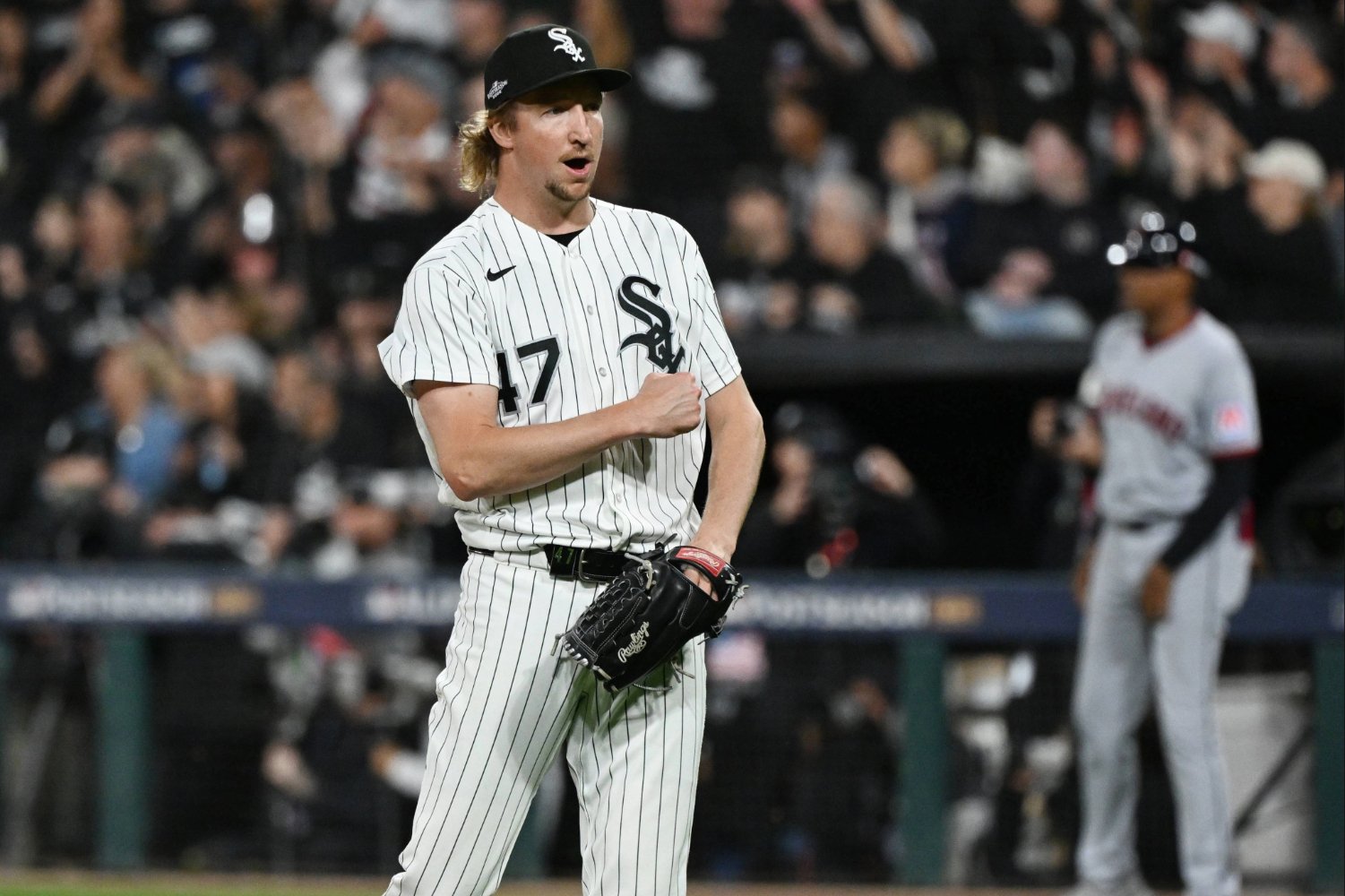 As the league prepares for the LCS in both the American League and National League, the Chicago Cubs are where they were since late Wednesday night of last week (and where they will be for the foreseeable future): not playing baseball. Of course, this is incredibly disappointing for a team that had two different ten-game winning streaks, scored the most runs in all of baseball, and employs the soon-to-be-named 2026 NL MVP, Pete Crow-Armstrong. But, if you watched the Cubs in September, who went 11-15 during the month, you cannot be surprised at all by the result. Overall, they were an offense first team that scraped by with a pitching staff that ranked toward the bottom of the league in nearly every statistical category. This was a team that scored over five runs once in the final week of the season and could not even manage to push more than two runners across the plate in each game during their final homestand against Miami. It is completely beyond my comprehension that they felt they deserved to pop champagne after the final home win of the year after they choked away the top seed in the Wild Card race and finished a colossal 14 games back of the Brewers. It was irrational to believe that the Cubs team we saw in September would walk into Petco Park and put up a decent fight against the hottest team in baseball. The Padres were the hungry wolf, and the Cubs were the sheep with two broken legs, and that is exactly how that series played out. For the rest of October, there are two things Cubs fans can do: turn off baseball completely and put their faith in the hamstring of Caleb Williams, or root for the continuation of the best story in baseball on Saturday. Going into this season, the leading narratives were the Dodgers’ quest for a three-peat, Aaron Judge’s push for a third straight AL MVP, or even how a college coach would perform as an MLB manager with no professional experience. Nobody, outside of maybe the Bridgeport lifers, was anticipating a booming return to relevancy for the Chicago White Sox after three 100-loss seasons. Now, that team is set to go back to Cleveland to play in the only Game 5 of the divisional round, and Cubs fans should hope for another celebration from the visiting team at Progressive Field, ten years after the Cubs made history there. Don’t get me wrong. There are reasons why a Cubs fan would not want to see the White Sox advance to their first ALCS since 2005. Maybe you are from the far northwest suburbs and not really a baseball fan, but you grew up being told you have to pick a side. Maybe you are from Davenport and a diehard Iowa Cubs fan, or from Knoxville and a Smokies season ticket holder that doesn’t know much about the major leagues outside of how the Cubs and the players you got to watch in the minors are performing. If you fall into one of those buckets, I understand, but I also feel sympathy for you because the 2026 White Sox are one of the most unusually fun teams we have seen in the sport in some time. The White Sox are embracing the youth movement, which is something that Cubs fans should know to appreciate more than anyone, considering their World Series win on the backs of position players 26 and under. In comparison, the White Sox have six regular starters in the lineup 26 and under, which is the same amount as the 2016 Cubs. We saw the longball on full display on the South Side this year, with three players hitting over 30 home runs, something no other team can say for themselves this season. One of those guys is Japanese phenom Munetaka Murakami, who managed to make the White Sox Japan’s second favorite MLB team behind the Dodgers. With an interview like this, its impossible to be a baseball fan and not love this guy. Also, remember the sad Miguel Vargas meme? Well, he isn’t sad anymore. He was the team leader in bWAR with 5.4 and smacked 33 bombs in what was the breakout season many thought he would never have after being moved from the Dodgers in the Michael Kopech trade. Then there’s Tristan Peters, a guy the Sox acquired from the Rays for cash considerations, and Sam Antonacci, a mid-ranked infield prospect, combining for 6.1 bWAR and joining top prospect Braden Montgomery in what could be one of baseball’s best outfields for years to come. The White Sox also employ a guy giving Nico Hoerner a run for his money as the best second baseman in Chicago–Chase Meidroth slashed .276/.350/.415 and finished fourth in bWAR at the position. Oh, and the White Sox aren’t paying any of these guys over $20 million a year. No matter which Chicago team you cheer for, you have a right to have been upset by the pitching staff at various points of the season. As such, have to admit that what second year manager Will Venable is doing with the White Sox pitching staff is pretty damn impressive. The opener/bullpen game strategy has become a regular occurrence over the last few seasons, and the Cubs went with Andrew Kittredge as an opener in the 2026 NLWC, but the strategy the Sox are using is unheard of until now. This is a team that is fighting for the ALCS with only one real starting pitcher in Sean Burke. This is an all-hands-on-deck approach the likes of which we have never seen before. For the most part, it has worked in all their road playoff games so far. We will see if their undefined pitching staff has one more game of brilliance in them to propel them to Tampa Bay on Monday. As a Chicagoan, this is good for the city. There is no other way to put it. If you love Chicago, no matter if you live in Pilsen, Gold Coast, Logan Square or up in Andersonville, there is a team with your city’s name on it looking to do something historic. If you want to be a bitter Cubs fan because your team fell flat on their face with a top-five payroll, an owner who seemingly cares more about Nashville-ifying Wrigleyville, and a GM who strives for 89 wins, then fine, go cheer for the Guardians or the Dodgers or whoever. If Anthony Rizzo can embrace what the Sox are doing, then you should too. It is great for the game, it is great for the city, and caring about October baseball is much better than not.
 -
Image courtesy of Matt Marton-Imagn Images As the league prepares for the LCS in both the American League and National League, the Chicago Cubs are where they were since late Wednesday night of last week (and where they will be for the foreseeable future): not playing baseball. Of course, this is incredibly disappointing for a team that had two different ten-game winning streaks, scored the most runs in all of baseball, and employs the soon-to-be-named 2026 NL MVP, Pete Crow-Armstrong. But, if you watched the Cubs in September, who went 11-15 during the month, you cannot be surprised at all by the result. Overall, they were an offense first team that scraped by with a pitching staff that ranked toward the bottom of the league in nearly every statistical category. This was a team that scored over five runs once in the final week of the season and could not even manage to push more than two runners across the plate in each game during their final homestand against Miami. It is completely beyond my comprehension that they felt they deserved to pop champagne after the final home win of the year after they choked away the top seed in the Wild Card race and finished a colossal 14 games back of the Brewers. It was irrational to believe that the Cubs team we saw in September would walk into Petco Park and put up a decent fight against the hottest team in baseball. The Padres were the hungry wolf, and the Cubs were the sheep with two broken legs, and that is exactly how that series played out. For the rest of October, there are two things Cubs fans can do: turn off baseball completely and put their faith in the hamstring of Caleb Williams, or root for the continuation of the best story in baseball on Saturday. Going into this season, the leading narratives were the Dodgers’ quest for a three-peat, Aaron Judge’s push for a third straight AL MVP, or even how a college coach would perform as an MLB manager with no professional experience. Nobody, outside of maybe the Bridgeport lifers, was anticipating a booming return to relevancy for the Chicago White Sox after three 100-loss seasons. Now, that team is set to go back to Cleveland to play in the only Game 5 of the divisional round, and Cubs fans should hope for another celebration from the visiting team at Progressive Field, ten years after the Cubs made history there. Don’t get me wrong. There are reasons why a Cubs fan would not want to see the White Sox advance to their first ALCS since 2005. Maybe you are from the far northwest suburbs and not really a baseball fan, but you grew up being told you have to pick a side. Maybe you are from Davenport and a diehard Iowa Cubs fan, or from Knoxville and a Smokies season ticket holder that doesn’t know much about the major leagues outside of how the Cubs and the players you got to watch in the minors are performing. If you fall into one of those buckets, I understand, but I also feel sympathy for you because the 2026 White Sox are one of the most unusually fun teams we have seen in the sport in some time. The White Sox are embracing the youth movement, which is something that Cubs fans should know to appreciate more than anyone, considering their World Series win on the backs of position players 26 and under. In comparison, the White Sox have six regular starters in the lineup 26 and under, which is the same amount as the 2016 Cubs. We saw the longball on full display on the South Side this year, with three players hitting over 30 home runs, something no other team can say for themselves this season. One of those guys is Japanese phenom Munetaka Murakami, who managed to make the White Sox Japan’s second favorite MLB team behind the Dodgers. With an interview like this, its impossible to be a baseball fan and not love this guy. Also, remember the sad Miguel Vargas meme? Well, he isn’t sad anymore. He was the team leader in bWAR with 5.4 and smacked 33 bombs in what was the breakout season many thought he would never have after being moved from the Dodgers in the Michael Kopech trade. Then there’s Tristan Peters, a guy the Sox acquired from the Rays for cash considerations, and Sam Antonacci, a mid-ranked infield prospect, combining for 6.1 bWAR and joining top prospect Braden Montgomery in what could be one of baseball’s best outfields for years to come. The White Sox also employ a guy giving Nico Hoerner a run for his money as the best second baseman in Chicago–Chase Meidroth slashed .276/.350/.415 and finished fourth in bWAR at the position. Oh, and the White Sox aren’t paying any of these guys over $20 million a year. No matter which Chicago team you cheer for, you have a right to have been upset by the pitching staff at various points of the season. As such, have to admit that what second year manager Will Venable is doing with the White Sox pitching staff is pretty damn impressive. The opener/bullpen game strategy has become a regular occurrence over the last few seasons, and the Cubs went with Andrew Kittredge as an opener in the 2026 NLWC, but the strategy the Sox are using is unheard of until now. This is a team that is fighting for the ALCS with only one real starting pitcher in Sean Burke. This is an all-hands-on-deck approach the likes of which we have never seen before. For the most part, it has worked in all their road playoff games so far. We will see if their undefined pitching staff has one more game of brilliance in them to propel them to Tampa Bay on Monday. As a Chicagoan, this is good for the city. There is no other way to put it. If you love Chicago, no matter if you live in Pilsen, Gold Coast, Logan Square or up in Andersonville, there is a team with your city’s name on it looking to do something historic. If you want to be a bitter Cubs fan because your team fell flat on their face with a top-five payroll, an owner who seemingly cares more about Nashville-ifying Wrigleyville, and a GM who strives for 89 wins, then fine, go cheer for the Guardians or the Dodgers or whoever. If Anthony Rizzo can embrace what the Sox are doing, then you should too. It is great for the game, it is great for the city, and caring about October baseball is much better than not. View full article
-
Cubs-Padres NL Wild Card Rematch: Numbers That Will Define the Series
Paul Niemiec posted an article in Cubs
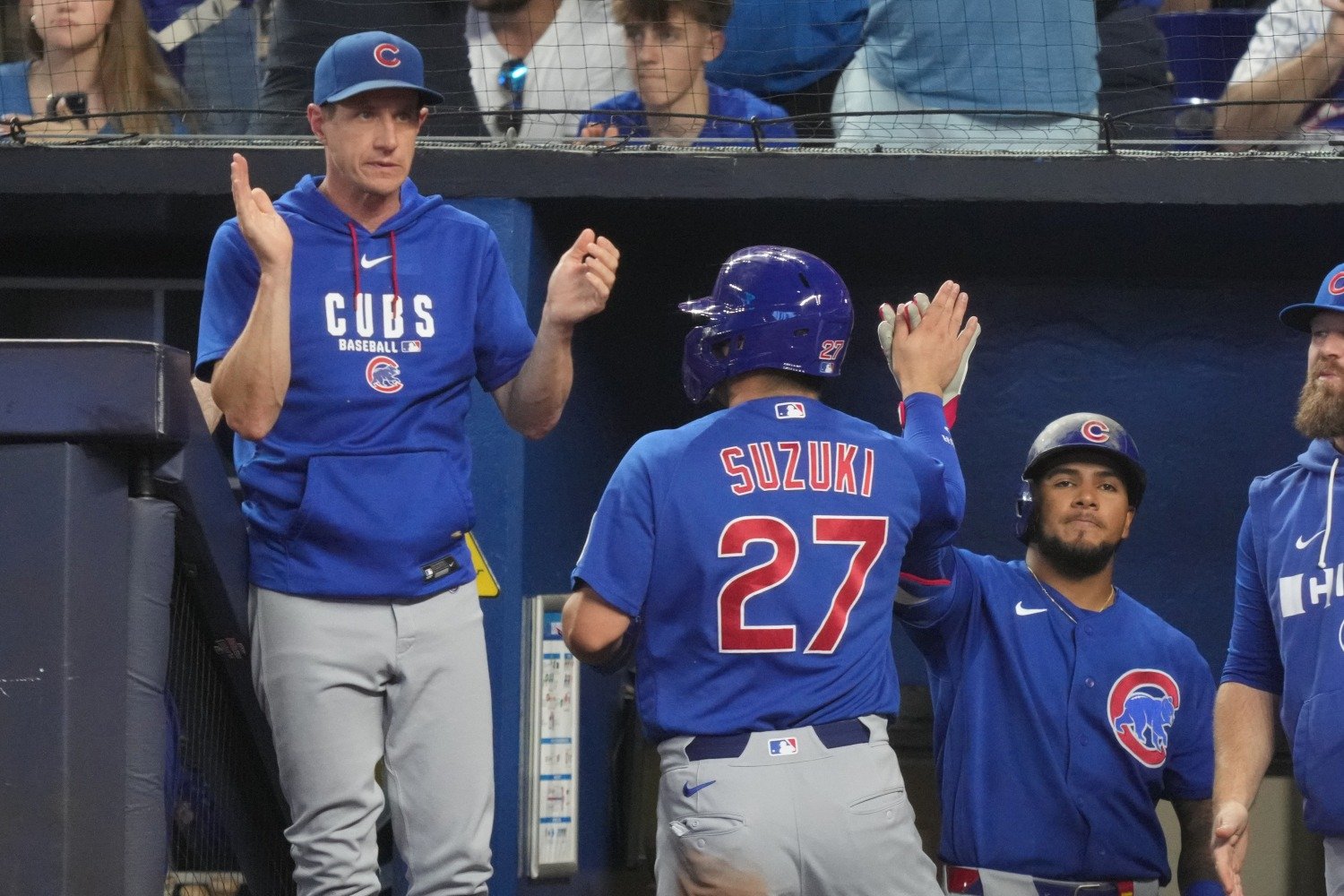 The regular season is over. The good news is that the Chicago Cubs are in the playoffs for the second consecutive season. In a season in which the pitching staff was ravaged by injury and ineffectiveness, the offense (which led baseball in OPS and runs scored) was enough to keep the team firmly in the Wild Card picture. September was a rollercoaster in itself, as the Cubs went 11-13, moving from likely hosting the Phillies for the NL Wild Card Series to a set in San Diego. The Padres went 18-6 in September, only losing one series in the entire month. There's no question who the hotter team is right now, with the Cubs ending the season on a weird series loss against Boston that featured a game played at Tropicana Field, and the Friars winning a home series versus the Diamondbacks, ending their playoff hopes in game 162. If the Cubs want another rematch with Milwaukee in the divisional round, they will need to go through the hottest team in baseball, who own a 51-30 record at home. Here's a look at some statistics that will loom large during this best-of-three set. First under the microscope is the Padres’ offense, which has been a tale of two halves. Before the All-Star break, their .673 team OPS and 379 runs scored were last in the majors. Fernando Tatis Jr.’s power outage was still ongoing, as he came into the break with only five homers. Xander Bogaerts and Jackson Merrill each had an OPS closer to .600 than .700, and the 33-year-old Manny Machado seemed to be turning into a one-dimensional slugger with a rising strikeout rate and a .708 OPS that was propped up by 19 bombs. The offense was “carried” by Gavin Sheets, and aged castoff Nick Castellanos was still getting regular playing time. The Cubs are 5-1 against San Diego this season, including taking two of three in April at Petco Park, but that might as well be a season ago, as the Padres have seemingly forgotten all about that first half offensive slump. The bats woke up, to say the least. Their .781 team OPS trails only the Cubs, and their 5.2 runs per game is tied with Milwaukee for the second-highest, once again behind only the Cubs. Tatis’s power came back, as he launched 20 second-half home runs, while posting a batting average above .300. Since hitting his first homer of the year at the absurdly late date of May 30, he has a .914 OPS. Jackson Merrill and Ty France each hit over .300 with an OPS north of .900 in over 270 plate appearances. This second-half surge certainly would not have been possible without the contributions from role players and bench bats like Samad Taylor, Austin Hays and Dustin Harris, proving hitting to be contagious. Jake Cronenworth was the only regular with an OPS under .700 in the second half, but the rest of the lineup was able to mask the veteran infielder’s worst statistical season yet. In September alone, the swingin’ Friars led baseball in OPS and slugging, while smashing 33 homers, which was tied for the sixth most. The Cubs pitching staff needs to hope old trends die slowly: the Padres have slashed only .230/.287/.371 in eight home playoff games since 2021. Speaking of the Cubs pitching, the key to win is to avoid the bullpen for as long as possible. The bullpen has been pitching better during the last month of regular season play, as their relief corps has a 3.95 collective xERA, 13th-best in baseball. Ryan Zeferjahn has looked like the guy they thought they traded for, posting a 2.14 xERA with a strong strikeout rate. Ryan Rolison has cemented himself as the club’s most trusted lefty over Caleb Thielbar, and Daniel Palencia is finally appearing healthy and closer to the force we saw last season. As a whole, the Cubs’ 2026 bullpen has been worth -0.6 fWAR, which was only higher than the Nationals and Royals. Craig Counsell will roll with Matthew Boyd in Game 1. The wily southpaw is the hot hand, having allowed only two earned runs in his last two starts. After that, it will be one of the trade deadline acquisitions; either Kevin Gausman or Clay Holmes. Gausman has the postseason experience, which may give him the edge for Game 2, but Holmes is having the stronger season—although each of them have an ERA over 4.00 on the road. Another important stat to note is that the Cubs pitching staff is pretty damn good when not allowing homers. Thanks to a good defense and their ability to avoid walks, they get more value than everyone but the Dodgers and Rays from all outcomes other than the long ball. The problem, of course, is that only the A's allowed more homers this year. The Padres are bottom-third in the league in home runs at home, so with any luck, they'll be forced to generate traffic on the bases to score runs, which is easier said than done against the Cubs’ elite defense. The Padres will counter Boyd with Michael King in Game 1. King has been their best starter this season, and owns a 2.74 ERA at home, although he was touched for five runs against the Dodgers in his last start of the regular season. After him, it should be Nick Pivetta, who has only made eight starts this season due to injury but has allowed only three earned runs in four starts since his return from the IL. Should the series go to three games, the Padres could turn to Randy Vasquez, but he did start the final game of the season on Sunday, wherein he went six innings against Arizona. The other options are veterans Robbie Ray and Walker Buehler, but each of them have been shaky of late, and Buehler was the starter when the Cubs scored 23 runs on July 1. Should the series go to three games, the Cubs should have an advantage with their starting pitching. The Cubs will need to score early and often against the starters, because if they falter, rookie manager Craig Stammen can turn to the best bullpen in baseball, anchored by closer Mason Miller and his 47.4% strikeout rate. The bullpen as a whole has been worth 8.9 fWAR, and has the lowest xERA in the game. After Miller, they can lean on Adrian Morejon, Bradgley Rodriguez and Yuki Matsui, who have a combined 4.6 fWAR. Southpaws Morejon and Matsui will each play a major role this series to deal with Pete Crow-Armstrong, as well as Michael Busch, and Ian Happ, who has been a non-factor against left-handed pitching this season. Matt Shaw and Tyrone Taylor will probably pinch-hit in key situations against a lefty, with the Padres going with a right-handed starter for at least two out of the three games. Speaking of right-handed hitters, Seiya Suzuki collected four hits in the two games he started back in the April series at Petco, but this was so long ago that Crow-Armstrong was still hitting ninth most games. The Cubs still have the league’s highest-scoring offense on the road, so there should be some optimism for the lineup to continue to rake at Petco Park. For the Cubs to win this series against the team they bounced from the playoffs last fall, they'll to need to hit early and build a significant lead for their bullpen, which should be able to hold a lead under limited exposure. In the 2025 Wild Card Series at Wrigley Field, the Cubs didn't have a starter pitch more than 4 1/3 innings, but this year’s team has a (hoefully) more reliable rotation—and they need to get five or six innings from someone. If the Padres get to their bullpen with a comfortable lead, they can shorten the game to seven innings with the back end of their bullpen. This is not the same Padres team the Cubs hosted last year. They're the hottest team in baseball, with the best bullpen and a lineup where nearly everyone is hitting. The Cubs are here to show how far the bats can take them, but the Padres are out looking for revenge after an early dismissal last season. Forget about the Yankees and Red Sox or the Atlantas and Phillies. This is shaping up to be the most exciting Wild Card Series of the week.
 -
Image courtesy of Jim Rassol-Imagn Images The regular season is over. The good news is that the Chicago Cubs are in the playoffs for the second consecutive season. In a season in which the pitching staff was ravaged by injury and ineffectiveness, the offense (which led baseball in OPS and runs scored) was enough to keep the team firmly in the Wild Card picture. September was a rollercoaster in itself, as the Cubs went 11-13, moving from likely hosting the Phillies for the NL Wild Card Series to a set in San Diego. The Padres went 18-6 in September, only losing one series in the entire month. There's no question who the hotter team is right now, with the Cubs ending the season on a weird series loss against Boston that featured a game played at Tropicana Field, and the Friars winning a home series versus the Diamondbacks, ending their playoff hopes in game 162. If the Cubs want another rematch with Milwaukee in the divisional round, they will need to go through the hottest team in baseball, who own a 51-30 record at home. Here's a look at some statistics that will loom large during this best-of-three set. First under the microscope is the Padres’ offense, which has been a tale of two halves. Before the All-Star break, their .673 team OPS and 379 runs scored were last in the majors. Fernando Tatis Jr.’s power outage was still ongoing, as he came into the break with only five homers. Xander Bogaerts and Jackson Merrill each had an OPS closer to .600 than .700, and the 33-year-old Manny Machado seemed to be turning into a one-dimensional slugger with a rising strikeout rate and a .708 OPS that was propped up by 19 bombs. The offense was “carried” by Gavin Sheets, and aged castoff Nick Castellanos was still getting regular playing time. The Cubs are 5-1 against San Diego this season, including taking two of three in April at Petco Park, but that might as well be a season ago, as the Padres have seemingly forgotten all about that first half offensive slump. The bats woke up, to say the least. Their .781 team OPS trails only the Cubs, and their 5.2 runs per game is tied with Milwaukee for the second-highest, once again behind only the Cubs. Tatis’s power came back, as he launched 20 second-half home runs, while posting a batting average above .300. Since hitting his first homer of the year at the absurdly late date of May 30, he has a .914 OPS. Jackson Merrill and Ty France each hit over .300 with an OPS north of .900 in over 270 plate appearances. This second-half surge certainly would not have been possible without the contributions from role players and bench bats like Samad Taylor, Austin Hays and Dustin Harris, proving hitting to be contagious. Jake Cronenworth was the only regular with an OPS under .700 in the second half, but the rest of the lineup was able to mask the veteran infielder’s worst statistical season yet. In September alone, the swingin’ Friars led baseball in OPS and slugging, while smashing 33 homers, which was tied for the sixth most. The Cubs pitching staff needs to hope old trends die slowly: the Padres have slashed only .230/.287/.371 in eight home playoff games since 2021. Speaking of the Cubs pitching, the key to win is to avoid the bullpen for as long as possible. The bullpen has been pitching better during the last month of regular season play, as their relief corps has a 3.95 collective xERA, 13th-best in baseball. Ryan Zeferjahn has looked like the guy they thought they traded for, posting a 2.14 xERA with a strong strikeout rate. Ryan Rolison has cemented himself as the club’s most trusted lefty over Caleb Thielbar, and Daniel Palencia is finally appearing healthy and closer to the force we saw last season. As a whole, the Cubs’ 2026 bullpen has been worth -0.6 fWAR, which was only higher than the Nationals and Royals. Craig Counsell will roll with Matthew Boyd in Game 1. The wily southpaw is the hot hand, having allowed only two earned runs in his last two starts. After that, it will be one of the trade deadline acquisitions; either Kevin Gausman or Clay Holmes. Gausman has the postseason experience, which may give him the edge for Game 2, but Holmes is having the stronger season—although each of them have an ERA over 4.00 on the road. Another important stat to note is that the Cubs pitching staff is pretty damn good when not allowing homers. Thanks to a good defense and their ability to avoid walks, they get more value than everyone but the Dodgers and Rays from all outcomes other than the long ball. The problem, of course, is that only the A's allowed more homers this year. The Padres are bottom-third in the league in home runs at home, so with any luck, they'll be forced to generate traffic on the bases to score runs, which is easier said than done against the Cubs’ elite defense. The Padres will counter Boyd with Michael King in Game 1. King has been their best starter this season, and owns a 2.74 ERA at home, although he was touched for five runs against the Dodgers in his last start of the regular season. After him, it should be Nick Pivetta, who has only made eight starts this season due to injury but has allowed only three earned runs in four starts since his return from the IL. Should the series go to three games, the Padres could turn to Randy Vasquez, but he did start the final game of the season on Sunday, wherein he went six innings against Arizona. The other options are veterans Robbie Ray and Walker Buehler, but each of them have been shaky of late, and Buehler was the starter when the Cubs scored 23 runs on July 1. Should the series go to three games, the Cubs should have an advantage with their starting pitching. The Cubs will need to score early and often against the starters, because if they falter, rookie manager Craig Stammen can turn to the best bullpen in baseball, anchored by closer Mason Miller and his 47.4% strikeout rate. The bullpen as a whole has been worth 8.9 fWAR, and has the lowest xERA in the game. After Miller, they can lean on Adrian Morejon, Bradgley Rodriguez and Yuki Matsui, who have a combined 4.6 fWAR. Southpaws Morejon and Matsui will each play a major role this series to deal with Pete Crow-Armstrong, as well as Michael Busch, and Ian Happ, who has been a non-factor against left-handed pitching this season. Matt Shaw and Tyrone Taylor will probably pinch-hit in key situations against a lefty, with the Padres going with a right-handed starter for at least two out of the three games. Speaking of right-handed hitters, Seiya Suzuki collected four hits in the two games he started back in the April series at Petco, but this was so long ago that Crow-Armstrong was still hitting ninth most games. The Cubs still have the league’s highest-scoring offense on the road, so there should be some optimism for the lineup to continue to rake at Petco Park. For the Cubs to win this series against the team they bounced from the playoffs last fall, they'll to need to hit early and build a significant lead for their bullpen, which should be able to hold a lead under limited exposure. In the 2025 Wild Card Series at Wrigley Field, the Cubs didn't have a starter pitch more than 4 1/3 innings, but this year’s team has a (hoefully) more reliable rotation—and they need to get five or six innings from someone. If the Padres get to their bullpen with a comfortable lead, they can shorten the game to seven innings with the back end of their bullpen. This is not the same Padres team the Cubs hosted last year. They're the hottest team in baseball, with the best bullpen and a lineup where nearly everyone is hitting. The Cubs are here to show how far the bats can take them, but the Padres are out looking for revenge after an early dismissal last season. Forget about the Yankees and Red Sox or the Atlantas and Phillies. This is shaping up to be the most exciting Wild Card Series of the week. View full article
- 1 reply
-
- 1
-

-
- craig counsell
- matthew boyd
- (and 1 more)
-
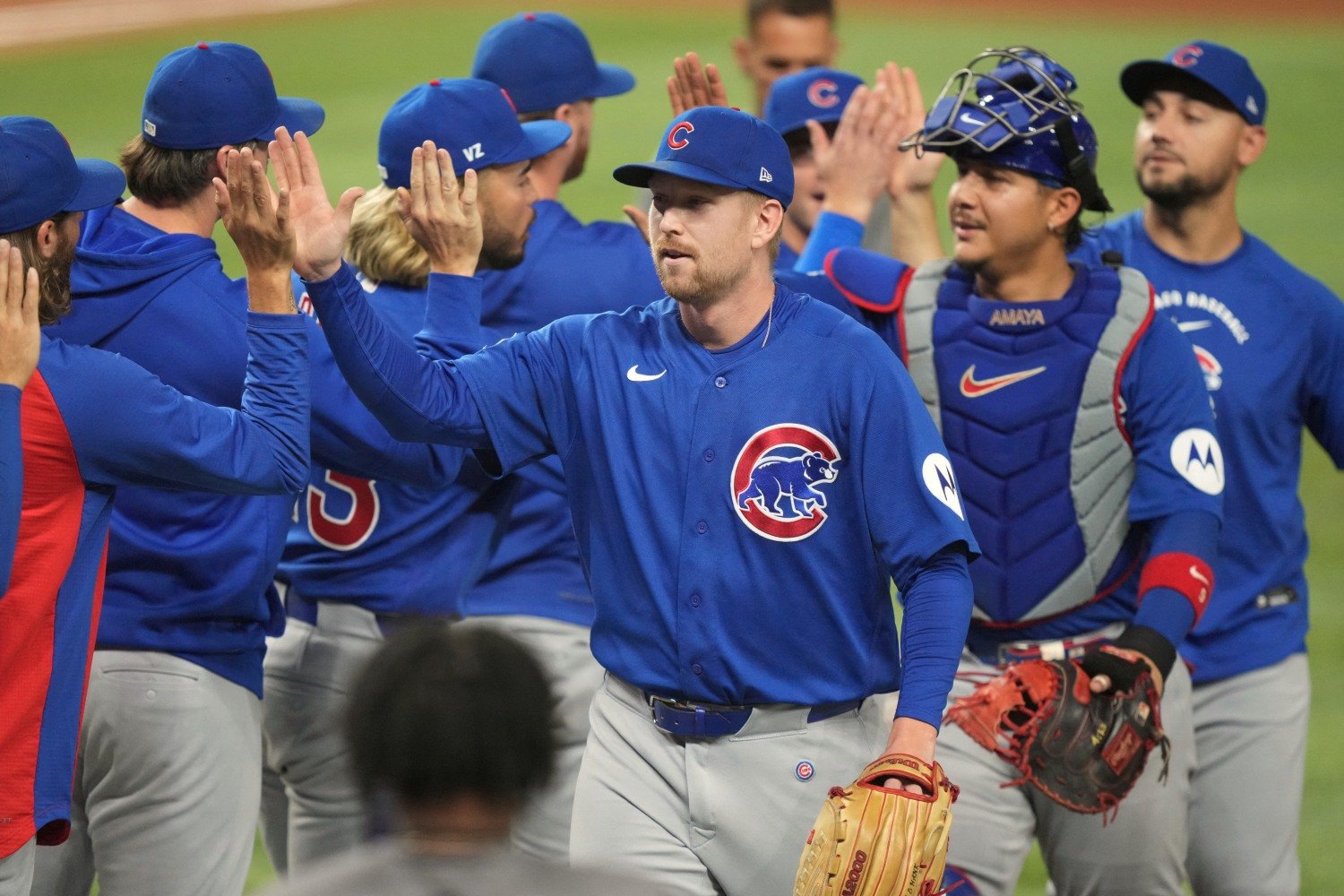 Powered (or is it propped up?) by a juggernaut offense that includes the presumptive National League MVP, the Chicago Cubs are firmly ensconced in a playoff position. They won back-to-back series on their just-completed homestand to secure their place, even as the Phillies and Padres have raised the pressure on them. With the division race over, the stretch run will be about trying to hold onto the first Wild Card spot, allowing the team to play at home in the Wild Card Series. This season, as a whole, has been as turbulent as any. The starting rotation has dealt with blow after blow since Cade Horton went down for the season in early April, but Matthew Boyd, Shota Imanaga, and trade acquisitions Clay Holmes, Kevin Gausman, and David Peterson have pitched well enough to keep them afloat. Each of them, when they're on, can provide quality starts and match up with just about anyone the Cubs will face in the playoffs. The major flaw on this roster—what has been the flaw nearly the entire season—is undoubtedly the bullpen. The bullpen sits 25th in baseball in xERA, 28th in fWAR, and 24th in saves, converting their save opportunities at a 59% clip. The pen's struggles have been especially disappointing, because Jed Hoyer tried take a slightly different tack this winter than is his wont. He signed Phil Maton, Hunter Harvey, Jacob Webb and Hoby Milner; he re-signed Caleb Thielbar. Those aren't household names, but that was a step up in investment in the relief corps, relative to what the Hoyer-led Cubs have usually done. At the deadline, he traded for Ryan Zeferjahn, one of the highest-ceiling arms who was available—though, to be far, not the most proven or reliable. At a certain point, though, the Cubs have to look themselves in the mirror. Spending more than was typical of him on the bullpen still left Hoyer spending less on it than he could have; he still eschewed the star relievers. Since Hoyer took over the president of baseball operations role from Theo Epstein prior to the 2021 season, he hasn't signed any reliever that would be considered a difference-maker. In that timeframe, top-of-the-market short-burst guys including Josh Hader, Liam Hendriks, Blake Treinen, Tanner Scott, Jeff Hoffman, Devin Williams, Edwin Díaz (twice), Robert Suarez, and Raisel Iglesias (twice) all signed elsewhere. The team only tried hard to sign one of them (Scott). Not all of these deals worked out, but the Cubs’ bullpen xERA in the Hoyer era ranks 25th in the league. The largest free-agent contract given to a reliever by the Cubs in that timeframe is the two-year, $14.5-million deal given to Maton. The last time Maton pitched was in July, and he has an ERA over 6.00 on the year. The second-largest contract Hoyer handed out was to Héctor Neris: a one-year, $9-million disaster penned before the 2024 season, the year the Cubs were supposed to turn back into a contender for the first time since the World Series core disbanded. Over the last three seasons, the Cubs have been one of the strongest defensive teams in the sport, and they added yet another Gold Glove winner to the infield with the signing of Alex Bregman over the winter. With this emphasis, it's easy to wonder if the philosophy in the Cubs’ front office is that an elite defense can support a lackluster bullpen. To their credit, it did work in 2025. The Cubs spent only $4.25 million to bring in both Brad Keller and Thielbar, who combined for 3.3 fWAR and played key roles in the playoffs, with Keller serving as the closer down the stretch. While the now 39-year-old Thielbar returned with a modest raise to $4.5 million, Keller joined the Phillies on a two-year pact worth $22 million, which has proved to be much too costly for Hoyer. Outside of those two, the Cubs once again caught lightning in a bottle with the in-season pickup of Drew Pomeranz. The veteran southpaw, who had not pitched in the majors since 2021, came out of nowhere to produce a 2.17 ERA across nearly 50 innings. The point here is that the penny-pinching approach (combined with the breakout of Daniel Palencia) allowed the 2025 Cubs to post a bullpen xERA of 3.90, which ranked 10th overall. However, assuming that same blueprint would again work for 2026 was iffy, and it hasn't worked. This year’s bullpen is worse than the 2024 version, where the only major-league signing was the aforementioned Neris. (That unit finished with the 21st-ranked xERA.) The 2024 Cubs barely missed the playoffs, but they had 3.0 fWAR come from Mark Leiter Jr., Porter Hodge, Tyson Miller and Jorge López. To put that into perspective, the 2026 bullpen’s top four, in comparison, includes Zeferjahn, Ryan Rolison, Webb, and Palencia. That quartet has a combined 0.5 fWAR, which is equal to what Miller had in 2024 alone. For those wondering why a team would pay Iglesias $16 million per season, Luke Weaver $11 million, or even Gregory Soto $7.75 million, it's because each of those players have accumulated more fWAR than the arms the Cubs will surely be leaning heavily on this postseason. The Cubs tried to play the numbers and sign the guys that offered the highest bang for relatively few bucks, instead of chasing the arms at top of the market. Even at the trade deadline, the only move was for a guy making under $1 million. Admittedly, Zeferjahn's long-term team control is valuable, but Weaver and Hoffman have a year of control, plus postseason experience. Zeferjahn, who could be the Cubs’ highest-leverage reliever in October, has been playing the most meaningful baseball of his life over the last month and a half, and has struggled. Thielbar and Palencia pitched well enough in their playoff roles last season, but this staff as a whole feels thinner. If one thing is certain in October, it's that nothing is, so the Cubs could win it all. Should they instead make an early exit, it’s way too easy to assume it will have had something to do with the pen. But you and I, we know that it will.
 -
Image courtesy of Jim Rassol-Imagn Images Powered (or is it propped up?) by a juggernaut offense that includes the presumptive National League MVP, the Chicago Cubs are firmly ensconced in a playoff position. They won back-to-back series on their just-completed homestand to secure their place, even as the Phillies and Padres have raised the pressure on them. With the division race over, the stretch run will be about trying to hold onto the first Wild Card spot, allowing the team to play at home in the Wild Card Series. This season, as a whole, has been as turbulent as any. The starting rotation has dealt with blow after blow since Cade Horton went down for the season in early April, but Matthew Boyd, Shota Imanaga, and trade acquisitions Clay Holmes, Kevin Gausman, and David Peterson have pitched well enough to keep them afloat. Each of them, when they're on, can provide quality starts and match up with just about anyone the Cubs will face in the playoffs. The major flaw on this roster—what has been the flaw nearly the entire season—is undoubtedly the bullpen. The bullpen sits 25th in baseball in xERA, 28th in fWAR, and 24th in saves, converting their save opportunities at a 59% clip. The pen's struggles have been especially disappointing, because Jed Hoyer tried take a slightly different tack this winter than is his wont. He signed Phil Maton, Hunter Harvey, Jacob Webb and Hoby Milner; he re-signed Caleb Thielbar. Those aren't household names, but that was a step up in investment in the relief corps, relative to what the Hoyer-led Cubs have usually done. At the deadline, he traded for Ryan Zeferjahn, one of the highest-ceiling arms who was available—though, to be far, not the most proven or reliable. At a certain point, though, the Cubs have to look themselves in the mirror. Spending more than was typical of him on the bullpen still left Hoyer spending less on it than he could have; he still eschewed the star relievers. Since Hoyer took over the president of baseball operations role from Theo Epstein prior to the 2021 season, he hasn't signed any reliever that would be considered a difference-maker. In that timeframe, top-of-the-market short-burst guys including Josh Hader, Liam Hendriks, Blake Treinen, Tanner Scott, Jeff Hoffman, Devin Williams, Edwin Díaz (twice), Robert Suarez, and Raisel Iglesias (twice) all signed elsewhere. The team only tried hard to sign one of them (Scott). Not all of these deals worked out, but the Cubs’ bullpen xERA in the Hoyer era ranks 25th in the league. The largest free-agent contract given to a reliever by the Cubs in that timeframe is the two-year, $14.5-million deal given to Maton. The last time Maton pitched was in July, and he has an ERA over 6.00 on the year. The second-largest contract Hoyer handed out was to Héctor Neris: a one-year, $9-million disaster penned before the 2024 season, the year the Cubs were supposed to turn back into a contender for the first time since the World Series core disbanded. Over the last three seasons, the Cubs have been one of the strongest defensive teams in the sport, and they added yet another Gold Glove winner to the infield with the signing of Alex Bregman over the winter. With this emphasis, it's easy to wonder if the philosophy in the Cubs’ front office is that an elite defense can support a lackluster bullpen. To their credit, it did work in 2025. The Cubs spent only $4.25 million to bring in both Brad Keller and Thielbar, who combined for 3.3 fWAR and played key roles in the playoffs, with Keller serving as the closer down the stretch. While the now 39-year-old Thielbar returned with a modest raise to $4.5 million, Keller joined the Phillies on a two-year pact worth $22 million, which has proved to be much too costly for Hoyer. Outside of those two, the Cubs once again caught lightning in a bottle with the in-season pickup of Drew Pomeranz. The veteran southpaw, who had not pitched in the majors since 2021, came out of nowhere to produce a 2.17 ERA across nearly 50 innings. The point here is that the penny-pinching approach (combined with the breakout of Daniel Palencia) allowed the 2025 Cubs to post a bullpen xERA of 3.90, which ranked 10th overall. However, assuming that same blueprint would again work for 2026 was iffy, and it hasn't worked. This year’s bullpen is worse than the 2024 version, where the only major-league signing was the aforementioned Neris. (That unit finished with the 21st-ranked xERA.) The 2024 Cubs barely missed the playoffs, but they had 3.0 fWAR come from Mark Leiter Jr., Porter Hodge, Tyson Miller and Jorge López. To put that into perspective, the 2026 bullpen’s top four, in comparison, includes Zeferjahn, Ryan Rolison, Webb, and Palencia. That quartet has a combined 0.5 fWAR, which is equal to what Miller had in 2024 alone. For those wondering why a team would pay Iglesias $16 million per season, Luke Weaver $11 million, or even Gregory Soto $7.75 million, it's because each of those players have accumulated more fWAR than the arms the Cubs will surely be leaning heavily on this postseason. The Cubs tried to play the numbers and sign the guys that offered the highest bang for relatively few bucks, instead of chasing the arms at top of the market. Even at the trade deadline, the only move was for a guy making under $1 million. Admittedly, Zeferjahn's long-term team control is valuable, but Weaver and Hoffman have a year of control, plus postseason experience. Zeferjahn, who could be the Cubs’ highest-leverage reliever in October, has been playing the most meaningful baseball of his life over the last month and a half, and has struggled. Thielbar and Palencia pitched well enough in their playoff roles last season, but this staff as a whole feels thinner. If one thing is certain in October, it's that nothing is, so the Cubs could win it all. Should they instead make an early exit, it’s way too easy to assume it will have had something to do with the pen. But you and I, we know that it will. View full article
-
Image courtesy of © David Banks-Imagn Images It is the first weekend of September, and the Chicago Cubs are sputtering. After splitting a home series that was a must-win affair against the Milwaukee Brewers, any hopes of regaining a division lead have vanished completely. They have also dropped behind the Phillies in the Wild Card standings, and while they still hold a four-and-a-half game lead over the Diamondbacks for the second spot, the margin for error is shrinking. Although it isn’t time to press the panic button, the Cubs are in danger of dropping their fourth consecutive series. The bats have done their job, but the pitching staff as a whole has a 4.44 xERA since since the start of August, which ranks 26th overall. The front office has built a pitching staff for 2026 that has contained more questions than answers, and while the trade deadline additions have added some clarity to the playoff starting rotation, there is still enough ambiguity to keep fans skeptical about how far this club can go. The question we will be diving into here is one that was asked in the postseason last year, and again in the offseason: What is Craig Counsell supposed to do with Shota Imanaga? After Sunday’s home loss to the Reds, where Imanaga gave up three long balls for the second time in his last four starts, Counsell was quoted as saying, "If you look at the season he’s having, he’s having a pretty decent season," and when asked about if his role in the postseason was in jeopardy, he doubled down and added "I wouldn’t say that at all, no. We need Shota. We need Shota to be good for us. So we gotta work at helping him be better." It sounds like Counsell still has confidence, but it's not too early to think about other options. The Shota Imanaga Problem Imanaga’s third go-round with the Cubs has been healthier than last season’s effort, when he suffered a strained hamstring in May, costing him a month. He still made 25 starts, but he clearly was not the All-Star caliber pitcher who earned Rookie of the Year votes and down-ballot Cy Young love in 2024. He made two postseason starts, and while he pitched okay versus the Padres in the Wild Card Round, he infamously could not make it out of the third inning in his start against the Brewers in the NLDS, allowing four earned runs and a pair of homers. As aforementioned, the home runs have been the glaring hole in his game for 2026. His 33 home runs allowed currently lead the major leagues (tied with Jeffrey Springs of the Athletics). He has allowed more than one homer in eight of his 27 starts, and 19 of those 33 allowed happened at Wrigley Field. Imanaga has a chase (35%) and whiff (29.2%) rate well above league average, and a walk percentage bordering on elite at 5.7%, which should normally inspire confidence. However, after looking at the potential playoff opponents he might face, he could be doomed in any scenario that involves him starting a game. As it stands today, the Cubs would be in Philadelphia for the Wild Card Round. Forget about the lefty-on-lefty matchup; Kyle Schwarber and Bryce Harper would have no problem connecting on Shota’s low-90s fastball that tends to sit in the top of the strike zone. Should the Cubs’ slide continue to where they fall to the third Wild Card spot, they would likely match up with the Dodgers or Braves, which would be as bleak as it could get. The silver lining here is that, barring injury, he would not need to start a playoff game in the three-game wild card series with Clay Holmes, Matthew Boyd, and Jevin Gausman ahead of him, but should the Cubs advance, here are the potential pivots from an Imanaga start. Plan A: Piggyback Game The Mariners tinkered with this idea throughout the early parts of the season, using two different starters for about three innings a piece. Instead of starting Imanaga with a short leash, the plan from the beginning would be to let him work through the lineup once or twice before pulling him in the middle innings. In his first time through the batting order, opponents are hitting .211 with a .654 OPS, which is more than serviceable. The Cubs’ high-powered offense could jump out to an early lead in this timeframe before handing the ball to another starter. Who that would be is a tough question, though. The healthy options on the roster are currently Colin Rea and Javier Assad. Rea has pitched well of late with a 3.06 ERA in his last seven games and switching the handedness of the pitcher would make the opposing manager have to make a few key decisions earlier than expected. Assad is once again putting together a solid, underrated season while bouncing between Chicago and Iowa. He has a 3.46 ERA in 22 games while starting ten of them. Before being optioned again, he threw three innings of two-hit, shutout ball versus the White Sox after entering in the fifth inning. Anything that Rea can do, Assad should be able to do a bit better. The most interesting option would be Edward Cabrera, who is currently rehabbing a blister. He is expected to land in the bullpen upon his return, but it is unclear whether he can be depended on for longer outings. Plan B: David Peterson Peterson has pitched well over the second half of the season, and his 0.6 fWAR is tied for the team lead among starters. In eight starts, which is tied with Imanaga for second on the team, he has a ho-hum 4.21 xERA but with an xFIP of 3.55. He has only one less strikeout than Imanaga since the All-Star break, and outside of Clay Holmes, he has been their best at keeping the ball in the yard. Opposing hitters have a .307 BABIP against Peterson, which is probably higher than it should be considering how good the Cubs' defense is. For what it's worth, didn’t allow a run over 5.1 innings of work against the Phillies in the 2024 NLDS. It is clear that neither of these options would be better than Imanaga at the top of his game, and realistically, he will most likely be starting game four of a five-game playoff series. If any pitcher on this staff can string together a run of four straight quality starts, this is the guy. He started the year pitching like an All-Star, and could do that again as the weather starts to cool down and the hot summer air stops affecting fly balls as much. As long as he is healthy, he will have a shot at redemption in the postseason. View full article
-
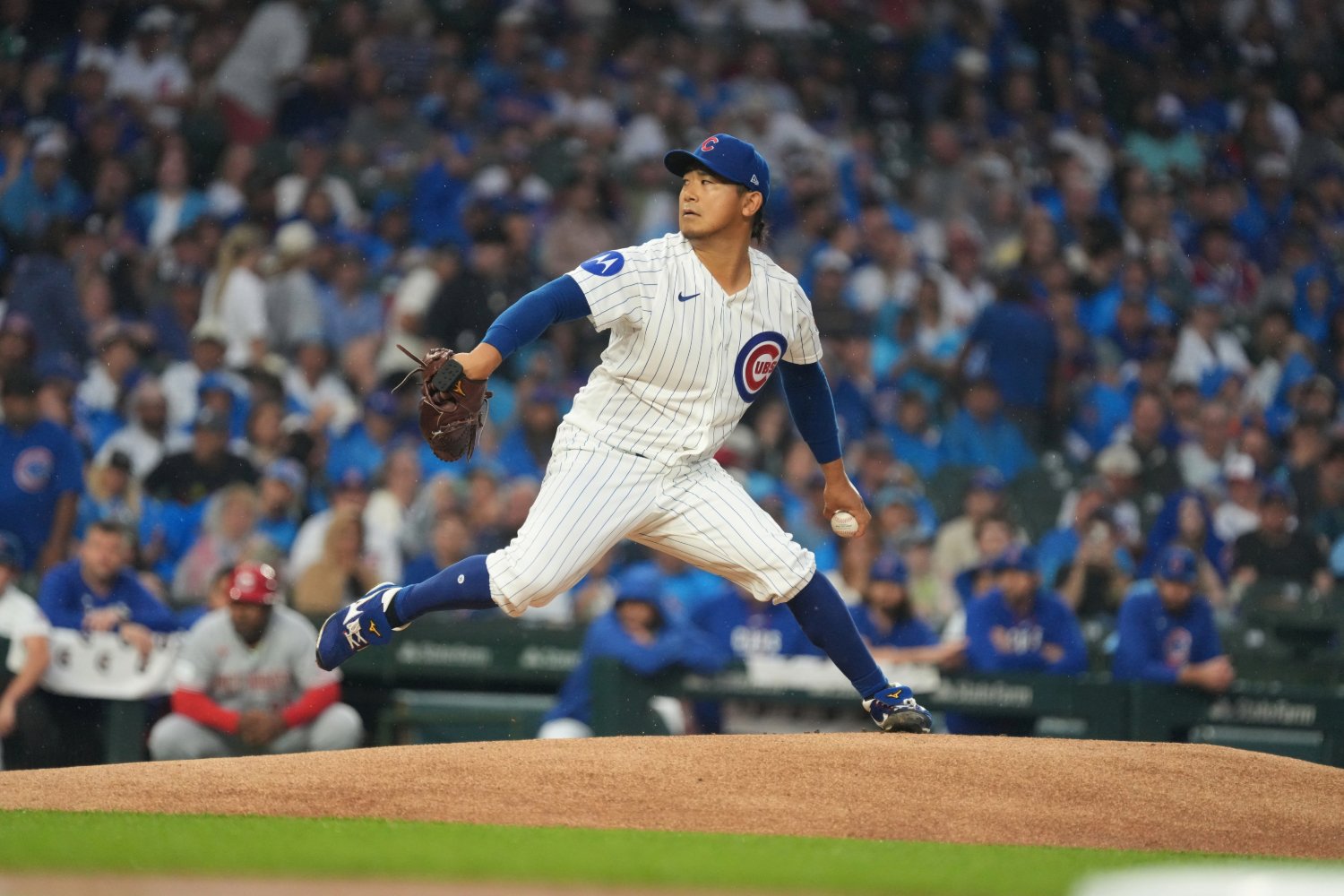 It is the first weekend of September, and the Chicago Cubs are sputtering. After splitting a home series that was a must-win affair against the Milwaukee Brewers, any hopes of regaining a division lead have vanished completely. They have also dropped behind the Phillies in the Wild Card standings, and while they still hold a four-and-a-half game lead over the Diamondbacks for the second spot, the margin for error is shrinking. Although it isn’t time to press the panic button, the Cubs are in danger of dropping their fourth consecutive series. The bats have done their job, but the pitching staff as a whole has a 4.44 xERA since since the start of August, which ranks 26th overall. The front office has built a pitching staff for 2026 that has contained more questions than answers, and while the trade deadline additions have added some clarity to the playoff starting rotation, there is still enough ambiguity to keep fans skeptical about how far this club can go. The question we will be diving into here is one that was asked in the postseason last year, and again in the offseason: What is Craig Counsell supposed to do with Shota Imanaga? After Sunday’s home loss to the Reds, where Imanaga gave up three long balls for the second time in his last four starts, Counsell was quoted as saying, "If you look at the season he’s having, he’s having a pretty decent season," and when asked about if his role in the postseason was in jeopardy, he doubled down and added "I wouldn’t say that at all, no. We need Shota. We need Shota to be good for us. So we gotta work at helping him be better." It sounds like Counsell still has confidence, but it's not too early to think about other options. The Shota Imanaga Problem Imanaga’s third go-round with the Cubs has been healthier than last season’s effort, when he suffered a strained hamstring in May, costing him a month. He still made 25 starts, but he clearly was not the All-Star caliber pitcher who earned Rookie of the Year votes and down-ballot Cy Young love in 2024. He made two postseason starts, and while he pitched okay versus the Padres in the Wild Card Round, he infamously could not make it out of the third inning in his start against the Brewers in the NLDS, allowing four earned runs and a pair of homers. As aforementioned, the home runs have been the glaring hole in his game for 2026. His 33 home runs allowed currently lead the major leagues (tied with Jeffrey Springs of the Athletics). He has allowed more than one homer in eight of his 27 starts, and 19 of those 33 allowed happened at Wrigley Field. Imanaga has a chase (35%) and whiff (29.2%) rate well above league average, and a walk percentage bordering on elite at 5.7%, which should normally inspire confidence. However, after looking at the potential playoff opponents he might face, he could be doomed in any scenario that involves him starting a game. As it stands today, the Cubs would be in Philadelphia for the Wild Card Round. Forget about the lefty-on-lefty matchup; Kyle Schwarber and Bryce Harper would have no problem connecting on Shota’s low-90s fastball that tends to sit in the top of the strike zone. Should the Cubs’ slide continue to where they fall to the third Wild Card spot, they would likely match up with the Dodgers or Braves, which would be as bleak as it could get. The silver lining here is that, barring injury, he would not need to start a playoff game in the three-game wild card series with Clay Holmes, Matthew Boyd, and Jevin Gausman ahead of him, but should the Cubs advance, here are the potential pivots from an Imanaga start. Plan A: Piggyback Game The Mariners tinkered with this idea throughout the early parts of the season, using two different starters for about three innings a piece. Instead of starting Imanaga with a short leash, the plan from the beginning would be to let him work through the lineup once or twice before pulling him in the middle innings. In his first time through the batting order, opponents are hitting .211 with a .654 OPS, which is more than serviceable. The Cubs’ high-powered offense could jump out to an early lead in this timeframe before handing the ball to another starter. Who that would be is a tough question, though. The healthy options on the roster are currently Colin Rea and Javier Assad. Rea has pitched well of late with a 3.06 ERA in his last seven games and switching the handedness of the pitcher would make the opposing manager have to make a few key decisions earlier than expected. Assad is once again putting together a solid, underrated season while bouncing between Chicago and Iowa. He has a 3.46 ERA in 22 games while starting ten of them. Before being optioned again, he threw three innings of two-hit, shutout ball versus the White Sox after entering in the fifth inning. Anything that Rea can do, Assad should be able to do a bit better. The most interesting option would be Edward Cabrera, who is currently rehabbing a blister. He is expected to land in the bullpen upon his return, but it is unclear whether he can be depended on for longer outings. Plan B: David Peterson Peterson has pitched well over the second half of the season, and his 0.6 fWAR is tied for the team lead among starters. In eight starts, which is tied with Imanaga for second on the team, he has a ho-hum 4.21 xERA but with an xFIP of 3.55. He has only one less strikeout than Imanaga since the All-Star break, and outside of Clay Holmes, he has been their best at keeping the ball in the yard. Opposing hitters have a .307 BABIP against Peterson, which is probably higher than it should be considering how good the Cubs' defense is. For what it's worth, didn’t allow a run over 5.1 innings of work against the Phillies in the 2024 NLDS. It is clear that neither of these options would be better than Imanaga at the top of his game, and realistically, he will most likely be starting game four of a five-game playoff series. If any pitcher on this staff can string together a run of four straight quality starts, this is the guy. He started the year pitching like an All-Star, and could do that again as the weather starts to cool down and the hot summer air stops affecting fly balls as much. As long as he is healthy, he will have a shot at redemption in the postseason.
 -
Image courtesy of Mark J. Rebilas-Imagn Images The Cubs come home Friday to face two division rivals, the Reds and Brewers, which will wrap up August and begin the final month of the 2026 regular season. The Cubs have had a tight grip on the top NL Wild Card spot for the entirety of the second half, and will have no problem cruising to a playoff berth for the second consecutive season. Holding onto that first Wild Card spot is the key, though, and that part won't be easy—the Phillies have pulled within four games of Chicago. The injured list will remain a key storyline for September, as it has been for the entirety of the season. Last week, Dansby Swanson went down with an oblique injury that will cost him at least a month and could end his season. The good news is that Matt Shaw is playing in rehab games and should be back very soon. On the pitching side, more injury returns loom, though Ben Brown's became less likely this week after the stress reaction in his neck flared up again. This is a survive-and-advance situation, with an eye toward being as healthy and ready to thrive as possible come October. Remaining Cubs Schedule at a Glance Games Remaining: 28 Home / Road: 16/12 Games vs .500 teams: 19 Remaining Strength of Schedule: 2nd-toughest in MLB What to Watch Postseason Pitching Staff As mentioned earlier, the pitching staff is going to look a lot different over the next couple of weeks. Before the trade deadline, the potential playoff rotation looked quite bleak, but with the additions of Kevin Gausman and Clay Holmes, the Cubs can form a competent group of four starters for the postseason. The locks will be Gausman, Holmes, and Matthew Boyd. After that, there are a few options. Shota Imanaga is having a strong season, but we all remember how the postseason went for him last year. He may have the chance to start, but with Edward Cabrera or David Peterson ready to go early on in case he struggles. Cabrera, who should be returning from his blister-related IL stint soon, could earn a postseason start in a five-game series if he can string together two or three quality starts in September. (The "if" in that sentence, though, is doing chest presses with a Corvette.) The most interesting option here is Brown, who looked like an All-Star before going down with a neck injury that has sidelined him since June. His 1.4 fWAR as a starter leads the Cubs, but there's zero chance he returns in that role. Even a return to the bullpen is much less likely now; we'll have to see what the next medical update on him is. As for the bullpen, we can rule out Hunter Harvey or Phil Maton coming back. Though the team is better off without Maton, Harvey would have been a wild card of sorts, as he has only thrown four innings this season but has generally been effective throughout his career. The three names to watch are Hoby Milner, Shelby Miller, and Justin Steele. Milner and Miller have each begun their rehab assignments, with Steele set to begin his over the next week or so. Milner could push Caleb Thielbar off the roster, if he looks good enough and is at full strength by the end of his rehab clock. Both Miller and Steele would be making their first appearances of the 2026 season, but would be eligible for the postseason since they are already in the organization. Any contributions from these two would be gravy, but if they are healthy and effective, the Cubs may have just found another two high-leverage bullpen arms. Can the Cubs Still Win the NL Central? In a word: no. While the Cubs travel home from Arizona Thursday, the Brewers will play one more game against the Mets, which will decide whether the Cubs are 6 or 7 games behind Milwaukee heading into the weekend. Chicago got closer to the Crew for a while last month, but never really threatened to take over, and their recent sag has them closer to falling out of the postseason altogether than to catching Pat Murphy's club. By September 10, the Cubs and Brewers will have played another seven times, which at least keeps the door open a crack for the challengers. They'd need to win at least five of the seven to pull back within striking distance, though, and that's the same number they'd need to win to gain the tiebreaker advantage. That feels unlikely, and even if it comes to fruition, there will be more hurdles to clear. Strength of Schedule and the Phillies’ Resurgence As mentioned earlier, the Phillies are gaining significant ground on the Cubs for the top Wild Card spot. Chicago is only two games ahead, and one more game ahead of the Padres. These two teams don't play each other again, and the Phillies have a slightly easier (but still tough) remaining schedule. The Cubs’ most difficult foes are the aforementioned Brewers, plus three at home versus Atlanta and three on the road against Boston. The Phillies are lucky in that they still have nine combined games against the Angels, Mets, and Nationals, but they still have 16 against divisional leaders in Milwaukee, Atlanta, Houston and Tampa Bay. The key for the Cubs is to take advantage of the Reds and Marlins, whom they play another six times each. They will also have an advantage when Pittsburgh comes to town in a few weeks. The Cubs are a stronger team, by fundamentals. The Phillies have had some surprise contributions from their unsung heroes like Edmundo Sosa and Bryan De la Cruz, but Trea Turner, J.T. Realmuto, and Alec Bohm have not been at the top of their games. Although the Cubs have a tough schedule, their offense (plus the reinforcements to the pitching staff and more games at home than on the road) should still make the top Wild Card spot theirs to lose. It's just not going to be as easy as the team might have hoped it would be, as recently as a few weeks ago. View full article
-
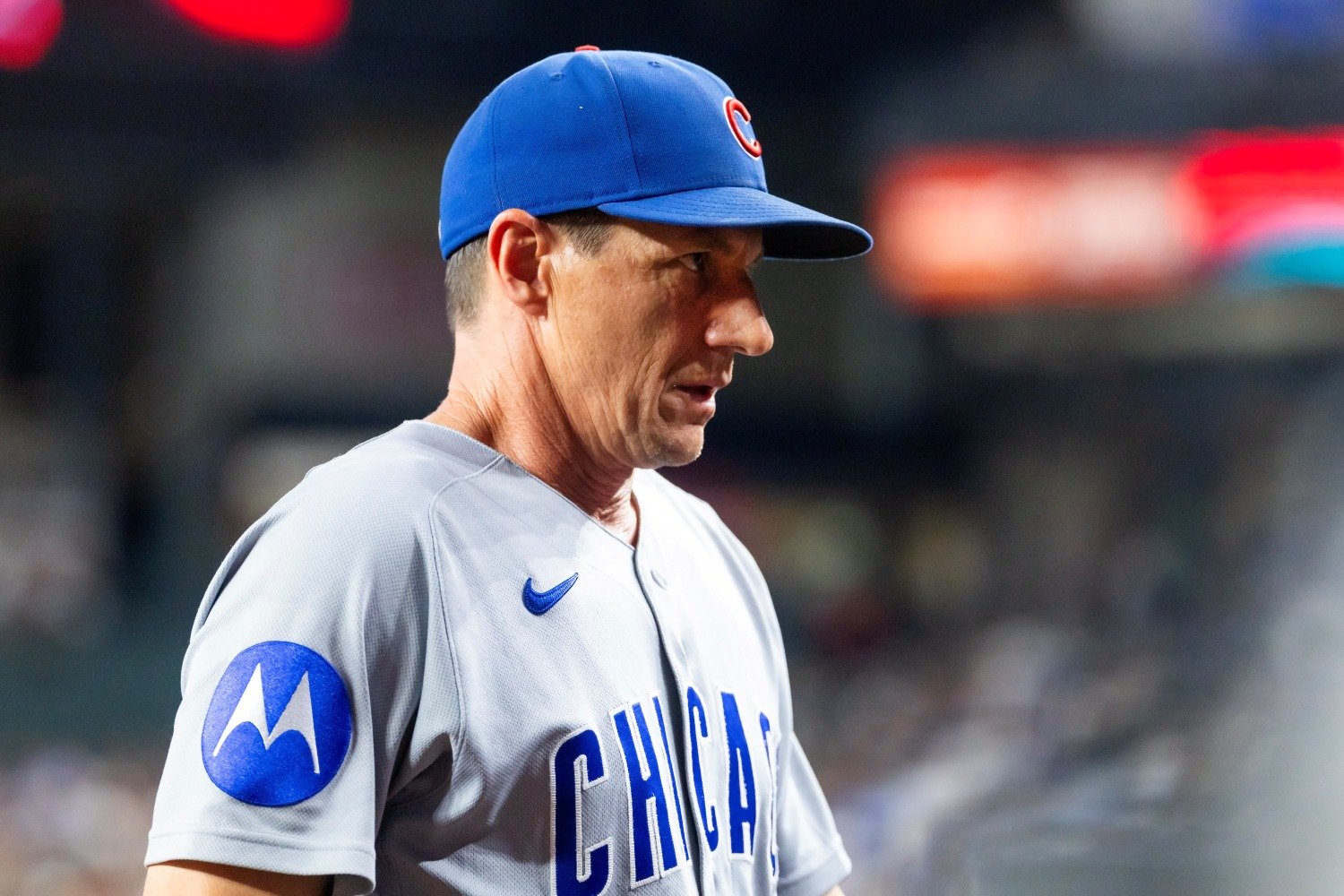 The Cubs come home Friday to face two division rivals, the Reds and Brewers, which will wrap up August and begin the final month of the 2026 regular season. The Cubs have had a tight grip on the top NL Wild Card spot for the entirety of the second half, and will have no problem cruising to a playoff berth for the second consecutive season. Holding onto that first Wild Card spot is the key, though, and that part won't be easy—the Phillies have pulled within four games of Chicago. The injured list will remain a key storyline for September, as it has been for the entirety of the season. Last week, Dansby Swanson went down with an oblique injury that will cost him at least a month and could end his season. The good news is that Matt Shaw is playing in rehab games and should be back very soon. On the pitching side, more injury returns loom, though Ben Brown's became less likely this week after the stress reaction in his neck flared up again. This is a survive-and-advance situation, with an eye toward being as healthy and ready to thrive as possible come October. Remaining Cubs Schedule at a Glance Games Remaining: 28 Home / Road: 16/12 Games vs .500 teams: 19 Remaining Strength of Schedule: 2nd-toughest in MLB What to Watch Postseason Pitching Staff As mentioned earlier, the pitching staff is going to look a lot different over the next couple of weeks. Before the trade deadline, the potential playoff rotation looked quite bleak, but with the additions of Kevin Gausman and Clay Holmes, the Cubs can form a competent group of four starters for the postseason. The locks will be Gausman, Holmes, and Matthew Boyd. After that, there are a few options. Shota Imanaga is having a strong season, but we all remember how the postseason went for him last year. He may have the chance to start, but with Edward Cabrera or David Peterson ready to go early on in case he struggles. Cabrera, who should be returning from his blister-related IL stint soon, could earn a postseason start in a five-game series if he can string together two or three quality starts in September. (The "if" in that sentence, though, is doing chest presses with a Corvette.) The most interesting option here is Brown, who looked like an All-Star before going down with a neck injury that has sidelined him since June. His 1.4 fWAR as a starter leads the Cubs, but there's zero chance he returns in that role. Even a return to the bullpen is much less likely now; we'll have to see what the next medical update on him is. As for the bullpen, we can rule out Hunter Harvey or Phil Maton coming back. Though the team is better off without Maton, Harvey would have been a wild card of sorts, as he has only thrown four innings this season but has generally been effective throughout his career. The three names to watch are Hoby Milner, Shelby Miller, and Justin Steele. Milner and Miller have each begun their rehab assignments, with Steele set to begin his over the next week or so. Milner could push Caleb Thielbar off the roster, if he looks good enough and is at full strength by the end of his rehab clock. Both Miller and Steele would be making their first appearances of the 2026 season, but would be eligible for the postseason since they are already in the organization. Any contributions from these two would be gravy, but if they are healthy and effective, the Cubs may have just found another two high-leverage bullpen arms. Can the Cubs Still Win the NL Central? In a word: no. While the Cubs travel home from Arizona Thursday, the Brewers will play one more game against the Mets, which will decide whether the Cubs are 6 or 7 games behind Milwaukee heading into the weekend. Chicago got closer to the Crew for a while last month, but never really threatened to take over, and their recent sag has them closer to falling out of the postseason altogether than to catching Pat Murphy's club. By September 10, the Cubs and Brewers will have played another seven times, which at least keeps the door open a crack for the challengers. They'd need to win at least five of the seven to pull back within striking distance, though, and that's the same number they'd need to win to gain the tiebreaker advantage. That feels unlikely, and even if it comes to fruition, there will be more hurdles to clear. Strength of Schedule and the Phillies’ Resurgence As mentioned earlier, the Phillies are gaining significant ground on the Cubs for the top Wild Card spot. Chicago is only two games ahead, and one more game ahead of the Padres. These two teams don't play each other again, and the Phillies have a slightly easier (but still tough) remaining schedule. The Cubs’ most difficult foes are the aforementioned Brewers, plus three at home versus Atlanta and three on the road against Boston. The Phillies are lucky in that they still have nine combined games against the Angels, Mets, and Nationals, but they still have 16 against divisional leaders in Milwaukee, Atlanta, Houston and Tampa Bay. The key for the Cubs is to take advantage of the Reds and Marlins, whom they play another six times each. They will also have an advantage when Pittsburgh comes to town in a few weeks. The Cubs are a stronger team, by fundamentals. The Phillies have had some surprise contributions from their unsung heroes like Edmundo Sosa and Bryan De la Cruz, but Trea Turner, J.T. Realmuto, and Alec Bohm have not been at the top of their games. Although the Cubs have a tough schedule, their offense (plus the reinforcements to the pitching staff and more games at home than on the road) should still make the top Wild Card spot theirs to lose. It's just not going to be as easy as the team might have hoped it would be, as recently as a few weeks ago.
 -
How Cubs' Bullpen Stacks Up To Other NL Central Contenders Post-Deadline
Paul Niemiec posted an article in Cubs
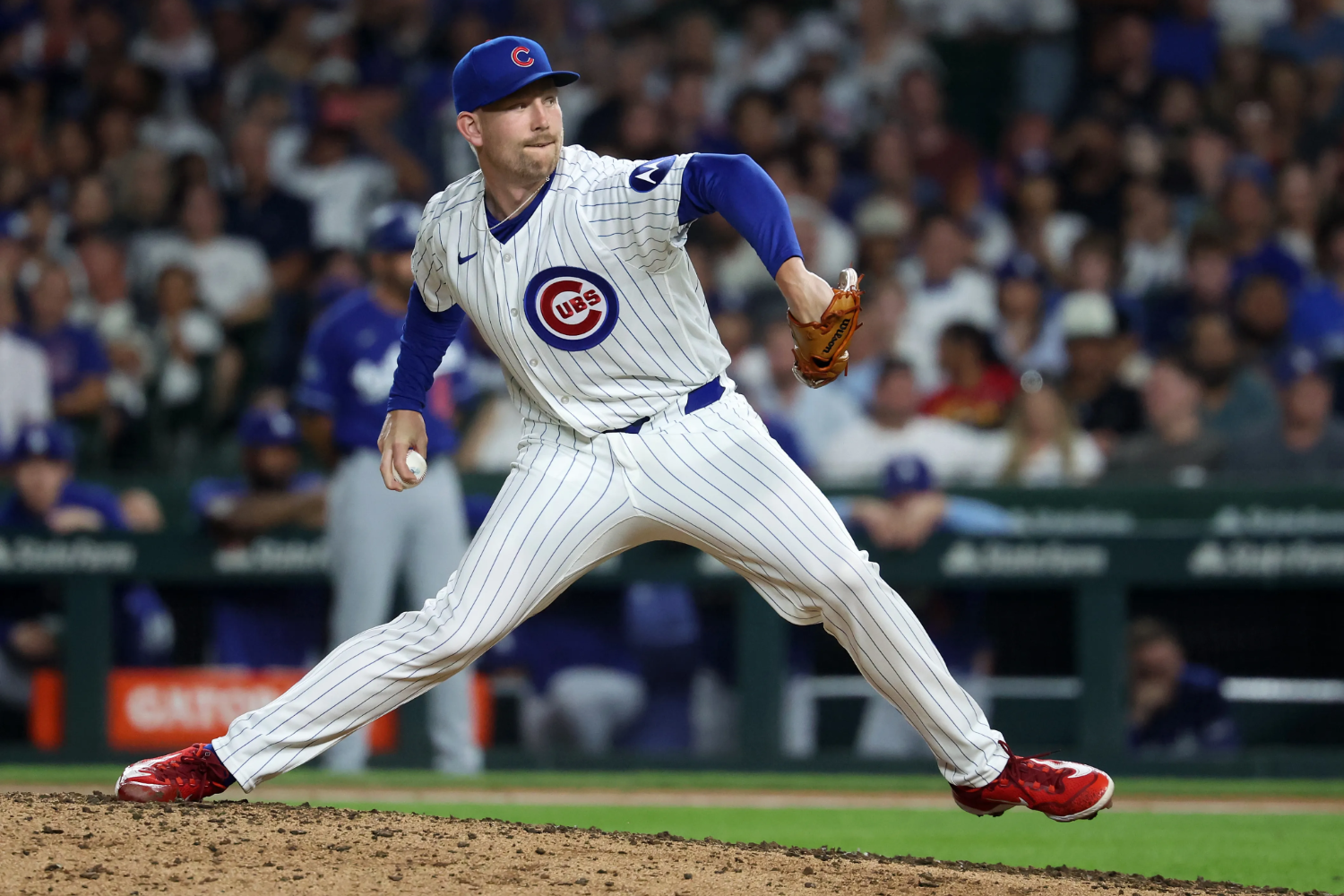 The 2026 MLB trade deadline is now in the rearview mirror. This deadline will be memorialized by the Dodgers acquisition of two-time reigning AL Cy Young Award winner Tarik Skubal and what this means for the future of baseball. There was plenty of action around the rest of the league though, especially amongst the NL Central, where the three buyers, the Brewers, Cubs and Pirates, combined for 12 trades. To nobody’s surprise, the Cubs made four additions to their pitching staff, the clear weakness of the team. They made the most significant upgrades to their rotation, adding Kevin Gausman from the Blue Jays and Clay Holmes from the Mets. They also added Ryan Zeferjahn, one of the best relief arms on the market, from the Angels. They plucked the change-of-scenery, bounce-back candidate Braxton Garrett from the Marlins as well, although his role is a bit more ambiguous. The front office’s mission was to add two starters and a reliever, and they did just that. The starting rotation could evolve into another strength of this team over the next two months, but it remains to be seen how much one reliever addition will benefit the bullpen, whose 4.65 xERA ranks 26th in baseball. Speaking of bullpen additions, their divisional competitors made some significant upgrades as well. The Brewers, who were already fourth in team bullpen xERA at the time of the deadline, acquired the Rockies’ best relief arm in former starter Antonio Senzatela, as well as southpaw groundball specialist JoJo Romero from the Cardinals. The Pirates, who also have a bullpen xERA in the bottom third of the league, but still better than the Cubs, completely overhauled their pen. They added one of the best relievers on the market in Luke Weaver from the Mets. They also brought in two former closers in Kirby Yates from the Angels and Camilo Doval from the Yankees. If that wasn’t enough, they added one of the Marlins’ more dependable arms in Lake Bachar. Here is the outlook for each of these teams’ bullpens post-deadline, as we look at how these new arms will fit in with the incumbents. Ranking NL Central's Best Bullpens After Trade Deadline Brewers The Brewers already had a trifecta of relievers already with an xERA under 3.00. Closer Trevor Megill and flamethrower Abner Uribe have allowed three home runs all season, and all three have come from Uribe. Yes, Megill, despite a rocky start to the season, has not allowed a home run. Shane Drohan, a rookie lefty acquired in the Caleb Durbin trade, has enjoyed a breakout season with a 2.39 xERA while limiting walks and hard contact. He has bounced between the rotation and the bullpen this season. He has been used exclusively as a starter of late, but the return of Kyle Harrison may send him back to the 'pen. Fellow southpaw Aaron Ashby is still one of the most consistent left-handed relievers in the game, and has an elite K/9 at just above 12. Their “lower leverage” arms in Grant Anderson, DL Hall, and Chad Patrick would be amongst their best if they were on almost any other team across the league. That speaks to the depth of this unit, and it just got deeper with the additions of Senzatela and Romero. The unit with the third highest fWAR in baseball is likely to continue to dominate late in games. For what it's worth, their starters have the lowest xERA in baseball. This is why they are in contention for the best record in the league for the second straight season, and have the third highest odds to win the World Series. Pirates Likewise, it is a great time to be a fan of Pennsylvania sports. The city of Philadelphia now has LeBron James, and Pittsburgh acquired Luke Weaver and friends. After adding four new relievers, the Pirates are looking to make their first legitimate push for the postseason in a decade. Even though they are below .500 Paul Skenes has not been Paul Skenes this season, with an ERA in the high-threes and a fastball sitting in the mid-90s, but the Buccos are going for it anyway while adding three controllable arms (four if you count Brandon Eisert, who was traded for before the draft, but in the minors currently) and Kirby Yates. The bullpen already had a knack for missing bats, with Yohan Ramirez, Gregory Soto, Mason Montgomery and Evan Sisk all having a K/9 over 10. In fact, the 'pen as a whole is fifth in baseball in that stat, but they are also fifth in BB/9. Weaver (who may slot into the closer role) and Bachar should provide quality innings while issuing less walks than guys like Ramirez, who has been their most-used reliever to this point. Another name to highlight here is Carmen Mlodzinski, who was bumped from the rotation after the return of Jared Jones. He has impressed to the tune of a sparkling 2.15 ERA as a reliever, but his xERA over 4.00 helps explain why GM Ben Cherington felt pressure to add more right-handers. Overall, this is probably the most improved bullpen in baseball. We will see how far it takes them, but baseball is definitely better when the Pirates are trying. Cubs Finally, we have the Cubs, who added one definitive reliever in Ryan Zeferjahn, and one possible reliever in Braxton Garrett. We should have clarity soon on how Craig Counsell chooses to deploy Garrett, but if he can become the next broken starter turned relief ace, it would be a huge win for Hoyer and Carter Hawkins. The Cubs have searched all season to find a high-leverage right-handed reliever to fill the void left by Brad Keller. Ben Brown looked to be the answer, but due to the myriads of injuries, he was needed in the rotation, where hopefully he will continue to shine after returning from his own neck injury. Zeferjahn fills this role and more. With a 33% strikeout rate, and a walk rate just under 14%, he should become that anchor in the back end that the Cubs were hoping Daniel Palencia would be. Speaking of Palencia, who has been hampered by injuries all season, he can step into a more complementary role. Jacob Webb has been a solid low-cost addition, and newly acquired Tyler Ferguson has a 3.52 xERA in 15 games. Although he has been nothing short of awful, the return of Phil Maton will at least provide a bit more depth, and Hunter Harvey might return before all is said and done. As a whole, the right-handed part of the bullpen is something to feel good about. The main critique of the Cubs’ deadline approach is the failure to land a lefty reliever. We saw Brooks Raley, A.J. Minter, the aforementioned JoJo Romero, Caleb Ferguson, Erik Miller, and Brent Suter all find new homes. The fact that the Cubs will be relying on Ryan Rolison, Hoby Milner, and Caleb Thielbar as their go-to lefties for the rest of the season should rightfully make fans nervous. None of these guys are bad, but a contending team with a properly built bullpen would consider these guys a fine second- or third-tier lefty. So, is there hope that Braxton Garrett becomes a high-leverage option? Or are they counting on a bullpen role for Justin Steele? The Cubs made a great move for Zeferjahn, regardless of how you feel about Moises Ballesteros, but the bullpen makeover seems like an assignment that wasn’t quite completed, leaving them looking up at their division counterparts.
 -
Image courtesy of Chris Sweda/Chicago Tribune The 2026 MLB trade deadline is now in the rearview mirror. This deadline will be memorialized by the Dodgers acquisition of two-time reigning AL Cy Young Award winner Tarik Skubal and what this means for the future of baseball. There was plenty of action around the rest of the league though, especially amongst the NL Central, where the three buyers, the Brewers, Cubs and Pirates, combined for 12 trades. To nobody’s surprise, the Cubs made four additions to their pitching staff, the clear weakness of the team. They made the most significant upgrades to their rotation, adding Kevin Gausman from the Blue Jays and Clay Holmes from the Mets. They also added Ryan Zeferjahn, one of the best relief arms on the market, from the Angels. They plucked the change-of-scenery, bounce-back candidate Braxton Garrett from the Marlins as well, although his role is a bit more ambiguous. The front office’s mission was to add two starters and a reliever, and they did just that. The starting rotation could evolve into another strength of this team over the next two months, but it remains to be seen how much one reliever addition will benefit the bullpen, whose 4.65 xERA ranks 26th in baseball. Speaking of bullpen additions, their divisional competitors made some significant upgrades as well. The Brewers, who were already fourth in team bullpen xERA at the time of the deadline, acquired the Rockies’ best relief arm in former starter Antonio Senzatela, as well as southpaw groundball specialist JoJo Romero from the Cardinals. The Pirates, who also have a bullpen xERA in the bottom third of the league, but still better than the Cubs, completely overhauled their pen. They added one of the best relievers on the market in Luke Weaver from the Mets. They also brought in two former closers in Kirby Yates from the Angels and Camilo Doval from the Yankees. If that wasn’t enough, they added one of the Marlins’ more dependable arms in Lake Bachar. Here is the outlook for each of these teams’ bullpens post-deadline, as we look at how these new arms will fit in with the incumbents. Ranking NL Central's Best Bullpens After Trade Deadline Brewers The Brewers already had a trifecta of relievers already with an xERA under 3.00. Closer Trevor Megill and flamethrower Abner Uribe have allowed three home runs all season, and all three have come from Uribe. Yes, Megill, despite a rocky start to the season, has not allowed a home run. Shane Drohan, a rookie lefty acquired in the Caleb Durbin trade, has enjoyed a breakout season with a 2.39 xERA while limiting walks and hard contact. He has bounced between the rotation and the bullpen this season. He has been used exclusively as a starter of late, but the return of Kyle Harrison may send him back to the 'pen. Fellow southpaw Aaron Ashby is still one of the most consistent left-handed relievers in the game, and has an elite K/9 at just above 12. Their “lower leverage” arms in Grant Anderson, DL Hall, and Chad Patrick would be amongst their best if they were on almost any other team across the league. That speaks to the depth of this unit, and it just got deeper with the additions of Senzatela and Romero. The unit with the third highest fWAR in baseball is likely to continue to dominate late in games. For what it's worth, their starters have the lowest xERA in baseball. This is why they are in contention for the best record in the league for the second straight season, and have the third highest odds to win the World Series. Pirates Likewise, it is a great time to be a fan of Pennsylvania sports. The city of Philadelphia now has LeBron James, and Pittsburgh acquired Luke Weaver and friends. After adding four new relievers, the Pirates are looking to make their first legitimate push for the postseason in a decade. Even though they are below .500 Paul Skenes has not been Paul Skenes this season, with an ERA in the high-threes and a fastball sitting in the mid-90s, but the Buccos are going for it anyway while adding three controllable arms (four if you count Brandon Eisert, who was traded for before the draft, but in the minors currently) and Kirby Yates. The bullpen already had a knack for missing bats, with Yohan Ramirez, Gregory Soto, Mason Montgomery and Evan Sisk all having a K/9 over 10. In fact, the 'pen as a whole is fifth in baseball in that stat, but they are also fifth in BB/9. Weaver (who may slot into the closer role) and Bachar should provide quality innings while issuing less walks than guys like Ramirez, who has been their most-used reliever to this point. Another name to highlight here is Carmen Mlodzinski, who was bumped from the rotation after the return of Jared Jones. He has impressed to the tune of a sparkling 2.15 ERA as a reliever, but his xERA over 4.00 helps explain why GM Ben Cherington felt pressure to add more right-handers. Overall, this is probably the most improved bullpen in baseball. We will see how far it takes them, but baseball is definitely better when the Pirates are trying. Cubs Finally, we have the Cubs, who added one definitive reliever in Ryan Zeferjahn, and one possible reliever in Braxton Garrett. We should have clarity soon on how Craig Counsell chooses to deploy Garrett, but if he can become the next broken starter turned relief ace, it would be a huge win for Hoyer and Carter Hawkins. The Cubs have searched all season to find a high-leverage right-handed reliever to fill the void left by Brad Keller. Ben Brown looked to be the answer, but due to the myriads of injuries, he was needed in the rotation, where hopefully he will continue to shine after returning from his own neck injury. Zeferjahn fills this role and more. With a 33% strikeout rate, and a walk rate just under 14%, he should become that anchor in the back end that the Cubs were hoping Daniel Palencia would be. Speaking of Palencia, who has been hampered by injuries all season, he can step into a more complementary role. Jacob Webb has been a solid low-cost addition, and newly acquired Tyler Ferguson has a 3.52 xERA in 15 games. Although he has been nothing short of awful, the return of Phil Maton will at least provide a bit more depth, and Hunter Harvey might return before all is said and done. As a whole, the right-handed part of the bullpen is something to feel good about. The main critique of the Cubs’ deadline approach is the failure to land a lefty reliever. We saw Brooks Raley, A.J. Minter, the aforementioned JoJo Romero, Caleb Ferguson, Erik Miller, and Brent Suter all find new homes. The fact that the Cubs will be relying on Ryan Rolison, Hoby Milner, and Caleb Thielbar as their go-to lefties for the rest of the season should rightfully make fans nervous. None of these guys are bad, but a contending team with a properly built bullpen would consider these guys a fine second- or third-tier lefty. So, is there hope that Braxton Garrett becomes a high-leverage option? Or are they counting on a bullpen role for Justin Steele? The Cubs made a great move for Zeferjahn, regardless of how you feel about Moises Ballesteros, but the bullpen makeover seems like an assignment that wasn’t quite completed, leaving them looking up at their division counterparts. View full article
-
Image courtesy of Kamil Krzaczynski-Imagn Images With four days to go before the 2026 MLB trade deadline, the Chicago Cubs are playing well. Starting pitching is still the key area of concern for this club, and after they cut ties with Jameson Taillon, Jed Hoyer should be out looking to pick up not only a front-line starter, but also some additional depth toward the back of the rotation. The more dire the pitching needs, the less it looks like the offense will be addressed at all. The Cubs still have one of the best lineups in baseball, sitting third in runs scored, wRC+, and fourth in OPS. Pete Crow-Armstrong is a full-strength superstar, which the Cubs have lacked since the World Series core dissolved. We could (though probably won't) see a second straight season where three hitters top 30 homers, with Crow-Armstrong, Seiya Suzuki, and Ian Happ the most likely to do it. With the right pitching moves, this is a team that can compete with anyone in the postseason, due to their elite offense. However, there is a glaring hole in the lineup: Happ, against left handed pitching. Happ has 123 plate appearances against southpaws this season, and is slashing .161/.236/.304. That's the sixth-lowest batting average in baseball against lefties, and that includes left-handed hitters. His .540 OPS is the 10th-lowest, and he only has eight extra-base hits while striking out 42 times. Happ has always been stronger against righties (swinging from the left side) over the course of his career, rather than from the right side against lefties, as evidenced by his .819 OPS against righties compared to a .692 against left-handers. This trend is somewhat common amongst switch-hitters, and a .692 OPS is still almost average. As Matt Trueblood wrote in late 2023, he got more patient for a while, limiting the exposure of a weaker swing from the right side. The next year, he got more aggressive again and found some power. But Happ has been a near-automatic out in 2026 against lefties, making a platoon something to think about. The caveat here is that the four-time Gold Glove winner is still playing strong defense, and with the pitching as suspect as it is, defense isn’t an area the Cubs should be subtracting from. His 6 Defensive Runs Saved (DRS) puts him fifth in baseball, and second in the NL in that department among left fielders. If the Cubs were to find a platoon partner, they would also need to be strong defensively, which makes the trade pool more shallow. That's wildly unlikely, anyway. Happ is an impending free agent who's also the most tenured Cub and a revered presence in the clubhouse. They're unlikely to bench him even part of the time. If they decide it's important enough to explore, though, here are the options they might pursue. Lane Thomas, Kansas City Royals The Royals are firmly in seller mode and will look to move anything that won’t be part of their future. The former Cardinal is on a cheap one-year deal and should not take more than a flier-type prospect to acquire. Although Thomas has played only center and right field this season, he’s been worth 3 DRS in right and has a top-tier arm. He has a .799 OPS against lefties and would fit well in the bottom half of the Cubs lineup. Austin Martin, Minnesota Twins The fifth overall pick in the 2020 MLB Draft has only about two years of MLB service time, but with Byron Buxton not going anywhere and top prospects Walker Jenkins and Emmanuel Rodriguez on the cusp of the majors, the Twins might not see room for Martin in their future. He’s played mostly right this season and has been strong defensively there, posting 5 DRS, but has logged over 200 innings in left, as well. He offers average arm strength and is a plus fielder in both corners. The right-handed hitter has a .788 OPS against opposite-handed pitchers and could have a role on the Cubs’ lineup (in the right matchups) for years to come. Although he is controllable, he shouldn't be costly. Jacob Young, Washington Nationals Young was worth 13 DRS in center field last season, but this year, that number is down to 1. The arm hasn’t always played great in center, which would hypothetically improve upon shifting over to left. From a pure speed standpoint, an outfield featuring Crow-Armstrong and Young would be the baseball equivalent to when the Miami Dolphins lined up both Tyreek Hill and Jaylen Waddle as their wide receivers. Young was never a feared hitter, but he does have a .758 OPS against left-handed pitching and has already topped his career high in home runs this season, with nine. The Cubs might have to part with a pitching prospect to entice the Nationals, but if Dylan Crews continues to improve from a rough start to his career, Young could be seen as expendable. None of these options will get the casual fan hyped, but these are all players who could fill in as a quality fourth outfielder, regardless of the Happ situation. They can handle left field adequately, while providing a spark in the bottom of the lineup. It’s important to remember that the Cubs, barring an extension, have their starting left and right fielders set to hit free agency after this season, so players like Martin and Young would serve a purpose beyond 2026. The team is prioritizing controllable arms in their quest to improve the pitching staff. Could they also look to the future while upgrading the present on the position-player side? View full article
