

.png.396d29669b786f3e4cefa11ecc4b9eac.png)

Brian Kelder
-
Posts
291 -
Joined
-
Last visited
Content Type
Profiles
Joomla Posts 1
Chicago Cubs Videos
Chicago Cubs Free Agent & Trade Rumors, Notes, & Tidbits
2026 Chicago Cubs Top Prospects Ranking
News
2023 Chicago Cubs Draft Picks
Guides & Resources
2024 Chicago Cubs Draft Picks
The Chicago Cubs Players Project
2025 Chicago Cubs Draft Pick Tracker
2026 Chicago Cubs Draft Tracker: Picks & Bonuses
Blogs
Events
Forums
Store
Gallery
Everything posted by Brian Kelder
-
Today we start handing out August awards hardware.. or paper articles if you were to print this out. But you don't have to. You can just just keep reading to see which Cubs pitchers performed well in August. What got into the Cubs in August? Pennant race, anyone? I know it's a tad optimistic, but it is nice to see some good pitching, even some great pitching performances for the Northsiders. Honorable Mentions Nate Pearson has been a surprise addition, but perhaps not shocking for those who know his history. Pearson peaked as a top ten prospect for the Blue Jays before injuries and ineffectiveness led the Jays to offload him before making a decision on whether or not to accept his final two arbitration years. In August, Pearson showed no issues whatsoever. In seven outings, he tallied 12 strikeouts in his 12 innings pithed. His WHIP was stellar at 0.75. Pearson could be one of those 2024 Jed Hoyer trash heap finds that make a huge difference the rest of the way. Hopefully, he can maintain this into next season as his contract surely will be retained. Best case scenario? See Jeff Hoffman this year for the Phillies, similar trajectories and possibly a similar payoff. Javier Assad is not going to go deep into games. He only averages five innings per start. He will not pitch with pinpoint control; his WHIP for August is at 1.30. What he will do is compete at all times and do whatever he can to keep the Cubs in games. He's not an ace; he's a back end starter who you certainly could do worse than. He needs mention here as Cub fans need to appreciate what he is, and not focus on what he isn't. Justin Steele keeps getting mentioned here, and with good reason. 3-0 in August with a 2.03 ERA and 33 strikeouts in 25 innings get you noticed. He may be in consideration for some more top 5 Cy Young votes this year, as he did in 2023. Nationally, he's not treated as a bona fide ace because he came to the majors without a high level pedigree. However, this is a 99 percentile outcome for any prospect. He is simply a great starter. They did it! They developed a home grown pitcher who matches up with anyone. The August Cubs Pitcher Of The Month Porter Hodge is the name to focus on for August this year. In the month, he pitched 12 innings of 1.50 ERA baseball with a 0.92 WHIP. The strikeout rate was obscene; anyone would love to strike out 18 batters for every 12 innings pitched. He notched two saves as well. Hodge developing into a bona fide weapon in the bullpen is the biggest development for the pitching staff this month, and for that reason he gets the glow up here. Hodge came up as a 13th round pick and a starting pitcher. The burly hurler clocks in at 6-4, 230; he fits the part physically. Hodge did not last as a starter, and in 2023 at Tennessee, he finally made the switch to the pen. This year, he road the Des Moines shuffle two times before cementing himself as the 8th inning pitcher of choice for Craig Counsell. The development of Hodge could allow the Cubs to spend intelligently on the bullpen again this offseason (I mean by this going cheap for reclamation projects) because they have this guy as the rock at the end of the bullpen. His August has been eye opening. Wake me up when September ends, Billie Joe. That will tell a more true picture of what the Cubs can expect from Porter next season. View full article
-
With the rosters expanding by two this month, Jordan Wicks has regained health and his roster position. He’ll make a start on Sunday to try to finish a sweep of the Nationals. Image courtesy of © Matt Marton-USA TODAY Sports Jordan Wicks had not impressed overall in Iowa during his rehab in August. He currently sports a 7.30 ERA and 1.46 WHIP while shaking off the rust of his grade two oblique strain. He gave up ten runs in his first two starts, followed by two scoreless abbreviated ones to prove his health and ramp back up. His final two rehab starts were both four shutout innings. Reports have been that he’s regained velocity, and clearly, the Cubs have invested in him and are ready to let him pitch as they make a push to get the best possible record. Don't expect much length from Wicks today it may be a glorified bullpen game. Don’t expect more than five innings or 75 pitches. Wicks could go a long way towards cementing himself in the rotation plans for 2025 with a strong and healthy September. Fans should watch the former first-round pick eagerly to see if he can pitch effectively and remain healthy. Wicks had a velocity increase early in the season; can he hold up at 95 mph? Or does he need to learn from Justin Steele how to pitch at a slightly lower velocity? These questions will be answered in September and beyond. For now, it’s good to see Wicks ready to go and battle the Nationals. View full article
-
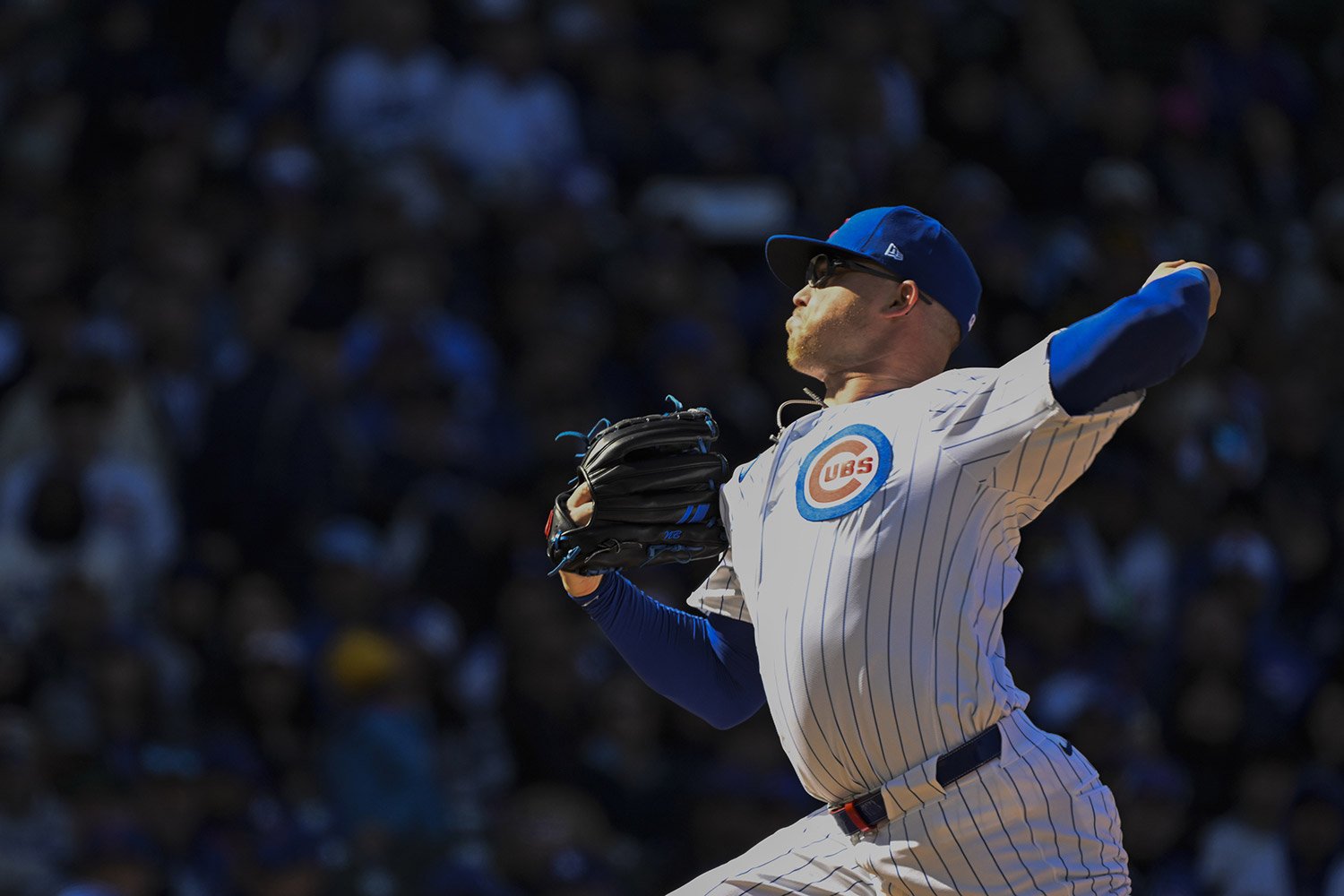 Jordan Wicks had not impressed overall in Iowa during his rehab in August. He currently sports a 7.30 ERA and 1.46 WHIP while shaking off the rust of his grade two oblique strain. He gave up ten runs in his first two starts, followed by two scoreless abbreviated ones to prove his health and ramp back up. His final two rehab starts were both four shutout innings. Reports have been that he’s regained velocity, and clearly, the Cubs have invested in him and are ready to let him pitch as they make a push to get the best possible record. Don't expect much length from Wicks today it may be a glorified bullpen game. Don’t expect more than five innings or 75 pitches. Wicks could go a long way towards cementing himself in the rotation plans for 2025 with a strong and healthy September. Fans should watch the former first-round pick eagerly to see if he can pitch effectively and remain healthy. Wicks had a velocity increase early in the season; can he hold up at 95 mph? Or does he need to learn from Justin Steele how to pitch at a slightly lower velocity? These questions will be answered in September and beyond. For now, it’s good to see Wicks ready to go and battle the Nationals.
 -
After early-season struggles, the Cubs' centerfielder is rounding into form. Image courtesy of © Charles LeClaire-USA TODAY Sports The story of August is that the Cubs are in a bit of a hot stretch. Entering the day off on Thursday, August 29, the Cubs have won nine of their previous twelve games, beating up on the Pirates, Marlins, and Tigers. For the month, the team is 17-8. Take away a three-game sweep by the playoff-leading Guardians, and a 17-5 record is exactly what fans should have hoped for this month, given the competition. But what this individual month means for 2024 isn't the most exciting part of this stretch. Pete Crow-Armstrong has done what Cody Bellinger did in 2023: Performed as a star would and carried the offense for an extended stretch. For August, check out this stat line: Month G GS PA AB R H 2B 3B HR RBI SB CS BB SO BA OBP SLG OPS TB GDP HBP SH SF IBB ROE BAbip tOPS+ sOPS+ August 24 24 90 79 16 26 4 2 4 14 6 1 8 12 .329 .398 .582 .980 46 1 1 2 0 2 0 .349 189 168 Prorated to 162 games, Crow-Armstrong is on pace for 108 runs and 95 RBI from this month's data. The pace is even more impressive when one factors his position in the eight spot of the lineup. Twenty-seven doubles, 14 triples, and 27 home runs would also be a fantastic season-long result. He still is not walking at an impressive clip, but cutting his strikeouts to a season pace of 81 is great. Forty-one steals are just gravy on this potato of a stat line. For comparison, here are his monthly totals from the rest of the season. All stats are from Baseball-Reference. Month G GS PA AB R H 2B 3B HR RBI SB CS BB SO BA OBP SLG OPS TB GDP HBP SH SF IBB ROE BAbip tOPS+ sOPS+ April/March 7 5 19 18 2 5 1 0 1 4 0 0 0 4 .278 .278 .500 .778 9 0 0 1 0 0 0 .308 126 118 May 18 14 50 43 3 10 1 1 0 5 5 0 3 10 .233 .306 .302 .608 13 0 2 1 1 0 0 .294 85 78 June 26 19 75 69 3 10 0 2 0 4 10 0 3 27 .145 .192 .203 .395 14 1 1 2 0 0 0 .238 19 11 July 20 19 69 66 6 13 4 1 2 7 5 0 3 13 .197 .232 .379 .611 25 0 0 0 0 0 0 .216 79 64 This came almost out of nowhere. Ol' Pete was scuffling along, casting doubt on himself, his future, and whether Jed Hoyer should be fired today or tomorrow. Then, boom. August came, and he looked even better than the biggest prospect fan in Cubdom would have projected. Under the hood, hard contact has been a significant driver of his success. For August, he raised his exit velocity to 91.7, which would rank him in the top 35 in baseball for the entire season. He also makes hard contact 48% of the time, and 10% of swings are barrels. This is an improvement from an 88 mph exit velocity, 25% hard contact, and a doubled barrel rate from 5% for the season before August. His contact is the same; he's just doing it more often. And, of course, walking more and striking out less. The trade of Javy Baez for Crow-Armstrong in 2021 already has been a win for the Cubs to avoid the Baez contract, although he probably would have been better had he stayed in a city that adored him. This month, though, has to be eye-opening. This kind of a month is exactly what you would want to see from a top 20 prospect as he adjusts to major league pitching. Factoring his speed, flair, and penchant for the big moment, Cub fans should look to enjoy their new center fielder for at least the next six seasons. In the long term, this will validate Jed Hoyer and his patient strategy of building this team from the ground up. The Cubs would certainly approach this offseason differently had PCA not gone on this run. How will they now approach lineup building in the offseason? There are already numerous reports that the Cubs are out on Juan Soto. Assuming these aren't smokescreens, and assuming the Cubs share the sentiment around baseball and have studied team construction in baseball history, the Cubs are counting on their next big bat to be a homegrown one. Crow-Armstrong has had a massive August; Jed will use this to justify his patience with prospects. Don't look for the team to spend big on the lineup. Jed Hoyer said that near the trade deadline, improvements on offense would have to be made internally. He will bank this offseason on baseball variance balancing out: Dansby Swanson doesn't hit like a shortstop from the 70s again, Nico Hoerner's hand/hamstring issues are resolved, Seiya Suzuki doesn't hurt himself, Isaac Paredes not being Cinderella's stagecoach only to become a pumpkin as his Cubs career begins, and of course the prospects. Pete Crow-Armstrong will be heralded as the linchpin of this offense; we will hear much hype about 2025 debuts for Matt Shaw, Moises Ballesteros, and Kevin Alcantara, not to mention newly drafted Cam Smith. Hoyer will be emboldened by Crow-Armstrong and, to a lesser extent, Miguel Amaya's fine play to continue down this path he has charted. Hopefully, and the above assumes Bellinger is back, the money would be used to add some arms to the front of the rotation and bullpen. Only time will tell what the available funds will be, not to mention the overall budget. We know that in August, Crow-Armstrong was the star Chicago had lacked since 2019. A repeat September would clarify the plans for 2025 and beyond. As the competition heats up again, and the Cubs fancy themselves playoff contenders, Pete will have to lead the way this season and in the next several. View full article
-
Pete Crow-Armstrong Is Becoming The Player Cubs Fans Dreamed On
Brian Kelder posted an article in Cubs
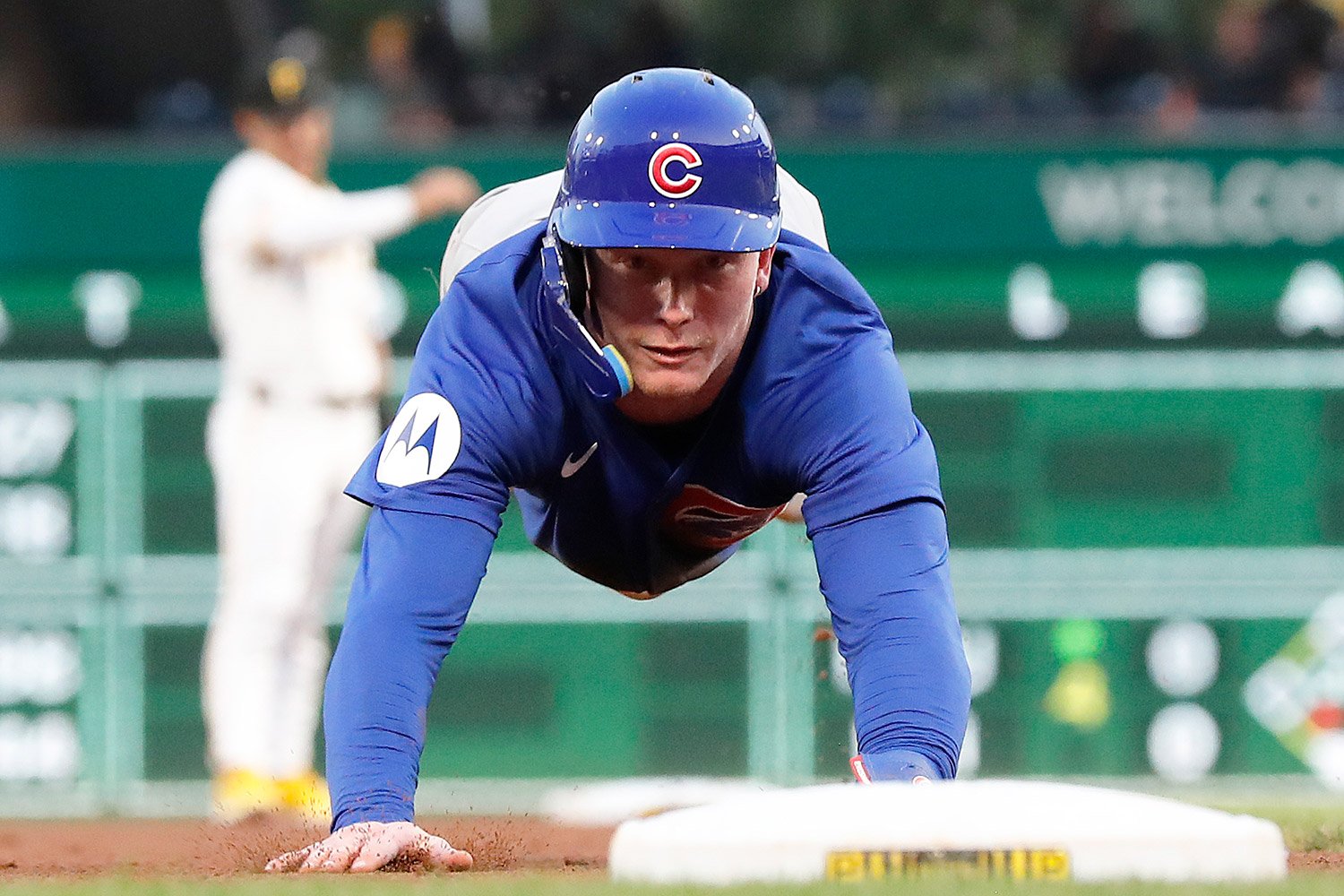 The story of August is that the Cubs are in a bit of a hot stretch. Entering the day off on Thursday, August 29, the Cubs have won nine of their previous twelve games, beating up on the Pirates, Marlins, and Tigers. For the month, the team is 17-8. Take away a three-game sweep by the playoff-leading Guardians, and a 17-5 record is exactly what fans should have hoped for this month, given the competition. But what this individual month means for 2024 isn't the most exciting part of this stretch. Pete Crow-Armstrong has done what Cody Bellinger did in 2023: Performed as a star would and carried the offense for an extended stretch. For August, check out this stat line: Month G GS PA AB R H 2B 3B HR RBI SB CS BB SO BA OBP SLG OPS TB GDP HBP SH SF IBB ROE BAbip tOPS+ sOPS+ August 24 24 90 79 16 26 4 2 4 14 6 1 8 12 .329 .398 .582 .980 46 1 1 2 0 2 0 .349 189 168 Prorated to 162 games, Crow-Armstrong is on pace for 108 runs and 95 RBI from this month's data. The pace is even more impressive when one factors his position in the eight spot of the lineup. Twenty-seven doubles, 14 triples, and 27 home runs would also be a fantastic season-long result. He still is not walking at an impressive clip, but cutting his strikeouts to a season pace of 81 is great. Forty-one steals are just gravy on this potato of a stat line. For comparison, here are his monthly totals from the rest of the season. All stats are from Baseball-Reference. Month G GS PA AB R H 2B 3B HR RBI SB CS BB SO BA OBP SLG OPS TB GDP HBP SH SF IBB ROE BAbip tOPS+ sOPS+ April/March 7 5 19 18 2 5 1 0 1 4 0 0 0 4 .278 .278 .500 .778 9 0 0 1 0 0 0 .308 126 118 May 18 14 50 43 3 10 1 1 0 5 5 0 3 10 .233 .306 .302 .608 13 0 2 1 1 0 0 .294 85 78 June 26 19 75 69 3 10 0 2 0 4 10 0 3 27 .145 .192 .203 .395 14 1 1 2 0 0 0 .238 19 11 July 20 19 69 66 6 13 4 1 2 7 5 0 3 13 .197 .232 .379 .611 25 0 0 0 0 0 0 .216 79 64 This came almost out of nowhere. Ol' Pete was scuffling along, casting doubt on himself, his future, and whether Jed Hoyer should be fired today or tomorrow. Then, boom. August came, and he looked even better than the biggest prospect fan in Cubdom would have projected. Under the hood, hard contact has been a significant driver of his success. For August, he raised his exit velocity to 91.7, which would rank him in the top 35 in baseball for the entire season. He also makes hard contact 48% of the time, and 10% of swings are barrels. This is an improvement from an 88 mph exit velocity, 25% hard contact, and a doubled barrel rate from 5% for the season before August. His contact is the same; he's just doing it more often. And, of course, walking more and striking out less. The trade of Javy Baez for Crow-Armstrong in 2021 already has been a win for the Cubs to avoid the Baez contract, although he probably would have been better had he stayed in a city that adored him. This month, though, has to be eye-opening. This kind of a month is exactly what you would want to see from a top 20 prospect as he adjusts to major league pitching. Factoring his speed, flair, and penchant for the big moment, Cub fans should look to enjoy their new center fielder for at least the next six seasons. In the long term, this will validate Jed Hoyer and his patient strategy of building this team from the ground up. The Cubs would certainly approach this offseason differently had PCA not gone on this run. How will they now approach lineup building in the offseason? There are already numerous reports that the Cubs are out on Juan Soto. Assuming these aren't smokescreens, and assuming the Cubs share the sentiment around baseball and have studied team construction in baseball history, the Cubs are counting on their next big bat to be a homegrown one. Crow-Armstrong has had a massive August; Jed will use this to justify his patience with prospects. Don't look for the team to spend big on the lineup. Jed Hoyer said that near the trade deadline, improvements on offense would have to be made internally. He will bank this offseason on baseball variance balancing out: Dansby Swanson doesn't hit like a shortstop from the 70s again, Nico Hoerner's hand/hamstring issues are resolved, Seiya Suzuki doesn't hurt himself, Isaac Paredes not being Cinderella's stagecoach only to become a pumpkin as his Cubs career begins, and of course the prospects. Pete Crow-Armstrong will be heralded as the linchpin of this offense; we will hear much hype about 2025 debuts for Matt Shaw, Moises Ballesteros, and Kevin Alcantara, not to mention newly drafted Cam Smith. Hoyer will be emboldened by Crow-Armstrong and, to a lesser extent, Miguel Amaya's fine play to continue down this path he has charted. Hopefully, and the above assumes Bellinger is back, the money would be used to add some arms to the front of the rotation and bullpen. Only time will tell what the available funds will be, not to mention the overall budget. We know that in August, Crow-Armstrong was the star Chicago had lacked since 2019. A repeat September would clarify the plans for 2025 and beyond. As the competition heats up again, and the Cubs fancy themselves playoff contenders, Pete will have to lead the way this season and in the next several.
 -
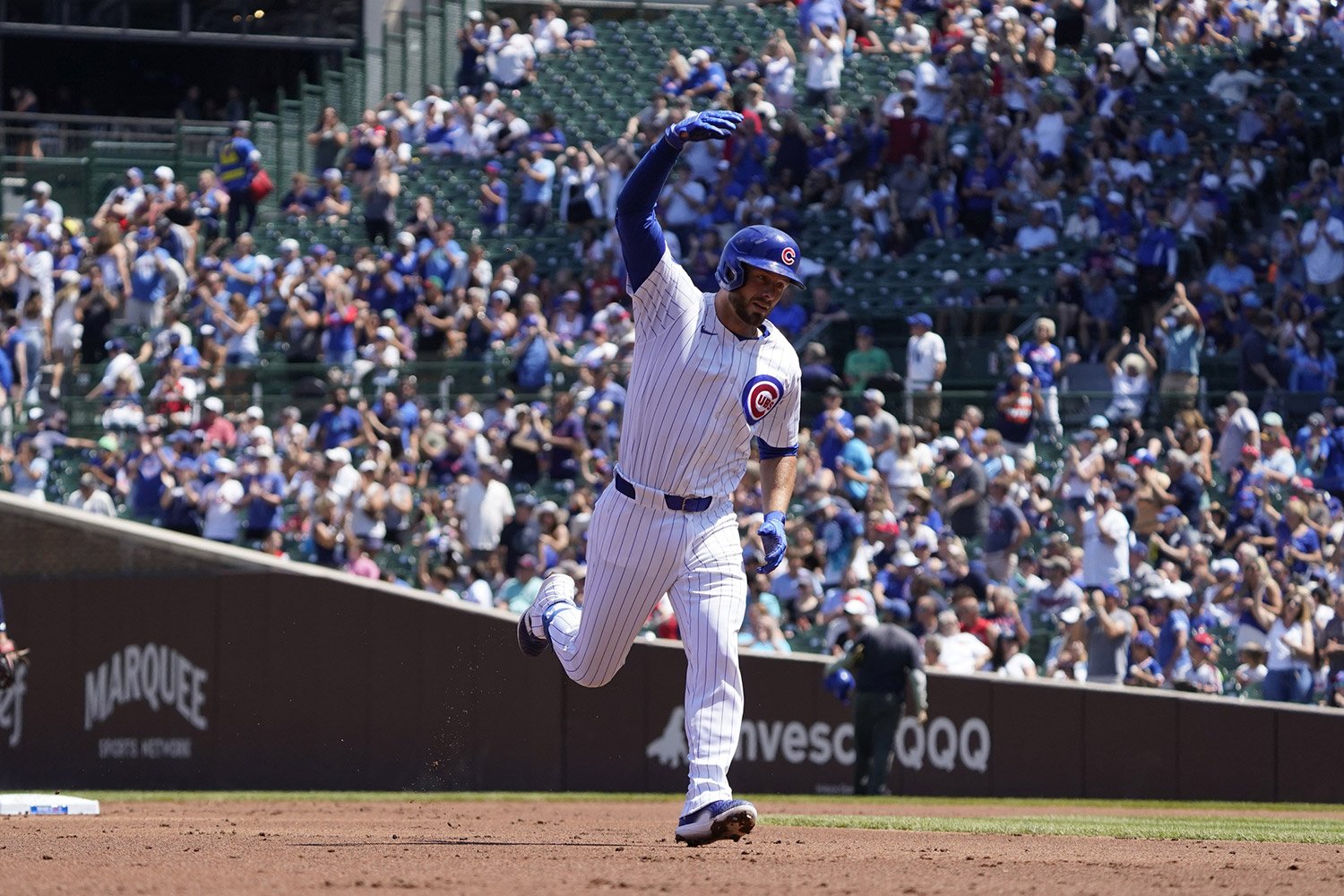 With the season rapidly winding down, leaving poor Chicagoans to wonder if Caleb Williams lives up to generational hype and if anyone in the league wants Zach LaVine, attention naturally shifts to next season. What can we hope to see from this roster next season on offense? Luckily for us all, FanGraphs houses a projection system that can give us reasonable expectations for next year's Cubs team. A few details: Guys who I believe are over-projected in terms of playing time (Patrick Wisdom isn't getting 368 at-bats, for example) will be left out. Only players who have set projected roles will be featured. Also, this assumes zero trades and that Cody Bellinger opts back in. The North Side Baseball crystal ball is on the fritz. Apologies for being unable to forecast the future. Finally, ZIPS updates daily, so these should be updated to the latest projections. You can find all projections on FanGraphs. Home Runs Isaac Paredes - 27 Michael Busch - 23 Dansby Swanson - 21 Seiya Suzuki - 21 Ian Happ - 20 Cody Bellinger - 18 Pete Crow-Armstrong - 16 This is good and bad news at the same time. The good news is that the Cubs project to have seven guys who could conceivably hit 20 home runs. The bad news is that they don't have a guy with 30; they're counting on consistency, and this team hasn't shown an ability to do that. The middle of the order still projects low power levels next season. Optimism: Cody Bellinger, but that's health projections. He's had 11 injuries over the past four seasons. Maybe, just maybe, he's not injury-prone and just had bad luck. Not everyone runs into a wall to break a rib. Concern: Isaac Paredes was not highly thought of in a fantasy nugget by noted fantasy personality and Rays fan. Contact rate and a ton of traffic on the bases in front of him masked that much of his contact was weak, and RBI was bloated, making his value seem higher than it was. Paredes was a product of his environment, per Collette. Lo and behold, the Cubs environment is not very good, and he's struggling to a .147 batting average on the team. Barring a late-season surge, 27 home runs seem very optimistic. Overview: The lack of power isn't going to fix itself. When you add Nico Hoerner, the team is projected to hit around 162 in the season. Here's a list of teams that hit around or less than one dinger per day: Washington, the Sox, Marlins, Rays, Pirates, Blue Jays, Angels, Tigers, Giants, and shockingly the Cubs this year. Conversely, the top ten teams in homers per game are in playoff contention, except for Oakland. Only the Brewers are similar in terms of the lack of home runs this season. The Cubs need to add power and home run capability to contend next season. wRC+ Seiya Suzuki - 119 Isaac Paredes - 117 Michael Busch - 112 Ian Happ - 107 Dansby Swanson - 102 Cody Bellinger - 100 Nico Hoerner - 95 Pete Crow-Armstrong - 94 This team is not bad. Leaving out the catcher position, eight of their position players project to be league average or better. By definition, that isn't bad. You don't need an Aaron Judge's 223 wRC+ to be a valuable hitter. This entire lineup projects to be just fine. The question then becomes, how do you get that elusive elite production? Maybe Brent Rooker can be had as he gets more pricy. Perhaps a prospect develops into that role (more later on their projections). Looking at this group of projections, the Cubs definitely cannot run this same lineup back and expect better results.= Some other trends are notable and instructive about what the Cubs should do this offseason. No Cub is projected to have an on-base percentage over .349. No Cub is projected to have a slugging percentage topping .470. Finally, according to the FanGraphs offense rating, only four members of the lineup project to have a positive value for next season. In other words, this Cubs lineup is filled with average bats. Average bats lead to average results. Jed Hoyer, building this team, paid a hefty premium for all-around players and undervalued guys who have their primary value on offense. Seiya and Paredes are the two sluggers; no pundit dares call them elite. It's a lineup of complementary players searching for that Reggie Jackson, the straw that stirs the drink, if you will. The Cubs have not had a great lineup this season, and without wholesale changes or a surprise major move, they don't project to improve next season. It's up to the front office to see this and act accordingly.
 -
With the Cubs' postseason chances dwindling a little by the day, we'll look forward to 2025 and where the Cubs might need help on offense. Image courtesy of © David Banks-USA TODAY Sports With the season rapidly winding down, leaving poor Chicagoans to wonder if Caleb Williams lives up to generational hype and if anyone in the league wants Zach LaVine, attention naturally shifts to next season. What can we hope to see from this roster next season on offense? Luckily for us all, FanGraphs houses a projection system that can give us reasonable expectations for next year's Cubs team. A few details: Guys who I believe are over-projected in terms of playing time (Patrick Wisdom isn't getting 368 at-bats, for example) will be left out. Only players who have set projected roles will be featured. Also, this assumes zero trades and that Cody Bellinger opts back in. The North Side Baseball crystal ball is on the fritz. Apologies for being unable to forecast the future. Finally, ZIPS updates daily, so these should be updated to the latest projections. You can find all projections on FanGraphs. Home Runs Isaac Paredes - 27 Michael Busch - 23 Dansby Swanson - 21 Seiya Suzuki - 21 Ian Happ - 20 Cody Bellinger - 18 Pete Crow-Armstrong - 16 This is good and bad news at the same time. The good news is that the Cubs project to have seven guys who could conceivably hit 20 home runs. The bad news is that they don't have a guy with 30; they're counting on consistency, and this team hasn't shown an ability to do that. The middle of the order still projects low power levels next season. Optimism: Cody Bellinger, but that's health projections. He's had 11 injuries over the past four seasons. Maybe, just maybe, he's not injury-prone and just had bad luck. Not everyone runs into a wall to break a rib. Concern: Isaac Paredes was not highly thought of in a fantasy nugget by noted fantasy personality and Rays fan. Contact rate and a ton of traffic on the bases in front of him masked that much of his contact was weak, and RBI was bloated, making his value seem higher than it was. Paredes was a product of his environment, per Collette. Lo and behold, the Cubs environment is not very good, and he's struggling to a .147 batting average on the team. Barring a late-season surge, 27 home runs seem very optimistic. Overview: The lack of power isn't going to fix itself. When you add Nico Hoerner, the team is projected to hit around 162 in the season. Here's a list of teams that hit around or less than one dinger per day: Washington, the Sox, Marlins, Rays, Pirates, Blue Jays, Angels, Tigers, Giants, and shockingly the Cubs this year. Conversely, the top ten teams in homers per game are in playoff contention, except for Oakland. Only the Brewers are similar in terms of the lack of home runs this season. The Cubs need to add power and home run capability to contend next season. wRC+ Seiya Suzuki - 119 Isaac Paredes - 117 Michael Busch - 112 Ian Happ - 107 Dansby Swanson - 102 Cody Bellinger - 100 Nico Hoerner - 95 Pete Crow-Armstrong - 94 This team is not bad. Leaving out the catcher position, eight of their position players project to be league average or better. By definition, that isn't bad. You don't need an Aaron Judge's 223 wRC+ to be a valuable hitter. This entire lineup projects to be just fine. The question then becomes, how do you get that elusive elite production? Maybe Brent Rooker can be had as he gets more pricy. Perhaps a prospect develops into that role (more later on their projections). Looking at this group of projections, the Cubs definitely cannot run this same lineup back and expect better results.= Some other trends are notable and instructive about what the Cubs should do this offseason. No Cub is projected to have an on-base percentage over .349. No Cub is projected to have a slugging percentage topping .470. Finally, according to the FanGraphs offense rating, only four members of the lineup project to have a positive value for next season. In other words, this Cubs lineup is filled with average bats. Average bats lead to average results. Jed Hoyer, building this team, paid a hefty premium for all-around players and undervalued guys who have their primary value on offense. Seiya and Paredes are the two sluggers; no pundit dares call them elite. It's a lineup of complementary players searching for that Reggie Jackson, the straw that stirs the drink, if you will. The Cubs have not had a great lineup this season, and without wholesale changes or a surprise major move, they don't project to improve next season. It's up to the front office to see this and act accordingly. View full article
-
Cubs Part Ways With Veteran Reliever Héctor Neris, Lighten 2025 Payroll
Brian Kelder posted an article in Cubs
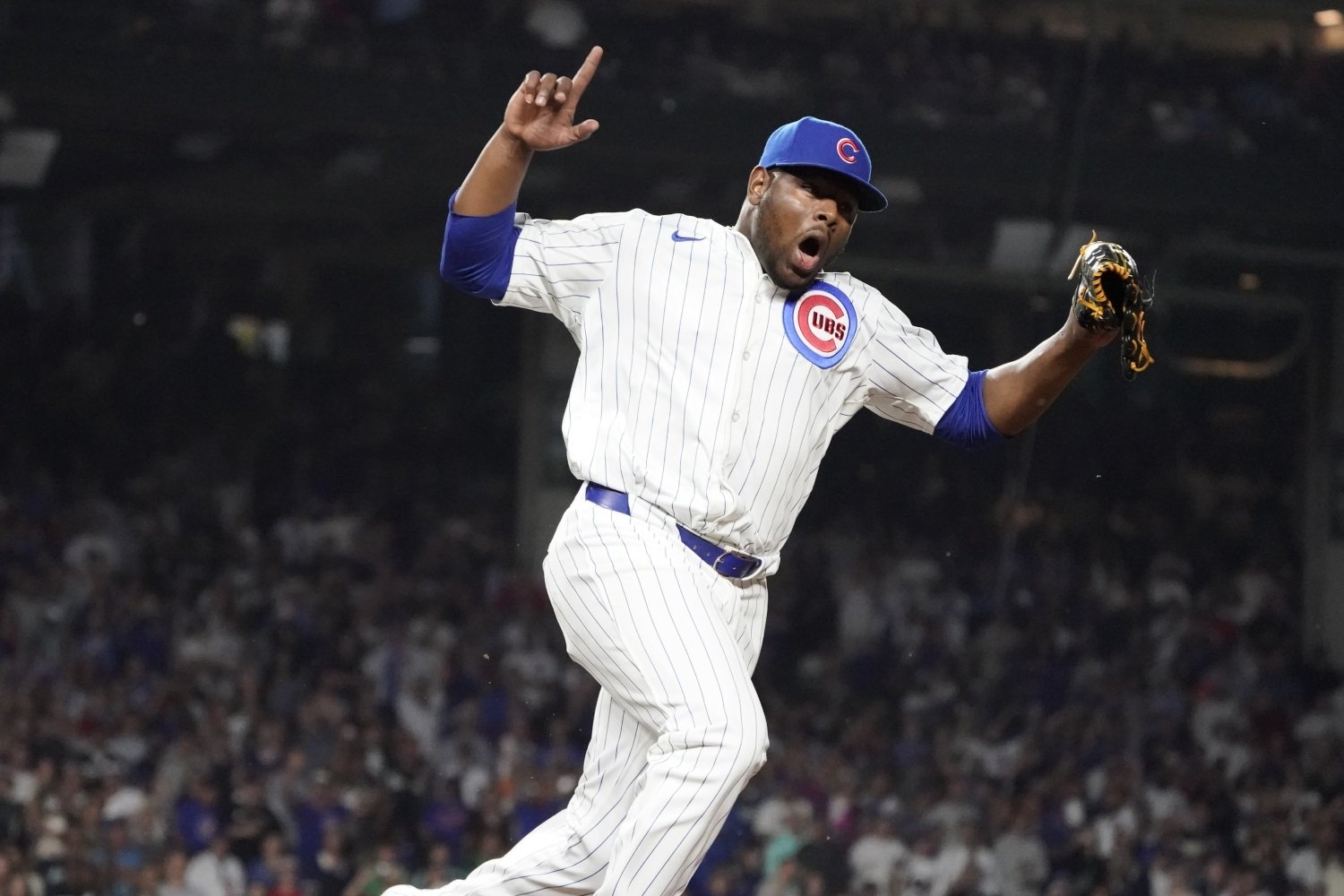 The Héctor Neris era in Chicago has been tidily terminated--in direct contravention of the way he often finished games as the primary closer-by-default for Chicago. Neris was a disappointment in his role, pitching to a 4.09 ERA and a WHIP of 1.52. These numbers seem better than the actual experience of watching High Wire Hector, or Nerve Inducing Neris, or any other use of alliteration to describe the feeling of watching him in a stressful moment. So was this a terrible move by Jed Hoyer? Did his bullpen construction fail him? Neris was a star in his last season in Houston. He totaled a 1.71 ERA and 77 strikeouts in 68 innings pitched. His FIP, however, reflected a possible skill erosion at age 34, at 3.83. Control was not an issue; Neris was a key part in the Astros bullpen. Neris was inked to a $9 million deal for this season, and was expected to fill a key setup role in the bullpen. Unfortunately for the Cubs, Adbert Alzolay (as he has done every year of his career) went down with an injury, and was unable to fill the closer role. Neris filled in and, to his credit, recorded 22 saves. He did blow five of them, and anecdotally, he reminded long-time Cub fans of Dave Smith, Joe Borowski, and Mel Rojas--pitchers who should have been sponsored by antacid companies, given how much money they made for them. It was a bumpy, bumpy ride, and not the fun kind. Now Neris is gone, and there will be some implications. First of all, there is an obvious financial component. This move prevents Neris from reaching a vesting option for next season. If he had made 60 appearances or 45 games finished and finished the season healthy, he would have gained the right to trigger a $9 million option for next season, matching this year's salary. It made no sense for the Cubs to permit that, not out of craven greed, but because Neris simply hasn't earned the right to stay on the roster through the end of the season. He was precisely replacement-level, according to Baseball Prospectus, with 0.0 WARP in his 44 innings of work. Cutting such a player isn't a question of dodging potential future obligations; it's just replacing a player whose performance merits replacement. As far as the on-field product, Craig Counsell's career pattern has been to select a primary closer. Of course, Josh Hader and Devin Williams aren't walking through that door. We will probably see a primary closer emerge for the stretch run. Jorge López already has a converted save in his stats, so he probably will get the first crack at it. Porter Hodge should have a prominent role, too; Counsell can mix and match from there. Gigantic human Jack Neely will be an interesting follow for the rest of the season, as his fastball touches 98 and he has a wipeout slider at 84-88 mph. The bullpen will not suffer short- or long-term damage due to this move. Hoyer has proven adept at building a bullpen on the fly, but he has failed in his past two seasons to build one from the beginning of the season. Mark Leiter Jr., Julian Merryweather, and Adbert Alzolay were nails in 2023; they also had extensive injury histories. Neris had some red flags in his profile. Hoyer didn't do his job well enough in projecting his pitching staff. When you add Ben Brown, Hayden Wesneski, Jordan Wicks, Daniel Palencia, and Luke Little injuries, we might have enough data to ask whether the Cubs need to adjust something to keep their young arms healthy. If they can do that, Hoyer's acumen in adding pieces can be used to better effect. To Cub fans, Neris was emblematic of the bullpen's struggles to remain healthy and effective. By all accounts, he was well-liked in the clubhouse. Unfortunately, his high-wire act never gave way to a more stable showing. It wasn't his fault that he was forced into the closer role; that was a reflection on the poor job by the front office. It was a fine move, however, and marks a clear pivot toward the future for a team that needed to let go of the idea that it built itself into a winner last winter.
 -
So long, Heart Attack Héctor. May you be less Nervous in your future Nerises. Image courtesy of © David Banks-USA TODAY Sports The Héctor Neris era in Chicago has been tidily terminated--in direct contravention of the way he often finished games as the primary closer-by-default for Chicago. Neris was a disappointment in his role, pitching to a 4.09 ERA and a WHIP of 1.52. These numbers seem better than the actual experience of watching High Wire Hector, or Nerve Inducing Neris, or any other use of alliteration to describe the feeling of watching him in a stressful moment. So was this a terrible move by Jed Hoyer? Did his bullpen construction fail him? Neris was a star in his last season in Houston. He totaled a 1.71 ERA and 77 strikeouts in 68 innings pitched. His FIP, however, reflected a possible skill erosion at age 34, at 3.83. Control was not an issue; Neris was a key part in the Astros bullpen. Neris was inked to a $9 million deal for this season, and was expected to fill a key setup role in the bullpen. Unfortunately for the Cubs, Adbert Alzolay (as he has done every year of his career) went down with an injury, and was unable to fill the closer role. Neris filled in and, to his credit, recorded 22 saves. He did blow five of them, and anecdotally, he reminded long-time Cub fans of Dave Smith, Joe Borowski, and Mel Rojas--pitchers who should have been sponsored by antacid companies, given how much money they made for them. It was a bumpy, bumpy ride, and not the fun kind. Now Neris is gone, and there will be some implications. First of all, there is an obvious financial component. This move prevents Neris from reaching a vesting option for next season. If he had made 60 appearances or 45 games finished and finished the season healthy, he would have gained the right to trigger a $9 million option for next season, matching this year's salary. It made no sense for the Cubs to permit that, not out of craven greed, but because Neris simply hasn't earned the right to stay on the roster through the end of the season. He was precisely replacement-level, according to Baseball Prospectus, with 0.0 WARP in his 44 innings of work. Cutting such a player isn't a question of dodging potential future obligations; it's just replacing a player whose performance merits replacement. As far as the on-field product, Craig Counsell's career pattern has been to select a primary closer. Of course, Josh Hader and Devin Williams aren't walking through that door. We will probably see a primary closer emerge for the stretch run. Jorge López already has a converted save in his stats, so he probably will get the first crack at it. Porter Hodge should have a prominent role, too; Counsell can mix and match from there. Gigantic human Jack Neely will be an interesting follow for the rest of the season, as his fastball touches 98 and he has a wipeout slider at 84-88 mph. The bullpen will not suffer short- or long-term damage due to this move. Hoyer has proven adept at building a bullpen on the fly, but he has failed in his past two seasons to build one from the beginning of the season. Mark Leiter Jr., Julian Merryweather, and Adbert Alzolay were nails in 2023; they also had extensive injury histories. Neris had some red flags in his profile. Hoyer didn't do his job well enough in projecting his pitching staff. When you add Ben Brown, Hayden Wesneski, Jordan Wicks, Daniel Palencia, and Luke Little injuries, we might have enough data to ask whether the Cubs need to adjust something to keep their young arms healthy. If they can do that, Hoyer's acumen in adding pieces can be used to better effect. To Cub fans, Neris was emblematic of the bullpen's struggles to remain healthy and effective. By all accounts, he was well-liked in the clubhouse. Unfortunately, his high-wire act never gave way to a more stable showing. It wasn't his fault that he was forced into the closer role; that was a reflection on the poor job by the front office. It was a fine move, however, and marks a clear pivot toward the future for a team that needed to let go of the idea that it built itself into a winner last winter. View full article
-
There is a sinister amount of misinformation among Cub fans about the front office. Online purveyors of content and tweets have presented the point that Jed Hoyer is a risk-averse President of Baseball Operations, and the Cubs' non-successful season is due in large part to these flaws. This is not true; Jed Hoyer is a gunslinger whose messaging doesn't match his actions. Image courtesy of © David Richard-USA TODAY Sports The question to answer is whether his two high-profile misses will affect his ability to make the big swing needed to bring elite talent to Chicago. The Michael Busch trade was a risk that has paid off; even though it cost newly minted top 100 prospect Jackson Ferris, it was worth it to solve first base finally. Shota Imanaga was a risk as well, but it has paid off. However, both risks would be considered minor; if Busch or Imanaga failed, the expense would not have been insurmountable. Jed Hoyer has shown adeptness in these types of transactions. Getting rid of Christopher Morel was also brilliant. Great moves, franchise-changing moves, and minimal downside compared to the upside. Where Jed Hoyer has taken extreme risks, he has not had success. Hoyer's public messaging has been that he is risk averse. This is misleading; Jed Hoyer has not taken the long-term contracts and the risk associated with them in ten years, but this doesn't mean that his moves have been safe. In fact, two of them were all along incredibly risky and have not paid off that risk. This will affect Hoyer's future latitude and confidence in making these kinds of moves. The first one is the drafting of Cade Horton at seven overall in 2022. Talent wasn't the issue; the real mistake was counting on a pitcher with only 53 innings to his name due to injury at the college level. There was nothing in his profile that suggested he would be able to sustain anything resembling a starting pitcher workload. Drafting Cade Horton was an unforced error. The Cubs justified this pick with a vague notion of pool allocation, which should not have been a consideration as a large market team with a premium pick. With the seven picks coming from a teardown and multiple missed playoff seasons, Horton was precisely the swing the Cubs couldn't afford to miss. With his recent shoulder injury, it's increasingly difficult to project Horton as a starter and even more so to project a meaningful role for him in 2025. There is simply no track record of sustained, healthy success. Even his lone college season was a slow ramp-up to his final six games, which were starts. Horton didn't eclipse seven innings until his final college game. In this ever-increasingly dangerous pitching injury environment, drafting Horton was not a safe choice to save some bonus pool money. It was an organizational flex designed to harness the power of the new pitching lab and develop a raw arm with great stuff into something sustainable. The risk was extreme all along, and 88 innings in one season, followed by a struggle in Iowa and an extended shoulder injury, put the exclamation point on this. Cade Horton was a huge risk disguised as "intelligent spending." The risk was baked into the price, making it seem less of a gamble than it actually was. The second move discussed often on this site is the Dansby Swanson contract. When analyzing his deal, the online community immediately brings up WAR and how Dansby has more than Trea Turner, Carlos Correa, and Xander Bogaerts. The attempt here is to prove that Swanson was the safest choice of the four shortstops. The risk here should be obvious, however. Spending seven years and 177 million dollars on a defense-first player was a giant swing and a bet on the baseball acumen of the front office. The risk has been realized this year with Swanson being a negative value at the plate, so bad that he's in the bottom 15% of baseball. Nobody was saying the Cubs absolutely had to get a shortstop entering 2023. Nico Hoerner manned the position capably. A defensive second baseman would not have broken the bank. But Hoyer and the Cubs saw something they loved in Dansby Swanson and rewarded him with the largest contract that any Cub would be projected to have for the seven years of his deal. At age 30, offensive slippage was always possible. Over the past two seasons, lower leg issues (knee, heel) have nagged Dansby into some really putrid stretches at bat. You simply cannot have your highest-paid player be a negative on either side of the field. By signing the safest option for less money, Jed convinced himself and others that he was playing it safe with Swanson. In actuality, he signed an aging veteran coming off of a career offensive season to a very large contract. A player hitting seventh in a below-average lineup for 28 million dollars is no safe play. The Dansby Swanson contract was another massive risk that has not worked out. With Jed Hoyer in the last year of his deal and this recent track record of misses on his biggest moves, one has to wonder if he will be reigned in this offseason. If his job is truly under scrutiny, he won't swim in the deep waters of Corbin Burnes or Juan Soto. He might not be anyway after demonstrating the ability to miss on major deals. He's taken many big swings; hopefully, these two misses don't hamper his ability to step up to the plate in the future. View full article
-
Jed Hoyer Isn't Risk-Averse, He's Just Taking The Wrong Risks
Brian Kelder posted an article in Cubs
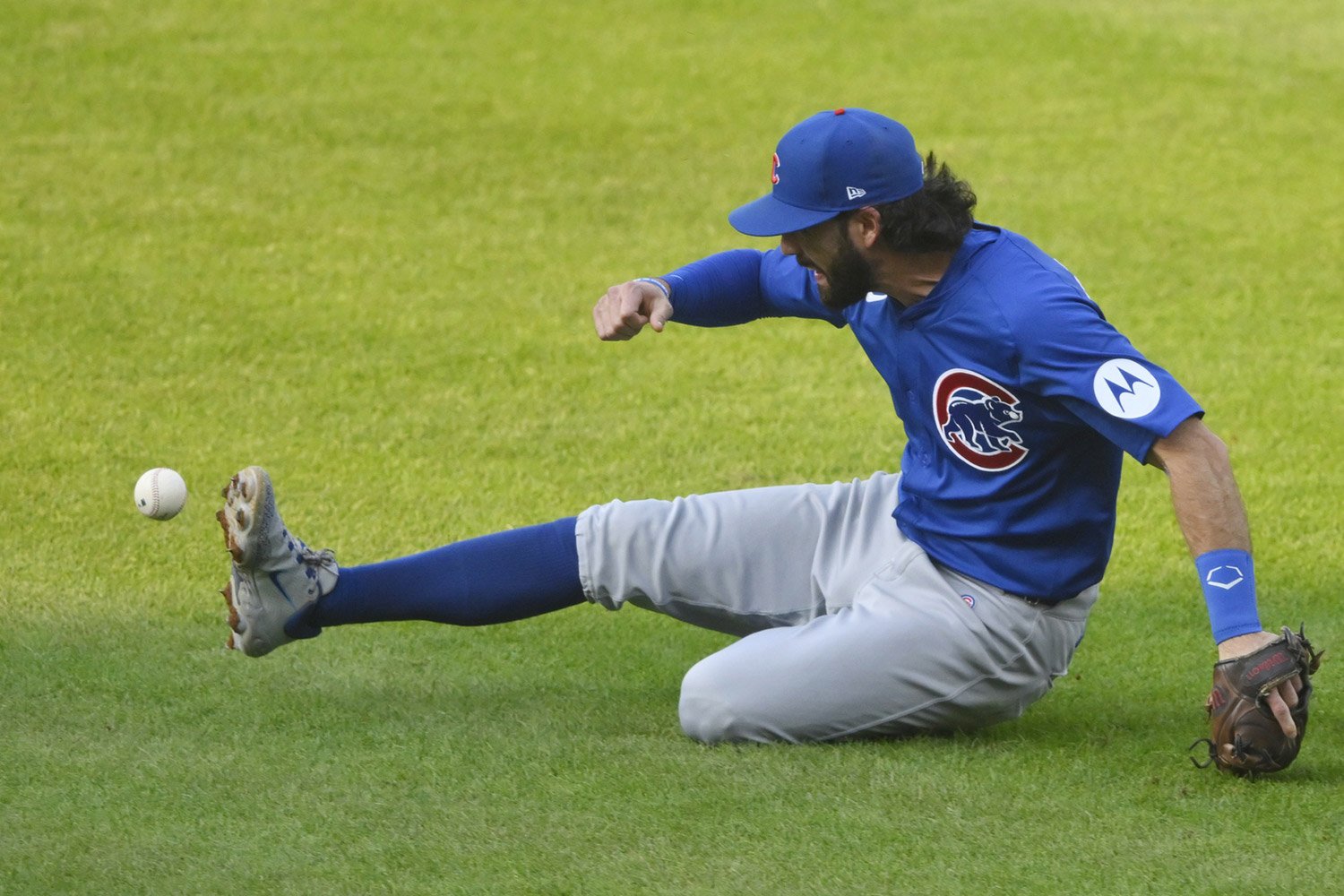 The question to answer is whether his two high-profile misses will affect his ability to make the big swing needed to bring elite talent to Chicago. The Michael Busch trade was a risk that has paid off; even though it cost newly minted top 100 prospect Jackson Ferris, it was worth it to solve first base finally. Shota Imanaga was a risk as well, but it has paid off. However, both risks would be considered minor; if Busch or Imanaga failed, the expense would not have been insurmountable. Jed Hoyer has shown adeptness in these types of transactions. Getting rid of Christopher Morel was also brilliant. Great moves, franchise-changing moves, and minimal downside compared to the upside. Where Jed Hoyer has taken extreme risks, he has not had success. Hoyer's public messaging has been that he is risk averse. This is misleading; Jed Hoyer has not taken the long-term contracts and the risk associated with them in ten years, but this doesn't mean that his moves have been safe. In fact, two of them were all along incredibly risky and have not paid off that risk. This will affect Hoyer's future latitude and confidence in making these kinds of moves. The first one is the drafting of Cade Horton at seven overall in 2022. Talent wasn't the issue; the real mistake was counting on a pitcher with only 53 innings to his name due to injury at the college level. There was nothing in his profile that suggested he would be able to sustain anything resembling a starting pitcher workload. Drafting Cade Horton was an unforced error. The Cubs justified this pick with a vague notion of pool allocation, which should not have been a consideration as a large market team with a premium pick. With the seven picks coming from a teardown and multiple missed playoff seasons, Horton was precisely the swing the Cubs couldn't afford to miss. With his recent shoulder injury, it's increasingly difficult to project Horton as a starter and even more so to project a meaningful role for him in 2025. There is simply no track record of sustained, healthy success. Even his lone college season was a slow ramp-up to his final six games, which were starts. Horton didn't eclipse seven innings until his final college game. In this ever-increasingly dangerous pitching injury environment, drafting Horton was not a safe choice to save some bonus pool money. It was an organizational flex designed to harness the power of the new pitching lab and develop a raw arm with great stuff into something sustainable. The risk was extreme all along, and 88 innings in one season, followed by a struggle in Iowa and an extended shoulder injury, put the exclamation point on this. Cade Horton was a huge risk disguised as "intelligent spending." The risk was baked into the price, making it seem less of a gamble than it actually was. The second move discussed often on this site is the Dansby Swanson contract. When analyzing his deal, the online community immediately brings up WAR and how Dansby has more than Trea Turner, Carlos Correa, and Xander Bogaerts. The attempt here is to prove that Swanson was the safest choice of the four shortstops. The risk here should be obvious, however. Spending seven years and 177 million dollars on a defense-first player was a giant swing and a bet on the baseball acumen of the front office. The risk has been realized this year with Swanson being a negative value at the plate, so bad that he's in the bottom 15% of baseball. Nobody was saying the Cubs absolutely had to get a shortstop entering 2023. Nico Hoerner manned the position capably. A defensive second baseman would not have broken the bank. But Hoyer and the Cubs saw something they loved in Dansby Swanson and rewarded him with the largest contract that any Cub would be projected to have for the seven years of his deal. At age 30, offensive slippage was always possible. Over the past two seasons, lower leg issues (knee, heel) have nagged Dansby into some really putrid stretches at bat. You simply cannot have your highest-paid player be a negative on either side of the field. By signing the safest option for less money, Jed convinced himself and others that he was playing it safe with Swanson. In actuality, he signed an aging veteran coming off of a career offensive season to a very large contract. A player hitting seventh in a below-average lineup for 28 million dollars is no safe play. The Dansby Swanson contract was another massive risk that has not worked out. With Jed Hoyer in the last year of his deal and this recent track record of misses on his biggest moves, one has to wonder if he will be reigned in this offseason. If his job is truly under scrutiny, he won't swim in the deep waters of Corbin Burnes or Juan Soto. He might not be anyway after demonstrating the ability to miss on major deals. He's taken many big swings; hopefully, these two misses don't hamper his ability to step up to the plate in the future.
- 3 comments
-
- 1
-

-
- jed hoyer
- shota imanaga
- (and 3 more)
-
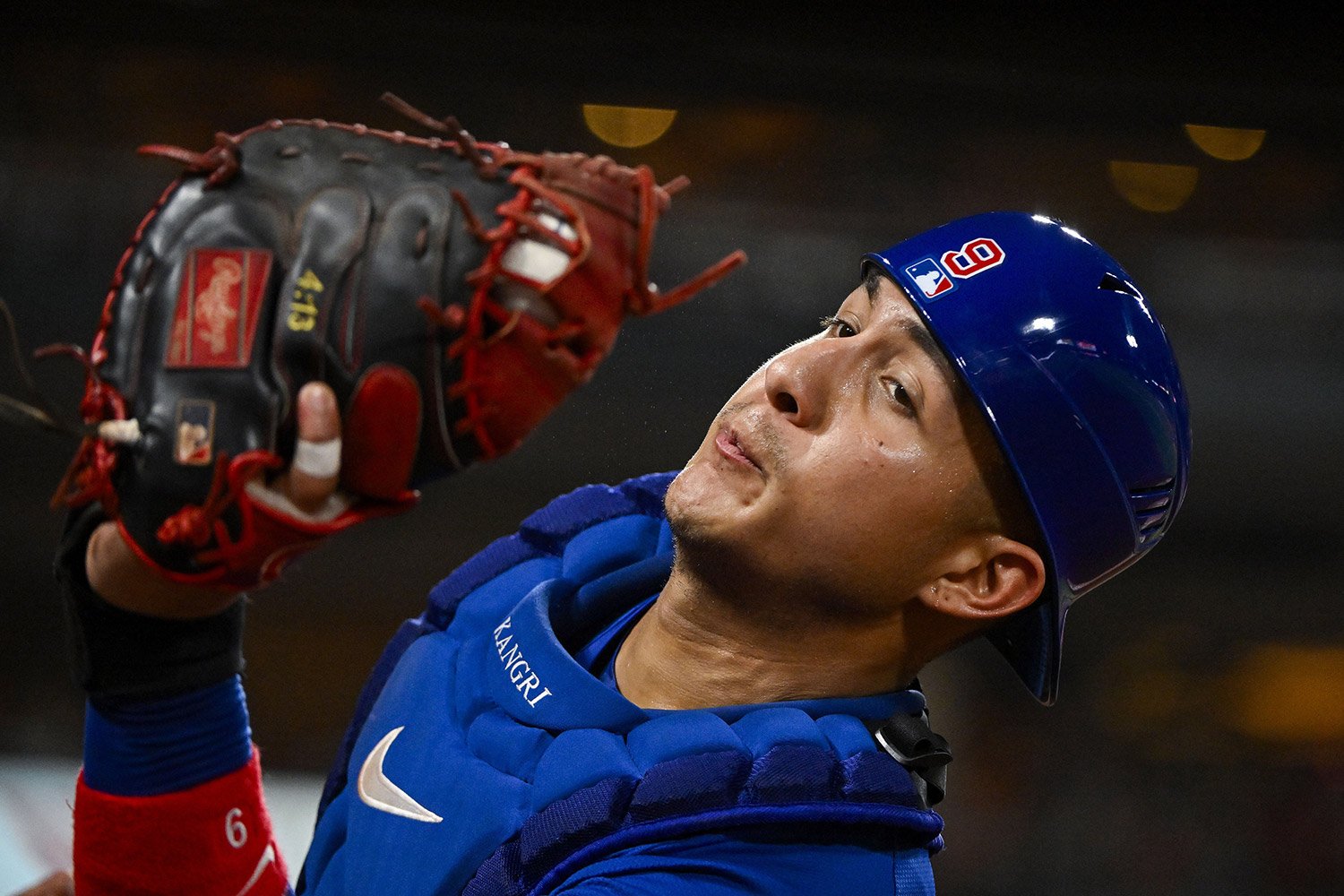 Cubs brass should not be hyper-focused on this one position. There aren’t elite catchers available, for one. The second and more pertinent reason is the volatility of the catchers who would be available. Injury, performance attrition due to understandable fatigue, or just random variance are risky investments. The Cubs shouldn’t empty their prospect coffers for a catcher. According to FanGraphs, only ten catchers have over a league average WRC+. Let’s assume that Adley Rutschman, the Contreras brothers, Salvador Perez, Sean Murphy, Will Smith, JT Realmuto, and Jonah Heim are all unavailable as above-average hitting catchers on contending teams. Few other options would be sure even to approximate Miguel Amaya and his .588 OPS. Short of an unexpected deal for one of these certainties listed, the Cubs should focus on filling in as they have, not investing heavily in a below-average hitter. The average catcher tallies only an 87 WRC+. Take out the above catchers, and it’s not hard to see that any catcher coming over would be somewhat less than an impact bat. With the Cubs' farm system already slipping down rankings boards, the remaining guys should be dealt for elite bats or simply waited upon. Trading for 80 WRC+ guys is not a good use of resources. So what to do? The catcher position can be staffed by a solid veteran for next season. Go cheap at the catcher spot; spend on the rest of the team. The entire roster would benefit from finding the next Yan Gomes. A couple of names have been floated in multiple places. Logan O’Hoppe was floated by this writer as a target in early July, and I am very encouraged professionally that Jed Hoyer read it and agreed. It’s been confirmed by the Athletic that the Cubs attempted to acquire the 24-year-old with five years of team control remaining. It’s just so much attrition to the catchers of the world. O'Hoppe had a labrum issue just last season of the torn labrum variety. He’s also in a massive, massive slump, which many catchers go through during the dog days of summer. Imagine him being a key part of the lineup, then going 15 for 77 in a month. It’s just not a safe bet. On a recent podcast, Shadahev Sharma posited that the return for O’Hoppe would require more than the Cubs have to offer with young MLB-ready players. They don’t want the prospects; they want to compete sooner. Trading three top 100 bats, say, Kevin Alcantara, James Triantos, and Moises Ballesteros, is simply too much for a catcher. Sean Murphy is another floated catcher. He will be 30 and is owed four years and 60 million dollars on his deal. Nico Hoerner is the option discussed on the message boards. This is incredibly risky. Murphy has had oblique and hamstring issues the last two seasons, ruining his total line and leading to Travis D'Arnaud stealing playing time from him. Moving Nico Hoerner, while allowing for more power in the lineup, for another ex-Brave player over 30 who’s declining is a lateral move at best. There are no catchers in terrible teams who are about to get expensive, like Sean Murphy and Realmuto, who were for Oakland and Miami over the past few seasons. The only avenue that could work is a Michael Busch-style prospect trade. Dalton Rushing is blocked on the Dodgers, for example. The Braves have a prospect, plus two major league catchers. An upgrade from the currently offensively ranked 29 catcher position would be welcome; nobody is suggesting the upgrade wouldn’t be helpful. They do have the prospect capital for now to accomplish something. They don’t have much coming up below Iowa; these prospects must be used and leveraged correctly. A catcher is the most risky move they could make. Nobody is trying to argue that the Cubs are set at the catcher. They’ve been awful behind the plate. They should clip some coupons and hit the clearance rack for catchers until the roster is ready to carry a below-average bat with more elite hitters. They might even find the next Yan Gomes for a season.
 -
Miguel Amaya has been much improved at the plate recently, but the front office rightfully should not be fooled. The catcher position has been a black hole this season. Everyone but Jed Hoyer could see the risk in Yan Gomes and Miguel Amaya. To what lengths should the Cubs go to address the position in the winter? Image courtesy of © Jeff Curry-USA TODAY Sports Cubs brass should not be hyper-focused on this one position. There aren’t elite catchers available, for one. The second and more pertinent reason is the volatility of the catchers who would be available. Injury, performance attrition due to understandable fatigue, or just random variance are risky investments. The Cubs shouldn’t empty their prospect coffers for a catcher. According to FanGraphs, only ten catchers have over a league average WRC+. Let’s assume that Adley Rutschman, the Contreras brothers, Salvador Perez, Sean Murphy, Will Smith, JT Realmuto, and Jonah Heim are all unavailable as above-average hitting catchers on contending teams. Few other options would be sure even to approximate Miguel Amaya and his .588 OPS. Short of an unexpected deal for one of these certainties listed, the Cubs should focus on filling in as they have, not investing heavily in a below-average hitter. The average catcher tallies only an 87 WRC+. Take out the above catchers, and it’s not hard to see that any catcher coming over would be somewhat less than an impact bat. With the Cubs' farm system already slipping down rankings boards, the remaining guys should be dealt for elite bats or simply waited upon. Trading for 80 WRC+ guys is not a good use of resources. So what to do? The catcher position can be staffed by a solid veteran for next season. Go cheap at the catcher spot; spend on the rest of the team. The entire roster would benefit from finding the next Yan Gomes. A couple of names have been floated in multiple places. Logan O’Hoppe was floated by this writer as a target in early July, and I am very encouraged professionally that Jed Hoyer read it and agreed. It’s been confirmed by the Athletic that the Cubs attempted to acquire the 24-year-old with five years of team control remaining. It’s just so much attrition to the catchers of the world. O'Hoppe had a labrum issue just last season of the torn labrum variety. He’s also in a massive, massive slump, which many catchers go through during the dog days of summer. Imagine him being a key part of the lineup, then going 15 for 77 in a month. It’s just not a safe bet. On a recent podcast, Shadahev Sharma posited that the return for O’Hoppe would require more than the Cubs have to offer with young MLB-ready players. They don’t want the prospects; they want to compete sooner. Trading three top 100 bats, say, Kevin Alcantara, James Triantos, and Moises Ballesteros, is simply too much for a catcher. Sean Murphy is another floated catcher. He will be 30 and is owed four years and 60 million dollars on his deal. Nico Hoerner is the option discussed on the message boards. This is incredibly risky. Murphy has had oblique and hamstring issues the last two seasons, ruining his total line and leading to Travis D'Arnaud stealing playing time from him. Moving Nico Hoerner, while allowing for more power in the lineup, for another ex-Brave player over 30 who’s declining is a lateral move at best. There are no catchers in terrible teams who are about to get expensive, like Sean Murphy and Realmuto, who were for Oakland and Miami over the past few seasons. The only avenue that could work is a Michael Busch-style prospect trade. Dalton Rushing is blocked on the Dodgers, for example. The Braves have a prospect, plus two major league catchers. An upgrade from the currently offensively ranked 29 catcher position would be welcome; nobody is suggesting the upgrade wouldn’t be helpful. They do have the prospect capital for now to accomplish something. They don’t have much coming up below Iowa; these prospects must be used and leveraged correctly. A catcher is the most risky move they could make. Nobody is trying to argue that the Cubs are set at the catcher. They’ve been awful behind the plate. They should clip some coupons and hit the clearance rack for catchers until the roster is ready to carry a below-average bat with more elite hitters. They might even find the next Yan Gomes for a season. View full article
-
It was a down month for the North Siders but there were some standout performances. Image courtesy of Thieres Rabelo #4 Patrick Wisdom Wisdom hit only .222, which is the same on-base percentage as his batting average. Only six hits were had, and Patrick didn’t start but five games. Wisdom deserves mention for his flair for the dramatic; three of his six hits left the yard, one with a runner on every base. A slugging percentage of .593! July wasn’t a banner month for the Cubs, so Wisdom gets mention. #3 Ian Happ Much like the old-time phrase, Happ came into the month like a lion and out like a lamb. He carried the Cubs like a superstar in their sweep of the Orioles, but everyone’s forgotten that, as he’s only eight for his last fifty at-bats the last two weeks. Kind of Happ in a nutshell, right? Either a complete supernova in a good way or a nuclear meltdown in a bad way. #2 Miguel Amaya Amaya was given a few days off to concentrate on his hitting, and July showed some dividends. Miguel hit .333 that month, quieting the angry portion of Cub fandom that was calling for his DFA despite the lack of any replacement. .333/.400/.472 is a slash to dream on. His volume wasn’t as much as most due to days off, but another month like this would solidify Amaya’s spot in the Cubs' future. Cubs July 2024 Hitter Of The Month, Seiya Suzuki It’s time for Cub fans to embrace reality. Seiya Suzuki is a very good hitter. He might not be an MVP or All-Star performer, but he will win one prestigious award. Seiya is the July hitter of the month. In July, Suzuki tallied a .923 OPS, which breaks down into a .376/.523 on-base and slugging percentage. His .299 batting average, five dingers, and 21 RBI project to roughly 30 HR and 120 RBI prorated to a six-month season. This is no fluke; his WRC+ on the season is 134. Suzuki has been everything that the Cubs could ask for this season. Why is Suzuki not revered in Chicago? Well, he’s not the guy an offense can revolve around. He’s very good; he’s not elite. The other issue knocking him down has been health. This season was interrupted by the Dreaded Oblique. It typically takes him some time to lock in when Seiya goes down. May was not a good month. June was slow, but he locked in toward the end of that month. It’s not just the injuries, of which he has had one every year. The ramp-back-up keeps his overall numbers lower than his talent. It’s time to just appreciate Suzuki for what he is, not what this poorly constructed lineup needs him to be. A good analogy is his countryman, Hideki Matsui. He was never a superstar, but he was a very good bat, which was best utilized with the Jeters, A-Rods, and other guys you recognize by just their nicknames. He just plugged away, slugging doubles and 25-30 home runs when healthy. Nobody calls him a bust or focused on his weaknesses; he was just a vital cog in a great lineup. Suzuki has been cast as the best hitter in a lineup, extending him beyond what he should be expected. Don’t let that dampen your appreciation for a really solid player. Suzuki is locked in and looks to finish as strongly as he did last season. Hey look, a bonus paragraph! Here’s who’s going to be next month's hitter. Don’t keep receipts. Cody Bellinger is going to kick up the jams and really rock the mike like the Beastie Boys did Sabotage. The contract opt-out drive begins in August. There are no stats supporting this; it’s a narrative gut feel. Thanks for reading, and may your August be as robust as Seiya Suzuki in July! View full article
-
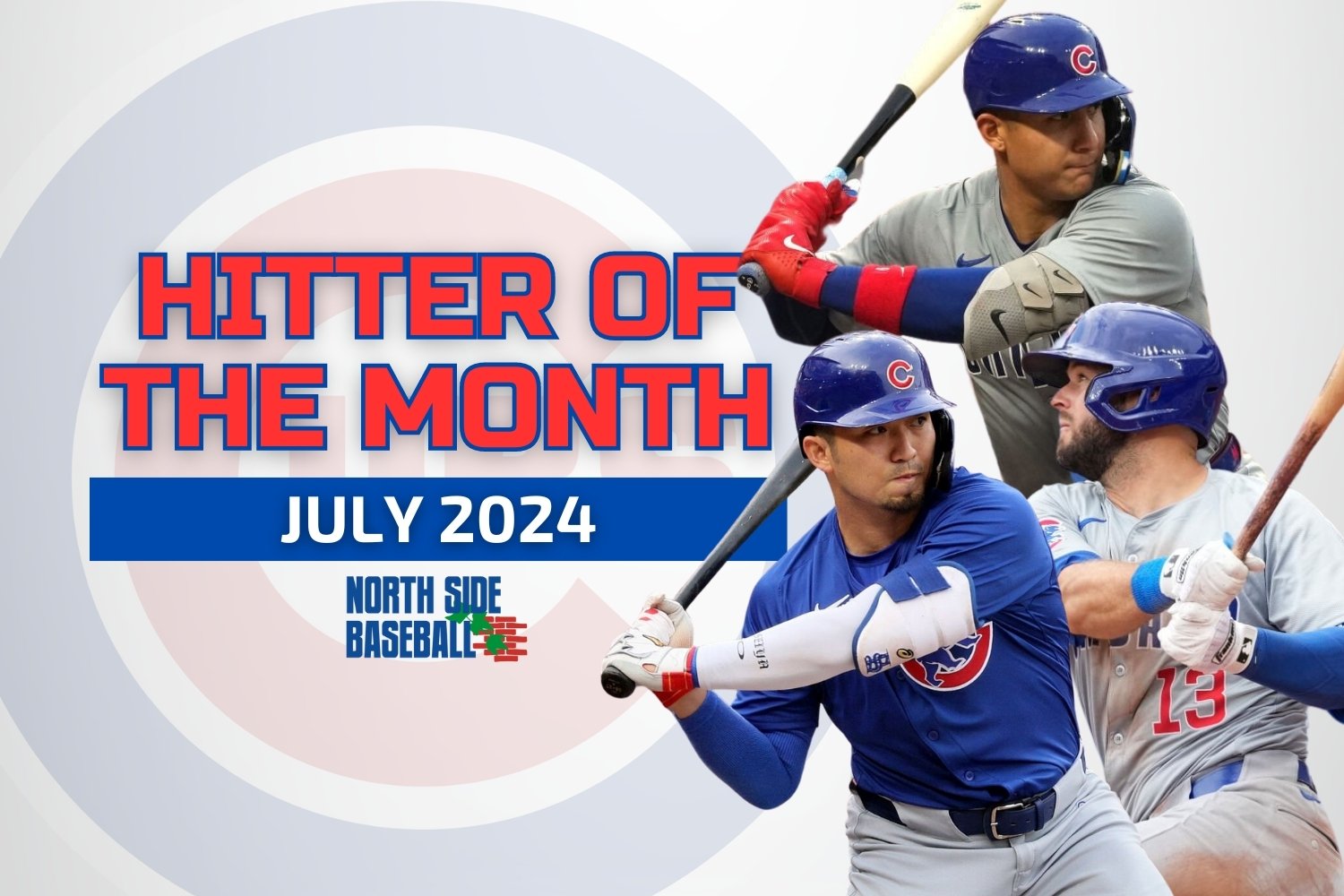 #4 Patrick Wisdom Wisdom hit only .222, which is the same on-base percentage as his batting average. Only six hits were had, and Patrick didn’t start but five games. Wisdom deserves mention for his flair for the dramatic; three of his six hits left the yard, one with a runner on every base. A slugging percentage of .593! July wasn’t a banner month for the Cubs, so Wisdom gets mention. #3 Ian Happ Much like the old-time phrase, Happ came into the month like a lion and out like a lamb. He carried the Cubs like a superstar in their sweep of the Orioles, but everyone’s forgotten that, as he’s only eight for his last fifty at-bats the last two weeks. Kind of Happ in a nutshell, right? Either a complete supernova in a good way or a nuclear meltdown in a bad way. #2 Miguel Amaya Amaya was given a few days off to concentrate on his hitting, and July showed some dividends. Miguel hit .333 that month, quieting the angry portion of Cub fandom that was calling for his DFA despite the lack of any replacement. .333/.400/.472 is a slash to dream on. His volume wasn’t as much as most due to days off, but another month like this would solidify Amaya’s spot in the Cubs' future. Cubs July 2024 Hitter Of The Month, Seiya Suzuki It’s time for Cub fans to embrace reality. Seiya Suzuki is a very good hitter. He might not be an MVP or All-Star performer, but he will win one prestigious award. Seiya is the July hitter of the month. In July, Suzuki tallied a .923 OPS, which breaks down into a .376/.523 on-base and slugging percentage. His .299 batting average, five dingers, and 21 RBI project to roughly 30 HR and 120 RBI prorated to a six-month season. This is no fluke; his WRC+ on the season is 134. Suzuki has been everything that the Cubs could ask for this season. Why is Suzuki not revered in Chicago? Well, he’s not the guy an offense can revolve around. He’s very good; he’s not elite. The other issue knocking him down has been health. This season was interrupted by the Dreaded Oblique. It typically takes him some time to lock in when Seiya goes down. May was not a good month. June was slow, but he locked in toward the end of that month. It’s not just the injuries, of which he has had one every year. The ramp-back-up keeps his overall numbers lower than his talent. It’s time to just appreciate Suzuki for what he is, not what this poorly constructed lineup needs him to be. A good analogy is his countryman, Hideki Matsui. He was never a superstar, but he was a very good bat, which was best utilized with the Jeters, A-Rods, and other guys you recognize by just their nicknames. He just plugged away, slugging doubles and 25-30 home runs when healthy. Nobody calls him a bust or focused on his weaknesses; he was just a vital cog in a great lineup. Suzuki has been cast as the best hitter in a lineup, extending him beyond what he should be expected. Don’t let that dampen your appreciation for a really solid player. Suzuki is locked in and looks to finish as strongly as he did last season. Hey look, a bonus paragraph! Here’s who’s going to be next month's hitter. Don’t keep receipts. Cody Bellinger is going to kick up the jams and really rock the mike like the Beastie Boys did Sabotage. The contract opt-out drive begins in August. There are no stats supporting this; it’s a narrative gut feel. Thanks for reading, and may your August be as robust as Seiya Suzuki in July!
 -
Cubs GM Jed Hoyer Needs To Start Prioritizing Great Players, Not Great Value
Brian Kelder posted an article in Cubs
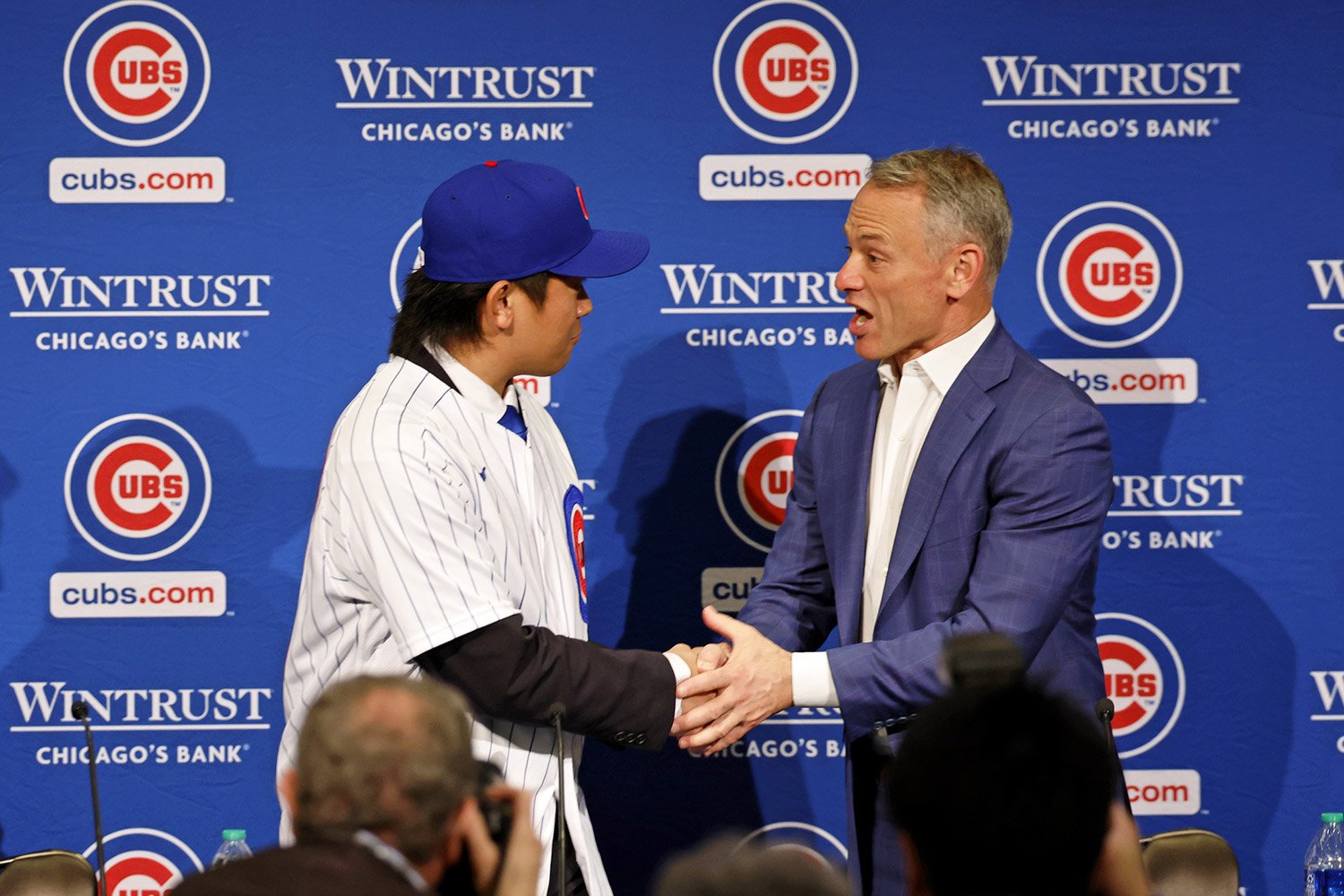 To his credit or possibly as a team-assigned part of his job, Jed Hoyer speaks regularly on 670 The Score. Mostly, these radio hits are deliberately vague and make Cub fans mad in either direction, positive or negative. For such a bland personality, Jed Hoyer evokes strong, strong reactions. This past week, Hoyer finally unleashed some juicy nuggets. Two tender, juicy quotes were given, much to the credit of the questioners. Here’s the first: First of all, the Dansby Swanson deal, according to him, needs to be efficient now. Oops! Hoyer is very smart, given his budget constraints. His owner will not sign a player like this unless he’s a unicorn MVP who can pitch and hit. It’s also wise policy not to rule out signing the best players in baseball out of hand. Reading into the quotes, though, a fan can’t help but feel pessimistic about the current Cubs' ability and desire to add in this meaningful way. The serious contenders have these types of bats; the Dodgers and Phillies have three each. Barring a shocking and unforeseen prospect breakout, the Cubs will continue to field an inconsistent product on the offensive end. The fan experience here also suffers. Who is the Cub who makes you say, “We need to get to watch that guy in person?” Of course, getting him will require that major contract. Count the Cubs out of that sweepstakes. Juan Soto and Kyle Tucker are out of the question. What does this mean for the off-season at hand? The Cubs will have a ton of freed-up cash, upwards of $80 million. They won’t play at the top. Anthony Santander might be the highest target. Corbin Burnes would fit; it's hard to see them pay that tag. Pete Alonso isn’t elite enough. Neither is Alex Bregman. Expect another bargain-hunting offseason, and expect the payroll to be lower than this season. This, of course, should be expected. They wouldn’t pay fair value for a Hall of Fame track player in Bryce Harper, whose best friend was a Cub, named his dog Wrigley and was asking to come. Juan Soto could come to the Cubs with the Andre Dawson blank check, and if the only ask was over $400 million or ten years, they would just walk away. It’s a poor fan experience to run a team in this way. Real teams don’t have to care about bad contracts. The teams just add around it. Being a Cubs fan means worrying about The Dansby Disaster because it will affect later spending. A Cub fan has to accept that they’ll never make a competitive offer to Shohei Ohtani, even if they did make an offer that wouldn’t be considered. A team that prints their own money (seriously, Clark the Cub is on the upcoming three-dollar bill) talking about risk aversion and inefficiency for deals is incredibly tone-deaf. You spend past the risk and make up for inefficiency. None of this is crippling. On to point two... This is very concerning on one level. Prospects, of course, need a runway to develop. The Cubs have an entire lineup under contract for two more years. Regardless, all of the regulars will be better than the prospects for two years. So why do they constantly trumpet their farm system like it will save things? Let’s use Owen Caissie as an example. He’s currently hitting .277 with ten home runs in Iowa. We already know that the Cubs don’t believe he’ll be a positive contributor right away, and he surely is not better than Ian Happ or Seiya Suzuki. Same story for Matt Shaw. Same story for Kevin Alcantara. The lineup is not going to count on kids for production. Every time Jed goes public, he gives less and less confidence that he will be able to do the moves needed. The league pays attention to this stuff; saying he worries about long-term free-agent deals makes agents look elsewhere unless you’re Swanson’s agent and somehow snooker the Cubs into a seven-year deal. This caution must be shed, and the prospects must be used on the field or traded. It is time for Jed Hoyer to take control of this team and make it something great, not a collection of great values,
 -
As Jed Hoyer navigates toward the end of his fourth season as the Cubs' General Manager, there is little to indicate his cautious ways are going to change. Image courtesy of © Kamil Krzaczynski-USA TODAY Sports To his credit or possibly as a team-assigned part of his job, Jed Hoyer speaks regularly on 670 The Score. Mostly, these radio hits are deliberately vague and make Cub fans mad in either direction, positive or negative. For such a bland personality, Jed Hoyer evokes strong, strong reactions. This past week, Hoyer finally unleashed some juicy nuggets. Two tender, juicy quotes were given, much to the credit of the questioners. Here’s the first: First of all, the Dansby Swanson deal, according to him, needs to be efficient now. Oops! Hoyer is very smart, given his budget constraints. His owner will not sign a player like this unless he’s a unicorn MVP who can pitch and hit. It’s also wise policy not to rule out signing the best players in baseball out of hand. Reading into the quotes, though, a fan can’t help but feel pessimistic about the current Cubs' ability and desire to add in this meaningful way. The serious contenders have these types of bats; the Dodgers and Phillies have three each. Barring a shocking and unforeseen prospect breakout, the Cubs will continue to field an inconsistent product on the offensive end. The fan experience here also suffers. Who is the Cub who makes you say, “We need to get to watch that guy in person?” Of course, getting him will require that major contract. Count the Cubs out of that sweepstakes. Juan Soto and Kyle Tucker are out of the question. What does this mean for the off-season at hand? The Cubs will have a ton of freed-up cash, upwards of $80 million. They won’t play at the top. Anthony Santander might be the highest target. Corbin Burnes would fit; it's hard to see them pay that tag. Pete Alonso isn’t elite enough. Neither is Alex Bregman. Expect another bargain-hunting offseason, and expect the payroll to be lower than this season. This, of course, should be expected. They wouldn’t pay fair value for a Hall of Fame track player in Bryce Harper, whose best friend was a Cub, named his dog Wrigley and was asking to come. Juan Soto could come to the Cubs with the Andre Dawson blank check, and if the only ask was over $400 million or ten years, they would just walk away. It’s a poor fan experience to run a team in this way. Real teams don’t have to care about bad contracts. The teams just add around it. Being a Cubs fan means worrying about The Dansby Disaster because it will affect later spending. A Cub fan has to accept that they’ll never make a competitive offer to Shohei Ohtani, even if they did make an offer that wouldn’t be considered. A team that prints their own money (seriously, Clark the Cub is on the upcoming three-dollar bill) talking about risk aversion and inefficiency for deals is incredibly tone-deaf. You spend past the risk and make up for inefficiency. None of this is crippling. On to point two... This is very concerning on one level. Prospects, of course, need a runway to develop. The Cubs have an entire lineup under contract for two more years. Regardless, all of the regulars will be better than the prospects for two years. So why do they constantly trumpet their farm system like it will save things? Let’s use Owen Caissie as an example. He’s currently hitting .277 with ten home runs in Iowa. We already know that the Cubs don’t believe he’ll be a positive contributor right away, and he surely is not better than Ian Happ or Seiya Suzuki. Same story for Matt Shaw. Same story for Kevin Alcantara. The lineup is not going to count on kids for production. Every time Jed goes public, he gives less and less confidence that he will be able to do the moves needed. The league pays attention to this stuff; saying he worries about long-term free-agent deals makes agents look elsewhere unless you’re Swanson’s agent and somehow snooker the Cubs into a seven-year deal. This caution must be shed, and the prospects must be used on the field or traded. It is time for Jed Hoyer to take control of this team and make it something great, not a collection of great values, View full article
-
Once upon a time, Christopher Morel brought Cubs fans much-needed optimism but now it's time to move forward with a legitimate third baseman. Image courtesy of © Jeff Curry-USA TODAY Sports On May 18, 2022, the Cubs were in a dark place, sending their fans into a vortex of doom and gloom. They had sold off or let go of beloved fan favorites and entered into a rebuild that was not called a rebuild. With a 15-21 record, the promise of a deal that never happened of Willson Contreras and Ian Happ, and guys like Alfonso Rivas and Jonathan Villar in the lineup, it was a tough sell for anyone but the die hardiest of the die-hard to tune into this team. Enter Christopher Morel. Mildly hyped as a guy with loud tools and no real sense of how to use them, Morel's debut went well. Most fans will remember his first at-bat, the home run, and the hugs that ensued. Other fun moments, like the “breathe” thing with Willson, were had. Morel started strong but faded in that rookie year, batting under .200 for the final two months. Streakiness became a hallmark of Morel's time in Chicago, but this is not the time for criticism. In a time when the Cubs knew they would not compete, Morel was the perfect type of prospect to call up. He had what scouts call “loud tools.” When he made contact, the ball looked like it was hit by the Sammy Sosa cork special. The arm is an absolute cannon. Watching highlights of a Morel play is always a pleasure. Along with the physical flashes comes an even better backstory. Starting with his injury at a young age that almost cost him his career would make even the biggest cynic root for him. He’s a strong man of faith. The smile has been known to power Wrigley during the recent power outages that have struck Chicago. The hugs are annoying, but if you are wrong-minded and a hugger, that’s fine, too. But he ultimately was a distraction, a hope to keep fan interest during a time when fan interest would typically wane. The long home runs, the laser darts from third, and the personality all kept hope alive. The internet threw out comparisons to Cub favorite Kyle Schwarber as reasons to hold on to Morel. Rick Sutcliffe even compared him to David Ortiz this weekend. On Sunday, the Cubs front office made their thoughts clear. Isaac Paredes represents a real plan at third base. He will bring his 25-year-old thunder to the lineup for three seasons after this one; clearly, Jed Hoyer values his certainty even if he doesn’t project to be the mythical star that Cub Nation clamors for. The real hope is that the Cubs will start building for 2025 with solid solutions here. They have a third baseman, not a hypothetical one who has good xStats, not a prospect who, for some reason, hasn’t been promoted to Iowa, or their recent first-round pick, Cam Smith. We can count on Paredes patrolling the infield for the next three years, and that’s a good thing. Christopher Morel served his purpose well, imbuing optimists with the hopium their veins so often crave. But, as Louis Riddick said about Justin Fields, “Flashes get you fired.” And if Jed is fired, how will he afford to drive the next Suburban? Morel, unfortunately, never had the substance to go with the flash. Cub fans should be excited about this trade, both for the return and for what it means for the team going forward. View full article
-
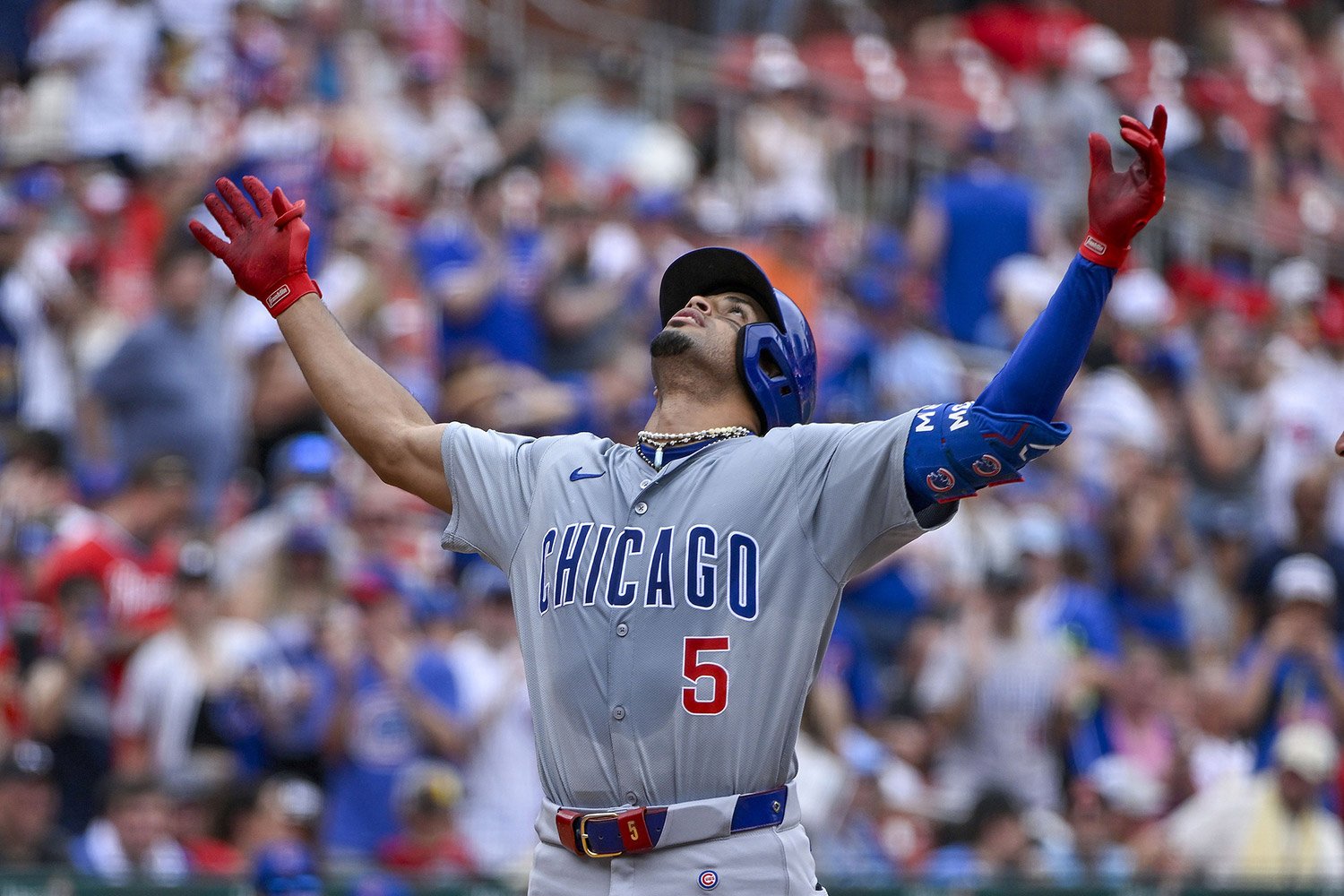 On May 18, 2022, the Cubs were in a dark place, sending their fans into a vortex of doom and gloom. They had sold off or let go of beloved fan favorites and entered into a rebuild that was not called a rebuild. With a 15-21 record, the promise of a deal that never happened of Willson Contreras and Ian Happ, and guys like Alfonso Rivas and Jonathan Villar in the lineup, it was a tough sell for anyone but the die hardiest of the die-hard to tune into this team. Enter Christopher Morel. Mildly hyped as a guy with loud tools and no real sense of how to use them, Morel's debut went well. Most fans will remember his first at-bat, the home run, and the hugs that ensued. Other fun moments, like the “breathe” thing with Willson, were had. Morel started strong but faded in that rookie year, batting under .200 for the final two months. Streakiness became a hallmark of Morel's time in Chicago, but this is not the time for criticism. In a time when the Cubs knew they would not compete, Morel was the perfect type of prospect to call up. He had what scouts call “loud tools.” When he made contact, the ball looked like it was hit by the Sammy Sosa cork special. The arm is an absolute cannon. Watching highlights of a Morel play is always a pleasure. Along with the physical flashes comes an even better backstory. Starting with his injury at a young age that almost cost him his career would make even the biggest cynic root for him. He’s a strong man of faith. The smile has been known to power Wrigley during the recent power outages that have struck Chicago. The hugs are annoying, but if you are wrong-minded and a hugger, that’s fine, too. But he ultimately was a distraction, a hope to keep fan interest during a time when fan interest would typically wane. The long home runs, the laser darts from third, and the personality all kept hope alive. The internet threw out comparisons to Cub favorite Kyle Schwarber as reasons to hold on to Morel. Rick Sutcliffe even compared him to David Ortiz this weekend. On Sunday, the Cubs front office made their thoughts clear. Isaac Paredes represents a real plan at third base. He will bring his 25-year-old thunder to the lineup for three seasons after this one; clearly, Jed Hoyer values his certainty even if he doesn’t project to be the mythical star that Cub Nation clamors for. The real hope is that the Cubs will start building for 2025 with solid solutions here. They have a third baseman, not a hypothetical one who has good xStats, not a prospect who, for some reason, hasn’t been promoted to Iowa, or their recent first-round pick, Cam Smith. We can count on Paredes patrolling the infield for the next three years, and that’s a good thing. Christopher Morel served his purpose well, imbuing optimists with the hopium their veins so often crave. But, as Louis Riddick said about Justin Fields, “Flashes get you fired.” And if Jed is fired, how will he afford to drive the next Suburban? Morel, unfortunately, never had the substance to go with the flash. Cub fans should be excited about this trade, both for the return and for what it means for the team going forward.
 -
The Cubs should entertain offers for all their players, and Justin Steele would be their best chip. With three years of control, current health status, and great production, any team would value Steele and what he would bring down the stretch. What could the Cubs expect in return for such a deal? History has few examples of pitchers with years remaining around Justin Steele’s level at the deadline, but they exist. Twitter is chirping with rumors of Tarik Skubal and Garrett Crochet; the Cubs should explore the return for Justin Steele. Trade One Pirates receive Chris Archer for Austin Meadows, Tyler Glasnow, and Shane Baz. Chris Archer, yes, a former Cubs farmhand dealt to Tampa in an ill-fated deal for Matt Garza, is a good comparison to Steele. At his peak, Archer was a low three ERA pitcher with a 252-strikeout season under his belt. The Rays did seem to goof a bit, as his age 27-29 seasons watched him lose his control, with a WHIP around 1.40 for those three seasons. Cubs fans will recall constant rumors about Archer as a rare, controllable ace, much like Steele, and the comparison is apt. Even when he was traded, Archer had two years left of team control. For a time, he was the controllable theoretical ace who was available. The Pirates swooped in and saw Archer as the missing piece to their playoff run (he wasn’t). At the time, they dealt the number nine prospect, Austin Meadows, an outfielder who debuted with a .795 OPS, to Tampa. Tyler Glasnow has had a stellar career despite injuries, and even as a control-challenged fireballer who struggled for his first season to a 2.06 WHIP and 6.03 FIP, it was plain to see the former tenth-ranked prospect’s potential. Shane Baz was a young fireballer who served as an object lesson to never deal with the Rays. The Verdict As long as the Cubs aren’t dealing with Tampa, this is the trade they must make with Steele. Two top-ten prospects and a high-upside flier would boost the farm system, giving the Cubs a better long-term chance at a hitting star. This would be a great trade for Tampa Bay, and a similar deal would be outstanding for the Cubs. Another parallel to note is Archer and his health. At age 29, he began to have arm trouble and had thoracic outlet surgery, which was never effective after that. Steele had a Tommy John in the past and a forearm strain last year. Steele misses a month (back, two hamstrings, forearm) every season, and the time is right to move him before he breaks completely. Trade Two Frank Viola to the Mets for Rick Aguilera, Kevin Tapani, David West, Tim Drummond, and Jack Savage Wow, this fits pretty well, except that Sweet Music Viola had just signed a big-money deal with the Twins and was pitching poorly and alienating his teammates. With three and a half years remaining on the contract, the Twins hit the reset button. In 1989, the Twins went 80-82, similar to a certain team this website is dedicated to covering. They saw the opportunity to add Rick Aguilera. Aguilera was a closer, which worked well, winning the World Series two years later and earning 42 saves. Tapani became almost equal to Viola. David West contributed but didn’t break out until he moved to the bullpen and Philadelphia in 1993. Verdict There’s no sign that Steele is any sort of diva; if I said that to his face, the Mississippi guys would probably make me feel somewhat uncomfortable. This trade did give a starter, a closer, a prospect, and financial flexibility, which was used to sign Chili Davis. Yes, the Cubs could do a trade like this, but if flexibility is the goal, then deal Jameson Taillon and keep Steele. Trade Three Tigers trade Justin Verlander for Daz Cameron, P Franklin Perez, and C Jake Rogers. Ouch. All Verlander did was win a World Series, have two more Cy Young quality seasons, and solidify his Hall of Fame candidacy. The Tigers didn’t make a good trade here for an ace with this amount of time remaining. Franklin Perez battled injuries and poor performance and is out of the minors. Cameron toils now as a backup in Oakland, and Rogers is a weak hitting catcher for the Tigers. The Verdict The problem here was the upside in the prospects wasn’t there. Only Perez was a top 100 prospect and only ranked 46. The Cubs shouldn’t do this kind of deal. They have enough of that level of prospect already. This trade for Steele would be a future salary dump and set the team back years. The Cubs should look to deal Steele for a similar package as Chris Archer: two top-ten prospects and a flier. If they can get that kind of return, their trajectory will be altered quickly. Shop Steele and work for a more sustainable future. View full article
-
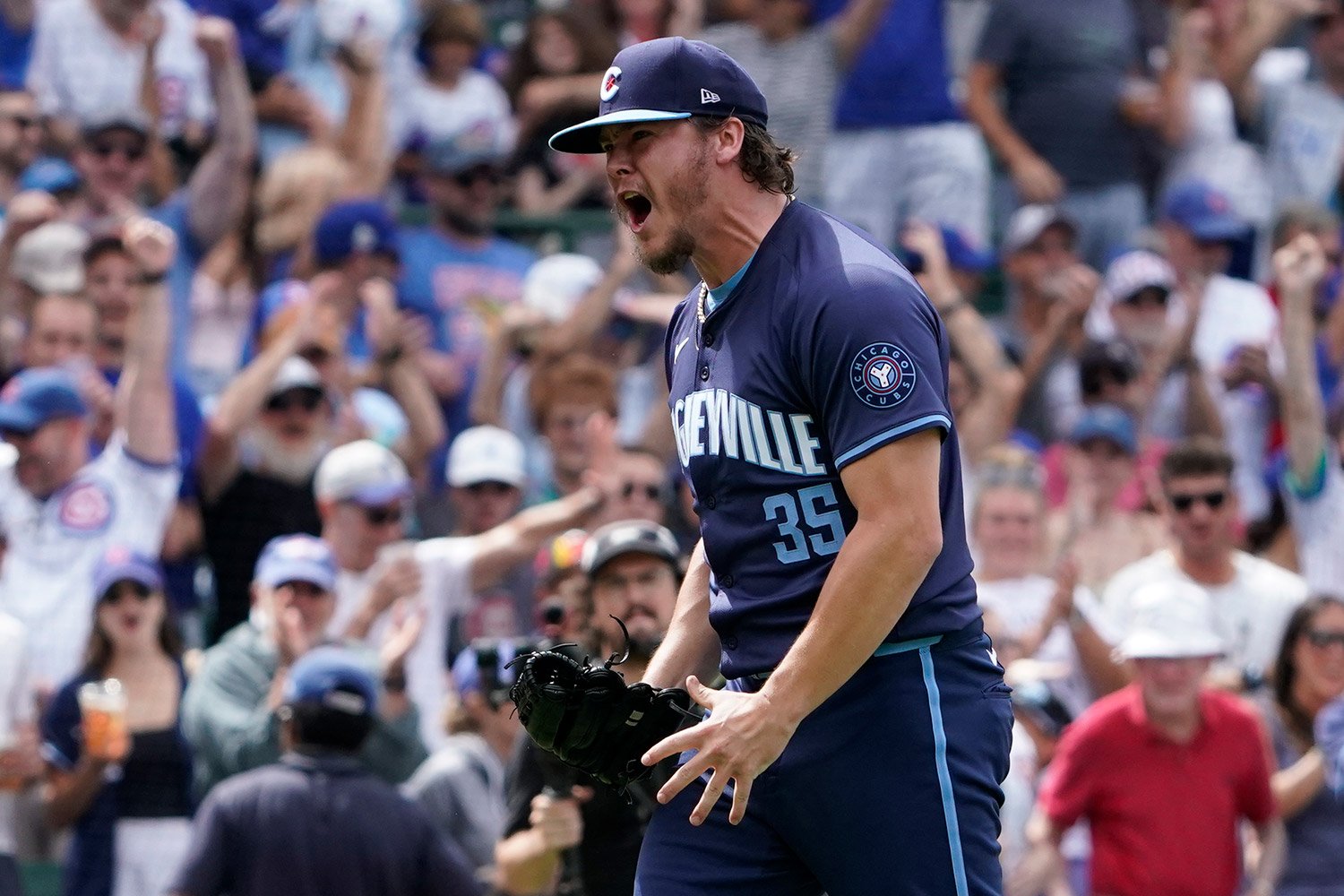 What could the Cubs expect in return for such a deal? History has few examples of pitchers with years remaining around Justin Steele’s level at the deadline, but they exist. Twitter is chirping with rumors of Tarik Skubal and Garrett Crochet; the Cubs should explore the return for Justin Steele. Trade One Pirates receive Chris Archer for Austin Meadows, Tyler Glasnow, and Shane Baz. Chris Archer, yes, a former Cubs farmhand dealt to Tampa in an ill-fated deal for Matt Garza, is a good comparison to Steele. At his peak, Archer was a low three ERA pitcher with a 252-strikeout season under his belt. The Rays did seem to goof a bit, as his age 27-29 seasons watched him lose his control, with a WHIP around 1.40 for those three seasons. Cubs fans will recall constant rumors about Archer as a rare, controllable ace, much like Steele, and the comparison is apt. Even when he was traded, Archer had two years left of team control. For a time, he was the controllable theoretical ace who was available. The Pirates swooped in and saw Archer as the missing piece to their playoff run (he wasn’t). At the time, they dealt the number nine prospect, Austin Meadows, an outfielder who debuted with a .795 OPS, to Tampa. Tyler Glasnow has had a stellar career despite injuries, and even as a control-challenged fireballer who struggled for his first season to a 2.06 WHIP and 6.03 FIP, it was plain to see the former tenth-ranked prospect’s potential. Shane Baz was a young fireballer who served as an object lesson to never deal with the Rays. The Verdict As long as the Cubs aren’t dealing with Tampa, this is the trade they must make with Steele. Two top-ten prospects and a high-upside flier would boost the farm system, giving the Cubs a better long-term chance at a hitting star. This would be a great trade for Tampa Bay, and a similar deal would be outstanding for the Cubs. Another parallel to note is Archer and his health. At age 29, he began to have arm trouble and had thoracic outlet surgery, which was never effective after that. Steele had a Tommy John in the past and a forearm strain last year. Steele misses a month (back, two hamstrings, forearm) every season, and the time is right to move him before he breaks completely. Trade Two Frank Viola to the Mets for Rick Aguilera, Kevin Tapani, David West, Tim Drummond, and Jack Savage Wow, this fits pretty well, except that Sweet Music Viola had just signed a big-money deal with the Twins and was pitching poorly and alienating his teammates. With three and a half years remaining on the contract, the Twins hit the reset button. In 1989, the Twins went 80-82, similar to a certain team this website is dedicated to covering. They saw the opportunity to add Rick Aguilera. Aguilera was a closer, which worked well, winning the World Series two years later and earning 42 saves. Tapani became almost equal to Viola. David West contributed but didn’t break out until he moved to the bullpen and Philadelphia in 1993. Verdict There’s no sign that Steele is any sort of diva; if I said that to his face, the Mississippi guys would probably make me feel somewhat uncomfortable. This trade did give a starter, a closer, a prospect, and financial flexibility, which was used to sign Chili Davis. Yes, the Cubs could do a trade like this, but if flexibility is the goal, then deal Jameson Taillon and keep Steele. Trade Three Tigers trade Justin Verlander for Daz Cameron, P Franklin Perez, and C Jake Rogers. Ouch. All Verlander did was win a World Series, have two more Cy Young quality seasons, and solidify his Hall of Fame candidacy. The Tigers didn’t make a good trade here for an ace with this amount of time remaining. Franklin Perez battled injuries and poor performance and is out of the minors. Cameron toils now as a backup in Oakland, and Rogers is a weak hitting catcher for the Tigers. The Verdict The problem here was the upside in the prospects wasn’t there. Only Perez was a top 100 prospect and only ranked 46. The Cubs shouldn’t do this kind of deal. They have enough of that level of prospect already. This trade for Steele would be a future salary dump and set the team back years. The Cubs should look to deal Steele for a similar package as Chris Archer: two top-ten prospects and a flier. If they can get that kind of return, their trajectory will be altered quickly. Shop Steele and work for a more sustainable future.
 -
Jed Hoyer has delivered on one key part of his vision: the rotation. Boasting three pitchers in the top ten in ERA in the National League and a fourth in 11th place, the vaunted pitching lab has churned out an excellent rotation. Even better, four of the five key rotation members are under control for two or more seasons beyond 2024. It’s been a rare success for this front office. Justin Steele leads this charge. In the past two seasons, he has a 2.73 ERA among pitchers who have pitched over 300 innings. It’s not particularly close, either; Zach Gallen is next with 2.96. This guy is pitching like an ace. Normal big market teams would extend Steele, making him their long-term ace. He’s been very good for a period of time that proved his worth even to the staunchest doubter. His free agency is in three years at age 32. Would the Cubs extend him now beyond that time? Or is he, as suggested several times on this site, a great trade chip? Looking back from the crow's eye view of the entire rotation, Shota Imanaga is an All-Star in the fold for four more years at a reasonable salary. Jameson Taillon has had a resurgent half with two years remaining on his deal. Javier Assad isn’t even making a million dollars and is far from arbitration. This rotation is built for continuity. With all of their rotation on affordable deals and performing as a top-ten MLB staff, Jed is proving adept at building a rotation affordably. The question to be answered is whether this is a one-time group, everything breaking right at the same time, or a sustainable skill. This question can’t be answered until some time has passed, but if Steele is dealt, it will look as if Hoyer feels he can repeat. Another factor is the attrition in the farm system and young starters due to injury. Steele is no iron man; he’s missed over a month every season with back, hamstring, and elbow issues. But for now he’s going healthy and well, unlike Cade Horton, Jordan Wicks, Ben Brown, and the entire minor league Double-A squad. The risks of not extending Steele and having prospects break are high and evident in how 2024 has progressed. If a fan has bought into this Hoyer plan, they will likely scoff at the idea of trading the team's best pitcher and tremendous development story. Teams just don’t trade controllable pitchers who have been in the Cy Young conversation. The front office also values their jobs, presumably, despite making self-sabotaging moves like Christopher Morel as the cleanup man. Trading Steele would be tantamount to saying this iteration of the Cubs is a failure. The rotation as a whole has been the bright spot of bright spots in this slog of a season (so far). Justin Steele has been the center of this but is unlikely to be traded or extended this season. Hopefully, this would portend a long-term pitching staff that Cub fans can be confident in. And for pity’s sake, get an offense worthy of this great and unique staff. View full article
-
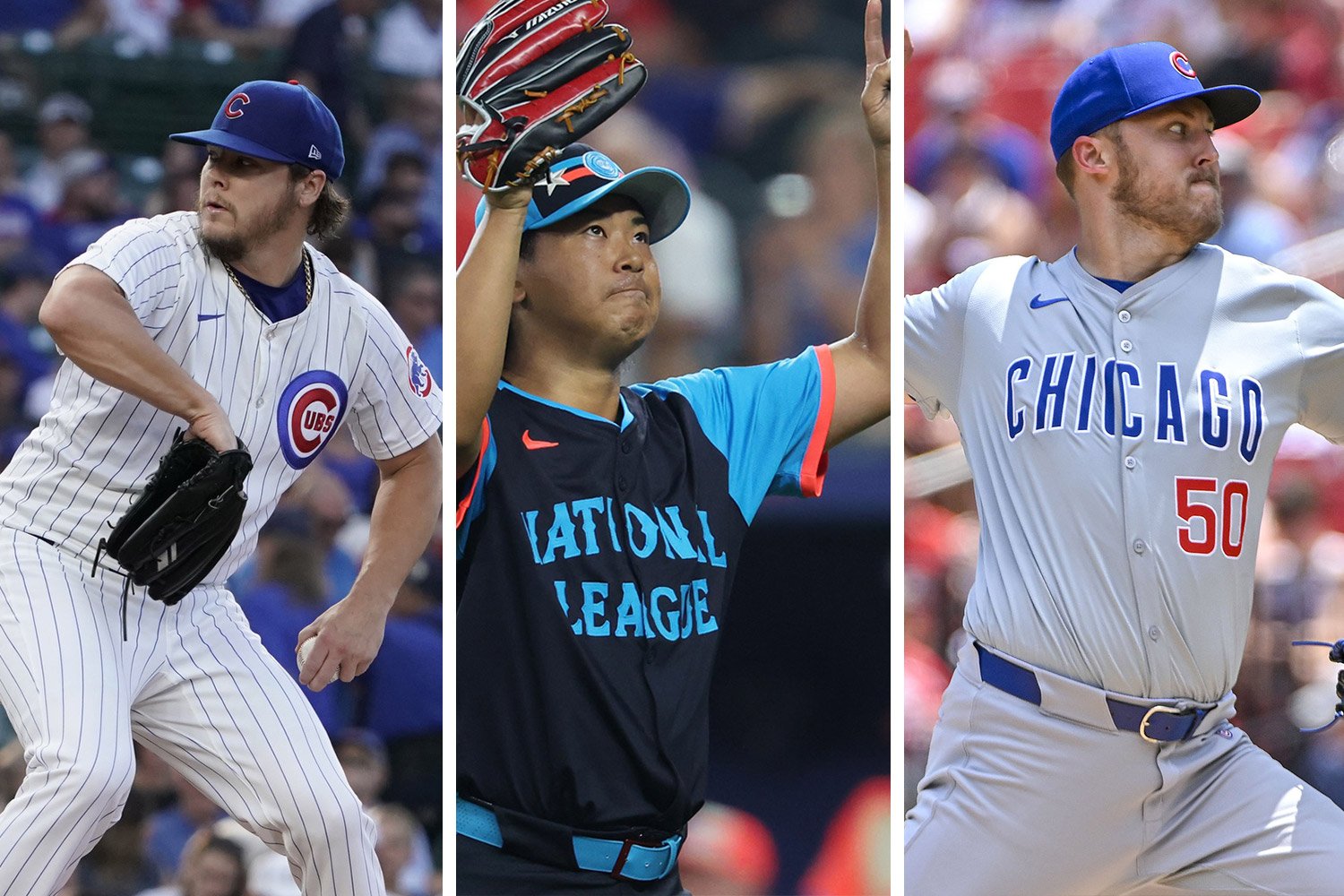 Boasting three pitchers in the top ten in ERA in the National League and a fourth in 11th place, the vaunted pitching lab has churned out an excellent rotation. Even better, four of the five key rotation members are under control for two or more seasons beyond 2024. It’s been a rare success for this front office. Justin Steele leads this charge. In the past two seasons, he has a 2.73 ERA among pitchers who have pitched over 300 innings. It’s not particularly close, either; Zach Gallen is next with 2.96. This guy is pitching like an ace. Normal big market teams would extend Steele, making him their long-term ace. He’s been very good for a period of time that proved his worth even to the staunchest doubter. His free agency is in three years at age 32. Would the Cubs extend him now beyond that time? Or is he, as suggested several times on this site, a great trade chip? Looking back from the crow's eye view of the entire rotation, Shota Imanaga is an All-Star in the fold for four more years at a reasonable salary. Jameson Taillon has had a resurgent half with two years remaining on his deal. Javier Assad isn’t even making a million dollars and is far from arbitration. This rotation is built for continuity. With all of their rotation on affordable deals and performing as a top-ten MLB staff, Jed is proving adept at building a rotation affordably. The question to be answered is whether this is a one-time group, everything breaking right at the same time, or a sustainable skill. This question can’t be answered until some time has passed, but if Steele is dealt, it will look as if Hoyer feels he can repeat. Another factor is the attrition in the farm system and young starters due to injury. Steele is no iron man; he’s missed over a month every season with back, hamstring, and elbow issues. But for now he’s going healthy and well, unlike Cade Horton, Jordan Wicks, Ben Brown, and the entire minor league Double-A squad. The risks of not extending Steele and having prospects break are high and evident in how 2024 has progressed. If a fan has bought into this Hoyer plan, they will likely scoff at the idea of trading the team's best pitcher and tremendous development story. Teams just don’t trade controllable pitchers who have been in the Cy Young conversation. The front office also values their jobs, presumably, despite making self-sabotaging moves like Christopher Morel as the cleanup man. Trading Steele would be tantamount to saying this iteration of the Cubs is a failure. The rotation as a whole has been the bright spot of bright spots in this slog of a season (so far). Justin Steele has been the center of this but is unlikely to be traded or extended this season. Hopefully, this would portend a long-term pitching staff that Cub fans can be confident in. And for pity’s sake, get an offense worthy of this great and unique staff.
- 2 comments
-
- 1
-
-
- justin steele
- shota imanaga
- (and 2 more)
-
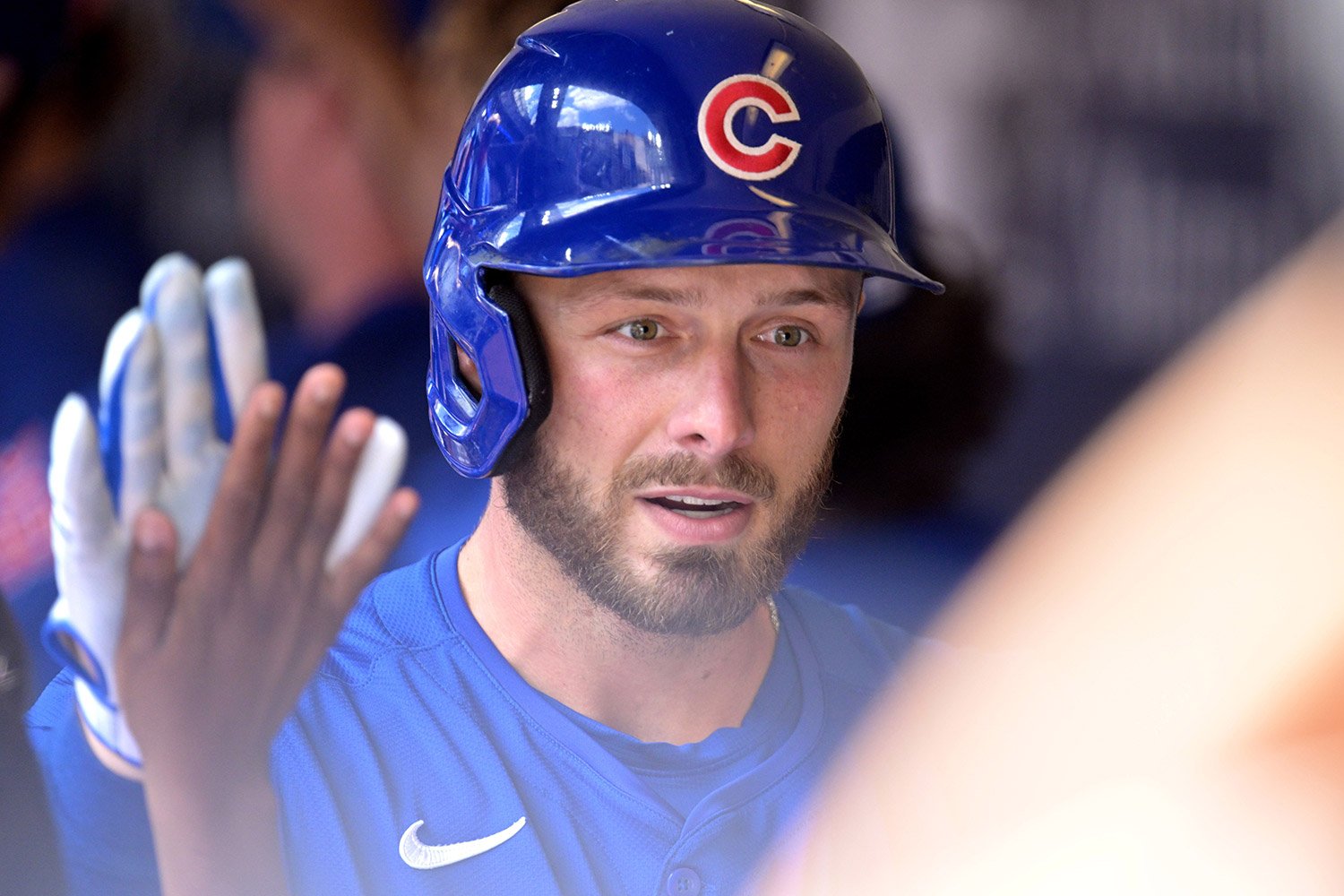 Immovable Money/No Trade Clauses Dansby Swanson, Ian Happ, Seiya Suzuki, Kyle Hendricks, Drew Smyly There are not many multiverses in which these guys get moved, so let’s move on. Theoretically, the first three would be long-term building blocks, but they fit better here with difficulty moving them. Long-term Building Blocks Michael Busch, Shota Imanaga, young pitchers, prospects We shouldn’t expect any young pitcher in their arbitration years to be traded this year. They’re trying to stockpile these guys, not deal with them in a last-place season. Michael Busch initially looks like the solution, or at least gets a longer leash to prove or disprove things. Also, prepare to be disappointed if you are hoping to trade prospects for a rental type like Pete Alonso. It’s not the season to buy like that, and they are still hopeful to get production from this group. Distressed Assets Hector Neris, Christopher Morel These two guys have struggled by any measure, and trading them now would equate to a sell-low or give-up deal. Maybe a team like the Marlins or Rockies would trade some assets to reclaim Morel if his season performance wasn’t too discouraging. Neris is the opposite; he would be bullpen depth for a contender. Neris is far more likely to be dealt than Morel, but it could be time to move on if they’ve seen enough of the Morel experience and his nose ring. Valuable Veterans Cody Bellinger, Nico Hoerner, Jameson Taillon Now we’re cooking with gas! All three of these guys will be in demand if Jed Hoyer decides to do a reset button. You know, not delete the whole game, but just a bit of a refresh here. We all know Bellinger's struggles, especially relative to his contract, and the return wouldn’t be too much, given his opt-out after this season. Nico Hoerner is the same, even if he has two more years on his deal. The Dodgers are an obvious fit and have plenty of kids to deal with, even MLB-ready ones like Michael Busch. Jameson Taillon has been prominent in rumors lately due to his solid performance and semi-affordable contract. He’s a guy to watch given his experience and propensity to break down in the past. And don’t forget that he has experience in the AL East, which is always a bonus for contenders. The Extras Patrick Wisdom, Miles Mastrobuoni, the catchers, Mike Tauchman They could move them, but why? I won’t get anything back. If anything, these guys would go to the minors if a prospect is ready. The Projects Pete Crow-Armstrong, Hayden Wesneski, Ben Brown, Jordan Wicks At some point, Jed might want to consolidate guys like this with apparent injury and performance risks for better, generational-type prospects. One example, which is not sourced, is that the Yankees wanted Cody Bellinger. Perhaps adding another prospect would entice them to relinquish Jasson Dominguez? Now, the aggregators can circle the wagons on my fake reporting. But that’s how this group would be used. The Golden Ticket Justin Steele He would return the most from the roster. He gets dealt only if the front office is convinced the Cubs are three years or more away. I don’t see them deciding this, regardless of last place standings. Trading Steele would be controversial and cause fan angst, but it would also net some serious cheddar in the prospect realm. The big picture is that the Cubs are not in a position to sell, nor have they constructed a roster conducive to such an action. With Jed coming up on a possible extension, it’s tricky. The front office finds themselves in an unenviable position this month.
 -
With the deadline fast approaching and decision time coming on a lot of assets, I’m fascinated by the Cubs and how they and the league will value their assets. This article will try to quantify the value of who the team has, how hard or easy to move they will be, and who would get a solid return. Image courtesy of © Michael McLoone-USA TODAY Sports Immovable Money/No Trade Clauses Dansby Swanson, Ian Happ, Seiya Suzuki, Kyle Hendricks, Drew Smyly There are not many multiverses in which these guys get moved, so let’s move on. Theoretically, the first three would be long-term building blocks, but they fit better here with difficulty moving them. Long-term Building Blocks Michael Busch, Shota Imanaga, young pitchers, prospects We shouldn’t expect any young pitcher in their arbitration years to be traded this year. They’re trying to stockpile these guys, not deal with them in a last-place season. Michael Busch initially looks like the solution, or at least gets a longer leash to prove or disprove things. Also, prepare to be disappointed if you are hoping to trade prospects for a rental type like Pete Alonso. It’s not the season to buy like that, and they are still hopeful to get production from this group. Distressed Assets Hector Neris, Christopher Morel These two guys have struggled by any measure, and trading them now would equate to a sell-low or give-up deal. Maybe a team like the Marlins or Rockies would trade some assets to reclaim Morel if his season performance wasn’t too discouraging. Neris is the opposite; he would be bullpen depth for a contender. Neris is far more likely to be dealt than Morel, but it could be time to move on if they’ve seen enough of the Morel experience and his nose ring. Valuable Veterans Cody Bellinger, Nico Hoerner, Jameson Taillon Now we’re cooking with gas! All three of these guys will be in demand if Jed Hoyer decides to do a reset button. You know, not delete the whole game, but just a bit of a refresh here. We all know Bellinger's struggles, especially relative to his contract, and the return wouldn’t be too much, given his opt-out after this season. Nico Hoerner is the same, even if he has two more years on his deal. The Dodgers are an obvious fit and have plenty of kids to deal with, even MLB-ready ones like Michael Busch. Jameson Taillon has been prominent in rumors lately due to his solid performance and semi-affordable contract. He’s a guy to watch given his experience and propensity to break down in the past. And don’t forget that he has experience in the AL East, which is always a bonus for contenders. The Extras Patrick Wisdom, Miles Mastrobuoni, the catchers, Mike Tauchman They could move them, but why? I won’t get anything back. If anything, these guys would go to the minors if a prospect is ready. The Projects Pete Crow-Armstrong, Hayden Wesneski, Ben Brown, Jordan Wicks At some point, Jed might want to consolidate guys like this with apparent injury and performance risks for better, generational-type prospects. One example, which is not sourced, is that the Yankees wanted Cody Bellinger. Perhaps adding another prospect would entice them to relinquish Jasson Dominguez? Now, the aggregators can circle the wagons on my fake reporting. But that’s how this group would be used. The Golden Ticket Justin Steele He would return the most from the roster. He gets dealt only if the front office is convinced the Cubs are three years or more away. I don’t see them deciding this, regardless of last place standings. Trading Steele would be controversial and cause fan angst, but it would also net some serious cheddar in the prospect realm. The big picture is that the Cubs are not in a position to sell, nor have they constructed a roster conducive to such an action. With Jed coming up on a possible extension, it’s tricky. The front office finds themselves in an unenviable position this month. View full article
