


Cubs Video
For over a century, baseball has held a special place in American culture--"the national pastime." However, this reverence for tradition shouldn't equate to resistance against necessary changes. Throughout its history, baseball has undergone significant transformations, from implementing automatic runners on second base to introducing pitch clocks and the DH rule in the National League. While these changes have occurred, Major League Baseball still has ample room for improvement.
In envisioning the future of Major League Baseball, I propose a comprehensive plan for expansion, realignment, and playoff adjustments. Firstly, let's welcome new teams strategically, fostering growth and regional rivalries. Then, realign divisions geographically for fairer competition and reduced travel. Lastly, let's revamp the playoff format with innovative changes, increasing excitement and engagement. These measures ensure baseball's continued relevance and captivate fans worldwide.
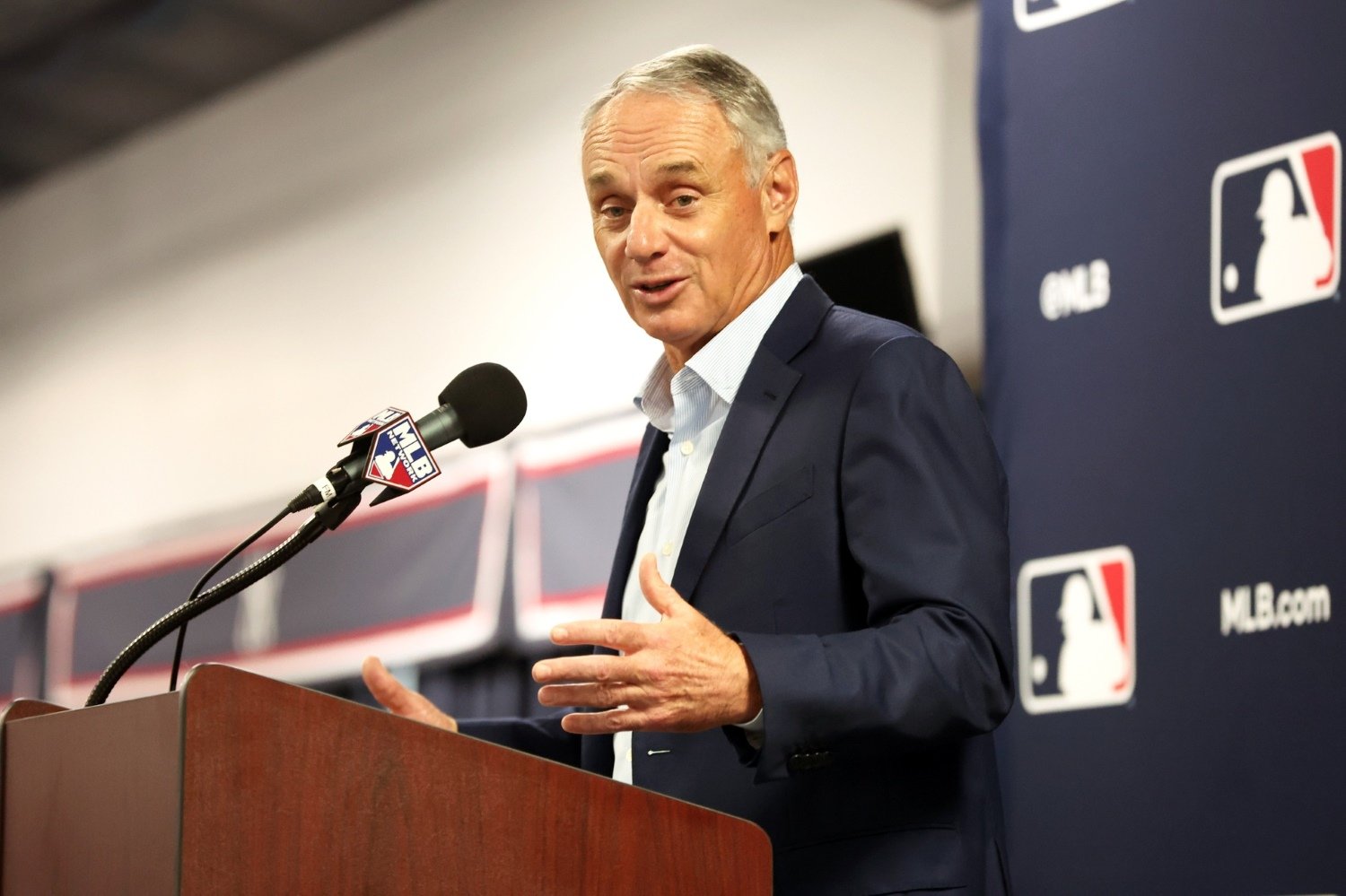
The league is already delving into expansion. In fact, back in February, Commissioner Rob Manfred announced his intention for the league to expand to 32 teams by 2029. With this news making waves earlier this year, several publications have highlighted various cities that could be prime candidates for potential expansion. Lets take a look!
Potential Expansion Teams
- Austin, Texas
- Charlotte, North Carolina
- Mexico City, Mexico
- Montreal, Quebec, Canada
- Nashville, Tennessee
- Omaha, Nebraska
- Orlando, Florida
- Portland, Oregon
- Raleigh, North Carolina
- San Antonio, Texas
- San Jose, California
- Salt Lake City, Utah
Among the considered cities, both Nashville and Montreal stand out, for different reasons. Nashville has made strides in preparing for MLB expansion, with a designated space near downtown, conveniently located near the Titans' current and future home. The city boasts a robust TV market ranking 27th overall, and its moderate metro population of over 2 million offers a solid fan base.
On the other hand, Montreal holds a unique allure due to its history with MLB, invoking nostalgia for its previous team, the Expos. Although its TV market doesn't extend to the States, it ranks second in Canada. With a sizable metro population of 4.2 million, Montreal presents a compelling case for expansion. There's a lingering hurt, a scar that reminds all baseball fans of one of the league's failures and abandonments, that would be healed a bit by a return to Montreal.
While Mexico City, Raleigh, and Charlotte were also considered, they ultimately fell short of Nashville and Montreal due to various factors, mostly logistical.
With the addition of two new expansion teams, re-alignment within MLB is inevitable, necessitating significant movement, the creation of new divisions, and more. Let's delve into this exciting prospect.
Atlantic North Division
- Montreal Expos (Expansion)
- New York Mets
- New York Yankees
- Boston Red Sox
- Philadelphia Phillies
- Baltimore Orioles
- Toronto Blue Jays
- Pittsburgh Pirates
Sunbelt Division
- Miami Marlins
- Tampa Bay Rays
- Atlanta Braves
- Nashville Stars/Sounds (Expansion)
- Texas Rangers
- Houston Astros
- Cincinnati Reds
- Washington Nationals
Pacific Southwest Division
- Seattle Mariners
- San Francisco Giants
- Oakland/Las Vegas/Sacramento A’s
- Los Angeles Dodgers
- Los Angeles Angels
- Arizona Diamondbacks
- Colorado Rockies
- San Diego Padres
Heartland Division
- Chicago Cubs
- Minnesota Twins
- Chicago White Sox
- Milwaukee Brewers
- Detroit Tigers
- St. Louis Cardinals
- Cleveland Guardians
- Kansas City Royals
I understand the decision to remove the American League and National League designations altogether may be controversial, but the removal is needed. With MLB implementing a balanced schedule where all teams play each other at least once, geography becomes a crucial factor in the new divisional structure. This approach aims to streamline travel for interdivisional games and foster more natural rivalries.
Now, let's delve into the redesigned playoff format:
- 16 teams will make the playoffs.
- The top 2 teams from each division will automatically qualify for the playoffs.
- Seeding within the playoffs will be based on the teams' overall records.
- The remaining 8 teams will be determined based on the best records regardless of division and will compete in a play-in tournament.
Play-In Tournament
- The first round of the Play-In Tournament consists of win-or-go-home matchups involving 8 teams.
- The matchups are as follows:
-
- Best Record Team 8 vs. Best Record Team 1
- Best Record Team 7 vs. Best Record Team 2
- Best Record Team 6 vs. Best Record Team 3
- Best Record Team 5 vs. Best Record Team 4
- The two winning teams from these matchups will advance to the playoffs.
Playoff Format
- In total, 10 teams will advance on the path to the World Series.
- The seeding for the playoffs will be a hybrid system, taking into account both the teams' best records (BR) and division winners.

- The first-round games between the play-in winners and division winners with the worst regular season records will be a best-of-3 series.
- The second-round games will be a best-of-5 series.
- The third-round games and World Series will be a best-of-7 series.
- Home field advantage throughout the playoffs will be determined by the best regular-season record, following the same home/away cadence as the current playoffs.
In conclusion, the proposed team expansion, realignment, and playoff changes present an exciting vision for the future of Major League Baseball. By adding two new teams, redefining divisions based on geography, and implementing a dynamic playoff format, MLB aims to enhance competitiveness, foster natural rivalries, and elevate the overall fan experience.
With the introduction of a play-in tournament and adjustments to playoff seeding and series formats, the postseason promises to deliver heightened drama and intensity. Furthermore, the emphasis on rewarding regular season success with home-field advantage underscores the importance of consistency throughout the season.
While these changes may spark debate and discussion among fans and analysts alike, they represent a bold step forward in evolving the sport to meet the demands of a modern audience. As MLB continues to adapt and innovate, one thing remains certain: the passion and excitement of baseball will endure, captivating audiences for generations to come.





Recommended Comments
There are no comments to display.
Create an account or sign in to comment
You need to be a member in order to leave a comment
Create an account
Sign up for a new account in our community. It's easy!
Register a new accountSign in
Already have an account? Sign in here.
Sign In Now