


Sean Chapin
-
Posts
19 -
Joined
-
Last visited
1 Follower

Recent Profile Visitors
1,171 profile views



Sean Chapin's Achievements




-

Unlocking Baseball: Team Expansion, Realignment, & Playoff Overhaul
Sean Chapin posted an article in Cubs
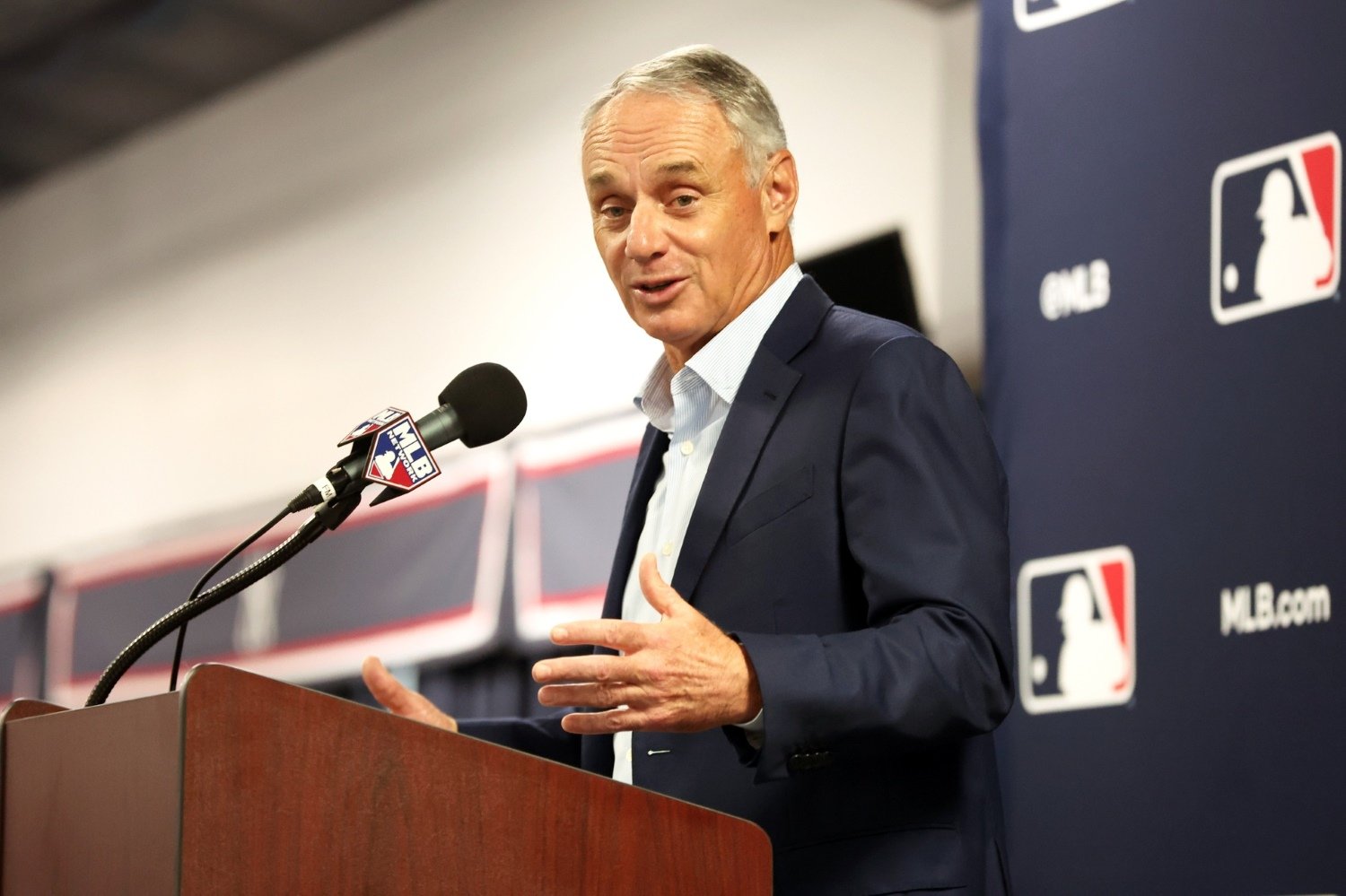 For over a century, baseball has held a special place in American culture--"the national pastime." However, this reverence for tradition shouldn't equate to resistance against necessary changes. Throughout its history, baseball has undergone significant transformations, from implementing automatic runners on second base to introducing pitch clocks and the DH rule in the National League. While these changes have occurred, Major League Baseball still has ample room for improvement. In envisioning the future of Major League Baseball, I propose a comprehensive plan for expansion, realignment, and playoff adjustments. Firstly, let's welcome new teams strategically, fostering growth and regional rivalries. Then, realign divisions geographically for fairer competition and reduced travel. Lastly, let's revamp the playoff format with innovative changes, increasing excitement and engagement. These measures ensure baseball's continued relevance and captivate fans worldwide. The league is already delving into expansion. In fact, back in February, Commissioner Rob Manfred announced his intention for the league to expand to 32 teams by 2029. With this news making waves earlier this year, several publications have highlighted various cities that could be prime candidates for potential expansion. Lets take a look! Potential Expansion Teams Austin, Texas Charlotte, North Carolina Mexico City, Mexico Montreal, Quebec, Canada Nashville, Tennessee Omaha, Nebraska Orlando, Florida Portland, Oregon Raleigh, North Carolina San Antonio, Texas San Jose, California Salt Lake City, Utah Among the considered cities, both Nashville and Montreal stand out, for different reasons. Nashville has made strides in preparing for MLB expansion, with a designated space near downtown, conveniently located near the Titans' current and future home. The city boasts a robust TV market ranking 27th overall, and its moderate metro population of over 2 million offers a solid fan base. On the other hand, Montreal holds a unique allure due to its history with MLB, invoking nostalgia for its previous team, the Expos. Although its TV market doesn't extend to the States, it ranks second in Canada. With a sizable metro population of 4.2 million, Montreal presents a compelling case for expansion. There's a lingering hurt, a scar that reminds all baseball fans of one of the league's failures and abandonments, that would be healed a bit by a return to Montreal. While Mexico City, Raleigh, and Charlotte were also considered, they ultimately fell short of Nashville and Montreal due to various factors, mostly logistical. With the addition of two new expansion teams, re-alignment within MLB is inevitable, necessitating significant movement, the creation of new divisions, and more. Let's delve into this exciting prospect. Atlantic North Division Montreal Expos (Expansion) New York Mets New York Yankees Boston Red Sox Philadelphia Phillies Baltimore Orioles Toronto Blue Jays Pittsburgh Pirates Sunbelt Division Miami Marlins Tampa Bay Rays Atlanta Braves Nashville Stars/Sounds (Expansion) Texas Rangers Houston Astros Cincinnati Reds Washington Nationals Pacific Southwest Division Seattle Mariners San Francisco Giants Oakland/Las Vegas/Sacramento A’s Los Angeles Dodgers Los Angeles Angels Arizona Diamondbacks Colorado Rockies San Diego Padres Heartland Division Chicago Cubs Minnesota Twins Chicago White Sox Milwaukee Brewers Detroit Tigers St. Louis Cardinals Cleveland Guardians Kansas City Royals I understand the decision to remove the American League and National League designations altogether may be controversial, but the removal is needed. With MLB implementing a balanced schedule where all teams play each other at least once, geography becomes a crucial factor in the new divisional structure. This approach aims to streamline travel for interdivisional games and foster more natural rivalries. Now, let's delve into the redesigned playoff format: 16 teams will make the playoffs. The top 2 teams from each division will automatically qualify for the playoffs. Seeding within the playoffs will be based on the teams' overall records. The remaining 8 teams will be determined based on the best records regardless of division and will compete in a play-in tournament. Play-In Tournament The first round of the Play-In Tournament consists of win-or-go-home matchups involving 8 teams. The matchups are as follows: Best Record Team 8 vs. Best Record Team 1 Best Record Team 7 vs. Best Record Team 2 Best Record Team 6 vs. Best Record Team 3 Best Record Team 5 vs. Best Record Team 4 The two winning teams from these matchups will advance to the playoffs. Playoff Format In total, 10 teams will advance on the path to the World Series. The seeding for the playoffs will be a hybrid system, taking into account both the teams' best records (BR) and division winners. The first-round games between the play-in winners and division winners with the worst regular season records will be a best-of-3 series. The second-round games will be a best-of-5 series. The third-round games and World Series will be a best-of-7 series. Home field advantage throughout the playoffs will be determined by the best regular-season record, following the same home/away cadence as the current playoffs. In conclusion, the proposed team expansion, realignment, and playoff changes present an exciting vision for the future of Major League Baseball. By adding two new teams, redefining divisions based on geography, and implementing a dynamic playoff format, MLB aims to enhance competitiveness, foster natural rivalries, and elevate the overall fan experience. With the introduction of a play-in tournament and adjustments to playoff seeding and series formats, the postseason promises to deliver heightened drama and intensity. Furthermore, the emphasis on rewarding regular season success with home-field advantage underscores the importance of consistency throughout the season. While these changes may spark debate and discussion among fans and analysts alike, they represent a bold step forward in evolving the sport to meet the demands of a modern audience. As MLB continues to adapt and innovate, one thing remains certain: the passion and excitement of baseball will endure, captivating audiences for generations to come.
 -
Get ready for a baseball revolution! Major League Baseball is on the brink of a seismic transformation, with plans for team expansion, geographic realignment, and a thrilling playoff overhaul. Brace yourself for a new era of competition, rivalry, and drama as MLB unveils its bold vision for the future of the sport. Stay tuned for the full scoop on how these groundbreaking changes will reshape the diamond and ignite the passion of fans everywhere. Image courtesy of © Kim Klement Neitzel-USA TODAY Sports For over a century, baseball has held a special place in American culture--"the national pastime." However, this reverence for tradition shouldn't equate to resistance against necessary changes. Throughout its history, baseball has undergone significant transformations, from implementing automatic runners on second base to introducing pitch clocks and the DH rule in the National League. While these changes have occurred, Major League Baseball still has ample room for improvement. In envisioning the future of Major League Baseball, I propose a comprehensive plan for expansion, realignment, and playoff adjustments. Firstly, let's welcome new teams strategically, fostering growth and regional rivalries. Then, realign divisions geographically for fairer competition and reduced travel. Lastly, let's revamp the playoff format with innovative changes, increasing excitement and engagement. These measures ensure baseball's continued relevance and captivate fans worldwide. The league is already delving into expansion. In fact, back in February, Commissioner Rob Manfred announced his intention for the league to expand to 32 teams by 2029. With this news making waves earlier this year, several publications have highlighted various cities that could be prime candidates for potential expansion. Lets take a look! Potential Expansion Teams Austin, Texas Charlotte, North Carolina Mexico City, Mexico Montreal, Quebec, Canada Nashville, Tennessee Omaha, Nebraska Orlando, Florida Portland, Oregon Raleigh, North Carolina San Antonio, Texas San Jose, California Salt Lake City, Utah Among the considered cities, both Nashville and Montreal stand out, for different reasons. Nashville has made strides in preparing for MLB expansion, with a designated space near downtown, conveniently located near the Titans' current and future home. The city boasts a robust TV market ranking 27th overall, and its moderate metro population of over 2 million offers a solid fan base. On the other hand, Montreal holds a unique allure due to its history with MLB, invoking nostalgia for its previous team, the Expos. Although its TV market doesn't extend to the States, it ranks second in Canada. With a sizable metro population of 4.2 million, Montreal presents a compelling case for expansion. There's a lingering hurt, a scar that reminds all baseball fans of one of the league's failures and abandonments, that would be healed a bit by a return to Montreal. While Mexico City, Raleigh, and Charlotte were also considered, they ultimately fell short of Nashville and Montreal due to various factors, mostly logistical. With the addition of two new expansion teams, re-alignment within MLB is inevitable, necessitating significant movement, the creation of new divisions, and more. Let's delve into this exciting prospect. Atlantic North Division Montreal Expos (Expansion) New York Mets New York Yankees Boston Red Sox Philadelphia Phillies Baltimore Orioles Toronto Blue Jays Pittsburgh Pirates Sunbelt Division Miami Marlins Tampa Bay Rays Atlanta Braves Nashville Stars/Sounds (Expansion) Texas Rangers Houston Astros Cincinnati Reds Washington Nationals Pacific Southwest Division Seattle Mariners San Francisco Giants Oakland/Las Vegas/Sacramento A’s Los Angeles Dodgers Los Angeles Angels Arizona Diamondbacks Colorado Rockies San Diego Padres Heartland Division Chicago Cubs Minnesota Twins Chicago White Sox Milwaukee Brewers Detroit Tigers St. Louis Cardinals Cleveland Guardians Kansas City Royals I understand the decision to remove the American League and National League designations altogether may be controversial, but the removal is needed. With MLB implementing a balanced schedule where all teams play each other at least once, geography becomes a crucial factor in the new divisional structure. This approach aims to streamline travel for interdivisional games and foster more natural rivalries. Now, let's delve into the redesigned playoff format: 16 teams will make the playoffs. The top 2 teams from each division will automatically qualify for the playoffs. Seeding within the playoffs will be based on the teams' overall records. The remaining 8 teams will be determined based on the best records regardless of division and will compete in a play-in tournament. Play-In Tournament The first round of the Play-In Tournament consists of win-or-go-home matchups involving 8 teams. The matchups are as follows: Best Record Team 8 vs. Best Record Team 1 Best Record Team 7 vs. Best Record Team 2 Best Record Team 6 vs. Best Record Team 3 Best Record Team 5 vs. Best Record Team 4 The two winning teams from these matchups will advance to the playoffs. Playoff Format In total, 10 teams will advance on the path to the World Series. The seeding for the playoffs will be a hybrid system, taking into account both the teams' best records (BR) and division winners. The first-round games between the play-in winners and division winners with the worst regular season records will be a best-of-3 series. The second-round games will be a best-of-5 series. The third-round games and World Series will be a best-of-7 series. Home field advantage throughout the playoffs will be determined by the best regular-season record, following the same home/away cadence as the current playoffs. In conclusion, the proposed team expansion, realignment, and playoff changes present an exciting vision for the future of Major League Baseball. By adding two new teams, redefining divisions based on geography, and implementing a dynamic playoff format, MLB aims to enhance competitiveness, foster natural rivalries, and elevate the overall fan experience. With the introduction of a play-in tournament and adjustments to playoff seeding and series formats, the postseason promises to deliver heightened drama and intensity. Furthermore, the emphasis on rewarding regular season success with home-field advantage underscores the importance of consistency throughout the season. While these changes may spark debate and discussion among fans and analysts alike, they represent a bold step forward in evolving the sport to meet the demands of a modern audience. As MLB continues to adapt and innovate, one thing remains certain: the passion and excitement of baseball will endure, captivating audiences for generations to come. View full article
-
Get ready for a whirlwind offseason in Major League Baseball! With free agency kicking off just five days after the World Series, contract options due in a flash, and a proposed Offseason Trade Deadline looming, the game is about to change. Stay tuned as we unravel the intrigue and impact of these pivotal date adjustments. Image courtesy of © Junfu Han / USA TODAY NETWORK For over a century, baseball has held a special place in American culture--"the national pastime." However, this reverence for tradition shouldn't equate to resistance against necessary changes. Throughout its history, baseball has undergone significant transformations, from implementing automatic runners on second base to introducing pitch clocks and the DH rule in the National League. While these changes have occurred, Major League Baseball still has ample room for improvement. The previous baseball offseason crawled along, marred by frustration and disappointment. Yet, the path to improvement begins with crucial date adjustments and culminates in what promises to be one of the most remarkable changes in baseball history. Let's get into it! Important Date Adjustments Free agency will kick off just five days after the conclusion of the World Series, eliminating negotiating windows for current teams. Contract options will be due three days post-World Series. Qualifying offers and player decisions will also be due within three and five days after the World Series. The Non-Tender/Tender Deadline will be set for 15 days after the World Series. The Rule 5 draft will immediately follow the conclusion of the GM meetings. An Offseason Trade Deadline is proposed for January 8th. Other Key Change ·Implement a minimum payroll threshold of $100 million, subject to annual adjustments. Impose a 25% tax on teams whose Competitive Balance Tax (CBT) 40-man roster cost falls short of the established floor for that year, with a 25% tax applied for each $1 million below the threshold. three new “deadline comp” rounds in the MLB Draft. Deciphering Free Agent Tiers Free agents are categorized into distinct tiers based on their accumulated points. Tier 1 Free Agents: Consists of players ranking within the top 10% in points within their respective free agent class. Tier 2 Free Agents: Encompass players falling within the top 11% to 40% in points within their free agent class. Tier 3 Free Agents: Comprise players in the bottom 41% in points within their free agent class. These tiers serve as a fundamental framework for evaluating and distinguishing free agents based on their statistical performance and overall value within the market. Statistical Categories: Offensive Players: WAR, OPS+, AVG, DRS, HR. Pitchers: WAR, ERA+, FIP, SO, IP. Point Values: Career & last season stats determine points. Scale: 5 points for top 10%, 4 for 11-20%, 3 for 21-30%, 2 for 31-40%, 1 for 41-50%, 0 for bottom 51%. Scoring Free Agents: A Detailed Analysis Players undergo a comprehensive assessment, earning points based on statistical performance over their career and the previous season. Here's how the scoring system operates: 1-5 Point Scale: Statistical categories are graded on a scale from 1 to 5. Career and Last Season Consideration: The point system evaluates players over the entirety of their career as well as their performance in the last season. Point Allocation: Top 10%: Players ranking in the top 10% in a specific statistical category receive 5 points. Top 11-20%: Those within the top 11% to 20% garner 4 points. Top 21-30%: Players in the top 21% to 30% accumulate 3 points. Top 31-40%: Individuals in the top 31% to 40% attain 2 points. Top 41-50%: Those in the top 41% to 50% secure 1 point. Bottom 51%: Players in the bottom 51% receive 0 points. Total Point Calculation: The points accrued from the previous season and career statistics are tallied to determine each free agent's total point value. This meticulous scoring methodology ensures a comprehensive evaluation of free agents, accounting for their historical performance and recent contributions to the field. Deadline 1: Last Day of Winter Meetings Tier 1 Free Agents: Team Benefits: Additional 1st-round MLB Draft pick (one Tier 1 signing limit). Extra $1M in International Pool Money (up to $3M in IPM). No loss of draft pick on QO players if signed by this deadline. Removal of 2 Luxury Tax Penalties for the current financial year. Player Benefits: All players signed by this deadline must adhere to a minimum average annual salary floor equivalent to the Qualifying Offer (QO) set for that offseason. Example: This season's QO is $20.325 million, requiring any Tier 1 free agent's average annual salary to match or exceed this amount. Tier 2 Free Agents: Team Benefits: Gain a draft pick in Comp B (two Tier 2 signings limit). Additional $500K in International Pool Money (up to $2M in IPM). Removal of 1 Luxury Tax Penalty for the current financial year. Player Benefits: Players signed before this deadline must meet a salary floor set at 50% of the Qualifying Offer (QO) for that season Example: For the 2024 season, the salary floor for Tier 2 free agents would be $10.16 million, which is half of the QO. Tier 3 Free Agents: Team Benefits: Obtain a pick in the new “Deadline Comp” round after the 6th round. Player Benefits Tier 3 free agent players signed before the deadline would get a salary floor of 5M. Deadline 2: January 8th Perks for Teams Signing Tier 1 Free Agents: Gain a draft pick in the new “Deadline Comp” round after the 8th (limited to one pick). Receive an additional $500K in International Pool Money (up to $1M in IPM). Perks for Teams Signing Tier 2 Free Agents: Acquire a draft pick in the new “Deadline Comp” round after the 10th (limited to one pick). Receive an additional $250K in International Pool Money (up to $500K in IPM). Perks for Teams Signing Tier 3 Free Agents: Obtain $100K in International Pool Money (up to $300K in IPM). No Direct Player Benefits for Signing before January 8th Deadline: While teams receive various perks for signing free agents before this deadline, no direct benefits are outlined for the players. These deadlines come with various benefits for teams signing free agents and for free agents to sign, ranging from additional draft picks to financial incentives. Penalties for Signing after January 8th Deadline Teams: Tier 1 or 2 Players: Signing 1-3 players after the deadline results in losing a pick in the 8th round of the MLB Draft and a deduction of $500K in International Pool Money (IPM). Signing four or more players after January 8th leads to forfeiting a pick in the 5th round of the MLB Draft and a reduction of $1M in IPM. Tier 3 Players: Signing 1-3 Tier 3 players after the deadline leads to losing a pick in the 12th round of the MLB Draft and a deduction of $250K in IPM. Signing four or more Tier 3 players after the deadline results in forfeiting a pick in the 9th round of the MLB Draft and a reduction of $500K in IPM. These penalties deter teams from delaying signings beyond the January 8th deadline, emphasizing the importance of timely decision-making during the free agency period. All Players: Players signing after the deadline are restricted to signing 1-year deals only. The maximum value of any 1-year deal signed after January 8th cannot exceed $5 million. These restrictions impose limitations on players signing after the deadline, emphasizing the consequences of delaying negotiations and the importance of completing deals within the specified timeframe of the free agency period. Deadline 3: February 1st Players not signed by this deadline become ineligible to sign with teams until June 1st. Similarly, teams are prohibited from signing players until June 1st if they haven't completed signings before February 1st. The baseball offseason today needs to capture the imagination of teams, players, and fans alike. While the NFL and NBA off-season's often brim with excitement and headline-grabbing moves, Major League Baseball's offseason can sometimes feel stagnant in comparison. It's time for a bold and dramatic change. This shake-up not only revitalizes the offseason but also elevates it to the level of intrigue and anticipation seen in other major sports leagues. View full article
-
Unlocking Baseball: A Call for Dramatic Changes to the Offseason
Sean Chapin posted an article in Cubs
 For over a century, baseball has held a special place in American culture--"the national pastime." However, this reverence for tradition shouldn't equate to resistance against necessary changes. Throughout its history, baseball has undergone significant transformations, from implementing automatic runners on second base to introducing pitch clocks and the DH rule in the National League. While these changes have occurred, Major League Baseball still has ample room for improvement. The previous baseball offseason crawled along, marred by frustration and disappointment. Yet, the path to improvement begins with crucial date adjustments and culminates in what promises to be one of the most remarkable changes in baseball history. Let's get into it! Important Date Adjustments Free agency will kick off just five days after the conclusion of the World Series, eliminating negotiating windows for current teams. Contract options will be due three days post-World Series. Qualifying offers and player decisions will also be due within three and five days after the World Series. The Non-Tender/Tender Deadline will be set for 15 days after the World Series. The Rule 5 draft will immediately follow the conclusion of the GM meetings. An Offseason Trade Deadline is proposed for January 8th. Other Key Change ·Implement a minimum payroll threshold of $100 million, subject to annual adjustments. Impose a 25% tax on teams whose Competitive Balance Tax (CBT) 40-man roster cost falls short of the established floor for that year, with a 25% tax applied for each $1 million below the threshold. three new “deadline comp” rounds in the MLB Draft. Deciphering Free Agent Tiers Free agents are categorized into distinct tiers based on their accumulated points. Tier 1 Free Agents: Consists of players ranking within the top 10% in points within their respective free agent class. Tier 2 Free Agents: Encompass players falling within the top 11% to 40% in points within their free agent class. Tier 3 Free Agents: Comprise players in the bottom 41% in points within their free agent class. These tiers serve as a fundamental framework for evaluating and distinguishing free agents based on their statistical performance and overall value within the market. Statistical Categories: Offensive Players: WAR, OPS+, AVG, DRS, HR. Pitchers: WAR, ERA+, FIP, SO, IP. Point Values: Career & last season stats determine points. Scale: 5 points for top 10%, 4 for 11-20%, 3 for 21-30%, 2 for 31-40%, 1 for 41-50%, 0 for bottom 51%. Scoring Free Agents: A Detailed Analysis Players undergo a comprehensive assessment, earning points based on statistical performance over their career and the previous season. Here's how the scoring system operates: 1-5 Point Scale: Statistical categories are graded on a scale from 1 to 5. Career and Last Season Consideration: The point system evaluates players over the entirety of their career as well as their performance in the last season. Point Allocation: Top 10%: Players ranking in the top 10% in a specific statistical category receive 5 points. Top 11-20%: Those within the top 11% to 20% garner 4 points. Top 21-30%: Players in the top 21% to 30% accumulate 3 points. Top 31-40%: Individuals in the top 31% to 40% attain 2 points. Top 41-50%: Those in the top 41% to 50% secure 1 point. Bottom 51%: Players in the bottom 51% receive 0 points. Total Point Calculation: The points accrued from the previous season and career statistics are tallied to determine each free agent's total point value. This meticulous scoring methodology ensures a comprehensive evaluation of free agents, accounting for their historical performance and recent contributions to the field. Deadline 1: Last Day of Winter Meetings Tier 1 Free Agents: Team Benefits: Additional 1st-round MLB Draft pick (one Tier 1 signing limit). Extra $1M in International Pool Money (up to $3M in IPM). No loss of draft pick on QO players if signed by this deadline. Removal of 2 Luxury Tax Penalties for the current financial year. Player Benefits: All players signed by this deadline must adhere to a minimum average annual salary floor equivalent to the Qualifying Offer (QO) set for that offseason. Example: This season's QO is $20.325 million, requiring any Tier 1 free agent's average annual salary to match or exceed this amount. Tier 2 Free Agents: Team Benefits: Gain a draft pick in Comp B (two Tier 2 signings limit). Additional $500K in International Pool Money (up to $2M in IPM). Removal of 1 Luxury Tax Penalty for the current financial year. Player Benefits: Players signed before this deadline must meet a salary floor set at 50% of the Qualifying Offer (QO) for that season Example: For the 2024 season, the salary floor for Tier 2 free agents would be $10.16 million, which is half of the QO. Tier 3 Free Agents: Team Benefits: Obtain a pick in the new “Deadline Comp” round after the 6th round. Player Benefits Tier 3 free agent players signed before the deadline would get a salary floor of 5M. Deadline 2: January 8th Perks for Teams Signing Tier 1 Free Agents: Gain a draft pick in the new “Deadline Comp” round after the 8th (limited to one pick). Receive an additional $500K in International Pool Money (up to $1M in IPM). Perks for Teams Signing Tier 2 Free Agents: Acquire a draft pick in the new “Deadline Comp” round after the 10th (limited to one pick). Receive an additional $250K in International Pool Money (up to $500K in IPM). Perks for Teams Signing Tier 3 Free Agents: Obtain $100K in International Pool Money (up to $300K in IPM). No Direct Player Benefits for Signing before January 8th Deadline: While teams receive various perks for signing free agents before this deadline, no direct benefits are outlined for the players. These deadlines come with various benefits for teams signing free agents and for free agents to sign, ranging from additional draft picks to financial incentives. Penalties for Signing after January 8th Deadline Teams: Tier 1 or 2 Players: Signing 1-3 players after the deadline results in losing a pick in the 8th round of the MLB Draft and a deduction of $500K in International Pool Money (IPM). Signing four or more players after January 8th leads to forfeiting a pick in the 5th round of the MLB Draft and a reduction of $1M in IPM. Tier 3 Players: Signing 1-3 Tier 3 players after the deadline leads to losing a pick in the 12th round of the MLB Draft and a deduction of $250K in IPM. Signing four or more Tier 3 players after the deadline results in forfeiting a pick in the 9th round of the MLB Draft and a reduction of $500K in IPM. These penalties deter teams from delaying signings beyond the January 8th deadline, emphasizing the importance of timely decision-making during the free agency period. All Players: Players signing after the deadline are restricted to signing 1-year deals only. The maximum value of any 1-year deal signed after January 8th cannot exceed $5 million. These restrictions impose limitations on players signing after the deadline, emphasizing the consequences of delaying negotiations and the importance of completing deals within the specified timeframe of the free agency period. Deadline 3: February 1st Players not signed by this deadline become ineligible to sign with teams until June 1st. Similarly, teams are prohibited from signing players until June 1st if they haven't completed signings before February 1st. The baseball offseason today needs to capture the imagination of teams, players, and fans alike. While the NFL and NBA off-season's often brim with excitement and headline-grabbing moves, Major League Baseball's offseason can sometimes feel stagnant in comparison. It's time for a bold and dramatic change. This shake-up not only revitalizes the offseason but also elevates it to the level of intrigue and anticipation seen in other major sports leagues.
 -
Bid farewell to controversial calls and hello to a new era of accuracy. Join us as we delve into the compelling reasons why embracing technology is not just a choice but a necessity for the evolution of America's favorite pastime. Image courtesy of © Joe Camporeale-USA TODAY Sports For over a century, baseball has held a special place in American culture--" the national pastime." However, this reverence for tradition shouldn't equate to resistance against necessary changes. Throughout its history, baseball has undergone significant transformations, from implementing automatic runners on second base to introducing pitch clocks and the DH rule in the National League. While these changes have occurred, Major League Baseball still has ample room for improvement. Welcome to "Unlocking Baseball," where I challenge tradition and explore the future of America's favorite pastime. In this series, we delve into the most pressing issues facing baseball today, and there's no hotter topic than robot umpires, or the Automated Ball-Strike system (ABS). We need "Robo Umps!" While traditionalists may raise their eyebrows at the idea, there are compelling arguments in favor of integrating technology into the game. In this article, I explore the significant benefits of embracing Robo Umps in baseball. Consistency and Accuracy One of the most significant advantages of Robo Umps is the ability to ensure consistent and accurate calls. Despite their expertise, human umpires are susceptible to errors due to various factors such as fatigue, emotions, and even unintentional biases. In contrast, ball/strike technology operates based on technology that already exists today, this technology significantly reducing the margin for error. Consistent and accurate calls enhance the game's fairness and give players and fans confidence in the integrity of each decision. Elimination of Human Error In high-stakes situations, the pressure on umpires can be immense. The human element introduces the possibility of mistakes that can alter the outcome of a game and impact players' careers. Robot umpires remove this variable, ensuring that crucial calls are made based solely on the merit of the play rather than external factors. By eliminating human error, Robo Umps contribute to a more level playing field where teams succeed or fail based on their performance rather than subjective judgments. Improved Player-Official Relations Controversial calls have sparked heated confrontations between players, coaches, and umpires, sometimes escalating into altercations that tarnish the sport's image. Robo Umps can potentially mitigate such conflicts by providing objective rulings that leave little room for interpretation. Players can focus on their performance without feeling unjustly treated by subjective calls. This also takes the pressure off of umpires, who will still be a factor on the field, just not in the form of calling balls and strikes. Enhanced Fan Experience Baseball enthusiasts flock to stadiums or tune in to broadcasts to witness thrilling matchups and pivotal moments. However, contentious calls by umpires can sometimes overshadow the excitement of the game, leaving fans frustrated. Robo Umps offer a solution by ensuring that the focus remains on the players' skills and strategic maneuvers rather than officiating controversies. A smoother, more transparent officiating process can enhance the overall fan experience, attracting a broader audience and preserving baseball's status as a premier sporting spectacle. Adaptation to Technological Advancements As technology continues to advance, industries worldwide are embracing innovations to streamline processes and enhance efficiency. Baseball should be no exception. Introducing Robo Umps demonstrates a willingness to evolve with the times and leverage cutting-edge technology to refine the sport. Embracing innovation not only keeps baseball relevant in a rapidly changing world. Not only that, electronic strike zones are already widely used in baseball, so the transition should be an easy one. Conclusion While the idea of Robo Umps may initially evoke skepticism among purists, the benefits they offer cannot be overlooked. From ensuring consistency and accuracy to fostering better player-official relations and enriching the fan experience, implementing robotic umpires represents a progressive step forward for baseball. By embracing technology, the sport can uphold its integrity, promote fairness, and remain a captivating pastime for generations to come. As the adage goes, "In baseball, there's always room for improvement," Robo Umps may just be the improvement the game needs. View full article
-
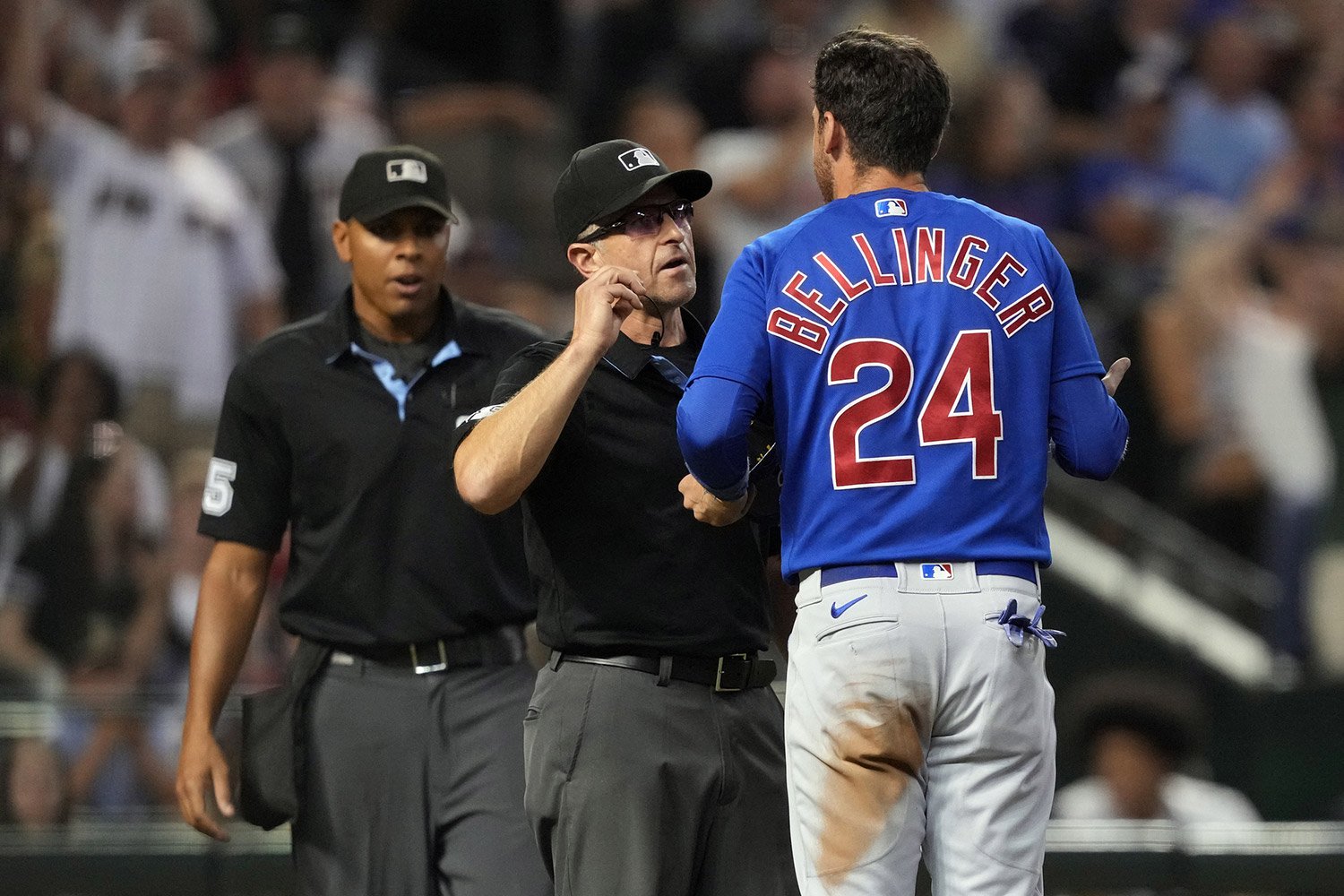 For over a century, baseball has held a special place in American culture--" the national pastime." However, this reverence for tradition shouldn't equate to resistance against necessary changes. Throughout its history, baseball has undergone significant transformations, from implementing automatic runners on second base to introducing pitch clocks and the DH rule in the National League. While these changes have occurred, Major League Baseball still has ample room for improvement. Welcome to "Unlocking Baseball," where I challenge tradition and explore the future of America's favorite pastime. In this series, we delve into the most pressing issues facing baseball today, and there's no hotter topic than robot umpires, or the Automated Ball-Strike system (ABS). We need "Robo Umps!" While traditionalists may raise their eyebrows at the idea, there are compelling arguments in favor of integrating technology into the game. In this article, I explore the significant benefits of embracing Robo Umps in baseball. Consistency and Accuracy One of the most significant advantages of Robo Umps is the ability to ensure consistent and accurate calls. Despite their expertise, human umpires are susceptible to errors due to various factors such as fatigue, emotions, and even unintentional biases. In contrast, ball/strike technology operates based on technology that already exists today, this technology significantly reducing the margin for error. Consistent and accurate calls enhance the game's fairness and give players and fans confidence in the integrity of each decision. Elimination of Human Error In high-stakes situations, the pressure on umpires can be immense. The human element introduces the possibility of mistakes that can alter the outcome of a game and impact players' careers. Robot umpires remove this variable, ensuring that crucial calls are made based solely on the merit of the play rather than external factors. By eliminating human error, Robo Umps contribute to a more level playing field where teams succeed or fail based on their performance rather than subjective judgments. Improved Player-Official Relations Controversial calls have sparked heated confrontations between players, coaches, and umpires, sometimes escalating into altercations that tarnish the sport's image. Robo Umps can potentially mitigate such conflicts by providing objective rulings that leave little room for interpretation. Players can focus on their performance without feeling unjustly treated by subjective calls. This also takes the pressure off of umpires, who will still be a factor on the field, just not in the form of calling balls and strikes. Enhanced Fan Experience Baseball enthusiasts flock to stadiums or tune in to broadcasts to witness thrilling matchups and pivotal moments. However, contentious calls by umpires can sometimes overshadow the excitement of the game, leaving fans frustrated. Robo Umps offer a solution by ensuring that the focus remains on the players' skills and strategic maneuvers rather than officiating controversies. A smoother, more transparent officiating process can enhance the overall fan experience, attracting a broader audience and preserving baseball's status as a premier sporting spectacle. Adaptation to Technological Advancements As technology continues to advance, industries worldwide are embracing innovations to streamline processes and enhance efficiency. Baseball should be no exception. Introducing Robo Umps demonstrates a willingness to evolve with the times and leverage cutting-edge technology to refine the sport. Embracing innovation not only keeps baseball relevant in a rapidly changing world. Not only that, electronic strike zones are already widely used in baseball, so the transition should be an easy one. Conclusion While the idea of Robo Umps may initially evoke skepticism among purists, the benefits they offer cannot be overlooked. From ensuring consistency and accuracy to fostering better player-official relations and enriching the fan experience, implementing robotic umpires represents a progressive step forward for baseball. By embracing technology, the sport can uphold its integrity, promote fairness, and remain a captivating pastime for generations to come. As the adage goes, "In baseball, there's always room for improvement," Robo Umps may just be the improvement the game needs.
 -
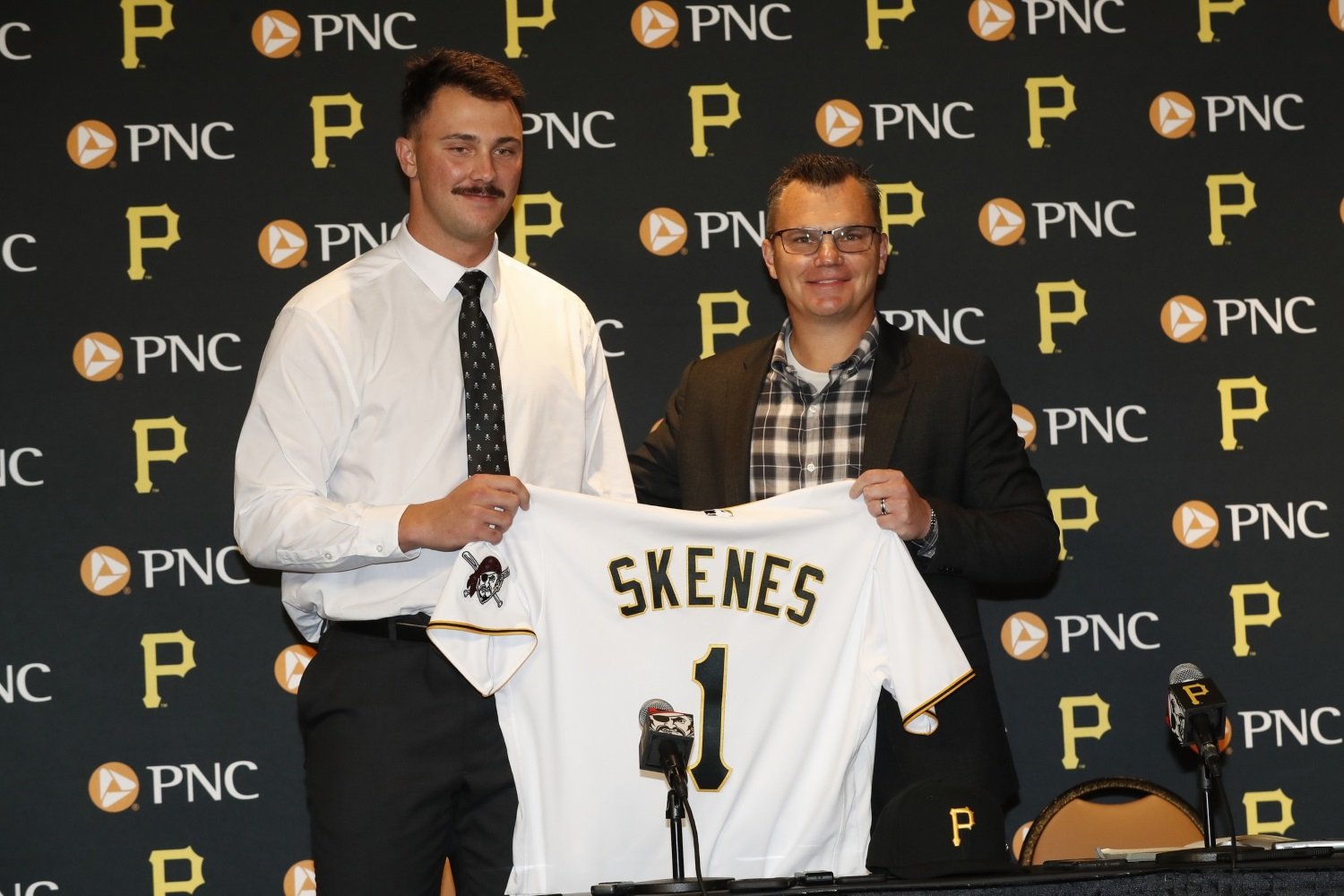 For over a century, baseball has held a special place in American culture--"the national pastime." However, this reverence for tradition shouldn't equate to resistance against necessary changes. Throughout its history, baseball has undergone significant transformations, from implementing automatic runners on second base to introducing pitch clocks and the DH rule in the National League. While these changes have occurred, Major League Baseball still has ample room for improvement. In this installment of a series entitled "Unlocking Baseball," I delve into an area where baseball has significantly lagged behind: allowing the trading of valuable draft picks. In all major sports, the ability to trade draft picks is standard practice. The NFL initiated draft pick trading as early as 1936, followed by the NBA in 1947, and the NHL in 1971. Once again, baseball finds itself trailing other leagues in providing teams with diverse pathways to build competitiveness. Now, more than ever, Major League Baseball needs to embrace the concept of tradable draft picks. Here's why. Flexibility: Permitting draft pick trades allows teams to have more flexibility in constructing their rosters. It gives teams the ability to treat picks as goods held for exchange, the same way they're currently forced to use prospects. This would widen the path to getting certain deals done, when one team is dug in and refuses to part with a particular prospect and their would-be partner doesn't like other pieces in the farm system in question enough. Strategic Moves: Teams can use draft picks as trade assets to acquire established players who can contribute immediately to their team's success. This allows teams to balance between short-term competitiveness and long-term development. We could see more clubs going all-in on a title chase if they had this avenue available to them. Resource Management: Draft pick trading can help teams balance their resources more effectively. For example, a team in win-now mode might be willing to trade away a draft pick to acquire a player who can contribute immediately, while a rebuilding team might prioritize accumulating draft picks to build for the future. Presumably, that would accelerate rebuilds and lead to fewer teams trying to accumulate talent for half-decades at a time, at the expense of their competitiveness during that phase. Market Dynamics: Allowing draft pick trades adds another layer of complexity to the trade market, making it more dynamic and potentially more interesting for fans. It adds intrigue to trade negotiations and can lead to more significant deals. Competitive Balance: Complaints about teams not investing enough, failing to field competitive squads, and struggling to compete with big-spending franchises like the Dodgers, Yankees, and Mets have echoed throughout the baseball community for years. By allowing draft picks to be traded, MLB could open up avenues for all teams—not just those in smaller markets—to construct competitive rosters through the draft, rather than solely relying on free agency. For instance, during the challenging years for the Cubs in 2021 and 2022, when they underwent a rebuild and traded away key players from "the core," it's reasonable to assume that the Cubs' front office would have valued draft picks in trade negotiations. Moreover, given the inherent volatility of the baseball draft, where picks don't always pan out as expected, teams may find it preferable to trade draft picks rather than deplete their current prospect pool. Generates Excitement: Trading draft picks injects excitement into the baseball landscape from various angles. The NFL has successfully generated buzz around draft pick trading through mock draft simulators and fan-generated trade scenarios, fostering enthusiasm for the sport. Just imagine if draft picks had been tradable back in 2001, when players like Joe Mauer, Mark Prior, Mark Teixeira, David Wright, Ryan Howard, Kevin Youkilis, and Dan Uggla were drafted. If teams had possessed additional picks during that talent-rich draft, the passion for baseball as a brand would have soared. Consider that Kevin Youkilis was an 8th-round pick—a fact that underscores the potential impact of draft pick trading on the league's appeal, a factor MLB sorely needs to enhance. What if teams had been able to make the Pittsburgh Pirates offers for the top pick in 2024, in order to select pitching phenom Paul Skenes? There could have been a rather impressive bidding war, and even if the Pirates had elected to hold onto the pick and take Skenes, their fans would have gotten several weeks to consider some interesting alternatives. Overall, permitting draft pick trades in MLB enhances the strategic depth of team management, adds excitement to the league's trade landscape, and aligns MLB with the practices of other major sports leagues.
 -
Discover the game-changing strategy baseball has long overlooked: unlocking the power of tradable draft picks. Find out why Major League Baseball's reluctance to embrace this practice could be holding teams back from reaching their full potential. Image courtesy of © Charles LeClaire-USA TODAY Sports For over a century, baseball has held a special place in American culture--"the national pastime." However, this reverence for tradition shouldn't equate to resistance against necessary changes. Throughout its history, baseball has undergone significant transformations, from implementing automatic runners on second base to introducing pitch clocks and the DH rule in the National League. While these changes have occurred, Major League Baseball still has ample room for improvement. In this installment of a series entitled "Unlocking Baseball," I delve into an area where baseball has significantly lagged behind: allowing the trading of valuable draft picks. In all major sports, the ability to trade draft picks is standard practice. The NFL initiated draft pick trading as early as 1936, followed by the NBA in 1947, and the NHL in 1971. Once again, baseball finds itself trailing other leagues in providing teams with diverse pathways to build competitiveness. Now, more than ever, Major League Baseball needs to embrace the concept of tradable draft picks. Here's why. Flexibility: Permitting draft pick trades allows teams to have more flexibility in constructing their rosters. It gives teams the ability to treat picks as goods held for exchange, the same way they're currently forced to use prospects. This would widen the path to getting certain deals done, when one team is dug in and refuses to part with a particular prospect and their would-be partner doesn't like other pieces in the farm system in question enough. Strategic Moves: Teams can use draft picks as trade assets to acquire established players who can contribute immediately to their team's success. This allows teams to balance between short-term competitiveness and long-term development. We could see more clubs going all-in on a title chase if they had this avenue available to them. Resource Management: Draft pick trading can help teams balance their resources more effectively. For example, a team in win-now mode might be willing to trade away a draft pick to acquire a player who can contribute immediately, while a rebuilding team might prioritize accumulating draft picks to build for the future. Presumably, that would accelerate rebuilds and lead to fewer teams trying to accumulate talent for half-decades at a time, at the expense of their competitiveness during that phase. Market Dynamics: Allowing draft pick trades adds another layer of complexity to the trade market, making it more dynamic and potentially more interesting for fans. It adds intrigue to trade negotiations and can lead to more significant deals. Competitive Balance: Complaints about teams not investing enough, failing to field competitive squads, and struggling to compete with big-spending franchises like the Dodgers, Yankees, and Mets have echoed throughout the baseball community for years. By allowing draft picks to be traded, MLB could open up avenues for all teams—not just those in smaller markets—to construct competitive rosters through the draft, rather than solely relying on free agency. For instance, during the challenging years for the Cubs in 2021 and 2022, when they underwent a rebuild and traded away key players from "the core," it's reasonable to assume that the Cubs' front office would have valued draft picks in trade negotiations. Moreover, given the inherent volatility of the baseball draft, where picks don't always pan out as expected, teams may find it preferable to trade draft picks rather than deplete their current prospect pool. Generates Excitement: Trading draft picks injects excitement into the baseball landscape from various angles. The NFL has successfully generated buzz around draft pick trading through mock draft simulators and fan-generated trade scenarios, fostering enthusiasm for the sport. Just imagine if draft picks had been tradable back in 2001, when players like Joe Mauer, Mark Prior, Mark Teixeira, David Wright, Ryan Howard, Kevin Youkilis, and Dan Uggla were drafted. If teams had possessed additional picks during that talent-rich draft, the passion for baseball as a brand would have soared. Consider that Kevin Youkilis was an 8th-round pick—a fact that underscores the potential impact of draft pick trading on the league's appeal, a factor MLB sorely needs to enhance. What if teams had been able to make the Pittsburgh Pirates offers for the top pick in 2024, in order to select pitching phenom Paul Skenes? There could have been a rather impressive bidding war, and even if the Pirates had elected to hold onto the pick and take Skenes, their fans would have gotten several weeks to consider some interesting alternatives. Overall, permitting draft pick trades in MLB enhances the strategic depth of team management, adds excitement to the league's trade landscape, and aligns MLB with the practices of other major sports leagues. View full article
-
Major League Baseball games are played very differently now than they were in the 1920s, but roster rules have changed little in all that time. Maybe that needs to change. Image courtesy of © Jerome Miron-USA TODAY Sports For over a century, baseball has held a special place in American culture--"the national pastime." However, this reverence for tradition shouldn't equate to resistance against necessary changes. Throughout its history, baseball has undergone significant transformations, from implementing automatic runners on second base to introducing pitch clocks and the DH rule in the National League. While these changes have occurred, Major League Baseball still has ample room for improvement. In this series dubbed "Unlocking Baseball," the aim is to delve into strategies for enhancing the game experience for teams, players, and fans. In today's post, we'll consider the ramifications of expanding roster sizes. While the recent expansion of Major League Baseball roster sizes to 26 players was a step in the right direction, it's essential to acknowledge that, on any given game day, teams essentially operate with only 22 players available, since starting pitchers aren't held in reserve as emergency relievers anymore. So, how can we address this limitation and improve the game? Expanding roster sizes offers numerous benefits, including providing more players with opportunities, increasing the ability to rest players, and offering managers greater flexibility. Currently, only 10% of minor-league players make it to the majors, and expanding roster sizes could significantly improve these odds. Additionally, the grueling 162-game season takes its toll on players, and a larger roster could mitigate fatigue and enhance performance over the long haul. Moreover, in the era of advanced metrics and analytics, expanding rosters would provide managers with more options for strategic matchups and allow teams to take chances on players with specialized skill sets. That would not only benefit veteran players seeking to prolong their careers, but also open doors for younger talents to break into the big leagues sooner. We've witnessed first-hand the challenging decisions made by teams like the Cubs, who opted to send down promising talents at various stages of their careers (like Alexander Canario, Carl Edwards Jr., and Matt Mervis) before the season started. In a scenario with expanded rosters, at least one, if not all, of these players would likely have secured a roster spot. This situation isn't unique to the Cubs; numerous teams across baseball face similar dilemmae. Take the Orioles, for instance, who might benefit from expanded rosters given prospects like Jackson Holliday and Coby Mayo starting in the minors. Likewise, consider the Nationals and James Wood. Expanded rosters offer these young talents more opportunities to showcase their abilities on the grand stage of Major League Baseball, potentially accelerating their journey to "The Show." Expanding roster sizes could also have a positive impact on the free-agent market, reducing the number of players left unsigned due to roster limitations. This move could potentially increase payroll for teams, but could also lead to a more competitive and dynamic league. However, there are downsides to consider, such as reduced playing time for fringe players, increased team payroll, and the possibility of slowing down the pace of the game due to more options from the bullpen and bench. To strike a balance, I propose to expand the active roster from 26 players to 28 players from Opening Day to August 31st, as well as in the playoffs, with an increase to 30 players from September 1st through the end of the regular season. Additionally, expanding the 40-man roster to anywhere from 42 to 45 players could provide teams with greater flexibility throughout the season. Failing that, what about a smaller version of the expansion? In the 1960s, for various reasons, there were multiple seasons in which teams got to carry an extra three to five players during the first month of the season, before cutting down to 25 men. It was, functionally, a tryout period, during which teams could finish the work of culling their rosters while evaluating them under the pressure and stakes of the regular season, rather than in the simulacrum of spring training. We saw the league allow a similar system in 2020 and 2021, after the massive disruption of COVID-19. It's worth further discussion, at the very least. In conclusion, expanding roster sizes presents numerous benefits for players, teams, and the overall baseball experience. By considering the pros and cons and implementing a balanced approach, baseball can continue to evolve and thrive. View full article
-
 For over a century, baseball has held a special place in American culture--"the national pastime." However, this reverence for tradition shouldn't equate to resistance against necessary changes. Throughout its history, baseball has undergone significant transformations, from implementing automatic runners on second base to introducing pitch clocks and the DH rule in the National League. While these changes have occurred, Major League Baseball still has ample room for improvement. In this series dubbed "Unlocking Baseball," the aim is to delve into strategies for enhancing the game experience for teams, players, and fans. In today's post, we'll consider the ramifications of expanding roster sizes. While the recent expansion of Major League Baseball roster sizes to 26 players was a step in the right direction, it's essential to acknowledge that, on any given game day, teams essentially operate with only 22 players available, since starting pitchers aren't held in reserve as emergency relievers anymore. So, how can we address this limitation and improve the game? Expanding roster sizes offers numerous benefits, including providing more players with opportunities, increasing the ability to rest players, and offering managers greater flexibility. Currently, only 10% of minor-league players make it to the majors, and expanding roster sizes could significantly improve these odds. Additionally, the grueling 162-game season takes its toll on players, and a larger roster could mitigate fatigue and enhance performance over the long haul. Moreover, in the era of advanced metrics and analytics, expanding rosters would provide managers with more options for strategic matchups and allow teams to take chances on players with specialized skill sets. That would not only benefit veteran players seeking to prolong their careers, but also open doors for younger talents to break into the big leagues sooner. We've witnessed first-hand the challenging decisions made by teams like the Cubs, who opted to send down promising talents at various stages of their careers (like Alexander Canario, Carl Edwards Jr., and Matt Mervis) before the season started. In a scenario with expanded rosters, at least one, if not all, of these players would likely have secured a roster spot. This situation isn't unique to the Cubs; numerous teams across baseball face similar dilemmae. Take the Orioles, for instance, who might benefit from expanded rosters given prospects like Jackson Holliday and Coby Mayo starting in the minors. Likewise, consider the Nationals and James Wood. Expanded rosters offer these young talents more opportunities to showcase their abilities on the grand stage of Major League Baseball, potentially accelerating their journey to "The Show." Expanding roster sizes could also have a positive impact on the free-agent market, reducing the number of players left unsigned due to roster limitations. This move could potentially increase payroll for teams, but could also lead to a more competitive and dynamic league. However, there are downsides to consider, such as reduced playing time for fringe players, increased team payroll, and the possibility of slowing down the pace of the game due to more options from the bullpen and bench. To strike a balance, I propose to expand the active roster from 26 players to 28 players from Opening Day to August 31st, as well as in the playoffs, with an increase to 30 players from September 1st through the end of the regular season. Additionally, expanding the 40-man roster to anywhere from 42 to 45 players could provide teams with greater flexibility throughout the season. Failing that, what about a smaller version of the expansion? In the 1960s, for various reasons, there were multiple seasons in which teams got to carry an extra three to five players during the first month of the season, before cutting down to 25 men. It was, functionally, a tryout period, during which teams could finish the work of culling their rosters while evaluating them under the pressure and stakes of the regular season, rather than in the simulacrum of spring training. We saw the league allow a similar system in 2020 and 2021, after the massive disruption of COVID-19. It's worth further discussion, at the very least. In conclusion, expanding roster sizes presents numerous benefits for players, teams, and the overall baseball experience. By considering the pros and cons and implementing a balanced approach, baseball can continue to evolve and thrive.
 -
In this series of articles titled "Unlocking Baseball," I will dive into ways in which baseball can evolve and enhance the experience for fans. In this installment, I tackle one of the sport's most pressing challenges: broadcast blackouts. Image courtesy of © Patrick Gorski-USA TODAY Sports For decades, baseball has held a special place in American culture; it was once our national pastime. However, this reverence for tradition shouldn't equate to resistance against necessary changes. Throughout its recent history, baseball has undergone significant transformations, from implementing ghost runners on second base to introducing pitch clocks and the DH rule in the National League. While these changes have occurred, Major League Baseball still has ample room for improvement. Blackout restrictions; end them NOW! Well, sort of.... Blackout restrictions originated with the "Sports Broadcasting Act of 1961," aimed at shielding home teams from broadcasting within their specific territories on game days. The primary goal back in 1961 was shifting towards filling stadium seats rather than encouraging viewership from home. However, these restrictions have only intensified over time. Consequently, fans like me, residing in states such as Iowa, find themselves blacked out from accessing games of six (6) Major League Baseball teams, a situation illustrated by the absurdity of the blackout map. However, the primary reason behind the escalating issue of blackouts is not solely attributed to the "Sports Broadcasting Act of 1961"; rather, it stems from the protection clauses embedded within the contracts through which teams sell their broadcasting rights to cable companies. This shift became glaringly evident to Cubs fans when we lost access to games on WGN through our regular cable broadcasts. The absence of Cubs baseball on WGN left many fans without a viable means to follow their team. Baseball fans in Iowa face unfair treatment due to these broadcasting rights, which enforce blackouts for six major-league teams. While there are avenues to watch my beloved Cubs, they often come at a hefty price. Prior to the introduction of the Marquee stand-alone service ($19.99/mo.), my options were limited to expensive alternatives such as FuboTV ($79.99/mo.), Mediacom ($89.99/mo.), and DirectTV ($123.98/mo.). For the average consumer, this poses a significant financial burden, especially when considering other streaming subscriptions I already subscribe to. While the desire to eliminate blackout restrictions is widespread, it's essential to consider the potential negative repercussions of such a move. The financial impact on teams bound by blackout clauses in their contracts could be substantial, potentially leading to undesirable changes. Thus, the prospect of ending blackouts altogether remains uncertain, as they contribute to the overall value of MLB, its teams, and broadcast partners. Baseball often professes its aim to expand its audience and attract new fans. However, achieving this goal becomes increasingly difficult when a considerable portion of the population cannot access their favorite teams' games without resorting to VPNs. If consumers are willing to pay for services like MLB.TV, it seems only logical to grant them unrestricted access to baseball content. Yet, MLB has remained stagnant on this issue, failing to address the barrier it presents to the game's growth. While completely ending blackouts may not be feasible in the immediate future, MLB possesses the capability to offer a product like MLB.TV to all consumers, regardless of territorial restrictions. A viable solution discussed over recent years involves revising revenue sharing among teams through the MLB.TV broadcasting platform. Offering the full product at a fixed price point, along with an à la carte option to watch specific teams, presents a sensible approach for baseball, its fans, and the teams themselves. Whatever the solution may be, it's evident that baseball faces a blackout problem that demands resolution. View full article
-
 For decades, baseball has held a special place in American culture; it was once our national pastime. However, this reverence for tradition shouldn't equate to resistance against necessary changes. Throughout its recent history, baseball has undergone significant transformations, from implementing ghost runners on second base to introducing pitch clocks and the DH rule in the National League. While these changes have occurred, Major League Baseball still has ample room for improvement. Blackout restrictions; end them NOW! Well, sort of.... Blackout restrictions originated with the "Sports Broadcasting Act of 1961," aimed at shielding home teams from broadcasting within their specific territories on game days. The primary goal back in 1961 was shifting towards filling stadium seats rather than encouraging viewership from home. However, these restrictions have only intensified over time. Consequently, fans like me, residing in states such as Iowa, find themselves blacked out from accessing games of six (6) Major League Baseball teams, a situation illustrated by the absurdity of the blackout map. However, the primary reason behind the escalating issue of blackouts is not solely attributed to the "Sports Broadcasting Act of 1961"; rather, it stems from the protection clauses embedded within the contracts through which teams sell their broadcasting rights to cable companies. This shift became glaringly evident to Cubs fans when we lost access to games on WGN through our regular cable broadcasts. The absence of Cubs baseball on WGN left many fans without a viable means to follow their team. Baseball fans in Iowa face unfair treatment due to these broadcasting rights, which enforce blackouts for six major-league teams. While there are avenues to watch my beloved Cubs, they often come at a hefty price. Prior to the introduction of the Marquee stand-alone service ($19.99/mo.), my options were limited to expensive alternatives such as FuboTV ($79.99/mo.), Mediacom ($89.99/mo.), and DirectTV ($123.98/mo.). For the average consumer, this poses a significant financial burden, especially when considering other streaming subscriptions I already subscribe to. While the desire to eliminate blackout restrictions is widespread, it's essential to consider the potential negative repercussions of such a move. The financial impact on teams bound by blackout clauses in their contracts could be substantial, potentially leading to undesirable changes. Thus, the prospect of ending blackouts altogether remains uncertain, as they contribute to the overall value of MLB, its teams, and broadcast partners. Baseball often professes its aim to expand its audience and attract new fans. However, achieving this goal becomes increasingly difficult when a considerable portion of the population cannot access their favorite teams' games without resorting to VPNs. If consumers are willing to pay for services like MLB.TV, it seems only logical to grant them unrestricted access to baseball content. Yet, MLB has remained stagnant on this issue, failing to address the barrier it presents to the game's growth. While completely ending blackouts may not be feasible in the immediate future, MLB possesses the capability to offer a product like MLB.TV to all consumers, regardless of territorial restrictions. A viable solution discussed over recent years involves revising revenue sharing among teams through the MLB.TV broadcasting platform. Offering the full product at a fixed price point, along with an à la carte option to watch specific teams, presents a sensible approach for baseball, its fans, and the teams themselves. Whatever the solution may be, it's evident that baseball faces a blackout problem that demands resolution.
 -
Unlocking Baseball: Opening Day Should Be a National Holiday
Sean Chapin posted an article in North Side Baseball
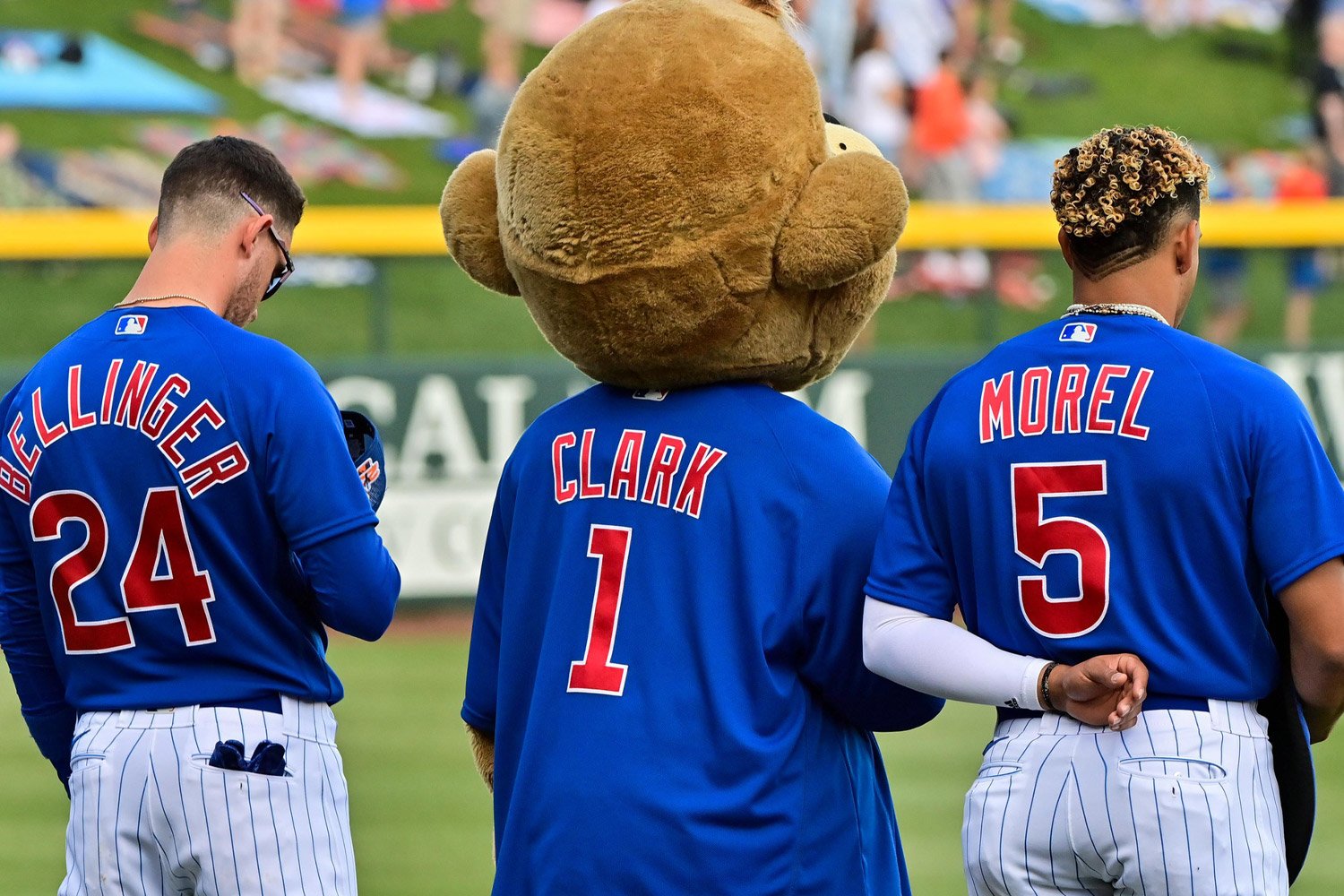 In this series of articles titled "Unlocking Baseball," I explore ways to celebrate the greatest game on earth: baseball. As spring begins and the chill of winter dissipates, millions of folks eagerly anticipate a time-honored tradition: baseball's Opening Day. It's a moment that transcends sport, weaving its way into the fabric of American culture. However, amidst the hustle and bustle of daily life, many argue that this cherished occasion deserves a status upgrade – to be recognized as a national holiday. Here is why: Uniting Tradition and Community Opening Day isn't just about baseball; it's about community. Families and friends gather, sharing in the excitement of a new season. By making it a national holiday, we reinforce the importance of coming together, fostering a sense of unity and camaraderie across the nation. From packed stadiums to backyard barbecues, Opening Day is a celebration that bridges generations and backgrounds. Historical Significance Baseball is deeply ingrained in American history. From its humble origins in the 19th century to becoming the national pastime, it has mirrored the nation's journey through triumph and adversity. Opening Day symbolizes renewal and optimism, with fans chanting, “This could be our year” (except if you are a Rockies or White Sox fan). Mental Health and Well-being In today's fast-paced world, taking time off for leisure and recreation is crucial for mental health. Opening Day provides a much-needed opportunity for relaxation and enjoyment. By designating it as a national holiday, we prioritize mental wellness, encouraging individuals to unwind and engage in activities that bring joy and fulfillment. Economic Impact The economic benefits of making Opening Day a national holiday are substantial. Beyond ticket sales and merchandise, it stimulates local economies through increased tourism, hospitality, and small business activity. From hotels to restaurants, cities come alive with the buzz of baseball fever. Consider the unofficial birthplace of baseball, Cincinnati, where Opening Day is celebrated as an unofficial holiday – they certainly know how to do it justice! Now envision this scene from the Cincinnati Reds' 2023 Opening Day resonating nationwide. Goosebumps! The case for making Baseball Opening Day a national holiday is compelling. It's a time-honored tradition that embodies the essence of American culture – from its historical significance to its ability to unite communities and promote well-being. By officially recognizing Opening Day as a national holiday, we pay respect to our nation's pastime. So, let's step up to the plate and celebrate the magic of Opening Day together.
 -
For decades, baseball has held a special place in American culture as the beloved "Pastime." However, this reverence for tradition shouldn't equate to resistance against necessary changes. Throughout its history, baseball has undergone significant transformations, from implementing ghost runners on second base to introducing pitch clocks and the DH rule in the National League. While these changes have occurred, Major League Baseball still has ample room for improvement. Image courtesy of © Matt Kartozian-USA TODAY Sports In this series of articles titled "Unlocking Baseball," I explore ways to celebrate the greatest game on earth: baseball. As spring begins and the chill of winter dissipates, millions of folks eagerly anticipate a time-honored tradition: baseball's Opening Day. It's a moment that transcends sport, weaving its way into the fabric of American culture. However, amidst the hustle and bustle of daily life, many argue that this cherished occasion deserves a status upgrade – to be recognized as a national holiday. Here is why: Uniting Tradition and Community Opening Day isn't just about baseball; it's about community. Families and friends gather, sharing in the excitement of a new season. By making it a national holiday, we reinforce the importance of coming together, fostering a sense of unity and camaraderie across the nation. From packed stadiums to backyard barbecues, Opening Day is a celebration that bridges generations and backgrounds. Historical Significance Baseball is deeply ingrained in American history. From its humble origins in the 19th century to becoming the national pastime, it has mirrored the nation's journey through triumph and adversity. Opening Day symbolizes renewal and optimism, with fans chanting, “This could be our year” (except if you are a Rockies or White Sox fan). Mental Health and Well-being In today's fast-paced world, taking time off for leisure and recreation is crucial for mental health. Opening Day provides a much-needed opportunity for relaxation and enjoyment. By designating it as a national holiday, we prioritize mental wellness, encouraging individuals to unwind and engage in activities that bring joy and fulfillment. Economic Impact The economic benefits of making Opening Day a national holiday are substantial. Beyond ticket sales and merchandise, it stimulates local economies through increased tourism, hospitality, and small business activity. From hotels to restaurants, cities come alive with the buzz of baseball fever. Consider the unofficial birthplace of baseball, Cincinnati, where Opening Day is celebrated as an unofficial holiday – they certainly know how to do it justice! Now envision this scene from the Cincinnati Reds' 2023 Opening Day resonating nationwide. Goosebumps! The case for making Baseball Opening Day a national holiday is compelling. It's a time-honored tradition that embodies the essence of American culture – from its historical significance to its ability to unite communities and promote well-being. By officially recognizing Opening Day as a national holiday, we pay respect to our nation's pastime. So, let's step up to the plate and celebrate the magic of Opening Day together. View full article
-
Sean Chapin changed their profile photo
-
New Cubs manager Craig Counsell is known for getting the most out of his 26-man roster. Let's look at how the Cubs might deploy their hitters against left-handed pitching in 2024. Image courtesy of © Matt Kartozian-USA TODAY Sports The Chicago Cubs' regular lineup is firmly established, leaving Craig Counsell to determine the optimal batting order. This decision sparks heated debates among baseball fans, but several key data points and variables can guide Counsell in crafting the 2024 Chicago Cubs' lineup. Let's delve into each player's stats and rationale for their placement in the lineup, considering matchups, on-base percentage (OBP), speed, power, and production. Against Left-Handed Starting Pitchers (LHP) 1. Nico Hoerner Matchup: Hoerner boasted a .306 batting average and a .756 OPS against LHP last season. OBP: His career OBP against lefties sits at .336, showing a steady improvement, reaching .344 last year. Speed: A threat on the basepaths, Hoerner's speed adds pressure from the leadoff position. Power: While he is not a power hitter against lefties, his ability to make contact sets the stage for the lineup. Production: Notching 130 total bases from the leadoff spot underscores his offensive impact. Conclusion: Hoerner's consistency and ability to set the tone make him invaluable at the top of the order. 2. Cody Bellinger Matchup: Bellinger posted impressive numbers against lefties last season with a .337 BA and a .984 OPS. OBP: His .388 OBP from the second spot in 2023 solidifies his place as a top-of-the-order threat. Speed: A combination of power and speed, Bellinger's 20 stolen bases last season adds another dimension to his game. Power: He remains a significant power threat, with ten homers off lefties last year. Production: While data is limited in the two spot, Bellinger's track record as the team's best player justifies his place in the top three. Conclusion: Bellinger's prowess against left-handed pitching makes him an ideal candidate for the second spot, providing power and on-base skills. 3. Seiya Suzuki Matchup: Suzuki boasted a .290 average and an .850 OPS against LHP, making him a formidable presence in the third spot. OBP: With a career .374 OBP against lefties, Suzuki consistently gets on base. Speed: Though not a base-stealing threat, his hitting ability compensates for his lack of speed. Power: While he hit only three homers against LHP last year, his power potential remains high. Production: Despite limited opportunities in the third spot, Suzuki's high average and OPS warrant consideration. Conclusion: Suzuki's ability to hit for average and get on base makes him well-suited for the third spot, providing consistency and setting the middle of the lineup. 4. Dansby Swanson Matchup: Swanson holds a .255 average and a .759 OPS against lefties, showcasing his ability to produce against southpaws. OBP: With a .327 OBP against left-handed pitchers, Swanson maintains his value in the lineup. Speed: With nine stolen bases last year, he adds a modest speed element to the lineup. Power: Swanson's 22 homers last season highlight his potential to drive in runs from the cleanup spot. Production: Limited data in the fourth spot suggests an opportunity to capitalize on his power. Conclusion: Swanson's combination of power and hitting ability makes him a suitable candidate for the cleanup role, protecting the hitters behind him. 5. Ian Happ Matchup: Happ owns a .244 BA with a .711 OPS against lefties, much more limited than against righties. OBP: Despite a modest OBP against lefties, his overall production warrants consideration. Speed: With 14 stolen bases last year, Happ adds a speed element to the lineup. Power: His 20 homers against lefties over his career demonstrate his power potential. Production: Happ's success batting fifth, with a .873 OPS and .361 OBP in 74 games, justifies his place in the lineup. Conclusion: While not a top-of-the-order hitter against lefties, Happ's overall production and power make him a valuable asset in the fifth spot. 6. Garrett Cooper/Patrick Wisdom Matchup: Cooper and Wisdom excel against left-handed pitching, boasting impressive career averages and OPS. Cooper has a career .286 average with a .816 OPS, while Wisdom's average is .233 with a .813 OPS. OBP: Their ability to get on base against lefties adds depth to the bottom half of the lineup. Wisdom's OBP is .308, while Cooper's is .338. Speed: While lacking in stolen base potential, their hitting prowess compensates for their lack of speed. Power: They provide significant power potential with a combined 48 homers against left-handed pitching. Production: Their success in the sixth spot is notable. Cooper has a slash line of .281/.358/.458 there. Wisdom sits at .224/.285/.526. Conclusion: Cooper and Wisdom's consistency and power against lefties make them ideal candidates for the sixth spot, adding big power to the lineup's lower half. 7. Christopher Morel Matchup: Morel has struggled against lefties, with a .219 average and a .754 OPS. OBP: His .306 OBP against lefties is below par. Speed: Not a base-stealing threat. Power: Morel's ten homers against LHP demonstrate his potential to drive in runs. Production: Despite his struggles, his solid performance in the seventh spot suggests an opportunity to contribute. In 32 games there, he hit .263 with a .818 OPS. Conclusion: Morel's overall power and production justify his place in the lineup despite his struggles against lefties. 8. Michael Busch (Minor League Stats) Matchup: Busch impressed in the minors, boasting a .294 average and a .830 OPS against lefties. OBP: With a .401 OBP against LHP last season, his ability to get on base is impressive. Speed: While not a stolen base threat, his hitting ability compensates for his lack of speed. Power: Limited homer production against lefties suggests a focus on getting on base rather than power hitting. Production: There is insufficient data to suggest whether to bat him 8th. Conclusion: While unproven at the major league level, Busch's impressive minor league numbers against lefties make him a compelling option for the bottom of the lineup. 9. Yan Gomes/Miguel Amaya Matchup: Gomes boasts better numbers against lefties in his career, with a .279 BA and a .813 OPS. Amaya 250 BA and a .701 OPS. OBP: Both catchers provide modest OBP numbers against lefties, suggesting they belong in the bottom two spots. Speed: Neither catcher is known for their speed on the basepaths. Power: Gomes provides more power with 51 career homers against lefties than Amaya's 1. Production: Amaya's small sample size in the ninth spot does not factor into that decision. Gomes boasts 247/.326/.461 in 116 games. Conclusion: Both catchers provide depth to the lineup's bottom two spots, with Gomes' experience and power making him the preferred choice. Analyzing each of the six categories outlined equips Craig Counsell and the Cubs with the necessary insights to navigate these challenging lineup decisions. While I acknowledge the fluid nature of roster construction, potential injuries, and other variables, these proposed lineups represent the most effective configurations for the 2024 Chicago Cubs. View full article

