


Cody Pirkl
-
Posts
19 -
Joined
-
Last visited
Content Type
Profiles
Joomla Posts 1
Chicago Cubs Videos
Chicago Cubs Free Agent & Trade Rumors, Notes, & Tidbits
2026 Chicago Cubs Top Prospects Ranking
News
2023 Chicago Cubs Draft Picks
Guides & Resources
2024 Chicago Cubs Draft Picks
The Chicago Cubs Players Project
2025 Chicago Cubs Draft Pick Tracker
2026 Chicago Cubs Draft Tracker: Picks & Bonuses
Blogs
Events
Forums
Store
Gallery
Everything posted by Cody Pirkl
-
Image courtesy of © Jordan Godfree-Imagn Images At times, Ben Brown looks like an impact starter with his high-octane four-seam fastball and wipeout breaking ball. He’s been held back by lacking an effective third pitch, especially against lefties. This spring, it appears that the Chicago Cubs' right-hander may have found an answer. Much of Brown's past struggles can be traced to his limited pitch mix. His .323 career BABIP allowed and 12.9% home-run-to-fly-ball rate may stem from being mainly a two-pitch pitcher. Allowing a .351 wOBA to lefties, compared to .291 to righties, shows the need for a third offering, particularly one that runs away from the former. After several years of wondering whether Ben Brown would add that third offering, it appears he's finally done it. He debuted a sinker this spring, and it might be just what he needs to take the next step. It's a legitimately different option to turn to, with six more inches of horizontal break than his four-seamer. Two starts ago, the sinker was Brown’s most used pitch. He used it comfortably against hitters on both sides. In his last start, he threw the sinker only to lefties, who have often overmatched him. The pitch posted a 33.3% whiff rate and allowed only weak contact. Sinkers are not traditionally the go-to option when it comes to retiring opposite-handed hitters in the MLB. For that reason, many had hoped Brown would integrate a change or a splitter into his repertoire, which is typically a great equalizer. That being said, sinkers performing better against same-handed hitters is not a universal truth in baseball. Plenty of pitchers have found great success with this strategy. Even though the sample size is small, it’s hard not to be encouraged with this new pitch, especially with how it was used and how it performed in Brown’s last start. If the sinker becomes an effective answer against left-handed hitters, the sky is the limit. The velocity and break are both flashing plus tendencies, and the pitch works tremendously off his best pitch, the knuckle curve. The Cubs boast ample starting pitching options. Ben Brown may have to wait for another rotation opportunity, as his remaining option allows the team to send him to Triple-A, but a return shouldn't be out of the question. His dominant arsenal finally has a complement, and after years of showing promise, Brown might be poised to put everything together. View full article
-
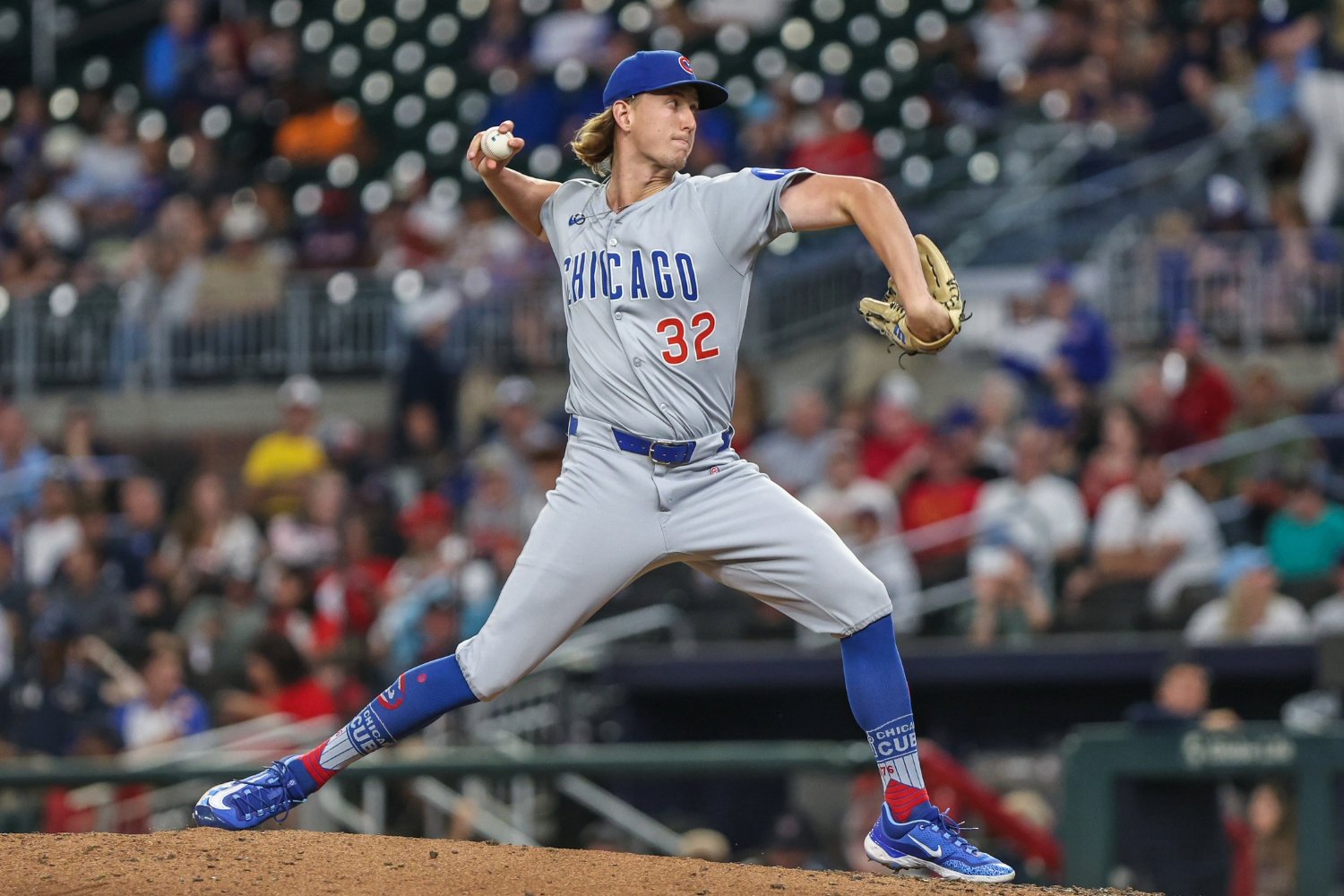 At times, Ben Brown looks like an impact starter with his high-octane four-seam fastball and wipeout breaking ball. He’s been held back by lacking an effective third pitch, especially against lefties. This spring, it appears that the Chicago Cubs' right-hander may have found an answer. Much of Brown's past struggles can be traced to his limited pitch mix. His .323 career BABIP allowed and 12.9% home-run-to-fly-ball rate may stem from being mainly a two-pitch pitcher. Allowing a .351 wOBA to lefties, compared to .291 to righties, shows the need for a third offering, particularly one that runs away from the former. After several years of wondering whether Ben Brown would add that third offering, it appears he's finally done it. He debuted a sinker this spring, and it might be just what he needs to take the next step. It's a legitimately different option to turn to, with six more inches of horizontal break than his four-seamer. Two starts ago, the sinker was Brown’s most used pitch. He used it comfortably against hitters on both sides. In his last start, he threw the sinker only to lefties, who have often overmatched him. The pitch posted a 33.3% whiff rate and allowed only weak contact. Sinkers are not traditionally the go-to option when it comes to retiring opposite-handed hitters in the MLB. For that reason, many had hoped Brown would integrate a change or a splitter into his repertoire, which is typically a great equalizer. That being said, sinkers performing better against same-handed hitters is not a universal truth in baseball. Plenty of pitchers have found great success with this strategy. Even though the sample size is small, it’s hard not to be encouraged with this new pitch, especially with how it was used and how it performed in Brown’s last start. If the sinker becomes an effective answer against left-handed hitters, the sky is the limit. The velocity and break are both flashing plus tendencies, and the pitch works tremendously off his best pitch, the knuckle curve. The Cubs boast ample starting pitching options. Ben Brown may have to wait for another rotation opportunity, as his remaining option allows the team to send him to Triple-A, but a return shouldn't be out of the question. His dominant arsenal finally has a complement, and after years of showing promise, Brown might be poised to put everything together.
 -
The nice thing with PCA is that he's still making league minimum in 2026. More data never hurts, and I'm sure the Cubs would like to see what he does with another 500+ PAs before making a big offer. On the other hand, I'm sure PCA himself will want a pretty handsome deal right now based on his 2025 season.
-
Image courtesy of © Benny Sieu-Imagn Images After a long offseason of speculation, the Milwaukee Brewers shipped Freddy Peralta to Queens, along with solid depth in Tobias Myers, for a pair of top prospects. The Brewers are looking to thread the needle and come out on top of this deal to remain competitive in 2026, while also adding value to their roster for years to come. They’ve been successful at this exact maneuver in the past, but this type of deal brings significant risk. The kind of risk the Chicago Cubs have no reason to take on themselves. It’s hard to be disappointed with the Cubs' offseason so far. If anything, their biggest remaining question is how to fit some roster pieces together to maximize value. The Alex Bregman signing created a logjam in the infield, particularly between Matt Shaw and Nico Hoerner. With the latter set to hit free agency after 2026, there has been some discussion among fans regarding shopping Hoerner to shore up the roster elsewhere. The Cubs should avoid doing so. For starters, Hoerner is simply an extremely valuable player. Though he’s failed to reach even 10% above-league-average offense by wRC+ in any season of his career, his value is apparent when watching him. His on-base ability and baserunning prowess would complement any competitive lineup. His defense is elite, especially when being asked to play second base instead of shortstop. These skills more than make up for his lack of a high-end offensive ceiling. It's also worth point out that Hoerner’s skill set, while valuable, is unlikely to deliver a return anywhere near what Freddy Peralta brought to Milwaukee. In Brandon Sproat, the Brewers received an immediate contributor to the rotation, as well as top-100 prospect Jett Williams, as the Mets were desperate to acquire a high-end starting pitcher to lead their rotation. Any team acquiring Hoerner would be looking to add a complementary player to its roster rather than a core lineup piece (barring an immediate extension after the fact). Losing Hoerner may not have the same impact on the Cubs as losing their ace could potentially have on the Brewers' roster, but facing the prospect of a lower payoff both for the current roster and for the future, the risk-reward analysis simply doesn’t seem worth the gamble. Whatever the Cubs can get in return may have a cleaner fit on the roster with Matt Shaw taking over second base, but that package is likely to be outweighed by the value of simply having Hoerner on the roster with Shaw available as a utility player. The Cubs also don’t need to operate the same way as the Brewers. Though worth criticizing their spending tactics at times, even the worst years in recent Cubs history pale in comparison to how the Brewers operate their payroll. Trading Freddy Peralta, even for this generous return, is simply not a risk a competitive team takes without the pressure of having to turn over every last potential avenue of value. Milwaukee likely saw no chance of retaining Peralta when he hit free agency next winter. They are also very unlikely to be able to afford an immediate external replacement upon his departure. The Cubs should feel very differently about Nico Hoerner. With little long-term money on the books beyond 2026, the Cubs can feel confident in their ability to replace Hoerner should he depart in 2027, or simply re-sign him if they determine it to be the best path forward. They also no longer have significant concerns on their roster after this offseason's impact additions to the lineup, bullpen, and rotation. Trading a valuable player like Hoerner to address another position that isn’t a significant need doesn’t make much sense. The front office should be proud of the offseason they’ve put together, and fans should be pleased with the roster they’ll be watching headed into 2026. The Brewers are worth commending for their creativity and willingness to take risks, but the Cubs don’t need to operate in the same way to build a successful ballclub. The Cubs should hold onto their depth and keep Nico Hoerner. View full article
-
Nico Hoerner Isn't Deserving of the Same Fate as Freddy Peralta
Cody Pirkl posted an article in Cubs
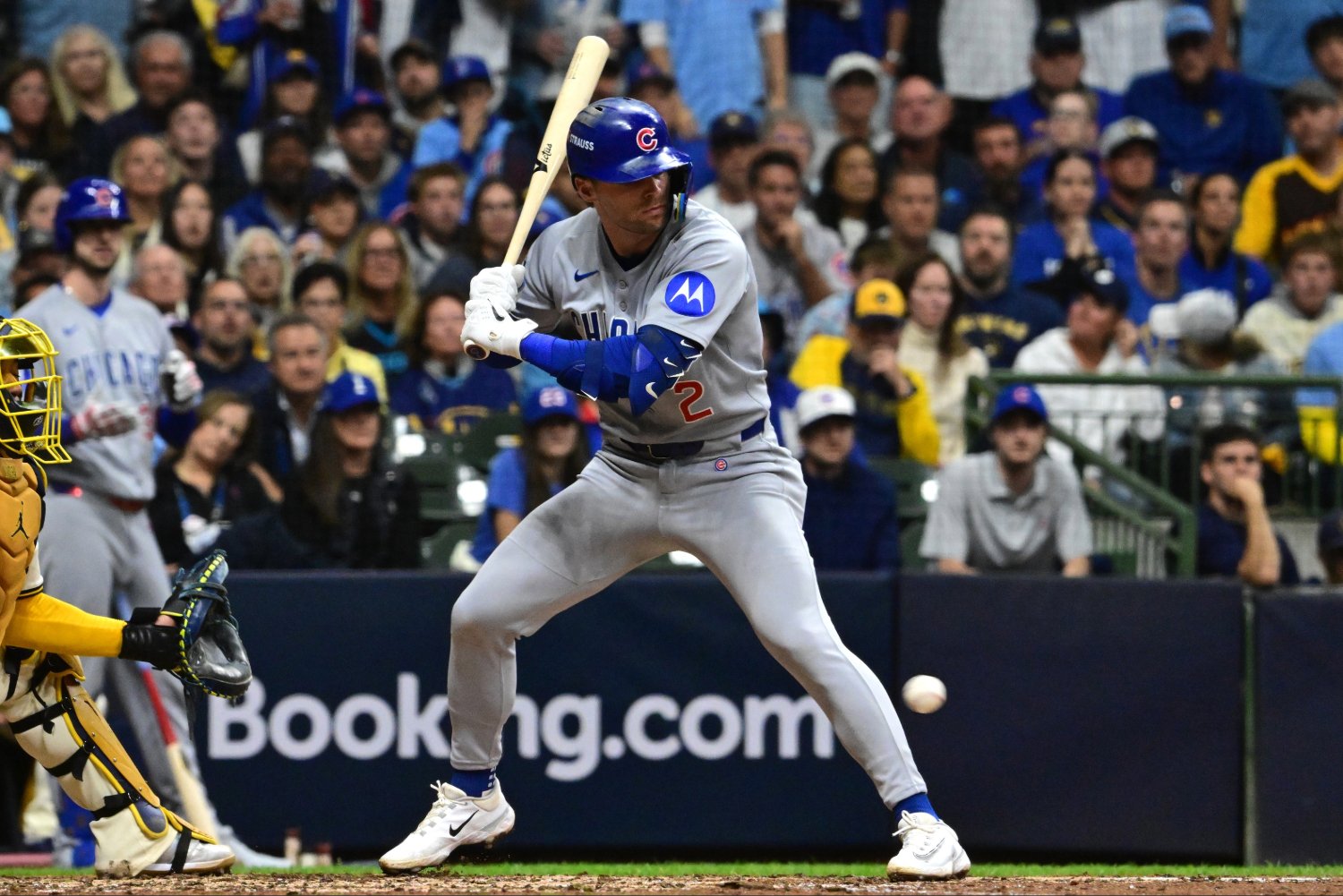 After a long offseason of speculation, the Milwaukee Brewers shipped Freddy Peralta to Queens, along with solid depth in Tobias Myers, for a pair of top prospects. The Brewers are looking to thread the needle and come out on top of this deal to remain competitive in 2026, while also adding value to their roster for years to come. They’ve been successful at this exact maneuver in the past, but this type of deal brings significant risk. The kind of risk the Chicago Cubs have no reason to take on themselves. It’s hard to be disappointed with the Cubs' offseason so far. If anything, their biggest remaining question is how to fit some roster pieces together to maximize value. The Alex Bregman signing created a logjam in the infield, particularly between Matt Shaw and Nico Hoerner. With the latter set to hit free agency after 2026, there has been some discussion among fans regarding shopping Hoerner to shore up the roster elsewhere. The Cubs should avoid doing so. For starters, Hoerner is simply an extremely valuable player. Though he’s failed to reach even 10% above-league-average offense by wRC+ in any season of his career, his value is apparent when watching him. His on-base ability and baserunning prowess would complement any competitive lineup. His defense is elite, especially when being asked to play second base instead of shortstop. These skills more than make up for his lack of a high-end offensive ceiling. It's also worth point out that Hoerner’s skill set, while valuable, is unlikely to deliver a return anywhere near what Freddy Peralta brought to Milwaukee. In Brandon Sproat, the Brewers received an immediate contributor to the rotation, as well as top-100 prospect Jett Williams, as the Mets were desperate to acquire a high-end starting pitcher to lead their rotation. Any team acquiring Hoerner would be looking to add a complementary player to its roster rather than a core lineup piece (barring an immediate extension after the fact). Losing Hoerner may not have the same impact on the Cubs as losing their ace could potentially have on the Brewers' roster, but facing the prospect of a lower payoff both for the current roster and for the future, the risk-reward analysis simply doesn’t seem worth the gamble. Whatever the Cubs can get in return may have a cleaner fit on the roster with Matt Shaw taking over second base, but that package is likely to be outweighed by the value of simply having Hoerner on the roster with Shaw available as a utility player. The Cubs also don’t need to operate the same way as the Brewers. Though worth criticizing their spending tactics at times, even the worst years in recent Cubs history pale in comparison to how the Brewers operate their payroll. Trading Freddy Peralta, even for this generous return, is simply not a risk a competitive team takes without the pressure of having to turn over every last potential avenue of value. Milwaukee likely saw no chance of retaining Peralta when he hit free agency next winter. They are also very unlikely to be able to afford an immediate external replacement upon his departure. The Cubs should feel very differently about Nico Hoerner. With little long-term money on the books beyond 2026, the Cubs can feel confident in their ability to replace Hoerner should he depart in 2027, or simply re-sign him if they determine it to be the best path forward. They also no longer have significant concerns on their roster after this offseason's impact additions to the lineup, bullpen, and rotation. Trading a valuable player like Hoerner to address another position that isn’t a significant need doesn’t make much sense. The front office should be proud of the offseason they’ve put together, and fans should be pleased with the roster they’ll be watching headed into 2026. The Brewers are worth commending for their creativity and willingness to take risks, but the Cubs don’t need to operate in the same way to build a successful ballclub. The Cubs should hold onto their depth and keep Nico Hoerner.
 -
Image courtesy of © Darren Yamashita-Imagn Images The Chicago Cubs' bullpen picture has solidified to a degree in recent weeks with the signings of Phil Maton and Hoby Milner, as well as the decision to bring Caleb Thielbar back to town. Fans would still like to see more encouraging additions to shore up the group. Roster holes exist elsewhere, however, so the team may find itself leaning on internal options to take a step forward. Luckily, years of acquiring pitching depth in the minors has led to a point where the Cubs have plenty of talented arms waiting for a full-time opportunity in the big leagues. Whether because of ticking clocks or elite raw stuff that has never been fully harnessed, these are their top candidates to become important bullpen contributors Luke Little The Cubs' top two southpaws in the Opening Day bullpen are likely to be Hoby Milner and Caleb Thielbar. Both are experienced and effective, but they’re also in their mid-to-late-30s. The Cubs may need another LHP to mix in late in games at some point in 2026, and Little has all of the tools to do so in a meaningful way. Little has lacked consistency in his limited MLB experience over three seasons, but his raw talent and traits are difficult to write off. At 6’8 and possessing a mid-to-high-90s heater from the left side, he offers a dimension to the bullpen that Thielbar and Milner do not... if he can iron out his command issues. At 25 years old, there’s still plenty of time for the Cubs to help him make an adjustment. Little’s wipeout slider, paired with an overwhelming fastball, gives him all of the tools he could need to dominate out of the bullpen, assuming he can locate anywhere near the strike zone. His ability to generate tons of ground balls and limit home runs comes from ridiculously elite extension (he averaged 7.2 feet of it in 2025), giving him another mouth-watering tool to build upon. Porter Hodge The 2025 campaign couldn’t have gone worse for Porter Hodge, as every regression concern came to life and then some. His .189 Batting Average on Balls In Play (BABIP) in 2024 was always going to be difficult to repeat, but watching it inflate to .313 was certainly unforeseen. His walk rate rose to 12.2% while his strikeout rate also declined slightly. He watched his home run-to-fly-ball rate increase from 5.6% to 25%. Anyone wary of trusting Hodge in a significant role headed into 2026 is justified. There’s also plenty of reason not to write Hodge off completely moving forward. The increase in homers allowed was arguably the most significant contributor to his miserable 2025 campaign. It’s worth noting that he’s suppressed homers at every professional level in his career, including MLB, until 2025. Could it be a bout of bad luck, or perhaps an oblique strain that he quietly struggled through for much of the season? It’s difficult to say, but lowering the home run rate to even modest levels would make a huge difference. Hodge will have just turned 25 at the beginning of 2026, and while the Cubs would be wise not to trust him in high leverage as they did early on this past season, he could easily earn a prominent role back at some point. Relievers are volatile, and these seasons unfortunately happen. The upside Hodge has already displayed is worth accounting for. Ben Brown Brown’s stuff remains tantalizing, and his 117 innings in 2025 may very well position him for another season of contributing to the rotation to some degree. It’s worth wondering, however, whether the 26-year-old may be best utilized in a bullpen role, given the Cubs' needs and how he struggled as a starter last season. Brown was fine in some respects as a starting pitcher, but was plagued by a crippling .347 BABIP and a 15.5% HR/FB rate. These may seem like fluky stats, but some may argue his pitch mix is to blame. A high-octane fastball and devastating breaking ball can make him effective for stretches, but the 1.126 OPS allowed third time through the order shows the dangers of being a two-pitch pitcher in the starting rotation. Hitters can feel more comfortable knowing they won’t be completely surprised by a third pitch, and at times may decide to take their big-boy hack while selling out for a 50/50 gamble on what’s coming. Without a third pitch, Brown may continue to struggle in a bulk role. The Cubs should be looking for high-end rotation help that will hopefully make them less reliant on arms like Ben Brown to fill in, and then he can focus on dominating hitters in short stints out of the bullpen. It’s hard to imagine his raw stuff not being up to the task. The Cubs should still have several additions on the way this winter, but it’s possible they don’t wind up with a marquee member for the bullpen. Are there any other arms that could become significant contributors to the back end of games in 2026? Let us know below! View full article
- 1 reply
-
- 1
-

-
- luke little
- porter hodge
- (and 1 more)
-
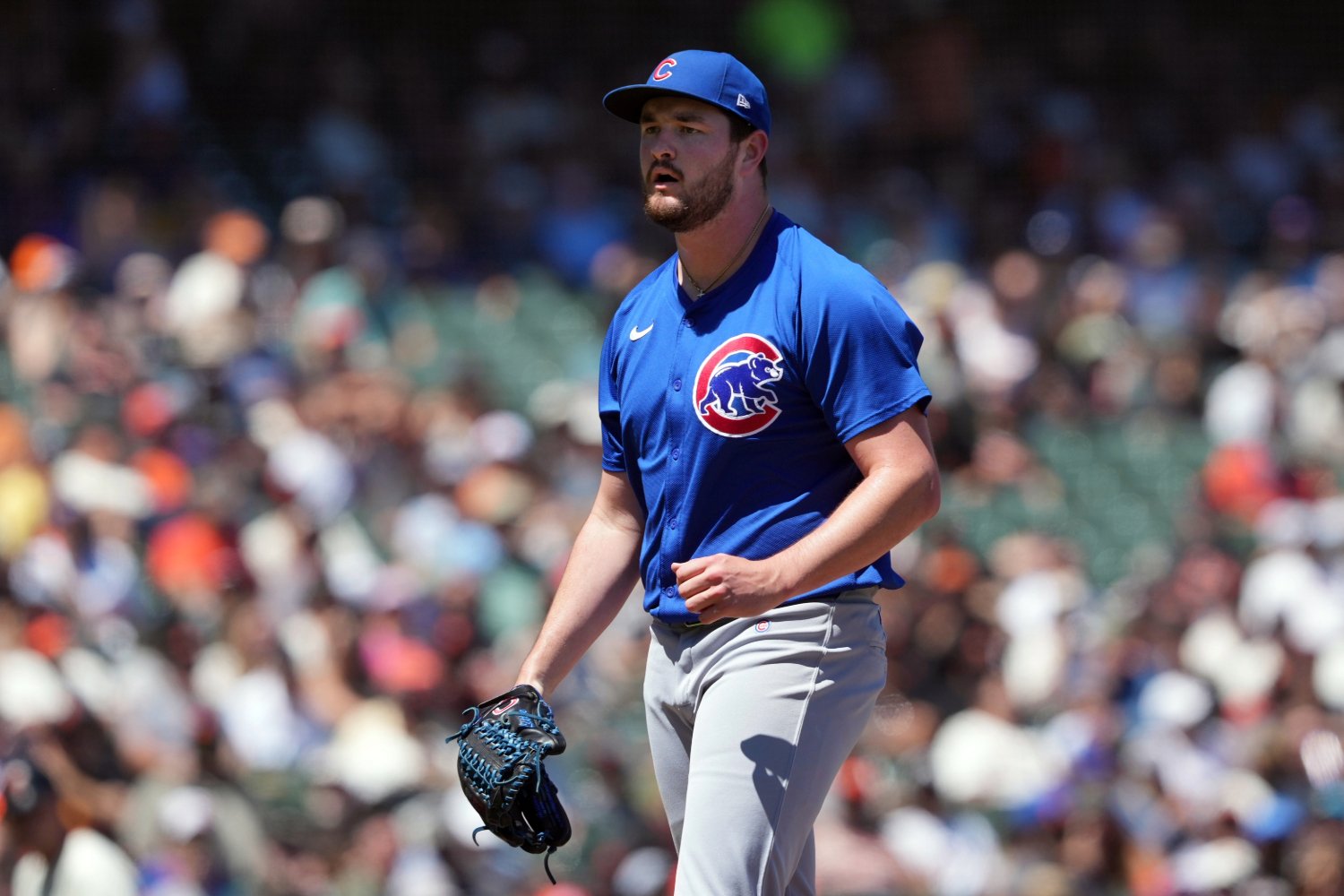 The Chicago Cubs' bullpen picture has solidified to a degree in recent weeks with the signings of Phil Maton and Hoby Milner, as well as the decision to bring Caleb Thielbar back to town. Fans would still like to see more encouraging additions to shore up the group. Roster holes exist elsewhere, however, so the team may find itself leaning on internal options to take a step forward. Luckily, years of acquiring pitching depth in the minors has led to a point where the Cubs have plenty of talented arms waiting for a full-time opportunity in the big leagues. Whether because of ticking clocks or elite raw stuff that has never been fully harnessed, these are their top candidates to become important bullpen contributors Luke Little The Cubs' top two southpaws in the Opening Day bullpen are likely to be Hoby Milner and Caleb Thielbar. Both are experienced and effective, but they’re also in their mid-to-late-30s. The Cubs may need another LHP to mix in late in games at some point in 2026, and Little has all of the tools to do so in a meaningful way. Little has lacked consistency in his limited MLB experience over three seasons, but his raw talent and traits are difficult to write off. At 6’8 and possessing a mid-to-high-90s heater from the left side, he offers a dimension to the bullpen that Thielbar and Milner do not... if he can iron out his command issues. At 25 years old, there’s still plenty of time for the Cubs to help him make an adjustment. Little’s wipeout slider, paired with an overwhelming fastball, gives him all of the tools he could need to dominate out of the bullpen, assuming he can locate anywhere near the strike zone. His ability to generate tons of ground balls and limit home runs comes from ridiculously elite extension (he averaged 7.2 feet of it in 2025), giving him another mouth-watering tool to build upon. Porter Hodge The 2025 campaign couldn’t have gone worse for Porter Hodge, as every regression concern came to life and then some. His .189 Batting Average on Balls In Play (BABIP) in 2024 was always going to be difficult to repeat, but watching it inflate to .313 was certainly unforeseen. His walk rate rose to 12.2% while his strikeout rate also declined slightly. He watched his home run-to-fly-ball rate increase from 5.6% to 25%. Anyone wary of trusting Hodge in a significant role headed into 2026 is justified. There’s also plenty of reason not to write Hodge off completely moving forward. The increase in homers allowed was arguably the most significant contributor to his miserable 2025 campaign. It’s worth noting that he’s suppressed homers at every professional level in his career, including MLB, until 2025. Could it be a bout of bad luck, or perhaps an oblique strain that he quietly struggled through for much of the season? It’s difficult to say, but lowering the home run rate to even modest levels would make a huge difference. Hodge will have just turned 25 at the beginning of 2026, and while the Cubs would be wise not to trust him in high leverage as they did early on this past season, he could easily earn a prominent role back at some point. Relievers are volatile, and these seasons unfortunately happen. The upside Hodge has already displayed is worth accounting for. Ben Brown Brown’s stuff remains tantalizing, and his 117 innings in 2025 may very well position him for another season of contributing to the rotation to some degree. It’s worth wondering, however, whether the 26-year-old may be best utilized in a bullpen role, given the Cubs' needs and how he struggled as a starter last season. Brown was fine in some respects as a starting pitcher, but was plagued by a crippling .347 BABIP and a 15.5% HR/FB rate. These may seem like fluky stats, but some may argue his pitch mix is to blame. A high-octane fastball and devastating breaking ball can make him effective for stretches, but the 1.126 OPS allowed third time through the order shows the dangers of being a two-pitch pitcher in the starting rotation. Hitters can feel more comfortable knowing they won’t be completely surprised by a third pitch, and at times may decide to take their big-boy hack while selling out for a 50/50 gamble on what’s coming. Without a third pitch, Brown may continue to struggle in a bulk role. The Cubs should be looking for high-end rotation help that will hopefully make them less reliant on arms like Ben Brown to fill in, and then he can focus on dominating hitters in short stints out of the bullpen. It’s hard to imagine his raw stuff not being up to the task. The Cubs should still have several additions on the way this winter, but it’s possible they don’t wind up with a marquee member for the bullpen. Are there any other arms that could become significant contributors to the back end of games in 2026? Let us know below!
 -
I could see the Twins being open to dealing a starter. Probably getting into some really high price tags at that point, but it may be exactly what the Cubs need to do if they're serious about this season.
-
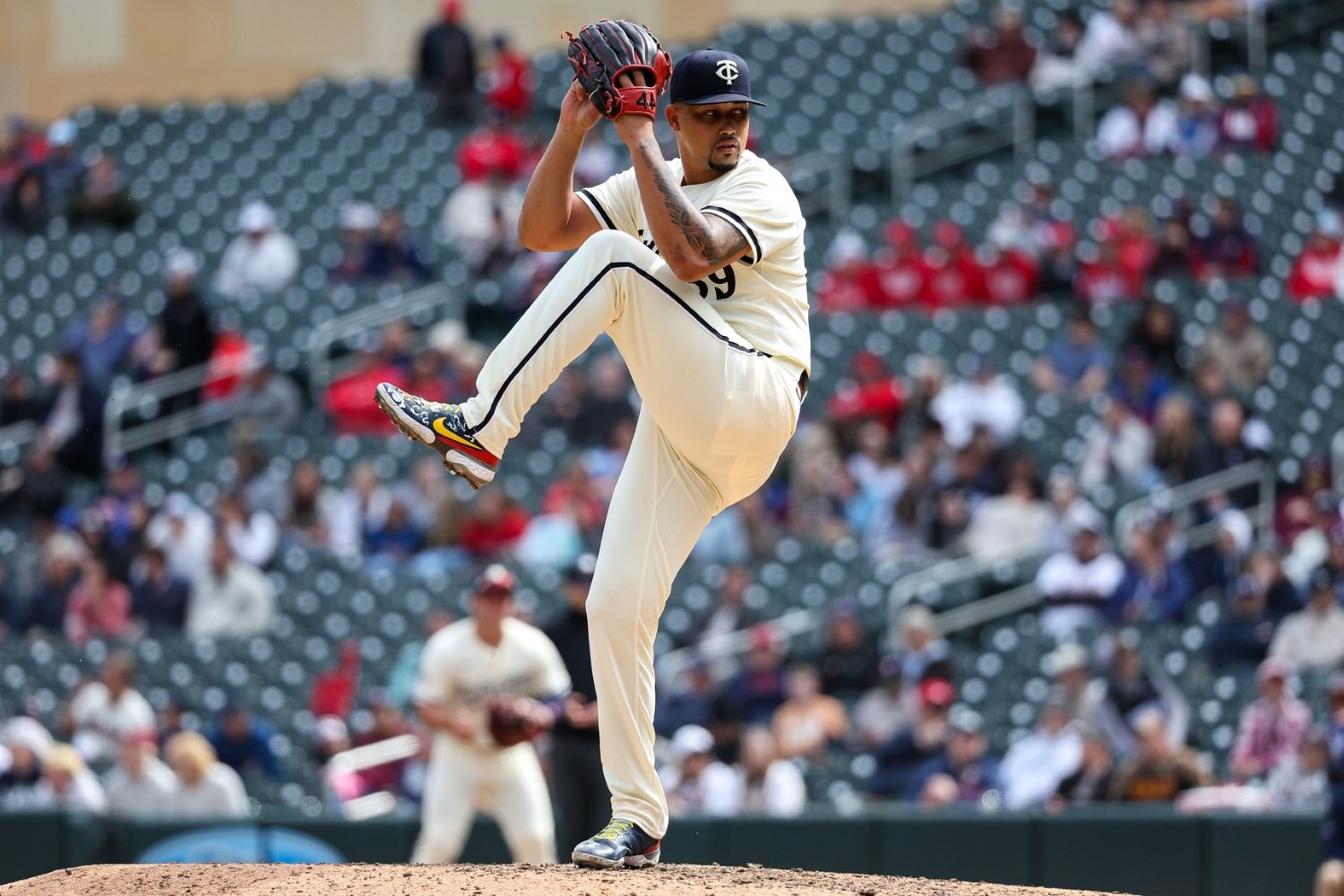 It’s been another worrisome start to the season for the Cubs' bullpen, and no lead feels safe. While it’s too early to swing a big deal, it’s worth keeping an eye on teams who could be targets to reinforce the relief corps. The Minnesota Twins could find themselves on the fringes of contention, at 9-15 entering Thursday's game with the White Sox. With a front office that doesn’t believe in investing in relief pitching and a bullpen projected as one of the best in baseball, the Twins may be a perfect match. What late-inning arms could the two teams link up on? Danny Coulombe With Caleb Thielbar having an uneven start to the season, another left-handed reliever could benefit the Cubs. Coulombe would be a great fit, as he has yet to allow a run this season, and he’s proven he can retire hitters from either side of the plate in recent years. While his strikeouts are down this season, he’s been arguably the most effective reliever the Twins have. Coulombe would also be relatively affordable, as a 35-year-old rental reliever. He’s far from flashy, but he would likely be an immediate option in medium- or high-leverage situations for this bullpen. The Twins likely wouldn’t ask for much more than a prospect in the middle tier of the Cubs' farm system, a small price to pay for a proven veteran. Brock Stewart When healthy, Brock Stewart has been one of the best relievers in baseball over the last two-plus seasons. In 44 innings, he owns a 2.25 ERA, with a 33.5% strikeout rate and 10.6% walk rate. He’s allowed only three homers in that sample size. If Stewart can stay on the field, he would add a dominant force to the back end of the Cubs' bullpen. Brock Stewart.mp4 Health is the big question. Stewart has missed significant time over the last two seasons and may continue to do so at age 33. If the Cubs think they can keep him healthy, he may be particularly enticing because of his team control through 2027. Typically, pitchers meeting that criteria bring a haul on the trade market, but Stewart can likely be had at a discount because of his age and injury history. Because of all these factors, Stewart’s cost is difficult to determine, but he’s certainly a gamble that could pay off big for the Cubs. Jhoan Duran Duran may become the prized reliever on the trade market if the Twins fall out of contention. In a “down” season in 2024, he posted a 3.64 ERA across 54 innings. So far in 2025, he hasn’t had the flashy strikeout rates, but it hasn’t affected him, as evidenced by his 0.96 ERA. The Twins' bullpen has disappointed, but not while Duran has been on the mound. The cost of relievers at the trade deadline can get extremely expensive, and Duran would carry an extremely painful price tag. With the same amount of team control as Brock Stewart, minus the injury history and six years of age, Duran would be a blue-chip acquisition involving serious trade capital. If the Cubs feel this year is the time to go all-in, while still fortifying the bullpen for future years, Duran would be the way to check that box. Is it worth parting with one of the top prospects in the system? That might become a question the Cubs' front office faces as the season rolls on. Reinforcements will be necessary if the Cubs are serious about a title run in 2025. The question is how aggressive they should be. Should they add on the margins and go affordable with rentals and less proven arms? Should they make a big splash and try and win the arms race? Are there other relievers they could pluck out of the Twins’ bullpen? Let us know below!
 -
The Minnesota Twins are off to a rough start, and could be headed for total disaster in 2025. The Cubs need impact additions to the bullpen. Could the two teams link up this season and cut a deal that works for both sides? Image courtesy of © Matt Krohn-Imagn Images It’s been another worrisome start to the season for the Cubs' bullpen, and no lead feels safe. While it’s too early to swing a big deal, it’s worth keeping an eye on teams who could be targets to reinforce the relief corps. The Minnesota Twins could find themselves on the fringes of contention, at 9-15 entering Thursday's game with the White Sox. With a front office that doesn’t believe in investing in relief pitching and a bullpen projected as one of the best in baseball, the Twins may be a perfect match. What late-inning arms could the two teams link up on? Danny Coulombe With Caleb Thielbar having an uneven start to the season, another left-handed reliever could benefit the Cubs. Coulombe would be a great fit, as he has yet to allow a run this season, and he’s proven he can retire hitters from either side of the plate in recent years. While his strikeouts are down this season, he’s been arguably the most effective reliever the Twins have. Coulombe would also be relatively affordable, as a 35-year-old rental reliever. He’s far from flashy, but he would likely be an immediate option in medium- or high-leverage situations for this bullpen. The Twins likely wouldn’t ask for much more than a prospect in the middle tier of the Cubs' farm system, a small price to pay for a proven veteran. Brock Stewart When healthy, Brock Stewart has been one of the best relievers in baseball over the last two-plus seasons. In 44 innings, he owns a 2.25 ERA, with a 33.5% strikeout rate and 10.6% walk rate. He’s allowed only three homers in that sample size. If Stewart can stay on the field, he would add a dominant force to the back end of the Cubs' bullpen. Brock Stewart.mp4 Health is the big question. Stewart has missed significant time over the last two seasons and may continue to do so at age 33. If the Cubs think they can keep him healthy, he may be particularly enticing because of his team control through 2027. Typically, pitchers meeting that criteria bring a haul on the trade market, but Stewart can likely be had at a discount because of his age and injury history. Because of all these factors, Stewart’s cost is difficult to determine, but he’s certainly a gamble that could pay off big for the Cubs. Jhoan Duran Duran may become the prized reliever on the trade market if the Twins fall out of contention. In a “down” season in 2024, he posted a 3.64 ERA across 54 innings. So far in 2025, he hasn’t had the flashy strikeout rates, but it hasn’t affected him, as evidenced by his 0.96 ERA. The Twins' bullpen has disappointed, but not while Duran has been on the mound. The cost of relievers at the trade deadline can get extremely expensive, and Duran would carry an extremely painful price tag. With the same amount of team control as Brock Stewart, minus the injury history and six years of age, Duran would be a blue-chip acquisition involving serious trade capital. If the Cubs feel this year is the time to go all-in, while still fortifying the bullpen for future years, Duran would be the way to check that box. Is it worth parting with one of the top prospects in the system? That might become a question the Cubs' front office faces as the season rolls on. Reinforcements will be necessary if the Cubs are serious about a title run in 2025. The question is how aggressive they should be. Should they add on the margins and go affordable with rentals and less proven arms? Should they make a big splash and try and win the arms race? Are there other relievers they could pluck out of the Twins’ bullpen? Let us know below! View full article
-
Brad Keller is a New Man, and the Cubs Have a New Relief Weapon
Cody Pirkl posted an article in Cubs
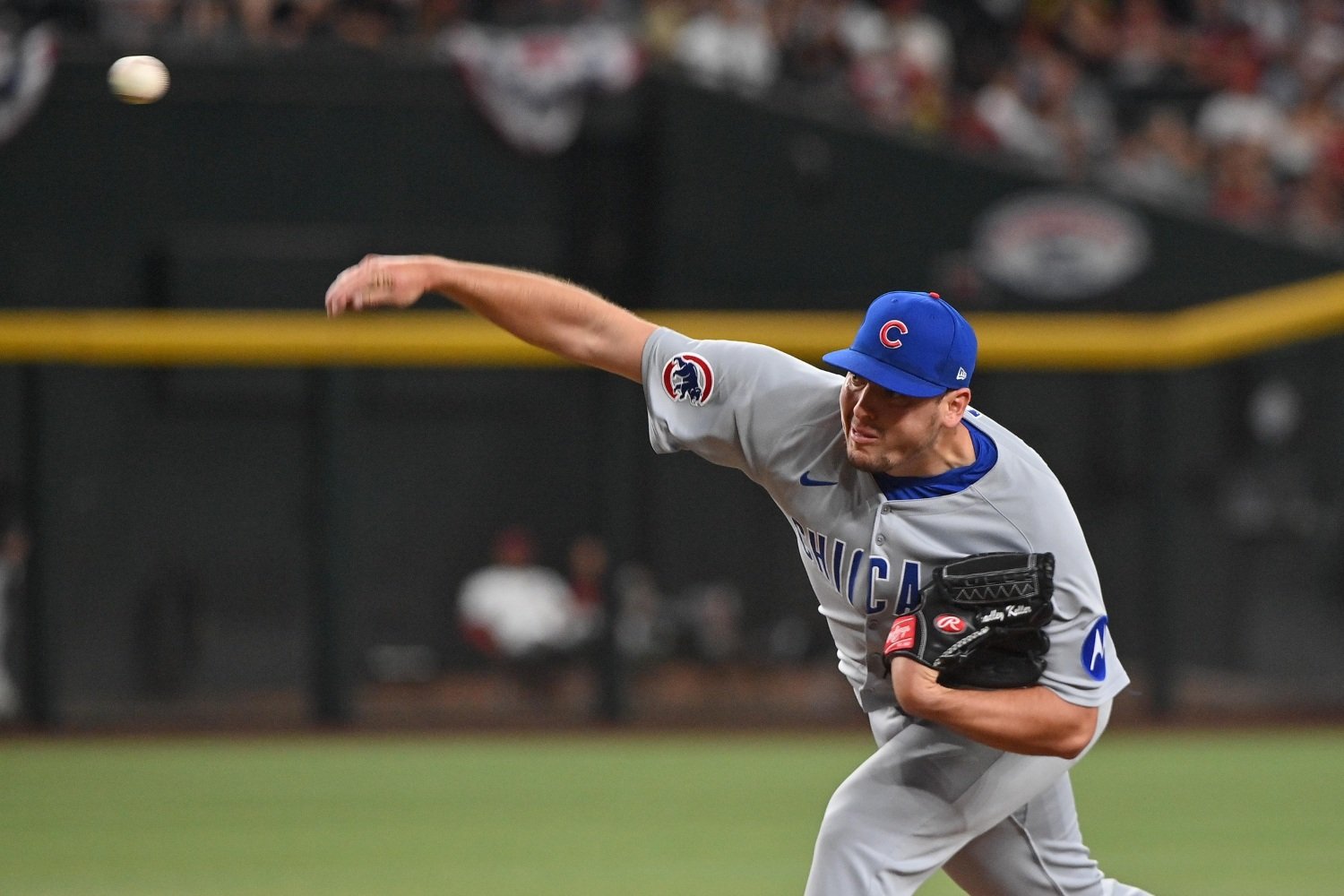 Brad Keller was ineffective over the last two seasons, bouncing between the Royals, Red Sox, and White Sox. Becoming a new pitcher at age 29 is always unlikely, but in his brief debut with the Cubs, anything appears possible. Keller is known as a ground-ball specialist whose fastball had settled into the low 90s. He transitioned to the bullpen in 2024, and didn’t see much success. His fastball didn’t see the boost that sometimes comes with a transition into shorter stints, and he looked like largely the same pitcher who struggled in the Royals rotation in 2023. So far in 2025, it’s worth asking whether that expected boost in stuff lagged a year behind. Brad Keller has looked like a new man, and it appears that the Cubs have found a quality reliever in the bargain bin. Keller has never had the kind of velocity he’s shown so far this season, and it’s hard not to wonder whether we should be looking at him as an entirely different pitcher. In addition to his velocity increase, his fastball has added over 100 rpm of spin. That's to be expected—those numbers are almost always tightly correlated on the fastball—but it underscores the fact that this appears to have staying power. The Stuff+ on his heater has only improved from 88 last season to a still-unimpressive 90, but it may be the rest of his repertoire that reaps the benefit of his newfound zip. Keller’s Stuff+ as a whole has jumped to 111. With a measure of 100 being average, he’s never posted a Stuff+ better than 98. His slider has improved the most, grading out as an elite 136. Adding velocity doesn’t always improve the fastball itself, but hitters having to react that much quicker can have a widespread effect on the rest of a pitch mix. Keller Slider.mp4 Keller barely used his sinker in 2024, throwing it only 5.1% of the time, and for good reason. The pitch allowed a 1.286 slugging percentage last season. The sinker usage has jumped to 19% in 2025, despite looking like the same pitch in terms of movement and velocity. The big difference is the 3+ mph of separation between the two fastballs, which could be enough to keep hitters uncomfortable and bring back the ground balls. When a four-seamer is that much faster than a sinker, the latter becomes almost like a splinker, a la Jhoan Durán or Paul Skenes. If Keller can maintain this velocity, he could be another big bullpen find for the Cubs. While it’s a tiny sample size, nothing sounds like the potential breakout alarm quite like a significant spike in fastball velocity. With his current pitch mix (one that includes the tools to induce ground balls and retire hitters on both sides of the plate), Keller may have finally found the piece of the puzzle he's been missing the last few years. Brad Keller is worth watching very closely in the early going this season. Seeing his heater approach 99 mph is undoubtedly fun, but the rest of his repertoire could soar to new heights as a result. Is it worth being more than cautiously optimistic this early in the season? Is it even worth discussing, before we see a bit more from him? Let us know below!
 -
When the Cubs initially announced that they'd signed the veteran swingman to a minor-league deal, it wasn’t newsworthy. Now that he’s made the team and we’ve seen a few outings, is he worth watching? Image courtesy of © Matt Kartozian-Imagn Images Brad Keller was ineffective over the last two seasons, bouncing between the Royals, Red Sox, and White Sox. Becoming a new pitcher at age 29 is always unlikely, but in his brief debut with the Cubs, anything appears possible. Keller is known as a ground-ball specialist whose fastball had settled into the low 90s. He transitioned to the bullpen in 2024, and didn’t see much success. His fastball didn’t see the boost that sometimes comes with a transition into shorter stints, and he looked like largely the same pitcher who struggled in the Royals rotation in 2023. So far in 2025, it’s worth asking whether that expected boost in stuff lagged a year behind. Brad Keller has looked like a new man, and it appears that the Cubs have found a quality reliever in the bargain bin. Keller has never had the kind of velocity he’s shown so far this season, and it’s hard not to wonder whether we should be looking at him as an entirely different pitcher. In addition to his velocity increase, his fastball has added over 100 rpm of spin. That's to be expected—those numbers are almost always tightly correlated on the fastball—but it underscores the fact that this appears to have staying power. The Stuff+ on his heater has only improved from 88 last season to a still-unimpressive 90, but it may be the rest of his repertoire that reaps the benefit of his newfound zip. Keller’s Stuff+ as a whole has jumped to 111. With a measure of 100 being average, he’s never posted a Stuff+ better than 98. His slider has improved the most, grading out as an elite 136. Adding velocity doesn’t always improve the fastball itself, but hitters having to react that much quicker can have a widespread effect on the rest of a pitch mix. Keller Slider.mp4 Keller barely used his sinker in 2024, throwing it only 5.1% of the time, and for good reason. The pitch allowed a 1.286 slugging percentage last season. The sinker usage has jumped to 19% in 2025, despite looking like the same pitch in terms of movement and velocity. The big difference is the 3+ mph of separation between the two fastballs, which could be enough to keep hitters uncomfortable and bring back the ground balls. When a four-seamer is that much faster than a sinker, the latter becomes almost like a splinker, a la Jhoan Durán or Paul Skenes. If Keller can maintain this velocity, he could be another big bullpen find for the Cubs. While it’s a tiny sample size, nothing sounds like the potential breakout alarm quite like a significant spike in fastball velocity. With his current pitch mix (one that includes the tools to induce ground balls and retire hitters on both sides of the plate), Keller may have finally found the piece of the puzzle he's been missing the last few years. Brad Keller is worth watching very closely in the early going this season. Seeing his heater approach 99 mph is undoubtedly fun, but the rest of his repertoire could soar to new heights as a result. Is it worth being more than cautiously optimistic this early in the season? Is it even worth discussing, before we see a bit more from him? Let us know below! View full article
-
Much appreciated! I'm hoping the addition of Pressly and Porter Hodge being around all year pushes Miller down enough to where they can really pick his spots. I definitely think he knows how to pitch, but absolutely overperformed last season. Brown and Pearson are interesting because I think both have adjustments they can make and the Cubs are smart enough to potentially make those changes. One or both of those guys could easily turn into lights out relievers (or Brown could be a solid piece of the rotation).
-
The Cubs had a handful of pitchers emerge in 2024 to help level out the pitching staff, some of whom look to be due for regression. How might some of these arms fight off that dragon in 2025? Image courtesy of © Darren Yamashita-Imagn Images The Cubs relied on a trio of arms last season who performed well but looked a bit suspect. With the 2025 season around the corner and each of these arms returning, it’s worth looking at what we could expect this season and how they can overcome the inevitable regression and continue their success. Tyson Miller It’s always fair to be skeptical of a 29-year-old reliever who suddenly posts a 2.32 ERA over 60-plus innings, and Miller is no exception. His expected ERA, FIP, and xFIP each point to his sterling ERA being a season-long overperformance. He struck out only 23% of opposing hitters, and opponents had just a .203 batting average on balls in play, which is difficult to count on repeating. Miller’s profile points to a reliever with more of a 3.50-4.00 ERA. While we could see this regression in 2025, his performance wasn’t a complete fluke. Miller is a master of commanding his repertoire, as evidenced by his 4.7% walk rate. His ability to locate also contributes to his ability to avoid hard contact, and his .220 expected batting average allowed in 2024 wasn’t too far off from his BABIP. Mix in the fact that Miller shouldn’t see as many high-leverage situations (given the Cubs' additions to the bullpen this winter), and he should still be a solid contributor once again—once he's ready to come off the IL with his hip impingement. Ben Brown Brown’s raw stuff is unmissable, but his limited repertoire likely contributed to the under-the-hood stats pointing to some regression headed his way. His 3.58 ERA was backed up by FIP and xFIP, but his expected ERA of 4.17 reflects his tendency to give up loud contact. Brown was in the 1st percentile in opponents' average exit velocity and barrel rate, and more developed scouting reports this season could exacerbate this concern. His two-pitch mix gives opposing hitters less to worry about, despite his high-90s heater and wipeout breaking ball. Adding even one more usable offering into the mix could go a long way in forcing weak contact and being able to build off of his strong rookie season. If Brown sticks to just the fastball/breaking ball combo, especially if he finds his way to the rotation again, the league will be even more prepared for him in 2025. Nate Pearson Acquired at the end of July, Pearson helped solidify the Cubs bullpen. His 2.73 ERA with the Cubs was helpful, but indicators point to an ERA closer to the low to mid-4s. Pearson stranded runners on base an unsustainable 88.8% of the time after being acquired, and only struck out 22.3% of opposing hitters. Batted-ball luck was his best friend, which is odd for such a high-octane arm. Pearson Strikeout.mp4 The Cubs went to work tweaking his pitch mix, reducing his four-seam usage by around 5% by the end of the season and playing around with increases in his slider and curveball usage in the final two months. Both breaking balls are legitimate swing-and-miss pitches, and while their usage was inconsistent in Pearson’s time in a Cubs uniform, reducing his fastball and finding the right mix to draw the most whiffs is the likely path to staving off regression and taking Pearson’s game to another level. The Cubs' pitching staff cost them dearly in 2024, but this trio was a stabilizing force. While it wasn’t enough for the Cubs to make it to October, they hope they can count on the group to help them over the hump this time. If Miller, Brown, and Pearson can be successful again this season to complement the offseason additions, this Cubs pitching staff will leave last year’s in the rearview mirror. View full article
- 3 replies
-
- 3
-
-
- tyson miller
- nate pearson
- (and 1 more)
-
3 Cubs Pitchers Due For Regression (and How They Can Make it Not Matter)
Cody Pirkl posted an article in Cubs
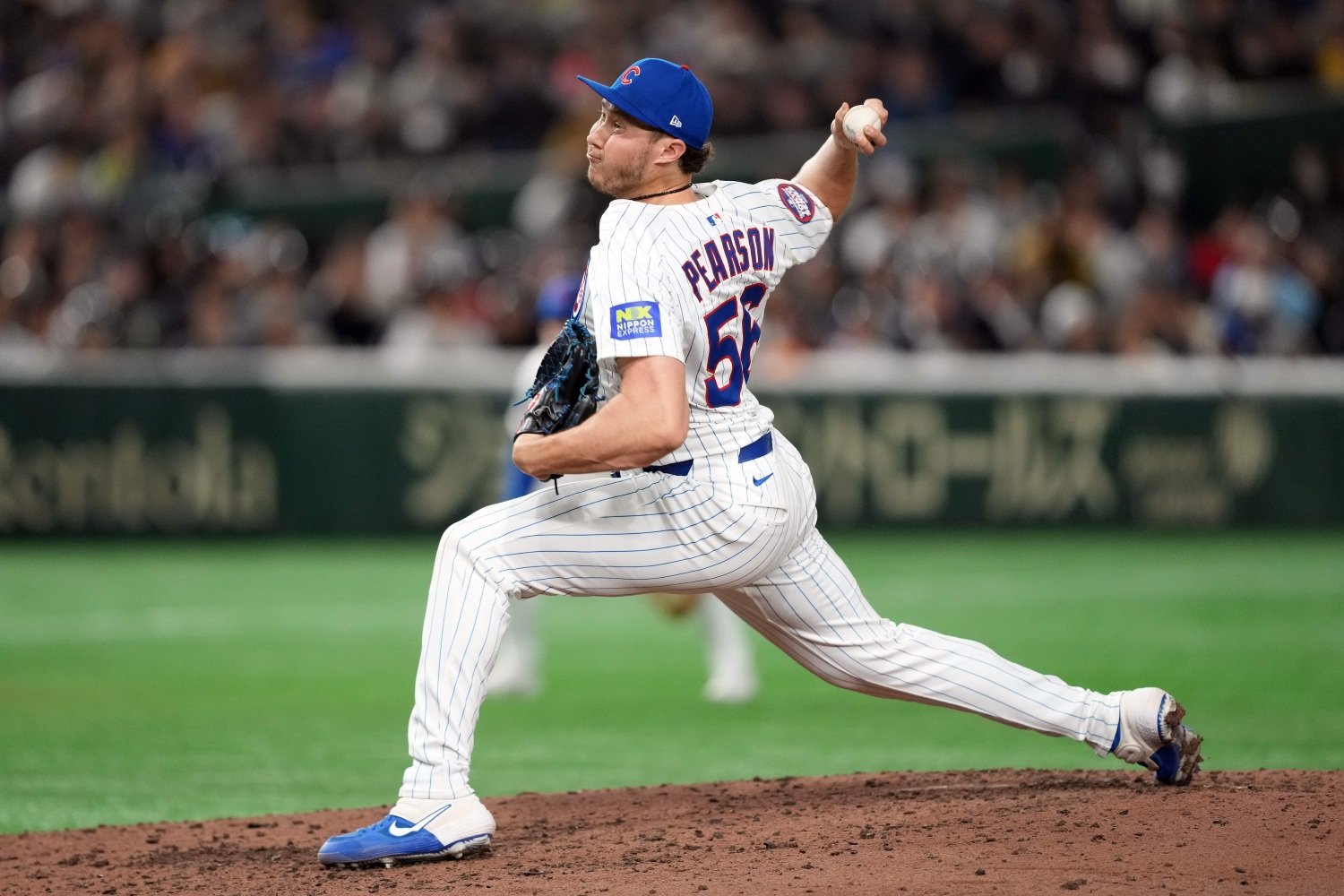 The Cubs relied on a trio of arms last season who performed well but looked a bit suspect. With the 2025 season around the corner and each of these arms returning, it’s worth looking at what we could expect this season and how they can overcome the inevitable regression and continue their success. Tyson Miller It’s always fair to be skeptical of a 29-year-old reliever who suddenly posts a 2.32 ERA over 60-plus innings, and Miller is no exception. His expected ERA, FIP, and xFIP each point to his sterling ERA being a season-long overperformance. He struck out only 23% of opposing hitters, and opponents had just a .203 batting average on balls in play, which is difficult to count on repeating. Miller’s profile points to a reliever with more of a 3.50-4.00 ERA. While we could see this regression in 2025, his performance wasn’t a complete fluke. Miller is a master of commanding his repertoire, as evidenced by his 4.7% walk rate. His ability to locate also contributes to his ability to avoid hard contact, and his .220 expected batting average allowed in 2024 wasn’t too far off from his BABIP. Mix in the fact that Miller shouldn’t see as many high-leverage situations (given the Cubs' additions to the bullpen this winter), and he should still be a solid contributor once again—once he's ready to come off the IL with his hip impingement. Ben Brown Brown’s raw stuff is unmissable, but his limited repertoire likely contributed to the under-the-hood stats pointing to some regression headed his way. His 3.58 ERA was backed up by FIP and xFIP, but his expected ERA of 4.17 reflects his tendency to give up loud contact. Brown was in the 1st percentile in opponents' average exit velocity and barrel rate, and more developed scouting reports this season could exacerbate this concern. His two-pitch mix gives opposing hitters less to worry about, despite his high-90s heater and wipeout breaking ball. Adding even one more usable offering into the mix could go a long way in forcing weak contact and being able to build off of his strong rookie season. If Brown sticks to just the fastball/breaking ball combo, especially if he finds his way to the rotation again, the league will be even more prepared for him in 2025. Nate Pearson Acquired at the end of July, Pearson helped solidify the Cubs bullpen. His 2.73 ERA with the Cubs was helpful, but indicators point to an ERA closer to the low to mid-4s. Pearson stranded runners on base an unsustainable 88.8% of the time after being acquired, and only struck out 22.3% of opposing hitters. Batted-ball luck was his best friend, which is odd for such a high-octane arm. Pearson Strikeout.mp4 The Cubs went to work tweaking his pitch mix, reducing his four-seam usage by around 5% by the end of the season and playing around with increases in his slider and curveball usage in the final two months. Both breaking balls are legitimate swing-and-miss pitches, and while their usage was inconsistent in Pearson’s time in a Cubs uniform, reducing his fastball and finding the right mix to draw the most whiffs is the likely path to staving off regression and taking Pearson’s game to another level. The Cubs' pitching staff cost them dearly in 2024, but this trio was a stabilizing force. While it wasn’t enough for the Cubs to make it to October, they hope they can count on the group to help them over the hump this time. If Miller, Brown, and Pearson can be successful again this season to complement the offseason additions, this Cubs pitching staff will leave last year’s in the rearview mirror.
 -
Can Ben Brown Reach the Next Level in His Development Without a Third Pitch?
Cody Pirkl posted an article in Cubs
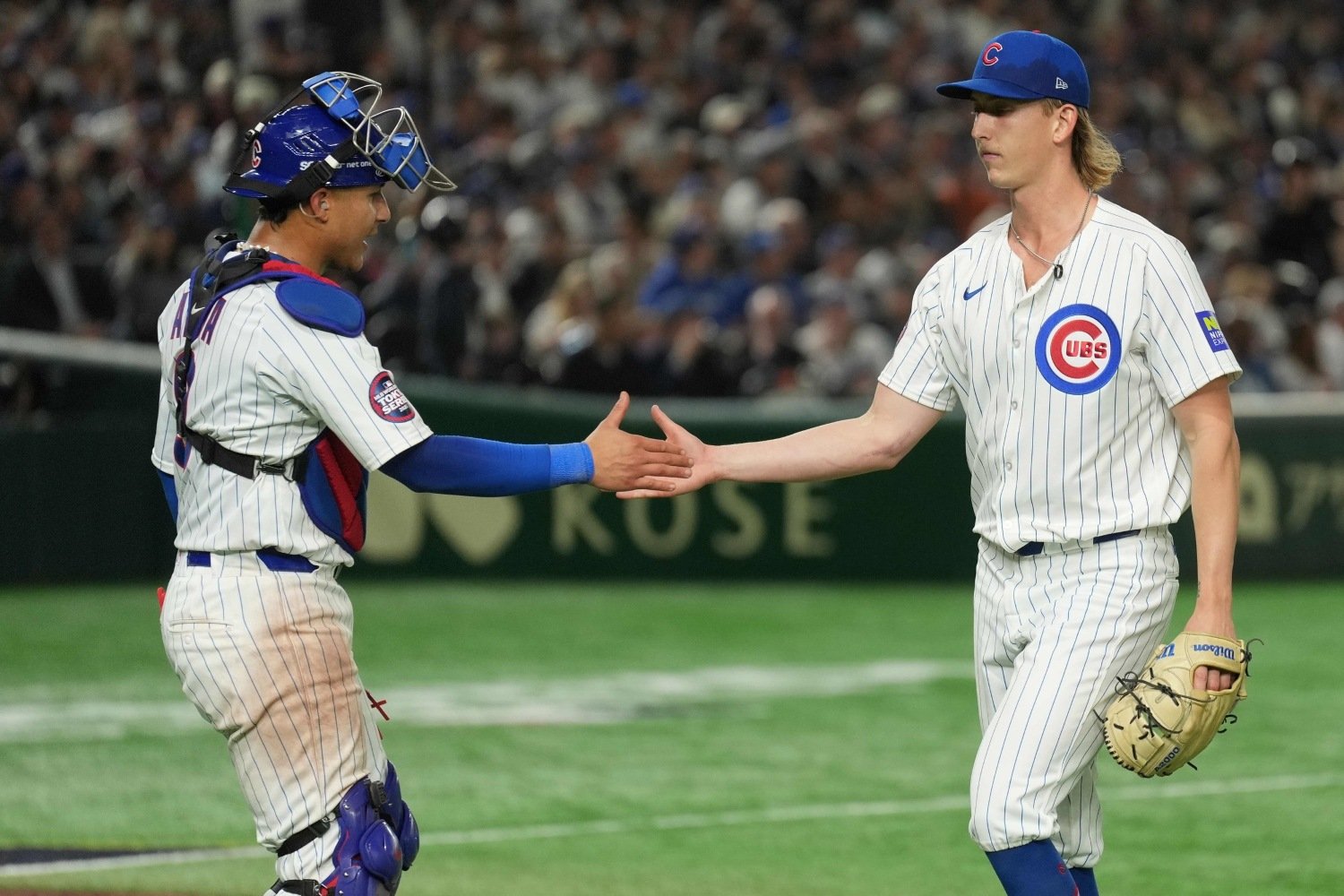 In his rookie campaign, Ben Brown flashed a high-octane fastball and a devastating knuckle-curve, riding those two pitches to a 3.63 ERA in 55 big-league innings. While it was a strong start to his career, his ability to further develop his repertoire will determine how effective he can be in a starting role. What does Brown need to do to take the next step? It takes an exceptional pitcher to navigate a lineup multiple times with only two pitches in the modern major leagues. While Brown’s arsenal is good, it’s shallow, and that could pose a problem if he's to continue in a fully stretched-out role. Last year, his breaking ball was arguably the best pitch among all Cubs pitchers, as Stuff+ gives it an elite 124 grade. While averaging 96.4 mph, however, his fastball didn’t come near that level of dominance, with a grade of 85. (For Stuff+, 100 is average and higher is better.) His heater performed well in a small sample in 2024, but the expected stats point to some regression moving forward. Brown needs to diversify his attack to stay afloat in a starting role, and doing so could take his performance to new highs. The (literal) change the Cubs would surely like to see from Brown is further use of the changeup he rarely threw in 2024. He threw the pitch under 2% of the time, barely enough to be considered a "show-me" pitch. In those few instances, the pitch showed some decent characteristics, such as a 25% whiff rate and a -18° launch angle allowed. The sample size is far from significant, but there are some positives to take away. Brown didn’t exactly struggle against left-handed hitters, at least not in a traditional sense. While he didn’t dominate them to the degree of right-handers, his .681 OPS allowed was more than serviceable. Instead, Brown walked 11% of opposing left-handed hitters, compared to just under 6% of righties. It seemed, at times, like Brown’s pair of pitches could be waited out by hitters on that side of the plate, and while they didn’t necessarily crush him, they could take their free passes. Further leaning into his changeup is the obvious solution. A merely usable changeup has traditionally been a massive advantage against opposite-handed hitters. The pitch itself can become a weapon, and having it in a hitter's mind can help increase the effectiveness of his other offerings. Even with his limited pitch mix in 2024, Brown struck out nearly 30% of opposing hitters, regardless of what side of the plate they were on. Developing a true equalizer for left-handed hitters is an untapped gold mine. If he spends significant time in the rotation, Brown may be due for some growing pains in 2025. As dominant as his two-pitch mix was in 2024, the lack of diversity will make it easier to create a scouting report. Many opposing hitters will have also seen Brown’s stuff firsthand, and they'll probably be more prepared. Between his upper-90s fastball and that dominant breaking ball, Brown has a strong foundation in place. The fact that he had as much success as he did with these two pitches in his first taste of the majors speaks to the raw talent. His current pitch mix gives him a floor of being a strong option to turn to out of the bullpen. The question is his ceiling, which would be raised significantly by adding one more usable offering to his repertoire. Brown is an unfinished product as a starting pitcher. On the downside, adding a pitch capable of retiring MLB hitters is easier said than done. The good news is that based on the success he’s already shown with a limited pitch mix, doing so turns him into a dominant piece of the Cubs' rotation for years to come. It's just a matter of finding the third pitch he can execute, while staying healthy and not compromising his other offerings. Can Brown succeed with two pitches? Is his changeup the right solution to the problems a two-pitch mix poses? Let's hear your thoughts on the young arm.
 -
The skyscraping righthander's 2024 debut was a success, but how he succeeded left some to wonder whether his ceiling is lower than his velocity (or height) would suggest. This spring, he's inspiring hope that that ceiling can be raised. Image courtesy of © Darren Yamashita-Imagn Images In his rookie campaign, Ben Brown flashed a high-octane fastball and a devastating knuckle-curve, riding those two pitches to a 3.63 ERA in 55 big-league innings. While it was a strong start to his career, his ability to further develop his repertoire will determine how effective he can be in a starting role. What does Brown need to do to take the next step? It takes an exceptional pitcher to navigate a lineup multiple times with only two pitches in the modern major leagues. While Brown’s arsenal is good, it’s shallow, and that could pose a problem if he's to continue in a fully stretched-out role. Last year, his breaking ball was arguably the best pitch among all Cubs pitchers, as Stuff+ gives it an elite 124 grade. While averaging 96.4 mph, however, his fastball didn’t come near that level of dominance, with a grade of 85. (For Stuff+, 100 is average and higher is better.) His heater performed well in a small sample in 2024, but the expected stats point to some regression moving forward. Brown needs to diversify his attack to stay afloat in a starting role, and doing so could take his performance to new highs. The (literal) change the Cubs would surely like to see from Brown is further use of the changeup he rarely threw in 2024. He threw the pitch under 2% of the time, barely enough to be considered a "show-me" pitch. In those few instances, the pitch showed some decent characteristics, such as a 25% whiff rate and a -18° launch angle allowed. The sample size is far from significant, but there are some positives to take away. Brown didn’t exactly struggle against left-handed hitters, at least not in a traditional sense. While he didn’t dominate them to the degree of right-handers, his .681 OPS allowed was more than serviceable. Instead, Brown walked 11% of opposing left-handed hitters, compared to just under 6% of righties. It seemed, at times, like Brown’s pair of pitches could be waited out by hitters on that side of the plate, and while they didn’t necessarily crush him, they could take their free passes. Further leaning into his changeup is the obvious solution. A merely usable changeup has traditionally been a massive advantage against opposite-handed hitters. The pitch itself can become a weapon, and having it in a hitter's mind can help increase the effectiveness of his other offerings. Even with his limited pitch mix in 2024, Brown struck out nearly 30% of opposing hitters, regardless of what side of the plate they were on. Developing a true equalizer for left-handed hitters is an untapped gold mine. If he spends significant time in the rotation, Brown may be due for some growing pains in 2025. As dominant as his two-pitch mix was in 2024, the lack of diversity will make it easier to create a scouting report. Many opposing hitters will have also seen Brown’s stuff firsthand, and they'll probably be more prepared. Between his upper-90s fastball and that dominant breaking ball, Brown has a strong foundation in place. The fact that he had as much success as he did with these two pitches in his first taste of the majors speaks to the raw talent. His current pitch mix gives him a floor of being a strong option to turn to out of the bullpen. The question is his ceiling, which would be raised significantly by adding one more usable offering to his repertoire. Brown is an unfinished product as a starting pitcher. On the downside, adding a pitch capable of retiring MLB hitters is easier said than done. The good news is that based on the success he’s already shown with a limited pitch mix, doing so turns him into a dominant piece of the Cubs' rotation for years to come. It's just a matter of finding the third pitch he can execute, while staying healthy and not compromising his other offerings. Can Brown succeed with two pitches? Is his changeup the right solution to the problems a two-pitch mix poses? Let's hear your thoughts on the young arm. View full article
