


Andrew Wright
-
Posts
138 -
Joined
-
Last visited
Content Type
Profiles
Joomla Posts 1
Chicago Cubs Videos
Chicago Cubs Free Agent & Trade Rumors, Notes, & Tidbits
2026 Chicago Cubs Top Prospects Ranking
News
2023 Chicago Cubs Draft Picks
Guides & Resources
2024 Chicago Cubs Draft Picks
The Chicago Cubs Players Project
2025 Chicago Cubs Draft Pick Tracker
2026 Chicago Cubs Draft Tracker: Picks & Bonuses
Blogs
Events
Forums
Store
Gallery
Everything posted by Andrew Wright
-
Image courtesy of © Brett Davis-Imagn Images The trade deadline has come and gone, and the Cubs were able to hold onto/unwilling to part with some of their best organizational prospects and keep them around for this season and beyond. Chicago's minor league teams produce some of the best lineups all across MiLB, and a couple of the organization's prospects in particular had big time performances in July. So, let's dive into the top three minor league hitters from last month in the Cubs' farm system. #3 - 1B Edgar Alvarez - .279 AVG, .388 OBP, .426 OPS, .814 OPS, 2 HR, 4 2B, 6 RBIs (High-A South Bend) Raising your season-long average from .251 to .262 is quite the month, and that is exactly what Alvarez did. Alvarez may not be a well-known name for the casual fan, as he is not inside the top-30 in the Cubs' farm system rankings, per MLB Pipeline. His excellent month of July followed a scorching hot month of June in which he hit .304 and raised his season average from .223 to .251. Along with spraying the ball all over the field, Alvarez was able to draw 12 walks compared to just 17 strikeouts. Back-to-back months that good are usually reasons for a promotion, so it would not be surprising at all to see Alvarez be moved up to Double-A Knoxville in the near future. #2 - BJ Murray Jr. - .292 AVG, .407 OBP, .438 SLG, .845 OPS, 3 HR, 4 2B, 23 RBIs (Double-A Knoxville) Just taking one gander at the RBI total of 23 from Murray, and it quickly becomes apparent that he is a big-time run producer. It took him just seven games to total that production, as he had three games with three RBIs and one game with four. His three home runs did tie a season low for a month, but the 23 RBIs were his highest total in a month so far this season, and it speaks volumes to the lineup being showcased in Knoxville on a nightly basis. Maybe the most impressive stat of all, Murray is hitting .286 with two outs and runners in scoring position. Maybe he should give some tips to Dansby Swanson on how to be productive in that regard. #1 - OF Owen Caissie - .333 AVG, .398 OBP, .744 SLG, 1.096 OPS, 8 HR, 14 RBIs (Triple-A Iowa) We know, it feels cheap to put the organization's No. 1 prospect as the best hitter of the month, but it is a well-deserved honor. Caissie's scorching hot month of July may have very well made him untouchable in trade talks prior to the deadline. His July included eight multi-hit games (including a 5-for-5 performance) and three multi-home run games. Like we mentioned above with Murray, Caissie's production with runners in scoring position and two outs was otherworldly; he boasted a slash line of .298/.389/.638 in those situations in July. It very well may have been the best overall month of his minor league career, and it has fans very excited for his first appearance in a major league uniform, which is now all but guaranteed to happen with the Cubs. What do you think of our list? What other Cubs farmhands do you think deserve recognition for their performances in July? Let us know in the comments! View full article
-
Image courtesy of Thieres Rabelo Looking back to June, the Chicago Cubs' bullpen nearly carried the team through the month. The contributions from Chris Flexen, Drew Pomeranz and Brad Keller could not be understated. Fast forward to July, and it was much of the opposite, so much so that Flexen is no longer even on the team. Chicago did have some bullpen contributions, but most of the good work came from the starting rotation. Though the trade deadline failed to live up to expectations, the team did bring in three solid relievers (Andrew Kittredge, Taylor Rogers, Michael Soroka), one of whom (Soroka) can pitch in the rotation if needed. Though it's hardly an objective measure of the success of those deals, it would be nice if one of those players could make an appearance on this list in August or September. Without that preamble out of the way, here are the Cubs top three pitchers from July. #3 - Matthew Boyd - 5 GS, 1.97 ERA, 32 IP, 8 BB, 28 K Take away Boyd's rough final start of the month against Milwaukee, and he may have turned in his best month overall of the season. Despite the All-Star break, Boyd tied his season-high for starts in a month with five. He went seven-plus innings in three of those appearances, allowing zero runs in three of the five as well. He and fellow left-hander Shota Imanaga have helped keep the Cubs afloat despite a horrific month from most members of the bullpen. #2 - Cade Horton - 4 GS, 1.52 ERA, 23 2/3 IP, 8 BB, 17K Horton turned in the best month of his professional career and gave Cubs fans quite a bit of hope as to what he can provide down the stretch this season. He allowed runs in just one of his four starts in the month, a big reason he was able to lower his season ERA from 4.15 to 3.67 during that stretch. If Horton can continue his success, he will become a well-trusted arm for Craig Counsell and can truly make a name for himself with contributions to a deep postseason run. The stink of the deadline failure will dissipate if he can emerge as a genuine Game 3 starter in the season's second half. #1 - Daniel Palencia - 10 G, 0.00 ERA, 9 2/3 IP, 6 SV, 1 BB, 9K In a month full of bad bullpen performances, Palencia was light outs, as he has been all season long. Palencia appeared 10 times and did not allow an earned run all month long. He added six more saves, bringing his season total to 14, and has cemented himself into Chicago's closer role for the remainder of the season and beyond. Some of the relief help acquired by the Cubs at the deadline should give Palencia plenty of rest days to help save some bullets for the stretch run in September and October, though you can bet when the door needs to be slammed, it's the fireballer who will be trotting out of the bullpen. View full article
-
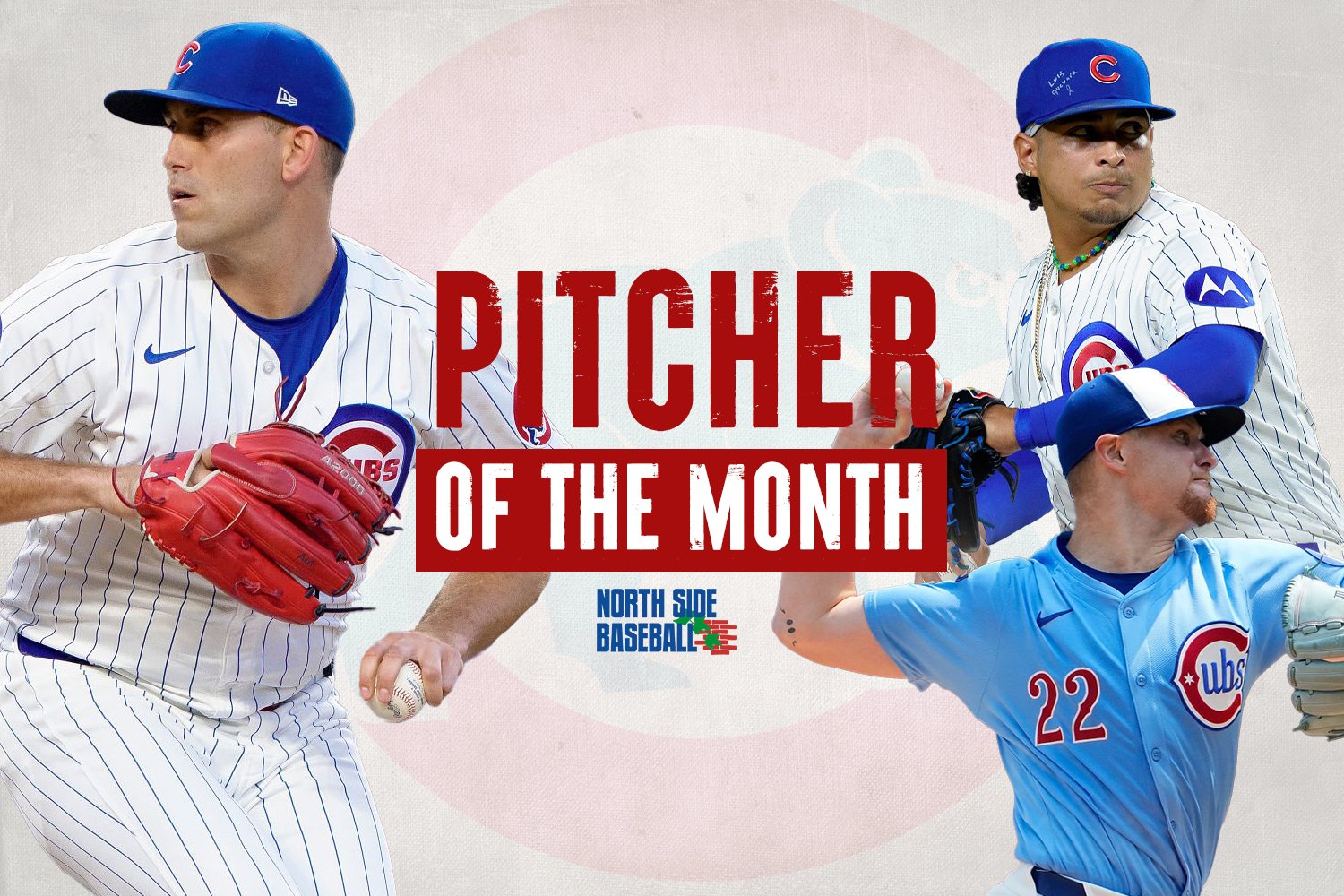 Looking back to June, the Chicago Cubs' bullpen nearly carried the team through the month. The contributions from Chris Flexen, Drew Pomeranz and Brad Keller could not be understated. Fast forward to July, and it was much of the opposite, so much so that Flexen is no longer even on the team. Chicago did have some bullpen contributions, but most of the good work came from the starting rotation. Though the trade deadline failed to live up to expectations, the team did bring in three solid relievers (Andrew Kittredge, Taylor Rogers, Michael Soroka), one of whom (Soroka) can pitch in the rotation if needed. Though it's hardly an objective measure of the success of those deals, it would be nice if one of those players could make an appearance on this list in August or September. Without that preamble out of the way, here are the Cubs top three pitchers from July. #3 - Matthew Boyd - 5 GS, 1.97 ERA, 32 IP, 8 BB, 28 K Take away Boyd's rough final start of the month against Milwaukee, and he may have turned in his best month overall of the season. Despite the All-Star break, Boyd tied his season-high for starts in a month with five. He went seven-plus innings in three of those appearances, allowing zero runs in three of the five as well. He and fellow left-hander Shota Imanaga have helped keep the Cubs afloat despite a horrific month from most members of the bullpen. #2 - Cade Horton - 4 GS, 1.52 ERA, 23 2/3 IP, 8 BB, 17K Horton turned in the best month of his professional career and gave Cubs fans quite a bit of hope as to what he can provide down the stretch this season. He allowed runs in just one of his four starts in the month, a big reason he was able to lower his season ERA from 4.15 to 3.67 during that stretch. If Horton can continue his success, he will become a well-trusted arm for Craig Counsell and can truly make a name for himself with contributions to a deep postseason run. The stink of the deadline failure will dissipate if he can emerge as a genuine Game 3 starter in the season's second half. #1 - Daniel Palencia - 10 G, 0.00 ERA, 9 2/3 IP, 6 SV, 1 BB, 9K In a month full of bad bullpen performances, Palencia was light outs, as he has been all season long. Palencia appeared 10 times and did not allow an earned run all month long. He added six more saves, bringing his season total to 14, and has cemented himself into Chicago's closer role for the remainder of the season and beyond. Some of the relief help acquired by the Cubs at the deadline should give Palencia plenty of rest days to help save some bullets for the stretch run in September and October, though you can bet when the door needs to be slammed, it's the fireballer who will be trotting out of the bullpen.
 -
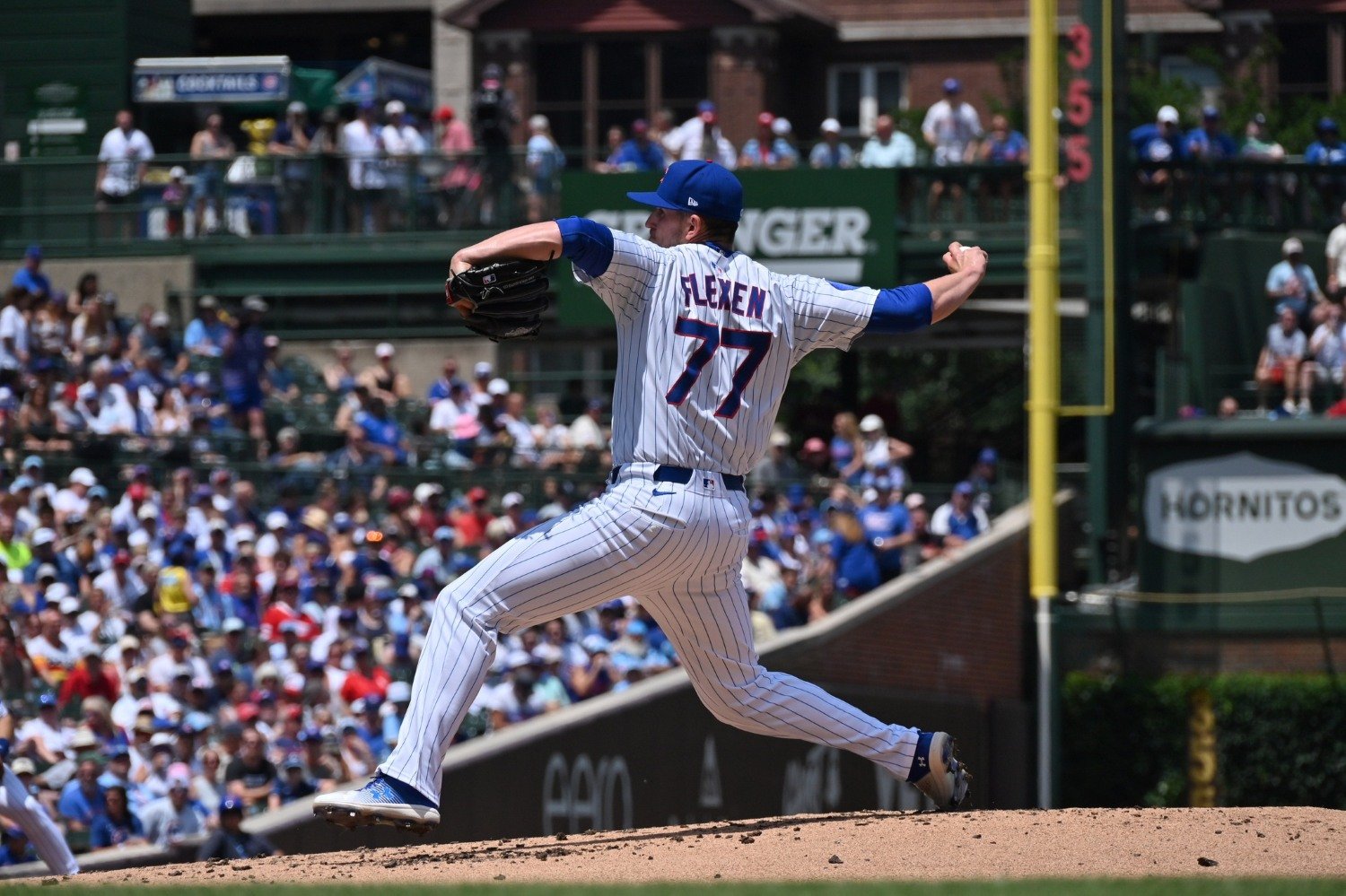 When the Cubs front office decided to promote right-hander Chris Flexen to the majors earlier this season, not much was expected of the veteran. He'd never had an ERA under 3.60 in his entire career, and he was just another piece in the bullpen to provide some depth and eat innings. Nobody could have predicted the success and the impact he made throughout the season. That tenure officially came to an end Tuesday, however, with the Cubs announcing that Flexen has been designated for assignment. Flexen made his Cubs debut May 2 against the Milwaukee Brewers, and it wasn't until June 22 that he allowed his first earned runs of the season. For those counting, it was 12 appearances and 21 1/3 innings pitched before he surrendered an earned run. It was a completely unexpected stretch from Flexen, and fans (and maybe even the front office) started to believe they'd found a hidden gem. A shutout inning July 3 against the Cleveland Guardians lowered Flexen's ERA to 0.64, but since then, he's hit a bit of a rough stretch. Flexen appeared five times after that and allowed at least one run in all five of those outings. He allowed multiple runs in four of those five appearances, and the season ERA climbed to 3.09. By no means was a 3.09 ERA bad for a guy on a minor-league contract, but the spike in such a short time was definitely cause for concern. Flexen's fastball velocity had begun to dip a bit, and in his recent multi-inning outings, it was a full mile per hour difference in some cases. It could be fatigue, it could be an injury, or it could have been that Flexen was just having really good luck when things were going well. The numbers suggest it is the latter of the three, with Flexen having an expected ERA of 5.09 and expected opponent average of .287, both ranking in the bottom 14% of the league, according to Baseball Savant. Flexen also ranks in the bottom 1% of the league in both strikeout and whiff percentages. All of the worrisome stats above, combined with the pending returns of Jameson Taillon, Javier Assad, Porter Hodge and whomever Chicago targets at the trade deadline, ultimately ended Flexen's tenure with the Cubs. When evaluating the roster, there simply just wasn't enough room to keep Flexen on the roster and his poor performance of late made it an easy decision for Jed Hoyer and company. Gavin Hollowell will be just a placeholder; the idea is to meaningfully upgrade that roster spot in the next 48 hours. While it was an abrupt and unfortunate end to his time in Chicago, Flexen pitched so many valuable innings during his nearly three months with the team. Quite frankly, the Cubs would not be in nearly as good of a position as they are if he had not been on the team this season.
 -
Image courtesy of © Patrick Gorski-Imagn Images When the Cubs front office decided to promote right-hander Chris Flexen to the majors earlier this season, not much was expected of the veteran. He'd never had an ERA under 3.60 in his entire career, and he was just another piece in the bullpen to provide some depth and eat innings. Nobody could have predicted the success and the impact he made throughout the season. That tenure officially came to an end Tuesday, however, with the Cubs announcing that Flexen has been designated for assignment. Flexen made his Cubs debut May 2 against the Milwaukee Brewers, and it wasn't until June 22 that he allowed his first earned runs of the season. For those counting, it was 12 appearances and 21 1/3 innings pitched before he surrendered an earned run. It was a completely unexpected stretch from Flexen, and fans (and maybe even the front office) started to believe they'd found a hidden gem. A shutout inning July 3 against the Cleveland Guardians lowered Flexen's ERA to 0.64, but since then, he's hit a bit of a rough stretch. Flexen appeared five times after that and allowed at least one run in all five of those outings. He allowed multiple runs in four of those five appearances, and the season ERA climbed to 3.09. By no means was a 3.09 ERA bad for a guy on a minor-league contract, but the spike in such a short time was definitely cause for concern. Flexen's fastball velocity had begun to dip a bit, and in his recent multi-inning outings, it was a full mile per hour difference in some cases. It could be fatigue, it could be an injury, or it could have been that Flexen was just having really good luck when things were going well. The numbers suggest it is the latter of the three, with Flexen having an expected ERA of 5.09 and expected opponent average of .287, both ranking in the bottom 14% of the league, according to Baseball Savant. Flexen also ranks in the bottom 1% of the league in both strikeout and whiff percentages. All of the worrisome stats above, combined with the pending returns of Jameson Taillon, Javier Assad, Porter Hodge and whomever Chicago targets at the trade deadline, ultimately ended Flexen's tenure with the Cubs. When evaluating the roster, there simply just wasn't enough room to keep Flexen on the roster and his poor performance of late made it an easy decision for Jed Hoyer and company. Gavin Hollowell will be just a placeholder; the idea is to meaningfully upgrade that roster spot in the next 48 hours. While it was an abrupt and unfortunate end to his time in Chicago, Flexen pitched so many valuable innings during his nearly three months with the team. Quite frankly, the Cubs would not be in nearly as good of a position as they are if he had not been on the team this season. View full article
-
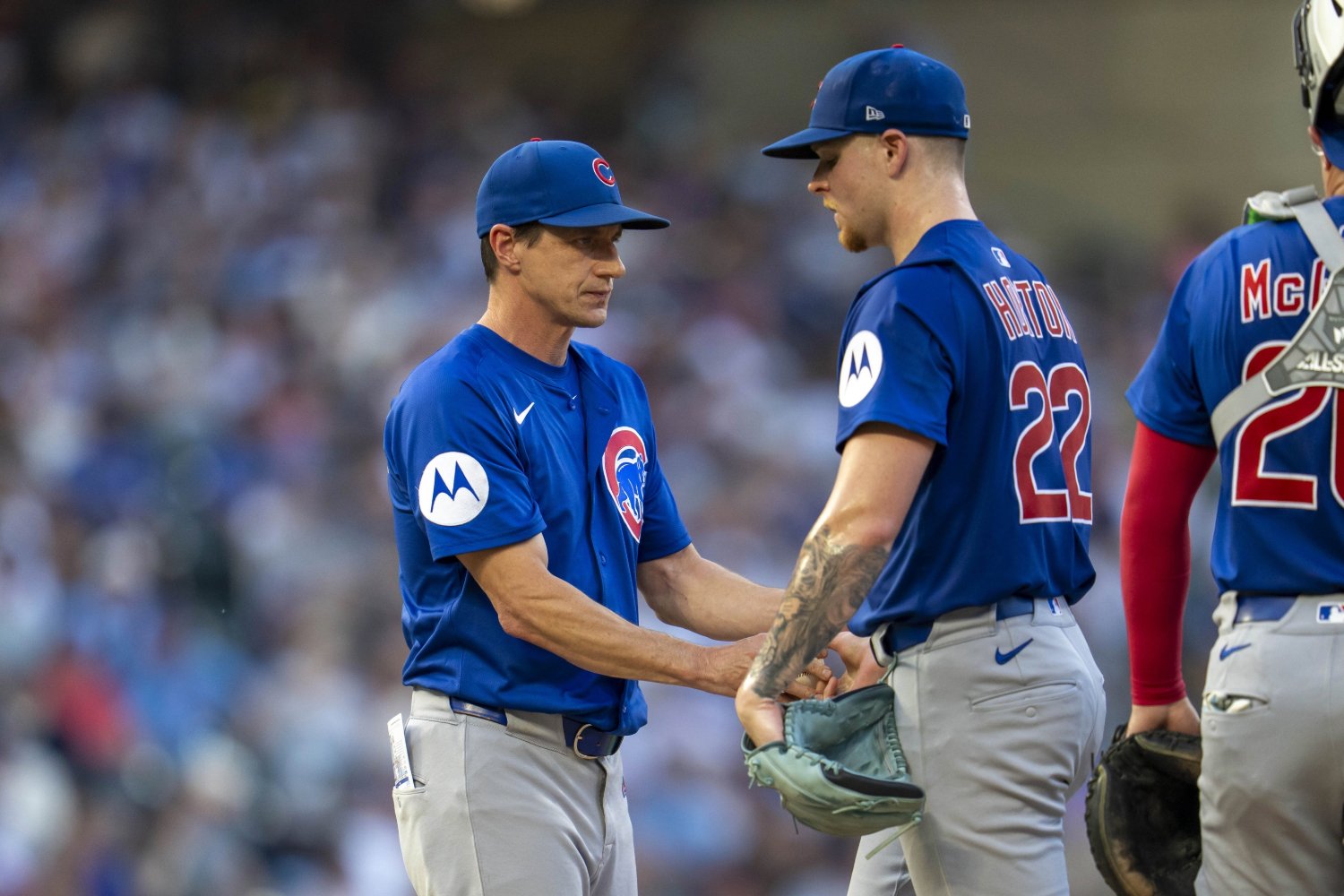 Headed into the season, Chicago Cubs fans were ecstatic about what was anticipated to finally be the year that top pitching prospect Cade Horton made his MLB debut. It took a little over a month before Horton finally received the call and was told he'd be a big leaguer, but he's remained in Chicago ever since. He made his first MLB appearance against the New York Mets on May 10 as a long reliever out of the bullpen, and each appearance since then has been as the starting pitcher. Horton's season has been good by most standards, as he's 3-3 with a 4.04 ERA and 47 strikeouts in 12 appearances and 62 1/3 innings. Walks have plagued Horton a bit, as he has 21 of them and has walked at least one batter 10 of his 12 appearances. He's walked multiple batters in seven of his 12 outings, so that is certainly an area that will need to be improved, as it also plagued him at the minor league level. Zooming out from those basic stats, it is evident that Horton enjoys pitching at Wrigley Field much more than anywhere else. He has six starts at home and five starts on the road, and the production for both has been on complete different ends of the spectrum. At Wrigley,, Horton is 1-0 with a 2.12 ERA, nine walks and 23 strikeouts in 34 innings. Away from Wrigley, he is 2-3 with a 6.35 ERA, 12 walks and 24 strikeouts in 28 1/3 innings pitched. It's evident that Horton is more comfortable pitching in front of the Cubs' faithful, but is there a specific reason why? For starters, Horton has been extremely fortunate in the aspect of what opponents he has faced when pitching at home. His home starts are against the following teams: Chicago White Sox, Colorado Rockies, Pittsburgh Pirates, Seattle Mariners, Cleveland Guardians and Boston Red Sox. Chicago, Cleveland and Pittsburgh are the three worst hitting teams in all of MLB. Colorado isn't much better (sixth-worst), Seattle tagged Horton a little bit and the Boston start on Sunday was a bit of an outlier against a good offense. Still, a veritable gauntlet of elite offenses that is not. Meanwhile, his road starts have come against the Miami Marlins, Washington Nationals, Detroit Tigers, Houston Astros and Minnesota Twins. Three of those teams rank within the top-13 batting averages (Astros, Marlins, Tigers) in baseball, and two of Horton's worst starts this season have come against Houston and Detroit. When reviewing Horton's game logs on Baseball Savant, it's immediately clear his curveball usage in his home and away starts is all kinds of wonky. In four of his five away starts, Horton has thrown his curveball less than ten times. In his six home starts, he's thrown that pitcher under ten times just once. It's not an overwhelming difference in home and away starts — and is perhaps more attributable to the opposing teams he's facing rather than the location he's facing them in — but it is something to note, and it appears that some of his best starts have come when he frequents his curveball. The usage of Horton's changeup will always help him be successful, and much like the curveball, he frequents that pitch just a bit more in his home starts than he does on the road. So, is there a comfort piece of the puzzle in play here? Is there a "park factor" in Horton's approach to games, or his prep work? Most pitchers will always prefer pitching at their home ballpark over an opposing one, and it may very well turn into a situation where Chicago will try and align the pitching rotation for Horton to make a majority of his starts at home, but that's not the most practical solution in the regular season. In truth, this may just be a situation of young player learning the ropes of Major League Baseball. It wouldn't be the first time a talented player registers huge home-road splits, and it registers as a positive development that Horton seems to be comfortable anywhere in the big leagues. Starting with his road start against the Chicago White Sox this weekend, this trend bears monitoring through the remainder of the season.
 -
Image courtesy of © Jesse Johnson-Imagn Images Headed into the season, Chicago Cubs fans were ecstatic about what was anticipated to finally be the year that top pitching prospect Cade Horton made his MLB debut. It took a little over a month before Horton finally received the call and was told he'd be a big leaguer, but he's remained in Chicago ever since. He made his first MLB appearance against the New York Mets on May 10 as a long reliever out of the bullpen, and each appearance since then has been as the starting pitcher. Horton's season has been good by most standards, as he's 3-3 with a 4.04 ERA and 47 strikeouts in 12 appearances and 62 1/3 innings. Walks have plagued Horton a bit, as he has 21 of them and has walked at least one batter 10 of his 12 appearances. He's walked multiple batters in seven of his 12 outings, so that is certainly an area that will need to be improved, as it also plagued him at the minor league level. Zooming out from those basic stats, it is evident that Horton enjoys pitching at Wrigley Field much more than anywhere else. He has six starts at home and five starts on the road, and the production for both has been on complete different ends of the spectrum. At Wrigley,, Horton is 1-0 with a 2.12 ERA, nine walks and 23 strikeouts in 34 innings. Away from Wrigley, he is 2-3 with a 6.35 ERA, 12 walks and 24 strikeouts in 28 1/3 innings pitched. It's evident that Horton is more comfortable pitching in front of the Cubs' faithful, but is there a specific reason why? For starters, Horton has been extremely fortunate in the aspect of what opponents he has faced when pitching at home. His home starts are against the following teams: Chicago White Sox, Colorado Rockies, Pittsburgh Pirates, Seattle Mariners, Cleveland Guardians and Boston Red Sox. Chicago, Cleveland and Pittsburgh are the three worst hitting teams in all of MLB. Colorado isn't much better (sixth-worst), Seattle tagged Horton a little bit and the Boston start on Sunday was a bit of an outlier against a good offense. Still, a veritable gauntlet of elite offenses that is not. Meanwhile, his road starts have come against the Miami Marlins, Washington Nationals, Detroit Tigers, Houston Astros and Minnesota Twins. Three of those teams rank within the top-13 batting averages (Astros, Marlins, Tigers) in baseball, and two of Horton's worst starts this season have come against Houston and Detroit. When reviewing Horton's game logs on Baseball Savant, it's immediately clear his curveball usage in his home and away starts is all kinds of wonky. In four of his five away starts, Horton has thrown his curveball less than ten times. In his six home starts, he's thrown that pitcher under ten times just once. It's not an overwhelming difference in home and away starts — and is perhaps more attributable to the opposing teams he's facing rather than the location he's facing them in — but it is something to note, and it appears that some of his best starts have come when he frequents his curveball. The usage of Horton's changeup will always help him be successful, and much like the curveball, he frequents that pitch just a bit more in his home starts than he does on the road. So, is there a comfort piece of the puzzle in play here? Is there a "park factor" in Horton's approach to games, or his prep work? Most pitchers will always prefer pitching at their home ballpark over an opposing one, and it may very well turn into a situation where Chicago will try and align the pitching rotation for Horton to make a majority of his starts at home, but that's not the most practical solution in the regular season. In truth, this may just be a situation of young player learning the ropes of Major League Baseball. It wouldn't be the first time a talented player registers huge home-road splits, and it registers as a positive development that Horton seems to be comfortable anywhere in the big leagues. Starting with his road start against the Chicago White Sox this weekend, this trend bears monitoring through the remainder of the season. View full article
-
Image courtesy of © David Banks-Imagn Images Four seasons ago, the Chicago Cubs acquired a 19-year-old outfield prospect named Pete Crow-Armstrong. Though set back by a major shoulder injury that had truncated his season, Crow-Armstrong was a highly touted prospect, and Cubs fans were eager for his arrival on the big-league team. What they couldn't have expected, however, were the similarities between Crow-Armstrong and Javier Báez that are becoming increasingly clear daily—beyond the obvious ones. It's more than swagger and charisma. The two share surprising substance beneath the style. His takeover of Chicago has started with his play on the field. Crow-Armstrong is in the midst of an MVP-caliber season and the best overall season from a Cubs player since Báez finished second in MVP voting in 2018. He entered the All-Star break hitting .265 with 21 doubles, 25 home runs, 71 RBIs, 27 stolen bases, and an .847 OPS. He was appropriately rewarded with a starting nod for the National League in the All-Star Game, the same as Báez in 2018. He's put together all that offensive production while playing Gold Glove-caliber defense in center field, with 15 Defensive Runs Saved (DRS). It's not just Crow-Armstrong's play, though, that has turned him into the captivating player he has become in Chicago. It's the attitude, the effort, and so much more that have helped him garner such a significant amount of attention. Whether that be in interviews or stellar performances on the field, he has an infectious personality, and it's easy to understand why he's become so popular among the Wrigley faithful. His presence at the All-Star Game further proved that, as it felt like he was popping up on every social media feed available. He was even mic'd up in center field during the game, showing that the higher-ups at MLB and its partner TV networks are leaning into his hype and wanting him at the forefront of one of the biggest yearly events in professional sports. Maybe the coolest moment of the All-Star break was seeing Crow-Armstrong and Báez meet for (potentially) the first time since being traded for one another. It almost felt like a bit of a 'passing the torch' moment from a once-beloved Cub to the currently most beloved Cub. As great as it was as a fan watching, it had to be even cooler for those two. Crow-Armstrong made that known in media availability sessions on Monday, even before the two had the chance to meet up. Crow-Armstrong has brought a much-needed buzz to Wrigley Field on a daily basis, and if the Chicago front office knows what is best and listens to the fans, he'll will never wear another jersey. He could easily be the face of the Cubs for years to come. View full article
-
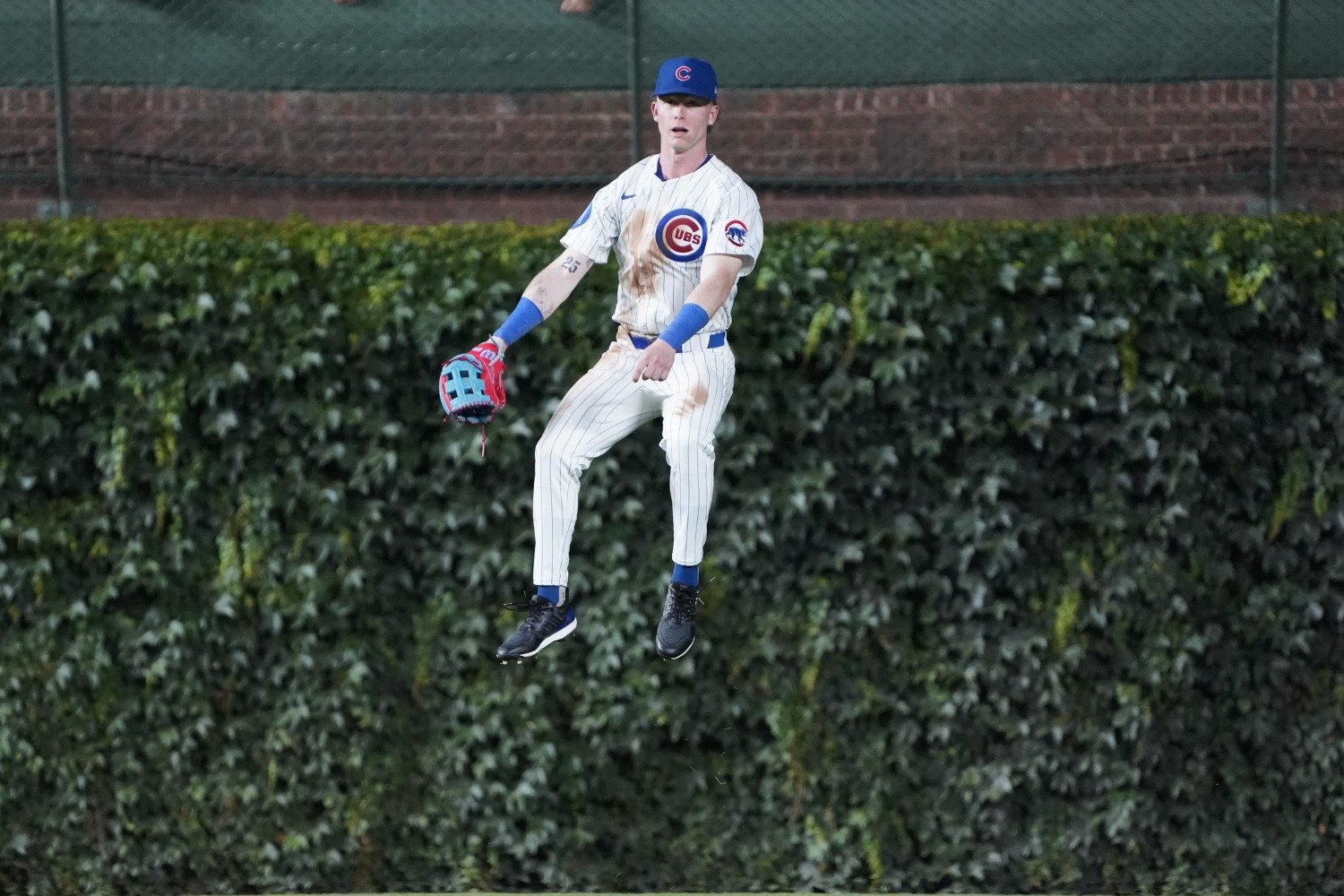 Four seasons ago, the Chicago Cubs acquired a 19-year-old outfield prospect named Pete Crow-Armstrong. Though set back by a major shoulder injury that had truncated his season, Crow-Armstrong was a highly touted prospect, and Cubs fans were eager for his arrival on the big-league team. What they couldn't have expected, however, were the similarities between Crow-Armstrong and Javier Báez that are becoming increasingly clear daily—beyond the obvious ones. It's more than swagger and charisma. The two share surprising substance beneath the style. His takeover of Chicago has started with his play on the field. Crow-Armstrong is in the midst of an MVP-caliber season and the best overall season from a Cubs player since Báez finished second in MVP voting in 2018. He entered the All-Star break hitting .265 with 21 doubles, 25 home runs, 71 RBIs, 27 stolen bases, and an .847 OPS. He was appropriately rewarded with a starting nod for the National League in the All-Star Game, the same as Báez in 2018. He's put together all that offensive production while playing Gold Glove-caliber defense in center field, with 15 Defensive Runs Saved (DRS). It's not just Crow-Armstrong's play, though, that has turned him into the captivating player he has become in Chicago. It's the attitude, the effort, and so much more that have helped him garner such a significant amount of attention. Whether that be in interviews or stellar performances on the field, he has an infectious personality, and it's easy to understand why he's become so popular among the Wrigley faithful. His presence at the All-Star Game further proved that, as it felt like he was popping up on every social media feed available. He was even mic'd up in center field during the game, showing that the higher-ups at MLB and its partner TV networks are leaning into his hype and wanting him at the forefront of one of the biggest yearly events in professional sports. Maybe the coolest moment of the All-Star break was seeing Crow-Armstrong and Báez meet for (potentially) the first time since being traded for one another. It almost felt like a bit of a 'passing the torch' moment from a once-beloved Cub to the currently most beloved Cub. As great as it was as a fan watching, it had to be even cooler for those two. Crow-Armstrong made that known in media availability sessions on Monday, even before the two had the chance to meet up. Crow-Armstrong has brought a much-needed buzz to Wrigley Field on a daily basis, and if the Chicago front office knows what is best and listens to the fans, he'll will never wear another jersey. He could easily be the face of the Cubs for years to come.
 -
Matthew Boyd's All-Star Nod Rewards a Journey of Grit and Redemption
Andrew Wright posted an article in Cubs
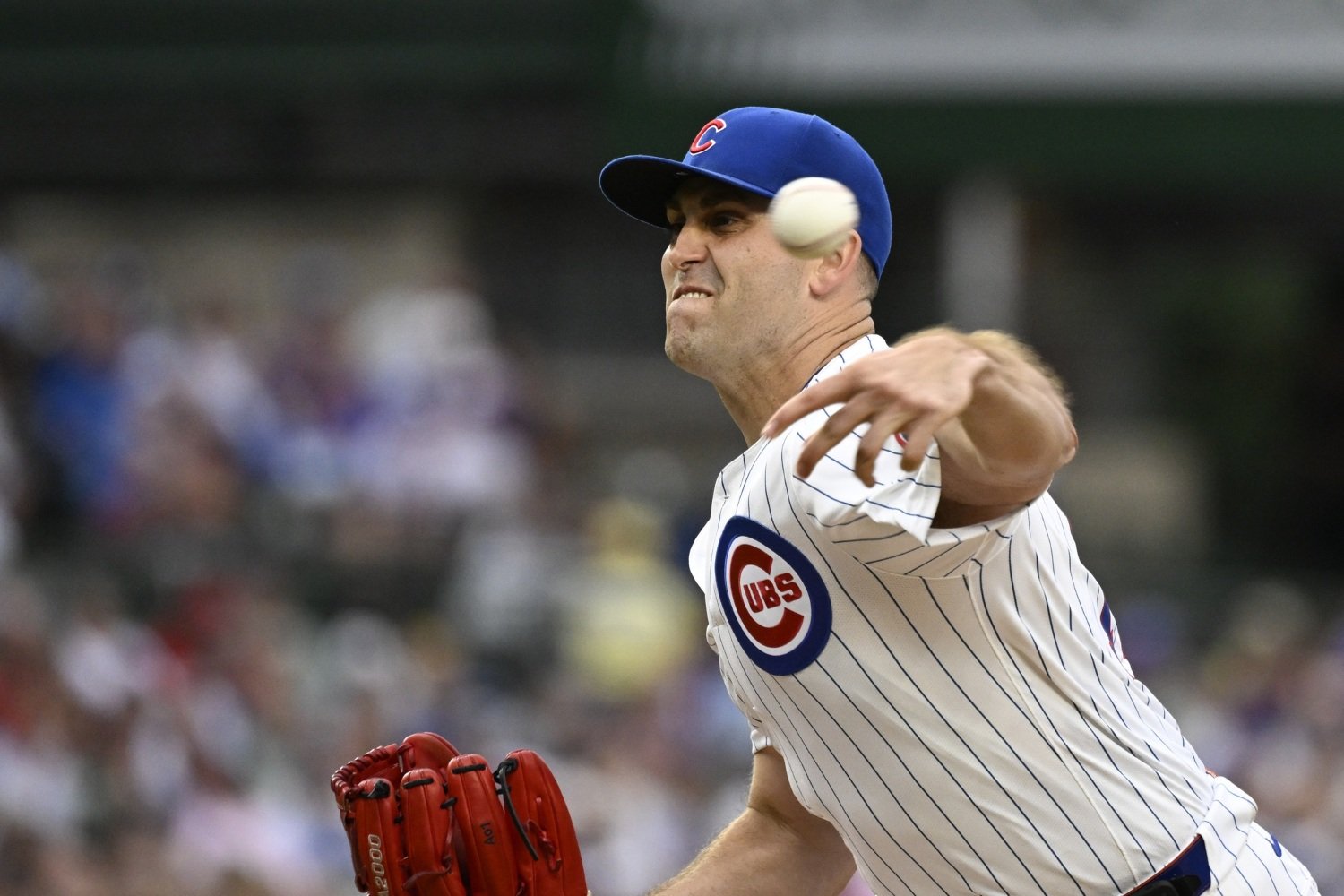 To be completely honest, the eyes of many Cubs fans rolled to the back of their head during the offseason when they got the notification that Chicago inked left-hander Matthew Boyd to a two-year deal worth $29 million. Even here at North Side Baseball, some of the reactions were less than enthusiastic. It certainly wasn't the splashy move (Corbin Burnes or Roki Sasaki, for instance) that many had hoped for, and at the time, it was easy to understand the frustration associated with (seemingly) choosing a lower-wattage option over the top-tier star yet again. The doubtful fans are rejoicing now, however, as Boyd has nearly carried the pitching staff on his back. For his efforts, he was selected to the All-Star Game for the first time in an 11-year career. Boyd was announced as a reserve just a couple of hours before his start against the St. Louis Cardinals on Sunday Night Baseball, and he promptly showed a national audience why he was an appropriate selection for the game. He threw five shutout innings with nine strikeouts in Chicago's 11-0 win in the rubber match of the series. The win improved his season record to 9-3 and lowered his season ERA to 2.52, both good for top 10 in the league. Chicago is, surprisingly, not great (10-8) in games started by Boyd this season, so he could easily be better than 9-3 on the season. At home, though, Boyd has been dominant, with an 8-0 record and 2.21 ERA across nine starts and 53 innings pitched. His selection to the All-Star Game is a testament to the outstanding work he's done in the rotation for most of the season without both Justin Steele and Shota Imanaga, and Boyd made it known how grateful he was for the opportunity. Not only is Boyd's selection to the All-Star Game a testament to himself, but also to Jed Hoyer and company, for spotting Boyd's value and signing him to what looks like one of the best contracts of the entire offseason. It was one of several (Brad Keller, Caleb Thielbar, etc.) moves from Hoyer that have helped Chicago get to 54 wins and one of the best records in MLB this season. If he is able to continue his excellent season, Boyd is well in line to be a key piece in what is looking like a NL Central championship and playoff run in Chicago. Discounting the COVID-wrecked 2020 campaign, this would be the first division title and meaningful playoff appearance for the team since 2017. Boyd, whose last healthy season before this one came in 2019, knows well what a long wait that is.
 -
Image courtesy of © Matt Marton-Imagn Images To be completely honest, the eyes of many Cubs fans rolled to the back of their head during the offseason when they got the notification that Chicago inked left-hander Matthew Boyd to a two-year deal worth $29 million. Even here at North Side Baseball, some of the reactions were less than enthusiastic. It certainly wasn't the splashy move (Corbin Burnes or Roki Sasaki, for instance) that many had hoped for, and at the time, it was easy to understand the frustration associated with (seemingly) choosing a lower-wattage option over the top-tier star yet again. The doubtful fans are rejoicing now, however, as Boyd has nearly carried the pitching staff on his back. For his efforts, he was selected to the All-Star Game for the first time in an 11-year career. Boyd was announced as a reserve just a couple of hours before his start against the St. Louis Cardinals on Sunday Night Baseball, and he promptly showed a national audience why he was an appropriate selection for the game. He threw five shutout innings with nine strikeouts in Chicago's 11-0 win in the rubber match of the series. The win improved his season record to 9-3 and lowered his season ERA to 2.52, both good for top 10 in the league. Chicago is, surprisingly, not great (10-8) in games started by Boyd this season, so he could easily be better than 9-3 on the season. At home, though, Boyd has been dominant, with an 8-0 record and 2.21 ERA across nine starts and 53 innings pitched. His selection to the All-Star Game is a testament to the outstanding work he's done in the rotation for most of the season without both Justin Steele and Shota Imanaga, and Boyd made it known how grateful he was for the opportunity. Not only is Boyd's selection to the All-Star Game a testament to himself, but also to Jed Hoyer and company, for spotting Boyd's value and signing him to what looks like one of the best contracts of the entire offseason. It was one of several (Brad Keller, Caleb Thielbar, etc.) moves from Hoyer that have helped Chicago get to 54 wins and one of the best records in MLB this season. If he is able to continue his excellent season, Boyd is well in line to be a key piece in what is looking like a NL Central championship and playoff run in Chicago. Discounting the COVID-wrecked 2020 campaign, this would be the first division title and meaningful playoff appearance for the team since 2017. Boyd, whose last healthy season before this one came in 2019, knows well what a long wait that is. View full article
-
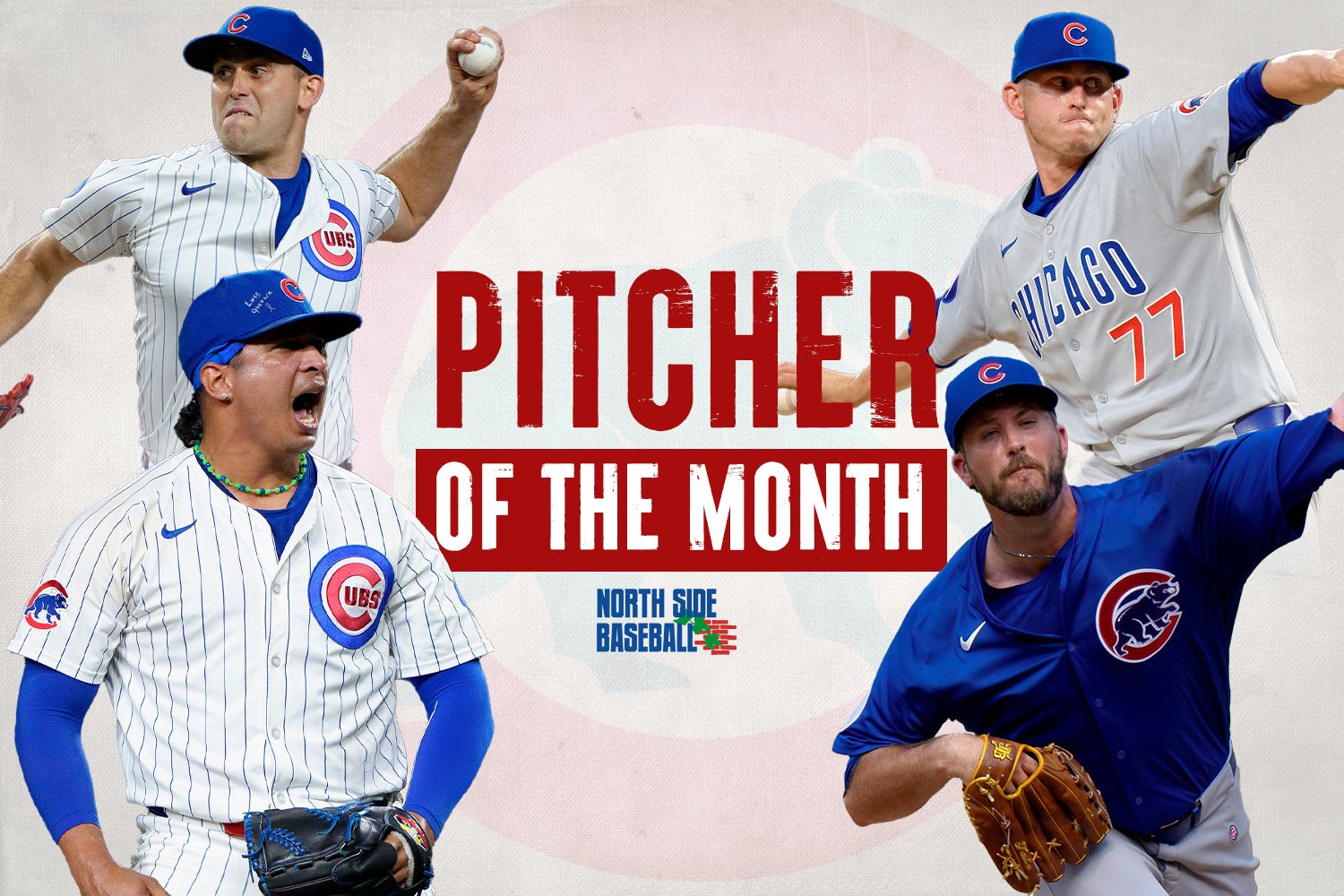 The month of June was extremely kind to the Chicago Cubs bullpen and rather unkind to the starting rotation. Shota Imanaga did return for the latter, but it was the relief corps that kept things together for the North Siders last month. Let's show some love to the team's best pitchers from June. #3 - Chris Flexen - 7 G, 1.32 ERA, 13 2/3 IP, 9 H, 4 BB, 6 K Flexen has been a huge surprise out of the bullpen for Chicago this season. He made 12 appearances in a Cub uniform before allowing his first earned run of the season. He allowed two runs to the Mariners just under two weeks ago and outside of that appearance, he was nearly perfect in June. It was similar to his May performance when he didn't allow an earned run in eight appearances and 14 1/3 innings pitched. The four walks compared to just six strikeouts could be a concern moving forward, but if he continues to throw up zeroes in the stat sheet, not a soul will care about the walk or strikeout rates. #2 - Matthew Boyd - 5 GS, 1.74 ERA, 30 1/3 IP, 6 BB, 18 K Boyd has been the most reliable starting pitcher for the Cubs all season long, and he turned in his best month of the season in June. Opponents hit just .173 against him, an excellent reason for his success on the mound. He never allowed more than two earned runs in a start, the only starting pitcher besides Shota Imanaga to do so (and he returned late in the month). As we've written about here at North Side Baseball, Boyd has been so reliable and inarguably the Chicago's best pitcher all season long. He's truthfully been one of the best and most underrated pitchers in the game this season and is rightfully deserving of a spot in the 2025 All-Star Game. #1 - Drew Pomeranz - 10 G, 0.00 ERA, 9 IP, 9 H, 3 BB. 6 K It was rather easy to put the guy that had a 0.00 ERA not only last month, but for the entire season(!) at the No. 1 spot. Those are Pomeranz's numbers, and he has been exceptional in his first season back in the major leagues since 2021. He's given the Cubs a second reliable left-handed arm in the bullpen alongside Caleb Thielbar, and he is arguably the most reliable reliever in Craig Counsell's bullpen. His opponent batting average did take a major jump from May (.118) to June (.281), and that could be something to keep a close eye on. Just like Flexen, though, as long as Pomeranz keeps putting up zeroes, nobody will care what the advanced metrics say. It will be of utter importance that not only the three pitchers list above, but the rest of the Cubs pitching staff, have a good month of July and help Chicago extend their division lead and separate themselves from the rest of the NL Central. Expect the team to add some new faces to their crop of arms ahead of the stretch run. What do you think about our list? Are there any other pitchers you'd want to put on this list? Let us know in the comments!
 -
Image courtesy of Thieres Rabelo The month of June was extremely kind to the Chicago Cubs bullpen and rather unkind to the starting rotation. Shota Imanaga did return for the latter, but it was the relief corps that kept things together for the North Siders last month. Let's show some love to the team's best pitchers from June. #3 - Chris Flexen - 7 G, 1.32 ERA, 13 2/3 IP, 9 H, 4 BB, 6 K Flexen has been a huge surprise out of the bullpen for Chicago this season. He made 12 appearances in a Cub uniform before allowing his first earned run of the season. He allowed two runs to the Mariners just under two weeks ago and outside of that appearance, he was nearly perfect in June. It was similar to his May performance when he didn't allow an earned run in eight appearances and 14 1/3 innings pitched. The four walks compared to just six strikeouts could be a concern moving forward, but if he continues to throw up zeroes in the stat sheet, not a soul will care about the walk or strikeout rates. #2 - Matthew Boyd - 5 GS, 1.74 ERA, 30 1/3 IP, 6 BB, 18 K Boyd has been the most reliable starting pitcher for the Cubs all season long, and he turned in his best month of the season in June. Opponents hit just .173 against him, an excellent reason for his success on the mound. He never allowed more than two earned runs in a start, the only starting pitcher besides Shota Imanaga to do so (and he returned late in the month). As we've written about here at North Side Baseball, Boyd has been so reliable and inarguably the Chicago's best pitcher all season long. He's truthfully been one of the best and most underrated pitchers in the game this season and is rightfully deserving of a spot in the 2025 All-Star Game. #1 - Drew Pomeranz - 10 G, 0.00 ERA, 9 IP, 9 H, 3 BB. 6 K It was rather easy to put the guy that had a 0.00 ERA not only last month, but for the entire season(!) at the No. 1 spot. Those are Pomeranz's numbers, and he has been exceptional in his first season back in the major leagues since 2021. He's given the Cubs a second reliable left-handed arm in the bullpen alongside Caleb Thielbar, and he is arguably the most reliable reliever in Craig Counsell's bullpen. His opponent batting average did take a major jump from May (.118) to June (.281), and that could be something to keep a close eye on. Just like Flexen, though, as long as Pomeranz keeps putting up zeroes, nobody will care what the advanced metrics say. It will be of utter importance that not only the three pitchers list above, but the rest of the Cubs pitching staff, have a good month of July and help Chicago extend their division lead and separate themselves from the rest of the NL Central. Expect the team to add some new faces to their crop of arms ahead of the stretch run. What do you think about our list? Are there any other pitchers you'd want to put on this list? Let us know in the comments! View full article
-
Image courtesy of © Brad Mills-Imagn Images The Cubs are coming off a month of June in which the bullpen turned in a 2.44 ERA, the best in MLB. Their excellence was headlined by an unlikely trio of Brad Keller, Chris Flexen and Drew Pomeranz. It is no secret, though, that a bullpen can flip upside down in an extremely short amount of time, and even though Chicago's 3.27 bullpen ERA ranks second for the full season, upgrades can still be made. The ages and track records of key hurlers suggest a real risk of regression, and while there aren't many glaring holes on the roster, there are still a couple. We'll start with Ryan Pressly. He was acquired via trade from the Houston Astros and while things have been better of late, Pressly hasn't quite had the season he'd hoped for. He had an ERA of 9.00 in March and May but followed up those months with an ERA of 0.00 and 1.50 in the respective months following them. It's a bit of a tricky situation, as he is a veteran arm and provides great leadership in the clubhouse, but it's hard to trust him in high-leverage situations. He's been out of the closer role for quite some time now, and with the success that current closer Daniel Palencia has had, what role does Pressly truly have on the team? Is he worth keeping around strictly because of his leadership and veteran presence? For now, that seems to be the case, but the front office may feel differently if he gets off to a bad start in his first few outings of the month. Porter Hodge is the other current reliever who probably has a bit of a question mark surrounding his status on the roster. Injuries have held him to just 23 appearances this season, and his 5.06 ERA is a bit worrisome, even after he put up a 1.88 ERA in 39 appearances last season in his rookie year. Hodge has already allowed more runs this season than he did all of last year, and that could make him a prime target to be traded or optioned to Triple-A Iowa should the Cubs have the opportunity to acquire a top-of-the-line relief pitcher at the trade deadline. As far as internal options to replace those two players are concerned, there really aren't many who could perform better than Hodge and Pressly have. Brandon Birdsell looked like a solid prospect until he showed up this spring with shoulder trouble, and he could be a likely candidate to be called up to the major leagues during September call-ups—but only if he can get and stay healthy. Will Sanders and Jack Neely are two more pitching prospects currently pitching in Triple-A, but Sanders is a starter by trade and Neely's been a volatile arm. If Chicago wants to improve its bullpen, the answers may come externally, rather than internally. View full article
-
Assessing Cubs' Needs at 2025 Trade Deadline: Relief Pitching
Andrew Wright posted an article in Cubs
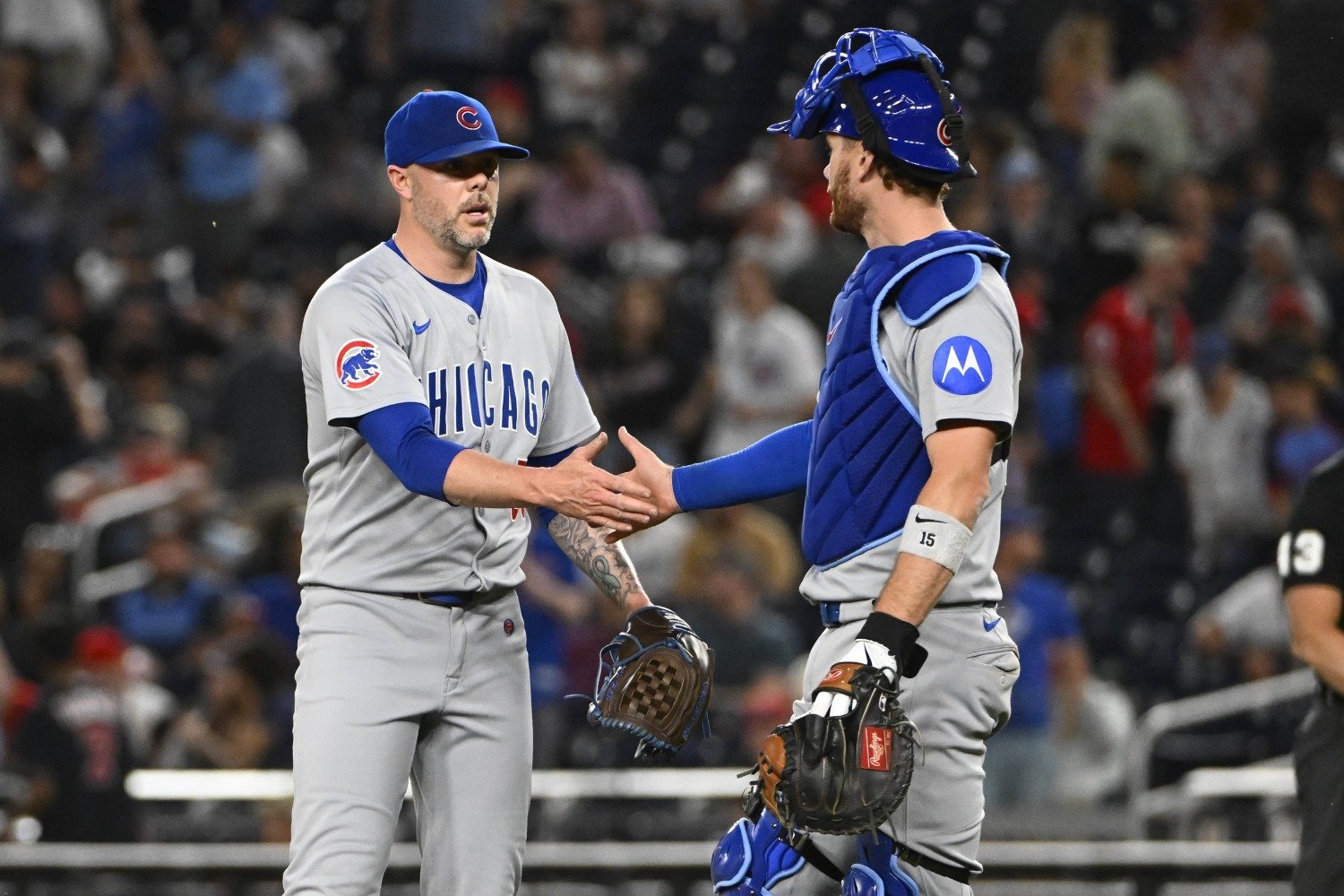 The Cubs are coming off a month of June in which the bullpen turned in a 2.44 ERA, the best in MLB. Their excellence was headlined by an unlikely trio of Brad Keller, Chris Flexen and Drew Pomeranz. It is no secret, though, that a bullpen can flip upside down in an extremely short amount of time, and even though Chicago's 3.27 bullpen ERA ranks second for the full season, upgrades can still be made. The ages and track records of key hurlers suggest a real risk of regression, and while there aren't many glaring holes on the roster, there are still a couple. We'll start with Ryan Pressly. He was acquired via trade from the Houston Astros and while things have been better of late, Pressly hasn't quite had the season he'd hoped for. He had an ERA of 9.00 in March and May but followed up those months with an ERA of 0.00 and 1.50 in the respective months following them. It's a bit of a tricky situation, as he is a veteran arm and provides great leadership in the clubhouse, but it's hard to trust him in high-leverage situations. He's been out of the closer role for quite some time now, and with the success that current closer Daniel Palencia has had, what role does Pressly truly have on the team? Is he worth keeping around strictly because of his leadership and veteran presence? For now, that seems to be the case, but the front office may feel differently if he gets off to a bad start in his first few outings of the month. Porter Hodge is the other current reliever who probably has a bit of a question mark surrounding his status on the roster. Injuries have held him to just 23 appearances this season, and his 5.06 ERA is a bit worrisome, even after he put up a 1.88 ERA in 39 appearances last season in his rookie year. Hodge has already allowed more runs this season than he did all of last year, and that could make him a prime target to be traded or optioned to Triple-A Iowa should the Cubs have the opportunity to acquire a top-of-the-line relief pitcher at the trade deadline. As far as internal options to replace those two players are concerned, there really aren't many who could perform better than Hodge and Pressly have. Brandon Birdsell looked like a solid prospect until he showed up this spring with shoulder trouble, and he could be a likely candidate to be called up to the major leagues during September call-ups—but only if he can get and stay healthy. Will Sanders and Jack Neely are two more pitching prospects currently pitching in Triple-A, but Sanders is a starter by trade and Neely's been a volatile arm. If Chicago wants to improve its bullpen, the answers may come externally, rather than internally.
 -
Image courtesy of © David Banks-Imagn Images The Chicago Cubs are making noise beyond the ivy this summer, with a wave of fan support propelling several players toward All-Star Game starting spots. Fueled by breakout seasons and consistent performances, the North Siders are emerging as one of the most represented teams in early voting returns. As ballots pour in, it’s clear that Wrigleyville is rallying—and the rest of baseball is taking notice. The representation for the Cubs in the first voting update has been excellent, and a testament to exactly what the players have produced on the field this season. They've had multiple players represented in the All-Star Game in three of the last four seasons, and that could very well be the case again this season. Chicago has a player in the top five at every position, as follows. Carson Kelly: 2nd among catchers Michael Busch: 3rd among first basemen Nico Hoerner: 3rd among second basemen Dansby Swanson: 5th among shortstops Matt Shaw: 4th among third basemen Seiya Suzuki: 3rd among designated hitters (second if not for the Rafael Devers trade) Pete Crow-Armstrong: 1st among outfielders Kyle Tucker: 2nd among outfielders Of the eight Cubs in the top five at their respective positions, it could be argued that six of the eight are rightfully in the correct range. The two players for whom it feels like a slight overbid are Shaw and Kelly. The other six are rightfully at the top of the voting, and at least three should be no-brainer selections to head to Atlanta in mid-July. Crow-Armstrong and Tucker are undoubtedly All-Stars this season. Suzuki should be the backup at DH, but the Rafael Devers trade propelled him way ahead of Suzuki due to his voting numbers carrying over. Despite not having any home runs, Nico Hoerner should arguably be the starting second baseman for the National League, His old-school approach at the plate (.290 avg) mixed with his stellar defense (11 Defensive Runs Saved) make him a worthy candidate. Kelly is over 130,000 votes ahead of the next-closest catcher, and while that seemed like a reasonable possibility amid his scorching hot start to the season, he is in a major funk at the plate. He has just four hits in his last 44 at-bats and has become a weak spot in the Cubs lineup. The All-Star break may be a good time for him to reset and find his rhythm for the second half of the season. Busch is, unfortunately, behind the two best first basemen in the NL, who also happen to play in the two biggest markets. No matter what kind of numbers he puts up, it'll always be hard to beat out Freddie Freeman and Pete Alonso in a popularity contest. If one of those two decide to sit out, Busch will be the perfect replacement, and it will be a well-deserved nod. As far as Swanson and Shaw are concerned, neither really deserve to be there and it is probably for the best that neither makes it. Now, both could go on torrid stretches leading up to the final selection process and make their cases, but as of now, they will both likely be watching the game from somewhere other than Atlanta. With the votes piling in and Wrigley’s faithful rallying behind their stars, the Cubs are poised to make a major statement when the All-Star lineups are revealed. View full article
-
Wrigley Stars Shine: Cubs Leading Multiple All-Star Categories
Andrew Wright posted an article in Cubs
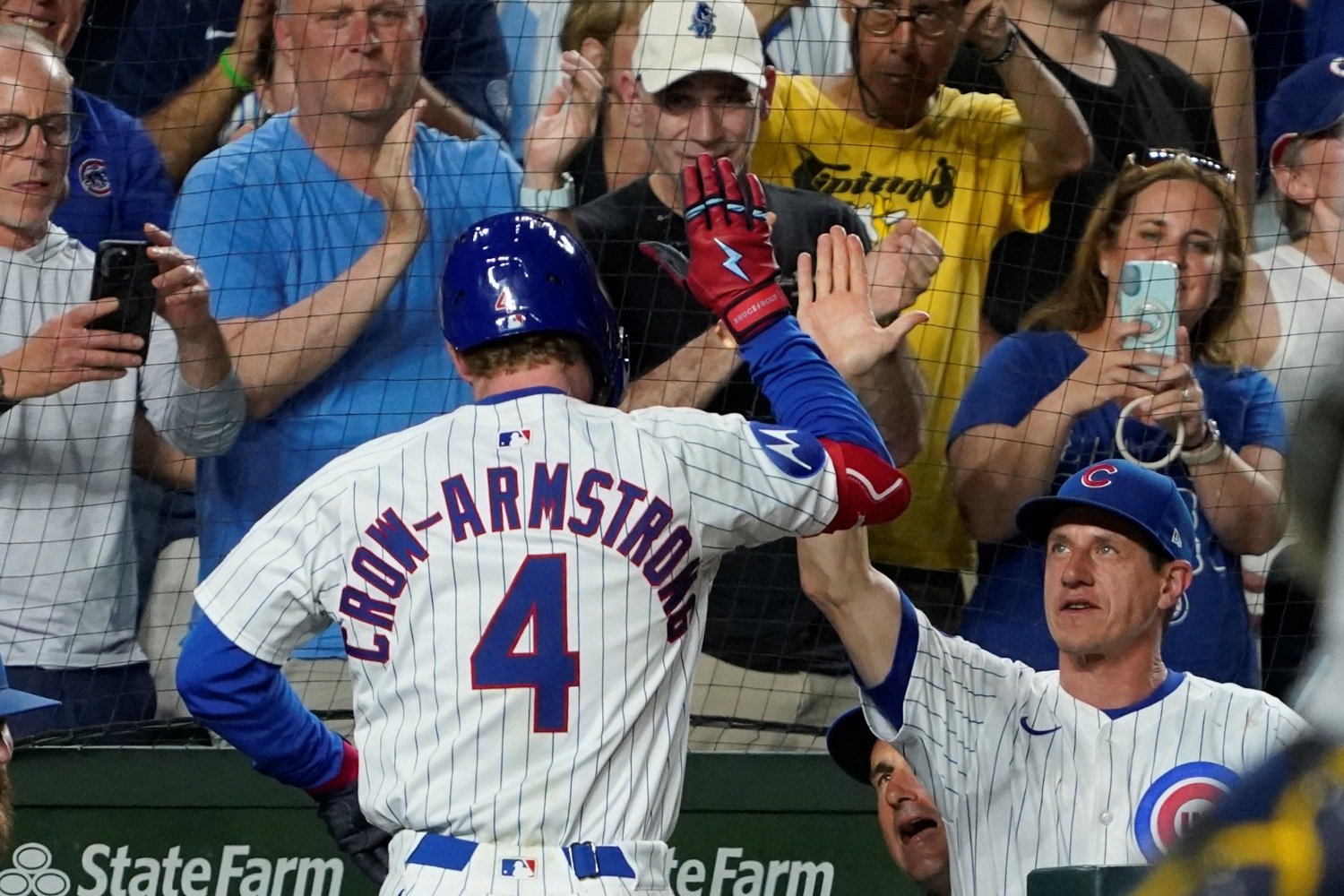 The Chicago Cubs are making noise beyond the ivy this summer, with a wave of fan support propelling several players toward All-Star Game starting spots. Fueled by breakout seasons and consistent performances, the North Siders are emerging as one of the most represented teams in early voting returns. As ballots pour in, it’s clear that Wrigleyville is rallying—and the rest of baseball is taking notice. The representation for the Cubs in the first voting update has been excellent, and a testament to exactly what the players have produced on the field this season. They've had multiple players represented in the All-Star Game in three of the last four seasons, and that could very well be the case again this season. Chicago has a player in the top five at every position, as follows. Carson Kelly: 2nd among catchers Michael Busch: 3rd among first basemen Nico Hoerner: 3rd among second basemen Dansby Swanson: 5th among shortstops Matt Shaw: 4th among third basemen Seiya Suzuki: 3rd among designated hitters (second if not for the Rafael Devers trade) Pete Crow-Armstrong: 1st among outfielders Kyle Tucker: 2nd among outfielders Of the eight Cubs in the top five at their respective positions, it could be argued that six of the eight are rightfully in the correct range. The two players for whom it feels like a slight overbid are Shaw and Kelly. The other six are rightfully at the top of the voting, and at least three should be no-brainer selections to head to Atlanta in mid-July. Crow-Armstrong and Tucker are undoubtedly All-Stars this season. Suzuki should be the backup at DH, but the Rafael Devers trade propelled him way ahead of Suzuki due to his voting numbers carrying over. Despite not having any home runs, Nico Hoerner should arguably be the starting second baseman for the National League, His old-school approach at the plate (.290 avg) mixed with his stellar defense (11 Defensive Runs Saved) make him a worthy candidate. Kelly is over 130,000 votes ahead of the next-closest catcher, and while that seemed like a reasonable possibility amid his scorching hot start to the season, he is in a major funk at the plate. He has just four hits in his last 44 at-bats and has become a weak spot in the Cubs lineup. The All-Star break may be a good time for him to reset and find his rhythm for the second half of the season. Busch is, unfortunately, behind the two best first basemen in the NL, who also happen to play in the two biggest markets. No matter what kind of numbers he puts up, it'll always be hard to beat out Freddie Freeman and Pete Alonso in a popularity contest. If one of those two decide to sit out, Busch will be the perfect replacement, and it will be a well-deserved nod. As far as Swanson and Shaw are concerned, neither really deserve to be there and it is probably for the best that neither makes it. Now, both could go on torrid stretches leading up to the final selection process and make their cases, but as of now, they will both likely be watching the game from somewhere other than Atlanta. With the votes piling in and Wrigley’s faithful rallying behind their stars, the Cubs are poised to make a major statement when the All-Star lineups are revealed.
 -
Image courtesy of © Benny Sieu-Imagn Images Chicago Cubs fans have seen some painfully brief highs and maddening lows over the last half-decade, but right now, it looks like their team is headed back to the postseason, for the first time since they still had the core of the 2016 World Series-winning team. There is, however, one constant and underlying problem on the roster: the production (or lack thereof) from the Cubs bench. The four usual bench suspects on any given day for Chicago are Justin Turner, Vidal Bruján, Jon Berti and Reese McGuire. Turner alternates with Michael Busch at first base depending on pitching matchups, and McGuire starts as much as you'd expect a backup backstop to, but the other two players mentioned are almost glued to the bench—and, unfortunately, with good reason. So far this season, those four have combined for just 12 extra-base hits. The highest batting average in the set is McGuire's .267, in just 30 at-bats. Quite frankly, that production isn't going to be enough to get the Cubs over the hump when the everyday guys are needing a day off. Additions to the bench will need to be made. We can start with Turner, as he is probably the most unlikely person to be moved at any point during the year. The locker room and leadership value he delivers will keep Turner around the clubhouse for the entire season. He can also give the occasional good pinch-hit plate appearance or a start against left-handers, taking some stress off Busch. He also gave us one of the most hilarious moments of the season on Thursday, an illustration of the (er) bounce he brings to the dugout. McGuire will likely be waived when Miguel Amaya is ready to return from his oblique injury, since he can't be optioned to the minors. Based on that, one could assume that the other two regular bench members will depart at some point during the season, and there are several routes the Cubs could go in replacing them. Chicago could explore the free-agent market, the minor leagues or (the most likely scenario) the trade market. If they go the route of the trade market, here are two players who could be on the Cubs' bench at the end of the season. Mike Tauchman, OF Chicago needs a reliable backup outfield option in case of injuries, and Tauchman would be a good fit in that role. He did that for the Cubs over the past two seasons, and it feels safe to assume that he would be okay doing it again for a World Series-contending team. He's hitting .274 with four home runs and an .898 OPS this season for the White Sox, making himself a nice trade piece. The two Chicago teams are plenty used to making trades, and another this season would warm the hearts of fans of the "Summer of Tauchman." Otto Lopez, 3B Lopez has been a pleasant surprise for a struggling Miami Marlins team this season, and has made himself a very nice trade piece if Miami decides to move him. Lopez has a .237 average and more extra-base hits (seven doubles, six home runs) than the Cubs bench regulars put together. He could be an excellent backup to Matt Shaw at third base. Lopez has another quality that fits in with Chicago's roster, too: his speed. He is 7-for-10 in stolen base attempts this season and could be an excellent late-inning pinch-runner for some of the slower players on the Cubs roster. While the bench production won't make or break the season, it could certainly play a pivotal role in a deep postseason run, for a Chicago organization that hasn't been to the Fall Classic since 2016. View full article
-
Two Trade Candidates to Address Horrific Production from Cubs' Bench Unit
Andrew Wright posted an article in Cubs
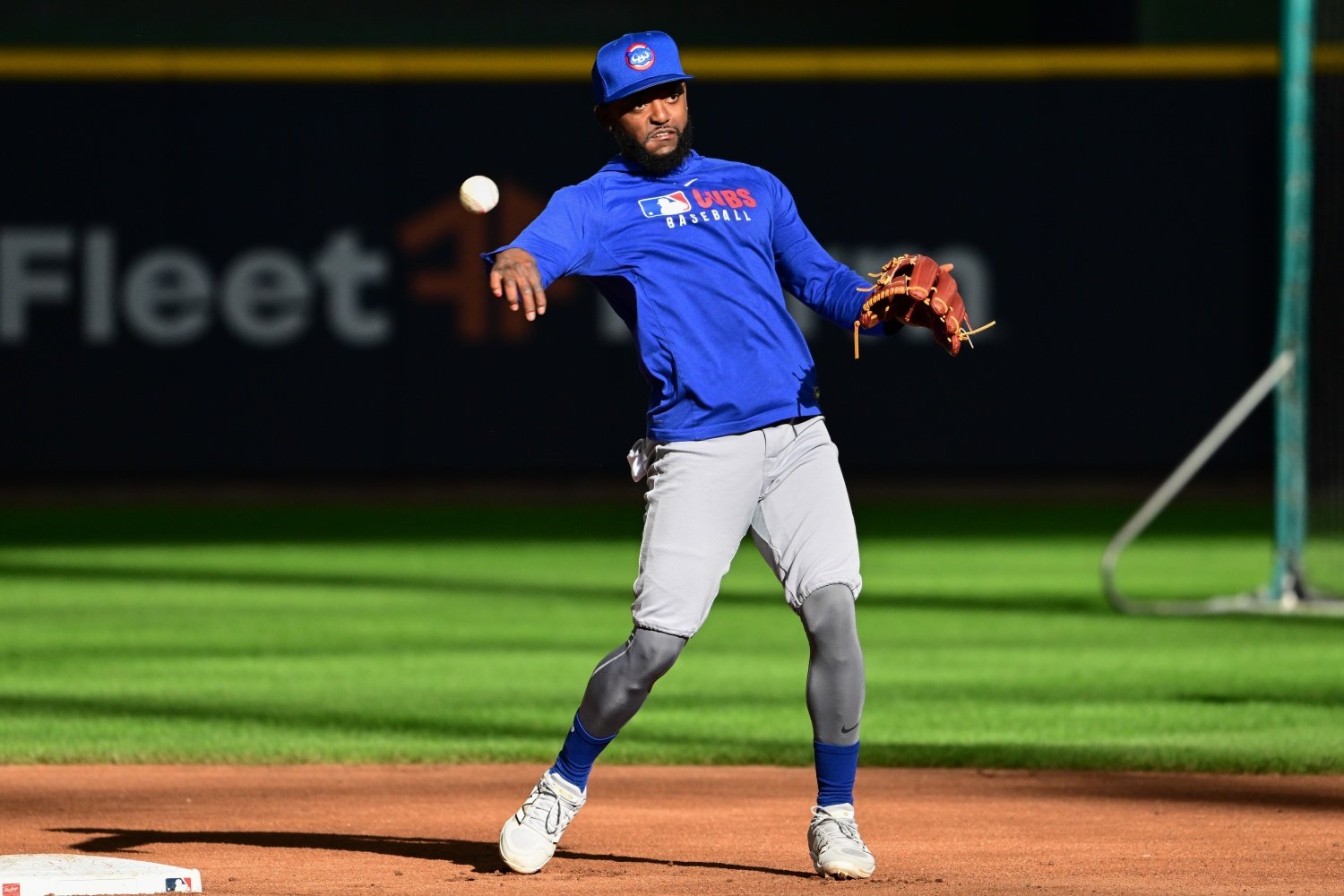 Chicago Cubs fans have seen some painfully brief highs and maddening lows over the last half-decade, but right now, it looks like their team is headed back to the postseason, for the first time since they still had the core of the 2016 World Series-winning team. There is, however, one constant and underlying problem on the roster: the production (or lack thereof) from the Cubs bench. The four usual bench suspects on any given day for Chicago are Justin Turner, Vidal Bruján, Jon Berti and Reese McGuire. Turner alternates with Michael Busch at first base depending on pitching matchups, and McGuire starts as much as you'd expect a backup backstop to, but the other two players mentioned are almost glued to the bench—and, unfortunately, with good reason. So far this season, those four have combined for just 12 extra-base hits. The highest batting average in the set is McGuire's .267, in just 30 at-bats. Quite frankly, that production isn't going to be enough to get the Cubs over the hump when the everyday guys are needing a day off. Additions to the bench will need to be made. We can start with Turner, as he is probably the most unlikely person to be moved at any point during the year. The locker room and leadership value he delivers will keep Turner around the clubhouse for the entire season. He can also give the occasional good pinch-hit plate appearance or a start against left-handers, taking some stress off Busch. He also gave us one of the most hilarious moments of the season on Thursday, an illustration of the (er) bounce he brings to the dugout. McGuire will likely be waived when Miguel Amaya is ready to return from his oblique injury, since he can't be optioned to the minors. Based on that, one could assume that the other two regular bench members will depart at some point during the season, and there are several routes the Cubs could go in replacing them. Chicago could explore the free-agent market, the minor leagues or (the most likely scenario) the trade market. If they go the route of the trade market, here are two players who could be on the Cubs' bench at the end of the season. Mike Tauchman, OF Chicago needs a reliable backup outfield option in case of injuries, and Tauchman would be a good fit in that role. He did that for the Cubs over the past two seasons, and it feels safe to assume that he would be okay doing it again for a World Series-contending team. He's hitting .274 with four home runs and an .898 OPS this season for the White Sox, making himself a nice trade piece. The two Chicago teams are plenty used to making trades, and another this season would warm the hearts of fans of the "Summer of Tauchman." Otto Lopez, 3B Lopez has been a pleasant surprise for a struggling Miami Marlins team this season, and has made himself a very nice trade piece if Miami decides to move him. Lopez has a .237 average and more extra-base hits (seven doubles, six home runs) than the Cubs bench regulars put together. He could be an excellent backup to Matt Shaw at third base. Lopez has another quality that fits in with Chicago's roster, too: his speed. He is 7-for-10 in stolen base attempts this season and could be an excellent late-inning pinch-runner for some of the slower players on the Cubs roster. While the bench production won't make or break the season, it could certainly play a pivotal role in a deep postseason run, for a Chicago organization that hasn't been to the Fall Classic since 2016.
 -
Image courtesy of Chris Tilley-Imagn Images After struggling in a mighty way in the early part of the season, the Chicago Cubs bullpen has stepped up and become one of the best in baseball over the last month. They have put up excellent numbers despite losing Porter Hodge for a period and have gotten contributions from unexpected arms such as Brad Keller, Drew Pomeranz and Chris Flexen. It has been a sigh of relief most nights to know that the bullpen is more than likely going to do its job and help the Cubs get a win. While the success has been a welcome sight, it is safe to assume that the unexpected production from the previously mentioned players will not hold up throughout the entirety of the season (or, at least, not all of them will hold up this level of production). Because of that, Chicago may be exploring trades for pitching when the trade deadline rolls around. One pitcher that may become available if his team continues to struggle is left-hander and former World Series champion Aroldis Chapman. Chapman is highly remembered as one of the heroes of the 2016 World Series team, and for the most part, that is correct. We all remember the home run allowed to Rajai Davis in Game 7 of the World Series, but he returned for one of the most gutsy ninth innings ever pitched, so it's easy to forgive an overworked Chapman for that blip. A reunion with the Cubs could make the bullpen even more dangerous and add another power left-handed arm to pitch in high leverage situations. Chapman is having an excellent season with the Boston Red Sox, posting a 1.80 ERA, nine saves and 33 strikeouts in 27 appearances and 25 innings pitched, He's posted an ERA under 3.80 in each of the last two seasons and is well on his way to doing so again in 2025. With the Red Sox going downhill fast (30-34, fourth place in the AL East) and Chapman being on a one-year deal, he is a prime trade candidate. Now, we need to acknowledge that Chapman is both an old (37) rental and not the best human being off the field. Cubs fandom went through all these emotions when the team first acquired him back in 2016, so we won't rehash everything here, but it's a not-insignificant-part of Chapman's legacy that he was suspended for domestic violence back in 2016. Looking beyond that and focusing purely on the baseball fit, there's a reason why Chapman will be highly sought-after at this upcoming trade deadline. This is just one of many possible packages the Cubs could offer to secure the flamethrowing southpaw's services. Cubs receive: LHP Aroldis Chapman Red Sox receive: RHP Jack Neely (CHC No. 16 prospect) and SS/3B Yahil Melendez (CHC No. 24 prospect) Chicago gets its high-leverage left-handed arm and the return to Boston gives them a young, controllable pitching prospect in Neely and an infield prospect of Melendez that will likely be blocked through the system because of the high amount of middle infield talent Chicago has (which is a problem the Red Sox are also dealing with, which could encourage them to seek out a secondary pitching prospect instead). Because Chapman is on just a one-year deal, the Cubs could likely get away with not giving up a top-15 prospect within the organization. If the Cubs are able to strike a deal for Chapman, it would be hard to not consider the back-end trio of Hodge, Chapman and Palencia as one of the best in the entire league. A hard-throwing, lockdown arm from the left side could be exactly what Chicago needs to win the NL Central and get back to the postseason for the first time since 2020. View full article
-
Building a Trade That Brings A Former World Series Champion Back to Chicago
Andrew Wright posted an article in Cubs
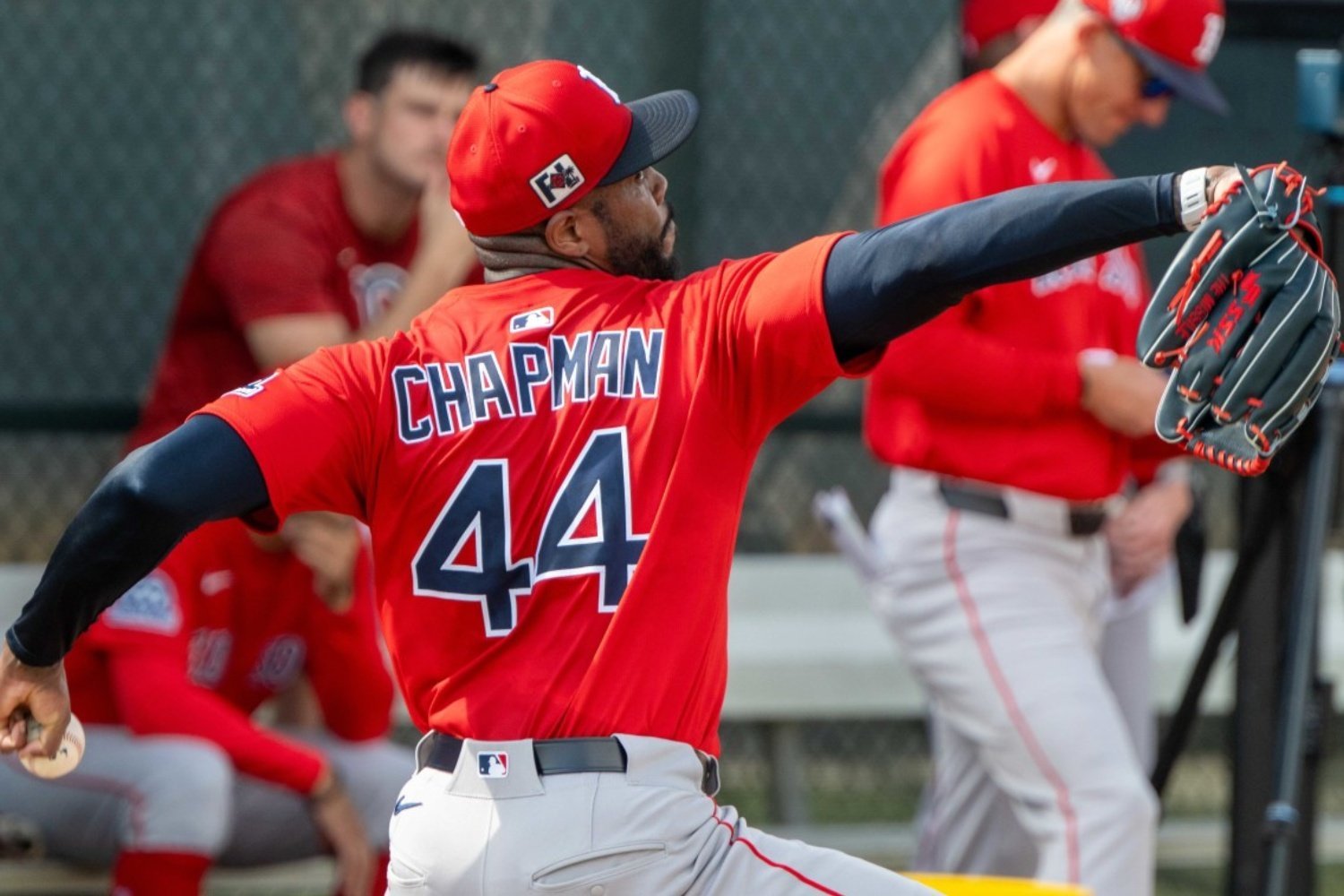 After struggling in a mighty way in the early part of the season, the Chicago Cubs bullpen has stepped up and become one of the best in baseball over the last month. They have put up excellent numbers despite losing Porter Hodge for a period and have gotten contributions from unexpected arms such as Brad Keller, Drew Pomeranz and Chris Flexen. It has been a sigh of relief most nights to know that the bullpen is more than likely going to do its job and help the Cubs get a win. While the success has been a welcome sight, it is safe to assume that the unexpected production from the previously mentioned players will not hold up throughout the entirety of the season (or, at least, not all of them will hold up this level of production). Because of that, Chicago may be exploring trades for pitching when the trade deadline rolls around. One pitcher that may become available if his team continues to struggle is left-hander and former World Series champion Aroldis Chapman. Chapman is highly remembered as one of the heroes of the 2016 World Series team, and for the most part, that is correct. We all remember the home run allowed to Rajai Davis in Game 7 of the World Series, but he returned for one of the most gutsy ninth innings ever pitched, so it's easy to forgive an overworked Chapman for that blip. A reunion with the Cubs could make the bullpen even more dangerous and add another power left-handed arm to pitch in high leverage situations. Chapman is having an excellent season with the Boston Red Sox, posting a 1.80 ERA, nine saves and 33 strikeouts in 27 appearances and 25 innings pitched, He's posted an ERA under 3.80 in each of the last two seasons and is well on his way to doing so again in 2025. With the Red Sox going downhill fast (30-34, fourth place in the AL East) and Chapman being on a one-year deal, he is a prime trade candidate. Now, we need to acknowledge that Chapman is both an old (37) rental and not the best human being off the field. Cubs fandom went through all these emotions when the team first acquired him back in 2016, so we won't rehash everything here, but it's a not-insignificant-part of Chapman's legacy that he was suspended for domestic violence back in 2016. Looking beyond that and focusing purely on the baseball fit, there's a reason why Chapman will be highly sought-after at this upcoming trade deadline. This is just one of many possible packages the Cubs could offer to secure the flamethrowing southpaw's services. Cubs receive: LHP Aroldis Chapman Red Sox receive: RHP Jack Neely (CHC No. 16 prospect) and SS/3B Yahil Melendez (CHC No. 24 prospect) Chicago gets its high-leverage left-handed arm and the return to Boston gives them a young, controllable pitching prospect in Neely and an infield prospect of Melendez that will likely be blocked through the system because of the high amount of middle infield talent Chicago has (which is a problem the Red Sox are also dealing with, which could encourage them to seek out a secondary pitching prospect instead). Because Chapman is on just a one-year deal, the Cubs could likely get away with not giving up a top-15 prospect within the organization. If the Cubs are able to strike a deal for Chapman, it would be hard to not consider the back-end trio of Hodge, Chapman and Palencia as one of the best in the entire league. A hard-throwing, lockdown arm from the left side could be exactly what Chicago needs to win the NL Central and get back to the postseason for the first time since 2020.
 -
Seiya Suzuki Has Become Clutch Slugger Cubs Need in No. 3 Spot in Lineup
Andrew Wright posted an article in Cubs
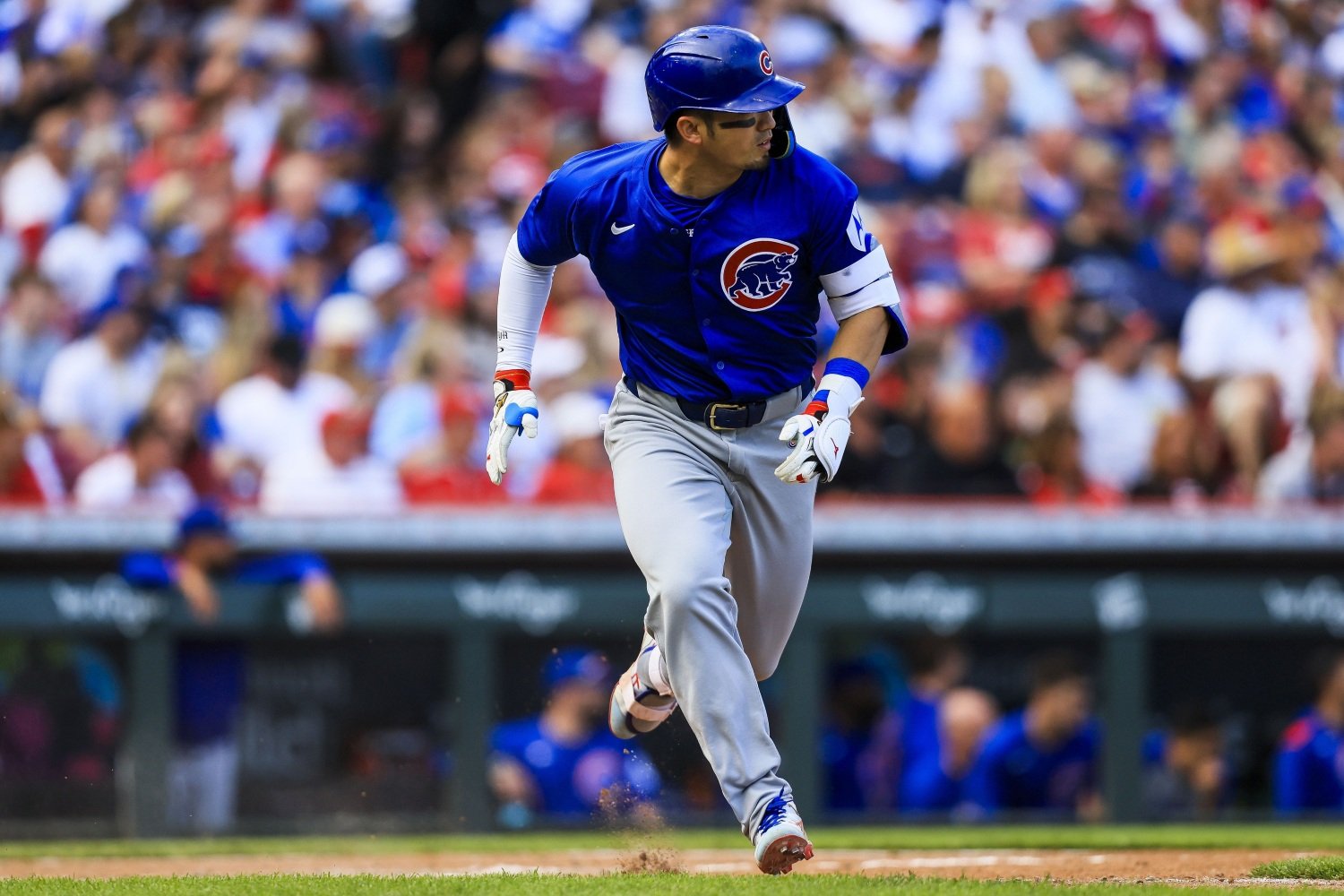 The 2025 Chicago Cubs can hit and score runs with anybody in the league. That was showcased over the weekend in Cincinnati, when they scored 30 runs over three games. Several players had excellent series, but the best performance of the weekend on offense for Chicago came from its designated hitter, Seiya Suzuki. Suzuki's career with the Cubs has been strong, and probably what most expected when he made the transition from Japan to the United States. He's a career .277 hitter, with 69 home runs and an .834 OPS in 430 games played and 1,622 at-bats for the Cubs. After a slow start to the 2025 season, Suzuki has increased his production and cemented himself as the perfect No. 3 hitter in the Chicago lineup. After his three hits and four RBIs Sunday, Suzuki is now the MLB leader with 49 RBIs—one ahead of his teammate, Pete Crow-Armstrong. He had seven total hits and two home runs in the series against the Reds and has gotten himself back on track after a slow start to the month. His ability to do damage in high-leverage situations certainly helps his case to remain in the No. 3 spot, as do the two hitters in front of him in the lineup. Suzuki is usually behind both Ian Happ and Kyle Tucker in the batting order, and both of those players get on base at a healthy rate. Happ currently has a .344 on-base percentage, while Tucker sits at .384, good for 17th in the major leagues. As Suzuki has become incrementally but crucially more aggressive, he's tapped into enough power to be perfectly suited for driving home both table-setters. Suzuki is succeeding not only with runners on base, but especially when those runners are in scoring position. He boasts a slash line of .362/.414/.724 with runners in scoring position this year. That slash line increases to .444/.545/1.074 when there are runners in scoring position and two outs. Those are gaudy numbers and a perfect representation of why Suzuki fits as the No. 3 hitter in the Chicago lineup. His numbers are actually better when batting second, for the simple reason that he does so only against left-handed starters. That small swap figures to continue, as Craig Counsell manages matchups and sets up advantageous situations throughout his batting order based on the opponent, but when there are righties on the bump for the other team, expect to keep seeing Suzuki bat third. With continued production from Suzuki through the remainder of the season, Chicago could have its first major-league RBI leader since Sammy Sosa in 2001. If Suzuki does that, the Cubs could be well on their way to their first division championship and postseason appearance since the COVID-shortened 2020 season. In fact, they're well on their way, anyway.
 -
Image courtesy of © Katie Stratman-Imagn Images The 2025 Chicago Cubs can hit and score runs with anybody in the league. That was showcased over the weekend in Cincinnati, when they scored 30 runs over three games. Several players had excellent series, but the best performance of the weekend on offense for Chicago came from its designated hitter, Seiya Suzuki. Suzuki's career with the Cubs has been strong, and probably what most expected when he made the transition from Japan to the United States. He's a career .277 hitter, with 69 home runs and an .834 OPS in 430 games played and 1,622 at-bats for the Cubs. After a slow start to the 2025 season, Suzuki has increased his production and cemented himself as the perfect No. 3 hitter in the Chicago lineup. After his three hits and four RBIs Sunday, Suzuki is now the MLB leader with 49 RBIs—one ahead of his teammate, Pete Crow-Armstrong. He had seven total hits and two home runs in the series against the Reds and has gotten himself back on track after a slow start to the month. His ability to do damage in high-leverage situations certainly helps his case to remain in the No. 3 spot, as do the two hitters in front of him in the lineup. Suzuki is usually behind both Ian Happ and Kyle Tucker in the batting order, and both of those players get on base at a healthy rate. Happ currently has a .344 on-base percentage, while Tucker sits at .384, good for 17th in the major leagues. As Suzuki has become incrementally but crucially more aggressive, he's tapped into enough power to be perfectly suited for driving home both table-setters. Suzuki is succeeding not only with runners on base, but especially when those runners are in scoring position. He boasts a slash line of .362/.414/.724 with runners in scoring position this year. That slash line increases to .444/.545/1.074 when there are runners in scoring position and two outs. Those are gaudy numbers and a perfect representation of why Suzuki fits as the No. 3 hitter in the Chicago lineup. His numbers are actually better when batting second, for the simple reason that he does so only against left-handed starters. That small swap figures to continue, as Craig Counsell manages matchups and sets up advantageous situations throughout his batting order based on the opponent, but when there are righties on the bump for the other team, expect to keep seeing Suzuki bat third. With continued production from Suzuki through the remainder of the season, Chicago could have its first major-league RBI leader since Sammy Sosa in 2001. If Suzuki does that, the Cubs could be well on their way to their first division championship and postseason appearance since the COVID-shortened 2020 season. In fact, they're well on their way, anyway. View full article
-
Image courtesy of © Vincent Carchietta-Imagn Images The Chicago Cubs have officially finished up one of the most brutal 41-game schedule stretches in recent memory, and despite closing it on a four-game losing streak, Chicago came out with a record of 23-18, atop the standings in the National League Central division. Just last week, we looked at the Cubs' success in series openers, particularly at home, and discussed why the club is undefeated in such games. Today, we are going to try and figure out exactly why Chicago has played some of its worst baseball on Sundays. The team sits at 1-6 in Sunday games, and that lone win was back on April 13, against the Los Angeles Dodgers. Let's try and figure out exactly what is going wrong for Chicago in series finales. We'll start the same place we did when analyzing what's gone well, and that is the scoring. As noted last week, Chicago is averaging 7.8 runs per game in home series openers. That average cuts in half on Sundays, as the Cubs have scored just 22 runs in seven games. That comes out to a measly 3.1 runs per game. The club scored 17 runs in its first three Sunday games of the season, but have since scored just five over four games. Another thing noted in the article surrounding the success in series openers was how great the starting pitching had been in those games. The Sunday games this season have been the exact opposite, which has brought out something the Cubs have struggled with this year: high-leverage relief work. Only once has a starting pitcher taken the loss in a Sunday game, and that was Shota Imanaga in his most recent start before going on the injured list. Every other game has been lost by a member of a scuffling Cubs bullpen—and although it was Imanaga's run that scored and he got the official loss, it was the bullpen that allowed his bequeathed runners to score after he departed that day. Chicago wasn't particularly great in Sunday games last year, as they finished 15-11. The next several Sunday games will be crucial to the team's season-long success. Four of their next five Sunday games come against the Reds (twice), White Sox and Pirates. If Chicago is a true contender in the NL, it must win all four of those series finales. If the club is able to get back to that this season, it would feel like an absolute miracle. Winning 14 of their last 19 games on Sundays would also more than likely signal that Chicago has won the NL Central and reached the postseason for the first time since 2020. View full article
-
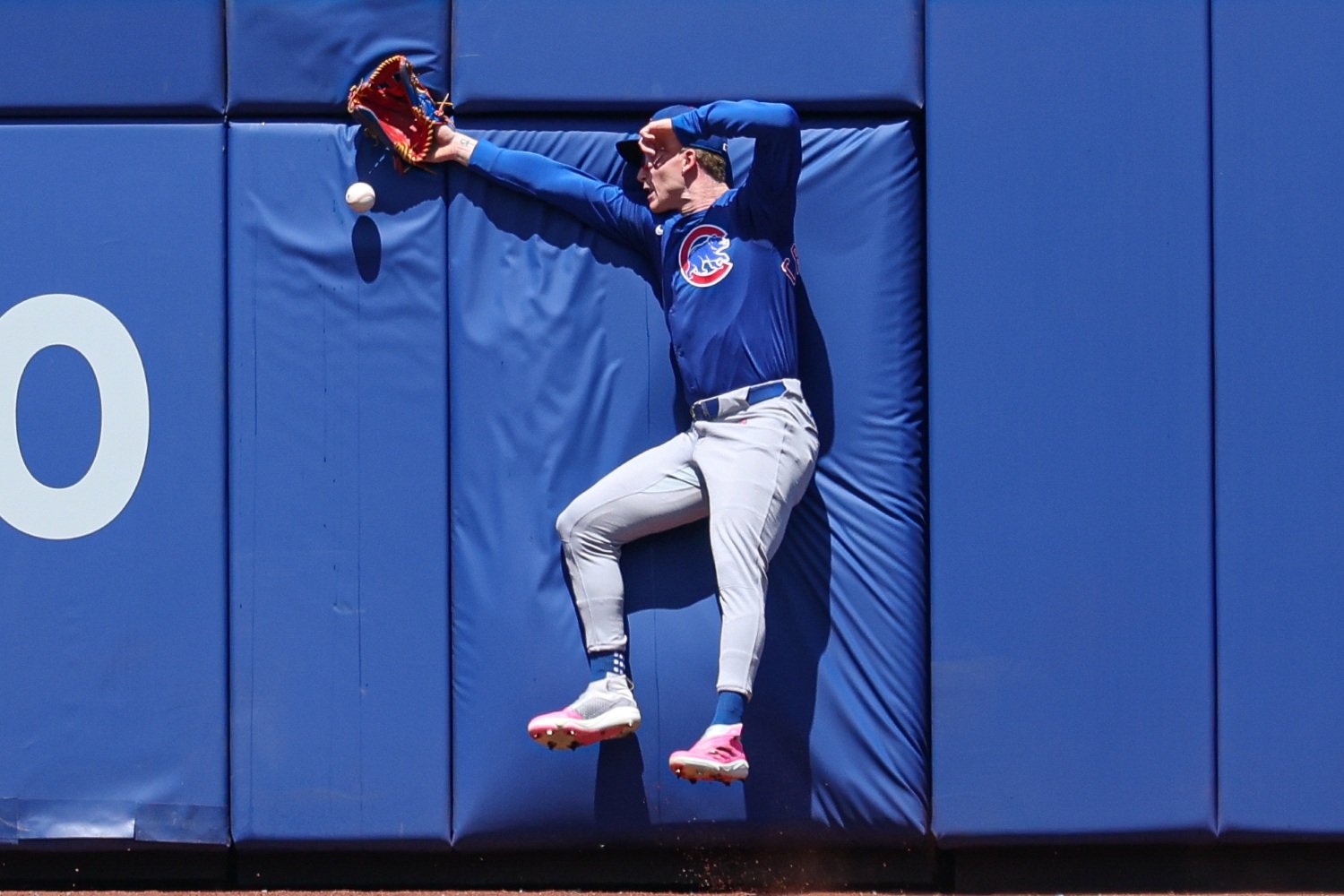 The Chicago Cubs have officially finished up one of the most brutal 41-game schedule stretches in recent memory, and despite closing it on a four-game losing streak, Chicago came out with a record of 23-18, atop the standings in the National League Central division. Just last week, we looked at the Cubs' success in series openers, particularly at home, and discussed why the club is undefeated in such games. Today, we are going to try and figure out exactly why Chicago has played some of its worst baseball on Sundays. The team sits at 1-6 in Sunday games, and that lone win was back on April 13, against the Los Angeles Dodgers. Let's try and figure out exactly what is going wrong for Chicago in series finales. We'll start the same place we did when analyzing what's gone well, and that is the scoring. As noted last week, Chicago is averaging 7.8 runs per game in home series openers. That average cuts in half on Sundays, as the Cubs have scored just 22 runs in seven games. That comes out to a measly 3.1 runs per game. The club scored 17 runs in its first three Sunday games of the season, but have since scored just five over four games. Another thing noted in the article surrounding the success in series openers was how great the starting pitching had been in those games. The Sunday games this season have been the exact opposite, which has brought out something the Cubs have struggled with this year: high-leverage relief work. Only once has a starting pitcher taken the loss in a Sunday game, and that was Shota Imanaga in his most recent start before going on the injured list. Every other game has been lost by a member of a scuffling Cubs bullpen—and although it was Imanaga's run that scored and he got the official loss, it was the bullpen that allowed his bequeathed runners to score after he departed that day. Chicago wasn't particularly great in Sunday games last year, as they finished 15-11. The next several Sunday games will be crucial to the team's season-long success. Four of their next five Sunday games come against the Reds (twice), White Sox and Pirates. If Chicago is a true contender in the NL, it must win all four of those series finales. If the club is able to get back to that this season, it would feel like an absolute miracle. Winning 14 of their last 19 games on Sundays would also more than likely signal that Chicago has won the NL Central and reached the postseason for the first time since 2020.
