


Andrew Wright
-
Posts
150 -
Joined
-
Last visited
1 Follower

Recent Profile Visitors
4,105 profile views




Andrew Wright's Achievements






-
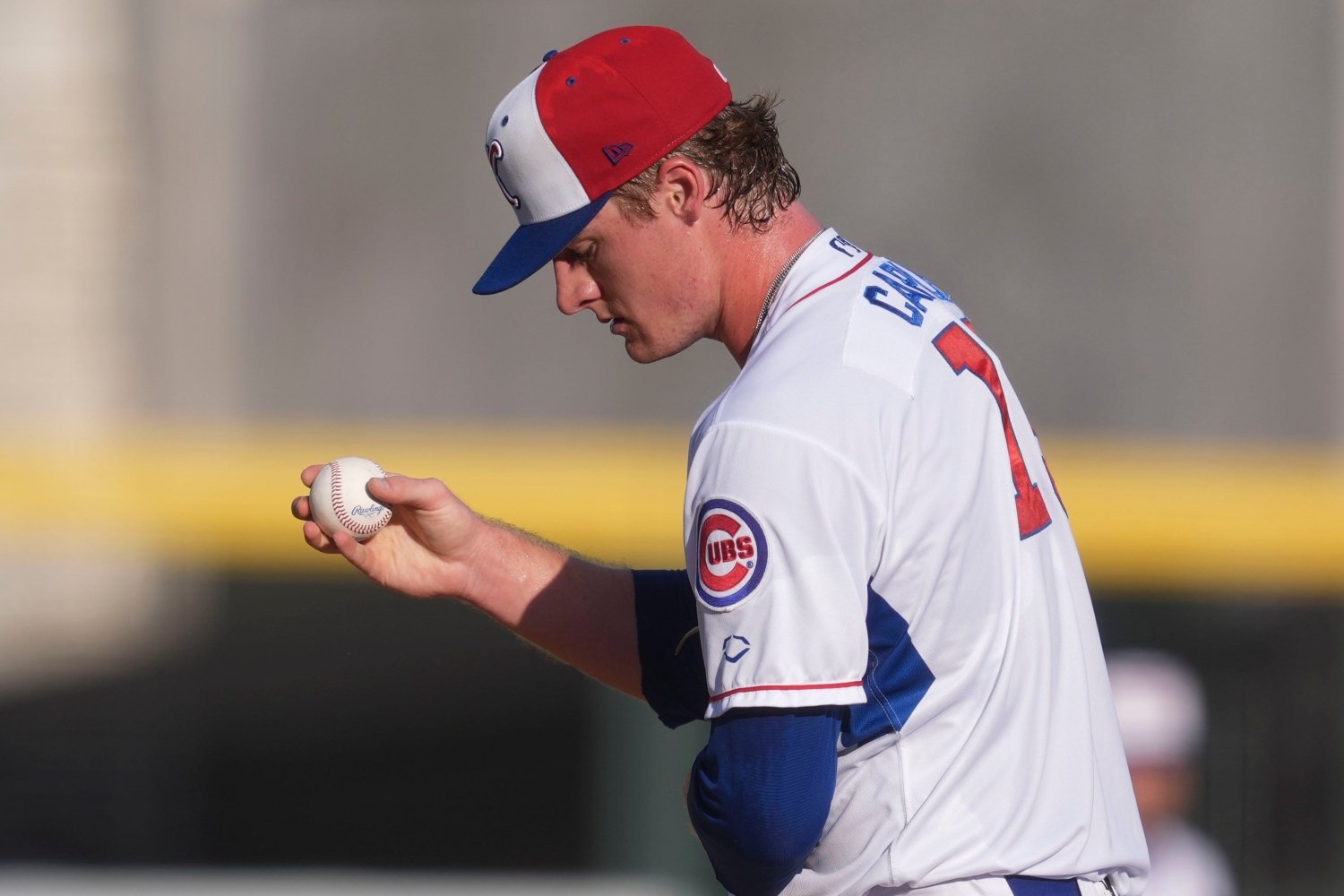 With the end of the MiLB season comes time for recognition of players who stood out throughout the season. While most of the Cubs' prospect success came on the offensive side this year, there were still some standout pitchers who had excellent seasons and built up some confidence headed into the 2027 season. Let's dive into those and crown our 2026 Cubs Minor League Pitchers of the Year. 3. Brooks Caple - 21 G, 21 GS, 107.2 IP, 3.09 ERA, 31 BB, 108 K Caple made his way into the Cubs top 10 prospect rankings midway through the season, and it was well-deserved. He pitched across two levels this season, posting a 7-5 record with a 3.09 ERA and 108 strikeouts in 21 starts and 107 2/3 innings pitched. Caple's most impressive trait may have been his command of the strike zone, as he went from 43 walks in 98 1/3 innings in 2025 to the numbers you see above. He features a fastball that sat in the mid-90s, along with a breaking ball mix that includes a curveball and slider. Most of Caple's time was spent at Double-A Knoxville, where he pitched 86 frames. His work at Double-A earned him Double-A League All-Star Honors, alongside Owen Ayers and Dawson Netz. Caple certainly made a name for himself. He'll be among those who are heavily watched and highlighted in spring training and throughout the course of the 2027 season—especially if, as might be the case, he starts knocking loudly on the door to the majors next spring. 2. Tyler Ras - 41 G, 67.2 IP, 8 SV, 2.13 ERA, 21 BB, 71 K, 0.99 WHIP, .194 OPP AVG Ras hasn't yet cracked Chicago's top 30 prospect list, but that could change if he continues to dominate out of the bullpen the way he did in 2026. He was a handful to deal with throughout the season, and he made life tough on Double-A hitters. All 41 of his appearances were out of the bullpen; that's his only viable role. An upper-90s fastball (along with a cutter, curveball, slider and changeup) gives Ras an excellent five-pitch mix with which to work, though. He converted all eight of his save opportunities and added two holds. It was an excellent season for Ras, who has quickly emerged as one of the top reliever prospect in the organization. 1. Dawson Netz - 24 G, 17 GS, 85.2 IP, 2.94 ERA, 35 BB, 103 K, .170 OPP AVG Like Ras, Netz has not yet entered the Cubs' top 30 prospect rankings, but he is well deserving of it, after a stellar season. Netz's 103 strikeouts led the Knoxville Smokies and were the eighth-most in the Southern League, which earned him Double-A League All-Star honors. It was an increase of 37 strikeouts from his 2025 total, in just 22 more innings. Netz features a unique delivery that gave him a bit of deception, something that could've helped raise the strikeout numbers. He did struggle with walks, but when you allow opponents to hit just .170 for the entire season, those walks will often be stranded. With a bit better command of the zone next season, Netz could be right on the cusp of a potential promotion to the major leagues. In a strong system, there would be better news than this. Even in a bad year for pitching in an organization aware of the shortcoming, though, there were some green shoots. Keep an eye out for Caple, Ras and Netz. They might have big-league futures.
 -
Image courtesy of USA TODAY Network via Reuters Connect With the end of the MiLB season comes time for recognition of players who stood out throughout the season. While most of the Cubs' prospect success came on the offensive side this year, there were still some standout pitchers who had excellent seasons and built up some confidence headed into the 2027 season. Let's dive into those and crown our 2026 Cubs Minor League Pitchers of the Year. 3. Brooks Caple - 21 G, 21 GS, 107.2 IP, 3.09 ERA, 31 BB, 108 K Caple made his way into the Cubs top 10 prospect rankings midway through the season, and it was well-deserved. He pitched across two levels this season, posting a 7-5 record with a 3.09 ERA and 108 strikeouts in 21 starts and 107 2/3 innings pitched. Caple's most impressive trait may have been his command of the strike zone, as he went from 43 walks in 98 1/3 innings in 2025 to the numbers you see above. He features a fastball that sat in the mid-90s, along with a breaking ball mix that includes a curveball and slider. Most of Caple's time was spent at Double-A Knoxville, where he pitched 86 frames. His work at Double-A earned him Double-A League All-Star Honors, alongside Owen Ayers and Dawson Netz. Caple certainly made a name for himself. He'll be among those who are heavily watched and highlighted in spring training and throughout the course of the 2027 season—especially if, as might be the case, he starts knocking loudly on the door to the majors next spring. 2. Tyler Ras - 41 G, 67.2 IP, 8 SV, 2.13 ERA, 21 BB, 71 K, 0.99 WHIP, .194 OPP AVG Ras hasn't yet cracked Chicago's top 30 prospect list, but that could change if he continues to dominate out of the bullpen the way he did in 2026. He was a handful to deal with throughout the season, and he made life tough on Double-A hitters. All 41 of his appearances were out of the bullpen; that's his only viable role. An upper-90s fastball (along with a cutter, curveball, slider and changeup) gives Ras an excellent five-pitch mix with which to work, though. He converted all eight of his save opportunities and added two holds. It was an excellent season for Ras, who has quickly emerged as one of the top reliever prospect in the organization. 1. Dawson Netz - 24 G, 17 GS, 85.2 IP, 2.94 ERA, 35 BB, 103 K, .170 OPP AVG Like Ras, Netz has not yet entered the Cubs' top 30 prospect rankings, but he is well deserving of it, after a stellar season. Netz's 103 strikeouts led the Knoxville Smokies and were the eighth-most in the Southern League, which earned him Double-A League All-Star honors. It was an increase of 37 strikeouts from his 2025 total, in just 22 more innings. Netz features a unique delivery that gave him a bit of deception, something that could've helped raise the strikeout numbers. He did struggle with walks, but when you allow opponents to hit just .170 for the entire season, those walks will often be stranded. With a bit better command of the zone next season, Netz could be right on the cusp of a potential promotion to the major leagues. In a strong system, there would be better news than this. Even in a bad year for pitching in an organization aware of the shortcoming, though, there were some green shoots. Keep an eye out for Caple, Ras and Netz. They might have big-league futures. View full article
-
Image courtesy of USA TODAY Network via Reuters Connect The Cubs' 2026 season officially concluded last week with a Wild Card Series loss to the San Diego Padres. Well before that, though, minor-league seasons had already ended, and depending on how much you paid attention, you may have missed quite the season for some of the top Cubs prospects. Chicago did part ways with their former Nos. 1 & 2 prospects (Moisés Ballesteros and Jefferson Rojas) during the season, creating a path for new prospects to step forward and make their mark atop the prospect rankings. Some of those prospects did just that. Let's dive into those seasons and crown our three Minor League Hitters of the Year in the Cubs' system. 3. Kane Kepley - 125 G, 444 AB, .243 AVG, 10 HR, 70 RBI, 70 SB, 120 BB, 127 R Kepley didn't have the best season in terms of average and power, the rest of what he did at the plate earns him a spot on this list. Kepley hit just .243 across two levels, but he posted a .422 on-base percentage, a higher number than his .401 slugging average. That .422 OBP was aided by his minor leagues-leading 120 walks, the fifth-most by any minor-league player since the 2005 season. Kepley made opposing pitchers pay for giving him a free pass, too, as he stole 70 bases. His efficiency in both areas is worth noting, too. In 595 plate appearances, he only struck out 89 times, despite working enough deep counts to rack up all those walks. He was caught stealing just six times en route to the 70 thefts. The combination of patience and speed earned him 127 runs scored, also the fifth-most in a minor-league season since 2005. Kepley still has a ways to go before reaching the major leagues but if he continues to get on base at over a .400 clip, his speed and patience may make for a quicker promotion that others who hit in the .240-.250 range. 2. Owen Ayers - 125 G, 447 AB, .289 AVG, 25 HR, 29 2B, 82 RBI, .929 OPS You could argue that Ayers was the top hitter in Chicago's farm system, as he had a nearly identical season to our No. 1 ranked hitter, Josiah Hartshorn. Ayers shot up through three levels this season, beginning the year with High-A South Bend and finishing with Triple-A Iowa. His best numbers came in his 69 games with Double-A Tennessee, where he slashed .304/.417/.591 with 16 home runs, 16 doubles, 48 RBIs and 42 walks. His production at Triple-A declined a bit, as he slashed .247/.365/.356 with three homers, 10 doubles and 20 RBIs. Ayers will start the 2027 at Triple-A, and with continued success both at the plate and behind the dish, there's a very good chance we'll see him on the major-league roster at some point during the season. 1. Josiah Hartshorn - 125 G, 450 AB, .284 AVG, 23 HR, 112 RBI, 91 BB, .925 OPS The new and undisputed top prospect in the Cubs organization is our top Minor League Hitter of the Year. Hartshorn, the 6th-round pick in the 2025 MLB Draft, burst onto the scene in 2026 and made a major name for himself. Much like Ayers, Hartshorn made it through to three different levels during the season and put the baseball world on notice. The difference is, he did it all at age 19. Hartshorn's most action came with High-A South Bend, where he slashed .297/.405/.560 with 17 doubles, 18 home runs, 85 RBIs, 54 walks and 12 stolen bases. The 85 RBIs set a new South Bend Cubs record, and he was the only Cubs prospect to reach 100 RBIs overall, at any level. It was one of the best prospect seasons in recent memory for Chicago, and Hartshorn earned the right to be the No. 1 prospect in the organization. He'll have a legion of eyes on him entering the 2027 season, and with another outstanding season, he could be a dark horse candidate to be a September call-up. If nothing else, though, his stock is way up from when he was drafted. The Cubs have to celebrate (and capitalize upon) such occasions. View full article
-
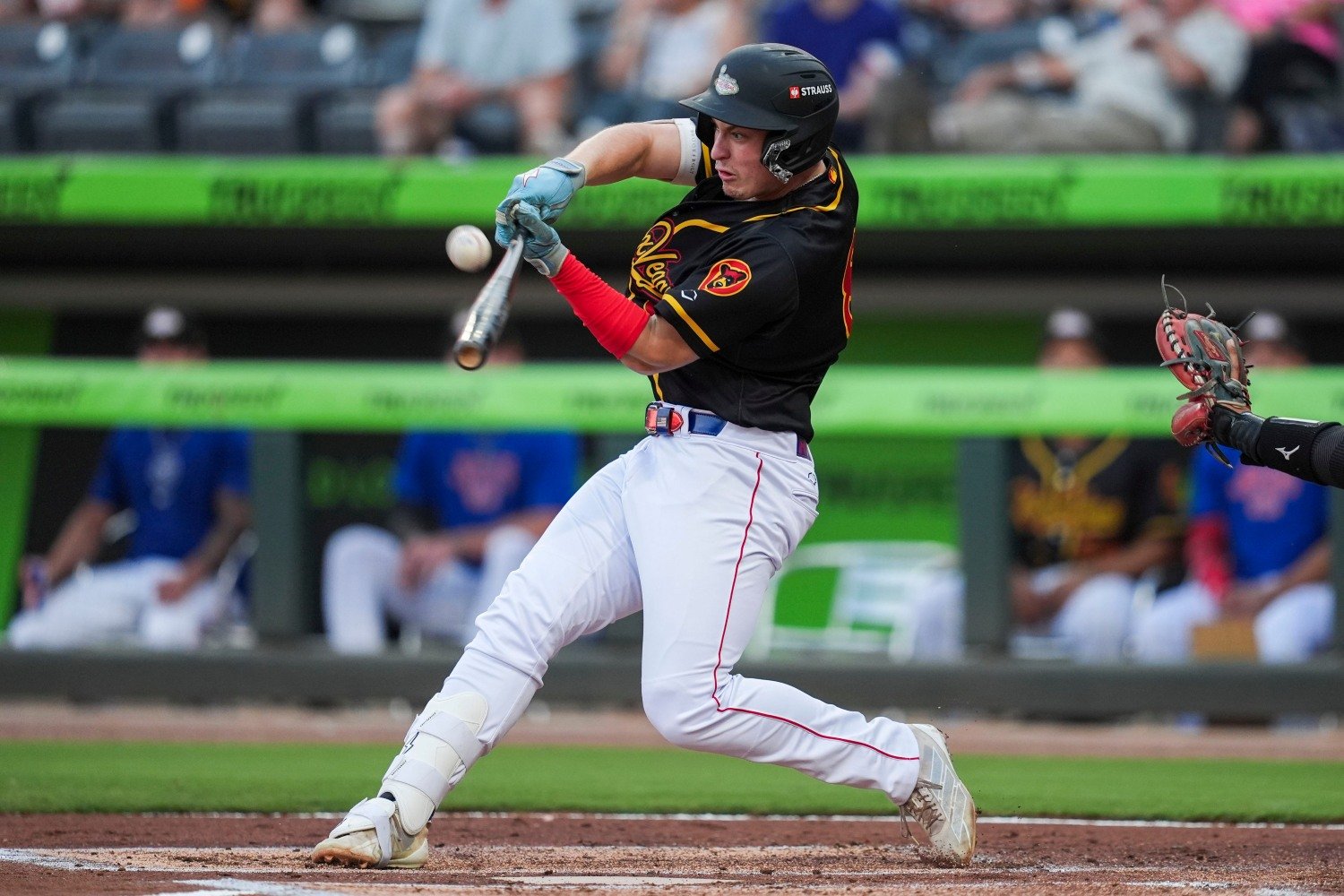 The Cubs' 2026 season officially concluded last week with a Wild Card Series loss to the San Diego Padres. Well before that, though, minor-league seasons had already ended, and depending on how much you paid attention, you may have missed quite the season for some of the top Cubs prospects. Chicago did part ways with their former Nos. 1 & 2 prospects (Moisés Ballesteros and Jefferson Rojas) during the season, creating a path for new prospects to step forward and make their mark atop the prospect rankings. Some of those prospects did just that. Let's dive into those seasons and crown our three Minor League Hitters of the Year in the Cubs' system. 3. Kane Kepley - 125 G, 444 AB, .243 AVG, 10 HR, 70 RBI, 70 SB, 120 BB, 127 R Kepley didn't have the best season in terms of average and power, the rest of what he did at the plate earns him a spot on this list. Kepley hit just .243 across two levels, but he posted a .422 on-base percentage, a higher number than his .401 slugging average. That .422 OBP was aided by his minor leagues-leading 120 walks, the fifth-most by any minor-league player since the 2005 season. Kepley made opposing pitchers pay for giving him a free pass, too, as he stole 70 bases. His efficiency in both areas is worth noting, too. In 595 plate appearances, he only struck out 89 times, despite working enough deep counts to rack up all those walks. He was caught stealing just six times en route to the 70 thefts. The combination of patience and speed earned him 127 runs scored, also the fifth-most in a minor-league season since 2005. Kepley still has a ways to go before reaching the major leagues but if he continues to get on base at over a .400 clip, his speed and patience may make for a quicker promotion that others who hit in the .240-.250 range. 2. Owen Ayers - 125 G, 447 AB, .289 AVG, 25 HR, 29 2B, 82 RBI, .929 OPS You could argue that Ayers was the top hitter in Chicago's farm system, as he had a nearly identical season to our No. 1 ranked hitter, Josiah Hartshorn. Ayers shot up through three levels this season, beginning the year with High-A South Bend and finishing with Triple-A Iowa. His best numbers came in his 69 games with Double-A Tennessee, where he slashed .304/.417/.591 with 16 home runs, 16 doubles, 48 RBIs and 42 walks. His production at Triple-A declined a bit, as he slashed .247/.365/.356 with three homers, 10 doubles and 20 RBIs. Ayers will start the 2027 at Triple-A, and with continued success both at the plate and behind the dish, there's a very good chance we'll see him on the major-league roster at some point during the season. 1. Josiah Hartshorn - 125 G, 450 AB, .284 AVG, 23 HR, 112 RBI, 91 BB, .925 OPS The new and undisputed top prospect in the Cubs organization is our top Minor League Hitter of the Year. Hartshorn, the 6th-round pick in the 2025 MLB Draft, burst onto the scene in 2026 and made a major name for himself. Much like Ayers, Hartshorn made it through to three different levels during the season and put the baseball world on notice. The difference is, he did it all at age 19. Hartshorn's most action came with High-A South Bend, where he slashed .297/.405/.560 with 17 doubles, 18 home runs, 85 RBIs, 54 walks and 12 stolen bases. The 85 RBIs set a new South Bend Cubs record, and he was the only Cubs prospect to reach 100 RBIs overall, at any level. It was one of the best prospect seasons in recent memory for Chicago, and Hartshorn earned the right to be the No. 1 prospect in the organization. He'll have a legion of eyes on him entering the 2027 season, and with another outstanding season, he could be a dark horse candidate to be a September call-up. If nothing else, though, his stock is way up from when he was drafted. The Cubs have to celebrate (and capitalize upon) such occasions.
 -
Kevin Gausman Has 3 Key Matchups in His Favor Against the Padres
Andrew Wright posted an article in Cubs
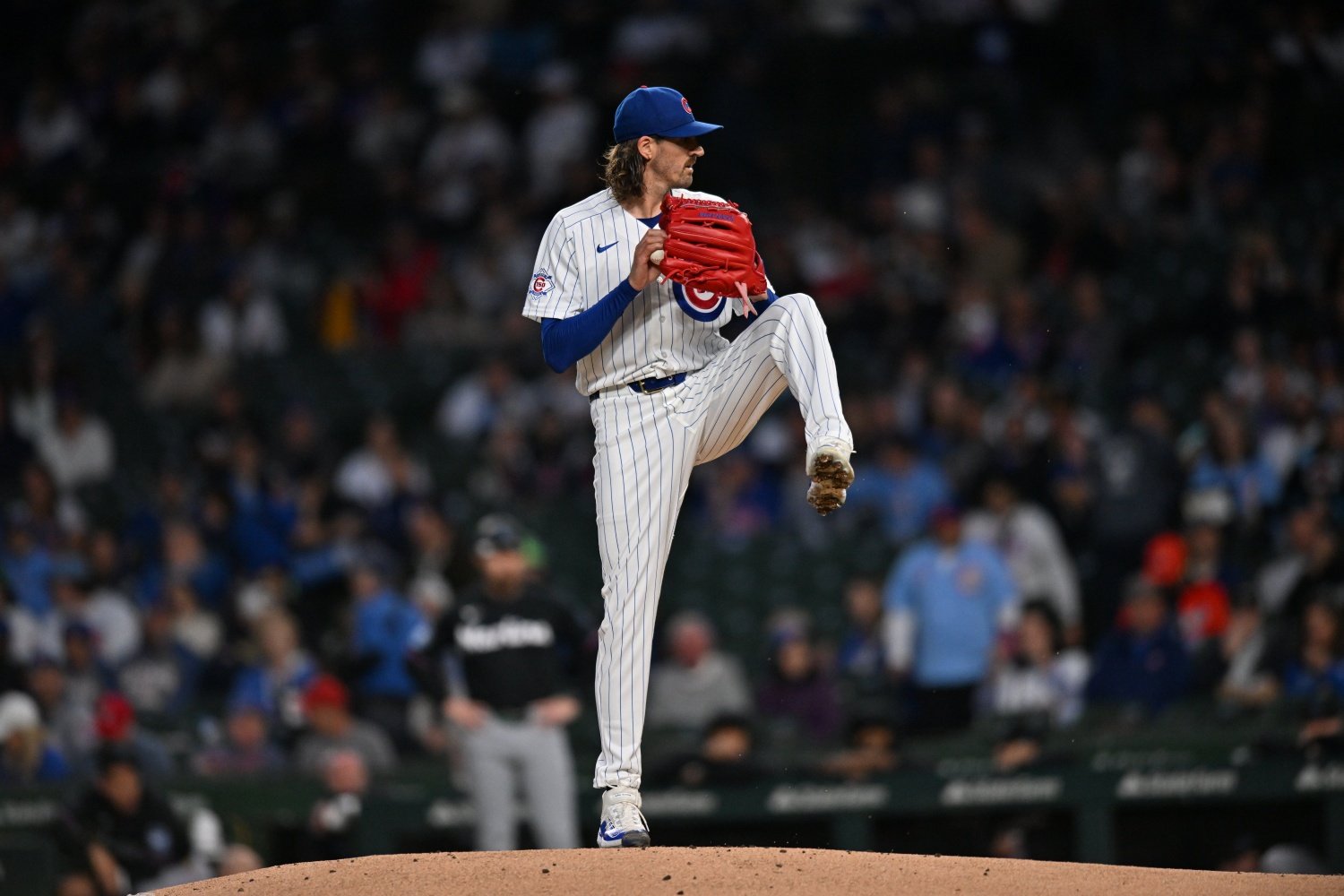 The Chicago Cubs were dominated from start to finish on Tuesday, falling 8-0 to the San Diego Padres in Game 1 of the National League Wild Card Series. Chicago was dominated by Padres right-hander Michael King, who fired seven shutout innings and allowed just one hit. Cubs left-hander Matthew Boyd was jumped early and often. It was a rather disappointing beginning to the postseason, and the Cubs are now just one loss away from that postseason run ending. That's all in the past, though, as the focus shifts to Wednesday night for Game 2. San Diego will send right-hander Nick Pivetta to the mound. Chicago should be familiar with Pivetta, as he started Game 1 of the 2025 Wild Card Series—a game that was a 3-1 win for the Cubs. On the mound for the Cubs will be right-hander Kevin Gausman. Gausman was acquired from the Toronto Blue Jays at the trade deadline, and he's been a bit inconsistent since coming over from Toronto. Lifetime stats show that the Padres have had some success against Gausman, as the players on the postseason roster have combined for a .272/.307/.431 slash line with eight home runs in 202 at-bats. There are a few matchups, though, that Gausman has the advantage in. He'll need to keep it that way in Game 2. Jackson Merrill Merrill had a solid Game 1 against Chicago, going 2-for-4, with one of those two hits being a two-run single that officially busted the game open. The two-hit effort certainly gave Merrill some confidence heading into Game 2, but Gausman has a chance to shut that confidence down quickly. Gausman has faced Merrill six times in his career and has yet to allow a hit to him. Three of the six at-bats have resulted in strikeouts, something that falls in line with Merrill's .220 average and 27.5% whiff rate on offspeed pitches this season. While Merrill certainly isn't one of the big bats atop the San Diego lineup, he's still an important piece in the lineup and someone that could change a game if Fernando Tatis Jr. and Manny Machado are quiet in Game 2. Since the beginning of August, Merrill is batting .298/.341/.551, which weighs much more heavily than six at-bats against Gausman, but it's some comfort to know that the big righty has the right arsenal to quell Merrill's hot streak. Jake Cronenworth Cronenworth has the fifth-most at-bats (19) of any Padres player against Gausman, and those 19 at-bats have been a tough go. Cronenworth is 2-for-19 with six strikeouts against Gausman, a slash line of .105/.105/.105. It will be another matchup for Gausman that isn't necessarily against one of the top bats in the lineup, but instead, against an experienced postseason player who has shown a clutch gene in previous years. Much like Merrill, Cronenworth does have the ability to make a major impact on the game and is someone that Gausman will need to keep off balance and not allow him to gain any confidence. Avoiding uprisings from the bottom half of the lineup will be crucial. Even if it's not possible to shut down the best bats in the San Diego lineup, keeping the little guys from hurting him should allow Gausman to keep the Cubs in the game. Manny Machado If you look solely at the career statistics, this one may not make a ton of sense. Machado has seen great success against Gausman in his career, to the tune of a .346 average with a .962 OPS and two home runs. A lot of the slugging from Machado is well in the past, though, as both of his hits against Gausman in the regular season were innocent singles to left field. Machado did have a big night in Game 1 against Boyd, a pitcher he's had great success against in his career, but Wednesday's matchup should be different. Machado hit just .127 with a 30.2% whiff rate on off-speed pitches during the regular season, and that's the group Gausman will use quite frequently with his changeup and splitter. The matchups between Machado and Gausman will be some of the most important at-bats of Game 2, and with the struggles Machado showed in the regular season, Gausman should have the advantage to keep a confident hitter off the board. There's also a chance that one of David Peterson or Clay Holmes makes an appearance in Wednesday's game. Unfortunately for Cubs fans, the big bats (such as Machado and Tatis) have excellent career numbers against both of those pitchers. Chicago's staff will certainly need to bear down and make adjustments if it hopes to perform well and get to a winner-takes-all Game 3 on Thursday.
 -
Image courtesy of Patrick Gorski-Imagn Images The Chicago Cubs were dominated from start to finish on Tuesday, falling 8-0 to the San Diego Padres in Game 1 of the National League Wild Card Series. Chicago was dominated by Padres right-hander Michael King, who fired seven shutout innings and allowed just one hit. Cubs left-hander Matthew Boyd was jumped early and often. It was a rather disappointing beginning to the postseason, and the Cubs are now just one loss away from that postseason run ending. That's all in the past, though, as the focus shifts to Wednesday night for Game 2. San Diego will send right-hander Nick Pivetta to the mound. Chicago should be familiar with Pivetta, as he started Game 1 of the 2025 Wild Card Series—a game that was a 3-1 win for the Cubs. On the mound for the Cubs will be right-hander Kevin Gausman. Gausman was acquired from the Toronto Blue Jays at the trade deadline, and he's been a bit inconsistent since coming over from Toronto. Lifetime stats show that the Padres have had some success against Gausman, as the players on the postseason roster have combined for a .272/.307/.431 slash line with eight home runs in 202 at-bats. There are a few matchups, though, that Gausman has the advantage in. He'll need to keep it that way in Game 2. Jackson Merrill Merrill had a solid Game 1 against Chicago, going 2-for-4, with one of those two hits being a two-run single that officially busted the game open. The two-hit effort certainly gave Merrill some confidence heading into Game 2, but Gausman has a chance to shut that confidence down quickly. Gausman has faced Merrill six times in his career and has yet to allow a hit to him. Three of the six at-bats have resulted in strikeouts, something that falls in line with Merrill's .220 average and 27.5% whiff rate on offspeed pitches this season. While Merrill certainly isn't one of the big bats atop the San Diego lineup, he's still an important piece in the lineup and someone that could change a game if Fernando Tatis Jr. and Manny Machado are quiet in Game 2. Since the beginning of August, Merrill is batting .298/.341/.551, which weighs much more heavily than six at-bats against Gausman, but it's some comfort to know that the big righty has the right arsenal to quell Merrill's hot streak. Jake Cronenworth Cronenworth has the fifth-most at-bats (19) of any Padres player against Gausman, and those 19 at-bats have been a tough go. Cronenworth is 2-for-19 with six strikeouts against Gausman, a slash line of .105/.105/.105. It will be another matchup for Gausman that isn't necessarily against one of the top bats in the lineup, but instead, against an experienced postseason player who has shown a clutch gene in previous years. Much like Merrill, Cronenworth does have the ability to make a major impact on the game and is someone that Gausman will need to keep off balance and not allow him to gain any confidence. Avoiding uprisings from the bottom half of the lineup will be crucial. Even if it's not possible to shut down the best bats in the San Diego lineup, keeping the little guys from hurting him should allow Gausman to keep the Cubs in the game. Manny Machado If you look solely at the career statistics, this one may not make a ton of sense. Machado has seen great success against Gausman in his career, to the tune of a .346 average with a .962 OPS and two home runs. A lot of the slugging from Machado is well in the past, though, as both of his hits against Gausman in the regular season were innocent singles to left field. Machado did have a big night in Game 1 against Boyd, a pitcher he's had great success against in his career, but Wednesday's matchup should be different. Machado hit just .127 with a 30.2% whiff rate on off-speed pitches during the regular season, and that's the group Gausman will use quite frequently with his changeup and splitter. The matchups between Machado and Gausman will be some of the most important at-bats of Game 2, and with the struggles Machado showed in the regular season, Gausman should have the advantage to keep a confident hitter off the board. There's also a chance that one of David Peterson or Clay Holmes makes an appearance in Wednesday's game. Unfortunately for Cubs fans, the big bats (such as Machado and Tatis) have excellent career numbers against both of those pitchers. Chicago's staff will certainly need to bear down and make adjustments if it hopes to perform well and get to a winner-takes-all Game 3 on Thursday. View full article
-
Image courtesy of Jim Rassol-Imagn Images Some 162 games ago, we were all anxious and downright curious as to what the Chicago Cubs 2026 season would look like. Well, the regular season has now concluded, and despite what occasionally felt like a disappointing season, Chicago managed to get into the postseason with a record of 89-73. That earned them the No. 5 seed in the National League, meaning they're on the road in the Wild Card Series against the San Diego Padres, in a rematch of the set last year at Wrigley Field. Chicago defeated San Diego 2-1 in the best-of-three series last season and will be looking to do the same again this season, to advance to the NLDS for a second consecutive season. Game 1 will feature left-hander Matthew Boyd taking the mound for the visitors. Boyd will be opposed by right-hander Michael King, in his first postseason start since the 2024 NLDS. Most Cubs hitters don't have a massive sample size to dig into, but there's one player in particular who's feasted against King, and there are other season-long trends to keep in mind when gearing up for Game 1. Here are three Cubs hitters that could play a major role. Alex Bregman Bregman has the second-most at-bats (eight) against King of any player likely to be on the roster. He's done quite well for himself in those eight at-bats. Bregman is 7-for-8 with an RBI, two doubles and two walks against King in his career. King did not face Chicago this season, so Bregman's last two at-bats against him came in August of last season. Both of those resulted in doubles to left field. If Bregman's 4-for-4 performance in Game 162 was any indication of how locked-in he is at the plate, then his performance in Game 1 has a chance to be game-changing. Pete Crow-Armstrong Of course, the favorite for NL MVP makes the list. Crow-Armstrong has just one at-bat (0-for-1, K) against King, but this matchup is more about King's pitch selection and Crow-Armstrong's ability to recognize pitches and lay off of them. King's best weapon, against lefties, is his changeup. Opponents hit just .204 on his changeup during the regular season, and they only hit four homers on it. Crow-Armstrong feasted on non-fastballs during the season. He slugged .531 with seven doubles and 14 home runs against breaking balls, and those figures were .621 with 10 doubles and eight homers against offspeed pitches. Knowing that, it's likely that King will try to attack him with fastballs up in the zone, as that's one spot where he's shown both the tendency to chase and a vulnerability to whiffs. The first at-bat of the game should tell a lot about San Diego's plan, and that will set the tone for what to expect the second time around. It's worth noting that King struck Crow-Armstrong out on an elevated fastball in Game 3 of last year's Wild Card Series, but that was not the same creature who'll step into the batter's box Tuesday night. Michael Conforto Conforto's inclusion in the lineup depends on Bregman's ability to play third base. If Bregman is able to return to his normal position, the DH spot would open up, and it would probably be Conforto who fills that role: he's put up gaudy numbers against pitches that match King's profile this year. On sinkers, sweepers and changeups from right-handed pitchers throwing from low arm slots in the vertical movement band King generates on his offerings, Conforto has been worth 5.6 runs above average per 100 pitches seen this year. Next-best on the team against that suite of traits is Crow-Armstrong, at 2.3. When an at-bat ends on one of those offerings, Conforto is hitting .476/.542/.952. The sample is small, and King is better than the average pitcher in this class, and there are a couple of other wrinkles in King's arsenal, but Conforto is an excellent matchup for the San Diego righty. He could strike a huge blow in this game, if Bregman's health makes room for him on the lineup card. cU93QTFfWGw0TUFRPT1fQVFOU0FWUUhCMWNBQzFjRkJ3QUhBd05VQUZsVUJWQUFVVjBGVVZFQ0ExVlJWUU1G.mp4 So, there it is, a look at three players that could define the game offensively for Chicago. If none of those three players are able to get good swings off against King, then it may have to be an unlikely hero stepping up and being the productive bat in what will a crucial Game 1 of the series. View full article
-
How 3 Key Cubs Hitters Matchup with Padres Game 1 Starter Michael King
Andrew Wright posted an article in Cubs
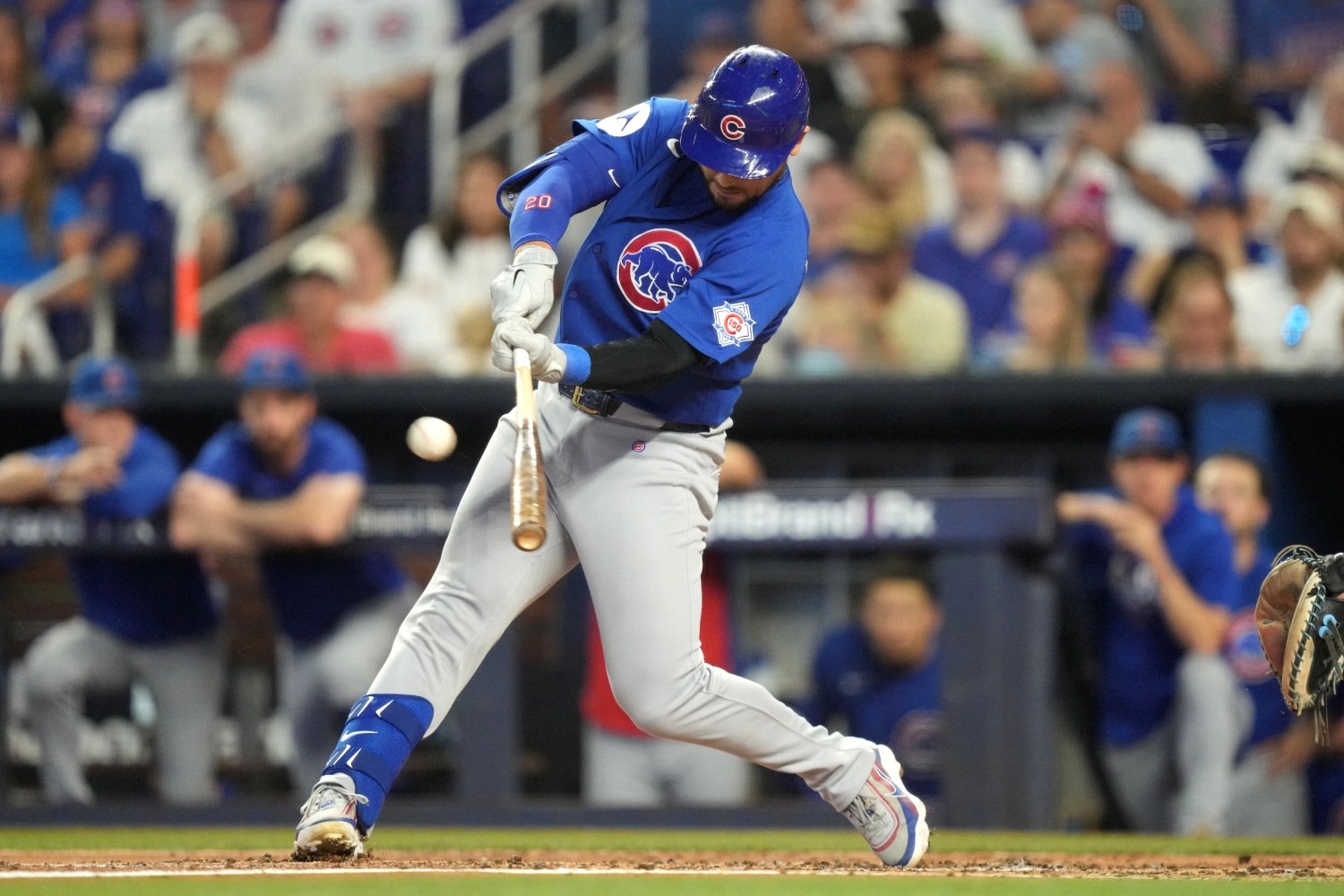 Some 162 games ago, we were all anxious and downright curious as to what the Chicago Cubs 2026 season would look like. Well, the regular season has now concluded, and despite what occasionally felt like a disappointing season, Chicago managed to get into the postseason with a record of 89-73. That earned them the No. 5 seed in the National League, meaning they're on the road in the Wild Card Series against the San Diego Padres, in a rematch of the set last year at Wrigley Field. Chicago defeated San Diego 2-1 in the best-of-three series last season and will be looking to do the same again this season, to advance to the NLDS for a second consecutive season. Game 1 will feature left-hander Matthew Boyd taking the mound for the visitors. Boyd will be opposed by right-hander Michael King, in his first postseason start since the 2024 NLDS. Most Cubs hitters don't have a massive sample size to dig into, but there's one player in particular who's feasted against King, and there are other season-long trends to keep in mind when gearing up for Game 1. Here are three Cubs hitters that could play a major role. Alex Bregman Bregman has the second-most at-bats (eight) against King of any player likely to be on the roster. He's done quite well for himself in those eight at-bats. Bregman is 7-for-8 with an RBI, two doubles and two walks against King in his career. King did not face Chicago this season, so Bregman's last two at-bats against him came in August of last season. Both of those resulted in doubles to left field. If Bregman's 4-for-4 performance in Game 162 was any indication of how locked-in he is at the plate, then his performance in Game 1 has a chance to be game-changing. Pete Crow-Armstrong Of course, the favorite for NL MVP makes the list. Crow-Armstrong has just one at-bat (0-for-1, K) against King, but this matchup is more about King's pitch selection and Crow-Armstrong's ability to recognize pitches and lay off of them. King's best weapon, against lefties, is his changeup. Opponents hit just .204 on his changeup during the regular season, and they only hit four homers on it. Crow-Armstrong feasted on non-fastballs during the season. He slugged .531 with seven doubles and 14 home runs against breaking balls, and those figures were .621 with 10 doubles and eight homers against offspeed pitches. Knowing that, it's likely that King will try to attack him with fastballs up in the zone, as that's one spot where he's shown both the tendency to chase and a vulnerability to whiffs. The first at-bat of the game should tell a lot about San Diego's plan, and that will set the tone for what to expect the second time around. It's worth noting that King struck Crow-Armstrong out on an elevated fastball in Game 3 of last year's Wild Card Series, but that was not the same creature who'll step into the batter's box Tuesday night. Michael Conforto Conforto's inclusion in the lineup depends on Bregman's ability to play third base. If Bregman is able to return to his normal position, the DH spot would open up, and it would probably be Conforto who fills that role: he's put up gaudy numbers against pitches that match King's profile this year. On sinkers, sweepers and changeups from right-handed pitchers throwing from low arm slots in the vertical movement band King generates on his offerings, Conforto has been worth 5.6 runs above average per 100 pitches seen this year. Next-best on the team against that suite of traits is Crow-Armstrong, at 2.3. When an at-bat ends on one of those offerings, Conforto is hitting .476/.542/.952. The sample is small, and King is better than the average pitcher in this class, and there are a couple of other wrinkles in King's arsenal, but Conforto is an excellent matchup for the San Diego righty. He could strike a huge blow in this game, if Bregman's health makes room for him on the lineup card. cU93QTFfWGw0TUFRPT1fQVFOU0FWUUhCMWNBQzFjRkJ3QUhBd05VQUZsVUJWQUFVVjBGVVZFQ0ExVlJWUU1G.mp4 So, there it is, a look at three players that could define the game offensively for Chicago. If none of those three players are able to get good swings off against King, then it may have to be an unlikely hero stepping up and being the productive bat in what will a crucial Game 1 of the series.
 -
Image courtesy of © David Banks-Imagn Images There are just two weeks remaining in the MLB regular season, meaning the postseason is rapidly approaching and the battles for seeding and home-field advantage are ramping up. That's no exception in the National League Wild Card race, as the Chicago Cubs are battling alongside the Philadelphia Phillies for the fourth seed and home field advantage in the Wild Card Round. While securing the home field advantage would be massive for the Cubs, it's also fair to assess what a worst-case scenario would look like. The NL field is more or less set (barring a last-minute surge from the Arizona Diamondbacks), so now's the time to try and navigate what a nightmare path to the World Series would look like. Wild Card Round: Chicago Cubs @ Philadelphia Phillies The Cubs actually handled the Phillies well in the regular season, winning six out of the seven games between the teams, including a four-game sweep at Wrigley Field. There is a difference, though, between a series in April and a postseason series at Citizens Bank Park. The only team to recently have any success in Philadelphia during the postseason was the Diamondbacks in 2023, when they knocked off the Phillies in seven games to advance to the World Series. For the Cubs, a Wild Card series in Philadelphia would mean games against Zack Wheeler, Christopher Sanchez and Jesus Luzardo, arguably the best starting trio in the majors. Despite their success twice against Sanchez in the regular season, that is still an intimidating group to face. Those pitchers and that environment would be a nightmare for Chicago in the first round. National League Division Series: Chicago Cubs vs. Los Angeles Dodgers Much like Philadelphia, Los Angeles is another team that Chicago normally fairs well against in the regular season. That includes this season, as the Cubs won the season series 4-2 over the Dodgers, including a three-game sweep at Wrigley Field in early August. Regular season success gets thrown out the window in the postseason, though, and it then becomes a matchup not against a team you had success against in the regular season, but a matchup against the team that is the back-to-back World Series Champions. The combination of a dominant starting rotation and extraordinary lineup that has excellent postseason hitters such as Max Muncy and Freddie Freeman make the Dodgers so hard to knock off. A five-game series may be less of a gauntlet than a seven-game series, but meeting the reigning champs in the NLDS would be a tough matchup for the Cubs. National League Championship Series: Chicago Cubs vs. Milwaukee Brewers It feels like it was just yesterday that the Cubs had narrowed the game in the NL Central to just three games. That narrow margin was erased by Milwaukee just as the quick as the Cubs closed the gaps and now, barring an epic collapse, the Brewers will be division champions for a third consecutive season. We've seen this story before. Chicago can hang around for a while, but the Brewers eventually pull away and show they are the superior team. That was showcased in recent weeks with the two teams splitting a four-game series at Wrigley Field and then the Brewers sweeping the Cubs in a three-game set at American Family Field. The difference in philosophy and pitching talent when the two teams meet up is evident, and if the Cubs can survive a few early October tests, a trip to Milwaukee in the NLCS with a trip to the World Series on the line would be equal parts enthralling and frigthening. View full article
-
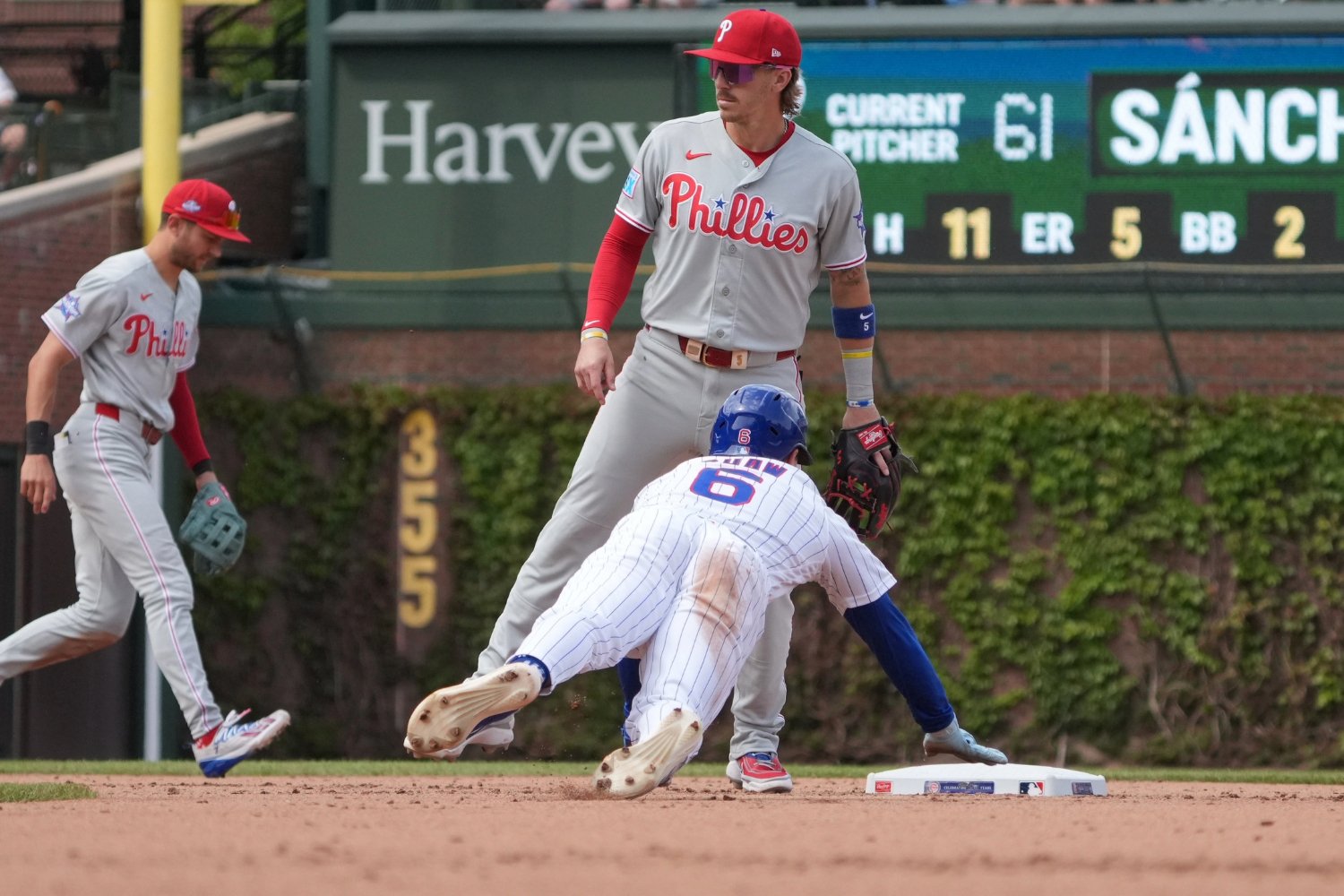 There are just two weeks remaining in the MLB regular season, meaning the postseason is rapidly approaching and the battles for seeding and home-field advantage are ramping up. That's no exception in the National League Wild Card race, as the Chicago Cubs are battling alongside the Philadelphia Phillies for the fourth seed and home field advantage in the Wild Card Round. While securing the home field advantage would be massive for the Cubs, it's also fair to assess what a worst-case scenario would look like. The NL field is more or less set (barring a last-minute surge from the Arizona Diamondbacks), so now's the time to try and navigate what a nightmare path to the World Series would look like. Wild Card Round: Chicago Cubs @ Philadelphia Phillies The Cubs actually handled the Phillies well in the regular season, winning six out of the seven games between the teams, including a four-game sweep at Wrigley Field. There is a difference, though, between a series in April and a postseason series at Citizens Bank Park. The only team to recently have any success in Philadelphia during the postseason was the Diamondbacks in 2023, when they knocked off the Phillies in seven games to advance to the World Series. For the Cubs, a Wild Card series in Philadelphia would mean games against Zack Wheeler, Christopher Sanchez and Jesus Luzardo, arguably the best starting trio in the majors. Despite their success twice against Sanchez in the regular season, that is still an intimidating group to face. Those pitchers and that environment would be a nightmare for Chicago in the first round. National League Division Series: Chicago Cubs vs. Los Angeles Dodgers Much like Philadelphia, Los Angeles is another team that Chicago normally fairs well against in the regular season. That includes this season, as the Cubs won the season series 4-2 over the Dodgers, including a three-game sweep at Wrigley Field in early August. Regular season success gets thrown out the window in the postseason, though, and it then becomes a matchup not against a team you had success against in the regular season, but a matchup against the team that is the back-to-back World Series Champions. The combination of a dominant starting rotation and extraordinary lineup that has excellent postseason hitters such as Max Muncy and Freddie Freeman make the Dodgers so hard to knock off. A five-game series may be less of a gauntlet than a seven-game series, but meeting the reigning champs in the NLDS would be a tough matchup for the Cubs. National League Championship Series: Chicago Cubs vs. Milwaukee Brewers It feels like it was just yesterday that the Cubs had narrowed the game in the NL Central to just three games. That narrow margin was erased by Milwaukee just as the quick as the Cubs closed the gaps and now, barring an epic collapse, the Brewers will be division champions for a third consecutive season. We've seen this story before. Chicago can hang around for a while, but the Brewers eventually pull away and show they are the superior team. That was showcased in recent weeks with the two teams splitting a four-game series at Wrigley Field and then the Brewers sweeping the Cubs in a three-game set at American Family Field. The difference in philosophy and pitching talent when the two teams meet up is evident, and if the Cubs can survive a few early October tests, a trip to Milwaukee in the NLCS with a trip to the World Series on the line would be equal parts enthralling and frigthening.
 -
Image courtesy of Patrick Gorski-Imagn Images The calendar has officially flipped to September. Postseason baseball will be played this month. The Chicago Cubs enter September having gone 16-12 in August and setting several records with some absurd offensive production. All trade deadline acquisitions made their team debuts and while expectations for all were very high, the results and production haven't quite matched the expectations. There have, though, been some outstanding performances when the Cubs needed it most. Here are your pitchers of the month for August. Honorable Mention - Javier Assad - 4G, 13.2 IP, 1.98 ERA, 3R, 7K Assad once again being optioned to Triple-A Iowa and not getting more major league appearances dropped him to the honorable mention spot on the list. Assad continued his stellar work in August, making one start and three appearances out of the bullpen. He's allowed just 6 runs in his last 31 2/3 innings and should be back with the major league club soon. #3 - Aaron Civale - 8G, 18.1 IP, 0.98 ERA, 2R, 16K Yep, just like we all thought headed into the season. Aaron Civale has been an incredible addition for Chicago since being acquired. Civale came to the Cubs with a 5.42 ERA, and he's now lowered that a full run to 4.50 entering play on Tuesday. He's been as reliable as anyone in the bullpen over the past month and is really making a case to be on the playoff roster for any round Chicago advances to. #2 - David Peterson - 6G, 5GS, 28.2 IP, 2.83 ERA, 9R, 32K Peterson is another example of an arm that Chicago added during the season that was supposed to just provide depth while the club awaited the return of several injured pitches. Instead, Peterson has become a reliable option in the rotation and has almost certainly cemented himself on a playoff roster. He's pitched to 3.90 ERA with the Cubs (6.10 with NYM) and has continued to get better with each passing month. #1 - Clay Holmes - 5G, 5GS, 29 IP, 1.55 ERA, 5R, 18K Holmes has been everything he was advertised to be since being acquired from the Mets ahead of the trade deadline. Things have played out exactly how they were supposed to and his heavy ground ball rate has fallen right into line with the best defense in baseball playing behind him. The strikeouts are certainly something that could benefit from increasing a bit and it appears that is heading in the right direction after he punched out 8 against the Milwaukee Brewers on Monday. The additions of Kevin Gausman and Ryan Zeferjahn have not yet panned out, but Chicago will certainly need those two and others to be impactful if the club has any hope of getting past the NLDS for the first time since 2017. View full article
-
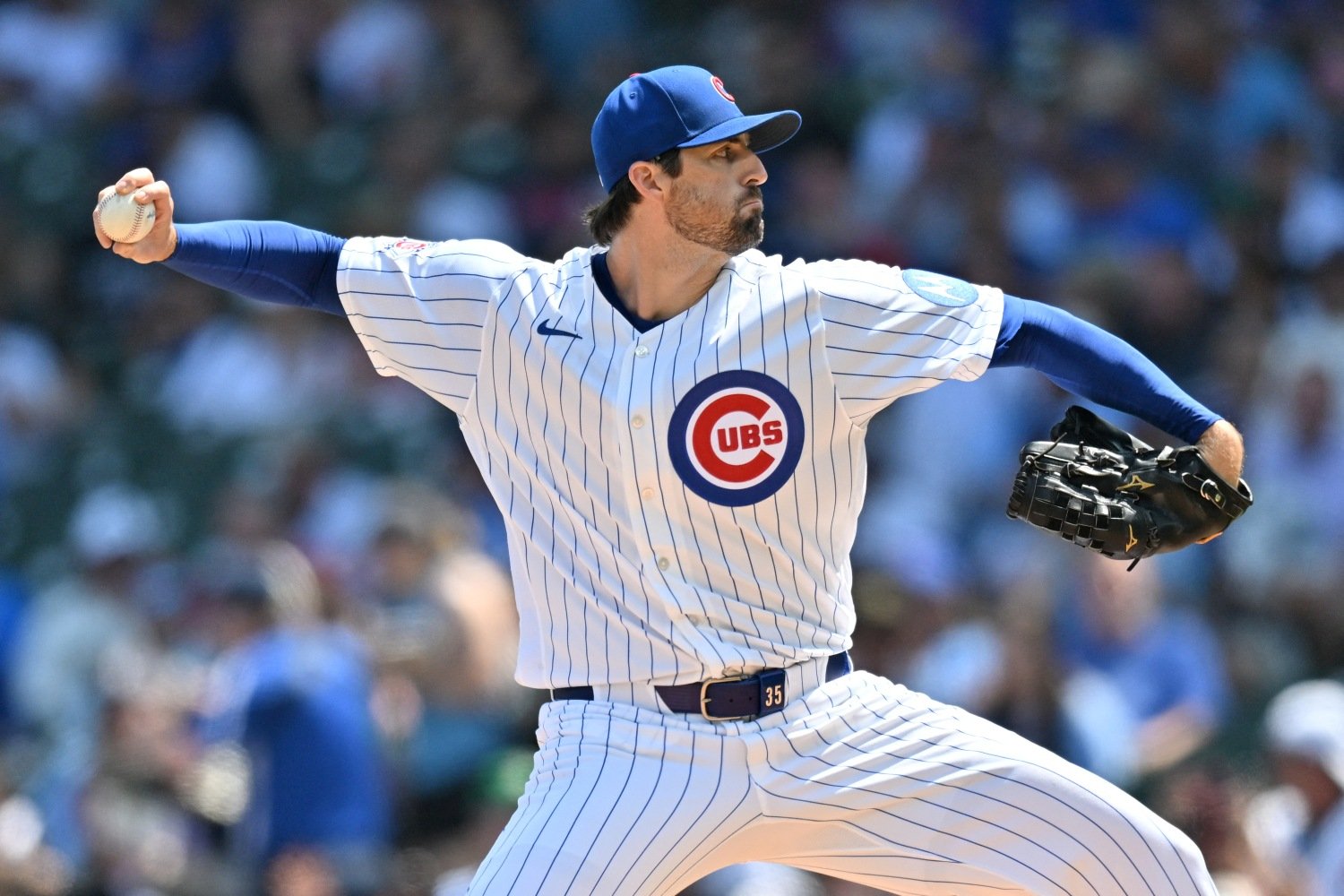 The calendar has officially flipped to September. Postseason baseball will be played this month. The Chicago Cubs enter September having gone 16-12 in August and setting several records with some absurd offensive production. All trade deadline acquisitions made their team debuts and while expectations for all were very high, the results and production haven't quite matched the expectations. There have, though, been some outstanding performances when the Cubs needed it most. Here are your pitchers of the month for August. Honorable Mention - Javier Assad - 4G, 13.2 IP, 1.98 ERA, 3R, 7K Assad once again being optioned to Triple-A Iowa and not getting more major league appearances dropped him to the honorable mention spot on the list. Assad continued his stellar work in August, making one start and three appearances out of the bullpen. He's allowed just 6 runs in his last 31 2/3 innings and should be back with the major league club soon. #3 - Aaron Civale - 8G, 18.1 IP, 0.98 ERA, 2R, 16K Yep, just like we all thought headed into the season. Aaron Civale has been an incredible addition for Chicago since being acquired. Civale came to the Cubs with a 5.42 ERA, and he's now lowered that a full run to 4.50 entering play on Tuesday. He's been as reliable as anyone in the bullpen over the past month and is really making a case to be on the playoff roster for any round Chicago advances to. #2 - David Peterson - 6G, 5GS, 28.2 IP, 2.83 ERA, 9R, 32K Peterson is another example of an arm that Chicago added during the season that was supposed to just provide depth while the club awaited the return of several injured pitches. Instead, Peterson has become a reliable option in the rotation and has almost certainly cemented himself on a playoff roster. He's pitched to 3.90 ERA with the Cubs (6.10 with NYM) and has continued to get better with each passing month. #1 - Clay Holmes - 5G, 5GS, 29 IP, 1.55 ERA, 5R, 18K Holmes has been everything he was advertised to be since being acquired from the Mets ahead of the trade deadline. Things have played out exactly how they were supposed to and his heavy ground ball rate has fallen right into line with the best defense in baseball playing behind him. The strikeouts are certainly something that could benefit from increasing a bit and it appears that is heading in the right direction after he punched out 8 against the Milwaukee Brewers on Monday. The additions of Kevin Gausman and Ryan Zeferjahn have not yet panned out, but Chicago will certainly need those two and others to be impactful if the club has any hope of getting past the NLDS for the first time since 2017.
 -
Josiah HartshornCade TownsendJaxon WigginsKane KepleyEthan ConradCaden SorrellOwen AyersKaleb WingBrooks CapleMyles BaileyJames TriantosWill SandersJuan CabadaJostin FlorentinoGrant KippAriel ArmasEli LovichDerniche ValdezRiley MartinBrandon Birdsell
-
Image courtesy of © Tim Vizer-Imagn Images The calendar has flipped to August on the MLB season, and it's time to look back at who helped the Chicago Cubs make it through July. The month started with a 23-3 win over the San Diego Padres and ended with a 2-0 loss to the New York Yankees. In between that was 13 wins and some outstanding pitching performances from unexpected participants. Let's take a look at who performed the best when they toed the rubber in July for Chicago. Ranking Cubs' Best Pitchers In July Honorable Mention: Javier Assad 5G, 3GS, 1SV, 18 IP, 1.50 ERA, 4R, 17K What else needs to be said about Assad and his performances? Each and every season, he is called upon to serve in a multitude of roles and more often than not, he is outstanding in doing so. Not only did Assad make three starts, but he also came on in relief twice and even collected a save. Unfortunately, Assad may be rudely affected by the impending roster crunch the Cubs have following the multitude of pitchers they acquired ahead of the 2026 MLB trade deadline. It would be unfortunate to see Assad sent back to Triple-A Iowa given how successful he's been, but that may happen down the road once others get healthy. #3: Matthew Boyd 5G, 32.1 IP, 1.67 ERA, 6R. 23K Boyd entered July with a season ERA of 5.08 and left the month with a 3.41 season ERA. Even in his lone rough start on July 12 when he gave up four runs, he powered through 6 1/3 innings and earned a win. In his final three starts after that, Boyd allowed just two runs in 20 innings and earned another win in the process. After a rough start to the season, he's turned back into an All-Star-caliber pitcher and positioned himself to be a trustworthy option when postseason play begins. #2: Shota Imanaga 5G, 29.1 IP, 1.53 ERA, 5R, 27K If you looked at Imanaga's win/loss record of 2-3 in July, you might think that he performed bad. What you wouldn't see is that in two of those three losses, he received a grand total of zero run support. A positive sign in the month was that Imanaga allowed just four home runs, his least amount over a full month since he allowed only two in May. Imanaga walked just six batters across his starts, his second fewest across a full month. All the signs of rookie year Imanaga were prevalent and that could be an enormous revelation down the stretch. #1: Jacob Webb 11G, 11.1 IP, 0.00 ERA, 3SV, 10K What an incredible season Webb is turning in. Through April, Webb had an ERA over five, and we were all rolling our eyes at another failed reliever signing. Since then, though, he's become the most trusted option out of the bullpen. July was Webb's best month yet, as he didn't allow a single run across his 11 appearances. He actually hasn't allowed a run since June 20, when he gave up three runs against the Toronto Blue Jays and was rather colorful about his performance after the game. With bullpen help in the forms of Ryan Zeferjahn and Daniel Palencia on the way, it will be intriguing to see how Webb's role progresses in both the rest of the regular season, as well as the postseason. View full article
-
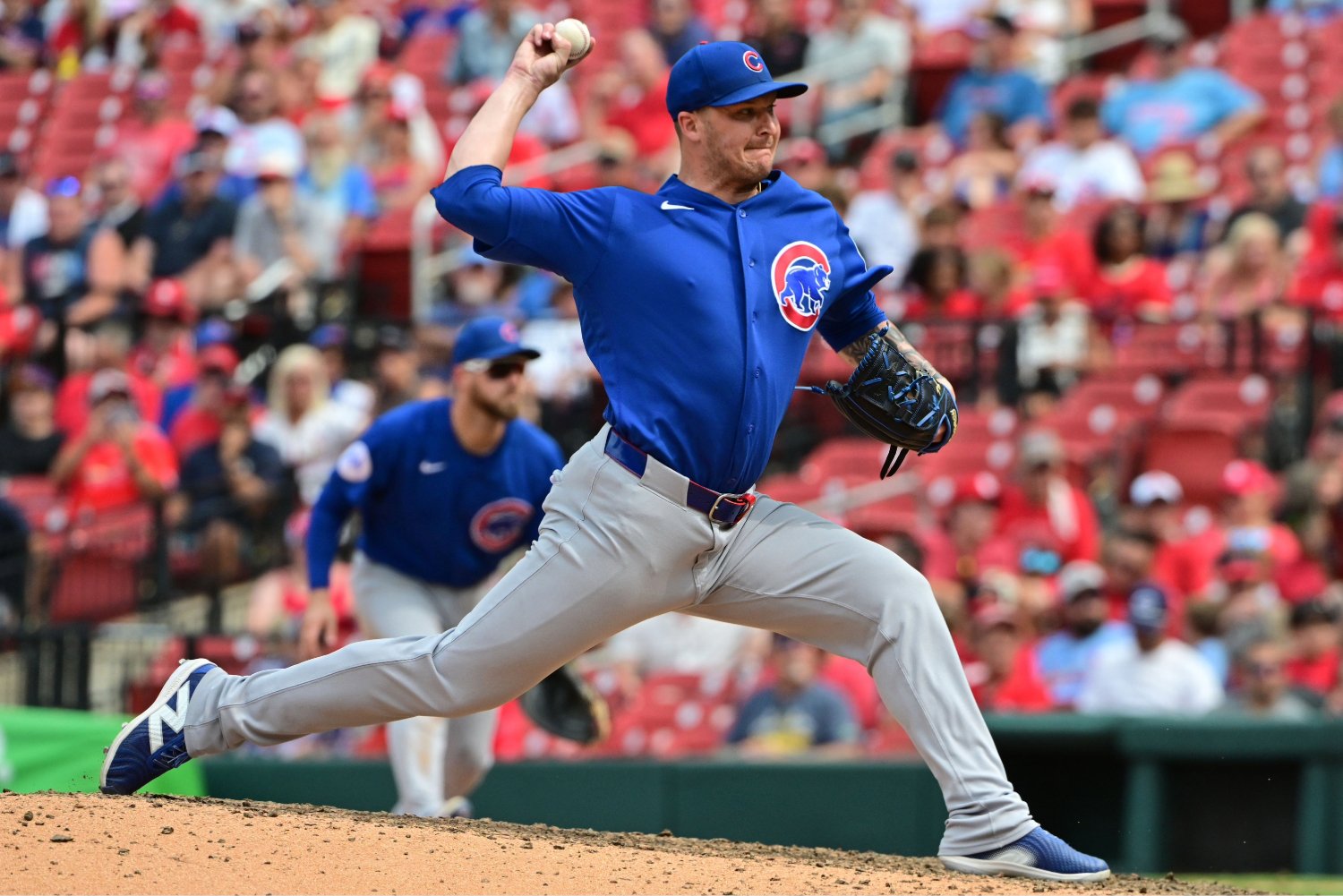 The calendar has flipped to August on the MLB season, and it's time to look back at who helped the Chicago Cubs make it through July. The month started with a 23-3 win over the San Diego Padres and ended with a 2-0 loss to the New York Yankees. In between that was 13 wins and some outstanding pitching performances from unexpected participants. Let's take a look at who performed the best when they toed the rubber in July for Chicago. Ranking Cubs' Best Pitchers In July Honorable Mention: Javier Assad 5G, 3GS, 1SV, 18 IP, 1.50 ERA, 4R, 17K What else needs to be said about Assad and his performances? Each and every season, he is called upon to serve in a multitude of roles and more often than not, he is outstanding in doing so. Not only did Assad make three starts, but he also came on in relief twice and even collected a save. Unfortunately, Assad may be rudely affected by the impending roster crunch the Cubs have following the multitude of pitchers they acquired ahead of the 2026 MLB trade deadline. It would be unfortunate to see Assad sent back to Triple-A Iowa given how successful he's been, but that may happen down the road once others get healthy. #3: Matthew Boyd 5G, 32.1 IP, 1.67 ERA, 6R. 23K Boyd entered July with a season ERA of 5.08 and left the month with a 3.41 season ERA. Even in his lone rough start on July 12 when he gave up four runs, he powered through 6 1/3 innings and earned a win. In his final three starts after that, Boyd allowed just two runs in 20 innings and earned another win in the process. After a rough start to the season, he's turned back into an All-Star-caliber pitcher and positioned himself to be a trustworthy option when postseason play begins. #2: Shota Imanaga 5G, 29.1 IP, 1.53 ERA, 5R, 27K If you looked at Imanaga's win/loss record of 2-3 in July, you might think that he performed bad. What you wouldn't see is that in two of those three losses, he received a grand total of zero run support. A positive sign in the month was that Imanaga allowed just four home runs, his least amount over a full month since he allowed only two in May. Imanaga walked just six batters across his starts, his second fewest across a full month. All the signs of rookie year Imanaga were prevalent and that could be an enormous revelation down the stretch. #1: Jacob Webb 11G, 11.1 IP, 0.00 ERA, 3SV, 10K What an incredible season Webb is turning in. Through April, Webb had an ERA over five, and we were all rolling our eyes at another failed reliever signing. Since then, though, he's become the most trusted option out of the bullpen. July was Webb's best month yet, as he didn't allow a single run across his 11 appearances. He actually hasn't allowed a run since June 20, when he gave up three runs against the Toronto Blue Jays and was rather colorful about his performance after the game. With bullpen help in the forms of Ryan Zeferjahn and Daniel Palencia on the way, it will be intriguing to see how Webb's role progresses in both the rest of the regular season, as well as the postseason.
