
Andrew Wright
-
Posts
148 -
Joined
-
Last visited
Content Type
Profiles
Joomla Posts 1
Chicago Cubs Videos
Chicago Cubs Free Agent & Trade Rumors, Notes, & Tidbits
2026 Chicago Cubs Top Prospects Ranking
News
2023 Chicago Cubs Draft Picks
Guides & Resources
2024 Chicago Cubs Draft Picks
The Chicago Cubs Players Project
2025 Chicago Cubs Draft Pick Tracker
2026 Chicago Cubs Draft Tracker: Picks & Bonuses
Blogs
Events
Forums
Store
Gallery
Everything posted by Andrew Wright
-
Image courtesy of USA TODAY Network via Reuters Connect The Cubs' 2026 season officially concluded last week with a Wild Card Series loss to the San Diego Padres. Well before that, though, minor-league seasons had already ended, and depending on how much you paid attention, you may have missed quite the season for some of the top Cubs prospects. Chicago did part ways with their former Nos. 1 & 2 prospects (Moisés Ballesteros and Jefferson Rojas) during the season, creating a path for new prospects to step forward and make their mark atop the prospect rankings. Some of those prospects did just that. Let's dive into those seasons and crown our three Minor League Hitters of the Year in the Cubs' system. 3. Kane Kepley - 125 G, 444 AB, .243 AVG, 10 HR, 70 RBI, 70 SB, 120 BB, 127 R Kepley didn't have the best season in terms of average and power, the rest of what he did at the plate earns him a spot on this list. Kepley hit just .243 across two levels, but he posted a .422 on-base percentage, a higher number than his .401 slugging average. That .422 OBP was aided by his minor leagues-leading 120 walks, the fifth-most by any minor-league player since the 2005 season. Kepley made opposing pitchers pay for giving him a free pass, too, as he stole 70 bases. His efficiency in both areas is worth noting, too. In 595 plate appearances, he only struck out 89 times, despite working enough deep counts to rack up all those walks. He was caught stealing just six times en route to the 70 thefts. The combination of patience and speed earned him 127 runs scored, also the fifth-most in a minor-league season since 2005. Kepley still has a ways to go before reaching the major leagues but if he continues to get on base at over a .400 clip, his speed and patience may make for a quicker promotion that others who hit in the .240-.250 range. 2. Owen Ayers - 125 G, 447 AB, .289 AVG, 25 HR, 29 2B, 82 RBI, .929 OPS You could argue that Ayers was the top hitter in Chicago's farm system, as he had a nearly identical season to our No. 1 ranked hitter, Josiah Hartshorn. Ayers shot up through three levels this season, beginning the year with High-A South Bend and finishing with Triple-A Iowa. His best numbers came in his 69 games with Double-A Tennessee, where he slashed .304/.417/.591 with 16 home runs, 16 doubles, 48 RBIs and 42 walks. His production at Triple-A declined a bit, as he slashed .247/.365/.356 with three homers, 10 doubles and 20 RBIs. Ayers will start the 2027 at Triple-A, and with continued success both at the plate and behind the dish, there's a very good chance we'll see him on the major-league roster at some point during the season. 1. Josiah Hartshorn - 125 G, 450 AB, .284 AVG, 23 HR, 112 RBI, 91 BB, .925 OPS The new and undisputed top prospect in the Cubs organization is our top Minor League Hitter of the Year. Hartshorn, the 6th-round pick in the 2025 MLB Draft, burst onto the scene in 2026 and made a major name for himself. Much like Ayers, Hartshorn made it through to three different levels during the season and put the baseball world on notice. The difference is, he did it all at age 19. Hartshorn's most action came with High-A South Bend, where he slashed .297/.405/.560 with 17 doubles, 18 home runs, 85 RBIs, 54 walks and 12 stolen bases. The 85 RBIs set a new South Bend Cubs record, and he was the only Cubs prospect to reach 100 RBIs overall, at any level. It was one of the best prospect seasons in recent memory for Chicago, and Hartshorn earned the right to be the No. 1 prospect in the organization. He'll have a legion of eyes on him entering the 2027 season, and with another outstanding season, he could be a dark horse candidate to be a September call-up. If nothing else, though, his stock is way up from when he was drafted. The Cubs have to celebrate (and capitalize upon) such occasions. View full article
-
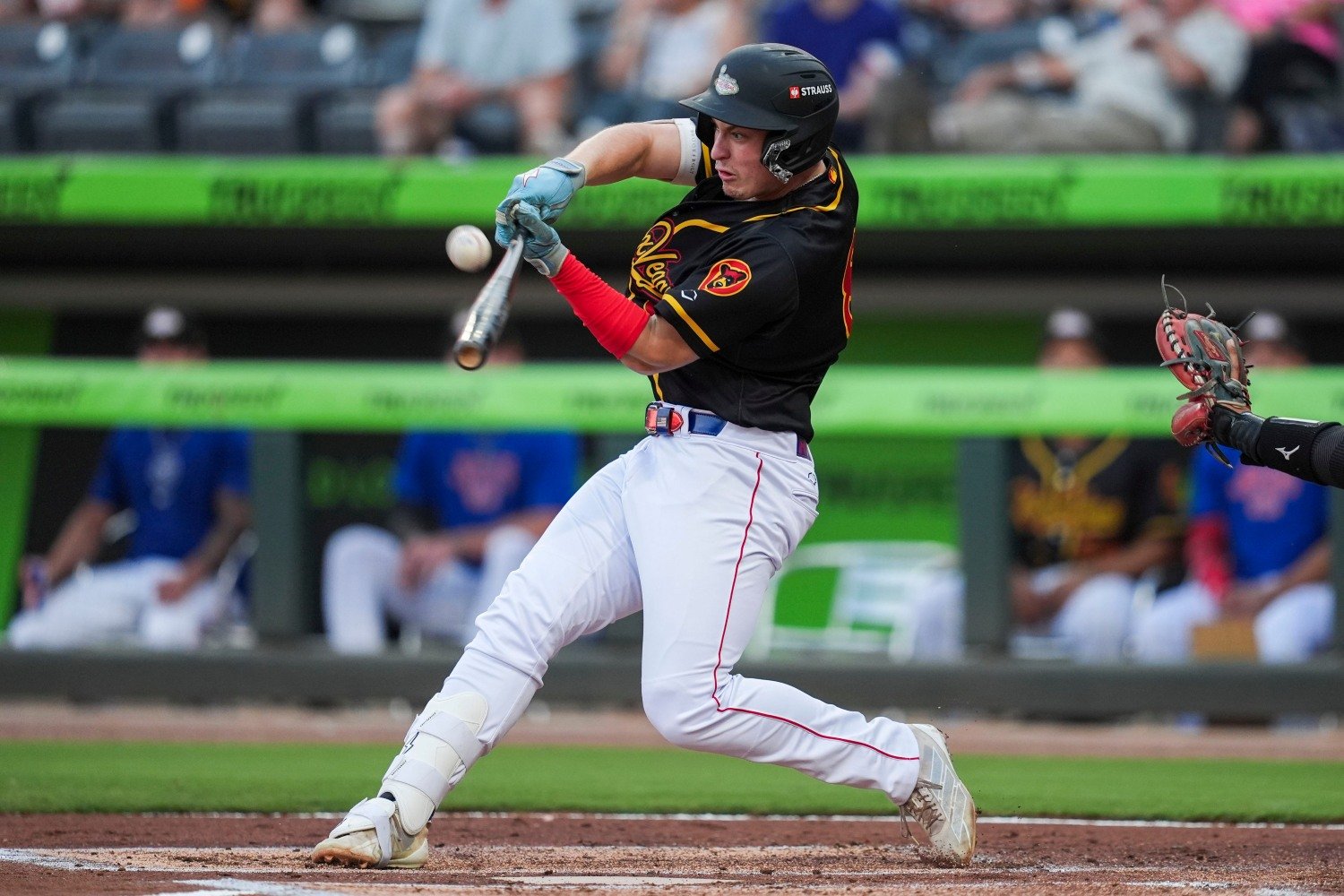 The Cubs' 2026 season officially concluded last week with a Wild Card Series loss to the San Diego Padres. Well before that, though, minor-league seasons had already ended, and depending on how much you paid attention, you may have missed quite the season for some of the top Cubs prospects. Chicago did part ways with their former Nos. 1 & 2 prospects (Moisés Ballesteros and Jefferson Rojas) during the season, creating a path for new prospects to step forward and make their mark atop the prospect rankings. Some of those prospects did just that. Let's dive into those seasons and crown our three Minor League Hitters of the Year in the Cubs' system. 3. Kane Kepley - 125 G, 444 AB, .243 AVG, 10 HR, 70 RBI, 70 SB, 120 BB, 127 R Kepley didn't have the best season in terms of average and power, the rest of what he did at the plate earns him a spot on this list. Kepley hit just .243 across two levels, but he posted a .422 on-base percentage, a higher number than his .401 slugging average. That .422 OBP was aided by his minor leagues-leading 120 walks, the fifth-most by any minor-league player since the 2005 season. Kepley made opposing pitchers pay for giving him a free pass, too, as he stole 70 bases. His efficiency in both areas is worth noting, too. In 595 plate appearances, he only struck out 89 times, despite working enough deep counts to rack up all those walks. He was caught stealing just six times en route to the 70 thefts. The combination of patience and speed earned him 127 runs scored, also the fifth-most in a minor-league season since 2005. Kepley still has a ways to go before reaching the major leagues but if he continues to get on base at over a .400 clip, his speed and patience may make for a quicker promotion that others who hit in the .240-.250 range. 2. Owen Ayers - 125 G, 447 AB, .289 AVG, 25 HR, 29 2B, 82 RBI, .929 OPS You could argue that Ayers was the top hitter in Chicago's farm system, as he had a nearly identical season to our No. 1 ranked hitter, Josiah Hartshorn. Ayers shot up through three levels this season, beginning the year with High-A South Bend and finishing with Triple-A Iowa. His best numbers came in his 69 games with Double-A Tennessee, where he slashed .304/.417/.591 with 16 home runs, 16 doubles, 48 RBIs and 42 walks. His production at Triple-A declined a bit, as he slashed .247/.365/.356 with three homers, 10 doubles and 20 RBIs. Ayers will start the 2027 at Triple-A, and with continued success both at the plate and behind the dish, there's a very good chance we'll see him on the major-league roster at some point during the season. 1. Josiah Hartshorn - 125 G, 450 AB, .284 AVG, 23 HR, 112 RBI, 91 BB, .925 OPS The new and undisputed top prospect in the Cubs organization is our top Minor League Hitter of the Year. Hartshorn, the 6th-round pick in the 2025 MLB Draft, burst onto the scene in 2026 and made a major name for himself. Much like Ayers, Hartshorn made it through to three different levels during the season and put the baseball world on notice. The difference is, he did it all at age 19. Hartshorn's most action came with High-A South Bend, where he slashed .297/.405/.560 with 17 doubles, 18 home runs, 85 RBIs, 54 walks and 12 stolen bases. The 85 RBIs set a new South Bend Cubs record, and he was the only Cubs prospect to reach 100 RBIs overall, at any level. It was one of the best prospect seasons in recent memory for Chicago, and Hartshorn earned the right to be the No. 1 prospect in the organization. He'll have a legion of eyes on him entering the 2027 season, and with another outstanding season, he could be a dark horse candidate to be a September call-up. If nothing else, though, his stock is way up from when he was drafted. The Cubs have to celebrate (and capitalize upon) such occasions.
 -
Kevin Gausman Has 3 Key Matchups in His Favor Against the Padres
Andrew Wright posted an article in Cubs
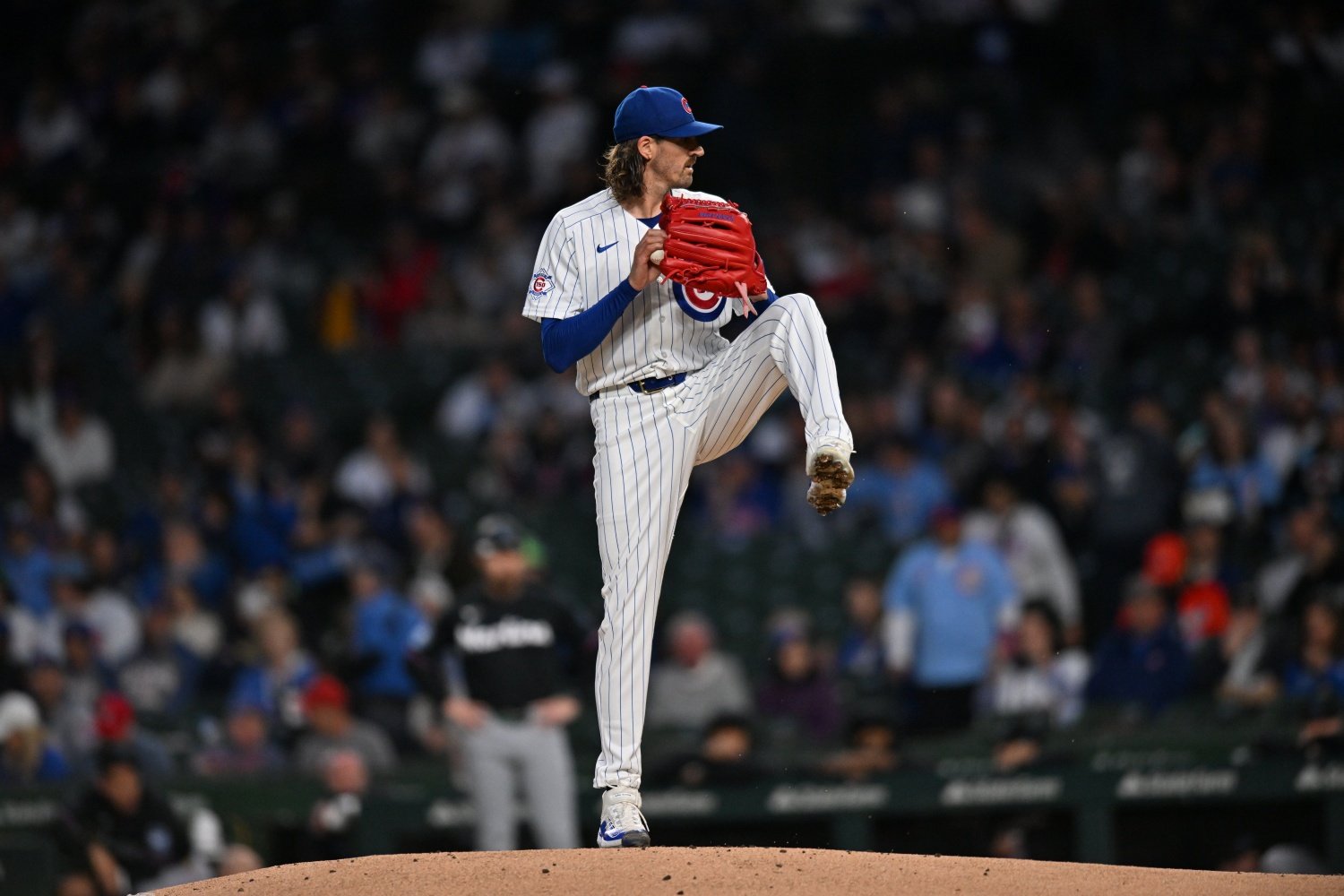 The Chicago Cubs were dominated from start to finish on Tuesday, falling 8-0 to the San Diego Padres in Game 1 of the National League Wild Card Series. Chicago was dominated by Padres right-hander Michael King, who fired seven shutout innings and allowed just one hit. Cubs left-hander Matthew Boyd was jumped early and often. It was a rather disappointing beginning to the postseason, and the Cubs are now just one loss away from that postseason run ending. That's all in the past, though, as the focus shifts to Wednesday night for Game 2. San Diego will send right-hander Nick Pivetta to the mound. Chicago should be familiar with Pivetta, as he started Game 1 of the 2025 Wild Card Series—a game that was a 3-1 win for the Cubs. On the mound for the Cubs will be right-hander Kevin Gausman. Gausman was acquired from the Toronto Blue Jays at the trade deadline, and he's been a bit inconsistent since coming over from Toronto. Lifetime stats show that the Padres have had some success against Gausman, as the players on the postseason roster have combined for a .272/.307/.431 slash line with eight home runs in 202 at-bats. There are a few matchups, though, that Gausman has the advantage in. He'll need to keep it that way in Game 2. Jackson Merrill Merrill had a solid Game 1 against Chicago, going 2-for-4, with one of those two hits being a two-run single that officially busted the game open. The two-hit effort certainly gave Merrill some confidence heading into Game 2, but Gausman has a chance to shut that confidence down quickly. Gausman has faced Merrill six times in his career and has yet to allow a hit to him. Three of the six at-bats have resulted in strikeouts, something that falls in line with Merrill's .220 average and 27.5% whiff rate on offspeed pitches this season. While Merrill certainly isn't one of the big bats atop the San Diego lineup, he's still an important piece in the lineup and someone that could change a game if Fernando Tatis Jr. and Manny Machado are quiet in Game 2. Since the beginning of August, Merrill is batting .298/.341/.551, which weighs much more heavily than six at-bats against Gausman, but it's some comfort to know that the big righty has the right arsenal to quell Merrill's hot streak. Jake Cronenworth Cronenworth has the fifth-most at-bats (19) of any Padres player against Gausman, and those 19 at-bats have been a tough go. Cronenworth is 2-for-19 with six strikeouts against Gausman, a slash line of .105/.105/.105. It will be another matchup for Gausman that isn't necessarily against one of the top bats in the lineup, but instead, against an experienced postseason player who has shown a clutch gene in previous years. Much like Merrill, Cronenworth does have the ability to make a major impact on the game and is someone that Gausman will need to keep off balance and not allow him to gain any confidence. Avoiding uprisings from the bottom half of the lineup will be crucial. Even if it's not possible to shut down the best bats in the San Diego lineup, keeping the little guys from hurting him should allow Gausman to keep the Cubs in the game. Manny Machado If you look solely at the career statistics, this one may not make a ton of sense. Machado has seen great success against Gausman in his career, to the tune of a .346 average with a .962 OPS and two home runs. A lot of the slugging from Machado is well in the past, though, as both of his hits against Gausman in the regular season were innocent singles to left field. Machado did have a big night in Game 1 against Boyd, a pitcher he's had great success against in his career, but Wednesday's matchup should be different. Machado hit just .127 with a 30.2% whiff rate on off-speed pitches during the regular season, and that's the group Gausman will use quite frequently with his changeup and splitter. The matchups between Machado and Gausman will be some of the most important at-bats of Game 2, and with the struggles Machado showed in the regular season, Gausman should have the advantage to keep a confident hitter off the board. There's also a chance that one of David Peterson or Clay Holmes makes an appearance in Wednesday's game. Unfortunately for Cubs fans, the big bats (such as Machado and Tatis) have excellent career numbers against both of those pitchers. Chicago's staff will certainly need to bear down and make adjustments if it hopes to perform well and get to a winner-takes-all Game 3 on Thursday.
 -
Image courtesy of Patrick Gorski-Imagn Images The Chicago Cubs were dominated from start to finish on Tuesday, falling 8-0 to the San Diego Padres in Game 1 of the National League Wild Card Series. Chicago was dominated by Padres right-hander Michael King, who fired seven shutout innings and allowed just one hit. Cubs left-hander Matthew Boyd was jumped early and often. It was a rather disappointing beginning to the postseason, and the Cubs are now just one loss away from that postseason run ending. That's all in the past, though, as the focus shifts to Wednesday night for Game 2. San Diego will send right-hander Nick Pivetta to the mound. Chicago should be familiar with Pivetta, as he started Game 1 of the 2025 Wild Card Series—a game that was a 3-1 win for the Cubs. On the mound for the Cubs will be right-hander Kevin Gausman. Gausman was acquired from the Toronto Blue Jays at the trade deadline, and he's been a bit inconsistent since coming over from Toronto. Lifetime stats show that the Padres have had some success against Gausman, as the players on the postseason roster have combined for a .272/.307/.431 slash line with eight home runs in 202 at-bats. There are a few matchups, though, that Gausman has the advantage in. He'll need to keep it that way in Game 2. Jackson Merrill Merrill had a solid Game 1 against Chicago, going 2-for-4, with one of those two hits being a two-run single that officially busted the game open. The two-hit effort certainly gave Merrill some confidence heading into Game 2, but Gausman has a chance to shut that confidence down quickly. Gausman has faced Merrill six times in his career and has yet to allow a hit to him. Three of the six at-bats have resulted in strikeouts, something that falls in line with Merrill's .220 average and 27.5% whiff rate on offspeed pitches this season. While Merrill certainly isn't one of the big bats atop the San Diego lineup, he's still an important piece in the lineup and someone that could change a game if Fernando Tatis Jr. and Manny Machado are quiet in Game 2. Since the beginning of August, Merrill is batting .298/.341/.551, which weighs much more heavily than six at-bats against Gausman, but it's some comfort to know that the big righty has the right arsenal to quell Merrill's hot streak. Jake Cronenworth Cronenworth has the fifth-most at-bats (19) of any Padres player against Gausman, and those 19 at-bats have been a tough go. Cronenworth is 2-for-19 with six strikeouts against Gausman, a slash line of .105/.105/.105. It will be another matchup for Gausman that isn't necessarily against one of the top bats in the lineup, but instead, against an experienced postseason player who has shown a clutch gene in previous years. Much like Merrill, Cronenworth does have the ability to make a major impact on the game and is someone that Gausman will need to keep off balance and not allow him to gain any confidence. Avoiding uprisings from the bottom half of the lineup will be crucial. Even if it's not possible to shut down the best bats in the San Diego lineup, keeping the little guys from hurting him should allow Gausman to keep the Cubs in the game. Manny Machado If you look solely at the career statistics, this one may not make a ton of sense. Machado has seen great success against Gausman in his career, to the tune of a .346 average with a .962 OPS and two home runs. A lot of the slugging from Machado is well in the past, though, as both of his hits against Gausman in the regular season were innocent singles to left field. Machado did have a big night in Game 1 against Boyd, a pitcher he's had great success against in his career, but Wednesday's matchup should be different. Machado hit just .127 with a 30.2% whiff rate on off-speed pitches during the regular season, and that's the group Gausman will use quite frequently with his changeup and splitter. The matchups between Machado and Gausman will be some of the most important at-bats of Game 2, and with the struggles Machado showed in the regular season, Gausman should have the advantage to keep a confident hitter off the board. There's also a chance that one of David Peterson or Clay Holmes makes an appearance in Wednesday's game. Unfortunately for Cubs fans, the big bats (such as Machado and Tatis) have excellent career numbers against both of those pitchers. Chicago's staff will certainly need to bear down and make adjustments if it hopes to perform well and get to a winner-takes-all Game 3 on Thursday. View full article
-
Image courtesy of Jim Rassol-Imagn Images Some 162 games ago, we were all anxious and downright curious as to what the Chicago Cubs 2026 season would look like. Well, the regular season has now concluded, and despite what occasionally felt like a disappointing season, Chicago managed to get into the postseason with a record of 89-73. That earned them the No. 5 seed in the National League, meaning they're on the road in the Wild Card Series against the San Diego Padres, in a rematch of the set last year at Wrigley Field. Chicago defeated San Diego 2-1 in the best-of-three series last season and will be looking to do the same again this season, to advance to the NLDS for a second consecutive season. Game 1 will feature left-hander Matthew Boyd taking the mound for the visitors. Boyd will be opposed by right-hander Michael King, in his first postseason start since the 2024 NLDS. Most Cubs hitters don't have a massive sample size to dig into, but there's one player in particular who's feasted against King, and there are other season-long trends to keep in mind when gearing up for Game 1. Here are three Cubs hitters that could play a major role. Alex Bregman Bregman has the second-most at-bats (eight) against King of any player likely to be on the roster. He's done quite well for himself in those eight at-bats. Bregman is 7-for-8 with an RBI, two doubles and two walks against King in his career. King did not face Chicago this season, so Bregman's last two at-bats against him came in August of last season. Both of those resulted in doubles to left field. If Bregman's 4-for-4 performance in Game 162 was any indication of how locked-in he is at the plate, then his performance in Game 1 has a chance to be game-changing. Pete Crow-Armstrong Of course, the favorite for NL MVP makes the list. Crow-Armstrong has just one at-bat (0-for-1, K) against King, but this matchup is more about King's pitch selection and Crow-Armstrong's ability to recognize pitches and lay off of them. King's best weapon, against lefties, is his changeup. Opponents hit just .204 on his changeup during the regular season, and they only hit four homers on it. Crow-Armstrong feasted on non-fastballs during the season. He slugged .531 with seven doubles and 14 home runs against breaking balls, and those figures were .621 with 10 doubles and eight homers against offspeed pitches. Knowing that, it's likely that King will try to attack him with fastballs up in the zone, as that's one spot where he's shown both the tendency to chase and a vulnerability to whiffs. The first at-bat of the game should tell a lot about San Diego's plan, and that will set the tone for what to expect the second time around. It's worth noting that King struck Crow-Armstrong out on an elevated fastball in Game 3 of last year's Wild Card Series, but that was not the same creature who'll step into the batter's box Tuesday night. Michael Conforto Conforto's inclusion in the lineup depends on Bregman's ability to play third base. If Bregman is able to return to his normal position, the DH spot would open up, and it would probably be Conforto who fills that role: he's put up gaudy numbers against pitches that match King's profile this year. On sinkers, sweepers and changeups from right-handed pitchers throwing from low arm slots in the vertical movement band King generates on his offerings, Conforto has been worth 5.6 runs above average per 100 pitches seen this year. Next-best on the team against that suite of traits is Crow-Armstrong, at 2.3. When an at-bat ends on one of those offerings, Conforto is hitting .476/.542/.952. The sample is small, and King is better than the average pitcher in this class, and there are a couple of other wrinkles in King's arsenal, but Conforto is an excellent matchup for the San Diego righty. He could strike a huge blow in this game, if Bregman's health makes room for him on the lineup card. cU93QTFfWGw0TUFRPT1fQVFOU0FWUUhCMWNBQzFjRkJ3QUhBd05VQUZsVUJWQUFVVjBGVVZFQ0ExVlJWUU1G.mp4 So, there it is, a look at three players that could define the game offensively for Chicago. If none of those three players are able to get good swings off against King, then it may have to be an unlikely hero stepping up and being the productive bat in what will a crucial Game 1 of the series. View full article
-
How 3 Key Cubs Hitters Matchup with Padres Game 1 Starter Michael King
Andrew Wright posted an article in Cubs
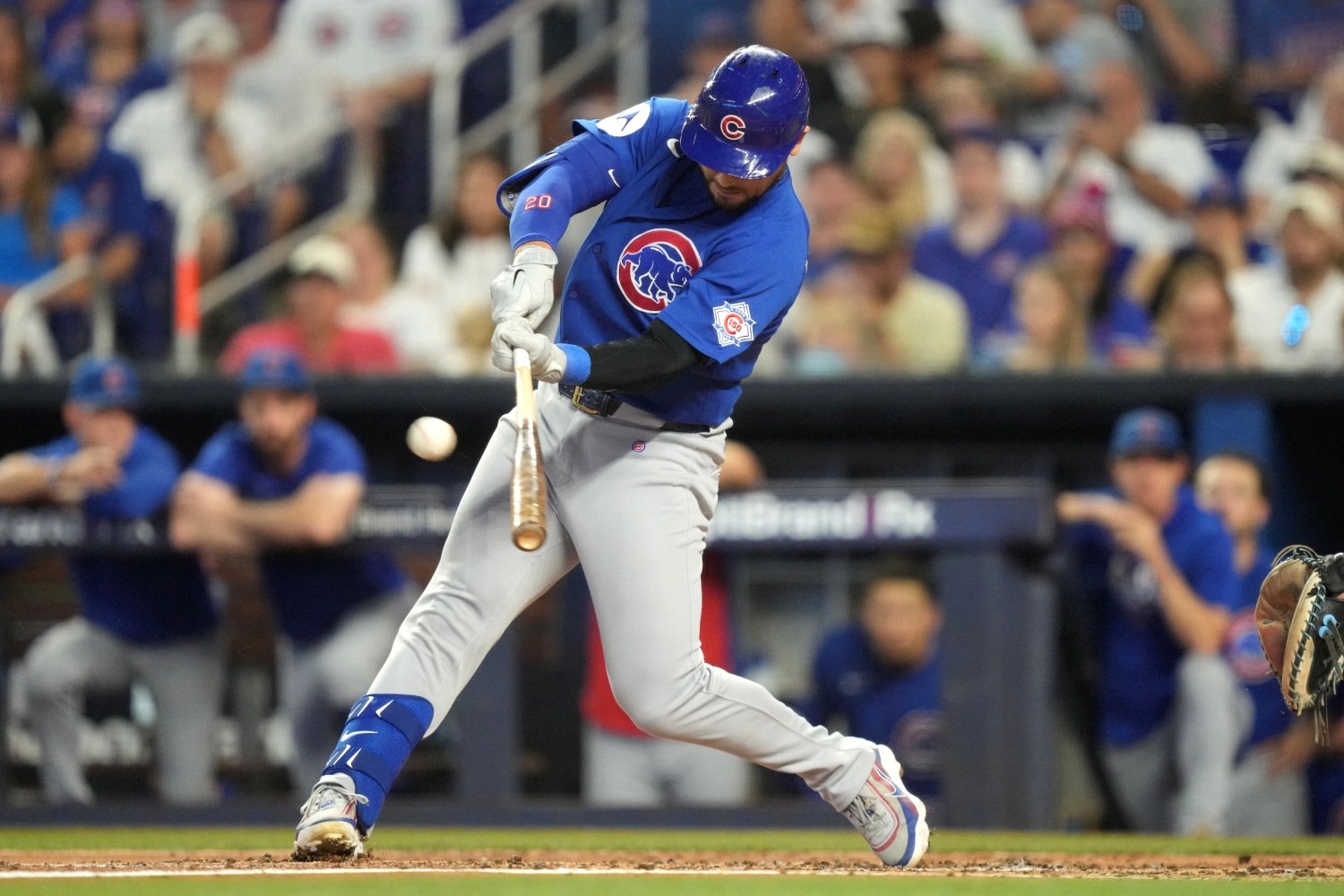 Some 162 games ago, we were all anxious and downright curious as to what the Chicago Cubs 2026 season would look like. Well, the regular season has now concluded, and despite what occasionally felt like a disappointing season, Chicago managed to get into the postseason with a record of 89-73. That earned them the No. 5 seed in the National League, meaning they're on the road in the Wild Card Series against the San Diego Padres, in a rematch of the set last year at Wrigley Field. Chicago defeated San Diego 2-1 in the best-of-three series last season and will be looking to do the same again this season, to advance to the NLDS for a second consecutive season. Game 1 will feature left-hander Matthew Boyd taking the mound for the visitors. Boyd will be opposed by right-hander Michael King, in his first postseason start since the 2024 NLDS. Most Cubs hitters don't have a massive sample size to dig into, but there's one player in particular who's feasted against King, and there are other season-long trends to keep in mind when gearing up for Game 1. Here are three Cubs hitters that could play a major role. Alex Bregman Bregman has the second-most at-bats (eight) against King of any player likely to be on the roster. He's done quite well for himself in those eight at-bats. Bregman is 7-for-8 with an RBI, two doubles and two walks against King in his career. King did not face Chicago this season, so Bregman's last two at-bats against him came in August of last season. Both of those resulted in doubles to left field. If Bregman's 4-for-4 performance in Game 162 was any indication of how locked-in he is at the plate, then his performance in Game 1 has a chance to be game-changing. Pete Crow-Armstrong Of course, the favorite for NL MVP makes the list. Crow-Armstrong has just one at-bat (0-for-1, K) against King, but this matchup is more about King's pitch selection and Crow-Armstrong's ability to recognize pitches and lay off of them. King's best weapon, against lefties, is his changeup. Opponents hit just .204 on his changeup during the regular season, and they only hit four homers on it. Crow-Armstrong feasted on non-fastballs during the season. He slugged .531 with seven doubles and 14 home runs against breaking balls, and those figures were .621 with 10 doubles and eight homers against offspeed pitches. Knowing that, it's likely that King will try to attack him with fastballs up in the zone, as that's one spot where he's shown both the tendency to chase and a vulnerability to whiffs. The first at-bat of the game should tell a lot about San Diego's plan, and that will set the tone for what to expect the second time around. It's worth noting that King struck Crow-Armstrong out on an elevated fastball in Game 3 of last year's Wild Card Series, but that was not the same creature who'll step into the batter's box Tuesday night. Michael Conforto Conforto's inclusion in the lineup depends on Bregman's ability to play third base. If Bregman is able to return to his normal position, the DH spot would open up, and it would probably be Conforto who fills that role: he's put up gaudy numbers against pitches that match King's profile this year. On sinkers, sweepers and changeups from right-handed pitchers throwing from low arm slots in the vertical movement band King generates on his offerings, Conforto has been worth 5.6 runs above average per 100 pitches seen this year. Next-best on the team against that suite of traits is Crow-Armstrong, at 2.3. When an at-bat ends on one of those offerings, Conforto is hitting .476/.542/.952. The sample is small, and King is better than the average pitcher in this class, and there are a couple of other wrinkles in King's arsenal, but Conforto is an excellent matchup for the San Diego righty. He could strike a huge blow in this game, if Bregman's health makes room for him on the lineup card. cU93QTFfWGw0TUFRPT1fQVFOU0FWUUhCMWNBQzFjRkJ3QUhBd05VQUZsVUJWQUFVVjBGVVZFQ0ExVlJWUU1G.mp4 So, there it is, a look at three players that could define the game offensively for Chicago. If none of those three players are able to get good swings off against King, then it may have to be an unlikely hero stepping up and being the productive bat in what will a crucial Game 1 of the series.
 -
Image courtesy of © David Banks-Imagn Images There are just two weeks remaining in the MLB regular season, meaning the postseason is rapidly approaching and the battles for seeding and home-field advantage are ramping up. That's no exception in the National League Wild Card race, as the Chicago Cubs are battling alongside the Philadelphia Phillies for the fourth seed and home field advantage in the Wild Card Round. While securing the home field advantage would be massive for the Cubs, it's also fair to assess what a worst-case scenario would look like. The NL field is more or less set (barring a last-minute surge from the Arizona Diamondbacks), so now's the time to try and navigate what a nightmare path to the World Series would look like. Wild Card Round: Chicago Cubs @ Philadelphia Phillies The Cubs actually handled the Phillies well in the regular season, winning six out of the seven games between the teams, including a four-game sweep at Wrigley Field. There is a difference, though, between a series in April and a postseason series at Citizens Bank Park. The only team to recently have any success in Philadelphia during the postseason was the Diamondbacks in 2023, when they knocked off the Phillies in seven games to advance to the World Series. For the Cubs, a Wild Card series in Philadelphia would mean games against Zack Wheeler, Christopher Sanchez and Jesus Luzardo, arguably the best starting trio in the majors. Despite their success twice against Sanchez in the regular season, that is still an intimidating group to face. Those pitchers and that environment would be a nightmare for Chicago in the first round. National League Division Series: Chicago Cubs vs. Los Angeles Dodgers Much like Philadelphia, Los Angeles is another team that Chicago normally fairs well against in the regular season. That includes this season, as the Cubs won the season series 4-2 over the Dodgers, including a three-game sweep at Wrigley Field in early August. Regular season success gets thrown out the window in the postseason, though, and it then becomes a matchup not against a team you had success against in the regular season, but a matchup against the team that is the back-to-back World Series Champions. The combination of a dominant starting rotation and extraordinary lineup that has excellent postseason hitters such as Max Muncy and Freddie Freeman make the Dodgers so hard to knock off. A five-game series may be less of a gauntlet than a seven-game series, but meeting the reigning champs in the NLDS would be a tough matchup for the Cubs. National League Championship Series: Chicago Cubs vs. Milwaukee Brewers It feels like it was just yesterday that the Cubs had narrowed the game in the NL Central to just three games. That narrow margin was erased by Milwaukee just as the quick as the Cubs closed the gaps and now, barring an epic collapse, the Brewers will be division champions for a third consecutive season. We've seen this story before. Chicago can hang around for a while, but the Brewers eventually pull away and show they are the superior team. That was showcased in recent weeks with the two teams splitting a four-game series at Wrigley Field and then the Brewers sweeping the Cubs in a three-game set at American Family Field. The difference in philosophy and pitching talent when the two teams meet up is evident, and if the Cubs can survive a few early October tests, a trip to Milwaukee in the NLCS with a trip to the World Series on the line would be equal parts enthralling and frigthening. View full article
-
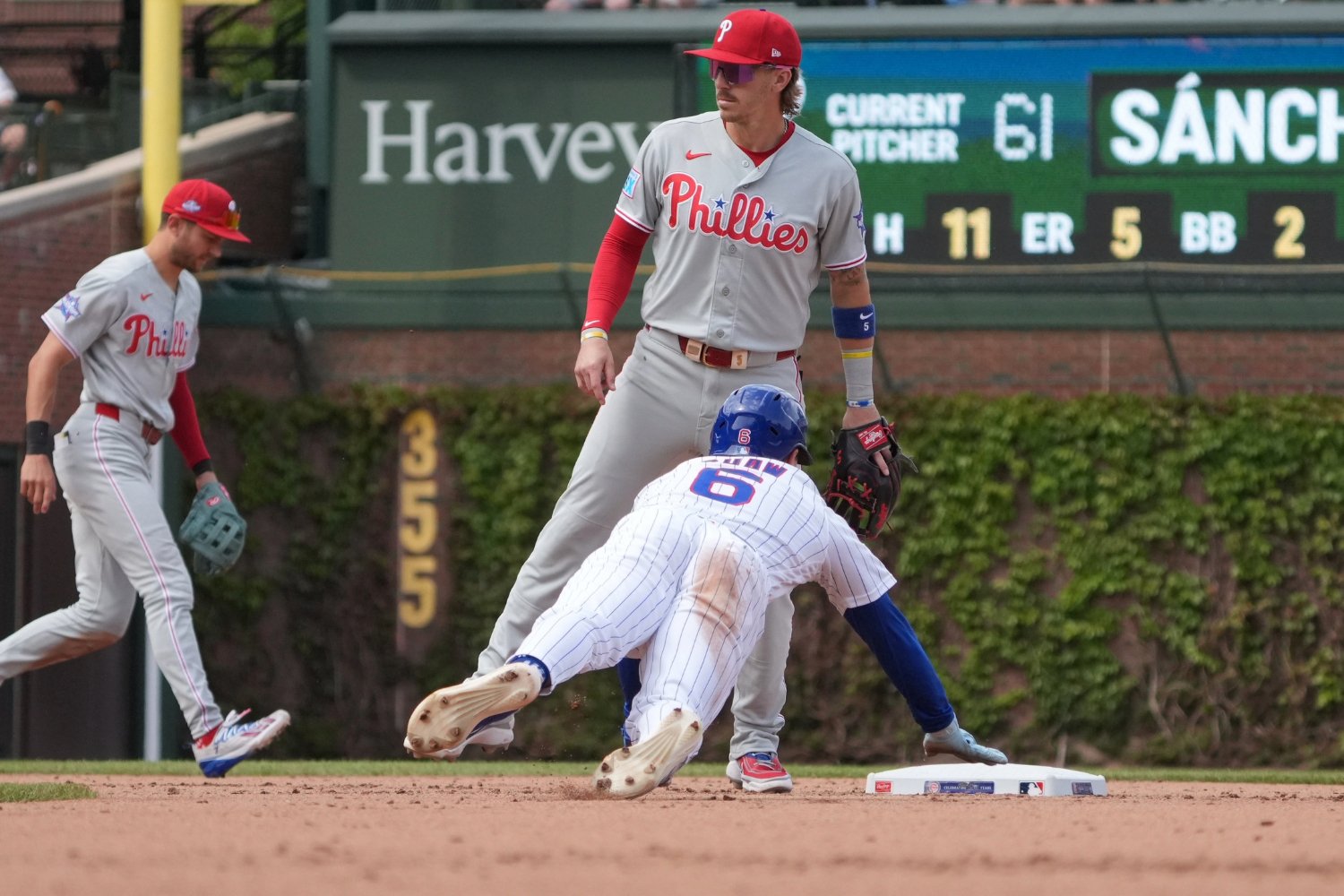 There are just two weeks remaining in the MLB regular season, meaning the postseason is rapidly approaching and the battles for seeding and home-field advantage are ramping up. That's no exception in the National League Wild Card race, as the Chicago Cubs are battling alongside the Philadelphia Phillies for the fourth seed and home field advantage in the Wild Card Round. While securing the home field advantage would be massive for the Cubs, it's also fair to assess what a worst-case scenario would look like. The NL field is more or less set (barring a last-minute surge from the Arizona Diamondbacks), so now's the time to try and navigate what a nightmare path to the World Series would look like. Wild Card Round: Chicago Cubs @ Philadelphia Phillies The Cubs actually handled the Phillies well in the regular season, winning six out of the seven games between the teams, including a four-game sweep at Wrigley Field. There is a difference, though, between a series in April and a postseason series at Citizens Bank Park. The only team to recently have any success in Philadelphia during the postseason was the Diamondbacks in 2023, when they knocked off the Phillies in seven games to advance to the World Series. For the Cubs, a Wild Card series in Philadelphia would mean games against Zack Wheeler, Christopher Sanchez and Jesus Luzardo, arguably the best starting trio in the majors. Despite their success twice against Sanchez in the regular season, that is still an intimidating group to face. Those pitchers and that environment would be a nightmare for Chicago in the first round. National League Division Series: Chicago Cubs vs. Los Angeles Dodgers Much like Philadelphia, Los Angeles is another team that Chicago normally fairs well against in the regular season. That includes this season, as the Cubs won the season series 4-2 over the Dodgers, including a three-game sweep at Wrigley Field in early August. Regular season success gets thrown out the window in the postseason, though, and it then becomes a matchup not against a team you had success against in the regular season, but a matchup against the team that is the back-to-back World Series Champions. The combination of a dominant starting rotation and extraordinary lineup that has excellent postseason hitters such as Max Muncy and Freddie Freeman make the Dodgers so hard to knock off. A five-game series may be less of a gauntlet than a seven-game series, but meeting the reigning champs in the NLDS would be a tough matchup for the Cubs. National League Championship Series: Chicago Cubs vs. Milwaukee Brewers It feels like it was just yesterday that the Cubs had narrowed the game in the NL Central to just three games. That narrow margin was erased by Milwaukee just as the quick as the Cubs closed the gaps and now, barring an epic collapse, the Brewers will be division champions for a third consecutive season. We've seen this story before. Chicago can hang around for a while, but the Brewers eventually pull away and show they are the superior team. That was showcased in recent weeks with the two teams splitting a four-game series at Wrigley Field and then the Brewers sweeping the Cubs in a three-game set at American Family Field. The difference in philosophy and pitching talent when the two teams meet up is evident, and if the Cubs can survive a few early October tests, a trip to Milwaukee in the NLCS with a trip to the World Series on the line would be equal parts enthralling and frigthening.
 -
Image courtesy of Patrick Gorski-Imagn Images The calendar has officially flipped to September. Postseason baseball will be played this month. The Chicago Cubs enter September having gone 16-12 in August and setting several records with some absurd offensive production. All trade deadline acquisitions made their team debuts and while expectations for all were very high, the results and production haven't quite matched the expectations. There have, though, been some outstanding performances when the Cubs needed it most. Here are your pitchers of the month for August. Honorable Mention - Javier Assad - 4G, 13.2 IP, 1.98 ERA, 3R, 7K Assad once again being optioned to Triple-A Iowa and not getting more major league appearances dropped him to the honorable mention spot on the list. Assad continued his stellar work in August, making one start and three appearances out of the bullpen. He's allowed just 6 runs in his last 31 2/3 innings and should be back with the major league club soon. #3 - Aaron Civale - 8G, 18.1 IP, 0.98 ERA, 2R, 16K Yep, just like we all thought headed into the season. Aaron Civale has been an incredible addition for Chicago since being acquired. Civale came to the Cubs with a 5.42 ERA, and he's now lowered that a full run to 4.50 entering play on Tuesday. He's been as reliable as anyone in the bullpen over the past month and is really making a case to be on the playoff roster for any round Chicago advances to. #2 - David Peterson - 6G, 5GS, 28.2 IP, 2.83 ERA, 9R, 32K Peterson is another example of an arm that Chicago added during the season that was supposed to just provide depth while the club awaited the return of several injured pitches. Instead, Peterson has become a reliable option in the rotation and has almost certainly cemented himself on a playoff roster. He's pitched to 3.90 ERA with the Cubs (6.10 with NYM) and has continued to get better with each passing month. #1 - Clay Holmes - 5G, 5GS, 29 IP, 1.55 ERA, 5R, 18K Holmes has been everything he was advertised to be since being acquired from the Mets ahead of the trade deadline. Things have played out exactly how they were supposed to and his heavy ground ball rate has fallen right into line with the best defense in baseball playing behind him. The strikeouts are certainly something that could benefit from increasing a bit and it appears that is heading in the right direction after he punched out 8 against the Milwaukee Brewers on Monday. The additions of Kevin Gausman and Ryan Zeferjahn have not yet panned out, but Chicago will certainly need those two and others to be impactful if the club has any hope of getting past the NLDS for the first time since 2017. View full article
-
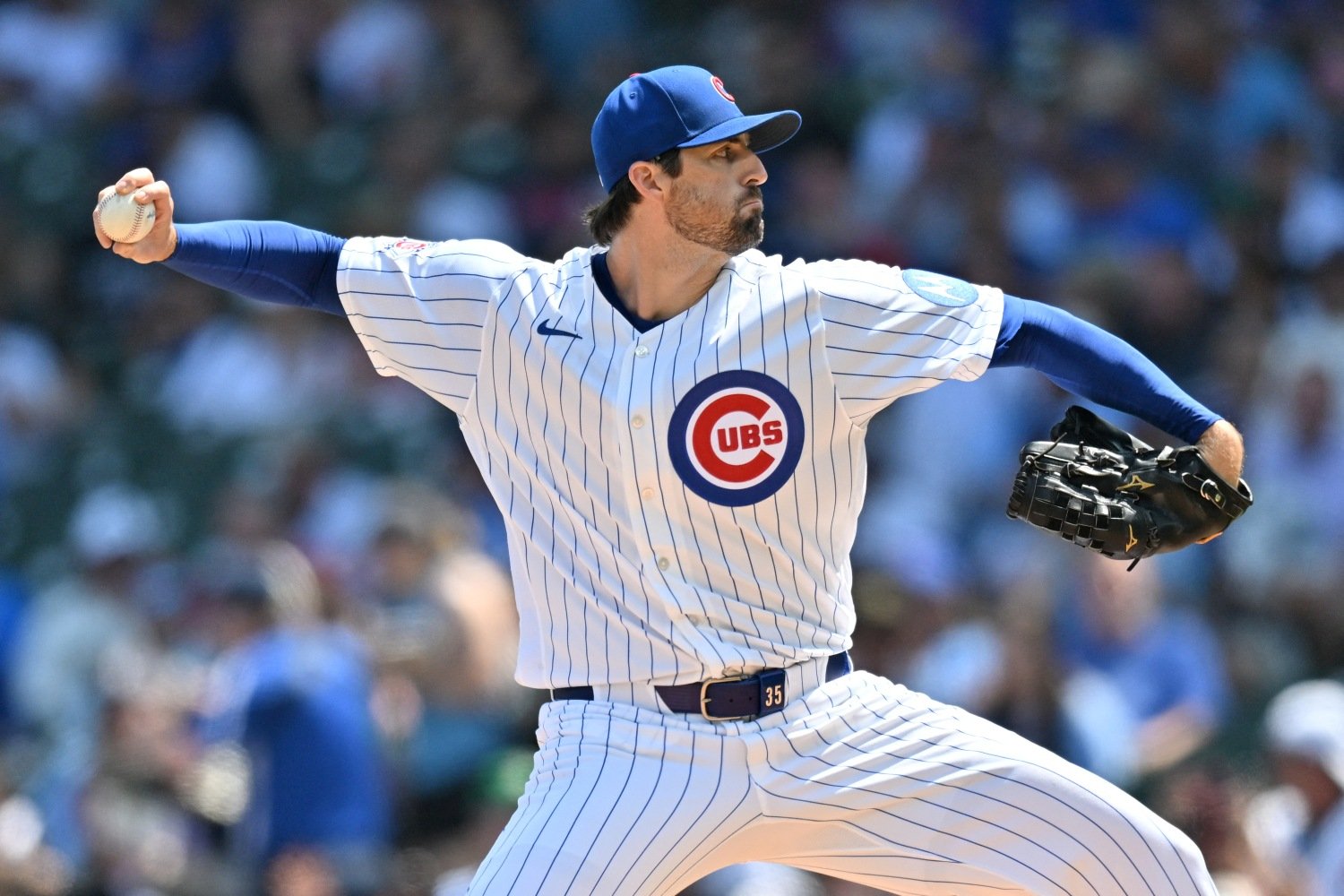 The calendar has officially flipped to September. Postseason baseball will be played this month. The Chicago Cubs enter September having gone 16-12 in August and setting several records with some absurd offensive production. All trade deadline acquisitions made their team debuts and while expectations for all were very high, the results and production haven't quite matched the expectations. There have, though, been some outstanding performances when the Cubs needed it most. Here are your pitchers of the month for August. Honorable Mention - Javier Assad - 4G, 13.2 IP, 1.98 ERA, 3R, 7K Assad once again being optioned to Triple-A Iowa and not getting more major league appearances dropped him to the honorable mention spot on the list. Assad continued his stellar work in August, making one start and three appearances out of the bullpen. He's allowed just 6 runs in his last 31 2/3 innings and should be back with the major league club soon. #3 - Aaron Civale - 8G, 18.1 IP, 0.98 ERA, 2R, 16K Yep, just like we all thought headed into the season. Aaron Civale has been an incredible addition for Chicago since being acquired. Civale came to the Cubs with a 5.42 ERA, and he's now lowered that a full run to 4.50 entering play on Tuesday. He's been as reliable as anyone in the bullpen over the past month and is really making a case to be on the playoff roster for any round Chicago advances to. #2 - David Peterson - 6G, 5GS, 28.2 IP, 2.83 ERA, 9R, 32K Peterson is another example of an arm that Chicago added during the season that was supposed to just provide depth while the club awaited the return of several injured pitches. Instead, Peterson has become a reliable option in the rotation and has almost certainly cemented himself on a playoff roster. He's pitched to 3.90 ERA with the Cubs (6.10 with NYM) and has continued to get better with each passing month. #1 - Clay Holmes - 5G, 5GS, 29 IP, 1.55 ERA, 5R, 18K Holmes has been everything he was advertised to be since being acquired from the Mets ahead of the trade deadline. Things have played out exactly how they were supposed to and his heavy ground ball rate has fallen right into line with the best defense in baseball playing behind him. The strikeouts are certainly something that could benefit from increasing a bit and it appears that is heading in the right direction after he punched out 8 against the Milwaukee Brewers on Monday. The additions of Kevin Gausman and Ryan Zeferjahn have not yet panned out, but Chicago will certainly need those two and others to be impactful if the club has any hope of getting past the NLDS for the first time since 2017.
 -
Josiah HartshornCade TownsendJaxon WigginsKane KepleyEthan ConradCaden SorrellOwen AyersKaleb WingBrooks CapleMyles BaileyJames TriantosWill SandersJuan CabadaJostin FlorentinoGrant KippAriel ArmasEli LovichDerniche ValdezRiley MartinBrandon Birdsell
-
Image courtesy of © Tim Vizer-Imagn Images The calendar has flipped to August on the MLB season, and it's time to look back at who helped the Chicago Cubs make it through July. The month started with a 23-3 win over the San Diego Padres and ended with a 2-0 loss to the New York Yankees. In between that was 13 wins and some outstanding pitching performances from unexpected participants. Let's take a look at who performed the best when they toed the rubber in July for Chicago. Ranking Cubs' Best Pitchers In July Honorable Mention: Javier Assad 5G, 3GS, 1SV, 18 IP, 1.50 ERA, 4R, 17K What else needs to be said about Assad and his performances? Each and every season, he is called upon to serve in a multitude of roles and more often than not, he is outstanding in doing so. Not only did Assad make three starts, but he also came on in relief twice and even collected a save. Unfortunately, Assad may be rudely affected by the impending roster crunch the Cubs have following the multitude of pitchers they acquired ahead of the 2026 MLB trade deadline. It would be unfortunate to see Assad sent back to Triple-A Iowa given how successful he's been, but that may happen down the road once others get healthy. #3: Matthew Boyd 5G, 32.1 IP, 1.67 ERA, 6R. 23K Boyd entered July with a season ERA of 5.08 and left the month with a 3.41 season ERA. Even in his lone rough start on July 12 when he gave up four runs, he powered through 6 1/3 innings and earned a win. In his final three starts after that, Boyd allowed just two runs in 20 innings and earned another win in the process. After a rough start to the season, he's turned back into an All-Star-caliber pitcher and positioned himself to be a trustworthy option when postseason play begins. #2: Shota Imanaga 5G, 29.1 IP, 1.53 ERA, 5R, 27K If you looked at Imanaga's win/loss record of 2-3 in July, you might think that he performed bad. What you wouldn't see is that in two of those three losses, he received a grand total of zero run support. A positive sign in the month was that Imanaga allowed just four home runs, his least amount over a full month since he allowed only two in May. Imanaga walked just six batters across his starts, his second fewest across a full month. All the signs of rookie year Imanaga were prevalent and that could be an enormous revelation down the stretch. #1: Jacob Webb 11G, 11.1 IP, 0.00 ERA, 3SV, 10K What an incredible season Webb is turning in. Through April, Webb had an ERA over five, and we were all rolling our eyes at another failed reliever signing. Since then, though, he's become the most trusted option out of the bullpen. July was Webb's best month yet, as he didn't allow a single run across his 11 appearances. He actually hasn't allowed a run since June 20, when he gave up three runs against the Toronto Blue Jays and was rather colorful about his performance after the game. With bullpen help in the forms of Ryan Zeferjahn and Daniel Palencia on the way, it will be intriguing to see how Webb's role progresses in both the rest of the regular season, as well as the postseason. View full article
-
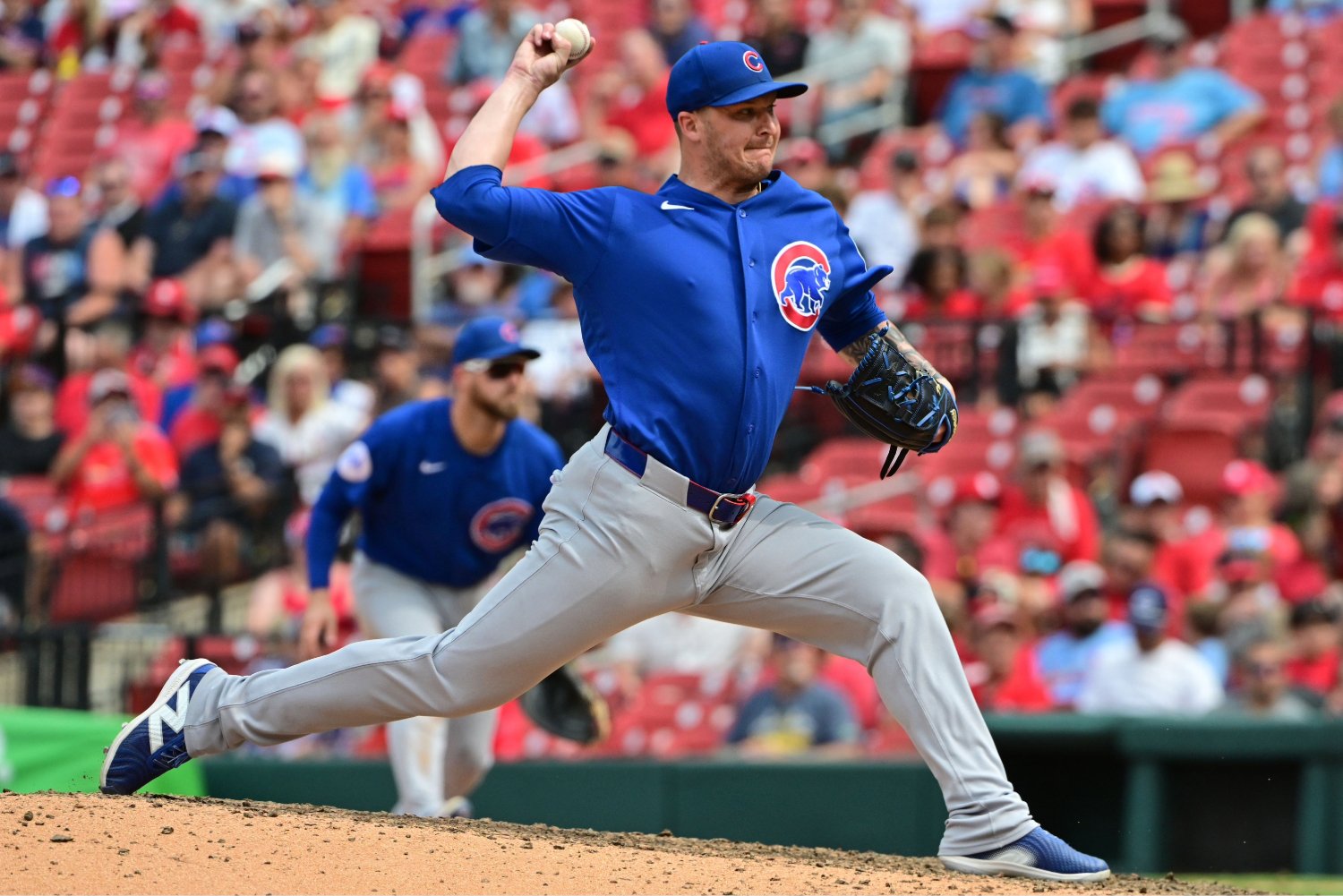 The calendar has flipped to August on the MLB season, and it's time to look back at who helped the Chicago Cubs make it through July. The month started with a 23-3 win over the San Diego Padres and ended with a 2-0 loss to the New York Yankees. In between that was 13 wins and some outstanding pitching performances from unexpected participants. Let's take a look at who performed the best when they toed the rubber in July for Chicago. Ranking Cubs' Best Pitchers In July Honorable Mention: Javier Assad 5G, 3GS, 1SV, 18 IP, 1.50 ERA, 4R, 17K What else needs to be said about Assad and his performances? Each and every season, he is called upon to serve in a multitude of roles and more often than not, he is outstanding in doing so. Not only did Assad make three starts, but he also came on in relief twice and even collected a save. Unfortunately, Assad may be rudely affected by the impending roster crunch the Cubs have following the multitude of pitchers they acquired ahead of the 2026 MLB trade deadline. It would be unfortunate to see Assad sent back to Triple-A Iowa given how successful he's been, but that may happen down the road once others get healthy. #3: Matthew Boyd 5G, 32.1 IP, 1.67 ERA, 6R. 23K Boyd entered July with a season ERA of 5.08 and left the month with a 3.41 season ERA. Even in his lone rough start on July 12 when he gave up four runs, he powered through 6 1/3 innings and earned a win. In his final three starts after that, Boyd allowed just two runs in 20 innings and earned another win in the process. After a rough start to the season, he's turned back into an All-Star-caliber pitcher and positioned himself to be a trustworthy option when postseason play begins. #2: Shota Imanaga 5G, 29.1 IP, 1.53 ERA, 5R, 27K If you looked at Imanaga's win/loss record of 2-3 in July, you might think that he performed bad. What you wouldn't see is that in two of those three losses, he received a grand total of zero run support. A positive sign in the month was that Imanaga allowed just four home runs, his least amount over a full month since he allowed only two in May. Imanaga walked just six batters across his starts, his second fewest across a full month. All the signs of rookie year Imanaga were prevalent and that could be an enormous revelation down the stretch. #1: Jacob Webb 11G, 11.1 IP, 0.00 ERA, 3SV, 10K What an incredible season Webb is turning in. Through April, Webb had an ERA over five, and we were all rolling our eyes at another failed reliever signing. Since then, though, he's become the most trusted option out of the bullpen. July was Webb's best month yet, as he didn't allow a single run across his 11 appearances. He actually hasn't allowed a run since June 20, when he gave up three runs against the Toronto Blue Jays and was rather colorful about his performance after the game. With bullpen help in the forms of Ryan Zeferjahn and Daniel Palencia on the way, it will be intriguing to see how Webb's role progresses in both the rest of the regular season, as well as the postseason.
 -
Image courtesy of Patrick Gorski-Imagn Images Well, that was fun. What an insane, fast-paced, chaotic trade deadline 2026 delivered. As many observed during the heat and smoke of it, the day felt virtually the opposite of the way the 2025 deadline did. That day, though the Cubs technically made a couple of fine moves, no one was blown away. No one was even especially moved. This year, when the dust settled, the Chicago Cubs came away with five new players: Clay Holmes, Ryan Zeferjahn, Braxton Garrett, Kevin Gausman and Tyrone Taylor. With the additions will come roster moves that must eventually be made, and roles will be shifted up and down the roster for the remainder of the season. Let's dive into what will change for the final two months of the season, and what it all means for the team's chances. Starting Rotation Let's start with the rotation. Three starting pitchers were added, but it will only be Gausman and Holmes who go straight into the starting rotation. Garrett has pitched to a 14.54 ERA in 4 1/3 innings in the majors this season and was working at the Marlins' Triple-A affiliate; he'll start at Iowa and get a chance to work with Cubs coaches outside the limelight. Along with incoming roster moves for Gausman and Holmes, the Cubs could also soon be getting Edward Cabrera back. Holmes has made three rehab starts already in his return from a broken leg, throwing 51 pitches on July 23; 59 on July 28; and 73 on August 2. He'll meet with the team before deciding on the next steps, but it's likely that he'll be ready for reinstatement and to pitch in the majors at the end of this week. Gausman is tabbed to start Thursday against the Blue Jays (his former team), when Toronto is likely to send Jameson Taillon to the bump at Wrigley Field against the Cubs (his former team). Cabrera, meanwhile, threw 43 pitches in his first rehab start after a major muscle strain suffered back in late June; he's likely to come back closer to the end of this month. As each hurler joins the squad, who will be pushed into a new role, or off the roster altogether? The most likely scenario would be Javier Assad being optioned back to Triple-A. That would be a bitter pill for Assad to swallow, as he's consistently proved he's a capable starter at the big-league level and has generally answered admirably when his number has been called. Unfortunately, though, after he makes his scheduled start on Tuesday, Assad will not have a path to stay in the rotation or the bullpen, barring further attrition somewhere in the pitching staff. By the beginning of next week, the rotation should include Gausman, Shota Imanaga, Matthew Boyd, David Peterson, and Holmes. Bullpen Zeferjahn was the only bullpen move made, meaning the decisions there will be a bit easier. When Holmes joins the rotation, though, Rea will slide from the rotation to the bullpen, so the team needs to create two new openings. Jacob Webb, Caleb Thielbar, Zeferjahn, Ryan Rolison and Rea have safe places on the depth chart. Everyone else's place is in peril for a while. Trent Thornton will probably survive the first round of cuts, because he's not optionable. Neither are Aaron Civale or Jake Woodford, but those two came to the Cubs as flotsam and could rapidly become jetsam. However, since Antoine Kelly and Tyler Ferguson are both optionable, they might be bumped to Iowa rather than lose any member of the team from the organization. The roster decisions will get tricky when everyone is healthy and ready to come back. Some tough decisions will ultimately have to be made, especially upon the relatively imminent returns of Daniel Palencia and Hoby Milner. More pitchers might hit the injured list, but the team now has so much starting and relief depth that they could face a roster crunch at some point in the latter part of August. Lineup Taylor was the lone bat the Cubs added at the deadline, and Monday's lineup may give a clear indication of what his role will be. Chicago was up against left-hander Justin Wrobleski, and it was the freshly-recalled Kevin Alcántara who got the start in left field over Ian Happ. Alcántara is in his final year of eligiblity to be optioned, and since he wasn't traded, the Cubs now need to get a meaningful look at him in the majors before the offseason. Taylor's playing time might be sparse, especially once the team finishes cycling through days off for each regular amid a long stretch between off days on the schedule. Alcántara will have to get some reps, and the Cubs affirmed their commitment to do that by calling him up at the expense of Justin Dean. Taylor, then, will take on Dean's vacated role, filling in as a backup across the outfield and spelling any of several Cubs hitters against left-handed pitchers. That's a good gig for him; his slash line of .301/.311/.589 against lefties is worlds better than Happ's line of .158/.232/.298. We could immediately see James Triantos sent back to Iowa. Unlike Alcántara, Triantos can still be optioned to the minors next season, and more importantly, it's not clear that Triantos is needed. With Pedro Ramírez around to back up multiple infield positions, the team can option Triantos and use Alcántara, Taylor and Michael Conforto to play matchups at designated hitter and in the outfield. Matt Shaw is making material progress toward a return from his second injury of the year. Eventually, he might return, too, forcing Alcántara (or Triantos, if he's the one kept up after Taylor's arrival) back to Iowa. In any case, though Taylor gives the team more depth and more danger against left-handed pitchers, as well as another athlete in the outfield. Two days ago, the Cubs were desperate for better depth. They're now a much, much deeper club, ready to challenge for a deep run in the postseason. The roster is bursting at the seams. Injuries will erode that excess quickly, but for now, the team can luxuriate a bit in its newfound multitude of options. View full article
-
Analyzing the New-Look Chicago Cubs After the 2026 Trade Deadline
Andrew Wright posted an article in Cubs
 Well, that was fun. What an insane, fast-paced, chaotic trade deadline 2026 delivered. As many observed during the heat and smoke of it, the day felt virtually the opposite of the way the 2025 deadline did. That day, though the Cubs technically made a couple of fine moves, no one was blown away. No one was even especially moved. This year, when the dust settled, the Chicago Cubs came away with five new players: Clay Holmes, Ryan Zeferjahn, Braxton Garrett, Kevin Gausman and Tyrone Taylor. With the additions will come roster moves that must eventually be made, and roles will be shifted up and down the roster for the remainder of the season. Let's dive into what will change for the final two months of the season, and what it all means for the team's chances. Starting Rotation Let's start with the rotation. Three starting pitchers were added, but it will only be Gausman and Holmes who go straight into the starting rotation. Garrett has pitched to a 14.54 ERA in 4 1/3 innings in the majors this season and was working at the Marlins' Triple-A affiliate; he'll start at Iowa and get a chance to work with Cubs coaches outside the limelight. Along with incoming roster moves for Gausman and Holmes, the Cubs could also soon be getting Edward Cabrera back. Holmes has made three rehab starts already in his return from a broken leg, throwing 51 pitches on July 23; 59 on July 28; and 73 on August 2. He'll meet with the team before deciding on the next steps, but it's likely that he'll be ready for reinstatement and to pitch in the majors at the end of this week. Gausman is tabbed to start Thursday against the Blue Jays (his former team), when Toronto is likely to send Jameson Taillon to the bump at Wrigley Field against the Cubs (his former team). Cabrera, meanwhile, threw 43 pitches in his first rehab start after a major muscle strain suffered back in late June; he's likely to come back closer to the end of this month. As each hurler joins the squad, who will be pushed into a new role, or off the roster altogether? The most likely scenario would be Javier Assad being optioned back to Triple-A. That would be a bitter pill for Assad to swallow, as he's consistently proved he's a capable starter at the big-league level and has generally answered admirably when his number has been called. Unfortunately, though, after he makes his scheduled start on Tuesday, Assad will not have a path to stay in the rotation or the bullpen, barring further attrition somewhere in the pitching staff. By the beginning of next week, the rotation should include Gausman, Shota Imanaga, Matthew Boyd, David Peterson, and Holmes. Bullpen Zeferjahn was the only bullpen move made, meaning the decisions there will be a bit easier. When Holmes joins the rotation, though, Rea will slide from the rotation to the bullpen, so the team needs to create two new openings. Jacob Webb, Caleb Thielbar, Zeferjahn, Ryan Rolison and Rea have safe places on the depth chart. Everyone else's place is in peril for a while. Trent Thornton will probably survive the first round of cuts, because he's not optionable. Neither are Aaron Civale or Jake Woodford, but those two came to the Cubs as flotsam and could rapidly become jetsam. However, since Antoine Kelly and Tyler Ferguson are both optionable, they might be bumped to Iowa rather than lose any member of the team from the organization. The roster decisions will get tricky when everyone is healthy and ready to come back. Some tough decisions will ultimately have to be made, especially upon the relatively imminent returns of Daniel Palencia and Hoby Milner. More pitchers might hit the injured list, but the team now has so much starting and relief depth that they could face a roster crunch at some point in the latter part of August. Lineup Taylor was the lone bat the Cubs added at the deadline, and Monday's lineup may give a clear indication of what his role will be. Chicago was up against left-hander Justin Wrobleski, and it was the freshly-recalled Kevin Alcántara who got the start in left field over Ian Happ. Alcántara is in his final year of eligiblity to be optioned, and since he wasn't traded, the Cubs now need to get a meaningful look at him in the majors before the offseason. Taylor's playing time might be sparse, especially once the team finishes cycling through days off for each regular amid a long stretch between off days on the schedule. Alcántara will have to get some reps, and the Cubs affirmed their commitment to do that by calling him up at the expense of Justin Dean. Taylor, then, will take on Dean's vacated role, filling in as a backup across the outfield and spelling any of several Cubs hitters against left-handed pitchers. That's a good gig for him; his slash line of .301/.311/.589 against lefties is worlds better than Happ's line of .158/.232/.298. We could immediately see James Triantos sent back to Iowa. Unlike Alcántara, Triantos can still be optioned to the minors next season, and more importantly, it's not clear that Triantos is needed. With Pedro Ramírez around to back up multiple infield positions, the team can option Triantos and use Alcántara, Taylor and Michael Conforto to play matchups at designated hitter and in the outfield. Matt Shaw is making material progress toward a return from his second injury of the year. Eventually, he might return, too, forcing Alcántara (or Triantos, if he's the one kept up after Taylor's arrival) back to Iowa. In any case, though Taylor gives the team more depth and more danger against left-handed pitchers, as well as another athlete in the outfield. Two days ago, the Cubs were desperate for better depth. They're now a much, much deeper club, ready to challenge for a deep run in the postseason. The roster is bursting at the seams. Injuries will erode that excess quickly, but for now, the team can luxuriate a bit in its newfound multitude of options.
 -
Image courtesy of © Matt Marton-Imagn Images What a roller coaster of a season it has been for the Chicago Cubs. Two ten-game winning streaks and a ten-game losing streak within the first two months of the season, a 23-3 win directly followed by a 17-1 loss, and so many more ebbs and flows to go along with it. When you wrap all that up into a ball and analyze it, Chicago is 56-43 entering Monday's three-game series against the Detroit Tigers. Let's dive into where that stands in relation to the National League playoff picture. Prior to any of Monday's action, the Los Angeles Dodgers hold a 0.5-game lead over the Milwaukee Brewers for the best record not only in the National League, but in all of baseball. Los Angeles sits at 63-37, with Milwaukee ever so close behind at 62-37. The Cubs 56-43 record is the fourth best in the National League, just 1.5 games worse than the Atlanta Braves who lead the NL East with a 57-41 record. If the postseason were to begin today, this is what the playoff bracket would look like. 6. St. Louis Cardinals vs. 3. Atlanta Braves 5. Philadelphia Phillies vs. 4. Chicago Cubs St. Louis is one of three teams tied for the third and final NL Wild Card spot (alongside the Miami Marlins and Pittsburgh Pirates); three more clubs are within 2.5 games of that trio, with those being the Arizona Diamondbacks, Washington Nationals and San Diego Padres. So, with all of the current playoff and standing situations laid out, what does Chicago need to do to improve its chances of holding onto one of those spots? The answer to that seems pretty simple on the surface, and it's very clearly to improve the pitching staff. The Cubs have been decimated with injuries to both the starting rotation and bullpen this season but are still 13 games over .500 despite it. Injuries to Cade Horton, Justin Steele, Ben Brown, Matthew Boyd, Daniel Palencia, Hunter Harvey and so many others have caused the Chicago front office to do deep diving to find pitching help throughout the season. Making moves to help the pitching staff are clearly the route the front office needs to take at the trade deadline. When looking around at lineups for the teams Chicago will need to shut down in order to be successful, there are some seriously dangerous left-handed power bats. The likes of Shohei Ohtani, Freddie Freeman, Kyle Schwarber, Bryce Harper, Matt Olson, Drake Baldwin, Alec Burleson are all currently part of teams in playoff position. Adding at least one more left-handed pitcher to either the starting rotation or the bullpen may be the smartest thing to do. Caleb Thielbar as the high-leverage lefty reliever this season hasn't worked out great, so another option for the late innings would be advisable. The front office could also be ultra-aggressive and throw the farm at the Detroit Tigers to try and acquire Tarik Skubal to be the anchor of the rotation for the rest of the season. Whatever the decisions ultimately end up being, pitching is what Chicago will need to stay competitive in a loaded National League playoff picture for the remainder of the season. View full article
-
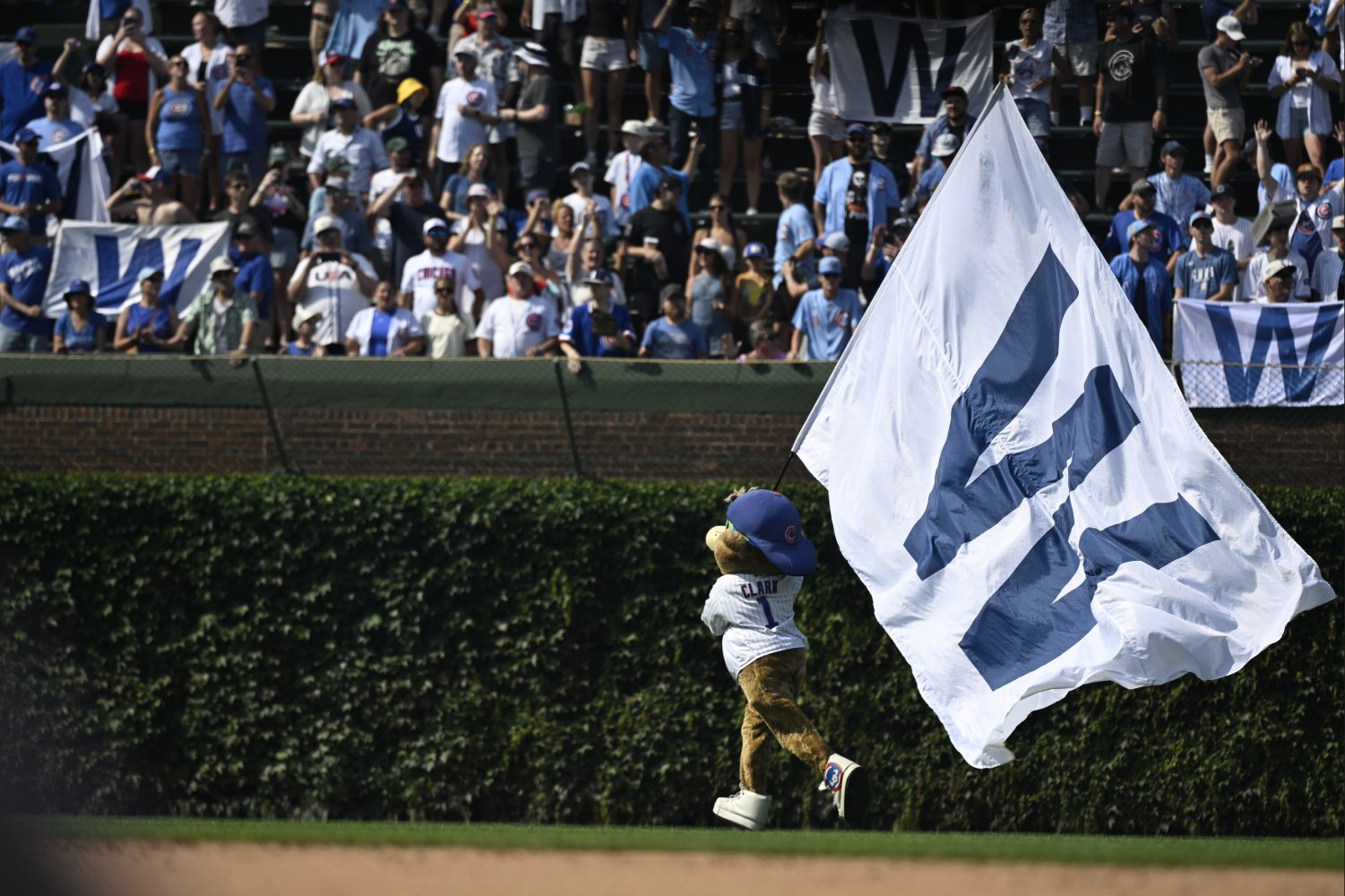 What a roller coaster of a season it has been for the Chicago Cubs. Two ten-game winning streaks and a ten-game losing streak within the first two months of the season, a 23-3 win directly followed by a 17-1 loss, and so many more ebbs and flows to go along with it. When you wrap all that up into a ball and analyze it, Chicago is 56-43 entering Monday's three-game series against the Detroit Tigers. Let's dive into where that stands in relation to the National League playoff picture. Prior to any of Monday's action, the Los Angeles Dodgers hold a 0.5-game lead over the Milwaukee Brewers for the best record not only in the National League, but in all of baseball. Los Angeles sits at 63-37, with Milwaukee ever so close behind at 62-37. The Cubs 56-43 record is the fourth best in the National League, just 1.5 games worse than the Atlanta Braves who lead the NL East with a 57-41 record. If the postseason were to begin today, this is what the playoff bracket would look like. 6. St. Louis Cardinals vs. 3. Atlanta Braves 5. Philadelphia Phillies vs. 4. Chicago Cubs St. Louis is one of three teams tied for the third and final NL Wild Card spot (alongside the Miami Marlins and Pittsburgh Pirates); three more clubs are within 2.5 games of that trio, with those being the Arizona Diamondbacks, Washington Nationals and San Diego Padres. So, with all of the current playoff and standing situations laid out, what does Chicago need to do to improve its chances of holding onto one of those spots? The answer to that seems pretty simple on the surface, and it's very clearly to improve the pitching staff. The Cubs have been decimated with injuries to both the starting rotation and bullpen this season but are still 13 games over .500 despite it. Injuries to Cade Horton, Justin Steele, Ben Brown, Matthew Boyd, Daniel Palencia, Hunter Harvey and so many others have caused the Chicago front office to do deep diving to find pitching help throughout the season. Making moves to help the pitching staff are clearly the route the front office needs to take at the trade deadline. When looking around at lineups for the teams Chicago will need to shut down in order to be successful, there are some seriously dangerous left-handed power bats. The likes of Shohei Ohtani, Freddie Freeman, Kyle Schwarber, Bryce Harper, Matt Olson, Drake Baldwin, Alec Burleson are all currently part of teams in playoff position. Adding at least one more left-handed pitcher to either the starting rotation or the bullpen may be the smartest thing to do. Caleb Thielbar as the high-leverage lefty reliever this season hasn't worked out great, so another option for the late innings would be advisable. The front office could also be ultra-aggressive and throw the farm at the Detroit Tigers to try and acquire Tarik Skubal to be the anchor of the rotation for the rest of the season. Whatever the decisions ultimately end up being, pitching is what Chicago will need to stay competitive in a loaded National League playoff picture for the remainder of the season.
 -
Scouting Reports for Chicago Cubs' Final 10 Picks In 2026 MLB Draft
Andrew Wright posted an article in MLB Draft
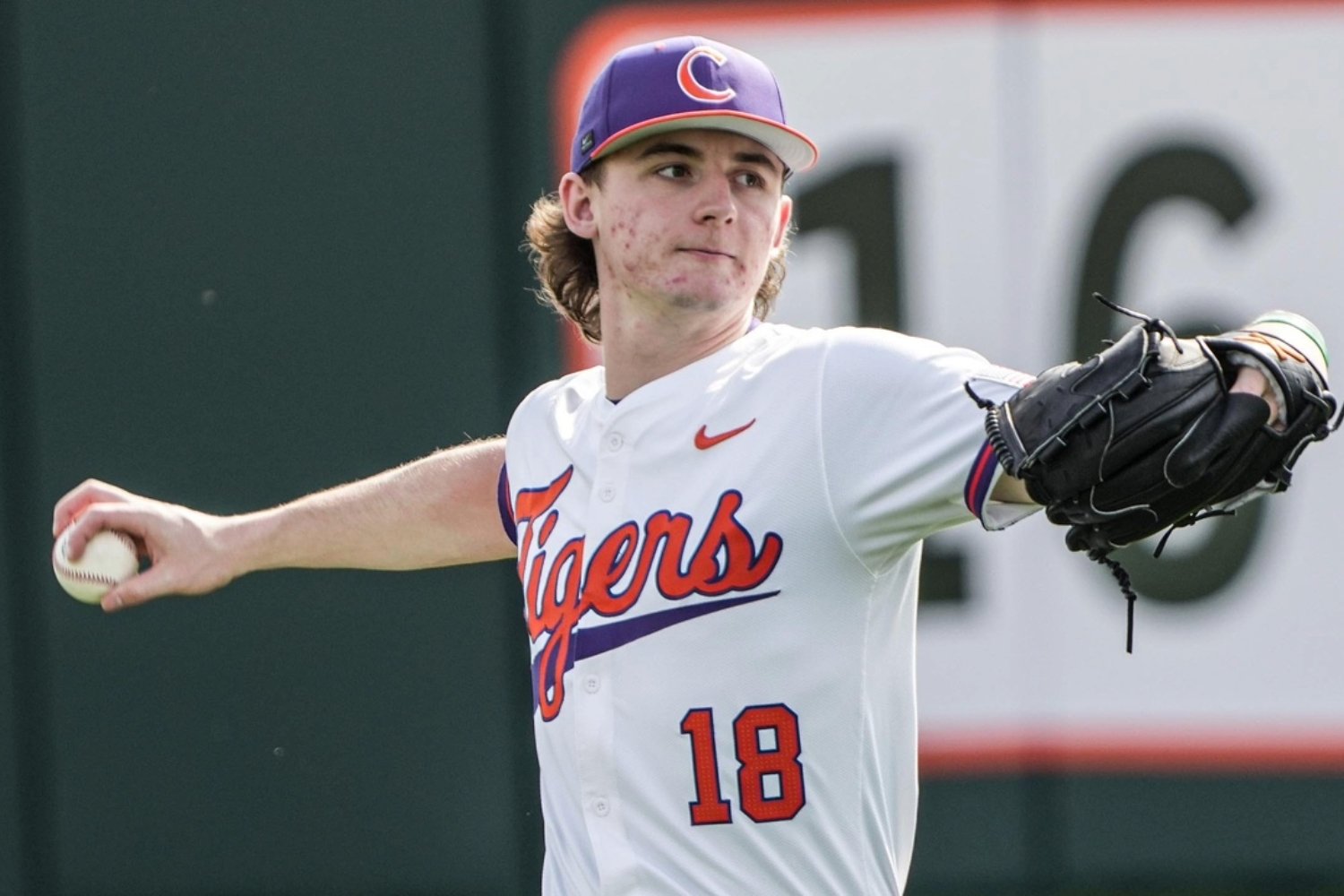 The 2026 MLB Draft has officially wrapped up and much like the theme of rounds 6-10, the Chicago Cubs had a heavy focus on adding pitching depth to their minor-league system. Here's key information to know about the 10 players drafted to round out Chicago's 2026 draft class. Round #11 - RHP, Ariston Veasey, Clemson Veasey was used out of the bullpen for Clemson during the 2026 season and was solid in the process. His mid-90s fastball helped him pitch to a 3.29 ERA and a 32.2K% in 20 appearances. Veasey also features a slider than induced nearly a 60% whiff rate, as well as a 12-6 curveball that he'll occasionally spin up to the plate. Round #12 - LHP, Brandon Arvidson, Tennessee Arvidson is a strikeout machine. Over the previous two seasons at Tennessee, he's punched out 114 batters across 76 innings pitched. His fastball sits in the mid-90's, and it plays well with the swing-and-miss slider that he features. He did miss some time in 2026 with an injury, so keeping track of that will be important for his development. Round #13 - C, Emanuel Hernandez, Puerto Rico Hernandez hails from Puerto Rico and was a member of the Carlos Beltran Baseball Academy. According to Baseball America, he's the No. 2 ranked Puerto Rican player in his class. Hernandez is a Miami of Ohio signee, so his decision to pursue to the college or professional route will be one to watch over the coming days/weeks. Round #14 - SS, Corey Nunez, UC Santa Barbara Nunez will join his Santa Barbara teammate Cole Tryba in the minor-league system after Tryba was selected by the Cubs in the 7th round. Nunez had a stellar senior season that saw him slash .280/.361/.393 with nine double, three triples, two home runs and 15 RBIs. Most impressive of all, Nunez had just an 11.5% strikeout rate. Round #15 - RHP, Griffin Naess, Cal Poly Naess is a tall, lanky right-hander at 6'6" and strikeouts are the name of his game. Despite his 4.63 ERA last season, Naess punched out 97 batters in 91 1/3 innings. He features an upper-80s fastball, and he'll seldom mix in a curveball and slider, but it's his changeup that he relies heavily on, as it was his best strikeout pitch during the season. Round #16 - RHP, Ashton Pocol, Florida Golf Coast Pocol came out of the bullpen for Florida Golf Coast and was dominant while doing so. A three-pitch mix that includes a fastball, slider and curveball helped the right-hander rack up a 36.8% strikeout rate. Pocol is steadily in the zone with all three pitches, as shown by his walk rate of just 7.4%. The development of a fourth pitch or an increase in velocity will be a huge part of his development. Round #17 - RHP, Ryan Marton, UNLV Marton is a bulky 6'4", 230-pound right-hander from Ontario that spent his 2026 collegiate season at UNLV. Marton pitched both in the starting rotation and out of the bullpen, posting a 6.16 ERA across 13 outings. The swing-and-miss numbers weren't great, as he punched out just 22 batters and walked nine across 19 innings. Marton recently committed to the University of Missouri, so he'll have a choice to make between the pros and another year of college. Round #18 - RHP, Luke McGrath, James Madison McGrath pitched 28 times across two college seasons, including 24 last year. He posted a 5.79 ERA with 28 strikeouts across 28 innings. His fastball sits in the low-90s, and he pairs it with multiple off-speed pitches. He did walk 20 batters in 28 innings, so command of the strike zone will need to improve in the minor leagues. Round #19 - RHP, Luke Guth, Vanderbilt Back-to-back Lukes in Rounds 18 & 19 for the Cubs, as the Vanderbilt product will likely sign after entering the transfer portal and still having yet to announce a commitment. Guth lives in the low-90's with his fastball, as well as featuring a mid-80's slider and a looping, low-70s curveball. Round #20 - 1B, Brennan Hudson, Georgia The final selection of the 2026 MLB Draft for the Cubs was used on Georgia first baseman Brennan Hudson. Hudson has major power, as he launched 38 home runs in his collegiate career, including 22 in his senior season. His plate discipline is a plus, as he struck out 109 times compared to 81 walks during his college career. A career OPS of 1.099 from an SEC program at pick No. 607 feels like excellent value for Chicago.
 -
Image courtesy of © Ken Ruinard / USA Today Network South Carolina / USA TODAY NETWORK via Imagn Images The 2026 MLB Draft has officially wrapped up and much like the theme of rounds 6-10, the Chicago Cubs had a heavy focus on adding pitching depth to their minor-league system. Here's key information to know about the 10 players drafted to round out Chicago's 2026 draft class. Round #11 - RHP, Ariston Veasey, Clemson Veasey was used out of the bullpen for Clemson during the 2026 season and was solid in the process. His mid-90s fastball helped him pitch to a 3.29 ERA and a 32.2K% in 20 appearances. Veasey also features a slider than induced nearly a 60% whiff rate, as well as a 12-6 curveball that he'll occasionally spin up to the plate. Round #12 - LHP, Brandon Arvidson, Tennessee Arvidson is a strikeout machine. Over the previous two seasons at Tennessee, he's punched out 114 batters across 76 innings pitched. His fastball sits in the mid-90's, and it plays well with the swing-and-miss slider that he features. He did miss some time in 2026 with an injury, so keeping track of that will be important for his development. Round #13 - C, Emanuel Hernandez, Puerto Rico Hernandez hails from Puerto Rico and was a member of the Carlos Beltran Baseball Academy. According to Baseball America, he's the No. 2 ranked Puerto Rican player in his class. Hernandez is a Miami of Ohio signee, so his decision to pursue to the college or professional route will be one to watch over the coming days/weeks. Round #14 - SS, Corey Nunez, UC Santa Barbara Nunez will join his Santa Barbara teammate Cole Tryba in the minor-league system after Tryba was selected by the Cubs in the 7th round. Nunez had a stellar senior season that saw him slash .280/.361/.393 with nine double, three triples, two home runs and 15 RBIs. Most impressive of all, Nunez had just an 11.5% strikeout rate. Round #15 - RHP, Griffin Naess, Cal Poly Naess is a tall, lanky right-hander at 6'6" and strikeouts are the name of his game. Despite his 4.63 ERA last season, Naess punched out 97 batters in 91 1/3 innings. He features an upper-80s fastball, and he'll seldom mix in a curveball and slider, but it's his changeup that he relies heavily on, as it was his best strikeout pitch during the season. Round #16 - RHP, Ashton Pocol, Florida Golf Coast Pocol came out of the bullpen for Florida Golf Coast and was dominant while doing so. A three-pitch mix that includes a fastball, slider and curveball helped the right-hander rack up a 36.8% strikeout rate. Pocol is steadily in the zone with all three pitches, as shown by his walk rate of just 7.4%. The development of a fourth pitch or an increase in velocity will be a huge part of his development. Round #17 - RHP, Ryan Marton, UNLV Marton is a bulky 6'4", 230-pound right-hander from Ontario that spent his 2026 collegiate season at UNLV. Marton pitched both in the starting rotation and out of the bullpen, posting a 6.16 ERA across 13 outings. The swing-and-miss numbers weren't great, as he punched out just 22 batters and walked nine across 19 innings. Marton recently committed to the University of Missouri, so he'll have a choice to make between the pros and another year of college. Round #18 - RHP, Luke McGrath, James Madison McGrath pitched 28 times across two college seasons, including 24 last year. He posted a 5.79 ERA with 28 strikeouts across 28 innings. His fastball sits in the low-90s, and he pairs it with multiple off-speed pitches. He did walk 20 batters in 28 innings, so command of the strike zone will need to improve in the minor leagues. Round #19 - RHP, Luke Guth, Vanderbilt Back-to-back Lukes in Rounds 18 & 19 for the Cubs, as the Vanderbilt product will likely sign after entering the transfer portal and still having yet to announce a commitment. Guth lives in the low-90's with his fastball, as well as featuring a mid-80's slider and a looping, low-70s curveball. Round #20 - 1B, Brennan Hudson, Georgia The final selection of the 2026 MLB Draft for the Cubs was used on Georgia first baseman Brennan Hudson. Hudson has major power, as he launched 38 home runs in his collegiate career, including 22 in his senior season. His plate discipline is a plus, as he struck out 109 times compared to 81 walks during his college career. A career OPS of 1.099 from an SEC program at pick No. 607 feels like excellent value for Chicago. View full article
-
Image courtesy of Gopher Sports Athletics Rounds 6-10 of the MLB Draft have concluded, and the Chicago Cubs added five new players to go along with their five selections on Day 1 of the draft. Here's key information to know about the five players drafted by Chicago on Day 2 (we've analyzed the team's fifth-round pick, Dylan Blomker, in his own article here). Round #6 - RHP, Isaac Morton, Minnesota Morton is a 6'3" right-hander that spent two seasons at Texas A&M before transferring to Minnesota for the final season of his collegiate career. Morton was drafted once in 2023 in the 19th round by the Milwaukee Brewers but chose to take the college route. He sits around 93-95 mph with his fastball, as well as including a slider, cutter and changeup. Morton has struggled with injuries, suffering damaged tendons in 2023 and blowing out his arm in his final collegiate start in 2026, meaning he likely won't see professional action until the end of the 2027 season. Round #7 - LHP, Cole Tryba, UC Santa Barbara Chicago stuck with its run of pitchers in the seventh round when selecting left-hander Cole Tryba out of UC Santa Barbara. Tryba is unique with his lower, funky arm slot that worked when pitching in relief at Santa Barbara. He pitched to a 3.50 ERA with 57 strikeouts across 43 2/3 innings last season on a team that advanced into Regionals. Tryba also features a slurve and cutter that he uses as put away pitches. His teammate, Jackson Flora, got all the pre-draft hype, but there's some that believe the skillsets for the two aren't as far apart as their draft positions would suggest. Round #8 - RHP, Lance Williams, Maryland Another round, another pitcher selected for the Cubs, this time with it being Lance Williams out of Maryland. Williams transferred to Maryland after spending time at East Carolina and he has an electric fastball that consistently sits at 95-96 and can get up near triple digits. He pitched out of the bullpen and in the starting rotation for the Terps and had a couple bad outings balloon his season ERA up to a 6.16 at season's end. More command of the strike zone will be a big part of Williams' development. Round #9 - RHP, Chase Meyer, West Virginia Meyer has struggled to get on the mound in his collegiate career, as he collected just 51 1/3 innings over the last two season, with 48 of those coming in 2025. He has a mid-90's fastball to go along with a power curveball that he uses as his strikeout pitch. His strikeout numbers are impressive, as he racked up 68 over two seasons. Much like Morton, health will be a key part of his development and success. Round #10 - RHP, Luke Alwood, Seattle University A native of Japan, Alwood stands at 6'5" and spent all four years of his collegiate career at Seattle. Alwood struggle in his time there, going 6-15 with a 7.19 ERA across 62 appearances and 26 starts. He sits around 92-94 mph with his fastball and also features a slider that can be used as a strikeout pitch. Alwood completes rounds 6-10 for the Cubs, a stretch in which they selected five collegiate pitchers. It seems Jed Hoyer has a type. View full article
-
Analyzing Every Chicago Cubs Rounds 6-10 Draft Pick In 2026 MLB Draft
Andrew Wright posted an article in MLB Draft
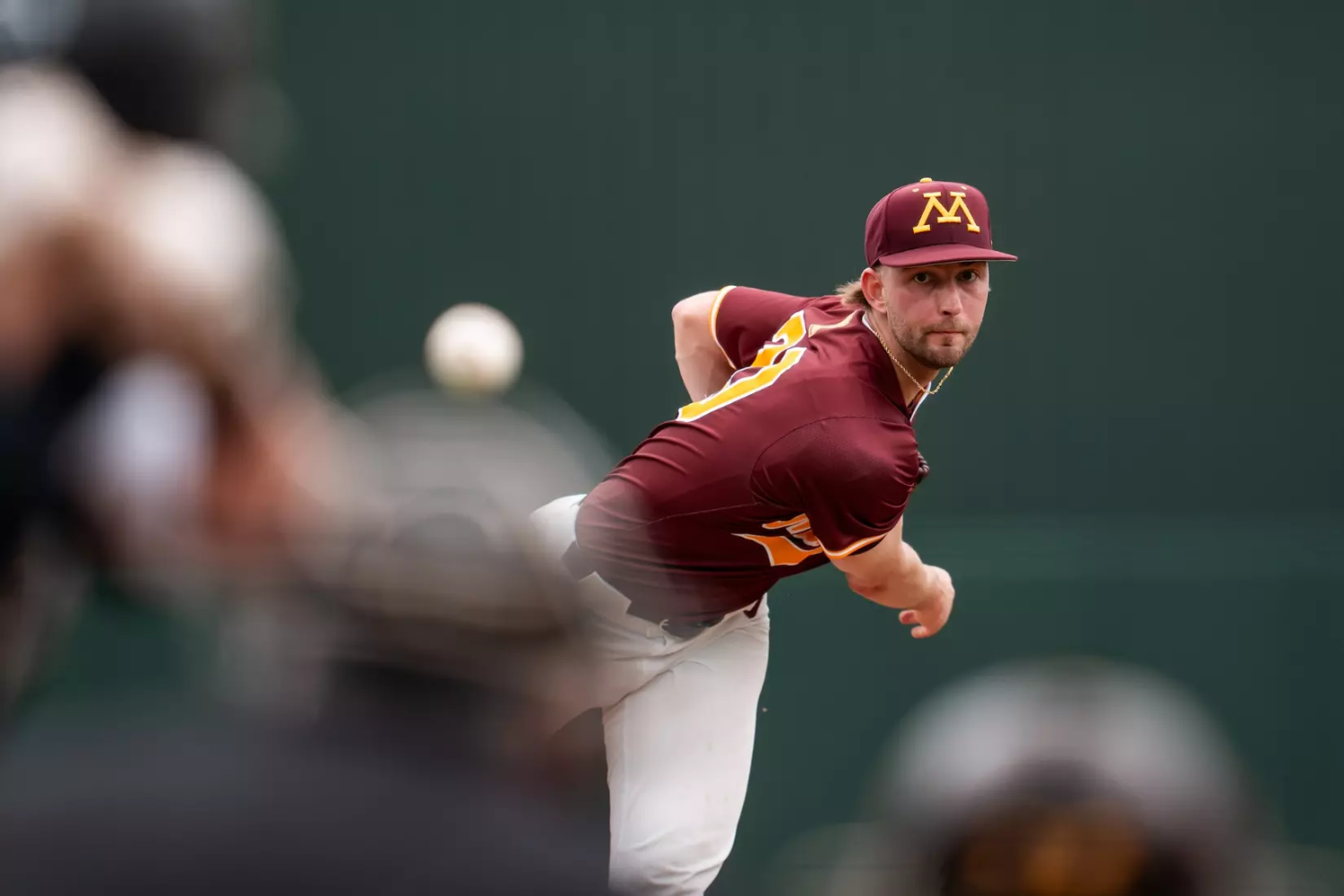 Rounds 6-10 of the MLB Draft have concluded, and the Chicago Cubs added five new players to go along with their five selections on Day 1 of the draft. Here's key information to know about the five players drafted by Chicago on Day 2 (we've analyzed the team's fifth-round pick, Dylan Blomker, in his own article here). Round #6 - RHP, Isaac Morton, Minnesota Morton is a 6'3" right-hander that spent two seasons at Texas A&M before transferring to Minnesota for the final season of his collegiate career. Morton was drafted once in 2023 in the 19th round by the Milwaukee Brewers but chose to take the college route. He sits around 93-95 mph with his fastball, as well as including a slider, cutter and changeup. Morton has struggled with injuries, suffering damaged tendons in 2023 and blowing out his arm in his final collegiate start in 2026, meaning he likely won't see professional action until the end of the 2027 season. Round #7 - LHP, Cole Tryba, UC Santa Barbara Chicago stuck with its run of pitchers in the seventh round when selecting left-hander Cole Tryba out of UC Santa Barbara. Tryba is unique with his lower, funky arm slot that worked when pitching in relief at Santa Barbara. He pitched to a 3.50 ERA with 57 strikeouts across 43 2/3 innings last season on a team that advanced into Regionals. Tryba also features a slurve and cutter that he uses as put away pitches. His teammate, Jackson Flora, got all the pre-draft hype, but there's some that believe the skillsets for the two aren't as far apart as their draft positions would suggest. Round #8 - RHP, Lance Williams, Maryland Another round, another pitcher selected for the Cubs, this time with it being Lance Williams out of Maryland. Williams transferred to Maryland after spending time at East Carolina and he has an electric fastball that consistently sits at 95-96 and can get up near triple digits. He pitched out of the bullpen and in the starting rotation for the Terps and had a couple bad outings balloon his season ERA up to a 6.16 at season's end. More command of the strike zone will be a big part of Williams' development. Round #9 - RHP, Chase Meyer, West Virginia Meyer has struggled to get on the mound in his collegiate career, as he collected just 51 1/3 innings over the last two season, with 48 of those coming in 2025. He has a mid-90's fastball to go along with a power curveball that he uses as his strikeout pitch. His strikeout numbers are impressive, as he racked up 68 over two seasons. Much like Morton, health will be a key part of his development and success. Round #10 - RHP, Luke Alwood, Seattle University A native of Japan, Alwood stands at 6'5" and spent all four years of his collegiate career at Seattle. Alwood struggle in his time there, going 6-15 with a 7.19 ERA across 62 appearances and 26 starts. He sits around 92-94 mph with his fastball and also features a slider that can be used as a strikeout pitch. Alwood completes rounds 6-10 for the Cubs, a stretch in which they selected five collegiate pitchers. It seems Jed Hoyer has a type.
 -
The Chicago Cubs have selected Carson Jasa the with No. 98 overall pick in the MLB draft. Slot value for the selection is $800,000. Jasa went 10-2 with a 3.59 ERA across 87 2/3 innings pitched for Nebraska last season. He limited opponents to just a .204 average last season and posted a 30.4% strikeout rate. Jasa used his fastball just 28% of the time last season, but that was because opponents struggled mightily against his off-speed pitches last season, managing just six hits and punching out 81 times against his curveball. His player profile from MLB.com says the following about his talents. "Jasa averages 96 mph and reaches 98 with his fastball, but it lacks life and command and tends to get hit harder than would be expected, so he has used it just 28 percent of the time this spring. He leans much more on a tight upper-80s slider that tops out at 91 and plays well off his best pitch, a downer 78-82 mph curveball. Opponents went 6-for-111 (.054) with 81 strikeouts against his curve in 2026. Though he doesn't employ his low-80s changeup very often and has difficulty landing it for strikes, it shows promising tumble and fade at its best. Jasa has much better feel for his breaking balls than his dead-zone fastball, and while his control has improved, it's still below average. That means he comes with a good deal of reliever risk, though he also has huge upside as a starter if a team can help him improve his ability to shape and locate his heater. He's athletic and has improved tremendously in college, leading to hope he can continue to do so at the next level." View full rumor
-
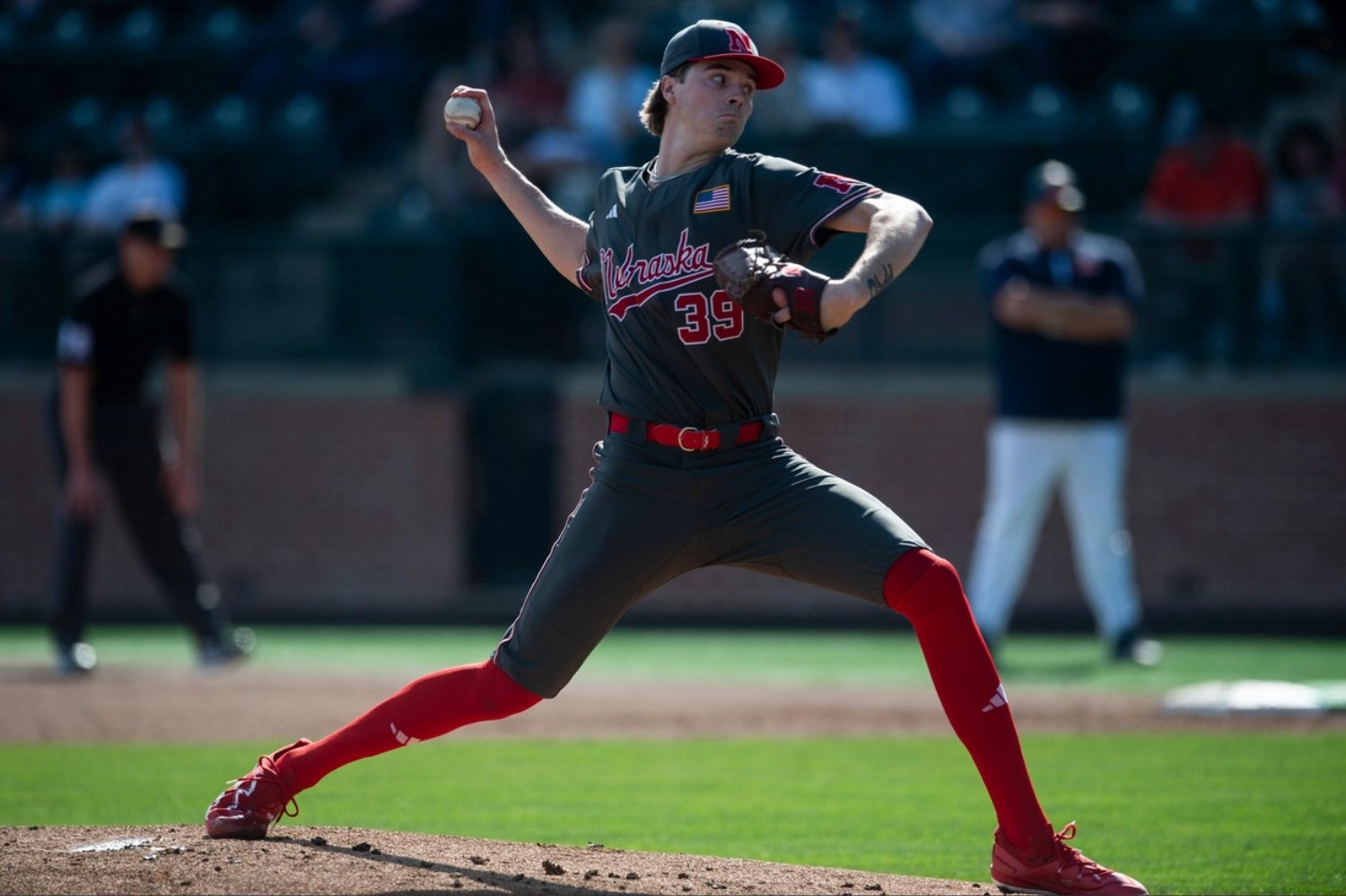 The Chicago Cubs have selected Carson Jasa the with No. 98 overall pick in the MLB draft. Slot value for the selection is $800,000. Jasa went 10-2 with a 3.59 ERA across 87 2/3 innings pitched for Nebraska last season. He limited opponents to just a .204 average last season and posted a 30.4% strikeout rate. Jasa used his fastball just 28% of the time last season, but that was because opponents struggled mightily against his off-speed pitches last season, managing just six hits and punching out 81 times against his curveball. His player profile from MLB.com says the following about his talents. "Jasa averages 96 mph and reaches 98 with his fastball, but it lacks life and command and tends to get hit harder than would be expected, so he has used it just 28 percent of the time this spring. He leans much more on a tight upper-80s slider that tops out at 91 and plays well off his best pitch, a downer 78-82 mph curveball. Opponents went 6-for-111 (.054) with 81 strikeouts against his curve in 2026. Though he doesn't employ his low-80s changeup very often and has difficulty landing it for strikes, it shows promising tumble and fade at its best. Jasa has much better feel for his breaking balls than his dead-zone fastball, and while his control has improved, it's still below average. That means he comes with a good deal of reliever risk, though he also has huge upside as a starter if a team can help him improve his ability to shape and locate his heater. He's athletic and has improved tremendously in college, leading to hope he can continue to do so at the next level."
 -
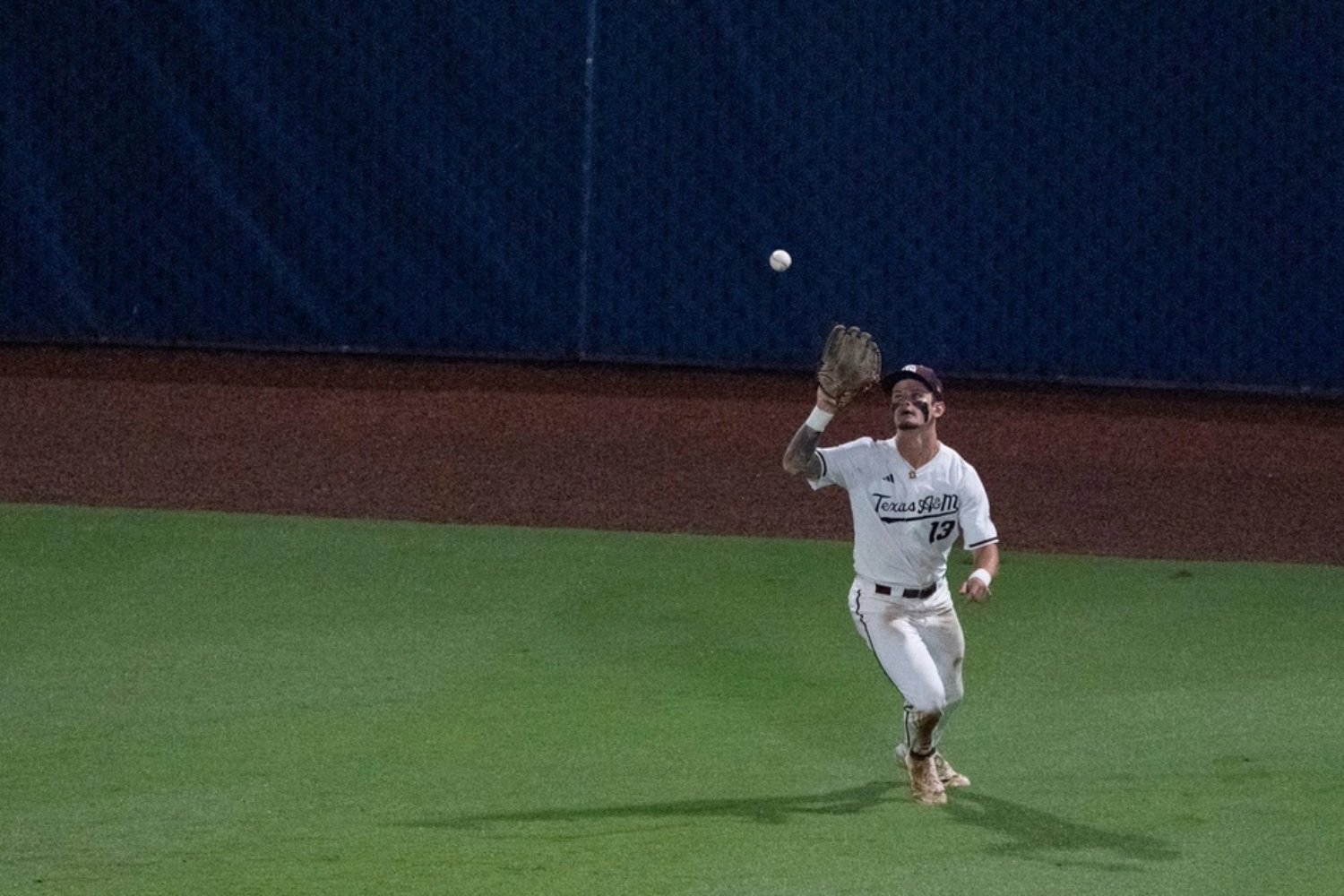 With the No. 62 overall pick in the 2026 MLB Draft, the Chicago Cubs have selected Caden Sorrell. The slot value for pick No. 62 is $1,487,200. Sorrell had an outstanding 2026 season, posting a .341/.434/.743 slash line, good for an OPS of 1.177. It was a slight decrease in production from his 2025 season when he had an OPS of 1,219, but it was the power that increased, as he went from 12 home runs in 2025 to 23 in 2026. He quadrupled his double total from 5 in 2025 to 20 in 2026. Here's what our draft expert Jamie Cameron had to say about Sorrell: "Sorrell was a good prep prospect in 2023 but opted to attend Texas A&M. Fast-forward three years and he's got some first-round caliber tools.. Sorrell's offensive skillset is geared towards damage and loft, a potent combination. It's excellent bat speed from the left side of the plate, as he was a productive hitter in both of his first two collegiate seasons, despite being derailed by some nagging injuries. "There are some weaknesses to exploit, though, offensively. Sorrell does have some bat-to-ball issues, which, when combined with his propensity to chase, can lead to him wracking up significant strikeout totals. He has a plus arm and is an above-average runner. It's likely a corner outfield profile long term, but with those additional tools, he has a chance to be a plus right fielder. In 56 games in 2026, Sorrell managed a .341/.434/.743 line with 23 home runs (44 XBH), a 12.5 BB%, a 23 K%, and a 149 wRC+." Sorrell will join a Cubs system that features outfield prospects such as Josiah Hartshorn, Ethan Conrad and Kane Kepley. It'll be a tough uphill battle to surpass those names, especially the scorching-hot Hartshorn. With both Ian Happ and Seiya Suzuki being impending free agents, though, Chicago has made a focal point to boast its outfield prospects in the previous two drafts.
 -
Image courtesy of © Jake Crandall/ Advertiser / USA TODAY NETWORK via Imagn Images With the No. 62 overall pick in the 2026 MLB Draft, the Chicago Cubs have selected Caden Sorrell. The slot value for pick No. 62 is $1,487,200. Sorrell had an outstanding 2026 season, posting a .341/.434/.743 slash line, good for an OPS of 1.177. It was a slight decrease in production from his 2025 season when he had an OPS of 1,219, but it was the power that increased, as he went from 12 home runs in 2025 to 23 in 2026. He quadrupled his double total from 5 in 2025 to 20 in 2026. Here's what our draft expert Jamie Cameron had to say about Sorrell: "Sorrell was a good prep prospect in 2023 but opted to attend Texas A&M. Fast-forward three years and he's got some first-round caliber tools.. Sorrell's offensive skillset is geared towards damage and loft, a potent combination. It's excellent bat speed from the left side of the plate, as he was a productive hitter in both of his first two collegiate seasons, despite being derailed by some nagging injuries. "There are some weaknesses to exploit, though, offensively. Sorrell does have some bat-to-ball issues, which, when combined with his propensity to chase, can lead to him wracking up significant strikeout totals. He has a plus arm and is an above-average runner. It's likely a corner outfield profile long term, but with those additional tools, he has a chance to be a plus right fielder. In 56 games in 2026, Sorrell managed a .341/.434/.743 line with 23 home runs (44 XBH), a 12.5 BB%, a 23 K%, and a 149 wRC+." Sorrell will join a Cubs system that features outfield prospects such as Josiah Hartshorn, Ethan Conrad and Kane Kepley. It'll be a tough uphill battle to surpass those names, especially the scorching-hot Hartshorn. With both Ian Happ and Seiya Suzuki being impending free agents, though, Chicago has made a focal point to boast its outfield prospects in the previous two drafts. View full article