


-
Posts
557 -
Joined
-
Last visited
3 Followers


Randy Holt's Achievements






-
 Image courtesy of Bob DeChiara-Imagn Images Considering the injuries and the struggles that permeated the entire group, there weren't a whole lot of success stories in the Chicago Cubs' 2026 bullpen. Ryan Rolison, at least, qualifies. Rolison was originally a draft pick by the Colorado Rockies who had the early part of his professional career derailed by injury and the latter portion consumed by struggles, the latter even upon his conversion to full-time relief. He changed hands three times over the offseason, ping-ponging from Colorado to Atlanta to the South Side before the Cubs claimed him on waivers in January. While a good spring had him on track to appear at some point in 2026, he didn't break camp with the team. By mid-April, though, Rolison was in the mix. That ended up being a permanent arrangement, as he went on to log 63 innings across 60 appearances. He posted a very steady 3.14 ERA and a 3.93 FIP. It wasn't perfect—there was the occasional clunker, and his walk rate sat a shade below 11%—but Rolison gave the Cubs at least 10 innings of relief work each month following his April arrival. A number of interesting things unfolded as Rolison adjusted to the Cubs organization. Perhaps most notable is how his usage shifted throughout the year. In his first month, he was primarily four-seamer, curveball, and slider. As the season transpired, the final month saw him become much more sinker-forward, with the four-seam and sweeper serving as his next two most frequently-used pitches. Notably, that evolution occurred primarily against left-handed hitters, against whom Rolison was wildly successful. He faced 123 left-handed batters, and they batted just .162/.230/.189. He remained primarily four-seam/curveball against righties, though with success that didn't nearly match that of his work against left-handed batters. By September, the sinker and sweeper did each come into play against righties, and it'll be interesting to see how that manifests next year—especially if the Cubs intend to allow Rolison to factor into higher-leverage situations. In 2026, Rolison made 24 appearances (13 1/3 innings) in situations deemed to be high-leverage, and posted a 5.40 ERA. That ERA is a bit deceptive, however. The majority of the runs he allowed in those situations came in the first half, before he seemed to settle into that role more comfortably. He got out righties in those spots late in the year, as well as lefties. That could be telling for Rolison's usage next season. The sinker was Rolison's highest-rated pitch by Stuff+, at 113. If it's his intent to utilize that pitch above all others (while allowing the sweeper and other secondary stuff to work off it), there's a very effective reliever in there under team control for another three seasons. Of course, we've only seen a glimpse of him as a trusted arm. That only about 13 of Rolison's 63 innings came in high-leverage situations means he's only passed the first of several tests as a back-end arm. As the team works to fill out their staff for next season, it seems entirely reasonable that this continually-evolving version of Rolison could be destined for higher leverage next season, given the groundwork that was laid in 2026. View full article
 -
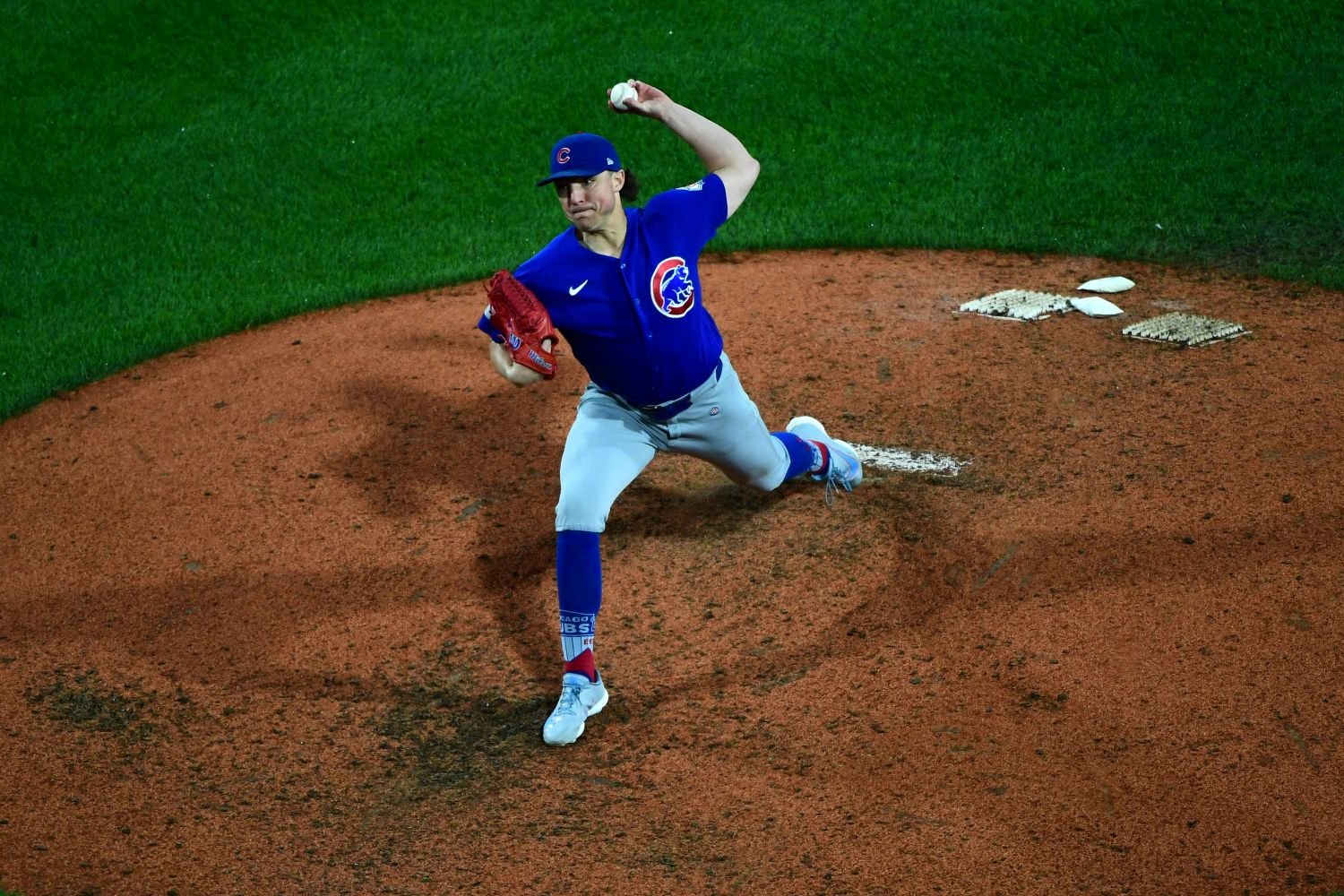 Considering the injuries and the struggles that permeated the entire group, there weren't a whole lot of success stories in the Chicago Cubs' 2026 bullpen. Ryan Rolison, at least, qualifies. Rolison was originally a draft pick by the Colorado Rockies who had the early part of his professional career derailed by injury and the latter portion consumed by struggles, the latter even upon his conversion to full-time relief. He changed hands three times over the offseason, ping-ponging from Colorado to Atlanta to the South Side before the Cubs claimed him on waivers in January. While a good spring had him on track to appear at some point in 2026, he didn't break camp with the team. By mid-April, though, Rolison was in the mix. That ended up being a permanent arrangement, as he went on to log 63 innings across 60 appearances. He posted a very steady 3.14 ERA and a 3.93 FIP. It wasn't perfect—there was the occasional clunker, and his walk rate sat a shade below 11%—but Rolison gave the Cubs at least 10 innings of relief work each month following his April arrival. A number of interesting things unfolded as Rolison adjusted to the Cubs organization. Perhaps most notable is how his usage shifted throughout the year. In his first month, he was primarily four-seamer, curveball, and slider. As the season transpired, the final month saw him become much more sinker-forward, with the four-seam and sweeper serving as his next two most frequently-used pitches. Notably, that evolution occurred primarily against left-handed hitters, against whom Rolison was wildly successful. He faced 123 left-handed batters, and they batted just .162/.230/.189. He remained primarily four-seam/curveball against righties, though with success that didn't nearly match that of his work against left-handed batters. By September, the sinker and sweeper did each come into play against righties, and it'll be interesting to see how that manifests next year—especially if the Cubs intend to allow Rolison to factor into higher-leverage situations. In 2026, Rolison made 24 appearances (13 1/3 innings) in situations deemed to be high-leverage, and posted a 5.40 ERA. That ERA is a bit deceptive, however. The majority of the runs he allowed in those situations came in the first half, before he seemed to settle into that role more comfortably. He got out righties in those spots late in the year, as well as lefties. That could be telling for Rolison's usage next season. The sinker was Rolison's highest-rated pitch by Stuff+, at 113. If it's his intent to utilize that pitch above all others (while allowing the sweeper and other secondary stuff to work off it), there's a very effective reliever in there under team control for another three seasons. Of course, we've only seen a glimpse of him as a trusted arm. That only about 13 of Rolison's 63 innings came in high-leverage situations means he's only passed the first of several tests as a back-end arm. As the team works to fill out their staff for next season, it seems entirely reasonable that this continually-evolving version of Rolison could be destined for higher leverage next season, given the groundwork that was laid in 2026.
 -
Ian Happ's Skill Set Was More Itself Than Ever in 2026, for Better and Worse
Randy Holt posted an article in Cubs
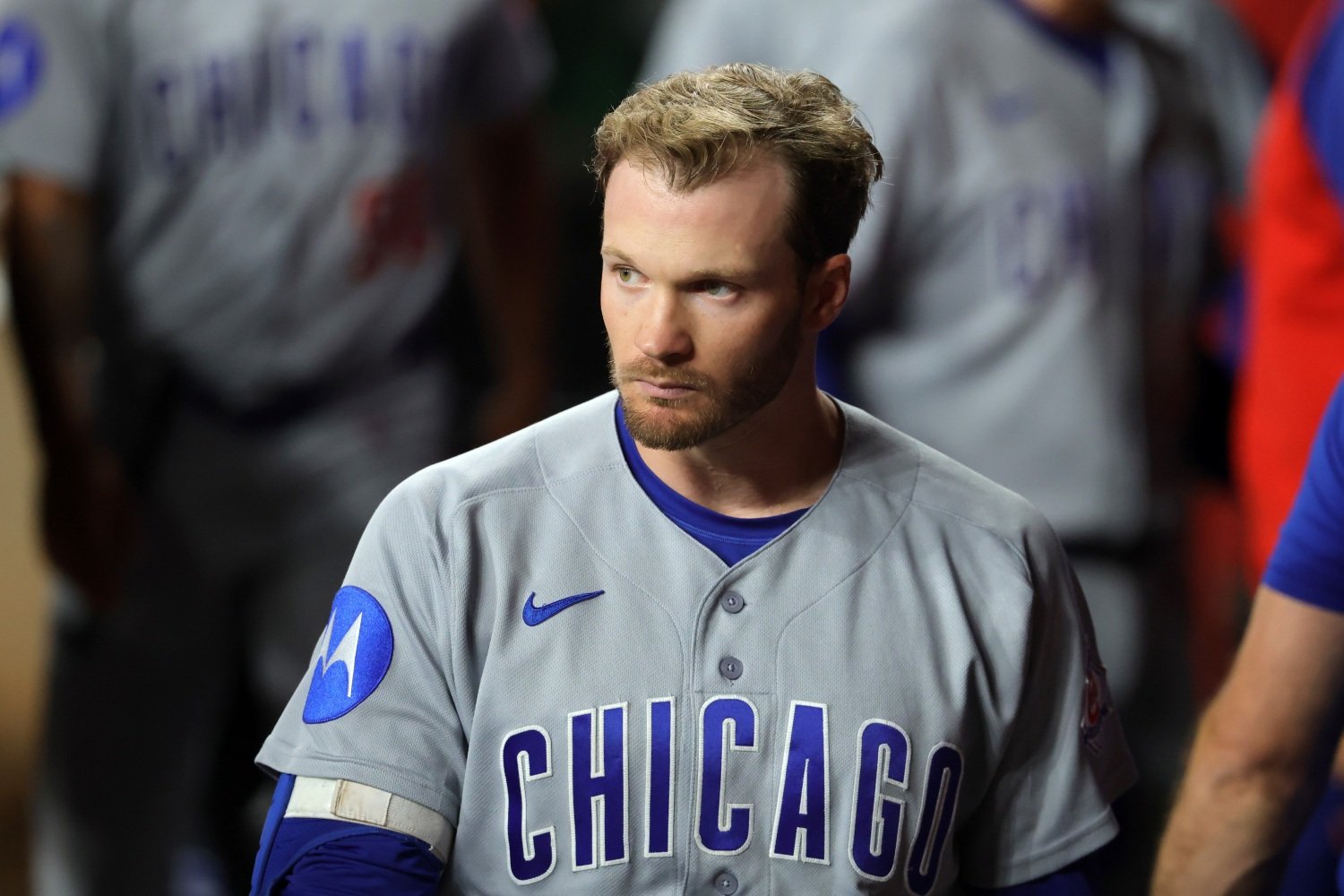 By a handful of different measures, the 2026 season (objectively) represented Ian Happ's worst as a member of the Chicago Cubs. Almost everything in his .218/.326/.412 line, 29.7% strikeout rate, and 107 wRC+ landed at the bottom or second-from-the-bottom of his career outputs across a decade on the North Side. An impending free agent, he now poses a dilemma. At this point, is he worth keeping around? Happ isn't the only polarizing player on the Cubs roster, but there do seem to be split opinions around his value. Let's talk about each side of the runs ledger, given how pronounced the split between them became this year. Offensively, Happ is an exceptionally patient hitter who also hits 20-plus homers each year. His 12.7% walk rate in 2026 was right in line with his career number (12.2%) and in the 89th percentile, while his 24 homers marked his fourth consecutive season (and fifth in the last six) with at least 20. Those are fine tools in the ol' toolbox. The issue is that between the walks, the homers, and a strikeout rate lingering near 30%, there wasn't a whole lot of value provided. The balance between the three true outcomes shifted unpleasantly, leaving little room for the less-true outcomes (singles and doubles) that were also part of his value in the past. The .218 average also dragged down his OBP and slugging, so we need to understand how it happened. It's not as if Happ ran into a bunch of batted-ball misfortune; his batting average on balls in play was a reasonable .284. Instead, contact itself was the issue. Happ's 72.5% contact rate was a career low. A hitter with a pull rate over 46% and a line-drive rate under 17% isn't going to get the benefit of the doubt in the BABIP game when the ball does find its way into play, either. Thence the .284 BABIP. One also has to factor in the splits side of things, considering Happ's standing as a switch-hitter. While Happ has always been more adept at swinging left-handed, he was particularly awful from the other side in 2026. His line as a righty checked in at just .145/.217/.267, with a strikeout rate of 36.1%. His wRC+ came in at a mere 36. The contact trends were similar, but Happ's hard contact rate against lefties was six percentage points lower than against righties, and his flatter swing from the right side produced a line drive rate under 12%. It reached a point where Craig Counsell was compelled to sit him against lefties; Happ's 144 plate appearances versus southpaws were his fewest since 2022. From the left side, Happ hit .241 and ran a .358 OBP. At this point, though, he's a platoon player. It's fair to wonder, too, whether this year was more the beginning of an inexorable decline than a simple blip. The eye test doesn't rate him as particularly fast (regardless of sprint speed figures) and his contact profile isn't encouraging. Happ is 32 years old. Actuarially, he's likely to get worse each year, from now on. If there's a positive to be taken away, it's that Happ was better defensively, according to the numbers. Even during his run of Gold Gloves, the metrics haven't loved his work in left field. In 2026, however, Happ was above-average by Outs Above Average (1) for the first time since 2022, with a Fielding Run Value (6) that was, by far, the best figure of his career. His jump, both in terms of the reaction and the feet covered on tough plays, was his best in a full season since 2019. Happ isn't going to rack up highlight-reel catches, but he was much better on that side than the data indicates he had been over the past handful of seasons. His arm (thanks as much to its accuracy as to its strength) is still a plus. In a twisted way, everybody that has a stake in the Happ narrative got something they desired in 2026. Those who feel his offense is subpar were proven more correct than usual; those who believe his defense is actually as good as the accolades indicate were proven correct by the metrics. In any case, the decision the Cubs face isn't an easy one. From a sentiment standpoint, you have a 10-year Cub who still does technically produce. The issue is that the ceiling on that production is low (and getting lower), considering his ineptitude against lefties. From a sprint speed and defense standpoint, Happ may have been better in 2026, but he's unlikely to hold onto those improvements in 2027. It was a hard season that revealed some hard truths. As Happ hits the market, the Cubs have hard decisions ahead.
 -
Image courtesy of Mark J. Rebilas-Imagn Images By a handful of different measures, the 2026 season (objectively) represented Ian Happ's worst as a member of the Chicago Cubs. Almost everything in his .218/.326/.412 line, 29.7% strikeout rate, and 107 wRC+ landed at the bottom or second-from-the-bottom of his career outputs across a decade on the North Side. An impending free agent, he now poses a dilemma. At this point, is he worth keeping around? Happ isn't the only polarizing player on the Cubs roster, but there do seem to be split opinions around his value. Let's talk about each side of the runs ledger, given how pronounced the split between them became this year. Offensively, Happ is an exceptionally patient hitter who also hits 20-plus homers each year. His 12.7% walk rate in 2026 was right in line with his career number (12.2%) and in the 89th percentile, while his 24 homers marked his fourth consecutive season (and fifth in the last six) with at least 20. Those are fine tools in the ol' toolbox. The issue is that between the walks, the homers, and a strikeout rate lingering near 30%, there wasn't a whole lot of value provided. The balance between the three true outcomes shifted unpleasantly, leaving little room for the less-true outcomes (singles and doubles) that were also part of his value in the past. The .218 average also dragged down his OBP and slugging, so we need to understand how it happened. It's not as if Happ ran into a bunch of batted-ball misfortune; his batting average on balls in play was a reasonable .284. Instead, contact itself was the issue. Happ's 72.5% contact rate was a career low. A hitter with a pull rate over 46% and a line-drive rate under 17% isn't going to get the benefit of the doubt in the BABIP game when the ball does find its way into play, either. Thence the .284 BABIP. One also has to factor in the splits side of things, considering Happ's standing as a switch-hitter. While Happ has always been more adept at swinging left-handed, he was particularly awful from the other side in 2026. His line as a righty checked in at just .145/.217/.267, with a strikeout rate of 36.1%. His wRC+ came in at a mere 36. The contact trends were similar, but Happ's hard contact rate against lefties was six percentage points lower than against righties, and his flatter swing from the right side produced a line drive rate under 12%. It reached a point where Craig Counsell was compelled to sit him against lefties; Happ's 144 plate appearances versus southpaws were his fewest since 2022. From the left side, Happ hit .241 and ran a .358 OBP. At this point, though, he's a platoon player. It's fair to wonder, too, whether this year was more the beginning of an inexorable decline than a simple blip. The eye test doesn't rate him as particularly fast (regardless of sprint speed figures) and his contact profile isn't encouraging. Happ is 32 years old. Actuarially, he's likely to get worse each year, from now on. If there's a positive to be taken away, it's that Happ was better defensively, according to the numbers. Even during his run of Gold Gloves, the metrics haven't loved his work in left field. In 2026, however, Happ was above-average by Outs Above Average (1) for the first time since 2022, with a Fielding Run Value (6) that was, by far, the best figure of his career. His jump, both in terms of the reaction and the feet covered on tough plays, was his best in a full season since 2019. Happ isn't going to rack up highlight-reel catches, but he was much better on that side than the data indicates he had been over the past handful of seasons. His arm (thanks as much to its accuracy as to its strength) is still a plus. In a twisted way, everybody that has a stake in the Happ narrative got something they desired in 2026. Those who feel his offense is subpar were proven more correct than usual; those who believe his defense is actually as good as the accolades indicate were proven correct by the metrics. In any case, the decision the Cubs face isn't an easy one. From a sentiment standpoint, you have a 10-year Cub who still does technically produce. The issue is that the ceiling on that production is low (and getting lower), considering his ineptitude against lefties. From a sprint speed and defense standpoint, Happ may have been better in 2026, but he's unlikely to hold onto those improvements in 2027. It was a hard season that revealed some hard truths. As Happ hits the market, the Cubs have hard decisions ahead. View full article
-
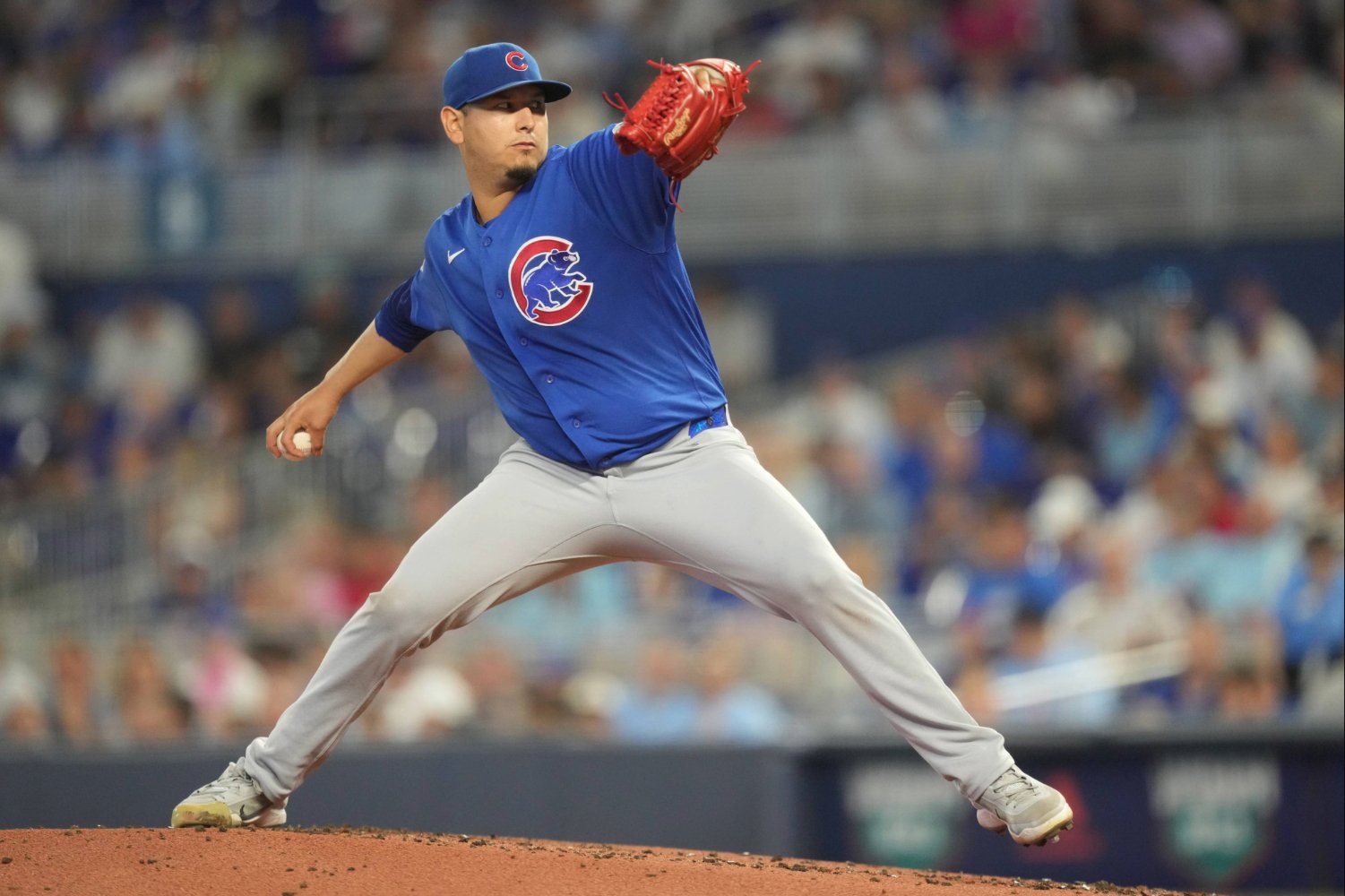 Javier Assad doesn't possess the flashiest of skill sets among members of the Chicago Cubs pitching staff. His results aren't even close to the most impressive. But 2026 reaffirmed that Assad is every bit the type of pitcher that the Cubs or any other staff in baseball needs to hold in their employ. In the last few seasons, we've seen a couple of different iterations of Javier Assad as far as his role goes. In 2023, he was the swingman making 10 starts within 32 overall appearances. The following year, he was a full-time starter, taking the ball 29 times in that capacity. The 2025 season was largely a wash due to an oblique injury, but 2026 saw him return to his '23 ways by shifting between various roles as needed. By season's end, Assad had made 28 appearances but only 11 starts (94.1 innings in total). His ERA sat at 3.63 with a career-best 7.1 percent walk rate. As a starter, Assad threw 56.2 innings to a 3.49 ERA against 37.2 innings & a 3.82 ERA in relief. His strikeout rate was quite similar regardless of role while his walk rate was improved slightly in relief as opposed to starting (7.9 BB% as a starter, 6.0 percent as a reliever). That's not that much variance overall, but what allowed Assad to find that type of steadiness is here: I'm not pitching Assad as some sort of hidden gem amongst Cub pitchers from a performance standpoint or declaring his role needs to be larger. Instead, this illustrates exactly what makes Assad as well-suited for his 2026 role as he is: limiting baserunners and getting groundball contact. It helps that Assad is as sinker-forward as he is (42 percent usage rate). That'll play against either handedness, though it's worth noting he used it less against lefties in favor of a blend that also relied heavily on a cutter and four-seamer. In general, though, he was able to use the sinker and cutter to generate groundball rates over 50 percent in total, with the cutter leading the way against left-handed hitters (47.4 percent). The sinker itself was particularly adept at avoiding the barrel, with a Barrel% of just 4.2 against hitters of either handedness. The beauty of this skill set is in its simplicity. There aren't necessarily more strikeouts waiting to be uncovered in Assad's game. He doesn't need to spend the offseason searching for more velocity. Instead, that ability to generate groundballs and avoid opposing barrels is exactly what he should continue to be. And if the Cubs want to keep him in this very swing man role, especially if it means they can decline their club option on Colin Rea, then that seems like a perfectly worthwhile outcome as they build their staff for next season.
 -
Image courtesy of Jim Rassol-Imagn Images Javier Assad doesn't possess the flashiest of skill sets among members of the Chicago Cubs pitching staff. His results aren't even close to the most impressive. But 2026 reaffirmed that Assad is every bit the type of pitcher that the Cubs or any other staff in baseball needs to hold in their employ. In the last few seasons, we've seen a couple of different iterations of Javier Assad as far as his role goes. In 2023, he was the swingman making 10 starts within 32 overall appearances. The following year, he was a full-time starter, taking the ball 29 times in that capacity. The 2025 season was largely a wash due to an oblique injury, but 2026 saw him return to his '23 ways by shifting between various roles as needed. By season's end, Assad had made 28 appearances but only 11 starts (94.1 innings in total). His ERA sat at 3.63 with a career-best 7.1 percent walk rate. As a starter, Assad threw 56.2 innings to a 3.49 ERA against 37.2 innings & a 3.82 ERA in relief. His strikeout rate was quite similar regardless of role while his walk rate was improved slightly in relief as opposed to starting (7.9 BB% as a starter, 6.0 percent as a reliever). That's not that much variance overall, but what allowed Assad to find that type of steadiness is here: I'm not pitching Assad as some sort of hidden gem amongst Cub pitchers from a performance standpoint or declaring his role needs to be larger. Instead, this illustrates exactly what makes Assad as well-suited for his 2026 role as he is: limiting baserunners and getting groundball contact. It helps that Assad is as sinker-forward as he is (42 percent usage rate). That'll play against either handedness, though it's worth noting he used it less against lefties in favor of a blend that also relied heavily on a cutter and four-seamer. In general, though, he was able to use the sinker and cutter to generate groundball rates over 50 percent in total, with the cutter leading the way against left-handed hitters (47.4 percent). The sinker itself was particularly adept at avoiding the barrel, with a Barrel% of just 4.2 against hitters of either handedness. The beauty of this skill set is in its simplicity. There aren't necessarily more strikeouts waiting to be uncovered in Assad's game. He doesn't need to spend the offseason searching for more velocity. Instead, that ability to generate groundballs and avoid opposing barrels is exactly what he should continue to be. And if the Cubs want to keep him in this very swing man role, especially if it means they can decline their club option on Colin Rea, then that seems like a perfectly worthwhile outcome as they build their staff for next season. View full article
-
Cubs Received the Maximum Version of the Alex Bregman Experience in 2026
Randy Holt posted an article in Cubs
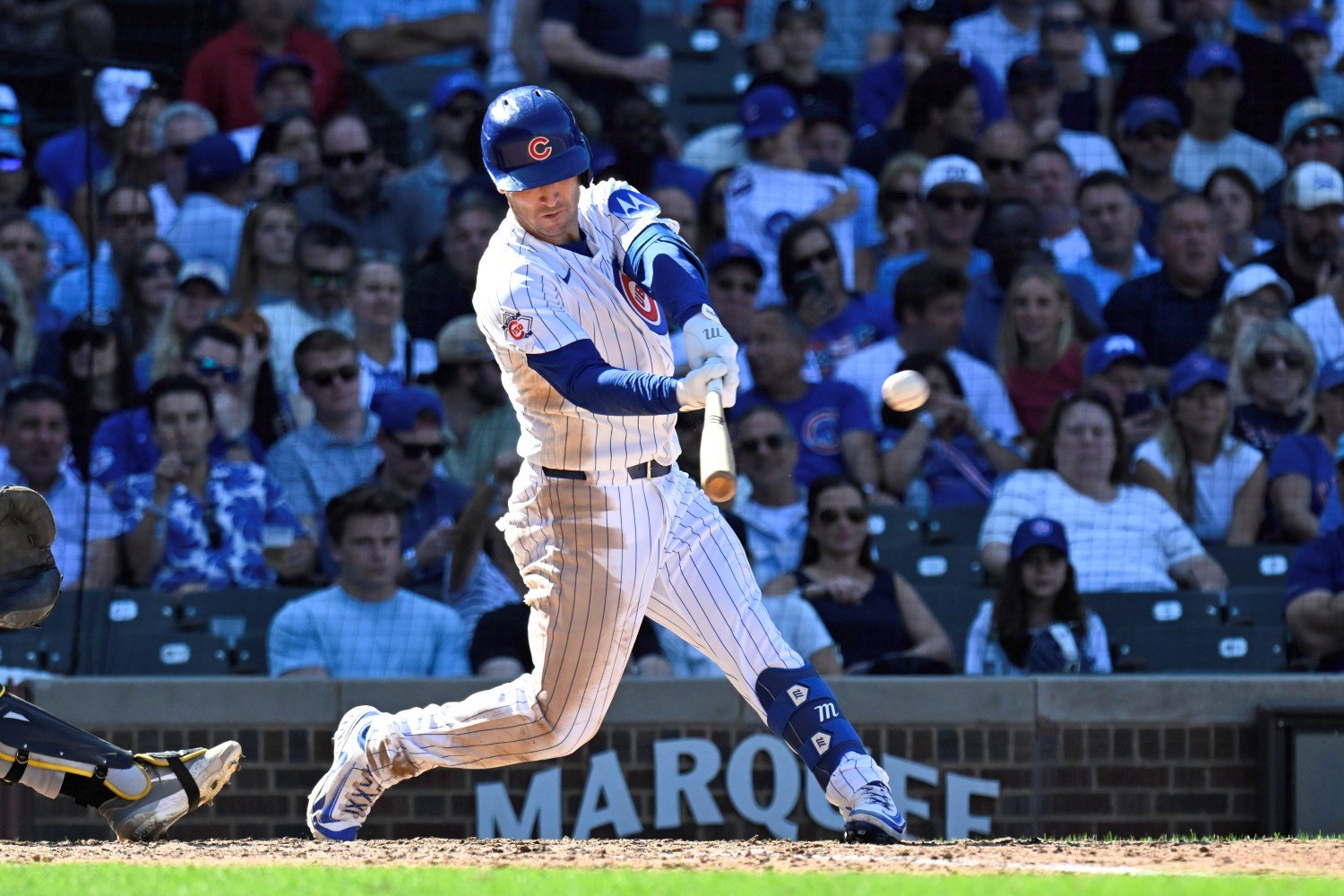 When Alex Bregman signed a five-year deal with the Chicago Cubs last offseason, the hope was that he'd stabilize the hot corner for the duration of that contract, while adding a playoff-tested persona to the mix. Just about all of that happened, but perhaps not in the way that one might have expected. Signing Bregman marked the second time the Cubs have attempted to solidify the third base position with a multi-year solution lately, and their first earnest attempt to do so since Isaac Paredes in 2024. Matt Shaw's offensive ceiling proved too low for the team to consider it for a second consecutive season, so the Cubs turned to a player they had reportedly coveted before he signed with the Boston Red Sox ahead of the 2025 campaign: Bregman. Considering the team's recent experience with Paredes—also a right-handed hitterwhose swing has been carefully engineered to produce, but one whose power was ultimately stifled by playing home games at Wrigley Field—there were questions about whether Bregman would fit well at his new home park. As a more gap-oriented hitter than his predecessor, though, the concern always should been muted. The team would just have to be patient as he rode out some highs and lows, which proved to be more exaggerated than usual. The book on Bregman based on his career splits has long been that he's a steady bat early in the season, with the power manifesting at a later date. These are his month-to-month lines, including 2026: March/April: .261 AVG, .361 OBP, .148 ISO, 117 wRC+ May: .258 AVG, .344 OBP, .203 ISO, 121 wRC+ June: .259 AVG, .361 OBP, .195 ISO, 128 wRC+ July: .261 AVG, .350 OBP, .225 ISO, 130 wRC+ August: .320 AVG, .402 OBP, .248 ISO, 167 wRC+ September: .260 AVG, .357 OBP, .219 ISO, 120 wRC+ In a general sense, that's exactly the type of sequence in which Bregman operated in his first year with the Cubs. The difference lied in the fact that the power was below even his typically modest output in the early-going, leading to some genuine questions about how the five-year deal he signed would look before long. This is how things went for Bregman in 2026, specifically: March/April: .258 AVG, .350 OBP, .113 ISO, 104 wRC+ May: .261 AVG, .331 OBP, .096 ISO, 94 wRC+ June: .200 AVG, .348 OBP, .100 ISO, 92 wRC+ July: .263 AVG, .330 OBP, .232 ISO, 127 wRC+ August: .296 AVG, .364 OBP, .365 ISO, 177 wRC+ September: .319 AVG, .427 OBP, .333 ISO, 195 wRC+ With the exception of June's average being stifled by a mere .211 batting average on balls in play, there was never a month in which Bregman was outright bad. He had some bat path issues and other mechanical adjustments in which he was mired that led to plenty of variance in his ability (or lack thereof) to elevate the baseball, regardless of how much he was squaring up the ball. When it got figured out, though—as it always has throughout his career—it reached heights seldom seen even within his typical career pattern. The power output was absolutely massive, and part of what landed Bregman so high up the 2026 leaderboard for position player value. At the end of June, Bregman ranked 72nd among qualifying position players in fWAR (1.6) and 110th in wRC+ (97). By the end of July, he was 50th (2.4) and 91st (104) in the two categories, respectively. Once the power came into play, though, Bregman skyrocketed up the league's ranks. Those last two months catapulted him to a seventh-place finish in fWAR (5.5) and a 29th-place ranking in wRC+. As for those potential issues as a righty navigating Wrigley Field, this is how Bregman's hits were distributed in 2026: That gap-to-gap ability certainly came into play, with Bregman's ability to reach the outfield wall in places beyond down the line working to his advantage. While it may be unreasonable to expect that type of power output to happen over a two-month stretch again, Bregman's nature as a cerebral hitter was always going to lead to an appropriate adjustment—even if that adjustment took longer than most of us might've liked. The other important thing within all of this is that Bregman played very good defense in 2026. While there are questions about how he'll handle the position in the latter portion of the deal (given that he'll be 33 early next season), his 9 Outs Above Average were second at the position this year. Considering where the offense landed when it was done, Bregman ended the 2026 season as the best third baseman in baseball. While he may not turn in another season like he did this year, Bregman has plenty working in his favor. He has a short swing that relies on efficiency to generate valuable contact of all kinds, rather than fast swings to garner power. He has a sharp eye at the plate, in a way that allows him to maximize contact, rather than relying on walks to generate value. Those qualities set him apart from some of the other hitters in this lineup. Factor in the intangible qualities that the team was hoping he'd add as a veteran of numerous playoff runs, and he offers at least one position that doesn't have to be a concern for the next handful of seasons, aging curve be damned.
 -
Image courtesy of Matt Marton-Imagn Images When Alex Bregman signed a five-year deal with the Chicago Cubs last offseason, the hope was that he'd stabilize the hot corner for the duration of that contract, while adding a playoff-tested persona to the mix. Just about all of that happened, but perhaps not in the way that one might have expected. Signing Bregman marked the second time the Cubs have attempted to solidify the third base position with a multi-year solution lately, and their first earnest attempt to do so since Isaac Paredes in 2024. Matt Shaw's offensive ceiling proved too low for the team to consider it for a second consecutive season, so the Cubs turned to a player they had reportedly coveted before he signed with the Boston Red Sox ahead of the 2025 campaign: Bregman. Considering the team's recent experience with Paredes—also a right-handed hitterwhose swing has been carefully engineered to produce, but one whose power was ultimately stifled by playing home games at Wrigley Field—there were questions about whether Bregman would fit well at his new home park. As a more gap-oriented hitter than his predecessor, though, the concern always should been muted. The team would just have to be patient as he rode out some highs and lows, which proved to be more exaggerated than usual. The book on Bregman based on his career splits has long been that he's a steady bat early in the season, with the power manifesting at a later date. These are his month-to-month lines, including 2026: March/April: .261 AVG, .361 OBP, .148 ISO, 117 wRC+ May: .258 AVG, .344 OBP, .203 ISO, 121 wRC+ June: .259 AVG, .361 OBP, .195 ISO, 128 wRC+ July: .261 AVG, .350 OBP, .225 ISO, 130 wRC+ August: .320 AVG, .402 OBP, .248 ISO, 167 wRC+ September: .260 AVG, .357 OBP, .219 ISO, 120 wRC+ In a general sense, that's exactly the type of sequence in which Bregman operated in his first year with the Cubs. The difference lied in the fact that the power was below even his typically modest output in the early-going, leading to some genuine questions about how the five-year deal he signed would look before long. This is how things went for Bregman in 2026, specifically: March/April: .258 AVG, .350 OBP, .113 ISO, 104 wRC+ May: .261 AVG, .331 OBP, .096 ISO, 94 wRC+ June: .200 AVG, .348 OBP, .100 ISO, 92 wRC+ July: .263 AVG, .330 OBP, .232 ISO, 127 wRC+ August: .296 AVG, .364 OBP, .365 ISO, 177 wRC+ September: .319 AVG, .427 OBP, .333 ISO, 195 wRC+ With the exception of June's average being stifled by a mere .211 batting average on balls in play, there was never a month in which Bregman was outright bad. He had some bat path issues and other mechanical adjustments in which he was mired that led to plenty of variance in his ability (or lack thereof) to elevate the baseball, regardless of how much he was squaring up the ball. When it got figured out, though—as it always has throughout his career—it reached heights seldom seen even within his typical career pattern. The power output was absolutely massive, and part of what landed Bregman so high up the 2026 leaderboard for position player value. At the end of June, Bregman ranked 72nd among qualifying position players in fWAR (1.6) and 110th in wRC+ (97). By the end of July, he was 50th (2.4) and 91st (104) in the two categories, respectively. Once the power came into play, though, Bregman skyrocketed up the league's ranks. Those last two months catapulted him to a seventh-place finish in fWAR (5.5) and a 29th-place ranking in wRC+. As for those potential issues as a righty navigating Wrigley Field, this is how Bregman's hits were distributed in 2026: That gap-to-gap ability certainly came into play, with Bregman's ability to reach the outfield wall in places beyond down the line working to his advantage. While it may be unreasonable to expect that type of power output to happen over a two-month stretch again, Bregman's nature as a cerebral hitter was always going to lead to an appropriate adjustment—even if that adjustment took longer than most of us might've liked. The other important thing within all of this is that Bregman played very good defense in 2026. While there are questions about how he'll handle the position in the latter portion of the deal (given that he'll be 33 early next season), his 9 Outs Above Average were second at the position this year. Considering where the offense landed when it was done, Bregman ended the 2026 season as the best third baseman in baseball. While he may not turn in another season like he did this year, Bregman has plenty working in his favor. He has a short swing that relies on efficiency to generate valuable contact of all kinds, rather than fast swings to garner power. He has a sharp eye at the plate, in a way that allows him to maximize contact, rather than relying on walks to generate value. Those qualities set him apart from some of the other hitters in this lineup. Factor in the intangible qualities that the team was hoping he'd add as a veteran of numerous playoff runs, and he offers at least one position that doesn't have to be a concern for the next handful of seasons, aging curve be damned. View full article
-
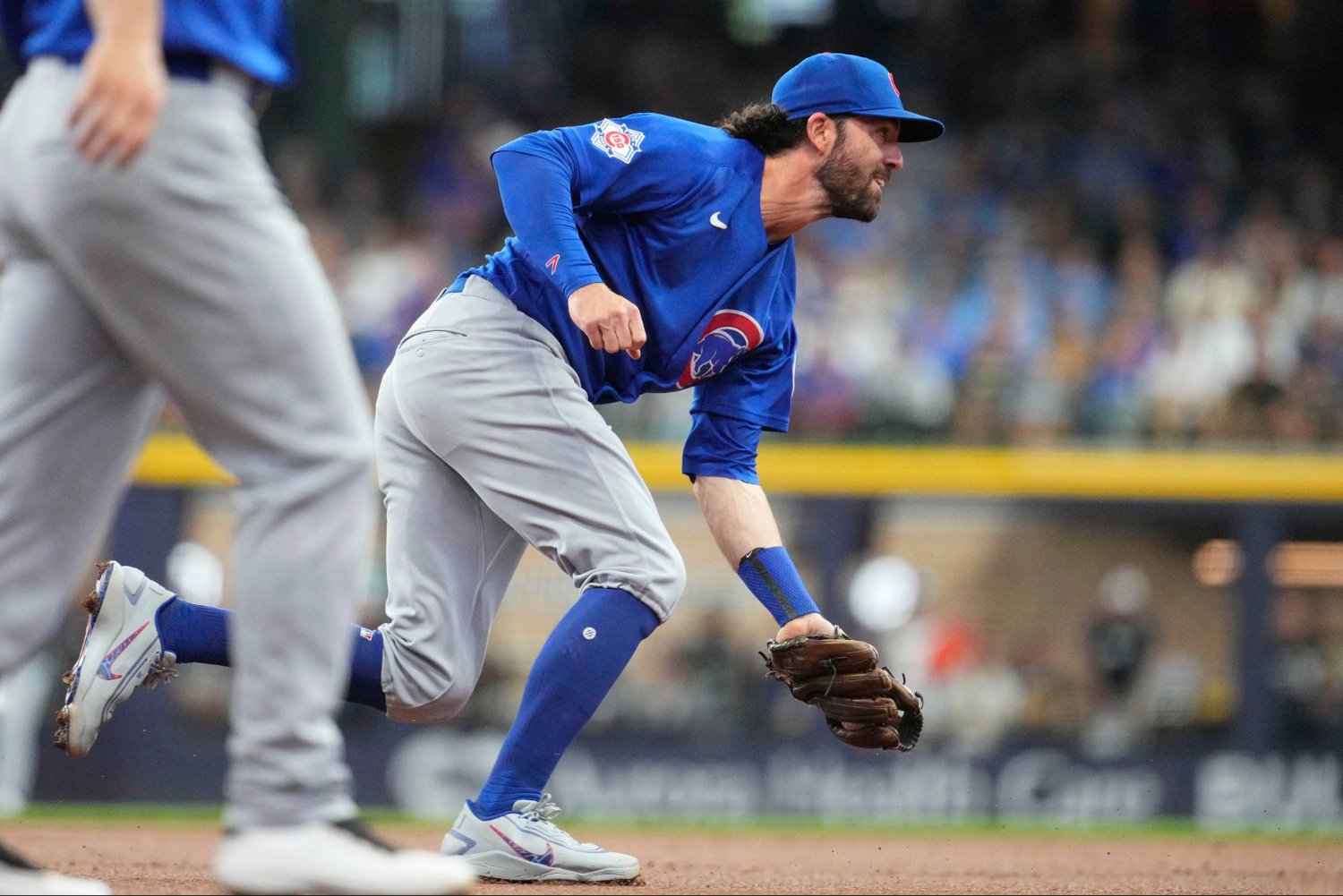 To love Dansby Swanson as the starting shortstop for the Chicago Cubs is to accept him for what he is. Unfortunately for Swanson, the 2026 season actually made what he is a touch murkier while having the subsequent effect of sapping the love he might've generated from the team's fanbase nearly out of existence. Such is life when your slash line at the end of the season reads a mere .213/.297/.397. When your wRC+, at 93, sits at its worst mark since 2019. When your contact rates remain pretty similar and you can draw a walk, but you lose seven points on your hard-hit rate. Things that weren't necessarily overt concerns for Swanson in his first handful of seasons with the Cubs have definitely emerged as so, which makes what lies beyond the 2026 season quite difficult to project. Prior to this year, there were certain truths that one had to accept about Swanson. The first was that there's an inherent streakiness to his game. In 2025, he had months where his wRC+ sat up at 138 and 114 but also months where it was 76 & 81. It was true in 2024, as well, as Swanson went for wRC+ figures of 111, 120, and 140 across three separate months while also enduring months of a 39 and a 63 wRC+. It was a truth that we saw play out in an even more severe fashion in 2026. Swanson got off to a decent-enough start. He wRC+'d 118 in in the season's first month, combatting some awful batted ball luck (.224 BABIP) with the ability to draw a walk (16.4 BB%) and provide occasional power (.224 ISO). That's how one overcomes an early .214 batting average. Unfortunately, the following month saw him lose his ability to make quality contact while still wrapped up in his battle with the BABIP monster, leading to a walk rate that was cut in nearly in half (9.6 percent), an ISO that fell all the way down to .065, and an absolutely miserable 30 wRC+. The rest of the season, unfortunately, kept trending in that direction. The power was there in June even if the strikeouts went up and the walks continued to decline. Then, his ISO fell by over 100 points in July, along with a strikeout rate below five percent. In August, that wRC+ was back up to 125, with a walk rate near 14 percent and a .209 ISO before an oblique injury sent him to the shelf for much of the rest of the year. When he returned, any chance of regaining form was apparently lost as he limped toward the finish line (52 wRC+ in September). So, while Swanson's inherent streakiness was very much present in 2026, it also manifested differently. Some months, there was an approach. Others, there wasn't. Some months, he had power. Others, it was gone altogether. In general, we're accustomed to seeing Swanson succeed when he hunts fastballs to the point where he even overdoes it. The 2026 season, thus, lent itself to far more questions than answers regarding what lies ahead for the 32-year-old. The most discernible of the trends from Swanson's season are in his timing. There weren't too significant of changes in his mechanics, but timing certainly stifled his ability to make quality contact: The off-speed element here is particularly notable. Swanson was early and over off-speed pitches quite often, hence a 50.0 percent groundball rate on that pitch type for the season. He also managed a hard-hit rate of just 38.9 percent against that pitch type. That would be less of a problem if it didn't serve as the pitch type at which he swung at the highest rate in three out of the six months of the year. So, while some of the trends—like a higher overall walk rate, poor batted ball luck, or more isolated slugging—may try to tell us that Swanson is doing something differently, the issue really is the same as it's always been: He is swinging at the wrong pitches. And this isn't even from a zone standpoint, as many of his zone trends and plate discipline metrics are in-line with recent years. This is an inability to recognize pitches and opposing pitchers continuing to maximize their own results while Swanson endures shorter stretches of good play than he used to. Swanson is under contract for another three seasons at a pretty high price point ($28 million in 2027, which then decreases by $1 million in each of the two subsequent years). It's an immovable contract and one the team would likely be unwilling to eat. His bat, as he continues to rack up vacuous plate appearances, appears entirely unlikely to earn that pay. At least the defense is still elite.
 -
Image courtesy of Michael McLoone-Imagn Images To love Dansby Swanson as the starting shortstop for the Chicago Cubs is to accept him for what he is. Unfortunately for Swanson, the 2026 season actually made what he is a touch murkier while having the subsequent effect of sapping the love he might've generated from the team's fanbase nearly out of existence. Such is life when your slash line at the end of the season reads a mere .213/.297/.397. When your wRC+, at 93, sits at its worst mark since 2019. When your contact rates remain pretty similar and you can draw a walk, but you lose seven points on your hard-hit rate. Things that weren't necessarily overt concerns for Swanson in his first handful of seasons with the Cubs have definitely emerged as so, which makes what lies beyond the 2026 season quite difficult to project. Prior to this year, there were certain truths that one had to accept about Swanson. The first was that there's an inherent streakiness to his game. In 2025, he had months where his wRC+ sat up at 138 and 114 but also months where it was 76 & 81. It was true in 2024, as well, as Swanson went for wRC+ figures of 111, 120, and 140 across three separate months while also enduring months of a 39 and a 63 wRC+. It was a truth that we saw play out in an even more severe fashion in 2026. Swanson got off to a decent-enough start. He wRC+'d 118 in in the season's first month, combatting some awful batted ball luck (.224 BABIP) with the ability to draw a walk (16.4 BB%) and provide occasional power (.224 ISO). That's how one overcomes an early .214 batting average. Unfortunately, the following month saw him lose his ability to make quality contact while still wrapped up in his battle with the BABIP monster, leading to a walk rate that was cut in nearly in half (9.6 percent), an ISO that fell all the way down to .065, and an absolutely miserable 30 wRC+. The rest of the season, unfortunately, kept trending in that direction. The power was there in June even if the strikeouts went up and the walks continued to decline. Then, his ISO fell by over 100 points in July, along with a strikeout rate below five percent. In August, that wRC+ was back up to 125, with a walk rate near 14 percent and a .209 ISO before an oblique injury sent him to the shelf for much of the rest of the year. When he returned, any chance of regaining form was apparently lost as he limped toward the finish line (52 wRC+ in September). So, while Swanson's inherent streakiness was very much present in 2026, it also manifested differently. Some months, there was an approach. Others, there wasn't. Some months, he had power. Others, it was gone altogether. In general, we're accustomed to seeing Swanson succeed when he hunts fastballs to the point where he even overdoes it. The 2026 season, thus, lent itself to far more questions than answers regarding what lies ahead for the 32-year-old. The most discernible of the trends from Swanson's season are in his timing. There weren't too significant of changes in his mechanics, but timing certainly stifled his ability to make quality contact: The off-speed element here is particularly notable. Swanson was early and over off-speed pitches quite often, hence a 50.0 percent groundball rate on that pitch type for the season. He also managed a hard-hit rate of just 38.9 percent against that pitch type. That would be less of a problem if it didn't serve as the pitch type at which he swung at the highest rate in three out of the six months of the year. So, while some of the trends—like a higher overall walk rate, poor batted ball luck, or more isolated slugging—may try to tell us that Swanson is doing something differently, the issue really is the same as it's always been: He is swinging at the wrong pitches. And this isn't even from a zone standpoint, as many of his zone trends and plate discipline metrics are in-line with recent years. This is an inability to recognize pitches and opposing pitchers continuing to maximize their own results while Swanson endures shorter stretches of good play than he used to. Swanson is under contract for another three seasons at a pretty high price point ($28 million in 2027, which then decreases by $1 million in each of the two subsequent years). It's an immovable contract and one the team would likely be unwilling to eat. His bat, as he continues to rack up vacuous plate appearances, appears entirely unlikely to earn that pay. At least the defense is still elite. View full article
-
Did Miguel Amaya Do Enough in 2026 to Be Cubs' Main Catcher in 2027?
Randy Holt posted an article in Cubs
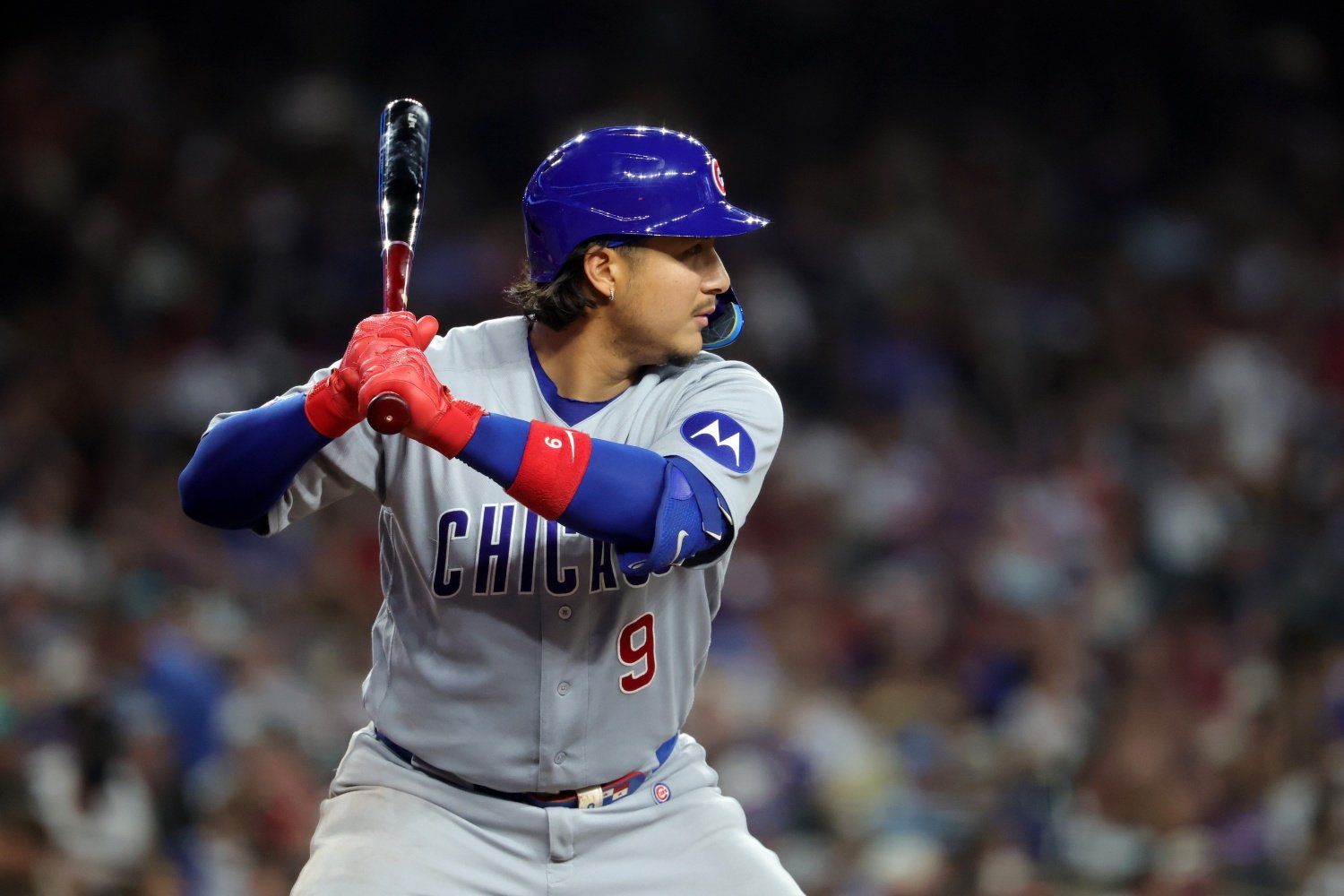 At any given time, only a handful of big-league catchers are on solid ground as unquestioned starters. The rest exist in a peculiar purgatory, wherein they're either a quasi-backup (whom a team might trust to play two of every three games for a few weeks, but only if forced to) or a true one who only grabs 15 percent of the starts behind the plate. Even at this point in his career, it's difficult to pinpoint exactly where Chicago Cubs catcher Miguel Amaya falls on that spectrum. Amaya has spent the last two seasons as a complement to Carson Kelly, and sometimes as his backup. After getting his most extended run as the No. 1 in 2024, he started 2025 in an equal timeshare with Kelly, but after an oblique injury essentially ended his season in late May, he entered 2026 with a reduced role. Kelly is an impending free agent, though, and Amaya is under team control for another three years. The 2026 campaign was an opportunity for him to showcase his chops and get another shot at the top gig come 2027. Did he manage it? Kelly caught 105 games (94 starts) in 2026, to Amaya's 70 (63 starts). Within a much larger sample of work than we saw in 2025, Amaya finished with a .237/.340/.377 line; a bloated 26.4% strikeout rate against a 9.1% walk rate; and a 106 wRC+ that reveals the broader offensive picture. There were some things that Amaya did better than in 2025, and some things he did worse. He took more walks than we'd seen, but the strikeouts also piled up. His power, measured by ISO, fell from .219 in 2025 to only .140 in 2026. Before this year, Amaya had shown at least average feel for contact, which made him above-average for a catcher in that regard. That was much less true in 2026, and he didn't make up for it by hitting for big power. A couple of caveats are worth keeping in mind, though. First is the fact that Amaya took more walks because he took more pitches. His 4.00 pitches per plate appearance were easily the most of his three full seasons (or facsimiles thereof). He swung far less overall, but was unable to parlay that into much more than an average walk rate. That's not surprising, because his bat speed was way down—about 2 miles per hour. That left pitchers little reason to fear him. When they fell behind, they just gave in and filled up the zone against him; he had little ability to punish them. From a defensive standpoint, Amaya has proven to be a perfectly acceptable backstop. He's gone from below-average in 2024 in Statcast's all-encompassing Catching Runs (-2) to slightly above (1) in each of the past two seasons. In 2026, he graded out as slightly above-average in framing and ABS run value (1 each) and exactly average in throwing and blocking (0 each). Average offensive production and roughly average defense adds up to a useful player, though once you account for the limited role he played, Amaya is probably a bit below average on each side of the ledger. As Kelly hits the market, he's positioned for a multi-year deal, and given his age, it would be unwise for the Cubs to be the ones who give it to him. Yet, they're also unlikely to feel comfortable making Amaya the full-fledged starting catcher. If the Cubs were to go into 2027 with (say) Amaya and top catching prospect Owen Ayers as their two behind the dish, Amaya may maintain the playing time edge early, but Ayers would be likely to take more of the playing time over the course of the campaign. Amaya's 2026 didn't disqualify him from a long-term role on the team, but nor did it solidify one for him. He's probably too good to be a pure backup, but he lacks the offensive upside to be a true No. 1 behind the plate. Be it Kelly or someone else, then, the Cubs probably need to add a catcher this winter.
 -
Image courtesy of Mark J. Rebilas-Imagn Images At any given time, only a handful of big-league catchers are on solid ground as unquestioned starters. The rest exist in a peculiar purgatory, wherein they're either a quasi-backup (whom a team might trust to play two of every three games for a few weeks, but only if forced to) or a true one who only grabs 15 percent of the starts behind the plate. Even at this point in his career, it's difficult to pinpoint exactly where Chicago Cubs catcher Miguel Amaya falls on that spectrum. Amaya has spent the last two seasons as a complement to Carson Kelly, and sometimes as his backup. After getting his most extended run as the No. 1 in 2024, he started 2025 in an equal timeshare with Kelly, but after an oblique injury essentially ended his season in late May, he entered 2026 with a reduced role. Kelly is an impending free agent, though, and Amaya is under team control for another three years. The 2026 campaign was an opportunity for him to showcase his chops and get another shot at the top gig come 2027. Did he manage it? Kelly caught 105 games (94 starts) in 2026, to Amaya's 70 (63 starts). Within a much larger sample of work than we saw in 2025, Amaya finished with a .237/.340/.377 line; a bloated 26.4% strikeout rate against a 9.1% walk rate; and a 106 wRC+ that reveals the broader offensive picture. There were some things that Amaya did better than in 2025, and some things he did worse. He took more walks than we'd seen, but the strikeouts also piled up. His power, measured by ISO, fell from .219 in 2025 to only .140 in 2026. Before this year, Amaya had shown at least average feel for contact, which made him above-average for a catcher in that regard. That was much less true in 2026, and he didn't make up for it by hitting for big power. A couple of caveats are worth keeping in mind, though. First is the fact that Amaya took more walks because he took more pitches. His 4.00 pitches per plate appearance were easily the most of his three full seasons (or facsimiles thereof). He swung far less overall, but was unable to parlay that into much more than an average walk rate. That's not surprising, because his bat speed was way down—about 2 miles per hour. That left pitchers little reason to fear him. When they fell behind, they just gave in and filled up the zone against him; he had little ability to punish them. From a defensive standpoint, Amaya has proven to be a perfectly acceptable backstop. He's gone from below-average in 2024 in Statcast's all-encompassing Catching Runs (-2) to slightly above (1) in each of the past two seasons. In 2026, he graded out as slightly above-average in framing and ABS run value (1 each) and exactly average in throwing and blocking (0 each). Average offensive production and roughly average defense adds up to a useful player, though once you account for the limited role he played, Amaya is probably a bit below average on each side of the ledger. As Kelly hits the market, he's positioned for a multi-year deal, and given his age, it would be unwise for the Cubs to be the ones who give it to him. Yet, they're also unlikely to feel comfortable making Amaya the full-fledged starting catcher. If the Cubs were to go into 2027 with (say) Amaya and top catching prospect Owen Ayers as their two behind the dish, Amaya may maintain the playing time edge early, but Ayers would be likely to take more of the playing time over the course of the campaign. Amaya's 2026 didn't disqualify him from a long-term role on the team, but nor did it solidify one for him. He's probably too good to be a pure backup, but he lacks the offensive upside to be a true No. 1 behind the plate. Be it Kelly or someone else, then, the Cubs probably need to add a catcher this winter. View full article
-
The 2026 Cubs Were Always a Two- (or Three-)Man Show at the Plate
Randy Holt posted an article in Cubs
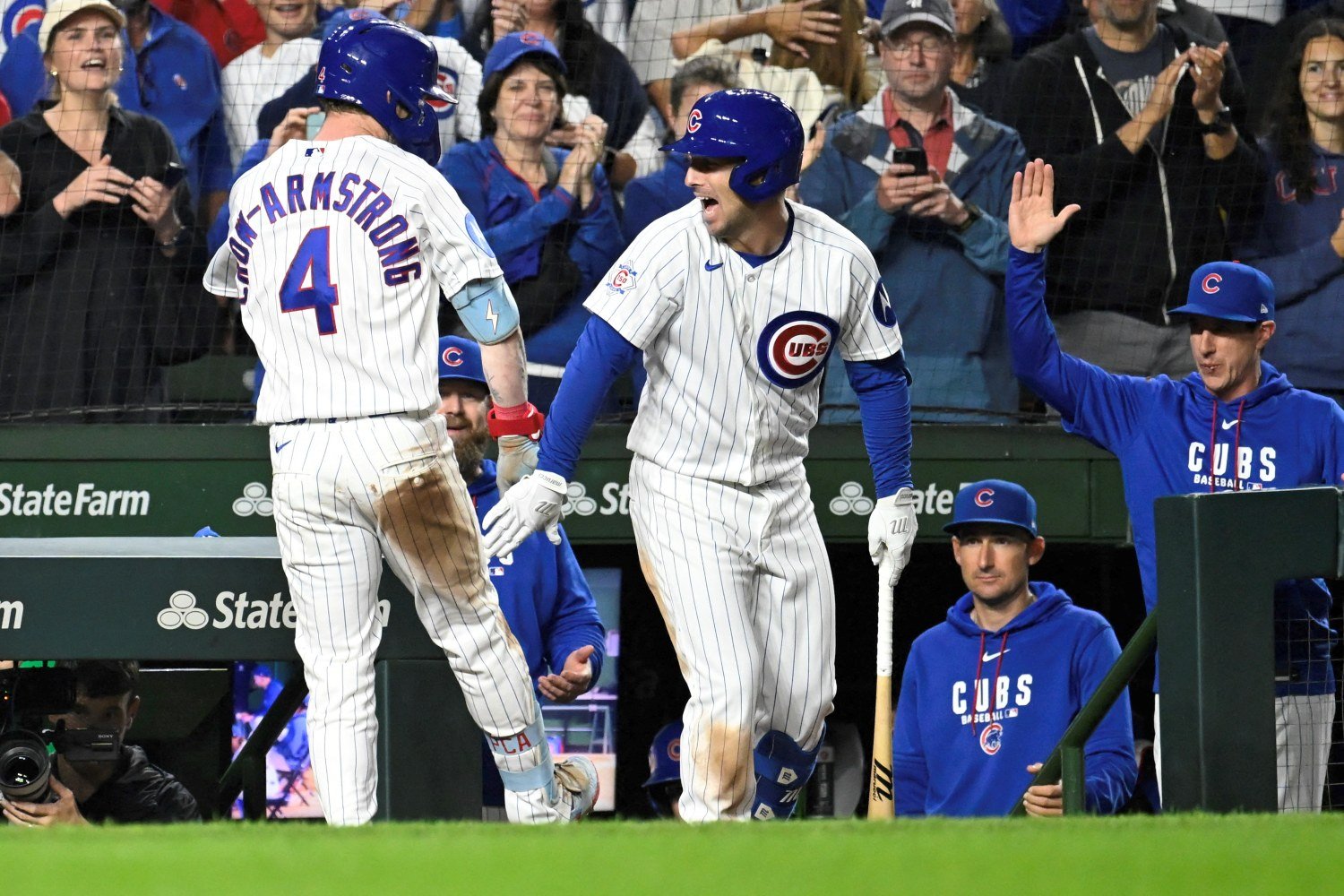 The Chicago Cubs were bounced from Major League Baseball's 2026 postseason with extreme prejudice. They scored one run in two games against the San Diego Padres, and headed home with far more questions than answers. While most of those questions were about the men on the mound, that the offense scored just one run across 18 innings raised a significant issue in its own right—one the team will need to address moving forward. Run production had already waned toward the end of September, for the team that scored more runs than anyone else in the league for the entirety of 2026. The Cubs' 850 runs were 18 more than the second-place Milwaukee Brewers, a rare standings win for the Cubs over their division rivals. They were sixth in the league in batting average (.251), second in on-base percentage (.339), and paced the league in isolated power (.177) and wRC+ (114). It was an offense that, by all accounts, should have been quite a bit better across even as small a sample as the Wild Card round. Sadly, though, there's a case that what happened is exactly what fans should have expected, under the circumstances. Pete Crow-Armstrong (the presumptive runaway winner for National League MVP) and second-half star Alex Bregman went a combined 0-for-15 with eight strikeouts and a walk. Those two, occasionally along with Seiya Suzuki, were the engine of the team's offensive structure. As went those two (or three), so went the offense as a whole. It's not that the Cubs were entirely reliant on two bats. A team doesn't lead the league in runs scored on the strength of a pair of hitters. However, Crow-Armstrong and Bregman did provide the only sustained production we saw from the team's lineup. This is where the Cubs stood production-wise from a month-to-month standpoint in 2026: March/April: 169 R (3rd), .261 AVG (4th), .353 OBP (1st), .166 ISO (7th), 119 wRC+ (3rd) May: 115 R (19th), .217 AVG (28th), .315 OBP (14th), .128 ISO (26th), 87 wRC+ (21st) June: 141 R (7th), .250 AVG (17th), .343 OBP (5th), .194 ISO (5th), 120 wRC+ (4th) July: 139 R (3rd), .266 AVG (4th), .342 OBP (3rd), .176 ISO (9th), 118 wRC+ (3rd) August: 178 R (1st), .271 AVG (1st), .349 OBP (2nd), .243 ISO (1st), 137 wRC+ (1st) September: 108 R (15th), .242 AVG (18th), .329 OBP (8th), .153 ISO (19th), 103 wRC+ (14th) There were only two months wherein the offense average-ish or worse. In May, for instance, each of Suzuki, Dansby Swanson, Carson Kelly, and Nico Hoerner fell below 80 in wRC+. Kelly's 78 was highest; Swanson's 30 was a true black hole in the batting order. In September, Kelly took his turn being helpless (48 wRC+) as, once again, four starters fell well below the average threshold. Ian Happ's 85 paced that quartet. Ironically, Michael Busch's best work came when the team was otherwise struggling, but overall, he did more to weigh down the offense than to buoy it. From April through September, here's where each of the team's starters fell by wRC+ (organized alphabetically): Bregman: 104, 94, 92, 127, 177, 195 Busch: 68, 167, 118, 96, 104, 117 Crow-Armstrong: 87, 115, 235, 171, 185, 145 Happ: 126, 127, 90, 89, 108, 85 Hoerner: 130, 59, 62, 93, 105, 66 Kelly: 143, 78, 129, 68, 133, 48 Suzuki: 177, 51, 158, 160, 163, 107 Swanson: 118, 30, 127, 93, 125, 52 Crow-Armstrong and Bregman started the season slowly. Once they found their footing, though, they were locked in for the remainder of the year; Crow-Armstrong paced the league in fWAR by a wide margin (10.6), while Bregman went on to finish seventh (5.5). The remainder of the group, however, was largely unable to provide steadiness in terms of their production. Down the stretch, the only reliable help those two got came from Suzuki. With the exception of a brutal May and a closer-to-average September, he had another season of sustained production. However, while Crow-Armstrong and Bregman were each able to produce across a variety of situations, Suzuki ran into some trouble in the form of a ballooning strikeout rate (touching 26% even in strong months) and underperformance with runners in scoring position (.213 batting average for the season). He's as close a third member of the team's run production squad as the Cubs had this year, but there are always those small stretches that stop him from completely emerging as a slugging superstar. Only four regulars provided regular value at the plate, and much of Busch's was wrapped up in a career-best 13% walk rate considering; his ISO figure dropped more than 100 points from 2025. Bregman's percentile distribution looks as it always has. Crow-Armstrong's in illustrative of an MVP-caliber season. Suzuki has his approach and some other figures working his way. The rest are a smattering of limited skill sets that, as indicated by their run value, are unable to sustain production over a long stretch. Much of the positive work Swanson, Happ and Hoerner did came in April and May, too. By the end of the year, none of those three brought much to the table. That's where the 2026 Cubs ran into trouble. The floor for this group is high. But the ceiling is not especially impressive. The group, as a whole, is too streaky to have been expected to find success in the absence of production from Crow-Armstrong and Bregman. Each popped for a two-week or a month-long stretch. Big picture, though, this was always a two-man show, starring two top 10 fWAR players, with Suzuki occasionally popping in. As we saw in the final stretch of the year, that was ever going to be enough for the Cubs to compensate for their woeful assembly of the pitching staff.
 -
Image courtesy of Matt Marton-Imagn Images The Chicago Cubs were bounced from Major League Baseball's 2026 postseason with extreme prejudice. They scored one run in two games against the San Diego Padres, and headed home with far more questions than answers. While most of those questions were about the men on the mound, that the offense scored just one run across 18 innings raised a significant issue in its own right—one the team will need to address moving forward. Run production had already waned toward the end of September, for the team that scored more runs than anyone else in the league for the entirety of 2026. The Cubs' 850 runs were 18 more than the second-place Milwaukee Brewers, a rare standings win for the Cubs over their division rivals. They were sixth in the league in batting average (.251), second in on-base percentage (.339), and paced the league in isolated power (.177) and wRC+ (114). It was an offense that, by all accounts, should have been quite a bit better across even as small a sample as the Wild Card round. Sadly, though, there's a case that what happened is exactly what fans should have expected, under the circumstances. Pete Crow-Armstrong (the presumptive runaway winner for National League MVP) and second-half star Alex Bregman went a combined 0-for-15 with eight strikeouts and a walk. Those two, occasionally along with Seiya Suzuki, were the engine of the team's offensive structure. As went those two (or three), so went the offense as a whole. It's not that the Cubs were entirely reliant on two bats. A team doesn't lead the league in runs scored on the strength of a pair of hitters. However, Crow-Armstrong and Bregman did provide the only sustained production we saw from the team's lineup. This is where the Cubs stood production-wise from a month-to-month standpoint in 2026: March/April: 169 R (3rd), .261 AVG (4th), .353 OBP (1st), .166 ISO (7th), 119 wRC+ (3rd) May: 115 R (19th), .217 AVG (28th), .315 OBP (14th), .128 ISO (26th), 87 wRC+ (21st) June: 141 R (7th), .250 AVG (17th), .343 OBP (5th), .194 ISO (5th), 120 wRC+ (4th) July: 139 R (3rd), .266 AVG (4th), .342 OBP (3rd), .176 ISO (9th), 118 wRC+ (3rd) August: 178 R (1st), .271 AVG (1st), .349 OBP (2nd), .243 ISO (1st), 137 wRC+ (1st) September: 108 R (15th), .242 AVG (18th), .329 OBP (8th), .153 ISO (19th), 103 wRC+ (14th) There were only two months wherein the offense average-ish or worse. In May, for instance, each of Suzuki, Dansby Swanson, Carson Kelly, and Nico Hoerner fell below 80 in wRC+. Kelly's 78 was highest; Swanson's 30 was a true black hole in the batting order. In September, Kelly took his turn being helpless (48 wRC+) as, once again, four starters fell well below the average threshold. Ian Happ's 85 paced that quartet. Ironically, Michael Busch's best work came when the team was otherwise struggling, but overall, he did more to weigh down the offense than to buoy it. From April through September, here's where each of the team's starters fell by wRC+ (organized alphabetically): Bregman: 104, 94, 92, 127, 177, 195 Busch: 68, 167, 118, 96, 104, 117 Crow-Armstrong: 87, 115, 235, 171, 185, 145 Happ: 126, 127, 90, 89, 108, 85 Hoerner: 130, 59, 62, 93, 105, 66 Kelly: 143, 78, 129, 68, 133, 48 Suzuki: 177, 51, 158, 160, 163, 107 Swanson: 118, 30, 127, 93, 125, 52 Crow-Armstrong and Bregman started the season slowly. Once they found their footing, though, they were locked in for the remainder of the year; Crow-Armstrong paced the league in fWAR by a wide margin (10.6), while Bregman went on to finish seventh (5.5). The remainder of the group, however, was largely unable to provide steadiness in terms of their production. Down the stretch, the only reliable help those two got came from Suzuki. With the exception of a brutal May and a closer-to-average September, he had another season of sustained production. However, while Crow-Armstrong and Bregman were each able to produce across a variety of situations, Suzuki ran into some trouble in the form of a ballooning strikeout rate (touching 26% even in strong months) and underperformance with runners in scoring position (.213 batting average for the season). He's as close a third member of the team's run production squad as the Cubs had this year, but there are always those small stretches that stop him from completely emerging as a slugging superstar. Only four regulars provided regular value at the plate, and much of Busch's was wrapped up in a career-best 13% walk rate considering; his ISO figure dropped more than 100 points from 2025. Bregman's percentile distribution looks as it always has. Crow-Armstrong's in illustrative of an MVP-caliber season. Suzuki has his approach and some other figures working his way. The rest are a smattering of limited skill sets that, as indicated by their run value, are unable to sustain production over a long stretch. Much of the positive work Swanson, Happ and Hoerner did came in April and May, too. By the end of the year, none of those three brought much to the table. That's where the 2026 Cubs ran into trouble. The floor for this group is high. But the ceiling is not especially impressive. The group, as a whole, is too streaky to have been expected to find success in the absence of production from Crow-Armstrong and Bregman. Each popped for a two-week or a month-long stretch. Big picture, though, this was always a two-man show, starring two top 10 fWAR players, with Suzuki occasionally popping in. As we saw in the final stretch of the year, that was ever going to be enough for the Cubs to compensate for their woeful assembly of the pitching staff. View full article
-
Image courtesy of Denis Poroy-Imagn Images The Chicago Cubs lost Game 1 of the National League Wild Card Series to the San Diego Padres. A loss, in itself, is obviously bad. But it's a short series, and the Cubs feature an offense that could turn things back in their favor on Wednesday night. What Game 1 didn't do, however, is leave much room for optimism that they actually can. Michael King was dominant on the hill for the Padres. That part isn't surprising. While his strikeout numbers are down in 2026, he's routinely been able to turn in six (or so) innings of excellent run prevention, courtesy of soft contact and a rising groundball rate. For an offense like the Cubs' to reach the seventh inning before notching their first hit, though, is indicative of how much their top hitters failed to rise to the occasion in the 8-0 loss. That sets up some legitimate concerns heading into Game 2. Pete-Crow Armstrong, for example, was 0-for-3 with a walk. He struck out three times and whiffed at five of the eight pitches at which he swung. Alex Bregman posted a similar line, going 0-for-4 with a trio of punchouts. He swung the bat 11 times and whiffed on six of them. These are two of the best hitters in the National League. Crow-Armstrong will be the NL's runaway Most Valuable Player, following a 45-homer, 41-steal, 10.6 fWAR season. (He did, at least, contribute a well-worked walk and steal a base in the loss.) Bregman rode a scorching second half to a 5.5-fWAR campaign that made him the seventh-most-valuable position player the sport had to offer. But King and the Padres had the book on each of them from the start. Crow-Armstrong swung at two sweepers on the evening and whiffed on both. Bregman had the bat moving at seven of them and whiffed on five. For both hitters this year, the breaking pitch has served as their highest source of swing-and-miss; Crow-Armstrong's gone for a whiff rate of 31.3%, while Bregman's done so at a 26.3% clip. Both hitters have had success on contact, but they make that contact when a pitcher leaves their breaking stuff in the zone. Burying the sweeper as effectively as King did on Tuesday stifled each. The hitters beyond the top two may have not whiffed at it in quite the same fashion, but only Carson Kelly registered a hard-hit ball on a breaking pitch, while the lefties were peppered with sinkers. There was simply no path to generating offense for a team that has ranked 20th in the league in runs scored over the past two weeks. The larger problem for the Cubs is now they have to turn around and face a pitcher (Nick Pivetta) who leans heavily on a curveball against lefties and more of a sweeper shape against right-handed hitters. It's not quite the same upside as King, but the profile isn't dissimilar enough that the Cubs will see an entirely different look. If Pivetta is able to locate remotely as well as his comrade in the Padres' rotation, the path to success against the Cubs has already been set forth. The good news is that Pivetta isn't King, in a few important ways. He works from a high arm slot, so his misses are vertical, more than horizontal. Historically, he misses within the zone fairly often, and he gives up homers. It's likely that he makes some mistakes on which Crow-Armstrong and Bregman can prey. If he takes his cue from his teammate and executes equally well, though, the Cubs' season could be over by the stroke of midnight. View full article
