


Cubs Video
As the Chicago days become shorter and the warm Wrigley day games become more distant, the city gears up for the inevitable, seven-month winter. Baseball fans turn to offseason articles and other sports for entertainment. As we all enjoy our last few weeks of the postseason and then turn away from the great American pastime and toward the hot stove, one thing stands still, braving the cold day in and day out: Wrigley Field itself. What happens to the Friendly Confines in the winter?
Keeping the field pristine is an extremely difficult task, and in the winter, with the additional obstacle of snow, the field requires lots of maintenance. The current head groundskeeper, Dan Kiermaier, works with about 20 full-time ground crew employees to shovel snow throughout the winter, The former head groundskeeper, Justin Spillman, explained that each day, they shovel the snow off the field and into the stands--until March, when the Opening Day projects begin and the snow has to be moved entirely out of the stadium. To prep the surface for play by the end of that month, Spillman explained that they use a large quantity of heaters, and start trying to dry out the clay.
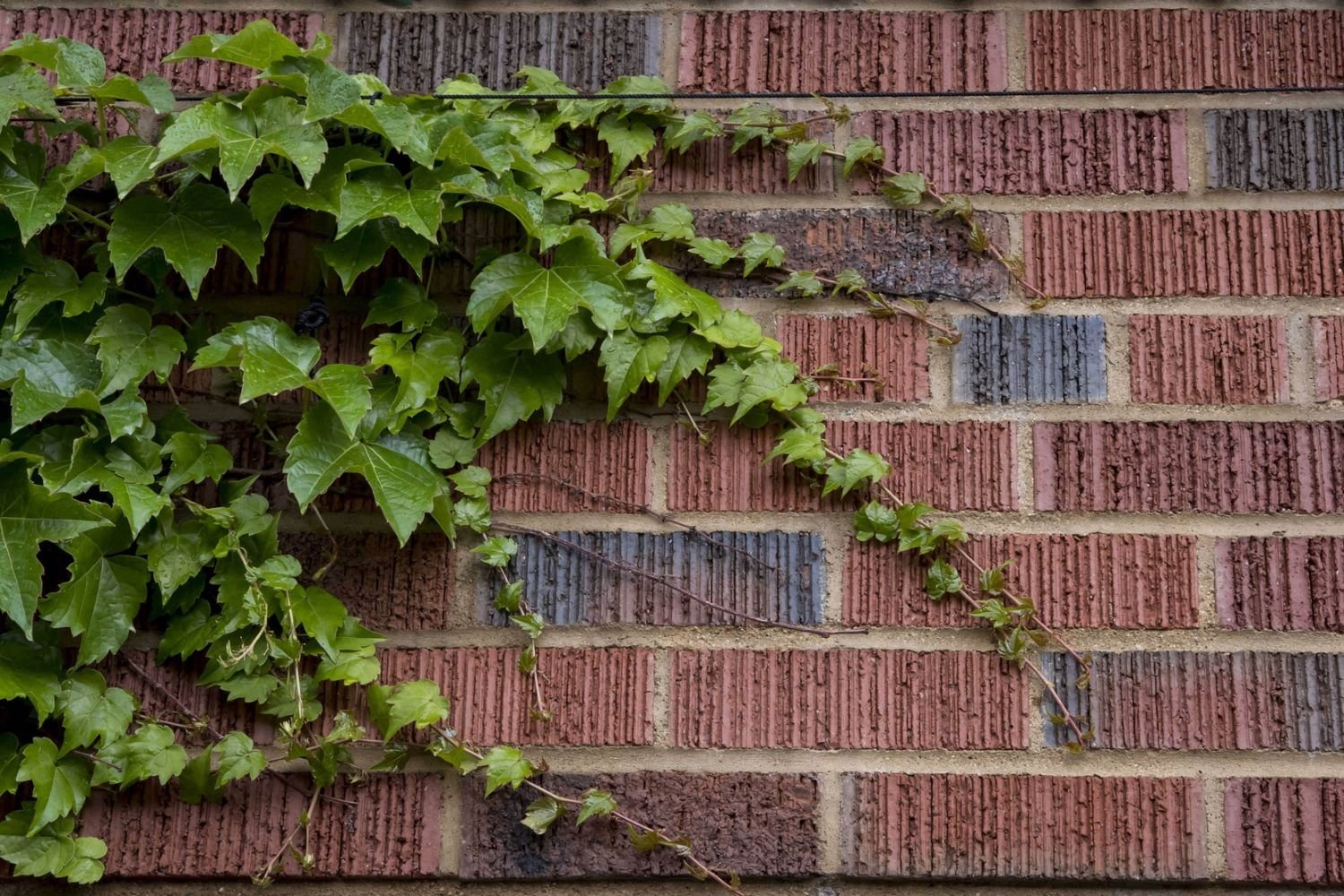
Along with the field itself, Wrigley's caretakers are responsible for the iconic ivy on the walls. From March to October, the Ivy is trimmed and watered daily, but the plants cannot withstand the intense Chicago winters. The ivy is Boston Ivy, which turns dormant and brown during the winter, but come Opening Day, the grounds crew is faced with reviving it for the season. Spillman explained that one of the most important parts of reviving the ivy and making the field season-ready is to make the dirt softer, and to do so, they inject air below the surface of the field.
The upkeep of the field and the ivy seems glamorous in comparison to the “winterization” process needed for the internal parts of Wrigley. For example, the pipes leading to the bathrooms, food stands, and field irrigation are at risk of freezing, and since the stadium isn’t entirely climate-controlled, the best solution is to empty out all the water from the stadium. There are over 200 valves to empty the stadium of water each offseason, and they also use antifreeze and liquid salt sprayers to help with the small amounts of water they aren’t able to drain.
The snow isn’t the only climate issue Wrigley faces in the winter. The wind becomes a massive part of the “winterization” process. The Wrigley crew has to pack away the monitors in the concession stands, the padding covering the dugout and bullpen walls, and the kitchen equipment, much of which is stored in heated storage units deep within the confines. The sun can also present issues, and the crew has to cover the padded seats with tarps to protect them from both the sun and the wind.
The grounds crew and all of the Wrigley employees work incredibly hard during the offseason to keep the Friendly Confines fresh and green for each new season. As we turn our backs to the stadium during the winter, we should remember all of the people working tirelessly to keep our favorite ballpark safe, clean, and ready for next season, where we will have more to discuss in October than just closing up for the winter.





Recommended Comments
There are no comments to display.
Create an account or sign in to comment
You need to be a member in order to leave a comment
Create an account
Sign up for a new account in our community. It's easy!
Register a new accountSign in
Already have an account? Sign in here.
Sign In Now