Bailey Hall
-
Posts
12 -
Joined
-
Last visited
Bailey Hall's Achievements


-
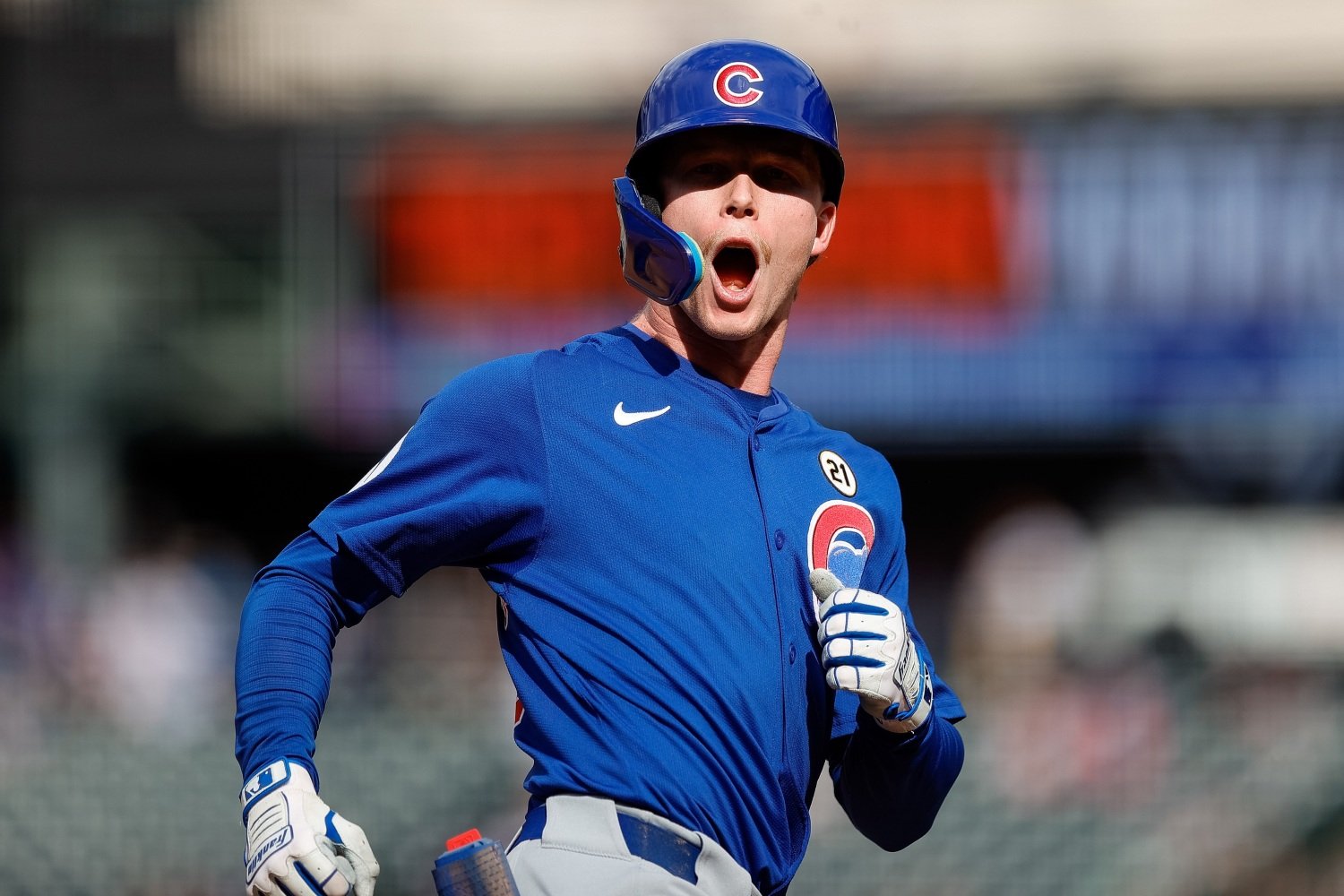 As a born-and-bred Californian, both of Pete Crow-Armstrong’s parents are actors, and his childhood revolved around Los Angeles's Hollywood hub. He attended Harvard-Westlake High School, an LA baseball juggernaut, and he signed as a first-round pick out of high school, despite an offer from Vanderbilt University and even though he was selected in the chaotic, COVID-clouded 2020 Draft. Since then, he was traded to the Cubs for Javier Báez, Trevor Williams, and (of course) some money. Crow-Armstrong has since been on record saying Báez was his favorite player in high school, and despite his Californian roots, he was always a Cubs fan, so he seemed to be destined for the cubby blue pinstripes since day 1. The question is, has he lived up to the hype? After a shoulder injury cut short his 2021 season and made him available for the Cubs that summer, he quickly climbed up the minor-league ladder. For the Iowa Cubs, PCA won a Minor League Gold Glove in 2022 season, as his defense wowed scouts and statistical models alike. His raw talent carried him at the plate in the minors, too, with a .295 batting average and an .883 OPS. He seemed a prime candidate for the major-league roster by the middle of 2023, and after a few back-and-forths between the majors and Triple A, Crow-Armstrong has solidly secured his spot on the major-league roster. His fielding has continued to be stellar, with 11 Defensive Runs Saved this season as the primary center fielder. Even during the 2023 season (in his few games with the Cubs), his fielding was almost flawless, but his batting has left more to be desired. Crow-Armstrong batted just .237 this season, and maybe that shouldn't have disappointed anyone. Many scouting reports have explained that he often makes weak contact and has merely average power, and Dustin Kelly, the Cubs’ hitting coach, has explained that they are working with him to improve swing speed; his lower body form to increase power; and his mental choices at the plate. This season, he had 2.7 WAR, but that wasn’t quite enough to make the final podium for Rookie of the Year. The 2024 Jackie Robinson Rookie of the Year Awards should be announced on Nov. 18, but Paul Skenes of the Pirates, Jackson Merrill of the Padres, and Jackson Chourio of the Brewers beat him out—not to mention a couple Cubs teammates, in all likelihood, in Shota Imanaga and Michael Busch. Crow-Armstrong has so much raw talent that so far hasn't converted neatly into real value, but his future seems bright for the Cubs. As John Candy's manic-depressive play-by-play man character said in Rookie of the Year: “Opening Day at Wrigley, and oh what a sight! The diamond, the decorations, and the dread of yet another losing season.” With young (but maturing) Crow-Armstrong on the roster right from the jump next year, here's hoping the impending dread fades, and as we say every year, next season will be ours, and the Friendly Confines will once again see a successful season in 2025.
 -
The outset of the offseason is an opportunity to leave the previous season behind and look toward the future. The brightest future star who rose into the Cubs firmament in 2024 was Pete Crow-Armstrong, who will be pivotal for them going forward, too. Has he performed as expected so far? Image courtesy of © Isaiah J. Downing-Imagn Images As a born-and-bred Californian, both of Pete Crow-Armstrong’s parents are actors, and his childhood revolved around Los Angeles's Hollywood hub. He attended Harvard-Westlake High School, an LA baseball juggernaut, and he signed as a first-round pick out of high school, despite an offer from Vanderbilt University and even though he was selected in the chaotic, COVID-clouded 2020 Draft. Since then, he was traded to the Cubs for Javier Báez, Trevor Williams, and (of course) some money. Crow-Armstrong has since been on record saying Báez was his favorite player in high school, and despite his Californian roots, he was always a Cubs fan, so he seemed to be destined for the cubby blue pinstripes since day 1. The question is, has he lived up to the hype? After a shoulder injury cut short his 2021 season and made him available for the Cubs that summer, he quickly climbed up the minor-league ladder. For the Iowa Cubs, PCA won a Minor League Gold Glove in 2022 season, as his defense wowed scouts and statistical models alike. His raw talent carried him at the plate in the minors, too, with a .295 batting average and an .883 OPS. He seemed a prime candidate for the major-league roster by the middle of 2023, and after a few back-and-forths between the majors and Triple A, Crow-Armstrong has solidly secured his spot on the major-league roster. His fielding has continued to be stellar, with 11 Defensive Runs Saved this season as the primary center fielder. Even during the 2023 season (in his few games with the Cubs), his fielding was almost flawless, but his batting has left more to be desired. Crow-Armstrong batted just .237 this season, and maybe that shouldn't have disappointed anyone. Many scouting reports have explained that he often makes weak contact and has merely average power, and Dustin Kelly, the Cubs’ hitting coach, has explained that they are working with him to improve swing speed; his lower body form to increase power; and his mental choices at the plate. This season, he had 2.7 WAR, but that wasn’t quite enough to make the final podium for Rookie of the Year. The 2024 Jackie Robinson Rookie of the Year Awards should be announced on Nov. 18, but Paul Skenes of the Pirates, Jackson Merrill of the Padres, and Jackson Chourio of the Brewers beat him out—not to mention a couple Cubs teammates, in all likelihood, in Shota Imanaga and Michael Busch. Crow-Armstrong has so much raw talent that so far hasn't converted neatly into real value, but his future seems bright for the Cubs. As John Candy's manic-depressive play-by-play man character said in Rookie of the Year: “Opening Day at Wrigley, and oh what a sight! The diamond, the decorations, and the dread of yet another losing season.” With young (but maturing) Crow-Armstrong on the roster right from the jump next year, here's hoping the impending dread fades, and as we say every year, next season will be ours, and the Friendly Confines will once again see a successful season in 2025. View full article
-
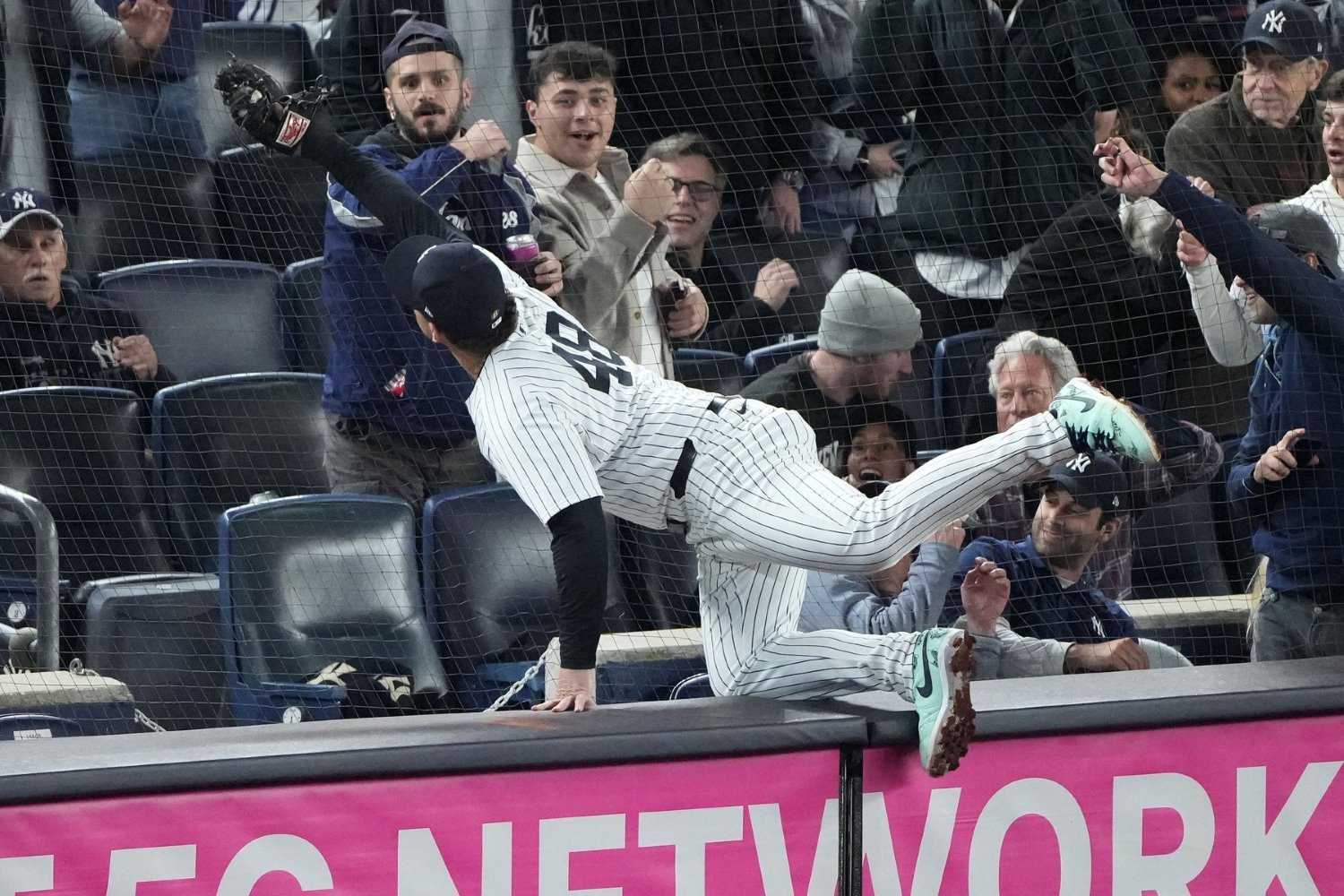 In the climactic World Series that concluded Wednesday night, there was one player Cubs fans watched more closely than any others: Anthony Rizzo. As not only an integral player for the 2016 World Series-winning Cubs (with 5 RBIs in 7 games and so many big moments during the team's postseason run), Rizzo became the face of the Cubs’ marketing strategy, and his legacy in Chicago lives on in many of our hearts. His departure from Chicago to New York was a sorrowful one; and for me, as an avid Yankees hater, there was a slight sense of betrayal: he had traded his soul to the devil of baseball. Regardless, we’ve kept a close eye on him in his post-Cubs career, lovingly or not, and this World Series was no different. Rizzo has appeared in eight postseasons: 2015-2018, 2020-2022, and now this year. His career postseason batting average is .225, but that doesn't capture all the hits, plunkings, and big plays in which he was involved. In this year's World Series against the Dodgers, Rizzo had an anemic .125 batting average, with two singles to show for his 16 at-bats. With four walks and two times hit by pitches, though, he did get on base at a solid rate from the sixth place in the batting order. As he was often the cleanup hitter for the Cubs, batting 6th is a change, but not necessarily for the worse. Known for his close-to-the-plate stance and tendency to choke up after the second strike, Rizzo gave the Yankees tough at-bats and lengthened their lineup. This is one of Rizzo’s most honorable and noteworthy qualities, because seeing a batter who doesn't swing for the fences with every pitch is rare, and it has led to much of his success not only in the postseason but in his career as a whole. For example, in Game 2, he was hit by a pitch in the 9th inning, leading to one of the few scoring opportunities the Yankees had all night. With broken fingers sapping his power, he fought to keep the line moving and give his team's stars more chances to win. Not only known for his skills at the plate, with the Cubs, Rizzo was a great fielder who would stretch (it often seemed) halfway to second to catch a short-hop throw from third. However, this cannot entirely be said for his career with the Yankees. Since 2021, the year the Cubs dealt him away, he has -9 DRS (Defensive Runs Saved), indicating that his fielding has been a liability for the Bronx Bombers. As a four-time Gold Glove winner, a statistic like this is surprising, but the Yankees have struggled with their infield defense all season. We saw Rizzo's capacity for that long stretch diminished a bit by his balky back, and he wasn't able to change direction quickly enough to beat Mookie Betts to the base on a crucial play in Game 5, but that was the fault of a pitcher who failed to cover the bag. In multiple bunting situations, we saw how tenacious Rizzo still is as a playmaker, as he charged to within five yards of batters to hunt an out on the lead runner. In Game 1, he also raced far back down the right-field line to catch a pop fly far out of the reach of right fielder Juan Soto. His abilities on the field are fading, but that is not all he has to offer. With his signature, classic baseball look and charming smile, he was the face of the Cubs, and even among the big names on the roster of the Yankees, Rizzo is still one of the most beloved players and leaders. He gave a pregame speech to the team before Game 3, and at several critical junctures during the Series, he went over and calmed down flustered Yankees hurlers, acting as an extra coach on the field. You can only stay mad at him for going to the East Coast devil for so long, before you remember it is Rizzo, after all, and how can you hate a guy like that? It didn't end with a World Series ring this fall, but Rizzo's time with the Yankees afforded us all a chance to remember and celebrate the contributions he made to the Series eight years ago. He's now a free agent, and will keep trying to find another ring elsewhere.
 -
Did it have to be with the Yankees? Yes? Well, then, so be it. Even in a diminished role and at an advanced age, the former lion of the Cubs got another chance to roar in October. Image courtesy of © Robert Deutsch-Imagn Images In the climactic World Series that concluded Wednesday night, there was one player Cubs fans watched more closely than any others: Anthony Rizzo. As not only an integral player for the 2016 World Series-winning Cubs (with 5 RBIs in 7 games and so many big moments during the team's postseason run), Rizzo became the face of the Cubs’ marketing strategy, and his legacy in Chicago lives on in many of our hearts. His departure from Chicago to New York was a sorrowful one; and for me, as an avid Yankees hater, there was a slight sense of betrayal: he had traded his soul to the devil of baseball. Regardless, we’ve kept a close eye on him in his post-Cubs career, lovingly or not, and this World Series was no different. Rizzo has appeared in eight postseasons: 2015-2018, 2020-2022, and now this year. His career postseason batting average is .225, but that doesn't capture all the hits, plunkings, and big plays in which he was involved. In this year's World Series against the Dodgers, Rizzo had an anemic .125 batting average, with two singles to show for his 16 at-bats. With four walks and two times hit by pitches, though, he did get on base at a solid rate from the sixth place in the batting order. As he was often the cleanup hitter for the Cubs, batting 6th is a change, but not necessarily for the worse. Known for his close-to-the-plate stance and tendency to choke up after the second strike, Rizzo gave the Yankees tough at-bats and lengthened their lineup. This is one of Rizzo’s most honorable and noteworthy qualities, because seeing a batter who doesn't swing for the fences with every pitch is rare, and it has led to much of his success not only in the postseason but in his career as a whole. For example, in Game 2, he was hit by a pitch in the 9th inning, leading to one of the few scoring opportunities the Yankees had all night. With broken fingers sapping his power, he fought to keep the line moving and give his team's stars more chances to win. Not only known for his skills at the plate, with the Cubs, Rizzo was a great fielder who would stretch (it often seemed) halfway to second to catch a short-hop throw from third. However, this cannot entirely be said for his career with the Yankees. Since 2021, the year the Cubs dealt him away, he has -9 DRS (Defensive Runs Saved), indicating that his fielding has been a liability for the Bronx Bombers. As a four-time Gold Glove winner, a statistic like this is surprising, but the Yankees have struggled with their infield defense all season. We saw Rizzo's capacity for that long stretch diminished a bit by his balky back, and he wasn't able to change direction quickly enough to beat Mookie Betts to the base on a crucial play in Game 5, but that was the fault of a pitcher who failed to cover the bag. In multiple bunting situations, we saw how tenacious Rizzo still is as a playmaker, as he charged to within five yards of batters to hunt an out on the lead runner. In Game 1, he also raced far back down the right-field line to catch a pop fly far out of the reach of right fielder Juan Soto. His abilities on the field are fading, but that is not all he has to offer. With his signature, classic baseball look and charming smile, he was the face of the Cubs, and even among the big names on the roster of the Yankees, Rizzo is still one of the most beloved players and leaders. He gave a pregame speech to the team before Game 3, and at several critical junctures during the Series, he went over and calmed down flustered Yankees hurlers, acting as an extra coach on the field. You can only stay mad at him for going to the East Coast devil for so long, before you remember it is Rizzo, after all, and how can you hate a guy like that? It didn't end with a World Series ring this fall, but Rizzo's time with the Yankees afforded us all a chance to remember and celebrate the contributions he made to the Series eight years ago. He's now a free agent, and will keep trying to find another ring elsewhere. View full article
-
There are fascinating steps and layers to the way the Cubs staff puts Wrigley Field to bed each winter, to ensure that it can spring back to life each Opening Day. Image courtesy of © Patrick Gorski-Imagn Images As the Chicago days become shorter and the warm Wrigley day games become more distant, the city gears up for the inevitable, seven-month winter. Baseball fans turn to offseason articles and other sports for entertainment. As we all enjoy our last few weeks of the postseason and then turn away from the great American pastime and toward the hot stove, one thing stands still, braving the cold day in and day out: Wrigley Field itself. What happens to the Friendly Confines in the winter? Keeping the field pristine is an extremely difficult task, and in the winter, with the additional obstacle of snow, the field requires lots of maintenance. The current head groundskeeper, Dan Kiermaier, works with about 20 full-time ground crew employees to shovel snow throughout the winter, The former head groundskeeper, Justin Spillman, explained that each day, they shovel the snow off the field and into the stands--until March, when the Opening Day projects begin and the snow has to be moved entirely out of the stadium. To prep the surface for play by the end of that month, Spillman explained that they use a large quantity of heaters, and start trying to dry out the clay. Along with the field itself, Wrigley's caretakers are responsible for the iconic ivy on the walls. From March to October, the Ivy is trimmed and watered daily, but the plants cannot withstand the intense Chicago winters. The ivy is Boston Ivy, which turns dormant and brown during the winter, but come Opening Day, the grounds crew is faced with reviving it for the season. Spillman explained that one of the most important parts of reviving the ivy and making the field season-ready is to make the dirt softer, and to do so, they inject air below the surface of the field. The upkeep of the field and the ivy seems glamorous in comparison to the “winterization” process needed for the internal parts of Wrigley. For example, the pipes leading to the bathrooms, food stands, and field irrigation are at risk of freezing, and since the stadium isn’t entirely climate-controlled, the best solution is to empty out all the water from the stadium. There are over 200 valves to empty the stadium of water each offseason, and they also use antifreeze and liquid salt sprayers to help with the small amounts of water they aren’t able to drain. The snow isn’t the only climate issue Wrigley faces in the winter. The wind becomes a massive part of the “winterization” process. The Wrigley crew has to pack away the monitors in the concession stands, the padding covering the dugout and bullpen walls, and the kitchen equipment, much of which is stored in heated storage units deep within the confines. The sun can also present issues, and the crew has to cover the padded seats with tarps to protect them from both the sun and the wind. The grounds crew and all of the Wrigley employees work incredibly hard during the offseason to keep the Friendly Confines fresh and green for each new season. As we turn our backs to the stadium during the winter, we should remember all of the people working tirelessly to keep our favorite ballpark safe, clean, and ready for next season, where we will have more to discuss in October than just closing up for the winter. View full article
-
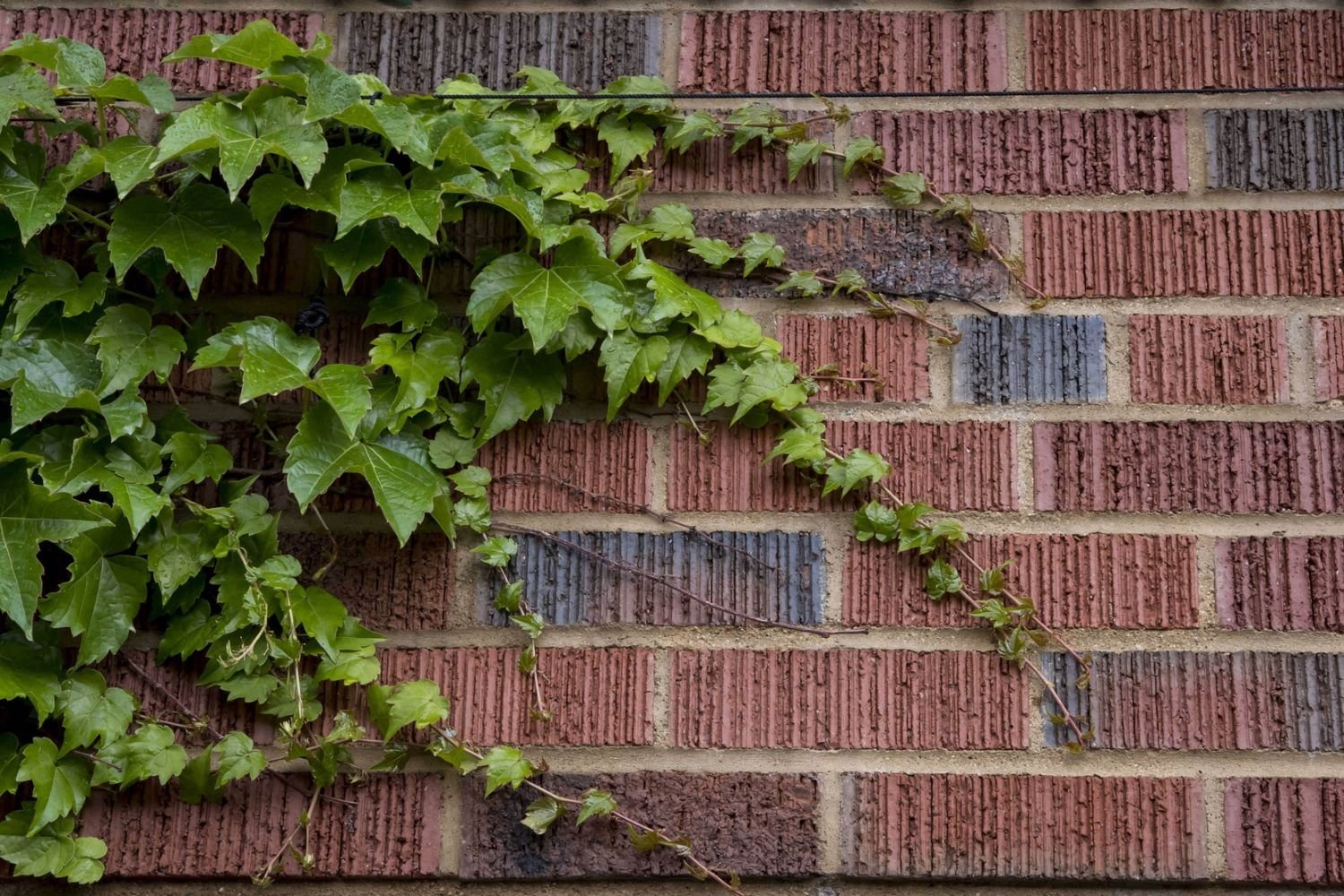 As the Chicago days become shorter and the warm Wrigley day games become more distant, the city gears up for the inevitable, seven-month winter. Baseball fans turn to offseason articles and other sports for entertainment. As we all enjoy our last few weeks of the postseason and then turn away from the great American pastime and toward the hot stove, one thing stands still, braving the cold day in and day out: Wrigley Field itself. What happens to the Friendly Confines in the winter? Keeping the field pristine is an extremely difficult task, and in the winter, with the additional obstacle of snow, the field requires lots of maintenance. The current head groundskeeper, Dan Kiermaier, works with about 20 full-time ground crew employees to shovel snow throughout the winter, The former head groundskeeper, Justin Spillman, explained that each day, they shovel the snow off the field and into the stands--until March, when the Opening Day projects begin and the snow has to be moved entirely out of the stadium. To prep the surface for play by the end of that month, Spillman explained that they use a large quantity of heaters, and start trying to dry out the clay. Along with the field itself, Wrigley's caretakers are responsible for the iconic ivy on the walls. From March to October, the Ivy is trimmed and watered daily, but the plants cannot withstand the intense Chicago winters. The ivy is Boston Ivy, which turns dormant and brown during the winter, but come Opening Day, the grounds crew is faced with reviving it for the season. Spillman explained that one of the most important parts of reviving the ivy and making the field season-ready is to make the dirt softer, and to do so, they inject air below the surface of the field. The upkeep of the field and the ivy seems glamorous in comparison to the “winterization” process needed for the internal parts of Wrigley. For example, the pipes leading to the bathrooms, food stands, and field irrigation are at risk of freezing, and since the stadium isn’t entirely climate-controlled, the best solution is to empty out all the water from the stadium. There are over 200 valves to empty the stadium of water each offseason, and they also use antifreeze and liquid salt sprayers to help with the small amounts of water they aren’t able to drain. The snow isn’t the only climate issue Wrigley faces in the winter. The wind becomes a massive part of the “winterization” process. The Wrigley crew has to pack away the monitors in the concession stands, the padding covering the dugout and bullpen walls, and the kitchen equipment, much of which is stored in heated storage units deep within the confines. The sun can also present issues, and the crew has to cover the padded seats with tarps to protect them from both the sun and the wind. The grounds crew and all of the Wrigley employees work incredibly hard during the offseason to keep the Friendly Confines fresh and green for each new season. As we turn our backs to the stadium during the winter, we should remember all of the people working tirelessly to keep our favorite ballpark safe, clean, and ready for next season, where we will have more to discuss in October than just closing up for the winter.
 -
We know the results haven't favored top teams in the first few years of the new playoff format. Is that a phenomenon with staying power? Image courtesy of © Ron Chenoy-Imagn Images With the Cubs on the outside looking in at another postseason, we “lovable loser” fans will just have to watch from the sidelines, hoping our enemies lose and our second-favorite teams win. One of the most interesting things to watch for in October are the inevitable upsets: Wild Card teams who beat out the juggernauts from the season. Since 2022, when the playoffs expanded to accommodate three Wild Card teams in each league, the two division winners with the best records receive byes, meaning they don’t play in the Wild Card round and have almost a full week to rest and set their rotation before the Division Series. Since then, the playoff upsets have seemed to become the norm, with Wild Card entrants meeting each other in the World Series last year and multiple upsets each fall. In theory, the bye week is a reward and a built-in advantage for the top teams, but is it? Is there any correlation between these playoff upsets and the top teams getting such a long layoff? Let’s look at the 2022 National League postseason. The Dodgers and the Braves, who were seeded 1 and 2, both lost handily in their first series against the two teams with the worst records in the playoffs: the Padres and the Phillies. The Dodgers, with an outstanding .685 record, lost in a massive upset, three games to one. The Dodgers seem to find themselves in this situation frequently: having an exceptional season record and being incapable of capitalizing on that when October comes. Could that be because of the bye? One season later, in 2023, The Dodgers had another incredible season, going 100-62 for a .617 record, but again, in round two of the playoffs, the Diamondbacks, with a record barely above .500, swept them. The Diamondbacks, with a .519 record, swept Mookie Betts and Freddie Freeman, with much of the series played in Dodger Stadium. Not only did the Diamondbacks make it to the World Series, but their opponent, the Rangers, were also a Wild Card, and they swept the Orioles, who had the second-best record in all of baseball. The Wild Card has always been a point of contention for many baseball purists, but having Wild Card teams, to me, doesn’t seem like the biggest cause of playoff upsets. If we look at 2016, the year the Cubs won the World Series, there were two Wild Card teams per league--although, unlike the current format, there was no way for two such teams to get through to the Division Series, The Cubs had the best season record by a mile, and their World Series opponent, the Cleveland Indians (now Guardians), had the third-best record in baseball. At that time, the Wild Card teams played one game before round one, and no teams had bye weeks. With the old system, it seemed like the better teams made deeper runs, rather than underdogs who went on a streak right as the playoffs began. Now, the regular season seems to have no bearing on the outcomes of the playoffs, and it seems that the extra week of rest for the top teams has something to do with it. Maybe it’s that five or six days between games is too much to sustain a sound routine, in a very routine-oriented game, or maybe it's that Wild Card teams can build momentum in that first round that the juggernauts can’t. There's also a logical argument to be made here. Hot streaks aren't necessarily predictive, but the current format means that we have no information about how the top teams in the league are playing when the Division Series begins. By contrast, and by definition, the teams they face are playing well, in that they just took a series from another playoff-qualifying club. One half of the Division Series matchup has been selected for current quality of play; the other might not have needed to win a game in a fortnight. Whatever the reason, Cubs fans should watch out this postseason for Wild Card teams, because as we’ve seen in the last two seasons, they seem to be the toughest competition out there. Winning the division should always be the goal, but maybe the team doesn't need to worry about pursuing the bye and establishing home-field advantage in the playoffs as much as they would have under the old format. View full article
-
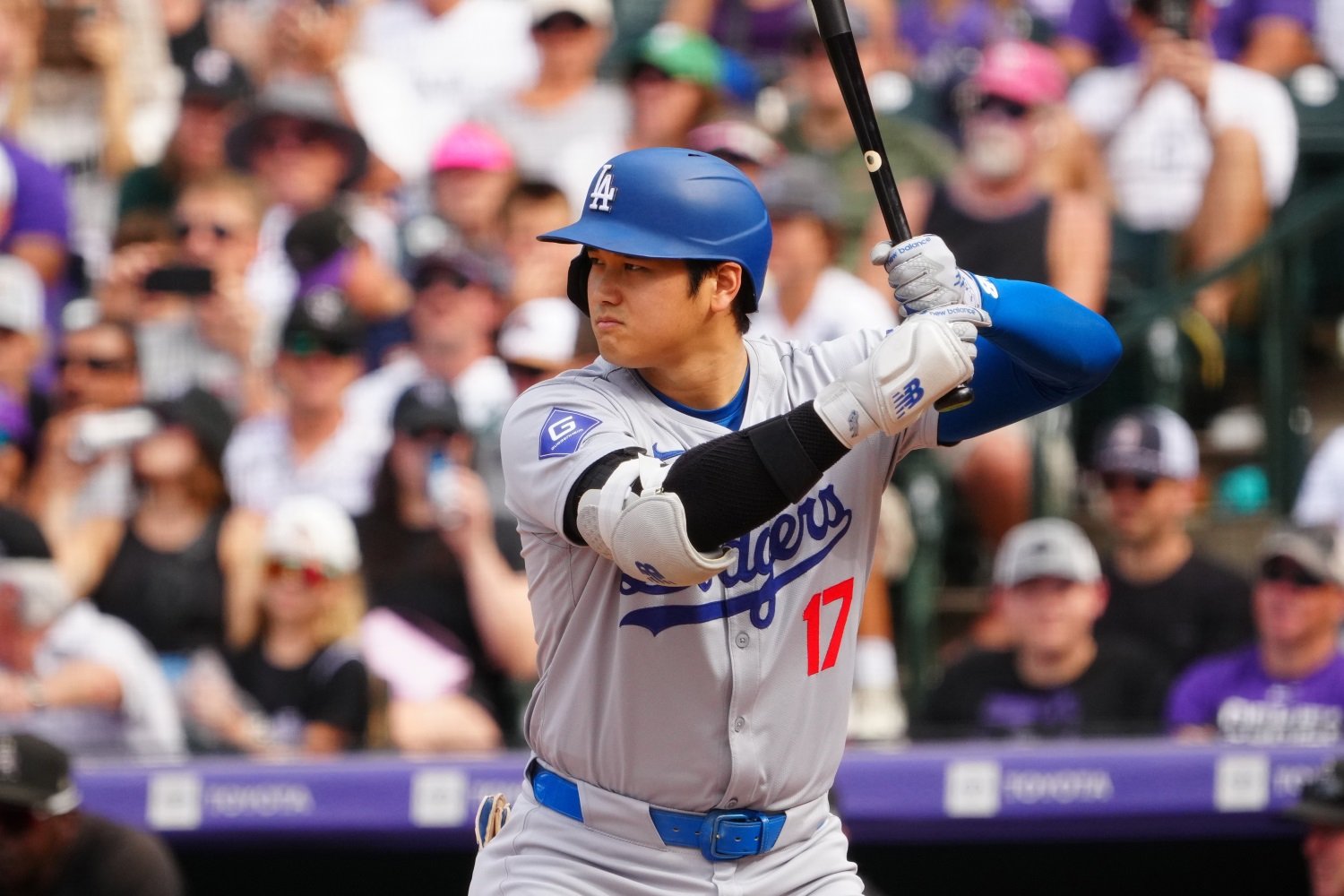 With the Cubs on the outside looking in at another postseason, we “lovable loser” fans will just have to watch from the sidelines, hoping our enemies lose and our second-favorite teams win. One of the most interesting things to watch for in October are the inevitable upsets: Wild Card teams who beat out the juggernauts from the season. Since 2022, when the playoffs expanded to accommodate three Wild Card teams in each league, the two division winners with the best records receive byes, meaning they don’t play in the Wild Card round and have almost a full week to rest and set their rotation before the Division Series. Since then, the playoff upsets have seemed to become the norm, with Wild Card entrants meeting each other in the World Series last year and multiple upsets each fall. In theory, the bye week is a reward and a built-in advantage for the top teams, but is it? Is there any correlation between these playoff upsets and the top teams getting such a long layoff? Let’s look at the 2022 National League postseason. The Dodgers and the Braves, who were seeded 1 and 2, both lost handily in their first series against the two teams with the worst records in the playoffs: the Padres and the Phillies. The Dodgers, with an outstanding .685 record, lost in a massive upset, three games to one. The Dodgers seem to find themselves in this situation frequently: having an exceptional season record and being incapable of capitalizing on that when October comes. Could that be because of the bye? One season later, in 2023, The Dodgers had another incredible season, going 100-62 for a .617 record, but again, in round two of the playoffs, the Diamondbacks, with a record barely above .500, swept them. The Diamondbacks, with a .519 record, swept Mookie Betts and Freddie Freeman, with much of the series played in Dodger Stadium. Not only did the Diamondbacks make it to the World Series, but their opponent, the Rangers, were also a Wild Card, and they swept the Orioles, who had the second-best record in all of baseball. The Wild Card has always been a point of contention for many baseball purists, but having Wild Card teams, to me, doesn’t seem like the biggest cause of playoff upsets. If we look at 2016, the year the Cubs won the World Series, there were two Wild Card teams per league--although, unlike the current format, there was no way for two such teams to get through to the Division Series, The Cubs had the best season record by a mile, and their World Series opponent, the Cleveland Indians (now Guardians), had the third-best record in baseball. At that time, the Wild Card teams played one game before round one, and no teams had bye weeks. With the old system, it seemed like the better teams made deeper runs, rather than underdogs who went on a streak right as the playoffs began. Now, the regular season seems to have no bearing on the outcomes of the playoffs, and it seems that the extra week of rest for the top teams has something to do with it. Maybe it’s that five or six days between games is too much to sustain a sound routine, in a very routine-oriented game, or maybe it's that Wild Card teams can build momentum in that first round that the juggernauts can’t. There's also a logical argument to be made here. Hot streaks aren't necessarily predictive, but the current format means that we have no information about how the top teams in the league are playing when the Division Series begins. By contrast, and by definition, the teams they face are playing well, in that they just took a series from another playoff-qualifying club. One half of the Division Series matchup has been selected for current quality of play; the other might not have needed to win a game in a fortnight. Whatever the reason, Cubs fans should watch out this postseason for Wild Card teams, because as we’ve seen in the last two seasons, they seem to be the toughest competition out there. Winning the division should always be the goal, but maybe the team doesn't need to worry about pursuing the bye and establishing home-field advantage in the playoffs as much as they would have under the old format.
 -
Why Cubs Fans Should Keep a Close, Fond Eye on Christopher Morel
Bailey Hall posted an article in Cubs
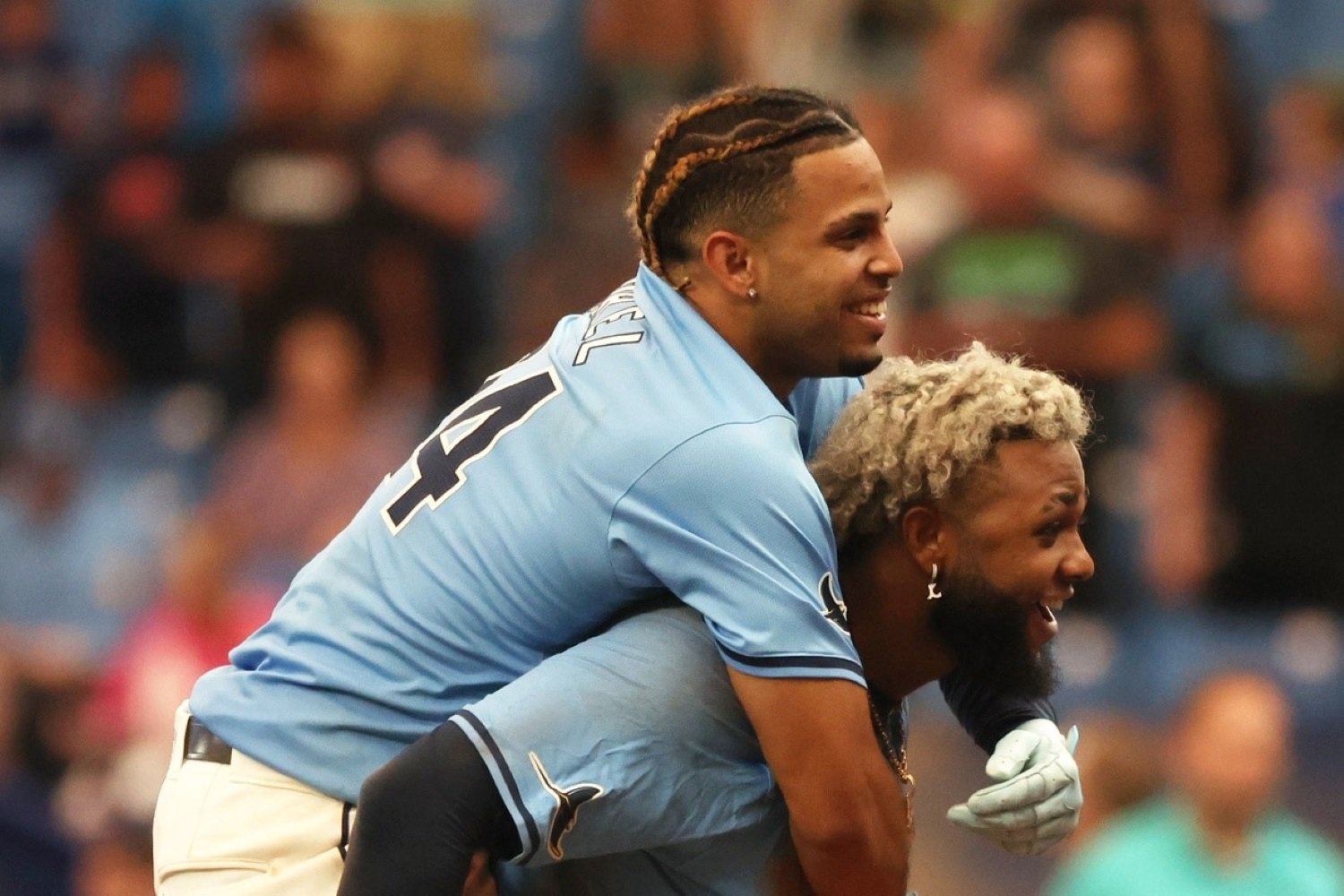 Every season near the trade deadline, fans watch nervously, hoping not to see their favorite players get traded. When they inevitably do, the aim is to keep following them, stay up to date--but slowly, they fade off of your radar, as the articles regarding your team shift to focus on new players. It's especially true when they get traded to a team far removed from yours, whether that be a team in the other league or one well below .500. Your love for that player dwindles, only reading about them when they come back to Chicago. This happened to me this trade season with Christopher Morel. I believed him to be an up-and-comer: a young, bright-eyed kid who was moldable, with lots of potential, and could have become the next face of the Cubs. Last season, with a .247 average and 26 homers, he was a solid player, and I liked seeing his swing evolve. David Ross and the hitting coaches explained that they were trying to teach him not to swing at everything, and to choke up a bit after two strikes, in an attempt to get his strikeout rate lower. I felt there was significant improvement, but I wasn’t entirely surprised when he was traded to the Rays for Isaac Paredes, who has settled in with the Cubs and is hitting .340 with a .431 OBP in September. Even so, Morel has incredible power, that still-tantalizing upside, and the possibility for a strong future in Tampa. Since being traded to the Rays, Morel hasn’t found his stride. He's flailing, with a .194/.268/.317 line, hindered increasingly by an Achilles injury. Even so, he is a young player, only 25 years old, with tremendous potential--both athletically and personally. The reason I have grown so fond of Morel is not for his performance on the baseball field, but because of his character. When you watch him play, there is a perpetual grin plastered on his face, celebrating every win or good play, which should not be overlooked. Craig Counsell described him as having “an outlook and demeanor that makes it fun to be around him. He loves playing, and that joy, his outlook on life, it’s certainly his present no matter what’s going on.” Nico Hoerner agreed, saying, “I just think really highly of him as a teammate and a player, and I think he’s going to have a great career. I will always root for him.” From a much greater remove than Counsell and Hoerner have, I agree completely. Last Spring Training, I visited Sloan Park, and the informal nature of that setting allows fans to meet the players as they walk from their pregame facility to the stadium. The path between the two facilities is lined with fans asking for autographs and pictures, and Morel’s bright personality showed through: he stopped to talk with everybody, making conversation, signing balls, and smiling genuinely the entire time. I felt it especially honorable that he thanked each fan, telling them how he wouldn’t be here without us. As other players walked through, they did not present as warmly; some even refused to sign balls for the little kids and coldly declined when asked for pictures. While those players had no obligation to interact with the fans, the clear difference between Morel and the others was astounding, and cemented my respect and admiration for the youngster. As we head toward the end of the season and the distance between the Cubs and Morel grows, I urge Cubs fans to idolize the players who are not only amazing athletes, but amazing people. With that in mind, I hope none of us Cubs fans forget Morel’s time in the Cubbie blue pinstripes, and that we still root for him from afar.
 -
If you just want to root for laundry, skip the expense of the ballpark and go to a laundromat. Image courtesy of © Kim Klement Neitzel-Imagn Images Every season near the trade deadline, fans watch nervously, hoping not to see their favorite players get traded. When they inevitably do, the aim is to keep following them, stay up to date--but slowly, they fade off of your radar, as the articles regarding your team shift to focus on new players. It's especially true when they get traded to a team far removed from yours, whether that be a team in the other league or one well below .500. Your love for that player dwindles, only reading about them when they come back to Chicago. This happened to me this trade season with Christopher Morel. I believed him to be an up-and-comer: a young, bright-eyed kid who was moldable, with lots of potential, and could have become the next face of the Cubs. Last season, with a .247 average and 26 homers, he was a solid player, and I liked seeing his swing evolve. David Ross and the hitting coaches explained that they were trying to teach him not to swing at everything, and to choke up a bit after two strikes, in an attempt to get his strikeout rate lower. I felt there was significant improvement, but I wasn’t entirely surprised when he was traded to the Rays for Isaac Paredes, who has settled in with the Cubs and is hitting .340 with a .431 OBP in September. Even so, Morel has incredible power, that still-tantalizing upside, and the possibility for a strong future in Tampa. Since being traded to the Rays, Morel hasn’t found his stride. He's flailing, with a .194/.268/.317 line, hindered increasingly by an Achilles injury. Even so, he is a young player, only 25 years old, with tremendous potential--both athletically and personally. The reason I have grown so fond of Morel is not for his performance on the baseball field, but because of his character. When you watch him play, there is a perpetual grin plastered on his face, celebrating every win or good play, which should not be overlooked. Craig Counsell described him as having “an outlook and demeanor that makes it fun to be around him. He loves playing, and that joy, his outlook on life, it’s certainly his present no matter what’s going on.” Nico Hoerner agreed, saying, “I just think really highly of him as a teammate and a player, and I think he’s going to have a great career. I will always root for him.” From a much greater remove than Counsell and Hoerner have, I agree completely. Last Spring Training, I visited Sloan Park, and the informal nature of that setting allows fans to meet the players as they walk from their pregame facility to the stadium. The path between the two facilities is lined with fans asking for autographs and pictures, and Morel’s bright personality showed through: he stopped to talk with everybody, making conversation, signing balls, and smiling genuinely the entire time. I felt it especially honorable that he thanked each fan, telling them how he wouldn’t be here without us. As other players walked through, they did not present as warmly; some even refused to sign balls for the little kids and coldly declined when asked for pictures. While those players had no obligation to interact with the fans, the clear difference between Morel and the others was astounding, and cemented my respect and admiration for the youngster. As we head toward the end of the season and the distance between the Cubs and Morel grows, I urge Cubs fans to idolize the players who are not only amazing athletes, but amazing people. With that in mind, I hope none of us Cubs fans forget Morel’s time in the Cubbie blue pinstripes, and that we still root for him from afar. View full article
-
Which is More Costly for the 2024 Cubs: Leadoff Singles, or Leadoff Walks?
Bailey Hall posted an article in Cubs
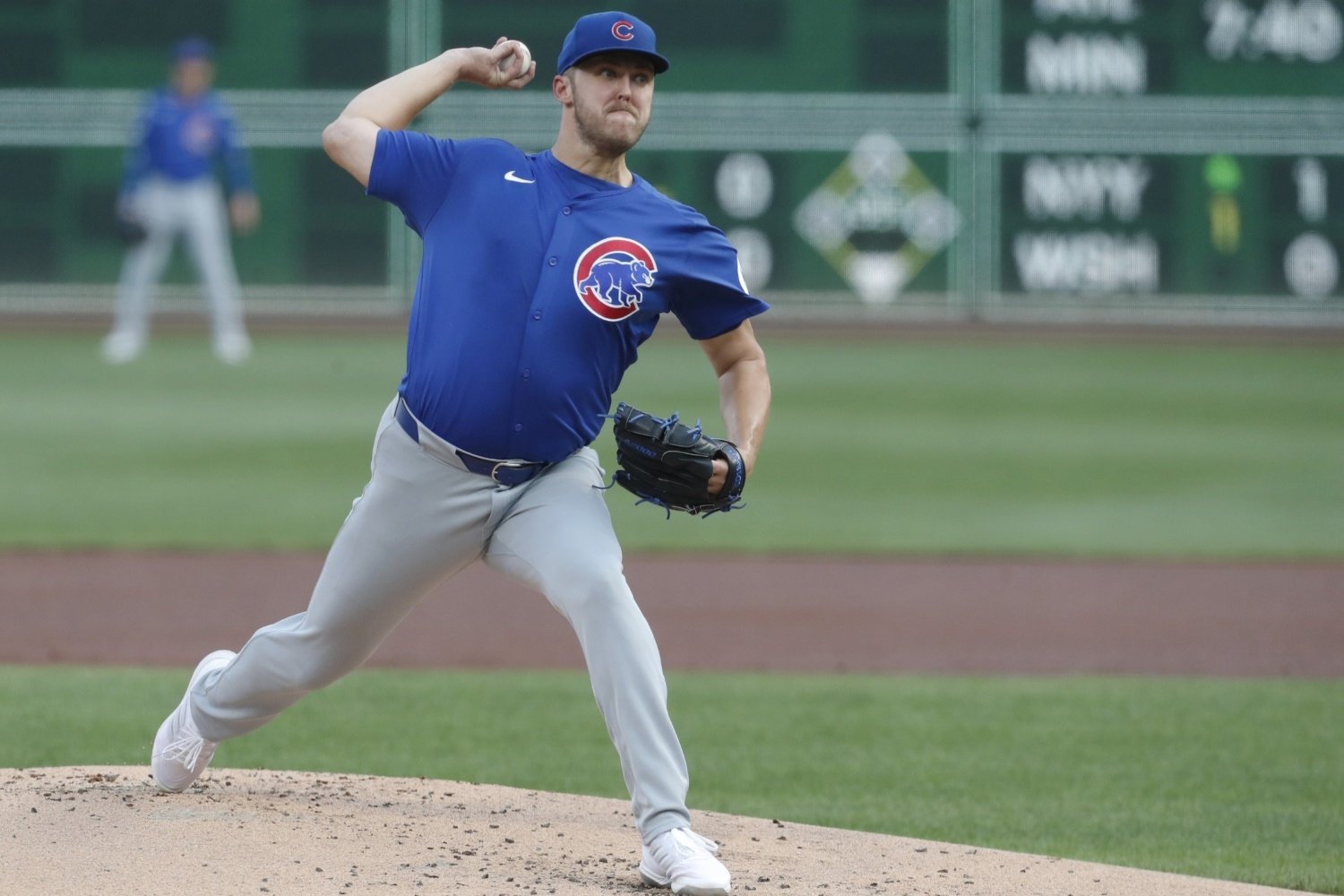 Every baseball fan has, at some point, groaned over the dreaded leadoff walk, or winced a little when a pitcher gives one up in only four pitches. Is that a valid reaction, or are we all just deluded by the old baseball proverb? What about leadoff singles? I’ve never heard equivalent disdain toward leadoff singles, as compared to leadoff walks. So, let's pose the question for the Cubs: since 2008, which has been worse, giving up a leadoff walk or a leadoff single? Over the last 16 years, the Cubs have seen a lot: from the golden season of 2016 to the less ideal seasons, like 2012, the Cubs know what it’s like to win it all, or lose it all, and it seems like leadoff walks vs. leadoff singles can correlate to winning vs. losing seasons. In 2016, when the Cubs finished 103-58 for a .639 record, if the Cubs gave up a leadoff walk, .78 runs scored on average in that inning. If a leadoff single was given up, only .72 runs were scored on average, for an 8% difference. Comparatively, the Cubs in some of their worst years, like the 2012 and 2013 seasons, averaged 1.04 runs scored off of leadoff walks vs. 1.01 runs scored off of leadoff singles, for only a 2.5% difference. From the 2008 to the 2023 season, the Cubs averaged .93 runs given up off of a leadoff walk, vs. .90 runs given up off of a leadoff single, so they generally lean toward leadoff walks being slightly worse. However, the better they do in a season, the worse leadoff walks become, in a relative sense. The more successful the Cubs’ season is, the more extreme the difference is between leadoff walks and leadoff singles, so fans are right to be wary of a leadoff free pass. What about this season? As we enter the endgame of the season, the Cubs have a shot at making the playoffs, but time and time again, we have seen them fall to pieces in the last month of the season. This year has presented the same opportunity: with the Cubs 4.5 games out of a Wild Card spot, will they be able to capitalize on these last few series and land themselves a spot in the playoffs? If we look specifically at some of the most-used pitchers on the 2024 roster--Kyle Hendricks, Jameson Taillon, Jordan Wicks, and Justin Steele--the averages change drastically from the previous years, After leadoff walks, .74 runs scored on average. Meanwhile, after leadoff singles, .95 runs scored on average, for a 21% difference. In this case, leadoff walks are significantly better to give up than leadoff singles. A similar difference can be seen in the 2023 season overall: the Cubs averaged .77 runs given up off of leadoff walks vs. 1.09 runs given up off of leadoff singles. So, despite a history of leadoff walks being the bigger fear, with this crop of pitchers and for the rest of this season, we should be watching out for leadoff singles. This was on full and excruciating display Monday night. Jorge López went right after Pirates hitters with a three-run lead, but gave up a leadoff single on a blooper--which snowballed into a four-run inning that torpedoed the team's momentum to open this pivotal homestand. Some of the game's best pitchers disproportionately struggle when they give up leadoff walks, but for this year's Cubs staff, it seems much more ominous when they give up a leadoff hit. Maybe it signals that the vibes, or the defense, or the pitcher's ability to miss opponents' barrels are out of whack. Maybe it's just variance. Either way, though, beware the leadoff single, and don't be too hard on the team's wily hurlers when they issue a free pass to open a frame. Editor's Note: We're thrilled to welcome Bailey Hall to the site as a biweekly contributor, beginning with this piece. Bailey won the annual poster presentation contest at this year's Society for American Baseball Research (SABR) national convention, last month in Minneapolis, with a deep dive on this very subject--zoomed out to the league-wide level. Look forward to more of her work throughout the coming offseason.
 -
It's an age-old debate: is giving up a free pass to the first batter of an inning the cardinal sin for pitchers? Or is it just as damaging to lay one in there and give up a single? Let's consult the numbers. Image courtesy of © Charles LeClaire-Imagn Images Every baseball fan has, at some point, groaned over the dreaded leadoff walk, or winced a little when a pitcher gives one up in only four pitches. Is that a valid reaction, or are we all just deluded by the old baseball proverb? What about leadoff singles? I’ve never heard equivalent disdain toward leadoff singles, as compared to leadoff walks. So, let's pose the question for the Cubs: since 2008, which has been worse, giving up a leadoff walk or a leadoff single? Over the last 16 years, the Cubs have seen a lot: from the golden season of 2016 to the less ideal seasons, like 2012, the Cubs know what it’s like to win it all, or lose it all, and it seems like leadoff walks vs. leadoff singles can correlate to winning vs. losing seasons. In 2016, when the Cubs finished 103-58 for a .639 record, if the Cubs gave up a leadoff walk, .78 runs scored on average in that inning. If a leadoff single was given up, only .72 runs were scored on average, for an 8% difference. Comparatively, the Cubs in some of their worst years, like the 2012 and 2013 seasons, averaged 1.04 runs scored off of leadoff walks vs. 1.01 runs scored off of leadoff singles, for only a 2.5% difference. From the 2008 to the 2023 season, the Cubs averaged .93 runs given up off of a leadoff walk, vs. .90 runs given up off of a leadoff single, so they generally lean toward leadoff walks being slightly worse. However, the better they do in a season, the worse leadoff walks become, in a relative sense. The more successful the Cubs’ season is, the more extreme the difference is between leadoff walks and leadoff singles, so fans are right to be wary of a leadoff free pass. What about this season? As we enter the endgame of the season, the Cubs have a shot at making the playoffs, but time and time again, we have seen them fall to pieces in the last month of the season. This year has presented the same opportunity: with the Cubs 4.5 games out of a Wild Card spot, will they be able to capitalize on these last few series and land themselves a spot in the playoffs? If we look specifically at some of the most-used pitchers on the 2024 roster--Kyle Hendricks, Jameson Taillon, Jordan Wicks, and Justin Steele--the averages change drastically from the previous years, After leadoff walks, .74 runs scored on average. Meanwhile, after leadoff singles, .95 runs scored on average, for a 21% difference. In this case, leadoff walks are significantly better to give up than leadoff singles. A similar difference can be seen in the 2023 season overall: the Cubs averaged .77 runs given up off of leadoff walks vs. 1.09 runs given up off of leadoff singles. So, despite a history of leadoff walks being the bigger fear, with this crop of pitchers and for the rest of this season, we should be watching out for leadoff singles. This was on full and excruciating display Monday night. Jorge López went right after Pirates hitters with a three-run lead, but gave up a leadoff single on a blooper--which snowballed into a four-run inning that torpedoed the team's momentum to open this pivotal homestand. Some of the game's best pitchers disproportionately struggle when they give up leadoff walks, but for this year's Cubs staff, it seems much more ominous when they give up a leadoff hit. Maybe it signals that the vibes, or the defense, or the pitcher's ability to miss opponents' barrels are out of whack. Maybe it's just variance. Either way, though, beware the leadoff single, and don't be too hard on the team's wily hurlers when they issue a free pass to open a frame. Editor's Note: We're thrilled to welcome Bailey Hall to the site as a biweekly contributor, beginning with this piece. Bailey won the annual poster presentation contest at this year's Society for American Baseball Research (SABR) national convention, last month in Minneapolis, with a deep dive on this very subject--zoomed out to the league-wide level. Look forward to more of her work throughout the coming offseason. View full article