


Cubs Video
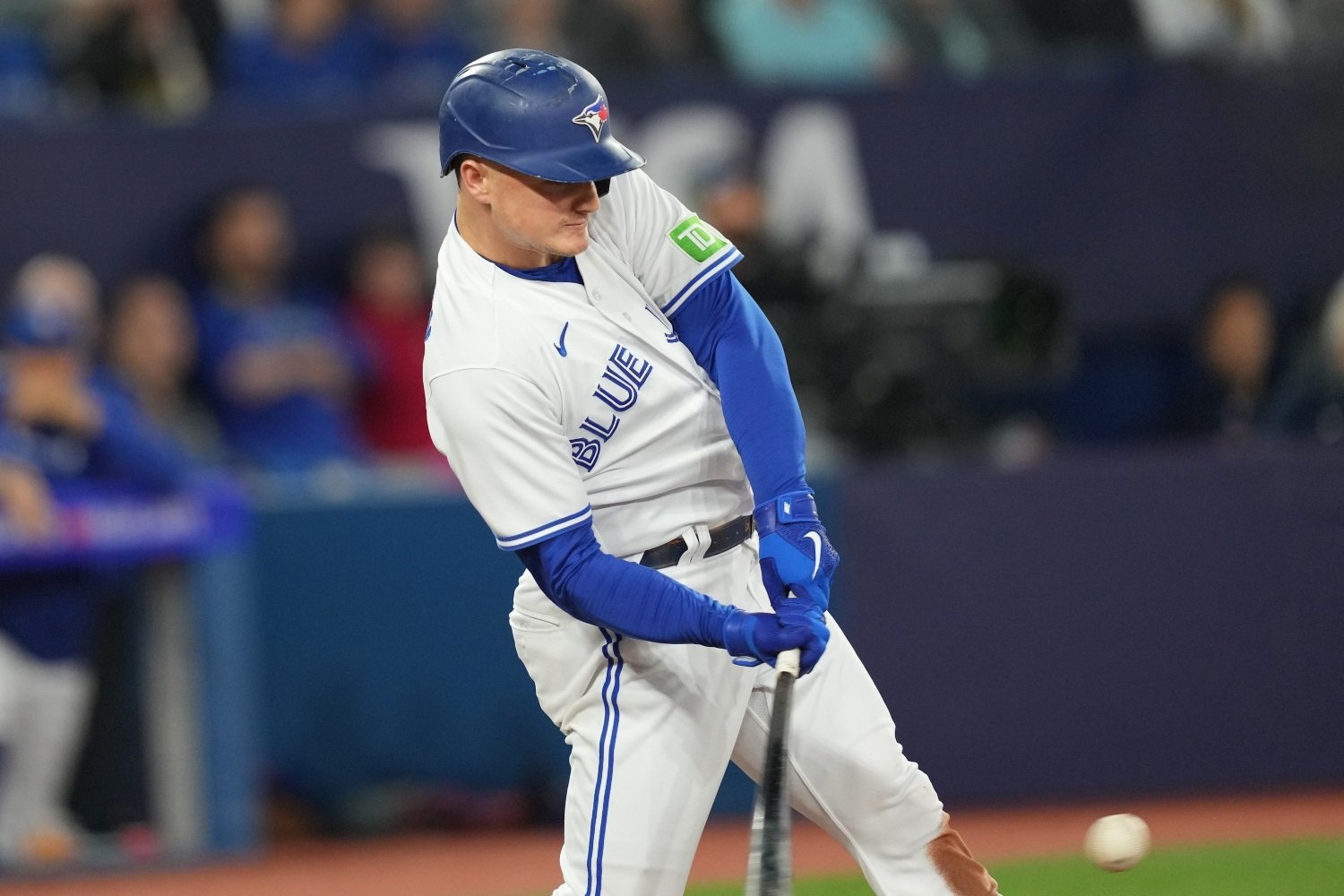
It's hard not to see the match between the Cubs' roster construction and free-agent third baseman Matt Chapman. Last winter, faced with a market that priced them out of the elite offense they had wanted to build, the team pivoted and tried to win by assembling an elite defense, instead. Dansby Swanson and Nico Hoerner each won Gold Glove Awards this past season, and in 2024, the organization hopes to install Pete Crow-Armstrong as the regular center fielder.
Chapman would be a hand-in-glove fit for that approach. Although Nick Madrigal proved to be a defensive whiz at the hot corner in his own right, he's not a third baseman, really. He can't be. He doesn't hit enough, and his arm isn't strong enough. With two Fielding Bible Awards as the best third baseman in baseball and plenty of seasons as one of the two or three best, Chapman is on another level. He'll turn 31 in April, but he should age fine, defensively. He's built for the spot, and there's nothing about the position at which he's less than excellent.
The questions, of course, are about his bat and his price tag. Though he's a .240/.329/.461 career hitter and has occasionally looked like a superstar slugger in the mold of fellow defensive ace Nolan Arenado, he's been badly inconsistent over the last few years, and his power dried up in an ugly way in 2023. In particular, despite relatively even career platoon splits (identical isolated power, very similar walk and strikeout rates), Chapman has struck out about 30 percent of the time against right-handed pitchers over the last three years. He's limited by that vulnerability, in a way he wasn't obviously limited before.
One thing no one questions is the quality of Chapman's contact. Few hitters hit the ball hard as regularly as Chapman does, and he gets the ball in the air at a high rate, too. In fact, only hitting 17 homers in 2023 was a somewhat stunning shortfall, relative to the production one should expect based on the way he attacks pitches.
In part, that problem stems from Chapman not pulling the ball all that much, especially in the air. Hitting long fly balls is great, but doing so to center field and the other way is less valuable, on average, than pulling it.

It's clear that Chapman has the swing talent to generate huge power and/or a high batting average on balls in play. Maybe the issue we need to tackle is one of approach. Could changing the level of Chapman's selective aggressiveness help him get fuller value from that talent?
Last month at Baseball Prospectus, Robert Orr came up with a brilliant, more nuanced way to measure the quality of players' approaches at the plate. Dubbed SEAGER, in honor of its exemplar, the model improves upon the simple question of whether a hitter differentiates between balls and strikes with their swing rates. It punishes hitters who let hittable pitches go by, especially in certain counts, and it more subtly but more accurately rewards hitters who show smart selectivity.
Chapman is one of the best hitters in baseball at simply swinging a lot in the zone and laying off pitches outside it. By SEAGER's reckoning, though, he's not quite as good at balancing the twin mandates of hitting as his in- and out-of-zone swing rates would imply. Maybe Chapman is, in part, leaving damage on the table by watching too many strikes go by.

Taking a patient approach at the plate, which is a major focus for Chapman, requires one to let the ball travel a bit. That's why, by and large, more patient hitters tend to use the opposite field more. It's an extreme not quite in evidence here, but recall Joe Mauer and the way teams would wheel around toward left field against him, because he was so reluctant to swing at bad pitches that even good swings usually just pushed the ball into left field.
Once one gets used to letting the ball get deep and hitting to the big part of the field, one also starts tending to swing more often at pitches on the outer part of the plate. That was true of Chapman in 2023.

With all the bat speed and leverage in his swing, though, using the big part of the field and attacking the ball on the outer third isn't actually the optimal way to hit. Chapman does better not on all those pitches he looks for over the outer half, but when he can cleanly turn on the inside offering.

So, the picture is coming into focus. Chapman is covering the strike zone as well as he can, given his relatively high baseline whiff rates, and he draws plenty of walks and he hits the horsefeathers out of the ball. What he's not doing is honing in correctly on the pitches he can best handle. His bat path is unfriendly, especially, to hitting the ball against right-handed pitchers when they locate up in the zone or out away from him, and he's not being aggressive enough on the inner half to avoid needing to cover the outer half.
.png.a37f8964edd20c2c812591bb1be3ca77.png)
Alas, all of this good information falls somewhere short of answering our vital questions. We can diagnose Chapman's problems, but to what extent any of them are tractable (or whether the Cubs are the right team to help him make the needed adjustments, if they're possible) is very hard to say. It seems like new approaches could be available. It seems like Chapman could pull the ball more without too many of those pulled balls being on the ground. It seems like he could clear the left-field wall at Wrigley Field 30-plus times a year. Double alas: things are not always as they seem.
Chapman's defense sets a high short-term floor for his value, but his ceiling is unclear. How much would you be willing to pay to slot him in alongside Swanson and Hoerner? Would Chapman be an adequate primary addition this winter? Let's break it down.





Recommended Comments
Create an account or sign in to comment
You need to be a member in order to leave a comment
Create an account
Sign up for a new account in our community. It's easy!
Register a new accountSign in
Already have an account? Sign in here.
Sign In Now