


Andrew Wright
-
Posts
138 -
Joined
-
Last visited
Content Type
Profiles
Joomla Posts 1
Chicago Cubs Videos
Chicago Cubs Free Agent & Trade Rumors, Notes, & Tidbits
2026 Chicago Cubs Top Prospects Ranking
News
2023 Chicago Cubs Draft Picks
Guides & Resources
2024 Chicago Cubs Draft Picks
The Chicago Cubs Players Project
2025 Chicago Cubs Draft Pick Tracker
2026 Chicago Cubs Draft Tracker: Picks & Bonuses
Blogs
Events
Forums
Store
Gallery
Everything posted by Andrew Wright
-
The National League Gold Glove finalists have been announced and unsurprisingly, the Chicago Cubs lead the pack with six finalists. On the surprising side, Dansby Swanson is not one of those six. Nico Hoerner, 2B Matt Shaw, 3B Ian Happ, LF Pete Crow-Armstrong, CF Carson Kelly, C Matthew Boyd, SP Hoerner will be looking for his second Gold Glove Award in the last three seasons. He led second basemen in nearly every single defensive category, and he is the resounding favorite to win the hardware. Happ has won the award each of the previous three seasons and that is unlikely to change again this season. Happ would become the first Cubs left fielder to ever win four straight Gold Glove Awards at the position. The remainder of the group will all be looking for their first ever Gold Glove. We all know the defensive brilliance shown from Shaw and Crow-Armstrong this season. Kelly was excellent behind the plate this season and Boyd leading MLB in pickoffs certainly put him in position to win the award for the first time in his career. As things stand, Hoerner, Happ, Crow-Armstrong, and potentially Boyd appear to be favorites at their respective positions. Patrick Bailey (catcher) and Ke'Bryan Hayes (3B) will make it virtually impossible for Kelly and Shaw to win, however. The winners at each position will be announced Sunday, Nov. 2 on ESPN. View full rumor
-
The time for fun and celebration from the Chicago Cubs' Wild Card Series win over the San Diego Padres has come and gone. It is now time to look ahead to Saturday and Chicago's opening game of the NLDS against the Milwaukee Brewers. A stellar pitching effort from the Cubs in the Wild Card Series has, unfortunately, left manager Craig Counsell a bit short-handed on Saturday's starting pitcher. ESPN's Jesse Rogers just recently reported that Counsell has not yet announced a starter and will wait until all starters throw on Friday before making a decision. Among those under consideration is left-hander Matthew Boyd. Boyd started Game 1 against the Padres on Tuesday, meaning he would be one day short of his typical five-day rest. With Boyd having the second-most innings pitched of his career this season, it's unlikely he'd be brought back on just three days' rest. If not Boyd, that leaves a door open for none other than Javier Assad to get the starting nod. Assad was not on the roster for the first round, so he would need to be added to the NLDS roster for that to become reality. Assad pitched on the last day of the regular season, meaning he would be back on an extra sixth day of rest, regardless of how fans feel about Assad's tendency to find himself in trouble, announcing him as the starter may be the smartest move from a health perspective. Let's assume that it is Assad starting Game 1. What does that do for the remainder of the season? The most likely scenario would be Boyd getting Game 2 on Monday and Shota Imanaga getting Game 3 back home at Wrigley Field on Wednesday. Assuming neither side sweeps the series, Counsell should have a plethora of options for the potential Games 4 and 5. Jameson Taillon would likely be available for Game 4 on Thursday, and if the series goes to the fifth game, then what? An opener in one of the games is also a possibility. We saw it with Andrew Kittredge against San Diego, so it is evident that Counsell likes the idea of having that in his back pocket if needed. Unlike the Padres, though, the Brewers don't have terrifying right-hand sluggers at the top of the lineup. It may be best to save Kittredge for the high-leverage situations he's pitched in since coming over to Chicago at the trade deadline. It will undoubtedly be interesting to see how Counsell mixes and matches the starting rotation and bullpen during the Brewers series. The bullpen (counting Imanaga) threw 17 2/3 of 27 innings in the first round, meaning Counsell could want his starters going deeper into games against Milwaukee. It is, however, the postseason, and Counsell should not hesitate to make any moves he feels necessary to give his club the best shot to win a game and continue what has the makings of a magical October run. View full article
-
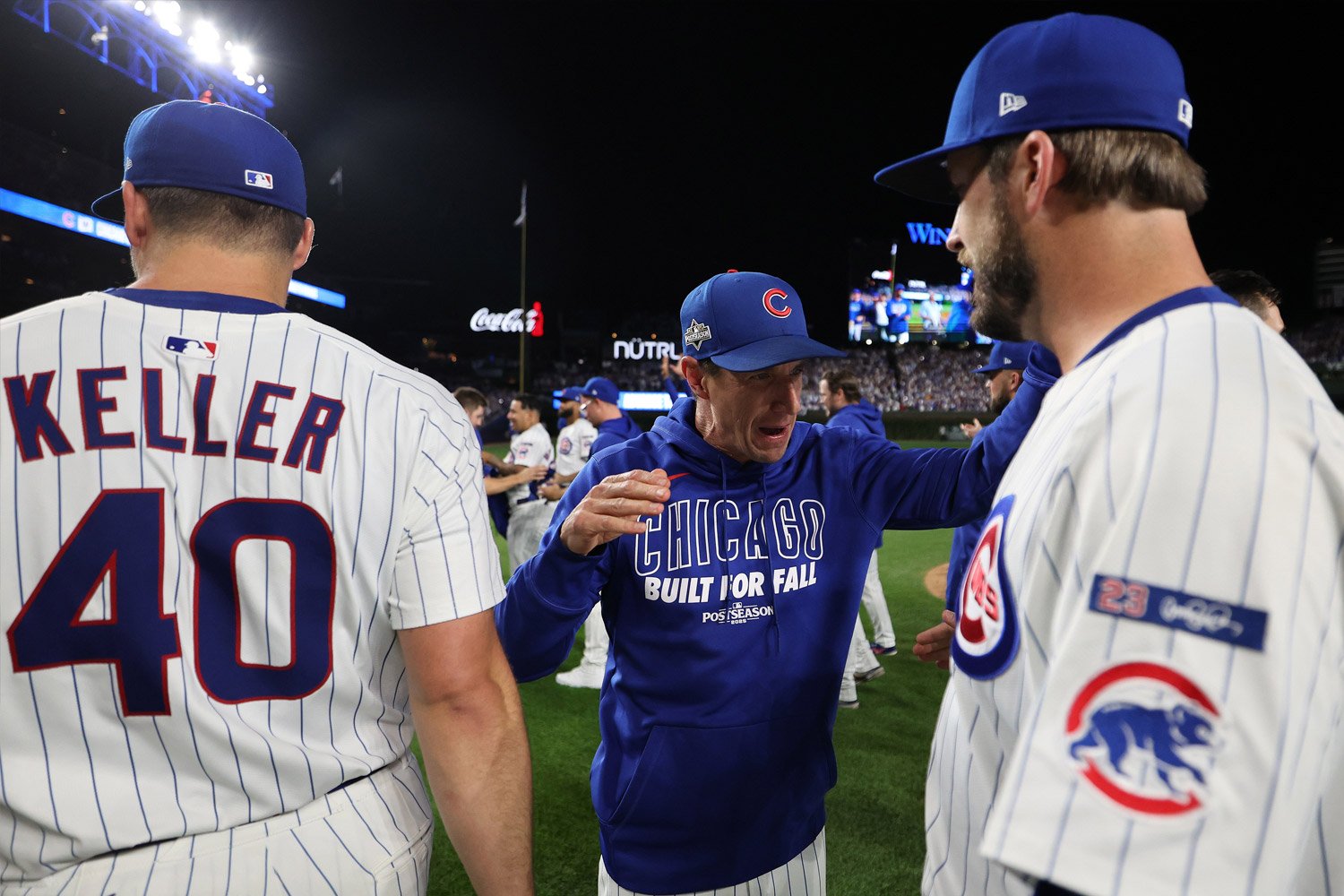 The time for fun and celebration from the Chicago Cubs' Wild Card Series win over the San Diego Padres has come and gone. It is now time to look ahead to Saturday and Chicago's opening game of the NLDS against the Milwaukee Brewers. A stellar pitching effort from the Cubs in the Wild Card Series has, unfortunately, left manager Craig Counsell a bit short-handed on Saturday's starting pitcher. ESPN's Jesse Rogers just recently reported that Counsell has not yet announced a starter and will wait until all starters throw on Friday before making a decision. Among those under consideration is left-hander Matthew Boyd. Boyd started Game 1 against the Padres on Tuesday, meaning he would be one day short of his typical five-day rest. With Boyd having the second-most innings pitched of his career this season, it's unlikely he'd be brought back on just three days' rest. If not Boyd, that leaves a door open for none other than Javier Assad to get the starting nod. Assad was not on the roster for the first round, so he would need to be added to the NLDS roster for that to become reality. Assad pitched on the last day of the regular season, meaning he would be back on an extra sixth day of rest, regardless of how fans feel about Assad's tendency to find himself in trouble, announcing him as the starter may be the smartest move from a health perspective. Let's assume that it is Assad starting Game 1. What does that do for the remainder of the season? The most likely scenario would be Boyd getting Game 2 on Monday and Shota Imanaga getting Game 3 back home at Wrigley Field on Wednesday. Assuming neither side sweeps the series, Counsell should have a plethora of options for the potential Games 4 and 5. Jameson Taillon would likely be available for Game 4 on Thursday, and if the series goes to the fifth game, then what? An opener in one of the games is also a possibility. We saw it with Andrew Kittredge against San Diego, so it is evident that Counsell likes the idea of having that in his back pocket if needed. Unlike the Padres, though, the Brewers don't have terrifying right-hand sluggers at the top of the lineup. It may be best to save Kittredge for the high-leverage situations he's pitched in since coming over to Chicago at the trade deadline. It will undoubtedly be interesting to see how Counsell mixes and matches the starting rotation and bullpen during the Brewers series. The bullpen (counting Imanaga) threw 17 2/3 of 27 innings in the first round, meaning Counsell could want his starters going deeper into games against Milwaukee. It is, however, the postseason, and Counsell should not hesitate to make any moves he feels necessary to give his club the best shot to win a game and continue what has the makings of a magical October run.
 -
Image courtesy of © David Banks-Imagn Images A nail-biting NL Wild Card Round saw the Chicago Cubs escape with a 2-1 series victory over the San Diego Padres. Chicago used a combination of timely hitting and stellar pitching (especially from the bullpen) to advance through the first stage of the postseason and set up a divisional showdown against the Milwaukee Brewers in the NLDS. Chicago's roster in the first round of the playoffs did not have many surprises, but there are a couple of additions that may be coming to the next round's roster given the strengths of the Brewers (and the fact that this is a best-of-five series). Here's our best guess at the Cubs NLDS roster. Pitchers (12) Shota Imanaga Matthew Boyd Colin Rea Jameson Taillon Javier Assad Andrew Kittredge Brad Keller Daniel Palencia Michael Soroka Caleb Thielbar Drew Pomeranz Taylor Rogers Just one change here to the pitching staff, as we replace Aaron Civale with Assad. Assad throwing on the Sunday before the Wild Card series began made it an easy decision for Craig Counsell to take a fresh arm like Civale instead. Assad will be fully rested and may even be in line to start Game 1 against Milwaukee on Saturday, depending on if Matthew Boyd is ready/willing to take the ball on short rest. Catchers (2) Carson Kelly Reese McGuire No changes here to the catching unit, as we still do not have an update on Miguel Amaya. If by some chance Amaya is healthy, do not be surprised to see him crack the roster over McGuire, though Kelly will grab just about every start regardless, thanks to the built-in days off during the postseason. Infielders (5) Michael Busch Nico Hoerner Dansby Swanson Matt Shaw Justin Turner Outfielders (4) Ian Happ Pete Crow-Armstrong Seiya Suzuki Kevin Alcantara Designated Hitter (2) Kyle Tucker Moises Ballesteros Utility (2) Willi Castro Justin Turner As far as we can tell, these will be the 26 men repping the road blue/grey and home white when the Cubs and Brewers do battle in the NLDS. The one change we did make was swapping out Civale for Assad, but there are a couple of other changes that could potentially be made if the front office wants to. Replacing Alcantara with Billy Hamilton would be the first option. Hamilton was signed on Aug. 31, making him eligible for the postseason roster. You have to figure that was for a reason, and the option to put him on the roster over Alcantara is certainly there to make, especially since his glove and speed would make him a valuable addition to Counsell's bench. The trade-off, of course, is that he's a complete zero at the plate. This could come down to whether or not Tucker is healthy enough to play right field again. Another potential change made would be surrounding the status of the previously mentioned Amaya. How healthy is he and what can he produce? If he is healthy, should the Cubs carry three catchers and remove someone entirely, or should it just be a straight up McGuire for Amaya swap? Even if he is healthy, though, should he replace McGuire's hot lefty bat (112 wRC+ in September)? We should know the status of Amaya in the coming hours and that will determine his place on the NLDS roster. Chicago could very well just stick with the same 26-man roster that it used against San Diego, but that feels a bit unlikely, especially since Counsell won't be able to manage his bullpen quite so effectively in a longer series. Minuscule changes are more than likely at this point, and they are probably in the best interest of the team. Whatever the decisions may be, the series between the Cubs and Brewers is shaping up to be one of the more highly anticipated playoff series in recent memory. View full article
-
Projecting Chicago Cubs' Roster for NLDS Clash Versus Brewers
Andrew Wright posted an article in Cubs
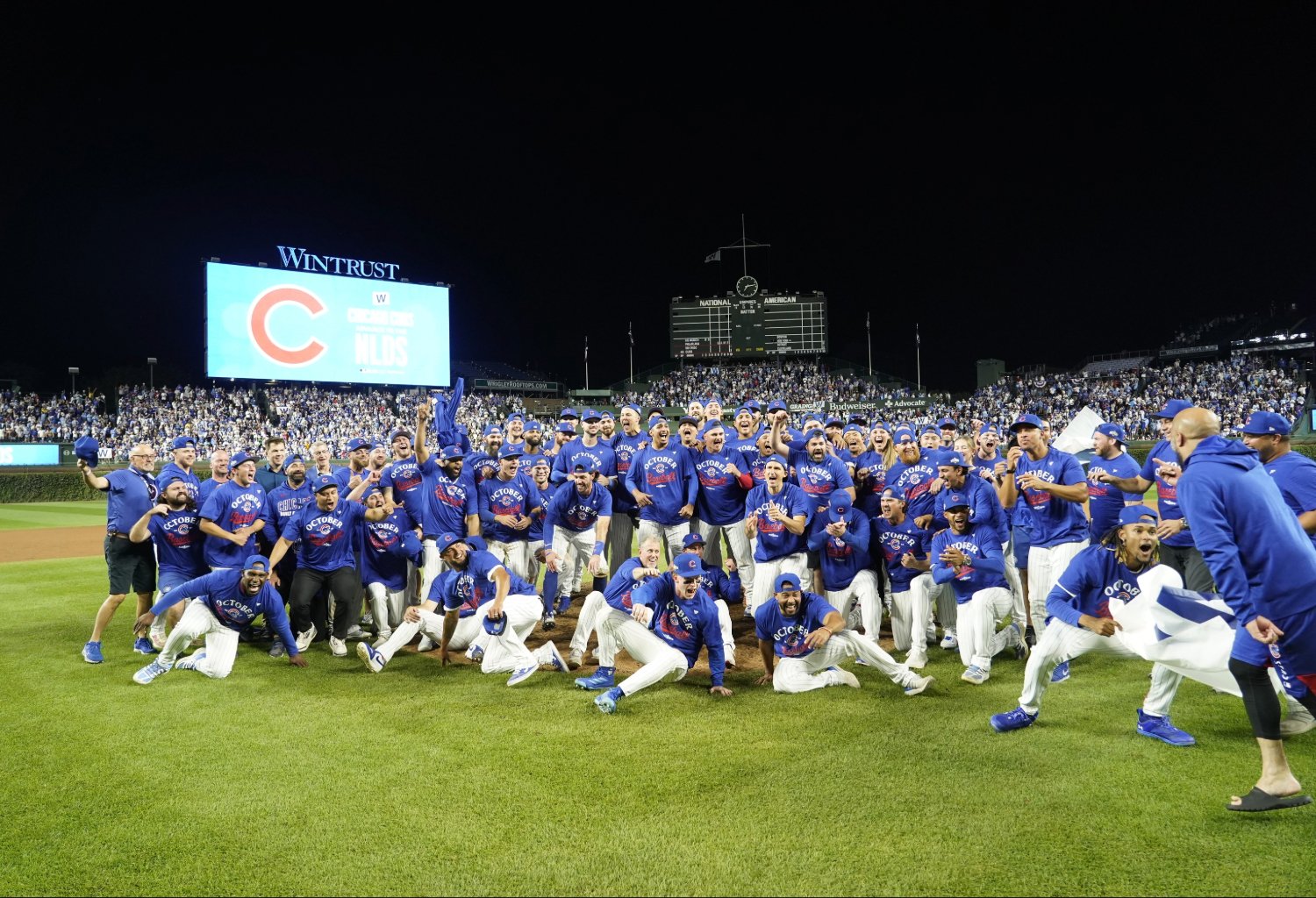 A nail-biting NL Wild Card Round saw the Chicago Cubs escape with a 2-1 series victory over the San Diego Padres. Chicago used a combination of timely hitting and stellar pitching (especially from the bullpen) to advance through the first stage of the postseason and set up a divisional showdown against the Milwaukee Brewers in the NLDS. Chicago's roster in the first round of the playoffs did not have many surprises, but there are a couple of additions that may be coming to the next round's roster given the strengths of the Brewers (and the fact that this is a best-of-five series). Here's our best guess at the Cubs NLDS roster. Pitchers (12) Shota Imanaga Matthew Boyd Colin Rea Jameson Taillon Javier Assad Andrew Kittredge Brad Keller Daniel Palencia Michael Soroka Caleb Thielbar Drew Pomeranz Taylor Rogers Just one change here to the pitching staff, as we replace Aaron Civale with Assad. Assad throwing on the Sunday before the Wild Card series began made it an easy decision for Craig Counsell to take a fresh arm like Civale instead. Assad will be fully rested and may even be in line to start Game 1 against Milwaukee on Saturday, depending on if Matthew Boyd is ready/willing to take the ball on short rest. Catchers (2) Carson Kelly Reese McGuire No changes here to the catching unit, as we still do not have an update on Miguel Amaya. If by some chance Amaya is healthy, do not be surprised to see him crack the roster over McGuire, though Kelly will grab just about every start regardless, thanks to the built-in days off during the postseason. Infielders (5) Michael Busch Nico Hoerner Dansby Swanson Matt Shaw Justin Turner Outfielders (4) Ian Happ Pete Crow-Armstrong Seiya Suzuki Kevin Alcantara Designated Hitter (2) Kyle Tucker Moises Ballesteros Utility (2) Willi Castro Justin Turner As far as we can tell, these will be the 26 men repping the road blue/grey and home white when the Cubs and Brewers do battle in the NLDS. The one change we did make was swapping out Civale for Assad, but there are a couple of other changes that could potentially be made if the front office wants to. Replacing Alcantara with Billy Hamilton would be the first option. Hamilton was signed on Aug. 31, making him eligible for the postseason roster. You have to figure that was for a reason, and the option to put him on the roster over Alcantara is certainly there to make, especially since his glove and speed would make him a valuable addition to Counsell's bench. The trade-off, of course, is that he's a complete zero at the plate. This could come down to whether or not Tucker is healthy enough to play right field again. Another potential change made would be surrounding the status of the previously mentioned Amaya. How healthy is he and what can he produce? If he is healthy, should the Cubs carry three catchers and remove someone entirely, or should it just be a straight up McGuire for Amaya swap? Even if he is healthy, though, should he replace McGuire's hot lefty bat (112 wRC+ in September)? We should know the status of Amaya in the coming hours and that will determine his place on the NLDS roster. Chicago could very well just stick with the same 26-man roster that it used against San Diego, but that feels a bit unlikely, especially since Counsell won't be able to manage his bullpen quite so effectively in a longer series. Minuscule changes are more than likely at this point, and they are probably in the best interest of the team. Whatever the decisions may be, the series between the Cubs and Brewers is shaping up to be one of the more highly anticipated playoff series in recent memory.
 -
Platoon Power: Breaking Down the Cubs’ Three First Basemen Playoff Strategy
Andrew Wright posted an article in Cubs
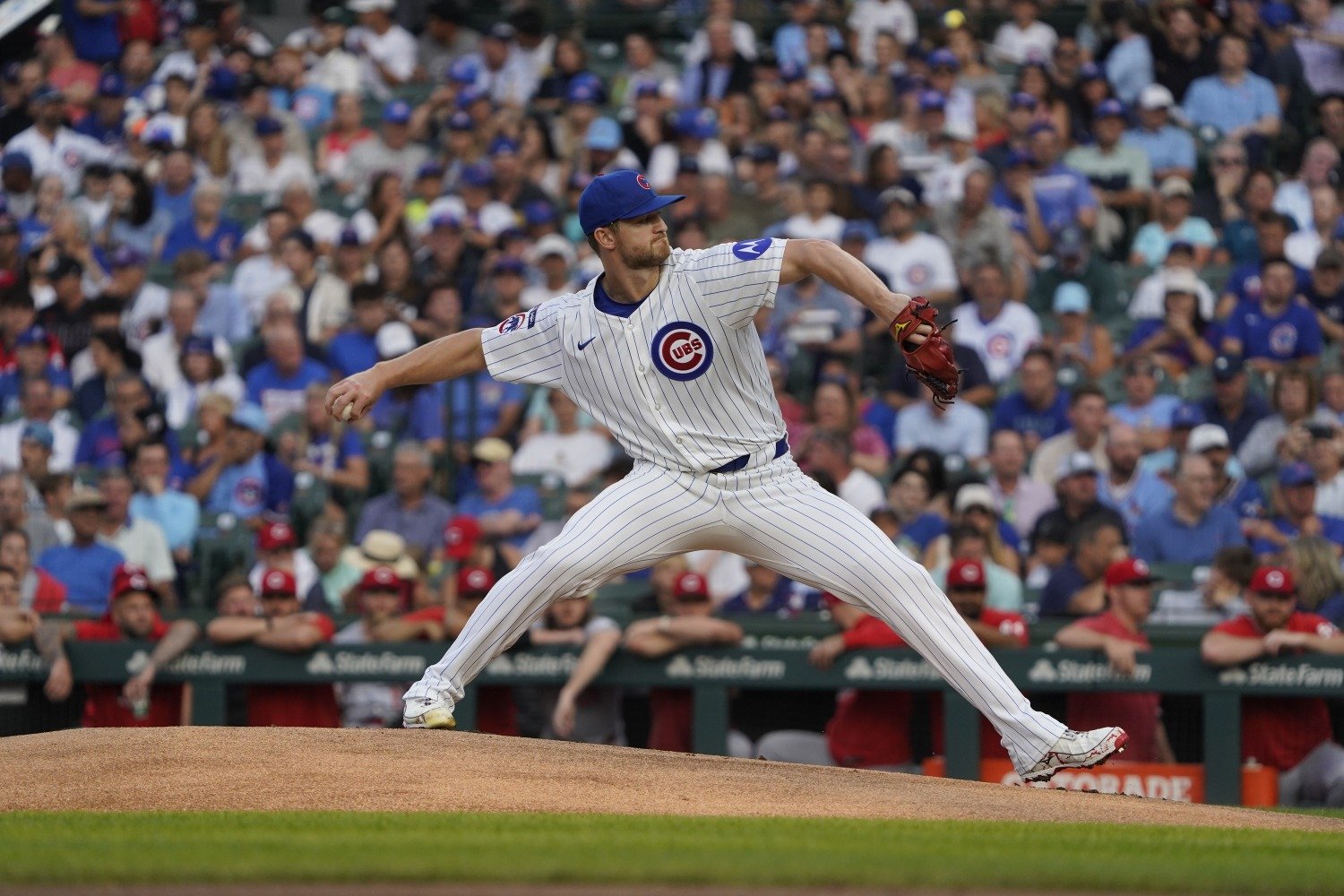
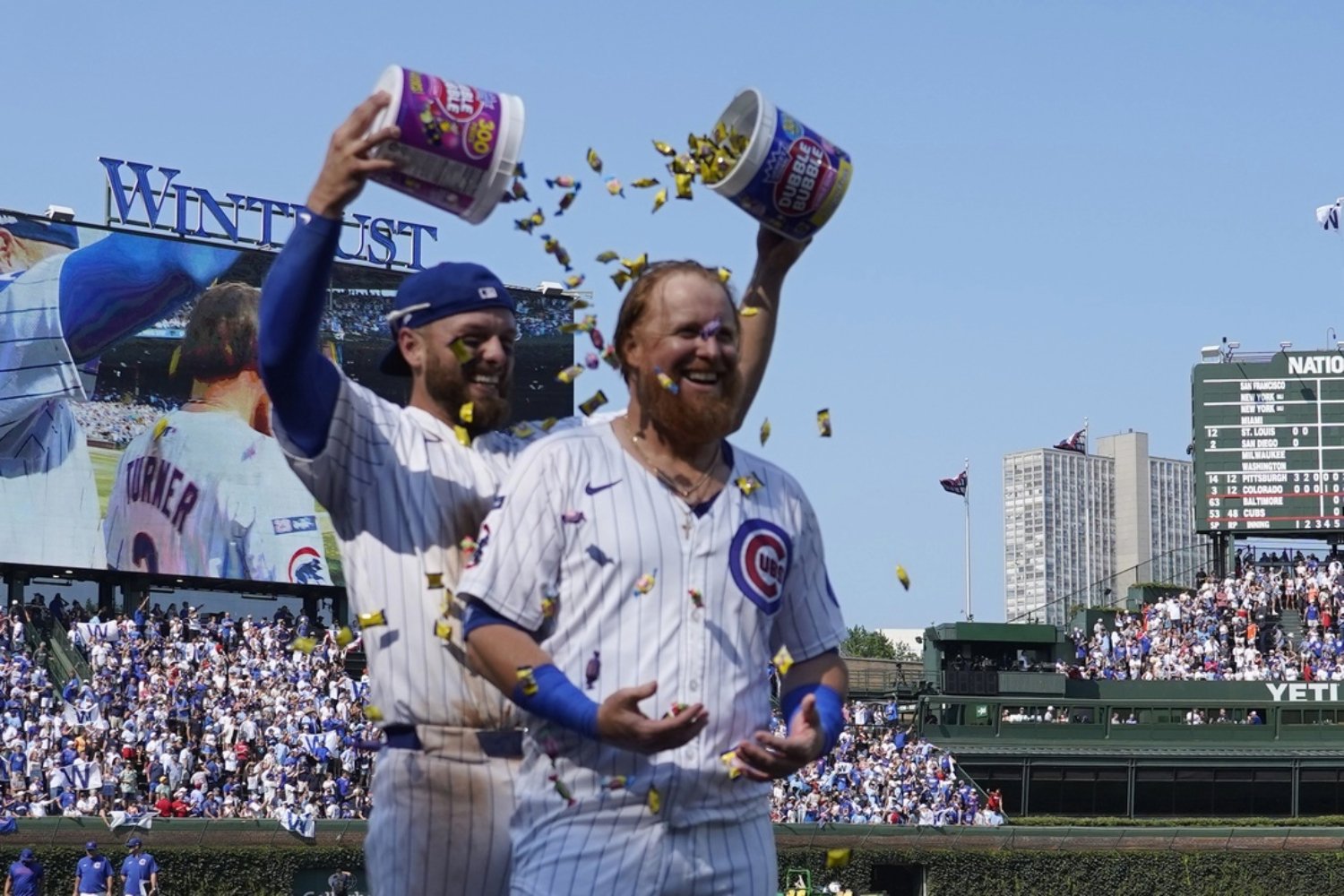 For the first time in five seasons, postseason baseball will include the Chicago Cubs, with the Wild Card Round making its way to Wrigley Field. Chicago is set to welcome in the San Diego Padres in one of two NL Wild Card series, with the winner set to match up with the top-seeded Milwaukee Brewers in the NLDS. Playoff baseball being just a day away means it's time to start diving into the analytics and becoming curious about rosters and how in-game situations will play out. One of those situations will be how manager Craig Counsell gets through a game with his first basemen. While it may seem as simple as letting Michael Busch, the team leader in home runs, take every rep, Counsell has shown us this season that Occam's Razor doesn't always apply to his lineup constructions. Veteran corner infielder Justin Turner was brought in to hit left-handed pitching and play first base, and he's done that somewhat respectably. Against southpaws this year, Turner is slashing .276/.330/.429 with three home runs and a .759 OPS. Those numbers could look even better if you take away his horrific month of April, when he hit just .171 in 41 total at-bats. His postseason experience alone would probably have earned his way into a few starts, but Turner should be a fixture against lefties thanks to his success this season. So, with that said, the likely scenario would see Busch starting against right-handed pitching with Turner later entering the game to pinch hit against a left-hander. Hypothetically, et's say that happens in the sixth inning of the game; Turner's spot will come up again in the lineup, and it could be against a right-hander such as Jeremiah Estrada or Mason Miller. Who should be expected to take that at-bat? Look no further than rookie Moises Ballesteros. One of Chicago's top prospects has collected 57 MLB at-bats this season, and he's looked quite phenomenal doing so. In the limited sample size, Ballesteros is slashing .298/.394/.474, along with a .868 OPS and the first two home runs of his MLB career. He has just 12 strikeouts compared to nine walks, a showcase of his elite plate vision at such a young age. Up until Saturday, Ballesteros had been strictly a DH for the Cubs. That's now changed, though, as he played an inning at first base both Saturday and Sunday. That would almost certainly indicate that Counsell and the front office envisions a world where Ballesteros would need to play an inning or two at first base in the later stages of games after pinch-hitting for Turner. It would likely be a tough ask, but it may certainly need to be what happens, especially if offense is at a premium against the Padres' otherworldly bullpen. Everything we've discussed could be rendered moot Counsell decides to stick with Busch against all pitchers and forget about the platoon and the matchup. Given that he just hit .244/.337/.634 (160 wRC+), that could certainly be the case. If not, though, it would seem that Ballesteros's recent appearances at first base have shown Counsell's hand, giving the Cubs an odd-looking but nonetheless effective Cerberus at first base.
 -
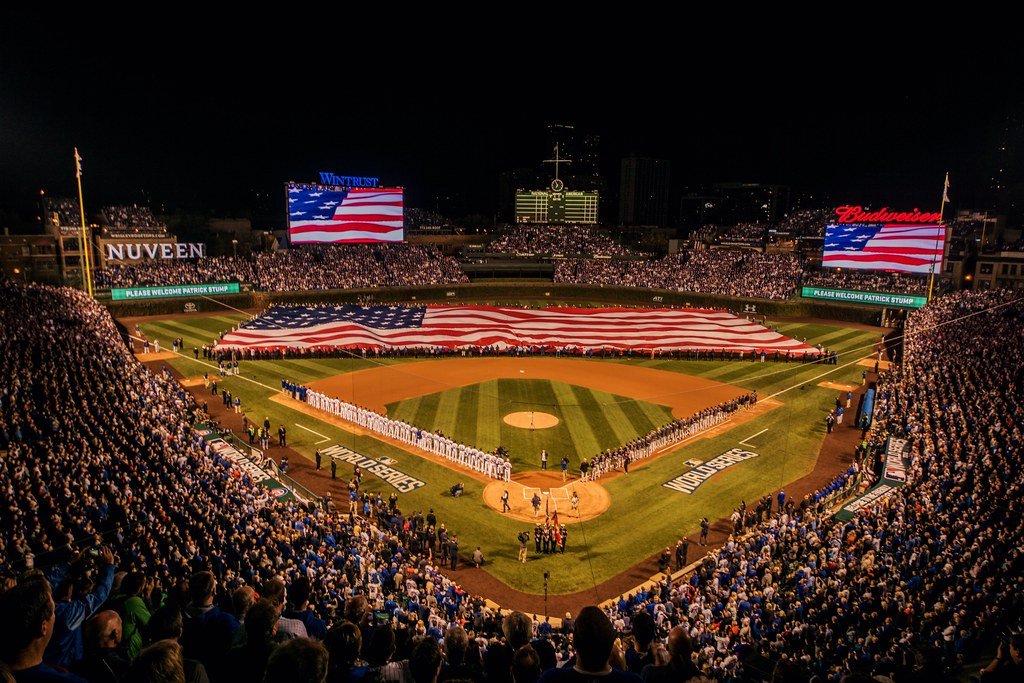
Image courtesy of © David Banks-Imagn Images For the first time in five seasons, postseason baseball will include the Chicago Cubs, with the Wild Card Round making its way to Wrigley Field. Chicago is set to welcome in the San Diego Padres in one of two NL Wild Card series, with the winner set to match up with the top-seeded Milwaukee Brewers in the NLDS. Playoff baseball being just a day away means it's time to start diving into the analytics and becoming curious about rosters and how in-game situations will play out. One of those situations will be how manager Craig Counsell gets through a game with his first basemen. While it may seem as simple as letting Michael Busch, the team leader in home runs, take every rep, Counsell has shown us this season that Occam's Razor doesn't always apply to his lineup constructions. Veteran corner infielder Justin Turner was brought in to hit left-handed pitching and play first base, and he's done that somewhat respectably. Against southpaws this year, Turner is slashing .276/.330/.429 with three home runs and a .759 OPS. Those numbers could look even better if you take away his horrific month of April, when he hit just .171 in 41 total at-bats. His postseason experience alone would probably have earned his way into a few starts, but Turner should be a fixture against lefties thanks to his success this season. So, with that said, the likely scenario would see Busch starting against right-handed pitching with Turner later entering the game to pinch hit against a left-hander. Hypothetically, et's say that happens in the sixth inning of the game; Turner's spot will come up again in the lineup, and it could be against a right-hander such as Jeremiah Estrada or Mason Miller. Who should be expected to take that at-bat? Look no further than rookie Moises Ballesteros. One of Chicago's top prospects has collected 57 MLB at-bats this season, and he's looked quite phenomenal doing so. In the limited sample size, Ballesteros is slashing .298/.394/.474, along with a .868 OPS and the first two home runs of his MLB career. He has just 12 strikeouts compared to nine walks, a showcase of his elite plate vision at such a young age. Up until Saturday, Ballesteros had been strictly a DH for the Cubs. That's now changed, though, as he played an inning at first base both Saturday and Sunday. That would almost certainly indicate that Counsell and the front office envisions a world where Ballesteros would need to play an inning or two at first base in the later stages of games after pinch-hitting for Turner. It would likely be a tough ask, but it may certainly need to be what happens, especially if offense is at a premium against the Padres' otherworldly bullpen. Everything we've discussed could be rendered moot Counsell decides to stick with Busch against all pitchers and forget about the platoon and the matchup. Given that he just hit .244/.337/.634 (160 wRC+), that could certainly be the case. If not, though, it would seem that Ballesteros's recent appearances at first base have shown Counsell's hand, giving the Cubs an odd-looking but nonetheless effective Cerberus at first base. View full article
-
Image courtesy of © David Banks-Imagn Images When they made a move for him at the trade deadline, the Chicago Cubs certainly envisioned Michael Soroka being a borderline playoff starting pitcher. They could not predict that Soroka would be injured two innings into his Cubs tenure, changing his role for the remainder of the season. That role, though, could still be a massive one, so let's dive a little more into what he can provide them. Since his return from the injured list, Soroka has made three appearances as a multi-inning relief arm. He's combined to go 4 2/3 innings, with three hits, four walks and four strikeouts. He was technically responsible for four runs in Tuesday night's painful loss, but they were all unearned—and two of them scored after Soroka departed. The walks are a bit concerning, but that could be due to rust after being away from the mound for over a month. We've known that the plan for Soroka was to go to the bullpen and provide multiple innings of relief. The Cubs, though, already have Aaron Civale and Javier Assad to fill that role. Soroka's role should and may very well be transitioned from long reliever/medium leverage to high-leverage, one-inning reliever during the postseason. The injury to closer Daniel Palencia has left Chicago with few trusted high-leverage relievers down the stretch. Brad Keller and Andrew Kittredge have each been dominant for long periods, but each has had a blowup or two in the last fortnight, too. It's not clear what the best path from the end of the sixth inning to Out No. 27 will be each night, even when the Cubs get a lead. The impending return of Palencia will play a big part in determining the role for Soroka. If he can come back and be dominant like he was in the early parts of the season, Soroka's role could be minimized. He could remain in a medium-leverage role in the bullpen and merely provide multiple innings when needed. If not, though, Soroka could be a viable third right-handed option out of the bullpen, alongside Keller and Kittredge. The final week of the regular season could be important for Soroka. Another outing or two would be ideal, just for him to continue to get work and stay sharp. Ironing out his command issues before the postseason will also be important if he has hopes of being an important piece of the playoff bullpen. Craig Counsell will certainly have talks with his staff surrounding the best ways to use guys like Soroka and Assad in the postseason. Assad should likely remain in his long reliever role, while Soroka should be moved to high leverage if the stuff plays well against the Mets and Cardinals. He has all the makings of a sneaky bullpen piece who helps a team get through games and claim close wins in pivotal games. Soroka has a chance to be a true hero out of the bullpen, in his first postseason appearance since one start with Atlanta in 2019. We may be wrong, but a bold take of sorts would be that a deep postseason run for the Cubs will be headlined by a stellar performance from Soroka out of the bullpen. At any rate, he's put himself back into the mix. View full article
-
 When they made a move for him at the trade deadline, the Chicago Cubs certainly envisioned Michael Soroka being a borderline playoff starting pitcher. They could not predict that Soroka would be injured two innings into his Cubs tenure, changing his role for the remainder of the season. That role, though, could still be a massive one, so let's dive a little more into what he can provide them. Since his return from the injured list, Soroka has made three appearances as a multi-inning relief arm. He's combined to go 4 2/3 innings, with three hits, four walks and four strikeouts. He was technically responsible for four runs in Tuesday night's painful loss, but they were all unearned—and two of them scored after Soroka departed. The walks are a bit concerning, but that could be due to rust after being away from the mound for over a month. We've known that the plan for Soroka was to go to the bullpen and provide multiple innings of relief. The Cubs, though, already have Aaron Civale and Javier Assad to fill that role. Soroka's role should and may very well be transitioned from long reliever/medium leverage to high-leverage, one-inning reliever during the postseason. The injury to closer Daniel Palencia has left Chicago with few trusted high-leverage relievers down the stretch. Brad Keller and Andrew Kittredge have each been dominant for long periods, but each has had a blowup or two in the last fortnight, too. It's not clear what the best path from the end of the sixth inning to Out No. 27 will be each night, even when the Cubs get a lead. The impending return of Palencia will play a big part in determining the role for Soroka. If he can come back and be dominant like he was in the early parts of the season, Soroka's role could be minimized. He could remain in a medium-leverage role in the bullpen and merely provide multiple innings when needed. If not, though, Soroka could be a viable third right-handed option out of the bullpen, alongside Keller and Kittredge. The final week of the regular season could be important for Soroka. Another outing or two would be ideal, just for him to continue to get work and stay sharp. Ironing out his command issues before the postseason will also be important if he has hopes of being an important piece of the playoff bullpen. Craig Counsell will certainly have talks with his staff surrounding the best ways to use guys like Soroka and Assad in the postseason. Assad should likely remain in his long reliever role, while Soroka should be moved to high leverage if the stuff plays well against the Mets and Cardinals. He has all the makings of a sneaky bullpen piece who helps a team get through games and claim close wins in pivotal games. Soroka has a chance to be a true hero out of the bullpen, in his first postseason appearance since one start with Atlanta in 2019. We may be wrong, but a bold take of sorts would be that a deep postseason run for the Cubs will be headlined by a stellar performance from Soroka out of the bullpen. At any rate, he's put himself back into the mix.
 -
Image courtesy of © Charles LeClaire-Imagn Images For the first time in five years (and really, seven, and really, eight), the Chicago Cubs will be playing postseason baseball. They're still fighting for positioning and seeding, but it's likely that they will be locked into the No. 4 seed and host the Wild Card Series at Wrigley Field, against the San Diego Padres. San Diego has a right-handed-heavy starting rotation (Dylan Cease, Nick Pivetta, Michael King, Randy Vásquez), which puts the Cubs on the horns of a dilemma. Seiya Suzuki has been brutal over the last month and a half, and hasn't hit righties well overall this season. Should Moisés Ballesteros steal his place as the designated hitter? Ballesteros has been stellar in his time in the majors this season. He entered Tuesday slashing .261/.370/.457, with two home runs and an .827 OPS. In the absence of Kyle Tucker, his addition to the everyday lineup has been much-needed, and he is showing all the same tools that he showcased during his time in the minor leagues. Tucker's injury has allowed both Ballesteros and Seiya Suzuki to be in the everyday lineup. That will obviously have to change, if Tucker is able to get healthy and return to the lineup in the playoffs. Yes, I know it may sound crazy to discuss the possibility of Suzuki being out of the lineup, but is it actually that crazy? His average hasn't climbed above .260 since July 20, and he has just one homer and 10 RBIs since the trade deadline. We covered the details of his derailment earlier today. The struggles from Suzuki have been going on far too long for it to be considered a fluke. He isn't producing at the level he needs to, and having him in the lineup in the postseason against a righty over someone playing as well as Ballesteros would just feel like the wrong decision from Craig Counsell. There is certainly time left during this final week of the season for Suzuki to catch fire and Ballesteros to go ice-cold. If that happens, then the decision to have Suzuki in the lineup at DH would be an easy one, Again, though, this all depends on the health of Tucker. Tucker's (hoped-for) addition to the postseason lineup will be what puts these wheels truly in motion. If he is not able to play, then it will be both Suzuki and Ballesteros in the lineup against right-handers. Tucker being available, though, would force Counsell to make one of his toughest decisions as a manger. The final week of the regular season may sort things out, but if not, Ballesteros should be in every starting lineup against right-handers for as long as the postseason lasts for the Cubs. View full article
-
Making the Case for Moises Ballesteros to Start Postseason Games
Andrew Wright posted an article in Cubs
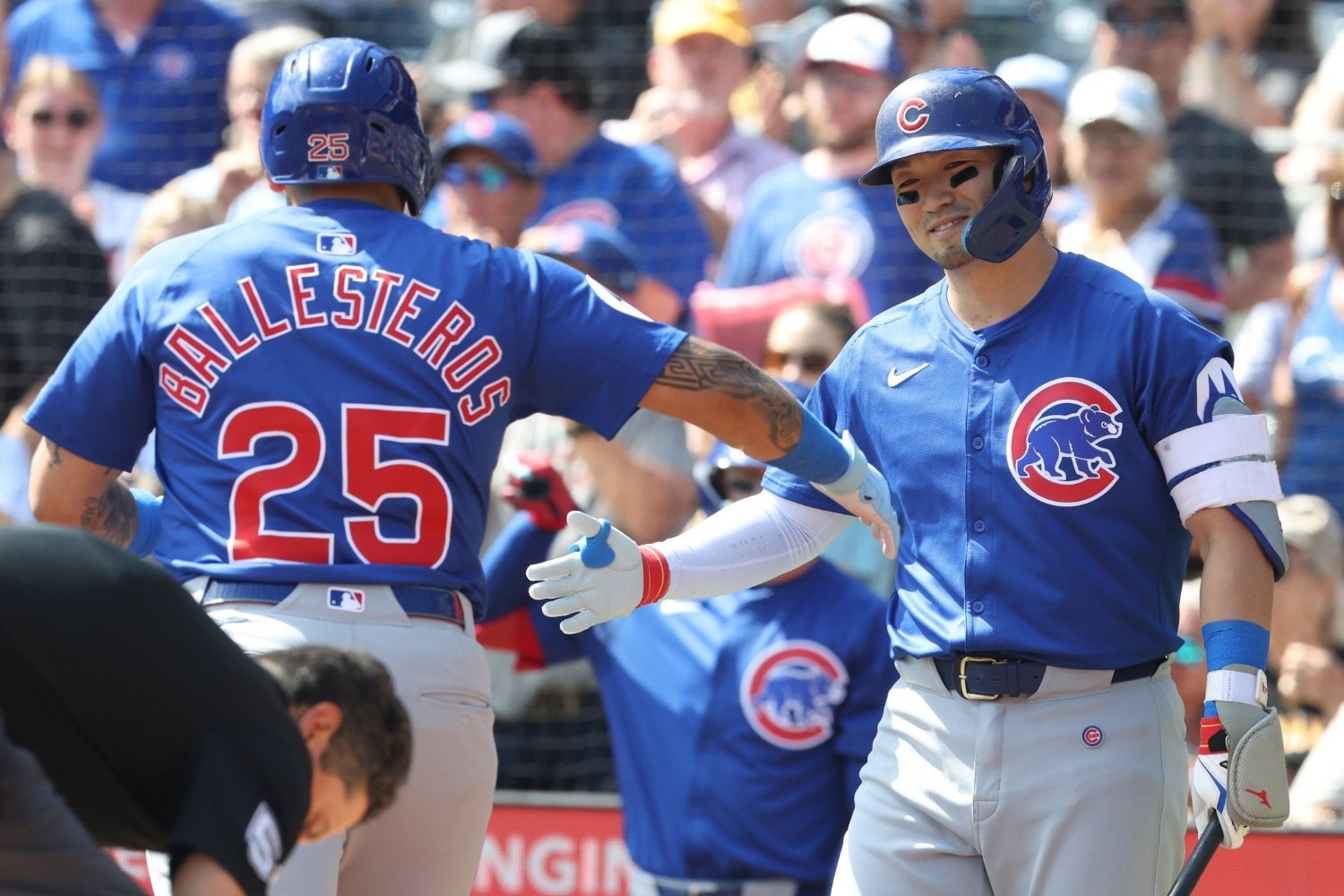 For the first time in five years (and really, seven, and really, eight), the Chicago Cubs will be playing postseason baseball. They're still fighting for positioning and seeding, but it's likely that they will be locked into the No. 4 seed and host the Wild Card Series at Wrigley Field, against the San Diego Padres. San Diego has a right-handed-heavy starting rotation (Dylan Cease, Nick Pivetta, Michael King, Randy Vásquez), which puts the Cubs on the horns of a dilemma. Seiya Suzuki has been brutal over the last month and a half, and hasn't hit righties well overall this season. Should Moisés Ballesteros steal his place as the designated hitter? Ballesteros has been stellar in his time in the majors this season. He entered Tuesday slashing .261/.370/.457, with two home runs and an .827 OPS. In the absence of Kyle Tucker, his addition to the everyday lineup has been much-needed, and he is showing all the same tools that he showcased during his time in the minor leagues. Tucker's injury has allowed both Ballesteros and Seiya Suzuki to be in the everyday lineup. That will obviously have to change, if Tucker is able to get healthy and return to the lineup in the playoffs. Yes, I know it may sound crazy to discuss the possibility of Suzuki being out of the lineup, but is it actually that crazy? His average hasn't climbed above .260 since July 20, and he has just one homer and 10 RBIs since the trade deadline. We covered the details of his derailment earlier today. The struggles from Suzuki have been going on far too long for it to be considered a fluke. He isn't producing at the level he needs to, and having him in the lineup in the postseason against a righty over someone playing as well as Ballesteros would just feel like the wrong decision from Craig Counsell. There is certainly time left during this final week of the season for Suzuki to catch fire and Ballesteros to go ice-cold. If that happens, then the decision to have Suzuki in the lineup at DH would be an easy one, Again, though, this all depends on the health of Tucker. Tucker's (hoped-for) addition to the postseason lineup will be what puts these wheels truly in motion. If he is not able to play, then it will be both Suzuki and Ballesteros in the lineup against right-handers. Tucker being available, though, would force Counsell to make one of his toughest decisions as a manger. The final week of the regular season may sort things out, but if not, Ballesteros should be in every starting lineup against right-handers for as long as the postseason lasts for the Cubs.
 -
Image courtesy of © Matt Marton-Imagn Images In the blink of an eye, the MLB regular season is down to just two weeks remaining before playoff baseball is upon us. It feels like it was just yesterday that the Cubs were battling it out with the Dodgers in Tokyo to kick off the season. We've come a long way since March, and that means October is rapidly approaching. Let's dive into exactly where the Cubs stand, with the regular season winding down. Entering Monday, Chicago still trails the Milwaukee Brewers by 5 1/2 games for the NL Central lead. With every day, a division title feels less likely, so the main focus has shifted toward securing the top NL Wild Card spot. That lead over the San Diego Padres currently sits at 3 1/2 games, with just 13 games remaining for the Cubs and 12 remaining for the Padres. Chicago's magic number to clinch at least a spot in the postseason is down to four, but the magic number to clinch home-field in the Wild Card series is 10. That home-field will be of huge importance for a series against a team like San Diego, who thrives in the warm weather and in front of its raucous home crowds. This week will be extremely important for the Cubs, as they have seven games against divisional opponents. A bad week would open the door for the Padres to creep within true striking distance. If they were to finish tied atop the Wild Card standings, San Diego would likely get the top spot, due to the intradivisional tiebreaker rule. A 5-2 or even 6-1 week against the Pirates and Reds, however, would both keep San Diego in the rearview and give the Cubs a more impressive record within their division. On the injury front, Chicago is set to have Michael Soroka back at some point in the early part of the week, and there's some hope that Kyle Tucker will rejoin the lineup during the weekend series in Cincinnati. One other injury of importance is to closer Daniel Palencia. It looked like Palencia may need to miss extended time, but he actually may be returning sooner than expected. The team indicated he could throw off a mound again as soon as early this week. Tucker is obviously the biggest potential boost to the roster, but the possible contributions from Soroka and Palencia can't be overstated. Soroka surely won't be tasked with a postseason start over Jameson Taillon or Colin Rea, but he could provide needed length and matchup value out of the pen. Palencia will likely be inserted back into a high-leverage role in relief, despite his recent struggles—if this quick comeback materializes. There is still a bit of stuff that will be sorted out this week, but the blueprint is clear. Win four games, dominate your divisional opponents and make sure everyone is as close to 100% as they can be. A good finish down the stretch will be important for momentum headed into the playoffs. Two good weeks will have the Cubs in the postseason for the first time since 2020, and playing a real series in a standard postseason setup for the first time since 2017. View full article
-
With Two Weeks Left, Cubs' Magic Numbers Are 10, 4, Good Buddy
Andrew Wright posted an article in Cubs
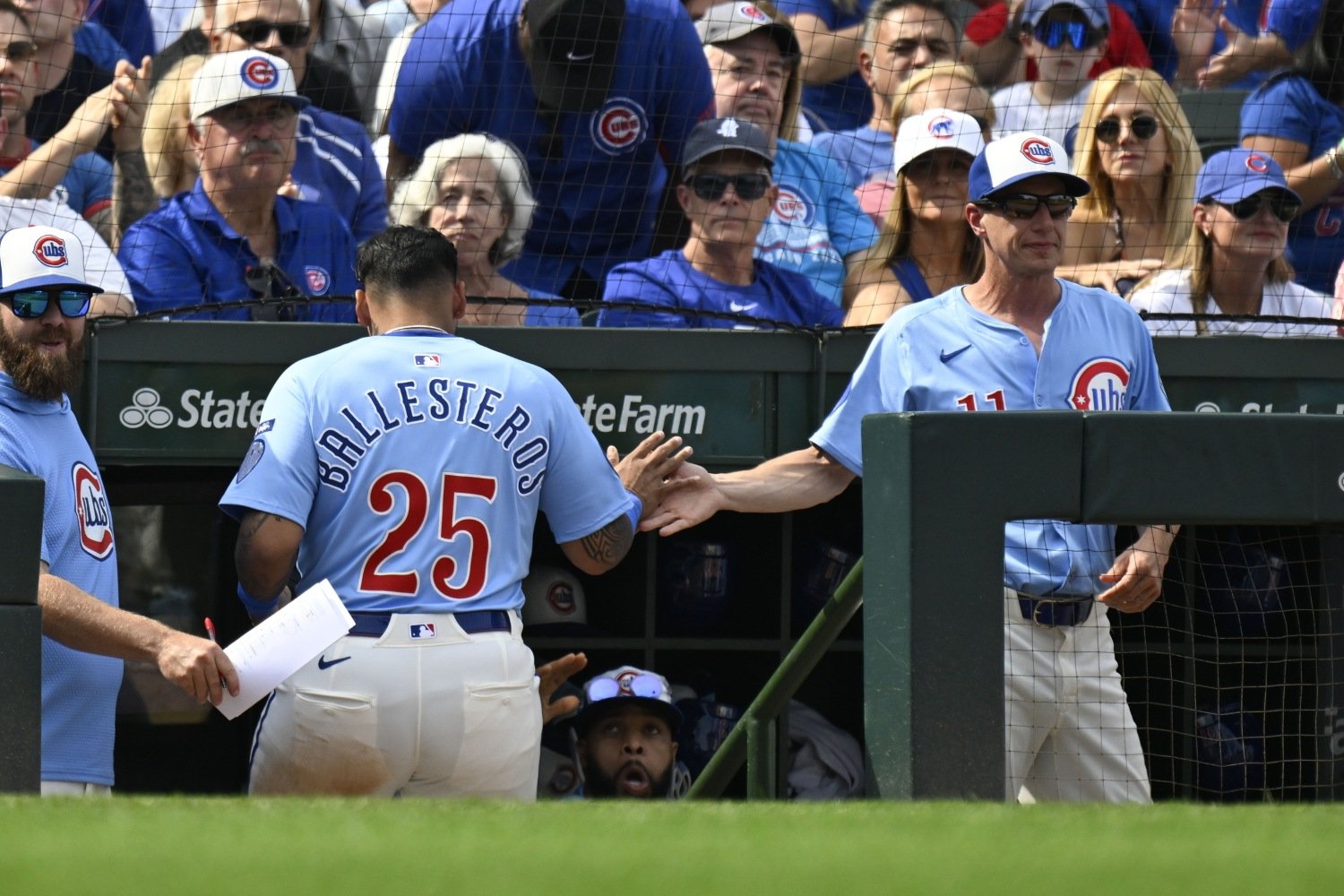 In the blink of an eye, the MLB regular season is down to just two weeks remaining before playoff baseball is upon us. It feels like it was just yesterday that the Cubs were battling it out with the Dodgers in Tokyo to kick off the season. We've come a long way since March, and that means October is rapidly approaching. Let's dive into exactly where the Cubs stand, with the regular season winding down. Entering Monday, Chicago still trails the Milwaukee Brewers by 5 1/2 games for the NL Central lead. With every day, a division title feels less likely, so the main focus has shifted toward securing the top NL Wild Card spot. That lead over the San Diego Padres currently sits at 3 1/2 games, with just 13 games remaining for the Cubs and 12 remaining for the Padres. Chicago's magic number to clinch at least a spot in the postseason is down to four, but the magic number to clinch home-field in the Wild Card series is 10. That home-field will be of huge importance for a series against a team like San Diego, who thrives in the warm weather and in front of its raucous home crowds. This week will be extremely important for the Cubs, as they have seven games against divisional opponents. A bad week would open the door for the Padres to creep within true striking distance. If they were to finish tied atop the Wild Card standings, San Diego would likely get the top spot, due to the intradivisional tiebreaker rule. A 5-2 or even 6-1 week against the Pirates and Reds, however, would both keep San Diego in the rearview and give the Cubs a more impressive record within their division. On the injury front, Chicago is set to have Michael Soroka back at some point in the early part of the week, and there's some hope that Kyle Tucker will rejoin the lineup during the weekend series in Cincinnati. One other injury of importance is to closer Daniel Palencia. It looked like Palencia may need to miss extended time, but he actually may be returning sooner than expected. The team indicated he could throw off a mound again as soon as early this week. Tucker is obviously the biggest potential boost to the roster, but the possible contributions from Soroka and Palencia can't be overstated. Soroka surely won't be tasked with a postseason start over Jameson Taillon or Colin Rea, but he could provide needed length and matchup value out of the pen. Palencia will likely be inserted back into a high-leverage role in relief, despite his recent struggles—if this quick comeback materializes. There is still a bit of stuff that will be sorted out this week, but the blueprint is clear. Win four games, dominate your divisional opponents and make sure everyone is as close to 100% as they can be. A good finish down the stretch will be important for momentum headed into the playoffs. Two good weeks will have the Cubs in the postseason for the first time since 2020, and playing a real series in a standard postseason setup for the first time since 2017.
-
- 1
-

-
- michael soroka
- daniel palencia
- (and 1 more)
-
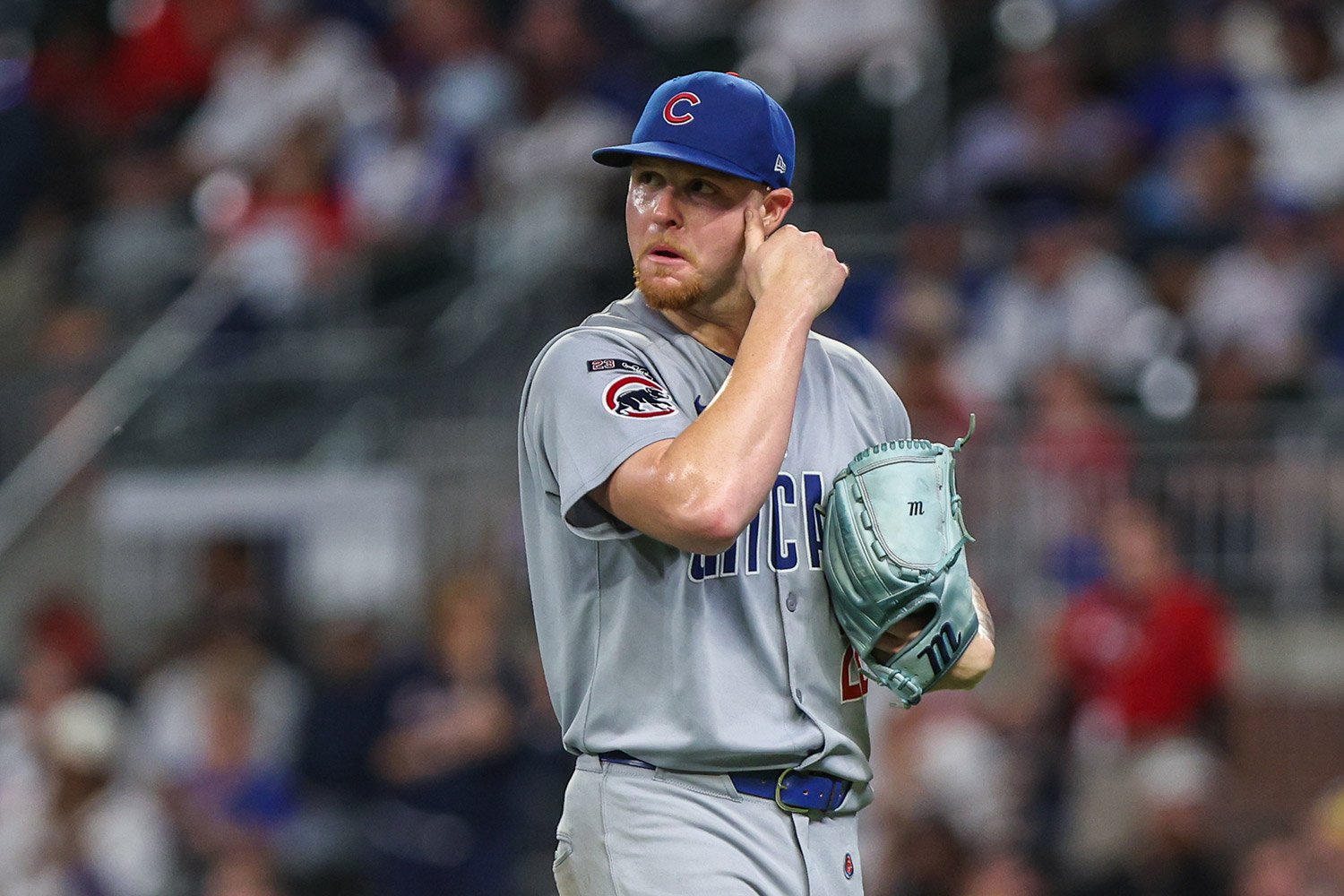 Speaking with my dad prior to Tuesday's game, I told him how I felt like it was time for Cade Horton to run into a bad start. The somberness around the state of the Cubs was eventually going to carry over, and Horton was about due for a rough outing, right? Glad I was wrong about that, thanks, Cade, you're the man. Horton took the mound Tuesday night against the Atlanta Braves and continued his dominant second half. He was able to get through 6 1/3 innings, allowing just four hits and one run against a scorching-hot Braves offense. Another good sign for Horton, he threw 87 pitches, his most in a start since throwing 94 against the Twins in July. Offensively for the Cubs, it was Pete Crow-Armstrong back to having productive at-bats and swiping a bag nearly every time he reached. Nights like Tuesday, when Horton and PCA are at the forefront of a Cubs win, make me and plenty of other fans ecstatic for the future. Here are the standout players and key plays from Tuesday's 6-1 win. Top of the Eighth, Dansby Swanson vs. Alexis Diaz, +10.9% Win Expectancy Many of you probably rolled your eyes when Swanson stepped up to the plate in a 2-1 game with the bases loaded and a chance to blow the game open. His season-long struggles with men in scoring position are well documented, and to take measures a step further, Swanson was 0-for-3 with three strikeouts headed into said plate appearance. It wasn't a hit that Swanson got, but a bases-loaded walk that gave the Cubs a much-needed insurance run and set the stage for Matt Shaw. Top of the Eighth, Matt Shaw vs. Connor Seabold, +10.4% Win Expectancy Since the All-Star break, Shaw is the one hitter most folks want up when the Cubs need a big hit. Shaw proved why that is when he roped a two-run single into centerfield, scoring Nico Hoerner and Willi Castro. Swanson was also able to score on the play after a throwing error from centerfielder Michael Harris. The big swing from Shaw gave Chicago plenty of breathing room over the final two innings. Bottom of the Fifth, Nacho Alvarez Jr. vs. Cade Horton, +9.8% Win Expectancy Horton found himself in a jam in the bottom of the fifth when Atlanta put men on the corners with just one out. Alvarez helped out in a major way with a check-swing pop-up on the infield that was caught by Dansby Swanson for the second out. Jurickson Profar was the next batter, and he flew out to left field, allowing Horton to escape the jam he'd gotten himself into. A hit from Alvarez would've tied the game and completely flipped the momentum, so it was an excellent job by Horton to escape that inning. Top Performers Cade Horton, +27% WPA, 6 1/3 IP, 1 ER, 2 K Andrew Kittredge, +11.3% WPA, 2/3 IP, 0 ER, 1 K Pete Crow-Armstrong, +10.4% WPA, 1-1, SF, HBP, BB, 2 SB, 2 RBI Bullpen Usage FRI SAT SUN MON TUE TOT Hodge 15 0 9 0 0 24 Pomeranz 0 11 8 0 0 19 Brown 0 0 0 0 15 15 Palencia 0 13 18 0 0 31 Rogers 11 0 0 0 0 11 Thielbar 13 0 7 0 13 33 Keller 0 0 11 0 0 11 Kittredge 9 0 0 0 10 19 Civale 0 0 0 45 0 45
 -
Image courtesy of © Jordan Godfree-Imagn Images Speaking with my dad prior to Tuesday's game, I told him how I felt like it was time for Cade Horton to run into a bad start. The somberness around the state of the Cubs was eventually going to carry over, and Horton was about due for a rough outing, right? Glad I was wrong about that, thanks, Cade, you're the man. Horton took the mound Tuesday night against the Atlanta Braves and continued his dominant second half. He was able to get through 6 1/3 innings, allowing just four hits and one run against a scorching-hot Braves offense. Another good sign for Horton, he threw 87 pitches, his most in a start since throwing 94 against the Twins in July. Offensively for the Cubs, it was Pete Crow-Armstrong back to having productive at-bats and swiping a bag nearly every time he reached. Nights like Tuesday, when Horton and PCA are at the forefront of a Cubs win, make me and plenty of other fans ecstatic for the future. Here are the standout players and key plays from Tuesday's 6-1 win. Top of the Eighth, Dansby Swanson vs. Alexis Diaz, +10.9% Win Expectancy Many of you probably rolled your eyes when Swanson stepped up to the plate in a 2-1 game with the bases loaded and a chance to blow the game open. His season-long struggles with men in scoring position are well documented, and to take measures a step further, Swanson was 0-for-3 with three strikeouts headed into said plate appearance. It wasn't a hit that Swanson got, but a bases-loaded walk that gave the Cubs a much-needed insurance run and set the stage for Matt Shaw. Top of the Eighth, Matt Shaw vs. Connor Seabold, +10.4% Win Expectancy Since the All-Star break, Shaw is the one hitter most folks want up when the Cubs need a big hit. Shaw proved why that is when he roped a two-run single into centerfield, scoring Nico Hoerner and Willi Castro. Swanson was also able to score on the play after a throwing error from centerfielder Michael Harris. The big swing from Shaw gave Chicago plenty of breathing room over the final two innings. Bottom of the Fifth, Nacho Alvarez Jr. vs. Cade Horton, +9.8% Win Expectancy Horton found himself in a jam in the bottom of the fifth when Atlanta put men on the corners with just one out. Alvarez helped out in a major way with a check-swing pop-up on the infield that was caught by Dansby Swanson for the second out. Jurickson Profar was the next batter, and he flew out to left field, allowing Horton to escape the jam he'd gotten himself into. A hit from Alvarez would've tied the game and completely flipped the momentum, so it was an excellent job by Horton to escape that inning. Top Performers Cade Horton, +27% WPA, 6 1/3 IP, 1 ER, 2 K Andrew Kittredge, +11.3% WPA, 2/3 IP, 0 ER, 1 K Pete Crow-Armstrong, +10.4% WPA, 1-1, SF, HBP, BB, 2 SB, 2 RBI Bullpen Usage FRI SAT SUN MON TUE TOT Hodge 15 0 9 0 0 24 Pomeranz 0 11 8 0 0 19 Brown 0 0 0 0 15 15 Palencia 0 13 18 0 0 31 Rogers 11 0 0 0 0 11 Thielbar 13 0 7 0 13 33 Keller 0 0 11 0 0 11 Kittredge 9 0 0 0 10 19 Civale 0 0 0 45 0 45 View full article
-
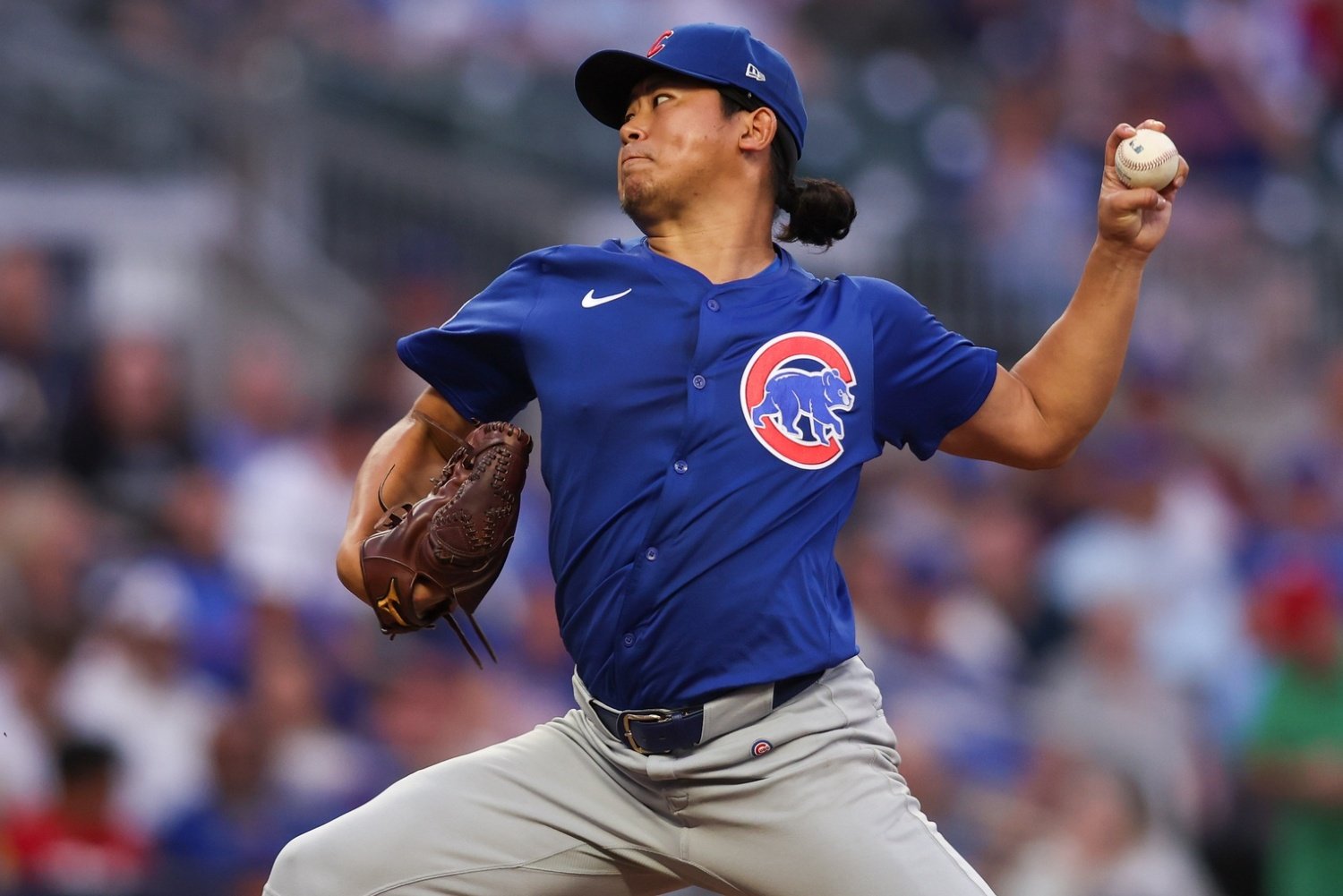 Coming off a brutal series loss against the lowly Washington Nationals, the Chicago Cubs headed to the outskirts of Atlanta—a place they frequently struggle—for a three-game set. Chicago narrowly escaped with a series win last week against the Braves, and Monday's results indicated that the Cubs would once again be in for a long week in the 404. It all started in the bottom of the first inning, when the normally solid Shota Imanaga allowed Atlanta to get on the board with three runs. Ozzie Albies, Drake Baldwin and Ronald Acuna Jr. created that rally, and the Braves never looked back after taking the lead. Imanaga was able to settle in, but it was the Braves' Bryce Elder who limited Chicago to just one run across 6 1/3 innings, including striking out four of the first eight batters he faced. Here are the standout players and key players from Monday's loss. Bottom of the First, Ozzie Albies vs. Shota Imanaga, +10.7% Win Expectancy Jumping out to a first-inning lead is always the goal. Atlanta was able to successfully reach that goal, thanks to Albies. After Imanaga retired the first two batters of the inning, Albies took a 1-1, center-cut fastball from Imanaga and smoked it, sending it 435 feet. It was the second home run for Albies this season against Imanaga, with the first coming last Tuesday on another center-cut fastball. Bottom of the First, Drake Baldwin vs. Shota Imanaga, +10.2% Win Expectancy One run in the first inning is a good start. A crooked number is a great start and that is exactly what the Braves did. With shortstop Ha-Seong Kim on first and two outs in the inning, rookie catcher Drake Baldwin drove a first-pitch fastball into right-center field. Kim came around to score, and just like that, it was 2-0 Braves. Baldwin entered Monday hitting .323 with a .912 OPS against left-handers. His double continued his recent success and furthered his case for NL Rookie of the Year. Bottom of the First, Ronald Acuna Jr. vs. Shota Imanaga, +7% Win Expectancy Acuna entered Monday night hitless in his last 25 at-bats. That ended rather quickly, as he jumped on a 1-1 fastball and lined it into left field for a run-scoring single to make it 3-0 Atlanta. The ball left Acuna's bat at 108 mph, his hardest-hit ball since a 115-mph single on August 26. In the blink of an eye, Atlanta went from nobody on base and two outs to a 3-0 lead against one of the best left-handed pitchers in baseball over the last two seasons. As it turned out, the game was essentially over at that point. Top Performers Bryce Elder, +21.1% WPA, 6 1/3 IP, 1 ER Ozzie Albies, +7.6% WPA, 1-4, HR, RBI Drake Baldwin, +7.9% WPA, 1-4, RBI Notable Cubs Pete Crow Armstrong, -13.2% WPA, 0-4 Shota Imanaga, -11.6% WPA, 6 IP, 3 ER
 -
Image courtesy of © Brett Davis-Imagn Images Coming off a brutal series loss against the lowly Washington Nationals, the Chicago Cubs headed to the outskirts of Atlanta—a place they frequently struggle—for a three-game set. Chicago narrowly escaped with a series win last week against the Braves, and Monday's results indicated that the Cubs would once again be in for a long week in the 404. It all started in the bottom of the first inning, when the normally solid Shota Imanaga allowed Atlanta to get on the board with three runs. Ozzie Albies, Drake Baldwin and Ronald Acuna Jr. created that rally, and the Braves never looked back after taking the lead. Imanaga was able to settle in, but it was the Braves' Bryce Elder who limited Chicago to just one run across 6 1/3 innings, including striking out four of the first eight batters he faced. Here are the standout players and key players from Monday's loss. Bottom of the First, Ozzie Albies vs. Shota Imanaga, +10.7% Win Expectancy Jumping out to a first-inning lead is always the goal. Atlanta was able to successfully reach that goal, thanks to Albies. After Imanaga retired the first two batters of the inning, Albies took a 1-1, center-cut fastball from Imanaga and smoked it, sending it 435 feet. It was the second home run for Albies this season against Imanaga, with the first coming last Tuesday on another center-cut fastball. Bottom of the First, Drake Baldwin vs. Shota Imanaga, +10.2% Win Expectancy One run in the first inning is a good start. A crooked number is a great start and that is exactly what the Braves did. With shortstop Ha-Seong Kim on first and two outs in the inning, rookie catcher Drake Baldwin drove a first-pitch fastball into right-center field. Kim came around to score, and just like that, it was 2-0 Braves. Baldwin entered Monday hitting .323 with a .912 OPS against left-handers. His double continued his recent success and furthered his case for NL Rookie of the Year. Bottom of the First, Ronald Acuna Jr. vs. Shota Imanaga, +7% Win Expectancy Acuna entered Monday night hitless in his last 25 at-bats. That ended rather quickly, as he jumped on a 1-1 fastball and lined it into left field for a run-scoring single to make it 3-0 Atlanta. The ball left Acuna's bat at 108 mph, his hardest-hit ball since a 115-mph single on August 26. In the blink of an eye, Atlanta went from nobody on base and two outs to a 3-0 lead against one of the best left-handed pitchers in baseball over the last two seasons. As it turned out, the game was essentially over at that point. Top Performers Bryce Elder, +21.1% WPA, 6 1/3 IP, 1 ER Ozzie Albies, +7.6% WPA, 1-4, HR, RBI Drake Baldwin, +7.9% WPA, 1-4, RBI Notable Cubs Pete Crow Armstrong, -13.2% WPA, 0-4 Shota Imanaga, -11.6% WPA, 6 IP, 3 ER View full article
-
Image courtesy of © Ed Szczepanski-Imagn Images With an 8 1/2-game cushion in the National League Wild Card picture. it feels fairly safe to assume that the Chicago Cubs will be playing postseason baseball in 2025, for the first time since the Wild Card series of 2020 against the Miami Marlins—which doesn't count, and neither does the abortive one-game Wild Card appearance in 2018, so really, since 2017. The NL Central is still within theoretical reach, with the Milwaukee Brewers losing Trevor Megill, their All-Star closer to the 15-day injured list with a flexor strain. It is most likely, though, that the Cubs will end up securing one of the top two Wild Card spots in the NL and play in the best-of-three first-round series. When thinking about postseason baseball for the Cubs, the playoff rotation is the first thing that comes to mind. It's almost a guarantee that in a best-of-three series, Chicago would roll out the trio of Matthew Boyd, Shota Imanaga, and Cade Horton for those three games—assuming they have the luxury of setting their rotation in advance. It is a bit unclear what order those three would pitch in, though, and that ultimately could be decided by the postseason seeding. The No. 4 overall seed (and top Wild Card seed) would give the Cubs home-field advantage in the first round. That would obviously be the best-case scenario, as the trio of pitchers mentioned above all boast a better ERA at home than they do away from the Friendly Confines. A No. 5 seed would mean Chicago goes on the road, and that is where things could get a bit tricky. Neither Imanaga nor Horton have ever made a start in the postseason, and there is a slim possibility that manager Craig Counsell does not want that taking place in front of what could be an insane crowd like Philadelpha or San Diego. That could force decisions to start the likes of Jameson Taillon in Game 2 and then decide between Imanaga or Horton for the deciding Game 3 of the series. Such a move would likely enrage the fan base, especially if it were to backfire. Starting the three best pitchers in the rotation would most likely leave Taillon to pitch Game 1 of the NLDS, if Chicago was able to advance that far. After that, the postseason inexperience comes right back to bite. Colin Rea has never made a postseason start; neither have Javier Assad or Ben Brown. Boyd and Taillon are the only two members of the starting rotation with postseason experience. That obviously isn't the end of the world, as we saw the Arizona Diamondbacks nearly win the World Series with little postseason experience on their entire roster. The lack of experience could make for a nervous postseason for Counsell, and he may feel like he needs to stay away from his inexperienced players. It may get to 2017 Brandon Morrow territory, when Dodgers' manager Dave Roberts used Morrow in every single game of the World Series. Due to his usage so far this season, Brad Keller seems like the one arm Counsell would continuously turn to. The Cubs' staff isn't the most benighted of the potential playoff teams, but their inexperience is worrisome and that could ultimately lead to poor decision-making—or just poor performance, born of a dearth of reliable options. View full article
-
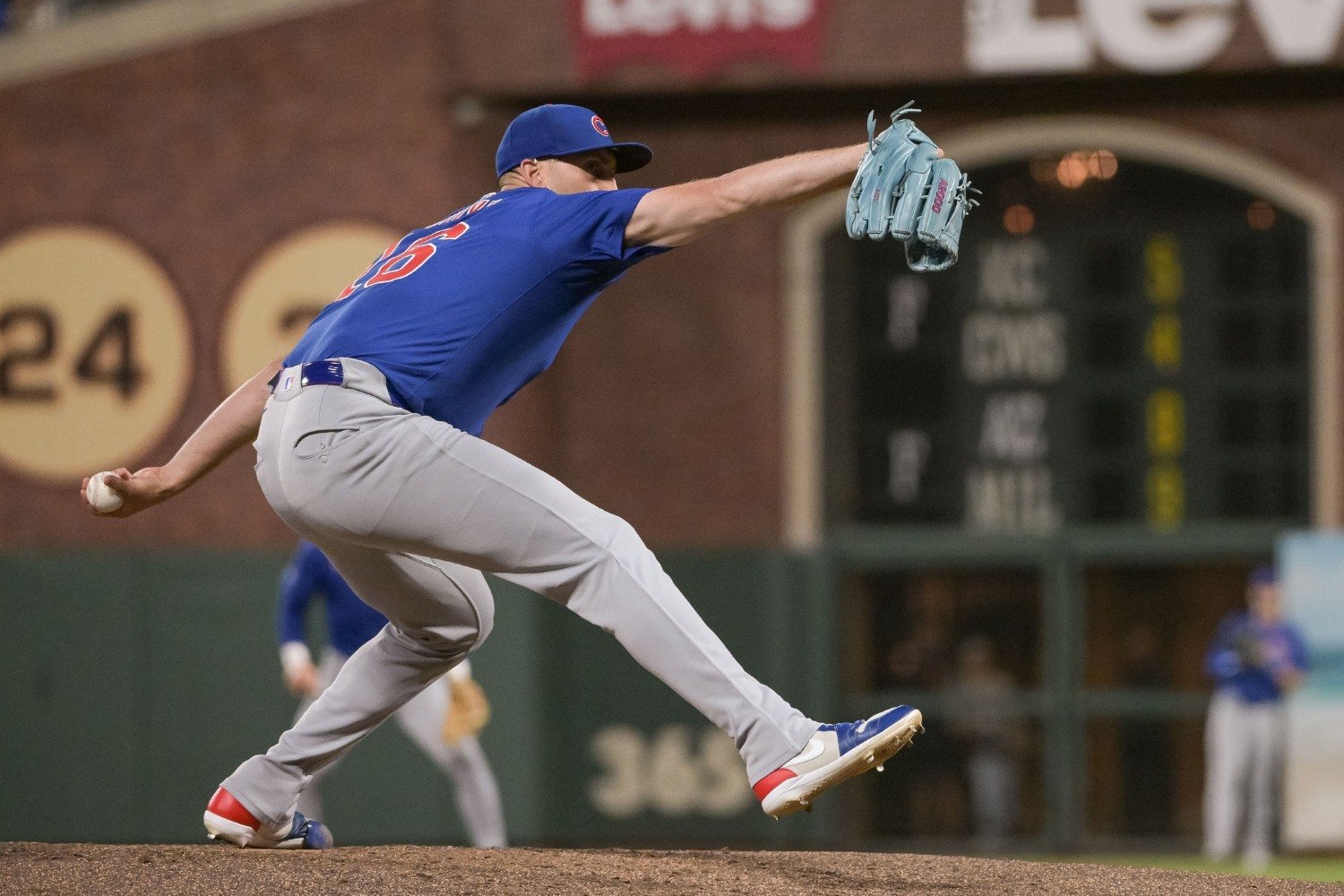 With an 8 1/2-game cushion in the National League Wild Card picture. it feels fairly safe to assume that the Chicago Cubs will be playing postseason baseball in 2025, for the first time since the Wild Card series of 2020 against the Miami Marlins—which doesn't count, and neither does the abortive one-game Wild Card appearance in 2018, so really, since 2017. The NL Central is still within theoretical reach, with the Milwaukee Brewers losing Trevor Megill, their All-Star closer to the 15-day injured list with a flexor strain. It is most likely, though, that the Cubs will end up securing one of the top two Wild Card spots in the NL and play in the best-of-three first-round series. When thinking about postseason baseball for the Cubs, the playoff rotation is the first thing that comes to mind. It's almost a guarantee that in a best-of-three series, Chicago would roll out the trio of Matthew Boyd, Shota Imanaga, and Cade Horton for those three games—assuming they have the luxury of setting their rotation in advance. It is a bit unclear what order those three would pitch in, though, and that ultimately could be decided by the postseason seeding. The No. 4 overall seed (and top Wild Card seed) would give the Cubs home-field advantage in the first round. That would obviously be the best-case scenario, as the trio of pitchers mentioned above all boast a better ERA at home than they do away from the Friendly Confines. A No. 5 seed would mean Chicago goes on the road, and that is where things could get a bit tricky. Neither Imanaga nor Horton have ever made a start in the postseason, and there is a slim possibility that manager Craig Counsell does not want that taking place in front of what could be an insane crowd like Philadelpha or San Diego. That could force decisions to start the likes of Jameson Taillon in Game 2 and then decide between Imanaga or Horton for the deciding Game 3 of the series. Such a move would likely enrage the fan base, especially if it were to backfire. Starting the three best pitchers in the rotation would most likely leave Taillon to pitch Game 1 of the NLDS, if Chicago was able to advance that far. After that, the postseason inexperience comes right back to bite. Colin Rea has never made a postseason start; neither have Javier Assad or Ben Brown. Boyd and Taillon are the only two members of the starting rotation with postseason experience. That obviously isn't the end of the world, as we saw the Arizona Diamondbacks nearly win the World Series with little postseason experience on their entire roster. The lack of experience could make for a nervous postseason for Counsell, and he may feel like he needs to stay away from his inexperienced players. It may get to 2017 Brandon Morrow territory, when Dodgers' manager Dave Roberts used Morrow in every single game of the World Series. Due to his usage so far this season, Brad Keller seems like the one arm Counsell would continuously turn to. The Cubs' staff isn't the most benighted of the potential playoff teams, but their inexperience is worrisome and that could ultimately lead to poor decision-making—or just poor performance, born of a dearth of reliable options.
 -
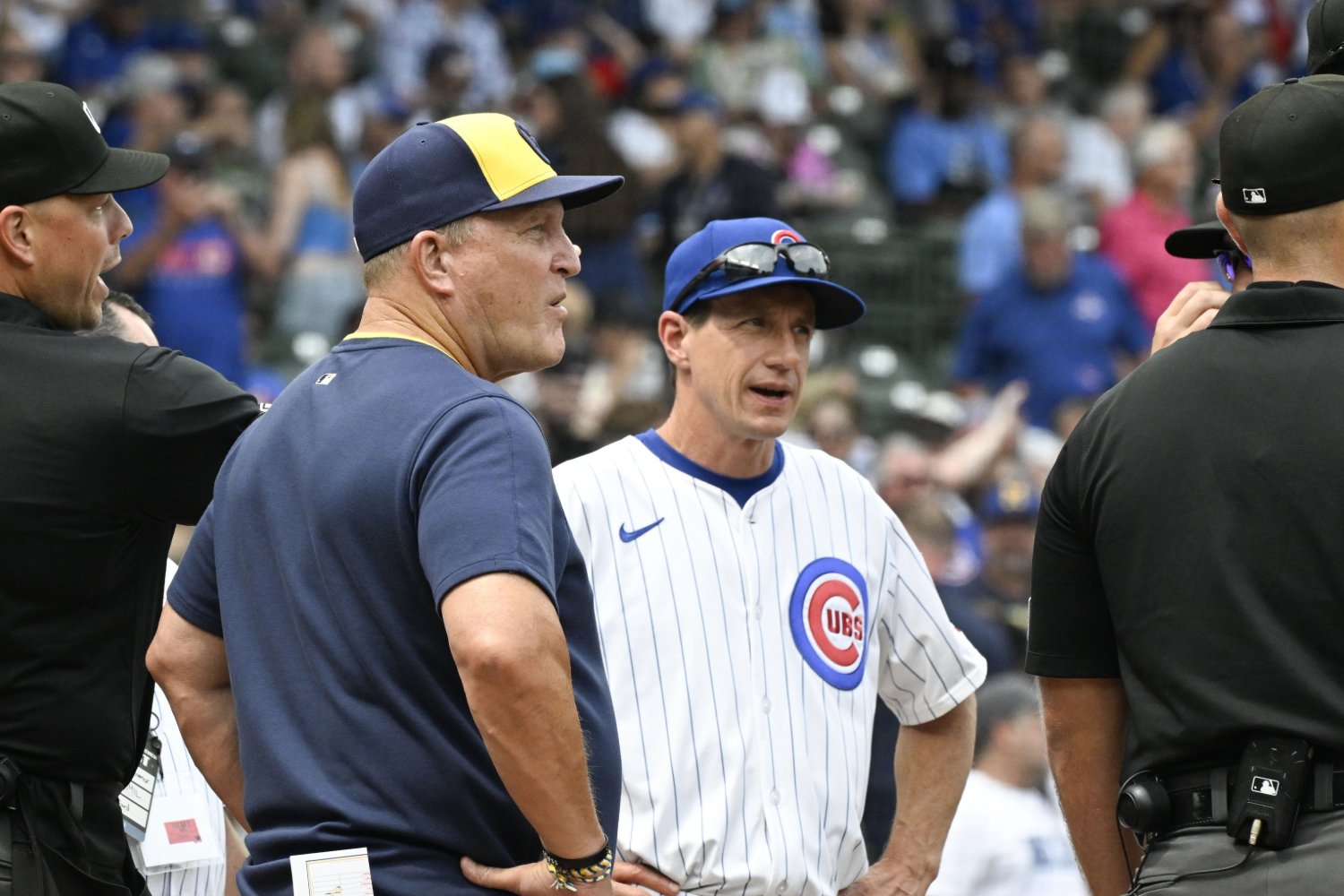 Fans were absolutely elated prior to the 2024 season when the notification flashed that the Chicago Cubs were hiring manager Craig Counsell. The longtime Milwaukee Brewers skipper had out-managed and manipulated the Cubs so many times over the years, but finally, the front office had poached him out of Milwaukee, and he would now be responsible for leading Chicago back to the postseason for the first time since 2020. Counsell was given a five-year deal worth $40 million, making him the highest paid manager in the history of Major League Baseball. It was a steep price for a non-player, but once again, Cubs fans had seen the way Counsell's teams in Milwaukee were able to consistently top the league and play some of the most fundamental baseball across the sport. Everyone hoped that Counsell would bring his genius mindset and excellent managerial skills with him, but so far, it's not really showing up on the field. The Cubs won just 83 games in Counsell's first season and missed the playoffs entirely. It was a bit of a down year, and injuries had derailed the season a bit, so there was no need to place much blame, if any at all, on Counsell. Fast forward to August 2025, and the tide has shifted completely, and it seems that Counsell's managerial skills are being questioned almost every single day. The questioning truly began earlier this month, when Counsell completely mismanaged the late stages of the series finale against the Toronto Blue Jays. His bizarre decisions in that game really set the alarms off, and that has only continued through the last few weeks. It picked up once again on Thursday, when it felt like Counsell truly punted the series finale of what could have been argued as a must-win game for the Cubs. The decision to sit both Owen Caissie and Matt Shaw on Thursday was preposterous to say the least. Caissie, coming fresh off a stretch of three straight impressive performances, and Shaw, the best hitter in the lineup since the All-Star break, were left watching from the bench for seven innings as Chicago was able to push across just one run. Caissie did get a pinch-hit appearance, and Shaw came in to replace him on defense, but that was far too late for anyone to forget about the awful lineup decisions. The recent decisions have stirred up some online comparisons to former manager David Ross, and while those are blatant examples of recency bias, it is an ominous sign that the front office remains seemingly oblivious to the day-to-day operations of the team. Let's remember that Ross was 262-284 (.480) in his tenure, and Counsell entered the Angels series with a 156-134 (.538) record as Cubs manager. The Cubs could lose their next 30 games and Counsell would still have a better winning percentage than Ross, granted the longtime backstop was not given a ton to work with after the 2021 deadline. There's obviously no one seriously arguing that Counsell is a worse manager than Ross -- who probably wasn't quite as bad as some of his under-the-microscope decisions made him seem at the time -- but it is stupefying that he's seemingly lost some of the magic touch that he had with the Brewers. Yes, it's true that his winning percentage in Milwaukee (.531) is technically lower than his winning rate with the Cubs, but that's due to two truly horrendous campaigns at the start of his tenure in 2015-16 as the Brewers were slogging through a rebuild of their own (he took over mid-way through the 2015 season for Ron Roenicke). From 2017-23, the Brew Crew won four division titles with Counsell at the helm, and never finished lower than second in the NL Central (not including the Covid-shortened 2020 season). His record in those campaigns was 573-460, good for a .555 winning percentage. Now, the Brewers look like they're about defend their NL Central crown with Pat Murphy leading the charge, who seems destined to win a second consecutive NL Manager of the Year award. Was it ever really Counsell's magic, or just the Brewers' organization as a whole? Is Milwaukee just that much better than they look on paper? Is their front office -- even following the departure of David Stearns in 2022 -- the best in the league by a comfortable margin? It's hard to answer any of these queries with definitive confidence, but it's troubling that Counsell hasn't really quelled any concerns as he comes into the stretch run of his second year managing the Cubs. This conversation could turn around in a hurry, of course, if Counsell leads the Cubs to a World Series. Everyone will forget about the mismanagement of games in mid-August if the team is hoisting a trophy after the final game of the season. If not, though, the offseason discourse about Counsell's "fall off" from his time in Milwaukee to now will only grow louder.
 -
Image courtesy of © Patrick Gorski-Imagn Images It's been nearly two months since Kyle Tucker plunged into a slump that has seen his power disappear. After an 0-for-4 day at the plate in the Cubs' 7-0 loss to the Brewers Monday, changes are reportedly coming to the lineup. ESPN baseball reporter Jesse Rogers relayed Craig Counsell's decision Monday afternoon. Tucker's second-half struggles are well documented, and while everyone has expected the superstar to break out of it, it just hasn't happened. Tucker is still without an extra-base hit in August, and his month-long slash line now sits at .148/.233/.148. Going all the way back to the start of July, he's batting just .189/.325/.235, and the futility of his at-bats is starting to draw the worst out of everyone involved. Such a reset wouldn't be especially surprising, except that Counsell's announcement of it came on the same day president of baseball operations Jed Hoyer told members of the media that sitting the veteran players isn't something that Chicago could afford to do. That added to a list of comments from both Hoyer and general manager Carter Hawkins over the last several days that have left Cubs fans scratching their heads; Counsell's change of tack will be welcome news for many of them. There is a bit of a silver lining, too. It opens a spot in the lineup, which figures to be filled primarily by top prospect Owen Caissie. The organization believed in Caissie enough to promote him after Miguel Amaya landed on the injured list, but he's had just eight plate appearances in his first five active days in the majors. Caissie collected his first major-league hit Monday, and he should remain in the lineup each game until Tucker returns to the lineup. Willi Castro and Justin Turner figure to mix in against any left-handed pitchers the Brewers use during the balance of the series, but all of Milwaukee's projected starters are righties. The Cubs need to rediscover the form that pushed them as high as 20 games over .500, a month ago. Caissie can be a valuable part of that, in the short term. All Cubs fans are hoping that Tucker comes back from his benching and catches fire. If he continues to struggle this badly the rest of the way, he's unlikely to find the massive payday that seemed almost assured earlier this summer—and the Cubs are unlikely to finish in a strong playoff position. View full article
-
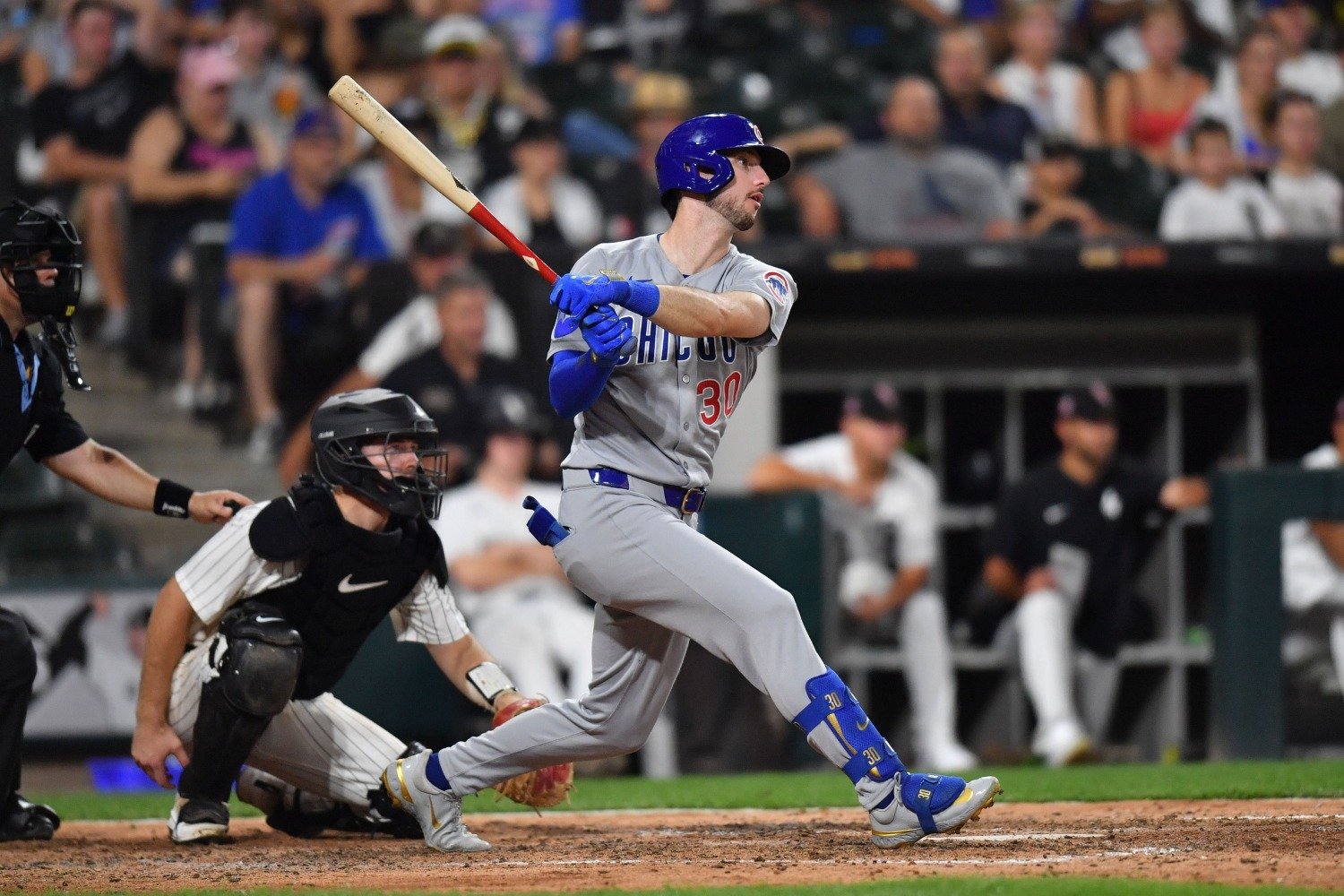 It's been nearly two months since Kyle Tucker plunged into a slump that has seen his power disappear. After an 0-for-4 day at the plate in the Cubs' 7-0 loss to the Brewers Monday, changes are reportedly coming to the lineup. ESPN baseball reporter Jesse Rogers relayed Craig Counsell's decision Monday afternoon. Tucker's second-half struggles are well documented, and while everyone has expected the superstar to break out of it, it just hasn't happened. Tucker is still without an extra-base hit in August, and his month-long slash line now sits at .148/.233/.148. Going all the way back to the start of July, he's batting just .189/.325/.235, and the futility of his at-bats is starting to draw the worst out of everyone involved. Such a reset wouldn't be especially surprising, except that Counsell's announcement of it came on the same day president of baseball operations Jed Hoyer told members of the media that sitting the veteran players isn't something that Chicago could afford to do. That added to a list of comments from both Hoyer and general manager Carter Hawkins over the last several days that have left Cubs fans scratching their heads; Counsell's change of tack will be welcome news for many of them. There is a bit of a silver lining, too. It opens a spot in the lineup, which figures to be filled primarily by top prospect Owen Caissie. The organization believed in Caissie enough to promote him after Miguel Amaya landed on the injured list, but he's had just eight plate appearances in his first five active days in the majors. Caissie collected his first major-league hit Monday, and he should remain in the lineup each game until Tucker returns to the lineup. Willi Castro and Justin Turner figure to mix in against any left-handed pitchers the Brewers use during the balance of the series, but all of Milwaukee's projected starters are righties. The Cubs need to rediscover the form that pushed them as high as 20 games over .500, a month ago. Caissie can be a valuable part of that, in the short term. All Cubs fans are hoping that Tucker comes back from his benching and catches fire. If he continues to struggle this badly the rest of the way, he's unlikely to find the massive payday that seemed almost assured earlier this summer—and the Cubs are unlikely to finish in a strong playoff position.
 -
Chicago Cubs Minor League Pitchers of the Month - July 2025
Andrew Wright posted an article in Minor Leagues
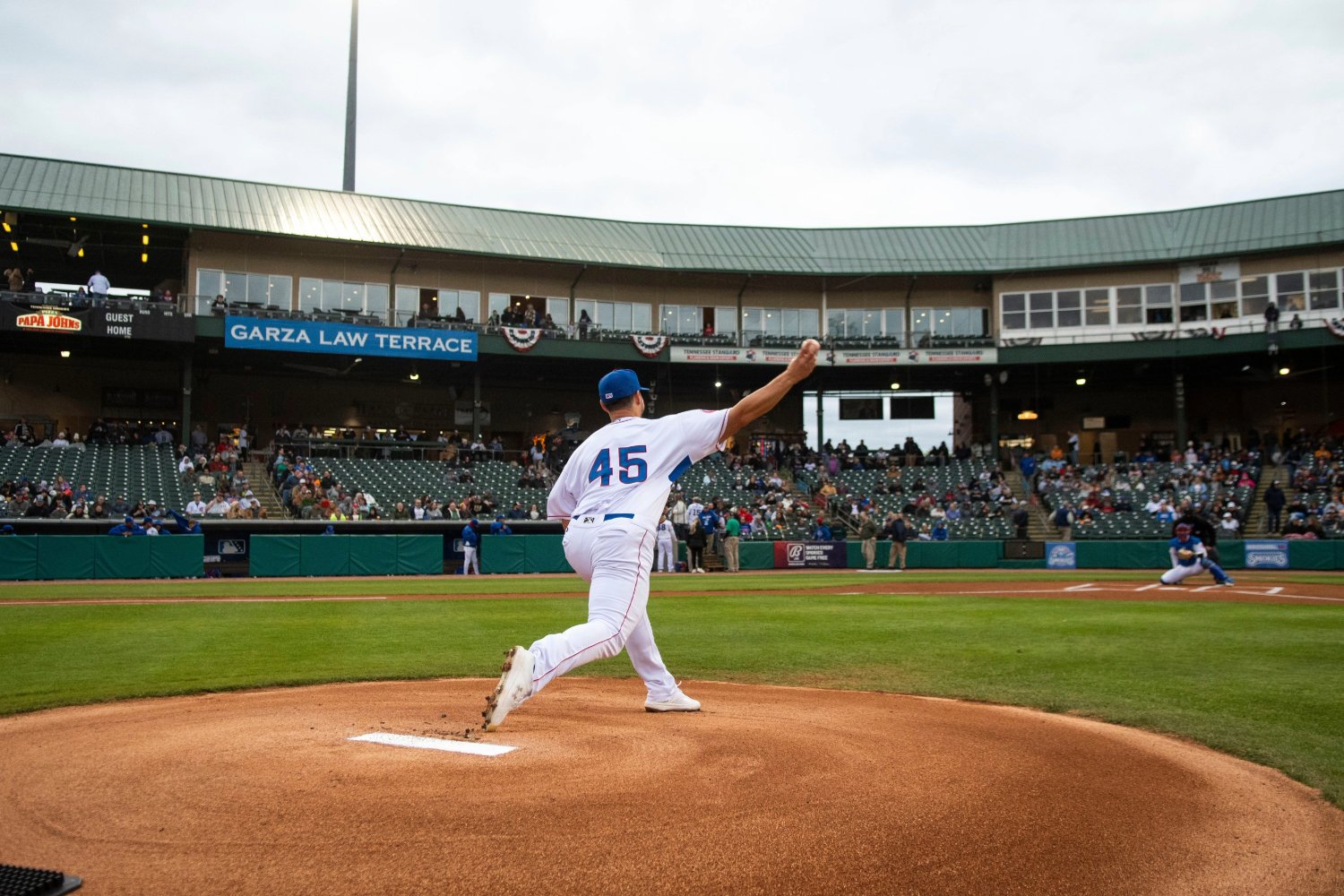 We just recently looked at the top three pitchers of the month of July for the big league club, so it is now time to dive into the farm system and look at some of the same stats. July was full of stellar starting pitching and has given Cubs fans hope for the future of the pitching staff. Here are the top three Chicago Cubs minor league pitchers for July 2025. #3 - Brandon Birdsell - 5 GS, 23 IP, 3.52 ERA, 9 BB, 21 K (Triple-A Iowa) Birdsell had his busiest month of the season after missing the first part of the campaign due to an injury. He did struggle a bit with command, as shown by the nine walks in just 23 innings. That was to be expected with Birdsell being a bit rusty after returning from an extended hiatus, but he was extremely solid on the mound otherwise, and his last start showed exactly what Cubs fans have come to expect of the right-hander. Birdsell went six innings, allowing just two hits, no runs and striking out six. The potential for starts like that on a consistent basis will be the reason that Birdsell is fighting for a roster spot next year in spring training. #2 - Tyler Schlaffer - 5 GS, 26 IP, 2.42 ERA, 9 BB, 20 K (Double-A Knoxville) Schaffler is not as well-known of a name as a Birdsell or Jaxson Wiggins, however, he is a solid arm in Double-A for the Knoxville Smokies. He spent the first two months in South Bend, going 3-1 with a 4.10 ERA before being promoted to Double-A to begin July. He made the most of the opportunity, going 2-1 in his five starts and showing flashes of potential. Schaffler allowed seven home runs in 12 starts with South Bend, but has not yet surrendered one with Knoxville. He does struggle a bit with command as well as swing and miss stuff, as shown by the nine walks compared to just 20 strikeouts in 26 innings. A true put-away pitch mixed with better command of his offerings would elevate him to the next tier of pitching prospects. #1 - Jostin Florentino - 4 GS, 21 IP, 0.43 ERA, 0.86 WHIP, 6 BB, 26 K (Low-A Myrtle Beach) Florentino was at the center of headlines in mid-July when he was one of two Myrtle Beach pitchers to combine for a nine-inning no-hitter. He walked just one batter and struck out nine in six solid innings of work in that start, and that has really been the theme all month. He sits around 89-91 mph with his fastball, but it is the secondary mix of his cutter, slider, changeup that helps his fastball play up a bit. His command is also stellar, as shown by just six walks and a 0.86 WHIP in 21 innings pitched. Florentino struck out four-plus batters in each of his four starts, and his 22% strikeout rate thus far should lead to more excellent starts the rest of the season. What do you think of our list? Are there any other Cubs MiLB pitchers who you think deserve recognition for their performances in July? Let us know in the comments!
 -
Image courtesy of © Angelina Alcantar/News Sentinel / USA TODAY NETWORK We just recently looked at the top three pitchers of the month of July for the big league club, so it is now time to dive into the farm system and look at some of the same stats. July was full of stellar starting pitching and has given Cubs fans hope for the future of the pitching staff. Here are the top three Chicago Cubs minor league pitchers for July 2025. #3 - Brandon Birdsell - 5 GS, 23 IP, 3.52 ERA, 9 BB, 21 K (Triple-A Iowa) Birdsell had his busiest month of the season after missing the first part of the campaign due to an injury. He did struggle a bit with command, as shown by the nine walks in just 23 innings. That was to be expected with Birdsell being a bit rusty after returning from an extended hiatus, but he was extremely solid on the mound otherwise, and his last start showed exactly what Cubs fans have come to expect of the right-hander. Birdsell went six innings, allowing just two hits, no runs and striking out six. The potential for starts like that on a consistent basis will be the reason that Birdsell is fighting for a roster spot next year in spring training. #2 - Tyler Schlaffer - 5 GS, 26 IP, 2.42 ERA, 9 BB, 20 K (Double-A Knoxville) Schaffler is not as well-known of a name as a Birdsell or Jaxson Wiggins, however, he is a solid arm in Double-A for the Knoxville Smokies. He spent the first two months in South Bend, going 3-1 with a 4.10 ERA before being promoted to Double-A to begin July. He made the most of the opportunity, going 2-1 in his five starts and showing flashes of potential. Schaffler allowed seven home runs in 12 starts with South Bend, but has not yet surrendered one with Knoxville. He does struggle a bit with command as well as swing and miss stuff, as shown by the nine walks compared to just 20 strikeouts in 26 innings. A true put-away pitch mixed with better command of his offerings would elevate him to the next tier of pitching prospects. #1 - Jostin Florentino - 4 GS, 21 IP, 0.43 ERA, 0.86 WHIP, 6 BB, 26 K (Low-A Myrtle Beach) Florentino was at the center of headlines in mid-July when he was one of two Myrtle Beach pitchers to combine for a nine-inning no-hitter. He walked just one batter and struck out nine in six solid innings of work in that start, and that has really been the theme all month. He sits around 89-91 mph with his fastball, but it is the secondary mix of his cutter, slider, changeup that helps his fastball play up a bit. His command is also stellar, as shown by just six walks and a 0.86 WHIP in 21 innings pitched. Florentino struck out four-plus batters in each of his four starts, and his 22% strikeout rate thus far should lead to more excellent starts the rest of the season. What do you think of our list? Are there any other Cubs MiLB pitchers who you think deserve recognition for their performances in July? Let us know in the comments! View full article
-
Chicago Cubs Minor League Hitters of the Month - July 2025
Andrew Wright posted an article in Minor Leagues
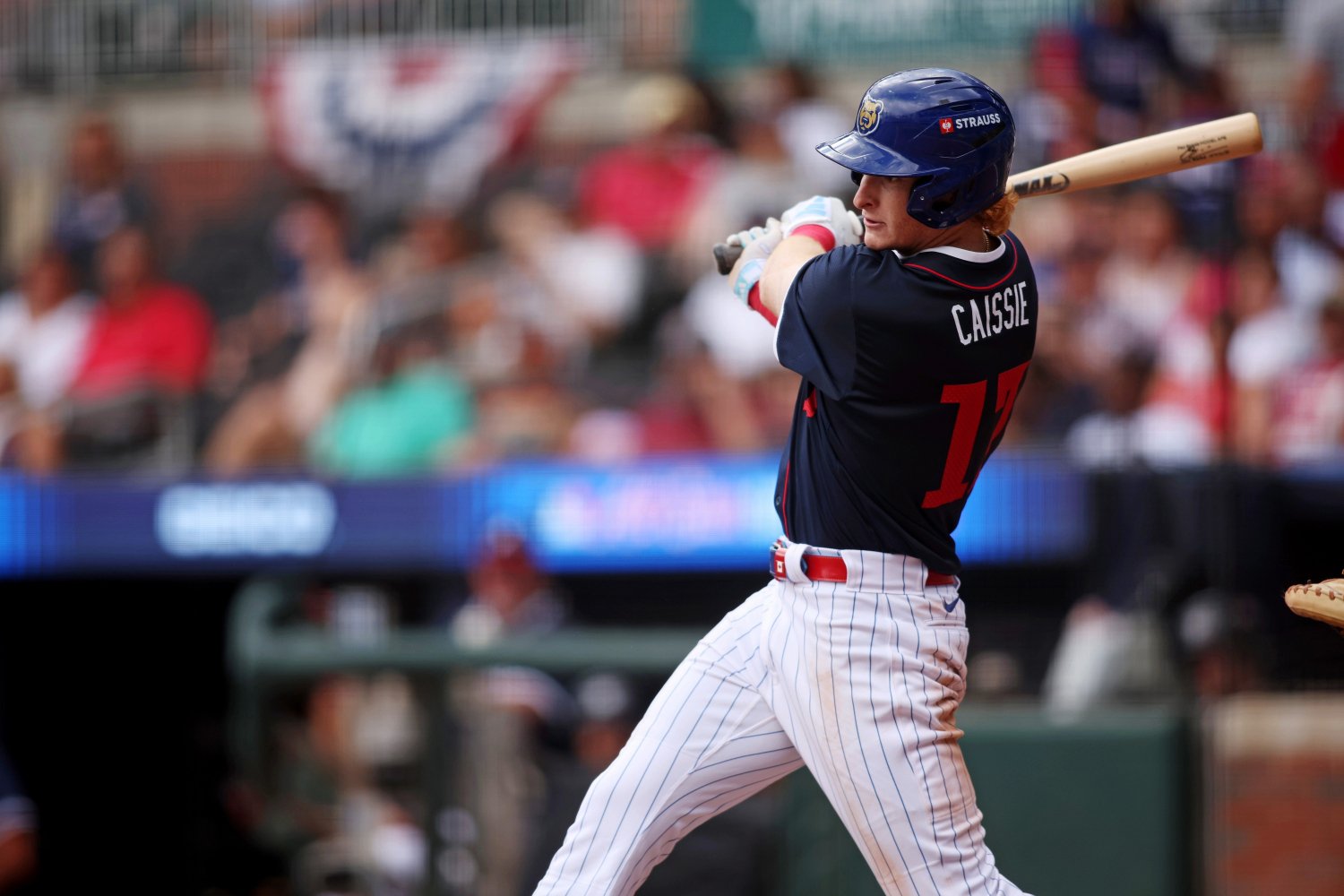 The trade deadline has come and gone, and the Cubs were able to hold onto/unwilling to part with some of their best organizational prospects and keep them around for this season and beyond. Chicago's minor league teams produce some of the best lineups all across MiLB, and a couple of the organization's prospects in particular had big time performances in July. So, let's dive into the top three minor league hitters from last month in the Cubs' farm system. #3 - 1B Edgar Alvarez - .279 AVG, .388 OBP, .426 OPS, .814 OPS, 2 HR, 4 2B, 6 RBIs (High-A South Bend) Raising your season-long average from .251 to .262 is quite the month, and that is exactly what Alvarez did. Alvarez may not be a well-known name for the casual fan, as he is not inside the top-30 in the Cubs' farm system rankings, per MLB Pipeline. His excellent month of July followed a scorching hot month of June in which he hit .304 and raised his season average from .223 to .251. Along with spraying the ball all over the field, Alvarez was able to draw 12 walks compared to just 17 strikeouts. Back-to-back months that good are usually reasons for a promotion, so it would not be surprising at all to see Alvarez be moved up to Double-A Knoxville in the near future. #2 - BJ Murray Jr. - .292 AVG, .407 OBP, .438 SLG, .845 OPS, 3 HR, 4 2B, 23 RBIs (Double-A Knoxville) Just taking one gander at the RBI total of 23 from Murray, and it quickly becomes apparent that he is a big-time run producer. It took him just seven games to total that production, as he had three games with three RBIs and one game with four. His three home runs did tie a season low for a month, but the 23 RBIs were his highest total in a month so far this season, and it speaks volumes to the lineup being showcased in Knoxville on a nightly basis. Maybe the most impressive stat of all, Murray is hitting .286 with two outs and runners in scoring position. Maybe he should give some tips to Dansby Swanson on how to be productive in that regard. #1 - OF Owen Caissie - .333 AVG, .398 OBP, .744 SLG, 1.096 OPS, 8 HR, 14 RBIs (Triple-A Iowa) We know, it feels cheap to put the organization's No. 1 prospect as the best hitter of the month, but it is a well-deserved honor. Caissie's scorching hot month of July may have very well made him untouchable in trade talks prior to the deadline. His July included eight multi-hit games (including a 5-for-5 performance) and three multi-home run games. Like we mentioned above with Murray, Caissie's production with runners in scoring position and two outs was otherworldly; he boasted a slash line of .298/.389/.638 in those situations in July. It very well may have been the best overall month of his minor league career, and it has fans very excited for his first appearance in a major league uniform, which is now all but guaranteed to happen with the Cubs. What do you think of our list? What other Cubs farmhands do you think deserve recognition for their performances in July? Let us know in the comments!
