Brandon Glick
-
Posts
1,153 -
Joined
-
Last visited
Content Type
Profiles
Joomla Posts 1
Chicago Cubs Videos
Chicago Cubs Free Agent & Trade Rumors, Notes, & Tidbits
2026 Chicago Cubs Top Prospects Ranking
News
2023 Chicago Cubs Draft Picks
Guides & Resources
2024 Chicago Cubs Draft Picks
The Chicago Cubs Players Project
2025 Chicago Cubs Draft Pick Tracker
2026 Chicago Cubs Draft Tracker: Picks & Bonuses
Blogs
Events
Forums
Store
Gallery
Everything posted by Brandon Glick
-
Truly one of the Cubs games of all time yesterday. Just a masterclass in how to blow a masterpiece performance. Can't wait to see what Craig Counsell has drawn up for today.

-
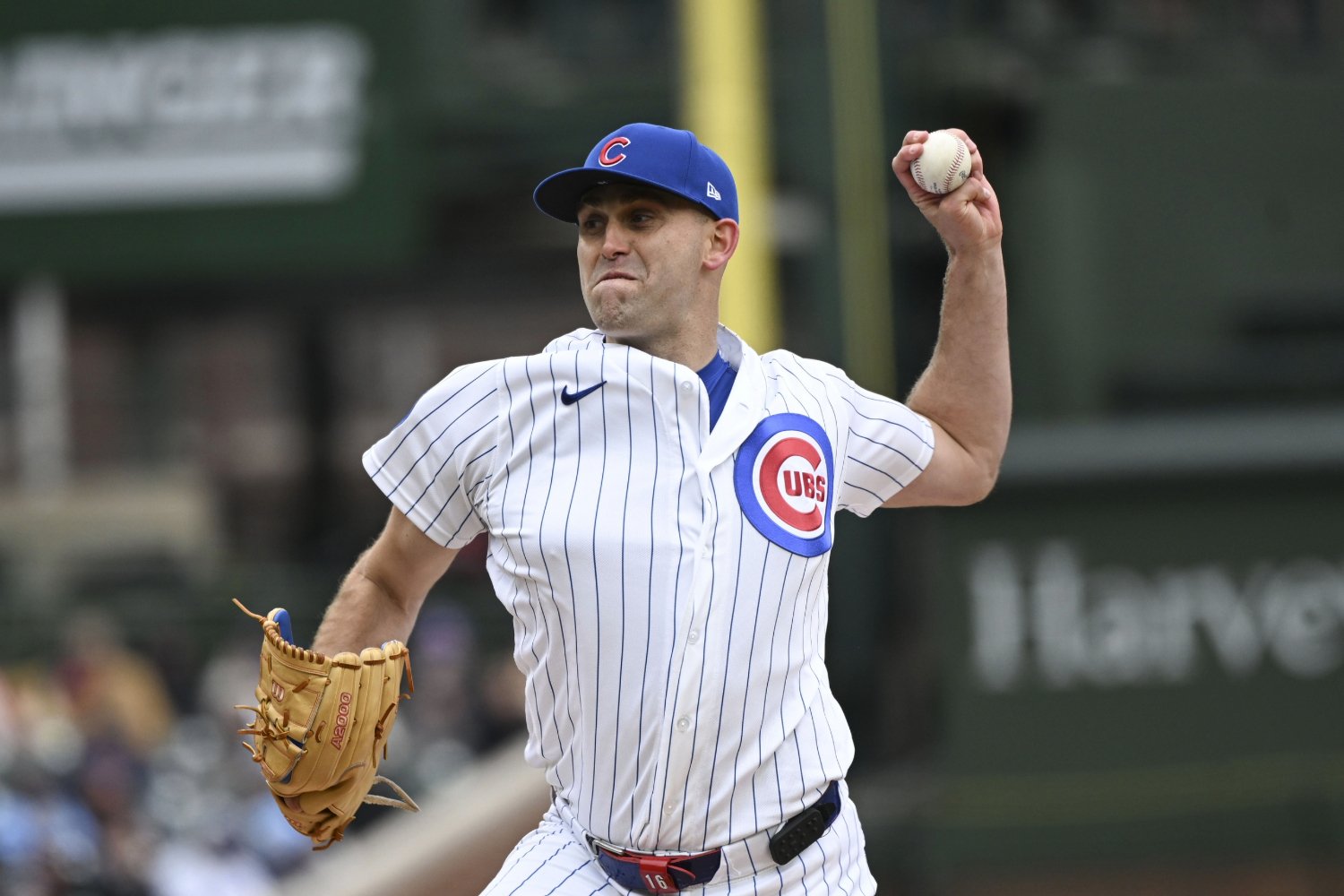 When it rains, it pours. Less than two days after Cade Horton was placed on the injured list with a forearm strain, Opening Day starter Matthew Boyd has joined him there with a bicep strain. Boyd hasn't had the best start to the 2026 season, though he's looked downright filthy at times while flashing a 45.9% strikeout rate. In his stead, swingman Javier Assad will return from Triple-A Iowa to take his place back in the rotation. Colin Rea will replace Horton. Including Justin Steele, who is still recovering from elbow surgery, and Jordan Wicks, who has been dealing with elbow inflammation since the start of camp, the Cubs are now down four starting pitchers. The next man up would be Ben Brown, perhaps followed by top pitching prospect Jaxon Wiggins.
 -
When it rains, it pours. Less than two days after Cade Horton was placed on the injured list with a forearm strain, Opening Day starter Matthew Boyd has joined him there with a bicep strain. Boyd hasn't had the best start to the 2026 season, though he's looked downright filthy at times while flashing a 45.9% strikeout rate. In his stead, swingman Javier Assad will return from Triple-A Iowa to take his place back in the rotation. Colin Rea will replace Horton. Including Justin Steele, who is still recovering from elbow surgery, and Jordan Wicks, who has been dealing with elbow inflammation since the start of camp, the Cubs are now down four starting pitchers. The next man up would be Ben Brown, perhaps followed by top pitching prospect Jaxon Wiggins. View full rumor
-
You know what would help ease some anxieties about Horton? A vintage Shota performance. MON TUE WED THU FRI TOT Brown, B 0 0 0 0 0 0 Milner 0 19 0 0 10 29 Webb, J 0 0 0 0 29 29 Maton 0 0 0 0 0 0 Thielbar 0 14 13 0 0 27 Harvey 0 22 20 0 30 72 Palencia 0 16 9 0 0 25 Rea 42 0 0 0 57 99
-
Oh No: Cade Horton Out for Season, to Undergo UCL Surgery
Brandon Glick replied to Brandon Glick's topic in Chicago Cubs Talk
-
Image courtesy of © Ken Blaze-Imagn Images The Cubs amassed pretty good starting rotation depth this winter, all things considered. They entered the season with a fully healthy group of five: Matthew Boyd, Cade Horton, Shota Imanaga, Edward Cabreras and Jameson Taillon. Behind them, as depth, the team has Colin Rea and Ben Brown in the big-league bullpen and Javier Assad waiting in the Triple-A Iowa rotation. You can't be much better-positioned to withstand an injury than that, in the modern game, especially given that the team will get Justin Steele back after his 2025 Tommy John surgery, sometime this summer. Take the best arm out of any pitching staff, though, and it looks a lot weaker, immediately. That might be what the Cubs are facing now. On Friday, Cade Horton departed in the middle of an at-bat in the bottom of the second inning, feeling obvious discomfort and calling the trainer to the mound before leaving. His fastball velocity nosed down sharply immediately before he left, too. We'll update when we know more about what's happening, but it's not too early to harbor deep concerns here. Should Horton miss significant time, the Cubs would be without their ace and the rest of the rotation would immediately seem stretched and strained—just as they were around this time last year, when they lost Steele. UPDATE: If you were hoping the issue was a simple blister or that Horton was dealing with a lingering cold or flu, you'll have to let that hope go. The issue is in his forearm, the team announced. Now, the question is of severity. A trip to the injured list is virtually guaranteed, any time a pitcher leaves a game with a forearm problem. Presumably, Horton will be sent for imaging, and much of the Cubs' upside for this season will hinge on the outcome thereof. View full article
-
After that performance on Opening Day, there is literally no other pitcher in the world that I think the Cubs would rather face than Miles Mikolas. Bring on the homers!
-
Never heard of him
-
The Chicago Cubs won't have Alex Bregman for most of spring training as he plays for Team USA in the WBC, but newcomer Edward Cabrera and others will finally make their organizational debut. View full video
-
The Chicago Cubs won't have Alex Bregman for most of spring training as he plays for Team USA in the WBC, but newcomer Edward Cabrera and others will finally make their organizational debut.
-
Image courtesy of © Michael McLoone-Imagn Images The Chicago Cubs have made yet another addition to their bullpen this offseason, this time bringing in veteran reliever Shelby Miller on a multi-year contract as reported by FanSided's Robert Murray. Miller, 35, is expected to miss most, if not all, of the 2026 season while recovering from Tommy John surgery. He pitched brilliantly for the Arizona Diamondbacks in the first half of last year (1.98 ERA in 36 1/3 innings) before being traded to the Milwaukee Brewers. He made just two appearances for the Crew before being shut down. The right-hander joins Phil Maton, Hunter Harvey, Jacob Webb, and Hoby Milner as new additions to the team's bullpen this winter. Now recovering from the second TJ surgery of his career (his first came back in 2017), the veteran reliever will have a steep hill to climb in order to contribute to the Cubs' relief corps. He mulled retirement shortly after the initial diagnosis last year, but he clearly wants another bite at the apple after turning into such a valuable leverage arm. Originally a first-round pick of the St. Louis Cardinals back in 2009, Miller has jumped around the league quite a bit, including infamously serving as the centerpiece of the deal that landed Dansby Swanson in Atlanta in 2015. At the time, Miller was coming off an All-Star campaign as a starting pitcher with the Braves, though he never found his footing amidst countless injuries in Arizona. His career looked all but finished after his two-inning audition with the Cubs back in 2021 (he allowed seven runs in his lone appearance), and the injuries never ceased as he tried to latch on elsewhere afterward. Like most players, though, he found the fountain of youth with the Dodgers in 2023 and has been one of the more reliable relievers in baseball ever since. Given the timing of his elbow injury, it's unlikely that Miller pitches at all in 2026. This is purely a play for 2027, when Miller will be 36 and 15 years removed from his electric MLB debut in St. Louis. Terrifying though that may sounds, there's a reason why he and the Cubs found common ground in negotiations. Even when factoring in his middling performance in Milwaukee, Miller had a stellar campaign last year. He induced a ridiculous 35.8% chase rate, highlighted by a splitter that encouraged swings and misses nearly 45% of the time it was swung at. His overall whiff (31.7%) and strikeout rates (29.0%) were also a sight to behold, and he did a good-enough job limiting free passes that below-average marks in his contact quality metrics didn't come back to bite him too frequently. The North Siders' bullpen has been desperate for swing-and-miss stuff for years, and the 35-year-old has it in spades. Velocity will be a concern as he tries to return from yet another major arm surgery, but he averaged more than 95 mph on his primary fastball in 2025. There's enough buffer in place to maintain effectiveness, even if his heater doesn't light up radar guns quite as well come 2027. Because pitchers and catchers have reported to camp (and the Cubs have a full 40-man roster), Miller can immediately be placed on the 60-day injured list. He won't take up a roster spot until he's healthy, which further limits any risk the team is accepting by offering this deal. Contract details have not been made immediately available. Expect Miller to earn a small salary while rehabbing this year before getting a nice bump in 2027. He joins Maton, Webb (club option), Colin Rea (club option), and Daniel Palencia as members of the projected Opening Day bullpen under contract through next season. Update: Per ESPN's Jesse Rogers, Miller's deal is for two years and at least $2.5 million guaranteed. The agreement, which has been in place for a while, ensures the Cubs have another veteran bullpen arm in place for next year while under an affordable salary. View full article
-
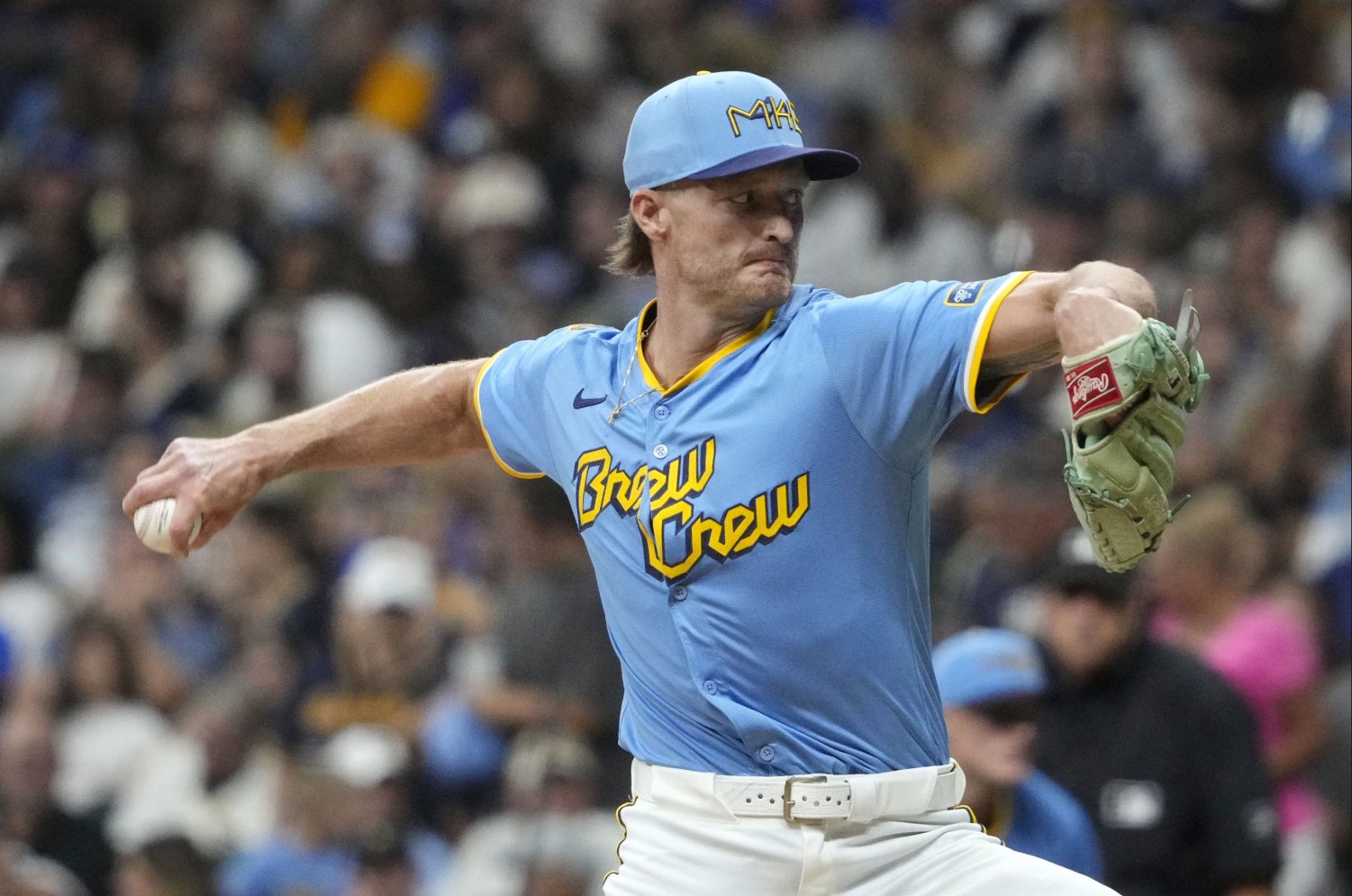 The Chicago Cubs have made yet another addition to their bullpen this offseason, this time bringing in veteran reliever Shelby Miller on a multi-year contract as reported by FanSided's Robert Murray. Miller, 35, is expected to miss most, if not all, of the 2026 season while recovering from Tommy John surgery. He pitched brilliantly for the Arizona Diamondbacks in the first half of last year (1.98 ERA in 36 1/3 innings) before being traded to the Milwaukee Brewers. He made just two appearances for the Crew before being shut down. The right-hander joins Phil Maton, Hunter Harvey, Jacob Webb, and Hoby Milner as new additions to the team's bullpen this winter. Now recovering from the second TJ surgery of his career (his first came back in 2017), the veteran reliever will have a steep hill to climb in order to contribute to the Cubs' relief corps. He mulled retirement shortly after the initial diagnosis last year, but he clearly wants another bite at the apple after turning into such a valuable leverage arm. Originally a first-round pick of the St. Louis Cardinals back in 2009, Miller has jumped around the league quite a bit, including infamously serving as the centerpiece of the deal that landed Dansby Swanson in Atlanta in 2015. At the time, Miller was coming off an All-Star campaign as a starting pitcher with the Braves, though he never found his footing amidst countless injuries in Arizona. His career looked all but finished after his two-inning audition with the Cubs back in 2021 (he allowed seven runs in his lone appearance), and the injuries never ceased as he tried to latch on elsewhere afterward. Like most players, though, he found the fountain of youth with the Dodgers in 2023 and has been one of the more reliable relievers in baseball ever since. Given the timing of his elbow injury, it's unlikely that Miller pitches at all in 2026. This is purely a play for 2027, when Miller will be 36 and 15 years removed from his electric MLB debut in St. Louis. Terrifying though that may sounds, there's a reason why he and the Cubs found common ground in negotiations. Even when factoring in his middling performance in Milwaukee, Miller had a stellar campaign last year. He induced a ridiculous 35.8% chase rate, highlighted by a splitter that encouraged swings and misses nearly 45% of the time it was swung at. His overall whiff (31.7%) and strikeout rates (29.0%) were also a sight to behold, and he did a good-enough job limiting free passes that below-average marks in his contact quality metrics didn't come back to bite him too frequently. The North Siders' bullpen has been desperate for swing-and-miss stuff for years, and the 35-year-old has it in spades. Velocity will be a concern as he tries to return from yet another major arm surgery, but he averaged more than 95 mph on his primary fastball in 2025. There's enough buffer in place to maintain effectiveness, even if his heater doesn't light up radar guns quite as well come 2027. Because pitchers and catchers have reported to camp (and the Cubs have a full 40-man roster), Miller can immediately be placed on the 60-day injured list. He won't take up a roster spot until he's healthy, which further limits any risk the team is accepting by offering this deal. Contract details have not been made immediately available. Expect Miller to earn a small salary while rehabbing this year before getting a nice bump in 2027. He joins Maton, Webb (club option), Colin Rea (club option), and Daniel Palencia as members of the projected Opening Day bullpen under contract through next season. Update: Per ESPN's Jesse Rogers, Miller's deal is for two years and at least $2.5 million guaranteed. The agreement, which has been in place for a while, ensures the Cubs have another veteran bullpen arm in place for next year while under an affordable salary.
 -
Image courtesy of © Isaiah J. Downing-Imagn Images A Dick Howser Trophy and Golden Spikes Award. The second overall pick who became the Minor League Player of the Year. A National League Rookie of the Year, MVP, and curse-busting World Series champion. Kris Bryant accomplished all of that within a four-year span, by the time he was 24 years old. He was the golden child, the chosen one. The man who delivered the Chicago Cubs from the depths of championship purgatory to the promised land. That 2016 season, in particular, was something special, as Bryant led the senior circuit in WAR (7.3) and runs scored (121), hitting 39 home runs and posting a .939 OPS for good measure. He was just as valuable in the postseason, slashing .308/.400/.523 on the way to the team's World Series victory. For a fuller look at Bryant's career before and during his tenure with the Cubs, I encourage you to look at our Player's Project biography of him. Today, we're here to focus on what has transpired since he was sent to the San Francisco Giants at the 2021 trade deadline in exchange for Alexander Canario and Caleb Kilian. That trade was one of many made during the Great Chicago Fire Sale of 2021, though by that time, a lot of the shine had worn off on Bryant. Injuries and failed contract negotiations robbed him of some of the luster that once made him so legendary, and by the time he was sent on his way to the Bay Area, most fans were already numb from trades involving Anthony Rizzo, Javier Báez, and other members of the 2016 core. For what it's worth, Bryant more or less lived up to his billing with the Giants, posting a 113 wRC+ in the middle of the lineup. By some miracle, San Francisco rode their veteran core to 107 wins, outlasting the Los Angeles Dodgers in the regular season and breaking up their NL West reign of terror. That 2021 division title is the only one the Dodgers haven't won since 2012. Once his new team fell in Game 5 of the NLDS (to the Dodgers), Bryant became a free agent for the first time in his career, arguably a year later than he should have given the Cubs' not-so-subtle manipulation of his service time back in 2015. That lost year didn't end up mattering much, as he found a seven-year, $182 million deal with the Colorado Rockies. It was a bizarre turn of events after the Rockies had traded franchise third baseman Nolan Arenado to St. Louis less than a year earlier, but it at least suggested that the franchise wasn't interested in being the runt of the NL West litter. Unfortunately for both Bryant and Colorado, the deal has flamed out in historic fashion. The Rockies — who last appeared in the playoffs in 2018, when they knocked out Bryant's Cubs in the NL Wild Card Game — haven't won more than 68 games in any of the four seasons that the former champ has spent with them. They've finished last in the division in each campaign, and are currently rocking a streak of three consecutive 100-loss seasons that would go down in the infamy of ineptitude had it not directly clashed with the somehow-more-disastrous stretch the Chicago White Sox find themselves mired in. Bryant, of course, isn't directly responsible for the gross mismanagement of the franchise. His onerous contract remains the largest one on their books, but the front office has been so incompetent for so long that they are now being replaced by Paul DePodesta of both Moneyball and Cleveland Browns fame. The Rockies are simply the most irrelevant team in baseball, a painful truth that Bryant was supposed to help alleviate. But pain is really the only thing that's been true about the 34-year-old's tenure in Colorado. A degenerative lumbar disc disease (lower back) has all but sapped his effectiveness on the field, and more often than not held him off of it. He's played in 170 games out of a possible 648 since joining the Rockies, and he's not going to improve that percentage any time soon. Bryant hasn't played in more than 80 games in any of his four campaigns since joining the Rockies. He's been worth -1.6 bWAR (-1.9 fWAR) in his time on the field. It's hard not to feel overwhelming sympathy for him — he told the Denver Post after last season that his chronic back issues affect his daily life off the baseball field as well — but he also isn't willing to contemplate retirement. Since 2022, he's missed time due to back, foot, glute, heel, finger, rib, and lumbar injuries. His whole body seems to be failing him at this point. With just three years (and $81 million) remaining on his contract, there's almost no way Bryant can make up for so much lost time. Much like the White Sox's struggles masking what has plagued the Rockies, Anthony Rendon's contract has shielded the former Cubs legend from most worst-contract-in-baseball discussions. But now that the Angels have bought that deal out, it's almost impossible to suggest that anyone is less deserving of the money he's being paid than Bryant. Is this really how his story ends? One of the great young players in the history of baseball fading into injury-fueled obscurity in Colorado? Reconciling this battered and bruised version of him with the 24-year-old MVP who broke the greatest drought in sports isn't feasible. It's practically like discussing two different players. His health is most important, and his legacy in Chicago was secured on Nov. 2, 2016. With any luck, he'll be able to add a little bit to his ledger before he has to call it quits. But luck isn't the only thing that appears to have escaped him since he put pen to paper on his current contract. View full article
-
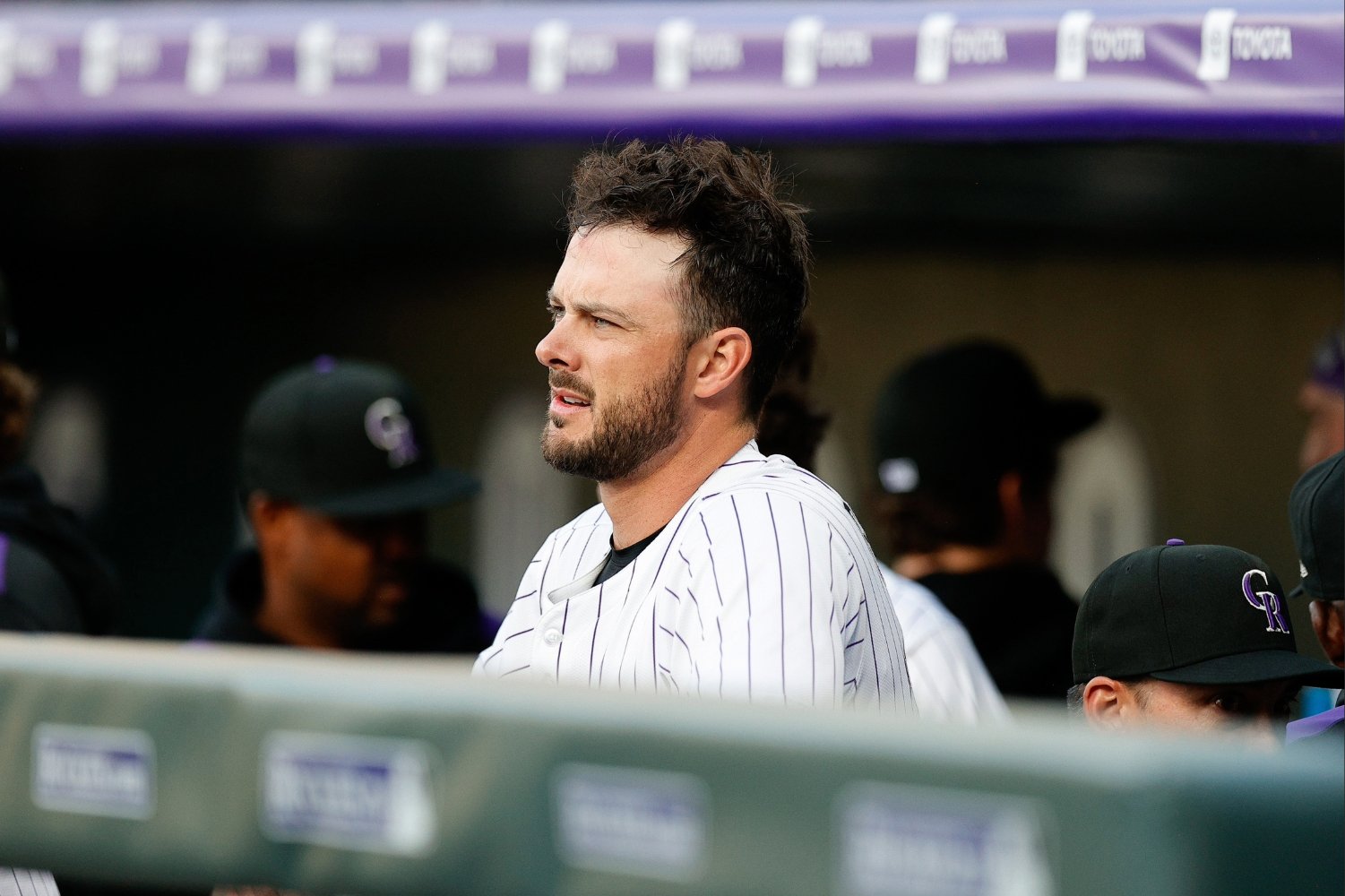 A Dick Howser Trophy and Golden Spikes Award. The second overall pick who became the Minor League Player of the Year. A National League Rookie of the Year, MVP, and curse-busting World Series champion. Kris Bryant accomplished all of that within a four-year span, by the time he was 24 years old. He was the golden child, the chosen one. The man who delivered the Chicago Cubs from the depths of championship purgatory to the promised land. That 2016 season, in particular, was something special, as Bryant led the senior circuit in WAR (7.3) and runs scored (121), hitting 39 home runs and posting a .939 OPS for good measure. He was just as valuable in the postseason, slashing .308/.400/.523 on the way to the team's World Series victory. For a fuller look at Bryant's career before and during his tenure with the Cubs, I encourage you to look at our Player's Project biography of him. Today, we're here to focus on what has transpired since he was sent to the San Francisco Giants at the 2021 trade deadline in exchange for Alexander Canario and Caleb Kilian. That trade was one of many made during the Great Chicago Fire Sale of 2021, though by that time, a lot of the shine had worn off on Bryant. Injuries and failed contract negotiations robbed him of some of the luster that once made him so legendary, and by the time he was sent on his way to the Bay Area, most fans were already numb from trades involving Anthony Rizzo, Javier Báez, and other members of the 2016 core. For what it's worth, Bryant more or less lived up to his billing with the Giants, posting a 113 wRC+ in the middle of the lineup. By some miracle, San Francisco rode their veteran core to 107 wins, outlasting the Los Angeles Dodgers in the regular season and breaking up their NL West reign of terror. That 2021 division title is the only one the Dodgers haven't won since 2012. Once his new team fell in Game 5 of the NLDS (to the Dodgers), Bryant became a free agent for the first time in his career, arguably a year later than he should have given the Cubs' not-so-subtle manipulation of his service time back in 2015. That lost year didn't end up mattering much, as he found a seven-year, $182 million deal with the Colorado Rockies. It was a bizarre turn of events after the Rockies had traded franchise third baseman Nolan Arenado to St. Louis less than a year earlier, but it at least suggested that the franchise wasn't interested in being the runt of the NL West litter. Unfortunately for both Bryant and Colorado, the deal has flamed out in historic fashion. The Rockies — who last appeared in the playoffs in 2018, when they knocked out Bryant's Cubs in the NL Wild Card Game — haven't won more than 68 games in any of the four seasons that the former champ has spent with them. They've finished last in the division in each campaign, and are currently rocking a streak of three consecutive 100-loss seasons that would go down in the infamy of ineptitude had it not directly clashed with the somehow-more-disastrous stretch the Chicago White Sox find themselves mired in. Bryant, of course, isn't directly responsible for the gross mismanagement of the franchise. His onerous contract remains the largest one on their books, but the front office has been so incompetent for so long that they are now being replaced by Paul DePodesta of both Moneyball and Cleveland Browns fame. The Rockies are simply the most irrelevant team in baseball, a painful truth that Bryant was supposed to help alleviate. But pain is really the only thing that's been true about the 34-year-old's tenure in Colorado. A degenerative lumbar disc disease (lower back) has all but sapped his effectiveness on the field, and more often than not held him off of it. He's played in 170 games out of a possible 648 since joining the Rockies, and he's not going to improve that percentage any time soon. Bryant hasn't played in more than 80 games in any of his four campaigns since joining the Rockies. He's been worth -1.6 bWAR (-1.9 fWAR) in his time on the field. It's hard not to feel overwhelming sympathy for him — he told the Denver Post after last season that his chronic back issues affect his daily life off the baseball field as well — but he also isn't willing to contemplate retirement. Since 2022, he's missed time due to back, foot, glute, heel, finger, rib, and lumbar injuries. His whole body seems to be failing him at this point. With just three years (and $81 million) remaining on his contract, there's almost no way Bryant can make up for so much lost time. Much like the White Sox's struggles masking what has plagued the Rockies, Anthony Rendon's contract has shielded the former Cubs legend from most worst-contract-in-baseball discussions. But now that the Angels have bought that deal out, it's almost impossible to suggest that anyone is less deserving of the money he's being paid than Bryant. Is this really how his story ends? One of the great young players in the history of baseball fading into injury-fueled obscurity in Colorado? Reconciling this battered and bruised version of him with the 24-year-old MVP who broke the greatest drought in sports isn't feasible. It's practically like discussing two different players. His health is most important, and his legacy in Chicago was secured on Nov. 2, 2016. With any luck, he'll be able to add a little bit to his ledger before he has to call it quits. But luck isn't the only thing that appears to have escaped him since he put pen to paper on his current contract.
 -
Yes. The most important move Jed Hoyer could ever make
-
Image courtesy of © Mark Hoffman/Milwaukee Journal Sentinel / USA TODAY NETWORK via Imagn Images The phrase "limitations breed creativity" isn't often applied to athletics, but as the lone major American sport without a salary cap (for now), Major League Baseball creates a unique environment that demands creativity from certain franchises in order to remain relevant. That's perhaps never been more salient than it is right now, with payroll disparities across the league reaching record levels. In a world where the Los Angeles Dodgers are spending $120 million for one season of Kyle Tucker (when factoring in luxury tax payments), it's growing increasingly difficult for small-market teams to compete for titles. And yet, that hasn't stopped the Milwaukee Brewers from winning four of the last five NL Central titles, despite playing in the same division as the big-market Chicago Cubs. A rebuild from the latter certainly helped matters, but the Crew have just kept on winning, despite never running a yearly payroll higher than $135 million. It's been astonishing work of creating a yearly product that is always larger than the sum of its parts. However, those payroll limitations have caught up with the Brewers. After Brandon Woodruff accepted the qualifying offer (valued a little over $22 million in 2026), the team was up against their internal spending limits. They eventually capitulated to the financial strain, trading longtime ace Freddy Peralta to the New York Mets (alongside Tobias Meyers) in exchange for top prospects Brandon Sproat and Jett Williams. This isn't a new phenomenon for the Brewers, either. Just last offseason, they dealt All-Star closer Devin Williams and received their third baseman of the future (Caleb Durbin) in return. The year before that, it was Cy-Young-winner Corbin Burnes getting shipped to Baltimore for a gaggle of high-upside prospects, including starting shortstop Joey Ortiz. Wind the clock back a few more months, and you'll find Josh Hader being sent via first-class delivery to San Diego. Rip up a bunch of yearly calendars, and you'll find history repeating itself in the form of Yovani Gallardo being traded to the Texas Rangers. All of those players had just one year remaining on their respective deals at the time of their trades, save for Hader who had an extra half-year of control (his was a trade deadline deal). That's simply the price of doing business in Milwaukee; they know they can't pay to extend their superstar players, and so they capitalize on each one's value before they reach free agency. It's a savvy way of doing business, though it also comes with the tremendous risk of always parting with the best player at the time of the trade. There's no guarantee that the prospects the Brewers receive — even with with their excellent scouting department and player development program — will ever amount to anything in the major leagues. This brings us back to the Cubs, who often find themselves on the opposite end of such deals. You need look no further than last winter for such an example, when they acquired Tucker from the Houston Astros for a package headlined by top prospect Cam Smith and third baseman Isaac Paredes. There are new ways to assess Tucker's tenure now that he's officially leaving after only one year in the Windy City, but that's sort of the point of such trades; the superstar-receiving party is guaranteed one year of the player, whereas the superstar-sending party takes on the risk of developing prospects who come with many years of control. The Cubs got what they hoped for out of their sole season with Tucker — a 90-win season, a return to contention, and a playoff series win — but the value he provided in 2025 is all the value he'll ever provide to the team. The Astros, meanwhile, now get a half-decade with Cam Smith to try and keep their own contention window open a little longer. Now, for all their regular-season success, the Brewers haven't won a World Series during this current window. In fact, they haven't even made the Fall Classic, and they've only made the NLCS twice (2018, 2025) just to be stopped short by the free-spending Dodgers both times. Trading great players for long-term control of really good ones is a solid strategy for a 162-game season, but lowering your short-term ceiling is only bound to hurt you in the playoffs. That's the reality facing the Brewers, though. When they trade a star, they'll get young talent in return, but they also do so with the intention of cutting payroll. They only saved $8 million in the Peralta deal, but you can be sure ownership is counting every dollar that comes in or out of the organization. Though the Ricketts may be prone to the same billionaire phenomenon, the Cubs don't have to trade stars in order to save money. There's a good argument to be made that they should be extending more of their in-house standouts (á la the Braves or Red Sox), but that's a conversation for another time. What matters now is that Chicago's list of impending free agents following the 2026 season is as large as it is impressive; the non-exhaustive highlights include Shota Imanaga, Ian Happ, Seiya Suzuki, Jameson Taillon, and Nico Hoerner. Factor in options that aren't likely to be exercised, and you can include Carson Kelly and Matthew Boyd among that crop. Of course, the 2026 Cubs will be better with all of those players on their team. If the goal is simply to win the title this year, there's no argument to be made otherwise. But we know Jed Hoyer likes to talk about this being a multi-year operation, and the 2027 Cubs will be significantly worse if most or all of those players walk in exchange for nothing, save for maybe a few extra draft picks via declined qualifying offers. Barring a few extensions that add more long-term money to the books, isn't it reasonable for the organization to follow in the Brewers' footsteps and trade a player or two for some major-league ready talent that has to play for cheap? All this lamenting and posturing isn't meant to encourage the conclusion that the Cubs should mimic every facet of the Brewers' operation. As the big-market, deep-pocketed team in the division, the North Siders should aggressively spend on marquee talents, much like they did with Alex Bregman a few weeks ago. They should be aggressive in trades during competitive windows, much like they were in acquiring Edward Cabrera from the Miami Marlins. Even in the rare instance that a superstar player like Kyle Tucker becomes available, it'd be foolish for the Cubs not to at least throw their hat in the ring. But this is a salient conversation amidst a potential MLB lockout, crumbling TV deal, and, of course, the Cubs' self-imposed budget constraints. With so many players due for free agency in a year's time, the front office must weigh the ramifications of lowering the short-term ceiling in order to keep the window of contention pried open a little longer. The Brewers have successfully walked that tightrope for the last half-decade; the Cubs may be destined for second place until they muster the courage to take the same leap of faith. View full article
-
Why Can't the Cubs Copy the Brewers' Window-Extending Strategy?
Brandon Glick posted an article in Cubs
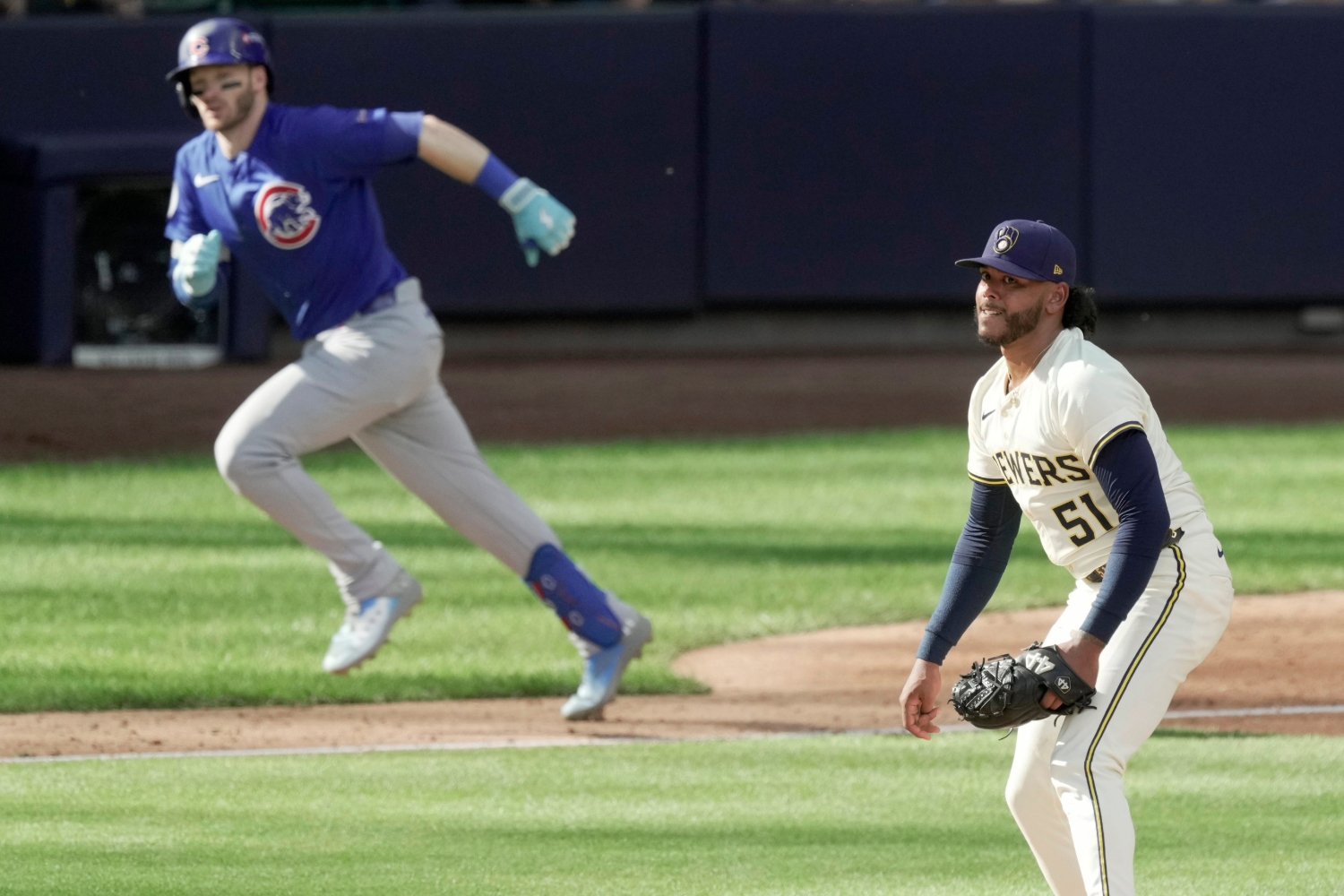 The phrase "limitations breed creativity" isn't often applied to athletics, but as the lone major American sport without a salary cap (for now), Major League Baseball creates a unique environment that demands creativity from certain franchises in order to remain relevant. That's perhaps never been more salient than it is right now, with payroll disparities across the league reaching record levels. In a world where the Los Angeles Dodgers are spending $120 million for one season of Kyle Tucker (when factoring in luxury tax payments), it's growing increasingly difficult for small-market teams to compete for titles. And yet, that hasn't stopped the Milwaukee Brewers from winning four of the last five NL Central titles, despite playing in the same division as the big-market Chicago Cubs. A rebuild from the latter certainly helped matters, but the Crew have just kept on winning, despite never running a yearly payroll higher than $135 million. It's been astonishing work of creating a yearly product that is always larger than the sum of its parts. However, those payroll limitations have caught up with the Brewers. After Brandon Woodruff accepted the qualifying offer (valued a little over $22 million in 2026), the team was up against their internal spending limits. They eventually capitulated to the financial strain, trading longtime ace Freddy Peralta to the New York Mets (alongside Tobias Meyers) in exchange for top prospects Brandon Sproat and Jett Williams. This isn't a new phenomenon for the Brewers, either. Just last offseason, they dealt All-Star closer Devin Williams and received their third baseman of the future (Caleb Durbin) in return. The year before that, it was Cy-Young-winner Corbin Burnes getting shipped to Baltimore for a gaggle of high-upside prospects, including starting shortstop Joey Ortiz. Wind the clock back a few more months, and you'll find Josh Hader being sent via first-class delivery to San Diego. Rip up a bunch of yearly calendars, and you'll find history repeating itself in the form of Yovani Gallardo being traded to the Texas Rangers. All of those players had just one year remaining on their respective deals at the time of their trades, save for Hader who had an extra half-year of control (his was a trade deadline deal). That's simply the price of doing business in Milwaukee; they know they can't pay to extend their superstar players, and so they capitalize on each one's value before they reach free agency. It's a savvy way of doing business, though it also comes with the tremendous risk of always parting with the best player at the time of the trade. There's no guarantee that the prospects the Brewers receive — even with with their excellent scouting department and player development program — will ever amount to anything in the major leagues. This brings us back to the Cubs, who often find themselves on the opposite end of such deals. You need look no further than last winter for such an example, when they acquired Tucker from the Houston Astros for a package headlined by top prospect Cam Smith and third baseman Isaac Paredes. There are new ways to assess Tucker's tenure now that he's officially leaving after only one year in the Windy City, but that's sort of the point of such trades; the superstar-receiving party is guaranteed one year of the player, whereas the superstar-sending party takes on the risk of developing prospects who come with many years of control. The Cubs got what they hoped for out of their sole season with Tucker — a 90-win season, a return to contention, and a playoff series win — but the value he provided in 2025 is all the value he'll ever provide to the team. The Astros, meanwhile, now get a half-decade with Cam Smith to try and keep their own contention window open a little longer. Now, for all their regular-season success, the Brewers haven't won a World Series during this current window. In fact, they haven't even made the Fall Classic, and they've only made the NLCS twice (2018, 2025) just to be stopped short by the free-spending Dodgers both times. Trading great players for long-term control of really good ones is a solid strategy for a 162-game season, but lowering your short-term ceiling is only bound to hurt you in the playoffs. That's the reality facing the Brewers, though. When they trade a star, they'll get young talent in return, but they also do so with the intention of cutting payroll. They only saved $8 million in the Peralta deal, but you can be sure ownership is counting every dollar that comes in or out of the organization. Though the Ricketts may be prone to the same billionaire phenomenon, the Cubs don't have to trade stars in order to save money. There's a good argument to be made that they should be extending more of their in-house standouts (á la the Braves or Red Sox), but that's a conversation for another time. What matters now is that Chicago's list of impending free agents following the 2026 season is as large as it is impressive; the non-exhaustive highlights include Shota Imanaga, Ian Happ, Seiya Suzuki, Jameson Taillon, and Nico Hoerner. Factor in options that aren't likely to be exercised, and you can include Carson Kelly and Matthew Boyd among that crop. Of course, the 2026 Cubs will be better with all of those players on their team. If the goal is simply to win the title this year, there's no argument to be made otherwise. But we know Jed Hoyer likes to talk about this being a multi-year operation, and the 2027 Cubs will be significantly worse if most or all of those players walk in exchange for nothing, save for maybe a few extra draft picks via declined qualifying offers. Barring a few extensions that add more long-term money to the books, isn't it reasonable for the organization to follow in the Brewers' footsteps and trade a player or two for some major-league ready talent that has to play for cheap? All this lamenting and posturing isn't meant to encourage the conclusion that the Cubs should mimic every facet of the Brewers' operation. As the big-market, deep-pocketed team in the division, the North Siders should aggressively spend on marquee talents, much like they did with Alex Bregman a few weeks ago. They should be aggressive in trades during competitive windows, much like they were in acquiring Edward Cabrera from the Miami Marlins. Even in the rare instance that a superstar player like Kyle Tucker becomes available, it'd be foolish for the Cubs not to at least throw their hat in the ring. But this is a salient conversation amidst a potential MLB lockout, crumbling TV deal, and, of course, the Cubs' self-imposed budget constraints. With so many players due for free agency in a year's time, the front office must weigh the ramifications of lowering the short-term ceiling in order to keep the window of contention pried open a little longer. The Brewers have successfully walked that tightrope for the last half-decade; the Cubs may be destined for second place until they muster the courage to take the same leap of faith.
 -
Now that Kyle Tucker has signed with the Los Angeles Dodgers, should the Chicago Cubs get a passing grade for their original trade with the Houston Astros? View full video
-
Now that Kyle Tucker has signed with the Los Angeles Dodgers, should the Chicago Cubs get a passing grade for their original trade with the Houston Astros?
-
Seeking championship-caliber players with the leadership intangibles to match, by signing the likes of Alex Bregman and Dansby Swanson, the Chicago Cubs have definitively stated which veterans they're willing to spend on in free agency. View full video
-
Seeking championship-caliber players with the leadership intangibles to match, by signing the likes of Alex Bregman and Dansby Swanson, the Chicago Cubs have definitively stated which veterans they're willing to spend on in free agency.
-
Displaced at third base by Alex Bregman, will Matt Shaw still have a long-term place on the Chicago Cubs? Or does his future lie with another squad? View full video
-
Displaced at third base by Alex Bregman, will Matt Shaw still have a long-term place on the Chicago Cubs? Or does his future lie with another squad?