


Jonathan Bohall
-
Posts
8 -
Joined
-
Last visited
Jonathan Bohall's Achievements


-
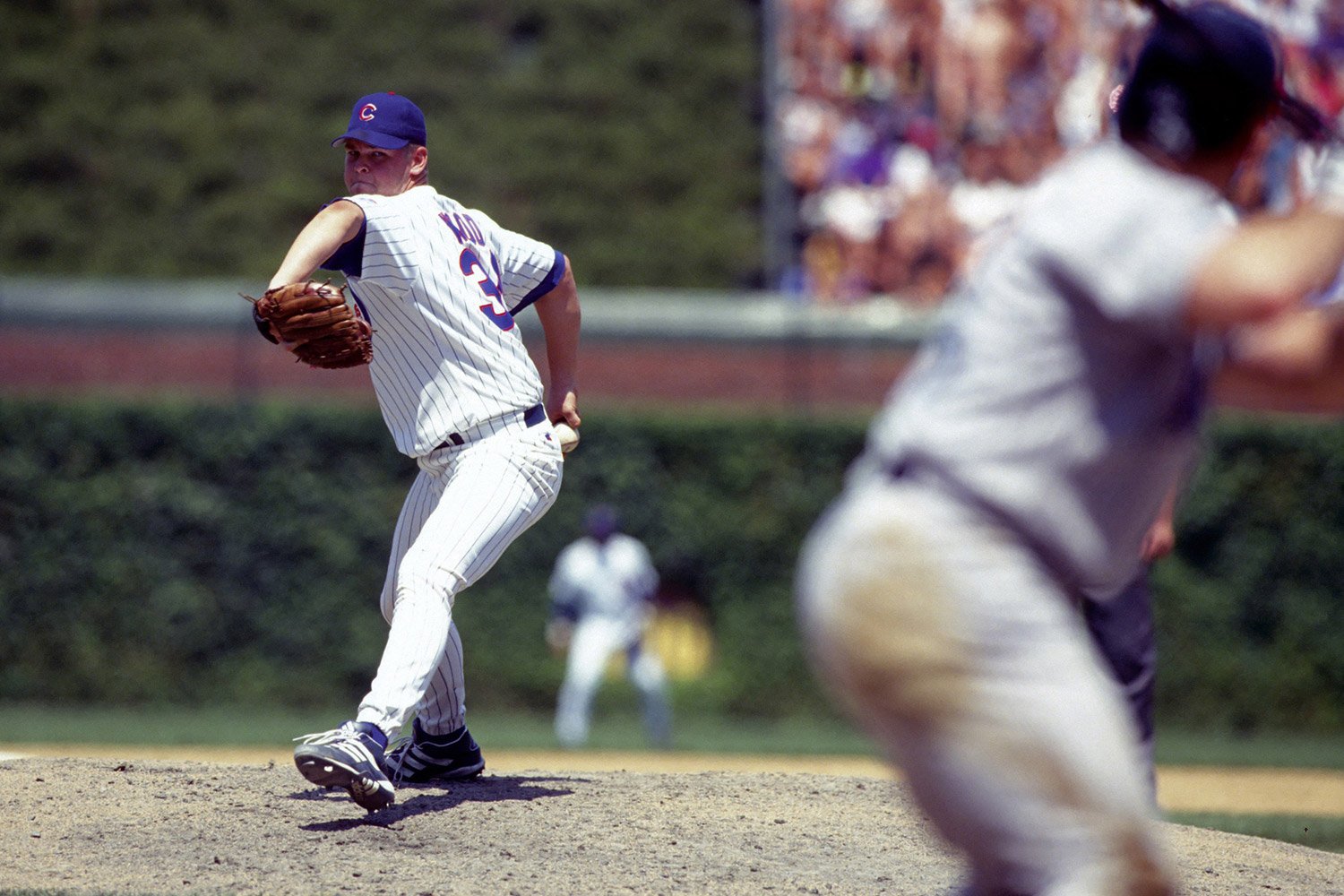 Kerry Wood and the Cubs were off to a very neutral start through April 1998. Despite a good first week, the Cubs finished the month at 14-13. Wood was good at home, having won his first two starts against the Dodgers and Cardinals at Wrigley Field while losing to the Expos and those same Dodgers on the road. Going into an afternoon start against the Central Division-leading Astros, Wood's first pitch may have foreshadowed a very wild start. His first fastball was entirely missed by his catcher, and he hit home plate umpire Jerry Meals in the mask. Fortunately for Wood, this did not prevent Meals from calling a very generous strike zone. Wood had thrown to regular catcher Scott Servais for his first four starts, but backup Sandy Martinez was behind the plate this afternoon. If there was one thing that Martinez showed Wood through the first inning, it was his ability to show a good target. Notice how, in this first inning at-bat by Jeff Bagwell - notorious for his very low stance - how Martinez gets just as low, practically sitting on the ground. Wood overpowered the Astros' first three hitters (all members of the Killer B's), Craig Biggio, Derek Bell, and Bagwell. Houston could not put a ball in play until their sixth hitter, Dave Clark, flew out to center to end the second. It was probably too early to think no-hitter. Still, Houston shortstop Ricky Gutierrez ended those aspirations with a little ground ball leading off the third that bounced off the third basemen's glove, Kevin Orie, going to his left. Without much controversy, it was ruled a hit. Maybe Brooks Robinson or contemporary Scott Rolen could make that play. For those in the ballpark who were beginning to notice Wood's historic strikeout totals (now six through the first eight batters), the fact that Gutierrez was on first meant that pitcher Shane Reynolds could save himself from the same fate and put down a sac bunt. Biggio ended the third with a groundout to preserve the shutout. The Astros' starting pitcher, Shane Reynolds, was in a similar groove. In fact, he struck out the side in the first as well, and through four innings, both Wood and Reynolds combined to strike out 16. Kerry Wood took it from there. He struck out the side in the fifth, all looking, thanks to a fairly wide strike zone. Here is Wood hitting Martinez right in the target, but perhaps two to three inches outside. Same thing to get Gutierrez looking to end the fifth. Wood's unusual impeccable control deserted him briefly in the sixth when he hit Biggio with a pitch and only struck out one hitter (the pitcher Reynolds). Going into the seventh with 12 strikeouts, he would need to fan the remaining outs to break Roger Clemens' twice record of 20 K's (set in 1986 and then in 1996). Amazingly, he almost did it, striking out the side in the seventh and eighth and only allowing a ground out by Biggio in the ninth. Derek Bell, the last hitter, was so helpless by that point that WGN broadcaster Steve Stone was openly called the last pitch that Bell futilely swung through. The amount of records tied or bested seemed endless. He set a new strikeout mark for Cubs pitchers and rookies overall. Despite the twenty-strikeout performance being duplicated later by Randy Johnson and Max Scherzer, Wood's Game Score of 105 for a nine-inning game has yet to be matched. The only blemishes on the afternoon were a scratch single and a hit by pitch, all against a lineup that would win 102 games in 1998 and included a couple of future Hall of Famers in Biggio and Bagwell. Wood continued his historic run of strikeouts his very next start against the expansion Diamondbacks. Wood overpowered Arizona hitters for 13 more strikeouts in seven innings. With Scott Servais back behind the plate, Wood's breaking ball, which was so key against the Astros, was not quite biting the same way in Arizona. He relied on his fastball and seemed to be laboring to get through the last few hitters in the seventh. He seemed to reach back for one last good breaking ball to get Yamil Benitez to end the frame. The 33 strikeouts set a new record for K's in consecutive starts. Wood even collected two hits and two runs batted in.
 -
On the 25th anniversary of the 1998 Cubs, we take a look back at one of the most dominant pitching performances of all time. Image courtesy of © RVR Photos-USA TODAY Sports Kerry Wood and the Cubs were off to a very neutral start through April 1998. Despite a good first week, the Cubs finished the month at 14-13. Wood was good at home, having won his first two starts against the Dodgers and Cardinals at Wrigley Field while losing to the Expos and those same Dodgers on the road. Going into an afternoon start against the Central Division-leading Astros, Wood's first pitch may have foreshadowed a very wild start. His first fastball was entirely missed by his catcher, and he hit home plate umpire Jerry Meals in the mask. Fortunately for Wood, this did not prevent Meals from calling a very generous strike zone. Wood had thrown to regular catcher Scott Servais for his first four starts, but backup Sandy Martinez was behind the plate this afternoon. If there was one thing that Martinez showed Wood through the first inning, it was his ability to show a good target. Notice how, in this first inning at-bat by Jeff Bagwell - notorious for his very low stance - how Martinez gets just as low, practically sitting on the ground. Wood overpowered the Astros' first three hitters (all members of the Killer B's), Craig Biggio, Derek Bell, and Bagwell. Houston could not put a ball in play until their sixth hitter, Dave Clark, flew out to center to end the second. It was probably too early to think no-hitter. Still, Houston shortstop Ricky Gutierrez ended those aspirations with a little ground ball leading off the third that bounced off the third basemen's glove, Kevin Orie, going to his left. Without much controversy, it was ruled a hit. Maybe Brooks Robinson or contemporary Scott Rolen could make that play. For those in the ballpark who were beginning to notice Wood's historic strikeout totals (now six through the first eight batters), the fact that Gutierrez was on first meant that pitcher Shane Reynolds could save himself from the same fate and put down a sac bunt. Biggio ended the third with a groundout to preserve the shutout. The Astros' starting pitcher, Shane Reynolds, was in a similar groove. In fact, he struck out the side in the first as well, and through four innings, both Wood and Reynolds combined to strike out 16. Kerry Wood took it from there. He struck out the side in the fifth, all looking, thanks to a fairly wide strike zone. Here is Wood hitting Martinez right in the target, but perhaps two to three inches outside. Same thing to get Gutierrez looking to end the fifth. Wood's unusual impeccable control deserted him briefly in the sixth when he hit Biggio with a pitch and only struck out one hitter (the pitcher Reynolds). Going into the seventh with 12 strikeouts, he would need to fan the remaining outs to break Roger Clemens' twice record of 20 K's (set in 1986 and then in 1996). Amazingly, he almost did it, striking out the side in the seventh and eighth and only allowing a ground out by Biggio in the ninth. Derek Bell, the last hitter, was so helpless by that point that WGN broadcaster Steve Stone was openly called the last pitch that Bell futilely swung through. The amount of records tied or bested seemed endless. He set a new strikeout mark for Cubs pitchers and rookies overall. Despite the twenty-strikeout performance being duplicated later by Randy Johnson and Max Scherzer, Wood's Game Score of 105 for a nine-inning game has yet to be matched. The only blemishes on the afternoon were a scratch single and a hit by pitch, all against a lineup that would win 102 games in 1998 and included a couple of future Hall of Famers in Biggio and Bagwell. Wood continued his historic run of strikeouts his very next start against the expansion Diamondbacks. Wood overpowered Arizona hitters for 13 more strikeouts in seven innings. With Scott Servais back behind the plate, Wood's breaking ball, which was so key against the Astros, was not quite biting the same way in Arizona. He relied on his fastball and seemed to be laboring to get through the last few hitters in the seventh. He seemed to reach back for one last good breaking ball to get Yamil Benitez to end the frame. The 33 strikeouts set a new record for K's in consecutive starts. Wood even collected two hits and two runs batted in. View full article
-
After their hot 6-1 start against Florida and Montreal, the Cubs came back to earth as they started to play a much harder schedule. Even as the team struggled with a two-game split against the Mets, there was excitement around the Cubs as a rookie was called up. Image courtesy of © RVR Photos-USA TODAY Sports Throughout spring and the first weeks of the season, the open question around the Cubs was when Kerry Wood would be brought up from the minors. After being drafted 4th overall in the 1995 amateur draft and ranked as the number four prospect going into 1998 by Baseball America (behind Ben Grieve, Paul Konerko, and Adrian Beltre and just ahead of future Cub Aramis Ramirez), players and executives around the Cubs were quick to praise the young Fireballer. "I can't think of anybody in my years here who came with his talents and build-up," noted Mark Grace. Added former CY Young Award winner and current broadcaster Steve Stone, "He has the best stuff coming out of the organization that I've ever seen." His future catcher Scott Servais added, "Talent like his only comes along every so often." Even rival players were impressed. Anaheim Angel Tim Salmon praised Wood after he struck out Cecil Fielder, Salmon, and Jim Edmonds in a spring training start, "He's as good as there is. He has pure velocity." Wood, who received comparisons to fellow Texans Nolan Ryan and Roger Clemens for his high 90's fastball and strikeout numbers, had an interesting 1997 in Double-A and Triple-A. While the strikeouts were plentiful (186 in just 151.2 IP), so were the walks, as he handed out 131 free passes. However, Wood was deemed ready for the big club in 1998 after one scoreless Triple-A start. He made his MLB debut in Montreal on April 12, Easter Sunday, in front of a small crowd of just 18,000. His debut could be categorized as fine, as the 20-year-old right-hander was saddled with the loss after giving up four earned runs (two scored after he left the game) in 4.2 innings with seven strikeouts, four hits allowed, and three walks. The main issue was the pitch count. Even in an era less concerned about pitcher safety, 102 pitches were deemed enough. Wood's next start against the Dodgers went much better. The Cubs tagged Dodgers' starter Hideo Nomo for eight runs, including Wood's first MLB hit and RBI. With little pressure to win the game, Wood let it fly for five shutout innings, striking out seven, walking three, and being removed again after 102 pitches. Two strikeouts were notable, one versus Todd Zeile in the third, where he had the Dodger third baseman wave through two breaking balls and take a fastball right down the middle: Later in the fifth, he got Mike Piazza looking: Wood's next start was not quite as good. This time the Dodgers patiently waited out Wood, who was not getting the benefit of the doubt as he walked in two runs before allowing a grand slam to Piazza on a get-me-over fastball. After the seven-run performance in less than two innings, Wood's ERA stood at 8.74 in just three starts. Wood was much better in his last start of April, going seven strong innings against the Cardinals, allowing only a single run and striking out nine (including a strikeout of Mark McGwire. More encouraging, he walked only two. After Wood’s uneven first four starts of the year, it may been hard to imagine what would be coming soon. The Cubs finished April with an almost even 14-13 record after struggling against the Dodgers and Padres. Around the league: Expected to contend in 1998 with superstars Ken Griffey Jr., Randy Johnson, Alex Rodriguez, and Edgard Martinez, the Mariners can’t survive early in 1998 with their very leaky bullpen. Of note was a game on April 10 where Johnson went eight strong innings, striking out 15 and leaving the game with a 7-2 lead. Four Mariner relievers combine to allow seven runs in the ninth without retiring a hitter, culminating with a Mo Vaughn walk-off grand slam. Curt Schilling of the Phillies out duels Greg Maddux and the Braves in back-to-back starts, combining for two complete games, one run allowed, and 25 strikeouts The Expos, off to a dreadful start, may have been helped to their first win of 1998 on April 9, when Milwaukee Brewers starting pitcher Jose Mercedes forgot when the game started. He arrived too late at the ballpark to make his start but came into the game in the fifth to allow four runs. Mike Piazza received boos from the Dodger faithful going into his walk year before free agency. He responded in April by powering eight homers, including three grand slams. Mark McGwire finishes April a bit ahead of 62 homer pace with 11 round-trippers. Sammy Sosa finishes the month with six. View full article
-
A Look Back At The 1998 Chicago Cubs: Part Two - Kerry Wood's Debut
Jonathan Bohall posted an article in Cubs
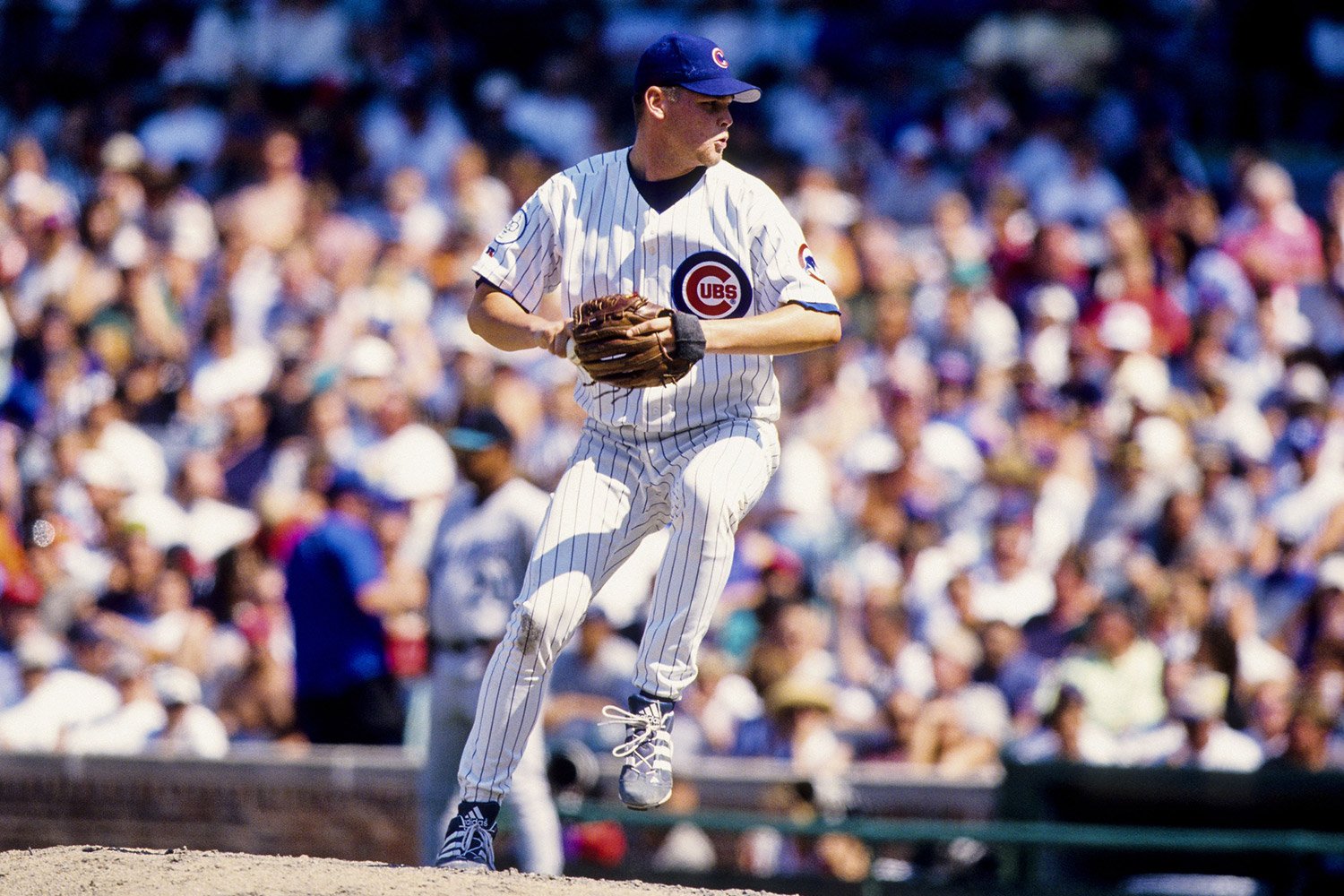 Throughout spring and the first weeks of the season, the open question around the Cubs was when Kerry Wood would be brought up from the minors. After being drafted 4th overall in the 1995 amateur draft and ranked as the number four prospect going into 1998 by Baseball America (behind Ben Grieve, Paul Konerko, and Adrian Beltre and just ahead of future Cub Aramis Ramirez), players and executives around the Cubs were quick to praise the young Fireballer. "I can't think of anybody in my years here who came with his talents and build-up," noted Mark Grace. Added former CY Young Award winner and current broadcaster Steve Stone, "He has the best stuff coming out of the organization that I've ever seen." His future catcher Scott Servais added, "Talent like his only comes along every so often." Even rival players were impressed. Anaheim Angel Tim Salmon praised Wood after he struck out Cecil Fielder, Salmon, and Jim Edmonds in a spring training start, "He's as good as there is. He has pure velocity." Wood, who received comparisons to fellow Texans Nolan Ryan and Roger Clemens for his high 90's fastball and strikeout numbers, had an interesting 1997 in Double-A and Triple-A. While the strikeouts were plentiful (186 in just 151.2 IP), so were the walks, as he handed out 131 free passes. However, Wood was deemed ready for the big club in 1998 after one scoreless Triple-A start. He made his MLB debut in Montreal on April 12, Easter Sunday, in front of a small crowd of just 18,000. His debut could be categorized as fine, as the 20-year-old right-hander was saddled with the loss after giving up four earned runs (two scored after he left the game) in 4.2 innings with seven strikeouts, four hits allowed, and three walks. The main issue was the pitch count. Even in an era less concerned about pitcher safety, 102 pitches were deemed enough. Wood's next start against the Dodgers went much better. The Cubs tagged Dodgers' starter Hideo Nomo for eight runs, including Wood's first MLB hit and RBI. With little pressure to win the game, Wood let it fly for five shutout innings, striking out seven, walking three, and being removed again after 102 pitches. Two strikeouts were notable, one versus Todd Zeile in the third, where he had the Dodger third baseman wave through two breaking balls and take a fastball right down the middle: Later in the fifth, he got Mike Piazza looking: Wood's next start was not quite as good. This time the Dodgers patiently waited out Wood, who was not getting the benefit of the doubt as he walked in two runs before allowing a grand slam to Piazza on a get-me-over fastball. After the seven-run performance in less than two innings, Wood's ERA stood at 8.74 in just three starts. Wood was much better in his last start of April, going seven strong innings against the Cardinals, allowing only a single run and striking out nine (including a strikeout of Mark McGwire. More encouraging, he walked only two. After Wood’s uneven first four starts of the year, it may been hard to imagine what would be coming soon. The Cubs finished April with an almost even 14-13 record after struggling against the Dodgers and Padres. Around the league: Expected to contend in 1998 with superstars Ken Griffey Jr., Randy Johnson, Alex Rodriguez, and Edgard Martinez, the Mariners can’t survive early in 1998 with their very leaky bullpen. Of note was a game on April 10 where Johnson went eight strong innings, striking out 15 and leaving the game with a 7-2 lead. Four Mariner relievers combine to allow seven runs in the ninth without retiring a hitter, culminating with a Mo Vaughn walk-off grand slam. Curt Schilling of the Phillies out duels Greg Maddux and the Braves in back-to-back starts, combining for two complete games, one run allowed, and 25 strikeouts The Expos, off to a dreadful start, may have been helped to their first win of 1998 on April 9, when Milwaukee Brewers starting pitcher Jose Mercedes forgot when the game started. He arrived too late at the ballpark to make his start but came into the game in the fifth to allow four runs. Mike Piazza received boos from the Dodger faithful going into his walk year before free agency. He responded in April by powering eight homers, including three grand slams. Mark McGwire finishes April a bit ahead of 62 homer pace with 11 round-trippers. Sammy Sosa finishes the month with six.
 -
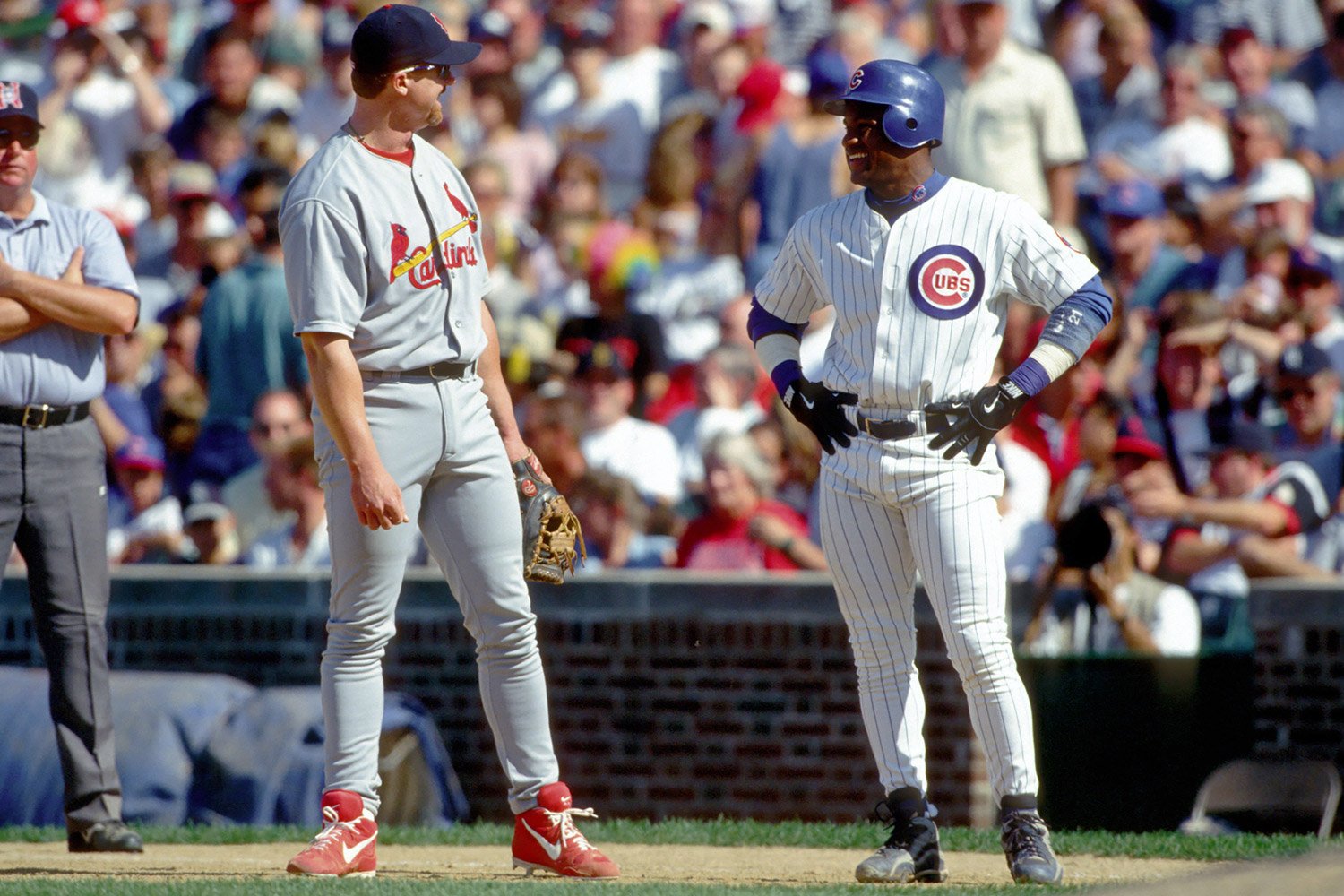 If the 1997 Cubs are remembered for anything, it’s that they began the season with a historic 14-game losing streak. Changes needed to be made to improve on their 1997 68-94 mark, so general manager Ed Lynch was busy going into 1998. He signed free agents SS Jeff Blauser from the Braves and closer Rod Beck from the Giants. He added Mickey Morandini in a trade for Doug Glanville with the Phillies to replace the recently retired Ryne Sandberg. Lynch was able to take advantage of Montreal's continual cost-cutting measures by trading pitcher Miguel Bautista for left fielder Henry Rodriguez who became the Cubs 12th different Opening Day left fielder in as many years. Rodriguez was immediately slotted 5th in the lineup as protection for Mark Grace and Sammy Sosa. They had high hopes for youngster Kevin Orie coming off an impressive rookie season in which he finished 11th in Rookie of the Year voting, batting .275/.350/.431 in 114 games. One of the biggest losses for the organization was not on the field but in the broadcast booth. Harry Caray, longtime broadcaster of the Cardinals, White Sox, and then the Cubs from 1982-1997, died on February 18, 1998. His grandson Chip Caray would take over play-by-play duties for the Cubs on WGN. The Cubs started the 1998 season in the same place as 1997, in Florida, against the newly crowned World Champion Marlins. However, the Marlins were going in the opposite direction as the Cubs, divesting most of their roster over the winter in an extreme cost-cutting move by owner Wayne Huizenga. Those not dealt away in the offseason soon would be in the coming months. Opening day got off to a roaring start in the very first inning had Cubs broadcasters Chip Caray and Steve Stone giddy. After a single and a walk that put runners on first and third, Henry Rodriguez blasted a three-run homer into the right-field bleachers of Pro Player Stadium. It was short-lived as Marlins World Series holdovers Gary Sheffield and Charles Johnson homered off of Cubs starter Kevin Tapani, who allowed nine runs in just two innings. The Marlins won easily, with a five-run margin, 11-6. It didn’t take long for writers, if not fans, to think the new look Cubs were a reprise of the year before. “13 to go–Cubs waste early surge,” The Chicago Tribune penned the next day. The Cubs would quickly prove 1997 was in the past as they came back to win the next two to take the series from the Marlins. After the first win, catcher Scott Servais said, “There’s probably no other team in history that needed to win the second game of the season as bad as we did.” The longest-tenured Cub, Mark Grace, playing on a broken toe from his last spring training at-bat, helped secure the series win as the Cubs came back from down 6-0 to score the winning run in the 9th. Later in the inning, Rod Beck notched his first save as a Cub and 200th of his career. The Cubs felt good going into their home opener despite some mechanical issues with their flight that turned a two-and-a-half-hour flight from Miami to Chicago into six hours. They matched up against the winless Montreal Expos at frigid Wrigley Field. While the players battled the elements (Rodriguez and the Expos' Vladimir Guerrero had likely homers taken away by the early April wind), the Wrigley crowd had a memorial service for Harry Caray. Dutchie Caray, his widow, became the first of many guests to sing the 7th inning stretch in Harry's absence. The Cubs pecked away at Montreal, securing a 6-2 win—Cubs pitchers, including Steve Trachsel, combined for three hits and 3 RBI. In what would become a theme for the 1998 season, the Cubs bullpen had to be bailed out by Rod Beck, who nailed down his 2nd save. It was hard not to feel good about the Cubs as they finished a four-game sweep of Montreal over the next three days. Sammy Sosa, off to a slow start offensively and defensively, hit his first homer of the year in the series, an opposite-field shot in the 2nd game. The 6-1 first week of 1998 was quite a contrast to 1997 for Cubs fans who looked past the fact that they had just beat up on a couple of teams who, to that point, had one combined win on the season and had some thinking World Series. Cubs media information coordinator Chuck Wasserstrom dismissed the ticket inquiries by noting, “I’ve got the Sox-Cubs series [coming up in June 1998] to worry about.” Around the league: The Tampa Bay Devil Rays and Arizona Diamondbacks play their first games as expansion franchises. Predictably, both lose convincingly (11-6 and 9-2 respectively). Future Hall of Famer Wade Boggs hits the first homer for the Devil Rays, while rookie sensation Travis Lee goes deep for the first time for the D-Backs. Mark McGwire starts his assault on Roger Maris’ record of 61 single-season home runs with homers in each of the first four games, including an Opening Day grand slam against the Dodgers’ Ramon Martinez and a walk-off 3-run homer in the 12th inning of their second game. 1997 AL Cy Young Award runner-up Randy Johnson is rocked on Opening Day by the Cleveland Guardians to start the speculation that the free agent may be trying to get out of town. The New York Yankees, expected by owner George Steinbrenner to go 162-0 in 1998, lose 4 of their first 5. Seattle’s 8-0 shutout victory on April 6. It would prove to be the nadir of the season for New York.
 -
On the 25th anniversary of the 1998 Cubs, we look back at a memorable season in part one of this multiple part series. Image courtesy of © RVR Photos-USA TODAY Sports If the 1997 Cubs are remembered for anything, it’s that they began the season with a historic 14-game losing streak. Changes needed to be made to improve on their 1997 68-94 mark, so general manager Ed Lynch was busy going into 1998. He signed free agents SS Jeff Blauser from the Braves and closer Rod Beck from the Giants. He added Mickey Morandini in a trade for Doug Glanville with the Phillies to replace the recently retired Ryne Sandberg. Lynch was able to take advantage of Montreal's continual cost-cutting measures by trading pitcher Miguel Bautista for left fielder Henry Rodriguez who became the Cubs 12th different Opening Day left fielder in as many years. Rodriguez was immediately slotted 5th in the lineup as protection for Mark Grace and Sammy Sosa. They had high hopes for youngster Kevin Orie coming off an impressive rookie season in which he finished 11th in Rookie of the Year voting, batting .275/.350/.431 in 114 games. One of the biggest losses for the organization was not on the field but in the broadcast booth. Harry Caray, longtime broadcaster of the Cardinals, White Sox, and then the Cubs from 1982-1997, died on February 18, 1998. His grandson Chip Caray would take over play-by-play duties for the Cubs on WGN. The Cubs started the 1998 season in the same place as 1997, in Florida, against the newly crowned World Champion Marlins. However, the Marlins were going in the opposite direction as the Cubs, divesting most of their roster over the winter in an extreme cost-cutting move by owner Wayne Huizenga. Those not dealt away in the offseason soon would be in the coming months. Opening day got off to a roaring start in the very first inning had Cubs broadcasters Chip Caray and Steve Stone giddy. After a single and a walk that put runners on first and third, Henry Rodriguez blasted a three-run homer into the right-field bleachers of Pro Player Stadium. It was short-lived as Marlins World Series holdovers Gary Sheffield and Charles Johnson homered off of Cubs starter Kevin Tapani, who allowed nine runs in just two innings. The Marlins won easily, with a five-run margin, 11-6. It didn’t take long for writers, if not fans, to think the new look Cubs were a reprise of the year before. “13 to go–Cubs waste early surge,” The Chicago Tribune penned the next day. The Cubs would quickly prove 1997 was in the past as they came back to win the next two to take the series from the Marlins. After the first win, catcher Scott Servais said, “There’s probably no other team in history that needed to win the second game of the season as bad as we did.” The longest-tenured Cub, Mark Grace, playing on a broken toe from his last spring training at-bat, helped secure the series win as the Cubs came back from down 6-0 to score the winning run in the 9th. Later in the inning, Rod Beck notched his first save as a Cub and 200th of his career. The Cubs felt good going into their home opener despite some mechanical issues with their flight that turned a two-and-a-half-hour flight from Miami to Chicago into six hours. They matched up against the winless Montreal Expos at frigid Wrigley Field. While the players battled the elements (Rodriguez and the Expos' Vladimir Guerrero had likely homers taken away by the early April wind), the Wrigley crowd had a memorial service for Harry Caray. Dutchie Caray, his widow, became the first of many guests to sing the 7th inning stretch in Harry's absence. The Cubs pecked away at Montreal, securing a 6-2 win—Cubs pitchers, including Steve Trachsel, combined for three hits and 3 RBI. In what would become a theme for the 1998 season, the Cubs bullpen had to be bailed out by Rod Beck, who nailed down his 2nd save. It was hard not to feel good about the Cubs as they finished a four-game sweep of Montreal over the next three days. Sammy Sosa, off to a slow start offensively and defensively, hit his first homer of the year in the series, an opposite-field shot in the 2nd game. The 6-1 first week of 1998 was quite a contrast to 1997 for Cubs fans who looked past the fact that they had just beat up on a couple of teams who, to that point, had one combined win on the season and had some thinking World Series. Cubs media information coordinator Chuck Wasserstrom dismissed the ticket inquiries by noting, “I’ve got the Sox-Cubs series [coming up in June 1998] to worry about.” Around the league: The Tampa Bay Devil Rays and Arizona Diamondbacks play their first games as expansion franchises. Predictably, both lose convincingly (11-6 and 9-2 respectively). Future Hall of Famer Wade Boggs hits the first homer for the Devil Rays, while rookie sensation Travis Lee goes deep for the first time for the D-Backs. Mark McGwire starts his assault on Roger Maris’ record of 61 single-season home runs with homers in each of the first four games, including an Opening Day grand slam against the Dodgers’ Ramon Martinez and a walk-off 3-run homer in the 12th inning of their second game. 1997 AL Cy Young Award runner-up Randy Johnson is rocked on Opening Day by the Cleveland Guardians to start the speculation that the free agent may be trying to get out of town. The New York Yankees, expected by owner George Steinbrenner to go 162-0 in 1998, lose 4 of their first 5. Seattle’s 8-0 shutout victory on April 6. It would prove to be the nadir of the season for New York. View full article
-
- 1
-

-
- sammy sosa
- mark grace
- (and 1 more)
-
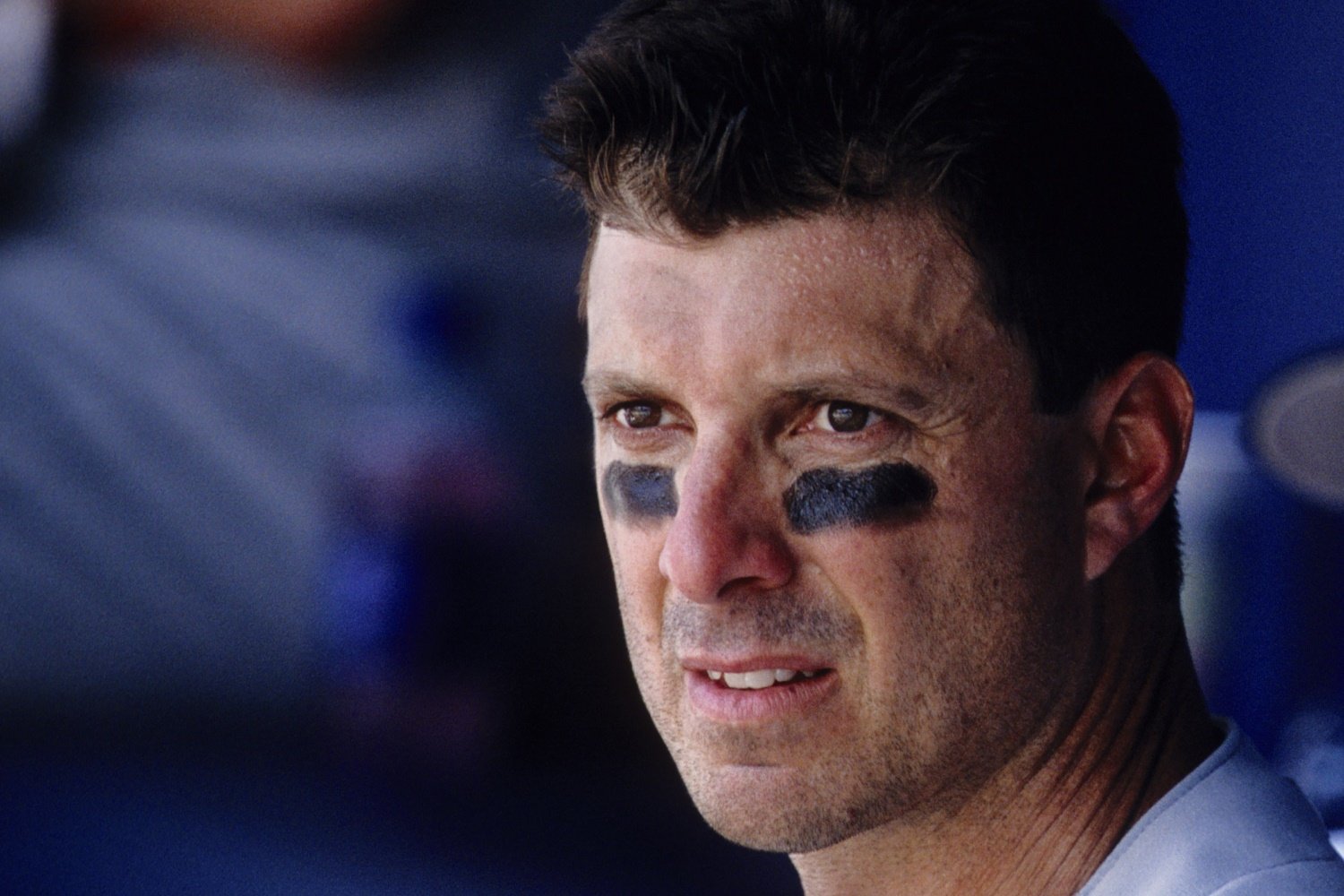 On Mother's Day 2003, the Cardinals and Cubs were set to play the rubber match of a three-game series. Chicago had won the previous day on a walkoff to go up 1.5 games on St. Louis, in what would prove to be a pivotal matchup. The day before, Sammy Sosa was placed on the disabled list after getting the nail removed from his right big toe, allowing backup outfielder Troy O'Leary some playing time. In first place at 20-16, the Cubs were potentially looking to trade for a third baseman to help solidify their infield. One potential trade partner was the Florida Marlins, who had just fired their manager Jeff Torborg. Jack McKeon took over a 16-22 team with (seemingly) little hope in 2003, and were thought to be in position to part with their star third baseman, Mike Lowell. The fit made sense, especially after the Cubs had recently worked out a deal to receive pitchers Matt Clement and Antonio Alfonseca in exchange for (among others) Dontrelle Willis. Willis had made his MLB debut just two days before our contest. Immediately, it was clear that this Sunday day game at Wrigley would not be a normal one. Howling winds and sometimes-horizontal rain plagued the participants, and assured what was certainly a smaller crowd than would normally be at a Cardinals vs. Cubs home game. WGN broadcasters Chip Caray and Steve Stone openly predicted that we would see both teams score 20 runs. The Cubs opened the scoring in the bottom of the first, with a two-run homer by Moises Alou off of Cardinals starter Bret Tomko. St. Louis answered in the second with five runs, capped by an Albert Pujols grand slam against Clement. Cubs center fielder Corey Patterson drew the Cubs closer in the bottom half with a homer of his own. The Cardinals kept on the attack in the third, though, when Tino Martinez hit the first of two homers. Eventually, St. Louis built an 11-5 lead by the bottom of the fourth. The inning was prolonged when a short fly ball to left eluded the reach of a diving Alou, who couldn't keep up with the wind. That knocked out Clement, who saw his ERA rise in this one game from 3.95 to 5.74, with 11 earned runs charged against him. The Cubs continued to mount a comeback, when an Alex Gonzalez homer in the bottom of the fourth drew them within 11-9. The elements became a bit too much in the top of the fifth for crew chief Bruce Froemming. He called for a delay, which eventually turned into a postponement, removing from history about two hours of play. By a quirk of the MLB rules of the time, a game was not deemed official until the bottom half of the 5th inning with the home team ahead, or through five innings with the road team leading. This game, which had a few games' worth of offense packed into about four innings, just missed the mark. There's no entry for this game on Baseball Reference. The 11 earned runs that Clement surrendered that day did not affect Sunday fantasy totals, and the homers hit have been completely lost to history. Clement was quoted after the game. "When the game got called for rain, I told everybody I'd donate to the guys that hit home runs on our team for a no-decision,” he told the Chicago Tribune. “I've got to pick up a lot of guys because a lot of guys had a good day." This quirk of the baseball rules has always struck me as a bit strange. How many notable homer totals have been altered by this rule? How would history remember Albert Pujols if he never got the elusive homer 700 in 2022, and was instead stuck on 699 because his grand slam never counted? (He finished with 703.) One player who felt the very real effects of this fake game was Cardinals' substitute right fielder Eli Marrero. In the Cubs’ four-run fourth inning, relief pitcher Juan Cruz hit a short fly to right center. Both Jim Edmonds and Marrero started for the ball. Marrero attempted to slide away from Edmonds, but instead got his foot caught underneath him on the wet grass and severely sprained his right ankle. The game was delayed while Cubs and Cardinals personnel checked on Marrero and eventually put him on a stretcher, while one trainer stabilized his ankle. He would be out until September, requiring surgery for a torn ligament. Pujols, for his part, didn't seem to care about losing the grand slam. He was quoted in the next day's St. Louis Post-Dispatch. "I don't know why we started in the first place. It was a big mistake to start,” Pujols said. “The only guy who loses is Eli. We don't care about the game." The rule change in 2020 was put in place as a safety measure, essentially to avoid replaying games during the pandemic. It has proved to serve another purpose, which is to avoid trying to make a game "official" by any means necessary, whether that means rushing to complete five innings or playing in conditions that would otherwise be deemed unsafe. "I don't think I've ever played in worse conditions,” Edmonds said that day, “The park, the wind, the rain, the cold, the wet–the grass was soaked, the batter's box was slippery, the pitcher's mound was slippery, the basepaths were sticky." Perhaps Marrero's injury made it clear to the umpires that this game should be called off, in order to avoid another injury. Perhaps both teams had seen enough to conclude that it was impossible to play a normal game of baseball and would rather cut their losses. Either way, the umpires finally had the good sense to put a stop to it all. The non-game would not be made up until September 2, as the first game of a doubleheader in the middle of a five game series against the Cardinals. This would prove to be a pivotal series for both clubs, with the Cardinals tied atop the NL Central, one and a half games above the Cubs entering September. The replay of the Mother's Day rainout would prove to be beneficial to the Cubs. With Sosa back in the lineup, the Cubs outlasted the Cardinals in 15 innings, the big blow a walk off homer by Sammy. Eli Marrero pinch-hit in that game, but none of the players who homered in the non-game would duplicate the feat in this contest. The Cubs, you may remember, managed to pass both Houston (then in the NL Central) and St. Louis and win a weak division on the penultimate day of the season. This helped set up Kerry Wood to start Game 1 of the NLDS against Atlanta. The Cubs won all three games started by co-aces Wood and Mark Prior to vault them into the NLCS, where they faced the surprising Marlins. The aforementioned Lowell, Willis and company helped Florida outlast the Cubs in a memorable NLCS. While Mike Lowell probably would have made an excellent Cub, their trade for Aramis Ramirez in July helped solidify the third base position for many years thereafter. I wanted to take a moment to highlight one more non-game that I've found out about by perusing old game footage, also featuring the Cardinals. In 1982, the Braves were set to play the Cardinals in the NLCS. Game 1 was going well for the Braves, with Phil Niekro shutting out St. Louis through four innings, when rain came to Busch Stadium, completely washing out Niekro's effort. Instead of continuing the game the next day, the NLCS was completely restarted as if nothing ever happened. The Cardinals took advantage of the reprieve and swept the Braves 3-0. Special thanks to the YouTube channel Cardinals Baseball Classics for preserving this. Without the original broadcast, much of the play by play data would have been impossible to put together.
 -
One of the quirky things about baseball is that, while every game counts, some partial games really and truly don't count. In fact, they can be completely wiped away--relegated to the phantom realm, at the bottom of the MLB memory pit. This is the story of one such game. Image courtesy of © RVR Photos-USA TODAY Sports On Mother's Day 2003, the Cardinals and Cubs were set to play the rubber match of a three-game series. Chicago had won the previous day on a walkoff to go up 1.5 games on St. Louis, in what would prove to be a pivotal matchup. The day before, Sammy Sosa was placed on the disabled list after getting the nail removed from his right big toe, allowing backup outfielder Troy O'Leary some playing time. In first place at 20-16, the Cubs were potentially looking to trade for a third baseman to help solidify their infield. One potential trade partner was the Florida Marlins, who had just fired their manager Jeff Torborg. Jack McKeon took over a 16-22 team with (seemingly) little hope in 2003, and were thought to be in position to part with their star third baseman, Mike Lowell. The fit made sense, especially after the Cubs had recently worked out a deal to receive pitchers Matt Clement and Antonio Alfonseca in exchange for (among others) Dontrelle Willis. Willis had made his MLB debut just two days before our contest. Immediately, it was clear that this Sunday day game at Wrigley would not be a normal one. Howling winds and sometimes-horizontal rain plagued the participants, and assured what was certainly a smaller crowd than would normally be at a Cardinals vs. Cubs home game. WGN broadcasters Chip Caray and Steve Stone openly predicted that we would see both teams score 20 runs. The Cubs opened the scoring in the bottom of the first, with a two-run homer by Moises Alou off of Cardinals starter Bret Tomko. St. Louis answered in the second with five runs, capped by an Albert Pujols grand slam against Clement. Cubs center fielder Corey Patterson drew the Cubs closer in the bottom half with a homer of his own. The Cardinals kept on the attack in the third, though, when Tino Martinez hit the first of two homers. Eventually, St. Louis built an 11-5 lead by the bottom of the fourth. The inning was prolonged when a short fly ball to left eluded the reach of a diving Alou, who couldn't keep up with the wind. That knocked out Clement, who saw his ERA rise in this one game from 3.95 to 5.74, with 11 earned runs charged against him. The Cubs continued to mount a comeback, when an Alex Gonzalez homer in the bottom of the fourth drew them within 11-9. The elements became a bit too much in the top of the fifth for crew chief Bruce Froemming. He called for a delay, which eventually turned into a postponement, removing from history about two hours of play. By a quirk of the MLB rules of the time, a game was not deemed official until the bottom half of the 5th inning with the home team ahead, or through five innings with the road team leading. This game, which had a few games' worth of offense packed into about four innings, just missed the mark. There's no entry for this game on Baseball Reference. The 11 earned runs that Clement surrendered that day did not affect Sunday fantasy totals, and the homers hit have been completely lost to history. Clement was quoted after the game. "When the game got called for rain, I told everybody I'd donate to the guys that hit home runs on our team for a no-decision,” he told the Chicago Tribune. “I've got to pick up a lot of guys because a lot of guys had a good day." This quirk of the baseball rules has always struck me as a bit strange. How many notable homer totals have been altered by this rule? How would history remember Albert Pujols if he never got the elusive homer 700 in 2022, and was instead stuck on 699 because his grand slam never counted? (He finished with 703.) One player who felt the very real effects of this fake game was Cardinals' substitute right fielder Eli Marrero. In the Cubs’ four-run fourth inning, relief pitcher Juan Cruz hit a short fly to right center. Both Jim Edmonds and Marrero started for the ball. Marrero attempted to slide away from Edmonds, but instead got his foot caught underneath him on the wet grass and severely sprained his right ankle. The game was delayed while Cubs and Cardinals personnel checked on Marrero and eventually put him on a stretcher, while one trainer stabilized his ankle. He would be out until September, requiring surgery for a torn ligament. Pujols, for his part, didn't seem to care about losing the grand slam. He was quoted in the next day's St. Louis Post-Dispatch. "I don't know why we started in the first place. It was a big mistake to start,” Pujols said. “The only guy who loses is Eli. We don't care about the game." The rule change in 2020 was put in place as a safety measure, essentially to avoid replaying games during the pandemic. It has proved to serve another purpose, which is to avoid trying to make a game "official" by any means necessary, whether that means rushing to complete five innings or playing in conditions that would otherwise be deemed unsafe. "I don't think I've ever played in worse conditions,” Edmonds said that day, “The park, the wind, the rain, the cold, the wet–the grass was soaked, the batter's box was slippery, the pitcher's mound was slippery, the basepaths were sticky." Perhaps Marrero's injury made it clear to the umpires that this game should be called off, in order to avoid another injury. Perhaps both teams had seen enough to conclude that it was impossible to play a normal game of baseball and would rather cut their losses. Either way, the umpires finally had the good sense to put a stop to it all. The non-game would not be made up until September 2, as the first game of a doubleheader in the middle of a five game series against the Cardinals. This would prove to be a pivotal series for both clubs, with the Cardinals tied atop the NL Central, one and a half games above the Cubs entering September. The replay of the Mother's Day rainout would prove to be beneficial to the Cubs. With Sosa back in the lineup, the Cubs outlasted the Cardinals in 15 innings, the big blow a walk off homer by Sammy. Eli Marrero pinch-hit in that game, but none of the players who homered in the non-game would duplicate the feat in this contest. The Cubs, you may remember, managed to pass both Houston (then in the NL Central) and St. Louis and win a weak division on the penultimate day of the season. This helped set up Kerry Wood to start Game 1 of the NLDS against Atlanta. The Cubs won all three games started by co-aces Wood and Mark Prior to vault them into the NLCS, where they faced the surprising Marlins. The aforementioned Lowell, Willis and company helped Florida outlast the Cubs in a memorable NLCS. While Mike Lowell probably would have made an excellent Cub, their trade for Aramis Ramirez in July helped solidify the third base position for many years thereafter. I wanted to take a moment to highlight one more non-game that I've found out about by perusing old game footage, also featuring the Cardinals. In 1982, the Braves were set to play the Cardinals in the NLCS. Game 1 was going well for the Braves, with Phil Niekro shutting out St. Louis through four innings, when rain came to Busch Stadium, completely washing out Niekro's effort. Instead of continuing the game the next day, the NLCS was completely restarted as if nothing ever happened. The Cardinals took advantage of the reprieve and swept the Braves 3-0. Special thanks to the YouTube channel Cardinals Baseball Classics for preserving this. Without the original broadcast, much of the play by play data would have been impossible to put together. View full article
