Matthew Trueblood
-
Posts
2,427 -
Joined
-
Last visited
-
Days Won
2
Content Type
Profiles
Joomla Posts 1
Chicago Cubs Videos
Chicago Cubs Free Agent & Trade Rumors, Notes, & Tidbits
2026 Chicago Cubs Top Prospects Ranking
News
2023 Chicago Cubs Draft Picks
Guides & Resources
2024 Chicago Cubs Draft Picks
The Chicago Cubs Players Project
2025 Chicago Cubs Draft Pick Tracker
2026 Chicago Cubs Draft Tracker: Picks & Bonuses
Blogs
Events
Forums
Store
Gallery
Everything posted by Matthew Trueblood
-
North Side Baseball's 2023 Top 20 Cubs Prospects: #16-20
Matthew Trueblood posted an article in Minor Leagues
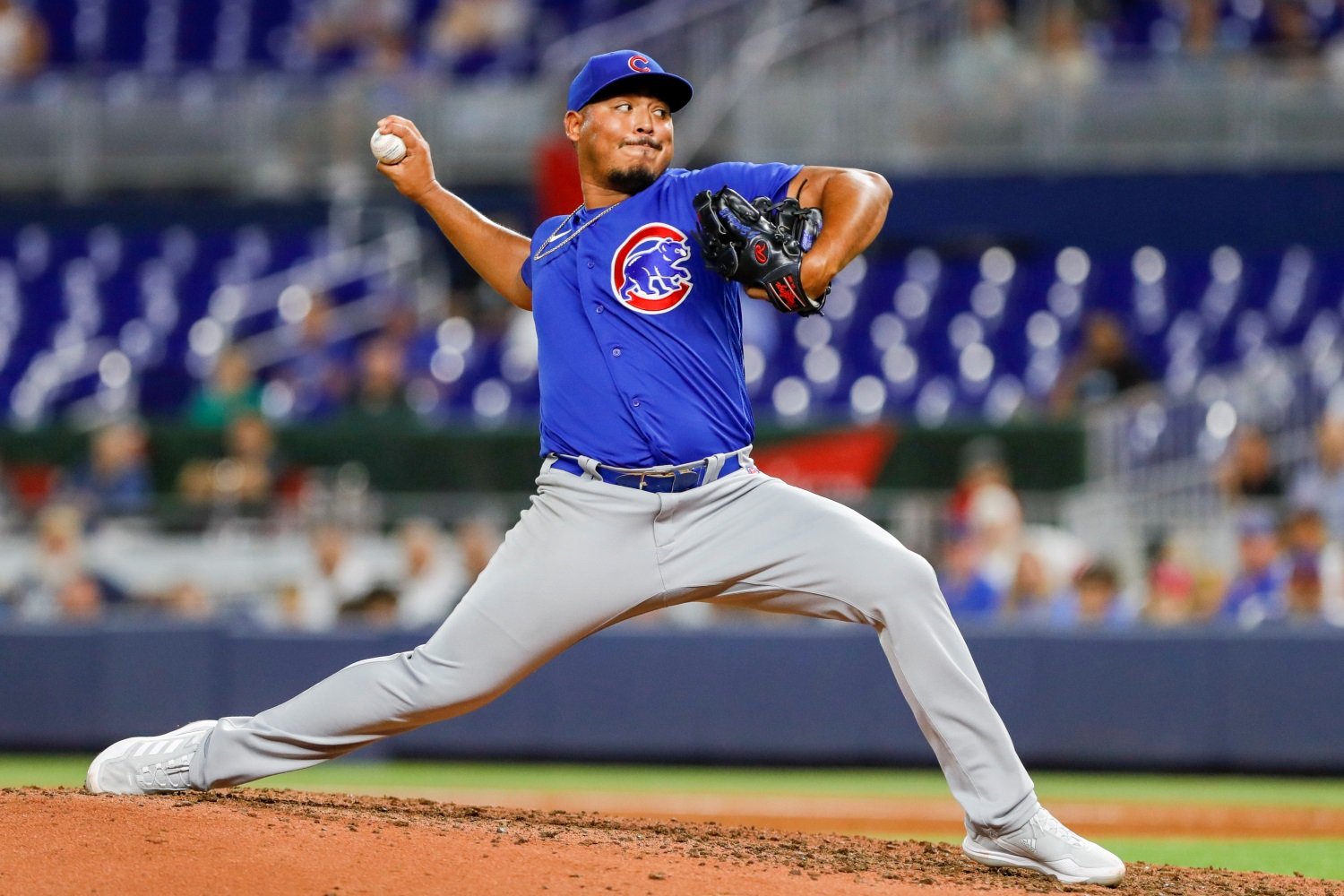 This list is deep and varied, and (to perhaps a greater extent than any such list in the Cubs’ history) it has balance between hitters and pitchers. Despite the team’s high revenue potential, the names on this countdown will have a massive influence on the future direction and success of the franchise. It’s in the nature of the modern game, and of being run by the people who run the Cubs, that young, controllable talent often wins the day. Without further ado, then, let’s break down prospects 16 through 20, as voted on by the North Side Baseball community. 20. Jeremiah Estrada - RHP Age: 24 2022 Stats in Minors (A+/AA/AAA): 34 G, 48 ⅓ IP, 1.30 ERA, 1.06 WHIP, 40.8% K, 10.5% BB, 1 HR 2022 Stats in Majors: 5 G, 5 ⅔ IP, 3.18 ERA, 1.59 WHIP, 32% K, 12% BB, 1 HR Last season was a long-awaited breakout for a guy whose upside prospect hounds loved for a long time. Estrada was a sixth-round pick in 2017, and the electricity of his arm was evident from the moment he reported to Arizona late that summer, but serious elbow trouble sidelined him for nearly all of 2018 and 2019. The pandemic kept him from appearing in any game action in 2020 and waylaid his development further. Finally healthy and with the runway before him, though, Estrada took off in 2022, the way his fastball seems to do as it bears down on hitters. He could be a relief ace–a capital-C Closer, if you prefer to think that way–in the majors, and if it happens, it’s as likely to happen this season as ever. His slider will miss bats consistently, just by virtue of having the cut-ride action of his four-seamer off of which to twist and roil. The only question is whether Estrada can throw enough strikes to reach his ceiling, or whether walks will consign him to a career of tantalizing front offices and fan bases as waiver fodder. 19. Miguel Amaya - C Age: 40 (Just Kidding! He’s 24. He’s just been around forever.) 2022 Stats (Rookie/AA): 40 G, 160 PA, .261/.369/.455, 6 HR, 13.1% BB, 25.6% K Obviously, this ranking is a bone-cracking fall from grace for the erstwhile top prospect, and it’s only in very small part a testament to the system’s improvement that he’s here. In much greater measure, Amaya is here because he’s been unable to stay healthy enough to prove to anyone that he can translate his offensive tools to the highest level of competition–let alone that he can handle the defensive demands and workload of a big-league catcher. If it works, though, the numbers above are what it will look like, and it will be glorious. Amaya has a rare blend of hit tool, power, and plate discipline for a catching prospect, and even if he’s not a catcher in the long run, his bat has the potential to be good enough to force him into an MLB lineup. Even that depends on him staying healthy enough to develop smoothly from here, though, and he’ll have to show that he can still make sufficient contact as he matriculates to Triple A and the majors. Defensively, he’s a better athlete than an average catcher, and his arm could play even as the new rules apply extra pressure in that area. The loss of so many reps to injury over the last few years has taken a toll on his ability to develop as a receiver, game-caller, and handler of pitching staffs, too, though. 18. Kevin Made - SS Age: 20 2022 Stats (A/A+): 94 G, 408 PA, .227/.322/.375, 10 HR, 12.5% BB, 19.6% K The town of Baní is not some backwater of the Dominican Republic. If you stand in the center of Santo Domingo, you’re about halfway between Baní to the west and San Pedro de Macorís to the east. San Pedro is, by far, the more famous of the two cities. It’s slightly larger, slightly more urbane, slightly less hot, slightly less dry. Decades ago, it acquired the reputation as the single municipality that has churned out the most MLB players per capita of any on Earth, and that bit of trivia is (probably) still true. Quietly, though, Baní might have crept past its eastern counterweight. It churns out great little players, and the second modifier there is not meant as either condescension or affection. Juan Uribe, Willy Aybar, Erick Aybar, and Cristian Guzman are from Baní. So are Wander Franco and José Ramírez. At the very least, no city churns out round-faced, short, stocky infielders like Baní. Kevin Made, newly listed at a skyscraping 5-foot-10 for 2023, is a shortstop from Baní. He’s wildly unlikely to hit like Ramírez or Franco, although he gave glimpses of some power last year as a teenager in tough leagues for young hitters. He does make contact and work counts well, though, and he’s a smooth, athletic defender. He’ll start in South Bend, but could well be in Tennessee before his 21st birthday in September. 17. Moisés Ballesteros - C Age: 19 2022 Stats (A/Rookie): 63 G, 239 PA, .257/.362/.451, 10 HR, 13.0% BB, 19.7% K Surely, reading his first name makes you connect Ballesteros with Moisés Alou, who (among other things) leaped to make a certain catch in October 2003 and didn’t come down with the baseball. Funny thing: Ballesteros wasn’t even born until almost a month later. (Eheu! Fugaces labuntur anni.) Being that young makes everything Ballesteros does in full-season professional ball impressive, and his numbers were solid in his brief time with Myrtle Beach at the tender age of 18. This year, he’ll return to Class A, but he can be judged a bit more seriously as the year progresses. He’ll get a chance to showcase a swing and a feel for the strike zone that seem unusually advanced for a teenager, and to further polish his defensive skills. One beautiful thing about his profile, if things come together, is that he’s the always-valuable left-handed bat at catcher. 16. Caleb Kilian - RHP Age: 25 2022 Stats in Minors (AAA): 26 G, 106 ⅔ IP, 4.22 ERA, 1.57 WHIP, 26.2% K, 13.0% BB, 7 HR 2022 Stats in Majors: 3 G, 11 ⅓ IP, 10.32 ERA, 2.03 WHIP, 16.4% K, 21.8% BB, 0 HR You ever see one of those sitcoms where a character spends an entire episode talking about some hero of theirs they might get to meet, and dilemmating over whether or not they even want to (because what if they freeze up and embarrass themselves?), and psyching themselves up to finally just do it, and they have a heartwarming moment with another character who tells them it’ll all be ok, and then they do meet the person and it’s even worse than anyone could have imagined? Someone on the St. Louis Cardinals must have been Caleb Kilian’s lifelong hero. In June 2022, Kilian came up to pitch the second game of a doubleheader against the Cards, and it was a big moment for the Cubs. This guy was becoming the jewel of the Kris Bryant trade. He was going to help prove that the team has turned a corner in terms of pitching development. He was going to save us all. The best part is, he even started to do it. He set down the Cardinals in order the first time through, fanning four. And then. And then. Kilian’s mechanics started spasming in the fourth inning. He walked two, allowed two hits, and loosed a wild pitch, leading to three runs. It would have been worse, but for a somewhat baffling stolen-base attempt. He got a little bit right again in the fifth inning, and his debut looked like it had largely gone ok. It had not gone ok. Kilian had stared fear in the face, and that fear climbed inside him, a dybbuk that is still operating him to this day. When he’s right, Kilian has a five-pitch mix, with the ability to sink or cut his fastball and even elevate it in the zone on occasion. He has an aesthetically pleasing, old-fashioned curveball. When things are good, he can be a number-two starter. The question is: will things ever be good for him again? That rounds out our first batch of prospects, but the countdown will continue from here. In the meantime, we'd love to hear more from you about these particular guys and their potential, or about who you're worried has been left off the list. In a system this deep, some good players will be excluded, but they still deserve some acknowledgment.
 -
Welcome to North Side Baseball’s top 20 Cubs prospects list for 2023. We’ll count down to the top of the tops over the next week and a half, including scouting reports and stats from 2022 for all 20 guys. This list is deep and varied, and (to perhaps a greater extent than any such list in the Cubs’ history) it has balance between hitters and pitchers. Despite the team’s high revenue potential, the names on this countdown will have a massive influence on the future direction and success of the franchise. It’s in the nature of the modern game, and of being run by the people who run the Cubs, that young, controllable talent often wins the day. Without further ado, then, let’s break down prospects 16 through 20, as voted on by the North Side Baseball community. 20. Jeremiah Estrada - RHP Age: 24 2022 Stats in Minors (A+/AA/AAA): 34 G, 48 ⅓ IP, 1.30 ERA, 1.06 WHIP, 40.8% K, 10.5% BB, 1 HR 2022 Stats in Majors: 5 G, 5 ⅔ IP, 3.18 ERA, 1.59 WHIP, 32% K, 12% BB, 1 HR Last season was a long-awaited breakout for a guy whose upside prospect hounds loved for a long time. Estrada was a sixth-round pick in 2017, and the electricity of his arm was evident from the moment he reported to Arizona late that summer, but serious elbow trouble sidelined him for nearly all of 2018 and 2019. The pandemic kept him from appearing in any game action in 2020 and waylaid his development further. Finally healthy and with the runway before him, though, Estrada took off in 2022, the way his fastball seems to do as it bears down on hitters. He could be a relief ace–a capital-C Closer, if you prefer to think that way–in the majors, and if it happens, it’s as likely to happen this season as ever. His slider will miss bats consistently, just by virtue of having the cut-ride action of his four-seamer off of which to twist and roil. The only question is whether Estrada can throw enough strikes to reach his ceiling, or whether walks will consign him to a career of tantalizing front offices and fan bases as waiver fodder. 19. Miguel Amaya - C Age: 40 (Just Kidding! He’s 24. He’s just been around forever.) 2022 Stats (Rookie/AA): 40 G, 160 PA, .261/.369/.455, 6 HR, 13.1% BB, 25.6% K Obviously, this ranking is a bone-cracking fall from grace for the erstwhile top prospect, and it’s only in very small part a testament to the system’s improvement that he’s here. In much greater measure, Amaya is here because he’s been unable to stay healthy enough to prove to anyone that he can translate his offensive tools to the highest level of competition–let alone that he can handle the defensive demands and workload of a big-league catcher. If it works, though, the numbers above are what it will look like, and it will be glorious. Amaya has a rare blend of hit tool, power, and plate discipline for a catching prospect, and even if he’s not a catcher in the long run, his bat has the potential to be good enough to force him into an MLB lineup. Even that depends on him staying healthy enough to develop smoothly from here, though, and he’ll have to show that he can still make sufficient contact as he matriculates to Triple A and the majors. Defensively, he’s a better athlete than an average catcher, and his arm could play even as the new rules apply extra pressure in that area. The loss of so many reps to injury over the last few years has taken a toll on his ability to develop as a receiver, game-caller, and handler of pitching staffs, too, though. 18. Kevin Made - SS Age: 20 2022 Stats (A/A+): 94 G, 408 PA, .227/.322/.375, 10 HR, 12.5% BB, 19.6% K The town of Baní is not some backwater of the Dominican Republic. If you stand in the center of Santo Domingo, you’re about halfway between Baní to the west and San Pedro de Macorís to the east. San Pedro is, by far, the more famous of the two cities. It’s slightly larger, slightly more urbane, slightly less hot, slightly less dry. Decades ago, it acquired the reputation as the single municipality that has churned out the most MLB players per capita of any on Earth, and that bit of trivia is (probably) still true. Quietly, though, Baní might have crept past its eastern counterweight. It churns out great little players, and the second modifier there is not meant as either condescension or affection. Juan Uribe, Willy Aybar, Erick Aybar, and Cristian Guzman are from Baní. So are Wander Franco and José Ramírez. At the very least, no city churns out round-faced, short, stocky infielders like Baní. Kevin Made, newly listed at a skyscraping 5-foot-10 for 2023, is a shortstop from Baní. He’s wildly unlikely to hit like Ramírez or Franco, although he gave glimpses of some power last year as a teenager in tough leagues for young hitters. He does make contact and work counts well, though, and he’s a smooth, athletic defender. He’ll start in South Bend, but could well be in Tennessee before his 21st birthday in September. 17. Moisés Ballesteros - C Age: 19 2022 Stats (A/Rookie): 63 G, 239 PA, .257/.362/.451, 10 HR, 13.0% BB, 19.7% K Surely, reading his first name makes you connect Ballesteros with Moisés Alou, who (among other things) leaped to make a certain catch in October 2003 and didn’t come down with the baseball. Funny thing: Ballesteros wasn’t even born until almost a month later. (Eheu! Fugaces labuntur anni.) Being that young makes everything Ballesteros does in full-season professional ball impressive, and his numbers were solid in his brief time with Myrtle Beach at the tender age of 18. This year, he’ll return to Class A, but he can be judged a bit more seriously as the year progresses. He’ll get a chance to showcase a swing and a feel for the strike zone that seem unusually advanced for a teenager, and to further polish his defensive skills. One beautiful thing about his profile, if things come together, is that he’s the always-valuable left-handed bat at catcher. 16. Caleb Kilian - RHP Age: 25 2022 Stats in Minors (AAA): 26 G, 106 ⅔ IP, 4.22 ERA, 1.57 WHIP, 26.2% K, 13.0% BB, 7 HR 2022 Stats in Majors: 3 G, 11 ⅓ IP, 10.32 ERA, 2.03 WHIP, 16.4% K, 21.8% BB, 0 HR You ever see one of those sitcoms where a character spends an entire episode talking about some hero of theirs they might get to meet, and dilemmating over whether or not they even want to (because what if they freeze up and embarrass themselves?), and psyching themselves up to finally just do it, and they have a heartwarming moment with another character who tells them it’ll all be ok, and then they do meet the person and it’s even worse than anyone could have imagined? Someone on the St. Louis Cardinals must have been Caleb Kilian’s lifelong hero. In June 2022, Kilian came up to pitch the second game of a doubleheader against the Cards, and it was a big moment for the Cubs. This guy was becoming the jewel of the Kris Bryant trade. He was going to help prove that the team has turned a corner in terms of pitching development. He was going to save us all. The best part is, he even started to do it. He set down the Cardinals in order the first time through, fanning four. And then. And then. Kilian’s mechanics started spasming in the fourth inning. He walked two, allowed two hits, and loosed a wild pitch, leading to three runs. It would have been worse, but for a somewhat baffling stolen-base attempt. He got a little bit right again in the fifth inning, and his debut looked like it had largely gone ok. It had not gone ok. Kilian had stared fear in the face, and that fear climbed inside him, a dybbuk that is still operating him to this day. When he’s right, Kilian has a five-pitch mix, with the ability to sink or cut his fastball and even elevate it in the zone on occasion. He has an aesthetically pleasing, old-fashioned curveball. When things are good, he can be a number-two starter. The question is: will things ever be good for him again? That rounds out our first batch of prospects, but the countdown will continue from here. In the meantime, we'd love to hear more from you about these particular guys and their potential, or about who you're worried has been left off the list. In a system this deep, some good players will be excluded, but they still deserve some acknowledgment. View full article
-
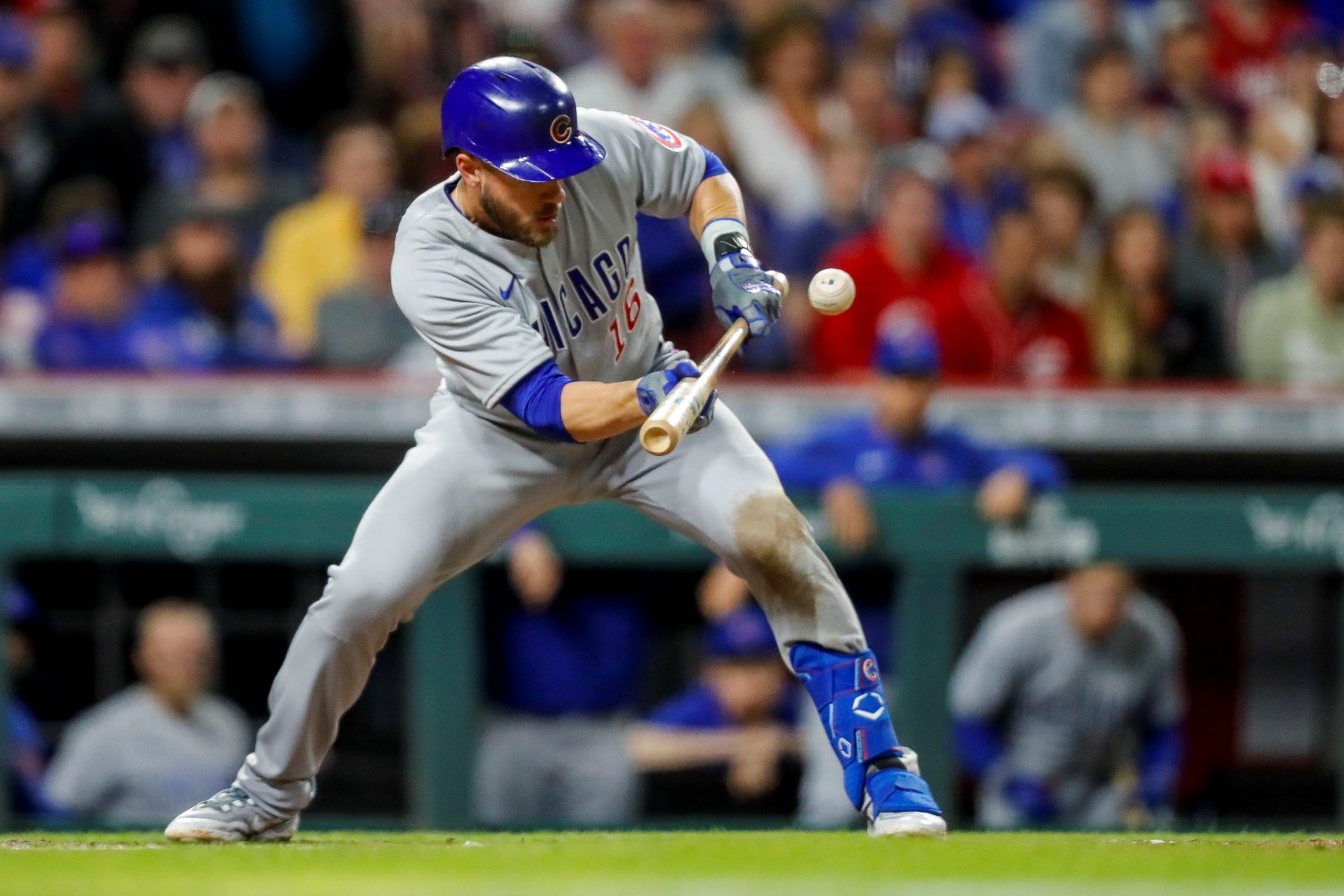 If it’s true that every team will win 54 games and lose 54, and that seasons hinge on the 54 games that could break either way, it’s tempting to conclude that we need not worry much about the games that belong to those first two buckets. In one sense, that’s true. That the Cubs lost Sunday doesn’t need to bother Cubs fans much. That game never had the feeling of one the team was going to win. The Brewers’ batted balls started finding grass early, and they didn’t stop until the thing was well out of hand. In MLB, though, no game exists outside the world of its fellows. Often, something subtle in one game can lead to something more apparent in the next one. Jameson Taillon, the Cubs’ new starter and $68-million winter investment, didn’t have his best stuff or his most crisp command Sunday. Manager Davis Ross spotted that, and he lifted Taillon after 63 pitches and four innings of work. He was trying to keep the rubber game of the series close, and not to let Taillon’s first game in a Cubs uniform get ugly. It didn’t work, but that’s not the biggest problem with it. Rather, the biggest problem is that Ross emptied his bullpen in an obviously ill-conceived effort to hold onto a game, rather than trusting a man who pitched 175 innings last year and has a quintet of pitches to give him another three or four outs, even if they involved some adversity. Three games into the season, and despite six-inning outings from both Marcus Stroman and Justin Steele to open things up, Ross manufactured scarcity of fresh relievers. The right play that day was to leave Taillon in, to further develop a rapport with Yan Gomes under battle conditions, and to test out some strategies for getting through the third encounter with the opposing lineup on days when he just doesn’t have it. Too many modern managers use a quick hook on pitchers who give up a few runs the first two times through the order to put their team behind in the game. The right time to use a quick hook because of the times-through-the-order penalty is when a team has a thin lead in the middle innings, rather than when they face a deficit. Every such instance is an important decision, too. I don’t think Ross had any real capacity to change how Sunday’s game turned out by stretching Taillon for another inning or two, but I wanted him to do so precisely because of the possibility that what happened Monday night would happen. Drew Smyly didn’t have it in Cincinnati, and couldn’t hold either of the leads the offense gave him. In the fifth frame, the Cubs had a narrow lead, and Smyly was facing the bottom of the Reds order a third time. That was the moment to use the quick, aggressive hook, but Mark Leiter, Jr., Julian Merryweather, Michael Rucker, and Adbert Alzolay had each thrown between 22 and 30 pitches Sunday. That shortened Ross’s bullpen and made him slow to pull the trigger on lifting Smyly for Keegan Thompson. Before he could do so, Smyly gave up what turned out to be the game-winning three-run home run. That wasn’t the only problem on display Monday night, and it wasn’t the only thing that stopped the team from winning a winnable game. Defense in right field, for instance, continues to be a massive deficiency for this team, and Trey Mancini missed one catchable ball and allowed 90 extra feet on another hit in this one. We need to have a separate, fuller conversation about Eric Hosmer, and especially about his defense, very soon. The decision to have Patrick Wisdom attempt a bunt in the top of the seventh inning was downright bizarre. Mostly, though, Monday night’s loss was a painful reminder that you can’t completely flush every loss. Some mistakes carry over, and things that happen in games that feel inconsequential can cost you ones that matter. Third 54 Record: 0-2
 -
The Cubs fell to the Reds on Monday night, opening up their road schedule for 2023 by falling to 1-3 overall. It was one of those games that could tilt either way, and losing it was another tough pill to swallow. If it’s true that every team will win 54 games and lose 54, and that seasons hinge on the 54 games that could break either way, it’s tempting to conclude that we need not worry much about the games that belong to those first two buckets. In one sense, that’s true. That the Cubs lost Sunday doesn’t need to bother Cubs fans much. That game never had the feeling of one the team was going to win. The Brewers’ batted balls started finding grass early, and they didn’t stop until the thing was well out of hand. In MLB, though, no game exists outside the world of its fellows. Often, something subtle in one game can lead to something more apparent in the next one. Jameson Taillon, the Cubs’ new starter and $68-million winter investment, didn’t have his best stuff or his most crisp command Sunday. Manager Davis Ross spotted that, and he lifted Taillon after 63 pitches and four innings of work. He was trying to keep the rubber game of the series close, and not to let Taillon’s first game in a Cubs uniform get ugly. It didn’t work, but that’s not the biggest problem with it. Rather, the biggest problem is that Ross emptied his bullpen in an obviously ill-conceived effort to hold onto a game, rather than trusting a man who pitched 175 innings last year and has a quintet of pitches to give him another three or four outs, even if they involved some adversity. Three games into the season, and despite six-inning outings from both Marcus Stroman and Justin Steele to open things up, Ross manufactured scarcity of fresh relievers. The right play that day was to leave Taillon in, to further develop a rapport with Yan Gomes under battle conditions, and to test out some strategies for getting through the third encounter with the opposing lineup on days when he just doesn’t have it. Too many modern managers use a quick hook on pitchers who give up a few runs the first two times through the order to put their team behind in the game. The right time to use a quick hook because of the times-through-the-order penalty is when a team has a thin lead in the middle innings, rather than when they face a deficit. Every such instance is an important decision, too. I don’t think Ross had any real capacity to change how Sunday’s game turned out by stretching Taillon for another inning or two, but I wanted him to do so precisely because of the possibility that what happened Monday night would happen. Drew Smyly didn’t have it in Cincinnati, and couldn’t hold either of the leads the offense gave him. In the fifth frame, the Cubs had a narrow lead, and Smyly was facing the bottom of the Reds order a third time. That was the moment to use the quick, aggressive hook, but Mark Leiter, Jr., Julian Merryweather, Michael Rucker, and Adbert Alzolay had each thrown between 22 and 30 pitches Sunday. That shortened Ross’s bullpen and made him slow to pull the trigger on lifting Smyly for Keegan Thompson. Before he could do so, Smyly gave up what turned out to be the game-winning three-run home run. That wasn’t the only problem on display Monday night, and it wasn’t the only thing that stopped the team from winning a winnable game. Defense in right field, for instance, continues to be a massive deficiency for this team, and Trey Mancini missed one catchable ball and allowed 90 extra feet on another hit in this one. We need to have a separate, fuller conversation about Eric Hosmer, and especially about his defense, very soon. The decision to have Patrick Wisdom attempt a bunt in the top of the seventh inning was downright bizarre. Mostly, though, Monday night’s loss was a painful reminder that you can’t completely flush every loss. Some mistakes carry over, and things that happen in games that feel inconsequential can cost you ones that matter. Third 54 Record: 0-2 View full article
- 1 reply
-
- 2
-

-
- david ross
- drew smyly
- (and 1 more)
-
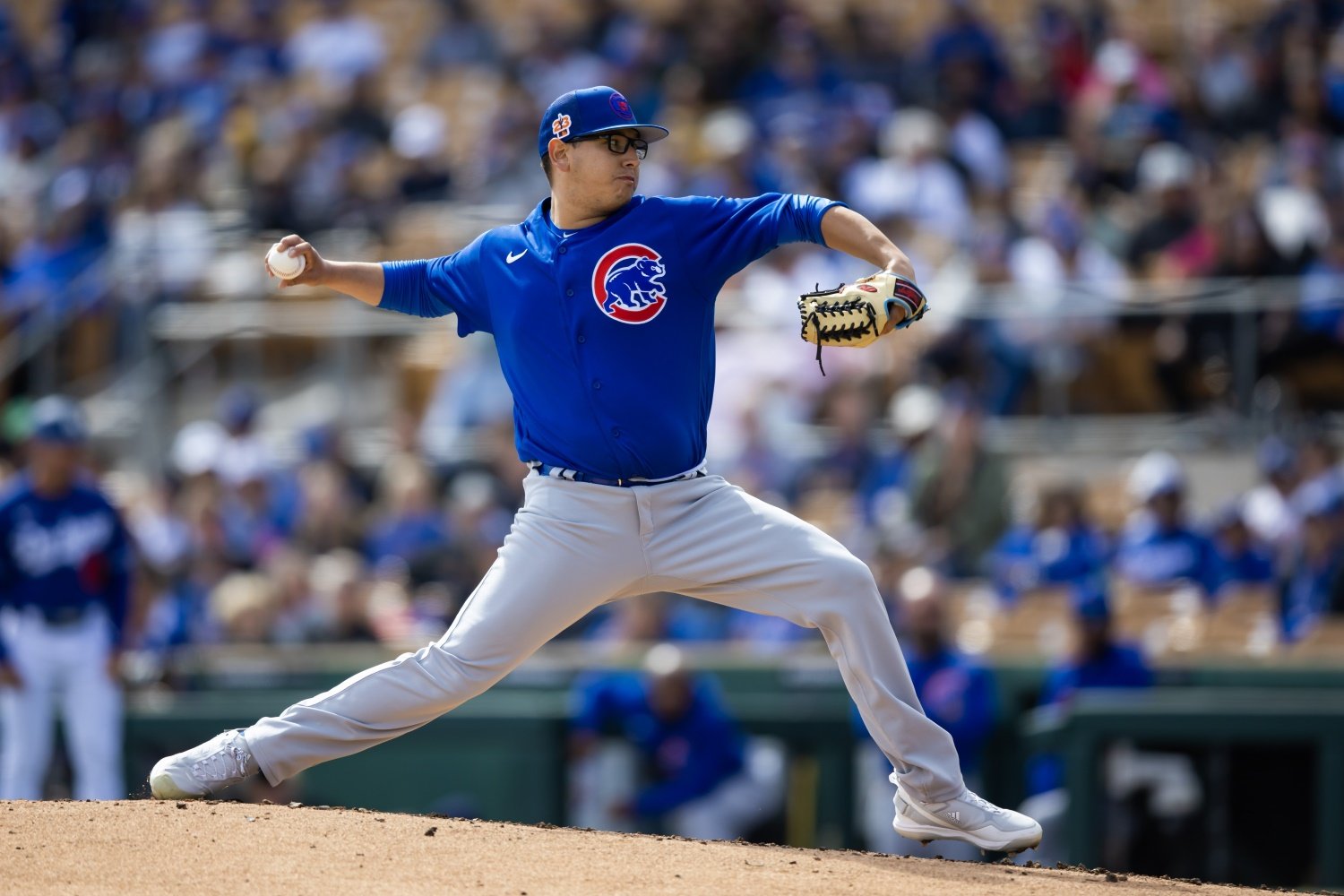 Having seen him add velocity in successive seasons via diligent training, the Cubs know that Javier Assad has the raw stuff to be a solid big-league pitcher. Assad showed poise and tenacity in his appearances for México in the World Baseball Classic, too, so there’s little question that he can handle the big moment. What must happen next, whether the transition is permanent or not, is for Assad to trade in the junkballing starter’s arsenal he’s used over the majority of his career for one befitting his new level and role. Here’s Assad’s pitch usage against left-handed batters since arriving in the majors. The 2023 data points aren’t just Saturday’s game; they also include his WBC work. That cutter is his favorite toy, and not without reason. It’s picked up 1.5 miles per hour of velocity this year, and now frequently reaches the 90s. With much more cut than its spin direction implies to the hitter and the ability to stay mostly on plane with his fastball, it really can be a great pitch for inducing weak contact. The trouble with the above chart is in the pitches he uses less often–because there are too many of them, and none that he uses enough. Even if the Cubs want to use Assad in a multi-inning relief role and keep him ready to move back to the rotation, his five-pitch approach doesn’t make sense. None of the offerings are good enough to justify trying to juggle so many of them. Before talking about how he should prune that particular tree, though, we need to look at how he approaches right-handed hitters, as well. Obviously, the same problem presents itself, in some measure. He uses five pitches against same-handed batters, too. He just swaps out his changeup for the slider. That’s a sensible substitution, but it’s lost in a pleonasm of stuff he’s trying. Let’s figure out what really needs to be done here. The first thing to decide is whether Assad can command both his sinker and his fastball, even if they’re used very sparingly. If so, then he should keep both, but they each need to be siloed. The sinker should be his fastball against righties, but never show up when he faces lefties. Against them, it’s not a useful pitch in any way. The four-seamer could work against righties, too, but not as part of the best arsenal we can build for him when facing them. Obviously, then, if Assad can’t sustain fastball command for both pitches, he should just junk the sinker and evolve into a four-seam guy. The cutter is as unhelpful a pitch for him against righties as the sinker is against lefties. The hard-hit Brian Anderson single that started the rolling snowball on Saturday came on a cutter that badly missed its target and ended up thigh-high on the inner third. There’s too much risk of mistakes just like that one with the cutter, and too little upside, especially because Assad has a slider now that is a much better fit. The rightmost dot on this scatter plot shows the increased horizontal (and vertical) movement on the slider Assad has shown this year. With that much depth on that pitch, it should become his secondary weapon against righties, whether he sticks with the sinker or focuses on the four-seam heat. Both fastballs better set up the slider than the cutter to a righty. That goes double for however long Assad is a reliever, be it a one-inning guy or a long man. His attempt to bring this varied repertoire with him to the bullpen misses a crucial fact of relief work, which is that the replacement level for strikeout rate there is higher. The stakes are higher, too, so a little bit of mediocre contact can kill you–as it did, in part, on Saturday, when Jesse Winker’s single found its way to the outfield and tied the score. In order to be a valuable reliever in the modern game, one needs to strike out at least 25 percent of opponents. The best way for Assad to do that is to go with his sinker and slider against righties (occasionally breaking out his four-seamer to attack the top of the zone with two strikes, if he can hone his control to that target), and to mix his four-seamer, cutter, and changeup against lefties, with a curveball every now and then to change their eye level and disrupt their timing. These are subtle changes. The most extreme would be throwing the slider as much as he should against righties, and even that would just be in replacement of the cutter. Assad has done the big things already. To cross the line between fringy arm and serious contributor, though, he has to get the small things right.
 -
One of the best and most intriguing stories to emerge from the Cubs’ spring was the emergence of Javier Assad as a potential bullpen weapon. That experiment got off to a rough start on Saturday, but it can still end well. The young righty just needs to make some adjustments. Having seen him add velocity in successive seasons via diligent training, the Cubs know that Javier Assad has the raw stuff to be a solid big-league pitcher. Assad showed poise and tenacity in his appearances for México in the World Baseball Classic, too, so there’s little question that he can handle the big moment. What must happen next, whether the transition is permanent or not, is for Assad to trade in the junkballing starter’s arsenal he’s used over the majority of his career for one befitting his new level and role. Here’s Assad’s pitch usage against left-handed batters since arriving in the majors. The 2023 data points aren’t just Saturday’s game; they also include his WBC work. That cutter is his favorite toy, and not without reason. It’s picked up 1.5 miles per hour of velocity this year, and now frequently reaches the 90s. With much more cut than its spin direction implies to the hitter and the ability to stay mostly on plane with his fastball, it really can be a great pitch for inducing weak contact. The trouble with the above chart is in the pitches he uses less often–because there are too many of them, and none that he uses enough. Even if the Cubs want to use Assad in a multi-inning relief role and keep him ready to move back to the rotation, his five-pitch approach doesn’t make sense. None of the offerings are good enough to justify trying to juggle so many of them. Before talking about how he should prune that particular tree, though, we need to look at how he approaches right-handed hitters, as well. Obviously, the same problem presents itself, in some measure. He uses five pitches against same-handed batters, too. He just swaps out his changeup for the slider. That’s a sensible substitution, but it’s lost in a pleonasm of stuff he’s trying. Let’s figure out what really needs to be done here. The first thing to decide is whether Assad can command both his sinker and his fastball, even if they’re used very sparingly. If so, then he should keep both, but they each need to be siloed. The sinker should be his fastball against righties, but never show up when he faces lefties. Against them, it’s not a useful pitch in any way. The four-seamer could work against righties, too, but not as part of the best arsenal we can build for him when facing them. Obviously, then, if Assad can’t sustain fastball command for both pitches, he should just junk the sinker and evolve into a four-seam guy. The cutter is as unhelpful a pitch for him against righties as the sinker is against lefties. The hard-hit Brian Anderson single that started the rolling snowball on Saturday came on a cutter that badly missed its target and ended up thigh-high on the inner third. There’s too much risk of mistakes just like that one with the cutter, and too little upside, especially because Assad has a slider now that is a much better fit. The rightmost dot on this scatter plot shows the increased horizontal (and vertical) movement on the slider Assad has shown this year. With that much depth on that pitch, it should become his secondary weapon against righties, whether he sticks with the sinker or focuses on the four-seam heat. Both fastballs better set up the slider than the cutter to a righty. That goes double for however long Assad is a reliever, be it a one-inning guy or a long man. His attempt to bring this varied repertoire with him to the bullpen misses a crucial fact of relief work, which is that the replacement level for strikeout rate there is higher. The stakes are higher, too, so a little bit of mediocre contact can kill you–as it did, in part, on Saturday, when Jesse Winker’s single found its way to the outfield and tied the score. In order to be a valuable reliever in the modern game, one needs to strike out at least 25 percent of opponents. The best way for Assad to do that is to go with his sinker and slider against righties (occasionally breaking out his four-seamer to attack the top of the zone with two strikes, if he can hone his control to that target), and to mix his four-seamer, cutter, and changeup against lefties, with a curveball every now and then to change their eye level and disrupt their timing. These are subtle changes. The most extreme would be throwing the slider as much as he should against righties, and even that would just be in replacement of the cutter. Assad has done the big things already. To cross the line between fringy arm and serious contributor, though, he has to get the small things right. View full article
-
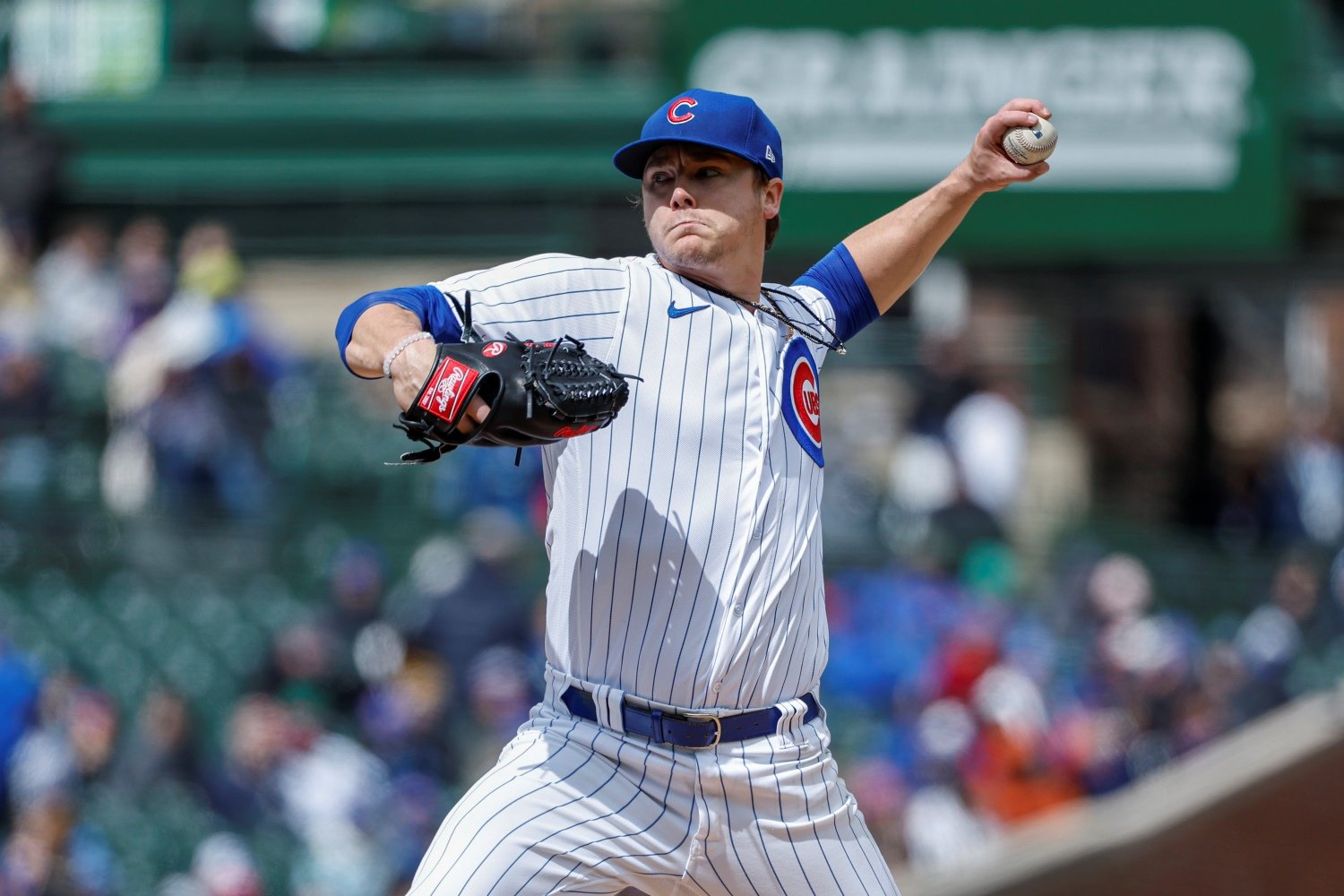 My favorite baseball truism is that every team wins 54 games, and every team loses 54 games. It’s what you do with the other 54 games that matters. That framework can be the best way to balance the twin dangers of a long baseball season, which are either minimizing the impact of a single game and overreacting to the same thing. With a little perspective and introspection, we can identify the games that fall into the third bucket of 54 games. Those are the only ones worth worrying much about. A team should have 54 wins every year you treat as essentially routine, without getting especially excited. They should have 54 losses you treat as routine, without getting upset. If a game falls into the third bucket, though, it’s worth your emotion. It’s not like your favorite team losing a key game in the NFL, because mathematically, even every game in the third bucket only constitutes a little less than two percent of the decisive segment of the team’s season. Still, it should sit with you a bit. Thursday’s win was a great one, with the vibes of Opening Day and the excitement of the four-run rally the Cubs cobbled together in the third inning. That was clearly a first-bucket game, though. By contrast, Saturday’s loss was a third-bucket game. That one could easily have gone either way, and the Cubs lost because they put together a dysfunctional roster to open the season and deployed it wrong. Justin Steele delivered everything the Cubs could have wanted. He put them in a position to win by shutting down the Brewers for six innings, while allowing just four baserunners and striking out eight. He’s an exemplar of something I increasingly believe about the nature of what we call command: that it’s less about pinpoint location than about consistent execution. Steele often seems to miss his spot by a significant amount, but his pitches have action, life, and deception to them even when that happens. That didn’t mean he didn’t need the support of his defense, of course, and he got it, in a gorgeous way. Dansby Swanson has exceeded reasonable expectations and lived up to every hope of Cubs fans so far. On Saturday, that meant quashing a Brewers rally with another beautiful double play off the bat of William Contreras, then robbing Contreras of a hit his next time up with a diving play to his right and a lightning-quick release. Thanks to both Steele and the fielders behind him, the Cubs were able to take a 1-0 lead into the seventh inning. Ross went to Javier Assad at that point, which was pretty reasonable. Assad had a great spring, after all, and looked especially good in relief in the World Baseball Classic. That’s how he made the roster, and it’s a solid reason to have him act as a bridge to the back end of the bullpen. Assad looked good in his first inning of work, too. The fatal flaw here is that I had to write the words between “good” and “too” in that sentence. With a fully fresh (albeit inexperienced and less-than-terrifying) bullpen from which to draw someone for the eighth, Ross instead had Assad come back. That led, in quick succession, to a hard-hit single and a bad walk, the latter issued over the desperate attempts of Garrett Mitchell to give the team an out by bunting the runner over. The seeing-eye single that then tied the game was a bit unlucky, but it was bad luck to which Ross exposed the team by not taking out Assad sooner. A few batters later, Michael Fulmer let the game get away from the Cubs for good, as he allowed Contreras to hit it away from Swanson and drive in the go-ahead runs with a single to right field. That single wouldn’t have fallen against a truly competent right fielder, but alas, the Cubs had Miles Mastrobuoni out there instead of one. That error, however, goes to the front office, not to Ross. So, for that matter, does some of the blame for Assad’s being left on the mound to make a mess of things. The Cubs only have two true outfielders on their roster right now, in Ian Happ and Cody Bellinger. Because they’re letting Nick Madrigal take up a spot on their 26-man roster and Eric Hosmer take up one on their 40-man at all, they’re consigned to using Mastrobuoni, Patrick Wisdom, and Trey Mancini in right field and praying for the best. Wrigley Field doesn’t go easy on right fielders, especially when they’re not yet familiar with it. I’m not sure whether Mike Tauchman or Christopher Morel would have caught Contreras’s hit, but it wasn’t entirely uncatchable, and Mastrobuoni never even looked comfortable in pursuit of it. Nelson Velázquez, whatever his other flaws, would have caught it easily. Relatedly, if the team had a left-handed reliever at all, it’s unlikely that Ross would have left Assad in to face Mitchell and Jesse Winker. They don’t, so he elected to roll with his young righthander. He paid for it. The Cubs didn’t build this roster to win in the short term, but we don’t have to accept that as a sound plan. They spent too much money this winter, and (from ownership to the front office to Ross himself) have talked too much about winning again this year to then hope to be graded on a gentle curve again. They had their first chance to win a third-bucket game Saturday, and they blew it. We don't need to freak out on every such occasion, because there will be 53 more such games. Still, it's a loss that should rankle.
 -
The Cubs collapsed after late June 2021, and the rebuild that dare not speak its name began right then. That makes this the third season of the project, and if we’re that far into it, losses like Saturday’s can’t be treated as excusable moral victories. With an assist from Jed Hoyer, David Ross blew it. My favorite baseball truism is that every team wins 54 games, and every team loses 54 games. It’s what you do with the other 54 games that matters. That framework can be the best way to balance the twin dangers of a long baseball season, which are either minimizing the impact of a single game and overreacting to the same thing. With a little perspective and introspection, we can identify the games that fall into the third bucket of 54 games. Those are the only ones worth worrying much about. A team should have 54 wins every year you treat as essentially routine, without getting especially excited. They should have 54 losses you treat as routine, without getting upset. If a game falls into the third bucket, though, it’s worth your emotion. It’s not like your favorite team losing a key game in the NFL, because mathematically, even every game in the third bucket only constitutes a little less than two percent of the decisive segment of the team’s season. Still, it should sit with you a bit. Thursday’s win was a great one, with the vibes of Opening Day and the excitement of the four-run rally the Cubs cobbled together in the third inning. That was clearly a first-bucket game, though. By contrast, Saturday’s loss was a third-bucket game. That one could easily have gone either way, and the Cubs lost because they put together a dysfunctional roster to open the season and deployed it wrong. Justin Steele delivered everything the Cubs could have wanted. He put them in a position to win by shutting down the Brewers for six innings, while allowing just four baserunners and striking out eight. He’s an exemplar of something I increasingly believe about the nature of what we call command: that it’s less about pinpoint location than about consistent execution. Steele often seems to miss his spot by a significant amount, but his pitches have action, life, and deception to them even when that happens. That didn’t mean he didn’t need the support of his defense, of course, and he got it, in a gorgeous way. Dansby Swanson has exceeded reasonable expectations and lived up to every hope of Cubs fans so far. On Saturday, that meant quashing a Brewers rally with another beautiful double play off the bat of William Contreras, then robbing Contreras of a hit his next time up with a diving play to his right and a lightning-quick release. Thanks to both Steele and the fielders behind him, the Cubs were able to take a 1-0 lead into the seventh inning. Ross went to Javier Assad at that point, which was pretty reasonable. Assad had a great spring, after all, and looked especially good in relief in the World Baseball Classic. That’s how he made the roster, and it’s a solid reason to have him act as a bridge to the back end of the bullpen. Assad looked good in his first inning of work, too. The fatal flaw here is that I had to write the words between “good” and “too” in that sentence. With a fully fresh (albeit inexperienced and less-than-terrifying) bullpen from which to draw someone for the eighth, Ross instead had Assad come back. That led, in quick succession, to a hard-hit single and a bad walk, the latter issued over the desperate attempts of Garrett Mitchell to give the team an out by bunting the runner over. The seeing-eye single that then tied the game was a bit unlucky, but it was bad luck to which Ross exposed the team by not taking out Assad sooner. A few batters later, Michael Fulmer let the game get away from the Cubs for good, as he allowed Contreras to hit it away from Swanson and drive in the go-ahead runs with a single to right field. That single wouldn’t have fallen against a truly competent right fielder, but alas, the Cubs had Miles Mastrobuoni out there instead of one. That error, however, goes to the front office, not to Ross. So, for that matter, does some of the blame for Assad’s being left on the mound to make a mess of things. The Cubs only have two true outfielders on their roster right now, in Ian Happ and Cody Bellinger. Because they’re letting Nick Madrigal take up a spot on their 26-man roster and Eric Hosmer take up one on their 40-man at all, they’re consigned to using Mastrobuoni, Patrick Wisdom, and Trey Mancini in right field and praying for the best. Wrigley Field doesn’t go easy on right fielders, especially when they’re not yet familiar with it. I’m not sure whether Mike Tauchman or Christopher Morel would have caught Contreras’s hit, but it wasn’t entirely uncatchable, and Mastrobuoni never even looked comfortable in pursuit of it. Nelson Velázquez, whatever his other flaws, would have caught it easily. Relatedly, if the team had a left-handed reliever at all, it’s unlikely that Ross would have left Assad in to face Mitchell and Jesse Winker. They don’t, so he elected to roll with his young righthander. He paid for it. The Cubs didn’t build this roster to win in the short term, but we don’t have to accept that as a sound plan. They spent too much money this winter, and (from ownership to the front office to Ross himself) have talked too much about winning again this year to then hope to be graded on a gentle curve again. They had their first chance to win a third-bucket game Saturday, and they blew it. We don't need to freak out on every such occasion, because there will be 53 more such games. Still, it's a loss that should rankle. View full article
- 4 replies
-
- 1
-
-
- justin steele
- miles mastrobuoni
- (and 3 more)
-
He's never had an oppo swing and I'm not sure how I'd even design one for him, given his setup and bat path, but it's a PROBLEM, man.
-
I am not enjoying The Cody Bellinger Experience.
-
EXACTLY what I was thinking. Close call.
-
Well, at least we all got to see the venerated "most hits by a shortstop in their first two games with the Cubs since 1920" record broken.
-
JD telling us all very hopefully that Matt Bush has had trouble with home runs, as Nick Madrigal, Luis Torrens, and Nico Hoerner come to bat...
-
I guess I'm not even sure why it was Fulmer who came in for Assad, since you had guys you ostensibly trust in those spots who DIDN'T pitch Thursday? But I guess that's fine. It's the Assad of it all that Ross really flubbed. I dunno, man. I don't know if he can get them over the hump.
-
Walk, strikeout, single. 3
-
Mastro does, uh, not look a lot like a right fielder.
-
This is one of those times you wish you had a bullpen ace that strikes out 33 percent of his opponents, instead of choosing among a bunch of guys where it's a 26-percent chance on a good day.
-
I mentioned this in a comment thread on a piece earlier this week. I just do not like Ross's bullpen management, man. And it's gonna be annoying if that's what stands in the way of this team being really good, rather than talent.
-
Assad, man. That was beautiful. In addition to the better velo, the re-planed slider and the changeup are both more intense out of the pen. https://baseballsavant.mlb.com/player-scroll/game?gamePk=718758&player_id=665871#pitch_movement
-
Not looking forward to the feeling I just got in my stomach every time Nick Madrigal has to field a grounder near the line all year. Ah well.
-
Only 97 off the bat too. Backspun it.
-
IAN!!!!
-
Steele is down about 150 RPMs on each of his main pitches today, but velo is constant. Wonder if he'd been stickying up a little as the enforcement of that got more lax last year and is now having to work without it. Encouraging, if so, considering how good he's looked.
-
So far in this game, Swanson has fielded the two hardest-hit balls and turned them into three outs, and has two of the next three hardest-hit balls himself.