


Cubs Video
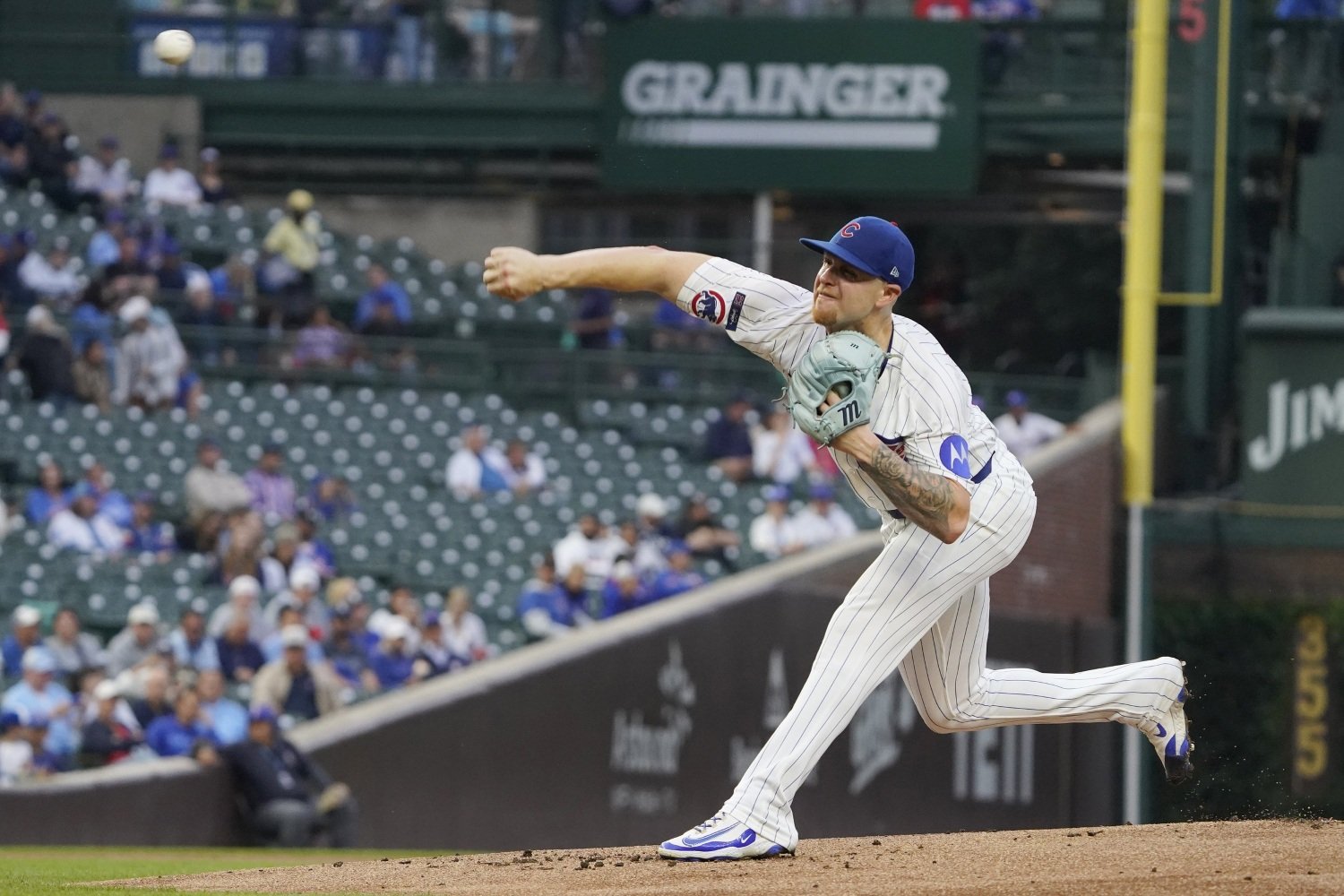
No pitcher in baseball last season produced as much horizontal separation between their four-seam fastball and their changeup as did Cubs righthander Cade Horton. What he calls a four-seamer (but which, in fairness, Pitch Info tags as a hard cutter) is a pitch with an extreme amount of relative cut for a fastball, which is part of the equation. Still, the 13.1 inches of difference between the lateral movement of his fastball and his offspeed pitch paced the league.
In fact, only a handful of pitchers even come close. Freddy Peralta (then of the Brewers, now of the Mets) achieves a solid foot of separation, thanks to a much lower arm slot than Horton's and the ability to generate more sheer run on the changeup. That has led Peralta, who functionally lacked a changeup until 2021, to use the pitch more each season since, until it became his most reliable complement for the fastball last year.

There's a simple reason for that: a changeup that can even vaguely mimic the fastball out of the hand but move that much is bound to end up generating lots of whiffs, and lots of weak contact even when the batter connects. That's why, as his rookie campaign unfolded, Horton, too, went to his change more and more often. By season's end, over 47% of swings against it had resulted in whiffs.
Like Peralta, Horton was late in developing the changeup. When he entered pro ball, the headliners were his fastball and his slider, with a sharp curveball coming along for the ride. He's tightened his command and comprehension of each of those pitches, but it's the changeup that has transformed him. As he prepares for his first full season in the majors, he's a dark-horse candidate for the NL Cy Young Award, for the same reason why Paul Skenes exploded into that caliber of pitcher sooner and more completely than pundits predicted: because great players find unexpected ways to improve. Skenes added a splinker that changed his scouting report for the better, even after being the first overall pick in 2023. Because of injuries (and a bit less raw talent), it took longer for Horton to unlock his game-changing new weapon, but his changeup is just that.
Yankees lefty Max Fried does technically have more separation between his changeup and his primary fastball (a cutter, and more of a true cutter than Horton's, with less ride on it) than does Horton. He has an even deeper arsenal than Horton's burgeoning five-pitch mix, too.

Horton, however, uses his change much more than Fried does, akin to the amount that Peralta uses it. After he laid waste to the Guardians with the pitch in his penultimate spring tuneup Monday night, we might see his reliance on that offering rise even more this year.

Note, too, that Horton's so-called four-seamer is two miles per hour harder than Fried's cutter, so hitters have less time to react to the gulf between his heater and his changeup than they do with Fried. More similar in their relative usages and plans are Horton and Twins righty David Festa, who operates with a higher-carry four-seamer but gets lots of depth on the change.

Festa's ability to do that, though, reflects the motor preference of his arm, which generates so much arm-side movement and allows him to command a two-seamer but doesn't allow him to move the ball to the glove side very much. Horton, more like Fried and Peralta, can move the ball all the way from east to west. Unlike Peralta, though, he does it from a high arm slot where the horizontal movement on both his sweeper/slider and his changeup surprise the batter more, and unlike Fried, he has two-plane separation between his heater and his changeup, because he gets more carry on his fastball than Fried does on his cutter.
In short, Horton's changeup has turned him into a unicorn. He won't strike out 10 batters very often, because his stuff is geared more toward outs than toward whiffs. He's still unlikely to win the Cy Young Award this year; Skenes and Logan Webb are early favorites. However, this development—this ability to make the last pitch he brought along (save his little-used sinker) his best one, even though it works opposite the movement pattern that comes most naturally to him—has unlocked the next level of success for him. Don't be surprised if Horton is the Cubs' ace this season, letting his former fourth pitch emerge as his signature weapon.
Do you approve of the job Craig Counsell is doing as Cubs manager?

Follow North Side Baseball For Chicago Cubs News & Analysis



-
 1
1


Recommended Comments
There are no comments to display.
Create an account or sign in to comment
You need to be a member in order to leave a comment
Create an account
Sign up for a new account in our community. It's easy!
Register a new accountSign in
Already have an account? Sign in here.
Sign In Now