


Cubs Video
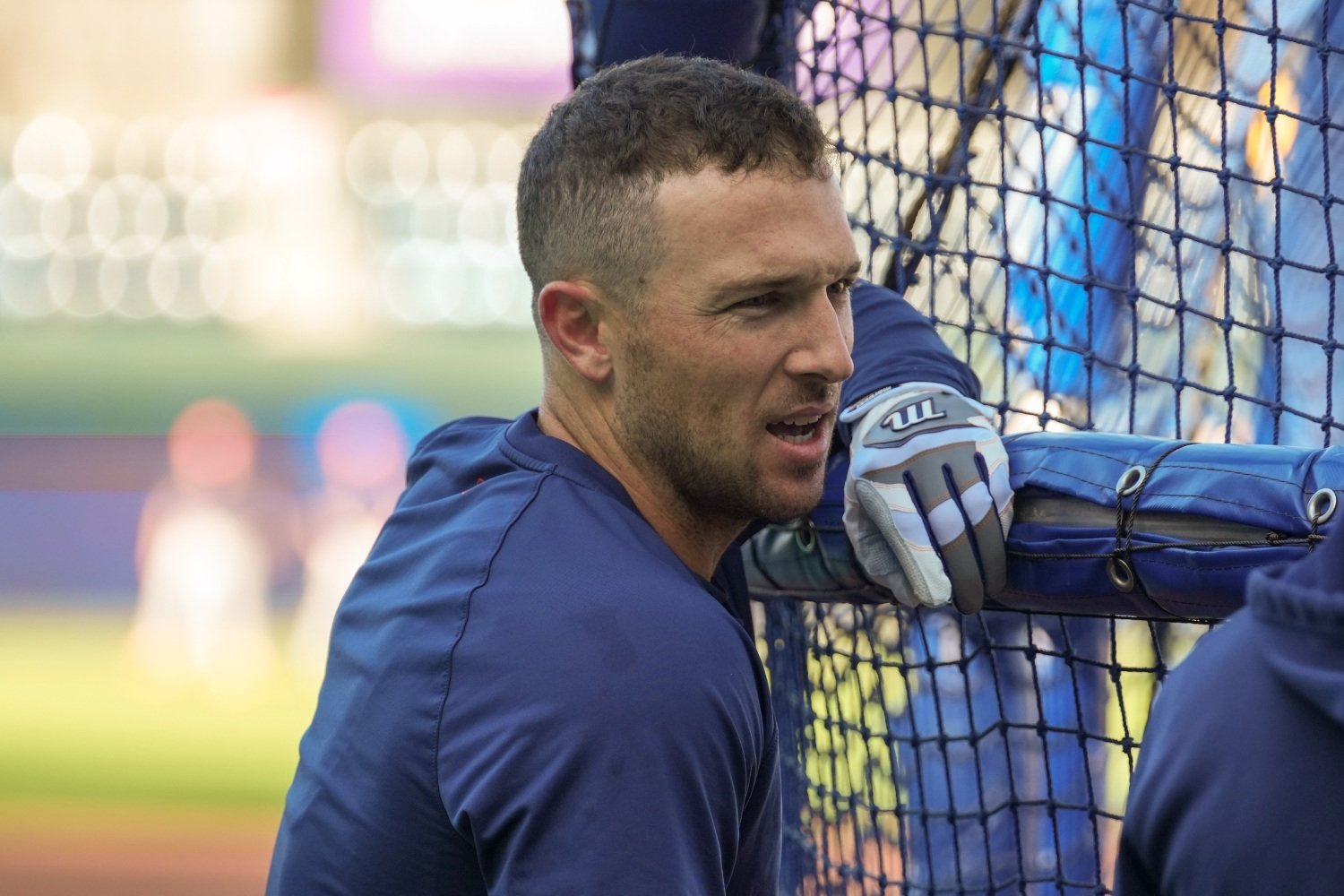
Alex Bregman agreed to a monstrous deal with the Boston Red Sox Wednesday night, giving him the ability to earn $120 million over three years or opt out following either of the first two years. The money is evenly spread across the deal, in terms of base salary, although there are significant deferrals involved.
As I reported last week, the Cubs had a four-year deal on the table for Bregman, worth roughly the same total amount of money. That sounds like a loser of a bid, with a $30-million annual average value (AAV) against the winning Sox's $40 million per year. As will become clear when the details of the deferrals are brought to light, the gap was actually a good bit smaller than that, because in practice, the AAV of Boston's deal will be around $35 million, but that gap remains substantial—and it was never going to be bridged.
Boston increased their offer significantly Wednesday, after a long staring match between Scott Boras and three potential suitors for Bregman. His client never intended to play for the Tigers, and Boras used the six-year, $171.5-million offer he eventually extracted from Tigers head honcho Scott Harris as leverage, but the Tigers didn't mind being allowed to hang around the bidding, and ultimately, Boras's gambit worked. The Red Sox went to an AAV level the Cubs were unwilling to match, and despite Chicago being willing to use a signing bonus to frontload their deal and forego deferrals, the appeal of a precedent-shifting deal like Boston's was too great to pass up.
While the Cubs probably would have traded Nico Hoerner to ensure they stayed beneath the competitive-balance tax (CBT) threshold if they had landed Bregman, one source said they never wanted to put themselves in a position to need to make such a trade. They didn't mind making the Kyle Tucker trade, then pivoting to trading Cody Bellinger in December, but with more of the rest of the league's money spent and little time left in the offseason, they were not willing to put themselves in a position to be extorted by suitors for Hoerner—and they feel Hoerner is more important to the 2025 team than Bellinger ever would have been, anyway.
Since the team currently has just over $31 million in space beneath the first CBT line, that mentality meant that they couldn't go beyond a $30-million AAV to lure Bregman. They went all the way to that figure, and were willing to structure the deal very creatively, but going up to or beyond $35 million—let alone to $40 million, even if that number is mostly for vanity—was never on the table.
Thus, it's time for the team to swing its gaze one or two more times, in a winter in which they've already done so multiple times. With Ryan Pressly and Ryan Brasier in place to round out the bullpen, they don't have much more room for veteran reinforcement there, but the right trade to ease their roster crunch could open the door to redirecting money to David Robertson. Even before Bregman reached his decision, the team had been in contact with Justin Turner, who would meet their need for a right-handed bench bat to back up both first baseman Michael Busch and regular DH Seiya Suzuki.
Interesting trade possibilities do remain, to be sure. The Padres made a big move of their own Wednesday evening, signing Nick Pivetta to a four-year deal worth $55 million. That contract is hilariously backloaded, making it clear that San Diego still has big cash-flow issues, but it's now equally clear that A.J. Preller is maintaining leverage in negotiations about the possibility of trading Dylan Cease. With Pivetta ($3-million signing bonus, $1 million salary for 2025), Michael King and Elias Díaz all signing deals that shove much of the money owed out to the end of the year or beyond and cheap platoon mates Jason Heyward and Connor Joe locked in for left field, it's plausible (though not, in the best estimates of sources in other front offices, actually true) that the team could hold onto Cease and his $13.75-million salary as they head into the season.
Cease (and King, and reliever Robert Suarez, though each of those two have faded from the radar for at least one inquiring team, believing the Padres now intend only to trade Cease) has long been a subject of Cubs trade rumors, but the asking price there remains high and the team now has to grapple with the reality that they're a bat short. I've mentioned this possibility before, and it's been unpopular, and I suspect it will remain so, but: Could the Cubs be the eventual destination for a Nolan Arenado escape from St. Louis?
Consider: Arenado blocked a trade to Houston earlier this winter, but has (seemingly) since come to regret that choice. Boston looked like his best remaining hope for a trade, but getting Bregman takes them out of that mix. The Cardinals aren't even trying to win this year, and the future Hall of Fame third baseman wants out of that situation. For the Cubs, he's quickly coming to look like a perfect fit.
At the front end of the offseason, he indicated a willingness to play first base, if it would help a contending team win. Smirking, many of us asked the rhetorical question: What playoff-caliber team would benefit from having Arenado at first base? Now, though, it might be time to take that question from the hands of rhetoricians and put it in those of a practitioner. Arenado would simultaneously give the Cubs the good-glove, solid-bat veteran third baseman Bregman would have been (albeit not nearly at as high a level) and fill that backup first base role. He wouldn't block Matt Shaw, but he might buy the team an extra year of control over their top prospect, manning third every day while Shaw gets some still-needed defensive work at third in Iowa and Jon Berti backs up the infield in Chicago. He'd also give the team insurance against struggles from either Shaw or Busch, and against injuries to any of the corner outfielders or Suzuki (since he'd be a capable, if unspectacular, DH option, too).
For the Cardinals, the value in trading Arenado would come almost solely from clearing his salary and opening playing time for their young infielders. If you're mentally building a potential trade, cross off the first six names in the Cubs system—and then cross off five more. It would cost the team very little in terms of real talent to get Arenado, and St. Louis would eat a bit of the money owed to him, leaving Jed Hoyer flexibility to make needed upgrades at the trade deadline.
Such a deal is unlikely, of course. After Bregman's surprisingly huge payday in Boston, though, the Cubs and Cardinals are both left in need of a partner for a crucial transaction. They might just fall together. Even if not, don't expect the Cubs to be truly done just yet—but nor will any addition they make from here be as likely to increase their upside as Bregman would have.





Recommended Comments
Create an account or sign in to comment
You need to be a member in order to leave a comment
Create an account
Sign up for a new account in our community. It's easy!
Register a new accountSign in
Already have an account? Sign in here.
Sign In Now