Yirsandy Rodríguez
-
Posts
14 -
Joined
-
Last visited
Content Type
Profiles
Joomla Posts 1
Chicago Cubs Videos
Chicago Cubs Free Agent & Trade Rumors, Notes, & Tidbits
2026 Chicago Cubs Top Prospects Ranking
News
2023 Chicago Cubs Draft Picks
Guides & Resources
2024 Chicago Cubs Draft Picks
The Chicago Cubs Players Project
2025 Chicago Cubs Draft Pick Tracker
2026 Chicago Cubs Draft Tracker: Picks & Bonuses
Blogs
Events
Forums
Store
Gallery
Everything posted by Yirsandy Rodríguez
-
 Image courtesy of © David Banks-Imagn Images The version of Michael Conforto who used to destroy fastballs has been back this year, and that is very good news for the Chicago Cubs heading into the postseason. Conforto hit just .224 with a .382 slugging percentage against fastballs with the Dodgers last year. His power was still there, with 12 doubles and eight home runs, but the loss of contact limited his impact. He fell well short of his 2024 campaign, when he hit 35 extra-base hits—15 of them home runs—and finished with a .547 slugging percentage, just one point below his .546 xSLG. This year, his best adjustments against fastballs have come from expanding his swing, hitting pitches better in the upper and lower thirds around the strike zone. The two graphics on the left show Conforto’s impact this season against right-handed pitchers’ fastballs, while the ones on the right correspond to last year. Most of the areas where his average exit velocity has increased have also seen an improvement in his slugging percentage. Pitchers challenged Conforto last year by throwing him fastballs 55.9% of the time, but with these adjustments, they are now relying more on breaking pitches and off-speed pitches. Changeups have once again become the biggest problem: he is hitting just .122 against them, the worst mark of his career. But that is not the only concerning decline for Conforto, as his 40.8% whiff rate is also a career worst, and much of that breakdown has contributed to his strikeout rate jumping from 25.0% in 2025 to 38.5% this year. Take a look at his whiff rate zone chart, and it becomes clear where Conforto is struggling. I think we have reached a much more revealing point. As you can see, Conforto hardly struggles in the strike zone. The problems appear when he tries to reach pitches that are in the lower parts and corners. In many of those same areas, he has destroyed fastballs, but he has not been able to do the same against changeups. Although his flawed swing rate has dropped from 17% to 13% against changeups, Conforto’s perfect contact rate has fallen from 19% to 10%. Of course, much of this problem could be solved if Conforto stopped chasing the large number of pitches outside the strike zone that are limiting him, but that is a challenge he has not been able to solve throughout his career. Aggressiveness is his essence in the batter’s box. In fact, this season, Conforto is posting the highest swing rate on pitches outside the zone of his career (27.6%), along with his lowest contact rate (50.3%). So, amidst all his problems at the plate, the fact that his swing is regaining its impact against fastballs and showing some heat against breaking pitches is as good as it sounds. Consider that he also leads the league in home runs (four) and has a 1.265 OPS as a pinch hitter in 34 plate appearances, and it's clear that Conforto is more than filling the duties of his role on this Cubs team. It's just a question of if he can clean up (or mask) his fatal flaw before the playoffs, lest he get picked on by the best pitchers in baseball. View full article
 -
Michael Conforto Is A Flawed Hitter, and the Cubs Couldn't Care Less
Yirsandy Rodríguez posted an article in Cubs
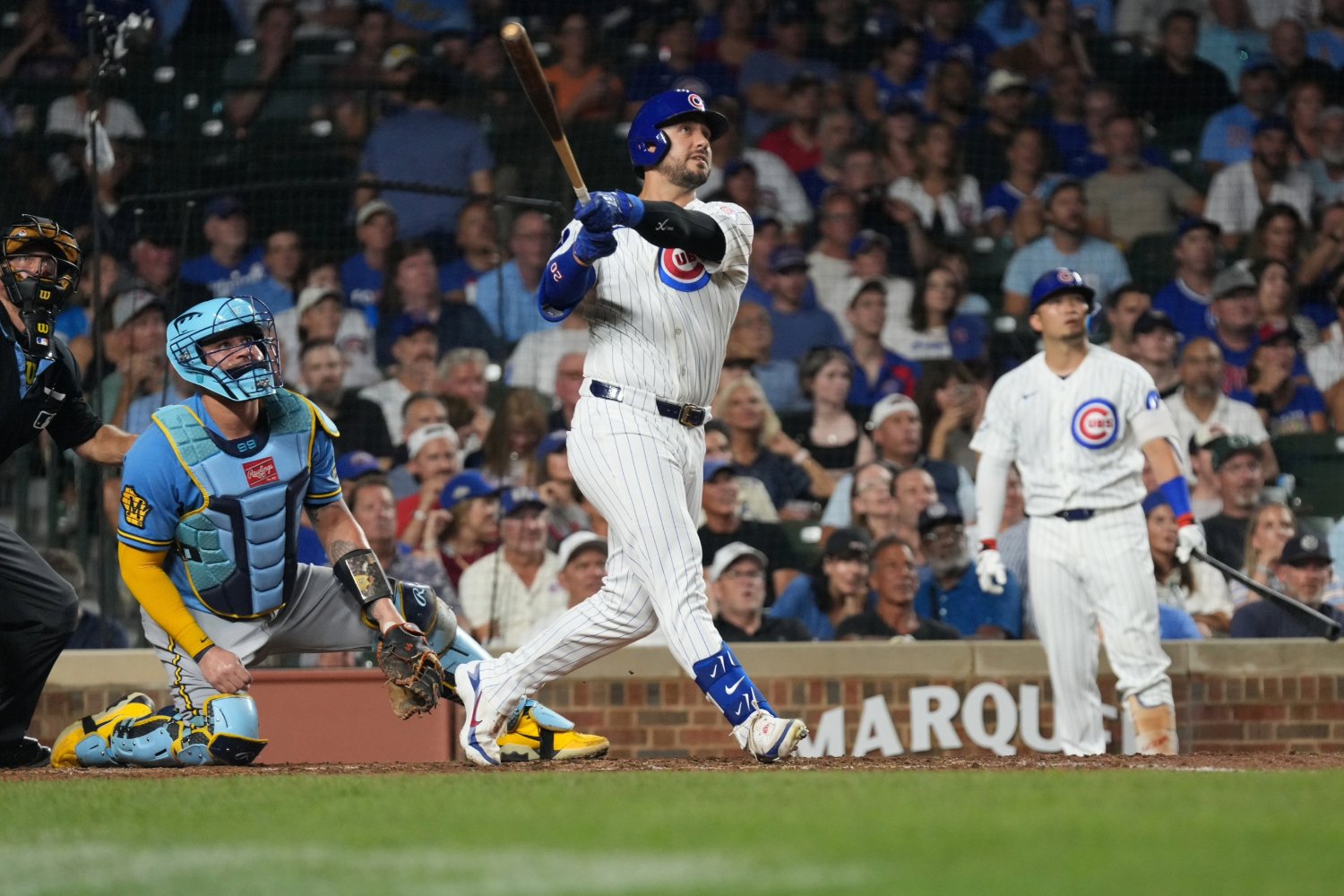 The version of Michael Conforto who used to destroy fastballs has been back this year, and that is very good news for the Chicago Cubs heading into the postseason. Conforto hit just .224 with a .382 slugging percentage against fastballs with the Dodgers last year. His power was still there, with 12 doubles and eight home runs, but the loss of contact limited his impact. He fell well short of his 2024 campaign, when he hit 35 extra-base hits—15 of them home runs—and finished with a .547 slugging percentage, just one point below his .546 xSLG. This year, his best adjustments against fastballs have come from expanding his swing, hitting pitches better in the upper and lower thirds around the strike zone. The two graphics on the left show Conforto’s impact this season against right-handed pitchers’ fastballs, while the ones on the right correspond to last year. Most of the areas where his average exit velocity has increased have also seen an improvement in his slugging percentage. Pitchers challenged Conforto last year by throwing him fastballs 55.9% of the time, but with these adjustments, they are now relying more on breaking pitches and off-speed pitches. Changeups have once again become the biggest problem: he is hitting just .122 against them, the worst mark of his career. But that is not the only concerning decline for Conforto, as his 40.8% whiff rate is also a career worst, and much of that breakdown has contributed to his strikeout rate jumping from 25.0% in 2025 to 38.5% this year. Take a look at his whiff rate zone chart, and it becomes clear where Conforto is struggling. I think we have reached a much more revealing point. As you can see, Conforto hardly struggles in the strike zone. The problems appear when he tries to reach pitches that are in the lower parts and corners. In many of those same areas, he has destroyed fastballs, but he has not been able to do the same against changeups. Although his flawed swing rate has dropped from 17% to 13% against changeups, Conforto’s perfect contact rate has fallen from 19% to 10%. Of course, much of this problem could be solved if Conforto stopped chasing the large number of pitches outside the strike zone that are limiting him, but that is a challenge he has not been able to solve throughout his career. Aggressiveness is his essence in the batter’s box. In fact, this season, Conforto is posting the highest swing rate on pitches outside the zone of his career (27.6%), along with his lowest contact rate (50.3%). So, amidst all his problems at the plate, the fact that his swing is regaining its impact against fastballs and showing some heat against breaking pitches is as good as it sounds. Consider that he also leads the league in home runs (four) and has a 1.265 OPS as a pinch hitter in 34 plate appearances, and it's clear that Conforto is more than filling the duties of his role on this Cubs team. It's just a question of if he can clean up (or mask) his fatal flaw before the playoffs, lest he get picked on by the best pitchers in baseball.
 -
Image courtesy of Peter Aiken-Imagn Images What are the Cubs doing differently—and what had they already done in 2025—that allows Aaron Civale’s best weapons to work again? The answer lies in two things the Cubs have done differently than the Athletics: how and when to use him, and which pitches to put at the center of his repertoire. In his 12 relief appearances with the Cubs over the last two seasons, Civale has posted 0.5 WAR with a 2.28 ERA. In that small sample, he has produced a surprising 14.00 strikeout-to-walk ratio, nearly five times higher than his 3.23 career mark. It’s not hard to understand how the Cubs are getting the best version of Civale again. Much of that performance is only possible because of the role they have given him. With a lower workload, his arsenal tends to be less exposed, and Civale has been able to match up better against certain opponents. Civale’s profile in both roles this season allows us to analyze the time he spent as a starter with the Athletics and his return to the Cubs’ bullpen. TTO TBF xERA xFIP SqUpCon% BlastCon% HardHit% wOBA K-BB% EV 1st Through Order as SP 135 5.76 4.59 37.9% 18.0% 42.3% .389 13.3% 90.0 1st Through Order as RP 59 2.50 3.48 33.3% 13.0% 31.7% .263 25.4% 85.9 2nd Through Order as SP 135 4.97 5.04 40.7% 19.2% 47.2% .393 9.6% 90.9 2nd Through Order as RP 17 8.00 5.24 47.6% 33.3% 53.8% .566 0.0% 92.2 3rd Through Order as SP 57 4.63 6.27 38.4% 20.5% 47.8% .346 1.8% 90.2 Civale’s best version is pretty clear. It only appears when he faces opponents for the first time as a reliever, not only safe from batter familiarity but knowing he doesn't need to pace himself for a long outing. In those situations, he has an excellent xFIP, strikes out more batters, walks fewer, and is less vulnerable to hard contact. Hitters’ best swings are finding his pitches less often, which translates to a lower average exit velocity. What that report doesn’t show are the adjustments the Cubs have been working on with Civale in terms of his actual pitches. All of this has to do with Civale’s three biggest problems in his starts with the Athletics: hitters were destroying his fastball. His rate of allowed fly balls rose to dangerous levels, which created plenty of trouble, especially when he pitched in Sacramento. From all that came a .311/.371/.538 offensive line, with a .909 OPS and .391 wOBA, his worst numbers in a season against left-handed hitters. With the Athletics, Civale’s sinker and four-seam fastball were making up 24.8% of his repertoire and, contrary to the encouraging results he posted in 2025, hitters were feasting on those pitches. The difference is clear in the heat maps from the last two seasons. Civale’s opponents vs. sinkers and four-seam fastballs in 2025 Civale’s opponents vs. sinkers and four-seam fastballs in 2026 Without enough power to frequently generate swings and misses with his sinker and fastball mix, Civale became more exposed, especially when he tried to attack the corners. With the Athletics, his opponents' xSLG jumped from .443 in 2025 to .615 this season. His HardHit% shot up, too, from 40.8% to 61.1%. Since arriving in Chicago, Civale’s adjustments have been put into motion. He's drastically reduced his sinker usage from 19.2% to 6.6%, which is becoming the most important repertoire adjustment. He's distributed those 12.6 percentage points by giving more time to his cutter (4.1%), four-seam fastball (3.1%), slider (1.4%) and curveball (2.3%). After all, we can already see some encouraging results. Split Athletics Cubs Differences% O-Contact% 74.0% 62.5% 11.5% Z-Swing% 62.5% 73.0% 10.5% Contact% 82.5% 76.6% 5.9% SwStr% 8.0% 12.0% 4.0% O-Swing% 33.7% 36.7% 3.0% Z-Contact% 88.9% 87.0% 1.9% Hitters are taking many more swings, and Civale has been taking advantage, reducing contact against pitches outside the zone by 11.5%. The improvements in SwStr% and Z-Contact% are small in percentage terms, but they have been key to limiting contact by 5.9%. Civale has also slightly increased the velocity on all of his pitches, although that figure may be influenced by his new role with fewer pitches per outing. He has also recovered his ground-ball rate, bumping it from 27.0% to 40.0%. In his repertoire, the curveball and cutter remain Civale’s most reliable pitches. If we combine them into a single core, we can see the big differences compared with the rest of his arsenal. Cutter and curveball: .384 xSLG, 38.3 HardHit%, 25.7 Whiffs%, 21.3 K%, 2.3 Miss Distance (in). Sinker and four-seam fastball: .598 xSLG, 58.3 HardHit%, 13.2 Whiffs%, 15.4 K%, 1.1 Miss Distance (in). This strengthens the point we made about Civale’s adjustments in the distribution of his pitches, reducing his sinker usage by 12.6 percentage points. With the cutter and curveball having more presence in his arsenal, the greater probability of generating more swings and misses and making hitters less comfortable in the batter’s box is influencing Civale’s performance with the Cubs. Of course, Chicago is taking advantage of these more frequent appearances and lower workload from Civale, but a couple of inconsistent relief outings could change the outcome of his peripheral numbers. Now, regardless of that, the credit the Cubs deserve is undeniable for finding a way to make a pitcher who seemed finished rise again. Sometimes, the biggest changes aren’t just about redefining a pitcher’s strategy, but about finding the balance to get the best version of him. So far, that’s what the Cubs have done with Civale, and his tools are working again. View full article
-
 What are the Cubs doing differently—and what had they already done in 2025—that allows Aaron Civale’s best weapons to work again? The answer lies in two things the Cubs have done differently than the Athletics: how and when to use him, and which pitches to put at the center of his repertoire. In his 12 relief appearances with the Cubs over the last two seasons, Civale has posted 0.5 WAR with a 2.28 ERA. In that small sample, he has produced a surprising 14.00 strikeout-to-walk ratio, nearly five times higher than his 3.23 career mark. It’s not hard to understand how the Cubs are getting the best version of Civale again. Much of that performance is only possible because of the role they have given him. With a lower workload, his arsenal tends to be less exposed, and Civale has been able to match up better against certain opponents. Civale’s profile in both roles this season allows us to analyze the time he spent as a starter with the Athletics and his return to the Cubs’ bullpen. TTO TBF xERA xFIP SqUpCon% BlastCon% HardHit% wOBA K-BB% EV 1st Through Order as SP 135 5.76 4.59 37.9% 18.0% 42.3% .389 13.3% 90.0 1st Through Order as RP 59 2.50 3.48 33.3% 13.0% 31.7% .263 25.4% 85.9 2nd Through Order as SP 135 4.97 5.04 40.7% 19.2% 47.2% .393 9.6% 90.9 2nd Through Order as RP 17 8.00 5.24 47.6% 33.3% 53.8% .566 0.0% 92.2 3rd Through Order as SP 57 4.63 6.27 38.4% 20.5% 47.8% .346 1.8% 90.2 Civale’s best version is pretty clear. It only appears when he faces opponents for the first time as a reliever, not only safe from batter familiarity but knowing he doesn't need to pace himself for a long outing. In those situations, he has an excellent xFIP, strikes out more batters, walks fewer, and is less vulnerable to hard contact. Hitters’ best swings are finding his pitches less often, which translates to a lower average exit velocity. What that report doesn’t show are the adjustments the Cubs have been working on with Civale in terms of his actual pitches. All of this has to do with Civale’s three biggest problems in his starts with the Athletics: hitters were destroying his fastball. His rate of allowed fly balls rose to dangerous levels, which created plenty of trouble, especially when he pitched in Sacramento. From all that came a .311/.371/.538 offensive line, with a .909 OPS and .391 wOBA, his worst numbers in a season against left-handed hitters. With the Athletics, Civale’s sinker and four-seam fastball were making up 24.8% of his repertoire and, contrary to the encouraging results he posted in 2025, hitters were feasting on those pitches. The difference is clear in the heat maps from the last two seasons. Civale’s opponents vs. sinkers and four-seam fastballs in 2025 Civale’s opponents vs. sinkers and four-seam fastballs in 2026 Without enough power to frequently generate swings and misses with his sinker and fastball mix, Civale became more exposed, especially when he tried to attack the corners. With the Athletics, his opponents' xSLG jumped from .443 in 2025 to .615 this season. His HardHit% shot up, too, from 40.8% to 61.1%. Since arriving in Chicago, Civale’s adjustments have been put into motion. He's drastically reduced his sinker usage from 19.2% to 6.6%, which is becoming the most important repertoire adjustment. He's distributed those 12.6 percentage points by giving more time to his cutter (4.1%), four-seam fastball (3.1%), slider (1.4%) and curveball (2.3%). After all, we can already see some encouraging results. Split Athletics Cubs Differences% O-Contact% 74.0% 62.5% 11.5% Z-Swing% 62.5% 73.0% 10.5% Contact% 82.5% 76.6% 5.9% SwStr% 8.0% 12.0% 4.0% O-Swing% 33.7% 36.7% 3.0% Z-Contact% 88.9% 87.0% 1.9% Hitters are taking many more swings, and Civale has been taking advantage, reducing contact against pitches outside the zone by 11.5%. The improvements in SwStr% and Z-Contact% are small in percentage terms, but they have been key to limiting contact by 5.9%. Civale has also slightly increased the velocity on all of his pitches, although that figure may be influenced by his new role with fewer pitches per outing. He has also recovered his ground-ball rate, bumping it from 27.0% to 40.0%. In his repertoire, the curveball and cutter remain Civale’s most reliable pitches. If we combine them into a single core, we can see the big differences compared with the rest of his arsenal. Cutter and curveball: .384 xSLG, 38.3 HardHit%, 25.7 Whiffs%, 21.3 K%, 2.3 Miss Distance (in). Sinker and four-seam fastball: .598 xSLG, 58.3 HardHit%, 13.2 Whiffs%, 15.4 K%, 1.1 Miss Distance (in). This strengthens the point we made about Civale’s adjustments in the distribution of his pitches, reducing his sinker usage by 12.6 percentage points. With the cutter and curveball having more presence in his arsenal, the greater probability of generating more swings and misses and making hitters less comfortable in the batter’s box is influencing Civale’s performance with the Cubs. Of course, Chicago is taking advantage of these more frequent appearances and lower workload from Civale, but a couple of inconsistent relief outings could change the outcome of his peripheral numbers. Now, regardless of that, the credit the Cubs deserve is undeniable for finding a way to make a pitcher who seemed finished rise again. Sometimes, the biggest changes aren’t just about redefining a pitcher’s strategy, but about finding the balance to get the best version of him. So far, that’s what the Cubs have done with Civale, and his tools are working again.
 -
Image courtesy of © Patrick Gorski-Imagn Images Most pitchers spend their 30s trying to hold on to whatever once made them special. Colin Rea has taken a different path. Rather than clinging to a previous version of himself, he has built a career around finding new ways to adapt every time the game demands another adjustment. He did it in Milwaukee. Now, he's doing it again with the Chicago Cubs. At first glance, the explanation behind this seems simple enough. Another year in Chicago equals greater familiarity with the organization which equals more confidence in his approach. But a deeper dive into the numbers reveals a more complicated reality. Rea isn’t succeeding because his pitches have suddenly become significantly better, nor has he developed a new weapon capable of transforming his profile. In fact, several of the metrics typically associated with pitcher dominance point in the opposite direction. None of that describes a starter discovering a new level of performance. His Stuff+ is essentially unchanged, his ability to generate whiffs remains below league average, and his strikeout rate is still modest. Even the predictive metrics are less optimistic about his current performance than they were a year ago. And yet, Rea keeps getting outs. What has changed is the way he’s using his arsenal. The most significant adjustment appears to involve his off-speed pitches. In 2025, the splitter played a prominent role in his pitch mix. The problem was that hitters consistently punished it. When they recognized the pitch, the outcome rarely favored the pitcher. A year later, the picture looks very different. The changeup has taken over much of that workload, and the results have improved dramatically. *2025 splitter The changeup allows Rea to generate more chase swings outside the strike zone, disrupt timing, and force hitters into less comfortable decisions. He has never been the type of pitcher who survives on pure swing-and-miss stuff; instead, he needs to create uncertainty and force hitters to hesitate for a fraction of a second. His current approach appears to be accomplishing exactly that, and the evidence can be seen in a trend that has persisted throughout the season. Hitters are chasing more pitches outside the zone than they did in 2025, with his O-Swing% climbing from 28.4% to 31.2%. Meanwhile, his In-Zone swing rate has fallen from 50.9% to 46.5%, a revealing combination that suggests Rea is throwing fewer hittable strikes while generating more swings in places hitters would rather avoid. Bat-tracking data helps explain the process even further. His slider remains his most effective swing-and-miss pitch. The changeup continues to generate a healthy share of poor swings. Neither pitch is dominant in an absolute sense, but together they force hitters to cover more possibilities than his velocity alone would suggest. That’s particularly important because the fastball isn’t carrying the load. Its effectiveness against hitters has declined noticeably from last season. Opponents continue to make contact at a relatively high rate, and the pitch’s underlying quality metrics remain underwhelming. In a league increasingly built around overpowering velocity, Rea is trying to remain effective with a fastball that rarely intimidates anyone. The concerns don’t disappear when looking at the underlying numbers. His strikeout rate remains low by modern standards. His xERA sits among the less impressive marks of regular starters. Some of the contact-quality metrics suggest that a portion of his success could be vulnerable to regression if more batted balls begin finding open grass. But that tension may be exactly what makes his season so valuable. Many pitchers rely on exceptional physical tools to stay relevant. When those tools begin to fade, adaptation becomes difficult. Rea has spent much of his career developing a different skill. Every time the game presents a limitation, he finds a way to reorganize his repertoire around it. The Cubs continue to reap the benefits of that process. While many pitchers chase an idealized version of the Modern Ace™, Rea keeps manufacturing outs with a formula that is far less flashy and far more craft-driven. The question for the second half isn’t whether he can become a dominant starter (at this stage of his career, that was never the bet). The real question is whether this latest evolution—less reliance on a vulnerable fastball, greater trust in his off-speed pitches, and an increasing ability to generate chase swings outside the zone—will be enough to sustain results that several metrics still view with skepticism. If the answer is yes once again, it won’t be because Colin Rea changed who he is as a pitcher. It will be because, once again, he found another way to stay relevant in a game that never stops demanding reinvention. View full article
-
Colin Rea's Survival Instinct Has Become His Best Quality
Yirsandy Rodríguez posted an article in Cubs
 Most pitchers spend their 30s trying to hold on to whatever once made them special. Colin Rea has taken a different path. Rather than clinging to a previous version of himself, he has built a career around finding new ways to adapt every time the game demands another adjustment. He did it in Milwaukee. Now, he's doing it again with the Chicago Cubs. At first glance, the explanation behind this seems simple enough. Another year in Chicago equals greater familiarity with the organization which equals more confidence in his approach. But a deeper dive into the numbers reveals a more complicated reality. Rea isn’t succeeding because his pitches have suddenly become significantly better, nor has he developed a new weapon capable of transforming his profile. In fact, several of the metrics typically associated with pitcher dominance point in the opposite direction. None of that describes a starter discovering a new level of performance. His Stuff+ is essentially unchanged, his ability to generate whiffs remains below league average, and his strikeout rate is still modest. Even the predictive metrics are less optimistic about his current performance than they were a year ago. And yet, Rea keeps getting outs. What has changed is the way he’s using his arsenal. The most significant adjustment appears to involve his off-speed pitches. In 2025, the splitter played a prominent role in his pitch mix. The problem was that hitters consistently punished it. When they recognized the pitch, the outcome rarely favored the pitcher. A year later, the picture looks very different. The changeup has taken over much of that workload, and the results have improved dramatically. *2025 splitter The changeup allows Rea to generate more chase swings outside the strike zone, disrupt timing, and force hitters into less comfortable decisions. He has never been the type of pitcher who survives on pure swing-and-miss stuff; instead, he needs to create uncertainty and force hitters to hesitate for a fraction of a second. His current approach appears to be accomplishing exactly that, and the evidence can be seen in a trend that has persisted throughout the season. Hitters are chasing more pitches outside the zone than they did in 2025, with his O-Swing% climbing from 28.4% to 31.2%. Meanwhile, his In-Zone swing rate has fallen from 50.9% to 46.5%, a revealing combination that suggests Rea is throwing fewer hittable strikes while generating more swings in places hitters would rather avoid. Bat-tracking data helps explain the process even further. His slider remains his most effective swing-and-miss pitch. The changeup continues to generate a healthy share of poor swings. Neither pitch is dominant in an absolute sense, but together they force hitters to cover more possibilities than his velocity alone would suggest. That’s particularly important because the fastball isn’t carrying the load. Its effectiveness against hitters has declined noticeably from last season. Opponents continue to make contact at a relatively high rate, and the pitch’s underlying quality metrics remain underwhelming. In a league increasingly built around overpowering velocity, Rea is trying to remain effective with a fastball that rarely intimidates anyone. The concerns don’t disappear when looking at the underlying numbers. His strikeout rate remains low by modern standards. His xERA sits among the less impressive marks of regular starters. Some of the contact-quality metrics suggest that a portion of his success could be vulnerable to regression if more batted balls begin finding open grass. But that tension may be exactly what makes his season so valuable. Many pitchers rely on exceptional physical tools to stay relevant. When those tools begin to fade, adaptation becomes difficult. Rea has spent much of his career developing a different skill. Every time the game presents a limitation, he finds a way to reorganize his repertoire around it. The Cubs continue to reap the benefits of that process. While many pitchers chase an idealized version of the Modern Ace™, Rea keeps manufacturing outs with a formula that is far less flashy and far more craft-driven. The question for the second half isn’t whether he can become a dominant starter (at this stage of his career, that was never the bet). The real question is whether this latest evolution—less reliance on a vulnerable fastball, greater trust in his off-speed pitches, and an increasing ability to generate chase swings outside the zone—will be enough to sustain results that several metrics still view with skepticism. If the answer is yes once again, it won’t be because Colin Rea changed who he is as a pitcher. It will be because, once again, he found another way to stay relevant in a game that never stops demanding reinvention.
 -
Image courtesy of © Matt Marton-Imagn Images There's a scene that has repeated itself often enough at Wrigley Field this season to stop being a coincidence. Michael Busch lines a double to left with a runner on third, or Pete Crow-Armstrong launches a two-run homer that seems to shift the game's momentum, and for a moment Chicago's offense looks exactly the way it was supposed to: deep, dangerous, capable of turning traffic into real damage. Then the next at-bat arrives, and with it the most complicated reality of this season. It's not that the Cubs aren't generating opportunities with runners in scoring position. It's that they're increasingly dependent on two specific players to capitalize on them, while the rest of the lineup operates from a level of production that can no longer be explained away by bad luck. The gap between April and May is neither marginal, nor the result of a passing fluctuation. Between Opening Day and April 30, the Cubs batted .246/.336/.391 with runners in scoring position, for a wRC+ of 113. They were one of the most efficient situational units in the majors. Since May 1, that same offense has produced a .223/.324/.349 line in those spots, with a wRC+ of 91, falling below the league average in the moments that carry the most competitive weight. Period AVG OBP SLG xwOBA wRC+ Mar/Apr .246 .336 .391 .317 113 Since May 1 .223 .324 .349 .300 91 Cubs with RISP: split by period What makes this deterioration especially difficult to rationalize is that the underlying numbers offer no narrative shelter. On the full season with RISP, the Cubs carry a wOBA of .299, nearly identical to their xwOBA of .299, and an AVG of .221 against an xBA of .214. When real production and expected contact quality converge with that precision, the bad luck argument doesn't just weaken: it collapses entirely. This offense is generating the contact it deserves and getting the results that contact produces, which shifts the conversation toward more uncomfortable ground: the quality of impact in pressure situations has declined, and until it improves, no narrative of imminent correction has any real foundation to stand on. Busch and Crow-Armstrong: Real Engines in an Offense That Went Dark Around Them Michael Busch and Pete Crow-Armstrong are not part of the problem; they're the reason this problem hasn't turned into an even worse crisis. Since May 1, Busch carries a wRC+ of 168 with RISP, backed by a slash line of .296/.434/.512 and an xwOBA of .399. With a Hard-Hit% of 48% in those situations, he's not just making contact frequently. He's hitting it hard when runners are on base, which is exactly the combination that separates an elite situational hitter from one who simply runs up numbers in neutral contexts. Crow-Armstrong has been equally dominant: 144 wRC+, eight home runs since May 1, and a Hard-Hit% of 53.8% that places his contact in elite territory. Both don't just maintain their performance in pressure scenarios—they elevate it. The problem is that they're propping up an offense built to have four or five reliable sources of situational damage, a burden no duo can carry indefinitely without the team paying for it in the runs column. Swanson, Suzuki, Bregman: When the Core Stops Working The contrast with the rest of the lineup is stark enough that the table leaves little room for generous interpretation. Player AVG SLG xwOBA Hard-Hit% wRC+ Michael Busch .296 .512 .399 48.0% 168 Pete Crow-Armstrong .265 .500 .409 53.8% 144 Ian Happ .230 .500 .359 41.7% 135 Alex Bregman .239 .187 .291 34.0% 82 Seiya Suzuki .205 .242 .289 38.0% 71 Nico Hoerner .206 .250 .334 28.0% 60 Dansby Swanson .153 .225 .229 32.0% 29 Cubs with RISP since May 1 — individual profile Above the 100 wRC+ threshold (the baseline for a league-average hitter) sit only Busch, Crow-Armstrong, and Ian Happ, who maintains an acceptable level thanks in part to a Hard-Hit% of 41.7% that offsets his strikeout tendencies. Below that line are the hitters who were supposed to represent the most experienced offensive weight on this roster. Swanson is the most severe case. After hitting .231 with RISP during March and April, his average collapsed to .087 in May, accumulating a wRC+ of just 29 since the first of that month. What makes his situation especially concerning is the absence of any divergence between results and underlying metrics: his xwOBA of .229 and a Hard-Hit% of 32% confirm that contact quality has deteriorated alongside production. His Whiff%, already elevated at 35.6% during March and April, hasn't improved meaningfully, suggesting real difficulty controlling the strike zone under pressure. Both columns point in the same direction, and neither promises imminent correction. Suzuki presents a more nuanced profile. His .121 average in May and a Batter Run Value of -9 represent real negative impact, but his xwOBA running above his actual production and a Hard-Hit% of 38% indicate there's underlying contact quality that hasn't yet translated into results. He's the most statistically reasonable candidate in this group for a sustained correction—though that correction remains a statistical promise, not a present reality. Bregman, meanwhile, has closed this stretch with .173/.247/.187 and a wRC+ of 20, without a home run in scoring situations and a Hard-Hit% of 34% that falls well short of what Chicago expected when he signed. Hoerner completed the picture by falling from .306 in April to .160 in May, with a Hard-Hit% of 28% that suggests a decline not just in results but in the real capacity to generate impact from the top of the order. The question the Cubs need to answer in the coming weeks doesn't run through Busch or Crow-Armstrong. It runs through Swanson: can he recover even a functional version of his first month? It runs through Suzuki: will he convert his underlying signals into real production before the season is decided? And it runs through Bregman: will he find in the second half the damage scenarios his historical profile suggests? Until those answers arrive, Chicago will remain a team where two players carry a disproportionate share of the situational weight for an entire lineup. In April, the Cubs looked like an offense with genuine depth. Since May, they've become a group that depends on an exceptional duo to hold things together when the game demands the most. In a division where margins are decided in exactly these moments, that's not a footnote to the season. It's the central story. View full article
-
 There's a scene that has repeated itself often enough at Wrigley Field this season to stop being a coincidence. Michael Busch lines a double to left with a runner on third, or Pete Crow-Armstrong launches a two-run homer that seems to shift the game's momentum, and for a moment Chicago's offense looks exactly the way it was supposed to: deep, dangerous, capable of turning traffic into real damage. Then the next at-bat arrives, and with it the most complicated reality of this season. It's not that the Cubs aren't generating opportunities with runners in scoring position. It's that they're increasingly dependent on two specific players to capitalize on them, while the rest of the lineup operates from a level of production that can no longer be explained away by bad luck. The gap between April and May is neither marginal, nor the result of a passing fluctuation. Between Opening Day and April 30, the Cubs batted .246/.336/.391 with runners in scoring position, for a wRC+ of 113. They were one of the most efficient situational units in the majors. Since May 1, that same offense has produced a .223/.324/.349 line in those spots, with a wRC+ of 91, falling below the league average in the moments that carry the most competitive weight. Period AVG OBP SLG xwOBA wRC+ Mar/Apr .246 .336 .391 .317 113 Since May 1 .223 .324 .349 .300 91 Cubs with RISP: split by period What makes this deterioration especially difficult to rationalize is that the underlying numbers offer no narrative shelter. On the full season with RISP, the Cubs carry a wOBA of .299, nearly identical to their xwOBA of .299, and an AVG of .221 against an xBA of .214. When real production and expected contact quality converge with that precision, the bad luck argument doesn't just weaken: it collapses entirely. This offense is generating the contact it deserves and getting the results that contact produces, which shifts the conversation toward more uncomfortable ground: the quality of impact in pressure situations has declined, and until it improves, no narrative of imminent correction has any real foundation to stand on. Busch and Crow-Armstrong: Real Engines in an Offense That Went Dark Around Them Michael Busch and Pete Crow-Armstrong are not part of the problem; they're the reason this problem hasn't turned into an even worse crisis. Since May 1, Busch carries a wRC+ of 168 with RISP, backed by a slash line of .296/.434/.512 and an xwOBA of .399. With a Hard-Hit% of 48% in those situations, he's not just making contact frequently. He's hitting it hard when runners are on base, which is exactly the combination that separates an elite situational hitter from one who simply runs up numbers in neutral contexts. Crow-Armstrong has been equally dominant: 144 wRC+, eight home runs since May 1, and a Hard-Hit% of 53.8% that places his contact in elite territory. Both don't just maintain their performance in pressure scenarios—they elevate it. The problem is that they're propping up an offense built to have four or five reliable sources of situational damage, a burden no duo can carry indefinitely without the team paying for it in the runs column. Swanson, Suzuki, Bregman: When the Core Stops Working The contrast with the rest of the lineup is stark enough that the table leaves little room for generous interpretation. Player AVG SLG xwOBA Hard-Hit% wRC+ Michael Busch .296 .512 .399 48.0% 168 Pete Crow-Armstrong .265 .500 .409 53.8% 144 Ian Happ .230 .500 .359 41.7% 135 Alex Bregman .239 .187 .291 34.0% 82 Seiya Suzuki .205 .242 .289 38.0% 71 Nico Hoerner .206 .250 .334 28.0% 60 Dansby Swanson .153 .225 .229 32.0% 29 Cubs with RISP since May 1 — individual profile Above the 100 wRC+ threshold (the baseline for a league-average hitter) sit only Busch, Crow-Armstrong, and Ian Happ, who maintains an acceptable level thanks in part to a Hard-Hit% of 41.7% that offsets his strikeout tendencies. Below that line are the hitters who were supposed to represent the most experienced offensive weight on this roster. Swanson is the most severe case. After hitting .231 with RISP during March and April, his average collapsed to .087 in May, accumulating a wRC+ of just 29 since the first of that month. What makes his situation especially concerning is the absence of any divergence between results and underlying metrics: his xwOBA of .229 and a Hard-Hit% of 32% confirm that contact quality has deteriorated alongside production. His Whiff%, already elevated at 35.6% during March and April, hasn't improved meaningfully, suggesting real difficulty controlling the strike zone under pressure. Both columns point in the same direction, and neither promises imminent correction. Suzuki presents a more nuanced profile. His .121 average in May and a Batter Run Value of -9 represent real negative impact, but his xwOBA running above his actual production and a Hard-Hit% of 38% indicate there's underlying contact quality that hasn't yet translated into results. He's the most statistically reasonable candidate in this group for a sustained correction—though that correction remains a statistical promise, not a present reality. Bregman, meanwhile, has closed this stretch with .173/.247/.187 and a wRC+ of 20, without a home run in scoring situations and a Hard-Hit% of 34% that falls well short of what Chicago expected when he signed. Hoerner completed the picture by falling from .306 in April to .160 in May, with a Hard-Hit% of 28% that suggests a decline not just in results but in the real capacity to generate impact from the top of the order. The question the Cubs need to answer in the coming weeks doesn't run through Busch or Crow-Armstrong. It runs through Swanson: can he recover even a functional version of his first month? It runs through Suzuki: will he convert his underlying signals into real production before the season is decided? And it runs through Bregman: will he find in the second half the damage scenarios his historical profile suggests? Until those answers arrive, Chicago will remain a team where two players carry a disproportionate share of the situational weight for an entire lineup. In April, the Cubs looked like an offense with genuine depth. Since May, they've become a group that depends on an exceptional duo to hold things together when the game demands the most. In a division where margins are decided in exactly these moments, that's not a footnote to the season. It's the central story.
 -
That's a fair takeaway, honestly. Part of what I found interesting while researching the piece is that the Cubs seem to be getting much of the production they expected to replace internally. Busch has continued his rise, Crow-Armstrong has made a huge offensive leap, and Happ remains a major contributor. That doesn't necessarily mean the Bregman signing was a mistake, but it does raise a legitimate question: if the offense is still being driven primarily by those players, how much of the lineup's success is actually tied to Bregman's arrival? Thanks for reading and sharing your perspective.
- 3 replies
-
- 1
-

-
- kyle tucker
- alex bregman
- (and 3 more)
-
Image courtesy of © Charles LeClaire-Imagn Images When the Chicago Cubs parted ways with Kyle Tucker and turned to Alex Bregman during the offseason, the logic seemed straightforward. Tucker had been one of the organization's primary sources of production from the left side of the plate, while Bregman arrived with the reputation of being one of the most consistent right-handed hitters of his generation. On paper, the transition pointed toward a more balanced lineup and one that would be less dependent on left-handed bats. Two months into the 2026 season, however, reality tells a very different story. Chicago's right-handed hitters own a collective 98 wRC+ this season. Left-handed hitters have produced a 116 wRC+, while switch-hitters have posted a 127 mark. The split is striking on its own, but it becomes even more interesting when you look at who is actually driving the offense. This story is not really about Bregman. It's about Michael Busch, Pete Crow-Armstrong, and Ian Happ. Michael Busch's Evolution Into Cubs' Best Hitter Few developments on the Cubs' roster have been as important as Busch's emergence. Since April 21, the first baseman has posted a 163 wRC+, placing him among the most productive hitters in Major League Baseball. Since May 1, he has been even better, compiling a 171 wRC+ and 1.6 fWAR. MLB leaders in fWAR since May 1 Player Team fWAR Bobby Witt Jr. Royals 2.0 Pete Crow-Armstrong Cubs 1.7 Michael Busch Cubs 1.6 Luis Arraez Giants 1.6 Cody Bellinger Yankees 1.6 Busch's presence on that list helps answer one of the most intriguing questions surrounding the Cubs this season: how did they absorb Tucker's departure without suffering a significant drop in offensive production? Part of the answer is that Busch had already shown signs of becoming this player. In 2025, he posted an outstanding 151 wRC+ against right-handed pitching, a figure that actually surpassed Tucker's 137 mark in the same split. The ability to punish right-handers was already there. What has changed is the consistency with which he has sustained that production during the first months of 2026. This season, Busch owns a 135 wRC+ against right-handed pitching and remains one of the biggest reasons the Cubs continue to receive elite production from the left side of the plate despite Tucker's departure. Pete Crow-Armstrong Eliminated the Biggest Weakness in His Offensive Profile If Busch has been the quiet engine of the offense, Crow-Armstrong has become the symbol of its evolution. Just a year ago, there was a fairly simple formula for limiting his offensive impact: attack him with left-handed pitching. The young outfielder could do damage against right-handers, but his numbers against same-side pitching represented one of the biggest questions surrounding his long-term development. Today, that weakness has virtually disappeared. Pete Crow-Armstrong vs. left-handed pitching Season AVG OBP SLG wRC+ 2025 .188 .250 .376 59 2026 .275 .363 .425 128 The difference is enormous. Crow-Armstrong has gone from being vulnerable in those matchups to becoming a legitimate threat regardless of the arm slot standing on the mound. That transformation helps explain why he ranks second among position player in fWAR since May 1. His elite defense and baserunning always gave him a high floor as a player. What has changed is that he now provides a much more complete offensive package, removing the biggest argument that once existed against his superstar ceiling. Ian Happ Remains A Critical Piece of the Puzzle While Busch and Crow-Armstrong have captured much of the attention, Happ continues to be a vital part of this story. Since May 1, he owns a 143 wRC+, has hit seven home runs, and has accumulated 1.0 fWAR. Those numbers place him among the National League's most productive hitters during that stretch. What's particularly interesting is how he has built that production. Although Happ has struggled against left-handed pitching, he has absolutely demolished right-handers. His 166 wRC+ against right-handed pitching is not only one of the best marks on the team but also one of the primary reasons Chicago's switch-hitters have produced at such a high level this season. His performance also illustrates why the Cubs' offensive success cannot be explained solely through Busch's breakout or Crow-Armstrong's development. While Busch supplies impact production from the left side and PCA has evolved into a far more complete hitter, Happ continues to provide the steady offensive output that gives the lineup its depth. The Alex Bregman Paradox All of this brings us back to the original question. When the Cubs acquired Bregman, it was reasonable to assume the offense would lean more heavily on its right-handed hitters. Instead, the season has unfolded in a completely different direction. Bregman has not been a problem, per se. He simply hasn't been the primary reason behind the offense's success. Alex Bregman in 2026 Split wRC+ vs. RHP 102 vs. LHP 94 Those are perfectly respectable numbers. The issue is that they are not the numbers defining the Cubs' offensive identity, nor are they worthy of the nine-figure deal he signed over the offseason. While Bregman has provided stability, Busch has emerged as one of the league's most productive hitters, and Crow-Armstrong has erased the most significant weakness in his offensive profile. Alongside Happ, they have driven a lineup that has developed in a way few people projected during the offseason. The Cubs believed Bregman's arrival would help compensate for Tucker's departure. What they discovered instead was that a significant portion of that production was already inside the organization. The result is an offense that, against all expectations, relies more heavily than ever on its left-handed and switch-hitting bats. View full article
-
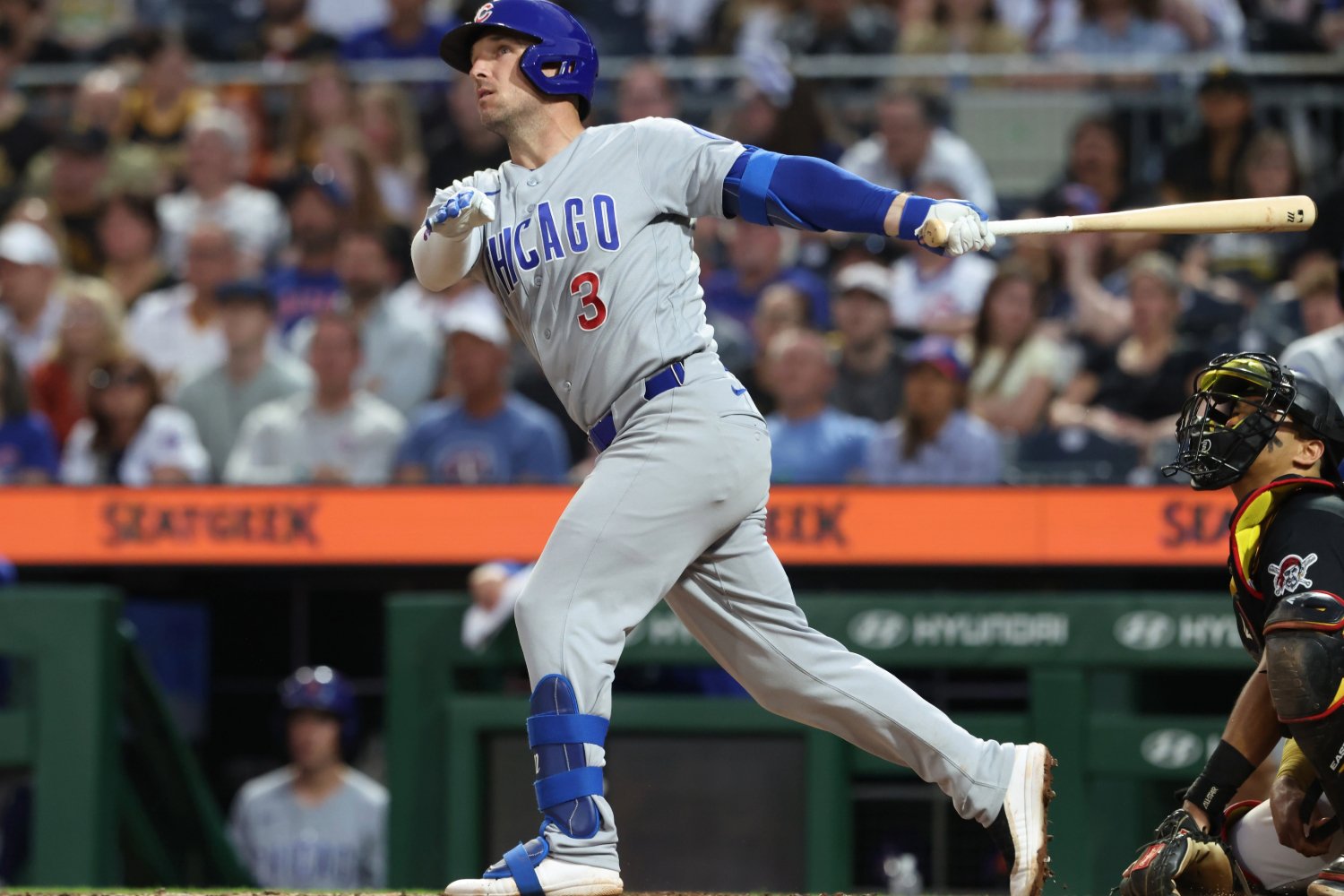 When the Chicago Cubs parted ways with Kyle Tucker and turned to Alex Bregman during the offseason, the logic seemed straightforward. Tucker had been one of the organization's primary sources of production from the left side of the plate, while Bregman arrived with the reputation of being one of the most consistent right-handed hitters of his generation. On paper, the transition pointed toward a more balanced lineup and one that would be less dependent on left-handed bats. Two months into the 2026 season, however, reality tells a very different story. Chicago's right-handed hitters own a collective 98 wRC+ this season. Left-handed hitters have produced a 116 wRC+, while switch-hitters have posted a 127 mark. The split is striking on its own, but it becomes even more interesting when you look at who is actually driving the offense. This story is not really about Bregman. It's about Michael Busch, Pete Crow-Armstrong, and Ian Happ. Michael Busch's Evolution Into Cubs' Best Hitter Few developments on the Cubs' roster have been as important as Busch's emergence. Since April 21, the first baseman has posted a 163 wRC+, placing him among the most productive hitters in Major League Baseball. Since May 1, he has been even better, compiling a 171 wRC+ and 1.6 fWAR. MLB leaders in fWAR since May 1 Player Team fWAR Bobby Witt Jr. Royals 2.0 Pete Crow-Armstrong Cubs 1.7 Michael Busch Cubs 1.6 Luis Arraez Giants 1.6 Cody Bellinger Yankees 1.6 Busch's presence on that list helps answer one of the most intriguing questions surrounding the Cubs this season: how did they absorb Tucker's departure without suffering a significant drop in offensive production? Part of the answer is that Busch had already shown signs of becoming this player. In 2025, he posted an outstanding 151 wRC+ against right-handed pitching, a figure that actually surpassed Tucker's 137 mark in the same split. The ability to punish right-handers was already there. What has changed is the consistency with which he has sustained that production during the first months of 2026. This season, Busch owns a 135 wRC+ against right-handed pitching and remains one of the biggest reasons the Cubs continue to receive elite production from the left side of the plate despite Tucker's departure. Pete Crow-Armstrong Eliminated the Biggest Weakness in His Offensive Profile If Busch has been the quiet engine of the offense, Crow-Armstrong has become the symbol of its evolution. Just a year ago, there was a fairly simple formula for limiting his offensive impact: attack him with left-handed pitching. The young outfielder could do damage against right-handers, but his numbers against same-side pitching represented one of the biggest questions surrounding his long-term development. Today, that weakness has virtually disappeared. Pete Crow-Armstrong vs. left-handed pitching Season AVG OBP SLG wRC+ 2025 .188 .250 .376 59 2026 .275 .363 .425 128 The difference is enormous. Crow-Armstrong has gone from being vulnerable in those matchups to becoming a legitimate threat regardless of the arm slot standing on the mound. That transformation helps explain why he ranks second among position player in fWAR since May 1. His elite defense and baserunning always gave him a high floor as a player. What has changed is that he now provides a much more complete offensive package, removing the biggest argument that once existed against his superstar ceiling. Ian Happ Remains A Critical Piece of the Puzzle While Busch and Crow-Armstrong have captured much of the attention, Happ continues to be a vital part of this story. Since May 1, he owns a 143 wRC+, has hit seven home runs, and has accumulated 1.0 fWAR. Those numbers place him among the National League's most productive hitters during that stretch. What's particularly interesting is how he has built that production. Although Happ has struggled against left-handed pitching, he has absolutely demolished right-handers. His 166 wRC+ against right-handed pitching is not only one of the best marks on the team but also one of the primary reasons Chicago's switch-hitters have produced at such a high level this season. His performance also illustrates why the Cubs' offensive success cannot be explained solely through Busch's breakout or Crow-Armstrong's development. While Busch supplies impact production from the left side and PCA has evolved into a far more complete hitter, Happ continues to provide the steady offensive output that gives the lineup its depth. The Alex Bregman Paradox All of this brings us back to the original question. When the Cubs acquired Bregman, it was reasonable to assume the offense would lean more heavily on its right-handed hitters. Instead, the season has unfolded in a completely different direction. Bregman has not been a problem, per se. He simply hasn't been the primary reason behind the offense's success. Alex Bregman in 2026 Split wRC+ vs. RHP 102 vs. LHP 94 Those are perfectly respectable numbers. The issue is that they are not the numbers defining the Cubs' offensive identity, nor are they worthy of the nine-figure deal he signed over the offseason. While Bregman has provided stability, Busch has emerged as one of the league's most productive hitters, and Crow-Armstrong has erased the most significant weakness in his offensive profile. Alongside Happ, they have driven a lineup that has developed in a way few people projected during the offseason. The Cubs believed Bregman's arrival would help compensate for Tucker's departure. What they discovered instead was that a significant portion of that production was already inside the organization. The result is an offense that, against all expectations, relies more heavily than ever on its left-handed and switch-hitting bats.
 -
Greetings, everyone! Thanks for the comments. This is a really interesting topic. My take on this data is that the difference between Miguel Amaya and Carson Kelly isn't really about generating wild swings. They're practically the same there: 26.4% for Amaya and 26.1% for Kelly. In other words, there's no evidence here that one "gets more stuff" out of the pitch than the other. The difference appears after contact. With Kelly behind the plate, opposing hitters have done much more damage: 6.0% HR/BIP, .175 ISO, and .416 slugging. With Amaya, all of that drops: 4.6% HR/BIP, .144 ISO, and .358 SLG. And for me, that's the most important point. It's not about strikeouts. It's about the quality of contact allowed. Now, to be fair, Amaya has probably had slightly better results. His BABIP (.246) is quite low, and the difference between his wOBA (.295) and xwOBA (.321) suggests that some of the result may be due to variance or context. But even adjusting for that, the expected profile still slightly favors Amaya. Kelly doesn't seem to be getting "bad luck." In fact, his xwOBA (.328) is worse than the actual result (.317), which suggests that the contact allowed with him behind the plate has genuinely been more dangerous. That's why, if you ask me which of the two has helped the staff more this season defensively, my answer would be Amaya. Not because he generates more wild swings, but because so far he has better limited the actual damage when hitters do make contact.
-
Image courtesy of © Matt Marton-Imagn Images Entering their series with the Milwaukee Brewers, the Chicago Cubs woke up once again atop the National League Central at 29-18. On the surface, they look exactly like what every contender hopes to be in May: an explosive offense, a division lead, and enough margin for error to survive imperfect stretches. But underneath the record lives a far more uncomfortable reality. This pitching staff has just produced the most home run–vulnerable start any Cubs team has had this century. The historical numbers are no longer ignorable. And on Sunday, on the South Side, the problem exploded in plain sight again. The Cubs let another chaotic Crosstown Classic slip away, stranded 13 runners, finished just 2-for-15 with runners in scoring position, and ultimately watched Edgar Quero end the game with a two-run walk-off homer in the 10th inning to seal a 9-8 White Sox victory. The last time a White Sox hitter delivered an extra-inning walk-off homer against the Cubs was Carlos Lee’s grand slam off Courtney Duncan in the bottom of the 10th on June 8, 2001, at Comiskey Park II. This time, the image felt impossible to ignore: another lead gone, another decisive swing, another baseball disappearing beyond the wall. Through their first 47 games, no Cubs team this century had allowed more home runs than this 2026 group. Season HR Final Record 2026 64 ??? 2017 58 92-70 2006 58 66-96 2025 57 92-70 2022 57 74-88 2020 57 34-26 2021 56 71-91 And that is the truly unsettling part. Chicago is not simply enduring a bad week. It is building the kind of statistical profile that usually belongs to unstable, inconsistent, or fundamentally vulnerable teams. And yet the Cubs keep winning, even while allowing 49.7% of their runs via the home run. That contradiction has become the defining tension of their season. The Cubs Are Surviving Devastating Contact The staff ERA does not look catastrophic. Even some surface-level bullpen metrics remain competitive. But the issue is not how many runs they allow. The issue is how they allow them. Because this staff keeps failing in exactly the situations where good pitching staffs are supposed to impose control. Chicago leads MLB in: 27 HR allowed after getting ahead 0-1. 18 HR allowed the second time through the order by starting pitchers. 10 HR allowed on changeups. 7 HR allowed on curveballs. That combination tells a brutal story. An 0-1 count should belong to the pitcher. It should open the door to expanding the zone, generating defensive swings, and ending plate appearances quickly. Instead, Chicago is allowing more damage than any team in baseball after getting ahead in the count. Perhaps the most revealing data point of the season is this: Situation HR Allowed MLB Ranking 2nd PA in G, as SP 18 Worst in MLB After 0-1 27 Worst in MLB Innings 7-9 21 Bottom 5 in MLB That explains why so many Cubs games feel fragile even when they hold leads. Lineups are adjusting quickly to Chicago’s pitching staff. The damage begins once hitters recognize patterns, sequencing, and velocity shapes. And when the Cubs fail, the damage almost always arrives explosively. Not singles nor long rallies, but rather swings that instantly change games. A look at the heat map reveals some of the staff’s worst command mistakes. Forty-four percent of the home runs allowed have come against pitches left in the heart of the zone throughout the vertical plane. Only 19% of those command mistakes occurred while the hitter was behind in the count. Jameson Taillon Has Become the Symbol of the Problem No pitcher better reflects this vulnerability than Jameson Taillon. Home Runs Allowed by Taillon in 2026 Four-Seam Fastball: 5 Cutter: 4 Changeup: 4 Sinker: 2 Sweeper: 1 And that is exactly what makes this alarming. There is no single pitch collapsing under pressure. The entire arsenal is getting punished. Taillon has allowed 16 home runs in nine starts, which is 25% of the 64 home runs surrendered by the Cubs as a team. His recent outing against the White Sox became a near-perfect representation of what is happening to Chicago’s entire pitching staff: five home runs allowed in just five innings, with damage arriving against multiple pitch types. Taillon joined a list no Cubs pitcher wants to join: pitchers who have allowed at least five home runs in a game. Player HR Date Age Team Opp Result IP H R ER BF Warren Hacker 5 11/8/1954 29-263 CHC @ CIN L, 1-8 5 6 5 5 23 Steve Stone 5 9/7/1974 26-360 CHC CIN L, 5-8 2.1 5 5 5 13 Ismael Valdéz 5 11/6/2000 26-295 CHC @ CHW W, 6-5 5.2 10 5 5 29 Carlos Zambrano 5 12/8/2011 30-072 CHC @ ATL L, 4-10 4.1 8 8 8 22 Travis Wood 5 27/7/2012 25-172 CHC STL L, 6-9 5 7 8 8 24 Jason Hammel 5 1/7/2016 33-303 CHC @ NYM L, 2-10 4 9 10 10 23 Matt Swarmer 6 11/6/2022 28-259 CHC @ NYY L, 0-8 5 7 6 6 22 Jameson Taillon 5 16/5/2026 34-179 CHC @ CHW L, 3-8 5 8 8 8 24 This was not one isolated mistake in location. It was structural demolition. The Cubs Are Losing Stability And here comes the most important question of all: How does this team keep winning? The answer is probably the offense. The Cubs have been explosive enough to absorb mistakes that normally sink contenders. But the home run problem injects constant volatility into the team’s identity. No lead feels entirely safe. No inning feels completely under control. Because this staff lives dangerously close to long-ball damage. Chicago’s starters are tied for the most home runs allowed in MLB with 39. The bullpen ranks fifth-worst with 25. October rarely forgives this kind of profile. Yes, it is still May. Less than 50 games have been played. It would be excessive to declare this a final verdict on the Cubs. Explosive offensive teams can survive for months while hiding cracks on the mound. Chicago is doing exactly that right now. Their lineup produces enough damage to erase mistakes, rescue uncomfortable nights, and keep the club atop the division even while the pitching staff continues allowing dangerous contact. But trends matter, especially the ones that repeat this consistently. The vulnerability runs through nearly the entire staff structure: starters getting punished the second time through the order, relievers allowing decisive late-game swings, and far too many favorable counts ending in catastrophic damage. That is what makes this otherwise impressive start feel uncomfortable. Chicago still looks like a first-place team., but it is also beginning to look like a team playing on an extremely thin margin every single night. View full article
-
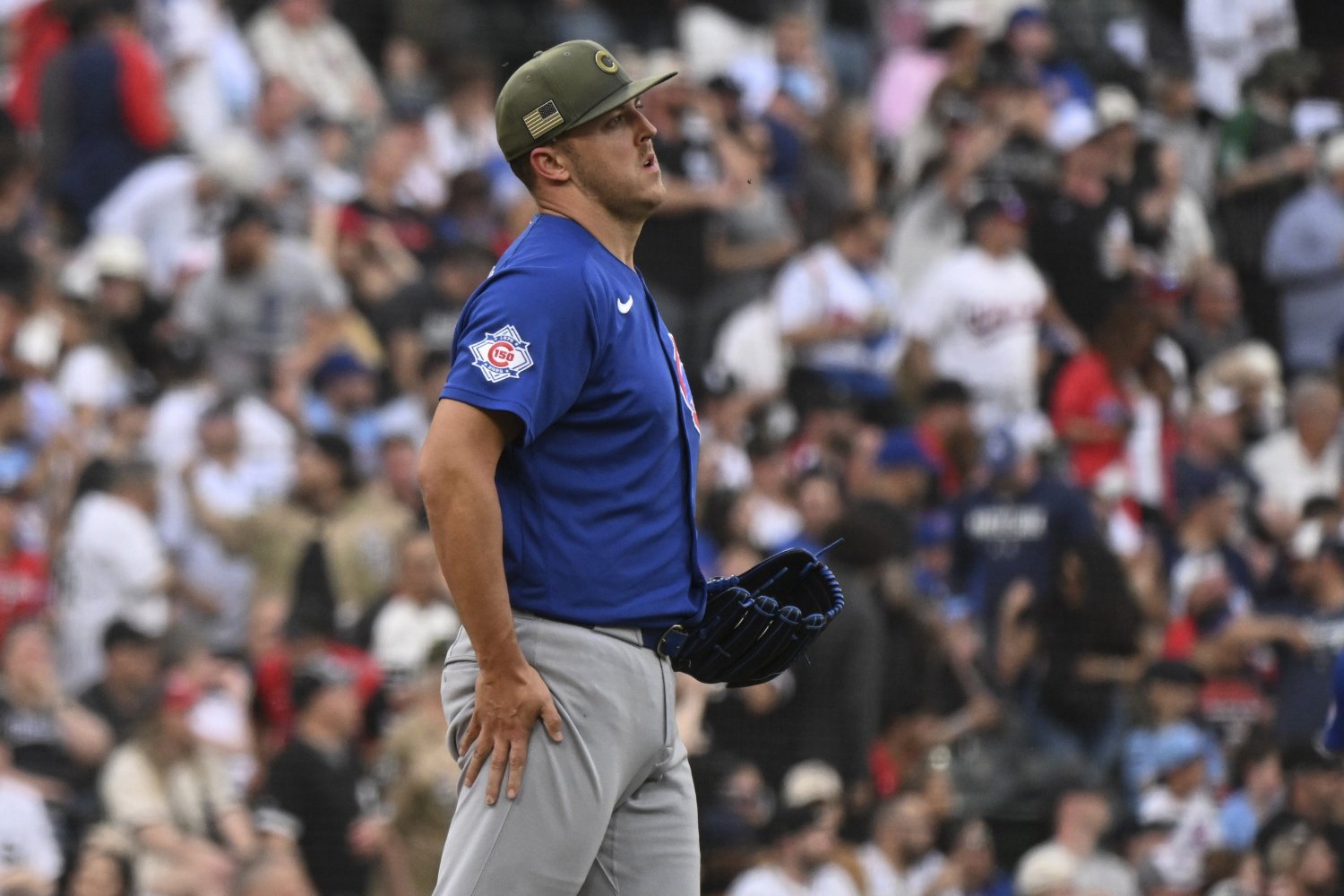 Entering their series with the Milwaukee Brewers, the Chicago Cubs woke up once again atop the National League Central at 29-18. On the surface, they look exactly like what every contender hopes to be in May: an explosive offense, a division lead, and enough margin for error to survive imperfect stretches. But underneath the record lives a far more uncomfortable reality. This pitching staff has just produced the most home run–vulnerable start any Cubs team has had this century. The historical numbers are no longer ignorable. And on Sunday, on the South Side, the problem exploded in plain sight again. The Cubs let another chaotic Crosstown Classic slip away, stranded 13 runners, finished just 2-for-15 with runners in scoring position, and ultimately watched Edgar Quero end the game with a two-run walk-off homer in the 10th inning to seal a 9-8 White Sox victory. The last time a White Sox hitter delivered an extra-inning walk-off homer against the Cubs was Carlos Lee’s grand slam off Courtney Duncan in the bottom of the 10th on June 8, 2001, at Comiskey Park II. This time, the image felt impossible to ignore: another lead gone, another decisive swing, another baseball disappearing beyond the wall. Through their first 47 games, no Cubs team this century had allowed more home runs than this 2026 group. Season HR Final Record 2026 64 ??? 2017 58 92-70 2006 58 66-96 2025 57 92-70 2022 57 74-88 2020 57 34-26 2021 56 71-91 And that is the truly unsettling part. Chicago is not simply enduring a bad week. It is building the kind of statistical profile that usually belongs to unstable, inconsistent, or fundamentally vulnerable teams. And yet the Cubs keep winning, even while allowing 49.7% of their runs via the home run. That contradiction has become the defining tension of their season. The Cubs Are Surviving Devastating Contact The staff ERA does not look catastrophic. Even some surface-level bullpen metrics remain competitive. But the issue is not how many runs they allow. The issue is how they allow them. Because this staff keeps failing in exactly the situations where good pitching staffs are supposed to impose control. Chicago leads MLB in: 27 HR allowed after getting ahead 0-1. 18 HR allowed the second time through the order by starting pitchers. 10 HR allowed on changeups. 7 HR allowed on curveballs. That combination tells a brutal story. An 0-1 count should belong to the pitcher. It should open the door to expanding the zone, generating defensive swings, and ending plate appearances quickly. Instead, Chicago is allowing more damage than any team in baseball after getting ahead in the count. Perhaps the most revealing data point of the season is this: Situation HR Allowed MLB Ranking 2nd PA in G, as SP 18 Worst in MLB After 0-1 27 Worst in MLB Innings 7-9 21 Bottom 5 in MLB That explains why so many Cubs games feel fragile even when they hold leads. Lineups are adjusting quickly to Chicago’s pitching staff. The damage begins once hitters recognize patterns, sequencing, and velocity shapes. And when the Cubs fail, the damage almost always arrives explosively. Not singles nor long rallies, but rather swings that instantly change games. A look at the heat map reveals some of the staff’s worst command mistakes. Forty-four percent of the home runs allowed have come against pitches left in the heart of the zone throughout the vertical plane. Only 19% of those command mistakes occurred while the hitter was behind in the count. Jameson Taillon Has Become the Symbol of the Problem No pitcher better reflects this vulnerability than Jameson Taillon. Home Runs Allowed by Taillon in 2026 Four-Seam Fastball: 5 Cutter: 4 Changeup: 4 Sinker: 2 Sweeper: 1 And that is exactly what makes this alarming. There is no single pitch collapsing under pressure. The entire arsenal is getting punished. Taillon has allowed 16 home runs in nine starts, which is 25% of the 64 home runs surrendered by the Cubs as a team. His recent outing against the White Sox became a near-perfect representation of what is happening to Chicago’s entire pitching staff: five home runs allowed in just five innings, with damage arriving against multiple pitch types. Taillon joined a list no Cubs pitcher wants to join: pitchers who have allowed at least five home runs in a game. Player HR Date Age Team Opp Result IP H R ER BF Warren Hacker 5 11/8/1954 29-263 CHC @ CIN L, 1-8 5 6 5 5 23 Steve Stone 5 9/7/1974 26-360 CHC CIN L, 5-8 2.1 5 5 5 13 Ismael Valdéz 5 11/6/2000 26-295 CHC @ CHW W, 6-5 5.2 10 5 5 29 Carlos Zambrano 5 12/8/2011 30-072 CHC @ ATL L, 4-10 4.1 8 8 8 22 Travis Wood 5 27/7/2012 25-172 CHC STL L, 6-9 5 7 8 8 24 Jason Hammel 5 1/7/2016 33-303 CHC @ NYM L, 2-10 4 9 10 10 23 Matt Swarmer 6 11/6/2022 28-259 CHC @ NYY L, 0-8 5 7 6 6 22 Jameson Taillon 5 16/5/2026 34-179 CHC @ CHW L, 3-8 5 8 8 8 24 This was not one isolated mistake in location. It was structural demolition. The Cubs Are Losing Stability And here comes the most important question of all: How does this team keep winning? The answer is probably the offense. The Cubs have been explosive enough to absorb mistakes that normally sink contenders. But the home run problem injects constant volatility into the team’s identity. No lead feels entirely safe. No inning feels completely under control. Because this staff lives dangerously close to long-ball damage. Chicago’s starters are tied for the most home runs allowed in MLB with 39. The bullpen ranks fifth-worst with 25. October rarely forgives this kind of profile. Yes, it is still May. Less than 50 games have been played. It would be excessive to declare this a final verdict on the Cubs. Explosive offensive teams can survive for months while hiding cracks on the mound. Chicago is doing exactly that right now. Their lineup produces enough damage to erase mistakes, rescue uncomfortable nights, and keep the club atop the division even while the pitching staff continues allowing dangerous contact. But trends matter, especially the ones that repeat this consistently. The vulnerability runs through nearly the entire staff structure: starters getting punished the second time through the order, relievers allowing decisive late-game swings, and far too many favorable counts ending in catastrophic damage. That is what makes this otherwise impressive start feel uncomfortable. Chicago still looks like a first-place team., but it is also beginning to look like a team playing on an extremely thin margin every single night.