Andres Chavez
-
Posts
16 -
Joined
-
Last visited
Andres Chavez's Achievements


-
Image courtesy of Mark J. Rebilas-Imagn Images With three more games before Monday's MLB trade deadline, the Chicago Cubs are 62-47. Only four teams have a better record, so as you can probably imagine, they are expected to enter the deadline as buyers. Chicago is in dire need of pitching, and even though their farm system is not in the best shape, they are willing to get creative to inject some talent on their roster. The Cubs will inevitably lose some prospects when the deadline passes, but they should do whatever it takes to hold on to these four fast-rising young players in their system: Josiah Hartshorn, OF It’s hard to imagine a contending team landing one of the top pitchers in the market without surrendering their top prospect. Hartshorn, a switch-hitter picked in the sixth round of last year’s draft but given second-round money to lure him out of a college commitment, is quickly rising up the ranks in the organization and has already reached High-A. There, he is hitting a robust .283/.382/.535 with 11 home runs and five stolen bases in 51 games. Hartshorn is not a blue-chip, can’t-miss prospect, but he is a very solid one, and the Cubs’ outfield picture looks uncertain after 2026, with Seiya Suzuki and Ian Happ set to hit the market. If they can keep Hartshorn in the organization past the deadline, it should be considered a win. He is 19, has a pretty good idea of the strike zone, has power, and could be up by late 2027 or early 2028. Time will tell if he will be a corner outfielder or a first baseman, but the guy can hit. Owen Ayers, C The Cubs are rumored to be dangling Carson Kelly before the trade deadline. They know that multiple contenders would pay a high price for a quality backstop and are open to different scenarios, such as flipping Kelly for pitching or for prospects who could give them more ammo to acquire some arms. In any case, it could open a path for Owen Ayers to get the call to MLB. He is a fast riser this year, playing in High-A, Double-A, and Triple-A so far in 2026. He is yet to fail at any level of pro ball. The 25-year-old is slashing a strong .364/.447/.515 in 10 Triple-A games and has 23 home runs and a 172 OPS+ across the three levels this year. The Cubs shouldn’t give away a young, controllable catcher easily. That's why they're listening on Kelly. Kane Kepley, OF Kepley, a 22-year-old lefty-hitting outfielder, has three potential plus tools: hitting, speed, and defense. The 2025 second-rounder is already acing High-A with a 129 wRC+, 48 steals, and more walks (89) than strikeouts (62). The talented Kepley is more than just speed, though: besides the 48 thefts, he has 18 doubles, seven triples, and six homers. He's scored a whopping 101 runs in 89 games. Is it possible that the Cubs have Pete Crow-Armstrong Lite developing in their minor-league system? It’s a hefty, even unfair comparison, but in any case, he looks like a keeper. Brooks Caple, SP The Cubs are looking for pitchers, and while Caple is not quite big-league ready, he has a chance to be in a few months. Selected in the ninth round of the 2024 MLB Draft, he didn’t make his pro debut until 2025, but he's already succeeding in Double-A. The right-hander has a 3.56 ERA at that level this year in 55 2/3 innings, striking out 55 batters. His fastball sits in the low-to-mid-90s but can hit 98 mph when it’s on, and also throws a cutter, a curveball, a slider, and a changeup. He could be a mid-rotation starter by the time he is fully developed, which could be late 2026. He is more likely to be a finished product next year, though. This is a list of players we might hope the Cubs won't move. It's also a list of the guys teams will ask about most often. So be it. One way or another, the team will have to gamble a bit. They'll either gamble by moving one of these guys, or they'll risk undercooking their deadline and not realizing the potential of this team. If creative ideas give them any way to get good talent without surrendering these four players, let's hope they can pull them off. View full article
-
Fast-Rising Prospects Cubs Shouldn't Move at MLB Trade Deadline
Andres Chavez posted an article in Cubs
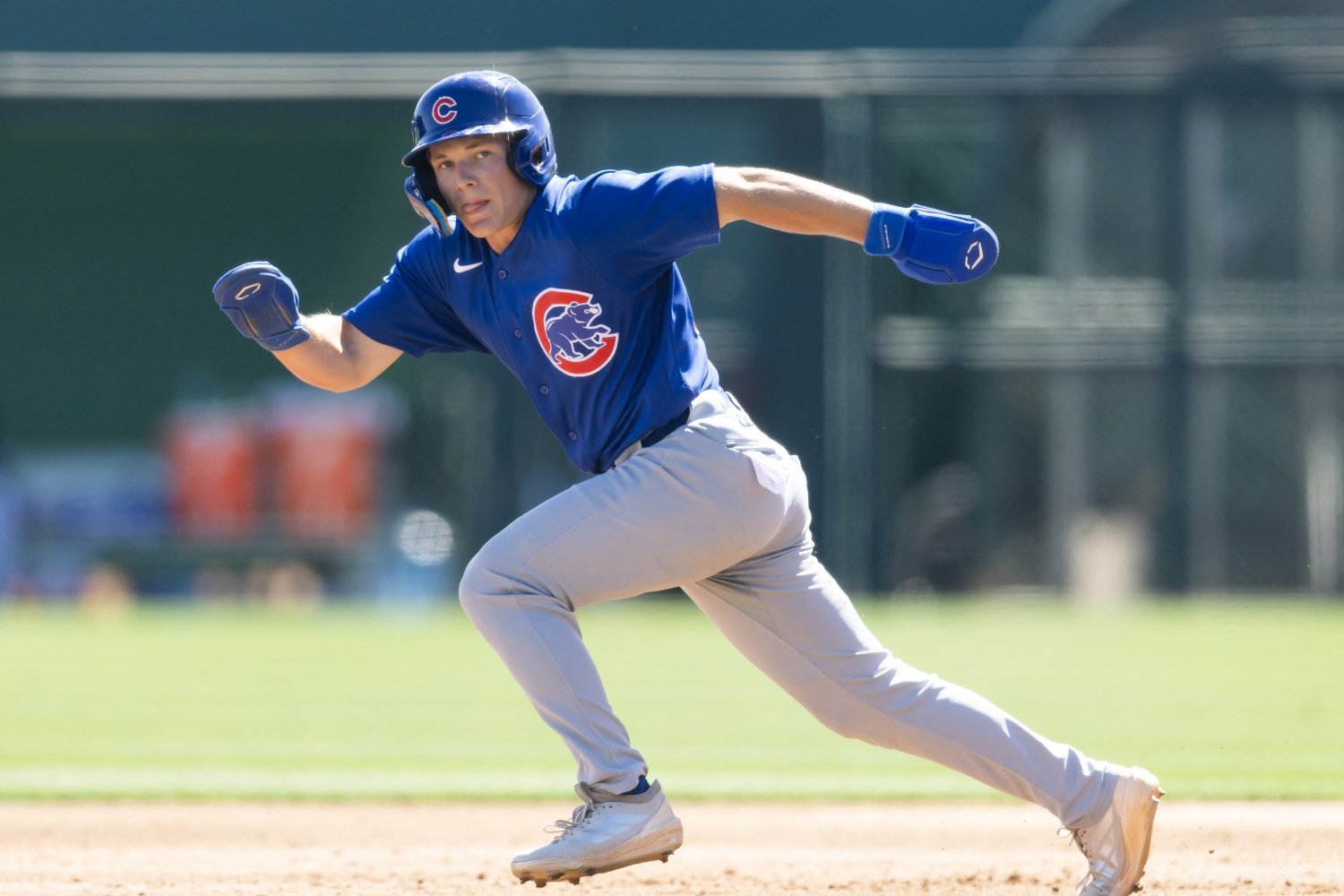 With three more games before Monday's MLB trade deadline, the Chicago Cubs are 62-47. Only four teams have a better record, so as you can probably imagine, they are expected to enter the deadline as buyers. Chicago is in dire need of pitching, and even though their farm system is not in the best shape, they are willing to get creative to inject some talent on their roster. The Cubs will inevitably lose some prospects when the deadline passes, but they should do whatever it takes to hold on to these four fast-rising young players in their system: Josiah Hartshorn, OF It’s hard to imagine a contending team landing one of the top pitchers in the market without surrendering their top prospect. Hartshorn, a switch-hitter picked in the sixth round of last year’s draft but given second-round money to lure him out of a college commitment, is quickly rising up the ranks in the organization and has already reached High-A. There, he is hitting a robust .283/.382/.535 with 11 home runs and five stolen bases in 51 games. Hartshorn is not a blue-chip, can’t-miss prospect, but he is a very solid one, and the Cubs’ outfield picture looks uncertain after 2026, with Seiya Suzuki and Ian Happ set to hit the market. If they can keep Hartshorn in the organization past the deadline, it should be considered a win. He is 19, has a pretty good idea of the strike zone, has power, and could be up by late 2027 or early 2028. Time will tell if he will be a corner outfielder or a first baseman, but the guy can hit. Owen Ayers, C The Cubs are rumored to be dangling Carson Kelly before the trade deadline. They know that multiple contenders would pay a high price for a quality backstop and are open to different scenarios, such as flipping Kelly for pitching or for prospects who could give them more ammo to acquire some arms. In any case, it could open a path for Owen Ayers to get the call to MLB. He is a fast riser this year, playing in High-A, Double-A, and Triple-A so far in 2026. He is yet to fail at any level of pro ball. The 25-year-old is slashing a strong .364/.447/.515 in 10 Triple-A games and has 23 home runs and a 172 OPS+ across the three levels this year. The Cubs shouldn’t give away a young, controllable catcher easily. That's why they're listening on Kelly. Kane Kepley, OF Kepley, a 22-year-old lefty-hitting outfielder, has three potential plus tools: hitting, speed, and defense. The 2025 second-rounder is already acing High-A with a 129 wRC+, 48 steals, and more walks (89) than strikeouts (62). The talented Kepley is more than just speed, though: besides the 48 thefts, he has 18 doubles, seven triples, and six homers. He's scored a whopping 101 runs in 89 games. Is it possible that the Cubs have Pete Crow-Armstrong Lite developing in their minor-league system? It’s a hefty, even unfair comparison, but in any case, he looks like a keeper. Brooks Caple, SP The Cubs are looking for pitchers, and while Caple is not quite big-league ready, he has a chance to be in a few months. Selected in the ninth round of the 2024 MLB Draft, he didn’t make his pro debut until 2025, but he's already succeeding in Double-A. The right-hander has a 3.56 ERA at that level this year in 55 2/3 innings, striking out 55 batters. His fastball sits in the low-to-mid-90s but can hit 98 mph when it’s on, and also throws a cutter, a curveball, a slider, and a changeup. He could be a mid-rotation starter by the time he is fully developed, which could be late 2026. He is more likely to be a finished product next year, though. This is a list of players we might hope the Cubs won't move. It's also a list of the guys teams will ask about most often. So be it. One way or another, the team will have to gamble a bit. They'll either gamble by moving one of these guys, or they'll risk undercooking their deadline and not realizing the potential of this team. If creative ideas give them any way to get good talent without surrendering these four players, let's hope they can pull them off.
 -
Image courtesy of © Patrick Gorski-Imagn Images The 2026 MLB All-Star Game is right around the corner. In a couple of weeks, some of the league’s brightest stars will be showing the world the best of their talent at Citizens Bank Park in Philadelphia. The Chicago Cubs have had a rollercoaster of a season so far, with a 47-38 record that places them second in the NL Central, 5.5 games behind the Milwaukee Brewers. One would think that they are about to place multiple players in the upcoming Midsummer Classic, but that’s not the case. Cubs players haven’t been getting a ton of love in the voting process. Pete Crow-Armstrong, one of the best outfielders in the National League and MLB as a whole and the only shoo-in to play in the All-Star Game for Chicago, didn’t even make it to Phase 2. PCA Has to Go to the ASG The Cubs have enjoyed several good seasons from the members of their lineup, but not quite elite—with the exception of Crow-Armstrong. The center fielder leads baseball with 4.9 fWAR before Tuesday’s games and has homered 17 times, while adding 20 stolen bases. His 144 wRC+ is sixth among National League position players. There's no way Crow-Armstrong will be left out of the party. He's one of the most well-rounded and charismatic stars in the game, and though he won't be voted in as a starter, he'll certainly be selected for the team. Again, the Cubs have multiple position players worthy of a mention: Seiya Suzuki has a 122 wRC+, Ian Happ has 17 home runs, and Michael Busch is surging with a 117 wRC+. All of them fall short of All-Star status this year, though. Ben Brown Deserves a Mention The Cubs have had some horrible luck with injuries to their pitching staff, and that unit won't produce an All-Star this year. However, though he won’t be healthy in time for the game, one could make a very solid case for Ben Brown. Among pitchers with at least 60 innings this year, Brown is fourth in the majors with his 1.85 ERA. His 2.50 FIP is tied for fifth. Brown has been a revelation, but is looking at several weeks on the shelf, if not the balance of the season. His manager, Craig Counsell, explained last week that Brown is dealing with a stress reaction in his neck and will have limited activity for the next month. His 2024 campaign was ruined by a similar ailment, so the entire fanbase is praying to get him back in one piece at some point in the second half. The fact that he’s currently out with an injury and that he has pitched just 68 frames doesn’t take anything away from the fact that he has put together a very solid case to be considered an All-Star. It’s too bad we won’t see him in Philadelphia. Crow-Armstrong will almost certainly be making that flight alone, but hopefully, he can be the figurehead of a team that keeps scrapping as it vies for a playoff berth in the second half. View full article
-
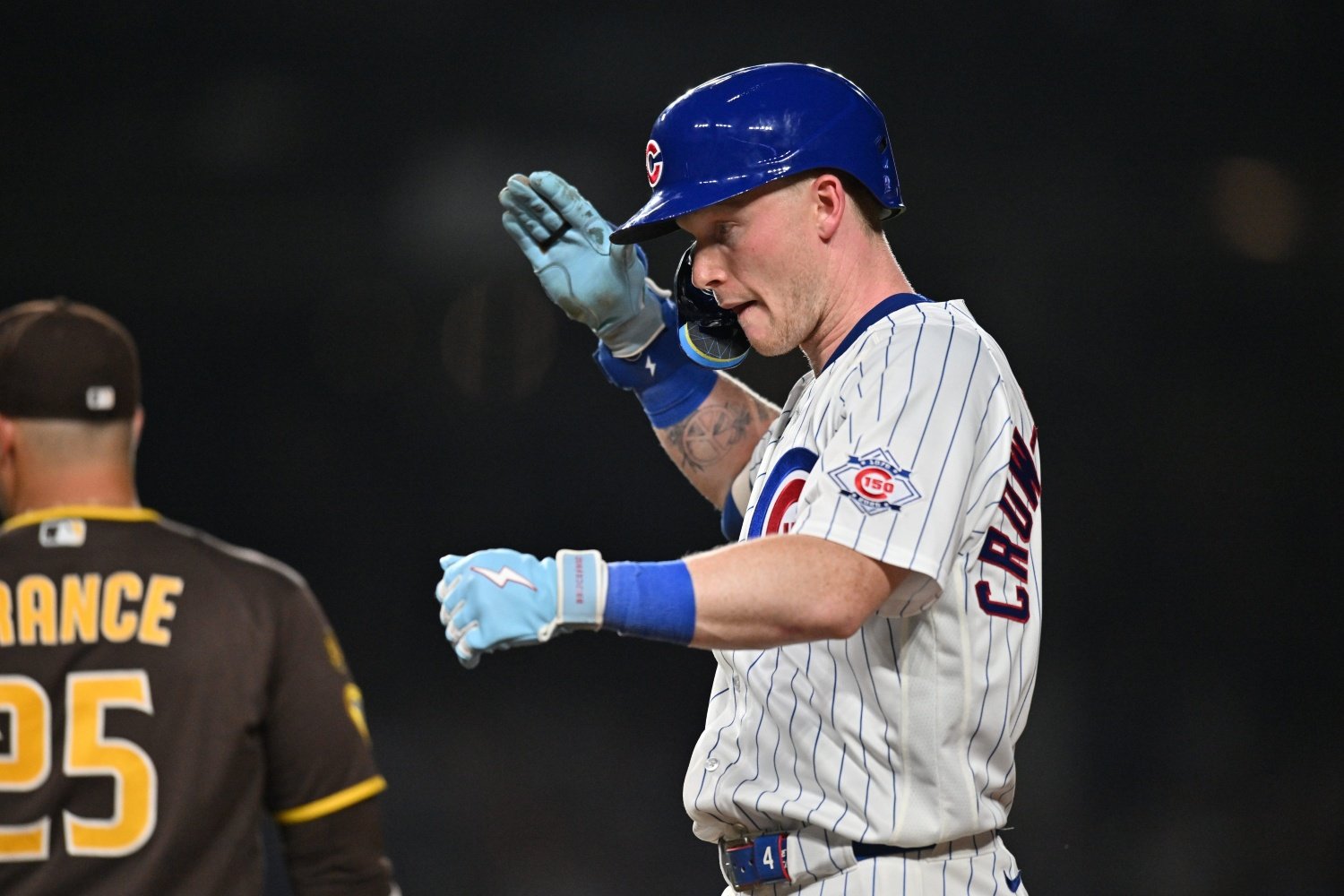 The 2026 MLB All-Star Game is right around the corner. In a couple of weeks, some of the league’s brightest stars will be showing the world the best of their talent at Citizens Bank Park in Philadelphia. The Chicago Cubs have had a rollercoaster of a season so far, with a 47-38 record that places them second in the NL Central, 5.5 games behind the Milwaukee Brewers. One would think that they are about to place multiple players in the upcoming Midsummer Classic, but that’s not the case. Cubs players haven’t been getting a ton of love in the voting process. Pete Crow-Armstrong, one of the best outfielders in the National League and MLB as a whole and the only shoo-in to play in the All-Star Game for Chicago, didn’t even make it to Phase 2. PCA Has to Go to the ASG The Cubs have enjoyed several good seasons from the members of their lineup, but not quite elite—with the exception of Crow-Armstrong. The center fielder leads baseball with 4.9 fWAR before Tuesday’s games and has homered 17 times, while adding 20 stolen bases. His 144 wRC+ is sixth among National League position players. There's no way Crow-Armstrong will be left out of the party. He's one of the most well-rounded and charismatic stars in the game, and though he won't be voted in as a starter, he'll certainly be selected for the team. Again, the Cubs have multiple position players worthy of a mention: Seiya Suzuki has a 122 wRC+, Ian Happ has 17 home runs, and Michael Busch is surging with a 117 wRC+. All of them fall short of All-Star status this year, though. Ben Brown Deserves a Mention The Cubs have had some horrible luck with injuries to their pitching staff, and that unit won't produce an All-Star this year. However, though he won’t be healthy in time for the game, one could make a very solid case for Ben Brown. Among pitchers with at least 60 innings this year, Brown is fourth in the majors with his 1.85 ERA. His 2.50 FIP is tied for fifth. Brown has been a revelation, but is looking at several weeks on the shelf, if not the balance of the season. His manager, Craig Counsell, explained last week that Brown is dealing with a stress reaction in his neck and will have limited activity for the next month. His 2024 campaign was ruined by a similar ailment, so the entire fanbase is praying to get him back in one piece at some point in the second half. The fact that he’s currently out with an injury and that he has pitched just 68 frames doesn’t take anything away from the fact that he has put together a very solid case to be considered an All-Star. It’s too bad we won’t see him in Philadelphia. Crow-Armstrong will almost certainly be making that flight alone, but hopefully, he can be the figurehead of a team that keeps scrapping as it vies for a playoff berth in the second half.
 -
Image courtesy of © Michael McLoone-Imagn Images The Chicago Cubs needed to shore up their rotation, and managed to do so last week with the acquisition of David Peterson. He wasn’t cheap—it cost them Cole Mathis, a former second-round pick—but with Ben Brown, Edward Cabrera, and Jameson Taillon dealing with different injuries and Cade Horton and Justin Steele already out for the year, they required warm bodies. Peterson is a 30-year-old pending free agent, which means he's no more a long-term solution than are Taillon, Matthew Boyd or Shota Imanaga. The Cubs, however, were willing to give the left-hander a chance, so let’s see what he brings to the table. Peterson struggled on a really disappointing Mets team this year, with a 6.09 ERA in 68 innings. There’s some untapped potential here, though, as he demonstrated in a sturdy first start as a Cub over the weekend. He now has a 5.86 ERA but a 3.91 FIP on the season. What’s the main takeaway from that ERA-FIP gap? Well, Peterson could be in line for a much-improved ERA in Chicago, in front of a really competent defense that fields talented defensive players such as Nico Hoerner, Alex Bregman, Dansby Swanson, Pete Crow-Armstrong, and Ian Happ on a daily basis. For a few months, the Cubs can enjoy a perfectly average left-hander with potential to be a solid mid-rotation starter, as it happened in 2022 (3.83 ERA) and 2024 (2.90 ERA). Even last year, he racked up 3.1 fWAR, so he might be better than average. What Peterson is not is consistent. Let’s look at his ERA finishes each year since he became a major leaguer in 2020: 2020: 3.44 2021: 5.54 2022: 3.83 2023: 5.03 2024: 2.90 2025: 4.22 We would be lying if we told you which version of Peterson you will get in Chicago, but if we had to guess, we would say somewhere around his current FIP. That’s not bad at all, considering all the injuries the Cubs have had to deal with. Peterson can throw five pitches, but is mainly a sinker-slider guy. He goes to the former 28.5% of the time, and to the latter 24.6% of the time. A four-seamer (22.9% usage), a curveball (12.8%), and a changeup (11.2%) round out his repertoire. If you take a look at the lefty’s Statcast profile, he doesn’t really stand out at anything other than his excellent 52.9% ground ball rate (89th percentile) and the impressive extension he generates, whcih comes from being a gargantuan human being. Having such an extreme groundball pitcher in front of one of the best infield defenses in the league is certainly a good idea for the Cubs. It’s also worth noting that two of his breaking pitches have a solid whiff rate: the curveball, at 35.6%, and the slider, at 32.9%. He had a bad sinker (.396 wOBA) and four-seamer (.426 wOBA) season so far with the Mets, so it will be fascinating to see what kind of adjustments the Cubs help him implement, if any. The .352 BABIP opponents achieved against him during his time with the Mets this year, however, says he might just need better support, rather than better stuff. The overall package might not be overly enticing for Cubs fans, but Peterson has the potential to be a solid mid-rotation arm, and the Cubs can certainly put him in a position to succeed. It's too early to call it a success after one start, but the vision that led them to acquire him is easy to share. View full article
-
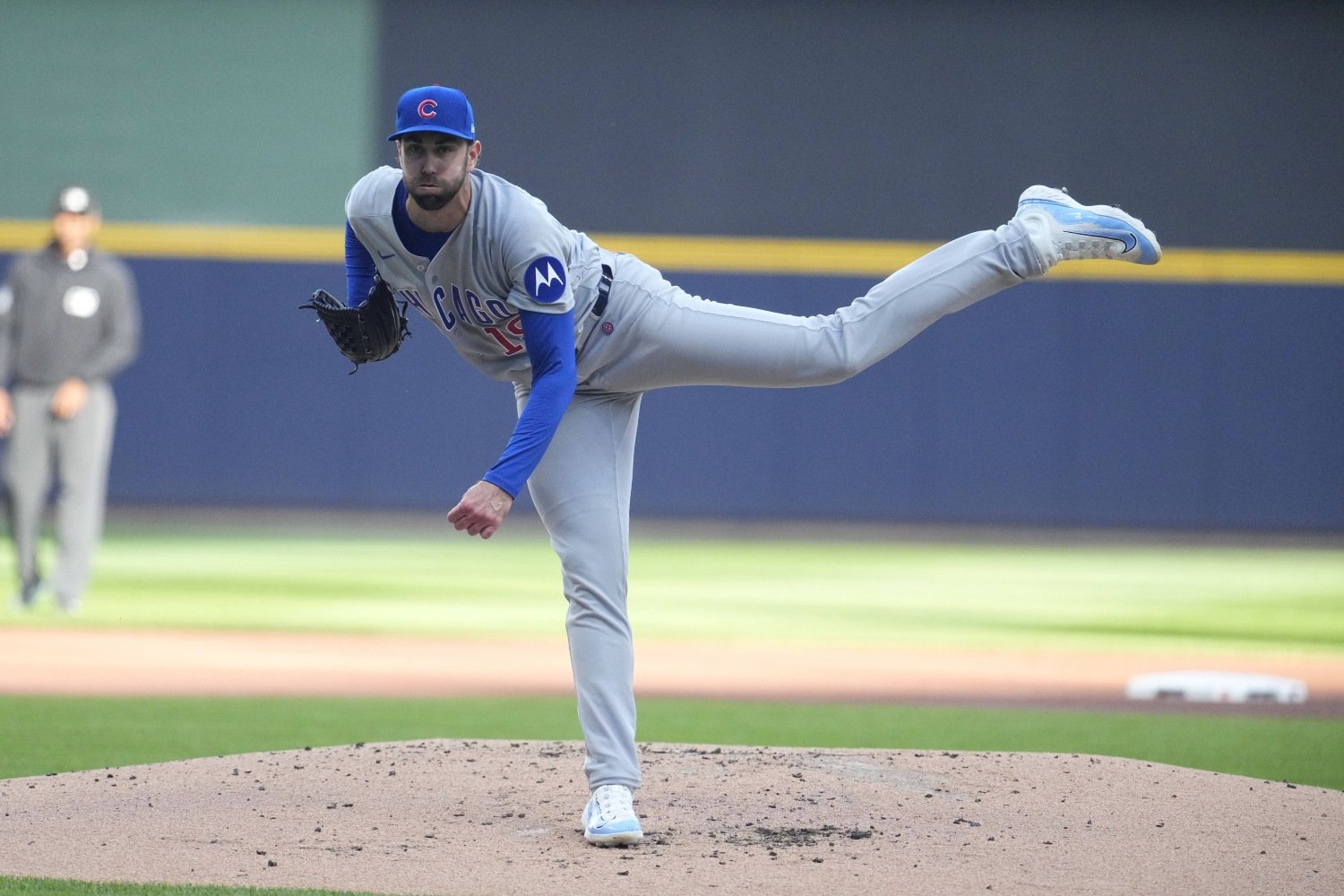 The Chicago Cubs needed to shore up their rotation, and managed to do so last week with the acquisition of David Peterson. He wasn’t cheap—it cost them Cole Mathis, a former second-round pick—but with Ben Brown, Edward Cabrera, and Jameson Taillon dealing with different injuries and Cade Horton and Justin Steele already out for the year, they required warm bodies. Peterson is a 30-year-old pending free agent, which means he's no more a long-term solution than are Taillon, Matthew Boyd or Shota Imanaga. The Cubs, however, were willing to give the left-hander a chance, so let’s see what he brings to the table. Peterson struggled on a really disappointing Mets team this year, with a 6.09 ERA in 68 innings. There’s some untapped potential here, though, as he demonstrated in a sturdy first start as a Cub over the weekend. He now has a 5.86 ERA but a 3.91 FIP on the season. What’s the main takeaway from that ERA-FIP gap? Well, Peterson could be in line for a much-improved ERA in Chicago, in front of a really competent defense that fields talented defensive players such as Nico Hoerner, Alex Bregman, Dansby Swanson, Pete Crow-Armstrong, and Ian Happ on a daily basis. For a few months, the Cubs can enjoy a perfectly average left-hander with potential to be a solid mid-rotation starter, as it happened in 2022 (3.83 ERA) and 2024 (2.90 ERA). Even last year, he racked up 3.1 fWAR, so he might be better than average. What Peterson is not is consistent. Let’s look at his ERA finishes each year since he became a major leaguer in 2020: 2020: 3.44 2021: 5.54 2022: 3.83 2023: 5.03 2024: 2.90 2025: 4.22 We would be lying if we told you which version of Peterson you will get in Chicago, but if we had to guess, we would say somewhere around his current FIP. That’s not bad at all, considering all the injuries the Cubs have had to deal with. Peterson can throw five pitches, but is mainly a sinker-slider guy. He goes to the former 28.5% of the time, and to the latter 24.6% of the time. A four-seamer (22.9% usage), a curveball (12.8%), and a changeup (11.2%) round out his repertoire. If you take a look at the lefty’s Statcast profile, he doesn’t really stand out at anything other than his excellent 52.9% ground ball rate (89th percentile) and the impressive extension he generates, whcih comes from being a gargantuan human being. Having such an extreme groundball pitcher in front of one of the best infield defenses in the league is certainly a good idea for the Cubs. It’s also worth noting that two of his breaking pitches have a solid whiff rate: the curveball, at 35.6%, and the slider, at 32.9%. He had a bad sinker (.396 wOBA) and four-seamer (.426 wOBA) season so far with the Mets, so it will be fascinating to see what kind of adjustments the Cubs help him implement, if any. The .352 BABIP opponents achieved against him during his time with the Mets this year, however, says he might just need better support, rather than better stuff. The overall package might not be overly enticing for Cubs fans, but Peterson has the potential to be a solid mid-rotation arm, and the Cubs can certainly put him in a position to succeed. It's too early to call it a success after one start, but the vision that led them to acquire him is easy to share.
 -
Image courtesy of © Charles LeClaire-Imagn Images If there was a word to define the 2026 Chicago Cubs’ season, it would probably be ‘frustrating.’ The team has not one, but two separate 10-game winning streaks, yet they are hovering around the middle of the NL Central, multiple games behind the division-leading Milwaukee Brewers. That’s largely because, in addition to the two aforementioned streaks, they also had a 10-game losing streak, which they snapped with a victory over the Pittsburgh Pirates on Wednesday. In case you were wondering, because we're sure you are, there have been 12 teams in major league history with both a 10-game winning streak and a 10-game losing streak or longer in the same season, and the 2026 Cubs are now the most recent entry. Chicago Cubs Join A Select Group With Losing Streak Here they are, in chronological order: # Team Year 1 Cleveland Indians 1931 2 New York Giants 1951 3 Cincinnati Reds 1957 4 Cleveland Indians 1979 5 Atlanta Braves 1982 6 Minnesota Twins 1985 7 Milwaukee Brewers 1987 8 Baltimore Orioles 1987 9 Cleveland Indians 2008 10 Los Angeles Dodgers 2017 11 Cleveland Guardians 2025 12 Chicago Cubs 2026 No team on this list has moved more quickly from a 10+ winning streak to a 10-game (or more) losing streak than the Cubs just did. Oddities And Fun Facts About The List The 1987 Brewers were an interesting case, opening that year with 13 straight wins and then accumulating 12 consecutive defeats in May. The 2025 Guardians dropped 10 games in a row from June 26 to July 6. At one point, on July 8, they were 15.5 games behind the Detroit Tigers in the division, but famously stormed back in the standings and stole the AL Central from their rivals in September, largely thanks to a 10-game winning streak from September 11-20. Shockingly, none of those 11 squads (before this year’s Cubs) went on to win the World Series, but there are some division winners, teams that made it to the League Championship Series, and even to the Fall Classic, like the 2017 Dodgers (who also won 104 games that year) or the 1951 New York Giants in the season of Bobby Thomson’s "Shot Heard 'Round the World." Much like the 2017 Dodgers, the 2026 Cubs already have two separate 10-game winning streaks and one losing streak of 10+ games. While the ‘achievement’, if we can call it that, is certainly odd and tells the story of an inconsistent squad, it doesn’t mean that the team in question can’t make it to the Fall Classic. The 2026 Cubs remain a team built to win now, even if they're flawed. When they’re on, they can beat just about every organization in the league, but we just witnessed the worst-case scenario, too. It serves as a cautionary tale about consistency, not to mention an air-siren warning about the desperate needs of the pitching staff. In any case, fans sure hope they got the losing streak ‘out of the way’ early in the season, when there’s time to not just climb in the division standings, but also to make the necessary deadline moves to put themselves in a position to compete in the increasingly difficult National League. View full article
-
Streaky Cubs Made MLB History With Recent 10-Game Losing Streak
Andres Chavez posted an article in Cubs
 If there was a word to define the 2026 Chicago Cubs’ season, it would probably be ‘frustrating.’ The team has not one, but two separate 10-game winning streaks, yet they are hovering around the middle of the NL Central, multiple games behind the division-leading Milwaukee Brewers. That’s largely because, in addition to the two aforementioned streaks, they also had a 10-game losing streak, which they snapped with a victory over the Pittsburgh Pirates on Wednesday. In case you were wondering, because we're sure you are, there have been 12 teams in major league history with both a 10-game winning streak and a 10-game losing streak or longer in the same season, and the 2026 Cubs are now the most recent entry. Chicago Cubs Join A Select Group With Losing Streak Here they are, in chronological order: # Team Year 1 Cleveland Indians 1931 2 New York Giants 1951 3 Cincinnati Reds 1957 4 Cleveland Indians 1979 5 Atlanta Braves 1982 6 Minnesota Twins 1985 7 Milwaukee Brewers 1987 8 Baltimore Orioles 1987 9 Cleveland Indians 2008 10 Los Angeles Dodgers 2017 11 Cleveland Guardians 2025 12 Chicago Cubs 2026 No team on this list has moved more quickly from a 10+ winning streak to a 10-game (or more) losing streak than the Cubs just did. Oddities And Fun Facts About The List The 1987 Brewers were an interesting case, opening that year with 13 straight wins and then accumulating 12 consecutive defeats in May. The 2025 Guardians dropped 10 games in a row from June 26 to July 6. At one point, on July 8, they were 15.5 games behind the Detroit Tigers in the division, but famously stormed back in the standings and stole the AL Central from their rivals in September, largely thanks to a 10-game winning streak from September 11-20. Shockingly, none of those 11 squads (before this year’s Cubs) went on to win the World Series, but there are some division winners, teams that made it to the League Championship Series, and even to the Fall Classic, like the 2017 Dodgers (who also won 104 games that year) or the 1951 New York Giants in the season of Bobby Thomson’s "Shot Heard 'Round the World." Much like the 2017 Dodgers, the 2026 Cubs already have two separate 10-game winning streaks and one losing streak of 10+ games. While the ‘achievement’, if we can call it that, is certainly odd and tells the story of an inconsistent squad, it doesn’t mean that the team in question can’t make it to the Fall Classic. The 2026 Cubs remain a team built to win now, even if they're flawed. When they’re on, they can beat just about every organization in the league, but we just witnessed the worst-case scenario, too. It serves as a cautionary tale about consistency, not to mention an air-siren warning about the desperate needs of the pitching staff. In any case, fans sure hope they got the losing streak ‘out of the way’ early in the season, when there’s time to not just climb in the division standings, but also to make the necessary deadline moves to put themselves in a position to compete in the increasingly difficult National League.
 -
Image courtesy of © Matt Marton-Imagn Images From March 26, when the 2026 campaign officially started, until the end of April, the Chicago Cubs had the second-best offense in baseball with a 121 wRC+, very close to the top spot held by the Los Angeles Dodgers with a 123 mark. Simply put, the Cubs are raking. That’s precisely why it was so challenging to select the hitter of the month on the Cubs. The team is just full of productive offensive players, a big driving factor behind its division-leading 21-12 record after their win on May 2. The NL Central appears to be tougher than ever, so Chicago’s hitters will need to continue to mash if they want to come out on top in late September. Luckily, there’s plenty of talent. These three hitters stood out above the rest and were the most productive ones for the Cubs in the season's opening month. Ranking Cubs' Best Hitters In April #3: Moises Ballesteros April Stats: .338 AVG, .392 OBP, 15.2 K%, 8.9 BB%, .282 ISO, 179 wRC+ Just 79 plate appearances were enough for Ballesteros to leave his mark on the 2026 Cubs. He is hitting a fantastic .338/.392/.620 with a 179 wRC+, five home runs, 16 RBI, and an excellent 15.2 percent strikeout rate. Basically, Ballesteros has been a monster, combining contact with on-base ability and power like few other hitters in the league. The designated hitter had already shown his worth last year when he posted a 143 wRC+ in 66 plate appearances, but he is taking it up a notch in 2026 and looks ready to fully break out. He is more than living up to the absurd profile he cultivated as a top prospect in the minor leagues. #2: Nico Hoerner April Stats: .291 AVG, .370 OBP, 9.6 K%, 8.9 BB%, .157 ISO, 132 wRC+ Hoerner, who hit seven home runs each in 2024 and 2025, is already up to four after the conclusion of the first month. He is also sporting a career-high 132 wRC+ and has been, by fWAR, the best Cubs player so far by a comfortable margin. Hoerner racked up 37 hits since the start of the season until the end of April, including eight doubles and the aforementioned four homers. He also stole seven bases without getting caught and had almost as many walks (13) as strikeouts (14). Not too shabby for the recently extended Gold Glover. #1: Seiya Suzuki April Stats: .328 AVG, .430 OBP, 24.1 K%, 12.7 BB%, .239 ISO, 180 wRC+ If you take a quick look at Suzuki’s stats, you don’t even notice he played just 18 games in April, starting the season on the injured list while dealing with the PCL injury he suffered in March. The star slugger hit .328/.430/.567 with a .998 OPS, a 180 wRC+, five home runs, 14 runs scored, and nine RBI in the opening month, not missing a beat after a very productive 2025 campaign. Per Statcast, Suzuki has been above-average to elite in virtually every offensive metric you can think of. From long-term fears about his health to being the Cubs’ hitter of the month, it’s clear Suzuki has come a long way. Now, he seems well on his way to putting up his best performance yet, which is no small feat after his 2025 onslaught. He remains one of the most undervalued sluggers in the game. Honorable mentions: Ian Happ, Carson Kelly, Dansby Swanson View full article
-
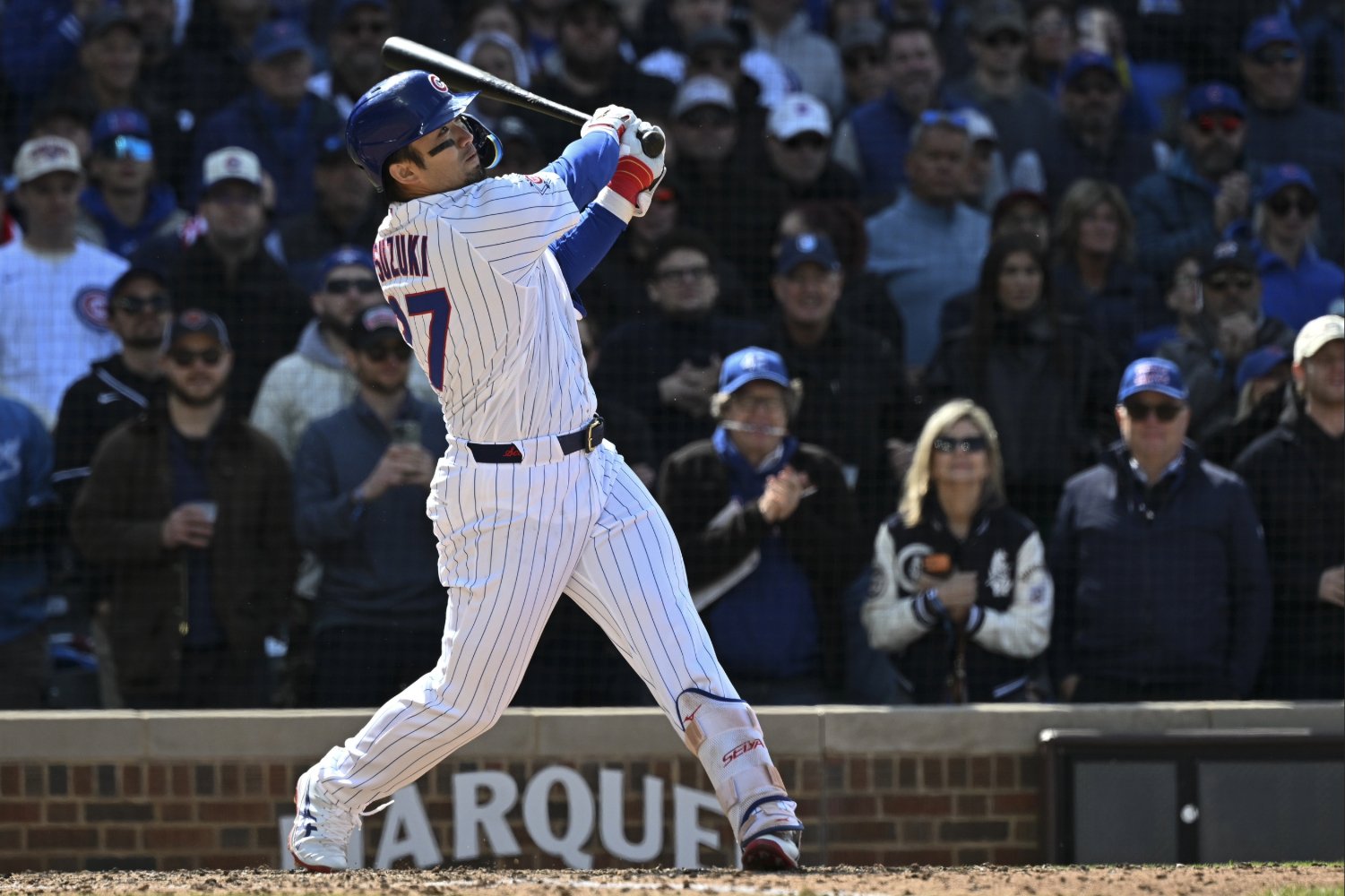 From March 26, when the 2026 campaign officially started, until the end of April, the Chicago Cubs had the second-best offense in baseball with a 121 wRC+, very close to the top spot held by the Los Angeles Dodgers with a 123 mark. Simply put, the Cubs are raking. That’s precisely why it was so challenging to select the hitter of the month on the Cubs. The team is just full of productive offensive players, a big driving factor behind its division-leading 21-12 record after their win on May 2. The NL Central appears to be tougher than ever, so Chicago’s hitters will need to continue to mash if they want to come out on top in late September. Luckily, there’s plenty of talent. These three hitters stood out above the rest and were the most productive ones for the Cubs in the season's opening month. Ranking Cubs' Best Hitters In April #3: Moises Ballesteros April Stats: .338 AVG, .392 OBP, 15.2 K%, 8.9 BB%, .282 ISO, 179 wRC+ Just 79 plate appearances were enough for Ballesteros to leave his mark on the 2026 Cubs. He is hitting a fantastic .338/.392/.620 with a 179 wRC+, five home runs, 16 RBI, and an excellent 15.2 percent strikeout rate. Basically, Ballesteros has been a monster, combining contact with on-base ability and power like few other hitters in the league. The designated hitter had already shown his worth last year when he posted a 143 wRC+ in 66 plate appearances, but he is taking it up a notch in 2026 and looks ready to fully break out. He is more than living up to the absurd profile he cultivated as a top prospect in the minor leagues. #2: Nico Hoerner April Stats: .291 AVG, .370 OBP, 9.6 K%, 8.9 BB%, .157 ISO, 132 wRC+ Hoerner, who hit seven home runs each in 2024 and 2025, is already up to four after the conclusion of the first month. He is also sporting a career-high 132 wRC+ and has been, by fWAR, the best Cubs player so far by a comfortable margin. Hoerner racked up 37 hits since the start of the season until the end of April, including eight doubles and the aforementioned four homers. He also stole seven bases without getting caught and had almost as many walks (13) as strikeouts (14). Not too shabby for the recently extended Gold Glover. #1: Seiya Suzuki April Stats: .328 AVG, .430 OBP, 24.1 K%, 12.7 BB%, .239 ISO, 180 wRC+ If you take a quick look at Suzuki’s stats, you don’t even notice he played just 18 games in April, starting the season on the injured list while dealing with the PCL injury he suffered in March. The star slugger hit .328/.430/.567 with a .998 OPS, a 180 wRC+, five home runs, 14 runs scored, and nine RBI in the opening month, not missing a beat after a very productive 2025 campaign. Per Statcast, Suzuki has been above-average to elite in virtually every offensive metric you can think of. From long-term fears about his health to being the Cubs’ hitter of the month, it’s clear Suzuki has come a long way. Now, he seems well on his way to putting up his best performance yet, which is no small feat after his 2025 onslaught. He remains one of the most undervalued sluggers in the game. Honorable mentions: Ian Happ, Carson Kelly, Dansby Swanson
 -
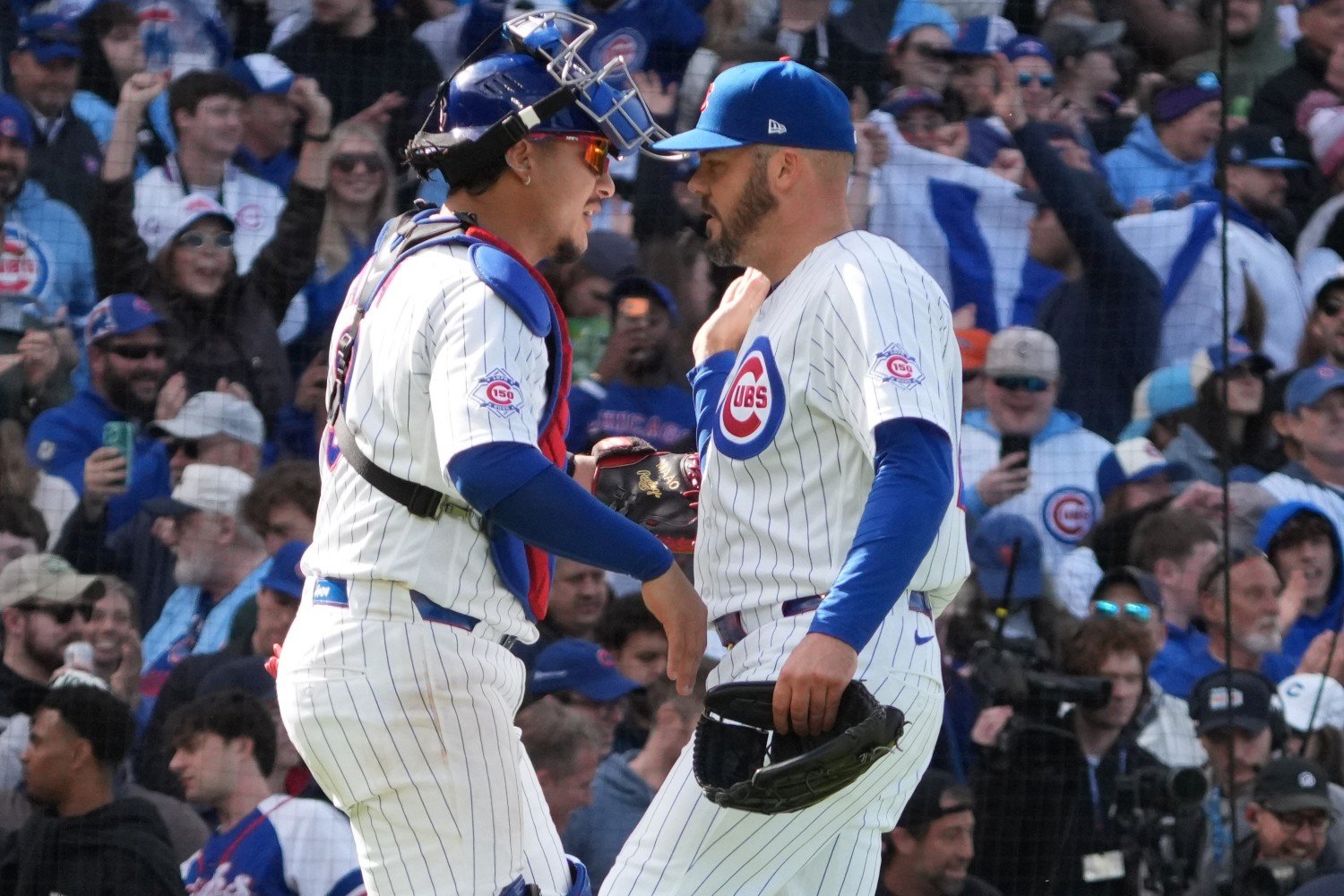 The Chicago Cubs might not have their closer, Daniel Palencia, and an army of useful relievers at the moment, but don’t fret: Caleb Thielbar is here. Nobody in the Cubs’ bullpen can replace Palencia’s sheer power and upside, but Thielbar has certainly given fans some peace of mind with his performances out of the bullpen in 2025 and 2026. The Ageless Wonder Signed to a one-year deal on Dec. 31, 2024, after a down year with the Minnesota Twins, the superannuated left-hander is reminding us all that age is just a number. Ever since donning the Cubs uniform, he's done nothing but succeed. Last year, the southpaw posted a 2.64 ERA in 58 innings, with a 3.00 FIP and 1.1 fWAR, his highest output since putting up 1.6 fWAR in 2022. This year, it's been more of the same, from a pitcher whom baseball has tried to get rid of multiple times, and who turned 39 in January. In eight frames this season, Thielbar has a solid 2.25 ERA and a 3.50 FIP with 11 strikeouts. Since the start of the 2025 campaign, the lefty’s 2.59 ERA ranks 29th among 126 relievers with a minimum of 60 innings pitched. This weekend, Thielbar notched a save on Saturday and a win on Sunday against the Mets. Evidently, the manager completely trusts him in late-inning situations, and that’s the whole point with high-leverage relievers. Skippers want arms they can trust with games on the line, and he is very much one of them. Thielbar came to Chicago with just four career saves, but he had one last year, has one this year, and could easily collect another 10 or more before Palencia is back. Since landing in Chicago, Thielbar has taken his game up a notch. Before his 5.32 ERA season in 2024, the number ranged between 3.23 and 3.49 from 2021 to 2023. Now, his ERA starts with a 2, and he's throwing harder than ever, with a 93.6 mph average fastball velocity. In fact, he throws about 4 MPH harder now than he did when he first broke into the majors in his 20s, well over a decade ago. An Elite Fastball Leads The Way The pitch earns a very solid 23.4%whiff rate, and has been Thielbar’s bread and butter. It's averaging a whopping 20.2 inches of induced vertical break (IVB), the fifth-best mark among MLB pitchers this year, and yielding an elite .160 xwOBA. It’s no wonder he's increased its usage to 52.4% this year, because hitters just can’t touch it. While it’s true that Thielbar uses his four-seamer more often than any other pitch, he also has whiff rates of at least 25% with each of his additional offerings: curveball (25%), sweeper (28.6%), and slider (33.3%). Remember, the guy is 39 years old—or, forget it. Maybe that's the healthier approach. If a pitcher 10 years his junior were doing what Thielbar has done for most of the last half-decade, with this kind of stuff and the trend arrows pointing in the right direction, you'd have no compunction about letting him take on a relief ace role. The Cubs have to be ecstatic with his recent performance, as they have an elite reliever on a salary that better fits a spare part. Thielbar is proof that players can successfully extend their careers with discipline, work ethic, and an understanding of the science of pitching. It’s fair to wonder where the Cubs’ bullpen, which ranks 21st in baseball with a 0.0 fWAR, would be without Thielbar. He offers solutions to his manager, who knows he is death to lefty hitters but can also get right-handers out if needed. Over the next few weeks, he's likely to be the team's go-to guy, though he really is 39, so the team will use him a bit more judiciously than they might use a younger pitcher with the same stuff. After all, in baseball, no one's actually immortal.
 -
Image courtesy of © David Banks-Imagn Images The Chicago Cubs might not have their closer, Daniel Palencia, and an army of useful relievers at the moment, but don’t fret: Caleb Thielbar is here. Nobody in the Cubs’ bullpen can replace Palencia’s sheer power and upside, but Thielbar has certainly given fans some peace of mind with his performances out of the bullpen in 2025 and 2026. The Ageless Wonder Signed to a one-year deal on Dec. 31, 2024, after a down year with the Minnesota Twins, the superannuated left-hander is reminding us all that age is just a number. Ever since donning the Cubs uniform, he's done nothing but succeed. Last year, the southpaw posted a 2.64 ERA in 58 innings, with a 3.00 FIP and 1.1 fWAR, his highest output since putting up 1.6 fWAR in 2022. This year, it's been more of the same, from a pitcher whom baseball has tried to get rid of multiple times, and who turned 39 in January. In eight frames this season, Thielbar has a solid 2.25 ERA and a 3.50 FIP with 11 strikeouts. Since the start of the 2025 campaign, the lefty’s 2.59 ERA ranks 29th among 126 relievers with a minimum of 60 innings pitched. This weekend, Thielbar notched a save on Saturday and a win on Sunday against the Mets. Evidently, the manager completely trusts him in late-inning situations, and that’s the whole point with high-leverage relievers. Skippers want arms they can trust with games on the line, and he is very much one of them. Thielbar came to Chicago with just four career saves, but he had one last year, has one this year, and could easily collect another 10 or more before Palencia is back. Since landing in Chicago, Thielbar has taken his game up a notch. Before his 5.32 ERA season in 2024, the number ranged between 3.23 and 3.49 from 2021 to 2023. Now, his ERA starts with a 2, and he's throwing harder than ever, with a 93.6 mph average fastball velocity. In fact, he throws about 4 MPH harder now than he did when he first broke into the majors in his 20s, well over a decade ago. An Elite Fastball Leads The Way The pitch earns a very solid 23.4%whiff rate, and has been Thielbar’s bread and butter. It's averaging a whopping 20.2 inches of induced vertical break (IVB), the fifth-best mark among MLB pitchers this year, and yielding an elite .160 xwOBA. It’s no wonder he's increased its usage to 52.4% this year, because hitters just can’t touch it. While it’s true that Thielbar uses his four-seamer more often than any other pitch, he also has whiff rates of at least 25% with each of his additional offerings: curveball (25%), sweeper (28.6%), and slider (33.3%). Remember, the guy is 39 years old—or, forget it. Maybe that's the healthier approach. If a pitcher 10 years his junior were doing what Thielbar has done for most of the last half-decade, with this kind of stuff and the trend arrows pointing in the right direction, you'd have no compunction about letting him take on a relief ace role. The Cubs have to be ecstatic with his recent performance, as they have an elite reliever on a salary that better fits a spare part. Thielbar is proof that players can successfully extend their careers with discipline, work ethic, and an understanding of the science of pitching. It’s fair to wonder where the Cubs’ bullpen, which ranks 21st in baseball with a 0.0 fWAR, would be without Thielbar. He offers solutions to his manager, who knows he is death to lefty hitters but can also get right-handers out if needed. Over the next few weeks, he's likely to be the team's go-to guy, though he really is 39, so the team will use him a bit more judiciously than they might use a younger pitcher with the same stuff. After all, in baseball, no one's actually immortal. View full article
-
Image courtesy of © Jayne Kamin-Oncea-Imagn Imagesmic The Chicago Cubs added veteran outfielder Michael Conforto on a minor-league deal on Monday, and made it official Thursday, after Conforto passed a physical. On the surface, it’s the kind of move that barely nudges the offseason needle. Dig a little deeper, though, and you can see the outline of something more useful than a random spring invite. The timing matters. Moisés Ballesteros only reported to camp Sunday, after visa issues delayed his arrival. Tyler Austin is shelved for months with a knee injury. The outfield group is deep, but it’s not entirely safe from an injury-driven crisis. For a veteran with Conforto’s résumé, that opens a door. He’ll have to earn it, but a strong spring could make this interesting in a hurry. Better Than the Numbers? Last year with the Dodgers, Conforto posted an 83 wRC+ across 486 plate appearances. That’s below average, especially for a player with limited defensive value. His .199/.305/.333 line and 12 home runs didn’t exactly scream impact bat. Under the hood, however, he still demonstrated serious talent. He finished with a .287 wOBA, but his expected wOBA was .330. That -.043 gap was the second-largest in baseball among hitters who had significant playing time, trailing only Salvador Perez. In plain English: the quality of contact and the plate discipline suggested a hitter who deserved far better than what the box scores showed. It’s like hitting rockets all night in batting practice, and somehow, every one of them finds a glove once the lights come on. Over time, that usually evens out. Conforto was, by the underlying metrics, one of the unluckiest hitters in 2025. Since we're talking about a hitter with a career 115 wRC+, there's certainly a chance for a bounce-back campaign. Bat Speed Remains He’s not the rookie who stormed onto the postseason stage in 2015. He’s not the middle-of-the-order force who mashed 88 home runs between 2017 and 2019. That version of Conforto lives in highlight reels now. But this isn’t a player running on fumes, either. His average bat speed checked in at 74 mph last season, good for the 77th percentile. For someone who has dealt with his share of injuries, that’s significant. Bat speed is often one of the first things to fade. Conforto’s hasn’t. There’s still more thunder in there than the 12 homers suggest. He also continues to control the strike zone well. He rarely chases pitches off the plate and draws plenty of walks. For a Cubs lineup already stocked with patient, disciplined hitters, that profile fits. He doesn’t need to swing out of his shoes. He just needs to stack quality at-bats, lengthen innings, and make pitchers work. Professional. Competitive. Annoying to face. The Defense, Though... If there’s a real concern, it’s the defense. In 1,010 innings in left field last season, Conforto posted -5 Defensive Runs Saved. That’s not a blip. That’s a step back. He’s no longer the steady corner defender you pencil in without thinking. Can he bounce back a bit? Perhaps. Players don’t usually fall off a defensive cliff overnight, without some contributing factors. But at this stage, he’s more playable than reliable in the field—and even that might be mitigated, if he continues a multi-year pattern of dealing with hamstring strains. The good news for Chicago is that he wouldn’t be asked to play the field much, even if he makes the roster. He’d be insurance. If something happens to Ian Happ, Ballesteros, or Seiya Suzuki, Conforto gives them a left-handed bat with experience and composure. That matters over a long season. The Cubs don’t need Conforto to carry anything. That’s what Pete Crow-Armstrong, Suzuki, Happ, Alex Bregman, and Michael Busch are there for. The heavy lifting is already assigned. Because Ballesteros, Austin and Jonathon Long have been set back by various issues, though, the aging slugger does have a potential role to play on a championship-hungry Cubs squad. It’s still February. There’s time for timing to return, for the swing to sync up, for the numbers to start matching the contact. If the expected metrics tell the truth this time around, the Cubs may have quietly added more than just another jersey in the clubhouse. View full article
-
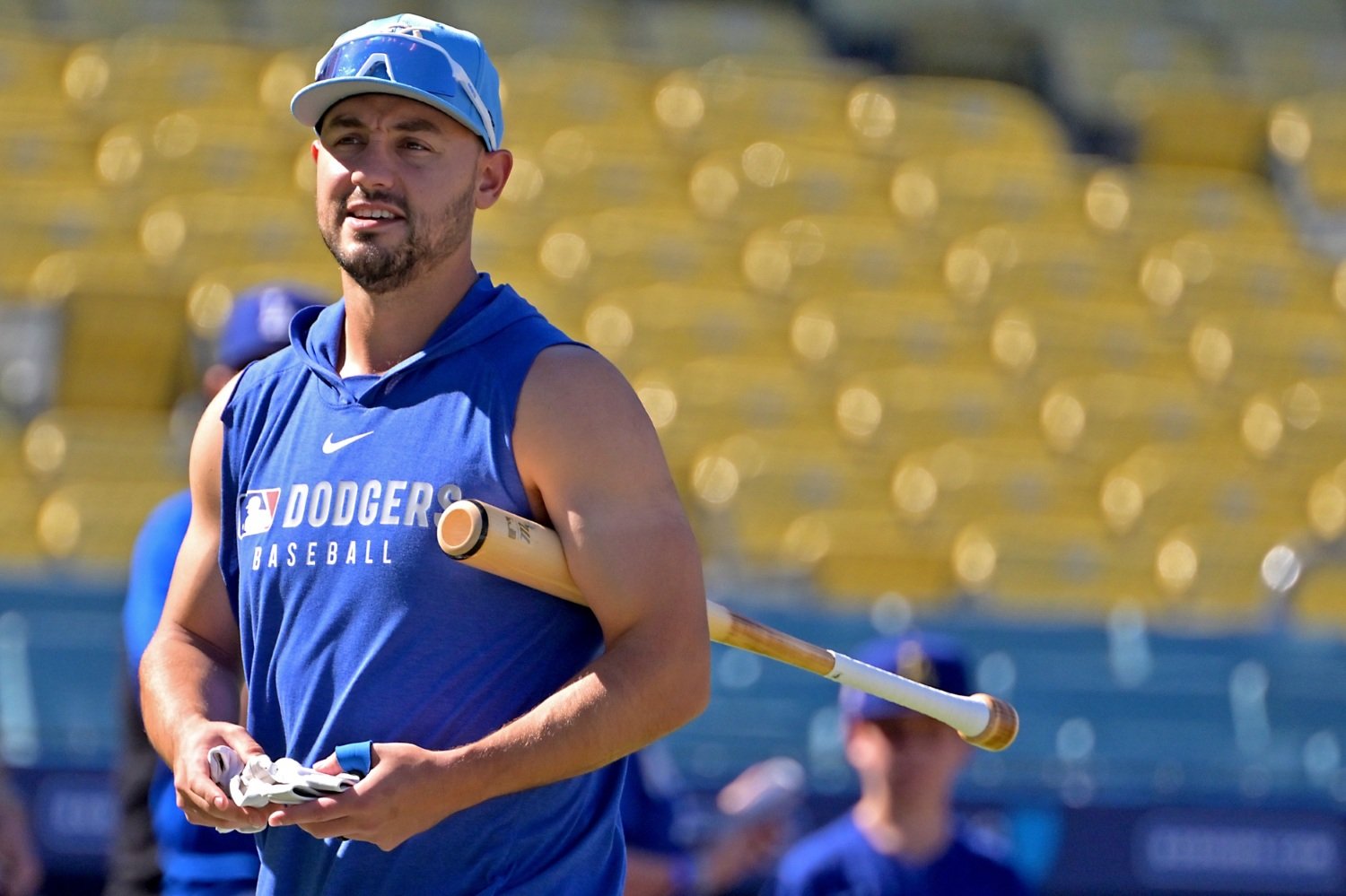 The Chicago Cubs added veteran outfielder Michael Conforto on a minor-league deal on Monday, and made it official Thursday, after Conforto passed a physical. On the surface, it’s the kind of move that barely nudges the offseason needle. Dig a little deeper, though, and you can see the outline of something more useful than a random spring invite. The timing matters. Moisés Ballesteros only reported to camp Sunday, after visa issues delayed his arrival. Tyler Austin is shelved for months with a knee injury. The outfield group is deep, but it’s not entirely safe from an injury-driven crisis. For a veteran with Conforto’s résumé, that opens a door. He’ll have to earn it, but a strong spring could make this interesting in a hurry. Better Than the Numbers? Last year with the Dodgers, Conforto posted an 83 wRC+ across 486 plate appearances. That’s below average, especially for a player with limited defensive value. His .199/.305/.333 line and 12 home runs didn’t exactly scream impact bat. Under the hood, however, he still demonstrated serious talent. He finished with a .287 wOBA, but his expected wOBA was .330. That -.043 gap was the second-largest in baseball among hitters who had significant playing time, trailing only Salvador Perez. In plain English: the quality of contact and the plate discipline suggested a hitter who deserved far better than what the box scores showed. It’s like hitting rockets all night in batting practice, and somehow, every one of them finds a glove once the lights come on. Over time, that usually evens out. Conforto was, by the underlying metrics, one of the unluckiest hitters in 2025. Since we're talking about a hitter with a career 115 wRC+, there's certainly a chance for a bounce-back campaign. Bat Speed Remains He’s not the rookie who stormed onto the postseason stage in 2015. He’s not the middle-of-the-order force who mashed 88 home runs between 2017 and 2019. That version of Conforto lives in highlight reels now. But this isn’t a player running on fumes, either. His average bat speed checked in at 74 mph last season, good for the 77th percentile. For someone who has dealt with his share of injuries, that’s significant. Bat speed is often one of the first things to fade. Conforto’s hasn’t. There’s still more thunder in there than the 12 homers suggest. He also continues to control the strike zone well. He rarely chases pitches off the plate and draws plenty of walks. For a Cubs lineup already stocked with patient, disciplined hitters, that profile fits. He doesn’t need to swing out of his shoes. He just needs to stack quality at-bats, lengthen innings, and make pitchers work. Professional. Competitive. Annoying to face. The Defense, Though... If there’s a real concern, it’s the defense. In 1,010 innings in left field last season, Conforto posted -5 Defensive Runs Saved. That’s not a blip. That’s a step back. He’s no longer the steady corner defender you pencil in without thinking. Can he bounce back a bit? Perhaps. Players don’t usually fall off a defensive cliff overnight, without some contributing factors. But at this stage, he’s more playable than reliable in the field—and even that might be mitigated, if he continues a multi-year pattern of dealing with hamstring strains. The good news for Chicago is that he wouldn’t be asked to play the field much, even if he makes the roster. He’d be insurance. If something happens to Ian Happ, Ballesteros, or Seiya Suzuki, Conforto gives them a left-handed bat with experience and composure. That matters over a long season. The Cubs don’t need Conforto to carry anything. That’s what Pete Crow-Armstrong, Suzuki, Happ, Alex Bregman, and Michael Busch are there for. The heavy lifting is already assigned. Because Ballesteros, Austin and Jonathon Long have been set back by various issues, though, the aging slugger does have a potential role to play on a championship-hungry Cubs squad. It’s still February. There’s time for timing to return, for the swing to sync up, for the numbers to start matching the contact. If the expected metrics tell the truth this time around, the Cubs may have quietly added more than just another jersey in the clubhouse.
 -
Image courtesy of © Matt Marton-Imagn Images The Chicago Cubs don’t have to squint to see the future anymore. It’s standing in center field, running down fly balls like they owe him money, and occasionally launching baseballs into the night. Pete Crow-Armstrong is a foundational piece—the kind of player teams spend decades trying to draft, develop, or steal from someone else. Elite defense, real power, and disruptive speed make him a perennial MVP candidate in the National League, even if that ceiling is currently guarded by a certain two-way alien named Shohei Ohtani. A season like the one Crow-Armstrong just had will do that. A Breakout That Changed the Conversation In 2025, Crow-Armstrong put together a year that could be a cornerstone’s origin story. He finished with a 109 wRC+, 31 home runs, 35 stolen bases, and 5.4 fWAR. He crossed the plate 91 times, drove in 95 runs, and played center field at a level few in baseball can match. His glove was worth 15 Defensive Runs Saved, placing him among the best defenders in the sport. Offensively, the quality of contact backed up the surface stats. Crow-Armstrong ranked in the 82nd percentile in barrel rate at 13% of his batted balls (and 9.1% of his total plate appearances), and his .475 expected slugging percentage landed in the 78th percentile. He may not look like a classic slugger, but he doesn’t need brute strength when he knows how to get the ball in the air and pull it with authority. Pair that with lightning-fast feet and elite instincts, and you get production that stretches across every column of the box score. The Swing-at-Everything Dilemma For all the fireworks, there’s a catch: Crow-Armstrong swings at everything. That aggressiveness is baked into his game, and in 2025 it came with some ugly side effects. He posted a 4.5% walk rate, good for the 4th percentile, and chased pitches at a 41.7% clip, worse than all but four other qualifying hitters. When it works, it’s exhilarating. When it doesn’t, it can look like a hitter trying to swat flies with a sledgehammer. Pitchers adjusted, and the league started leaning into his weaknesses. The result was a tale of two halves that left Cubs fans uneasy. After crushing the first half with a 131 wRC+, Crow-Armstrong stumbled badly after the All-Star break, posting a 72 wRC+ in the second half. The production drop wasn’t subtle, and it raised a fair question: which version of Crow-Armstrong is the real one? Why the Second Half Fell Apart The answer isn’t a single smoking gun, but a handful of factors that piled up quickly. Crow-Armstrong is particularly vulnerable to pitches up in the zone—especially fastballs. When you look at his wOBA by pitch location, the elevated areas are where the damage turns into self-inflicted wounds. Pitchers found that soft spot and kept going back to it. Luck also played a role. In the first half, his home run-per-fly ball rate sat at 17.6%. After the break, it cratered to 6%. It’s fair to wonder if the early number was simply too hot to sustain. As Elliot Baas of Rotoballer.com noted, Crow-Armstrong’s average launch angle dipped month by month, which likely contributed to the power outage. Line drives turned into grounders, and fly balls lost their carry. Interestingly, some of his plate discipline indicators actually improved in the second half. His chase rate dropped to 36.9%, and his swinging strike rate improved from 16.5% to 15.2%. In trying to rein himself in, he may have dulled the very edge that made him so dangerous early on—but that reining-in was certainly needed, so it's discouraging to admit that it didn't work. What the Future Still Looks Like Even with the warts, Crow-Armstrong remains an immensely valuable player. The defense is as real as it gets, and at 23 years old, he should have several more seasons as an elite center fielder, assuming good health. On the bases, his speed gives him room to push higher. With a green light (and a better OBP), 40 to 45 steal attempts aren’t out of the question, making 30 to 35 stolen bases a reasonable expectation. Offensively, the underlying numbers offer reassurance. His .323 wOBA was nearly identical to his .321 expected wOBA, suggesting his overall line wasn’t built on good bounces. Repeating a 30-homer season may be a tall ask, but settling into a 20-homer, 30-steal profile with a yearly wRC+ between 100 and 110 is well within reach. That version of Crow-Armstrong can flirt with 5.0 fWAR on a regular basis, with more upside if he ever adds even modest gains in plate discipline. Crow-Armstrong isn’t a finished product, but he doesn’t need to be. He’s already a building block—a player who impacts games with his bat, glove, and legs, and one the Cubs can confidently build around as the next era takes shape. View full article