Cory Sparks
-
Posts
164 -
Joined
-
Last visited
Content Type
Profiles
Joomla Posts 1
Chicago Cubs Videos
Chicago Cubs Free Agent & Trade Rumors, Notes, & Tidbits
2026 Chicago Cubs Top Prospects Ranking
News
2023 Chicago Cubs Draft Picks
Guides & Resources
2024 Chicago Cubs Draft Picks
The Chicago Cubs Players Project
2025 Chicago Cubs Draft Pick Tracker
2026 Chicago Cubs Draft Tracker: Picks & Bonuses
Blogs
Events
Forums
Store
Gallery
Everything posted by Cory Sparks
-
 Image courtesy of © Steven Branscombe-Imagn Images Now that the dust has settled on the 2026 MLB Draft, it’s time to debrief and take a look at value picks. The Chicago Cubs didn’t just hit early on with power bats like Myles Bailey. Chicago also swiped some players with remarkable upside later in the draft. Let’s dive into who those prospects are and ultimately what they can bring to the table in the Windy City. Isaac Morton, Minnesota The Cubs took Isaac Morton in the sixth round of this year’s draft, and he has loads of potential to help the big-league ball club in a few years. Morton spent a pair of seasons with Texas A&M before transferring to the midwest to round out his collegiate career as a Gopher. He possesses a mid-90s fastball and supplements his primary option with a slider, cutter and a changeup. This past spring, Morton logged a 4-2 record with a 3.26 earned run average over 13 appearances, all of them starts. He struck out 63 hitters and walked 26 over 60.2 innings of work. His best start of the year was against a conference rival in Illinois, as the right-handed pitcher tossed seven shutout frames while allowing just two hits, three walks and striking out six. He also notably struck out a season-best eight hitters against Penn State, with the hurler allowing just one earned run on two hits over five innings of work. The main red flag here is Morton's injury history. This is somebody who had damaged tendons in 2023, and he ultimately threw out his arm to end the 2026 spring season. This will likely sideline him for the remainder of the calendar year, but he can rise quickly if he's healthy at the onset of the 2027 campaign. Luke Alwood, Seattle University Luke Alwood has the upside to be a productive pitcher in professional baseball, but the Cubs will need to harness the right attributes. He played his most recent season at Seattle University and he boasted his best year with the team in 2026. Alwood entered the year with some walk issues, giving up 121 free passes over 120.1 innings pitched. He cut down on that rate significantly this year, fanning 48 hitters with 19 walks over 43.2 frames of work. Alwood primarily operated out of the bullpen, logging a 2-4 record with a 5.56 ERA in 19 total appearances. Chicago will have to monitor Alwood’s command, but his mid-90s fastball and wipeout slider have the true potential to cause issues for hitters. At the end of the day, the Cubs signed him for a scant $50,000 signing bonus, so he doesn’t need to be a world-beater by any means. If Alwood turns into a serviceable reliever who can eat innings, he’s already out-performed expectations. Brennan Hudson, Georgia Brennan Hudson was Chicago’s final selection from this year’s draft, as the team took him in the 20th round. Any time you see an SEC baseball player, they’ve already been exposed to some of the best prospects the sport has to offer. Hudson has that advantage on some of the field, as he smacked 22 home runs for the Georgia Bulldogs this past spring. He saw a significant spike in playing time this year, going from making just seven starts in 29 appearances to being the team’s starter in 56 of 62 contests. Hudson touted a .657 slugging percentage, also impressing with his plate discipline, as the backstop drew 42 walks to 61 punchouts. With loads of experience against the best pitchers collegiate ball has to offer, Hudson could quickly leap to the higher levels of the minors if he can maintain the gains he made with his approach this year. View full article
 -
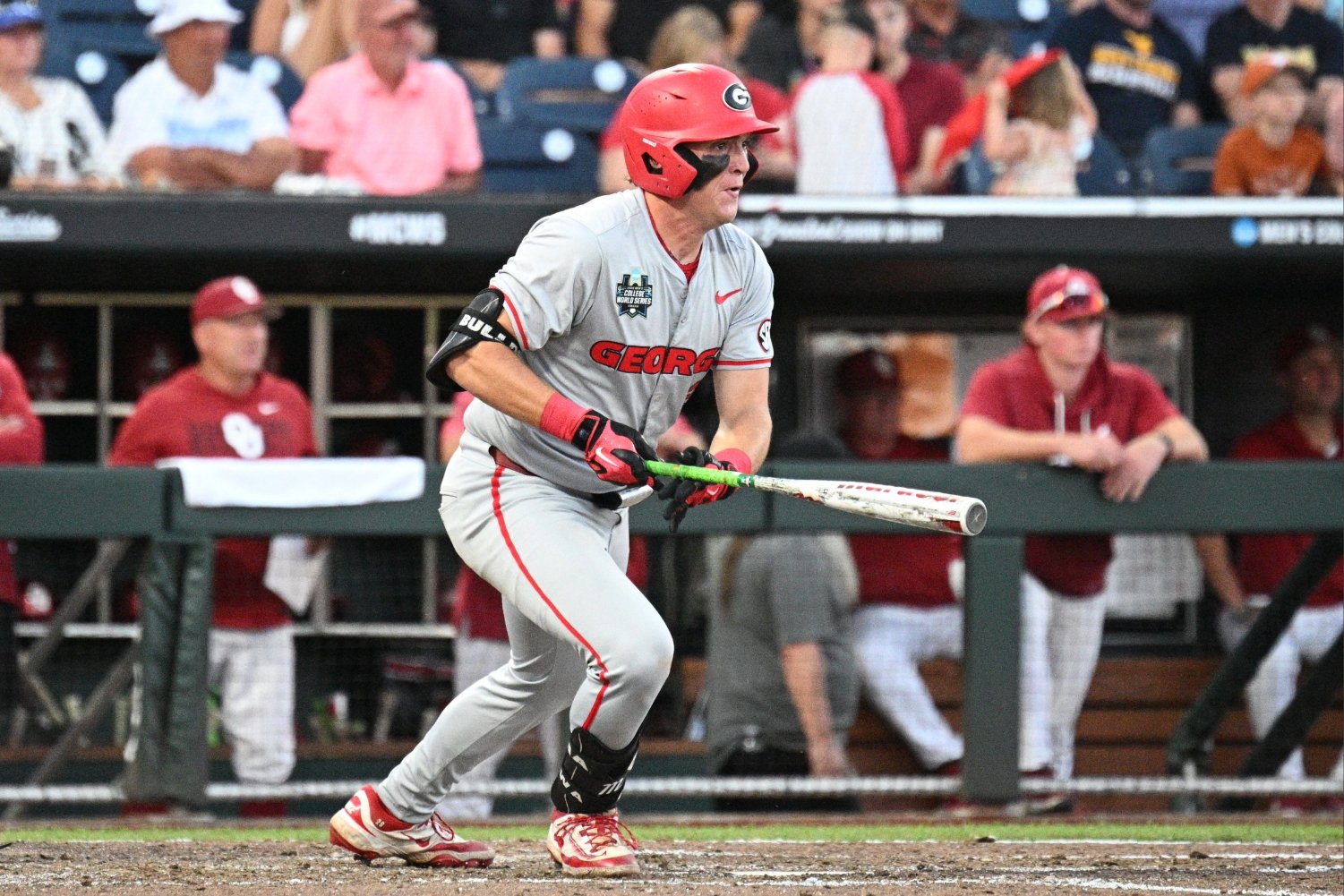 Now that the dust has settled on the 2026 MLB Draft, it’s time to debrief and take a look at value picks. The Chicago Cubs didn’t just hit early on with power bats like Myles Bailey. Chicago also swiped some players with remarkable upside later in the draft. Let’s dive into who those prospects are and ultimately what they can bring to the table in the Windy City. Isaac Morton, Minnesota The Cubs took Isaac Morton in the sixth round of this year’s draft, and he has loads of potential to help the big-league ball club in a few years. Morton spent a pair of seasons with Texas A&M before transferring to the midwest to round out his collegiate career as a Gopher. He possesses a mid-90s fastball and supplements his primary option with a slider, cutter and a changeup. This past spring, Morton logged a 4-2 record with a 3.26 earned run average over 13 appearances, all of them starts. He struck out 63 hitters and walked 26 over 60.2 innings of work. His best start of the year was against a conference rival in Illinois, as the right-handed pitcher tossed seven shutout frames while allowing just two hits, three walks and striking out six. He also notably struck out a season-best eight hitters against Penn State, with the hurler allowing just one earned run on two hits over five innings of work. The main red flag here is Morton's injury history. This is somebody who had damaged tendons in 2023, and he ultimately threw out his arm to end the 2026 spring season. This will likely sideline him for the remainder of the calendar year, but he can rise quickly if he's healthy at the onset of the 2027 campaign. Luke Alwood, Seattle University Luke Alwood has the upside to be a productive pitcher in professional baseball, but the Cubs will need to harness the right attributes. He played his most recent season at Seattle University and he boasted his best year with the team in 2026. Alwood entered the year with some walk issues, giving up 121 free passes over 120.1 innings pitched. He cut down on that rate significantly this year, fanning 48 hitters with 19 walks over 43.2 frames of work. Alwood primarily operated out of the bullpen, logging a 2-4 record with a 5.56 ERA in 19 total appearances. Chicago will have to monitor Alwood’s command, but his mid-90s fastball and wipeout slider have the true potential to cause issues for hitters. At the end of the day, the Cubs signed him for a scant $50,000 signing bonus, so he doesn’t need to be a world-beater by any means. If Alwood turns into a serviceable reliever who can eat innings, he’s already out-performed expectations. Brennan Hudson, Georgia Brennan Hudson was Chicago’s final selection from this year’s draft, as the team took him in the 20th round. Any time you see an SEC baseball player, they’ve already been exposed to some of the best prospects the sport has to offer. Hudson has that advantage on some of the field, as he smacked 22 home runs for the Georgia Bulldogs this past spring. He saw a significant spike in playing time this year, going from making just seven starts in 29 appearances to being the team’s starter in 56 of 62 contests. Hudson touted a .657 slugging percentage, also impressing with his plate discipline, as the backstop drew 42 walks to 61 punchouts. With loads of experience against the best pitchers collegiate ball has to offer, Hudson could quickly leap to the higher levels of the minors if he can maintain the gains he made with his approach this year.
 -
Robbie Ray is a 34-year-old veteran lefty who is putting up a remarkable season in 2026. In this video, we'll break down his contract, play style, strengths, weaknesses, and what the Cubs should have to give the Giants in order to land him. Enjoy! View full video
-
Robbie Ray is a 34-year-old veteran lefty who is putting up a remarkable season in 2026. In this video, we'll break down his contract, play style, strengths, weaknesses, and what the Cubs should have to give the Giants in order to land him. Enjoy!
-
6-3 with a 3.15 ERA and 1.04 WHIP this year! He's been great!
-
Image courtesy of © Steven Bisig-Imagn Images It’s no secret that the Chicago Cubs’ rotation has been dismantled with injuries from the word "go" this year. For a team that’s still well above .500, and would be in the postseason if the proceedings got underway today, let’s break down why Robbie Ray is the starter most worth pursuing at the trade deadline. Robbie Ray Trade Target Scouting Report Ray is a 34-year-old veteran pitcher for the San Francisco Giants. He's 8-6 so far this season, and he currently holds a 3.33 earned run average through 20 appearances (19 starts). The southpaw has been around the block, tossing just north of 1,500 innings with 1,830 punchouts, and even in his age-34 season, he’s found a way to be productive on the West Coast for a moribund team. Contract One of the reasons Ray would be such a great fit for the Cubs is his contract situation. He’s on the books for $25 million this year, but the veteran starter will be a free agent after the conclusion of the World Series. With a lot of the Cubs’ rotation on the injured list, Ray could file in and the Cubs wouldn’t be tied to him beyond the 2026 season. With the Giants being obvious sellers who are well below .500, the Cubs could be a suitor and may only have to offload a prospect or two to get Ray. Pitch Mix Ray is like a lot of veteran pitchers in that he has a varied arsenal. He leads with a fastball that he utilizes 35 percent of the time, and it rides in at 93.3 miles per hour. His primary option plays well, allowing just a .234 batting average with 16 extra-base hits over 171 plate appearances. His slider (26 percent), changeup (17 percent), sinker (12 percent) and curveball (10 percent) round out a five-pitch repertoire. Three of his five options have a batting average against below the .250 mark. Strengths Ray is a finesse pitcher, sporting a below-average whiff rate, chase rate and strikeout percentage. How does he thrive? He works off of soft contact. The crafty lefty is holding opposing hitters to just a 38.4 percent hard-hit rate, good enough for the 52nd percentile. This directly contributes to a .239 expected batting average. which would play incredibly well in front of the Cubs' sterling defense. Ray’s off-speed offerings are a main contributor, as his off-speed run value is in the 93rd percentile, and his knuckle curve has proved to be the most lethal in his tool box, allowing three hits and just one extra-base hit over 34 plate appearances that have ended with the pitch. Weaknesses Ray has a few metrics working against him, one of them including extension. The Giants’ starter already has a fastball that clocks in at a below average velocity. Add a 6.2 foot extension (25th percentile) on top of that, and his pitches don’t appear to get up on hitters very quickly. Ray also gives up plenty of lofted contact, as he’s generating a ground ball just 36.5 percent of the time (20th percentile). It’s something he’s dealt with a lot in his career, but the 19.1 degree average launch angle paints a fine line; he can generate fly ball outs with lower exit velocities, but if somebody sqaaures up a ball, he can get hit around a lot worse than a pitcher with better raw stuff. Trade Compensation Rental pitchers are are always in high demand, and that'll be doubly true this year as contending teams look to compete for a title without clogging up their payrolls ahead of the impending lockout. A top-100 prospect isn't a completely unreasonable price, though someone just outside of that range (Kane Kepley, Pedro Ramirez, etc.) would likely be enough to get a deal done. View full article
-
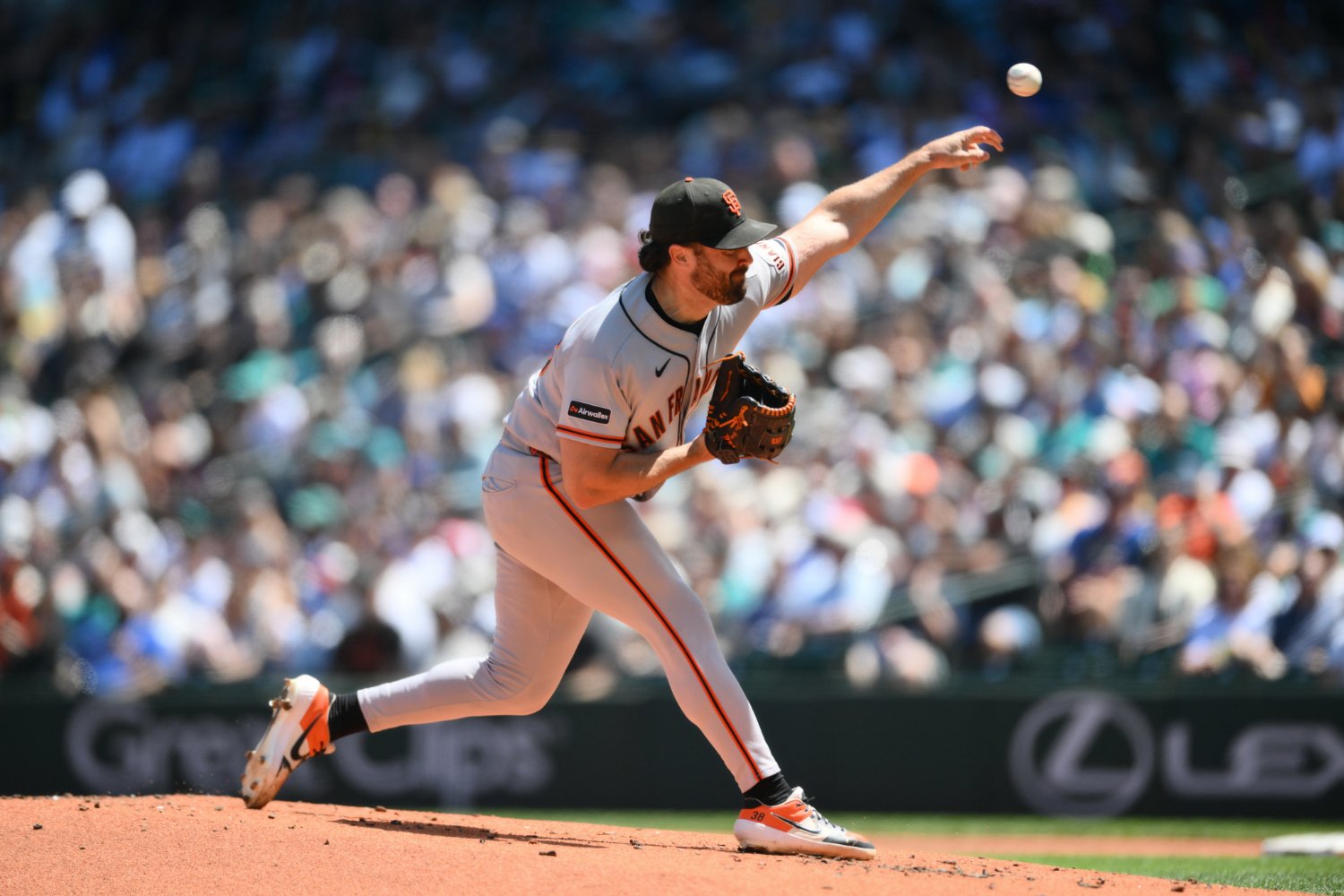 It’s no secret that the Chicago Cubs’ rotation has been dismantled with injuries from the word "go" this year. For a team that’s still well above .500, and would be in the postseason if the proceedings got underway today, let’s break down why Robbie Ray is the starter most worth pursuing at the trade deadline. Robbie Ray Trade Target Scouting Report Ray is a 34-year-old veteran pitcher for the San Francisco Giants. He's 8-6 so far this season, and he currently holds a 3.33 earned run average through 20 appearances (19 starts). The southpaw has been around the block, tossing just north of 1,500 innings with 1,830 punchouts, and even in his age-34 season, he’s found a way to be productive on the West Coast for a moribund team. Contract One of the reasons Ray would be such a great fit for the Cubs is his contract situation. He’s on the books for $25 million this year, but the veteran starter will be a free agent after the conclusion of the World Series. With a lot of the Cubs’ rotation on the injured list, Ray could file in and the Cubs wouldn’t be tied to him beyond the 2026 season. With the Giants being obvious sellers who are well below .500, the Cubs could be a suitor and may only have to offload a prospect or two to get Ray. Pitch Mix Ray is like a lot of veteran pitchers in that he has a varied arsenal. He leads with a fastball that he utilizes 35 percent of the time, and it rides in at 93.3 miles per hour. His primary option plays well, allowing just a .234 batting average with 16 extra-base hits over 171 plate appearances. His slider (26 percent), changeup (17 percent), sinker (12 percent) and curveball (10 percent) round out a five-pitch repertoire. Three of his five options have a batting average against below the .250 mark. Strengths Ray is a finesse pitcher, sporting a below-average whiff rate, chase rate and strikeout percentage. How does he thrive? He works off of soft contact. The crafty lefty is holding opposing hitters to just a 38.4 percent hard-hit rate, good enough for the 52nd percentile. This directly contributes to a .239 expected batting average. which would play incredibly well in front of the Cubs' sterling defense. Ray’s off-speed offerings are a main contributor, as his off-speed run value is in the 93rd percentile, and his knuckle curve has proved to be the most lethal in his tool box, allowing three hits and just one extra-base hit over 34 plate appearances that have ended with the pitch. Weaknesses Ray has a few metrics working against him, one of them including extension. The Giants’ starter already has a fastball that clocks in at a below average velocity. Add a 6.2 foot extension (25th percentile) on top of that, and his pitches don’t appear to get up on hitters very quickly. Ray also gives up plenty of lofted contact, as he’s generating a ground ball just 36.5 percent of the time (20th percentile). It’s something he’s dealt with a lot in his career, but the 19.1 degree average launch angle paints a fine line; he can generate fly ball outs with lower exit velocities, but if somebody sqaaures up a ball, he can get hit around a lot worse than a pitcher with better raw stuff. Trade Compensation Rental pitchers are are always in high demand, and that'll be doubly true this year as contending teams look to compete for a title without clogging up their payrolls ahead of the impending lockout. A top-100 prospect isn't a completely unreasonable price, though someone just outside of that range (Kane Kepley, Pedro Ramirez, etc.) would likely be enough to get a deal done.
 -
Image courtesy of © Matt Marton-Imagn Images Matthew Boyd has been the steady hand on the wheel the Chicago Cubs have needed in a year where each injury has tried to sink the boat a little bit more. With four starting pitchers (Ben Brown, Cade Horton, Justin Steele and Edward Cabrera) on the team’s injured list, Boyd has had to assume more responsibility when he's been healthy. As the veteran southpaw celebrates 10 years of MLB service time, a mark he achieved just a few days ago, let’s break down how he has actually gotten better after turning 30 years old. Exploring Matthew Boyd's MLB Journey Boyd is currently 35 years old, and his career hasn’t come without a fair share of trials and tribulations. The veteran southpaw made his big-league debut in 2015, and from 2015-2020, he churned out a 34-54 record with a 5.08 earned run average. He struggled mightily with injury issues, eclipsing 100 innings three times over those six years and surpassing 150 frames just twice. Boyd turned 30 years old in 2021, and from that point on, he’s put up a 32-24 record with a 3.71 ERA. The Cubs sarter has been with five different organizations, spending eight seasons with the Detroit Tigers and two years or less with four other squads. Yet, in the midst of a career consisting of changing environments and a heavy dosage of the injury bug, he’s aging like fine wine. His Cubs Years Boyd’s season and a half with the Cubs has far and away been the best stint of his career, as the crafty left-handed pitcher earned an All-Star nod for the first time in his career in the 2025 season. This was thanks to a 14-8 record, 3.21 ERA, and 154 punchouts over 179.2 innings, the second-highest workload of his career. The question becomes this; how is Boyd putting up the best seasons of his big-league tenure in his mid-30s? Pitch Arsenal Boyd has to attack hitters a little differently than a lot of the front-of-the-rotation starters nowadays. He doesn’t have a high-90s fastball, as his primary offering (which he uses 47 percent of the time) is gliding in at an average of 92.7 miles per hour (23rd percentile). It’s also a pitch that, even from his 24 degree arm angle, is being hit at a relatively high clip. Opposing batters are managing to generate a .310 batting average against the four-seamer this year. His changeup is the next offering in terms of usage hierarchy, one he chooses to fire 27 percent of the time. While the fastball isn’t as high-octane as most in the league, the fact that Boyd’s changeup rides in at 79 miles per hour makes both pitches effective. The 35-year-old tunnels the pitches very well, with the changeup being 13 miles per hour slower while holding a very similar shape to the fastball. Both pitches have plenty of arm-side ride, with the off-speed pitch coming out just a bit flatter. Boyd also possesses a slider, arguably his best pitch, garnering a .118 batting average against with a single extra-base hit allowed across 38 at-bats that have ended with the offering. Setting up this option has been pivotal in allowing him to return to his 2025 form after coming back from injury. Pristine Location A four-pitch mix, combined with a deceivingly low arm angle, is a strong start to being productive, but Boyd’s best attribute is that he makes his opponent work. Walks provide a one-way street to give the offense a chance to do damage, and the longtime starter just doesn't allow them all that much. He gives up a free pass just 6.5 percent of the time, good enough to nestle him in the 80th percentile league-wide. Overall, Boyd’s ability to mix up his pitches, hit the zone and garner high chase rates have all given him a finesse-driven approach. This allows him to be much more productive, and he doesn’t have to demand as much velocity out of his arm in the process. View full article
-
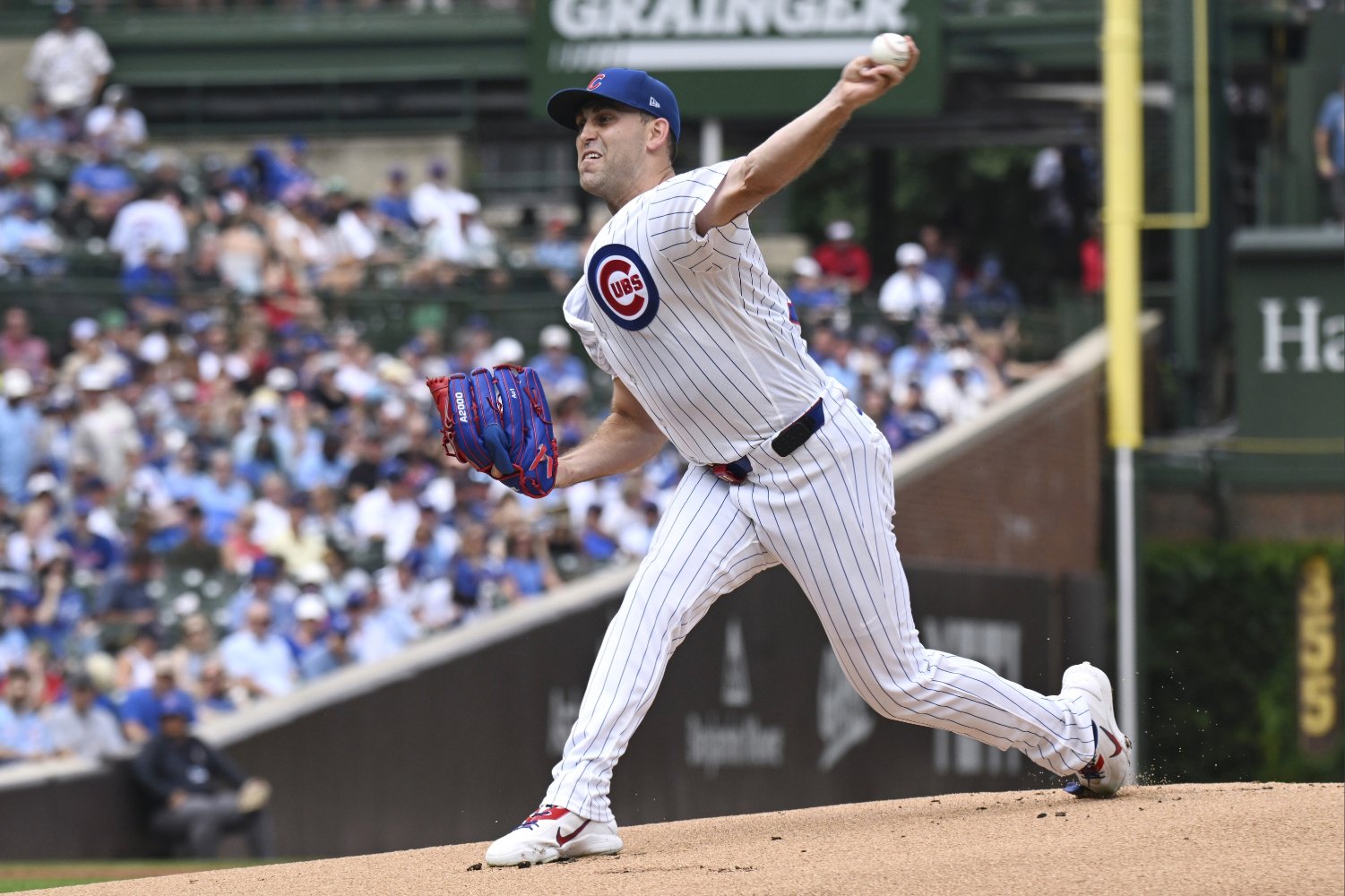 Matthew Boyd has been the steady hand on the wheel the Chicago Cubs have needed in a year where each injury has tried to sink the boat a little bit more. With four starting pitchers (Ben Brown, Cade Horton, Justin Steele and Edward Cabrera) on the team’s injured list, Boyd has had to assume more responsibility when he's been healthy. As the veteran southpaw celebrates 10 years of MLB service time, a mark he achieved just a few days ago, let’s break down how he has actually gotten better after turning 30 years old. Exploring Matthew Boyd's MLB Journey Boyd is currently 35 years old, and his career hasn’t come without a fair share of trials and tribulations. The veteran southpaw made his big-league debut in 2015, and from 2015-2020, he churned out a 34-54 record with a 5.08 earned run average. He struggled mightily with injury issues, eclipsing 100 innings three times over those six years and surpassing 150 frames just twice. Boyd turned 30 years old in 2021, and from that point on, he’s put up a 32-24 record with a 3.71 ERA. The Cubs sarter has been with five different organizations, spending eight seasons with the Detroit Tigers and two years or less with four other squads. Yet, in the midst of a career consisting of changing environments and a heavy dosage of the injury bug, he’s aging like fine wine. His Cubs Years Boyd’s season and a half with the Cubs has far and away been the best stint of his career, as the crafty left-handed pitcher earned an All-Star nod for the first time in his career in the 2025 season. This was thanks to a 14-8 record, 3.21 ERA, and 154 punchouts over 179.2 innings, the second-highest workload of his career. The question becomes this; how is Boyd putting up the best seasons of his big-league tenure in his mid-30s? Pitch Arsenal Boyd has to attack hitters a little differently than a lot of the front-of-the-rotation starters nowadays. He doesn’t have a high-90s fastball, as his primary offering (which he uses 47 percent of the time) is gliding in at an average of 92.7 miles per hour (23rd percentile). It’s also a pitch that, even from his 24 degree arm angle, is being hit at a relatively high clip. Opposing batters are managing to generate a .310 batting average against the four-seamer this year. His changeup is the next offering in terms of usage hierarchy, one he chooses to fire 27 percent of the time. While the fastball isn’t as high-octane as most in the league, the fact that Boyd’s changeup rides in at 79 miles per hour makes both pitches effective. The 35-year-old tunnels the pitches very well, with the changeup being 13 miles per hour slower while holding a very similar shape to the fastball. Both pitches have plenty of arm-side ride, with the off-speed pitch coming out just a bit flatter. Boyd also possesses a slider, arguably his best pitch, garnering a .118 batting average against with a single extra-base hit allowed across 38 at-bats that have ended with the offering. Setting up this option has been pivotal in allowing him to return to his 2025 form after coming back from injury. Pristine Location A four-pitch mix, combined with a deceivingly low arm angle, is a strong start to being productive, but Boyd’s best attribute is that he makes his opponent work. Walks provide a one-way street to give the offense a chance to do damage, and the longtime starter just doesn't allow them all that much. He gives up a free pass just 6.5 percent of the time, good enough to nestle him in the 80th percentile league-wide. Overall, Boyd’s ability to mix up his pitches, hit the zone and garner high chase rates have all given him a finesse-driven approach. This allows him to be much more productive, and he doesn’t have to demand as much velocity out of his arm in the process.
 -
Matthew Boyd is 35 years old, yet the veteran southpaw has put up his best seasons in the last couple of years. Boyd was an All-Star for the first time in 2025 and has been a steady option for the Chicago Cubs, who still have five starters on the injured list. In this video, we'll break down Boyd's impactful yet sustainable strategy to dominate at Wrigley. View full video
-
Matthew Boyd is 35 years old, yet the veteran southpaw has put up his best seasons in the last couple of years. Boyd was an All-Star for the first time in 2025 and has been a steady option for the Chicago Cubs, who still have five starters on the injured list. In this video, we'll break down Boyd's impactful yet sustainable strategy to dominate at Wrigley.
-
Image courtesy of © Saul Young/News Sentinel / USA TODAY NETWORK via Imagn Images The Chicago Cubs’ starting rotation has been about as bruised up as any in all of MLB this year. With the trade deadline fast approaching and the team still very much in the hunt for an NL Central title, it makes sense to theorize who they could get from outside of the building. The Cubs’ farm system doesn’t have a ton of league-ready arms, after all. And yet, Brooks Caple has been quickly making a name for himself as a lockdown starting pitcher. Could he help the cause in the second half? Brooks Caple's Updated Cubs Scouting Report Caple is a 23-year-old right-handed pitcher in Chicago’s pipeline, and he currently ranks as the team’s 12th-ranked prospect, per North Side Baseball and MLB Pipeline. Caple is a tall glass of water, standing at 6-foot-6 and weighing 230 pounds in his second year of professional baseball. The Cubs selected him in the ninth round (272nd overall) of the 2024 MLB Draft out of Lamar, but his makeup truly evolved as he made his way through the college ranks. The righty was originally a reliever at Stephen F. Austin for a pair of years before he hit the transfer portal and became a starter for Lamar. This change of scenery, and a successful offseason, led to him winning Southland Conference Pitcher of the Year honors while garnering a 2.40 earned run average and just a 0.87 WHIP. An Impressive 2026 So Far Once the Cubs selected Caple, he got going as a starter in 2025, logging a 4.48 ERA with 74 punchouts and 43 walks in 98.1 innings pitched. In 2026, he has quickly become one of the team’s most prized possessions in the prospect world. The orthodox starter began the season with the South Bend Cubs (Cubs, High-A) and absolutely dazzled. He tallied a 3-1 record, 2.49 ERA and struck out 26 over 21.2 innings of work. This earned him a promotion to join the Knoxville Smokies (Double-A), and he’s only grown more impressive with the sample size. Caple has a 3-2 record with a 3.74 ERA, 1.09 WHIP and .221 batting average against in Knoxville. Outside of Jaxon Wiggins, Caple is the organization’s highest-rated arm to grace the Double-A level. A Lethal Fastball Rome wasn’t built in a day, and neither was Brooks Caple’s fastball. What was once a 90-91 mile per hour offering at the collegiate level can now sit in the mid-90s with the potential to touch 98. Caple has found a way to generate more spin on the ball, leading to arm-side carry to supplement an offering that is already gaining velocity. The 23-year-old effectively gets downhill, using a three-quarter arm slot delivery and above-average extension (release point in proximity to the plate) to give opposing hitters fits. Pick Your Poison Most starting pitchers have a couple of pitches that grade as average or better, especially as they’re still working up the minor league ladder. Caple has five different offerings, all earning at least a 50-grade on MLB Pipeline’s 20-to-80 scale. Along with the mid-90s fastball, he has a high-80s cutter, a curveball, slider and changeup. The carrying fastball leads the charge at a 60-grade, while the slider is currently at a 55. Projected Call-Up Date When will Caple get the call to the big leagues? This may sound premature, but depending on what pieces the big-league ball club adds at the Aug. 3 trade deadline (and further injury misfortune), he could debut as early as the end of this September. Chicago has 12 pitchers in their top-30 list. Right now, Grant Kipp and Wiggins are the only two who are healthy and have made it to Triple-A. Brandon Birdsell is also close to the big leagues, but he’s recovering from an elbow reconstruction procedure that has him out for the season. If Caple keeps opposing teams’ numbers down and can climb to Triple-A Iowa prior to the minor-league playoffs, he'll be in contention for an Opening Day roster spot in 2027 at the latest. View full article
-
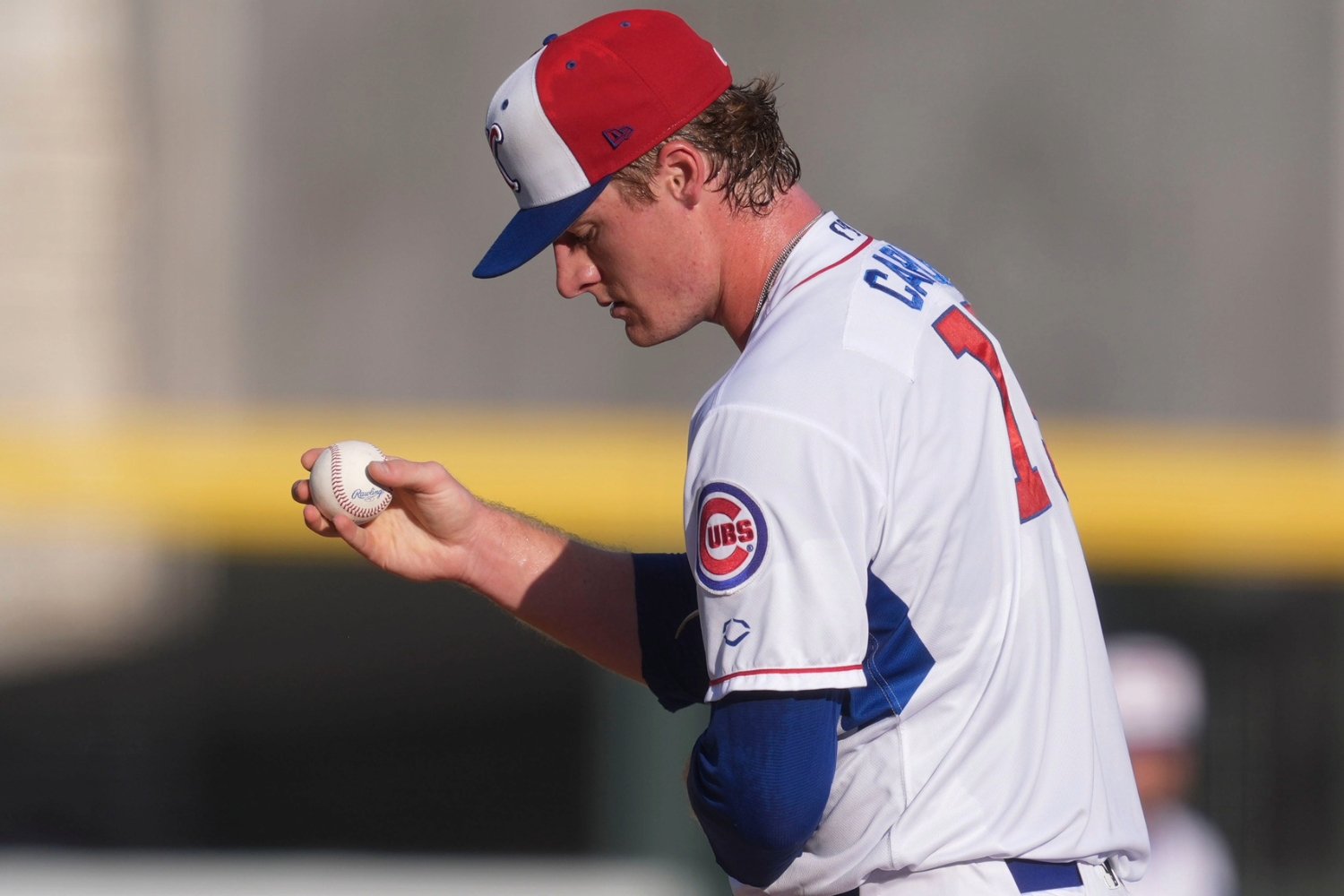 The Chicago Cubs’ starting rotation has been about as bruised up as any in all of MLB this year. With the trade deadline fast approaching and the team still very much in the hunt for an NL Central title, it makes sense to theorize who they could get from outside of the building. The Cubs’ farm system doesn’t have a ton of league-ready arms, after all. And yet, Brooks Caple has been quickly making a name for himself as a lockdown starting pitcher. Could he help the cause in the second half? Brooks Caple's Updated Cubs Scouting Report Caple is a 23-year-old right-handed pitcher in Chicago’s pipeline, and he currently ranks as the team’s 12th-ranked prospect, per North Side Baseball and MLB Pipeline. Caple is a tall glass of water, standing at 6-foot-6 and weighing 230 pounds in his second year of professional baseball. The Cubs selected him in the ninth round (272nd overall) of the 2024 MLB Draft out of Lamar, but his makeup truly evolved as he made his way through the college ranks. The righty was originally a reliever at Stephen F. Austin for a pair of years before he hit the transfer portal and became a starter for Lamar. This change of scenery, and a successful offseason, led to him winning Southland Conference Pitcher of the Year honors while garnering a 2.40 earned run average and just a 0.87 WHIP. An Impressive 2026 So Far Once the Cubs selected Caple, he got going as a starter in 2025, logging a 4.48 ERA with 74 punchouts and 43 walks in 98.1 innings pitched. In 2026, he has quickly become one of the team’s most prized possessions in the prospect world. The orthodox starter began the season with the South Bend Cubs (Cubs, High-A) and absolutely dazzled. He tallied a 3-1 record, 2.49 ERA and struck out 26 over 21.2 innings of work. This earned him a promotion to join the Knoxville Smokies (Double-A), and he’s only grown more impressive with the sample size. Caple has a 3-2 record with a 3.74 ERA, 1.09 WHIP and .221 batting average against in Knoxville. Outside of Jaxon Wiggins, Caple is the organization’s highest-rated arm to grace the Double-A level. A Lethal Fastball Rome wasn’t built in a day, and neither was Brooks Caple’s fastball. What was once a 90-91 mile per hour offering at the collegiate level can now sit in the mid-90s with the potential to touch 98. Caple has found a way to generate more spin on the ball, leading to arm-side carry to supplement an offering that is already gaining velocity. The 23-year-old effectively gets downhill, using a three-quarter arm slot delivery and above-average extension (release point in proximity to the plate) to give opposing hitters fits. Pick Your Poison Most starting pitchers have a couple of pitches that grade as average or better, especially as they’re still working up the minor league ladder. Caple has five different offerings, all earning at least a 50-grade on MLB Pipeline’s 20-to-80 scale. Along with the mid-90s fastball, he has a high-80s cutter, a curveball, slider and changeup. The carrying fastball leads the charge at a 60-grade, while the slider is currently at a 55. Projected Call-Up Date When will Caple get the call to the big leagues? This may sound premature, but depending on what pieces the big-league ball club adds at the Aug. 3 trade deadline (and further injury misfortune), he could debut as early as the end of this September. Chicago has 12 pitchers in their top-30 list. Right now, Grant Kipp and Wiggins are the only two who are healthy and have made it to Triple-A. Brandon Birdsell is also close to the big leagues, but he’s recovering from an elbow reconstruction procedure that has him out for the season. If Caple keeps opposing teams’ numbers down and can climb to Triple-A Iowa prior to the minor-league playoffs, he'll be in contention for an Opening Day roster spot in 2027 at the latest.
 -
Image courtesy of © Albert Cesare/The Enquirer / USA TODAY NETWORK via Imagn Images Shortly after Gold Glove shortstop Dansby Swanson had a 10-game stretch for the history books, his left-side counterpart in third baseman Alex Bregman showed signs of heating up heading into the All-Star Break. The veteran corner infielder is still on track to have a down season by his standards, but let’s dive into what metrics could imply that he’s capable of salvaging a promising first year in the Friendly Confines. Alex Bregman's First-Half Struggles and Second-Half Hopes For starters, Bregman is a 32-year-old veteran who is on his third team in as many seasons. After being a pivotal part of the Houston Astros for nine years, he spent a season with the Boston Red Sox before joining the Cubs for the first time in 2026. Heading into the second half, he has nine home runs, 41 runs batted in and is slashing .241/.336/.359 with a .696 OPS, a mark that would be the lowest of his career to date. To make matters worse, Bregman is in the first year of a five-year, $175 million contract with Chicago. It’s a deal that pays out $35 million per year on average, and he simply hasn’t provided the offensive firepower the Cubs were expecting for most of the season so far. A Rough June Bregman experienced his fair share of peaks and valleys to start the year, but he struggled mightily in the month of June. The veteran infielder slashed .200/.348/.300 with two home runs and 12 runs batted in over 90 at-bats. He got on base a decent amount, but the slugging percentage took a huge hit and has stayed in the .300s for the majority of this season. Advanced Power Numbers Bregman’s power numbers have been the most glaring issue for him so far, and it isn’t just because he’s yet to hit his 10th home run. Most of the power-hitting analytics imply that he simply isn’t a “thumper” anymore. Let’s start with his bat speed; Bregman’s stick gets through the zone at just 69.8 miles per hour, putting him in the 17th percentile among big league hitters (per Baseball Savant). Other analytics follow as expected, with Bregman generating a below-average exit velocity of 87.9 miles per hour, placing him in the 27th percentile. His barrel percentage (4.2, 17th percentile) and hard-hit percentage (35.5, 28th percentile) all lead to a common denominator: Bregman is not the 25-homer threat he once was in Houston. Mature Approach That doesn't have to be a death knell for his value, though. He is still flexing one of the most mature approaches in all of baseball. Players who can walk almost as often as they strike out will have a future in this league, and much like last year’s huge acquisition in Kyle Tucker, Bregman is doing just that. His strikeout rate of just 15.3 percent is one of the best in the game, slotting him in the 80th percentile. His walk rate, meanwhile, is well above average at 11.4 percent, putting him in the 76th percentile. This has been a trend for Bregman’s whole career, as he’s walked 676 times and struck out on 782 occasions in 5,758 plate appearances. A Subtle, Key Adjustment While the law of large numbers (i.e., sample size) will kick in, and Bregman should get closer to his career averages in the second half, he may be better suited trying to rope doubles in the gap instead of hitting for true home run power. Bregman seems to be making that adjustment, as his average launch angle has gone down in back-to-back years and is a full 1.1 degrees shallower than his 18.2 degree mark in 2024. With his average exit velocity reading the second lowest number in his career, more line drives may could suit a slugger in the back half of his career. They'd also better suit Wrigley Field's generous alleyways, which are far more hitter-friendly than the dead-pull zone in left field Bregman has targeted since his days with the Astros. View full article
-
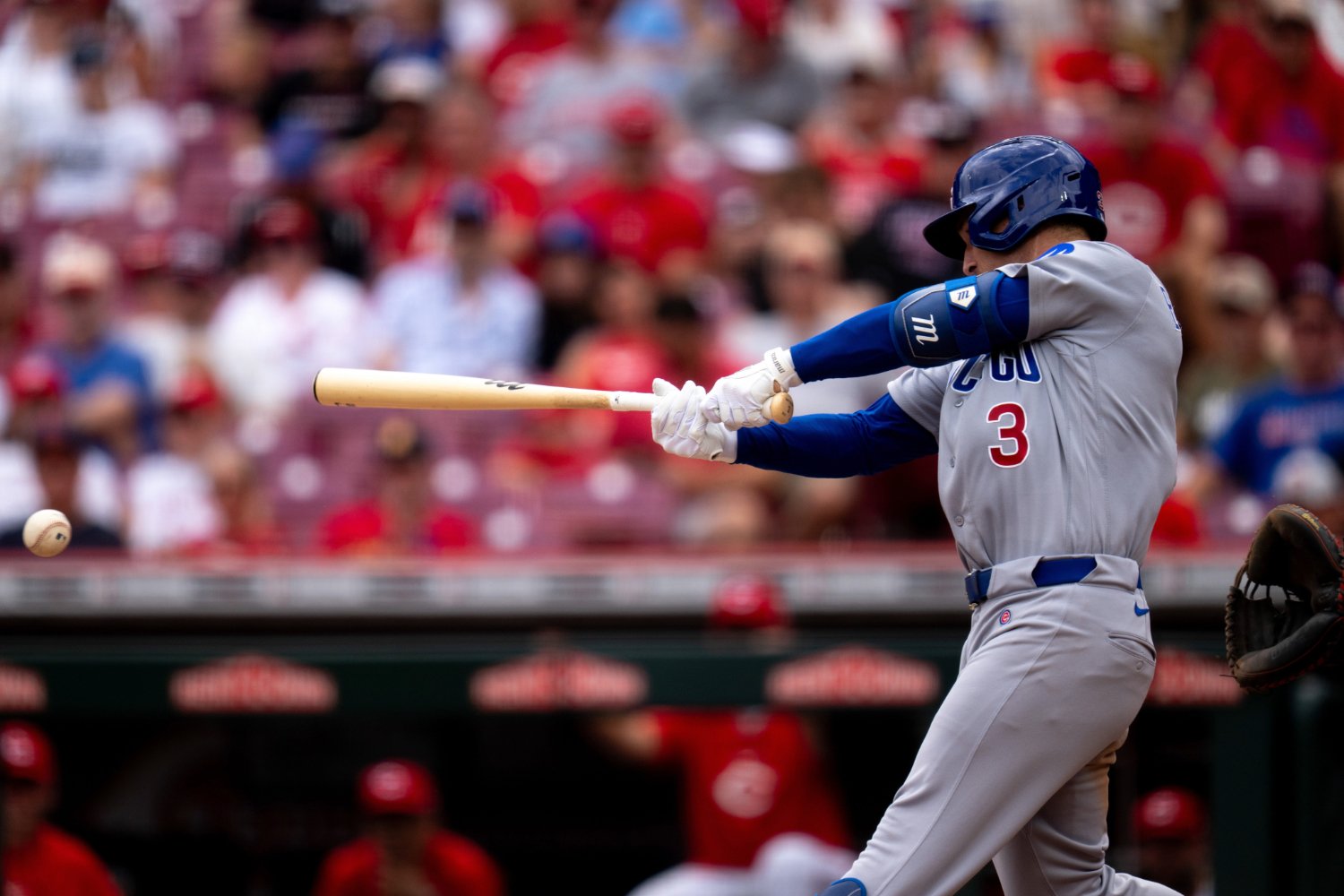 Shortly after Gold Glove shortstop Dansby Swanson had a 10-game stretch for the history books, his left-side counterpart in third baseman Alex Bregman showed signs of heating up heading into the All-Star Break. The veteran corner infielder is still on track to have a down season by his standards, but let’s dive into what metrics could imply that he’s capable of salvaging a promising first year in the Friendly Confines. Alex Bregman's First-Half Struggles and Second-Half Hopes For starters, Bregman is a 32-year-old veteran who is on his third team in as many seasons. After being a pivotal part of the Houston Astros for nine years, he spent a season with the Boston Red Sox before joining the Cubs for the first time in 2026. Heading into the second half, he has nine home runs, 41 runs batted in and is slashing .241/.336/.359 with a .696 OPS, a mark that would be the lowest of his career to date. To make matters worse, Bregman is in the first year of a five-year, $175 million contract with Chicago. It’s a deal that pays out $35 million per year on average, and he simply hasn’t provided the offensive firepower the Cubs were expecting for most of the season so far. A Rough June Bregman experienced his fair share of peaks and valleys to start the year, but he struggled mightily in the month of June. The veteran infielder slashed .200/.348/.300 with two home runs and 12 runs batted in over 90 at-bats. He got on base a decent amount, but the slugging percentage took a huge hit and has stayed in the .300s for the majority of this season. Advanced Power Numbers Bregman’s power numbers have been the most glaring issue for him so far, and it isn’t just because he’s yet to hit his 10th home run. Most of the power-hitting analytics imply that he simply isn’t a “thumper” anymore. Let’s start with his bat speed; Bregman’s stick gets through the zone at just 69.8 miles per hour, putting him in the 17th percentile among big league hitters (per Baseball Savant). Other analytics follow as expected, with Bregman generating a below-average exit velocity of 87.9 miles per hour, placing him in the 27th percentile. His barrel percentage (4.2, 17th percentile) and hard-hit percentage (35.5, 28th percentile) all lead to a common denominator: Bregman is not the 25-homer threat he once was in Houston. Mature Approach That doesn't have to be a death knell for his value, though. He is still flexing one of the most mature approaches in all of baseball. Players who can walk almost as often as they strike out will have a future in this league, and much like last year’s huge acquisition in Kyle Tucker, Bregman is doing just that. His strikeout rate of just 15.3 percent is one of the best in the game, slotting him in the 80th percentile. His walk rate, meanwhile, is well above average at 11.4 percent, putting him in the 76th percentile. This has been a trend for Bregman’s whole career, as he’s walked 676 times and struck out on 782 occasions in 5,758 plate appearances. A Subtle, Key Adjustment While the law of large numbers (i.e., sample size) will kick in, and Bregman should get closer to his career averages in the second half, he may be better suited trying to rope doubles in the gap instead of hitting for true home run power. Bregman seems to be making that adjustment, as his average launch angle has gone down in back-to-back years and is a full 1.1 degrees shallower than his 18.2 degree mark in 2024. With his average exit velocity reading the second lowest number in his career, more line drives may could suit a slugger in the back half of his career. They'd also better suit Wrigley Field's generous alleyways, which are far more hitter-friendly than the dead-pull zone in left field Bregman has targeted since his days with the Astros.
 -
Brandon Arvidson has the potential to be a late-round draft steal for the Chicago Cubs. In this video, we'll break down Arvidson's potential and how his background as a high-leverage SEC arm for the Tennessee Volunteers could equip him for a quick rise up Chicago's pipeline. View full video
-
Cubs Draft Pick Brandon Arvidson Is A Weapon
Cory Sparks posted a video in Chicago Cubs Draft Videos
Brandon Arvidson has the potential to be a late-round draft steal for the Chicago Cubs. In this video, we'll break down Arvidson's potential and how his background as a high-leverage SEC arm for the Tennessee Volunteers could equip him for a quick rise up Chicago's pipeline. -
Image courtesy of © Brianna Paciorka/News Sentinel / USA TODAY NETWORK via Imagn Images The Chicago Cubs entered the 2026 MLB Draft with a clear strategy: refresh the farm system's pitching depth. Among that crop of new arms, they may have found a diamond in the rough, and it wouldn’t be the first time they got a promising player late in the draft (we’re looking at you, Josiah Hartshorn). Tennessee's Brandon Arvidson looks like an absolute weapon. Let’s break down what he brings to the table and how his projectable tools can carry him through the Cubs farm system should he choose to sign. Brandon Arvidson's Cubs Scouting Report Brandon Arvidson is a 6-foot-5, 217-pound left-handed pitcher who has three years of college baseball under his belt. The Dripping Springs, TX alum had a high profile entering this past spring, appearing on the 2026 NCBWA Stopper of the Year Preseason Watch List and 2026 Preseason All-SEC 1st Team. This came after his ability was on full display last season, when he punched out 70 hitters in 38.2 innings to the tune of a 2-0 record and a 4.19 earned run average in 30 appearances (28 out of the bullpen). He came back this year and worked more innings per game (37.1 frames in 16 appearances), but an injury cut his season short. Arvidson still produced similar numbers, generating a 4.34 ERA with 44 strikeouts in his 2026 campaign, as the Volunteers got more than two innings per appearance out of him. Strengths Arvidson’s strength is, and has been, his strikeout stuff. He generated 114 strikeouts across 76 innings of work in college, utilizing a mid-90s fastball and his true out pitch, a slider that bites hard to his glove side. He pitched well against high-level competition, tossing three shutout innings against No. 9 Mississippi State and providing two innings of relief, with four strikeouts, against No. 25 Ole Miss. His environment also provides another strength: a rather shallow learning curve. Plenty of prep products are selected in every draft, meaning they’re experiencing a decent jump in competition once they hit the Complex League or Class-A competition. This hard-throwing lefty has played in the SEC, which can sometimes draw close comparisons to the Low-A level. He could be a quick riser if all goes to plan, and with the Cubs having so many injuries at the big-league level, he may get to use his skillset at Wrigley Field within just a couple of years. Managing Injuries While he passed the eye test in his two years at Tennessee, the arm soreness and minor toe injury on his ledger are both worth monitoring. Any time a pitcher gets injured, their recovery time and performance post-recovery are two key aspects to keep an eye on. Should he get back to his old self without any setbacks, when he was striking out nearly two batters per inning, the southpaw shouldn't be seen as a major injury risk. Brandon Arvidson’s Projected Path What kind of a role could the former Volunteer inherit if and when he does get to the big leagues? Think about what a fellow southpaw in Caleb Thielbar is doing right now. The veteran relief pitcher has been tossed into high-leverage situations time and time again, and Craig Counsell has been able to play the matchup game with the lefty depending on how the opposing lineup flips in the later stages of a contest. Don’t be shocked if Arvidson takes on a similar role, especially if the strikeout rate he produced in 2025 (north of 16 punchouts per nine innings) returns to form and follows him through the organization’s farm system. View full article
-
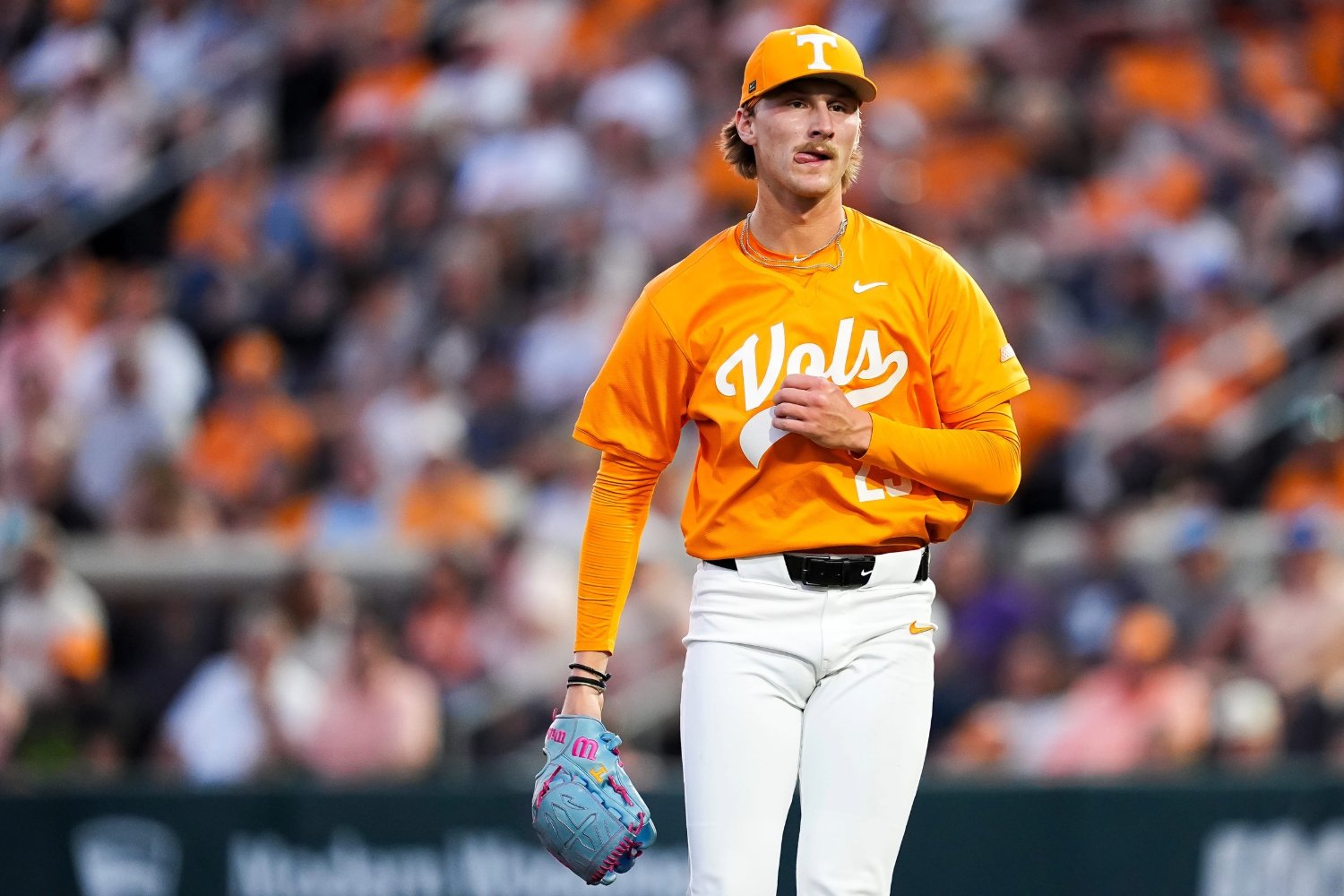 The Chicago Cubs entered the 2026 MLB Draft with a clear strategy: refresh the farm system's pitching depth. Among that crop of new arms, they may have found a diamond in the rough, and it wouldn’t be the first time they got a promising player late in the draft (we’re looking at you, Josiah Hartshorn). Tennessee's Brandon Arvidson looks like an absolute weapon. Let’s break down what he brings to the table and how his projectable tools can carry him through the Cubs farm system should he choose to sign. Brandon Arvidson's Cubs Scouting Report Brandon Arvidson is a 6-foot-5, 217-pound left-handed pitcher who has three years of college baseball under his belt. The Dripping Springs, TX alum had a high profile entering this past spring, appearing on the 2026 NCBWA Stopper of the Year Preseason Watch List and 2026 Preseason All-SEC 1st Team. This came after his ability was on full display last season, when he punched out 70 hitters in 38.2 innings to the tune of a 2-0 record and a 4.19 earned run average in 30 appearances (28 out of the bullpen). He came back this year and worked more innings per game (37.1 frames in 16 appearances), but an injury cut his season short. Arvidson still produced similar numbers, generating a 4.34 ERA with 44 strikeouts in his 2026 campaign, as the Volunteers got more than two innings per appearance out of him. Strengths Arvidson’s strength is, and has been, his strikeout stuff. He generated 114 strikeouts across 76 innings of work in college, utilizing a mid-90s fastball and his true out pitch, a slider that bites hard to his glove side. He pitched well against high-level competition, tossing three shutout innings against No. 9 Mississippi State and providing two innings of relief, with four strikeouts, against No. 25 Ole Miss. His environment also provides another strength: a rather shallow learning curve. Plenty of prep products are selected in every draft, meaning they’re experiencing a decent jump in competition once they hit the Complex League or Class-A competition. This hard-throwing lefty has played in the SEC, which can sometimes draw close comparisons to the Low-A level. He could be a quick riser if all goes to plan, and with the Cubs having so many injuries at the big-league level, he may get to use his skillset at Wrigley Field within just a couple of years. Managing Injuries While he passed the eye test in his two years at Tennessee, the arm soreness and minor toe injury on his ledger are both worth monitoring. Any time a pitcher gets injured, their recovery time and performance post-recovery are two key aspects to keep an eye on. Should he get back to his old self without any setbacks, when he was striking out nearly two batters per inning, the southpaw shouldn't be seen as a major injury risk. Brandon Arvidson’s Projected Path What kind of a role could the former Volunteer inherit if and when he does get to the big leagues? Think about what a fellow southpaw in Caleb Thielbar is doing right now. The veteran relief pitcher has been tossed into high-leverage situations time and time again, and Craig Counsell has been able to play the matchup game with the lefty depending on how the opposing lineup flips in the later stages of a contest. Don’t be shocked if Arvidson takes on a similar role, especially if the strikeout rate he produced in 2025 (north of 16 punchouts per nine innings) returns to form and follows him through the organization’s farm system.
 -
I'd be down with it! The farm system isn't in the same place it was a few years ago, so it'll likely be big league talent for big league talent if anything comes to fruition
-
I could 100% see Finnegan. Mize has shown a lot of upside since returning from TJ. Do you think Robby Ray could be in the cards as cheap though? He's a rental on the other side of 30!
-
The Chicago Cubs have three prospects who are skyrocketing towards The Show thanks to recent performances. In this video, we'll break down the numbers of 2025 first-rounder Ethan Conrad, switch-hitting thrasher Josiah Hartshorn, and rising 25-year-old catcher Owen Ayers. Enjoy! View full video
-
The Chicago Cubs have three prospects who are skyrocketing towards The Show thanks to recent performances. In this video, we'll break down the numbers of 2025 first-rounder Ethan Conrad, switch-hitting thrasher Josiah Hartshorn, and rising 25-year-old catcher Owen Ayers. Enjoy!
-
Image courtesy of © John Jones-Imagn Images It’s no secret that the Chicago Cubs have been decimated by injuries, specifically in their starting rotation. With Edward Cabrera, Ben Brown, Jameson Taillon, Cade Horton and Justin Steele all still on the mend, here are three pitchers the Cubs could trade for without shelling out an absurd amount of either money (they're already near the maximum the Rickettses will want to spend) or talent (since their farm system isn't strong and needs to be bolstered, rather than gutted). Joe Ryan "Affordable" doesn't always mean "cheap," and Ryan would certainly come with a cost. The 30-year-old right-handed pitcher is currently on an arbitration-avoiding $6.1 million dollar deal. Technically, there's a mutual option in there for next season, but that will be declined; he'll be arbitration-eligible for the last time this winter. The Minnesota Twins are 45-47, so they would be likely sellers in a normal year. However, the American League is so chaotic this season that almost everybody could make a case that their playoff hopes are still alive with about 70 games to go. Prying Ryan loose, with a year-plus of team control left and Minnesota in the hunt, won't be easy. It should be worth it, though. Ryan’s advanced analytics jump off the chart. His 28.8% strikeout rate clearly identifies him as the type of pitcher the Cubs rotation has desperately needed and hopelessly lacked for a long time: the bat-missing kind. Unlike many guys who show the ability to rack up punchouts, though, he also fills up the zone, and has a 5.4% walk rate this year. His chase and whiff rates are also above league average, and a .209 expected opponent batting average implies there is no luck involved in what has been one of the second All-Star season of his career. It's a six-pitch arsenal, featuring a fastball, sweeper, knuckle-curve, split-finger, sinker and slider. Half of those pitches (the sweeper, knuckle-curve and split-finger) have generated an opposing batting average below the Mendoza line. This is someone with control, deception and plenty of tools in his tool box. He would slot into the top of the Cubs’ rotation beautifully. Financially, he wouldn't cost that much. It would take a haul to land him, but once they did, they would be able to plan for Ryan being a co-ace with Cade Horton in 2027, and they'd end up saving enough money and future prospect capital to make the investment now feel worthwhile. Robbie Ray Unlike the American League, there are definite sellers in the National League. The San Francisco Giants fall into that category, sitting at 38-53 and 11.5 games out of the final Wild Card spot. Ray, who is making $25 million in the final year of his deal with the Giants, will be a free agent after the conclusion of this season. Considering Ray would be a 34-year-old rental, he shouldn’t be terribly expensive in this year’s trade market. With that being said, he could still provide the Cubs with some much-needed stability in a rotation that has been hammered with IL stints. Ray consistently disrupts hitters' swings, and is particularly adept at getting them out on the front foot. He's also been durable lately, taking the ball every turn through the rotation since the start of 2025. Most of his advanced analytics are below average; he doesn’t have crazy strikeout stuff or a chase rate that will blow any scouts away. What he does have is a strong fastball-slider combo, a 1-2 sequence he uses 54% of the time. All five of his pitches have held opposing batters to an average below the .240 mark, and despite allowing a 19.6° launch angle, the second-steepest of his career, the average exit velocity is down from its usual spot at 89.0. This is someone who picks his way through a lineup. He’s on a team that should be in sell mode, and he’d be ultra cheap considering his expiring contract. If needed, the Cubs could slightly juice the return to get the Giants to pay down the money he's still owed. Sandy Alcantara Ryan is the best pitcher on this list as this point, but because of his pedigree and his fit with the team, Alcantara would make the biggest splash on a team in desperate need of some reliable starting pitching. Signed to a long-term deal in late 2021, he has a club option that kicks in for the 2027 season before he becomes eligible for free agency. The Miami Marlins are currently holding on to the final NL Wild Card spot, and are playing so well of late that they might be buyers, not sellers. With that being said, Miami is a smaller market who holds a valuable gem in the 30-year-old righty. Alcantara’s fastball velocity is still excellent, with the pitch riding in at an average of 97.4 miles per hour with plenty of arm-side run. The veteran righty just surpassed 1,000 career strikeouts, and he’s holding seven different pitches in what has turned into a deadly arsenal. His strikeout numbers are down this year, but he’s become a master of mitigating hard contact. The 5.2% barrel percentage and 45.2% ground ball rate have been keys to his success in a season where he’s eaten 123 2/3 innings already. He'd be so good in front of the Cubs' elite defense that it's hard not to dream on this one. Miami would have to fall out of contention for Alcantara to become available at a price point the Cubs would deem affordable, but if that happens, Jed Hoyer should pounce. View full article
-
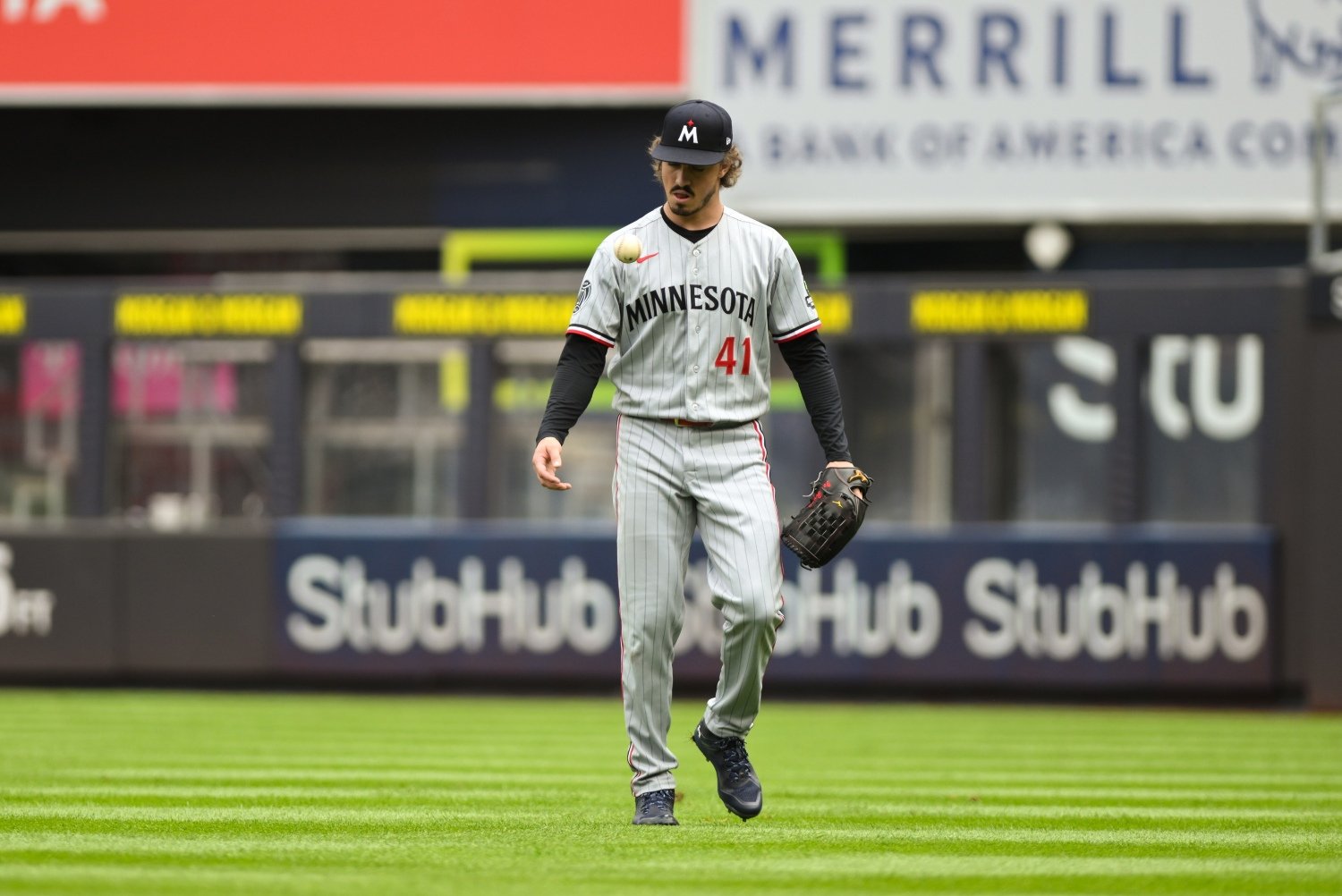 It’s no secret that the Chicago Cubs have been decimated by injuries, specifically in their starting rotation. With Edward Cabrera, Ben Brown, Jameson Taillon, Cade Horton and Justin Steele all still on the mend, here are three pitchers the Cubs could trade for without shelling out an absurd amount of either money (they're already near the maximum the Rickettses will want to spend) or talent (since their farm system isn't strong and needs to be bolstered, rather than gutted). Joe Ryan "Affordable" doesn't always mean "cheap," and Ryan would certainly come with a cost. The 30-year-old right-handed pitcher is currently on an arbitration-avoiding $6.1 million dollar deal. Technically, there's a mutual option in there for next season, but that will be declined; he'll be arbitration-eligible for the last time this winter. The Minnesota Twins are 45-47, so they would be likely sellers in a normal year. However, the American League is so chaotic this season that almost everybody could make a case that their playoff hopes are still alive with about 70 games to go. Prying Ryan loose, with a year-plus of team control left and Minnesota in the hunt, won't be easy. It should be worth it, though. Ryan’s advanced analytics jump off the chart. His 28.8% strikeout rate clearly identifies him as the type of pitcher the Cubs rotation has desperately needed and hopelessly lacked for a long time: the bat-missing kind. Unlike many guys who show the ability to rack up punchouts, though, he also fills up the zone, and has a 5.4% walk rate this year. His chase and whiff rates are also above league average, and a .209 expected opponent batting average implies there is no luck involved in what has been one of the second All-Star season of his career. It's a six-pitch arsenal, featuring a fastball, sweeper, knuckle-curve, split-finger, sinker and slider. Half of those pitches (the sweeper, knuckle-curve and split-finger) have generated an opposing batting average below the Mendoza line. This is someone with control, deception and plenty of tools in his tool box. He would slot into the top of the Cubs’ rotation beautifully. Financially, he wouldn't cost that much. It would take a haul to land him, but once they did, they would be able to plan for Ryan being a co-ace with Cade Horton in 2027, and they'd end up saving enough money and future prospect capital to make the investment now feel worthwhile. Robbie Ray Unlike the American League, there are definite sellers in the National League. The San Francisco Giants fall into that category, sitting at 38-53 and 11.5 games out of the final Wild Card spot. Ray, who is making $25 million in the final year of his deal with the Giants, will be a free agent after the conclusion of this season. Considering Ray would be a 34-year-old rental, he shouldn’t be terribly expensive in this year’s trade market. With that being said, he could still provide the Cubs with some much-needed stability in a rotation that has been hammered with IL stints. Ray consistently disrupts hitters' swings, and is particularly adept at getting them out on the front foot. He's also been durable lately, taking the ball every turn through the rotation since the start of 2025. Most of his advanced analytics are below average; he doesn’t have crazy strikeout stuff or a chase rate that will blow any scouts away. What he does have is a strong fastball-slider combo, a 1-2 sequence he uses 54% of the time. All five of his pitches have held opposing batters to an average below the .240 mark, and despite allowing a 19.6° launch angle, the second-steepest of his career, the average exit velocity is down from its usual spot at 89.0. This is someone who picks his way through a lineup. He’s on a team that should be in sell mode, and he’d be ultra cheap considering his expiring contract. If needed, the Cubs could slightly juice the return to get the Giants to pay down the money he's still owed. Sandy Alcantara Ryan is the best pitcher on this list as this point, but because of his pedigree and his fit with the team, Alcantara would make the biggest splash on a team in desperate need of some reliable starting pitching. Signed to a long-term deal in late 2021, he has a club option that kicks in for the 2027 season before he becomes eligible for free agency. The Miami Marlins are currently holding on to the final NL Wild Card spot, and are playing so well of late that they might be buyers, not sellers. With that being said, Miami is a smaller market who holds a valuable gem in the 30-year-old righty. Alcantara’s fastball velocity is still excellent, with the pitch riding in at an average of 97.4 miles per hour with plenty of arm-side run. The veteran righty just surpassed 1,000 career strikeouts, and he’s holding seven different pitches in what has turned into a deadly arsenal. His strikeout numbers are down this year, but he’s become a master of mitigating hard contact. The 5.2% barrel percentage and 45.2% ground ball rate have been keys to his success in a season where he’s eaten 123 2/3 innings already. He'd be so good in front of the Cubs' elite defense that it's hard not to dream on this one. Miami would have to fall out of contention for Alcantara to become available at a price point the Cubs would deem affordable, but if that happens, Jed Hoyer should pounce.