Cory Sparks
-
Posts
176 -
Joined
-
Last visited
Content Type
Profiles
Chicago Cubs Videos
Chicago Cubs Trade & Free Agent Rumors
2026 Chicago Cubs Top Prospect Rankings
Chicago Cubs News, Rumors & Analysis
2023 Chicago Cubs Draft Picks & Signing Bonuses
Chicago Cubs Fan Guides & Resources
2024 Chicago Cubs Draft Picks & Signing Bonuses
2025 Chicago Cubs Draft Picks & Signing Bonuses
2026 Chicago Cubs Draft Picks & Signing Bonuses
Blogs
Events
Forums
Store
Gallery
Everything posted by Cory Sparks
-
The Chicago Cubs just swept the Los Angeles Dodgers, in large part due to some strong starting pitching and a remarkable series from National League MVP candidate Pete Crow-Armstrong. In this video, we'll break down PCA's career year, the team's rejuvenated rotation, and the postseason experience on a squad that could be destined for a deep run.
-
While Clay Holmes was the headliner of a trade between the New York Mets and Chicago Cubs, outfielder Tyrone Taylor could find himself a significant role player. In this video, we'll break down the veteran outfielder's speed, glove, and cover where he fits into the overall scheme of the 2026 Cubs roster.
-
 While Clay Holmes was the headliner of a trade between the New York Mets and Chicago Cubs, outfielder Tyrone Taylor could find himself a significant role player. In this video, we'll break down the veteran outfielder's speed, glove, and cover where he fits into the overall scheme of the 2026 Cubs roster. View full video
-
The Chicago Cubs got a second rental starter, this time Clay Holmes from the New York Mets, just before the trade deadline. In this video, we'll dive into Holmes' journey to becoming a starter, how he did in 2025, his remarkable five-pitch arsenal, an elite whiff rate, and a ground ball rate that'll play perfectly with one of the best defenses in Major League Baseball. Enjoy! View full video
-
The Chicago Cubs got a second rental starter, this time Clay Holmes from the New York Mets, just before the trade deadline. In this video, we'll dive into Holmes' journey to becoming a starter, how he did in 2025, his remarkable five-pitch arsenal, an elite whiff rate, and a ground ball rate that'll play perfectly with one of the best defenses in Major League Baseball. Enjoy!
-
Looks like they didn't go after him!
-
The Chicago Cubs dealt a pair of top 30 prospects for Kevin Gausman. In this video, we'll break down the valuable experience of someone who threw for the Toronto Blue Jays, a team that was a game away from being World Series champions next year. We'll also dive into his strengths and what's hindering him at 35 years old. View full video
-
The Chicago Cubs dealt a pair of top 30 prospects for Kevin Gausman. In this video, we'll break down the valuable experience of someone who threw for the Toronto Blue Jays, a team that was a game away from being World Series champions next year. We'll also dive into his strengths and what's hindering him at 35 years old.
-
Outside of injuries to top-end arms like Cade Horton, Edward Cabrera and a 2023 All-Star in Justin Steele, Jameson Taillon has recently been designated for assignment amidst a lackluster season. Despite all of those issues, the Chicago Cubs find themselves firmly atop the National League Wild Card standings, primed to be a buyer at the deadline. In other words, they need to trade for a veteran starting pitcher or two, which is why Michael Wacha should be a name on everyone's radar this weekend. Assessing Michael Wacha's Trade Market, Fit With Cubs If the Cubs pursue Wacha, they’d be getting a true grizzled veteran. The 35-year-old has tossed over 1,750 innings, and in his 14th season of service time, the Kansas City Royals righty is still a steady rotational option. Wacha is a two-time All-Star (including a selection this year), and he’s played for six different organizations. The righty is mostly known for his seven-year tenure with the St. Louis Cardinals, where he became very familiar with the Cubs and pitching at Wrigley Field. The Royals are 46-64, 18 games under .500 and 10 games back of the final wild card spot in a relatively open American League race. They're going to sell and Wacha is one of their best pieces. A Strong 2026 Campaign His performance this year, combined with the Royals’ poor start, have made him a prime trade candidate. Wacha has cruised to a 5-7 record, ranking in the top 30 among all qualified starters with a 3.60 earned run average (29th) and a 1.17 WHIP (28th). He’s done a remarkable job of limiting mistakes so far, logging a 7.1 walk percentage (70th percentile) and allowing just 36.3 percent of balls hit in play to be registered as hard-hit balls. Wacha works with a fastball that’s well below the league average in terms of velocity, but thanks to his 6-foot-6 frame, his 6.7 feet extension (76th percentile) makes the ball seem to ride up on hitters a tick quicker. A Plethora of Options The arsenal is far more vast than his four-seamer, though. In a day and age where throwing in the triple digits is becoming the norm, this old-school hurler uses a six-pitch arsenal and picks his way through opposing lineups. He uses the fastball just under 27 percent of the time, and opposing batters hit just .234 against it. Between his five other pitches (changeup, cutter, sinker, curveball, slider), three of them hold an expected batting average below .250 and all allow an average exit velocity south of 90 miles per hour. Wacha’s strength is limiting hard contact, and he’s been a master at it in his mid-30s. Luck Is On His Side While Wacha has done an effective job this year, even posting a pair of quality starts since the All-Star Break, he’s had a bit of luck on his side. He doesn’t generate a ton of swing-and-miss, earning just a 21.1 percent whiff rate (17th percentile), so a lot of his success relies on the players behind him. His 4.25 expected ERA is over half a run greater than his actual ERA, and the .253 expected batting average on his ledger supports the thesis. Wacha has managed to achieve all of this success while working around a sub-par groundball rate as well. Paying Up Wacha isn't an ace, despite his All-Star credentials. Still, the Royals would be giving up a quality starter, so what would Chicago have to fork over in return? Wacha is owed what remains of his $18 million salary this year and $14 next year before a club option (worth $14 million) kicks in following the 2027 season. The North Siders wouldn’t just be getting a rental; they’d need to find room for him a year from now when many, if not all, of their starters are off the injured list. That additional control means a couple of top-10 prospects may be on the table, though the Cubs may be able to get the job done with just one top-100 type (and a low-level flier) if they're willing to dig into the best chips in a weak farm system. Image courtesy of © Denny Medley-Imagn Images View full article
-
Michael Wacha Is A So-Obvious-It-Hurts Cubs Target Ahead of Trade Deadline
Cory Sparks posted an article in Cubs
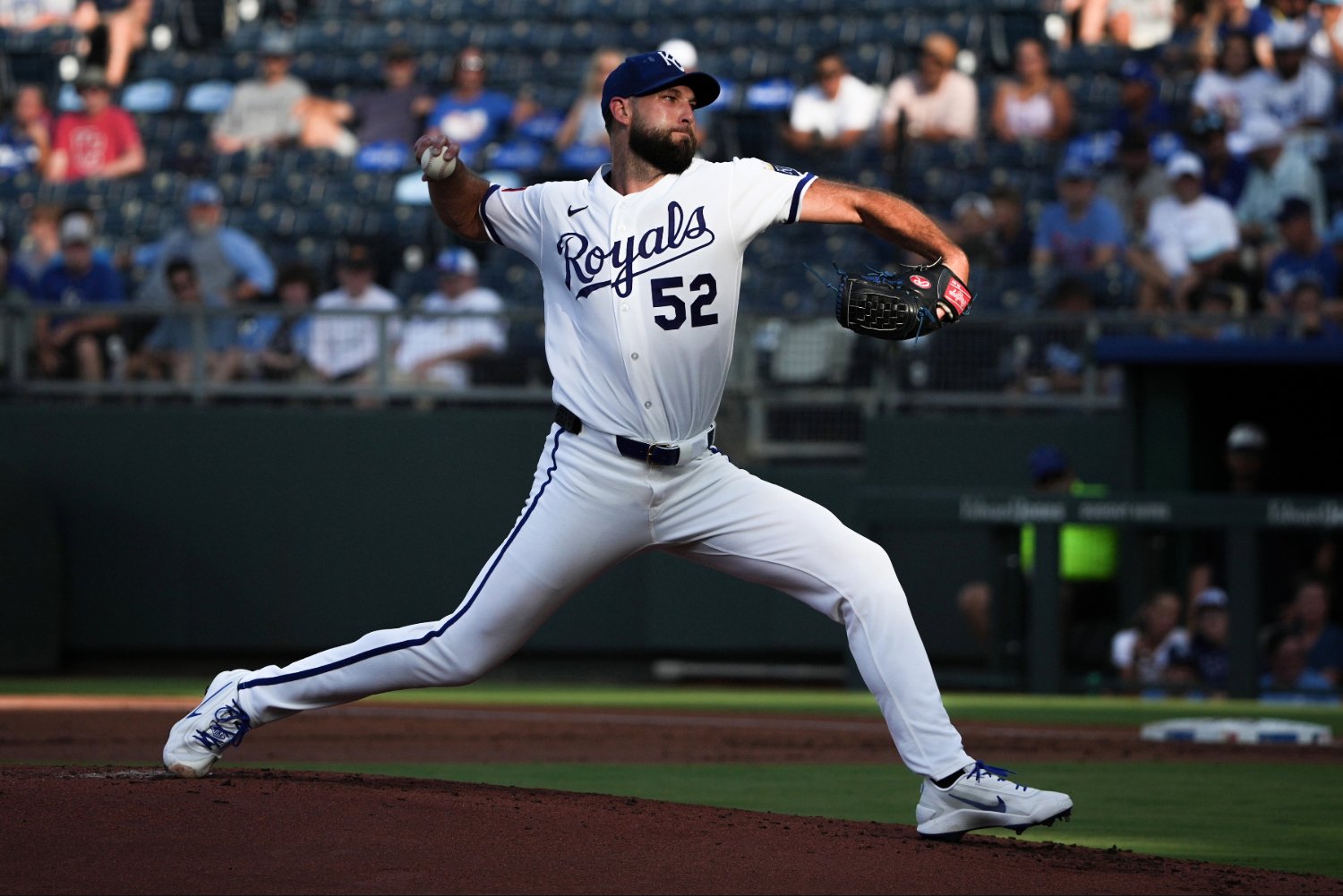 Outside of injuries to top-end arms like Cade Horton, Edward Cabrera and a 2023 All-Star in Justin Steele, Jameson Taillon has recently been designated for assignment amidst a lackluster season. Despite all of those issues, the Chicago Cubs find themselves firmly atop the National League Wild Card standings, primed to be a buyer at the deadline. In other words, they need to trade for a veteran starting pitcher or two, which is why Michael Wacha should be a name on everyone's radar this weekend. Assessing Michael Wacha's Trade Market, Fit With Cubs If the Cubs pursue Wacha, they’d be getting a true grizzled veteran. The 35-year-old has tossed over 1,750 innings, and in his 14th season of service time, the Kansas City Royals righty is still a steady rotational option. Wacha is a two-time All-Star (including a selection this year), and he’s played for six different organizations. The righty is mostly known for his seven-year tenure with the St. Louis Cardinals, where he became very familiar with the Cubs and pitching at Wrigley Field. The Royals are 46-64, 18 games under .500 and 10 games back of the final wild card spot in a relatively open American League race. They're going to sell and Wacha is one of their best pieces. A Strong 2026 Campaign His performance this year, combined with the Royals’ poor start, have made him a prime trade candidate. Wacha has cruised to a 5-7 record, ranking in the top 30 among all qualified starters with a 3.60 earned run average (29th) and a 1.17 WHIP (28th). He’s done a remarkable job of limiting mistakes so far, logging a 7.1 walk percentage (70th percentile) and allowing just 36.3 percent of balls hit in play to be registered as hard-hit balls. Wacha works with a fastball that’s well below the league average in terms of velocity, but thanks to his 6-foot-6 frame, his 6.7 feet extension (76th percentile) makes the ball seem to ride up on hitters a tick quicker. A Plethora of Options The arsenal is far more vast than his four-seamer, though. In a day and age where throwing in the triple digits is becoming the norm, this old-school hurler uses a six-pitch arsenal and picks his way through opposing lineups. He uses the fastball just under 27 percent of the time, and opposing batters hit just .234 against it. Between his five other pitches (changeup, cutter, sinker, curveball, slider), three of them hold an expected batting average below .250 and all allow an average exit velocity south of 90 miles per hour. Wacha’s strength is limiting hard contact, and he’s been a master at it in his mid-30s. Luck Is On His Side While Wacha has done an effective job this year, even posting a pair of quality starts since the All-Star Break, he’s had a bit of luck on his side. He doesn’t generate a ton of swing-and-miss, earning just a 21.1 percent whiff rate (17th percentile), so a lot of his success relies on the players behind him. His 4.25 expected ERA is over half a run greater than his actual ERA, and the .253 expected batting average on his ledger supports the thesis. Wacha has managed to achieve all of this success while working around a sub-par groundball rate as well. Paying Up Wacha isn't an ace, despite his All-Star credentials. Still, the Royals would be giving up a quality starter, so what would Chicago have to fork over in return? Wacha is owed what remains of his $18 million salary this year and $14 next year before a club option (worth $14 million) kicks in following the 2027 season. The North Siders wouldn’t just be getting a rental; they’d need to find room for him a year from now when many, if not all, of their starters are off the injured list. That additional control means a couple of top-10 prospects may be on the table, though the Cubs may be able to get the job done with just one top-100 type (and a low-level flier) if they're willing to dig into the best chips in a weak farm system.
-
The Chicago Cubs didn't just acquire a front-end power bat in Myles Bailey. They got some serious value in the later phases of the 2026 MLB Draft. In this video, we'll dive into the potential of Isaac Morton, Luke Alwood, and Brennan Hudson and where they will fit into the team's dynamic in the future. View full video
-
The Chicago Cubs didn't just acquire a front-end power bat in Myles Bailey. They got some serious value in the later phases of the 2026 MLB Draft. In this video, we'll dive into the potential of Isaac Morton, Luke Alwood, and Brennan Hudson and where they will fit into the team's dynamic in the future.
-
3 Late-Round Cubs Draft Steals Who Can Rise Quickly Through the Farm System
Cory Sparks posted an article in Draft
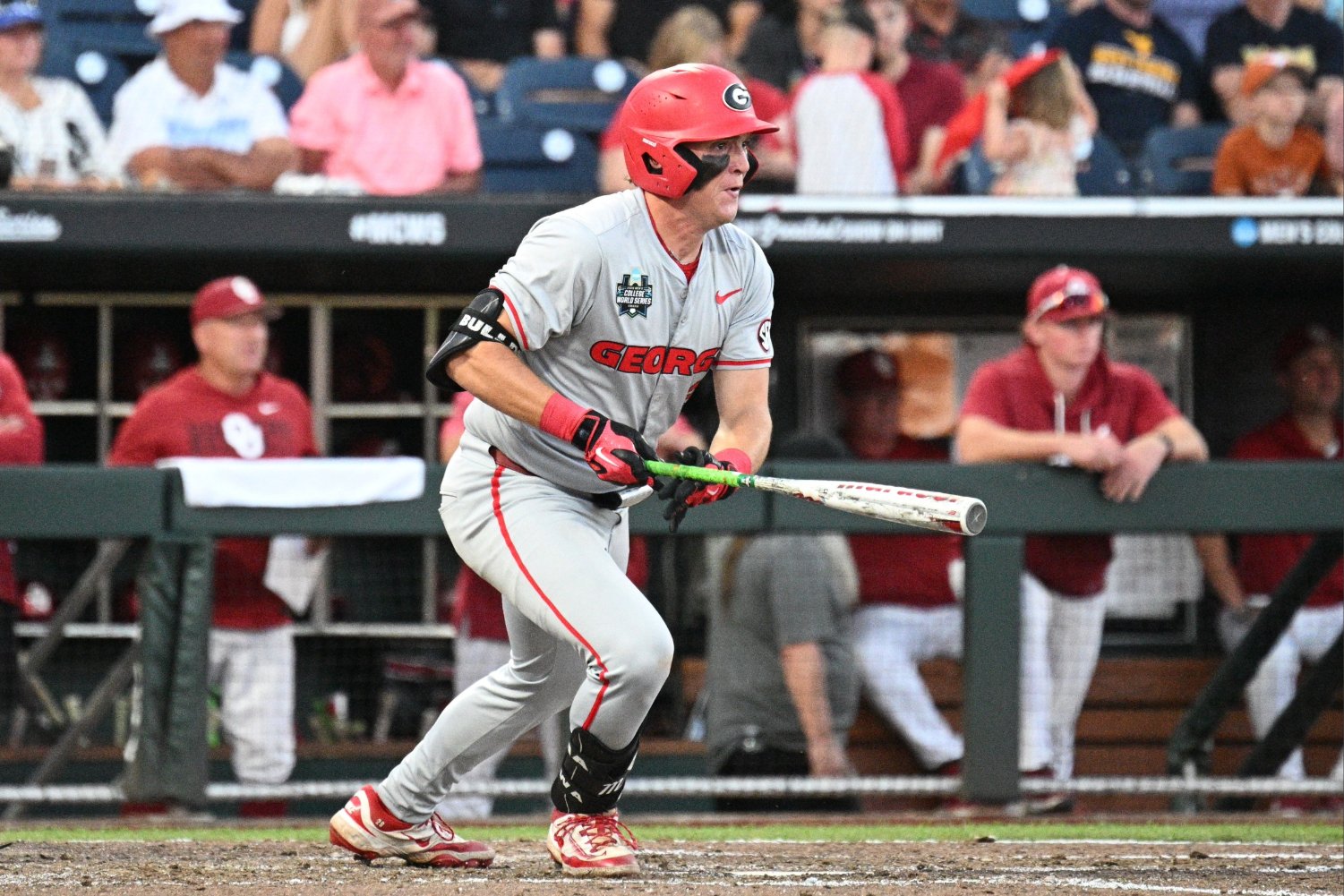 Now that the dust has settled on the 2026 MLB Draft, it’s time to debrief and take a look at value picks. The Chicago Cubs didn’t just hit early on with power bats like Myles Bailey. Chicago also swiped some players with remarkable upside later in the draft. Let’s dive into who those prospects are and ultimately what they can bring to the table in the Windy City. Isaac Morton, Minnesota The Cubs took Isaac Morton in the sixth round of this year’s draft, and he has loads of potential to help the big-league ball club in a few years. Morton spent a pair of seasons with Texas A&M before transferring to the midwest to round out his collegiate career as a Gopher. He possesses a mid-90s fastball and supplements his primary option with a slider, cutter and a changeup. This past spring, Morton logged a 4-2 record with a 3.26 earned run average over 13 appearances, all of them starts. He struck out 63 hitters and walked 26 over 60.2 innings of work. His best start of the year was against a conference rival in Illinois, as the right-handed pitcher tossed seven shutout frames while allowing just two hits, three walks and striking out six. He also notably struck out a season-best eight hitters against Penn State, with the hurler allowing just one earned run on two hits over five innings of work. The main red flag here is Morton's injury history. This is somebody who had damaged tendons in 2023, and he ultimately threw out his arm to end the 2026 spring season. This will likely sideline him for the remainder of the calendar year, but he can rise quickly if he's healthy at the onset of the 2027 campaign. Luke Alwood, Seattle University Luke Alwood has the upside to be a productive pitcher in professional baseball, but the Cubs will need to harness the right attributes. He played his most recent season at Seattle University and he boasted his best year with the team in 2026. Alwood entered the year with some walk issues, giving up 121 free passes over 120.1 innings pitched. He cut down on that rate significantly this year, fanning 48 hitters with 19 walks over 43.2 frames of work. Alwood primarily operated out of the bullpen, logging a 2-4 record with a 5.56 ERA in 19 total appearances. Chicago will have to monitor Alwood’s command, but his mid-90s fastball and wipeout slider have the true potential to cause issues for hitters. At the end of the day, the Cubs signed him for a scant $50,000 signing bonus, so he doesn’t need to be a world-beater by any means. If Alwood turns into a serviceable reliever who can eat innings, he’s already out-performed expectations. Brennan Hudson, Georgia Brennan Hudson was Chicago’s final selection from this year’s draft, as the team took him in the 20th round. Any time you see an SEC baseball player, they’ve already been exposed to some of the best prospects the sport has to offer. Hudson has that advantage on some of the field, as he smacked 22 home runs for the Georgia Bulldogs this past spring. He saw a significant spike in playing time this year, going from making just seven starts in 29 appearances to being the team’s starter in 56 of 62 contests. Hudson touted a .657 slugging percentage, also impressing with his plate discipline, as the backstop drew 42 walks to 61 punchouts. With loads of experience against the best pitchers collegiate ball has to offer, Hudson could quickly leap to the higher levels of the minors if he can maintain the gains he made with his approach this year.
-
Image courtesy of © Steven Branscombe-Imagn Images Now that the dust has settled on the 2026 MLB Draft, it’s time to debrief and take a look at value picks. The Chicago Cubs didn’t just hit early on with power bats like Myles Bailey. Chicago also swiped some players with remarkable upside later in the draft. Let’s dive into who those prospects are and ultimately what they can bring to the table in the Windy City. Isaac Morton, Minnesota The Cubs took Isaac Morton in the sixth round of this year’s draft, and he has loads of potential to help the big-league ball club in a few years. Morton spent a pair of seasons with Texas A&M before transferring to the midwest to round out his collegiate career as a Gopher. He possesses a mid-90s fastball and supplements his primary option with a slider, cutter and a changeup. This past spring, Morton logged a 4-2 record with a 3.26 earned run average over 13 appearances, all of them starts. He struck out 63 hitters and walked 26 over 60.2 innings of work. His best start of the year was against a conference rival in Illinois, as the right-handed pitcher tossed seven shutout frames while allowing just two hits, three walks and striking out six. He also notably struck out a season-best eight hitters against Penn State, with the hurler allowing just one earned run on two hits over five innings of work. The main red flag here is Morton's injury history. This is somebody who had damaged tendons in 2023, and he ultimately threw out his arm to end the 2026 spring season. This will likely sideline him for the remainder of the calendar year, but he can rise quickly if he's healthy at the onset of the 2027 campaign. Luke Alwood, Seattle University Luke Alwood has the upside to be a productive pitcher in professional baseball, but the Cubs will need to harness the right attributes. He played his most recent season at Seattle University and he boasted his best year with the team in 2026. Alwood entered the year with some walk issues, giving up 121 free passes over 120.1 innings pitched. He cut down on that rate significantly this year, fanning 48 hitters with 19 walks over 43.2 frames of work. Alwood primarily operated out of the bullpen, logging a 2-4 record with a 5.56 ERA in 19 total appearances. Chicago will have to monitor Alwood’s command, but his mid-90s fastball and wipeout slider have the true potential to cause issues for hitters. At the end of the day, the Cubs signed him for a scant $50,000 signing bonus, so he doesn’t need to be a world-beater by any means. If Alwood turns into a serviceable reliever who can eat innings, he’s already out-performed expectations. Brennan Hudson, Georgia Brennan Hudson was Chicago’s final selection from this year’s draft, as the team took him in the 20th round. Any time you see an SEC baseball player, they’ve already been exposed to some of the best prospects the sport has to offer. Hudson has that advantage on some of the field, as he smacked 22 home runs for the Georgia Bulldogs this past spring. He saw a significant spike in playing time this year, going from making just seven starts in 29 appearances to being the team’s starter in 56 of 62 contests. Hudson touted a .657 slugging percentage, also impressing with his plate discipline, as the backstop drew 42 walks to 61 punchouts. With loads of experience against the best pitchers collegiate ball has to offer, Hudson could quickly leap to the higher levels of the minors if he can maintain the gains he made with his approach this year. View full article
-
Robbie Ray is a 34-year-old veteran lefty who is putting up a remarkable season in 2026. In this video, we'll break down his contract, play style, strengths, weaknesses, and what the Cubs should have to give the Giants in order to land him. Enjoy! View full video
-
Robbie Ray is a 34-year-old veteran lefty who is putting up a remarkable season in 2026. In this video, we'll break down his contract, play style, strengths, weaknesses, and what the Cubs should have to give the Giants in order to land him. Enjoy!
-
6-3 with a 3.15 ERA and 1.04 WHIP this year! He's been great!
-
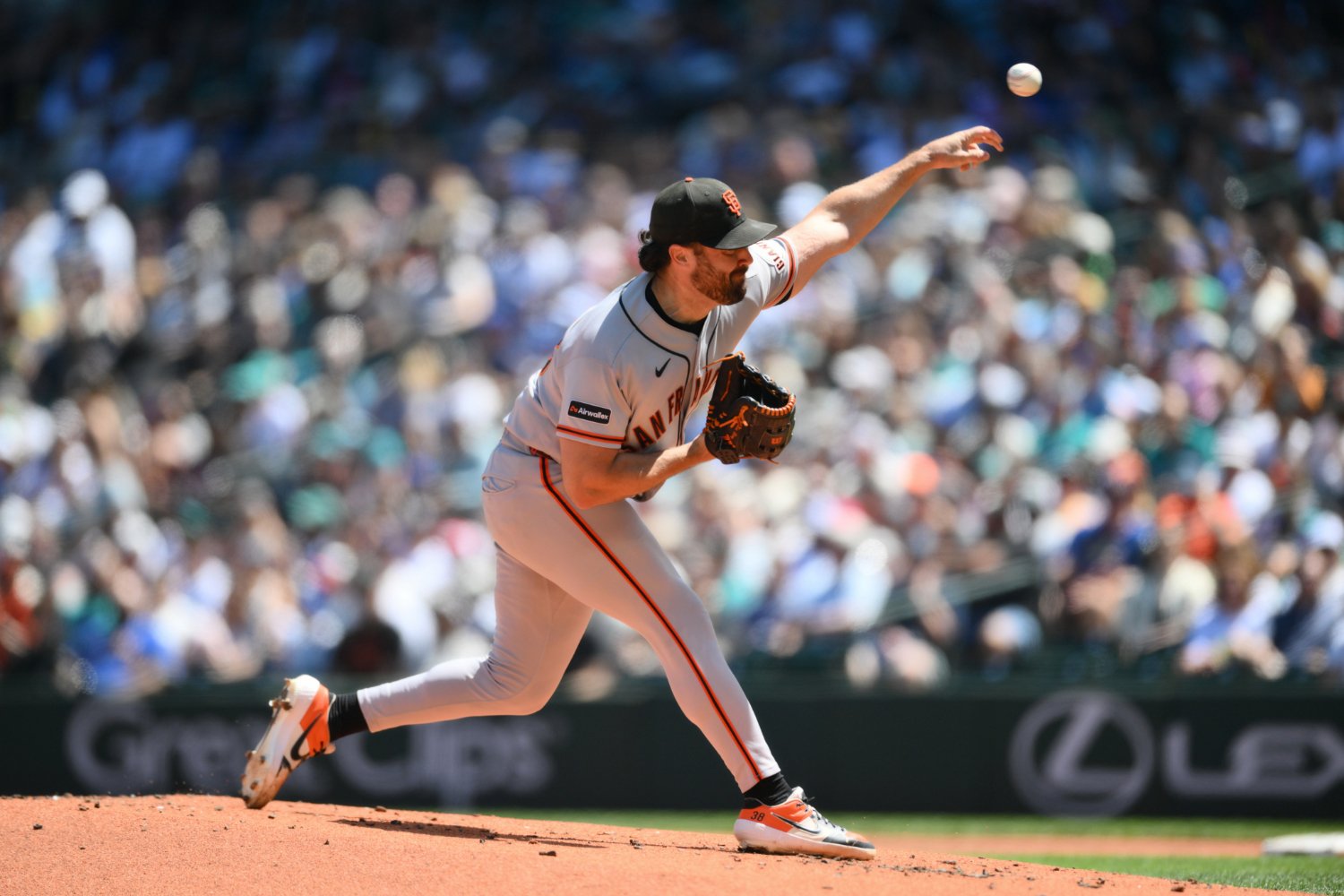 It’s no secret that the Chicago Cubs’ rotation has been dismantled with injuries from the word "go" this year. For a team that’s still well above .500, and would be in the postseason if the proceedings got underway today, let’s break down why Robbie Ray is the starter most worth pursuing at the trade deadline. Robbie Ray Trade Target Scouting Report Ray is a 34-year-old veteran pitcher for the San Francisco Giants. He's 8-6 so far this season, and he currently holds a 3.33 earned run average through 20 appearances (19 starts). The southpaw has been around the block, tossing just north of 1,500 innings with 1,830 punchouts, and even in his age-34 season, he’s found a way to be productive on the West Coast for a moribund team. Contract One of the reasons Ray would be such a great fit for the Cubs is his contract situation. He’s on the books for $25 million this year, but the veteran starter will be a free agent after the conclusion of the World Series. With a lot of the Cubs’ rotation on the injured list, Ray could file in and the Cubs wouldn’t be tied to him beyond the 2026 season. With the Giants being obvious sellers who are well below .500, the Cubs could be a suitor and may only have to offload a prospect or two to get Ray. Pitch Mix Ray is like a lot of veteran pitchers in that he has a varied arsenal. He leads with a fastball that he utilizes 35 percent of the time, and it rides in at 93.3 miles per hour. His primary option plays well, allowing just a .234 batting average with 16 extra-base hits over 171 plate appearances. His slider (26 percent), changeup (17 percent), sinker (12 percent) and curveball (10 percent) round out a five-pitch repertoire. Three of his five options have a batting average against below the .250 mark. Strengths Ray is a finesse pitcher, sporting a below-average whiff rate, chase rate and strikeout percentage. How does he thrive? He works off of soft contact. The crafty lefty is holding opposing hitters to just a 38.4 percent hard-hit rate, good enough for the 52nd percentile. This directly contributes to a .239 expected batting average. which would play incredibly well in front of the Cubs' sterling defense. Ray’s off-speed offerings are a main contributor, as his off-speed run value is in the 93rd percentile, and his knuckle curve has proved to be the most lethal in his tool box, allowing three hits and just one extra-base hit over 34 plate appearances that have ended with the pitch. Weaknesses Ray has a few metrics working against him, one of them including extension. The Giants’ starter already has a fastball that clocks in at a below average velocity. Add a 6.2 foot extension (25th percentile) on top of that, and his pitches don’t appear to get up on hitters very quickly. Ray also gives up plenty of lofted contact, as he’s generating a ground ball just 36.5 percent of the time (20th percentile). It’s something he’s dealt with a lot in his career, but the 19.1 degree average launch angle paints a fine line; he can generate fly ball outs with lower exit velocities, but if somebody sqaaures up a ball, he can get hit around a lot worse than a pitcher with better raw stuff. Trade Compensation Rental pitchers are are always in high demand, and that'll be doubly true this year as contending teams look to compete for a title without clogging up their payrolls ahead of the impending lockout. A top-100 prospect isn't a completely unreasonable price, though someone just outside of that range (Kane Kepley, Pedro Ramirez, etc.) would likely be enough to get a deal done.
-
It’s no secret that the Chicago Cubs’ rotation has been dismantled with injuries from the word "go" this year. For a team that’s still well above .500, and would be in the postseason if the proceedings got underway today, let’s break down why Robbie Ray is the starter most worth pursuing at the trade deadline. Robbie Ray Trade Target Scouting Report Ray is a 34-year-old veteran pitcher for the San Francisco Giants. He's 8-6 so far this season, and he currently holds a 3.33 earned run average through 20 appearances (19 starts). The southpaw has been around the block, tossing just north of 1,500 innings with 1,830 punchouts, and even in his age-34 season, he’s found a way to be productive on the West Coast for a moribund team. Contract One of the reasons Ray would be such a great fit for the Cubs is his contract situation. He’s on the books for $25 million this year, but the veteran starter will be a free agent after the conclusion of the World Series. With a lot of the Cubs’ rotation on the injured list, Ray could file in and the Cubs wouldn’t be tied to him beyond the 2026 season. With the Giants being obvious sellers who are well below .500, the Cubs could be a suitor and may only have to offload a prospect or two to get Ray. Pitch Mix Ray is like a lot of veteran pitchers in that he has a varied arsenal. He leads with a fastball that he utilizes 35 percent of the time, and it rides in at 93.3 miles per hour. His primary option plays well, allowing just a .234 batting average with 16 extra-base hits over 171 plate appearances. His slider (26 percent), changeup (17 percent), sinker (12 percent) and curveball (10 percent) round out a five-pitch repertoire. Three of his five options have a batting average against below the .250 mark. Strengths Ray is a finesse pitcher, sporting a below-average whiff rate, chase rate and strikeout percentage. How does he thrive? He works off of soft contact. The crafty lefty is holding opposing hitters to just a 38.4 percent hard-hit rate, good enough for the 52nd percentile. This directly contributes to a .239 expected batting average. which would play incredibly well in front of the Cubs' sterling defense. Ray’s off-speed offerings are a main contributor, as his off-speed run value is in the 93rd percentile, and his knuckle curve has proved to be the most lethal in his tool box, allowing three hits and just one extra-base hit over 34 plate appearances that have ended with the pitch. Weaknesses Ray has a few metrics working against him, one of them including extension. The Giants’ starter already has a fastball that clocks in at a below average velocity. Add a 6.2 foot extension (25th percentile) on top of that, and his pitches don’t appear to get up on hitters very quickly. Ray also gives up plenty of lofted contact, as he’s generating a ground ball just 36.5 percent of the time (20th percentile). It’s something he’s dealt with a lot in his career, but the 19.1 degree average launch angle paints a fine line; he can generate fly ball outs with lower exit velocities, but if somebody sqaaures up a ball, he can get hit around a lot worse than a pitcher with better raw stuff. Trade Compensation Rental pitchers are are always in high demand, and that'll be doubly true this year as contending teams look to compete for a title without clogging up their payrolls ahead of the impending lockout. A top-100 prospect isn't a completely unreasonable price, though someone just outside of that range (Kane Kepley, Pedro Ramirez, etc.) would likely be enough to get a deal done. Image courtesy of © Steven Bisig-Imagn Images View full article
-
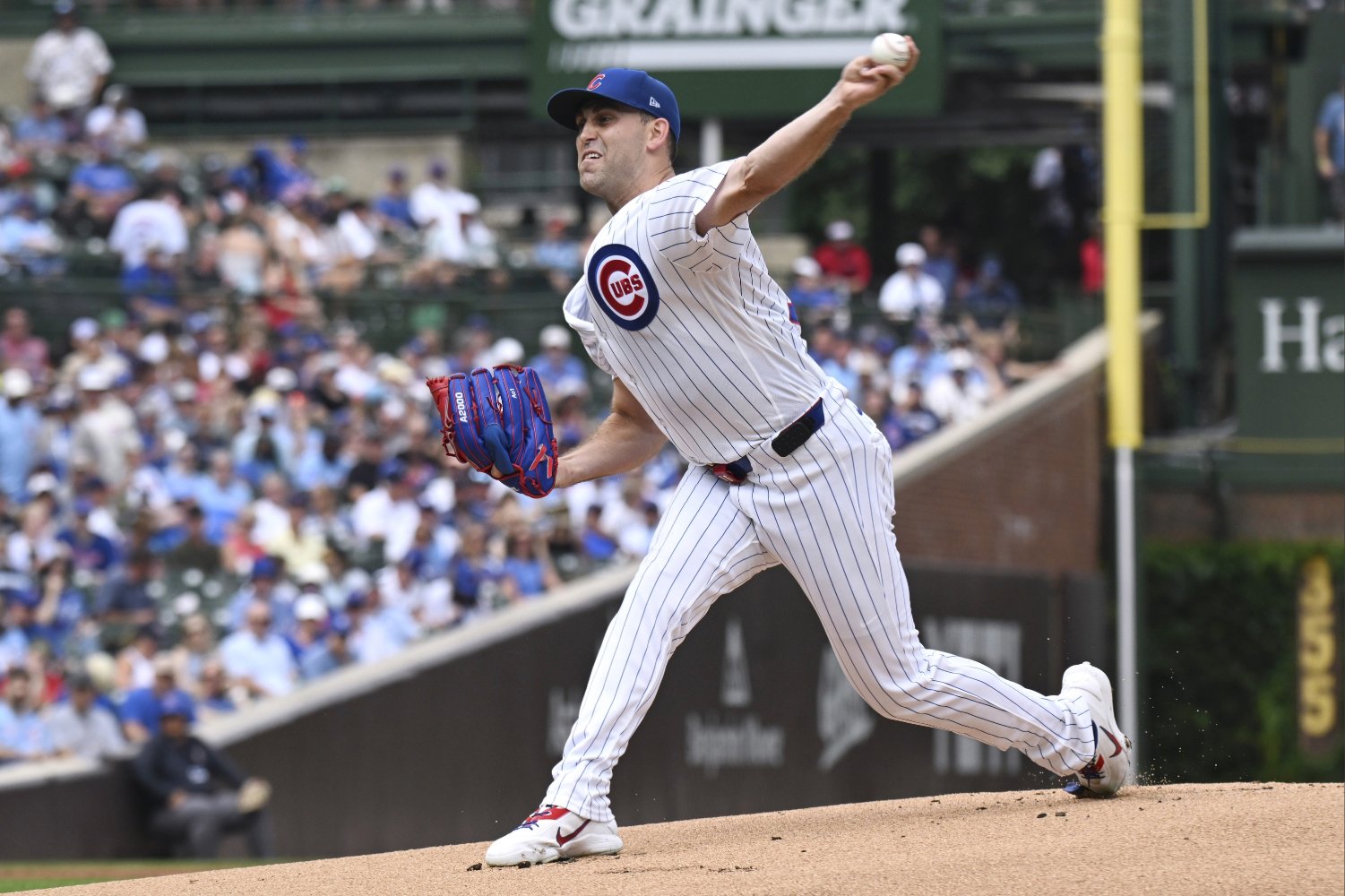 Matthew Boyd has been the steady hand on the wheel the Chicago Cubs have needed in a year where each injury has tried to sink the boat a little bit more. With four starting pitchers (Ben Brown, Cade Horton, Justin Steele and Edward Cabrera) on the team’s injured list, Boyd has had to assume more responsibility when he's been healthy. As the veteran southpaw celebrates 10 years of MLB service time, a mark he achieved just a few days ago, let’s break down how he has actually gotten better after turning 30 years old. Exploring Matthew Boyd's MLB Journey Boyd is currently 35 years old, and his career hasn’t come without a fair share of trials and tribulations. The veteran southpaw made his big-league debut in 2015, and from 2015-2020, he churned out a 34-54 record with a 5.08 earned run average. He struggled mightily with injury issues, eclipsing 100 innings three times over those six years and surpassing 150 frames just twice. Boyd turned 30 years old in 2021, and from that point on, he’s put up a 32-24 record with a 3.71 ERA. The Cubs sarter has been with five different organizations, spending eight seasons with the Detroit Tigers and two years or less with four other squads. Yet, in the midst of a career consisting of changing environments and a heavy dosage of the injury bug, he’s aging like fine wine. His Cubs Years Boyd’s season and a half with the Cubs has far and away been the best stint of his career, as the crafty left-handed pitcher earned an All-Star nod for the first time in his career in the 2025 season. This was thanks to a 14-8 record, 3.21 ERA, and 154 punchouts over 179.2 innings, the second-highest workload of his career. The question becomes this; how is Boyd putting up the best seasons of his big-league tenure in his mid-30s? Pitch Arsenal Boyd has to attack hitters a little differently than a lot of the front-of-the-rotation starters nowadays. He doesn’t have a high-90s fastball, as his primary offering (which he uses 47 percent of the time) is gliding in at an average of 92.7 miles per hour (23rd percentile). It’s also a pitch that, even from his 24 degree arm angle, is being hit at a relatively high clip. Opposing batters are managing to generate a .310 batting average against the four-seamer this year. His changeup is the next offering in terms of usage hierarchy, one he chooses to fire 27 percent of the time. While the fastball isn’t as high-octane as most in the league, the fact that Boyd’s changeup rides in at 79 miles per hour makes both pitches effective. The 35-year-old tunnels the pitches very well, with the changeup being 13 miles per hour slower while holding a very similar shape to the fastball. Both pitches have plenty of arm-side ride, with the off-speed pitch coming out just a bit flatter. Boyd also possesses a slider, arguably his best pitch, garnering a .118 batting average against with a single extra-base hit allowed across 38 at-bats that have ended with the offering. Setting up this option has been pivotal in allowing him to return to his 2025 form after coming back from injury. Pristine Location A four-pitch mix, combined with a deceivingly low arm angle, is a strong start to being productive, but Boyd’s best attribute is that he makes his opponent work. Walks provide a one-way street to give the offense a chance to do damage, and the longtime starter just doesn't allow them all that much. He gives up a free pass just 6.5 percent of the time, good enough to nestle him in the 80th percentile league-wide. Overall, Boyd’s ability to mix up his pitches, hit the zone and garner high chase rates have all given him a finesse-driven approach. This allows him to be much more productive, and he doesn’t have to demand as much velocity out of his arm in the process.
-
Image courtesy of © Matt Marton-Imagn Images Matthew Boyd has been the steady hand on the wheel the Chicago Cubs have needed in a year where each injury has tried to sink the boat a little bit more. With four starting pitchers (Ben Brown, Cade Horton, Justin Steele and Edward Cabrera) on the team’s injured list, Boyd has had to assume more responsibility when he's been healthy. As the veteran southpaw celebrates 10 years of MLB service time, a mark he achieved just a few days ago, let’s break down how he has actually gotten better after turning 30 years old. Exploring Matthew Boyd's MLB Journey Boyd is currently 35 years old, and his career hasn’t come without a fair share of trials and tribulations. The veteran southpaw made his big-league debut in 2015, and from 2015-2020, he churned out a 34-54 record with a 5.08 earned run average. He struggled mightily with injury issues, eclipsing 100 innings three times over those six years and surpassing 150 frames just twice. Boyd turned 30 years old in 2021, and from that point on, he’s put up a 32-24 record with a 3.71 ERA. The Cubs sarter has been with five different organizations, spending eight seasons with the Detroit Tigers and two years or less with four other squads. Yet, in the midst of a career consisting of changing environments and a heavy dosage of the injury bug, he’s aging like fine wine. His Cubs Years Boyd’s season and a half with the Cubs has far and away been the best stint of his career, as the crafty left-handed pitcher earned an All-Star nod for the first time in his career in the 2025 season. This was thanks to a 14-8 record, 3.21 ERA, and 154 punchouts over 179.2 innings, the second-highest workload of his career. The question becomes this; how is Boyd putting up the best seasons of his big-league tenure in his mid-30s? Pitch Arsenal Boyd has to attack hitters a little differently than a lot of the front-of-the-rotation starters nowadays. He doesn’t have a high-90s fastball, as his primary offering (which he uses 47 percent of the time) is gliding in at an average of 92.7 miles per hour (23rd percentile). It’s also a pitch that, even from his 24 degree arm angle, is being hit at a relatively high clip. Opposing batters are managing to generate a .310 batting average against the four-seamer this year. His changeup is the next offering in terms of usage hierarchy, one he chooses to fire 27 percent of the time. While the fastball isn’t as high-octane as most in the league, the fact that Boyd’s changeup rides in at 79 miles per hour makes both pitches effective. The 35-year-old tunnels the pitches very well, with the changeup being 13 miles per hour slower while holding a very similar shape to the fastball. Both pitches have plenty of arm-side ride, with the off-speed pitch coming out just a bit flatter. Boyd also possesses a slider, arguably his best pitch, garnering a .118 batting average against with a single extra-base hit allowed across 38 at-bats that have ended with the offering. Setting up this option has been pivotal in allowing him to return to his 2025 form after coming back from injury. Pristine Location A four-pitch mix, combined with a deceivingly low arm angle, is a strong start to being productive, but Boyd’s best attribute is that he makes his opponent work. Walks provide a one-way street to give the offense a chance to do damage, and the longtime starter just doesn't allow them all that much. He gives up a free pass just 6.5 percent of the time, good enough to nestle him in the 80th percentile league-wide. Overall, Boyd’s ability to mix up his pitches, hit the zone and garner high chase rates have all given him a finesse-driven approach. This allows him to be much more productive, and he doesn’t have to demand as much velocity out of his arm in the process. View full article
-
Matthew Boyd is 35 years old, yet the veteran southpaw has put up his best seasons in the last couple of years. Boyd was an All-Star for the first time in 2025 and has been a steady option for the Chicago Cubs, who still have five starters on the injured list. In this video, we'll break down Boyd's impactful yet sustainable strategy to dominate at Wrigley. View full video
-
Matthew Boyd is 35 years old, yet the veteran southpaw has put up his best seasons in the last couple of years. Boyd was an All-Star for the first time in 2025 and has been a steady option for the Chicago Cubs, who still have five starters on the injured list. In this video, we'll break down Boyd's impactful yet sustainable strategy to dominate at Wrigley.
-
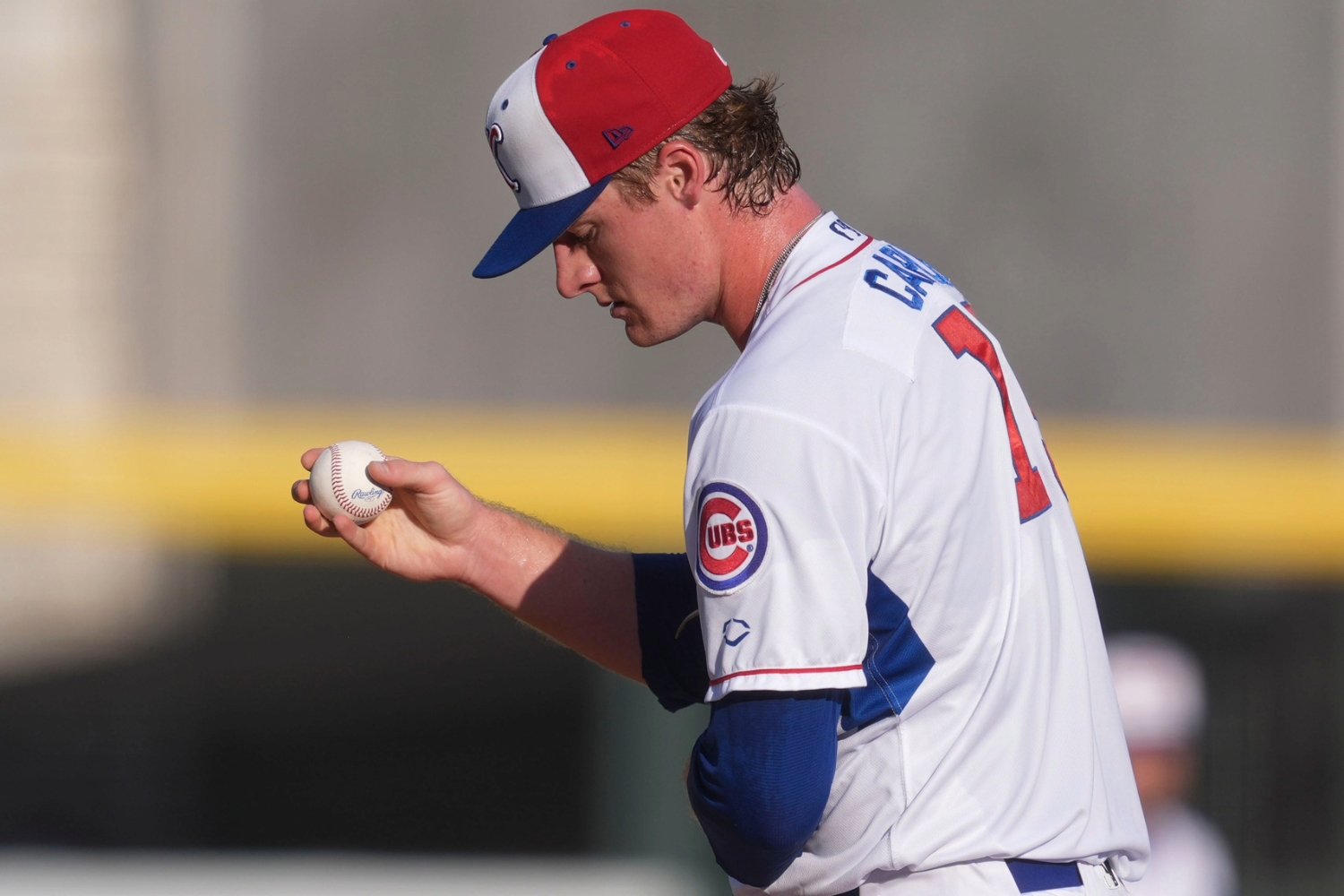 The Chicago Cubs’ starting rotation has been about as bruised up as any in all of MLB this year. With the trade deadline fast approaching and the team still very much in the hunt for an NL Central title, it makes sense to theorize who they could get from outside of the building. The Cubs’ farm system doesn’t have a ton of league-ready arms, after all. And yet, Brooks Caple has been quickly making a name for himself as a lockdown starting pitcher. Could he help the cause in the second half? Brooks Caple's Updated Cubs Scouting Report Caple is a 23-year-old right-handed pitcher in Chicago’s pipeline, and he currently ranks as the team’s 12th-ranked prospect, per North Side Baseball and MLB Pipeline. Caple is a tall glass of water, standing at 6-foot-6 and weighing 230 pounds in his second year of professional baseball. The Cubs selected him in the ninth round (272nd overall) of the 2024 MLB Draft out of Lamar, but his makeup truly evolved as he made his way through the college ranks. The righty was originally a reliever at Stephen F. Austin for a pair of years before he hit the transfer portal and became a starter for Lamar. This change of scenery, and a successful offseason, led to him winning Southland Conference Pitcher of the Year honors while garnering a 2.40 earned run average and just a 0.87 WHIP. An Impressive 2026 So Far Once the Cubs selected Caple, he got going as a starter in 2025, logging a 4.48 ERA with 74 punchouts and 43 walks in 98.1 innings pitched. In 2026, he has quickly become one of the team’s most prized possessions in the prospect world. The orthodox starter began the season with the South Bend Cubs (Cubs, High-A) and absolutely dazzled. He tallied a 3-1 record, 2.49 ERA and struck out 26 over 21.2 innings of work. This earned him a promotion to join the Knoxville Smokies (Double-A), and he’s only grown more impressive with the sample size. Caple has a 3-2 record with a 3.74 ERA, 1.09 WHIP and .221 batting average against in Knoxville. Outside of Jaxon Wiggins, Caple is the organization’s highest-rated arm to grace the Double-A level. A Lethal Fastball Rome wasn’t built in a day, and neither was Brooks Caple’s fastball. What was once a 90-91 mile per hour offering at the collegiate level can now sit in the mid-90s with the potential to touch 98. Caple has found a way to generate more spin on the ball, leading to arm-side carry to supplement an offering that is already gaining velocity. The 23-year-old effectively gets downhill, using a three-quarter arm slot delivery and above-average extension (release point in proximity to the plate) to give opposing hitters fits. Pick Your Poison Most starting pitchers have a couple of pitches that grade as average or better, especially as they’re still working up the minor league ladder. Caple has five different offerings, all earning at least a 50-grade on MLB Pipeline’s 20-to-80 scale. Along with the mid-90s fastball, he has a high-80s cutter, a curveball, slider and changeup. The carrying fastball leads the charge at a 60-grade, while the slider is currently at a 55. Projected Call-Up Date When will Caple get the call to the big leagues? This may sound premature, but depending on what pieces the big-league ball club adds at the Aug. 3 trade deadline (and further injury misfortune), he could debut as early as the end of this September. Chicago has 12 pitchers in their top-30 list. Right now, Grant Kipp and Wiggins are the only two who are healthy and have made it to Triple-A. Brandon Birdsell is also close to the big leagues, but he’s recovering from an elbow reconstruction procedure that has him out for the season. If Caple keeps opposing teams’ numbers down and can climb to Triple-A Iowa prior to the minor-league playoffs, he'll be in contention for an Opening Day roster spot in 2027 at the latest.
-
Image courtesy of © Saul Young/News Sentinel / USA TODAY NETWORK via Imagn Images The Chicago Cubs’ starting rotation has been about as bruised up as any in all of MLB this year. With the trade deadline fast approaching and the team still very much in the hunt for an NL Central title, it makes sense to theorize who they could get from outside of the building. The Cubs’ farm system doesn’t have a ton of league-ready arms, after all. And yet, Brooks Caple has been quickly making a name for himself as a lockdown starting pitcher. Could he help the cause in the second half? Brooks Caple's Updated Cubs Scouting Report Caple is a 23-year-old right-handed pitcher in Chicago’s pipeline, and he currently ranks as the team’s 12th-ranked prospect, per North Side Baseball and MLB Pipeline. Caple is a tall glass of water, standing at 6-foot-6 and weighing 230 pounds in his second year of professional baseball. The Cubs selected him in the ninth round (272nd overall) of the 2024 MLB Draft out of Lamar, but his makeup truly evolved as he made his way through the college ranks. The righty was originally a reliever at Stephen F. Austin for a pair of years before he hit the transfer portal and became a starter for Lamar. This change of scenery, and a successful offseason, led to him winning Southland Conference Pitcher of the Year honors while garnering a 2.40 earned run average and just a 0.87 WHIP. An Impressive 2026 So Far Once the Cubs selected Caple, he got going as a starter in 2025, logging a 4.48 ERA with 74 punchouts and 43 walks in 98.1 innings pitched. In 2026, he has quickly become one of the team’s most prized possessions in the prospect world. The orthodox starter began the season with the South Bend Cubs (Cubs, High-A) and absolutely dazzled. He tallied a 3-1 record, 2.49 ERA and struck out 26 over 21.2 innings of work. This earned him a promotion to join the Knoxville Smokies (Double-A), and he’s only grown more impressive with the sample size. Caple has a 3-2 record with a 3.74 ERA, 1.09 WHIP and .221 batting average against in Knoxville. Outside of Jaxon Wiggins, Caple is the organization’s highest-rated arm to grace the Double-A level. A Lethal Fastball Rome wasn’t built in a day, and neither was Brooks Caple’s fastball. What was once a 90-91 mile per hour offering at the collegiate level can now sit in the mid-90s with the potential to touch 98. Caple has found a way to generate more spin on the ball, leading to arm-side carry to supplement an offering that is already gaining velocity. The 23-year-old effectively gets downhill, using a three-quarter arm slot delivery and above-average extension (release point in proximity to the plate) to give opposing hitters fits. Pick Your Poison Most starting pitchers have a couple of pitches that grade as average or better, especially as they’re still working up the minor league ladder. Caple has five different offerings, all earning at least a 50-grade on MLB Pipeline’s 20-to-80 scale. Along with the mid-90s fastball, he has a high-80s cutter, a curveball, slider and changeup. The carrying fastball leads the charge at a 60-grade, while the slider is currently at a 55. Projected Call-Up Date When will Caple get the call to the big leagues? This may sound premature, but depending on what pieces the big-league ball club adds at the Aug. 3 trade deadline (and further injury misfortune), he could debut as early as the end of this September. Chicago has 12 pitchers in their top-30 list. Right now, Grant Kipp and Wiggins are the only two who are healthy and have made it to Triple-A. Brandon Birdsell is also close to the big leagues, but he’s recovering from an elbow reconstruction procedure that has him out for the season. If Caple keeps opposing teams’ numbers down and can climb to Triple-A Iowa prior to the minor-league playoffs, he'll be in contention for an Opening Day roster spot in 2027 at the latest. View full article