Joe Sbertoli
-
Posts
18 -
Joined
-
Last visited
Joe Sbertoli's Achievements






-
Image courtesy of © Mark J. Rebilas-Imagn Images This winter, the Cubs will face a wave of tough decisions about the future of their corner outfield spots. Ian Happ and Seiya Suzuki are each due to hit free agency, a year after the team watched Kyle Tucker depart via that very road. For now, though, those two are anchors in left and right field, respectively—as long as Suzuki, whose season debut will be delayed by a sprained PCL, can move well enough to resume that duty after a year as the designated hitter. The Starters LF: Ian Happ RF: Seiya Suzuki The Backups Matt Shaw Michael Conforto Dylan Carlson 40-Man Roster Depth, Prospects, Other Kevin Alcántara Justin Dean Chas McCormick Kane Kepley THE GOOD Entrenched as the everyday left fielder since 2022, Happ has won four consecutive Gold Glove Awards for his elite defense. The luxury of having a consistently excellent defender managing the unpredictable elements at Wrigley Field should not be taken for granted. It feels like another lifetime in which Happ was Joe Maddon’s super-utility player after he got called up to the bigs in 2017. He's a much more well-rounded player now, despite being less versatile defensively. Happ has been a reliable hitter for the Cubs since he was named to the All-Star game back in 2022. He finished that year with 4.3 WAR after batting .271/.342/.440. He's been wonderfully consistent (in terms of seasonal production, though not always from month to month) since then. In 2025, he batted .243, but put up that same .342 OBP and still slugged .420. He also finished last season with 4.0 WAR. It's not unreasonable to expect similar results in 2026, barring unforeseen circumstances. With Tucker in the fold last year, Suzuki was limited to just 48 games played in any outfield position; he appeared in 102 games as the designated hitter. He's struggled in the outfield since coming to the United States, but when he's hitting, it matters little. His value comes from his offensive production. In 651 plate appearances last year, he hit .245/.326/.478, with 32 homr runs. THE BAD Suzuki will begin the campaign on the injured list, which immediately exposes the team's lack of exciting depth in the corners. Currently, the Cubs' depth chart lists Matt Shaw as the primary back up for both spots. Last year, the Cubs asked Shaw to switch to playing third base, moving him off the middle infield in earnest for the first time. He did a great job with that transition. The Cubs are hoping he can have similar success with another move to the outfield. If he can handle the defensive responsibilities in right field, that could allow Suzuki to be the designated hitter more frequently. Shaw will need to take a step forward in his development at the plate. In 2025, he changed his batting stance frequently in hopes of finding a solution to some of his offensive struggles. He finished the year with a .690 OPS that couldn't be less helpful in telling the story of his season. He started miserably, got red-hot for a prolonged period after the All-Star break, and then went cold again at the end of the year. His total offensive package looked better this spring, but those games don't count—and the questions about his nous as an outfield defender are very much open. Conforto came to camp on a minor-league deal, and while he flashed the skills that have made him an above-average hitter over a long big-league career, there are also some red flags. He's going to swing and miss a lot; he's not a good defender anymore. He might not have made the team, had Suzuki or Chas McCormick stayed healthy all spring. The surest way for the Cubs to get what they want out of right field is not to have to play him there terribly often. Unfortunately, the same can be said for Alcántara, the towering and tantalizing could-be slugger who looks overmatched against high-end pitching too much of the time. Carlson, Dean and McCormick are meant as buffers against calamity—glove-over-stick guys who can back up in center as well as the corners. If any of them play a meaningful amount in right or left, it means much has gone wrong. The best outfield prospect the team had was Owen Caissie, whom they traded to Miami for starting pitcher Edward Cabrera. THE BOTTOM LINE The Cubs have two reliable veteran options to start in the corner outfield positions. Happ will continue to be a cornerstone of this team during the 2026 season, and if Suzuki returns quickly and in form, he'll be the middle-of-the-lineup bat a right fielder is supposed to be. Most people within the organization would love it if Alcántara could play his way into the conversation of getting opportunities to take on the major-league right field spot, but only time will tell. He will need to get off to a fast start in 2026, and he'll have to do it in Iowa, where the team optioned him Tuesday. These spots are vital to the team's overall plan to win the division, but to begin the season, they're also shrouded in uncertainty. View full article
-
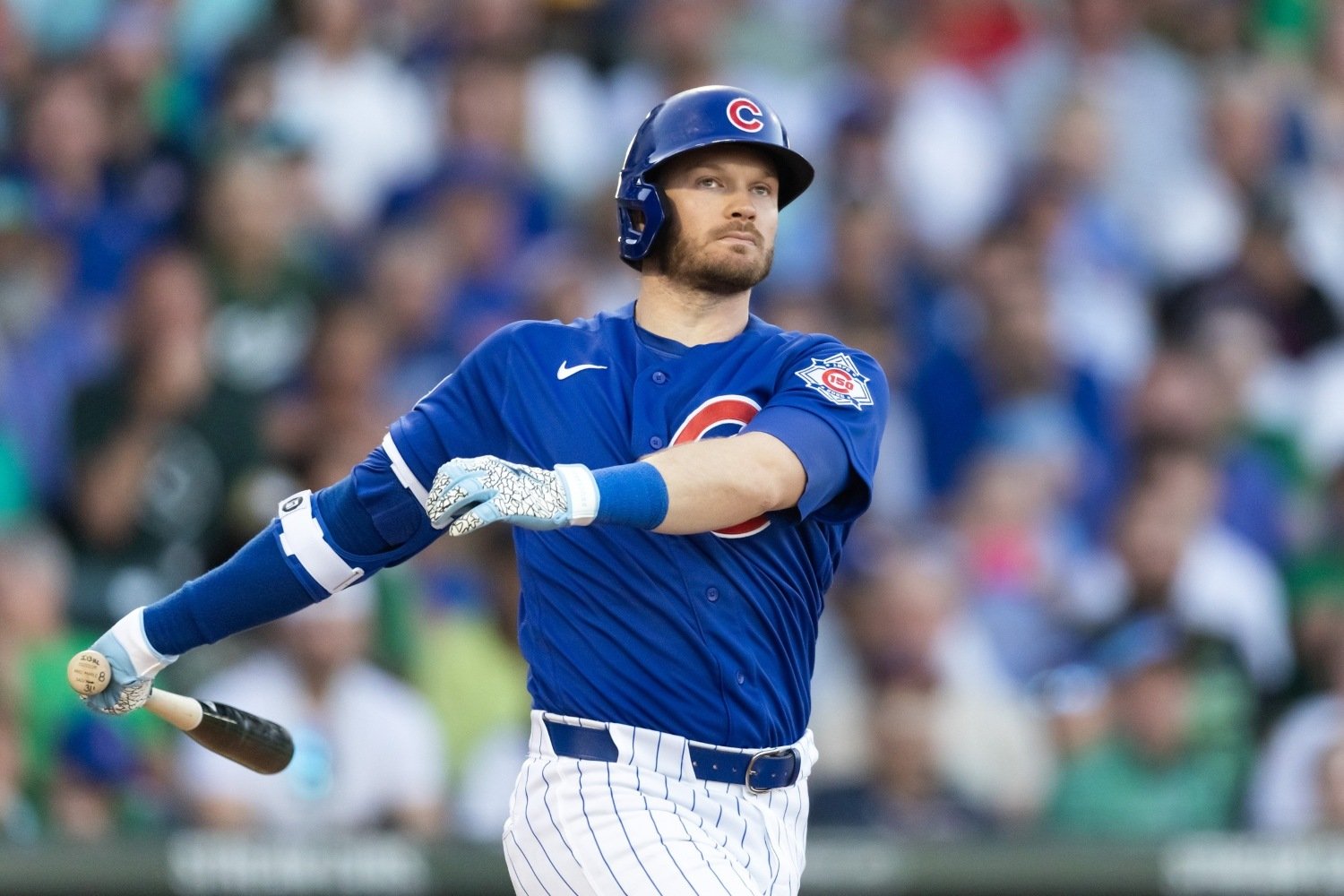 This winter, the Cubs will face a wave of tough decisions about the future of their corner outfield spots. Ian Happ and Seiya Suzuki are each due to hit free agency, a year after the team watched Kyle Tucker depart via that very road. For now, though, those two are anchors in left and right field, respectively—as long as Suzuki, whose season debut will be delayed by a sprained PCL, can move well enough to resume that duty after a year as the designated hitter. The Starters LF: Ian Happ RF: Seiya Suzuki The Backups Matt Shaw Michael Conforto Dylan Carlson 40-Man Roster Depth, Prospects, Other Kevin Alcántara Justin Dean Chas McCormick Kane Kepley THE GOOD Entrenched as the everyday left fielder since 2022, Happ has won four consecutive Gold Glove Awards for his elite defense. The luxury of having a consistently excellent defender managing the unpredictable elements at Wrigley Field should not be taken for granted. It feels like another lifetime in which Happ was Joe Maddon’s super-utility player after he got called up to the bigs in 2017. He's a much more well-rounded player now, despite being less versatile defensively. Happ has been a reliable hitter for the Cubs since he was named to the All-Star game back in 2022. He finished that year with 4.3 WAR after batting .271/.342/.440. He's been wonderfully consistent (in terms of seasonal production, though not always from month to month) since then. In 2025, he batted .243, but put up that same .342 OBP and still slugged .420. He also finished last season with 4.0 WAR. It's not unreasonable to expect similar results in 2026, barring unforeseen circumstances. With Tucker in the fold last year, Suzuki was limited to just 48 games played in any outfield position; he appeared in 102 games as the designated hitter. He's struggled in the outfield since coming to the United States, but when he's hitting, it matters little. His value comes from his offensive production. In 651 plate appearances last year, he hit .245/.326/.478, with 32 homr runs. THE BAD Suzuki will begin the campaign on the injured list, which immediately exposes the team's lack of exciting depth in the corners. Currently, the Cubs' depth chart lists Matt Shaw as the primary back up for both spots. Last year, the Cubs asked Shaw to switch to playing third base, moving him off the middle infield in earnest for the first time. He did a great job with that transition. The Cubs are hoping he can have similar success with another move to the outfield. If he can handle the defensive responsibilities in right field, that could allow Suzuki to be the designated hitter more frequently. Shaw will need to take a step forward in his development at the plate. In 2025, he changed his batting stance frequently in hopes of finding a solution to some of his offensive struggles. He finished the year with a .690 OPS that couldn't be less helpful in telling the story of his season. He started miserably, got red-hot for a prolonged period after the All-Star break, and then went cold again at the end of the year. His total offensive package looked better this spring, but those games don't count—and the questions about his nous as an outfield defender are very much open. Conforto came to camp on a minor-league deal, and while he flashed the skills that have made him an above-average hitter over a long big-league career, there are also some red flags. He's going to swing and miss a lot; he's not a good defender anymore. He might not have made the team, had Suzuki or Chas McCormick stayed healthy all spring. The surest way for the Cubs to get what they want out of right field is not to have to play him there terribly often. Unfortunately, the same can be said for Alcántara, the towering and tantalizing could-be slugger who looks overmatched against high-end pitching too much of the time. Carlson, Dean and McCormick are meant as buffers against calamity—glove-over-stick guys who can back up in center as well as the corners. If any of them play a meaningful amount in right or left, it means much has gone wrong. The best outfield prospect the team had was Owen Caissie, whom they traded to Miami for starting pitcher Edward Cabrera. THE BOTTOM LINE The Cubs have two reliable veteran options to start in the corner outfield positions. Happ will continue to be a cornerstone of this team during the 2026 season, and if Suzuki returns quickly and in form, he'll be the middle-of-the-lineup bat a right fielder is supposed to be. Most people within the organization would love it if Alcántara could play his way into the conversation of getting opportunities to take on the major-league right field spot, but only time will tell. He will need to get off to a fast start in 2026, and he'll have to do it in Iowa, where the team optioned him Tuesday. These spots are vital to the team's overall plan to win the division, but to begin the season, they're also shrouded in uncertainty.
 -
Huge news for him and the team right before the season kicks off! 🐻 And now the pressure of securing that long-term deal is off his plate. Great news.
-
Image courtesy of © Matt Kartozian-Imagn Images Spring training is used as a ramp-up period to knock off the rust for big league players before the regular season gets underway, but for prospects, it's a chance to demonstrate their value first hand to their future managers and coaches. It's also just exciting for fans to get a sneak peak of players that can help the team down the road. One of the Chicago Cubs' younger prospects with loads of potential is showing that he may need consideration to join the big-league roster sooner than expected. Jefferson Rojas is having an incredible start to spring training this year. Rojas is a 20-year-old middle infield prospect (SS/2B) that is taking full advantage of his opportunities to play this spring. He is batting .259/310/.593 (118 wRC+) with two home runs and six RBIs in 12 games, and those stats are a bit muted following a couple of less impactful appearances. One of his home runs traveled a staggering 438 feet, demonstrating a level of power that is a pleasant surprise. Rojas has been widely considered as an above-average defensive shortstop prospect that could handle second base duties as well. His play this March is reinforcing that notion, but it's his evolution at the plate that really stands out. The Cubs currently have nine infielders listed on their 40-man roster and Rojas is not one of them. Dansby Swanson (SS) and Nico Hoerner (2B) are positioned to be the starting middle infielders when the regular season gets going later this month, with the talented Matt Shaw pushing for playing time whenever possible after the Cubs signed Alex Bregman this offseason to be their everyday third baseman. Ben Cowles (3B), Pedro Ramirez (3B/2B), and James Triantos (2B/OF) are also listed on the 40-man roster along with first basemen Michael Busch and Tyler Austin. Rojas is younger than all of the players listed above and will likely need more time to develop in the minors, but the results from this small sample in spring training are very encouraging. Having too many talented infielders is a great problem to have for any organization. The Cubs boast the luxury of not needing to rush players through their minor-league levels because their major-league roster is filled with veteran players that are ready to compete for a deep playoff run this year. Sustained success requires other players waiting in the wings for their number to be called, that can step in and carry the torch when needed. Rojas honing his craft in the minors for the time being is great for the health of the roster down the road, especially with Hoerner facing the prospect of free agency next offseason. Rojas has risen up the Cubs’ prospect rankings and his breakout performances of late are supporting those evaluations. As a bit of a spoiler alert, he'll appear soon in the top five of North Side Baseball's top-20 Cubs prospects rundown. In the meantime, he is a player to track throughout the remaining spring training games and into the new season. If he continues to perform like he has up until this point, he will become a household name among Cubs fans for good reason. View full article
-
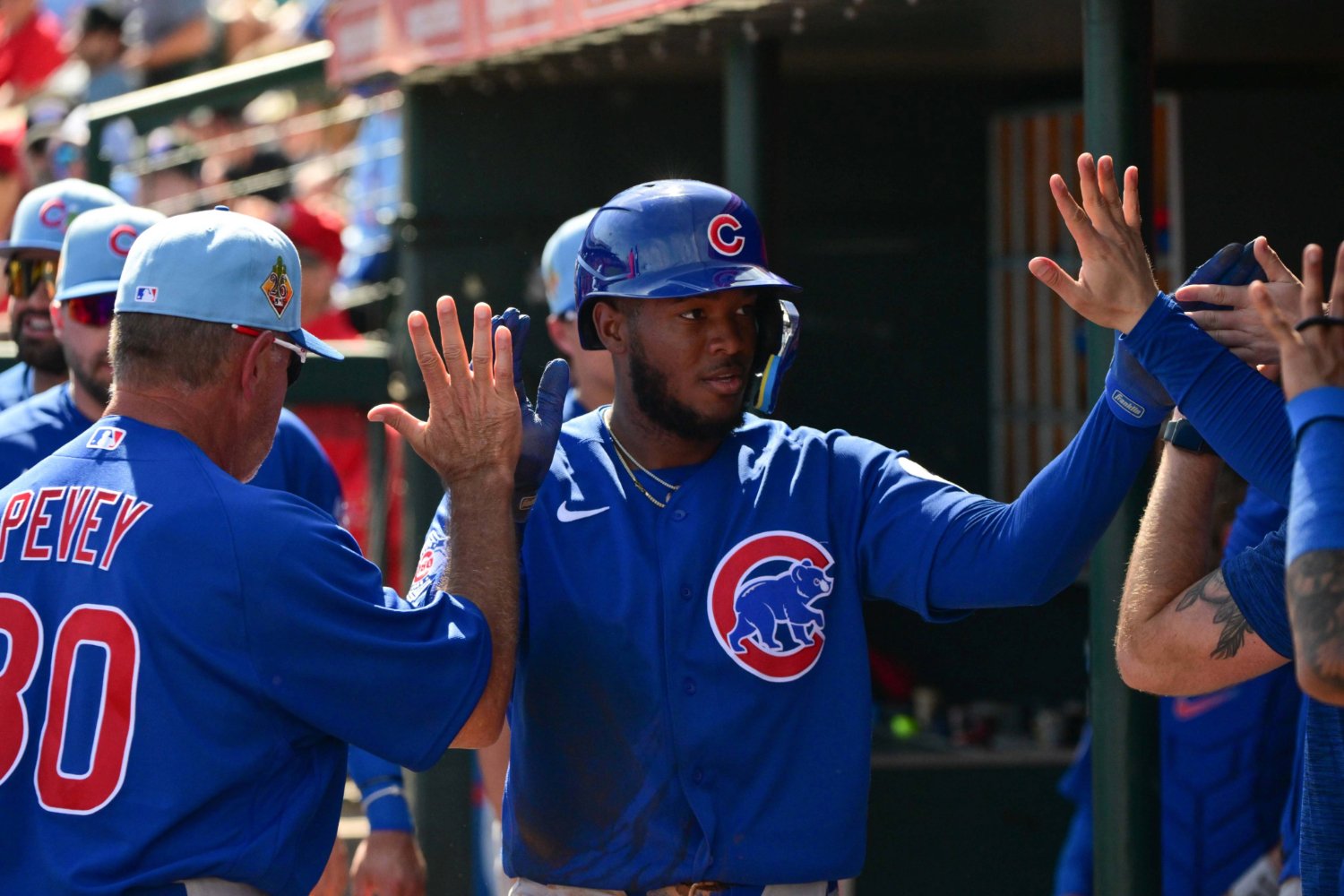 Spring training is used as a ramp-up period to knock off the rust for big league players before the regular season gets underway, but for prospects, it's a chance to demonstrate their value first hand to their future managers and coaches. It's also just exciting for fans to get a sneak peak of players that can help the team down the road. One of the Chicago Cubs' younger prospects with loads of potential is showing that he may need consideration to join the big-league roster sooner than expected. Jefferson Rojas is having an incredible start to spring training this year. Rojas is a 20-year-old middle infield prospect (SS/2B) that is taking full advantage of his opportunities to play this spring. He is batting .259/310/.593 (118 wRC+) with two home runs and six RBIs in 12 games, and those stats are a bit muted following a couple of less impactful appearances. One of his home runs traveled a staggering 438 feet, demonstrating a level of power that is a pleasant surprise. Rojas has been widely considered as an above-average defensive shortstop prospect that could handle second base duties as well. His play this March is reinforcing that notion, but it's his evolution at the plate that really stands out. The Cubs currently have nine infielders listed on their 40-man roster and Rojas is not one of them. Dansby Swanson (SS) and Nico Hoerner (2B) are positioned to be the starting middle infielders when the regular season gets going later this month, with the talented Matt Shaw pushing for playing time whenever possible after the Cubs signed Alex Bregman this offseason to be their everyday third baseman. Ben Cowles (3B), Pedro Ramirez (3B/2B), and James Triantos (2B/OF) are also listed on the 40-man roster along with first basemen Michael Busch and Tyler Austin. Rojas is younger than all of the players listed above and will likely need more time to develop in the minors, but the results from this small sample in spring training are very encouraging. Having too many talented infielders is a great problem to have for any organization. The Cubs boast the luxury of not needing to rush players through their minor-league levels because their major-league roster is filled with veteran players that are ready to compete for a deep playoff run this year. Sustained success requires other players waiting in the wings for their number to be called, that can step in and carry the torch when needed. Rojas honing his craft in the minors for the time being is great for the health of the roster down the road, especially with Hoerner facing the prospect of free agency next offseason. Rojas has risen up the Cubs’ prospect rankings and his breakout performances of late are supporting those evaluations. As a bit of a spoiler alert, he'll appear soon in the top five of North Side Baseball's top-20 Cubs prospects rundown. In the meantime, he is a player to track throughout the remaining spring training games and into the new season. If he continues to perform like he has up until this point, he will become a household name among Cubs fans for good reason.
 -
Image courtesy of © David Richard-Imagn Images The incredible postseason run the Chicago Cubs went on in 2016 that resulted in their first World Series championship in 108 years is quickly approaching its ten-year anniversary. There were so many moments and decisions that led to breaking the “Curse of the Billy Goat” that played a role in securing the title. Arguably the biggest in-season move the Cubs' front office made that year was going “all-in” at the trade deadline by giving up a four-player haul to the Yankees in order to acquire All-Star closer Aroldis Chapman. Chapman played lights out that season for both franchises, finishing the year with a 1.55 ERA and 90 strikeouts in 58 innings, to go along with 36 saves. His production during his time with the Cubs was remarkable. He posted a 1.01 ERA, 46 strikeouts in 26 2/3 innings, and 16 saves. The Cubs traded for Chapman on July 25, 2016 and at the time, the team had the best record in baseball. They were 20 games above .500 with a 7.5-game lead over the second-place St. Louis Cardinals within the Central Division. The belief that 2016 could finally be the year skyrocketed within the organization and fanbase alike. The best team in baseball added one of the most dominant closers in baseball. I get fired up just reminiscing about that trade and it got me wondering: Could 2026 be the year the Cubs make a splash move at the trade deadline again in an attempt to put everything on the line to win another championship? If they do, what would a similar trade cost them? There has been a buzz and excitement around this year's Cubs team with the additions of Edward Cabrera (RHP) and Alex Bregman (3B) to a roster that returns most of the players that defeated the San Diego Padres in the playoffs last year before exiting in the National League Division Series. It is not unreasonable to think that the 2026 North Siders could find themselves positioned for a deep postseason run by the trade deadline again this year as they did in 2016. They will have to compete with the other top-tier teams in the National League, most notably the Los Angeles Dodgers who are coming off back-to-back championships, in order to even reach the World Series. A big move at the deadline could add to the depth and confidence of this year’s team. The package of players that the Cubs sent to the Yankees for Chapman was considered a very steep price for a reliever that was in the final year of his contract. They gave up prospects Gleyber Torres (INF), who was the team's top prospect at the time, Billy McKinney (OF), listed as their sixth-best prospect, and Rashad Crawford (OF) along with bullpen arm Adam Warren (RHP). The Cubs were willing to ship out potential long-term contributors for a player that would be on the roster for only a few months. It was 100% the right decision in hindsight. Gleyber Torres was the only player from that group to have sustained high-level success over a long MLB career (career stats: .264 BA, 1006 H, 515 RBI, and 154 HR). He became a two-time All Star during his time with the Yankees and is still in the league today with the Detroit Tigers. It is challenging to predict the exact positions that the Cubs may target at the trade deadline in 2026 if they are in the playoff mix, since injuries or lack of production from current players could factor into that decision. As it stands today, adding another dominant arm (similar to the Chapman trade in 2016) or bat-first slugger seem like the most likely areas they may focus on. If they attempt to acquire a fate-changing player such as Kris Bubic (LHP) of the Kansas City Royals, Pablo Lopez (RHP) of the Minnesota Twins, or Yandy Diaz (INF/DH) of the Tampa Bay Rays, it will require a willingness to part ways with young talent within the organization again. The Cubs have already dealt some of their talented minor-league players in order to acquire Edward Cabrera this offseason. They sent Owen Caissie (OF), Cristian Hernandez (INF) and Edgardo De Leon (INF) to the Miami Marlins, but there are still plenty of players that would certainly intrigue other teams looking to add multiple young players in exchange for a transformative veteran player. A trade of this magnitude would most likely require at least one of their top four prospects, which include Moises Ballesteros (C/DH), Jaxon Wiggins (RHP), Jefferson Rojas (INF), or Kevin Alcantara (OF), along with a couple other quality pieces with upside. Players such as James Triantos (INF) or Kaleb Wing (RHP) could be coveted as well. Will Jed Hoyer decide this season is the right time to take another big swing? Only time will tell, but his aggressiveness this offseason seems to demonstrate a belief that this Cubs team is ready for a deep playoff run. The farm system no longer features a plethora of Top-100 prospects like it has in recent years, so they should feel some urgency to maximize the potential that this lineup is capable of now, rather than looking to the future. As antithetical as that may seem to this front office's M.O., remember that this is the final season before the expected 2027 lockout. Cost and revenue certainty is valuable for any organization, and in Major League Baseball, that ends in 2026. It will be exciting to monitor all of the action this year in July as the trade deadline approaches if the Cubs can position themselves as buyers for another push in the postseason. Adding Aroldis Chapman was a massive shot in the arm to a loaded Cubs team in 2016. Here's to hoping we as fans get that same jolt in just a few short months. View full article
-
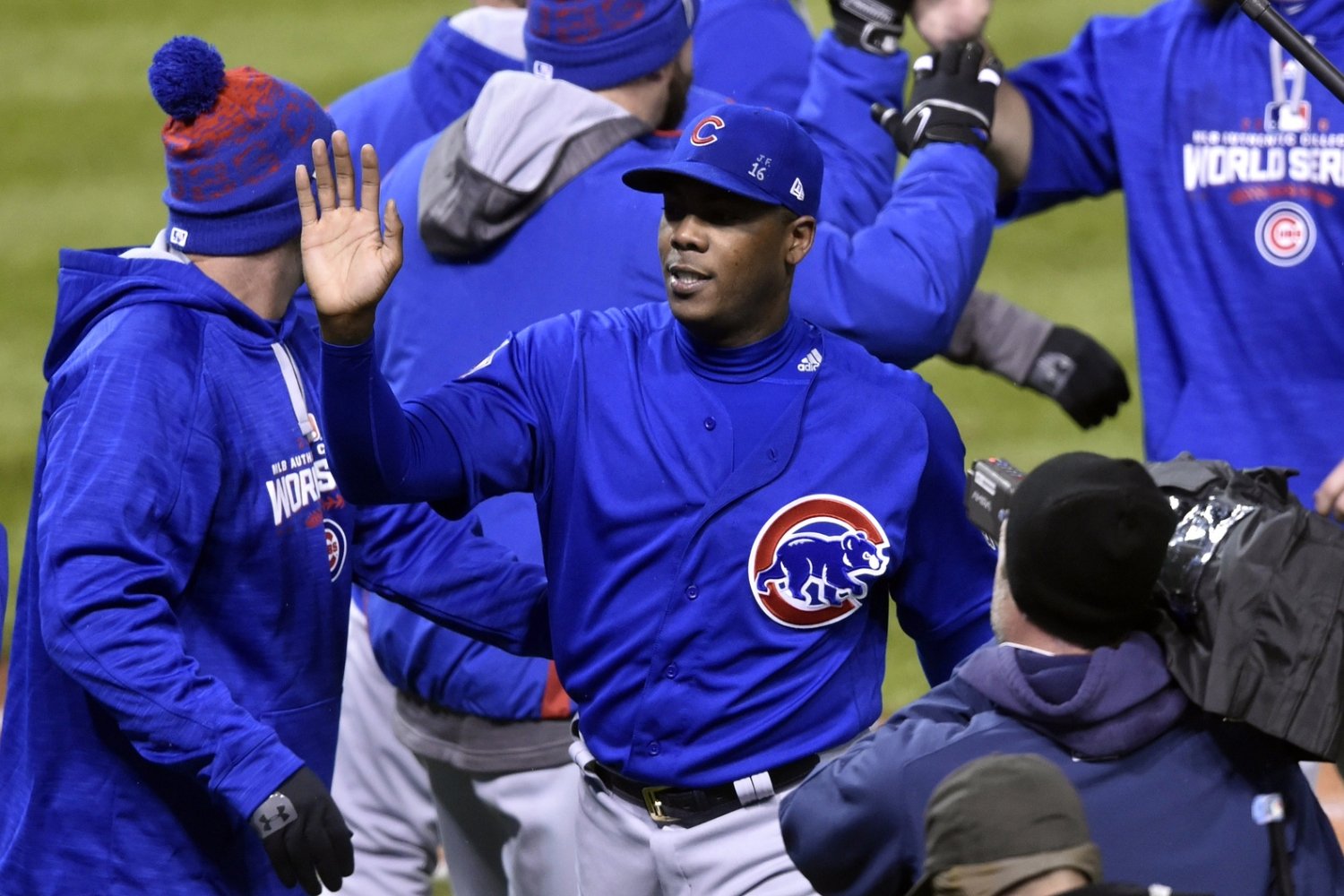 The incredible postseason run the Chicago Cubs went on in 2016 that resulted in their first World Series championship in 108 years is quickly approaching its ten-year anniversary. There were so many moments and decisions that led to breaking the “Curse of the Billy Goat” that played a role in securing the title. Arguably the biggest in-season move the Cubs' front office made that year was going “all-in” at the trade deadline by giving up a four-player haul to the Yankees in order to acquire All-Star closer Aroldis Chapman. Chapman played lights out that season for both franchises, finishing the year with a 1.55 ERA and 90 strikeouts in 58 innings, to go along with 36 saves. His production during his time with the Cubs was remarkable. He posted a 1.01 ERA, 46 strikeouts in 26 2/3 innings, and 16 saves. The Cubs traded for Chapman on July 25, 2016 and at the time, the team had the best record in baseball. They were 20 games above .500 with a 7.5-game lead over the second-place St. Louis Cardinals within the Central Division. The belief that 2016 could finally be the year skyrocketed within the organization and fanbase alike. The best team in baseball added one of the most dominant closers in baseball. I get fired up just reminiscing about that trade and it got me wondering: Could 2026 be the year the Cubs make a splash move at the trade deadline again in an attempt to put everything on the line to win another championship? If they do, what would a similar trade cost them? There has been a buzz and excitement around this year's Cubs team with the additions of Edward Cabrera (RHP) and Alex Bregman (3B) to a roster that returns most of the players that defeated the San Diego Padres in the playoffs last year before exiting in the National League Division Series. It is not unreasonable to think that the 2026 North Siders could find themselves positioned for a deep postseason run by the trade deadline again this year as they did in 2016. They will have to compete with the other top-tier teams in the National League, most notably the Los Angeles Dodgers who are coming off back-to-back championships, in order to even reach the World Series. A big move at the deadline could add to the depth and confidence of this year’s team. The package of players that the Cubs sent to the Yankees for Chapman was considered a very steep price for a reliever that was in the final year of his contract. They gave up prospects Gleyber Torres (INF), who was the team's top prospect at the time, Billy McKinney (OF), listed as their sixth-best prospect, and Rashad Crawford (OF) along with bullpen arm Adam Warren (RHP). The Cubs were willing to ship out potential long-term contributors for a player that would be on the roster for only a few months. It was 100% the right decision in hindsight. Gleyber Torres was the only player from that group to have sustained high-level success over a long MLB career (career stats: .264 BA, 1006 H, 515 RBI, and 154 HR). He became a two-time All Star during his time with the Yankees and is still in the league today with the Detroit Tigers. It is challenging to predict the exact positions that the Cubs may target at the trade deadline in 2026 if they are in the playoff mix, since injuries or lack of production from current players could factor into that decision. As it stands today, adding another dominant arm (similar to the Chapman trade in 2016) or bat-first slugger seem like the most likely areas they may focus on. If they attempt to acquire a fate-changing player such as Kris Bubic (LHP) of the Kansas City Royals, Pablo Lopez (RHP) of the Minnesota Twins, or Yandy Diaz (INF/DH) of the Tampa Bay Rays, it will require a willingness to part ways with young talent within the organization again. The Cubs have already dealt some of their talented minor-league players in order to acquire Edward Cabrera this offseason. They sent Owen Caissie (OF), Cristian Hernandez (INF) and Edgardo De Leon (INF) to the Miami Marlins, but there are still plenty of players that would certainly intrigue other teams looking to add multiple young players in exchange for a transformative veteran player. A trade of this magnitude would most likely require at least one of their top four prospects, which include Moises Ballesteros (C/DH), Jaxon Wiggins (RHP), Jefferson Rojas (INF), or Kevin Alcantara (OF), along with a couple other quality pieces with upside. Players such as James Triantos (INF) or Kaleb Wing (RHP) could be coveted as well. Will Jed Hoyer decide this season is the right time to take another big swing? Only time will tell, but his aggressiveness this offseason seems to demonstrate a belief that this Cubs team is ready for a deep playoff run. The farm system no longer features a plethora of Top-100 prospects like it has in recent years, so they should feel some urgency to maximize the potential that this lineup is capable of now, rather than looking to the future. As antithetical as that may seem to this front office's M.O., remember that this is the final season before the expected 2027 lockout. Cost and revenue certainty is valuable for any organization, and in Major League Baseball, that ends in 2026. It will be exciting to monitor all of the action this year in July as the trade deadline approaches if the Cubs can position themselves as buyers for another push in the postseason. Adding Aroldis Chapman was a massive shot in the arm to a loaded Cubs team in 2016. Here's to hoping we as fans get that same jolt in just a few short months.
 -
Thanks for sharing your insight tknight923, it’s too early to give up Shaw. Hoping for a lot of growth this year from him.
-
Image courtesy of © Brett Davis-Imagn Images The Chicago Cubs offseason started out slower than most Cubs fans had hoped for, but in a loud one-two punch earlier this month, they changed the narrative, trading for Edward Cabrera to bolster the starting rotation and signing All-Star Alex Bregman to buttress the everyday lineup. Speculation about trading away one of the other infielders on the roster (namely, Nico Hoerner or Matt Shaw) started almost immediately, because there are now more starting-caliber players than remaining starting positions on the infield. It appears, however, that the Cubs may have another plan in mind—one that could provide major lineup flexibility for the upcoming season. Videos surfaced online of Matt Shaw taking outfield reps recently, indicating that they may be asking him to help fill the void in right field that was left when Kyle Tucker signed with the Los Angeles Dodgers in free agency. That wasn't some carefully guarded secret slipping out, either. Craig Counsell told the media Shaw will play some outfield this year, at Cubs Convention. If Shaw is able to demonstrate that he can hold down a corner outfield position, it would allow Counsell to be creative building his lineup based on the matchups from day to day. When the Cubs square off against dominant left-handed starters, they could roll out a lineup loaded with talented right-handed bats when Shaw is playing in right field. Below is an example of what a lineup could look like. 2B (R) Nico Hoerner 3B (R) Alex Bregman LF (S) Ian Happ DH (R) Seiya Suzuki 1B (R) Tyler Austin SS (R) Dansby Swanson CF (L) Pete Crow-Armstrong C (R) Carson Kelly RF (R) Matt Shaw Moisés Ballesteros and Michael Busch would start on the bench in this scenario, and could enter the game to take advantage of a right-handed relief pitcher later, to great effect. It's the kind of vicious matchup play Counsell loves. If Shaw can consistently handle the defensive responsibilities in right field, it would also allow Seiya Suzuki to play DH. All things equal, the Cubs would surely love to keep Suzuki out of the field, but only if Shaw pans out especially well will that be possible. Here's an example of a lineup the Cubs could roll out against a right-handed starter: 1B (L) Michael Busch 3B (R) Alex Bregman LF (S) Ian Happ RF (R) Seiya Suzuki DH (L) Moises Ballesteros 2B (R) Nico Hoerner CF (L) Pete Crow-Armstrong C (R) Carson Kelly SS (R) Dansby Swanson In this scenario, Shaw could come in during the late innings (if the Cubs are trying to maintain a lead) for Suzuki in right field. Shaw could be used as a super-utility player, like Ben Zobrist was during his time with the Cubs, to rest Hoerner, Swanson or Bregman. Baseball seasons are long and injuries happen. It is a massive advantage to have a guy who can cover multiple positions effectively. Of course, all this assumes that Shaw will be a good enough hitter to at least help, rather than hurt, as a right fielder. That would require a major step forward from him, and not the oversized kind he was taking to load up his swing last year. He batted .226/.295/.394 as a rookie. That played fine at third base, since he was a plus defender there and the league's third basemen only batted .244/.308/.397, but the average right fielder batted .247/.319/.422 last season. Shaw has to get much better with the stick for it to matter whether his glove can be of any help in right. In center, he's more playable, and perhaps he could be the platoon partner for Crow-Armstrong, but the team has several other players coming to camp to audition for that role. Moving around the diamond is the only way Shaw will find consistent playing time for the team in 2026, but while a move to right field seems like the easiest path to at-bats for him, it might not be in the team's best interest. As spring training draws near, he remains very much a trade candidate. View full article
-
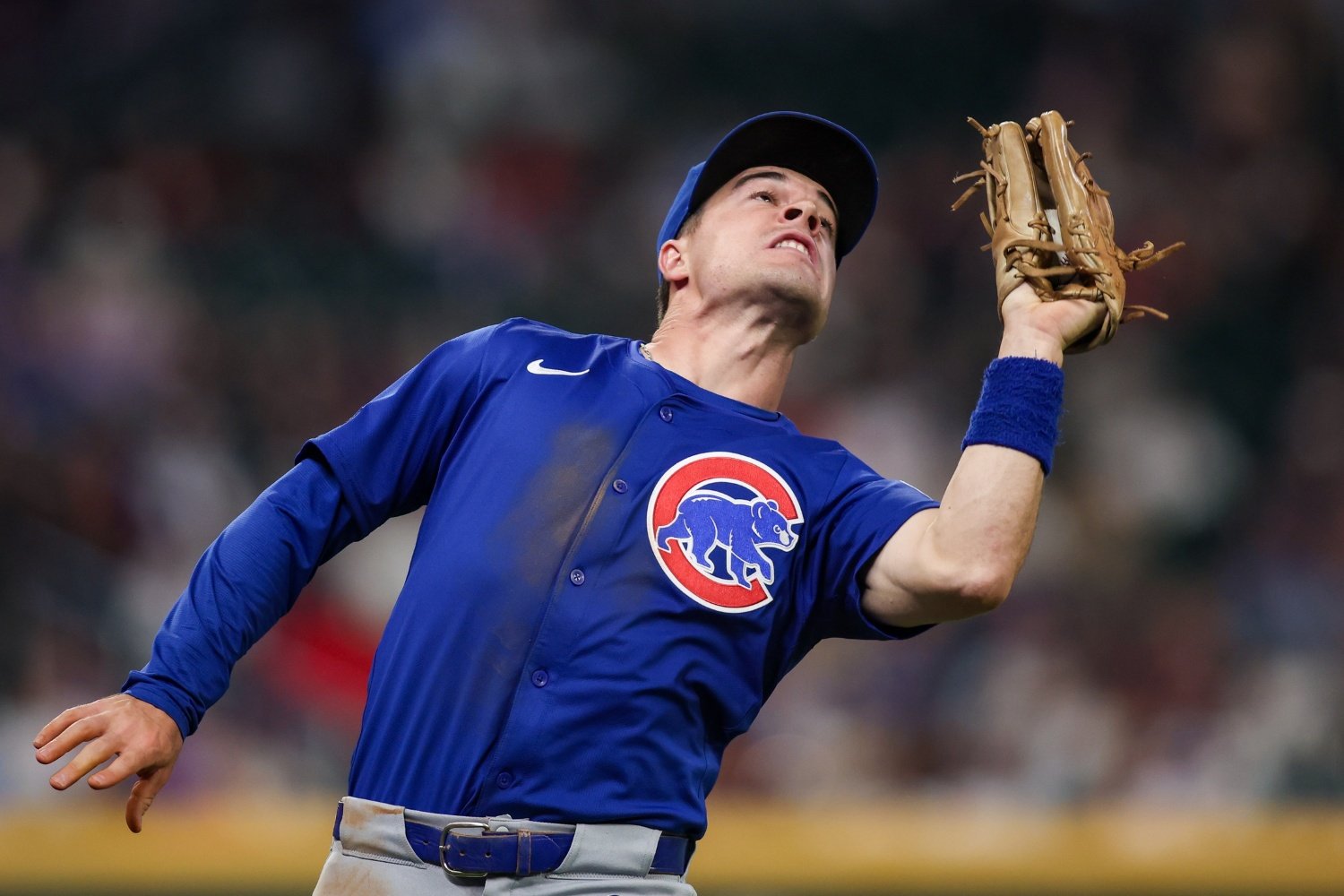 The Chicago Cubs offseason started out slower than most Cubs fans had hoped for, but in a loud one-two punch earlier this month, they changed the narrative, trading for Edward Cabrera to bolster the starting rotation and signing All-Star Alex Bregman to buttress the everyday lineup. Speculation about trading away one of the other infielders on the roster (namely, Nico Hoerner or Matt Shaw) started almost immediately, because there are now more starting-caliber players than remaining starting positions on the infield. It appears, however, that the Cubs may have another plan in mind—one that could provide major lineup flexibility for the upcoming season. Videos surfaced online of Matt Shaw taking outfield reps recently, indicating that they may be asking him to help fill the void in right field that was left when Kyle Tucker signed with the Los Angeles Dodgers in free agency. That wasn't some carefully guarded secret slipping out, either. Craig Counsell told the media Shaw will play some outfield this year, at Cubs Convention. If Shaw is able to demonstrate that he can hold down a corner outfield position, it would allow Counsell to be creative building his lineup based on the matchups from day to day. When the Cubs square off against dominant left-handed starters, they could roll out a lineup loaded with talented right-handed bats when Shaw is playing in right field. Below is an example of what a lineup could look like. 2B (R) Nico Hoerner 3B (R) Alex Bregman LF (S) Ian Happ DH (R) Seiya Suzuki 1B (R) Tyler Austin SS (R) Dansby Swanson CF (L) Pete Crow-Armstrong C (R) Carson Kelly RF (R) Matt Shaw Moisés Ballesteros and Michael Busch would start on the bench in this scenario, and could enter the game to take advantage of a right-handed relief pitcher later, to great effect. It's the kind of vicious matchup play Counsell loves. If Shaw can consistently handle the defensive responsibilities in right field, it would also allow Seiya Suzuki to play DH. All things equal, the Cubs would surely love to keep Suzuki out of the field, but only if Shaw pans out especially well will that be possible. Here's an example of a lineup the Cubs could roll out against a right-handed starter: 1B (L) Michael Busch 3B (R) Alex Bregman LF (S) Ian Happ RF (R) Seiya Suzuki DH (L) Moises Ballesteros 2B (R) Nico Hoerner CF (L) Pete Crow-Armstrong C (R) Carson Kelly SS (R) Dansby Swanson In this scenario, Shaw could come in during the late innings (if the Cubs are trying to maintain a lead) for Suzuki in right field. Shaw could be used as a super-utility player, like Ben Zobrist was during his time with the Cubs, to rest Hoerner, Swanson or Bregman. Baseball seasons are long and injuries happen. It is a massive advantage to have a guy who can cover multiple positions effectively. Of course, all this assumes that Shaw will be a good enough hitter to at least help, rather than hurt, as a right fielder. That would require a major step forward from him, and not the oversized kind he was taking to load up his swing last year. He batted .226/.295/.394 as a rookie. That played fine at third base, since he was a plus defender there and the league's third basemen only batted .244/.308/.397, but the average right fielder batted .247/.319/.422 last season. Shaw has to get much better with the stick for it to matter whether his glove can be of any help in right. In center, he's more playable, and perhaps he could be the platoon partner for Crow-Armstrong, but the team has several other players coming to camp to audition for that role. Moving around the diamond is the only way Shaw will find consistent playing time for the team in 2026, but while a move to right field seems like the easiest path to at-bats for him, it might not be in the team's best interest. As spring training draws near, he remains very much a trade candidate.
 -
Well said CubinNY, Go Cubs!
-
If you are cheering for a fiscally responsible business man, Tom Ricketts is your guy. I understand why he is taking this approach, he is doing well for himself and his family. As a cubs fan, I wish he showed a willingness to spend on some of the biggest names on the market like he did when we brought in Lester and Heyward. We don’t win in 2016 without those guys. I feel like we are in a similar situation now. If we want to try to compete with the Brewers, we probably don’t have to do much more. If we want to compete with the Dodgers, Blue Jays, etc, we have to do more or we will watch last year on repeat. Thanks for commenting, I appreciate hearing your thoughts. Go Cubs!
-
Image courtesy of © Kamil Krzaczynski-Imagn Images On January 18, 2025, Cubs owner Tom Ricketts appeared on 670 The Score saying that the Cubs do not have the funds to spend like the Dodgers, Yankees, and Mets. This was in response to the growing frustration among Cubs fans as they watched other large-market franchises sign All-Star-caliber players to improve their rosters. At the same time, the Cubs’ most significant move last season was a trade for Kyle Tucker (OF), which cost them one of their top prospects, Cam Smith (3B/OF). Many assumed that the Cubs would use the $27.5 million that they freed up by trading Cody Bellinger (OF) to the Yankees to extend Tucker this offseason. It is yet to be seen if the Cubs will make a serious offer to Tucker in an attempt to retain him. Ricketts defended the team’s spending (or lack thereof) by saying that the Cubs are just trying to “break even” in terms of revenue vs spending. According to a report from Forbes Payroll Data via Spotrac, Ricketts's comments paint a much different picture than the team's actual financial situation. In 2024, the Cubs' Revenue was roughly $584 million, the third-highest in baseball, behind only the Dodgers ($752 million) and the Yankees ($728 million). This puts their earnings higher than those of all the remaining franchises, including the Mets ($444 million) and the Phillies ($519 million), which have been significantly more aggressive in spending in recent years, among others. Maybe the most discouraging statistic in this report is the percentage of revenue used to build players' rosters and to pay the luxury tax (penalty fees for exceeding a set payroll threshold). Make no mistake, ownership sets the limits on the budget allowance to put the best possible lineup out on the field. The allocation of funds towards roster creation can lead to a competitive advantage in ways different from those of other professional leagues with salary caps that maintain a level of competitive balance. In 2025, the Cubs used 36.4% of their revenue ($213 million) to build their 26-man roster. What makes this percentage so alarming to Cubs fans is that it ranks 26th out of the 30 MLB organizations. Teams such as the Milwaukee Brewers (40.8%), Washington Nationals (42.3%), and Athletics (43.4%) are spending a greater percentage of their revenue on their players. The comparisons to other large-market teams are even more staggering. The Los Angeles Dodgers spent 73.0% ($549 million) of their revenue, the New York Yankees spent 49.7% ($362 million) of their revenue, and the New York Mets spent an eye-popping 90.0% ($400 million) of their revenue in 2025 to build their rosters. With all of that said, Cubs fans want to know whether this trend will continue. That remains to be seen. Many talented free agents will garner large contracts, including Kyle Tucker. Last season did not end how anyone in the organization had hoped, when the Cubs were eliminated from the postseason by the rival Milwaukee Brewers in the Division Series. If the Cubs (and the Ricketts) want different results and are serious about building a sustained winning organization capable of making a deep postseason run, they can start by increasing their willingness to allocate more of their annual revenue to player acquisition and retention. A lot of factors play into winning the World Series, but a loyal fanbase in a large market deserves to be rewarded with an owner who is willing to spend with the other top-revenue teams, because that is within their control. Let Jed Hoyer and his team go to work with the necessary budget to legitimately pursue players such as Tucker (OF), Alex Bregman (3B/DH), Eugenio Suarez (3B), and Framber Valdez (LHP). Cubs fans will consistently fill Wrigley Field and purchase team merchandise, which was on full display even during a 108-year championship drought. Tom Ricketts can reward this loyalty by allowing the front office to add a few pieces that can take the Cubs from a good team with talent to a serious contender. There is still time and resources available to achieve that this offseason. View full article
-
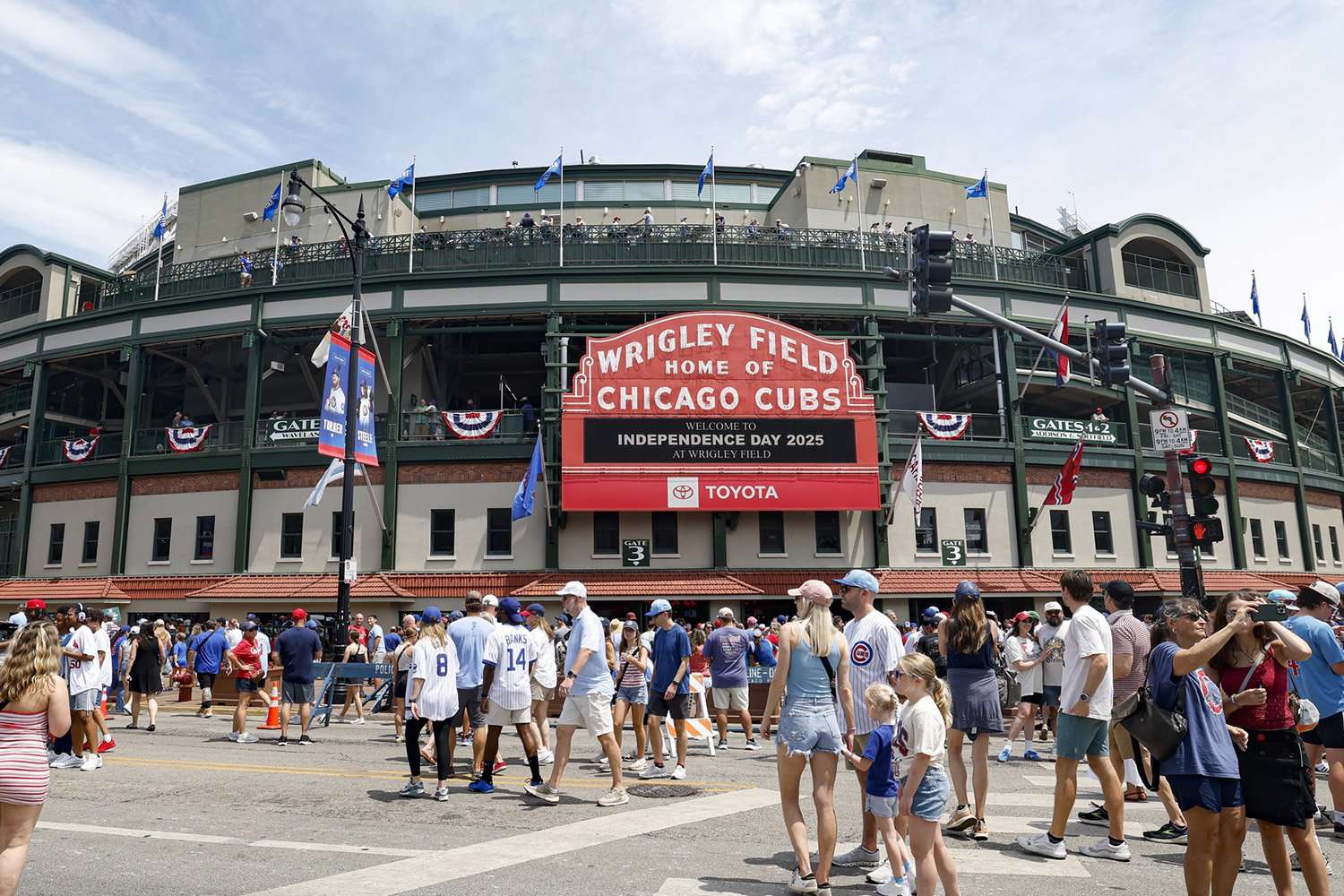 On January 18, 2025, Cubs owner Tom Ricketts appeared on 670 The Score saying that the Cubs do not have the funds to spend like the Dodgers, Yankees, and Mets. This was in response to the growing frustration among Cubs fans as they watched other large-market franchises sign All-Star-caliber players to improve their rosters. At the same time, the Cubs’ most significant move last season was a trade for Kyle Tucker (OF), which cost them one of their top prospects, Cam Smith (3B/OF). Many assumed that the Cubs would use the $27.5 million that they freed up by trading Cody Bellinger (OF) to the Yankees to extend Tucker this offseason. It is yet to be seen if the Cubs will make a serious offer to Tucker in an attempt to retain him. Ricketts defended the team’s spending (or lack thereof) by saying that the Cubs are just trying to “break even” in terms of revenue vs spending. According to a report from Forbes Payroll Data via Spotrac, Ricketts's comments paint a much different picture than the team's actual financial situation. In 2024, the Cubs' Revenue was roughly $584 million, the third-highest in baseball, behind only the Dodgers ($752 million) and the Yankees ($728 million). This puts their earnings higher than those of all the remaining franchises, including the Mets ($444 million) and the Phillies ($519 million), which have been significantly more aggressive in spending in recent years, among others. Maybe the most discouraging statistic in this report is the percentage of revenue used to build players' rosters and to pay the luxury tax (penalty fees for exceeding a set payroll threshold). Make no mistake, ownership sets the limits on the budget allowance to put the best possible lineup out on the field. The allocation of funds towards roster creation can lead to a competitive advantage in ways different from those of other professional leagues with salary caps that maintain a level of competitive balance. In 2025, the Cubs used 36.4% of their revenue ($213 million) to build their 26-man roster. What makes this percentage so alarming to Cubs fans is that it ranks 26th out of the 30 MLB organizations. Teams such as the Milwaukee Brewers (40.8%), Washington Nationals (42.3%), and Athletics (43.4%) are spending a greater percentage of their revenue on their players. The comparisons to other large-market teams are even more staggering. The Los Angeles Dodgers spent 73.0% ($549 million) of their revenue, the New York Yankees spent 49.7% ($362 million) of their revenue, and the New York Mets spent an eye-popping 90.0% ($400 million) of their revenue in 2025 to build their rosters. With all of that said, Cubs fans want to know whether this trend will continue. That remains to be seen. Many talented free agents will garner large contracts, including Kyle Tucker. Last season did not end how anyone in the organization had hoped, when the Cubs were eliminated from the postseason by the rival Milwaukee Brewers in the Division Series. If the Cubs (and the Ricketts) want different results and are serious about building a sustained winning organization capable of making a deep postseason run, they can start by increasing their willingness to allocate more of their annual revenue to player acquisition and retention. A lot of factors play into winning the World Series, but a loyal fanbase in a large market deserves to be rewarded with an owner who is willing to spend with the other top-revenue teams, because that is within their control. Let Jed Hoyer and his team go to work with the necessary budget to legitimately pursue players such as Tucker (OF), Alex Bregman (3B/DH), Eugenio Suarez (3B), and Framber Valdez (LHP). Cubs fans will consistently fill Wrigley Field and purchase team merchandise, which was on full display even during a 108-year championship drought. Tom Ricketts can reward this loyalty by allowing the front office to add a few pieces that can take the Cubs from a good team with talent to a serious contender. There is still time and resources available to achieve that this offseason.
 -
Eli Lovich, A Late-Round Cubs Pick To Watch
Joe Sbertoli replied to Joe Sbertoli's topic in Cubs Minor League Talk
That would be great!