


RavenCub30
-
Posts
324 -
Joined
-
Last visited
Content Type
Profiles
Joomla Posts 1
Chicago Cubs Videos
Chicago Cubs Free Agent & Trade Rumors, Notes, & Tidbits
2026 Chicago Cubs Top Prospects Ranking
News
2023 Chicago Cubs Draft Picks
Guides & Resources
2024 Chicago Cubs Draft Picks
The Chicago Cubs Players Project
2025 Chicago Cubs Draft Pick Tracker
2026 Chicago Cubs Draft Tracker: Picks & Bonuses
Blogs
Events
Forums
Store
Gallery
Everything posted by RavenCub30
-
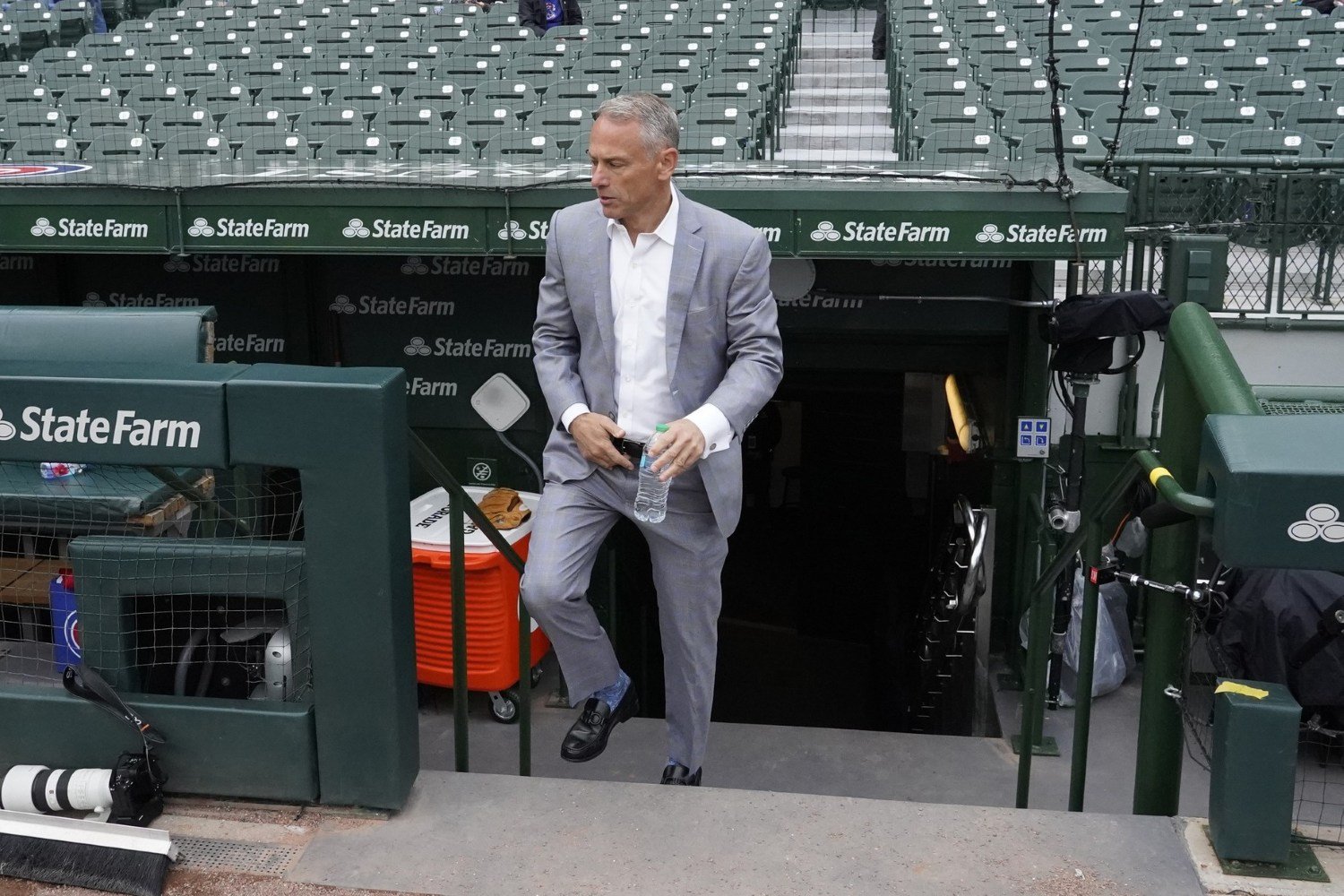 Although Ebenezer Scrooge-level labor strife looms less than one year from now, MLB's championship-caliber teams (like the Toronto Blue Jays) have lifted the spirits of their fanbase with early signings of Dylan Cease and Cody Ponce. Ever so briefly, Cubs fans felt the same surge of warmth in their breasts—thanks (or not, as it turned out) to an erroneous report from Bob Nightengale that the Cubs had signed erstwhile Diamondbacks ace Zac Gallen. It's a moot point, but some instantly felt as though the price for Gallen was a bit too high. Or is it? It's no secret that Jed Hoyer, Carter Hawkins and their staff are seeking a new ace for the top of their rotation, and they have their sights set on hurlers like Michael King, Tatsuya Imai, and Ranger Suárez—in addition, of course, to Gallen. While rumors of what other NL Central squads might do swirl like flakes in a snow globe, Hoyer has a real opportunity to once again position his organization as a perennial World Series threat. Being one of the 29 teams that falls short of baseball's ultimate prize creates the perception that there is less to work with than there really is. The team can and will move away from players like Matthew Boyd, who not only vastly overachieved in 2025, but will be bearing the weight of extra work in his role with Team USA in the forthcoming World Baseball Classic. Waiting in the wings are the likes of Jaxon Wiggins, the towering righty projected to join the squad before the sweltering days of a Wrigley summer arrive. Landing one of those top-flight arms will be important to a team with big dreams for 2026, but their floor is steadily rising each year. Thanks to a media slip-up, we arrived prematurely at one of the North Siders' major offseason destinations. Their approach to this Winter Meetings figures to provide the evidence that diehard fans have been seeking for some time now, that their club seeks to reclaim its view from the top. If you're like me, you've wanted a reason to dive back into the world of Major League Baseball, counting down the days until balls and strikes are once again the currency of our hopes and dreams. In no small way, the Winter Meetings will start showing us just how much there is to hope for.
 -
Image courtesy of © Charles LeClaire-Imagn Images When it comes to Cubs baseball, there was a great bounty of gifts to be thankful for in 2025. From a thrilling playoff run to the return of legendary players like Anthony Rizzo back into the fold, you'd have to be a turkey not to find something to like about where this franchise is, and where it could go. So, while you loosen your belts and take part in whatever timeless holiday traditions you call your own, take a look at five big things Cubs fans have to be thankful for. 1. Cade Horton: Near or at the top of every Cubs fans' wish list is a Dylan Cease-type top-of-the rotation starting pitcher. Should that happen, that pitcher will work great in concert with the magnificent Cade Horton. Before succumbing to a rib injury at the end of the 2025 season, the 24-year-old righty helped his squad stack wins in the second half. Racking up 11 wins and pitching 118 innings in the majors, Horton got to 147 total frames, setting the stage for what should be an unfettered 2026. Many believe it was Horton, not the Braves' Drake Baldwin, who was most deserving of the National League's Rookie of the Year honors. North Siders are lucky to have him, and he certainly figures to keep the Cubs in the playoff mix for years to come. 2. The Cubs are a Playoff Team: Though in retrospect, it feels as if the Cubs barely scratched the surface of what could be in 2025, they roared back into the postseason for the first time in a long time. The North Siders have a strong young core, mixed with some veteran talent that has yet to reach its full potential. In disposing of the San Diego Padres at Wrigley, and taking the Brewers to the brink, this squad's playoff showing suggested that this could just be the beginning for club looking to refill the tank and make another run in 2026. 3. Pete Crow-Armstrong: To be honest, all of baseball should be thankful for the Cubs' Gold Glove center fielder. His offensive production disintegrated in the second half, but his presence never did. Crow-Armstrong is a tremendous ambassador for the game and a bright young star the organization should want to keep around. If he stays on the track of growth and maturity, he'll no doubt provide even more core memories for the Wrigley faithful. 4. Michael Busch: The anticipation of blockbuster offseason free-agent signings is an exercise in anxiety. Around this time of year, getting caught up in what you don't have is as easy as scooping a second helping of mashed potatoes and gravy onto your plate. The fan base would love a reunion with slugger Kyle Schwarber, but in Michael Busch, they've already got one of the shiniest gifts under the tree. With 34 homers and an .866 OPS during the regular season, Busch lit up scoreboards in 2025. At 28, he's five years Schwarber's junior. He arrived on the North Side of Chicago as an overlooked talent, but his poise, performance, and defensive prowess leave baseball fans in Illinois (and beyond) no choice but to take notice. 5. Craig Counsell: A couple years ago, when the Cubs plucked their current skipper from Milwaukee, I thought it was a shrewd but necessary move. He's a "put your money where your mouth is" type of manager who, whether you agree with his choices or not, doesn't stand idly by while the game happens around him. Counsell and his staff turned Matthew Boyd into an All-Star ace who did more than just ensure his squad stuck around a couple games longer in the playoffs. At the end of the underwhelming 2024 season, Counsell famously proclaimed that his should be a 90-win ball club. He proceeded to go out and get 92 victories the following season. He's a great dude to have at the helm of this organization, and I think the best is yet to come. So there you have it, Cubs fans, if that list doesn't warm up your heart just a little bit, make yourself a cup of coffee. The North Side of Chicago is a baseball epicenter, with growth ahead. While we still may have visions of World Series rings dancing in our heads, there's much to be thankful for on this day—and every day. View full article
-
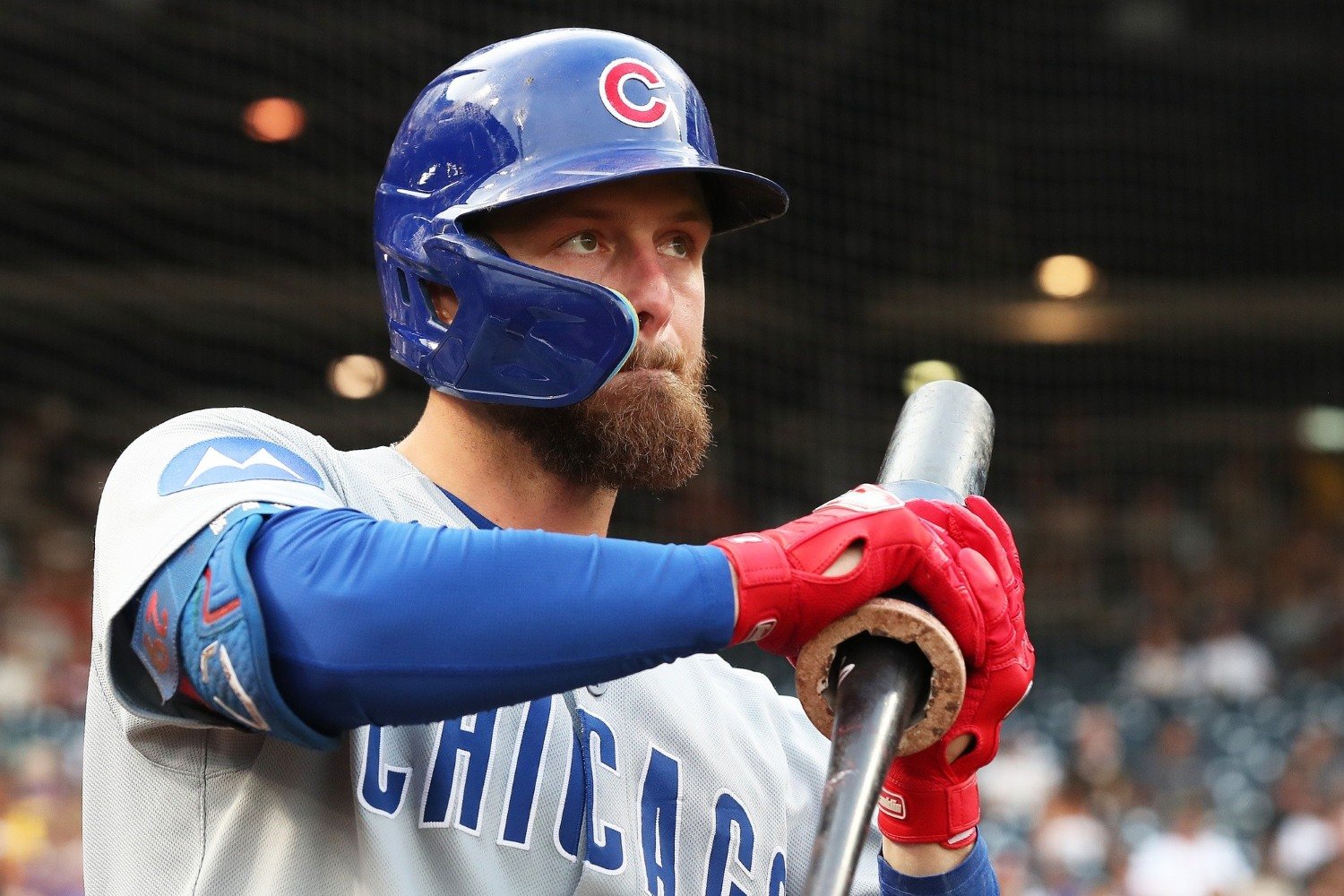 When it comes to Cubs baseball, there was a great bounty of gifts to be thankful for in 2025. From a thrilling playoff run to the return of legendary players like Anthony Rizzo back into the fold, you'd have to be a turkey not to find something to like about where this franchise is, and where it could go. So, while you loosen your belts and take part in whatever timeless holiday traditions you call your own, take a look at five big things Cubs fans have to be thankful for. 1. Cade Horton: Near or at the top of every Cubs fans' wish list is a Dylan Cease-type top-of-the rotation starting pitcher. Should that happen, that pitcher will work great in concert with the magnificent Cade Horton. Before succumbing to a rib injury at the end of the 2025 season, the 24-year-old righty helped his squad stack wins in the second half. Racking up 11 wins and pitching 118 innings in the majors, Horton got to 147 total frames, setting the stage for what should be an unfettered 2026. Many believe it was Horton, not the Braves' Drake Baldwin, who was most deserving of the National League's Rookie of the Year honors. North Siders are lucky to have him, and he certainly figures to keep the Cubs in the playoff mix for years to come. 2. The Cubs are a Playoff Team: Though in retrospect, it feels as if the Cubs barely scratched the surface of what could be in 2025, they roared back into the postseason for the first time in a long time. The North Siders have a strong young core, mixed with some veteran talent that has yet to reach its full potential. In disposing of the San Diego Padres at Wrigley, and taking the Brewers to the brink, this squad's playoff showing suggested that this could just be the beginning for club looking to refill the tank and make another run in 2026. 3. Pete Crow-Armstrong: To be honest, all of baseball should be thankful for the Cubs' Gold Glove center fielder. His offensive production disintegrated in the second half, but his presence never did. Crow-Armstrong is a tremendous ambassador for the game and a bright young star the organization should want to keep around. If he stays on the track of growth and maturity, he'll no doubt provide even more core memories for the Wrigley faithful. 4. Michael Busch: The anticipation of blockbuster offseason free-agent signings is an exercise in anxiety. Around this time of year, getting caught up in what you don't have is as easy as scooping a second helping of mashed potatoes and gravy onto your plate. The fan base would love a reunion with slugger Kyle Schwarber, but in Michael Busch, they've already got one of the shiniest gifts under the tree. With 34 homers and an .866 OPS during the regular season, Busch lit up scoreboards in 2025. At 28, he's five years Schwarber's junior. He arrived on the North Side of Chicago as an overlooked talent, but his poise, performance, and defensive prowess leave baseball fans in Illinois (and beyond) no choice but to take notice. 5. Craig Counsell: A couple years ago, when the Cubs plucked their current skipper from Milwaukee, I thought it was a shrewd but necessary move. He's a "put your money where your mouth is" type of manager who, whether you agree with his choices or not, doesn't stand idly by while the game happens around him. Counsell and his staff turned Matthew Boyd into an All-Star ace who did more than just ensure his squad stuck around a couple games longer in the playoffs. At the end of the underwhelming 2024 season, Counsell famously proclaimed that his should be a 90-win ball club. He proceeded to go out and get 92 victories the following season. He's a great dude to have at the helm of this organization, and I think the best is yet to come. So there you have it, Cubs fans, if that list doesn't warm up your heart just a little bit, make yourself a cup of coffee. The North Side of Chicago is a baseball epicenter, with growth ahead. While we still may have visions of World Series rings dancing in our heads, there's much to be thankful for on this day—and every day.
 -
The Cubs Should Pursue These Three Replacement Options for Shota Imanaga
RavenCub30 posted an article in Cubs
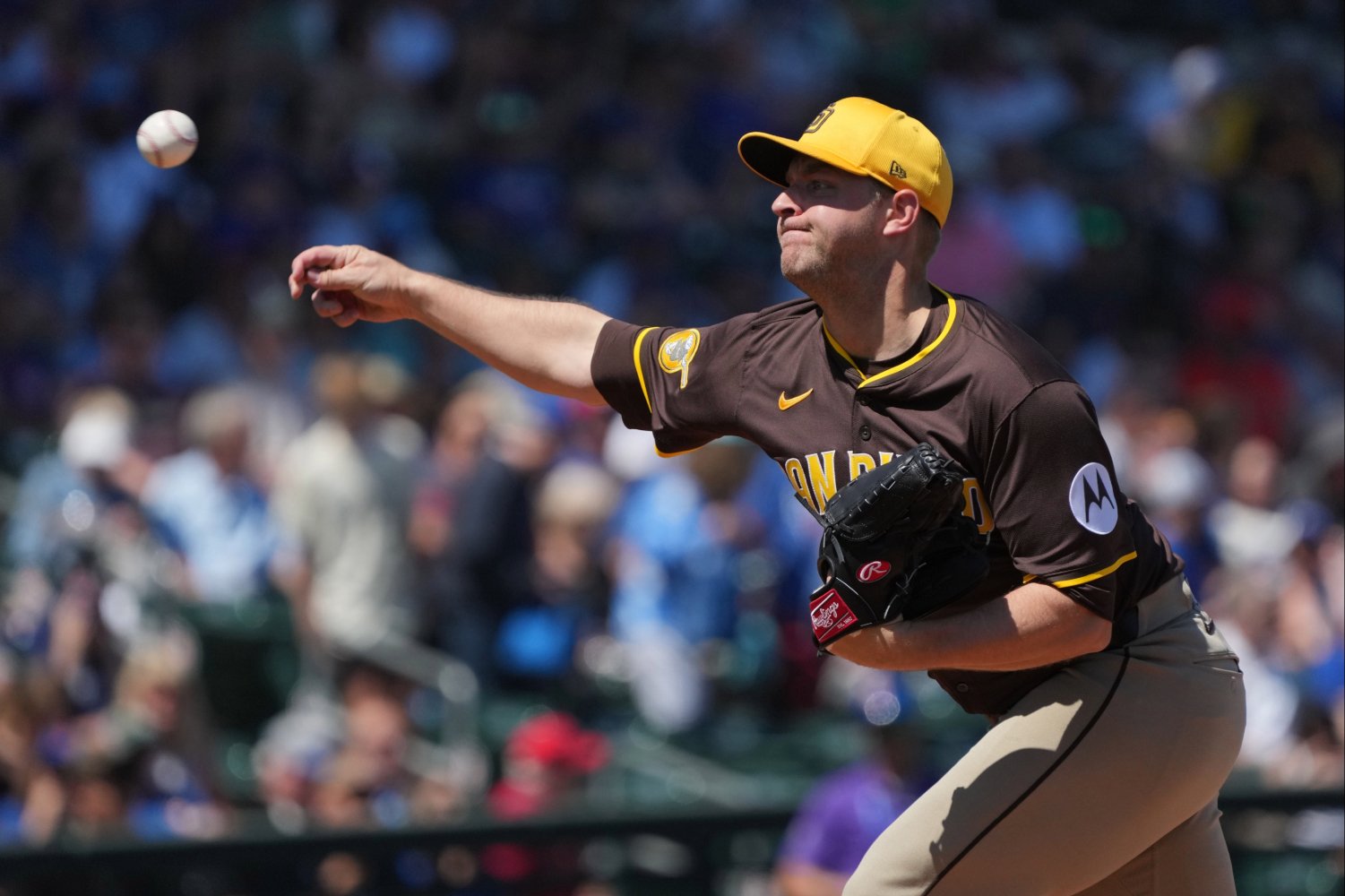 The dust has settled from the most enthralling World Series in ages, which has subsequently led to the outset of an offseason that, in many ways, figures to be just as intriguing as the play on the field. A great deal of speculation has been placed on how Jed Hoyer and his braintrust will build off of a successful 2025 campaign, which brought winning playoff baseball back to Wrigley Field for the first time since 2017. By now, you know that whatever plans the organization moves forward with will not include left-handed ace and sentimental fan-favorite Shota Imanaga. The 32-year-old hurler just finished his second full year of Major League Baseball in a Cubs uniform, a disappointing campaign for the starter in terms of not just a drop in velocity and victories, but in his club's confidence in him to go out and get the job done. The show must go on, but hopefully with the right performers to make this heartbreaking turn of events worthwhile. With a flurry of top-flight free-agent pitchers hitting the market as we speak, it's up to the front office to get this squad's momentum heading in the right direction. Might I humbly offer the three most suitable options the club must pursue to ensure that their next act is worthy of ovation. Michael King: Over his seven years as a major league pitcher, King has curated the kind of profile that makes him a perfect fit for the Chicago Cubs' rotation. Like Imanaga, he's teetering on the wrong side of 30, but he boasts a 3.24 career ERA with 559 punch outs since his debut. Though suffering a stark decline in strikeouts from 2024 to 2025, he features an impressive array of pitches. His go-to pitch, the sinker, pairs well with his other off-speed pitches, leading to a 66th-percentile whiff rate. Along with fellow Padres starter, Dylan Cease, King took an overall step back in 2025 on a team which the Cubs defeated in the Wild Card Round of the 2025 playoffs. A good amount of that can be chalked up to knee and shoulder issues, which may scare off potential suitors this winter. Even when taking those drawbacks into consideration, King makes sense as a priority target for the Cubs. Pitching coach Tommy Hottovy has a penchant for squeezing every last drop of potential from his pitching staff, and it was just last year that the right-hander looked the part of a staff ace. If he works out, King could be a royal pain for opposing batters to deal with. Joe Ryan; In his time wearing a Twins uniform, there's nothing about this 29-year-old righty's eye test that screams, "Get this guy to Wrigleyville!" But, the more you examine both his performances and pitch arsenal, he makes sense. The most tantalizing aspect of Ryan's game is that he's a certified strike-thrower. Employing his four-seam fastball over 50% of the time, Ryan ranks in the 84th percentile in strikeouts. Perhaps more importantly, he ranks in the 87th percentile in walk rate. If getting guys out by way of the K and not letting them reach base sounds good, Ryan is your man. Dylan Cease: When you clicked on this article, this was probably the first name you expected to see. Since the Cubs traded Cease to their Southside counterparts in 2017, he's been one of the game's premier hurlers. Though he's fallen on relatively hard times the past two seasons, he's still got the raw stuff the Cubs have been lacking in their rotation. Though he only won eight games in 2025 with a 4.55 ERA, he recorded a far more impressive fourth-place finish in Cy Young voting in 2024. And during both seasons, he gave the Padres a whole bunch of innings, spinning 189 1/3 in 2024, and 168.0 in 2025. As the Cubbies have recently done with starters such as elder statesman Matthew Boyd, Cease could experience a resurgence in effectiveness as a member of Craig Counsell's squad. Outside of his ties to the city, Cease also features a more balanced pitch selection than some of his fastball-heavy free-agent counterparts. I'm certain that if Cubs fans could prioritize one reunion, it would be with Kyle Schwarber, but, should fortunes allow, Dylan Cease is an individual the whole organization should hold in high regard when it comes to playing for the home team at Wrigley once more. This is simply a select few options the North Siders have at their disposal, though in my mind, they figure to be the best. The Chicago Cubs are coming off of a postseason appearance that thrilled us all, but still felt like it was too short. The alchemy of this team is changing, and with the departure of Shota Imanaga heralds the loss of the club's soul. If this front office seeks to quickly restore it, it had better make its response count.
 -
Image courtesy of © Rick Scuteri-Imagn Images The dust has settled from the most enthralling World Series in ages, which has subsequently led to the outset of an offseason that, in many ways, figures to be just as intriguing as the play on the field. A great deal of speculation has been placed on how Jed Hoyer and his braintrust will build off of a successful 2025 campaign, which brought winning playoff baseball back to Wrigley Field for the first time since 2017. By now, you know that whatever plans the organization moves forward with will not include left-handed ace and sentimental fan-favorite Shota Imanaga. The 32-year-old hurler just finished his second full year of Major League Baseball in a Cubs uniform, a disappointing campaign for the starter in terms of not just a drop in velocity and victories, but in his club's confidence in him to go out and get the job done. The show must go on, but hopefully with the right performers to make this heartbreaking turn of events worthwhile. With a flurry of top-flight free-agent pitchers hitting the market as we speak, it's up to the front office to get this squad's momentum heading in the right direction. Might I humbly offer the three most suitable options the club must pursue to ensure that their next act is worthy of ovation. Michael King: Over his seven years as a major league pitcher, King has curated the kind of profile that makes him a perfect fit for the Chicago Cubs' rotation. Like Imanaga, he's teetering on the wrong side of 30, but he boasts a 3.24 career ERA with 559 punch outs since his debut. Though suffering a stark decline in strikeouts from 2024 to 2025, he features an impressive array of pitches. His go-to pitch, the sinker, pairs well with his other off-speed pitches, leading to a 66th-percentile whiff rate. Along with fellow Padres starter, Dylan Cease, King took an overall step back in 2025 on a team which the Cubs defeated in the Wild Card Round of the 2025 playoffs. A good amount of that can be chalked up to knee and shoulder issues, which may scare off potential suitors this winter. Even when taking those drawbacks into consideration, King makes sense as a priority target for the Cubs. Pitching coach Tommy Hottovy has a penchant for squeezing every last drop of potential from his pitching staff, and it was just last year that the right-hander looked the part of a staff ace. If he works out, King could be a royal pain for opposing batters to deal with. Joe Ryan; In his time wearing a Twins uniform, there's nothing about this 29-year-old righty's eye test that screams, "Get this guy to Wrigleyville!" But, the more you examine both his performances and pitch arsenal, he makes sense. The most tantalizing aspect of Ryan's game is that he's a certified strike-thrower. Employing his four-seam fastball over 50% of the time, Ryan ranks in the 84th percentile in strikeouts. Perhaps more importantly, he ranks in the 87th percentile in walk rate. If getting guys out by way of the K and not letting them reach base sounds good, Ryan is your man. Dylan Cease: When you clicked on this article, this was probably the first name you expected to see. Since the Cubs traded Cease to their Southside counterparts in 2017, he's been one of the game's premier hurlers. Though he's fallen on relatively hard times the past two seasons, he's still got the raw stuff the Cubs have been lacking in their rotation. Though he only won eight games in 2025 with a 4.55 ERA, he recorded a far more impressive fourth-place finish in Cy Young voting in 2024. And during both seasons, he gave the Padres a whole bunch of innings, spinning 189 1/3 in 2024, and 168.0 in 2025. As the Cubbies have recently done with starters such as elder statesman Matthew Boyd, Cease could experience a resurgence in effectiveness as a member of Craig Counsell's squad. Outside of his ties to the city, Cease also features a more balanced pitch selection than some of his fastball-heavy free-agent counterparts. I'm certain that if Cubs fans could prioritize one reunion, it would be with Kyle Schwarber, but, should fortunes allow, Dylan Cease is an individual the whole organization should hold in high regard when it comes to playing for the home team at Wrigley once more. This is simply a select few options the North Siders have at their disposal, though in my mind, they figure to be the best. The Chicago Cubs are coming off of a postseason appearance that thrilled us all, but still felt like it was too short. The alchemy of this team is changing, and with the departure of Shota Imanaga heralds the loss of the club's soul. If this front office seeks to quickly restore it, it had better make its response count. View full article
-
Image courtesy of © Michael McLoone-Imagn Images After the baseball world witnessed its brightest star, Shohei Ohtani, make history with his 10-strikeout, three-homer performance over the weekend, something still felt like it was missing. What is it? Might I offer an answer? It's a stadium called Wrigley Field and the brand of baseball they play there. Let's face it: Baseball is better when the Cubs are better. The admirable, "You gotta hand it to them" thing about sports villains is that they often effusively embrace their role as such. Arguably no team in professional sports willfully accepts that role more than Dave Roberts and his Los Angeles Dodgers. To say that Ohtani and his squad made quick work of the Milwaukee Brewers in the NLCS would be akin to proclaiming how easy it is for Michael Jordan to dunk on a Fisher-Price rim. Put bluntly, the Dodgers have too much money and a clear monopoly on snatching up the best players in the game. Don't let anyone tell you that's good for baseball, it's not. The "small-market" franchises owned by billionaires who beg for pity aren't innocent in this equation, either, but the Dodgers are a chief factor in the 2027 lockout rumors. We've been treated to an outstanding postseason. From high-heat Daniel Palencia "Gasolina", to a 15-inning marathon thriller between the Tigers and Mariners that blurred the lines between last call and first call, baseball made a stirring case as to why its postseason tournament stands tall as one of the best. Perhaps, then, the need to sustain the momentum that the game has built up this October, will serve as one of the driving forces in reaching a new Collective Bargaining Agreement to resume baseball operations for all 30 teams in 2027 and certainly in 2028. I love baseball too much to further discuss losing it even temporarily, so let's move on. One of the tentpoles of baseball which makes it such a special exercise in athletic competition is its emphasis on moments, and to a greater extent, stories. An early-morning walk through Gallagher Way, taking in the sights of statues of some of the Chicago Cubs legends like Fergie Jenkins and the late, great Ryne Sandberg proves as much. Since 1876, some version of the club we know as the Chicago Cubs has played baseball. Sitting in my green folding seat in the 200's section down the first-base line of Wrigley Field for Game 1 of the Cubs' Wild Card series versus the San Diego Padres, I could feel every bit of this club's storied history. Standing with the other 40,000 in attendance, the ground under my feet rattled with the type of force that made you look up at the blue skies bewildered in search of the source of origin for thunder. It turns out, it was the best kind of thunder: the kind created by happy Cubs fans. With each out Matthew Boyd recorded, the sense of wonder and responsibility for the supporters in the building increased, with knowledge that, in the playoffs, as the external noise grows louder, so does the internal noise for the opposing players. In the bottom of the fifth inning, trailing by one, all of the noise rested firmly between the ears of the Cubbies, with slugger Seiya Suzuki striding hot into the batter's box. He laced a homer to left-center, tying the game as the crowd erupted. Now, through an uncommon formula of chemistry unique to the Cubs, the squad had encountered several instances throughout the season which put them to the test. After knotting up the game, the North Siders' underrated backstop Carson Kelly stepped to the dish, with designs on untying game. On a 2-2 count, Kelly deposited a homer that just cleared the basket in left-center field. At that exact moment, everyone in the building could feel the energy change. The feeling, electric as it was, felt familiar, as this Chicago Cubs team made a living off of resilience, and feeding on each other's energy. The celebration was epic yes, but it was created through a template that was painstakingly manifested. In their near-comeback versus the Milwaukee Brewers in the NLDS, the Cubs stuck to a similar formula, battling back from an 0-2 deficit and sending the series to a do-or-die Game 5. Ultimately, what stopped the Cubs short of their loftiest goals in 2025, was failing to meet at the intersection of chemistry, talent, and experience. The club did not make enough moves to ensure it wouldn't run out of ammo in October. Chicago appeared to absolutely empty the tank to make it as far as it did. Though they possess the will and belief, they need more. The 2026 campaign will almost inevitably begin with Kyle Tucker on another team. That may be alright in the long run for the Cubbies, given the crop of talent they've got in their farm system, the existing core of the big league club, and some freshly available upcoming free agents like Alex Bregman. Should they actually land a player of that caliber, he'll be coming into a clubhouse with a pretty rock solid foundation. Once the conclusion of the Fall Classic officially ties a bow on the 2025 MLB season, the work begins once again in earnest for all 30 clubs. If they wish to be the last team standing in the near future, the squad that should be hardest at work is your Chicago Cubs. View full article
-
Vibe Check: Chemistry Took the Cubs Far, but Stability Will Take Them Further
RavenCub30 posted an article in Cubs
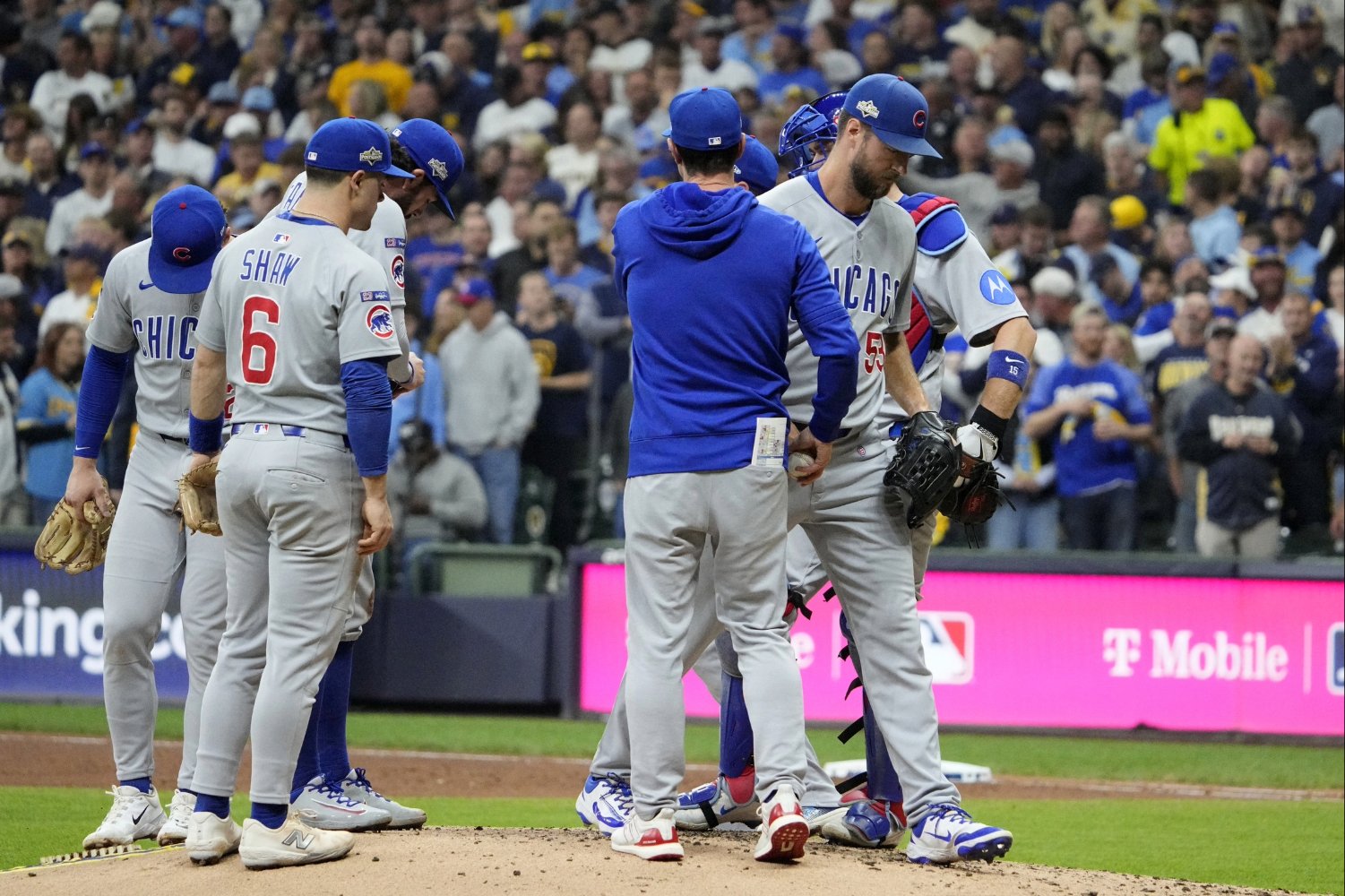 After the baseball world witnessed its brightest star, Shohei Ohtani, make history with his 10-strikeout, three-homer performance over the weekend, something still felt like it was missing. What is it? Might I offer an answer? It's a stadium called Wrigley Field and the brand of baseball they play there. Let's face it: Baseball is better when the Cubs are better. The admirable, "You gotta hand it to them" thing about sports villains is that they often effusively embrace their role as such. Arguably no team in professional sports willfully accepts that role more than Dave Roberts and his Los Angeles Dodgers. To say that Ohtani and his squad made quick work of the Milwaukee Brewers in the NLCS would be akin to proclaiming how easy it is for Michael Jordan to dunk on a Fisher-Price rim. Put bluntly, the Dodgers have too much money and a clear monopoly on snatching up the best players in the game. Don't let anyone tell you that's good for baseball, it's not. The "small-market" franchises owned by billionaires who beg for pity aren't innocent in this equation, either, but the Dodgers are a chief factor in the 2027 lockout rumors. We've been treated to an outstanding postseason. From high-heat Daniel Palencia "Gasolina", to a 15-inning marathon thriller between the Tigers and Mariners that blurred the lines between last call and first call, baseball made a stirring case as to why its postseason tournament stands tall as one of the best. Perhaps, then, the need to sustain the momentum that the game has built up this October, will serve as one of the driving forces in reaching a new Collective Bargaining Agreement to resume baseball operations for all 30 teams in 2027 and certainly in 2028. I love baseball too much to further discuss losing it even temporarily, so let's move on. One of the tentpoles of baseball which makes it such a special exercise in athletic competition is its emphasis on moments, and to a greater extent, stories. An early-morning walk through Gallagher Way, taking in the sights of statues of some of the Chicago Cubs legends like Fergie Jenkins and the late, great Ryne Sandberg proves as much. Since 1876, some version of the club we know as the Chicago Cubs has played baseball. Sitting in my green folding seat in the 200's section down the first-base line of Wrigley Field for Game 1 of the Cubs' Wild Card series versus the San Diego Padres, I could feel every bit of this club's storied history. Standing with the other 40,000 in attendance, the ground under my feet rattled with the type of force that made you look up at the blue skies bewildered in search of the source of origin for thunder. It turns out, it was the best kind of thunder: the kind created by happy Cubs fans. With each out Matthew Boyd recorded, the sense of wonder and responsibility for the supporters in the building increased, with knowledge that, in the playoffs, as the external noise grows louder, so does the internal noise for the opposing players. In the bottom of the fifth inning, trailing by one, all of the noise rested firmly between the ears of the Cubbies, with slugger Seiya Suzuki striding hot into the batter's box. He laced a homer to left-center, tying the game as the crowd erupted. Now, through an uncommon formula of chemistry unique to the Cubs, the squad had encountered several instances throughout the season which put them to the test. After knotting up the game, the North Siders' underrated backstop Carson Kelly stepped to the dish, with designs on untying game. On a 2-2 count, Kelly deposited a homer that just cleared the basket in left-center field. At that exact moment, everyone in the building could feel the energy change. The feeling, electric as it was, felt familiar, as this Chicago Cubs team made a living off of resilience, and feeding on each other's energy. The celebration was epic yes, but it was created through a template that was painstakingly manifested. In their near-comeback versus the Milwaukee Brewers in the NLDS, the Cubs stuck to a similar formula, battling back from an 0-2 deficit and sending the series to a do-or-die Game 5. Ultimately, what stopped the Cubs short of their loftiest goals in 2025, was failing to meet at the intersection of chemistry, talent, and experience. The club did not make enough moves to ensure it wouldn't run out of ammo in October. Chicago appeared to absolutely empty the tank to make it as far as it did. Though they possess the will and belief, they need more. The 2026 campaign will almost inevitably begin with Kyle Tucker on another team. That may be alright in the long run for the Cubbies, given the crop of talent they've got in their farm system, the existing core of the big league club, and some freshly available upcoming free agents like Alex Bregman. Should they actually land a player of that caliber, he'll be coming into a clubhouse with a pretty rock solid foundation. Once the conclusion of the Fall Classic officially ties a bow on the 2025 MLB season, the work begins once again in earnest for all 30 clubs. If they wish to be the last team standing in the near future, the squad that should be hardest at work is your Chicago Cubs.
 -
Cubs Week in Review: Club Mourns Season’s End, Turns Eye Toward Future
RavenCub30 posted an article in Cubs
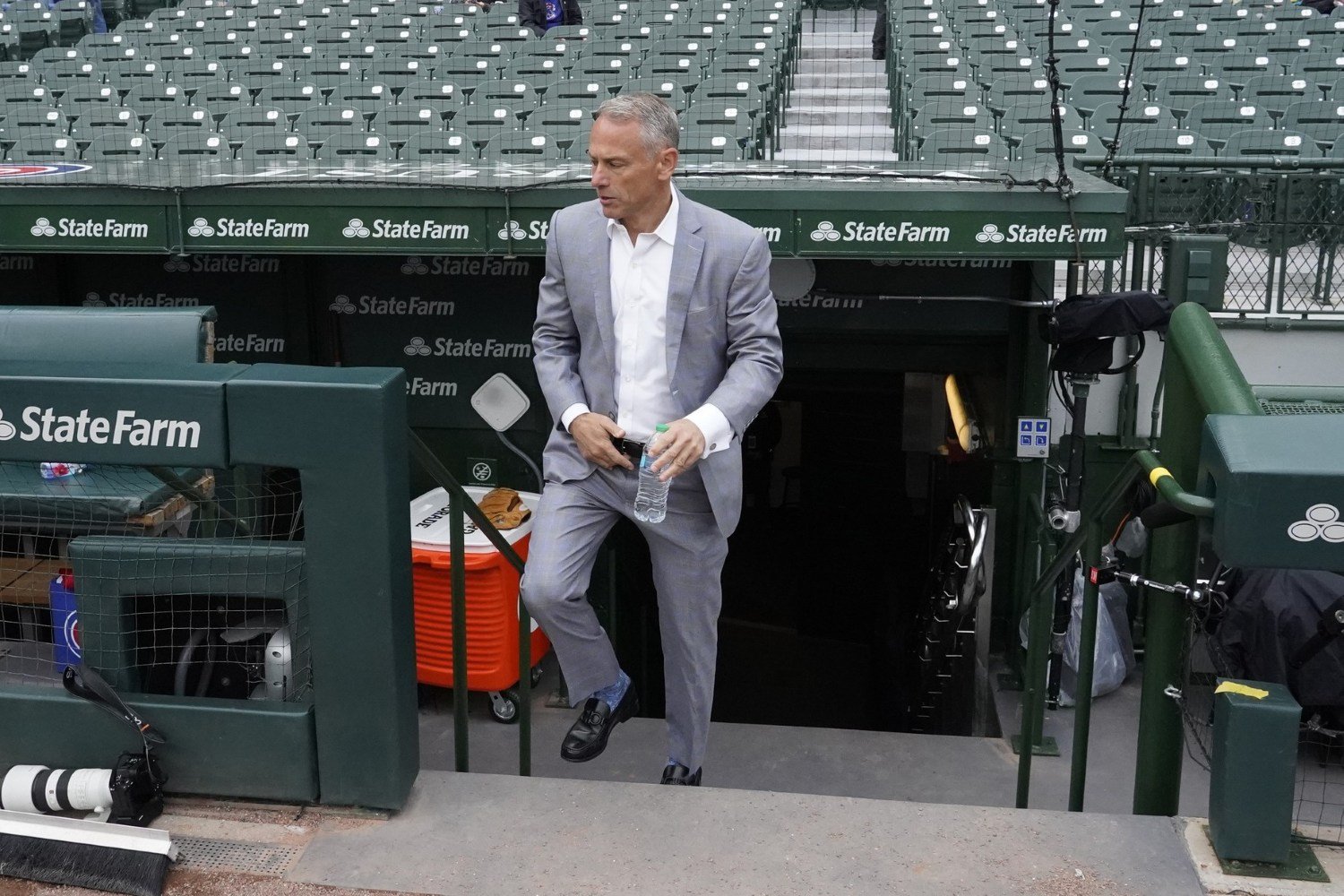 Suffering through the first week of this four-month long offseason, the Chicago Cubs organization, got a stern lesson. Our feelings of jubilation, fist bumps, and blue towel-waving earlier this month swiftly transformed into longing for next year. Compound that with the cocktail of jealousy, despair and schadenfreude of watching the Dodgers sweep the Brewers in the NLCS, and you've got the start of one of the most uncomfortable offseasons in recent memory. Craig Counsell and his Cubs aren't the only eliminated squad back at the drawing board, figuring out a fresh blueprint for further playoff success. The San Diego Padres, the club Chicago ousted in the Wild Card round, are suddenly in need of a new skipper, as Mike Shildt abruptly announced his retirement this past week. Early speculation suggests that Cubs bench coach Ryan Flaherty could be a candidate, which would be a tough loss for the North Siders. That Craig Counsell has assembled such a formidable and even enviable staff, though, bodes well. For the team to reach similar or greater heights in 2026, certain things must change on the field. They need a beefier, bolstered bullpen, capable of setting down opposing bats faster than a bleacher bum wolfs down helmet nachos. Enter, perhaps, Yankees free-agent hurler Devin Williams, once a standout for Counsell in Milwaukee. Williams, a former lockdown closer, is coming off his worst season by far, turning in a 4.79 ERA in Yankee pinstripes, but a reunion with his old skipper and a match with the Cubs' solid pitching infrastructure could fix him. Kevin Alcántara, "The Jaguar," is one of the most intriguing prospects in the Cubs organization, and though sprinkled into the lineup sparingly toward the end of the season, he's yet to show off his true potential. Though he played through it all season, Alcántara underwent surgery for a sports hernia that figures to alter his offseason regimen. While the hot stove fires up, Jed Hoyer and the North Siders' brass have much to do in maintaining the organization's favorable position within the National League. That's a big responsibility—staying at or near the top once you get there is difficult, and the Cubs have yet to show they can keep pace with the Brewers—but that's the cost of high expectations. They have a tough needle to thread in the winter ahead; Hoyer is well aware of that. This time, at least, they have a foundation of success on which next season can build. rather than a hole out of which they must dig.
 -
Image courtesy of © David Banks-Imagn Images Suffering through the first week of this four-month long offseason, the Chicago Cubs organization, got a stern lesson. Our feelings of jubilation, fist bumps, and blue towel-waving earlier this month swiftly transformed into longing for next year. Compound that with the cocktail of jealousy, despair and schadenfreude of watching the Dodgers sweep the Brewers in the NLCS, and you've got the start of one of the most uncomfortable offseasons in recent memory. Craig Counsell and his Cubs aren't the only eliminated squad back at the drawing board, figuring out a fresh blueprint for further playoff success. The San Diego Padres, the club Chicago ousted in the Wild Card round, are suddenly in need of a new skipper, as Mike Shildt abruptly announced his retirement this past week. Early speculation suggests that Cubs bench coach Ryan Flaherty could be a candidate, which would be a tough loss for the North Siders. That Craig Counsell has assembled such a formidable and even enviable staff, though, bodes well. For the team to reach similar or greater heights in 2026, certain things must change on the field. They need a beefier, bolstered bullpen, capable of setting down opposing bats faster than a bleacher bum wolfs down helmet nachos. Enter, perhaps, Yankees free-agent hurler Devin Williams, once a standout for Counsell in Milwaukee. Williams, a former lockdown closer, is coming off his worst season by far, turning in a 4.79 ERA in Yankee pinstripes, but a reunion with his old skipper and a match with the Cubs' solid pitching infrastructure could fix him. Kevin Alcántara, "The Jaguar," is one of the most intriguing prospects in the Cubs organization, and though sprinkled into the lineup sparingly toward the end of the season, he's yet to show off his true potential. Though he played through it all season, Alcántara underwent surgery for a sports hernia that figures to alter his offseason regimen. While the hot stove fires up, Jed Hoyer and the North Siders' brass have much to do in maintaining the organization's favorable position within the National League. That's a big responsibility—staying at or near the top once you get there is difficult, and the Cubs have yet to show they can keep pace with the Brewers—but that's the cost of high expectations. They have a tough needle to thread in the winter ahead; Hoyer is well aware of that. This time, at least, they have a foundation of success on which next season can build. rather than a hole out of which they must dig. View full article
-
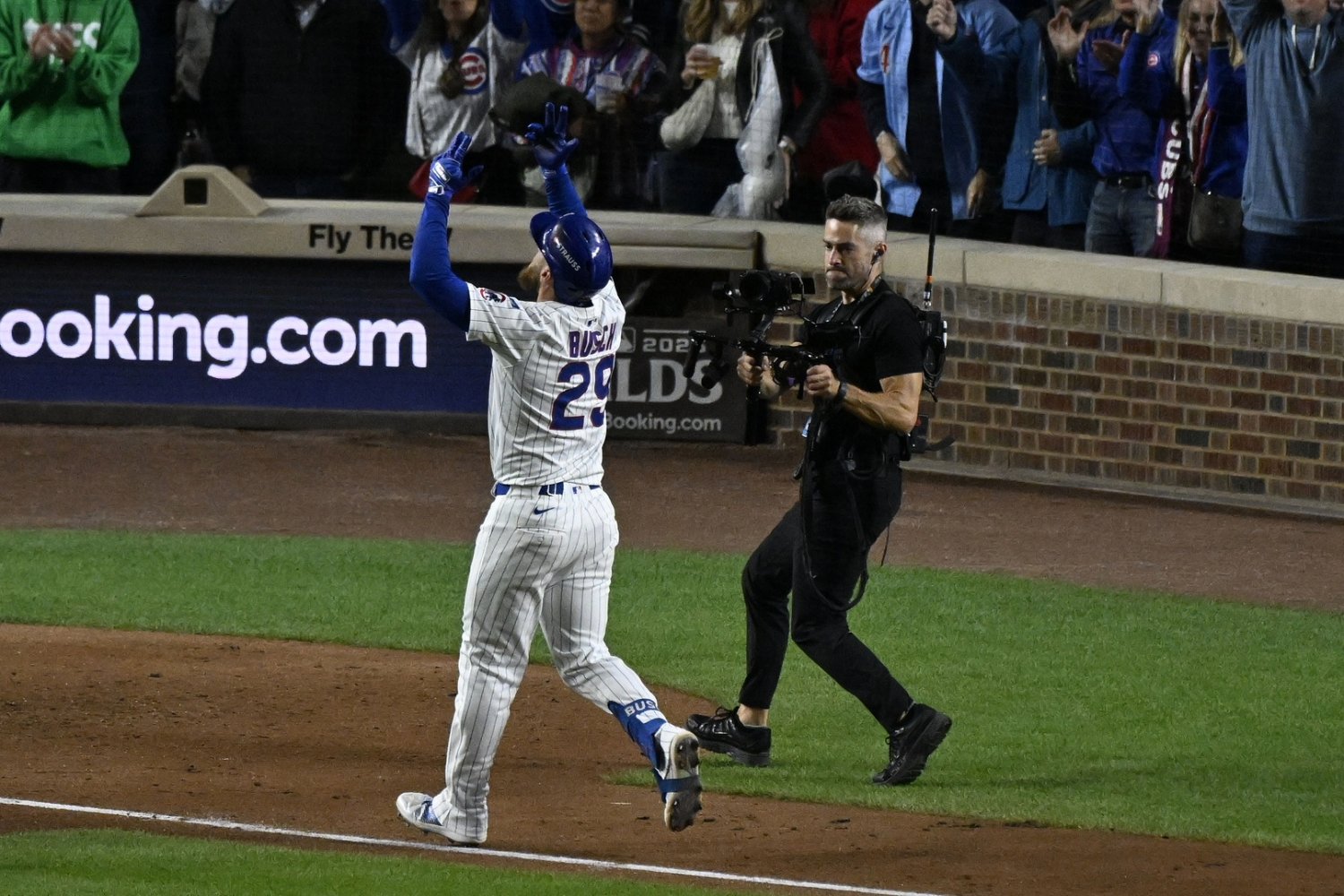 Getting their first taste of playoff success in eight long years, the whole Chicago Cubs organization from top to bottom viscerally experienced how satisfying and cinematic October baseball really is. For nearly a fortnight, Michael Busch was the lead actor in the film. And what a picture it was. Of course, the scene could have never been set in such a way had the Los Angeles Dodgers not generously gifted the prolific bopper to the Cubbies at the outset of the 2024 campaign. Despite the agonizing fashion in which the Milwaukee Brewers dispatched Busch's club from the 2025 postseason proceedings, he proved through power, consistency, and tremendous baseball acumen that he is the prototype for what a Chicago Cub should be under the bright lights of the postseason. The long ball is unequivocally the most exciting play in baseball. Yielding various measures of success, Michael Busch dialed it up frequently. On three occasions, the first baseman, out of the leadoff spot for the North Siders, pelted Brewers' pitching for dingers. Now, of course, they didn't all hold up, especially his blast in Game 1, but what he did do is what any manager wants from the top spot in the lineup: give the other team a problem to figure out. That Craig Counsell's pitching staff looked absolutely gassed in this series isn't Busch's fault. Stretching the bigger picture out just a bit, a good deal of what informed Busch's playoff success is his plate discipline. In 2025, he only put forth a chase rate of 23.6%, challenging opposing pitchers from all 29 of the other MLB teams to really throw something nasty to get him to expand the zone. His hard-hit rate also jumped from 39.9% in 2024 to 47.3% in 2025. Busch is seeing the ball better, and swinging at better pitches. From a standpoint of what his value to the club equated to in the NLDS, he didn't necessarily create scoring opportunities for the rest of the top of the order, because he was the scoring opportunity. It certainly transformed how Pat Murphy decided how to go after Nico Hoerner, Kyle Tucker, and Seiya Suzuki. In the cases of Hoerner and Suzuki, it didn't much matter, even though they bring much different approaches to the plate, they were still able to come through in clutch situations, at least in the two games at Wrigley Field. Operating in the unenviable position of fielding questions as to what went wrong for this Cubs team, not a single member of the top brass in the organization can point to a thing that was done by Michael Busch. It wasn't just his on-field performance that cemented his place as a Cubby playoff hero, it's the electric energy and pure joy he exudes that makes him one of the primary leaders of this squad. Capturing the imaginations of supporters and media professionals alike, Busch's postseason heroics in 2025 garnered a tribute from the great Mully and Haugh of 670 The Score, commemorating the slugger's efforts with a hysterical "beer for breakfast" Busch Light salute live on-air last week. If that's not respect, I don't know what is. What made Michael Busch's play in this postseason great is the same thing that made his squad's abrupt exit from the playoffs agonizing: He showed that this team has more baseball in them. Save for some mightily perplexing managerial choices and lack of depth from the rotation, the Cubs could be taking batting practice at Dodger Stadium right now. They're not, and Busch, brilliant as he was, can't do it alone. In fact, he might be doing it with a significantly new-look Cubs' lineup in 2026 pending the departure of free agent right fielder Kyle Tucker. Some known commodities will be plugged in to various positions for Chicago next season, but how they will mesh together remains to be seen. What simply cannot be overlooked is this: The Cubs are a very good baseball team and delivered a catalog's worth of memorable moments in 2025. It always seemed like Busch was in the middle of those moments. Playing for a fanbase starved for postseason success, the first baseman provided the kind of nourishment this city, and this team, had been waiting for.
 -
Image courtesy of © Matt Marton-Imagn Images Getting their first taste of playoff success in eight long years, the whole Chicago Cubs organization from top to bottom viscerally experienced how satisfying and cinematic October baseball really is. For nearly a fortnight, Michael Busch was the lead actor in the film. And what a picture it was. Of course, the scene could have never been set in such a way had the Los Angeles Dodgers not generously gifted the prolific bopper to the Cubbies at the outset of the 2024 campaign. Despite the agonizing fashion in which the Milwaukee Brewers dispatched Busch's club from the 2025 postseason proceedings, he proved through power, consistency, and tremendous baseball acumen that he is the prototype for what a Chicago Cub should be under the bright lights of the postseason. The long ball is unequivocally the most exciting play in baseball. Yielding various measures of success, Michael Busch dialed it up frequently. On three occasions, the first baseman, out of the leadoff spot for the North Siders, pelted Brewers' pitching for dingers. Now, of course, they didn't all hold up, especially his blast in Game 1, but what he did do is what any manager wants from the top spot in the lineup: give the other team a problem to figure out. That Craig Counsell's pitching staff looked absolutely gassed in this series isn't Busch's fault. Stretching the bigger picture out just a bit, a good deal of what informed Busch's playoff success is his plate discipline. In 2025, he only put forth a chase rate of 23.6%, challenging opposing pitchers from all 29 of the other MLB teams to really throw something nasty to get him to expand the zone. His hard-hit rate also jumped from 39.9% in 2024 to 47.3% in 2025. Busch is seeing the ball better, and swinging at better pitches. From a standpoint of what his value to the club equated to in the NLDS, he didn't necessarily create scoring opportunities for the rest of the top of the order, because he was the scoring opportunity. It certainly transformed how Pat Murphy decided how to go after Nico Hoerner, Kyle Tucker, and Seiya Suzuki. In the cases of Hoerner and Suzuki, it didn't much matter, even though they bring much different approaches to the plate, they were still able to come through in clutch situations, at least in the two games at Wrigley Field. Operating in the unenviable position of fielding questions as to what went wrong for this Cubs team, not a single member of the top brass in the organization can point to a thing that was done by Michael Busch. It wasn't just his on-field performance that cemented his place as a Cubby playoff hero, it's the electric energy and pure joy he exudes that makes him one of the primary leaders of this squad. Capturing the imaginations of supporters and media professionals alike, Busch's postseason heroics in 2025 garnered a tribute from the great Mully and Haugh of 670 The Score, commemorating the slugger's efforts with a hysterical "beer for breakfast" Busch Light salute live on-air last week. If that's not respect, I don't know what is. What made Michael Busch's play in this postseason great is the same thing that made his squad's abrupt exit from the playoffs agonizing: He showed that this team has more baseball in them. Save for some mightily perplexing managerial choices and lack of depth from the rotation, the Cubs could be taking batting practice at Dodger Stadium right now. They're not, and Busch, brilliant as he was, can't do it alone. In fact, he might be doing it with a significantly new-look Cubs' lineup in 2026 pending the departure of free agent right fielder Kyle Tucker. Some known commodities will be plugged in to various positions for Chicago next season, but how they will mesh together remains to be seen. What simply cannot be overlooked is this: The Cubs are a very good baseball team and delivered a catalog's worth of memorable moments in 2025. It always seemed like Busch was in the middle of those moments. Playing for a fanbase starved for postseason success, the first baseman provided the kind of nourishment this city, and this team, had been waiting for. View full article
-
Image courtesy of © Michael McLoone-Imagn Images And just like that, the Chicago Cubs' 2025 campaign has concluded. Securing their first playoff victory since 2017, the Cubs got to play eight additional games, past the standard 162. They're heading into their shortest offseason since 2020, and yet, it feels as though it's starting too soon. Watching the team that dispatched them take almost as much pleasure in the Cubs' demise as in their own triumph, the overall takeaway from a season full of promise is a bad taste more bitter than Malört. The grind began eight months ago, when pitchers and catchers reported to Arizona. As Matt Shaw pointed out, it somehow feels as though even more time has elapsed. The Milwaukee Brewers, enjoying a season for the ages, had no regard for the Cubs' sentimental whims, nor visions of keeping their season alive. A 7-3 dispatching of the Cubs in Game 2 of the NLDS proved as much. Enthusiasts of Chicago's North Side baseball team are now acutely aware of the liability their left-handed ace Shota Imanaga poses. For much of the second half of the season, the 32-year-old hurler battled goferitis, and he gave up three home runs in front of a Brewers-mad crowd hell-bent on keeping Cubs supporters from establishing a presence inside Milwaukee's unfriendly confines. There had been several inflection points this season where the Cubs' banged-up pitching staff manifested serious trouble for Craig Counsell's squad. With Cade Horton and Justin Steele out, the North Siders never enjoyed the benefit of operating at full strength on the mound. Imanaga could not place pitches with the consistency and precision he needed, and a puzzling drop in velocity turned his fastball into glorified batting practice. The emphatic loss brought the Cubs a game away from elimination. With orange-tinged ivy ringing the outfield, the grossly underrated Jameson Taillon and the Cubs delayed the Brewers' bliss by one more day with a stirring 4-3 victory in Wednesday's Game 3. Michael Busch is arguably the best thing going in a Cubs uniform, and proved it with his third homer of the postseason, a first-inning blast off of Chicagoland-native Quinn Priester. Priester was chased early from the contest, which saw the home team post a 4-spot in the first inning, their most runs scored in postseason baseball since 2017. The heroics of an inspired bullpen turned dejection into just the smallest glimmer, forcing a Game 4 the following evening. Every moment at Wrigley Field is memorable, but the Cubs' 6-0 blanking of the Brewers in Game 4 was one for the ages. It was a lockdown performance in all phases of the game, including from an offense which solved the mystery of scoring past the first inning. Marked by Ian Happ's breathtaking 3-run moonshot to deep right field, the whisper of hope for the Cubs in this Division Series turned into an all-out roar louder than the chants of "FRE-DDY" echoing throughout Wrigley Field. And then, on a chilly mid-October night in Milwaukee, the roar was silenced. This current Brewers club didn't earn its "Underdogs That Could" reputation by giving easy outs, and they didn't do that in this decisive contest, either. Drew Pomeranz was trusted with opening the do-or-die game. In a scenario where the Cubs desperately needed a clean first inning, the veteran hurler could not deliver. Pomeranz surrendered a first-inning blast to William Contreras that set a grim tone for the away team. Slugger Seiya Suzuki briefly evened the score, answering with a long ball of his own, but the Cubs' offense looked overmatched and exhausted in comparison to what Pat Murphy's club was able to orchestrate. In a cruel twist of fate, Kyle Tucker—in what was likely his last game as a Cub—whiffed on a 3-1, straight-down-the-pipe fastball that could have (at a minimum) tied the game, had he connected. Season disconnected. This season had almost everything. In winning 96 games, the organization announced that it holds itself to the same high standards the rest of us do. We also witnessed the meteoric rise of potential stars Pete Crow-Armstrong and Cade Horton. And in defeat, this season pointed out how far this team has to go in claiming the sport's ultimate prize. With the 10-year anniversary of the last World Series team looming in 2026, the coming months will reveal whether or not this organization will do what's necessary to dive even further into postseason waters. View full article
-
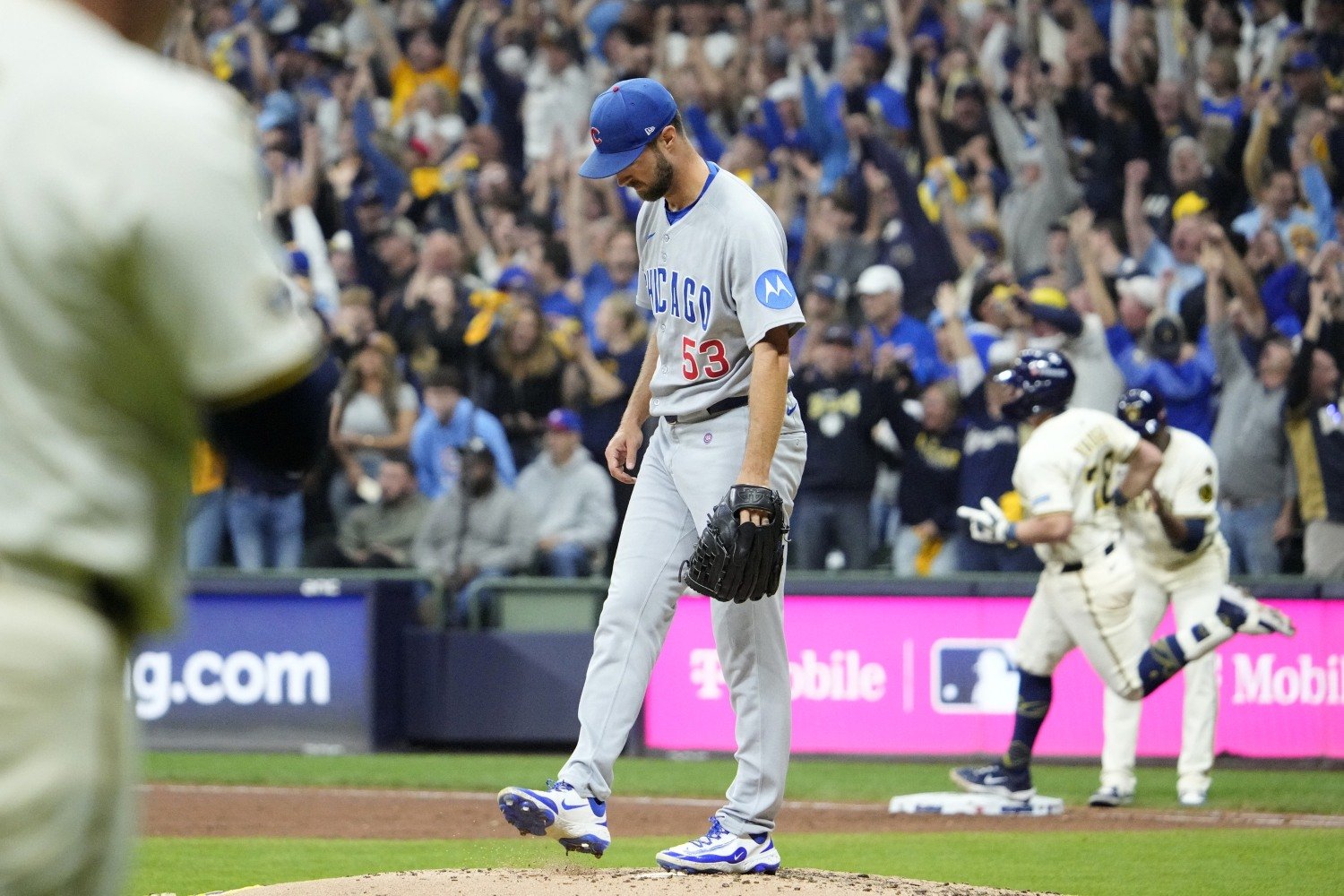 And just like that, the Chicago Cubs' 2025 campaign has concluded. Securing their first playoff victory since 2017, the Cubs got to play eight additional games, past the standard 162. They're heading into their shortest offseason since 2020, and yet, it feels as though it's starting too soon. Watching the team that dispatched them take almost as much pleasure in the Cubs' demise as in their own triumph, the overall takeaway from a season full of promise is a bad taste more bitter than Malört. The grind began eight months ago, when pitchers and catchers reported to Arizona. As Matt Shaw pointed out, it somehow feels as though even more time has elapsed. The Milwaukee Brewers, enjoying a season for the ages, had no regard for the Cubs' sentimental whims, nor visions of keeping their season alive. A 7-3 dispatching of the Cubs in Game 2 of the NLDS proved as much. Enthusiasts of Chicago's North Side baseball team are now acutely aware of the liability their left-handed ace Shota Imanaga poses. For much of the second half of the season, the 32-year-old hurler battled goferitis, and he gave up three home runs in front of a Brewers-mad crowd hell-bent on keeping Cubs supporters from establishing a presence inside Milwaukee's unfriendly confines. There had been several inflection points this season where the Cubs' banged-up pitching staff manifested serious trouble for Craig Counsell's squad. With Cade Horton and Justin Steele out, the North Siders never enjoyed the benefit of operating at full strength on the mound. Imanaga could not place pitches with the consistency and precision he needed, and a puzzling drop in velocity turned his fastball into glorified batting practice. The emphatic loss brought the Cubs a game away from elimination. With orange-tinged ivy ringing the outfield, the grossly underrated Jameson Taillon and the Cubs delayed the Brewers' bliss by one more day with a stirring 4-3 victory in Wednesday's Game 3. Michael Busch is arguably the best thing going in a Cubs uniform, and proved it with his third homer of the postseason, a first-inning blast off of Chicagoland-native Quinn Priester. Priester was chased early from the contest, which saw the home team post a 4-spot in the first inning, their most runs scored in postseason baseball since 2017. The heroics of an inspired bullpen turned dejection into just the smallest glimmer, forcing a Game 4 the following evening. Every moment at Wrigley Field is memorable, but the Cubs' 6-0 blanking of the Brewers in Game 4 was one for the ages. It was a lockdown performance in all phases of the game, including from an offense which solved the mystery of scoring past the first inning. Marked by Ian Happ's breathtaking 3-run moonshot to deep right field, the whisper of hope for the Cubs in this Division Series turned into an all-out roar louder than the chants of "FRE-DDY" echoing throughout Wrigley Field. And then, on a chilly mid-October night in Milwaukee, the roar was silenced. This current Brewers club didn't earn its "Underdogs That Could" reputation by giving easy outs, and they didn't do that in this decisive contest, either. Drew Pomeranz was trusted with opening the do-or-die game. In a scenario where the Cubs desperately needed a clean first inning, the veteran hurler could not deliver. Pomeranz surrendered a first-inning blast to William Contreras that set a grim tone for the away team. Slugger Seiya Suzuki briefly evened the score, answering with a long ball of his own, but the Cubs' offense looked overmatched and exhausted in comparison to what Pat Murphy's club was able to orchestrate. In a cruel twist of fate, Kyle Tucker—in what was likely his last game as a Cub—whiffed on a 3-1, straight-down-the-pipe fastball that could have (at a minimum) tied the game, had he connected. Season disconnected. This season had almost everything. In winning 96 games, the organization announced that it holds itself to the same high standards the rest of us do. We also witnessed the meteoric rise of potential stars Pete Crow-Armstrong and Cade Horton. And in defeat, this season pointed out how far this team has to go in claiming the sport's ultimate prize. With the 10-year anniversary of the last World Series team looming in 2026, the coming months will reveal whether or not this organization will do what's necessary to dive even further into postseason waters.
 -
Image courtesy of © Kamil Krzaczynski-Imagn Images On the brink of elimination, it feels trivial at best to dissect the starting pitching choices Craig Counsell and his staff could have made. But, if this is coming to you postmortem, and you're looking to start your long offseason with more mental duress, take time here to consider the options on the bump that maybe, just maybe, could have led to more favorable outcomes for the Chicago Cubs. Now, before you take this into account, along with all the rest of the nightmare fuel this NLDS has provided, consider this: Yes, the Brewers are a better team, but with a healthy Cade Horton and Justin Steele, it wouldn't have mattered. The players play, and they're playing their way out of postseason contention, and right on up to a microphone for various "Year In Review" podcasts. Who could have saved us from this painful fate? Will it be better 365 days from now? The phrase "all hands on deck" is thrown around in playoff baseball so much you can barely remember who was the last to say it. But despite its overuse, the Chicago Cubs' gut-wreching defeats in Games 1 and 2 of their NLDS series with Milwaukee introduce the question: Are all of the right hands on deck? Or could they have perhaps benefited from Javier Assad being one of the crew? One in a long line of Cubs who spent large chunks of the 2025 campaign hampered by injuries, Assad, the 28-year-old righty, returned for some spot starts late in the regular season. He's got a loaded arsenal of diverse pitches he likes to work up in the zone with; no Brewers got a look at him during the regular season; and, best of all, he was fully rested. But, alas, one big thing he is not: an available player on the North Siders' current playoff roster. The disastrous fashion in which things played out has led to more second-guessing than overly nervous patrons playing bar trivia. Among those who did land a place on this roster: Michael Soroka, Jed Hoyer's ill-fated attempt at a trade deadline starting pitcher, who (since his return from injury) has contributed serviceable but brief work out out of the bullpen. No one knows what could have been from Soroka had he not immediately succumbed to injury over the summer. That's the strange thing, the closed storyline branches of what could have been rarely reveal themselves when reality takes over. Whether it was Matthew Boyd getting lit up on three straight doubles to open the game, Nico Hoerner's horrific groundball gaffe at second, or a night full of near-escapes turned three-run Brewers homers, we don't get to see the alternate versions of what the games would have otherwise looked like if those events hadn't occurred. One undeniable fact is that while the Brewers are no fluke of a team, their run-scoring is infectious. Once one gets going, the hits tend to come in waves. Back in August, when the Chicago Cubs took 3-of-5 from the Brewers, they were able to rattle off three wins in a row—including a doubleheader sweep—largely because they shut their lineup down. Outside of the first game of that contest, the Brewers did nothing to overwhelm the Cubs from an offensive perspective. Boyd surrendered game-altering hits that hung up in the zone, and it appeared as if Brewers hitters were waiting on them. Imanaga, whom Milwaukee did see three times this year, ran out of ways to fool them. Assad's most-used pitch, the sinker, produced a sparse few extra-base hits. Over 66 plate appearances in 2025, Assad, when deploying his sinker, gave up one double and one triple. "Stuff" like that may have produced far different outcomes than what we witnessed this past Saturday, and perhaps either: Assad cruises through more stingy innings; or Soroka doesn't enter the game with the most hopeless situation imaginable. Soroka, in his limited work with the club, hasn't had the chance to pitch in very high-leverage situations. In getting completely battered by the Crew's eager lineup, Boyd did not afford his teammate a high-leverage situation, it wasn't even low-leverage, it was a lost cause. Soroka's fastball, kept low, causes bats to go much colder than the ones he puts up. His more streamlined array of pitches relies on close to equal parts of ground balls and strikeouts. The kind of rhythm the Brewers had gotten into when Soroka entered the game allowed neither. Assad's capacity for limiting hard contact (and forcing early, weaker batted balls) would also have been a welcome change of pace from what Imanaga and Daniel Palencia managed Monday night. Every pitch matters in the playoffs, in a way that makes the drama every bit as palpable as any other playoff tournament across professional sports. Assad has a unique profile, leaning less on things that modern statistical models reward and understand than do the other players (Soroka, Ben Brown, even Aaron Civale) who got spots on this round's pitching staff instead of him. The Cubs trusted others more than him, but by now, they might be ruing that choice. View full article
-
How Much Will Javier Assad's Absence From NLDS Roster Haunt the North Siders?
RavenCub30 posted an article in Cubs
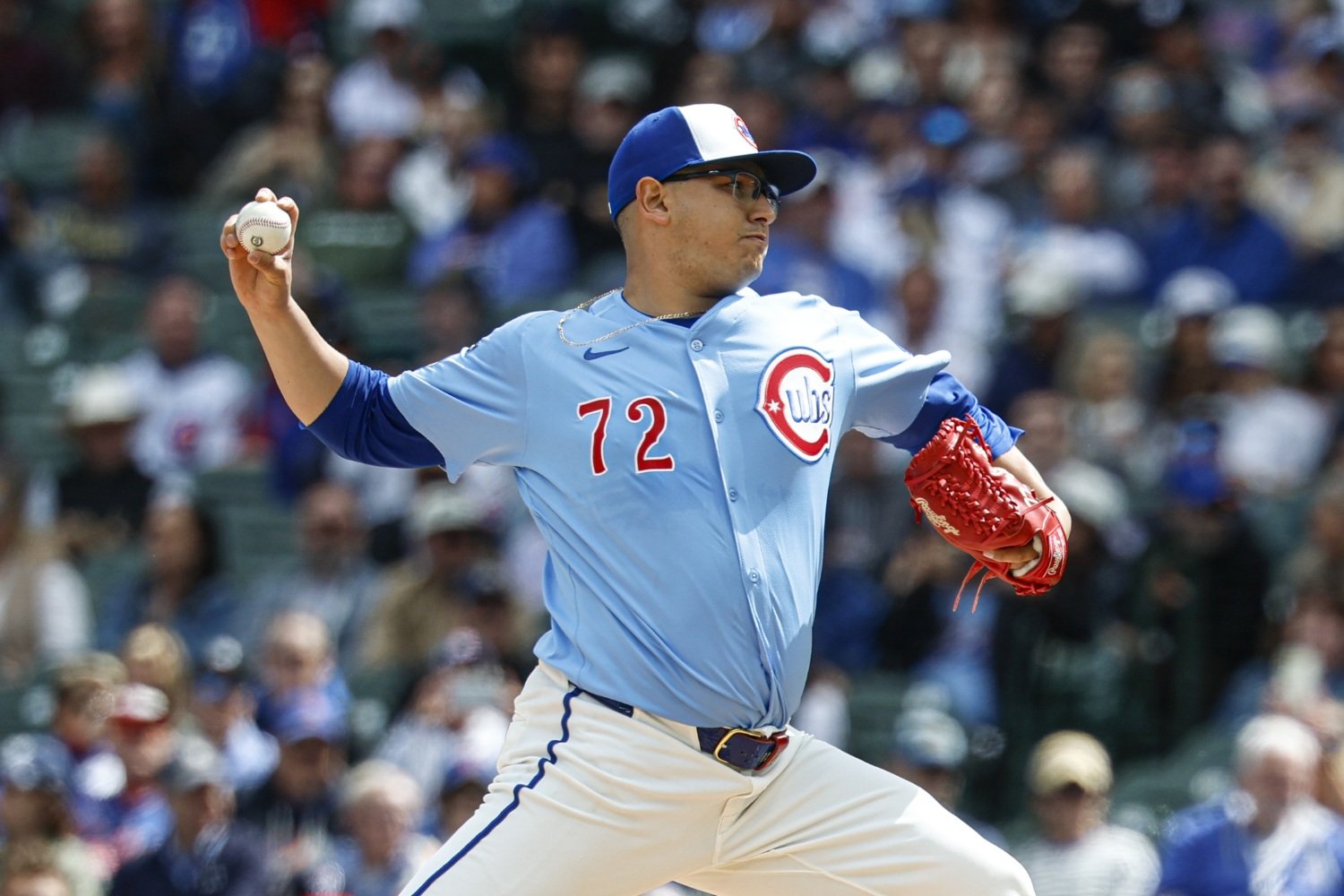 On the brink of elimination, it feels trivial at best to dissect the starting pitching choices Craig Counsell and his staff could have made. But, if this is coming to you postmortem, and you're looking to start your long offseason with more mental duress, take time here to consider the options on the bump that maybe, just maybe, could have led to more favorable outcomes for the Chicago Cubs. Now, before you take this into account, along with all the rest of the nightmare fuel this NLDS has provided, consider this: Yes, the Brewers are a better team, but with a healthy Cade Horton and Justin Steele, it wouldn't have mattered. The players play, and they're playing their way out of postseason contention, and right on up to a microphone for various "Year In Review" podcasts. Who could have saved us from this painful fate? Will it be better 365 days from now? The phrase "all hands on deck" is thrown around in playoff baseball so much you can barely remember who was the last to say it. But despite its overuse, the Chicago Cubs' gut-wreching defeats in Games 1 and 2 of their NLDS series with Milwaukee introduce the question: Are all of the right hands on deck? Or could they have perhaps benefited from Javier Assad being one of the crew? One in a long line of Cubs who spent large chunks of the 2025 campaign hampered by injuries, Assad, the 28-year-old righty, returned for some spot starts late in the regular season. He's got a loaded arsenal of diverse pitches he likes to work up in the zone with; no Brewers got a look at him during the regular season; and, best of all, he was fully rested. But, alas, one big thing he is not: an available player on the North Siders' current playoff roster. The disastrous fashion in which things played out has led to more second-guessing than overly nervous patrons playing bar trivia. Among those who did land a place on this roster: Michael Soroka, Jed Hoyer's ill-fated attempt at a trade deadline starting pitcher, who (since his return from injury) has contributed serviceable but brief work out out of the bullpen. No one knows what could have been from Soroka had he not immediately succumbed to injury over the summer. That's the strange thing, the closed storyline branches of what could have been rarely reveal themselves when reality takes over. Whether it was Matthew Boyd getting lit up on three straight doubles to open the game, Nico Hoerner's horrific groundball gaffe at second, or a night full of near-escapes turned three-run Brewers homers, we don't get to see the alternate versions of what the games would have otherwise looked like if those events hadn't occurred. One undeniable fact is that while the Brewers are no fluke of a team, their run-scoring is infectious. Once one gets going, the hits tend to come in waves. Back in August, when the Chicago Cubs took 3-of-5 from the Brewers, they were able to rattle off three wins in a row—including a doubleheader sweep—largely because they shut their lineup down. Outside of the first game of that contest, the Brewers did nothing to overwhelm the Cubs from an offensive perspective. Boyd surrendered game-altering hits that hung up in the zone, and it appeared as if Brewers hitters were waiting on them. Imanaga, whom Milwaukee did see three times this year, ran out of ways to fool them. Assad's most-used pitch, the sinker, produced a sparse few extra-base hits. Over 66 plate appearances in 2025, Assad, when deploying his sinker, gave up one double and one triple. "Stuff" like that may have produced far different outcomes than what we witnessed this past Saturday, and perhaps either: Assad cruises through more stingy innings; or Soroka doesn't enter the game with the most hopeless situation imaginable. Soroka, in his limited work with the club, hasn't had the chance to pitch in very high-leverage situations. In getting completely battered by the Crew's eager lineup, Boyd did not afford his teammate a high-leverage situation, it wasn't even low-leverage, it was a lost cause. Soroka's fastball, kept low, causes bats to go much colder than the ones he puts up. His more streamlined array of pitches relies on close to equal parts of ground balls and strikeouts. The kind of rhythm the Brewers had gotten into when Soroka entered the game allowed neither. Assad's capacity for limiting hard contact (and forcing early, weaker batted balls) would also have been a welcome change of pace from what Imanaga and Daniel Palencia managed Monday night. Every pitch matters in the playoffs, in a way that makes the drama every bit as palpable as any other playoff tournament across professional sports. Assad has a unique profile, leaning less on things that modern statistical models reward and understand than do the other players (Soroka, Ben Brown, even Aaron Civale) who got spots on this round's pitching staff instead of him. The Cubs trusted others more than him, but by now, they might be ruing that choice.
 -
Image courtesy of © David Banks-Imagn Images Draped in red, white, and Cubby blue, with the neighborhood abuzz with postseason festivities and tales of old, Wrigleyville was rocking at the outset of their playoff tilt with the San Diego Padres. And they deserved to be, with the Cubs proving that they belong as one of the remaining squads in the playoffs. Alas, an early look at the league-best Milwaukee Brewers demonstrated that even though the Cubs won the World Series in 2016, they haven't yet transformed from the lovable losers to the NL Central hegemon a Chicago team really ought to be. This could be one of the last times I have current baseball to tell you about in 2025—but then again, maybe it won't be. On a gorgeous, sun-drenched afternoon at Wrigley, the Chicago Cubs got their Wild Card Series started against the San Diego Padres. The matchup served as sort of a backdoor revenge contest for the Cubs and their infamous 1984 playoff downfall to the Friars. Game 1 pitted Matthew Boyd against Nick Pivetta. The Cubs lefty, along with the rest of the pitching staff, got the club into the swing of things in style. A 4 1/3-inning performance from Boyd impressed, but the real star of the day was Johnny Bullpen; no Padres batter reached base after Boyd departed. In the bottom of the fifth inning, back-to-back jacks from Seiya Suzuki and Carson Kelly sent the home crowd into a state of delirium. It was an eye-opening start to the playoff proceedings, as a 3-1 victory brought the North Siders just one win away from their date with Milwaukee. Unfortunately, in Game 2, they did not find it. Former Cubs prospect Dylan Cease and a magnificent Padres bullpen blanked the home nine 3-0, forcing a decisive Game 3 the following evening. The shutout loss found the Cubs frustrated in their efforts to get traffic on the bases, leaving just five on base. Shota Imanaga's penchant for giving up homers lately continued in this one, though he performed valiantly over four full innings. Being at Wrigley Field for a playoff victory is better than the second-best live experience you can think of right now, and the rock star at the center of the action is Pete Crow-Armstrong. The best version of this team can't exist without him at his best, and his 3-for-4 day at the plate in his squad's dramatic series-clinching 3-1 victory announced that he is, indeed, back. At the most important inflection point of the season, the Cubs' pitching staff locked the door on the Pads' powerful lineup. The grossly underrated Jameson Taillon led the way with poise and focus, earning his club the right to face off with the hated Milwaukee Brewers in the NLDS. Familiarity breeds contempt, but the bad vibes emanating from American Family Field in the first game of the National League Division Series bordered on absurd. Proving there is no rust for the wicked, the Crew hammered starter Matthew Boyd and chased him in the first inning. Though the Cubs hurler was pitching on short rest, the offensive onslaught from the Brewers' whole lineup, outside of a being a stern message from Pat Murphy's squad, was cause for panic on the North Side of Chicago. If the visitors are to draw even in this series and even advance, they're going to have to do just about everything differently from this point on. This is no time to back down. The Cubs are a good enough team to go very far in this postseason. Moments like Nico Hoerner's stunning error in Milwaukee simply can't become what defines this campaign. This club has more playoff baseball to come. It has the right group of players, the right chemistry, and the right attitude. Now, it just has to prove it can topple another team that seems to have all that—and a bit more. View full article
-
Cubs Week in Review: North Siders Win First Playoff Series Since 2017
RavenCub30 posted an article in Cubs
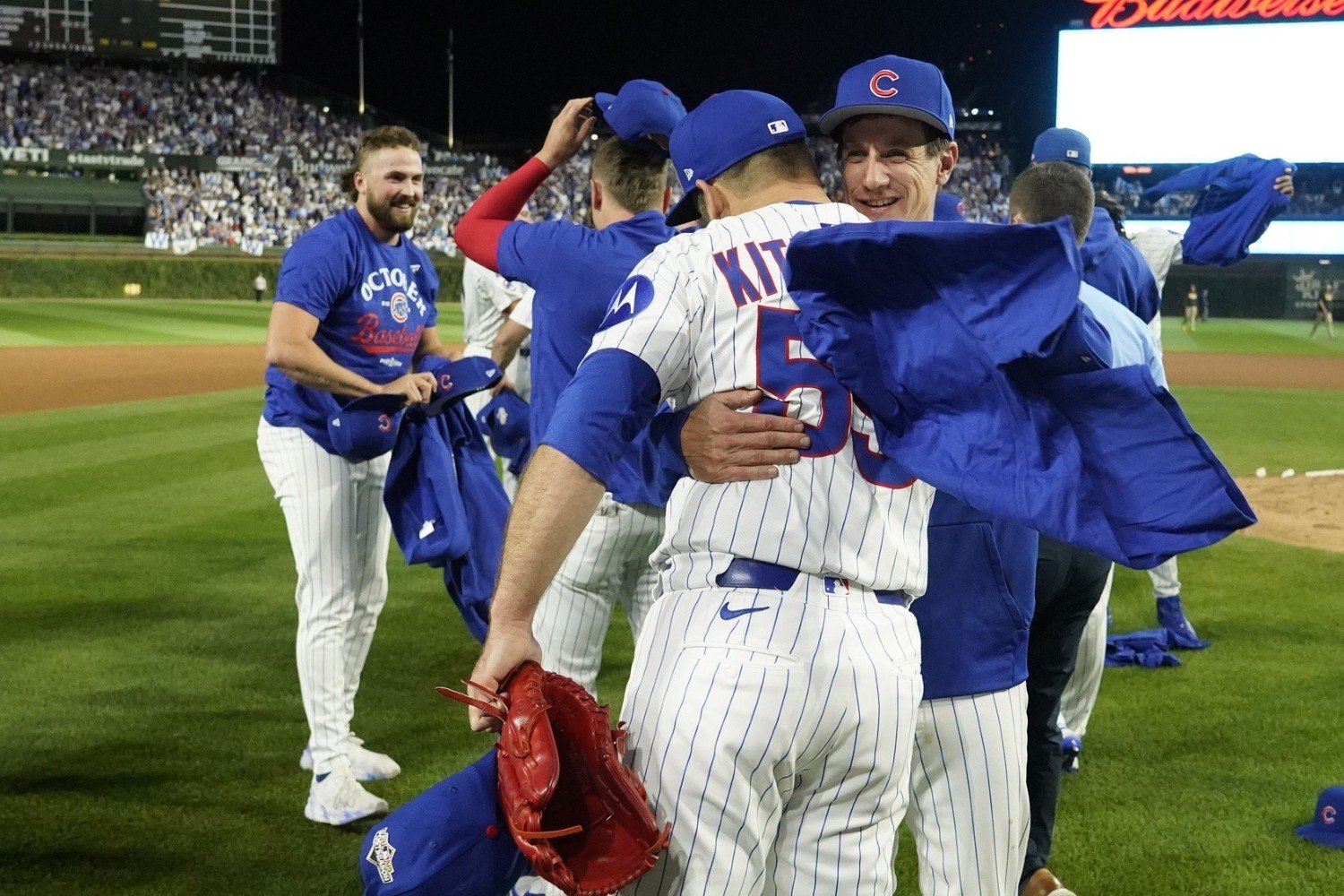 Draped in red, white, and Cubby blue, with the neighborhood abuzz with postseason festivities and tales of old, Wrigleyville was rocking at the outset of their playoff tilt with the San Diego Padres. And they deserved to be, with the Cubs proving that they belong as one of the remaining squads in the playoffs. Alas, an early look at the league-best Milwaukee Brewers demonstrated that even though the Cubs won the World Series in 2016, they haven't yet transformed from the lovable losers to the NL Central hegemon a Chicago team really ought to be. This could be one of the last times I have current baseball to tell you about in 2025—but then again, maybe it won't be. On a gorgeous, sun-drenched afternoon at Wrigley, the Chicago Cubs got their Wild Card Series started against the San Diego Padres. The matchup served as sort of a backdoor revenge contest for the Cubs and their infamous 1984 playoff downfall to the Friars. Game 1 pitted Matthew Boyd against Nick Pivetta. The Cubs lefty, along with the rest of the pitching staff, got the club into the swing of things in style. A 4 1/3-inning performance from Boyd impressed, but the real star of the day was Johnny Bullpen; no Padres batter reached base after Boyd departed. In the bottom of the fifth inning, back-to-back jacks from Seiya Suzuki and Carson Kelly sent the home crowd into a state of delirium. It was an eye-opening start to the playoff proceedings, as a 3-1 victory brought the North Siders just one win away from their date with Milwaukee. Unfortunately, in Game 2, they did not find it. Former Cubs prospect Dylan Cease and a magnificent Padres bullpen blanked the home nine 3-0, forcing a decisive Game 3 the following evening. The shutout loss found the Cubs frustrated in their efforts to get traffic on the bases, leaving just five on base. Shota Imanaga's penchant for giving up homers lately continued in this one, though he performed valiantly over four full innings. Being at Wrigley Field for a playoff victory is better than the second-best live experience you can think of right now, and the rock star at the center of the action is Pete Crow-Armstrong. The best version of this team can't exist without him at his best, and his 3-for-4 day at the plate in his squad's dramatic series-clinching 3-1 victory announced that he is, indeed, back. At the most important inflection point of the season, the Cubs' pitching staff locked the door on the Pads' powerful lineup. The grossly underrated Jameson Taillon led the way with poise and focus, earning his club the right to face off with the hated Milwaukee Brewers in the NLDS. Familiarity breeds contempt, but the bad vibes emanating from American Family Field in the first game of the National League Division Series bordered on absurd. Proving there is no rust for the wicked, the Crew hammered starter Matthew Boyd and chased him in the first inning. Though the Cubs hurler was pitching on short rest, the offensive onslaught from the Brewers' whole lineup, outside of a being a stern message from Pat Murphy's squad, was cause for panic on the North Side of Chicago. If the visitors are to draw even in this series and even advance, they're going to have to do just about everything differently from this point on. This is no time to back down. The Cubs are a good enough team to go very far in this postseason. Moments like Nico Hoerner's stunning error in Milwaukee simply can't become what defines this campaign. This club has more playoff baseball to come. It has the right group of players, the right chemistry, and the right attitude. Now, it just has to prove it can topple another team that seems to have all that—and a bit more.
 -
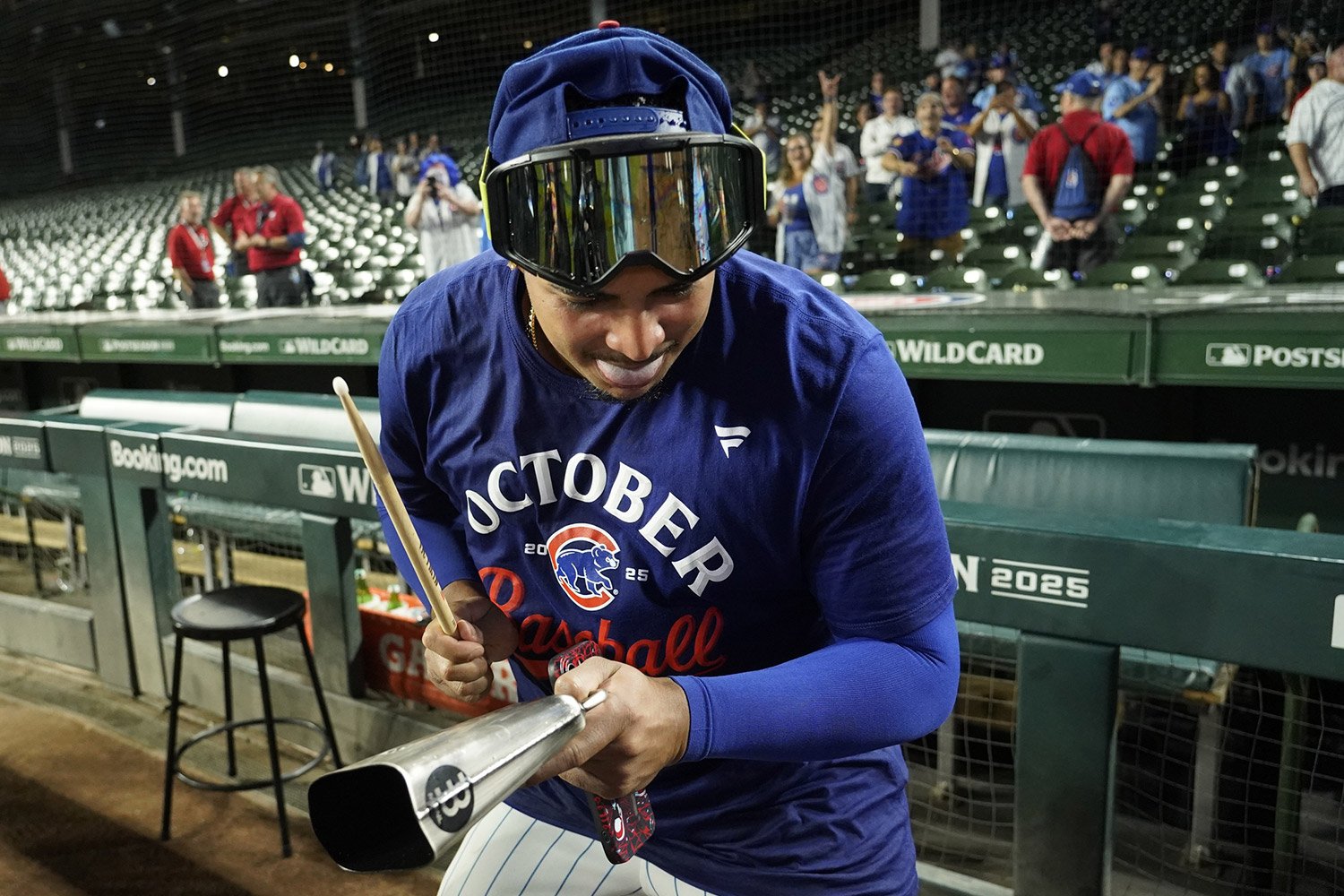 As the neon lights at Clark and Addison shone down on the scores of Wrigley faithful gathered to cheer on their favorite baseball team, the Chicago Cubs relished in the glory of a series-clinching win over the San Diego Padres. The win marked the first time in franchise history the Cubbies seized a winner-take-all contest at the Friendly Confines. Chicago has now earned the right to square off with the NL Central champion Milwaukee Brewers, looking to prove that the best team in this good land of ours resides in Illinois. When you're high, you're high, and it's hard to find a club from these Wild Card Series at a higher altitude than these Chicago Cubs. Through their regular-season supremacy over the Crew, Craig Counsell's squad proved it can more than hang with the lineup from Southeast Wisconsin, but with everything on the line, how will this match-up of baseball juggernauts shake out? Offensive production, even for hot teams, tends to come in waves, but defense will get you to the promised land. Just ask Nico Hoerner and Dansby Swanson. The two elite Cubs infielders have turned the middle-infield into a black hole where opponents' October dreams get crushed like a can of Miller Lite in the alley behind Bernie's. Together, they have a combined +19 OAA, and in the late stages of their tilt with the Padres, stymied a free-swinging San Diego club. It's not much different in Milwaukee. Where an aggressive lineup of opportunistic boppers pounces on opposing pitchers almost before their walk-up music fades out, how then will the North Siders lock up the likes of Sal Frelick, Christian Yelich, and William Contreras? By staying the course. Oh, and did I mention that first-half Pete Crow-Armstrong came back? Back in August, what we thought was going to be a five-game series to decide the NL Central turned out to be a litmus test to examine how the Cubbies could maneuver the season's most crushing disappointments. In collecting 3 of 5 versus the Barrel Man's Crew, Chicago proved that its vastly underrated pitching staff, with a well-crafted strategy from Counsell and pitching coach Tommy Hottovy, has some secret sauce when it comes to frustrating the Brewers' balanced lineup. The right formula of off-speed pitches and fastballs kept Chicago in every single contest. In their thirteen regular-season tilts, Milwaukee found success when it was able to get to the Cubs' starters early, as has been the case with this Cubs team all year. If they can get through the first couple of frames with little to no damage, their likelihood of winning vastly soars. One thing that has stood out to me in these contests is that, while the Cubs dropped a few heartbreaking games to their Wisconsin rivals, it never seemed like they weren't in control at any point. And their series against the Friars proved this. Demonstrating the mark of a great manager, Counsell knew precisely when to challenge, when to get an early hook for his hurler, and when to disrupt a mounting rally from the opposition. I've said all along that if the Cubbies got the opportunity to dismiss their northern adversaries from the postseason, they'd seize it. Nothing this team has done for some time now has dissuaded me from this stance. The Brewers have good players, yes, but the Cubs have a good team. Here we go.
 -
Image courtesy of © David Banks-Imagn Images As the neon lights at Clark and Addison shone down on the scores of Wrigley faithful gathered to cheer on their favorite baseball team, the Chicago Cubs relished in the glory of a series-clinching win over the San Diego Padres. The win marked the first time in franchise history the Cubbies seized a winner-take-all contest at the Friendly Confines. Chicago has now earned the right to square off with the NL Central champion Milwaukee Brewers, looking to prove that the best team in this good land of ours resides in Illinois. When you're high, you're high, and it's hard to find a club from these Wild Card Series at a higher altitude than these Chicago Cubs. Through their regular-season supremacy over the Crew, Craig Counsell's squad proved it can more than hang with the lineup from Southeast Wisconsin, but with everything on the line, how will this match-up of baseball juggernauts shake out? Offensive production, even for hot teams, tends to come in waves, but defense will get you to the promised land. Just ask Nico Hoerner and Dansby Swanson. The two elite Cubs infielders have turned the middle-infield into a black hole where opponents' October dreams get crushed like a can of Miller Lite in the alley behind Bernie's. Together, they have a combined +19 OAA, and in the late stages of their tilt with the Padres, stymied a free-swinging San Diego club. It's not much different in Milwaukee. Where an aggressive lineup of opportunistic boppers pounces on opposing pitchers almost before their walk-up music fades out, how then will the North Siders lock up the likes of Sal Frelick, Christian Yelich, and William Contreras? By staying the course. Oh, and did I mention that first-half Pete Crow-Armstrong came back? Back in August, what we thought was going to be a five-game series to decide the NL Central turned out to be a litmus test to examine how the Cubbies could maneuver the season's most crushing disappointments. In collecting 3 of 5 versus the Barrel Man's Crew, Chicago proved that its vastly underrated pitching staff, with a well-crafted strategy from Counsell and pitching coach Tommy Hottovy, has some secret sauce when it comes to frustrating the Brewers' balanced lineup. The right formula of off-speed pitches and fastballs kept Chicago in every single contest. In their thirteen regular-season tilts, Milwaukee found success when it was able to get to the Cubs' starters early, as has been the case with this Cubs team all year. If they can get through the first couple of frames with little to no damage, their likelihood of winning vastly soars. One thing that has stood out to me in these contests is that, while the Cubs dropped a few heartbreaking games to their Wisconsin rivals, it never seemed like they weren't in control at any point. And their series against the Friars proved this. Demonstrating the mark of a great manager, Counsell knew precisely when to challenge, when to get an early hook for his hurler, and when to disrupt a mounting rally from the opposition. I've said all along that if the Cubbies got the opportunity to dismiss their northern adversaries from the postseason, they'd seize it. Nothing this team has done for some time now has dissuaded me from this stance. The Brewers have good players, yes, but the Cubs have a good team. Here we go. View full article
-
More Than Magic: Suzuki and Kelly's Blasts Point to Something Special Brewing
RavenCub30 posted an article in Cubs
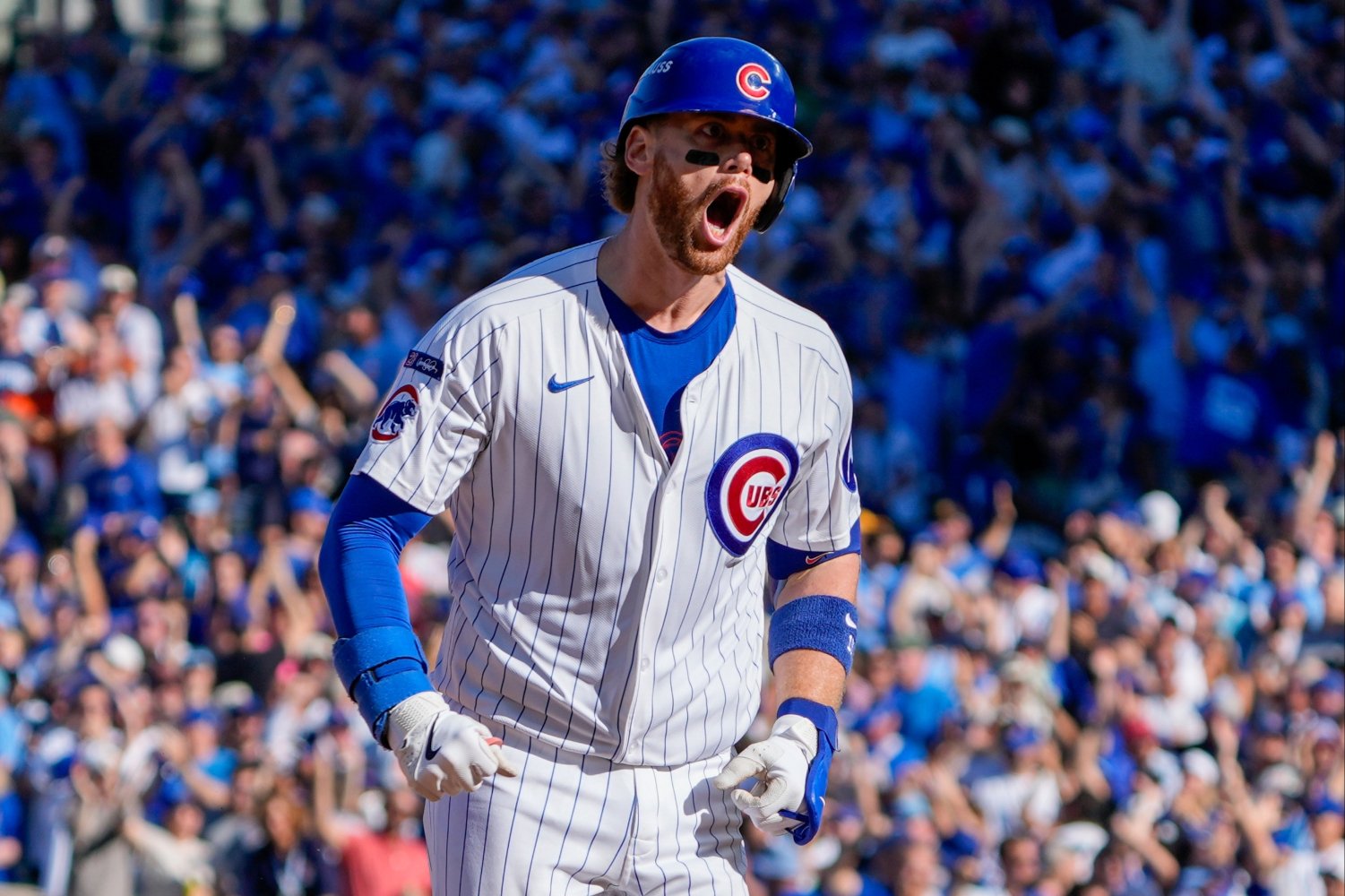 The romance of playoff baseball cannot be understated, and what we witnessed unfold on Tuesday afternoon in Game 1 of the Cubs' Wild Card series versus San Diego proved it emphatically. No one should be surprised by a breakout performance from Seiya Suzuki or Carson Kelly, two Cubs that anchored the middle of one of the best lineups in baseball through much of the season. But, with Chicago royalty like Jake Arrieta and Eddie Vedder on hand along with a deafening cast of thousands of Cubs faithful, it's certainly how and when it happened that has put the rest of the postseason field on notice. This team has a chance to go all the way, and if they do, it will be in no small part due to what the Cubbies' star players were able to accomplish in the bottom of the 5th inning of this opening postseason contest. To say nothing of the rest of their mutually impressive teammates, Suzuki and Kelly are not unlikely heroes; they both slugged over .400 in the 2025 regular season, and wielding that kind of power in their bats played a major factor in their respective home-run-yielding plate appearances. But there's more to it than that—it was their mental reserve. For months now, I've waxed poetic how special this team could be, and among the most paramount reasons why is because they play with joy, not fear. On a day when one of your mighty aces, Matthew Boyd, turned in an absolute gem, the Cubbies were denied by Padres' pitcher Nick Pivetta in one of the most efficient outings from a major league pitcher you're likely to see for years to come. So, in these two particular at-bats, what did they do differently? They made him work. By playing the thing patiently and spitting on balls they didn't like, Suzuki and Kelly stayed alive long enough to find the right pitch, which is necessary in order to do damage against the elite pitchers you'll find in October (or, in this case, September 30). Though the subsequent performance from the bullpen was magnificent, the back-to-back bombs by Suzuki and Kelly announced to all those invested that the Cubs are here to play. That moment stole any confidence or bravado that may have manifested in the Friars' dugout, and it showed. Suzuki and Kelly unlocked the formula for success, paving the way for the rest of the lineup to enjoy more disciplined, grind-it-out at bats that eventually produced an insurance run that put the game on ice with the bullpen motoring in the manner it was. One could get chills just thinking about it. Listen, this may sound hyperbolic, but yesterday's playoff game at Wrigley Field was the best live sporting event I've ever attended. And there could be many more before the end of the month. It doesn't matter that this was North Siders first playoff victory since 2017. This team is playing for right now; it's playing for each other. The rest of the playoff field certainly has to take notice of a game like that, but the Cubs are so good that if they truly get hot, there might not be a whole heck of a lot those other teams can do about it. All that will be left is a Cubbies team built for the playoffs, with 40,000 blue towels waving in triumph.
 -
Image courtesy of © David Banks-Imagn Images The romance of playoff baseball cannot be understated, and what we witnessed unfold on Tuesday afternoon in Game 1 of the Cubs' Wild Card series versus San Diego proved it emphatically. No one should be surprised by a breakout performance from Seiya Suzuki or Carson Kelly, two Cubs that anchored the middle of one of the best lineups in baseball through much of the season. But, with Chicago royalty like Jake Arrieta and Eddie Vedder on hand along with a deafening cast of thousands of Cubs faithful, it's certainly how and when it happened that has put the rest of the postseason field on notice. This team has a chance to go all the way, and if they do, it will be in no small part due to what the Cubbies' star players were able to accomplish in the bottom of the 5th inning of this opening postseason contest. To say nothing of the rest of their mutually impressive teammates, Suzuki and Kelly are not unlikely heroes; they both slugged over .400 in the 2025 regular season, and wielding that kind of power in their bats played a major factor in their respective home-run-yielding plate appearances. But there's more to it than that—it was their mental reserve. For months now, I've waxed poetic how special this team could be, and among the most paramount reasons why is because they play with joy, not fear. On a day when one of your mighty aces, Matthew Boyd, turned in an absolute gem, the Cubbies were denied by Padres' pitcher Nick Pivetta in one of the most efficient outings from a major league pitcher you're likely to see for years to come. So, in these two particular at-bats, what did they do differently? They made him work. By playing the thing patiently and spitting on balls they didn't like, Suzuki and Kelly stayed alive long enough to find the right pitch, which is necessary in order to do damage against the elite pitchers you'll find in October (or, in this case, September 30). Though the subsequent performance from the bullpen was magnificent, the back-to-back bombs by Suzuki and Kelly announced to all those invested that the Cubs are here to play. That moment stole any confidence or bravado that may have manifested in the Friars' dugout, and it showed. Suzuki and Kelly unlocked the formula for success, paving the way for the rest of the lineup to enjoy more disciplined, grind-it-out at bats that eventually produced an insurance run that put the game on ice with the bullpen motoring in the manner it was. One could get chills just thinking about it. Listen, this may sound hyperbolic, but yesterday's playoff game at Wrigley Field was the best live sporting event I've ever attended. And there could be many more before the end of the month. It doesn't matter that this was North Siders first playoff victory since 2017. This team is playing for right now; it's playing for each other. The rest of the playoff field certainly has to take notice of a game like that, but the Cubs are so good that if they truly get hot, there might not be a whole heck of a lot those other teams can do about it. All that will be left is a Cubbies team built for the playoffs, with 40,000 blue towels waving in triumph. View full article
-
Image courtesy of © Kamil Krzaczynski-Imagn Images Whenever this season concludes for the North Siders, who knows how the book on it will read? But, no matter what, that narrative won't be written without at least one chapter of playoff baseball at Wrigley Field. We knew what was at stake this past week, and burying the letdown of being denied yet another division crown, the Cubs delivered everything left on the table at this point—with much more still to come. After suffering the most crushing blow of the season (the loss of young ace pitcher Cade Horton), Chicago—led by a reinvigorated offense and a mostly brilliant bullpen—arrive at October in control of their own story. Though it might not resonate as anything but cliche, nothing has come easy for Craig Counsell's club this season, at least since the second half got off the ground. Off the ground and into astonishingly turbulent skies, night after night, the Chcago Cubs' offense performed one of the most puzzling disappearing acts in memory based on how prolific it had been at the outset of the 2025 campaign. In so many ways, the final week of the Cubs' regular season embodied everything that has transpired in the last 162 games, in a hopeful overture for playoff prominence. In the wake of suffering a four-game sweep at the hands of the Cincinnati Reds, the Cubs kicked off a three-game set with a desperate New York Mets squad. Flirting with a last-minute bid for the National League batting title, the sensational Nico Hoerner raked (in a losing effort to the Mets) in front of a home crowd pining for postseason baseball within the Friendly Confines. The second baseman went 3-for-5 and came around to score three times. Sadly, this fateful night was not only one in which the Cubs blew a 6-1 lead, but also could have very well been the last appearance of Cade Horton until 2026. The 24-year-old righty was forced to leave the game after just three innings with what was later revealed as a rib fracture. In uncharacteristic fashion, the bullpen did not hold up, allowing the Mets to bop their way back into the game in the late innings, taking the opening contest of this one 9-7. If the Cubs are to enjoy any kind of run in this postseason, they'll need 14-game winner Matthew Boyd to dazzle. That's exactly what he did in the middle game of this series against the team from Queens. Apparently shaking off all of his recent woes in one fell swoop, Boyd spun 5 1/3 innings of 2-hit baseball. Whether you witnessed it on Marquee Network or live from Wrigley Field, you could see Boyd's light come back on, suggesting that he is poised to deal in the postseason for his squad. Offensively, the North Siders deployed their signature brand of suffocating slug, getting homers from Michael Busch and Matt Shaw. Elsewhere, Pete Crow-Armstrong rediscovered his potent swagger, racing around the bases like a thoroughbred race horse at Saratoga Race Course. The Cubbies evened the series with a 10-3 win, and unofficially reintroduced the type of punishment their offense can inflict on opposing squads. You could call me a glutton for punishment for writing the last sentence of that last paragraph, since the North Siders dropped the series finale to a Mets team that was watching its playoff hopes quickly slip away. The sudden decline of the once-fabulous Shota Imanaga looks like a limiting factor in the Cubs' playoff chances. The sparkplug lefty has been dealing with severe issues when it comes to surrendering home runs in the early innings, and that unfortunate trend persisted in this outing. In his 5 2/3-inning performance, Imanaga gave up a staggering eight earned runs. It's clear that whatever has gone awry has the Cubs' ace frustrated, but we'll find out in very short order if he can right the ship to help his club triumph in the postseason. A late surge from the offense was not enough for the home team, as the Cubs dropped the series in an 8-5 loss. Baseball is perhaps the best sport in the world, for a plethora of reasons, one of the most intriguing of which is the juxtaposition of fortunes of clubs at the end of the season. The Cubs, playing for the right to host playoff games at Wrigley Field in front of an adoring crowd for the first time since 2018, faced their bitter rivals in St. Louis, a team with nothing to play for outside the role of spoiler. The Cubs played like a team in control of its own destiny, pummeling the Cards on the strength of a masterclass performance from each member of the squad that took the field. As had frequently been the case in 2025, Cubs sluggers haunted Cardinals starting pitcher Miles Mikolas. Swatting five homers in the game, the trio of Michael Busch, Seiya Suzuki, and Pete Crow-Armstrong each deposited at least their 30th home runs of the 2025 campaign. It made Crow-Armstrong only the second Cub in franchise history to record a 30/30 season, tallying 30 home runs, and over 30 (35) stolen bases. Pete Crow-Armstrong established himself this season as one of the best players in the game. At the most important time, he looks the part. The 12-1 route was the squad's 90th of the season, and ensured that the following day would afford them the opportunity to lock up home field advantage in their Wild Card Series versus the San Diego Padres. Leaving nothing to chance, the Chicago Cubs seized their golden opportunity to start their 2025 postseason run at home. Jumping out to an early lead, they got gritty performances from the pitching staff, including from Jameson Taillon. Taillon's six-inning outing provided adequate runway for the Cubs offense to do its job, scoring in each of the last four frames of this contest. The tone of the game resembled that of a playoff tilt, with each club engaged in a chess match of fierce competition. Cardinals' skipper Oli Marmol firmly affixed a black hat to his person, issuing an intentional walk to the scorching-hot Busch, who was due up just a base hit away from the cycle. The move unleashed a chorus of boos from the Wrigley faithful, but those jeers soon turned into the last laugh as Busch and his club slugged their way to home field advantage in the Wild Card Series with an impressive 7-3 victory. They say momentum doesn't exist in baseball, but if you were one of the close to 38,000 fans on hand at Wrigley for game 162. On the strength of a stunning performance by Javier Assad, the Cubbies ended the regular season with a sweep of the Cardinals, 2-0. What impressed the most about the squad's final tune up before the postseason, was the sure-handed defense from both the middle infield and the outfield. The Cubs hustled, charged, and rifled in balls when they needed to the most, stranding Cards baserunners and getting efficient work from the bullpen. The most curious outing of the day came from Jordan Wicks, who delivered three flawless innings to keep St. Louis off balance. For hopefully the first of a few times this week, the stadium echoed with the famous lyrics of "Go Cubs Go." The story, as fraught with mystery, suspense, and intrigue as it has been, is getting better than ever. The postseason stage is set for the Chicago Cubs, playing with an uncommon chemistry and belief in one another, under skies that conjure up more feelings from mid-June than early-October. Playing their most inspired baseball, Chicago poses as big a threat to make it all the way to the Fall Classic as any of its other participants. To be fair, they could saddle us with just as much heartbreak, but there is still more story to be told. View full article
-
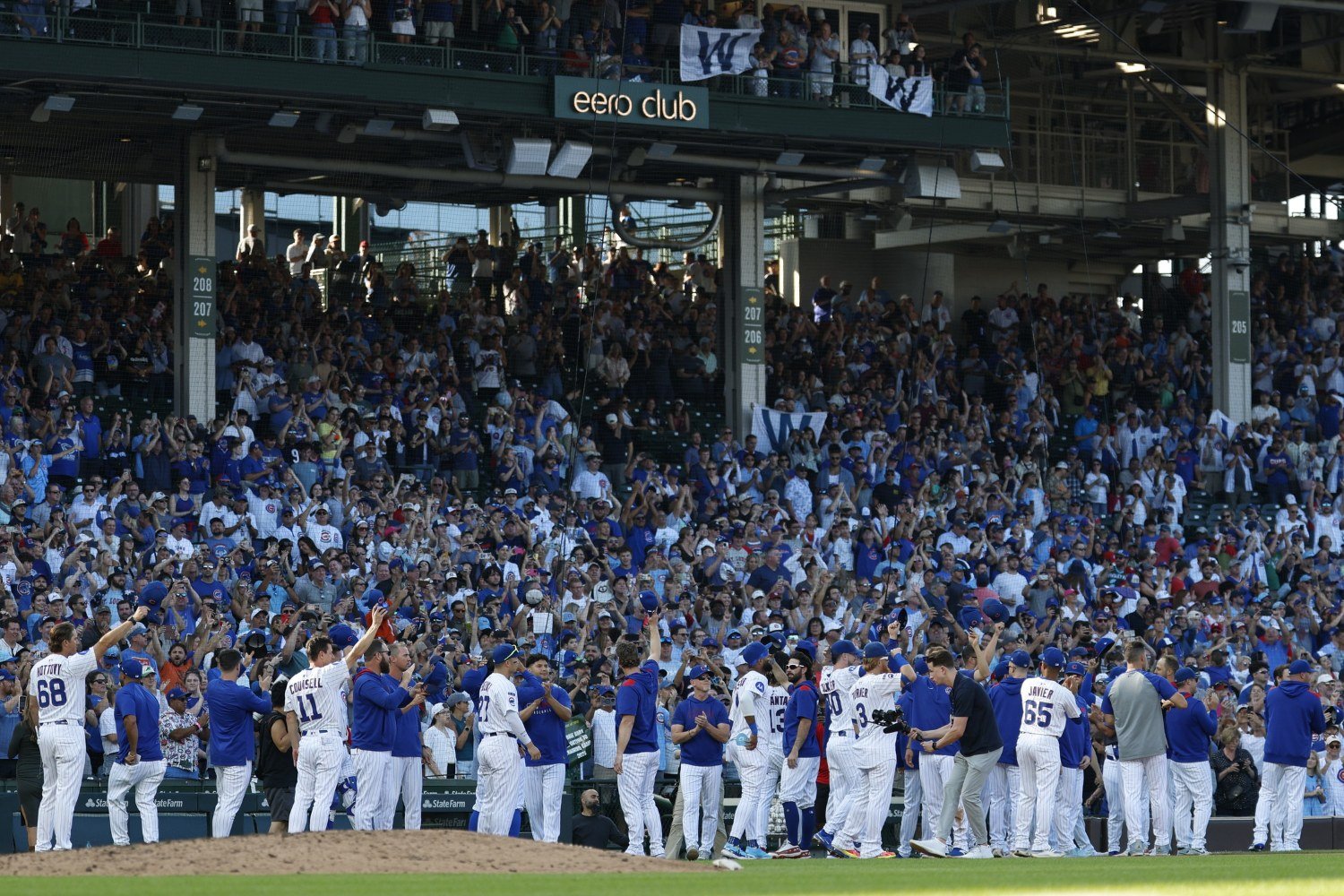 Whenever this season concludes for the North Siders, who knows how the book on it will read? But, no matter what, that narrative won't be written without at least one chapter of playoff baseball at Wrigley Field. We knew what was at stake this past week, and burying the letdown of being denied yet another division crown, the Cubs delivered everything left on the table at this point—with much more still to come. After suffering the most crushing blow of the season (the loss of young ace pitcher Cade Horton), Chicago—led by a reinvigorated offense and a mostly brilliant bullpen—arrive at October in control of their own story. Though it might not resonate as anything but cliche, nothing has come easy for Craig Counsell's club this season, at least since the second half got off the ground. Off the ground and into astonishingly turbulent skies, night after night, the Chcago Cubs' offense performed one of the most puzzling disappearing acts in memory based on how prolific it had been at the outset of the 2025 campaign. In so many ways, the final week of the Cubs' regular season embodied everything that has transpired in the last 162 games, in a hopeful overture for playoff prominence. In the wake of suffering a four-game sweep at the hands of the Cincinnati Reds, the Cubs kicked off a three-game set with a desperate New York Mets squad. Flirting with a last-minute bid for the National League batting title, the sensational Nico Hoerner raked (in a losing effort to the Mets) in front of a home crowd pining for postseason baseball within the Friendly Confines. The second baseman went 3-for-5 and came around to score three times. Sadly, this fateful night was not only one in which the Cubs blew a 6-1 lead, but also could have very well been the last appearance of Cade Horton until 2026. The 24-year-old righty was forced to leave the game after just three innings with what was later revealed as a rib fracture. In uncharacteristic fashion, the bullpen did not hold up, allowing the Mets to bop their way back into the game in the late innings, taking the opening contest of this one 9-7. If the Cubs are to enjoy any kind of run in this postseason, they'll need 14-game winner Matthew Boyd to dazzle. That's exactly what he did in the middle game of this series against the team from Queens. Apparently shaking off all of his recent woes in one fell swoop, Boyd spun 5 1/3 innings of 2-hit baseball. Whether you witnessed it on Marquee Network or live from Wrigley Field, you could see Boyd's light come back on, suggesting that he is poised to deal in the postseason for his squad. Offensively, the North Siders deployed their signature brand of suffocating slug, getting homers from Michael Busch and Matt Shaw. Elsewhere, Pete Crow-Armstrong rediscovered his potent swagger, racing around the bases like a thoroughbred race horse at Saratoga Race Course. The Cubbies evened the series with a 10-3 win, and unofficially reintroduced the type of punishment their offense can inflict on opposing squads. You could call me a glutton for punishment for writing the last sentence of that last paragraph, since the North Siders dropped the series finale to a Mets team that was watching its playoff hopes quickly slip away. The sudden decline of the once-fabulous Shota Imanaga looks like a limiting factor in the Cubs' playoff chances. The sparkplug lefty has been dealing with severe issues when it comes to surrendering home runs in the early innings, and that unfortunate trend persisted in this outing. In his 5 2/3-inning performance, Imanaga gave up a staggering eight earned runs. It's clear that whatever has gone awry has the Cubs' ace frustrated, but we'll find out in very short order if he can right the ship to help his club triumph in the postseason. A late surge from the offense was not enough for the home team, as the Cubs dropped the series in an 8-5 loss. Baseball is perhaps the best sport in the world, for a plethora of reasons, one of the most intriguing of which is the juxtaposition of fortunes of clubs at the end of the season. The Cubs, playing for the right to host playoff games at Wrigley Field in front of an adoring crowd for the first time since 2018, faced their bitter rivals in St. Louis, a team with nothing to play for outside the role of spoiler. The Cubs played like a team in control of its own destiny, pummeling the Cards on the strength of a masterclass performance from each member of the squad that took the field. As had frequently been the case in 2025, Cubs sluggers haunted Cardinals starting pitcher Miles Mikolas. Swatting five homers in the game, the trio of Michael Busch, Seiya Suzuki, and Pete Crow-Armstrong each deposited at least their 30th home runs of the 2025 campaign. It made Crow-Armstrong only the second Cub in franchise history to record a 30/30 season, tallying 30 home runs, and over 30 (35) stolen bases. Pete Crow-Armstrong established himself this season as one of the best players in the game. At the most important time, he looks the part. The 12-1 route was the squad's 90th of the season, and ensured that the following day would afford them the opportunity to lock up home field advantage in their Wild Card Series versus the San Diego Padres. Leaving nothing to chance, the Chicago Cubs seized their golden opportunity to start their 2025 postseason run at home. Jumping out to an early lead, they got gritty performances from the pitching staff, including from Jameson Taillon. Taillon's six-inning outing provided adequate runway for the Cubs offense to do its job, scoring in each of the last four frames of this contest. The tone of the game resembled that of a playoff tilt, with each club engaged in a chess match of fierce competition. Cardinals' skipper Oli Marmol firmly affixed a black hat to his person, issuing an intentional walk to the scorching-hot Busch, who was due up just a base hit away from the cycle. The move unleashed a chorus of boos from the Wrigley faithful, but those jeers soon turned into the last laugh as Busch and his club slugged their way to home field advantage in the Wild Card Series with an impressive 7-3 victory. They say momentum doesn't exist in baseball, but if you were one of the close to 38,000 fans on hand at Wrigley for game 162. On the strength of a stunning performance by Javier Assad, the Cubbies ended the regular season with a sweep of the Cardinals, 2-0. What impressed the most about the squad's final tune up before the postseason, was the sure-handed defense from both the middle infield and the outfield. The Cubs hustled, charged, and rifled in balls when they needed to the most, stranding Cards baserunners and getting efficient work from the bullpen. The most curious outing of the day came from Jordan Wicks, who delivered three flawless innings to keep St. Louis off balance. For hopefully the first of a few times this week, the stadium echoed with the famous lyrics of "Go Cubs Go." The story, as fraught with mystery, suspense, and intrigue as it has been, is getting better than ever. The postseason stage is set for the Chicago Cubs, playing with an uncommon chemistry and belief in one another, under skies that conjure up more feelings from mid-June than early-October. Playing their most inspired baseball, Chicago poses as big a threat to make it all the way to the Fall Classic as any of its other participants. To be fair, they could saddle us with just as much heartbreak, but there is still more story to be told.
 -
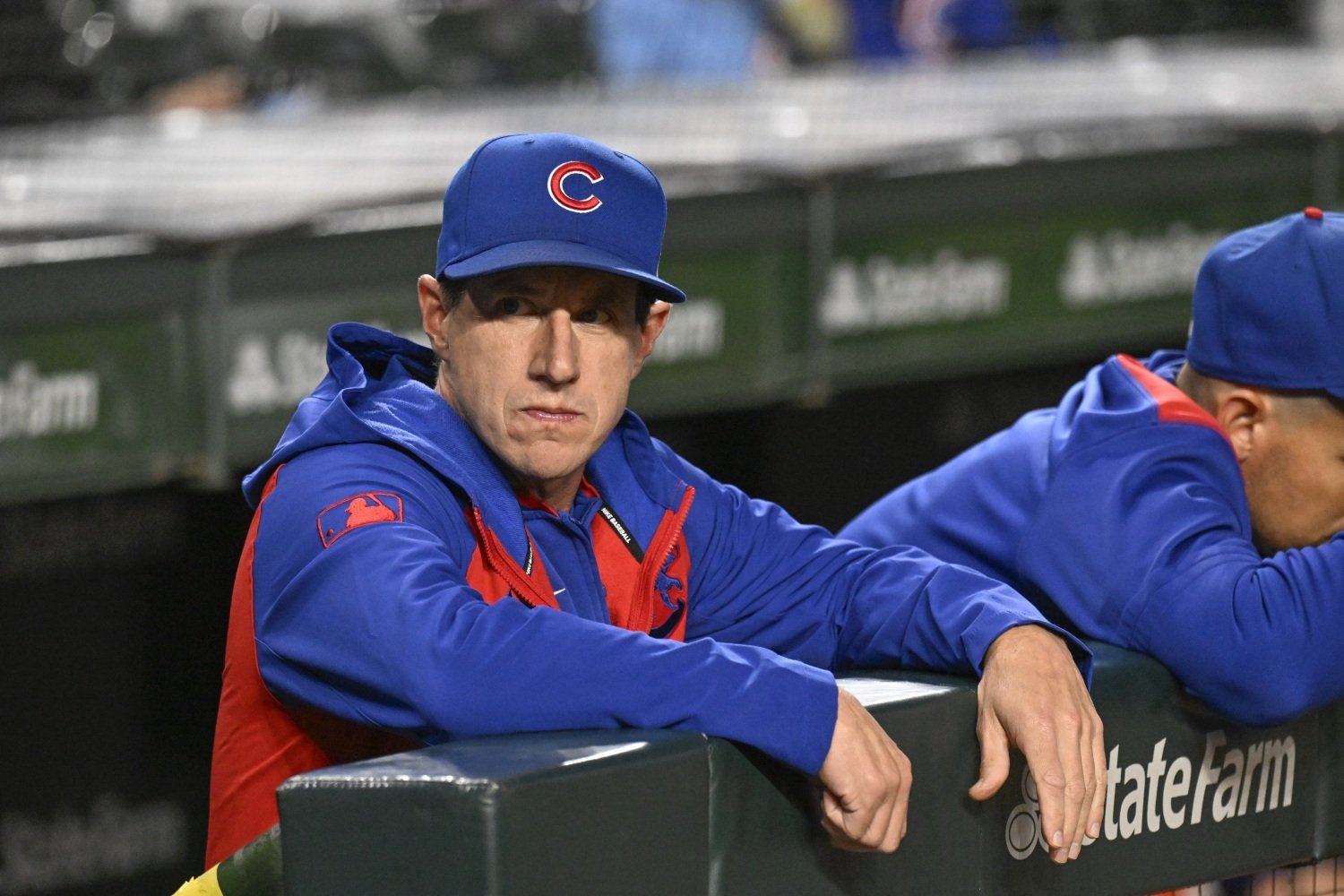 If you count yourself among the millions who keeps their smart device firmly affixed to their person, awaiting any and all news pertaining to your Chicago Cubs, you've no doubt been trying harder to avert your eyes lately. Yes, the Cubs are set for their first meaningful postseason appearance since 2018, and just a week ago, the sentiment and vibes around this team were high. But mounting, crucial injuries to the most important players on the team have drastically shifted the perception of this ball club. How does this once-mighty team, which prides itself on its unity and resilience, survive the latest wave of injuries to its best players? By staying together. When it comes to setbacks for all 30 MLB teams, it's not the 'how many' that matters; it's the 'who' and the 'when'. For much of the 2025 campaign, Craig Counsell (and really, the whole organization) has worked around injuries and shifts in roster construction. It's been a revolving door of call-ups and send-downs, with names like Jon Berti, Gage Workman, Vidal Bruján, Ryan Pressly, and Nate Pearson churned through but cast aside as the team sought answers to its myriad questions. With Justin Steele, Kyle Tucker and Miguel Amaya each either missing long stretches of the season or going through prolonged slumps, young players and scrap-heap scoop-ups have had to backfill. Every guy who has been tasked with stepping up has done so—some of them (like Moisés Ballesteros, Reese McGuire and, especially, Cade Horton) with great aplomb. Now, with some of the key first-half contributors slumping and Horton's health in at least some measure of doubt, none of that feels quite as true. A week ago, everyone had a wonderful, Moet-flavored taste in their mouths, as the Cubs made good on the promise of a hotly-desired playoff berth, even in the face of each trying obstacle this clubhouse has been forced to reckon with. However, the injuries and regression seem to have caught up to this team at the absolute worst time. They've got who they've got, but if who they've got doesn't include a productive version of their best players, it's going to be a short October in Wrigleyville. Even though Halloween is one of my favorite holidays, I've always been more of a treat guy, not too interested in the tricks. Happily, just two wins in the final four games will do the trick when it comes to restoring the good vibes of this forthcoming playoff appearance—not least because that would assure that the Wild Card Series is played at Wrigley Field. This is painful right now, but, as some clubs prepare to pack up their locker for the winter, it's a good pain to have.
 -
Image courtesy of © Matt Marton-Imagn Images If you count yourself among the millions who keeps their smart device firmly affixed to their person, awaiting any and all news pertaining to your Chicago Cubs, you've no doubt been trying harder to avert your eyes lately. Yes, the Cubs are set for their first meaningful postseason appearance since 2018, and just a week ago, the sentiment and vibes around this team were high. But mounting, crucial injuries to the most important players on the team have drastically shifted the perception of this ball club. How does this once-mighty team, which prides itself on its unity and resilience, survive the latest wave of injuries to its best players? By staying together. When it comes to setbacks for all 30 MLB teams, it's not the 'how many' that matters; it's the 'who' and the 'when'. For much of the 2025 campaign, Craig Counsell (and really, the whole organization) has worked around injuries and shifts in roster construction. It's been a revolving door of call-ups and send-downs, with names like Jon Berti, Gage Workman, Vidal Bruján, Ryan Pressly, and Nate Pearson churned through but cast aside as the team sought answers to its myriad questions. With Justin Steele, Kyle Tucker and Miguel Amaya each either missing long stretches of the season or going through prolonged slumps, young players and scrap-heap scoop-ups have had to backfill. Every guy who has been tasked with stepping up has done so—some of them (like Moisés Ballesteros, Reese McGuire and, especially, Cade Horton) with great aplomb. Now, with some of the key first-half contributors slumping and Horton's health in at least some measure of doubt, none of that feels quite as true. A week ago, everyone had a wonderful, Moet-flavored taste in their mouths, as the Cubs made good on the promise of a hotly-desired playoff berth, even in the face of each trying obstacle this clubhouse has been forced to reckon with. However, the injuries and regression seem to have caught up to this team at the absolute worst time. They've got who they've got, but if who they've got doesn't include a productive version of their best players, it's going to be a short October in Wrigleyville. Even though Halloween is one of my favorite holidays, I've always been more of a treat guy, not too interested in the tricks. Happily, just two wins in the final four games will do the trick when it comes to restoring the good vibes of this forthcoming playoff appearance—not least because that would assure that the Wild Card Series is played at Wrigley Field. This is painful right now, but, as some clubs prepare to pack up their locker for the winter, it's a good pain to have. View full article
