


RavenCub30
-
Posts
328 -
Joined
-
Last visited
1 Follower

Recent Profile Visitors
5,859 profile views





RavenCub30's Achievements






-
Image courtesy of © William Purnell-Imagn Images As anyone with a background in video games can attest, the further you advance in your digital adventure, the higher the stakes become, and the more daunting the adversaries grow. Unlike a frustrated virtual hero tossing the controller halfway across the living room, the new-look Chicago Cubs have leveled up. Facing down an "all boss fights" gauntlet of contests, Craig Counsell and his squad pushed several of the right buttons in arguably their best week of baseball yet. The reputations of clubs like Chicago and Los Angeles tower higher than the buildings that fill their respective skies. Welcoming the vaunted Dodgers to Wrigley for a hotly anticipated three-game set, the drama in this potential NLCS preview grew higher yet. North Side newcomers Kevin Gausman, Clay Holmes, and others looked on as their new squad dialed up a heartily impressive victory versus MLB's prohibitive World Series favorite. The free-swinging Cubbies figured out L.A. starter Justin Wrobleski early, tallying two runs apiece in each of the first three innings. Marking an upward trend for the whole offense, the Cubs benefited from long balls cashed in by Kevin Alcantara, Seiya Suzuki, Michael Busch, and Carson Kelly. While the offense kept things moving, North Siders' starter Matthew Boyd hung tough through 6 2/3 innings against one of the game's most prolific lineups. His exit made way for his squad's increasingly stingy bullpen to lock the door on Hollywood's finest, lifting the Cubs to a 10-5 win. Los Angeles' trade deadline acquisition of the game's best pitcher, Tarik Skubal, meant that the eyes of the entire baseball world were fixed on 1060 West Addison to witness the Cy Young lefty's first start in his new uniform. By human standards, Skubal clocked in a respectable first day at work with six full innings, allowing just two earned runs. But it was the Cookie Monster-backed home team that found production from its biggest stars like Hoerner, Crow-Armstrong, and Swanson when they needed it most. Postseason play is defined by blockbuster, marquee battles like this, and the Cubs sent a message to the rest of the league that they will not kowtow to anyone's preconceived notions of who ought to take home the crown in October. Their 5-1, series-clinching win proved as much. Through two full games in their tilt with Los Angeles, Chicago demonstrated the true power of team play by employing tried-and-true consistency at the plate, coupled with their signature lockdown defensive play. But in game three of this crucial series, the stars came out to play. Treating the fans in attendance to a show like no other, NL MVP favorites Shohei Ohtani and Pete Crow-Armstrong lit up the scoreboard and millions of screens across the nation. They each smashed two homers each in one of the most exhilarating displays of offensive prowess and competition since the days of Mark McGwire and Sammy Sosa. Starter Shota Imanaga and his squad had the game well in hand until the Dodgers unloaded with five runs in the eighth inning before reliever Jacob Webb came out for the decisive ninth, in which he calmly set the visitors down in order, scooping up the emphatic series sweep. So, after surviving a brutal run of facing one ace after another, what would be the reward for the boys in blue pinstripes? The chance to beat another. In the most unlikely fashion imaginable, that's exactly what they did in their make-up game with Dylan Cease and the Toronto Blue Jays. Through seven sparkling innings, Cease silenced the normally vociferous Cubs' lineup, racking up ten strikeouts and zero earned runs. Sometimes the best pitchers get the best of you, but the North Siders' third baseman Alex Bregman had other plans. With two out and two strikes in the bottom of the ninth, Bregman drilled a game-tying two-run blast to the basket in left field, stirring up a thunderous roar from the home crowd we'd all love to get used to. Crow-Armstrong's jaw-dropping walk-off run on a wild pitch in the eleventh frame firmly closed the argument as to how strong and how special this team is in a 3-2 win. In search of their fifth straight victory, the Cardiac Cubs took their show on the road to the house that George Brett built for a three-game weekend tilt with the Royals. The interleague matchup finally saw the debut of new Cubs' ace Kevin Gausman versus the underachieving Kansas City lineup. Gausman spun seven dazzling innings, holding Bobby Witt Jr.'s squad to a modest four hits and two earned runs. Clutch RBI knocks from Seiya Suzuki and Pete Crow-Armstrong supplied the necessary production to secure the victory in the opener, 6-4. A night after his teammate made his opening remarks as to why he was made a Cub in the first place, Clay Holmes fell short of making a similar statement. Holmes labored through four innings of baseball, allowing six hits and four earned runs. Finding themselves in an early hole, Chicago could not string together enough timely hits to dig themselves out. A rare hitless night from Crow-Armstrong set the tone for a frustrated offense in a 6-3 defeat at Kauffman Stadium. The most resilient ball clubs scratch the memory of a tough loss as quickly as they can seize momentum in the next contest, and the Cubs made good on that concept in the rubber match. The seasoned veteran southpaw Matthew Boyd took the ball and proved the stopper. Boyd cruised through seven magnificent innings, not yielding a hit until the fourth inning. The Cubs' bats unloaded eighteen hits, including a three-run bomb from Miguel Amaya and a multi-hit day with a homer from Ian Happ. The free-swinging party created a route for the visitors, capping a 6-1 week and just a shade under notching their 70th win on the campaign. With aggressive moves and a solidly galvanized clubhouse, the Chicago Cubs are without a doubt one of the best teams in baseball. A day off on Monday will then make way for the North Siders' three-game set with the Nationals in the District of Columbia, before heading home to face off with the Saint Louis Cardinals. View full article
-
Cubs Week In Review: The "Win Now" North Siders Do Exactly That
RavenCub30 posted an article in Cubs
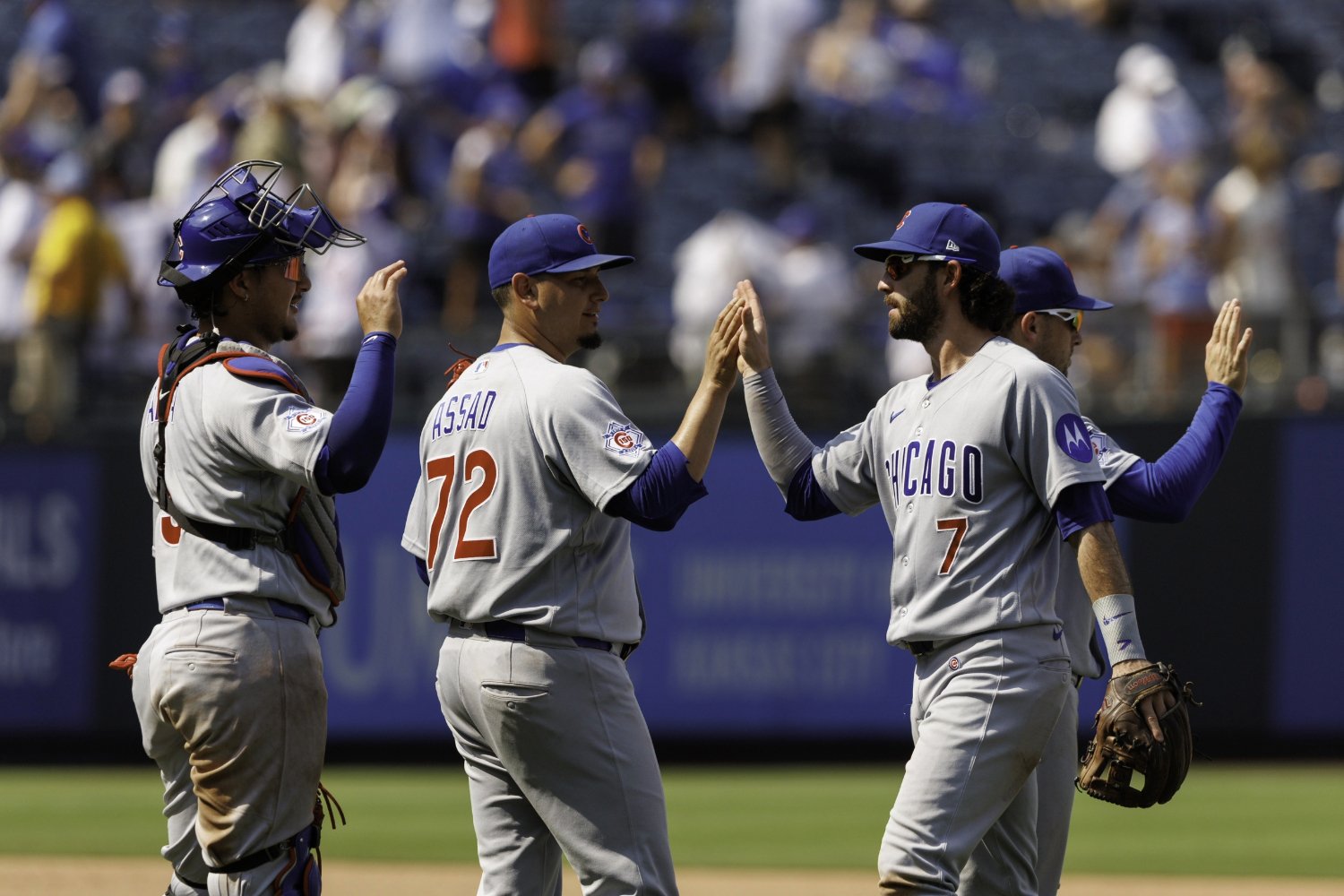 As anyone with a background in video games can attest, the further you advance in your digital adventure, the higher the stakes become, and the more daunting the adversaries grow. Unlike a frustrated virtual hero tossing the controller halfway across the living room, the new-look Chicago Cubs have leveled up. Facing down an "all boss fights" gauntlet of contests, Craig Counsell and his squad pushed several of the right buttons in arguably their best week of baseball yet. The reputations of clubs like Chicago and Los Angeles tower higher than the buildings that fill their respective skies. Welcoming the vaunted Dodgers to Wrigley for a hotly anticipated three-game set, the drama in this potential NLCS preview grew higher yet. North Side newcomers Kevin Gausman, Clay Holmes, and others looked on as their new squad dialed up a heartily impressive victory versus MLB's prohibitive World Series favorite. The free-swinging Cubbies figured out L.A. starter Justin Wrobleski early, tallying two runs apiece in each of the first three innings. Marking an upward trend for the whole offense, the Cubs benefited from long balls cashed in by Kevin Alcantara, Seiya Suzuki, Michael Busch, and Carson Kelly. While the offense kept things moving, North Siders' starter Matthew Boyd hung tough through 6 2/3 innings against one of the game's most prolific lineups. His exit made way for his squad's increasingly stingy bullpen to lock the door on Hollywood's finest, lifting the Cubs to a 10-5 win. Los Angeles' trade deadline acquisition of the game's best pitcher, Tarik Skubal, meant that the eyes of the entire baseball world were fixed on 1060 West Addison to witness the Cy Young lefty's first start in his new uniform. By human standards, Skubal clocked in a respectable first day at work with six full innings, allowing just two earned runs. But it was the Cookie Monster-backed home team that found production from its biggest stars like Hoerner, Crow-Armstrong, and Swanson when they needed it most. Postseason play is defined by blockbuster, marquee battles like this, and the Cubs sent a message to the rest of the league that they will not kowtow to anyone's preconceived notions of who ought to take home the crown in October. Their 5-1, series-clinching win proved as much. Through two full games in their tilt with Los Angeles, Chicago demonstrated the true power of team play by employing tried-and-true consistency at the plate, coupled with their signature lockdown defensive play. But in game three of this crucial series, the stars came out to play. Treating the fans in attendance to a show like no other, NL MVP favorites Shohei Ohtani and Pete Crow-Armstrong lit up the scoreboard and millions of screens across the nation. They each smashed two homers each in one of the most exhilarating displays of offensive prowess and competition since the days of Mark McGwire and Sammy Sosa. Starter Shota Imanaga and his squad had the game well in hand until the Dodgers unloaded with five runs in the eighth inning before reliever Jacob Webb came out for the decisive ninth, in which he calmly set the visitors down in order, scooping up the emphatic series sweep. So, after surviving a brutal run of facing one ace after another, what would be the reward for the boys in blue pinstripes? The chance to beat another. In the most unlikely fashion imaginable, that's exactly what they did in their make-up game with Dylan Cease and the Toronto Blue Jays. Through seven sparkling innings, Cease silenced the normally vociferous Cubs' lineup, racking up ten strikeouts and zero earned runs. Sometimes the best pitchers get the best of you, but the North Siders' third baseman Alex Bregman had other plans. With two out and two strikes in the bottom of the ninth, Bregman drilled a game-tying two-run blast to the basket in left field, stirring up a thunderous roar from the home crowd we'd all love to get used to. Crow-Armstrong's jaw-dropping walk-off run on a wild pitch in the eleventh frame firmly closed the argument as to how strong and how special this team is in a 3-2 win. In search of their fifth straight victory, the Cardiac Cubs took their show on the road to the house that George Brett built for a three-game weekend tilt with the Royals. The interleague matchup finally saw the debut of new Cubs' ace Kevin Gausman versus the underachieving Kansas City lineup. Gausman spun seven dazzling innings, holding Bobby Witt Jr.'s squad to a modest four hits and two earned runs. Clutch RBI knocks from Seiya Suzuki and Pete Crow-Armstrong supplied the necessary production to secure the victory in the opener, 6-4. A night after his teammate made his opening remarks as to why he was made a Cub in the first place, Clay Holmes fell short of making a similar statement. Holmes labored through four innings of baseball, allowing six hits and four earned runs. Finding themselves in an early hole, Chicago could not string together enough timely hits to dig themselves out. A rare hitless night from Crow-Armstrong set the tone for a frustrated offense in a 6-3 defeat at Kauffman Stadium. The most resilient ball clubs scratch the memory of a tough loss as quickly as they can seize momentum in the next contest, and the Cubs made good on that concept in the rubber match. The seasoned veteran southpaw Matthew Boyd took the ball and proved the stopper. Boyd cruised through seven magnificent innings, not yielding a hit until the fourth inning. The Cubs' bats unloaded eighteen hits, including a three-run bomb from Miguel Amaya and a multi-hit day with a homer from Ian Happ. The free-swinging party created a route for the visitors, capping a 6-1 week and just a shade under notching their 70th win on the campaign. With aggressive moves and a solidly galvanized clubhouse, the Chicago Cubs are without a doubt one of the best teams in baseball. A day off on Monday will then make way for the North Siders' three-game set with the Nationals in the District of Columbia, before heading home to face off with the Saint Louis Cardinals.
 -
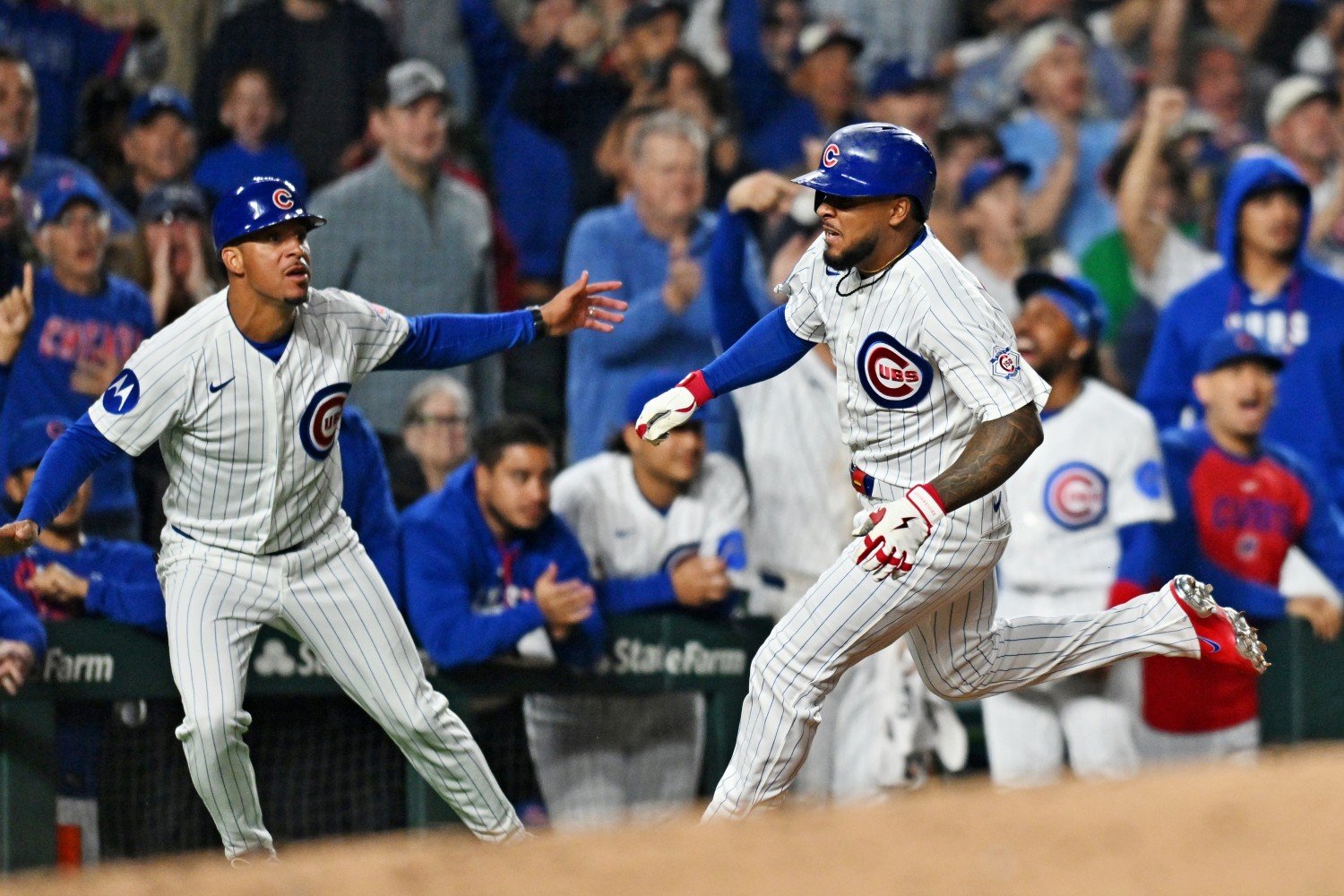 The Cubs weren't able to swing the deadline's big blockbuster. As everyone predicted, Tarik Skubal is a Dodger. But while off-the-field affairs kept baseball diehards captivated, the team from Wrigleyville undertook a seven-game slate of contests that further proved this club is worth the investment. The NL Central has become strictly a two-team race between the Cubs and Brewers, but that didn't stop Chicago's four-game series in St. Louis from feeling the familiar pinch of rivalry and intensity. Craig Counsell and his squad seized the first game of the set in a mostly convincing 7-3 win. Clutch homers from Alex Bregman and Nico Hoerner capped an impressive showing from the offense. The North Siders' starter, trade steal David Peterson, kept the Cards off balance through 5 2/3 innings, allowing 2 earned runs before handing things over to a steady bullpen. Jacob Webb allowed his first run in over a month, but the game was never truly in doubt. Clinching no worse than a split in the series, Colin Rea and the dangerous offense behind him waltzed to a 10-2 victory on Tuesday night. Rea dealt six full innings of quality work, allowing just one run on four hits and minimizing opportunities for the Cardinals. Meanwhile, the North Siders' charged-up offense, led by newcomer Pedro Ramírez and the sizzling Seiya Suzuki, taxed St. Louis's pitching staff, with those two combining for six hits. Contests like this don't necessarily provide a window into what this team could be come October, but they sure are fun. Tough losses are an inevitable part of this great game, but it's what makes the losses tough that sticks with you. The third game of Cubs-Cardinals this week was a spellbinding pitcher's duel between Dustin May and Matthew Boyd. The Cubs' veteran lefty was magnificent, going seven strong shutout innings, issuing just two walks and striking out five, but his offense couldn't come up with a run in support of him. The sides finished the regulation nine at 0-0.. In the top of the 10th inning, NL MVP favorite Pete Crow-Armstrong came through with a signature moment by absolutely detonating an 0-1 pitch from Luis Gastelum. The swing put Chicago ahead 2-0 heading into the home half of the frame. Making perhaps the strongest case yet for a bullpen overhaul, though, reliever Trent Thornton failed to play his role in capturing a cinematic win for his squad, surrendering the walk-off knock to Iván Herrera on the first pitch of the at-bat with two on and only one out. (The real trouble, arguably, came when the team failed to find an out on a ground ball to second base, and then when Thornton walked a batter to put the winning run aboard.) The Cards escaped with an enthralling 3-2 triumph. Good teams find a way to put adversity behind them, and that's exactly what the Cubs did with a 4-2 revenge win in 10 innings on Thursday. Timely hits and sound baserunning let the North Siders stick around long enough to once again find their way into free baseball, and this time, they did not throw away their shot. After Alex Bregman's go-ahead double, Ian Happ traded places with his teammate, driving in the all-important insurance run before Webb and Aaron Civale turned away the home team in the bottom half of the inning. Returning to the Friendly Confines after claiming three out of four games from their division foe, the Cubs hosted the New York Yankees in the first of a three-game matchup. Squandering a quality 6 2/3 inning start from hurler Shota Imanaga, the hosts failed to string together the right hits at the right time, suffering a 2-0 loss in the opener. Deflating as the defeat was, the contest demonstrated the type of baseball necessary to compete with playoff-caliber clubs like Aaron Boone's squad. New York might not share much of the same DNA, but they're still fighting in the same weight class. In front of a national audience, the North Siders bounced back to win a big game with a big, late rally Saturday. After a Hoerner homer tied the game 2-2 in the bottom of the seventh, Crow-Armstrong laced an RBI triple down the line in right field, scoring Ramírez. One batter later, Suzuki sliced an RBI single into right field to pad what turned out to be the game-winning run driven in by Crow-Armstrong. Cubs' starter David Peterson was brilliant again: 6 1/3, 2-run innings. Whatever happens to this rotation in the wake of the trade deadline, Peterson has earned the right to keep his spot. The body of work he's produced since his first, dismal start in his North Side debut proves that he wields the resiliency and the stuff to add a serious weapon to the squad. Sunday's finale saddled Cubs fans with the sinking, unfamiliar feeling of a series loss, as Chicago fell to the Bronx Bombers. The Cubs made excellent use of their ABS challenges throughout the game, except for a perplexing sixth-inning scenario which saw Hoerner miss an opportunity to challenge a 3-0 pitch with the bases loaded. Had he challenged, replay showed it would have been ball four, allowing the tying run to score. Frozen in the moment, Hoerner later flied out to end the threat as the game entered the top half of the seventh. Learning hard truths through those in-game situations is an excruciating form of tough love, but may yet fortify this team, making them ready for when these key moments inevitably resurface. Standing at the spiritual crossroads of the season, Chicago (as they have been for much of the season) is a team in control of its own destiny. The front office set itself up to complete a successful deadline period by acquiring Kevin Gausman Sunday night. Now, they have to make more moves to capitalize on their opportunity to put together a more satisfying October foray. This week was successful, but not so much so as to hide what needs to be done.
 -
Image courtesy of Patrick Gorski-Imagn Images The Cubs weren't able to swing the deadline's big blockbuster. As everyone predicted, Tarik Skubal is a Dodger. But while off-the-field affairs kept baseball diehards captivated, the team from Wrigleyville undertook a seven-game slate of contests that further proved this club is worth the investment. The NL Central has become strictly a two-team race between the Cubs and Brewers, but that didn't stop Chicago's four-game series in St. Louis from feeling the familiar pinch of rivalry and intensity. Craig Counsell and his squad seized the first game of the set in a mostly convincing 7-3 win. Clutch homers from Alex Bregman and Nico Hoerner capped an impressive showing from the offense. The North Siders' starter, trade steal David Peterson, kept the Cards off balance through 5 2/3 innings, allowing 2 earned runs before handing things over to a steady bullpen. Jacob Webb allowed his first run in over a month, but the game was never truly in doubt. Clinching no worse than a split in the series, Colin Rea and the dangerous offense behind him waltzed to a 10-2 victory on Tuesday night. Rea dealt six full innings of quality work, allowing just one run on four hits and minimizing opportunities for the Cardinals. Meanwhile, the North Siders' charged-up offense, led by newcomer Pedro Ramírez and the sizzling Seiya Suzuki, taxed St. Louis's pitching staff, with those two combining for six hits. Contests like this don't necessarily provide a window into what this team could be come October, but they sure are fun. Tough losses are an inevitable part of this great game, but it's what makes the losses tough that sticks with you. The third game of Cubs-Cardinals this week was a spellbinding pitcher's duel between Dustin May and Matthew Boyd. The Cubs' veteran lefty was magnificent, going seven strong shutout innings, issuing just two walks and striking out five, but his offense couldn't come up with a run in support of him. The sides finished the regulation nine at 0-0.. In the top of the 10th inning, NL MVP favorite Pete Crow-Armstrong came through with a signature moment by absolutely detonating an 0-1 pitch from Luis Gastelum. The swing put Chicago ahead 2-0 heading into the home half of the frame. Making perhaps the strongest case yet for a bullpen overhaul, though, reliever Trent Thornton failed to play his role in capturing a cinematic win for his squad, surrendering the walk-off knock to Iván Herrera on the first pitch of the at-bat with two on and only one out. (The real trouble, arguably, came when the team failed to find an out on a ground ball to second base, and then when Thornton walked a batter to put the winning run aboard.) The Cards escaped with an enthralling 3-2 triumph. Good teams find a way to put adversity behind them, and that's exactly what the Cubs did with a 4-2 revenge win in 10 innings on Thursday. Timely hits and sound baserunning let the North Siders stick around long enough to once again find their way into free baseball, and this time, they did not throw away their shot. After Alex Bregman's go-ahead double, Ian Happ traded places with his teammate, driving in the all-important insurance run before Webb and Aaron Civale turned away the home team in the bottom half of the inning. Returning to the Friendly Confines after claiming three out of four games from their division foe, the Cubs hosted the New York Yankees in the first of a three-game matchup. Squandering a quality 6 2/3 inning start from hurler Shota Imanaga, the hosts failed to string together the right hits at the right time, suffering a 2-0 loss in the opener. Deflating as the defeat was, the contest demonstrated the type of baseball necessary to compete with playoff-caliber clubs like Aaron Boone's squad. New York might not share much of the same DNA, but they're still fighting in the same weight class. In front of a national audience, the North Siders bounced back to win a big game with a big, late rally Saturday. After a Hoerner homer tied the game 2-2 in the bottom of the seventh, Crow-Armstrong laced an RBI triple down the line in right field, scoring Ramírez. One batter later, Suzuki sliced an RBI single into right field to pad what turned out to be the game-winning run driven in by Crow-Armstrong. Cubs' starter David Peterson was brilliant again: 6 1/3, 2-run innings. Whatever happens to this rotation in the wake of the trade deadline, Peterson has earned the right to keep his spot. The body of work he's produced since his first, dismal start in his North Side debut proves that he wields the resiliency and the stuff to add a serious weapon to the squad. Sunday's finale saddled Cubs fans with the sinking, unfamiliar feeling of a series loss, as Chicago fell to the Bronx Bombers. The Cubs made excellent use of their ABS challenges throughout the game, except for a perplexing sixth-inning scenario which saw Hoerner miss an opportunity to challenge a 3-0 pitch with the bases loaded. Had he challenged, replay showed it would have been ball four, allowing the tying run to score. Frozen in the moment, Hoerner later flied out to end the threat as the game entered the top half of the seventh. Learning hard truths through those in-game situations is an excruciating form of tough love, but may yet fortify this team, making them ready for when these key moments inevitably resurface. Standing at the spiritual crossroads of the season, Chicago (as they have been for much of the season) is a team in control of its own destiny. The front office set itself up to complete a successful deadline period by acquiring Kevin Gausman Sunday night. Now, they have to make more moves to capitalize on their opportunity to put together a more satisfying October foray. This week was successful, but not so much so as to hide what needs to be done. View full article
-
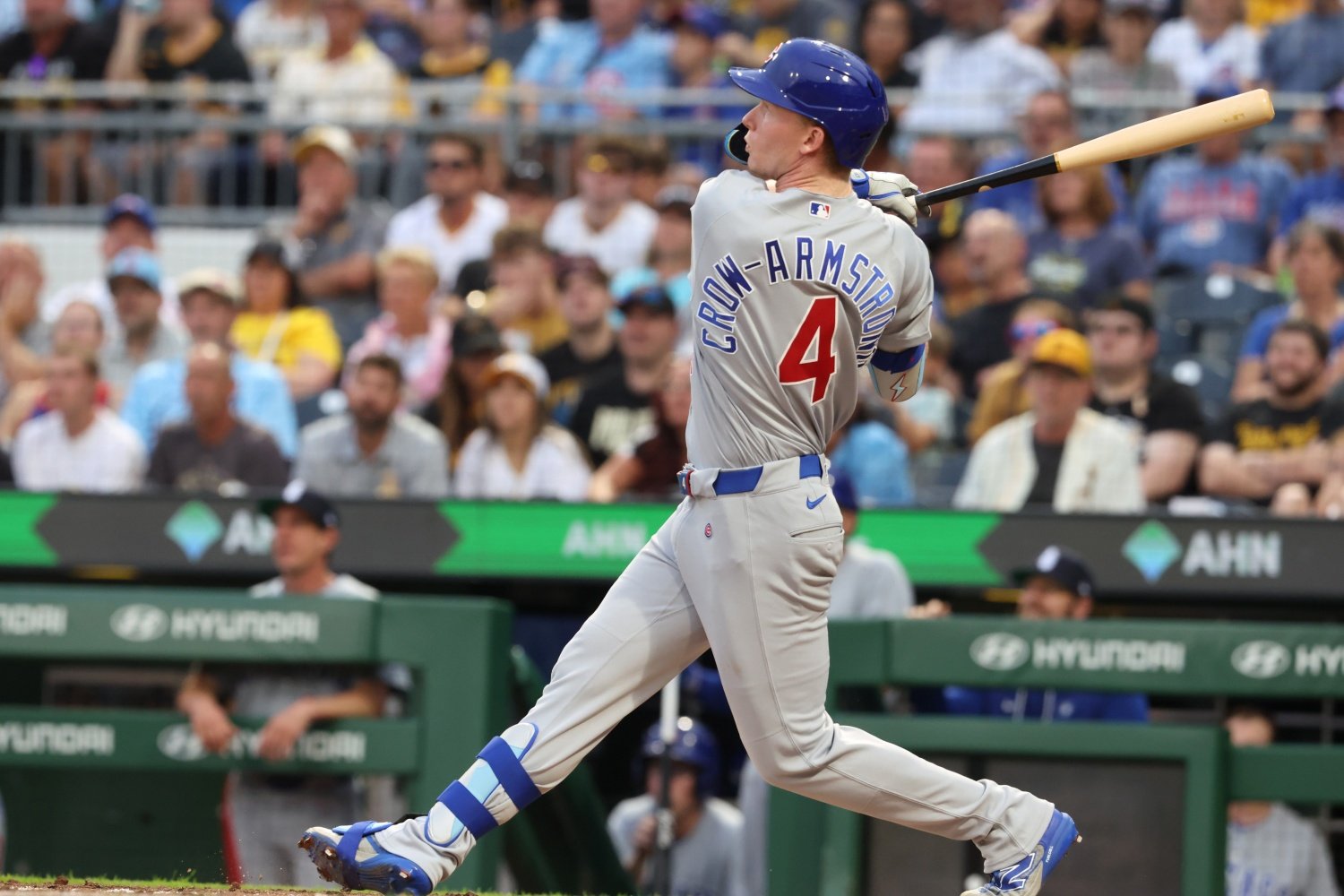 Were one to create an unofficial tagline for the 2026 Chicago Cubs, it might read: "Death, taxes, and losing to mediocre teams they have no business losing to." Okay, so maybe that one doesn't quite roll off the tongue, but the North Siders have formed a bad habit of playing down to the level of their weaker competition, at least periodically. Featuring series with both the American League and National League Central, that theme was the throughline for the week of baseball that was. First, the North Siders welcomed the Detroit Tigers to 1060 W. Addison for a rematch of the 1945 World Series. Mired in the unenviable drama surrounding their ace Tarik Skubal, AJ Hinch's squad is in "win-to-survive" mode, and that's exactly what they did in the first of a three-game set at Wrigley. A back-and-forth contest swung in favor of the home team late, with third baseman Alex Bregman at the plate with two outs and the bases loaded. A poor swing decision on what would have been ball four sent the game to extra innings. A clutch swing from All-Star catcher Dillon Dingler (and, excruciatingly, a Nico Hoerner error) doomed the Cubs in a disappointing 8-6 defeat. The next night, the Cubs struck back with one of their signature offensive outbursts, coasting to an 11-2 win over the visiting Tigers. A six-run first (paired with an impressive 6 2/3 performance from David Peterson) guaranteed Craig Counsell's squad the desired rubber match. Rapidly ascending to the top of the WAR ranks and enjoying an MVP-like second half, Pete Crow-Armstrong led the way with another great offensive day. Making the North Siders' pitching situation even more complex, starter Colin Rea's dud in Game 3 of his club's tilt with the Tigers sunk the home nine. Despite another five-inning appearance, Rea was anything but sharp, coughing up four earned runs and two long balls. Keider Montero of Detroit enjoyed one of his better outings of the 2026 campaign, going 5 1/3 innings in which he set down eight Cubs via the strikeout. While Wrigley Field spent the weekend going "Bananas", the North Siders arrived in Pittsburgh for their three-game showdown with the Pirates. Matthew Boyd took the ball in the opener, and as he has of late, he dazzled in seven full innings of work. Crow-Armstrong's solo shot in the sixth inning knotted the game at 1-1, paving the way for heroics from Dansby Swanson and Seiya Suzuki in extras. While redemption games are to be expected from a club like Chicago, doing it in such a fashion, on the road, bodes well for the team's prospects in contests with much more on the line. Riding a high from the night before, the Cubs could do no wrong in their series-clinching 11-0 rout of the Bucs in the second game of the series. A four-hit day from Crow-Armstrong, including his 23rd homer of the season, fueled a punishing offense. With the game well in hand, lauded prospect James Triantos relished the milestone moment of collecting his first hit in the majors. Southpaw Shota Imanaga turned in six innings of scoreless work, providing further evidence of his rediscovered stability on the mound. With their sixth straight series win on the road secured, the North Siders had designs on a sweep in the series finale. The deservedly maligned former Pirate Jameson Taillon was unable to do his part. Known for giving up home runs early in contests, Taillon yet again saddled his team with a considerable 7-1 deficit after surrendering a grand slam to Ryan O'Hearn. The big fly was the 25th home run Taillon has given up in 76 innings pitched in 2026. A furious rally from the Cubs, including a two-run blast from Seiya Suzuki, fell short, as Pittsburgh seized a narrow 8-7 triumph. The trade deadline will bring into focus this team's fate for the remainder of the 2026 campaign. Before that, however, the squad arrives in St. Louis to do battle with Jordan Walker and the hated Cardinals in another divisional series. A return home will mark the arrival of the Bronx Bombers for a three-game series. While whatever comes after next Monday will certainly shape the discourse surrounding this team, this clubhouse has demonstrated that if and when they take the field in October, they have just as much chance of going on a run as any of the other top challengers for the Fall Classic.
 -
Image courtesy of Charles LeClaire-Imagn Images Were one to create an unofficial tagline for the 2026 Chicago Cubs, it might read: "Death, taxes, and losing to mediocre teams they have no business losing to." Okay, so maybe that one doesn't quite roll off the tongue, but the North Siders have formed a bad habit of playing down to the level of their weaker competition, at least periodically. Featuring series with both the American League and National League Central, that theme was the throughline for the week of baseball that was. First, the North Siders welcomed the Detroit Tigers to 1060 W. Addison for a rematch of the 1945 World Series. Mired in the unenviable drama surrounding their ace Tarik Skubal, AJ Hinch's squad is in "win-to-survive" mode, and that's exactly what they did in the first of a three-game set at Wrigley. A back-and-forth contest swung in favor of the home team late, with third baseman Alex Bregman at the plate with two outs and the bases loaded. A poor swing decision on what would have been ball four sent the game to extra innings. A clutch swing from All-Star catcher Dillon Dingler (and, excruciatingly, a Nico Hoerner error) doomed the Cubs in a disappointing 8-6 defeat. The next night, the Cubs struck back with one of their signature offensive outbursts, coasting to an 11-2 win over the visiting Tigers. A six-run first (paired with an impressive 6 2/3 performance from David Peterson) guaranteed Craig Counsell's squad the desired rubber match. Rapidly ascending to the top of the WAR ranks and enjoying an MVP-like second half, Pete Crow-Armstrong led the way with another great offensive day. Making the North Siders' pitching situation even more complex, starter Colin Rea's dud in Game 3 of his club's tilt with the Tigers sunk the home nine. Despite another five-inning appearance, Rea was anything but sharp, coughing up four earned runs and two long balls. Keider Montero of Detroit enjoyed one of his better outings of the 2026 campaign, going 5 1/3 innings in which he set down eight Cubs via the strikeout. While Wrigley Field spent the weekend going "Bananas", the North Siders arrived in Pittsburgh for their three-game showdown with the Pirates. Matthew Boyd took the ball in the opener, and as he has of late, he dazzled in seven full innings of work. Crow-Armstrong's solo shot in the sixth inning knotted the game at 1-1, paving the way for heroics from Dansby Swanson and Seiya Suzuki in extras. While redemption games are to be expected from a club like Chicago, doing it in such a fashion, on the road, bodes well for the team's prospects in contests with much more on the line. Riding a high from the night before, the Cubs could do no wrong in their series-clinching 11-0 rout of the Bucs in the second game of the series. A four-hit day from Crow-Armstrong, including his 23rd homer of the season, fueled a punishing offense. With the game well in hand, lauded prospect James Triantos relished the milestone moment of collecting his first hit in the majors. Southpaw Shota Imanaga turned in six innings of scoreless work, providing further evidence of his rediscovered stability on the mound. With their sixth straight series win on the road secured, the North Siders had designs on a sweep in the series finale. The deservedly maligned former Pirate Jameson Taillon was unable to do his part. Known for giving up home runs early in contests, Taillon yet again saddled his team with a considerable 7-1 deficit after surrendering a grand slam to Ryan O'Hearn. The big fly was the 25th home run Taillon has given up in 76 innings pitched in 2026. A furious rally from the Cubs, including a two-run blast from Seiya Suzuki, fell short, as Pittsburgh seized a narrow 8-7 triumph. The trade deadline will bring into focus this team's fate for the remainder of the 2026 campaign. Before that, however, the squad arrives in St. Louis to do battle with Jordan Walker and the hated Cardinals in another divisional series. A return home will mark the arrival of the Bronx Bombers for a three-game series. While whatever comes after next Monday will certainly shape the discourse surrounding this team, this clubhouse has demonstrated that if and when they take the field in October, they have just as much chance of going on a run as any of the other top challengers for the Fall Classic. View full article
-
Image courtesy of © Matt Marton-Imagn Images If you remember exactly what you were seeing, feeling, and smelling during life's grandest milestones, you were probably transported in time this weekend when you tuned in or showed up for Cubs baseball. Though the visiting Minnesota Twins gave the team a rude welcome home after the All-Star break on Friday night, with the 2016 World Series team reuniting throughout the weekend, the home nine rediscovered their form in a hurry. Craig Counsell's team opened their three-game set with Minnesota under hazy skies, with the reliable Colin Rea toeing the rubber. For better or worse, Rea starts are among the more consistent in this rotation. Lasting six innings and allowing four total runs, this outing was no different for the Iowa native. He deserved better than that, too. The runs came mostly in a string of second-inning accidents, including a semi-controversial error when a throw hit baserunner Luke Keaschall's sliding mitt and a deeply unfair home run by Twins catcher Ryan Jeffers that the heat, humidity and hitter-friendly wind conspired to create. His offense could not provide him with meaningful run support, squandering early opportunities at the plate. Michael Busch got the scoring started early with an RBI single in the first inning, and from there, the well ran dry with the club going an astounding 1-for-10 with RISP in a 5-2 loss. After lifting the proverbial curtain on the anticipated "Champions Gate" pavilion inside Gallagher Way, the team evened the series in Game 2 with a 6-2 victory. Left-handed pitcher Matthew Boyd delivered a quality start, working six one-run innings. Clutch swings from Miguel Amaya and Nico Hoerner's 4-for-4 day at the plate gave the good guys more than enough offense to secure the win and keep the bleacher party (featuring legends like Anthony Rizzo) going well beyond the final out. Shota Imanaga spun a seven-shutout-inning gem to help deliver a dominant 10-1 win in the rubber match of the three-game interleague series. Nico Hoerner continues to be the early second-half story. His bases-clearing, three-run triple ("triple"; it should have been ruled a single and an error) in the bottom half of the third broke the game open, as the Cubbies went up 6-0. Since play resumed, the Gold Glove second baseman is a blistering 8-for-12 at the dish. His and much of the lineup's play aided in securing the team's 56th win of the season, positioning the North Siders at 13 games above .500, though still trailing the Brewers by 6 full games in the standings. Next week, the Cubs welcome Riley Greene and the Detroit Tigers coming to town for three games before heading to Pittsburgh to square off with the Pirates. Regardless of whether or not Chicago overtakes Milwaukee (or even gets within a whisper of them), they look increasingly like a playoff team. What happens once they get that far is impossible to predict. View full article
-
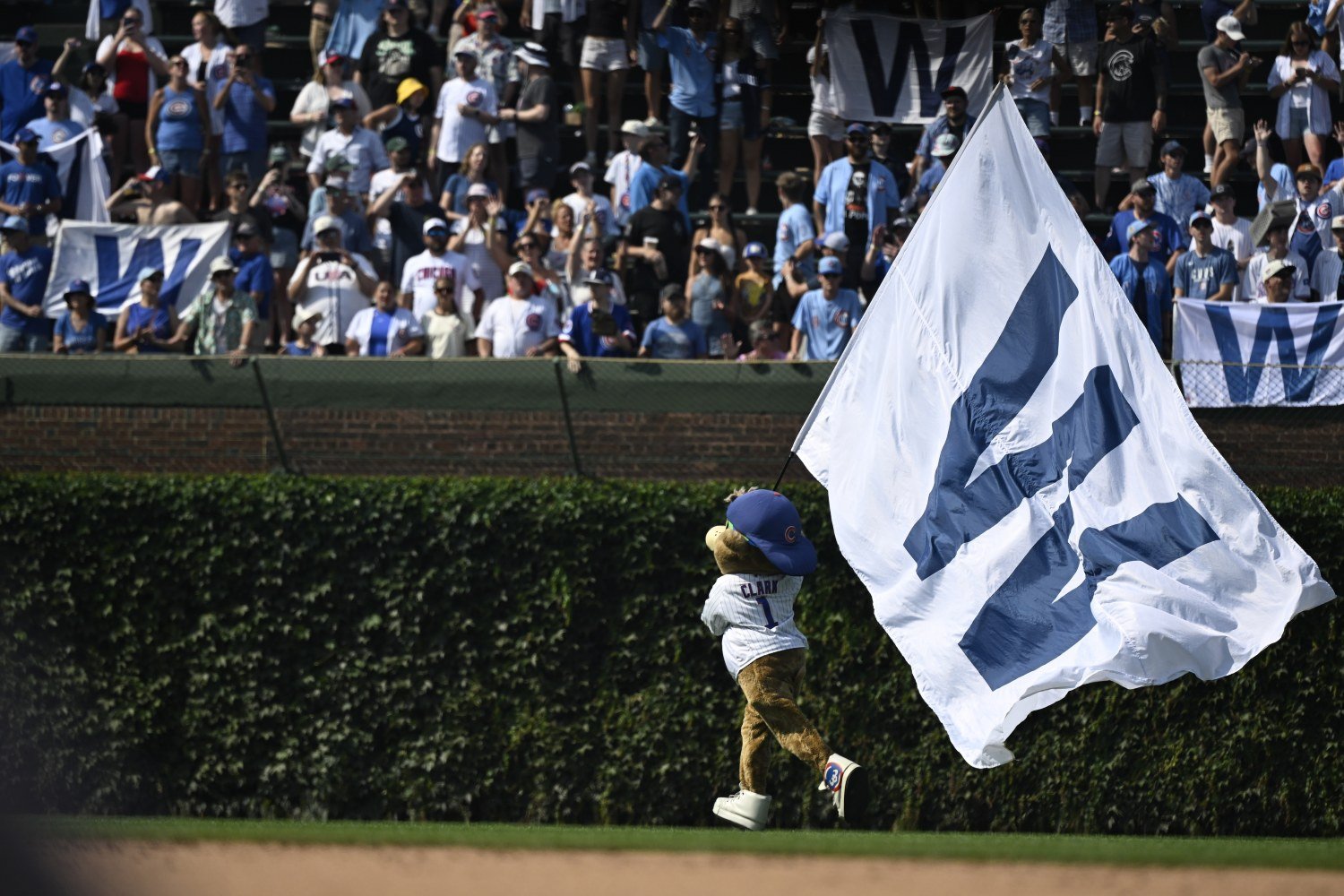 If you remember exactly what you were seeing, feeling, and smelling during life's grandest milestones, you were probably transported in time this weekend when you tuned in or showed up for Cubs baseball. Though the visiting Minnesota Twins gave the team a rude welcome home after the All-Star break on Friday night, with the 2016 World Series team reuniting throughout the weekend, the home nine rediscovered their form in a hurry. Craig Counsell's team opened their three-game set with Minnesota under hazy skies, with the reliable Colin Rea toeing the rubber. For better or worse, Rea starts are among the more consistent in this rotation. Lasting six innings and allowing four total runs, this outing was no different for the Iowa native. He deserved better than that, too. The runs came mostly in a string of second-inning accidents, including a semi-controversial error when a throw hit baserunner Luke Keaschall's sliding mitt and a deeply unfair home run by Twins catcher Ryan Jeffers that the heat, humidity and hitter-friendly wind conspired to create. His offense could not provide him with meaningful run support, squandering early opportunities at the plate. Michael Busch got the scoring started early with an RBI single in the first inning, and from there, the well ran dry with the club going an astounding 1-for-10 with RISP in a 5-2 loss. After lifting the proverbial curtain on the anticipated "Champions Gate" pavilion inside Gallagher Way, the team evened the series in Game 2 with a 6-2 victory. Left-handed pitcher Matthew Boyd delivered a quality start, working six one-run innings. Clutch swings from Miguel Amaya and Nico Hoerner's 4-for-4 day at the plate gave the good guys more than enough offense to secure the win and keep the bleacher party (featuring legends like Anthony Rizzo) going well beyond the final out. Shota Imanaga spun a seven-shutout-inning gem to help deliver a dominant 10-1 win in the rubber match of the three-game interleague series. Nico Hoerner continues to be the early second-half story. His bases-clearing, three-run triple ("triple"; it should have been ruled a single and an error) in the bottom half of the third broke the game open, as the Cubbies went up 6-0. Since play resumed, the Gold Glove second baseman is a blistering 8-for-12 at the dish. His and much of the lineup's play aided in securing the team's 56th win of the season, positioning the North Siders at 13 games above .500, though still trailing the Brewers by 6 full games in the standings. Next week, the Cubs welcome Riley Greene and the Detroit Tigers coming to town for three games before heading to Pittsburgh to square off with the Pirates. Regardless of whether or not Chicago overtakes Milwaukee (or even gets within a whisper of them), they look increasingly like a playoff team. What happens once they get that far is impossible to predict.
 -
Image courtesy of © Katie Stratman-Imagn Images Resilience in baseball must take many forms. Teams and players have to shake off personal setbacks and off-field distractions. They have to withstand injuries and gut-wrenching losses and show up the next day ready to win. They have to perform even when dead tired. The Cubs haven't passed those tests at all turns this season, but heading into a weeklong road trip before the All-Star break, they were in a good position, with a chance to further strengthen it. First up, the team paid a visit to the Baltimore Orioles, a team who got slammed with as much adversity as Chicago has this year but hasn't handled it as smoothly. Matthew Boyd toed the rubber for the North Siders, picking up the win and a quality start by going six scoreless innings and surrendering just three hits. He appears much more in control on the mound of late, and gave his offense (fueled by a two-RBI day from Alex Bregman) the opportunity to put just enough cushion between them and the O's in a 5-2 win to open the series. Despite being outhit 14 to 8 in the middle contest of the three-game set in Charm City, the North Siders secured a 9-7 win. All-Star center fielder Pete Crow-Armstrong crushed two long balls, one to deep right field and one to right-center, to reach the 20/20 mark (20 stolen bases and 20 home runs) for the second straight year. Michael Conforto and Carson Kelly chimed in with big hits to help Chicago hold off the O's on a night when the pitching staff showed its cracks. The home team spoiled a nine-hit day for the visitors in the finale, salvaging one in the series with a 3-2 victory over the North Siders. Encouragingly, starter David Peterson bounced back from a dismal showing in his previous turn, as he managed five innings of work, allowing just one earned run, though walking four. Squandered opportunities doomed the Cubs, who went just 1-for-9 with RISP. The next day, the weary travelers arrived at Great American Ballpark to do battle in their final series before the All-Star break, a three-gamer with the division rival Cincinnati Reds. They couldn't get anything going against Hunter Greene and the Reds. Greene set down 12 Cubs batters via the strikeout in one of his sharpest outings of the season. That made waste of a good showing from Shota Imanaga, who allowed just one run over five innings. Chicago dropped the opener 4-0. Wiping away the stain of two consecutive deflating losses, the Cubs bounced back Saturday with a 5-3 win. Fans have waited most of the first half to witness starting third baseman Alex Bregman heat up, and that wait might have ended. With the game tied in the seventh inning, Bregman drilled a go-ahead, two-run home run to left field. Outside a lone run coughed up by Drew Pomeranz, the bullpen rose to the occasion, blanking the Reds in the final three frames. Bookending a strong week on the bump, starter Matthew Boyd tallied his fifth win of the year in an 8-4 triumph Sunday to sail into the intermission. Boyd lasted 6 1/3 innings, allowing four earned runs. A gargantuan day from the lilliputian Bregman helped his squad win the day. His towering, three-run blast in the seventh blew the game open. The win was the club's 54th of the year, ending a consistent run of victories from the end of June into mid-July. And with that, the first half of the 2026 MLB season draws to a close. Though they're diminished by injury and sit a handful of games behind the powerhouse Brewers, the Cubs have just as much to play for now as they did in the campaign's nascent stages. They've already survived a lot. Now, they get a chance to recharge and reset, before a furious finish in which they have to switch into 'thrive' mode. View full article
-
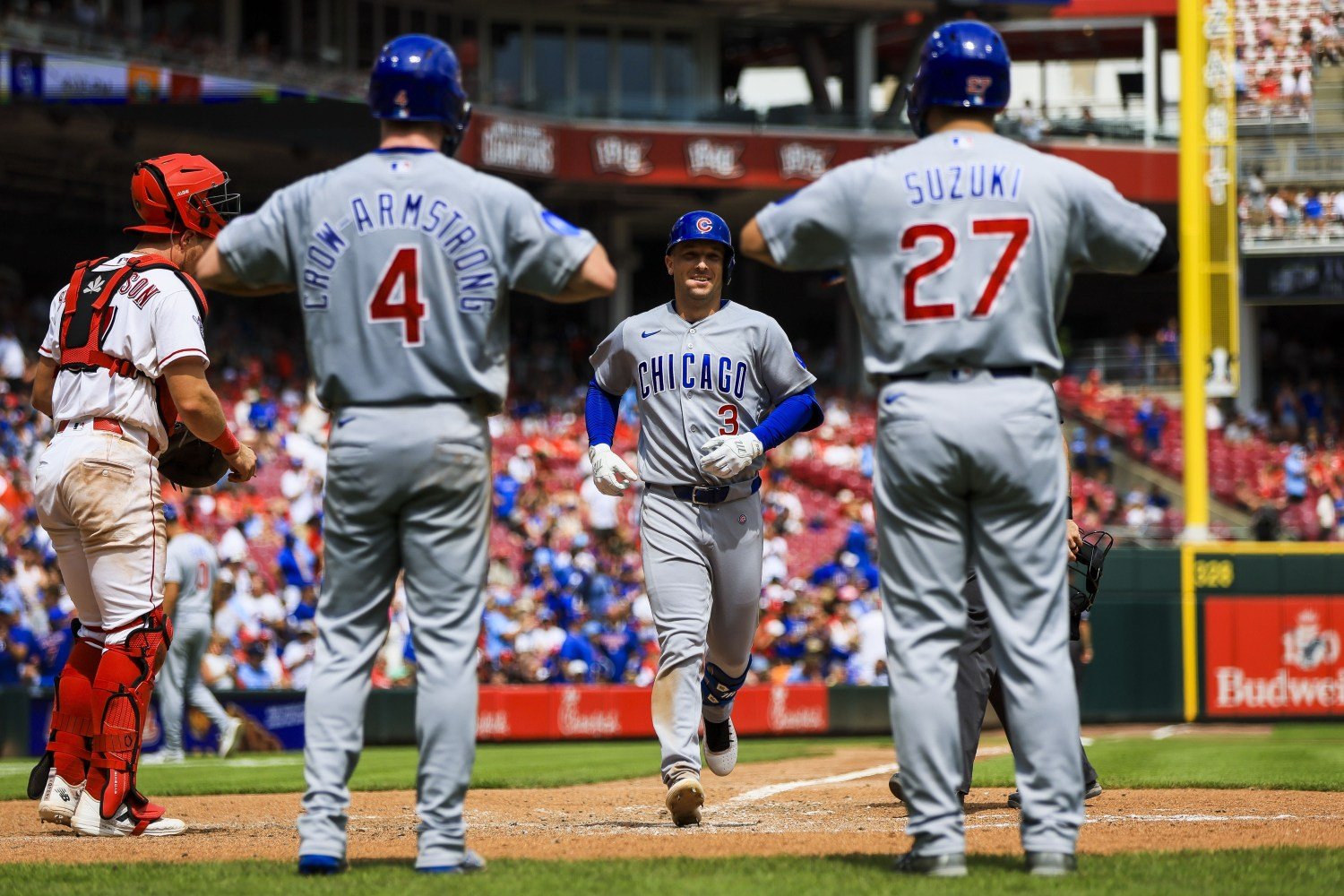 Resilience in baseball must take many forms. Teams and players have to shake off personal setbacks and off-field distractions. They have to withstand injuries and gut-wrenching losses and show up the next day ready to win. They have to perform even when dead tired. The Cubs haven't passed those tests at all turns this season, but heading into a weeklong road trip before the All-Star break, they were in a good position, with a chance to further strengthen it. First up, the team paid a visit to the Baltimore Orioles, a team who got slammed with as much adversity as Chicago has this year but hasn't handled it as smoothly. Matthew Boyd toed the rubber for the North Siders, picking up the win and a quality start by going six scoreless innings and surrendering just three hits. He appears much more in control on the mound of late, and gave his offense (fueled by a two-RBI day from Alex Bregman) the opportunity to put just enough cushion between them and the O's in a 5-2 win to open the series. Despite being outhit 14 to 8 in the middle contest of the three-game set in Charm City, the North Siders secured a 9-7 win. All-Star center fielder Pete Crow-Armstrong crushed two long balls, one to deep right field and one to right-center, to reach the 20/20 mark (20 stolen bases and 20 home runs) for the second straight year. Michael Conforto and Carson Kelly chimed in with big hits to help Chicago hold off the O's on a night when the pitching staff showed its cracks. The home team spoiled a nine-hit day for the visitors in the finale, salvaging one in the series with a 3-2 victory over the North Siders. Encouragingly, starter David Peterson bounced back from a dismal showing in his previous turn, as he managed five innings of work, allowing just one earned run, though walking four. Squandered opportunities doomed the Cubs, who went just 1-for-9 with RISP. The next day, the weary travelers arrived at Great American Ballpark to do battle in their final series before the All-Star break, a three-gamer with the division rival Cincinnati Reds. They couldn't get anything going against Hunter Greene and the Reds. Greene set down 12 Cubs batters via the strikeout in one of his sharpest outings of the season. That made waste of a good showing from Shota Imanaga, who allowed just one run over five innings. Chicago dropped the opener 4-0. Wiping away the stain of two consecutive deflating losses, the Cubs bounced back Saturday with a 5-3 win. Fans have waited most of the first half to witness starting third baseman Alex Bregman heat up, and that wait might have ended. With the game tied in the seventh inning, Bregman drilled a go-ahead, two-run home run to left field. Outside a lone run coughed up by Drew Pomeranz, the bullpen rose to the occasion, blanking the Reds in the final three frames. Bookending a strong week on the bump, starter Matthew Boyd tallied his fifth win of the year in an 8-4 triumph Sunday to sail into the intermission. Boyd lasted 6 1/3 innings, allowing four earned runs. A gargantuan day from the lilliputian Bregman helped his squad win the day. His towering, three-run blast in the seventh blew the game open. The win was the club's 54th of the year, ending a consistent run of victories from the end of June into mid-July. And with that, the first half of the 2026 MLB season draws to a close. Though they're diminished by injury and sit a handful of games behind the powerhouse Brewers, the Cubs have just as much to play for now as they did in the campaign's nascent stages. They've already survived a lot. Now, they get a chance to recharge and reset, before a furious finish in which they have to switch into 'thrive' mode.
 -
Image courtesy of © Matt Marton-Imagn Images Winning baseball teams don't make you wonder what's coming next; they settle into repeatable rhythms. That's why it feels like the 2026 Cubs have a long way to go to call themselves one, even after a 16-6 streak that has carried them back into playoff position. Just one week removed from their signature series win versus the Brewers, Chicago made its way back home to 1060 W. Addison for the start of a three-game set with the San Diego Padres. No one in baseball has more walk-off victories than the Cardiac Cubs, and another dramatic offensive delivery from Seiya Suzuki gave them their latest in the opener of this series. Shota Imanaga proved that the best version of this club features him at his best, as well. He went 6 1/3 innings, allowing two earned runs and punching out four. The home team locked up a 3-2 win. Stability on the mound is one of the glaring shortcomings of this squad. If you're invested in the team's fortunes, that should make Matthew Boyd's five-inning outing Tuesday even more encouraging. The oft-injured veteran scooped up his third win of the season. while his teammates got things going at the plate. Dansby Swanson continued his blistering hot streak with another multi-homer day. Joining him in the round-trip hit parade were Michael Busch, Alex Bregman, and Pete Crow-Armstrong in the squad's 9-7, series-clinching victory. Tying a franchise record for home runs set just one year ago, the Cubs blasted eight taters in a 23-3 laugher against the Friars Wednesday afternoon, earning their second sweep in the last three series. Swanson went ballistic, launching three home runs. He was joined by pretty much everyone else in the lineup, including stalwarts Michael Conforto and Seiya Suzuki. Days like this occur about as frequently as the city's rogue gator sightings, but they make it fun to dream about what this club could do when firing on all cylinders. A lousily-timed off day set them back, though. The Cardinals came to town Friday and thwacked the hosts, 17-1. David Peterson was shelled in his second start for the North Siders, failing to go four full innings of work. His colleagues on the offensive side of the ball didn't fare much better, punching in a paltry 1-for-8 with RISP. Fireworks exploded over foggy Wrigleyville skies for America's 250th birthday, but even the Cubs batters one could make out on TV were virtual no-shows Saturday night. A leadoff home run from JJ Wetherholt saddled Imanaga and his squad with an early deficit. Weather had delayed the start of the game, and it forced a 15-minute intermission late in the contest, too. The Cubs might as well have slipped away in the gloam; they lost 3-0. With all the resiliency such an inconsistent team needs, the North Siders salvaged the conclusion to their series with the Cards. A decisive sixth-inning rally, punctuated by a clutch, opposite-field single from Nico Hoerner flipped the momentum of the contest, giving the Cubs a 6-3 lead at the time. Two strong relief innings from Jacob Webb picked up a shaky return for Drew Pomeranz. The 6-4 win marked the squad's 50th victory of the season. If you don't establish some consistent identity, this game and its calendar will force one on you. Now, standing 10 games above .500, the North Siders hit the road to Baltimore and Cincinnati for a pair of three-game contests in the last full week of baseball before the Midsummer Classic. The second half looms, with several fate-altering moves yet to take place. They need to finish the unofficial first half strong, though, to prove that they're not cycling downward again, toward an ugly averageness that doesn't suit the roster or its payroll. View full article
-
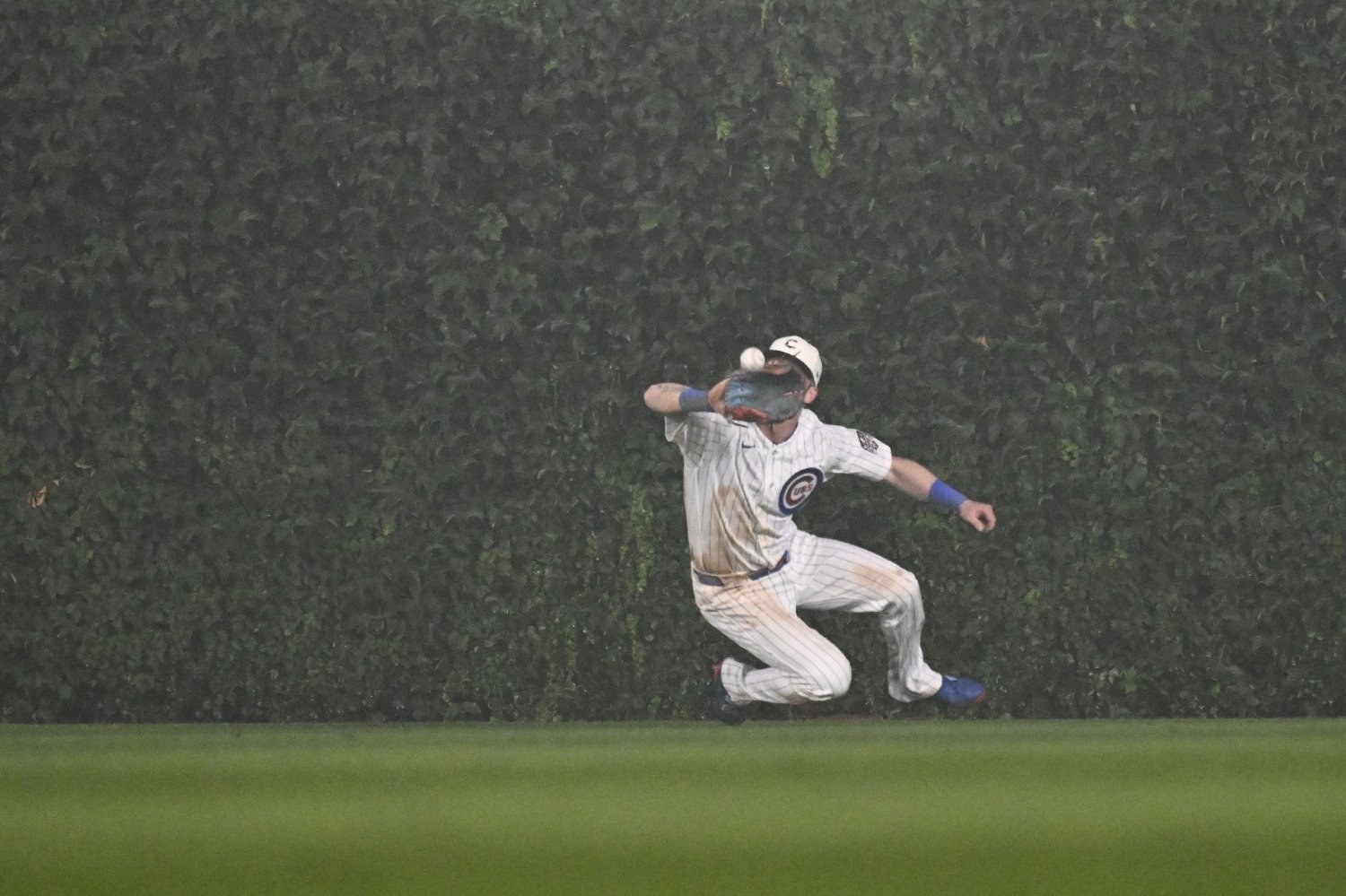 Winning baseball teams don't make you wonder what's coming next; they settle into repeatable rhythms. That's why it feels like the 2026 Cubs have a long way to go to call themselves one, even after a 16-6 streak that has carried them back into playoff position. Just one week removed from their signature series win versus the Brewers, Chicago made its way back home to 1060 W. Addison for the start of a three-game set with the San Diego Padres. No one in baseball has more walk-off victories than the Cardiac Cubs, and another dramatic offensive delivery from Seiya Suzuki gave them their latest in the opener of this series. Shota Imanaga proved that the best version of this club features him at his best, as well. He went 6 1/3 innings, allowing two earned runs and punching out four. The home team locked up a 3-2 win. Stability on the mound is one of the glaring shortcomings of this squad. If you're invested in the team's fortunes, that should make Matthew Boyd's five-inning outing Tuesday even more encouraging. The oft-injured veteran scooped up his third win of the season. while his teammates got things going at the plate. Dansby Swanson continued his blistering hot streak with another multi-homer day. Joining him in the round-trip hit parade were Michael Busch, Alex Bregman, and Pete Crow-Armstrong in the squad's 9-7, series-clinching victory. Tying a franchise record for home runs set just one year ago, the Cubs blasted eight taters in a 23-3 laugher against the Friars Wednesday afternoon, earning their second sweep in the last three series. Swanson went ballistic, launching three home runs. He was joined by pretty much everyone else in the lineup, including stalwarts Michael Conforto and Seiya Suzuki. Days like this occur about as frequently as the city's rogue gator sightings, but they make it fun to dream about what this club could do when firing on all cylinders. A lousily-timed off day set them back, though. The Cardinals came to town Friday and thwacked the hosts, 17-1. David Peterson was shelled in his second start for the North Siders, failing to go four full innings of work. His colleagues on the offensive side of the ball didn't fare much better, punching in a paltry 1-for-8 with RISP. Fireworks exploded over foggy Wrigleyville skies for America's 250th birthday, but even the Cubs batters one could make out on TV were virtual no-shows Saturday night. A leadoff home run from JJ Wetherholt saddled Imanaga and his squad with an early deficit. Weather had delayed the start of the game, and it forced a 15-minute intermission late in the contest, too. The Cubs might as well have slipped away in the gloam; they lost 3-0. With all the resiliency such an inconsistent team needs, the North Siders salvaged the conclusion to their series with the Cards. A decisive sixth-inning rally, punctuated by a clutch, opposite-field single from Nico Hoerner flipped the momentum of the contest, giving the Cubs a 6-3 lead at the time. Two strong relief innings from Jacob Webb picked up a shaky return for Drew Pomeranz. The 6-4 win marked the squad's 50th victory of the season. If you don't establish some consistent identity, this game and its calendar will force one on you. Now, standing 10 games above .500, the North Siders hit the road to Baltimore and Cincinnati for a pair of three-game contests in the last full week of baseball before the Midsummer Classic. The second half looms, with several fate-altering moves yet to take place. They need to finish the unofficial first half strong, though, to prove that they're not cycling downward again, toward an ugly averageness that doesn't suit the roster or its payroll.
 -
Image courtesy of © Jeff Hanisch-Imagn Images Depending on your age, you probably have some level of reverence for Disney sports movies. The feel-good tales, which reached ubiquity in the 1990s and early 2000s, feature scrappy but capable underdogs who inevitably—despite the daunting odds—triumph in the end. None of those fictional clubs had to deal with the injuries the Cubs are saddled with, though. Doing his best Gordon Bombay impression, Craig Counsell and his team stacked up a heartening string of much-needed wins, which left the rest of us wondering whether or not this squad really can pull off a Hollywood ending worthy of those beloved films. Threatening weather in Wrigleyville and Queens, respectively, gave the North Siders an unexpected two-day gap in competitions before kicking off their four-game set with the Mets at Citi Field last Tuesday. A resurgent Dansby Swanson and his squad's offense made it worth the wait. Feeding off the offensive energy of teammate Pete Crow-Armstrong, Swanson hammered a two-run shot to left field off Mets starter Kodai Senga, pushing Chicago's lead to 7-2 at the time. The standout shortstop collected four RBIs on the day to add to the three provided by Crow-Armstrong, whose excellence has become routine. While seizing a 9-6 victory in the opener, the squad once again had to reckon with crushing injury news, as starter Edward Cabrera suffered a multi-muscle leg strain while making a tough play covering first base. With gleeful supporters of Norway's men's World Cup soccer team looking on, Chicago's North Side Baseball club notched a cathartic sweep of the Mets in Wednesday's doubleheader. Javier Assad took the ball in Game One of the twin bill and, as he's been all year, was remarkable in 5 full innings of work. The story of this contest, however, was the way the whole club worked together, seeing strong showings from the offense and the pitching staff. Swanson's two-home run day set the tone for a team quickly rediscovering its potent offense at a time when it's an absolute necessity. Chicago's bullpen was magnificent, shutting down New York's brightest stars with a two-hit, zero-run combined outing from Ryan Rolison, Caleb Thielbar, and Tyler Ferguson. That allowed the visitors to cruise to a 10-3 win. Game Two of the doubleheader treated Cubs fans to excellent performances from Nico Hoerner and former All-Star starter Shota Imanaga. Length in starting pitching is not a luxury this squad has enjoyed at any point throughout this season, but with Imanaga's 5 1/3-inning outing serving as the latest example, they're starting to put things together a little more on the mound. Fans had waited too long for Hoerner's return to form, and that he found his way back in this contest earned the Cubs a hard-fought, high-offense sweep. His three-hit day kept his squad's offense on the field longer and allowed key rallies in the 10-5 win. With the series win secured, the North Siders turned their attention to a four-game sweep. Thanks to a cinematic go-ahead double into deep right field from Crow-Armstrong, they delivered. During the club's slow climb back into the division race, clutch at-bats from their biggest names have them building the momentum needed for long-term success. Instances such as Alex Bregman's RBI double point to a whole lineup of players getting back to their winning ways at just the right time. The 4-3 victory marked Chicago's seventh win in nine contests, earning it a winning record on this seven-game road trip. To ascend to the game's highest heights is to accept certain undeniable truths. The Chicago Cubs, like it or not, are chasing the class of big-league baseball, Pat Murphy's Milwaukee Brewers, and must thwart them to summit the peaks on which their gaze is fixed. Facing Jacob Misiorowski (arguably the best pitcher in the game), they began that long, hard job the only way one can: with a first step. A solo shot from the piping-hot Seiya Suzuki briefly had the Cubs out in front of the Cy Young-contending fireballer. Alas, Ian Happ's failure to come through in a two-out, bases-loaded scenario against "The Miz" let the Brewers off the hook, ultimately escaping with a 6-2 win in the opener of a three-game set in which the Cubs pen showed its weakness. One day later, the Cubs earned their first win of the season against Milwaukee, in a fifth try. Recently acquired starting pitcher David Peterson settled in wonderfully after surrendering a first-pitch solo shot to Jackson Chourio to start the game. Peterson was locked in from that point, getting through 5 2/3 innings of work, while his new team's offense did the rest. Joined by long flies from Ian Happ and Michael Conforto, Suzuki went deep for the second-straight day, assisting his squad to a relatively pain-free 8-2 victory. With rising temperatures set to ignite summertime in Chicago, the Cubs delivered the statement win of the year Sunday afternoon in Milwaukee. Ryan Rolison's two innings kicked off a bullpen day versus the Cream City's best. Chicago's depleted bullpen rapidly became a glaring weakness for a squad that had labored, falling short of solutions around every corner. But in front of a screaming crowd of over 45,000, the squad's relievers (led by a remarkable 4 1/3-inning outing from Bryse Wilson) demonstrated it deserves mention among the league's most resourceful. A wild pitch allowed the Cubs to tie the game late, leading to a pulse-pounding extra frame that will have supporters clad in Cubby Blue talking for weeks to come. As he has done so often in recent games, Seiya Suzuki came up big. He pumped a two-run single into left field, putting his club up 4-1. Three grueling, high-blood-pressure outs later, the North Siders emerged with their best series win of the year by a final score of 4-3. Believing in the unimaginable is taxing for each sports fan, but if you belong to Generation Underdog, you can still do it. With the San Diego Padres coming to Wrigley Field next for a three-game set, the North Siders are (arguably) right back in the race for the NL Central, sitting just 5.5 games back of Milwaukee. While their proximity to the top is of paramount importance, what Chicago did this past week—going 6-1 on a marathon road trip amid injuries that could have scuppered their hopes for good—would make a good turning point montage in one of those films. Now, to see whether art can really inspire life. View full article
-
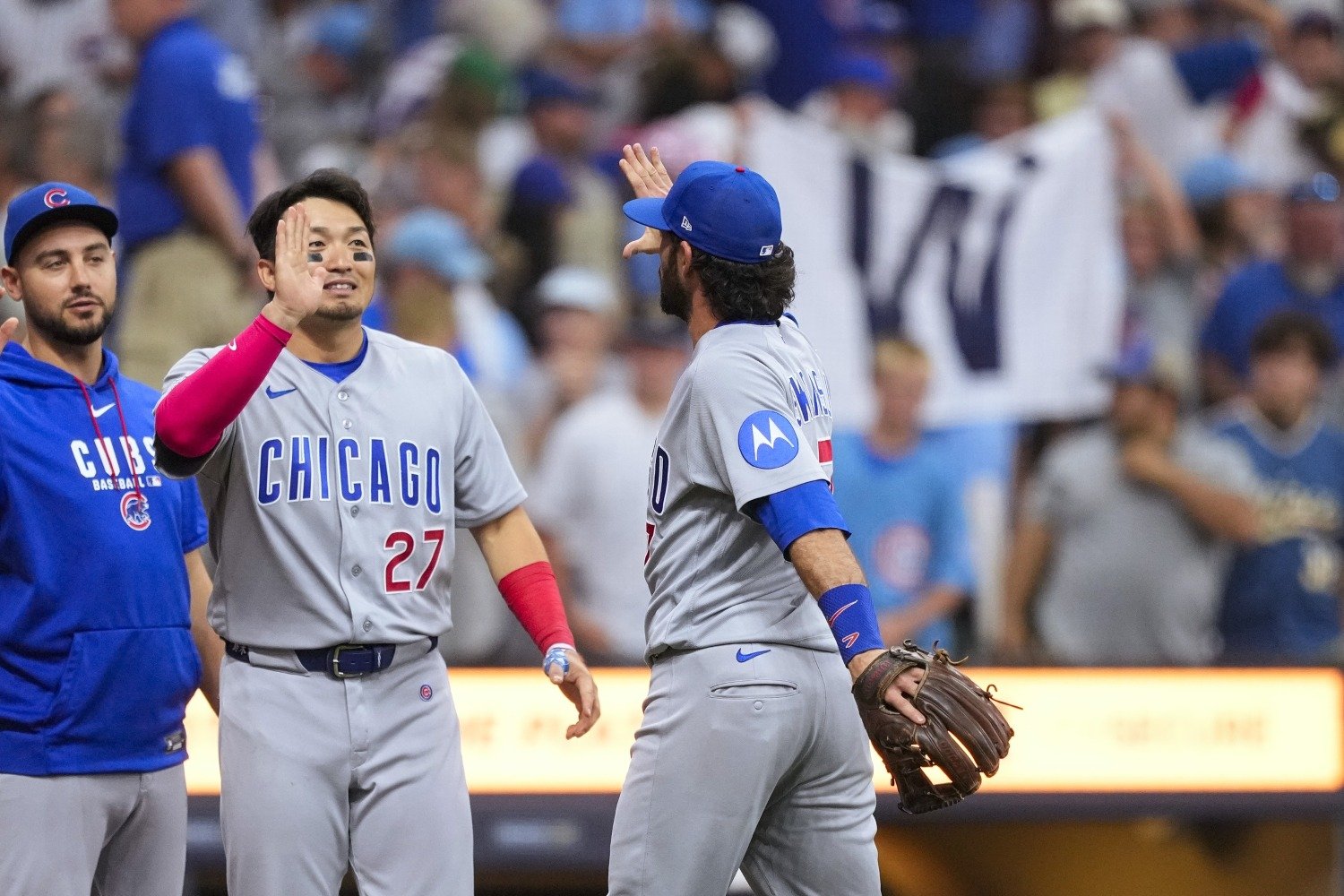 Depending on your age, you probably have some level of reverence for Disney sports movies. The feel-good tales, which reached ubiquity in the 1990s and early 2000s, feature scrappy but capable underdogs who inevitably—despite the daunting odds—triumph in the end. None of those fictional clubs had to deal with the injuries the Cubs are saddled with, though. Doing his best Gordon Bombay impression, Craig Counsell and his team stacked up a heartening string of much-needed wins, which left the rest of us wondering whether or not this squad really can pull off a Hollywood ending worthy of those beloved films. Threatening weather in Wrigleyville and Queens, respectively, gave the North Siders an unexpected two-day gap in competitions before kicking off their four-game set with the Mets at Citi Field last Tuesday. A resurgent Dansby Swanson and his squad's offense made it worth the wait. Feeding off the offensive energy of teammate Pete Crow-Armstrong, Swanson hammered a two-run shot to left field off Mets starter Kodai Senga, pushing Chicago's lead to 7-2 at the time. The standout shortstop collected four RBIs on the day to add to the three provided by Crow-Armstrong, whose excellence has become routine. While seizing a 9-6 victory in the opener, the squad once again had to reckon with crushing injury news, as starter Edward Cabrera suffered a multi-muscle leg strain while making a tough play covering first base. With gleeful supporters of Norway's men's World Cup soccer team looking on, Chicago's North Side Baseball club notched a cathartic sweep of the Mets in Wednesday's doubleheader. Javier Assad took the ball in Game One of the twin bill and, as he's been all year, was remarkable in 5 full innings of work. The story of this contest, however, was the way the whole club worked together, seeing strong showings from the offense and the pitching staff. Swanson's two-home run day set the tone for a team quickly rediscovering its potent offense at a time when it's an absolute necessity. Chicago's bullpen was magnificent, shutting down New York's brightest stars with a two-hit, zero-run combined outing from Ryan Rolison, Caleb Thielbar, and Tyler Ferguson. That allowed the visitors to cruise to a 10-3 win. Game Two of the doubleheader treated Cubs fans to excellent performances from Nico Hoerner and former All-Star starter Shota Imanaga. Length in starting pitching is not a luxury this squad has enjoyed at any point throughout this season, but with Imanaga's 5 1/3-inning outing serving as the latest example, they're starting to put things together a little more on the mound. Fans had waited too long for Hoerner's return to form, and that he found his way back in this contest earned the Cubs a hard-fought, high-offense sweep. His three-hit day kept his squad's offense on the field longer and allowed key rallies in the 10-5 win. With the series win secured, the North Siders turned their attention to a four-game sweep. Thanks to a cinematic go-ahead double into deep right field from Crow-Armstrong, they delivered. During the club's slow climb back into the division race, clutch at-bats from their biggest names have them building the momentum needed for long-term success. Instances such as Alex Bregman's RBI double point to a whole lineup of players getting back to their winning ways at just the right time. The 4-3 victory marked Chicago's seventh win in nine contests, earning it a winning record on this seven-game road trip. To ascend to the game's highest heights is to accept certain undeniable truths. The Chicago Cubs, like it or not, are chasing the class of big-league baseball, Pat Murphy's Milwaukee Brewers, and must thwart them to summit the peaks on which their gaze is fixed. Facing Jacob Misiorowski (arguably the best pitcher in the game), they began that long, hard job the only way one can: with a first step. A solo shot from the piping-hot Seiya Suzuki briefly had the Cubs out in front of the Cy Young-contending fireballer. Alas, Ian Happ's failure to come through in a two-out, bases-loaded scenario against "The Miz" let the Brewers off the hook, ultimately escaping with a 6-2 win in the opener of a three-game set in which the Cubs pen showed its weakness. One day later, the Cubs earned their first win of the season against Milwaukee, in a fifth try. Recently acquired starting pitcher David Peterson settled in wonderfully after surrendering a first-pitch solo shot to Jackson Chourio to start the game. Peterson was locked in from that point, getting through 5 2/3 innings of work, while his new team's offense did the rest. Joined by long flies from Ian Happ and Michael Conforto, Suzuki went deep for the second-straight day, assisting his squad to a relatively pain-free 8-2 victory. With rising temperatures set to ignite summertime in Chicago, the Cubs delivered the statement win of the year Sunday afternoon in Milwaukee. Ryan Rolison's two innings kicked off a bullpen day versus the Cream City's best. Chicago's depleted bullpen rapidly became a glaring weakness for a squad that had labored, falling short of solutions around every corner. But in front of a screaming crowd of over 45,000, the squad's relievers (led by a remarkable 4 1/3-inning outing from Bryse Wilson) demonstrated it deserves mention among the league's most resourceful. A wild pitch allowed the Cubs to tie the game late, leading to a pulse-pounding extra frame that will have supporters clad in Cubby Blue talking for weeks to come. As he has done so often in recent games, Seiya Suzuki came up big. He pumped a two-run single into left field, putting his club up 4-1. Three grueling, high-blood-pressure outs later, the North Siders emerged with their best series win of the year by a final score of 4-3. Believing in the unimaginable is taxing for each sports fan, but if you belong to Generation Underdog, you can still do it. With the San Diego Padres coming to Wrigley Field next for a three-game set, the North Siders are (arguably) right back in the race for the NL Central, sitting just 5.5 games back of Milwaukee. While their proximity to the top is of paramount importance, what Chicago did this past week—going 6-1 on a marathon road trip amid injuries that could have scuppered their hopes for good—would make a good turning point montage in one of those films. Now, to see whether art can really inspire life.
 -
Image courtesy of © John Hefti-Imagn Images If you stick with something long enough, eventually, you will see the fruits of your labor. Until very recently, as they flirted with a losing record, it seemed the 2026 North Siders were the glaring exception to that rule. The Chicago Cubs' persistent hardships have sent expectations for this squad speeding in the wrong direction. If Javier Assad is thinking about that, he certainly doesn't show it. Though buffeted by the baseball gods, injuries, and (at times) his own organization, Assad has remained unflappable. At no point was this clearer than in his outing Friday night in San Francisco. For any successful big-league pitcher, prosperity originates from having a steady, repeatable process that doesn't change much from game to game. Yes, the strategy for attacking a specific offense or an individual batter may change, but the routine, delivery, and execution do not. What's made Assad such an attractive option for Craig Counsell as he navigates the club's pitching plight is his righty's nasty, increasingly unhittable off-speed pitches. To date, Assad has logged 38 1/3 innings on the mound in the majors, with a critical 6 1/3 of them coming in their tilt with the Giants at the start of the weekend. Before fans in the ballpark could even settle into their seats with Ghirardelli sundaes in hand, Assad treated the many Chicago enthusiasts in attendance to something just as sweet as the ice cream in those bowls. For his second straight start, Assad clocked at least six innings with no runs allowed, halting a string of games in which the Cubs' pitching made mediocre lineups look much more threatening. His arsenal focuses primarily on breaking stuff, with six of his seven pitch types leaning toward movement rather than velocity, but his sinker is his nastiest and most confident weapon. Per Baseball Savant, Assad deploys his sinker 40.5% of the time, with his cut fastball sitting in a distant second at 16.3%. What makes these and his other pitches so effective is what he allows batters to do with them, which (lately) isn't much. Assad cruised through quick, mostly harmless innings because opponents aren't getting a good piece of the bat on the ball. Though his barrels are slightly up from last season, Assad has been forcing batters to top the ball at a staggering rate. He's getting batters to hit the top of the ball at a 33.6% clip, resulting in weak grounders or otherwise painless outcomes for the defense. The nature of these pitches puts less stress on him, creating more low-leverage situations per inning and allowing him to stay within his game plan. The squad's best-laid plans haven't materialized for over a month at this point, but with Assad toeing the rubber, the offense is resurfacing in at least a facsimile of its expected imposing form. Cashing in on early run-scoring opportunities changes the entire complexion of a contest, and with heartening production from the likes of Michael Busch, Assad had an easier time getting his feet under him, with knowledge that his squad's offense was ready to do their part. Punching in good work while punching out the opposition has the murmurs of this club's resurgence growing just a little louder. While it's far too early to call Chicago's few encouraging contests last week a trend, it has at least provided convincing evidence that the version of this team we thought was lost without a trace still exists. Assad, who got this latest start because Matthew Boyd still isn't ready (and might not be for a while) will be key to their efforts to be that club for the foreseeable future. View full article
