


RavenCub30
-
Posts
322 -
Joined
-
Last visited
Content Type
Profiles
Joomla Posts 1
Chicago Cubs Videos
Chicago Cubs Free Agent & Trade Rumors, Notes, & Tidbits
2026 Chicago Cubs Top Prospects Ranking
News
2023 Chicago Cubs Draft Picks
Guides & Resources
2024 Chicago Cubs Draft Picks
The Chicago Cubs Players Project
2025 Chicago Cubs Draft Pick Tracker
2026 Chicago Cubs Draft Tracker: Picks & Bonuses
Blogs
Events
Forums
Store
Gallery
Everything posted by RavenCub30
-
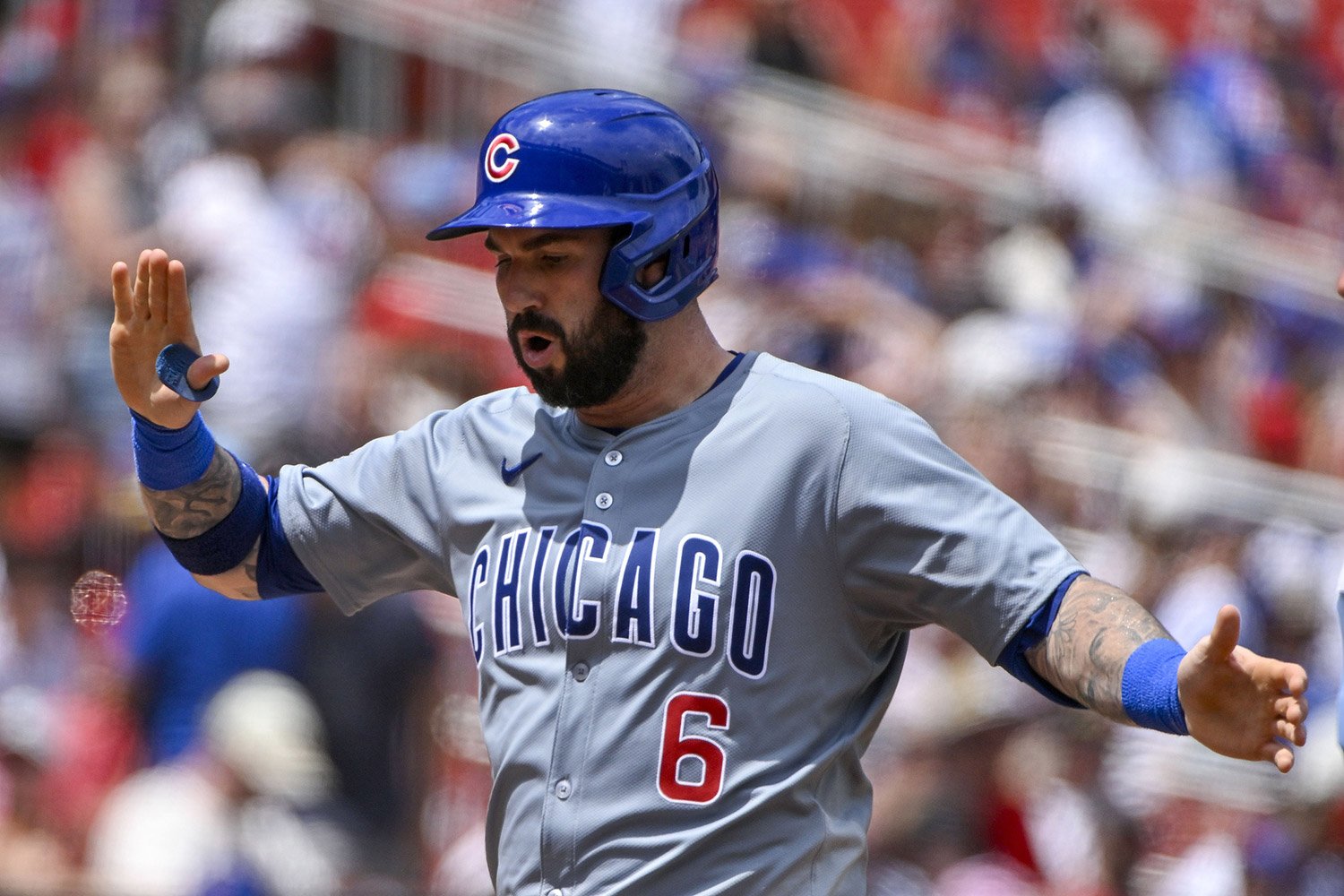 Let’s get right to it: This week, we witnessed the dream-like potential of what the Cubs could be. In the same seven-day span that led us into the All-Star Break, we witnessed that old habits die hard. I hate absolutes, but one stiflingly diabolical road trip was supposed to give the Cubs, its followers, and baseball fans a true answer on whether we must wait until next year. Here’s how it went down… This past Tuesday, the Cubs kicked off their final road trip of the first half as Brandon Hyde, the Cubs’ former first base coach, welcomed his former club to Camden Yards for a three-game set in the sweltering summer heat of Baltimore. The Cubbies’ greatest strength, starting pitching, was on display in Game 1 of the series, with the increasingly consistent Jameson Taillon toeing the rubber against Dean Kremer of the O’s. Taillon was in complete control from the start, going six strong innings in which he struck out seven, allowed one walk, and only two earned runs. The Cubs used the year's most impressive offensive performance to help the cause, scoring in all but two innings. Final Score: 9-2 Cubs Game two of the series pits All-Starr versus All-Star with the Cubs’ charismatic ace, Shota Imanaga, going head-to-head with a familiar foe in Corbin Burnes. On this day, Shota Imanaga’s Cubs got the best of Burnes’ Orioles. After a scoreless first inning, the Cubbies jumped out in front in the top of the second on the strength of a solo homer from Christopher Morel and an RBI single from the surging Nico Hoerner. They’d add two more later in the game, one in the fifth and one in the ninth, as the Cubs prevailed in the hotly anticipated battle of the aces, taking the game and the series. Final Score: 4-0 Cubs With a chance to sweep one of the best teams in the American League, the Cubs handed the ball to former All-Star Justin Steele, opposite Baltimore’s veteran righty Albert Suarez. Steele is quietly becoming the most clutch pitcher in the game and spun the most shimmering gem Cubs’ fans could ask for at the most critical juncture of the squad’s season thus far. The offense, powered by Seiya Suzuki and Michael Busch, gave their starter plenty of run support throughout, but Steele stole the show. As part of a stretch that’s made him one of the most clutch pitchers in the game, Steele hurled seven innings of 3-hit baseball. The recently impressive bullpen shut things down late, giving the Cubs the series sweep. Final score: 8-0 Cubs Riding the wave of a head-turning performance in Baltimore, which saw the Cubs’ deliver efficiently their best baseball of the season, it was off to Saint Louis for a four-game tilt. Kyle Hendricks has been one of the team’s biggest question marks throughout the 2024 season; injuries to Jordan Wicks and Ben Brown thrust him out of the bullpen and back into the starter’s role. In an unexpected twist, Hendricks delighted his teammates and Cubs fans with a six-shutout inning performance. Calls for Cubs to DFA Hendricks have been deafening, and for good reason, but his resolve in this game was inspiring. It drew sighs of relief from a weary fanbase and pushed the Cubbies’ win streak to five, matching a season high. Final score: 5-1 Cubs As hopes began to rise on the North Side of Chicago, the Cubs were dealt a sobering reality check. In Game One of a day-night doubleheader, Hayden Wesneski proved why not only is he a liability as a starting pitcher, he’s probably not much of a starter at all. Sputtering through four innings, the right-hander was hit around more than a tether ball. In allowing nine runs in the Cardinals’ half of the first inning, Wesneski almost single-handedly extinguished the Cubs’ change of fortune manifested in the previous five contests. The Cardinals feasted on virtually every pitch thrown across the plate, racking up thirteen hits in total laughter. Final Score: 11-3 Cardinals The Cubs found little reprieve in game two of the doubleheader. Marking Javier Assad’s long-awaited return from the injured list, the Cubs haunted its whole organization with a one-run collapse of a loss in a winnable game. The Cubs answered a sloppy first inning with four runs in the second, including a two-run blast from catcher Miguel Amaya. The Cubs took the lead into the bottom of the eighth inning, where a banged-up though often maligned bullpen proved why it’s often maligned in giving up easy hits and allowing for Paul Goldschmidt and Nolan Arenado to deliver vital and decisive blows to the Cubs and their chances of winning this crucial series. Final Score: 5-4 Cardinals. Book-ending a steady, if not a satisfying, week of work, Jameson Taillon was tasked with washing out the foul taste left by the Cards’ doubleheader sweep from the day prior. Though he wasn’t breathtaking, Taillon was resilient, allowing his team to slam their way to a series split. From sources both familiar and unlikely, the Cubbies tallied six home runs: one from Ian Happ, one from Tomas Nido, and then two bombs from both Christopher Morel and Pete Crow-Armstrong. With flashing the lumber AND the leather, Crow-Armstrong easily enjoyed his best game in a Cubs’ uniform. His defensive hustle in center field and a suddenly hot bat provided a softer landing to the series finale. Final score: 8-3 Cubs That’s a wrap on the season’s first half, and the Cubs’ eyebrow-raising 5-2 week puts them in the clubhouse with a 47-51 record. If you’re a genuinely eagle-eyed follower, that is about where the team was this time last year. With that in mind, and the rumors of Toronto Blue Jays’ catcher Danny Jansen being dealt to the Cubs growing by the day, it appears that Jed Hoyer seems set on sneaking the Cubs into that final Wild Card spot. Though numerous quality ball clubs are ahead of them, the Cubs are only 4.5 games back of the final Wild Card for the 2024 playoffs. This week, they proved, if nothing else, that the Chicago Cubs can hang with baseball’s finest and maybe do even more.
 -
While the 2024 season has been a disappointment, Cody Bellinger's time in Chicago has left its mark on fans. Image courtesy of © Jeff Hanisch-USA TODAY Sports I keep my phone face down on my nightstand overnight to help me sleep better. Less distraction and less unnecessary light beaming out of my device like a walk sign on Michigan Avenue. But then, one night, I left it face up, and at around 2:00 AM, I got the same alert I’m sure many of you did as well. ESPN Breaking News: Per Jeff Passan, Cody Bellinger signed a three-year deal with the Cubs. Player opt-outs are after each of the first two seasons, essentially making it three consecutive one-year deals. It was the first move from this past off-season since the hiring of Craig Counsell as manager that got me truly excited and hopeful for the season ahead. Without belaboring how wrong I was about where this club would be at this point of the season, the Bellinger signing was still an encouraging development at the time, both from the perspective of the front office delivering a player the fan base wanted and cementing a certified superstar in the Cubs’ everyday lineup. You might argue that his past droughts exclude him from the superstar moniker (they don’t), and you might even think he’s a tad too expensive (he is), but one thing you should do unequivocally is this: remember his time here fondly. Many professional sports cities have local legends addressed by first or last name only, and Chicago is no exception; here are a few that come to mind: Ditka, Jordan, Rizzo, and, yes, Belli. Switch-hitting Cubs’ stalwart Ian Happ was on 670 The Score the other day for one of his regular interviews and alluded to this idea that players don’t simply show up in the majors and set the world on fire. There’s a natural and expected gestation process for a player to become great, even intriguing. Looking at what Cody Bellinger has done in his time in Chicago, answer these questions: Who has been a more exciting player? Which player poses more of a problem for opposing pitchers? The answer is not many. For every Gunnar Henderson and Julio Rodriguez, countless other players are standing in the shadows of anonymity, hoping to impact a big league ball club in a major way. Belli doesn’t live in anonymity; he’s what we call “a dude,” and he ignites the kind of magic that Jed Hoyer and every other GM in the game pine for, search for, and often never find. View full article
-
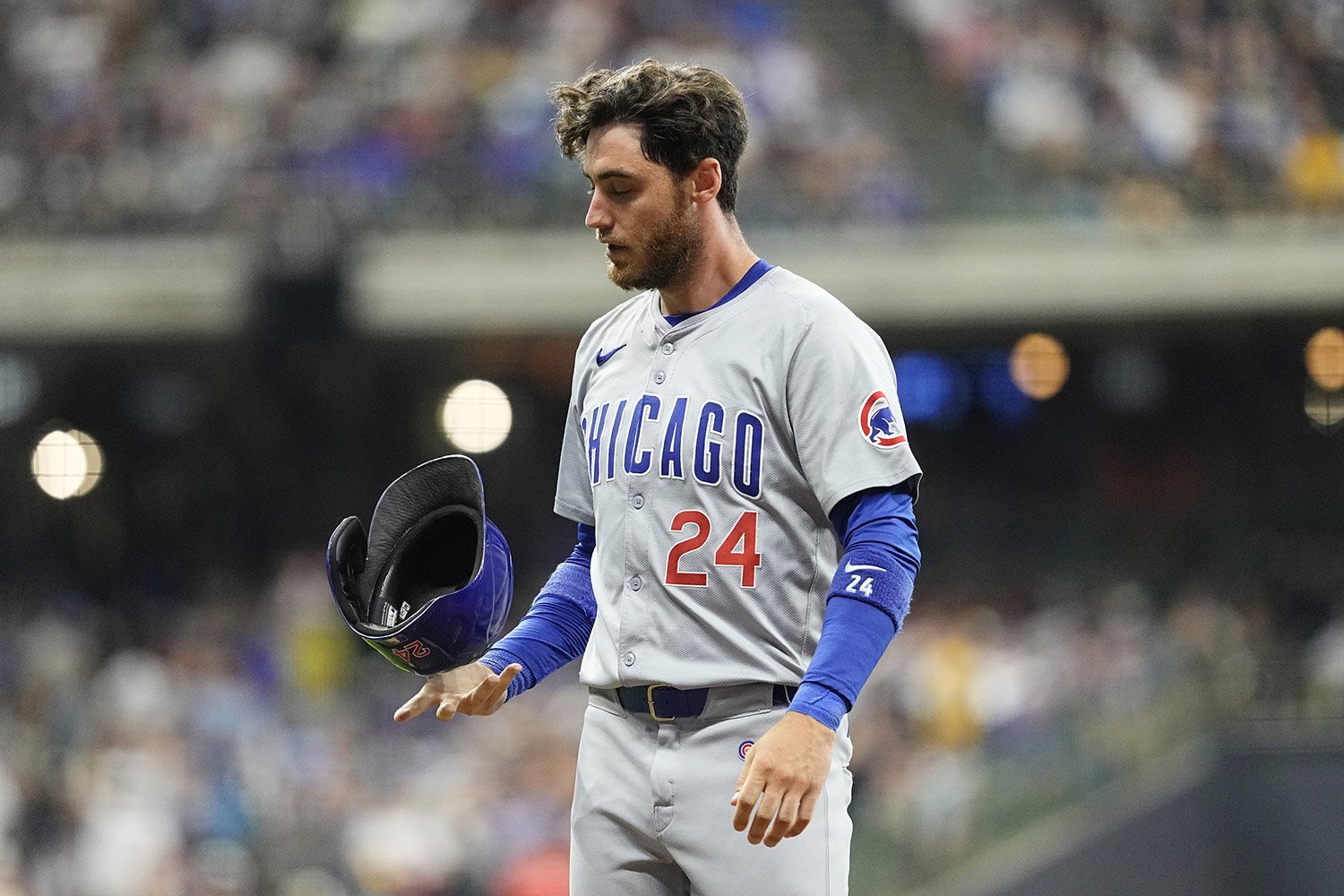 I keep my phone face down on my nightstand overnight to help me sleep better. Less distraction and less unnecessary light beaming out of my device like a walk sign on Michigan Avenue. But then, one night, I left it face up, and at around 2:00 AM, I got the same alert I’m sure many of you did as well. ESPN Breaking News: Per Jeff Passan, Cody Bellinger signed a three-year deal with the Cubs. Player opt-outs are after each of the first two seasons, essentially making it three consecutive one-year deals. It was the first move from this past off-season since the hiring of Craig Counsell as manager that got me truly excited and hopeful for the season ahead. Without belaboring how wrong I was about where this club would be at this point of the season, the Bellinger signing was still an encouraging development at the time, both from the perspective of the front office delivering a player the fan base wanted and cementing a certified superstar in the Cubs’ everyday lineup. You might argue that his past droughts exclude him from the superstar moniker (they don’t), and you might even think he’s a tad too expensive (he is), but one thing you should do unequivocally is this: remember his time here fondly. Many professional sports cities have local legends addressed by first or last name only, and Chicago is no exception; here are a few that come to mind: Ditka, Jordan, Rizzo, and, yes, Belli. Switch-hitting Cubs’ stalwart Ian Happ was on 670 The Score the other day for one of his regular interviews and alluded to this idea that players don’t simply show up in the majors and set the world on fire. There’s a natural and expected gestation process for a player to become great, even intriguing. Looking at what Cody Bellinger has done in his time in Chicago, answer these questions: Who has been a more exciting player? Which player poses more of a problem for opposing pitchers? The answer is not many. For every Gunnar Henderson and Julio Rodriguez, countless other players are standing in the shadows of anonymity, hoping to impact a big league ball club in a major way. Belli doesn’t live in anonymity; he’s what we call “a dude,” and he ignites the kind of magic that Jed Hoyer and every other GM in the game pine for, search for, and often never find.
 -
When identifying what’s wrong with the 2024 version of the Cubs, it’s like walking into the Museum of Science and Industry for the first time: you don’t know where to start. From sparse offense in crucial moments to a slew of catastrophic injuries, Chicago’s North Side club has found ways to lose all year. But that’s not what this piece is about; instead, I’m imploring you to consider this Cub's “Big Three” of starting pitchers as imperative to the Cubs’ return to meaningful and competitive baseball. If the Cubs are serious about competing next season and beyond, Justin Steele, Shota Imanaga, and Javier Assad must remain on the team long-term. How’s that for a thesis statement? And if you’re still reading, you will soon find out why these three Cubby hurlers are worth keeping around, not just from a statistical standpoint but also from a cultural standpoint. In 2024, the game of baseball is so embedded in statistics and analytics, both on the field and off, that I sometimes forget if I’m creating a Microsoft Word document or an Excel spreadsheet. The first guy I will tell you about, Justin Steele, makes both diehards and casual fans forget about software programs and get locked into baseball. Steele has been with the organization for over six years and was effective almost immediately. In 2017, he was selected as an All-Star with the Myrtle Beach Pelicans. The 2023 season saw Steele rack up 16 wins, good enough to finish top five in the National League. Due to an early-season injury and the team’s weak offensive production, Steele’s wins have dropped off in 2024, yet he still boasts a 2.95 ERA and a 1.00 WHIP. I am neither Bill James nor Billy Beane, but those seem like the numbers of a guy you’d want to keep around. Every five days, usually at around 1:20 PM, “Shotamaina” takes over the North Side of Chicago. After going largely overlooked in free agency, thanks to the blockbuster presence of Yoshinobu Yamamoto and his now fellow Dodger Shohei Ohtani, Imanaga burst onto the scene. To say Shota Imanaga has been a pleasant surprise would be like calling the cinematography in a Christopher Nolan movie “adequate.” Imanaga is not adequate; he’s elite, and until the Cubs began this excruciating spiral into mediocrity, he was considered a top candidate to win the National League Cy Young Award. He’s been called “The Throwing Philosopher,” which makes plenty of sense the more you see him pitch. Imanaga claims to be working on a more varied arsenal of pitches, but he delivers dazzling numbers with a fastball that, when on, is virtually untouchable. Per Baseball Savant, his fastball ranks in the 89th percentile for value. Moreover, he ranks in the 95th percentile for both fastball chase rate and walks allowed. What that translates to for the less statistically inclined: Shota Imanaga keeps guys off base. With a team experiencing a stark decline in defensive proficiency this season, limiting the opposition’s base runners is more critical than ever. Regardless of what the front office might yield from moving Imanaga, the loss of goodwill from a public perspective would be detrimental. The least of Jed Hoyer’s concerns should be how to get rid of the types of players that help this team win. The final piece of this starting pitching core we’ll talk about is Javier Assad. Through a striking level of consistency, Javier Assad has cemented himself as an underrated commodity in 2024. To me, his vitality to the Cubs’ rotation is non-negotiable. Like pretty much every other player on the team, Assad is injured right now, but Assad impresses nevertheless. Although Assad leads the league in songs written about him, he has a smaller sample size of games to analyze his work on. Over three seasons, Assad boasts a sub-4 ERA, and this season delivers surprisingly clutch performances with RISP. Unlike his colleagues we spoke about earlier, the 26-year-old right-hander gets by with a steady diet of his sinker, thrown 36.5% of the time. Again, it's a small sample size, but if a cornerstone of your game plan as a team is to stop the other guys from scoring runs, he excels in that category. No matter what words I put down here, the likelihood of all three of these starters being on the team by the end of the month is, unfortunately, slim. But good pitching has to come from somewhere, and every contending team has it. I get that the Cubs have it and aren’t contenders, but moving these guys will ensure we won’t be for a while. View full article
-
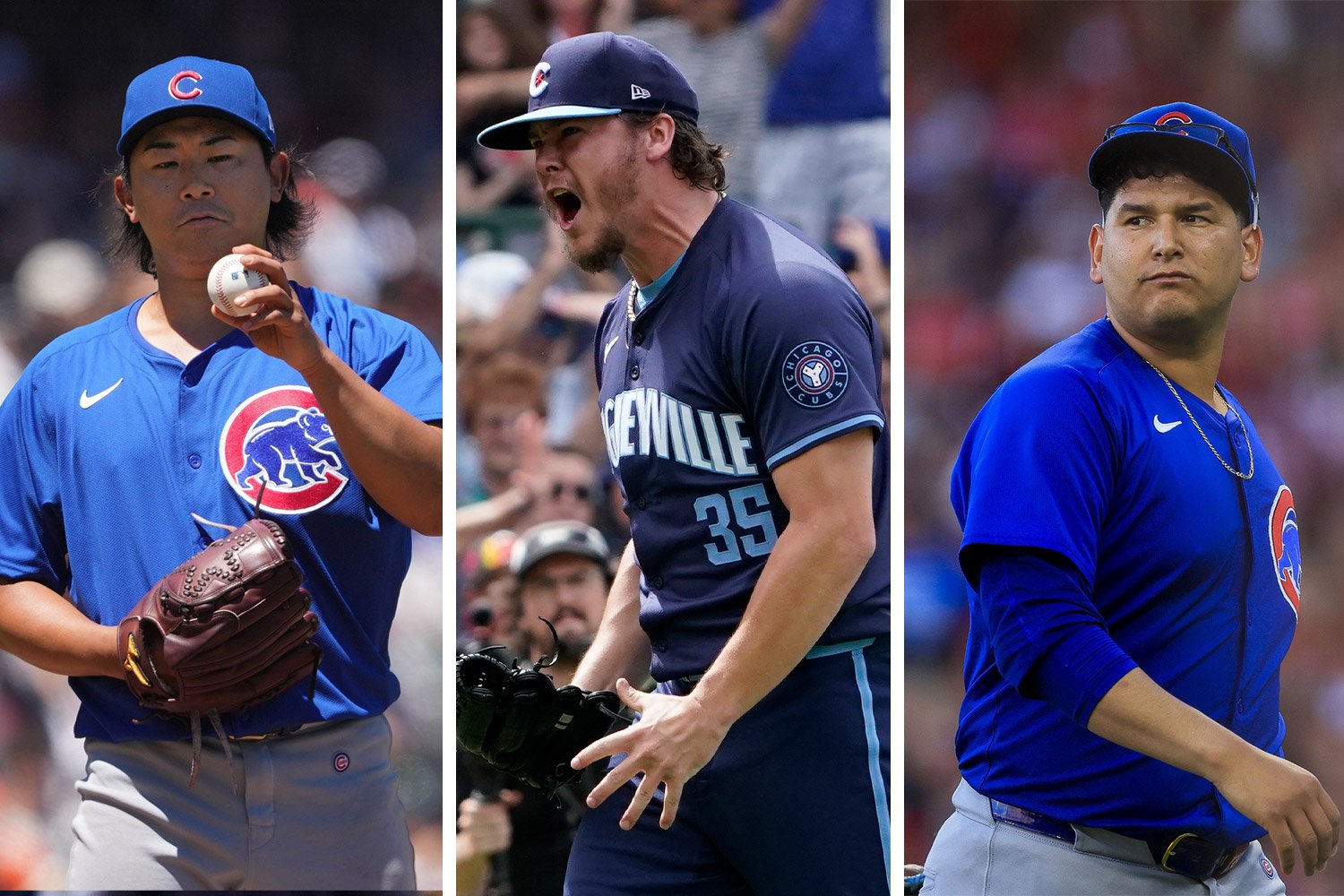 If the Cubs are serious about competing next season and beyond, Justin Steele, Shota Imanaga, and Javier Assad must remain on the team long-term. How’s that for a thesis statement? And if you’re still reading, you will soon find out why these three Cubby hurlers are worth keeping around, not just from a statistical standpoint but also from a cultural standpoint. In 2024, the game of baseball is so embedded in statistics and analytics, both on the field and off, that I sometimes forget if I’m creating a Microsoft Word document or an Excel spreadsheet. The first guy I will tell you about, Justin Steele, makes both diehards and casual fans forget about software programs and get locked into baseball. Steele has been with the organization for over six years and was effective almost immediately. In 2017, he was selected as an All-Star with the Myrtle Beach Pelicans. The 2023 season saw Steele rack up 16 wins, good enough to finish top five in the National League. Due to an early-season injury and the team’s weak offensive production, Steele’s wins have dropped off in 2024, yet he still boasts a 2.95 ERA and a 1.00 WHIP. I am neither Bill James nor Billy Beane, but those seem like the numbers of a guy you’d want to keep around. Every five days, usually at around 1:20 PM, “Shotamaina” takes over the North Side of Chicago. After going largely overlooked in free agency, thanks to the blockbuster presence of Yoshinobu Yamamoto and his now fellow Dodger Shohei Ohtani, Imanaga burst onto the scene. To say Shota Imanaga has been a pleasant surprise would be like calling the cinematography in a Christopher Nolan movie “adequate.” Imanaga is not adequate; he’s elite, and until the Cubs began this excruciating spiral into mediocrity, he was considered a top candidate to win the National League Cy Young Award. He’s been called “The Throwing Philosopher,” which makes plenty of sense the more you see him pitch. Imanaga claims to be working on a more varied arsenal of pitches, but he delivers dazzling numbers with a fastball that, when on, is virtually untouchable. Per Baseball Savant, his fastball ranks in the 89th percentile for value. Moreover, he ranks in the 95th percentile for both fastball chase rate and walks allowed. What that translates to for the less statistically inclined: Shota Imanaga keeps guys off base. With a team experiencing a stark decline in defensive proficiency this season, limiting the opposition’s base runners is more critical than ever. Regardless of what the front office might yield from moving Imanaga, the loss of goodwill from a public perspective would be detrimental. The least of Jed Hoyer’s concerns should be how to get rid of the types of players that help this team win. The final piece of this starting pitching core we’ll talk about is Javier Assad. Through a striking level of consistency, Javier Assad has cemented himself as an underrated commodity in 2024. To me, his vitality to the Cubs’ rotation is non-negotiable. Like pretty much every other player on the team, Assad is injured right now, but Assad impresses nevertheless. Although Assad leads the league in songs written about him, he has a smaller sample size of games to analyze his work on. Over three seasons, Assad boasts a sub-4 ERA, and this season delivers surprisingly clutch performances with RISP. Unlike his colleagues we spoke about earlier, the 26-year-old right-hander gets by with a steady diet of his sinker, thrown 36.5% of the time. Again, it's a small sample size, but if a cornerstone of your game plan as a team is to stop the other guys from scoring runs, he excels in that category. No matter what words I put down here, the likelihood of all three of these starters being on the team by the end of the month is, unfortunately, slim. But good pitching has to come from somewhere, and every contending team has it. I get that the Cubs have it and aren’t contenders, but moving these guys will ensure we won’t be for a while.
 -
Well, if you had grown tired of the Cubs losing one-run games, this was the week for you. Image courtesy of © David Banks-USA TODAY Sports But, if you were hoping for the start of a miracle run that pulls the club out of the seller cellar, this was not the week for you. The Cubs returned to Wrigley this week for a unique six-game home stand against one of MLB’s best teams and one of MLB’s worst teams. After an off day last Monday, The Cubs hosted the NL East-leading Phillies, and while the contests weren’t as one-sided as you’d expect, given how each squad’s respective seasons have gone, the Cubs still dropped two out of three to Kyle Shwarber’s current squad. The first game in the series saw two young pitchers square off as the Phils’ newly acquired Michael Mercado took the mound opposite the Cubs’ Hayden Wesneski. Wesneski has been imbalanced at best this season, and this start was no different; he went five innings, gave up five hits, five earned runs, walked three, and struck out seven. Mercado, on the other hand, was razor sharp. His final line for this early-July match: five innings pitched, two hits allowed, one earned run, two walks surrendered, and struck out four. The Cubs stayed close early, drawing to within one after notching a run in the third inning, but did not score again until the ninth with a three-run rally that fell short, ending in a 6-4 loss. Game two in the series was as frustrating as any game this year for the Cubbies. They sent staff ace Shota Imanaga to the bump, and he did not disappoint, putting his team in position to win, going six full innings and allowing three runs. The Cubs’ scant offense did them in once again, pushing across only three runs on nine hits. Pete Crow-Armstrong swiped yet another base, though his struggles at the plate continue to be a major concern for Craig Counsell’s club. Final score: 5-3 Philadelphia. Chicago went with Jameson Taillon in the series finale, and he continued what’s been an impressive stretch, surrendering a meager two runs on four hits over seven frames of baseball. Ian Happ led an offensive barrage for his squad, cashing in two monstrous 3-run home runs, one from each side of the plate, the second of which he launched over the wall in right field and onto Waveland Avenue. In arguably their most impressive appearances of the season, Drew Smyly and Hector Neris came on in relief, both recording an inning of scoreless baseball as the Cubs rolled to a 10-2 victory. Next up, the Cubbies welcomed the Los Angeles Angels of Anaheim into the Friendly Confines. Though the Cubs failed to sweep the lowly Halos, they did earn a series win, taking two of three, and what stood out was not that they did it but how they did it. In game one, we were treated to one of perhaps the best pitching performances of the season in professional baseball as Justin Steele, the Mississippi Bulldog himself, dazzled, going all nine innings and enjoying his first-ever complete-game victory. He was the story of the day in what proved to be an almost perfect performance for the Cubs, both offensively and defensively. Starting at third base, Miles Mastrobuoni put on a defensive clinic and set the tone early with an extra base-stealing snag on an absolute line rocket off the bat of Angels’ lead-off man Taylor Ward. The Cubs cruised to a 5-1 win, and if anything comes up this season, then this one will certainly go down as “The Justin Steele Game.” Maybe it still will. Coming off of the emotional high from the previous game, the Cubs delivered a resoundingly flat performance in game two. Kyle Hendricks etched the start Cubs fans have come to fear this season, getting knocked around early and often. In his only two innings of work, Hendricks surrendered four hits, allowed two earned runs, walked two, and only struck out one batter. Though his viability as a starter and how his presence in the Cubs’ starting rotation plagues the club’s overall chances of a resurgence were already in question, the calls for his removal are now louder than ever. The Cubs managed nothing offensively, scattering four hits and going 0-1 with RISP. In the series' rubber match, Hayden Wesneski looked to quell concerns about his weak performance earlier in the week. And he did. Notching 6.1 innings of work, Wesneski sparkled with the one-hit ball, no earned runs, walking one, and striking out two. He stepped up when his team desperately needed it and helped the Cubbies return the favor of the previous game’s shutout, delivering one of their own to the Angels on Sunday afternoon, 5-0 in Wrigleyville. Now, after another off day Monday, the Cubs will hit the road, continuing the fight for their lives with a brutal seven-game stretch versus the Baltimore Orioles for three and a four-game series against the rival Cardinals in St. Louis. To paraphrase Tom Morello, “Nobody said it would be easy,” and it won’t be. But as we hurdle toward the All-Star break and the official end to the first half of the season, in winning a few games comfortably, the Cubs may be doing just enough to keep us invested just a bit longer. View full article
-
Week In Review: Uneven Week All But Seals Cubs’ Fate with Trade Deadline Near
RavenCub30 posted an article in Cubs
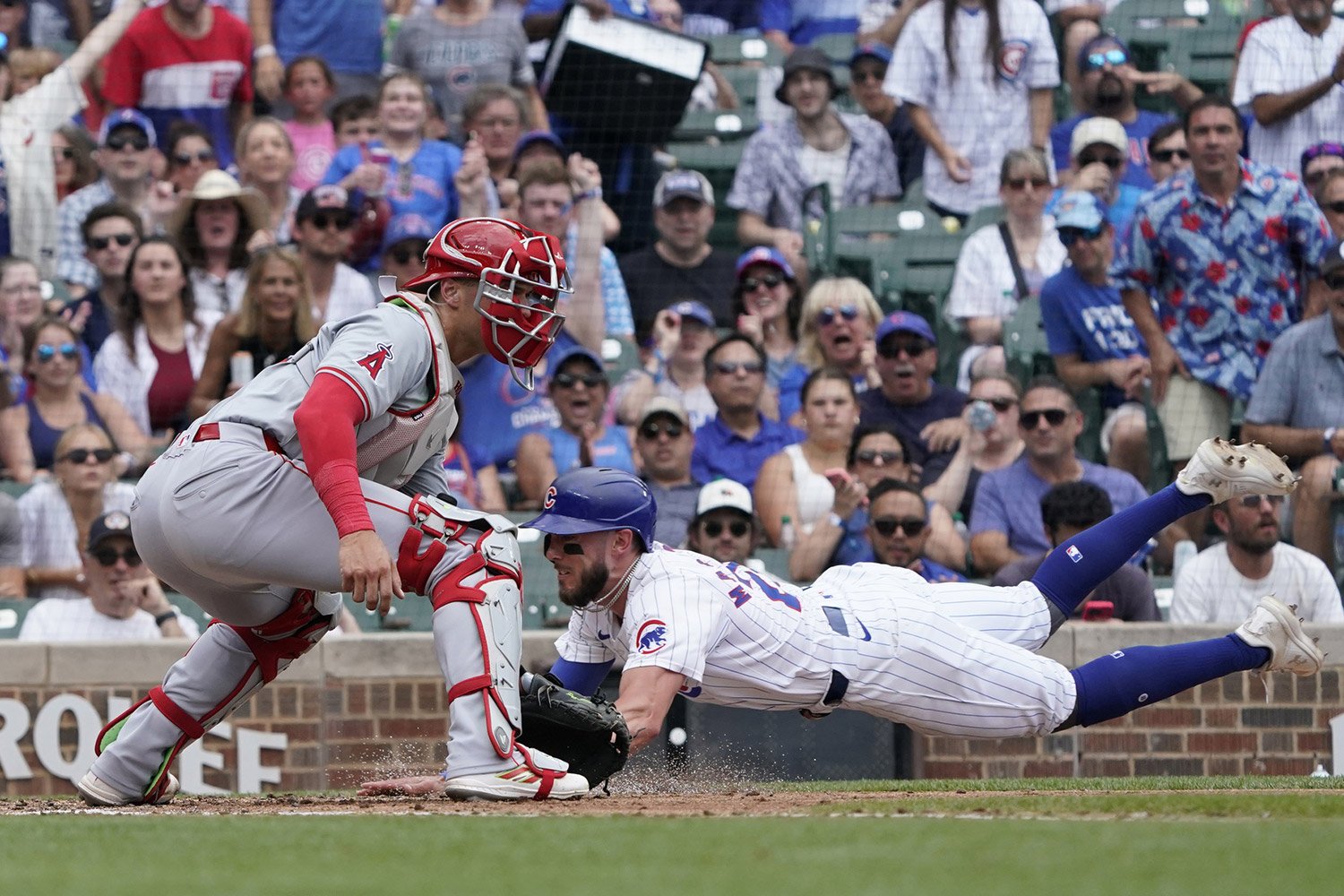 But, if you were hoping for the start of a miracle run that pulls the club out of the seller cellar, this was not the week for you. The Cubs returned to Wrigley this week for a unique six-game home stand against one of MLB’s best teams and one of MLB’s worst teams. After an off day last Monday, The Cubs hosted the NL East-leading Phillies, and while the contests weren’t as one-sided as you’d expect, given how each squad’s respective seasons have gone, the Cubs still dropped two out of three to Kyle Shwarber’s current squad. The first game in the series saw two young pitchers square off as the Phils’ newly acquired Michael Mercado took the mound opposite the Cubs’ Hayden Wesneski. Wesneski has been imbalanced at best this season, and this start was no different; he went five innings, gave up five hits, five earned runs, walked three, and struck out seven. Mercado, on the other hand, was razor sharp. His final line for this early-July match: five innings pitched, two hits allowed, one earned run, two walks surrendered, and struck out four. The Cubs stayed close early, drawing to within one after notching a run in the third inning, but did not score again until the ninth with a three-run rally that fell short, ending in a 6-4 loss. Game two in the series was as frustrating as any game this year for the Cubbies. They sent staff ace Shota Imanaga to the bump, and he did not disappoint, putting his team in position to win, going six full innings and allowing three runs. The Cubs’ scant offense did them in once again, pushing across only three runs on nine hits. Pete Crow-Armstrong swiped yet another base, though his struggles at the plate continue to be a major concern for Craig Counsell’s club. Final score: 5-3 Philadelphia. Chicago went with Jameson Taillon in the series finale, and he continued what’s been an impressive stretch, surrendering a meager two runs on four hits over seven frames of baseball. Ian Happ led an offensive barrage for his squad, cashing in two monstrous 3-run home runs, one from each side of the plate, the second of which he launched over the wall in right field and onto Waveland Avenue. In arguably their most impressive appearances of the season, Drew Smyly and Hector Neris came on in relief, both recording an inning of scoreless baseball as the Cubs rolled to a 10-2 victory. Next up, the Cubbies welcomed the Los Angeles Angels of Anaheim into the Friendly Confines. Though the Cubs failed to sweep the lowly Halos, they did earn a series win, taking two of three, and what stood out was not that they did it but how they did it. In game one, we were treated to one of perhaps the best pitching performances of the season in professional baseball as Justin Steele, the Mississippi Bulldog himself, dazzled, going all nine innings and enjoying his first-ever complete-game victory. He was the story of the day in what proved to be an almost perfect performance for the Cubs, both offensively and defensively. Starting at third base, Miles Mastrobuoni put on a defensive clinic and set the tone early with an extra base-stealing snag on an absolute line rocket off the bat of Angels’ lead-off man Taylor Ward. The Cubs cruised to a 5-1 win, and if anything comes up this season, then this one will certainly go down as “The Justin Steele Game.” Maybe it still will. Coming off of the emotional high from the previous game, the Cubs delivered a resoundingly flat performance in game two. Kyle Hendricks etched the start Cubs fans have come to fear this season, getting knocked around early and often. In his only two innings of work, Hendricks surrendered four hits, allowed two earned runs, walked two, and only struck out one batter. Though his viability as a starter and how his presence in the Cubs’ starting rotation plagues the club’s overall chances of a resurgence were already in question, the calls for his removal are now louder than ever. The Cubs managed nothing offensively, scattering four hits and going 0-1 with RISP. In the series' rubber match, Hayden Wesneski looked to quell concerns about his weak performance earlier in the week. And he did. Notching 6.1 innings of work, Wesneski sparkled with the one-hit ball, no earned runs, walking one, and striking out two. He stepped up when his team desperately needed it and helped the Cubbies return the favor of the previous game’s shutout, delivering one of their own to the Angels on Sunday afternoon, 5-0 in Wrigleyville. Now, after another off day Monday, the Cubs will hit the road, continuing the fight for their lives with a brutal seven-game stretch versus the Baltimore Orioles for three and a four-game series against the rival Cardinals in St. Louis. To paraphrase Tom Morello, “Nobody said it would be easy,” and it won’t be. But as we hurdle toward the All-Star break and the official end to the first half of the season, in winning a few games comfortably, the Cubs may be doing just enough to keep us invested just a bit longer.
 -
Let’s get one thing out of the way: The Cubs are a bad baseball team. From their 40-48 record to their strikeout percentage in potentially game-changing at-bats, they are a failure. I’m not here to tell you anything to the contrary, but I will propose this question: What if they weren’t? Image courtesy of © David Banks-USA TODAY Sports As the last firework embers cascade down towards the grounds of Navy Pier, and we steamroll closer and closer to the MLB trade deadline like a Metra train on its way to Naperville, we still have an awful lot of baseball left to play. An awful lot of baseball and a rising tide of trade talks regarding the team’s most valuable assets are the expectations, if not hard to ignore. By the end of this month, names like Jameson Taillon, Cody Bellinger, Nico Hoerner, and even Justin Steele could be wearing different teams’ uniforms. Even though I’m awake, that’s a nightmare scenario, and here’s why: When you empty your cupboard, you’ve got nothing left to eat. Suppose hunger is a familiar feeling striking you right in the bones at this very moment. Consider this: We did the same thing in 2021: sold off every asset of value, wound up with Alfonso Rivas playing first base, and worst of all, it didn’t work. Now, I’ll grant you that even if we sent all of the aforementioned players on their way to other cities, we’ve still got some dudes: Michael Busch, Shota Imanaga, and the currently injured Javier Assad spring to mind, but which of those guys do you want to build a team around? Which one of those guys plays the role of catalyst sparking “The next great Cubs team”? Busch is a revelation at first base, and though Shota Imanaga has taken the league by storm, he’s not only shown some serious vulnerabilities with his fastball command, he’s thirty years old. Do not misconstrue what I’ve said or will say as blind sunshine optimism, but understand that grass is not always greener. Create a green screen in your mind for a moment and imagine on it the backdrop to one of Disney’s iconic sports films, now that you’ve gone and done that, I’m sure you’ve envisioned the leader of that team giving an impassioned speech, rallying the other players to a dramatic comeback victory. Given their record and how they claim victory, the Brewers are the only real-life Disney movie this year, but that role player, the leader, the one who delivers the speech, is something the Cubs still need and would be devoid of if this next great sell-off occurs. Regarding the leaders on this team, two names stand out above the rest in recent games and the long haul: Justin Steele and Ian Happ. Should that manifest, I can’t think of a player’s departure that would hurt more than Justin Steele. He’s only twenty-eight, has a 3.28 ERA, was a Cy Young finalist last season, and treats playing in front of the fans at Wrigley Field like the privilege it is. Players like Steele help the bleacher beer snake grow ever elongated. We’ll discuss at great length precisely who the Cubs should build around in a later piece, but whoever that may be, Justin Steele needs to be there to compliment him. He’s a leader. Ian Happ is a leader, too. Now you know I’ve been on board for every stop along the Ian Happ train, but what you’re seeing in him right now is not just morale, it’s not just stability, it’s resolve. Watching him slug his team out of a potential sweep and, instead, into a resounding 10-2 victory over the Phillies on Independence Day was all the validation I needed to see in cementing his role as a cornerstone to the Cubs’ future success. The team we saw take the field on our nation’s birthday could plausibly win, say, 12 out of 14 of its next games. That’s just it, isn’t it? The Cubs’ shortcomings and near-misses never seem to be that far in proximity to their triumphs. They lost the series to Philadelphia; yes, they’ve lost all kinds of series to superior teams and far inferior ones. The Northsiders might be a bad team, but one with a few great players worth keeping around to help realize the club’s future aspirations. What will another haul of minor league prospects yield for this team? We supposedly already have an elite farm system loaded with the next heir apparent regime. So the question is, what do you want from this club? And, now that we’ve accepted failure as the inevitable outcome, what happens if we don’t fail? View full article
-
- 1
-

-
With Everything Going Wrong, Are We Prepared For A Cubs Resurgence?
RavenCub30 posted an article in Cubs
 As the last firework embers cascade down towards the grounds of Navy Pier, and we steamroll closer and closer to the MLB trade deadline like a Metra train on its way to Naperville, we still have an awful lot of baseball left to play. An awful lot of baseball and a rising tide of trade talks regarding the team’s most valuable assets are the expectations, if not hard to ignore. By the end of this month, names like Jameson Taillon, Cody Bellinger, Nico Hoerner, and even Justin Steele could be wearing different teams’ uniforms. Even though I’m awake, that’s a nightmare scenario, and here’s why: When you empty your cupboard, you’ve got nothing left to eat. Suppose hunger is a familiar feeling striking you right in the bones at this very moment. Consider this: We did the same thing in 2021: sold off every asset of value, wound up with Alfonso Rivas playing first base, and worst of all, it didn’t work. Now, I’ll grant you that even if we sent all of the aforementioned players on their way to other cities, we’ve still got some dudes: Michael Busch, Shota Imanaga, and the currently injured Javier Assad spring to mind, but which of those guys do you want to build a team around? Which one of those guys plays the role of catalyst sparking “The next great Cubs team”? Busch is a revelation at first base, and though Shota Imanaga has taken the league by storm, he’s not only shown some serious vulnerabilities with his fastball command, he’s thirty years old. Do not misconstrue what I’ve said or will say as blind sunshine optimism, but understand that grass is not always greener. Create a green screen in your mind for a moment and imagine on it the backdrop to one of Disney’s iconic sports films, now that you’ve gone and done that, I’m sure you’ve envisioned the leader of that team giving an impassioned speech, rallying the other players to a dramatic comeback victory. Given their record and how they claim victory, the Brewers are the only real-life Disney movie this year, but that role player, the leader, the one who delivers the speech, is something the Cubs still need and would be devoid of if this next great sell-off occurs. Regarding the leaders on this team, two names stand out above the rest in recent games and the long haul: Justin Steele and Ian Happ. Should that manifest, I can’t think of a player’s departure that would hurt more than Justin Steele. He’s only twenty-eight, has a 3.28 ERA, was a Cy Young finalist last season, and treats playing in front of the fans at Wrigley Field like the privilege it is. Players like Steele help the bleacher beer snake grow ever elongated. We’ll discuss at great length precisely who the Cubs should build around in a later piece, but whoever that may be, Justin Steele needs to be there to compliment him. He’s a leader. Ian Happ is a leader, too. Now you know I’ve been on board for every stop along the Ian Happ train, but what you’re seeing in him right now is not just morale, it’s not just stability, it’s resolve. Watching him slug his team out of a potential sweep and, instead, into a resounding 10-2 victory over the Phillies on Independence Day was all the validation I needed to see in cementing his role as a cornerstone to the Cubs’ future success. The team we saw take the field on our nation’s birthday could plausibly win, say, 12 out of 14 of its next games. That’s just it, isn’t it? The Cubs’ shortcomings and near-misses never seem to be that far in proximity to their triumphs. They lost the series to Philadelphia; yes, they’ve lost all kinds of series to superior teams and far inferior ones. The Northsiders might be a bad team, but one with a few great players worth keeping around to help realize the club’s future aspirations. What will another haul of minor league prospects yield for this team? We supposedly already have an elite farm system loaded with the next heir apparent regime. So the question is, what do you want from this club? And, now that we’ve accepted failure as the inevitable outcome, what happens if we don’t fail?
 -
It won't be like this forever... will it? Image courtesy of © Mark Hoffman/Milwaukee Journal Sentinel / USA TODAY NETWORK Perhaps one of the more reassuring aspects of Cubs fandom is this: there are many of us. Indeed, when you think of the most prominent and storyline-intensive franchises in all sports, our baseball team finds itself on a short list with the likes of the Boston Red Sox, New York Yankees, and the Los Angeles Dodgers. With that said, you can bet that the whole world is watching when the Cubs move. I watched Kris Bryant throw the ball to first baseman Anthony Rizzo, recording the final out of the 2016 World Series, erupting into jubilation as the sins of a 108-year curse were washed away before my eyes and the eyes of record-breaking millions around the nation. Or so we thought… Back in 2017, a year I would later dub “The Hangover Year,” after most of the confetti on Sheffield outside of Murphy’s Bleachers had been swept up, Glencoe native Rich Cohen published a book called “The Chicago Cubs: Story Of A Curse.” We’ll delve into specifics momentarily, but I’m here to tell you unequivocally: the curse is alive, and the story is still being written. If the current outcomes of the 2024 season aren’t proof enough, stick around while I get you caught up on why the curse is still with us and what chapter we’re on. Rewinding the clock before a World Series championship was a legitimate proposition. We zoomed in on 2009, the year the Ricketts family took ownership of our beloved baseball club. According to Cohen’s book (If you haven’t read it, do so), Tom Ricketts and his trusted cohorts imposed an immediate shift in trajectory. For as much critique as Ricketts is due for his team’s performance on the field, spend a few minutes with the guy, and it’s clear: the guy cares, and he knows his stuff. Speaking with Rich Cohen at the outset of his acquisition of the Cubs, he had this to say about the curse: “The people you’d want to ask are the players because the only way the curse has any real meaning or impact is if the players felt pressure in a way that affected their performance on the field.” Heard, Tom. And a nice first name, by the way. It goes without saying that these comments were made before Chicago eradicated a 108-year championship drought with the fearless Theo Epstein at the helm. Epstein operated with a sense of confidence and maybe a little arrogance that was enough to ignore our club’s very real curse and win in defiance of it. This aura of confidence, this recognition of the Chicago Cubs as a beloved brand that scores of other humans count on, is why Jed Hoyer and Carter Hawkins underachieve: they aren’t arrogant enough about it and don’t act in defiance of the curse. Maybe it’s because they think one World Series was enough or because they treat their business too much like a business. Regardless of how you want to view their approach, one thing is painfully clear: they’re not producing results worthy of Cubs baseball. Losing is, without a doubt, not the most important component of a loss; it’s how you lose that sticks with a team more than anything. Look no further than the Cubs’ flame thrower Justin Steele’s reaction to his team’s latest tilt with the Milwaukee Brewers for proof of this theory. He had his release, pleading with his team to “wake the (expletive) up!” after the offense failed to break the game open with another pack of stranded base runners. Piling up more one-run losses than any other team in the majors is a cruel manifestation of the curse; Steele, though he hasn’t been around here long, understands that a touch of well-timed fire is needed to ward off both curses and a lost season. “I know how good we can be; I love every guy in that locker room.” Could Steele’s pleas be enough to win this chapter of the Chicago Cubs’ curse? Will Michael Busch and Ian Happ stay as hot as the griddle serving hot dogs at the Wiener’s Circle? Probably not. But the possibility will keep me, and I’m sure at least a few other fans will return to find out. Maybe that’s why we remain devout followers; yes, watching our team lose is gut-wrenching and excruciating at times, but “knowing how good. we can be” isn’t just what keeps use going; it’s what makes being a part of the Cubs family special. View full article
-
Rich Cohen, The Front Office, & The Story Of A Curse Still Being Written
RavenCub30 posted an article in Cubs
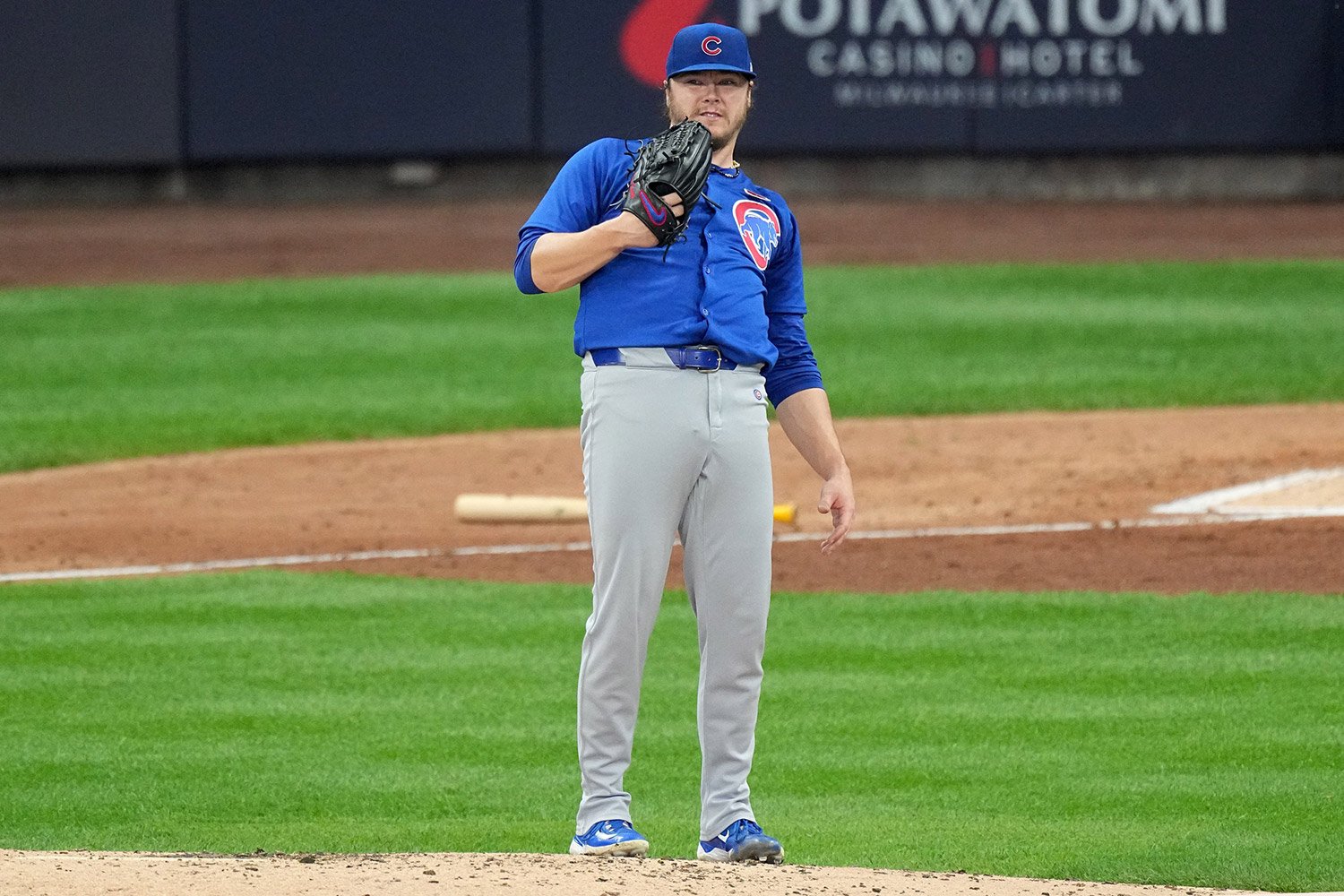 Perhaps one of the more reassuring aspects of Cubs fandom is this: there are many of us. Indeed, when you think of the most prominent and storyline-intensive franchises in all sports, our baseball team finds itself on a short list with the likes of the Boston Red Sox, New York Yankees, and the Los Angeles Dodgers. With that said, you can bet that the whole world is watching when the Cubs move. I watched Kris Bryant throw the ball to first baseman Anthony Rizzo, recording the final out of the 2016 World Series, erupting into jubilation as the sins of a 108-year curse were washed away before my eyes and the eyes of record-breaking millions around the nation. Or so we thought… Back in 2017, a year I would later dub “The Hangover Year,” after most of the confetti on Sheffield outside of Murphy’s Bleachers had been swept up, Glencoe native Rich Cohen published a book called “The Chicago Cubs: Story Of A Curse.” We’ll delve into specifics momentarily, but I’m here to tell you unequivocally: the curse is alive, and the story is still being written. If the current outcomes of the 2024 season aren’t proof enough, stick around while I get you caught up on why the curse is still with us and what chapter we’re on. Rewinding the clock before a World Series championship was a legitimate proposition. We zoomed in on 2009, the year the Ricketts family took ownership of our beloved baseball club. According to Cohen’s book (If you haven’t read it, do so), Tom Ricketts and his trusted cohorts imposed an immediate shift in trajectory. For as much critique as Ricketts is due for his team’s performance on the field, spend a few minutes with the guy, and it’s clear: the guy cares, and he knows his stuff. Speaking with Rich Cohen at the outset of his acquisition of the Cubs, he had this to say about the curse: “The people you’d want to ask are the players because the only way the curse has any real meaning or impact is if the players felt pressure in a way that affected their performance on the field.” Heard, Tom. And a nice first name, by the way. It goes without saying that these comments were made before Chicago eradicated a 108-year championship drought with the fearless Theo Epstein at the helm. Epstein operated with a sense of confidence and maybe a little arrogance that was enough to ignore our club’s very real curse and win in defiance of it. This aura of confidence, this recognition of the Chicago Cubs as a beloved brand that scores of other humans count on, is why Jed Hoyer and Carter Hawkins underachieve: they aren’t arrogant enough about it and don’t act in defiance of the curse. Maybe it’s because they think one World Series was enough or because they treat their business too much like a business. Regardless of how you want to view their approach, one thing is painfully clear: they’re not producing results worthy of Cubs baseball. Losing is, without a doubt, not the most important component of a loss; it’s how you lose that sticks with a team more than anything. Look no further than the Cubs’ flame thrower Justin Steele’s reaction to his team’s latest tilt with the Milwaukee Brewers for proof of this theory. He had his release, pleading with his team to “wake the (expletive) up!” after the offense failed to break the game open with another pack of stranded base runners. Piling up more one-run losses than any other team in the majors is a cruel manifestation of the curse; Steele, though he hasn’t been around here long, understands that a touch of well-timed fire is needed to ward off both curses and a lost season. “I know how good we can be; I love every guy in that locker room.” Could Steele’s pleas be enough to win this chapter of the Chicago Cubs’ curse? Will Michael Busch and Ian Happ stay as hot as the griddle serving hot dogs at the Wiener’s Circle? Probably not. But the possibility will keep me, and I’m sure at least a few other fans will return to find out. Maybe that’s why we remain devout followers; yes, watching our team lose is gut-wrenching and excruciating at times, but “knowing how good. we can be” isn’t just what keeps use going; it’s what makes being a part of the Cubs family special.
 -
Three Minor-League Pitchers That Could Help The Cubs In The Second Half
RavenCub30 posted an article in Cubs
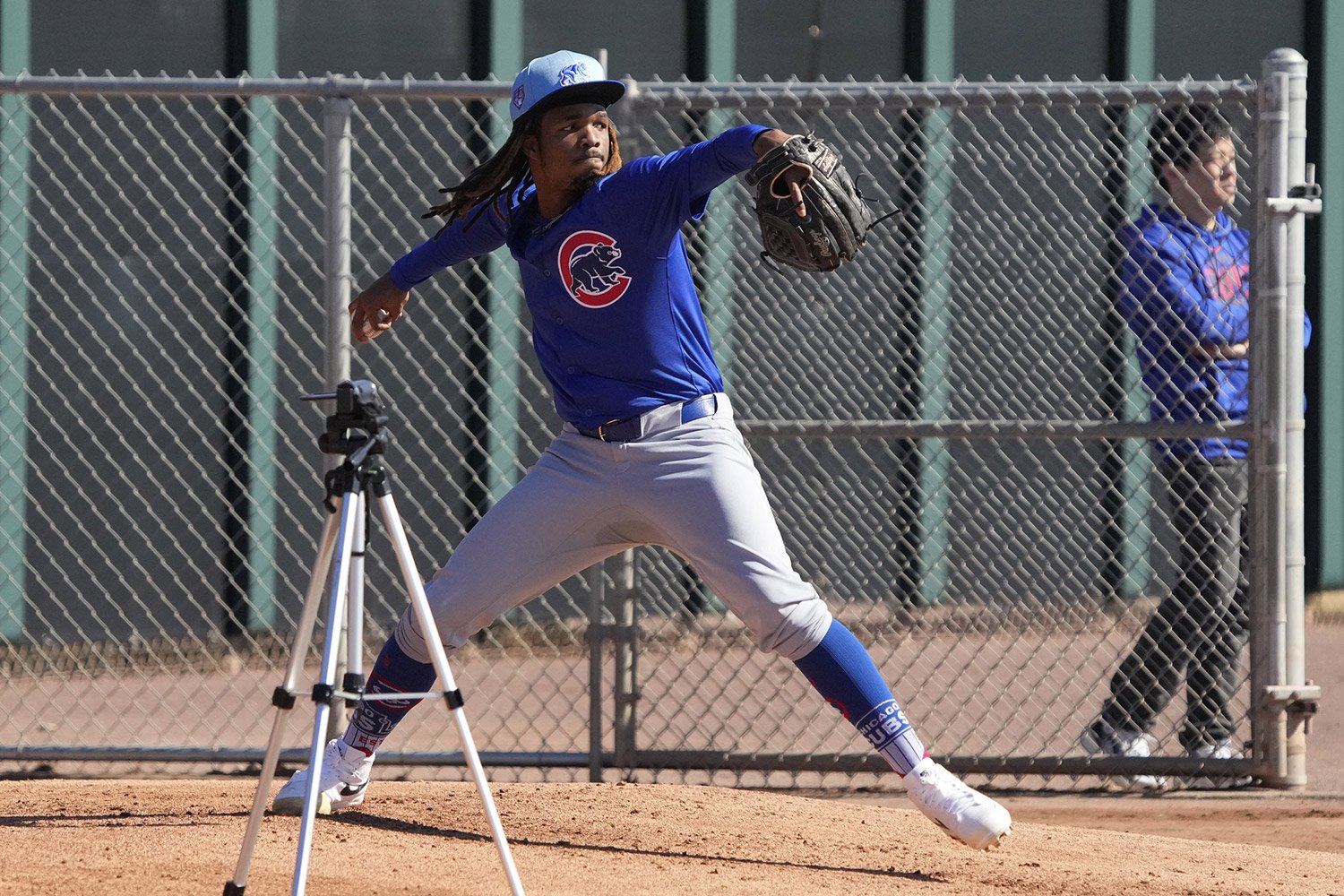 When searching for reasons as to why the team dwells at the bottom of the NL Central, you can point to a plethora of factors: offensive futility with RISP, early-inning scoring droughts, and, of course, the Cubs’ abysmal bullpen. The bullpen has 17 blown saves, none currently more nausea-inducing than the one that took place this past Monday night in the Bay Area. Though the bullpen woes are well-documented and grow ever more concerning by the day, the starting pitching is sterling, if not unimpeachable. Just as Carmy Berzatto helps people eat, the Cubs’ starting pitching rotation helps win ball games or at least tries to. With a combined ERA of 3.96, the Cubs rank 15th overall in the majors, with absolutely profound work coming from their top three starters: Shota Imanaga, Justin Steele, and Javier Assad. He stumbled back into a starter’s role since Ben Brown was placed on the 15-day IL, and even Kyle Hendricks had a 1.28 ERA in his last five appearances. Marquee’s Cliff Floyd said the Cubs lack fight regarding the team’s starting pitching. I disagree. It’s part of why, as a fan of the game, the pitcher position is my favorite because of its cornerstone significance to the roster. With an eye towards the future, the organization’s pitching looks to provide longevity and sustained contention for the big league ball club. With this in mind, let’s dissect who from the minors stands to have the most impact on the squad and how they might complement an already stout core. Depending on which perspective you wish to view it from, the Cubs’ minor league system has already made its case for proficiency with the arrival of Ben Brown, the right-hander, who already boasts 64 strikeouts. Though his numbers are drawn from a mall sample size, Brown’s pitching repertoire and intangibles suggest he will prove instrumental to the Cub’s fortunes in the coming years. Shifting our attention to Triple-A and Double-A ball, Counsell and the powers that be must keep a keen eye on the performance of the organization’s first overall prospect, Cade Horton. In 2024, Horton continues to move through the ranks, coming from the Tennessee Smokies, then up to AAA Iowa, where he’s remained consistent, allowing just 31 hits, though 5 of those are round-trippers. With the club's considerable investment in Horton, it seems unlikely that we’ll see him called up to the majors this year. Another standout in the organization’s crop of right-handers is Michael Arias, the 22-year-old who expects to be up with the big club by sometime in 2025. Arias boasts a sub-four ERA and a 1.62 WHIP between Triple-A and Double-A this season. Perhaps, when he makes his debut on the North side of Chicago, he’ll step in to help chew up some long relief innings or even rack up critical outs to secure some of these tight games the Cubs seem so fond of finding themselves in. One last farmhand to think about as we pontificate about what the return of championship baseball will look like for the Cubs is the towering 6’6 righty, Jaxon Wiggins. This is certainly more of a crystal ball look, as Wiggins is only now with the Low-A Myrtle Beach club, but the news has been promising from the start. Not expected to arrive in the majors until 2026, Wiggins is still relatively early in his gestation process, but he only allows a .180 batting average to opposing hitters. That propensity for keeping runners off the base pads could prove huge for the Cubs’ long-term aspirations. No matter how encouraging the future of this team is on both offense and defense, there’s no denying that we all aspired for different outcomes this season. Jed Hoyer and Carter Hawkins insist on promoting from within and speaking with great confidence that the next Cubs team to hang a banner is waiting in the wings. As implausible as that sounds, maybe it is.
 -
The level of dissatisfaction with this Chicago Cubs team could not be higher, and yet, as the club migrates closer and closer to irrelevancy, what happens next may actually be quite interesting. Image courtesy of © Rick Scuteri-USA TODAY Sports - Michael Arias Pictured When searching for reasons as to why the team dwells at the bottom of the NL Central, you can point to a plethora of factors: offensive futility with RISP, early-inning scoring droughts, and, of course, the Cubs’ abysmal bullpen. The bullpen has 17 blown saves, none currently more nausea-inducing than the one that took place this past Monday night in the Bay Area. Though the bullpen woes are well-documented and grow ever more concerning by the day, the starting pitching is sterling, if not unimpeachable. Just as Carmy Berzatto helps people eat, the Cubs’ starting pitching rotation helps win ball games or at least tries to. With a combined ERA of 3.96, the Cubs rank 15th overall in the majors, with absolutely profound work coming from their top three starters: Shota Imanaga, Justin Steele, and Javier Assad. He stumbled back into a starter’s role since Ben Brown was placed on the 15-day IL, and even Kyle Hendricks had a 1.28 ERA in his last five appearances. Marquee’s Cliff Floyd said the Cubs lack fight regarding the team’s starting pitching. I disagree. It’s part of why, as a fan of the game, the pitcher position is my favorite because of its cornerstone significance to the roster. With an eye towards the future, the organization’s pitching looks to provide longevity and sustained contention for the big league ball club. With this in mind, let’s dissect who from the minors stands to have the most impact on the squad and how they might complement an already stout core. Depending on which perspective you wish to view it from, the Cubs’ minor league system has already made its case for proficiency with the arrival of Ben Brown, the right-hander, who already boasts 64 strikeouts. Though his numbers are drawn from a mall sample size, Brown’s pitching repertoire and intangibles suggest he will prove instrumental to the Cub’s fortunes in the coming years. Shifting our attention to Triple-A and Double-A ball, Counsell and the powers that be must keep a keen eye on the performance of the organization’s first overall prospect, Cade Horton. In 2024, Horton continues to move through the ranks, coming from the Tennessee Smokies, then up to AAA Iowa, where he’s remained consistent, allowing just 31 hits, though 5 of those are round-trippers. With the club's considerable investment in Horton, it seems unlikely that we’ll see him called up to the majors this year. Another standout in the organization’s crop of right-handers is Michael Arias, the 22-year-old who expects to be up with the big club by sometime in 2025. Arias boasts a sub-four ERA and a 1.62 WHIP between Triple-A and Double-A this season. Perhaps, when he makes his debut on the North side of Chicago, he’ll step in to help chew up some long relief innings or even rack up critical outs to secure some of these tight games the Cubs seem so fond of finding themselves in. One last farmhand to think about as we pontificate about what the return of championship baseball will look like for the Cubs is the towering 6’6 righty, Jaxon Wiggins. This is certainly more of a crystal ball look, as Wiggins is only now with the Low-A Myrtle Beach club, but the news has been promising from the start. Not expected to arrive in the majors until 2026, Wiggins is still relatively early in his gestation process, but he only allows a .180 batting average to opposing hitters. That propensity for keeping runners off the base pads could prove huge for the Cubs’ long-term aspirations. No matter how encouraging the future of this team is on both offense and defense, there’s no denying that we all aspired for different outcomes this season. Jed Hoyer and Carter Hawkins insist on promoting from within and speaking with great confidence that the next Cubs team to hang a banner is waiting in the wings. As implausible as that sounds, maybe it is. View full article
-
What’s the statistic for most 1-2-3 innings without getting no hit? This is beyond words.
-
The Cubs continue to struggle after a hot start but left fielder Ian Happ continues to do everything he can to keep them in contention. Image courtesy of © Matt Marton-USA TODAY Sports Despite our reasonable frustrations with the erratic nature of the Cubs’ 2024 campaign, the club seems adamant, if not determined, to remain a threat for postseason contention. When the Cubs are good, they’re great, using a lethal combination of slugging and shutdown pitching to put opponents away early and take the pressure off of Craig Counsell’s much-maligned bullpen. That’s how they win games like Jameson Taillon’s latest start against the Mets in Wrigleyville, in which he went seven innings, struck out ten batters, and got ample run support early in the bottom of the first inning, in which the Cubs scored five times and sent all nine batters to the plate. The win seemed like a springboard to the type of play we expect as the Cubs and the organization prepared Gallagher Way for the legendary second baseman Ryne Sandberg’s statue dedication ceremony. But, much like numerous other letdowns with this team so far, or at least in the past couple of months, the Cubs dropped the series to the Metropolitans. To be succinct, this is unacceptable. I get that on paper, the Mets are a team at least parallel to the Cubs in record and trade deadline complexities, but this series belonged to the Cubs, and they gave it away. The team didn’t lose because of some mystical power possessed by McDonald’s third-best mascot; they lost because of a consistent lack of consistency. As each game marked off the calendar begins to feel like a turning point, I offer one stabilizer, a player who is both a clubhouse veteran and one of Chicagoland’s leading coffee enthusiasts: Ian Happ. Now, conceding that in nearly two months of futility, tempers boil over with tremendous ease, the North Side’s left-fielder absorbed what was, by my estimation, a disproportionate share of the blame. But he’s stepped it up. Boy, has he ever. In June, according to ESPN, Happ sports an .838 OPS, saddled up next to a .438 slugging percentage. His place in the lineup has not afforded him the opportunity to deliver many early-inning runs, which could skew how his value is perceived, but the numbers suggest he is trending upward. Per ESPN stats, in his 66 at-bats this month, Happ has collected seventeen hits, including five doubles, three home runs, and 15 runs batted in. In the past week and a half or so, Happ thumped his way to an OPS over 1.000 when his squad needs it most. Google Statcast nor the league has added a metric that measures the fan base's hopes and dreams, but Happ is exhausting his efforts to keep them alive. What makes his contributions more resonant is his experience on a team that’s seen seismic shifts in recent years; Happ knows the community, knows the club, and provides stability to a starting nine that visibly plays tight and feels the pressure more every day. In the middle of the order, players like Cody Bellinger and Seiya Suzuki, guys you expect a lot of slug from, continue to come up short in critical situations because they’re waiting on a perfect pitch that is never going to come. Sometimes, the perfect pitch is the one the player makes perfect. Before I garner a reputation for preaching false hope or optimism in my pieces, let me illuminate the fact that the whole league, the entirety of Major League Baseball, is putting less wood on the ball this season. It’s not a Cub thing; it’s a big-league ball club thing. The Cubs, top to bottom as an organization, understand why success at 1060 West Addison is better than success anywhere else. There isn’t much else more invigorating than stepping off the Red Line, coming in on either the Howard side or 95th side, and diving into a sea of red and blue, Cubs fans delighting in a Chicago tradition nearly as old as the game itself. Emerging as a man who personifies this understanding, Ian Happ could just be the guy to drive this team closer to that success. View full article
-
While the Cubs search for Consistency, Ian Happ provides Stability
RavenCub30 posted an article in Cubs
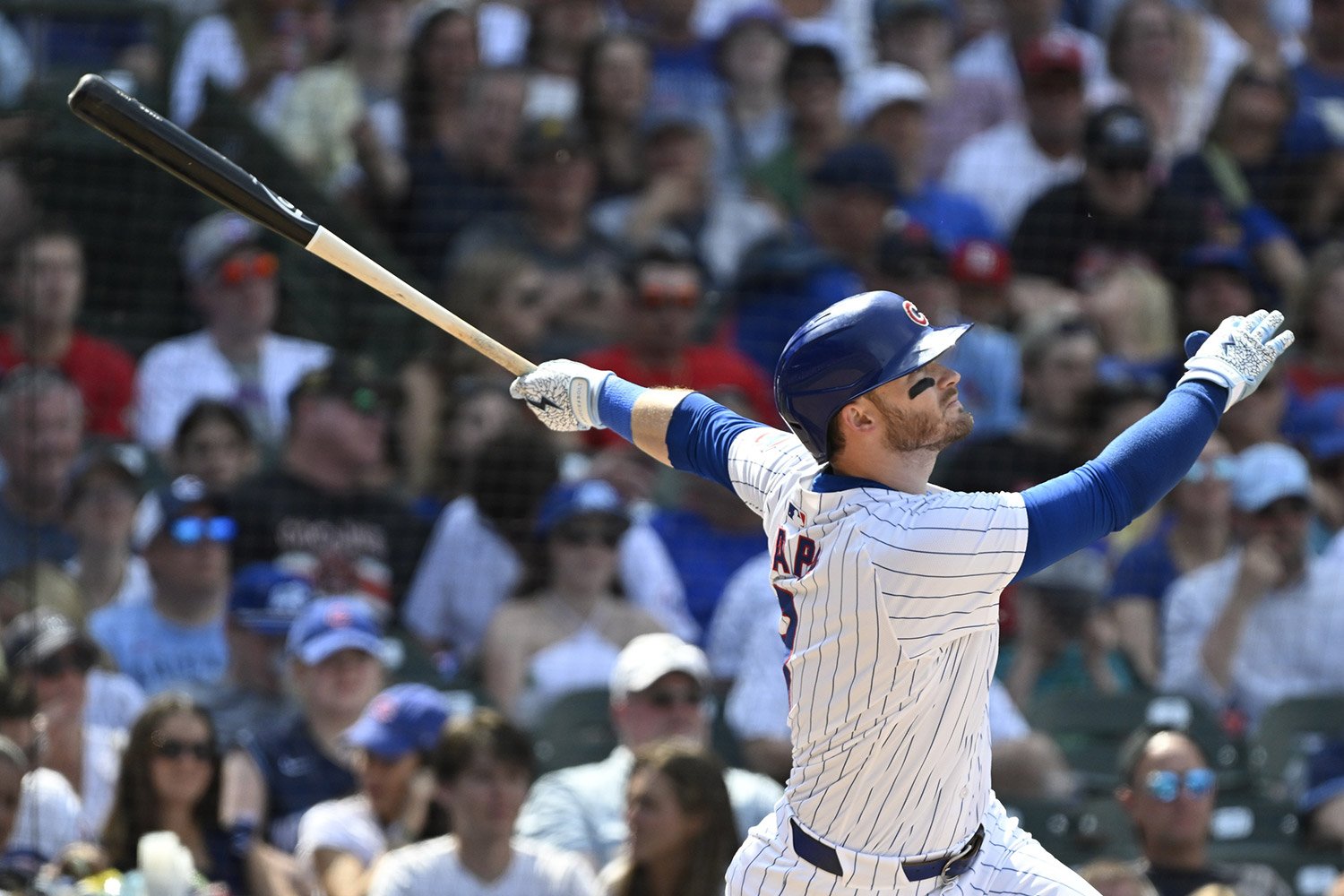 Despite our reasonable frustrations with the erratic nature of the Cubs’ 2024 campaign, the club seems adamant, if not determined, to remain a threat for postseason contention. When the Cubs are good, they’re great, using a lethal combination of slugging and shutdown pitching to put opponents away early and take the pressure off of Craig Counsell’s much-maligned bullpen. That’s how they win games like Jameson Taillon’s latest start against the Mets in Wrigleyville, in which he went seven innings, struck out ten batters, and got ample run support early in the bottom of the first inning, in which the Cubs scored five times and sent all nine batters to the plate. The win seemed like a springboard to the type of play we expect as the Cubs and the organization prepared Gallagher Way for the legendary second baseman Ryne Sandberg’s statue dedication ceremony. But, much like numerous other letdowns with this team so far, or at least in the past couple of months, the Cubs dropped the series to the Metropolitans. To be succinct, this is unacceptable. I get that on paper, the Mets are a team at least parallel to the Cubs in record and trade deadline complexities, but this series belonged to the Cubs, and they gave it away. The team didn’t lose because of some mystical power possessed by McDonald’s third-best mascot; they lost because of a consistent lack of consistency. As each game marked off the calendar begins to feel like a turning point, I offer one stabilizer, a player who is both a clubhouse veteran and one of Chicagoland’s leading coffee enthusiasts: Ian Happ. Now, conceding that in nearly two months of futility, tempers boil over with tremendous ease, the North Side’s left-fielder absorbed what was, by my estimation, a disproportionate share of the blame. But he’s stepped it up. Boy, has he ever. In June, according to ESPN, Happ sports an .838 OPS, saddled up next to a .438 slugging percentage. His place in the lineup has not afforded him the opportunity to deliver many early-inning runs, which could skew how his value is perceived, but the numbers suggest he is trending upward. Per ESPN stats, in his 66 at-bats this month, Happ has collected seventeen hits, including five doubles, three home runs, and 15 runs batted in. In the past week and a half or so, Happ thumped his way to an OPS over 1.000 when his squad needs it most. Google Statcast nor the league has added a metric that measures the fan base's hopes and dreams, but Happ is exhausting his efforts to keep them alive. What makes his contributions more resonant is his experience on a team that’s seen seismic shifts in recent years; Happ knows the community, knows the club, and provides stability to a starting nine that visibly plays tight and feels the pressure more every day. In the middle of the order, players like Cody Bellinger and Seiya Suzuki, guys you expect a lot of slug from, continue to come up short in critical situations because they’re waiting on a perfect pitch that is never going to come. Sometimes, the perfect pitch is the one the player makes perfect. Before I garner a reputation for preaching false hope or optimism in my pieces, let me illuminate the fact that the whole league, the entirety of Major League Baseball, is putting less wood on the ball this season. It’s not a Cub thing; it’s a big-league ball club thing. The Cubs, top to bottom as an organization, understand why success at 1060 West Addison is better than success anywhere else. There isn’t much else more invigorating than stepping off the Red Line, coming in on either the Howard side or 95th side, and diving into a sea of red and blue, Cubs fans delighting in a Chicago tradition nearly as old as the game itself. Emerging as a man who personifies this understanding, Ian Happ could just be the guy to drive this team closer to that success.
 -
Fans often expect their favorite team's manager to get as visibly upset as they do at a blown call or unfortunate situation; the thing is, that doesn't help win baseball games. Image courtesy of © Matt Marton-USA TODAY Sports People want what they can’t have at the moment. The Cubs don’t have what they want in the moment, namely a better record and a general sense of upward trajectory. At least in recent games, Cubs fans want more fire from well-compensated skipper Craig Counsell. Translation: We want him to get ejected more. If we’re being honest with ourselves, that desire is outrageous. Ejections don’t win ball games. An ejection wouldn’t have propelled Patrick Wisdom’s drive into left field last weekend against Saint Louis over the fence. Though the club’s wins have been sparse over the course of the past seven weeks, when they’ve come, they’ve come through a combination of timely hitting and good pitching. I’m not pitching you the idea that we as fans should not be able to voice our displeasure for how things are going; we can and should, but if this team is to get back on track, it will be through proper adjustments and resolve, which Counsell understands. Counsell was brought in to make the Cubs not only a playoff contender but also a championship contender, both within the NL Central and for the World Series. Yes, I understand how out-of-pocket that sounds, given the Cubs’ current position in the standings. However, not only do I believe Counsell will deliver on his potential, I expect it. From his first cuts with the Notre Dame Fighting Irish to his introductory press conference with our beloved North Side ball club, announcing, “It’s time to be a Cub,” Counsell operates with ingenuity and resolve, not his temper. Just as good if not better than any manager in the game, Counsell understands that baseball is a game of opportunities, and with that in mind, challenging a borderline out call at second just because the fans are irate will not produce the desired results for the team long-term. He gets that if that challenge fails, you don’t get another one. In a year where the efficacy of human umpires has been called into question on numerous occasions, an even-keeled, steadfast approach is what the Cubs need to reach their ultimate goals as a team. We have to expect that what this will look like will be in a constant state of flux. It will sometimes mean bunting three times in a row just to manufacture a couple of runs. Sometimes, it will mean calling on a shaky bullpen arm to get you the final three outs of a game. The world can’t end with every missed opportunity. In the world of filmmaking, things often go wrong: directors leave the project abruptly, actors get caught up in contract disputes or negotiations, and all manner of calamities and setbacks have happened, yet the finished product can often be brilliant. The same is true in baseball; with a .758 slugging percentage, your prized utility guy may strain his oblique or break a few ribs, sidelining them for a critical series. These cases are inspired by true stories, not exactly how they played out, but you get the idea. A manager adept in navigating the game's quirks and unexpected developments will likely enjoy the most success. Face it: a manager can be unemotional and good simultaneously. Do I wish he’d challenged some plays he hasn’t? Absolutely. But I feel as though much of the frustration and discontent we feel as fans is due to a lack of patience and wanting results now, not necessarily because Craig Counsell is doing a bad job. I felt empathetic as I sat in the lower bowl of American Family Field for Craig Counsell’s first trip back to Milwaukee since his astonishing departure. Surrounded by droves of fans adorned head-to-toe in Brewers’ blue and gold, I heard my club’s manager greeted with the most thunderous, visceral jeers I’ve ever experienced in person. As I took this in, only one thought crossed my mind as my eyes met those of other Cubs fans in my section, “This is our guy now; he needs our support, and he handles himself with tremendous poise. We have to stick with him” at least for now. Until we are sure he’s made every possible adjustment and it’s not working out, until he proves sending a runner with less than two outs and Cody Bellinger due up next is a habit, not a mistake, stick with him. I’m just as guilty of this as anyone else, but we’re not a society particularly keen on waiting for the things we want. This resonates even more emphatically as Cubs fans, as we have waited for dreams to manifest into our realities. Counsell can still get this club where it wants to go; don’t expect a direct route to get there. View full article
-
 People want what they can’t have at the moment. The Cubs don’t have what they want in the moment, namely a better record and a general sense of upward trajectory. At least in recent games, Cubs fans want more fire from well-compensated skipper Craig Counsell. Translation: We want him to get ejected more. If we’re being honest with ourselves, that desire is outrageous. Ejections don’t win ball games. An ejection wouldn’t have propelled Patrick Wisdom’s drive into left field last weekend against Saint Louis over the fence. Though the club’s wins have been sparse over the course of the past seven weeks, when they’ve come, they’ve come through a combination of timely hitting and good pitching. I’m not pitching you the idea that we as fans should not be able to voice our displeasure for how things are going; we can and should, but if this team is to get back on track, it will be through proper adjustments and resolve, which Counsell understands. Counsell was brought in to make the Cubs not only a playoff contender but also a championship contender, both within the NL Central and for the World Series. Yes, I understand how out-of-pocket that sounds, given the Cubs’ current position in the standings. However, not only do I believe Counsell will deliver on his potential, I expect it. From his first cuts with the Notre Dame Fighting Irish to his introductory press conference with our beloved North Side ball club, announcing, “It’s time to be a Cub,” Counsell operates with ingenuity and resolve, not his temper. Just as good if not better than any manager in the game, Counsell understands that baseball is a game of opportunities, and with that in mind, challenging a borderline out call at second just because the fans are irate will not produce the desired results for the team long-term. He gets that if that challenge fails, you don’t get another one. In a year where the efficacy of human umpires has been called into question on numerous occasions, an even-keeled, steadfast approach is what the Cubs need to reach their ultimate goals as a team. We have to expect that what this will look like will be in a constant state of flux. It will sometimes mean bunting three times in a row just to manufacture a couple of runs. Sometimes, it will mean calling on a shaky bullpen arm to get you the final three outs of a game. The world can’t end with every missed opportunity. In the world of filmmaking, things often go wrong: directors leave the project abruptly, actors get caught up in contract disputes or negotiations, and all manner of calamities and setbacks have happened, yet the finished product can often be brilliant. The same is true in baseball; with a .758 slugging percentage, your prized utility guy may strain his oblique or break a few ribs, sidelining them for a critical series. These cases are inspired by true stories, not exactly how they played out, but you get the idea. A manager adept in navigating the game's quirks and unexpected developments will likely enjoy the most success. Face it: a manager can be unemotional and good simultaneously. Do I wish he’d challenged some plays he hasn’t? Absolutely. But I feel as though much of the frustration and discontent we feel as fans is due to a lack of patience and wanting results now, not necessarily because Craig Counsell is doing a bad job. I felt empathetic as I sat in the lower bowl of American Family Field for Craig Counsell’s first trip back to Milwaukee since his astonishing departure. Surrounded by droves of fans adorned head-to-toe in Brewers’ blue and gold, I heard my club’s manager greeted with the most thunderous, visceral jeers I’ve ever experienced in person. As I took this in, only one thought crossed my mind as my eyes met those of other Cubs fans in my section, “This is our guy now; he needs our support, and he handles himself with tremendous poise. We have to stick with him” at least for now. Until we are sure he’s made every possible adjustment and it’s not working out, until he proves sending a runner with less than two outs and Cody Bellinger due up next is a habit, not a mistake, stick with him. I’m just as guilty of this as anyone else, but we’re not a society particularly keen on waiting for the things we want. This resonates even more emphatically as Cubs fans, as we have waited for dreams to manifest into our realities. Counsell can still get this club where it wants to go; don’t expect a direct route to get there.
 -
Making The Case For Christopher Morel As The Cubs' Leadoff Hitter
RavenCub30 posted an article in Cubs
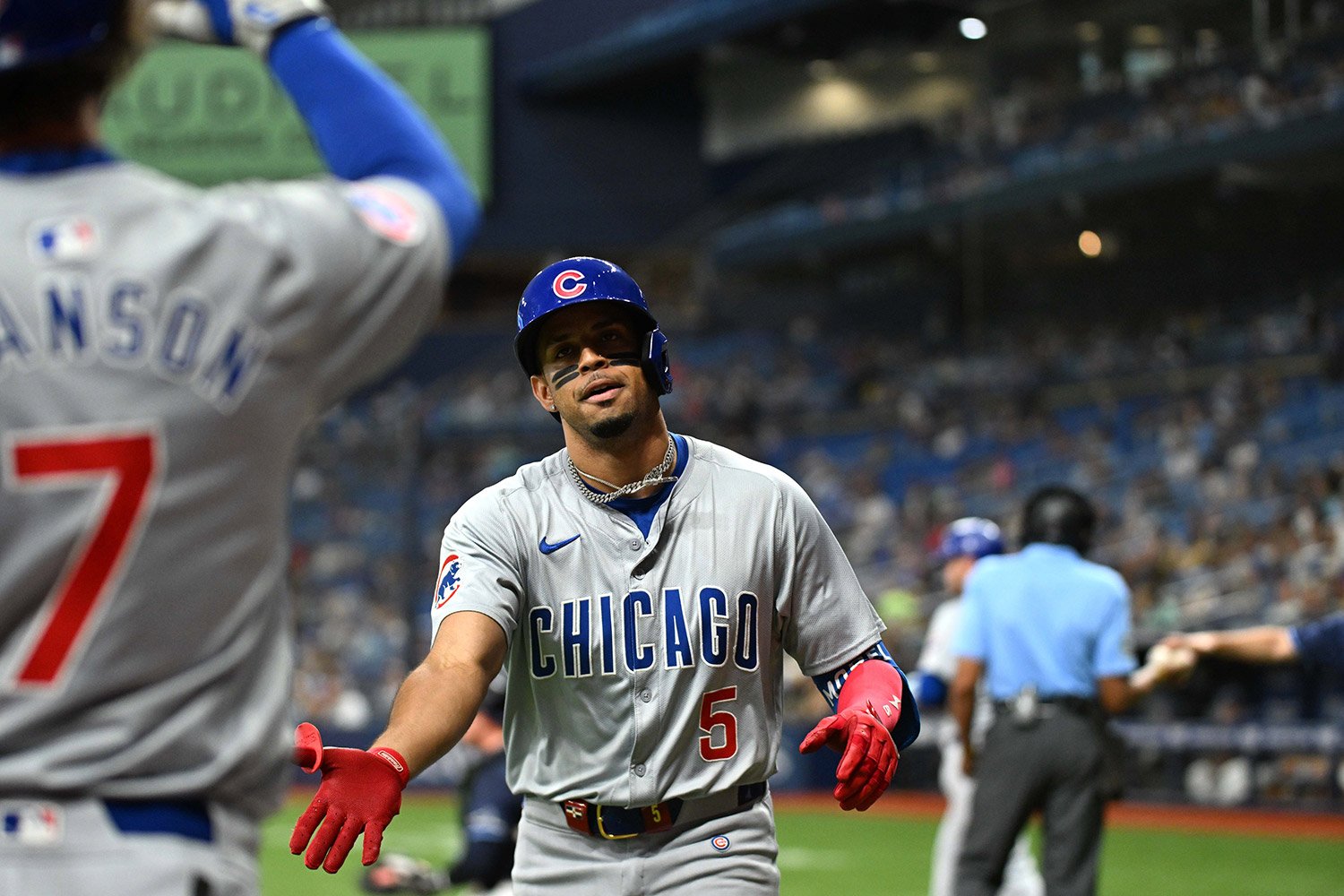 Sure, it would be easy to say, well, yes, they do; Craig Counsell’s ball club is an underachieving disappointment. While that’s true, and I’m writing this in the wake of yet another series loss to the hated St. Louis Cardinals, one that came on a decisive one-run game on Father’s Day, there’s quite a bit more to that. As the Cubs sit at 34-38, eight and a half games behind the rival Brewers, the losing is the result, not the team’s identity. Look around the clubhouse and see a team desperately wanting to deliver for its fans and the city. From a vibes standpoint, it’s miraculous; the elite pitching and equally entertaining antics from breakout star Shota (Mike) Imanaga are appointment television for the sports world. Another player you can throw into that category of Cub that provides even a modicum of enjoyment to watch is rotating third baseman Christopher Morel. Morel is a spark plug with his play and through his “never say die” attitude. We all know that “If You Can’t find it at Binny’s, It’s Probably Not Worth Drinking,” but Morel is one of (maybe) five guys on the team worthy of the “Binny’s Toast of the Game” on any given night. If this thoroughly enjoyable paragraph, comprised with such conviction, isn’t already evidence enough as to why Morel should be a fixture in the lead-off spot, let’s digest some stats: According to Baseball-Reference, Morel is slashing .198/.306/.381, a modest starting point but it gets better the deeper you dig. One of the Cubs’ major problems in this perplexing start to the 2024 season has been getting down and out quickly in counts. You’ve got batters like Cody Bellinger and Seiya Suzuki who swing away early in counts. Belli is, of course, fabulous as a two-strike hitter and puts the ball in play better than just about anyone in the majors, but he’s doing it in a plethora of situations with the bases empty. Counsell and his consortium of staggeringly brilliant baseball minds must devise a plan to cash in runs early, but you can’t do that without putting traffic on the base pads. I offer that Morel is striking out nearly 10% less than he was in 2023 and is walking more: from 31.0% to 22.3% and 8.4% to 11.7%, respectively. Perhaps beyond working with the hitting coaches in 2024, Morel better understands that his role with the team is to set the table for the middle of the order to do some serious damage. Scoring runs and scoring them early eludes the Cubs on a seemingly nightly basis for the past six weeks or so during this stretch of misery. The Cubs not only rank near the bottom of scoring in the majors per a nine-inning game, but they don’t often put up runs in the first three innings, including the putrid finale versus the Cardinals. It’s a multi-pronged problem, but it’s a top-of-the-line-up problem: I love Mr. Palatine himself, Mike Tauchman, but his highlights are becoming few and far between, and he lacks the serious wheels of a guy like Pete Crow-Armstrong. I’d argue that putting Morel at leadoff and Tauchman second creates a much bigger problem for opposing clubs. Imagine you’re opposing pitcher, Jared Jones of the Pirates; Morel laces a sharp single down the first base line, cruising into first, fist-pumping, and letting out an emphatic “let’s go!”. No outs and a lead-off man aboard. Then, here comes Mike Tauchman, who has plate discipline and chews up a ten-pitch at-bat, eventually drawing a walk. Do you see where I am going with this? Morel is now in scoring position, a threat to run, and, more importantly, gives us a chance to jump out in front early and in style. We’ve seen so much positive energy from Christopher Morel, in his commitment to improving his defensive role at third and in his relentless approach to each at bat. Of course, he threatens to launch the ball with blistering exit velocity, but he also makes sure the opposition knows about it. Last season, watching him race around the bases after crushing a walk-off homer versus the White Sox, shedding his blue pinstriped jersey, I witnessed in him the attitude that should be the prototype of a team looking to not only get back to the postseason but make a run in it. Christopher Morel has an identity; he’s a winner, and if Counsell installs him in the lead-off role, the Cubs will be, too. Writing for and being a fan of the Chicago Cubs has been arduous since late April, but here the NL Central stands with Milwaukee holding a six-and-a-half game lead over St. Louis, the current second-place team. With over three full months of baseball to play, I think I speak for all of Cubs nation when I say I’ll be damned if I’m going to give up now.
 -
The Chicago Cubs are a team without an identity. Perhaps shuffling the batting order could help give them one. Image courtesy of © Jonathan Dyer-USA TODAY Sports Sure, it would be easy to say, well, yes, they do; Craig Counsell’s ball club is an underachieving disappointment. While that’s true, and I’m writing this in the wake of yet another series loss to the hated St. Louis Cardinals, one that came on a decisive one-run game on Father’s Day, there’s quite a bit more to that. As the Cubs sit at 34-38, eight and a half games behind the rival Brewers, the losing is the result, not the team’s identity. Look around the clubhouse and see a team desperately wanting to deliver for its fans and the city. From a vibes standpoint, it’s miraculous; the elite pitching and equally entertaining antics from breakout star Shota (Mike) Imanaga are appointment television for the sports world. Another player you can throw into that category of Cub that provides even a modicum of enjoyment to watch is rotating third baseman Christopher Morel. Morel is a spark plug with his play and through his “never say die” attitude. We all know that “If You Can’t find it at Binny’s, It’s Probably Not Worth Drinking,” but Morel is one of (maybe) five guys on the team worthy of the “Binny’s Toast of the Game” on any given night. If this thoroughly enjoyable paragraph, comprised with such conviction, isn’t already evidence enough as to why Morel should be a fixture in the lead-off spot, let’s digest some stats: According to Baseball-Reference, Morel is slashing .198/.306/.381, a modest starting point but it gets better the deeper you dig. One of the Cubs’ major problems in this perplexing start to the 2024 season has been getting down and out quickly in counts. You’ve got batters like Cody Bellinger and Seiya Suzuki who swing away early in counts. Belli is, of course, fabulous as a two-strike hitter and puts the ball in play better than just about anyone in the majors, but he’s doing it in a plethora of situations with the bases empty. Counsell and his consortium of staggeringly brilliant baseball minds must devise a plan to cash in runs early, but you can’t do that without putting traffic on the base pads. I offer that Morel is striking out nearly 10% less than he was in 2023 and is walking more: from 31.0% to 22.3% and 8.4% to 11.7%, respectively. Perhaps beyond working with the hitting coaches in 2024, Morel better understands that his role with the team is to set the table for the middle of the order to do some serious damage. Scoring runs and scoring them early eludes the Cubs on a seemingly nightly basis for the past six weeks or so during this stretch of misery. The Cubs not only rank near the bottom of scoring in the majors per a nine-inning game, but they don’t often put up runs in the first three innings, including the putrid finale versus the Cardinals. It’s a multi-pronged problem, but it’s a top-of-the-line-up problem: I love Mr. Palatine himself, Mike Tauchman, but his highlights are becoming few and far between, and he lacks the serious wheels of a guy like Pete Crow-Armstrong. I’d argue that putting Morel at leadoff and Tauchman second creates a much bigger problem for opposing clubs. Imagine you’re opposing pitcher, Jared Jones of the Pirates; Morel laces a sharp single down the first base line, cruising into first, fist-pumping, and letting out an emphatic “let’s go!”. No outs and a lead-off man aboard. Then, here comes Mike Tauchman, who has plate discipline and chews up a ten-pitch at-bat, eventually drawing a walk. Do you see where I am going with this? Morel is now in scoring position, a threat to run, and, more importantly, gives us a chance to jump out in front early and in style. We’ve seen so much positive energy from Christopher Morel, in his commitment to improving his defensive role at third and in his relentless approach to each at bat. Of course, he threatens to launch the ball with blistering exit velocity, but he also makes sure the opposition knows about it. Last season, watching him race around the bases after crushing a walk-off homer versus the White Sox, shedding his blue pinstriped jersey, I witnessed in him the attitude that should be the prototype of a team looking to not only get back to the postseason but make a run in it. Christopher Morel has an identity; he’s a winner, and if Counsell installs him in the lead-off role, the Cubs will be, too. Writing for and being a fan of the Chicago Cubs has been arduous since late April, but here the NL Central stands with Milwaukee holding a six-and-a-half game lead over St. Louis, the current second-place team. With over three full months of baseball to play, I think I speak for all of Cubs nation when I say I’ll be damned if I’m going to give up now. View full article

