


Cubs Video
I promise, I’d like to be more positive than this. I like it when the Cubs are good, and when they’re adding good players to their team. Unfortunately, the Cubs haven’t been good for a few years now, and they haven’t added a single player to the team, let alone a good one, all winter.
There’s real cognitive dissonance at play here, especially when you consider how close the Cubs felt to making some noise late last season. Hell, the team shocked everyone by buying at the 2023 trade deadline, opting to bring in talent like third basemen Jeimer Candelario (now on the Reds) rather than shipping away obvious trade bait like Marcus Stroman or Cody Bellinger. It all serves to make their inactivity this deep into the offseason that much more confusing.
We’ve talked at length about the Cubs’ penchant for patience, and their desire to find a good deal. Belaboring those points here will only induce more aggravation than is necessary. Instead, it’s time to look at Cubs’ decision-making process through the macro lens of the sport itself.
The Collective Bargaining Agreement is meant (in part) to act as a set of guardrails, to protect players, owners, and, ideally, the long-term parity of baseball. Within that lengthy legislation is a set of clauses specifically designed to level the playing field between the two prevailing classes of MLB franchises: the big-market teams and the small-market teams.
Dive into the nitty-gritty of the details if you like, but the most important thing to highlight is that small-market teams receive a collection of assets to help them compete with the (should-be) free spenders of the league. Those assets include, but are not limited to: competitive-balance picks in the amateur draft, extra cap space in their international signing bonus pool, and revenue-sharing dollars.
Not all of the compensatory allowances are directly funneled into the baseball operations side of a franchise; there have been many reports of small-market owners simply pocketing their slice of the revenue-sharing pie. Regardless, the reason those teams get these accommodations in the first place is because of the hypothetical difference between their payrolls, and the payrolls of teams like the Yankees, Dodgers, and Cubs.
Spending doesn’t guarantee anything (the 2023 Mets and Padres could host a seminar on that topic), but it does create a floor. The more money allocated to the payroll, the better the players on the team will be. Inexpensive, young talent will always be the lifeblood of the sport, but established veterans capable of producing at a consistent, All-Star level are required to navigate the tumult of an entire season, regardless of their cost.
Thus, small-market teams field competitive rosters by leveraging their additional resources on the prospect side of things, and big-market teams do so by spending money on players who have already established themselves at the MLB level. In effect, the Cubs are actively putting themselves at a disadvantage by not outspending their rivals to a degree commensurate with their financial advantages.
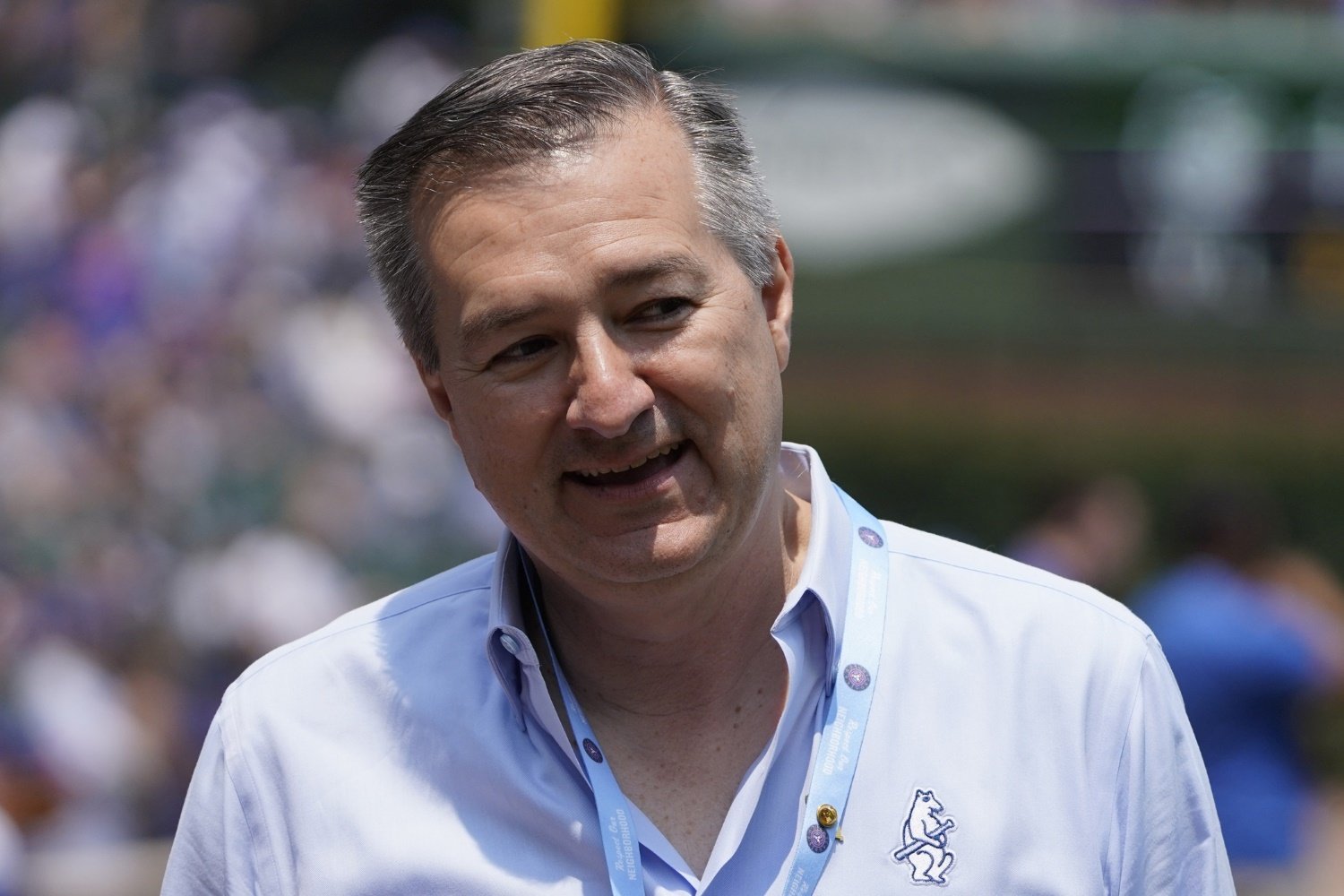
The only times the Cubs have exceeded the luxury-tax threshold in the last 20 years wer in their World Series championship season (when they barely exceeded it, by roughly $3 million) of 2016, and in their massively disappointing 2019 decline-phase campaign. Paying the luxury tax isn’t a prerequisite to winning the World Series, but being willing to do so aids in the ability to flesh out a roster during competitive windows. Artificially capping the budget, whether it’s by the mandate of the Ricketts family or the front office’s internal philosophy, is keeping the Cubs in the middle class of MLB teams: they’re too big to receive competitive-balance considerations, but unwilling to spend with the tycoons on the coasts.
The Cubs have done good work to get to this new competitive window so quickly, after slamming the last one closed. The farm system is among the best in baseball, the long-term accounting books are clean, and there’s a symbiotic relationship being developed between manager Craig Counsell and the front office. All the pieces are in place to challenge the league’s elite organizations. The question now is whether the Cubs will actually allow themselves to do what’s necessary to get there.
Do you approve of Cubs' ownership?

Follow North Side Baseball For Chicago Cubs News & Analysis



-
 2
2


.thumb.JPG.19c99ddd60a76edf810c77d321439828.JPG)


Recommended Comments
Create an account or sign in to comment
You need to be a member in order to leave a comment
Create an account
Sign up for a new account in our community. It's easy!
Register a new accountSign in
Already have an account? Sign in here.
Sign In Now