


TomCent
-
Posts
15 -
Joined
-
Last visited
Content Type
Profiles
Joomla Posts 1
Chicago Cubs Videos
Chicago Cubs Free Agent & Trade Rumors, Notes, & Tidbits
2026 Chicago Cubs Top Prospects Ranking
News
2023 Chicago Cubs Draft Picks
Guides & Resources
2024 Chicago Cubs Draft Picks
The Chicago Cubs Players Project
2025 Chicago Cubs Draft Pick Tracker
2026 Chicago Cubs Draft Tracker: Picks & Bonuses
Blogs
Events
Forums
Store
Gallery
Everything posted by TomCent
-
Image courtesy of © Patrick Gorski-Imagn Images The Chicago Cubs' reported agreement with second baseman Nico Hoerner on a six-year contract extension creates multiple knock-on effects, including clarity on Matt Shaw's role with the club going forward. Simply put, Hoerner staying in Chicago further blocks Shaw on the infield. He is now behind third baseman Alex Bregman, shortstop Dansby Swanson, and Hoerner on the depth chart for the foreseeable future. Those players don't take many days off, either. An injury will be Shaw's main hope of getting back on the dirt full time for the Cubs. That's why it's important for him to take advantage of the team's decision to try him in right field while Seiya Suzuki is on the injured list. His regular-season debut at the position was a qualified success. After a 50-inning instructional course in spring training, the 24-year-old Shaw got the start in right on Opening Day at Wrigley Field, batting ninth against Washington Nationals right-hander Cade Cavalli. Right from the start, he was challenged in the field. In the top of the second inning, Washington right fielder Daylen Lile hit a 97.6 mph line drive toward the well in deep right. Shaw began drifting back to the warning track. A strong wind was pushing the ball away from him. As the ball passed over his head, Shaw jumped awkwardly, not sure where he was in relation to the wall. He got his glove up in time to make the catch. This was not a routine play -- Statcast gave Lile's drive a .311 xBA. Two innings later, Shaw had his first outfield assist with the help of Nats shortstop C.J. Abrams. But Shaw deserves credit for making a nice play, as well. He raced into the corner to get to Abrams' liner off the wall, taking a good angle to play the carom. He hit Hoerner with the relay throw, and then Hoerner threw to Swanson to retire Abrams, who loafed out of the batter's box. In the eighth, Shaw showed off the glove again as he tracked down another Lile liner. This one was measured at 98.4 mph off the bat and given a .380 xBA. So, the early verdict on the outfield defense is that Shaw has potential. He can lean on his physical tools until he learns angles and jumps. But there's also the offensive component to this experiment, and Shaw already isn't being trusted with the bat. After going 0-for-3 (no strikeouts, 82.0 mph average exit velocity) on Thursday, he was lifted for pinch hitter Michael Conforto in the bottom of the eighth. The Cubs had runners at first and second with one out in an 8-4 game. The left-handed swinging Conforto struck out against Nats right-hander Clayton Beeter, and the Cubs went on to lose 10-4. The right-handed hitting Shaw's platoon splits in 2025 -- a 125 wRC+ vs. left-handers and a 82 wRC+ vs. right-handers -- made the switch easy for manager Craig Counsell. It's a tough ask for him to improve that part of his game as he learns multiple new positions, but even having the pedigree of a tough prospect isn't a guarantee to playing time. The balance needs to shift before Shaw can be more than just a utility guy with the Cubs. View full article
-
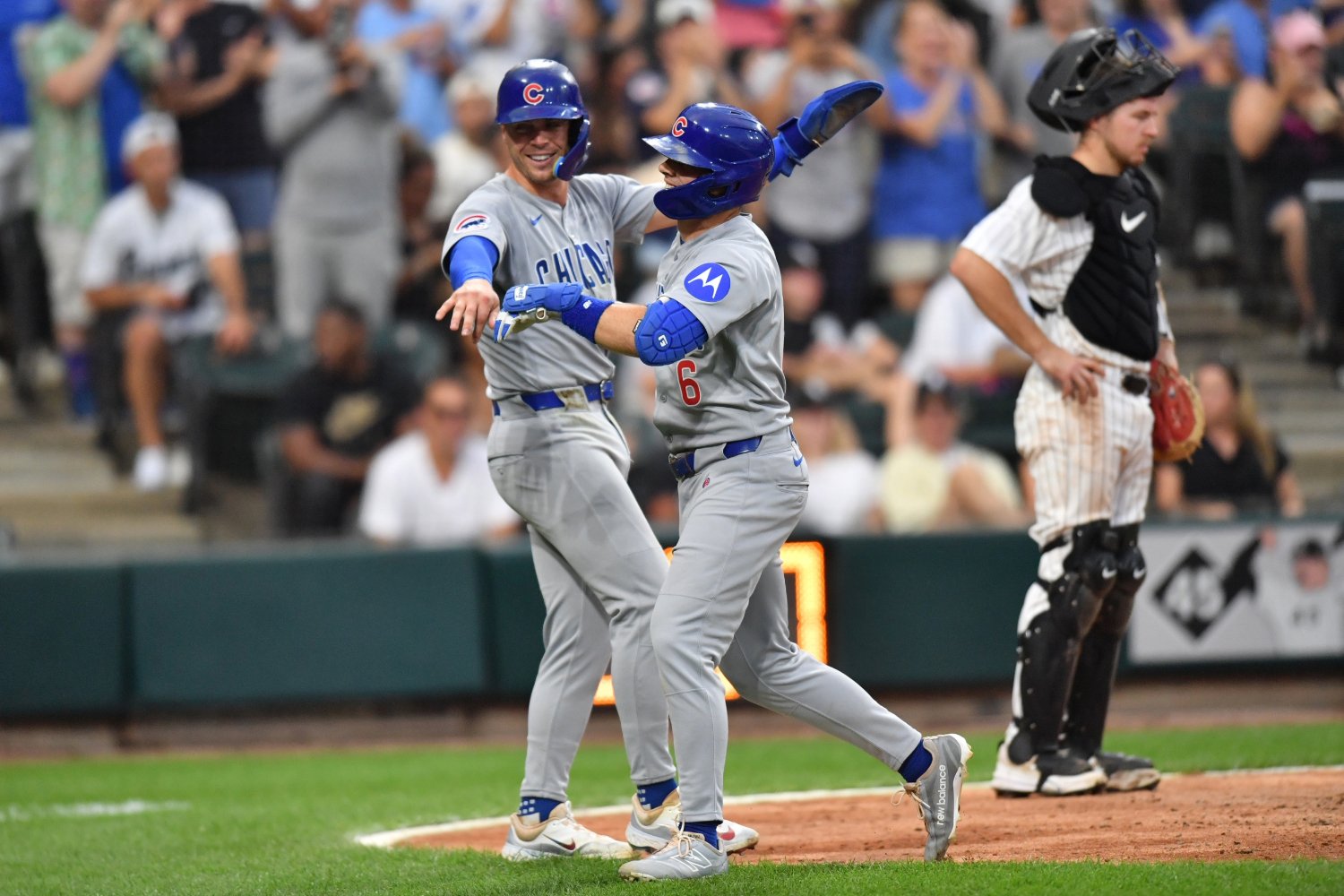 The Chicago Cubs' reported agreement with second baseman Nico Hoerner on a six-year contract extension creates multiple knock-on effects, including clarity on Matt Shaw's role with the club going forward. Simply put, Hoerner staying in Chicago further blocks Shaw on the infield. He is now behind third baseman Alex Bregman, shortstop Dansby Swanson, and Hoerner on the depth chart for the foreseeable future. Those players don't take many days off, either. An injury will be Shaw's main hope of getting back on the dirt full time for the Cubs. That's why it's important for him to take advantage of the team's decision to try him in right field while Seiya Suzuki is on the injured list. His regular-season debut at the position was a qualified success. After a 50-inning instructional course in spring training, the 24-year-old Shaw got the start in right on Opening Day at Wrigley Field, batting ninth against Washington Nationals right-hander Cade Cavalli. Right from the start, he was challenged in the field. In the top of the second inning, Washington right fielder Daylen Lile hit a 97.6 mph line drive toward the well in deep right. Shaw began drifting back to the warning track. A strong wind was pushing the ball away from him. As the ball passed over his head, Shaw jumped awkwardly, not sure where he was in relation to the wall. He got his glove up in time to make the catch. This was not a routine play -- Statcast gave Lile's drive a .311 xBA. Two innings later, Shaw had his first outfield assist with the help of Nats shortstop C.J. Abrams. But Shaw deserves credit for making a nice play, as well. He raced into the corner to get to Abrams' liner off the wall, taking a good angle to play the carom. He hit Hoerner with the relay throw, and then Hoerner threw to Swanson to retire Abrams, who loafed out of the batter's box. In the eighth, Shaw showed off the glove again as he tracked down another Lile liner. This one was measured at 98.4 mph off the bat and given a .380 xBA. So, the early verdict on the outfield defense is that Shaw has potential. He can lean on his physical tools until he learns angles and jumps. But there's also the offensive component to this experiment, and Shaw already isn't being trusted with the bat. After going 0-for-3 (no strikeouts, 82.0 mph average exit velocity) on Thursday, he was lifted for pinch hitter Michael Conforto in the bottom of the eighth. The Cubs had runners at first and second with one out in an 8-4 game. The left-handed swinging Conforto struck out against Nats right-hander Clayton Beeter, and the Cubs went on to lose 10-4. The right-handed hitting Shaw's platoon splits in 2025 -- a 125 wRC+ vs. left-handers and a 82 wRC+ vs. right-handers -- made the switch easy for manager Craig Counsell. It's a tough ask for him to improve that part of his game as he learns multiple new positions, but even having the pedigree of a tough prospect isn't a guarantee to playing time. The balance needs to shift before Shaw can be more than just a utility guy with the Cubs.
 -
Image courtesy of © RVR Photos-Imagn Images The initial field for the 2026 National League Rookie of the Year award is crowded. One of the entrants is Chicago Cubs catcher-designated hitter Moisés Ballesteros. The 22-year-old made his debut in 2025 but kept his rookie status, as he stayed below the thresholds of 130 at-bats and 45 days on an active roster. Ballesteros's competitors include New York Mets right-hander Nolan McLean, Cincinnati Reds first baseman Sal Stewart, Miami Marlins outfielder Owen Caissie (hey, we know him), Mets outfielder Carson Benge and St. Louis Cardinals second baseman J.J. Wetherholt. Pittsburgh Pirates shortstop Konnor Griffin will join this group as soon as he's promoted from the minor leagues, but the head start the others will have is sure to make things tougher on the teenaged Griffin. If Ballesteros bests his competition, he will become the seventh Cub in franchise history to be voted Rookie of the Year. Previous winners include a Baseball Hall of Famer and a franchise icon. Three Hall of Famers got votes, but fell short. The Rookie of the Year award, which is voted on by members of the Baseball Writers' Association of America, was first given out in 1947. Jackie Robinson was the first recipient, for both leagues. Awards for each league began in 1949. North Side Baseball went through club and Rookie of the Year history to determine the Cubs' 10 best rookie seasons since the award's inception. Results are ranked based on season stats, excitement surrounding the player, and the players who finished behind or ahead of them in the voting. The player's finish in the voting is listed in parentheses. Chicago Cubs 10 Best Rookie Seasons Since 1947 10. Ken Hubbs, 1962 (Rookie of the Year) Hubbs pulled off a huge feat in his ROY season: he beat out Bill Mazeroski for the National League Gold Glove at second base. Mazeroski had won the award the previous two years and would take home the next six. Teammates saw star potential in Hubbs, but tragedy kept it from being realized. Hubbs died on Feb. 13, 1964, when the single-engine Cessna 172 plane he was piloting crashed into Utah Lake in Provo, Utah. He was 22 years old. 9. Randy Hundley, 1966 (4th in voting) The Cubs acquired Hundley in a trade with the San Francisco Giants in December 1965 and named him their No. 1 catcher the following spring. He ran with the opportunity, taking 144 starts behind the plate; hitting 19 home runs; and nabbing a major league-leading 51 baserunners. In hindsight, he deserved better than fourth in the voting. He finished behind middling middle infielders Tommy Helms, Sonny Jackson and Tito Fuentes. 8. Jerome Walton, 1989 (Rookie of the Year) Walton had two things going for him in the voting: he played center field for a division winner, and he set a modern (since 1900) franchise record with a 30-game hitting streak that began in July after the All-Star break. (He still holds that record.) His main competition in the balloting was teammate Dwight Smith, but Walton won comfortably, receiving 22 of the 24 first-place votes. Smith received the other two. Walton also finished 13th in MVP voting. 7. Geovany Soto, 2008 (Rookie of the Year) Soto was a September callup in 2005, 2006 and 2007, so he already knew his way around Wrigley when the club anointed him its No. 1 catcher in 2008. At the plate, Soto delivered premium production: a 120 wRC+, an .868 OPS and 23 homers in 583 plate appearances. Behind the plate, he was a workhorse, making 131 starts. He was an All-Star and he finished 13th in MVP voting. Oh, and he also beat out a fellow named Joey Votto for ROY (probably indefensibly, because Votto batted .297/.368/.506, already flashing his Hall of Fame talent), garnering 31 of 32 first-place votes. 6. Shota Imanaga, 2024 (Fourth in voting) Imanaga joined Kosuke Fukudome and Seiya Suzuki as Japanese stars who had big rookie seasons for the Cubs. The left-hander put up a 2.91 ERA, a 3.72 FIP, a 25.1% strikeout rate and a 4.0% walk rate in 173 1/3 innings; made the NL All-Star team; and finished fifth in NL Cy Young Award voting. He just ran into a loaded rookie class, finishing behind Pittsburgh Pirates ace Paul Skenes, San Diego Padres center fielder Jackson Merrill and Milwaukee Brewers outfielder Jackson Chourio in the voting. 5. Mark Grace, 1988 (Second in voting) Grace gave Cubs fans a preview of what he would bring to the field during his entire 13-year run in Chicago: elite line-drive hitting and bat control, and Gold Glove-caliber defense at first base. That combination wasn't enough for him to beat out Cincinnati Reds third baseman Spuds McKenzie—er, Chris Sabo (as always, Google it)—for Rookie of the Year. In the end, however, Grace had, by far, the better career. Between Sabo beating out Grace and Soto beating out Votto, we can call it even between the Cubs and Reds. 4. Ernie Banks, 1954 (Second in voting) Banks made history the previous September when he, along with fellow infielder Gene Baker, integrated the Cubs. In 1954, he established himself as the franchise's long-term answer at shortstop. Banks played in all 154 games, hitting 19 home runs and a posting a 7.7% strikeout rate. Curiously, he finished 16th in NL MVP voting but second in Rookie of the Year voting to St. Louis Cardinals outfielder Wally Moon, who received no points in the MVP balloting. 3. Billy Williams, 1961 (Rookie of the Year) The sweet-swinging Williams was still eligible for the award in '61 after being up with the Cubs in both 1959 and 1960. He broke camp as the starting right fielder, and then he made the most of the chance: 25 home runs and a .278/.338/.484 slash line in 147 games. The '61 season launched Williams's Hall of Fame career, which ended with him collecting 2,711 hits and 426 home runs. He is, beyond debate, the greatest living Cub, and the proudest remaining symbol of the team's long history. 2. Kris Bryant, 2015 (Rookie of the Year) Imagine how good his rookie season would have been if he had debuted on Opening Day, instead of 12 days later. (That's for the people who are still salty about the service time manipulation). The delay did not affect Bryant. He posted a 136 wRC+, an .858 OPS, 26 home runs and 13 stolen bases in 151 games. He snagged an All-Star berth and finished 11th in MVP voting. Maybe the club was right about his defense at third base, though. Manager Joe Maddon played Bryant at third, first and all three outfield positions, and didn't always play stellar defense at the hot corner. 1. Kerry Wood, 1998 (Rookie of the Year) Wood became a rookie legend in his fifth career outing. On a damp May afternoon at Wrigley Field, the 20-year-old right-hander tied Roger Clemens' nine-inning MLB record with 20 strikeouts in a one-hit, no-walk shutout of the Houston Astros. Wood's feat would be overshadowed that summer by Sammy Sosa's pursuit of Roger Maris' home run record, but the kid from Texas kept putting up strikeouts in the background (33.3% strikeout rate in 166 2/3 innings). He edged out a future Hall of Famer, Colorado Rockies first baseman Todd Helton, for ROY. View full article
-
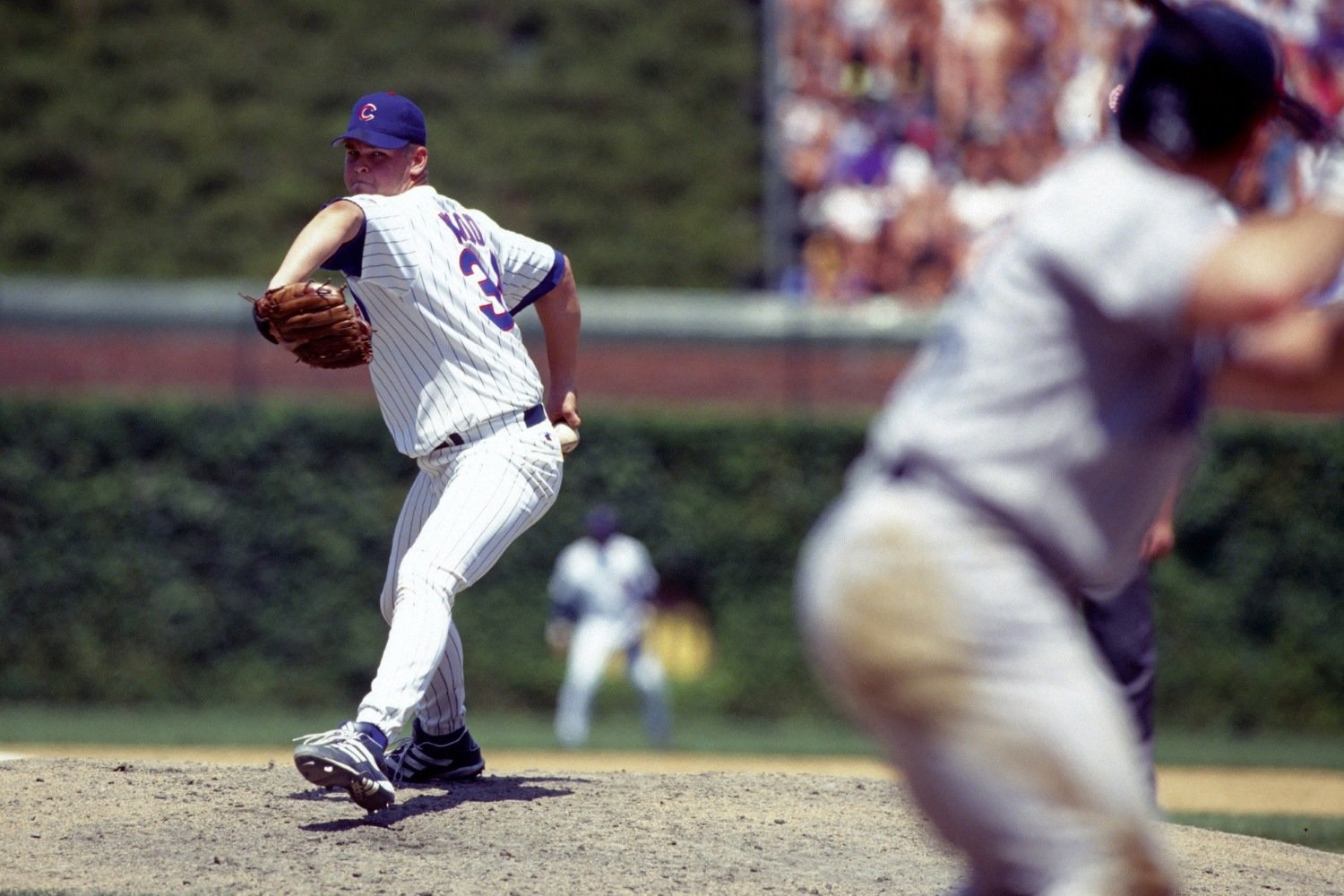 The initial field for the 2026 National League Rookie of the Year award is crowded. One of the entrants is Chicago Cubs catcher-designated hitter Moisés Ballesteros. The 22-year-old made his debut in 2025 but kept his rookie status, as he stayed below the thresholds of 130 at-bats and 45 days on an active roster. Ballesteros's competitors include New York Mets right-hander Nolan McLean, Cincinnati Reds first baseman Sal Stewart, Miami Marlins outfielder Owen Caissie (hey, we know him), Mets outfielder Carson Benge and St. Louis Cardinals second baseman J.J. Wetherholt. Pittsburgh Pirates shortstop Konnor Griffin will join this group as soon as he's promoted from the minor leagues, but the head start the others will have is sure to make things tougher on the teenaged Griffin. If Ballesteros bests his competition, he will become the seventh Cub in franchise history to be voted Rookie of the Year. Previous winners include a Baseball Hall of Famer and a franchise icon. Three Hall of Famers got votes, but fell short. The Rookie of the Year award, which is voted on by members of the Baseball Writers' Association of America, was first given out in 1947. Jackie Robinson was the first recipient, for both leagues. Awards for each league began in 1949. North Side Baseball went through club and Rookie of the Year history to determine the Cubs' 10 best rookie seasons since the award's inception. Results are ranked based on season stats, excitement surrounding the player, and the players who finished behind or ahead of them in the voting. The player's finish in the voting is listed in parentheses. Chicago Cubs 10 Best Rookie Seasons Since 1947 10. Ken Hubbs, 1962 (Rookie of the Year) Hubbs pulled off a huge feat in his ROY season: he beat out Bill Mazeroski for the National League Gold Glove at second base. Mazeroski had won the award the previous two years and would take home the next six. Teammates saw star potential in Hubbs, but tragedy kept it from being realized. Hubbs died on Feb. 13, 1964, when the single-engine Cessna 172 plane he was piloting crashed into Utah Lake in Provo, Utah. He was 22 years old. 9. Randy Hundley, 1966 (4th in voting) The Cubs acquired Hundley in a trade with the San Francisco Giants in December 1965 and named him their No. 1 catcher the following spring. He ran with the opportunity, taking 144 starts behind the plate; hitting 19 home runs; and nabbing a major league-leading 51 baserunners. In hindsight, he deserved better than fourth in the voting. He finished behind middling middle infielders Tommy Helms, Sonny Jackson and Tito Fuentes. 8. Jerome Walton, 1989 (Rookie of the Year) Walton had two things going for him in the voting: he played center field for a division winner, and he set a modern (since 1900) franchise record with a 30-game hitting streak that began in July after the All-Star break. (He still holds that record.) His main competition in the balloting was teammate Dwight Smith, but Walton won comfortably, receiving 22 of the 24 first-place votes. Smith received the other two. Walton also finished 13th in MVP voting. 7. Geovany Soto, 2008 (Rookie of the Year) Soto was a September callup in 2005, 2006 and 2007, so he already knew his way around Wrigley when the club anointed him its No. 1 catcher in 2008. At the plate, Soto delivered premium production: a 120 wRC+, an .868 OPS and 23 homers in 583 plate appearances. Behind the plate, he was a workhorse, making 131 starts. He was an All-Star and he finished 13th in MVP voting. Oh, and he also beat out a fellow named Joey Votto for ROY (probably indefensibly, because Votto batted .297/.368/.506, already flashing his Hall of Fame talent), garnering 31 of 32 first-place votes. 6. Shota Imanaga, 2024 (Fourth in voting) Imanaga joined Kosuke Fukudome and Seiya Suzuki as Japanese stars who had big rookie seasons for the Cubs. The left-hander put up a 2.91 ERA, a 3.72 FIP, a 25.1% strikeout rate and a 4.0% walk rate in 173 1/3 innings; made the NL All-Star team; and finished fifth in NL Cy Young Award voting. He just ran into a loaded rookie class, finishing behind Pittsburgh Pirates ace Paul Skenes, San Diego Padres center fielder Jackson Merrill and Milwaukee Brewers outfielder Jackson Chourio in the voting. 5. Mark Grace, 1988 (Second in voting) Grace gave Cubs fans a preview of what he would bring to the field during his entire 13-year run in Chicago: elite line-drive hitting and bat control, and Gold Glove-caliber defense at first base. That combination wasn't enough for him to beat out Cincinnati Reds third baseman Spuds McKenzie—er, Chris Sabo (as always, Google it)—for Rookie of the Year. In the end, however, Grace had, by far, the better career. Between Sabo beating out Grace and Soto beating out Votto, we can call it even between the Cubs and Reds. 4. Ernie Banks, 1954 (Second in voting) Banks made history the previous September when he, along with fellow infielder Gene Baker, integrated the Cubs. In 1954, he established himself as the franchise's long-term answer at shortstop. Banks played in all 154 games, hitting 19 home runs and a posting a 7.7% strikeout rate. Curiously, he finished 16th in NL MVP voting but second in Rookie of the Year voting to St. Louis Cardinals outfielder Wally Moon, who received no points in the MVP balloting. 3. Billy Williams, 1961 (Rookie of the Year) The sweet-swinging Williams was still eligible for the award in '61 after being up with the Cubs in both 1959 and 1960. He broke camp as the starting right fielder, and then he made the most of the chance: 25 home runs and a .278/.338/.484 slash line in 147 games. The '61 season launched Williams's Hall of Fame career, which ended with him collecting 2,711 hits and 426 home runs. He is, beyond debate, the greatest living Cub, and the proudest remaining symbol of the team's long history. 2. Kris Bryant, 2015 (Rookie of the Year) Imagine how good his rookie season would have been if he had debuted on Opening Day, instead of 12 days later. (That's for the people who are still salty about the service time manipulation). The delay did not affect Bryant. He posted a 136 wRC+, an .858 OPS, 26 home runs and 13 stolen bases in 151 games. He snagged an All-Star berth and finished 11th in MVP voting. Maybe the club was right about his defense at third base, though. Manager Joe Maddon played Bryant at third, first and all three outfield positions, and didn't always play stellar defense at the hot corner. 1. Kerry Wood, 1998 (Rookie of the Year) Wood became a rookie legend in his fifth career outing. On a damp May afternoon at Wrigley Field, the 20-year-old right-hander tied Roger Clemens' nine-inning MLB record with 20 strikeouts in a one-hit, no-walk shutout of the Houston Astros. Wood's feat would be overshadowed that summer by Sammy Sosa's pursuit of Roger Maris' home run record, but the kid from Texas kept putting up strikeouts in the background (33.3% strikeout rate in 166 2/3 innings). He edged out a future Hall of Famer, Colorado Rockies first baseman Todd Helton, for ROY.
 -
Image courtesy of © Jayne Kamin-Oncea-Imagn Images MLB clubs and free agents are taking their sweet time wrapping up the 2025-26 offseason. The opening of spring training camps this week spurred a flurry of activity. The Cubs got in on the action Friday by agreeing to a multi-year contract with veteran right-hander Shelby Miller, who'll miss the 2026 season after undergoing elbow surgery earlier this offseason. If the club wants to add more major-league pieces, the market's still very much open. If it isn't satisfied with the rotation, they'll need to move fast after Zac Gallen re-signed in Arizona. If it wants another bench bat, about a couple dozen are still unsigned, though that list shrank as well once Nick Castellanos signed with the Padres There's a case for signing a number of players as spring training gets underway, but here's one specific name that should be on the Cubs' radar with camp shifting into high gear. Why the Cubs should sign Ty France France, 31, no longer plays around the infield, but his recent work at first base would make up for that. Last season, he won an American League Gold Glove at the position while playing for the Minnesota Twins and Toronto Blue Jays. His 10 outs above average (OAA) led the majors at the position, and his nine defensive runs saved (DRS) were third-most. His work in the field helped push him into positive fWAR territory (0.9). By comparison, Michael Busch posted minus-1 OAA and 2 DRS at first base for the Cubs last year. The right-handed hitting France could spell Busch against left-handers and be a defensive replacement/pinch-hitter the rest of the time. He makes decent contact -- he was in the 70th percentile in strikeout percentage last year and increased his contract rate on pitches in the zone by nearly three percent from 2024 to 2025. His barrel percentage keeps improving, too, as his 7.7 percent mark last season was the second-highest of his career. Now, the negatives. France does not fit the Cubs' power-and-speed offensive philosophy. He's one of the slowest runners in the game (sixth-percentile foot speed, per Baseball Savant), and his SLG has declined over the past three years, ranging from .360 to .366 after spending a few seasons in the mid-.400s. He has posted 92 and 93 wRC+ the past two seasons, and his mark last year was a full-season career low. The glove work might be a mirage as well; he produced minus-12 OAA and minus-8 DRS in 2024. Can that all be overlooked? Perhaps not, but if the Cubs can find a way to get him into camp on a low-risk (or non-guaranteed deal), any potential downsides would be mitigated. Their current first-base backup is Tyler Austin, who returned to the States in the offseason after playing six years in Japan. His potential contribution is a mystery. Austin is on a split contract, so the Cubs could option him to Triple-A Iowa if they decide to go in another direction. France could be that upgrade based on his latest glove work and bat-to-ball skills. View full article
-
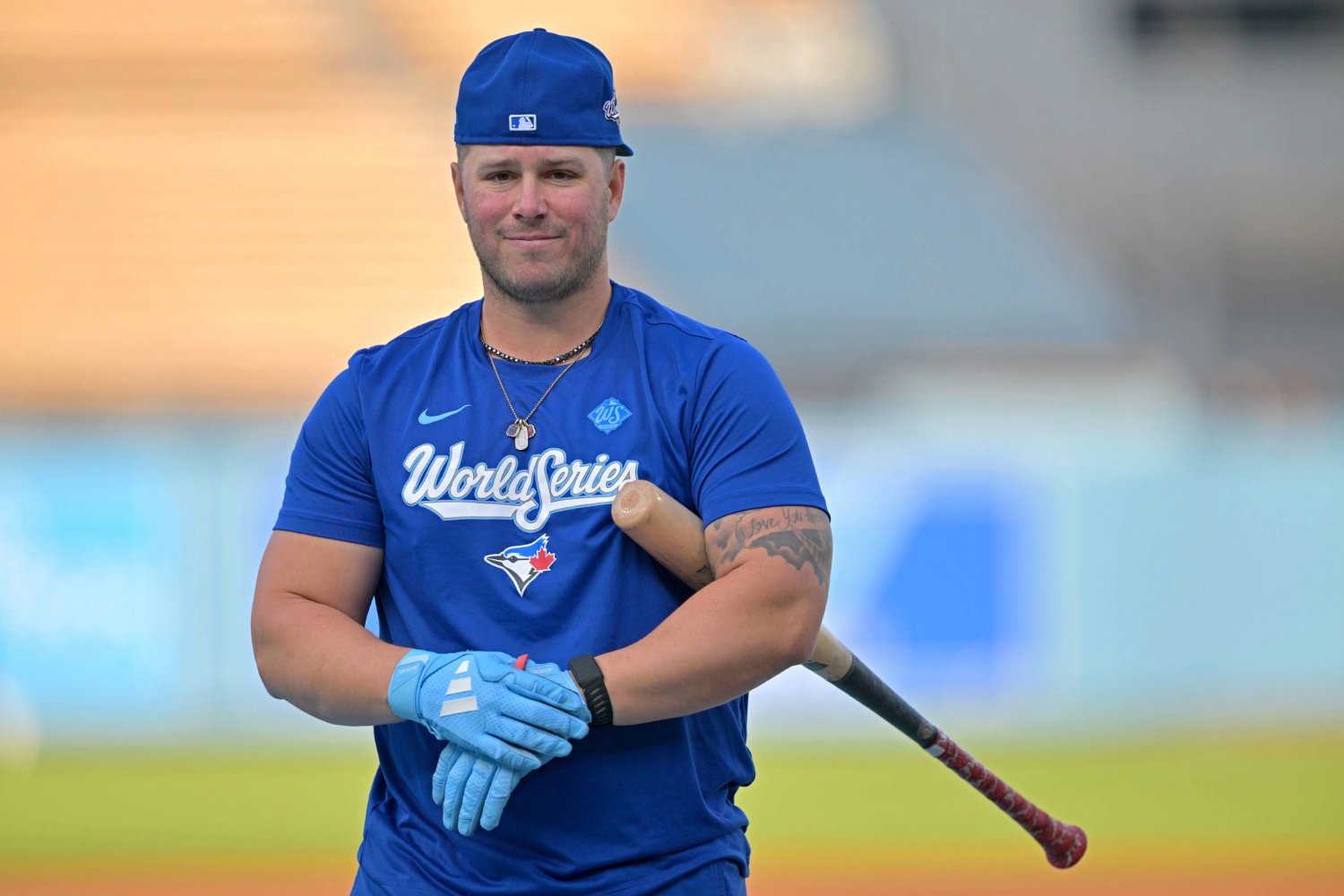 MLB clubs and free agents are taking their sweet time wrapping up the 2025-26 offseason. The opening of spring training camps this week spurred a flurry of activity. The Cubs got in on the action Friday by agreeing to a multi-year contract with veteran right-hander Shelby Miller, who'll miss the 2026 season after undergoing elbow surgery earlier this offseason. If the club wants to add more major-league pieces, the market's still very much open. If it isn't satisfied with the rotation, they'll need to move fast after Zac Gallen re-signed in Arizona. If it wants another bench bat, about a couple dozen are still unsigned, though that list shrank as well once Nick Castellanos signed with the Padres There's a case for signing a number of players as spring training gets underway, but here's one specific name that should be on the Cubs' radar with camp shifting into high gear. Why the Cubs should sign Ty France France, 31, no longer plays around the infield, but his recent work at first base would make up for that. Last season, he won an American League Gold Glove at the position while playing for the Minnesota Twins and Toronto Blue Jays. His 10 outs above average (OAA) led the majors at the position, and his nine defensive runs saved (DRS) were third-most. His work in the field helped push him into positive fWAR territory (0.9). By comparison, Michael Busch posted minus-1 OAA and 2 DRS at first base for the Cubs last year. The right-handed hitting France could spell Busch against left-handers and be a defensive replacement/pinch-hitter the rest of the time. He makes decent contact -- he was in the 70th percentile in strikeout percentage last year and increased his contract rate on pitches in the zone by nearly three percent from 2024 to 2025. His barrel percentage keeps improving, too, as his 7.7 percent mark last season was the second-highest of his career. Now, the negatives. France does not fit the Cubs' power-and-speed offensive philosophy. He's one of the slowest runners in the game (sixth-percentile foot speed, per Baseball Savant), and his SLG has declined over the past three years, ranging from .360 to .366 after spending a few seasons in the mid-.400s. He has posted 92 and 93 wRC+ the past two seasons, and his mark last year was a full-season career low. The glove work might be a mirage as well; he produced minus-12 OAA and minus-8 DRS in 2024. Can that all be overlooked? Perhaps not, but if the Cubs can find a way to get him into camp on a low-risk (or non-guaranteed deal), any potential downsides would be mitigated. Their current first-base backup is Tyler Austin, who returned to the States in the offseason after playing six years in Japan. His potential contribution is a mystery. Austin is on a split contract, so the Cubs could option him to Triple-A Iowa if they decide to go in another direction. France could be that upgrade based on his latest glove work and bat-to-ball skills.
 -
Image courtesy of © David Kohl-Imagn Images Update: Castellanos has signed with the San Diego Padres. This reunion will indeed not happen. Original article as follows: The Philadelphia Phillies' attempt to unload a chunk of Nick Castellanos' $20 million salary for 2026 officially failed this week when the club made a one-sentence announcement that it had released the veteran outfielder. No team was going to help out Dave Dombrowski by trading him a player who had talked his way out of town, while also taking on (at least) a few million dollars. Now, Castellanos is a free agent and the Phillies are forced to dine on those millions. A club can soon add the 13-year veteran at the much friendlier price point of $780,000, the MLB minimum salary, once he inevitably clears waivers. But which teams make sense? The outfield-needy Astros? The offense-starved Guardians? The hometown Marlins? What if Castellanos is entertaining a reunion with an old club? Well, the Tigers have enough outfielders, and Castellanos is not Justin Verlander. The Reds are good after bringing back Eugenio Suarez. That would leave . . . the Cubs. If you're screaming, "DON'T EVEN THINK ABOUT IT!", we hear you. The last-two-months-of-2019 version of Castellanos is long gone. But let's try a "hear me out" that will look to do the impossible: show why Castellanos can be a fit for this Cubs team. Let's start with the idea that he could be productive in his age-34 season. Last year, he posted full-season career lows in wRC+ and on-base percentage, but over the past four seasons, his wRC+ marks, taken together, come out to about league average: 95, 104, 108 and 90. And if you believe in counting stats, he drove in 72 runs last season after knocking in 86 in '24 and 108 in '23. There's also this: Castellanos has posted day in and day out in his career, which means he has often played hurt. It's possible that his health betrayed him last season. He suffered a left knee injury July '25 making a play in the field at Yankee Stadium and then experienced patellar tendinitis in the knee through the remainder of the season. After the injury, he slashed .200/.250/.316 with four home runs and 48 strikeouts in 168 plate appearances. He was moved into a platoon role in September, something he addressed at the time on Mookie Betts' "On Base" podcast. He appeared in 147 games anyway. The Cubs do not need an everyday outfielder. In fact, they're set at all his primary positions: Ian Happ in left field, Seiya Suzuki for right, Tyler Austin as a first base reserve, and the entire hitting group in a DH rotation. But if Castellanos is healthy, he could be a better right-handed platoon option than Austin against left-handers. Castellanos tanked to an 87 wRC+ vs. lefties last year, but his previous four years landed at 124, 147, 100 and 142, respectively. For comparison, Justin Turner posted a 112 mark vs. left-handers in 2025. We don't have a good idea of what Austin, 34, will produce. He has played in Japan the past six seasons, and he was good when he was available, but he missed significant time in 2022, 2023 and 2025. His MLB career wRC+ against lefties is 132, but in a small sample of 255 plate appearances. Finally, there's the money. If the Cubs want to save cash in their quest to stay below the first competitive balance tax (CBT) threshold, then paying Castellanos $780,000 is better than guaranteeing Dylan Carlson $2 million or Chas McCormick a similar amount. Yes, McCormick and Carlson are miles better with the glove, but that's a big difference in money. Austin is on a split contract; a $1.2 million rate if he's in the majors, a $400,000 rate if he's in the minors. The one element that hasn't yet been discussed here is whether clubs consider Castellanos a "bad teammate." He was no fan of Phillies manager Rob Thomson, his main complaint being that the skipper did not communicate well with him. Last June, Thomson benched Castellanos for a game in Miami, ending a consecutive-games streak, for making an "inappropriate comment" the day before. According to The Athletic, the comment left a lot of uniformed personnel "disgusted." On Thursday, Castellanos provided some details. He said he went up to Thomson in the dugout after being taken out for defense and told the manager that he was inconsistent with his discipline. Then, Castellanos tried to drink an El Presidente beer he had brought with him, only to have teammates and coaches take it out of his hand. He expressed remorse in his post-release Instagram statement. Fans who haven't blurred that 2019 season from their memory will remember a far different version of Castellanos with the Cubs. He was generally beloved by teammates and fans alike, which certainly wasn't hurt by his electric production in Chicago (.321/.356/.646, 152 wRC+). Perhaps the disintegration of his reputation was simply the case of the wrong person in the wrong environment? If so, will his recent comments help him as he searches for a new team? We'll know the answer if Castellanos signs quickly. Should that team be the Cubs? Well, this is one writer's case for it. View full article
-
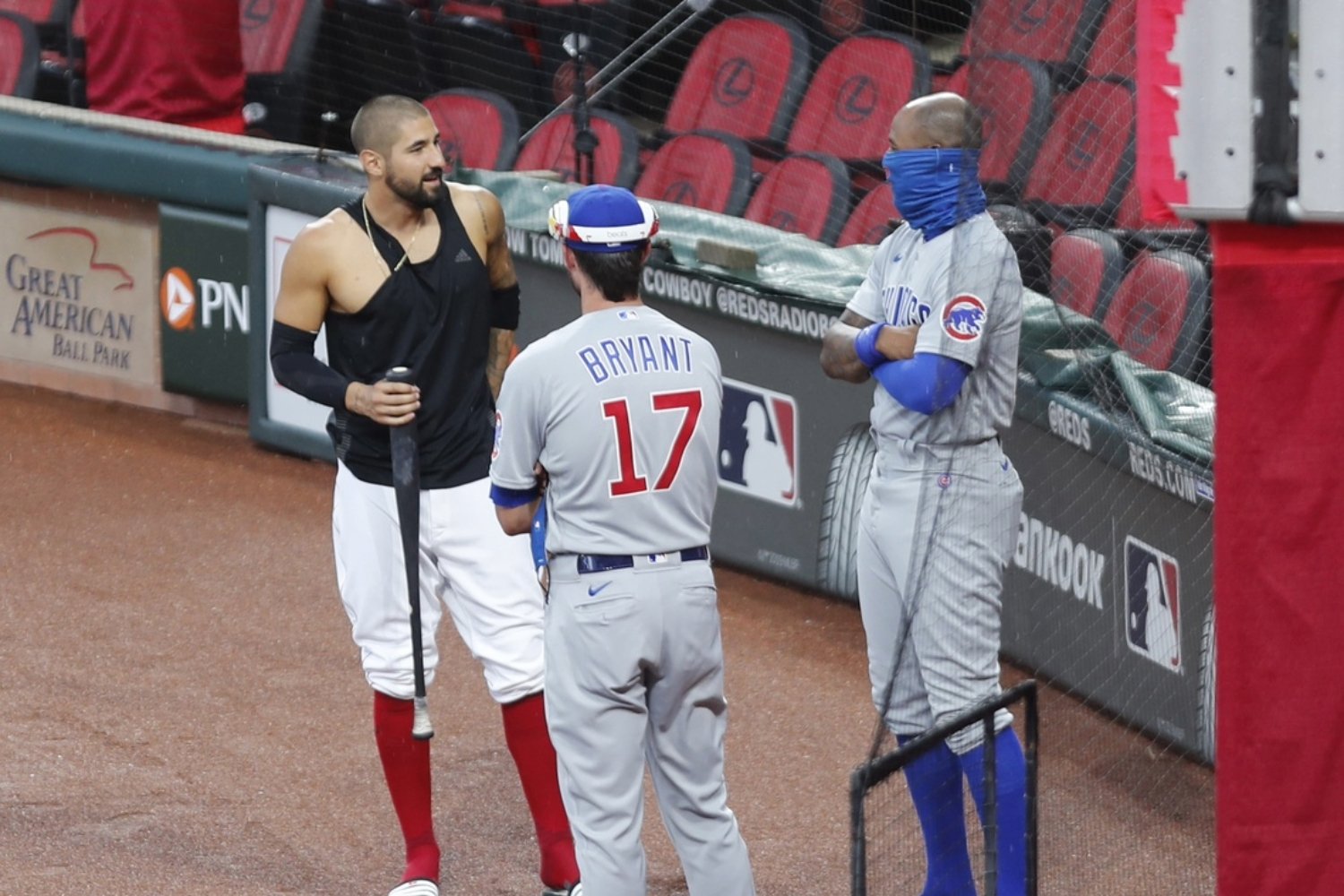 Update: Castellanos has signed with the San Diego Padres. This reunion will indeed not happen. Original article as follows: The Philadelphia Phillies' attempt to unload a chunk of Nick Castellanos' $20 million salary for 2026 officially failed this week when the club made a one-sentence announcement that it had released the veteran outfielder. No team was going to help out Dave Dombrowski by trading him a player who had talked his way out of town, while also taking on (at least) a few million dollars. Now, Castellanos is a free agent and the Phillies are forced to dine on those millions. A club can soon add the 13-year veteran at the much friendlier price point of $780,000, the MLB minimum salary, once he inevitably clears waivers. But which teams make sense? The outfield-needy Astros? The offense-starved Guardians? The hometown Marlins? What if Castellanos is entertaining a reunion with an old club? Well, the Tigers have enough outfielders, and Castellanos is not Justin Verlander. The Reds are good after bringing back Eugenio Suarez. That would leave . . . the Cubs. If you're screaming, "DON'T EVEN THINK ABOUT IT!", we hear you. The last-two-months-of-2019 version of Castellanos is long gone. But let's try a "hear me out" that will look to do the impossible: show why Castellanos can be a fit for this Cubs team. Let's start with the idea that he could be productive in his age-34 season. Last year, he posted full-season career lows in wRC+ and on-base percentage, but over the past four seasons, his wRC+ marks, taken together, come out to about league average: 95, 104, 108 and 90. And if you believe in counting stats, he drove in 72 runs last season after knocking in 86 in '24 and 108 in '23. There's also this: Castellanos has posted day in and day out in his career, which means he has often played hurt. It's possible that his health betrayed him last season. He suffered a left knee injury July '25 making a play in the field at Yankee Stadium and then experienced patellar tendinitis in the knee through the remainder of the season. After the injury, he slashed .200/.250/.316 with four home runs and 48 strikeouts in 168 plate appearances. He was moved into a platoon role in September, something he addressed at the time on Mookie Betts' "On Base" podcast. He appeared in 147 games anyway. The Cubs do not need an everyday outfielder. In fact, they're set at all his primary positions: Ian Happ in left field, Seiya Suzuki for right, Tyler Austin as a first base reserve, and the entire hitting group in a DH rotation. But if Castellanos is healthy, he could be a better right-handed platoon option than Austin against left-handers. Castellanos tanked to an 87 wRC+ vs. lefties last year, but his previous four years landed at 124, 147, 100 and 142, respectively. For comparison, Justin Turner posted a 112 mark vs. left-handers in 2025. We don't have a good idea of what Austin, 34, will produce. He has played in Japan the past six seasons, and he was good when he was available, but he missed significant time in 2022, 2023 and 2025. His MLB career wRC+ against lefties is 132, but in a small sample of 255 plate appearances. Finally, there's the money. If the Cubs want to save cash in their quest to stay below the first competitive balance tax (CBT) threshold, then paying Castellanos $780,000 is better than guaranteeing Dylan Carlson $2 million or Chas McCormick a similar amount. Yes, McCormick and Carlson are miles better with the glove, but that's a big difference in money. Austin is on a split contract; a $1.2 million rate if he's in the majors, a $400,000 rate if he's in the minors. The one element that hasn't yet been discussed here is whether clubs consider Castellanos a "bad teammate." He was no fan of Phillies manager Rob Thomson, his main complaint being that the skipper did not communicate well with him. Last June, Thomson benched Castellanos for a game in Miami, ending a consecutive-games streak, for making an "inappropriate comment" the day before. According to The Athletic, the comment left a lot of uniformed personnel "disgusted." On Thursday, Castellanos provided some details. He said he went up to Thomson in the dugout after being taken out for defense and told the manager that he was inconsistent with his discipline. Then, Castellanos tried to drink an El Presidente beer he had brought with him, only to have teammates and coaches take it out of his hand. He expressed remorse in his post-release Instagram statement. Fans who haven't blurred that 2019 season from their memory will remember a far different version of Castellanos with the Cubs. He was generally beloved by teammates and fans alike, which certainly wasn't hurt by his electric production in Chicago (.321/.356/.646, 152 wRC+). Perhaps the disintegration of his reputation was simply the case of the wrong person in the wrong environment? If so, will his recent comments help him as he searches for a new team? We'll know the answer if Castellanos signs quickly. Should that team be the Cubs? Well, this is one writer's case for it.
 -
Image courtesy of © Kamil Krzaczynski-Imagn Images Our Opening Roster Projection, v 3.0 shows that almost all of the Chicago Cubs' roster spots are accounted for. That piece left open two places among the initial 26-man group -- one on the bench, one in the bullpen. The 40-man roster contains plenty of candidates to fill these roles, but that group will be getting pressure from non-roster invitees (NRI) who have substantial MLB experience. North Side Baseball looks at three hitters and two pitchers from the NRI set who we think have the best chance to win a job in Mesa. We're excluding minor-league prospects such as Jaxon Wiggins and Jefferson Rojas. Those players are still in the development stage. They'd need to set the world on fire in Arizona to have a chance of breaking camp with the big-league club. Cubs' Best Non-Roster Invites: Hitters OF Dylan Carlson Age: 27 2025 MLB stats: 241 PAs, .614 OPS, 74 wRC+, 6 HRs. Carlson is a candidate to challenge Kevin Alcantara and Justin Dean for a reserve outfielder spot. He is a switch-hitter who can play all three outfield positions. Statistically, his best position is center (career +4 OAA in 1737 1/3 innings), and he has shown a plus arm in the past. Five years ago, he looked like a rising star when he posted a 111 wRC+ and 18 home runs for the St. Louis Cardinals in his first full MLB season. A series of injuries followed, however, and his stats crashed. The year-by-year percentile rankings tell the tale: Expecting him to return to anything like his old self is probably a fool's errand, but there's enough potential baked into both his glove and bat that he should be considered the second-favorite to claim the fourth outfielder job after Kevin Alcantara. OF Chas McCormick Age: 30 2025 MLB stats: 116 PA, .569 OPS, 62 wRC+, 1 HR. If McCormick makes the team, he could serve as a right-handed-hitting complement to Pete Crow-Armstrong in center field. He's known more for his defense (+30 career OAA in 3481 1/3 innings, plus a memorable catch in the World Series), but he has shown flashes of ability at the plate (.842 OPS, 132 wRC+, 22 HRs in 2023). Last year was a bust -- he missed 2 1/2 months during the middle of the season with an oblique strain and then was optioned to Triple-A in September. The Houston Astros non-tendered him last November. IF/OF Scott Kingery Age: 31 2025 MLB stats: 29 PA, .392 OPS, 0 HRs. Kingery is best known for the six-year, $24 million contract extension he got from the Philadelphia Phillies as a rookie in 2018. That deal turned out to be a horrible contract for the club: Kingery spent most of the final three years in Triple-A. He got a fresh start with the Los Angeles Angels, who called him up last year and got him into 19 games. L.A. moved on from him in the offseason. His best tools are his speed and versatility -- he can play second, third, short and all three outfield positions. That alone could endear him enough to Craig Counsell to earn him a surprise spot on the Opening Day roster. Others: Christian Bethancourt, Owen Miller Cubs' Best Non-Roster Invites: Pitchers RHP Trent Thornton Age: 32 2025 MLB stats: 42 1/3 IP, 4.68 ERA/4.74 FIP, 2.29 K:BB ratio. Thornton took a step back last year with the Seattle Mariners before suffering an Achilles tear at the end of July. His K rate plunged from a career-high 26.2 percent in 2024 to 17.8 percent, and his home run rate jumped from 2.7 percent to 3.3 percent. He's healthy again, as evidenced by him throwing in the low-90s at his workout for teams in January. And he might have a new pitch to showcase this spring. RHP Corbin Martin Age: 30 2025 MLB stats: 18 IP, 6.00 ERA/5.30 FIP, 2.56 K:BB ratio. This journeyman has a live arm: his two main pitches are a 96-mph four-seamer and a 92-mph slider. If you're willing to excuse "one bad game," then Martin was decent last year for the Baltimore Orioles. He was charged with six earned runs while not recording an out against the Phillies on Aug. 4; in his other outings, he posted a 3.00 ERA with 23 strikeouts. Others: Collin Snider, Vince Velasquez View full article
-
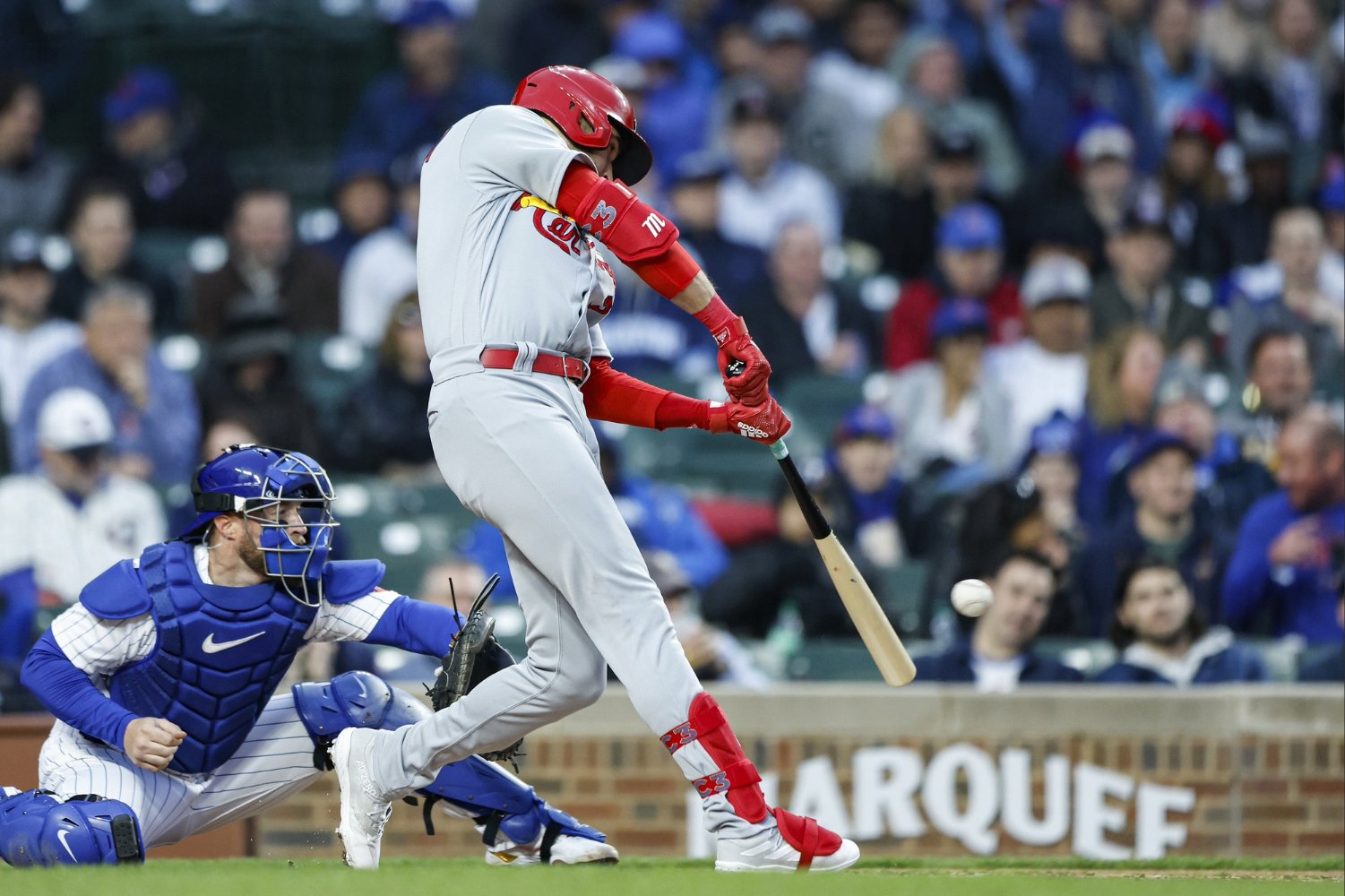 Our Opening Roster Projection, v 3.0 shows that almost all of the Chicago Cubs' roster spots are accounted for. That piece left open two places among the initial 26-man group -- one on the bench, one in the bullpen. The 40-man roster contains plenty of candidates to fill these roles, but that group will be getting pressure from non-roster invitees (NRI) who have substantial MLB experience. North Side Baseball looks at three hitters and two pitchers from the NRI set who we think have the best chance to win a job in Mesa. We're excluding minor-league prospects such as Jaxon Wiggins and Jefferson Rojas. Those players are still in the development stage. They'd need to set the world on fire in Arizona to have a chance of breaking camp with the big-league club. Cubs' Best Non-Roster Invites: Hitters OF Dylan Carlson Age: 27 2025 MLB stats: 241 PAs, .614 OPS, 74 wRC+, 6 HRs. Carlson is a candidate to challenge Kevin Alcantara and Justin Dean for a reserve outfielder spot. He is a switch-hitter who can play all three outfield positions. Statistically, his best position is center (career +4 OAA in 1737 1/3 innings), and he has shown a plus arm in the past. Five years ago, he looked like a rising star when he posted a 111 wRC+ and 18 home runs for the St. Louis Cardinals in his first full MLB season. A series of injuries followed, however, and his stats crashed. The year-by-year percentile rankings tell the tale: Expecting him to return to anything like his old self is probably a fool's errand, but there's enough potential baked into both his glove and bat that he should be considered the second-favorite to claim the fourth outfielder job after Kevin Alcantara. OF Chas McCormick Age: 30 2025 MLB stats: 116 PA, .569 OPS, 62 wRC+, 1 HR. If McCormick makes the team, he could serve as a right-handed-hitting complement to Pete Crow-Armstrong in center field. He's known more for his defense (+30 career OAA in 3481 1/3 innings, plus a memorable catch in the World Series), but he has shown flashes of ability at the plate (.842 OPS, 132 wRC+, 22 HRs in 2023). Last year was a bust -- he missed 2 1/2 months during the middle of the season with an oblique strain and then was optioned to Triple-A in September. The Houston Astros non-tendered him last November. IF/OF Scott Kingery Age: 31 2025 MLB stats: 29 PA, .392 OPS, 0 HRs. Kingery is best known for the six-year, $24 million contract extension he got from the Philadelphia Phillies as a rookie in 2018. That deal turned out to be a horrible contract for the club: Kingery spent most of the final three years in Triple-A. He got a fresh start with the Los Angeles Angels, who called him up last year and got him into 19 games. L.A. moved on from him in the offseason. His best tools are his speed and versatility -- he can play second, third, short and all three outfield positions. That alone could endear him enough to Craig Counsell to earn him a surprise spot on the Opening Day roster. Others: Christian Bethancourt, Owen Miller Cubs' Best Non-Roster Invites: Pitchers RHP Trent Thornton Age: 32 2025 MLB stats: 42 1/3 IP, 4.68 ERA/4.74 FIP, 2.29 K:BB ratio. Thornton took a step back last year with the Seattle Mariners before suffering an Achilles tear at the end of July. His K rate plunged from a career-high 26.2 percent in 2024 to 17.8 percent, and his home run rate jumped from 2.7 percent to 3.3 percent. He's healthy again, as evidenced by him throwing in the low-90s at his workout for teams in January. And he might have a new pitch to showcase this spring. RHP Corbin Martin Age: 30 2025 MLB stats: 18 IP, 6.00 ERA/5.30 FIP, 2.56 K:BB ratio. This journeyman has a live arm: his two main pitches are a 96-mph four-seamer and a 92-mph slider. If you're willing to excuse "one bad game," then Martin was decent last year for the Baltimore Orioles. He was charged with six earned runs while not recording an out against the Phillies on Aug. 4; in his other outings, he posted a 3.00 ERA with 23 strikeouts. Others: Collin Snider, Vince Velasquez
 -
Image courtesy of © Matt Marton-Imagn Images He doesn't have to answer this question for a while, but at some point, Craig Counsell will need to make the call: Who will be bumped from the Chicago Cubs' rotation when Justin Steele is ready to come back from elbow surgery? Steele is, in his words, "ahead of schedule" and moving "full steam ahead" in his rehab, but an early return is not happening. At the Winter Meetings, Counsell was looking at some point in the first half, barring a setback. Last month, Steele told reporters that he's thinking long term as well. He's assuming that his surgeon, Dr. Keith Meister, will recommend a cap on his 2026 workload. A later start changes the goal to being available for the second half and postseason. "There’s going to be some kind of innings limit, so there’s definitely some comfortability knowing that I don't have to rush,” Steele said after a throwing session at Elite Baseball Training, per MLB.com's Jordan Bastian. So, Counsell and the Cubs' front office have time on this. But let's address the question now, anyway: Whenever Steele is medically cleared and built up, who goes? The choice will probably be easy, because so many things go wrong with a pitching staff during a season. The Cubs could be faced with making one of these four simple moves: Replace an injured guy. The Cubs' projected Opening Day rotation is, in some order, Matthew Boyd, recently acquired Edward Cabrera, Cade Horton, Shota Imanaga and Jameson Taillon. Odds are that there will be attrition among this group, same as there was among last year's group. Steele went down in April, Imanaga (hamstring strain) got hurt in early May, Taillon (calf and groin strains) hit the injured list in July and August, and Cabrera (elbow sprain) missed three weeks in September for the Miami Marlins. Replace the guy who replaced an injured guy. Counting Steele, the rotation could go nine deep. Colin Rea would be the next man up if one of the top five goes down. He's now the swingman after making 27 starts last year. If more injuries hit, Chicago could turn to Javier Assad (seven starts in 2025) and/or Ben Brown (15 starts last year). Assad was mostly effective in his limited duty. Brown lost his rotation spot and was optioned to Triple-A Iowa last June. He came back a month later and switched to long relief. If the Cubs stretch Jordan Wicks back out and fast-rising prospect Jaxon Wiggins takes a big step forward in the spring, the number of starting candidates could grow to double digits. Replace an ineffective guy. Brown had a 6.13 ERA/4.14 FIP when he was sent down. Horton is the only pitcher in this year's projected rotation with minor-league options, but after he dominated in the second half last year, would the Cubs give him extra time to work things out in the majors if he regresses hard? A vet who's getting hammered would have to shift to the 'pen or land on the IL, assuming the Cubs forgo an early-season trade or surprise DFA. Replace no one and go to a six-man rotation. This could be a necessity or a best-of-all-worlds solution, depending on when Steele comes back. If he returns within the first two months, Counsell could back off his starters during a heavy portion of the schedule: the Cubs are looking at a stretch of 42 games in 45 days from April 17 through May 31. If Steele returns in June, the starters could get extra rest following that gauntlet. The bottom line? As with most thorny issues in baseball, the question of how to make room for a healthy Justin Steele will answer itself when the time comes. View full article
-
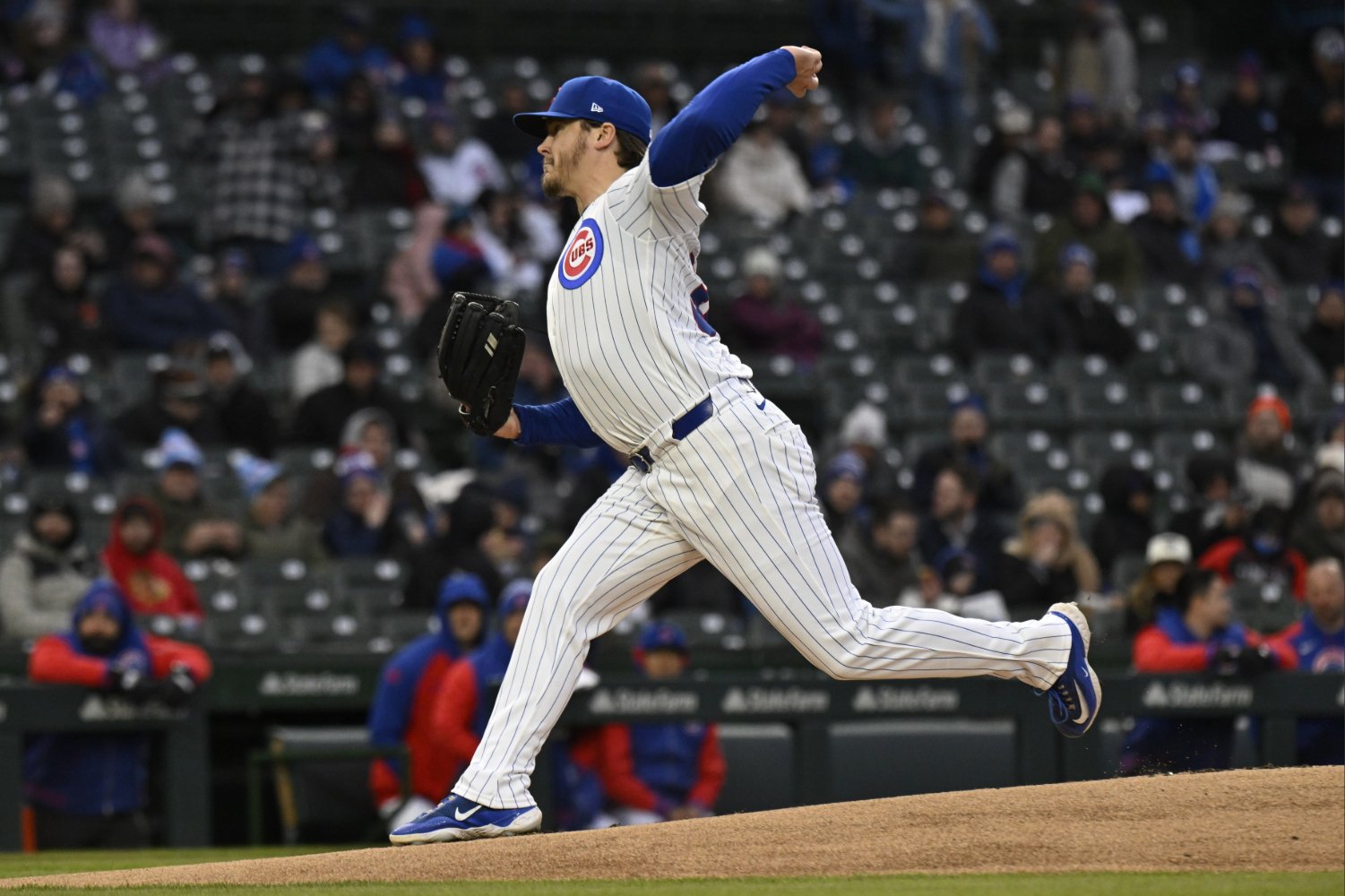 He doesn't have to answer this question for a while, but at some point, Craig Counsell will need to make the call: Who will be bumped from the Chicago Cubs' rotation when Justin Steele is ready to come back from elbow surgery? Steele is, in his words, "ahead of schedule" and moving "full steam ahead" in his rehab, but an early return is not happening. At the Winter Meetings, Counsell was looking at some point in the first half, barring a setback. Last month, Steele told reporters that he's thinking long term as well. He's assuming that his surgeon, Dr. Keith Meister, will recommend a cap on his 2026 workload. A later start changes the goal to being available for the second half and postseason. "There’s going to be some kind of innings limit, so there’s definitely some comfortability knowing that I don't have to rush,” Steele said after a throwing session at Elite Baseball Training, per MLB.com's Jordan Bastian. So, Counsell and the Cubs' front office have time on this. But let's address the question now, anyway: Whenever Steele is medically cleared and built up, who goes? The choice will probably be easy, because so many things go wrong with a pitching staff during a season. The Cubs could be faced with making one of these four simple moves: Replace an injured guy. The Cubs' projected Opening Day rotation is, in some order, Matthew Boyd, recently acquired Edward Cabrera, Cade Horton, Shota Imanaga and Jameson Taillon. Odds are that there will be attrition among this group, same as there was among last year's group. Steele went down in April, Imanaga (hamstring strain) got hurt in early May, Taillon (calf and groin strains) hit the injured list in July and August, and Cabrera (elbow sprain) missed three weeks in September for the Miami Marlins. Replace the guy who replaced an injured guy. Counting Steele, the rotation could go nine deep. Colin Rea would be the next man up if one of the top five goes down. He's now the swingman after making 27 starts last year. If more injuries hit, Chicago could turn to Javier Assad (seven starts in 2025) and/or Ben Brown (15 starts last year). Assad was mostly effective in his limited duty. Brown lost his rotation spot and was optioned to Triple-A Iowa last June. He came back a month later and switched to long relief. If the Cubs stretch Jordan Wicks back out and fast-rising prospect Jaxon Wiggins takes a big step forward in the spring, the number of starting candidates could grow to double digits. Replace an ineffective guy. Brown had a 6.13 ERA/4.14 FIP when he was sent down. Horton is the only pitcher in this year's projected rotation with minor-league options, but after he dominated in the second half last year, would the Cubs give him extra time to work things out in the majors if he regresses hard? A vet who's getting hammered would have to shift to the 'pen or land on the IL, assuming the Cubs forgo an early-season trade or surprise DFA. Replace no one and go to a six-man rotation. This could be a necessity or a best-of-all-worlds solution, depending on when Steele comes back. If he returns within the first two months, Counsell could back off his starters during a heavy portion of the schedule: the Cubs are looking at a stretch of 42 games in 45 days from April 17 through May 31. If Steele returns in June, the starters could get extra rest following that gauntlet. The bottom line? As with most thorny issues in baseball, the question of how to make room for a healthy Justin Steele will answer itself when the time comes.
 -
Image courtesy of © Katie Stratman-Imagn Images The Cubs were standing on the edge of the diving board for most of the MLB free-agent pool this offseason, waiting to jump in. Then, they decided to cannonball into the deep end. Chicago's five-year, $175 million agreement with third baseman Alex Bregman creates an enormous splash that will produce many ripples. One of the biggest resulting questions is Matt Shaw's future with the team. Is he a trade chip? Is he a utility player? Is he the new second baseman, with Nico Hoerner being shipped out? Another is whether the club will jump back into the market in the next month, and, if so, what will they target. That's what we'll dive into here. Jed Hoyer and company might have some money to make more moves this offseason. They can thank the structure of Bregman's contract for that. Ken Rosenthal of The Athletic reported last week that $70 million of the deal will be deferred, lowering the average annual value (AAV) for competitive-balance tax (CBT) purposes to around $30.9 million. Cot's Contracts projects the Cubs' 2026 competitive-balance tax number to be $240.6 million, just below the first tax threshold of $244 million. Roster Resource has made a similar calculation, at $243.5 million. How could the Cubs add major-league free agents if they're up against the ceiling? First, The club stayed under the CBT in 2025, so it would pay the lowest penalties for going over it this year. They got permission to exceed the first threshold this year, in order to sign Bregman. Besides, there's plenty of time to subtract salary before the postseason calculations are made, like moving Hoerner's $12 million or Jameson Taillon’s $18 million. So, where could the club's possible payroll flexibility be directed? Let's go group by group. Rotation: The Cubs don't have a pressing need for an arm after acquiring Edward Cabrera in a trade with the Marlins. They can continue to shop for discounts, but it seems very unlikely that they’ll allocate any more money to this department of the roster. Bullpen: The Cubs have already done a lot in the pen this offseason. They've re-signed Caleb Thielbar, added major-league free agents Hunter Harvey, Phil Maton, Hoby Milner and Jacob Webb, and signed a handful of free agents to minor-league deals. The club will keep shopping in this market, but with limited roster flexibility, it probably won't sign a higher-dollar veteran such as Seranthony Dominguez. Instead, they'll likely add depth relievers who have minor-league options, through lower-priced signings, trades and/or waiver claims. Lineup: No Cody Bellinger reunion is forthcoming. All nine position player spots are accounted for, with Shaw or Hoerner manning second base. Manager Craig Counsell can employ a rotation at DH, with Bregman, Seiya Suzuki, Moisés Ballesteros and Tyler Austin as the primary options. Bench: This is the other area where the Cubs can and should add. An outfield bat feels like the play, since prospect Kevin Alcántara is the lone backup on the 40-man roster. Harrison Bader has become too expensive after his 2025 season, but Austin Hays is still on the market. So are Miguel Andujar (to whom Chicago has been connected recently), Randal Grichuk, Tommy Pham and old friend Mike Tauchman. If Shaw or Hoerner are dealt, however, the need will shift to the infield. It’s unlikely the team will be comfortable handing an important backup role to either James Triantos or Pedro Ramírez, the incumbent options on the 40-man. Signing Bregman was a splashy move that made the Cubs objectively better, but it didn’t solve all of their roster problems. They still need to get better on the margins. They must add a veteran hitter to supplement Ballesteros and Alcántara, or to improve on Austin, who hasn’t played in the majors in seven years. More pitching is a must, too. The Brewers aren’t going away, and both the Reds and Pirates are lurking in the division. The Cubs need to prepare for that fight now. View full article
-
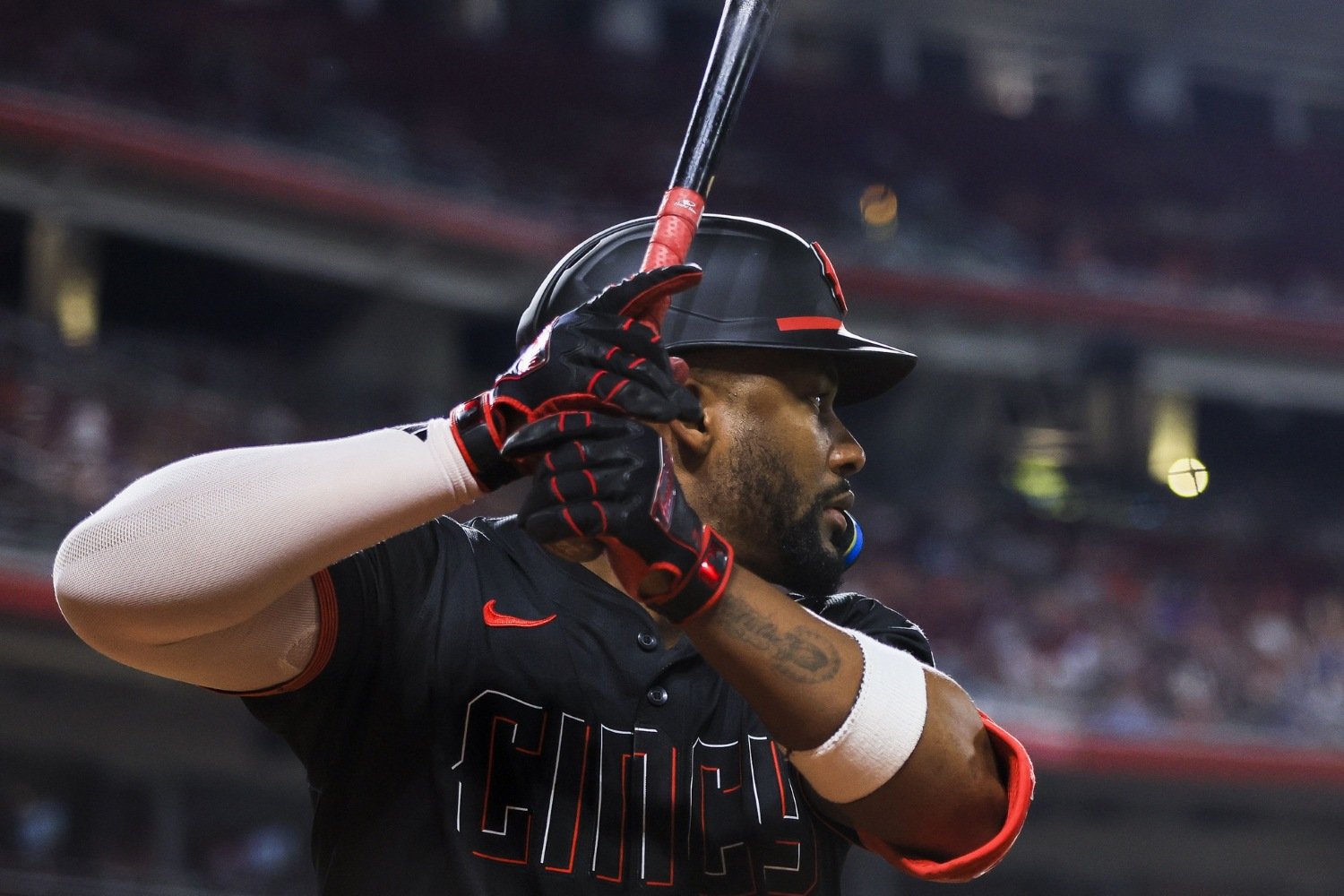 The Cubs were standing on the edge of the diving board for most of the MLB free-agent pool this offseason, waiting to jump in. Then, they decided to cannonball into the deep end. Chicago's five-year, $175 million agreement with third baseman Alex Bregman creates an enormous splash that will produce many ripples. One of the biggest resulting questions is Matt Shaw's future with the team. Is he a trade chip? Is he a utility player? Is he the new second baseman, with Nico Hoerner being shipped out? Another is whether the club will jump back into the market in the next month, and, if so, what will they target. That's what we'll dive into here. Jed Hoyer and company might have some money to make more moves this offseason. They can thank the structure of Bregman's contract for that. Ken Rosenthal of The Athletic reported last week that $70 million of the deal will be deferred, lowering the average annual value (AAV) for competitive-balance tax (CBT) purposes to around $30.9 million. Cot's Contracts projects the Cubs' 2026 competitive-balance tax number to be $240.6 million, just below the first tax threshold of $244 million. Roster Resource has made a similar calculation, at $243.5 million. How could the Cubs add major-league free agents if they're up against the ceiling? First, The club stayed under the CBT in 2025, so it would pay the lowest penalties for going over it this year. They got permission to exceed the first threshold this year, in order to sign Bregman. Besides, there's plenty of time to subtract salary before the postseason calculations are made, like moving Hoerner's $12 million or Jameson Taillon’s $18 million. So, where could the club's possible payroll flexibility be directed? Let's go group by group. Rotation: The Cubs don't have a pressing need for an arm after acquiring Edward Cabrera in a trade with the Marlins. They can continue to shop for discounts, but it seems very unlikely that they’ll allocate any more money to this department of the roster. Bullpen: The Cubs have already done a lot in the pen this offseason. They've re-signed Caleb Thielbar, added major-league free agents Hunter Harvey, Phil Maton, Hoby Milner and Jacob Webb, and signed a handful of free agents to minor-league deals. The club will keep shopping in this market, but with limited roster flexibility, it probably won't sign a higher-dollar veteran such as Seranthony Dominguez. Instead, they'll likely add depth relievers who have minor-league options, through lower-priced signings, trades and/or waiver claims. Lineup: No Cody Bellinger reunion is forthcoming. All nine position player spots are accounted for, with Shaw or Hoerner manning second base. Manager Craig Counsell can employ a rotation at DH, with Bregman, Seiya Suzuki, Moisés Ballesteros and Tyler Austin as the primary options. Bench: This is the other area where the Cubs can and should add. An outfield bat feels like the play, since prospect Kevin Alcántara is the lone backup on the 40-man roster. Harrison Bader has become too expensive after his 2025 season, but Austin Hays is still on the market. So are Miguel Andujar (to whom Chicago has been connected recently), Randal Grichuk, Tommy Pham and old friend Mike Tauchman. If Shaw or Hoerner are dealt, however, the need will shift to the infield. It’s unlikely the team will be comfortable handing an important backup role to either James Triantos or Pedro Ramírez, the incumbent options on the 40-man. Signing Bregman was a splashy move that made the Cubs objectively better, but it didn’t solve all of their roster problems. They still need to get better on the margins. They must add a veteran hitter to supplement Ballesteros and Alcántara, or to improve on Austin, who hasn’t played in the majors in seven years. More pitching is a must, too. The Brewers aren’t going away, and both the Reds and Pirates are lurking in the division. The Cubs need to prepare for that fight now.
