


Austin Bloomberg
-
Posts
2 -
Joined
-
Last visited
Austin Bloomberg's Achievements



-
 Austin Bloomberg changed their profile photo
 -
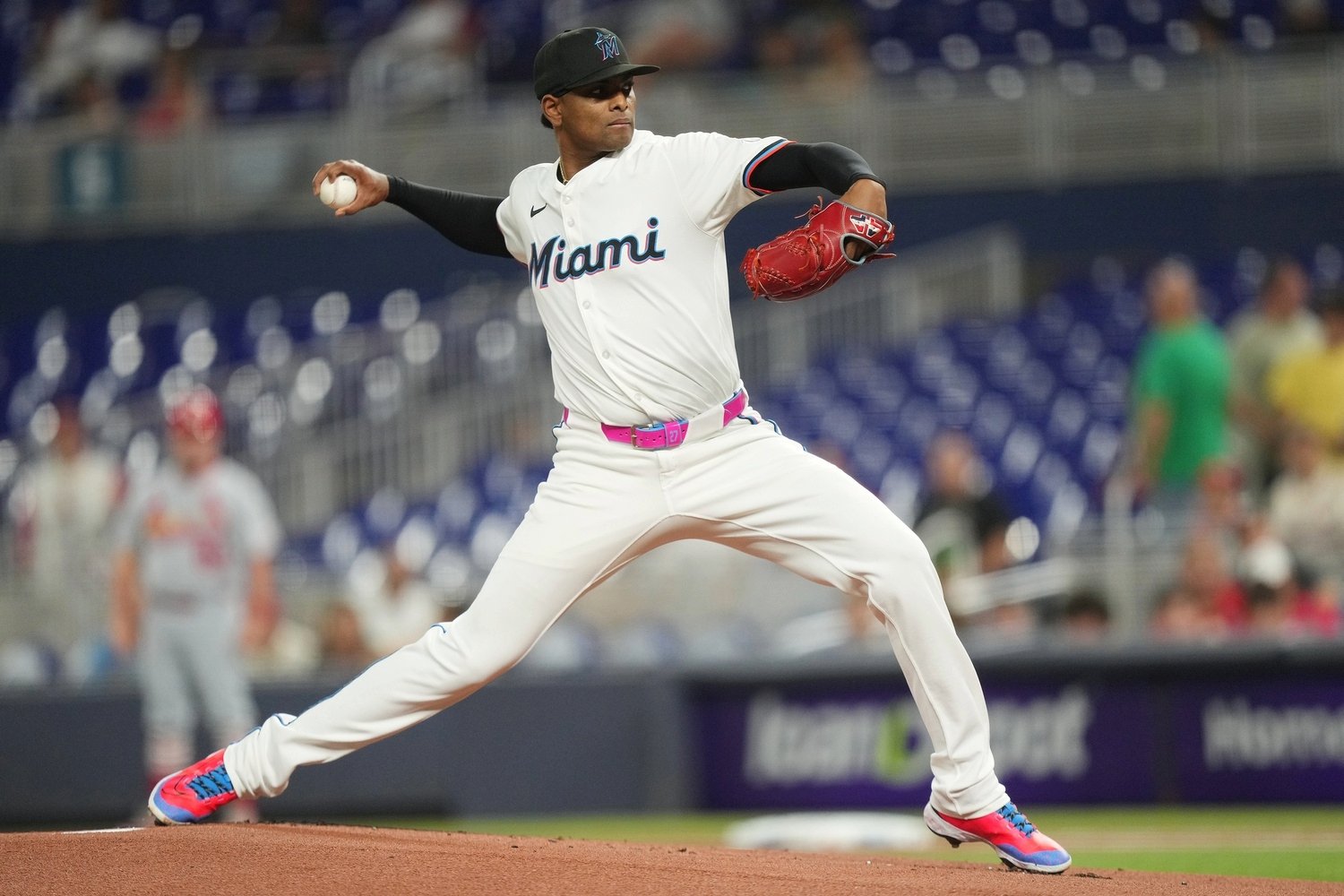
Image courtesy of © Jim Rassol-Imagn Images In 1972, the Dodgers were the first team to employ a dedicated, intentional five-man rotation. A novel approach at the time -- despite recent experiments leading up to its inception -- it soon became the standard across MLB, despite constant grumblings about its potential efficacy. From the origins of the five-man rotation to today, criticisms have responsibly evolved — to the extent that calling a five-man rotation a 'failure' back in 2002 isn't altogether preposterous. Fast-forward to today. Baseball is in the midst of another rotation transformation. This renaissance is bumpier, has more variables, and an undetermined conclusion, but the transition continues nonetheless. While I don't yet think we've reached the inflection point of transitioning from a five- to a six-man rotation across the league (especially for the Cubs in 2026), the current landscape of strict pitch counts, third-time-through-the-order fears, and the relatively common use of 'Openers' portends more and more experimentation and change in how rotations are constructed. And while six-man rotations are currently an unknown commodity, their usage in the league -- at least in exploratory form -- feels inevitable. What is clear, however, is that a traditional five-man no longer remains an outright expectation. Arm injuries accumulate at an increasingly alarming rate, especially with pitchers throwing harder than ever with more spin than ever before. Starters returning from injury are monitored closely. Hurlers from Japan, a highly-sought after MLB pipeline, are accustomed to five days of rest. Young starters are handled with extreme caution out of long-term health concerns. All of this leads to the need for quality depth. A depth that not only covers for injury, but preemptively helps push back or skip starts to keep pitchers better rested and less likely to breakdown over the course of a grueling 162-game schedule. The Cubs' trade for Edward Cabrera offers immediate upside, to be sure, and also creates the space for that quality depth to shine. With a robust injury history of his own, the cost-controlled, ace-caliber Cabrera will have his innings and pitch count monitored closely. But he's hardly the only starter the Cubs will be keeping tabs on. They have several arms expected to make double-digit starts in 2026, each with their own concerns: Edward Cabrera (significant injury history) Justin Steele (return date TBD; will definitely be monitored closely upon return) Cade Horton (future ace/workhorse potential, entering first full season after ending last season with a minor rib injury) Shota Imanaga (accustomed to five days rest, significant questions with durability over a full season) Matthew Boyd (mid-30's, injury history, career year in 2025 that eroded down the stretch) Jameson Taillon (typically healthy, typically an innings eater, probably the lowest health concern, floor of a #4/5) Colin Rea and Javier Assad (swing arms, will get play in rotation and long-relief in 2026) Jaxson Wiggins (will likely get his debut in 2026 at some point) Call it the 5.5-man rotation if you must — the clear path forward for the 2026 Cubs will ostensibly feature the framework of a five-man setup, but that perception will not be adhered to by reality. Counsell -- who is no stranger to unique rotation usage -- will figure out ways to best utilize all of this depth. A combination of swingmen starting on occasion to allow for a fifth day of rest for starters, calling up an optionable arm from Iowa, and retooling the 'pen with a presumed Iowa-Chicago pipeline should successfully create flexibility, extra rest, and opportunity for the several arms the Cubs have available. And it would be far from shocking to see Counsell roll out an opener whenever he feels it advantageous to do so, no matter how many starters the Cubs have available at any given moment. Our @Andrew Wright recently explored the Cubs' likely roster come Opening Day — and, of course, he did so just before the trade for Cabrera surfaced. Adding Cabrera to that projected 2026 rotation gives the Cubs six starters right now, to say nothing of Steele's eventual return and Wiggins' expected debut. We won't have a concrete answer on the Cubs' plans for the rotation to open the season until spring training has neared its conclusion. What we do know is that while the Cubs won't employ an intentional six-man rotation, they will certainly be creative with operating a traditional five-man setup. Expect several permutations of the rotation as the season unfolds. And should the Cubs make the expected playoff push the baseball world predicts, it's anyone's guess as to who the four arms will be that start playoff games come October. View full article
-
 In 1972, the Dodgers were the first team to employ a dedicated, intentional five-man rotation. A novel approach at the time -- despite recent experiments leading up to its inception -- it soon became the standard across MLB, despite constant grumblings about its potential efficacy. From the origins of the five-man rotation to today, criticisms have responsibly evolved — to the extent that calling a five-man rotation a 'failure' back in 2002 isn't altogether preposterous. Fast-forward to today. Baseball is in the midst of another rotation transformation. This renaissance is bumpier, has more variables, and an undetermined conclusion, but the transition continues nonetheless. While I don't yet think we've reached the inflection point of transitioning from a five- to a six-man rotation across the league (especially for the Cubs in 2026), the current landscape of strict pitch counts, third-time-through-the-order fears, and the relatively common use of 'Openers' portends more and more experimentation and change in how rotations are constructed. And while six-man rotations are currently an unknown commodity, their usage in the league -- at least in exploratory form -- feels inevitable. What is clear, however, is that a traditional five-man no longer remains an outright expectation. Arm injuries accumulate at an increasingly alarming rate, especially with pitchers throwing harder than ever with more spin than ever before. Starters returning from injury are monitored closely. Hurlers from Japan, a highly-sought after MLB pipeline, are accustomed to five days of rest. Young starters are handled with extreme caution out of long-term health concerns. All of this leads to the need for quality depth. A depth that not only covers for injury, but preemptively helps push back or skip starts to keep pitchers better rested and less likely to breakdown over the course of a grueling 162-game schedule. The Cubs' trade for Edward Cabrera offers immediate upside, to be sure, and also creates the space for that quality depth to shine. With a robust injury history of his own, the cost-controlled, ace-caliber Cabrera will have his innings and pitch count monitored closely. But he's hardly the only starter the Cubs will be keeping tabs on. They have several arms expected to make double-digit starts in 2026, each with their own concerns: Edward Cabrera (significant injury history) Justin Steele (return date TBD; will definitely be monitored closely upon return) Cade Horton (future ace/workhorse potential, entering first full season after ending last season with a minor rib injury) Shota Imanaga (accustomed to five days rest, significant questions with durability over a full season) Matthew Boyd (mid-30's, injury history, career year in 2025 that eroded down the stretch) Jameson Taillon (typically healthy, typically an innings eater, probably the lowest health concern, floor of a #4/5) Colin Rea and Javier Assad (swing arms, will get play in rotation and long-relief in 2026) Jaxson Wiggins (will likely get his debut in 2026 at some point) Call it the 5.5-man rotation if you must — the clear path forward for the 2026 Cubs will ostensibly feature the framework of a five-man setup, but that perception will not be adhered to by reality. Counsell -- who is no stranger to unique rotation usage -- will figure out ways to best utilize all of this depth. A combination of swingmen starting on occasion to allow for a fifth day of rest for starters, calling up an optionable arm from Iowa, and retooling the 'pen with a presumed Iowa-Chicago pipeline should successfully create flexibility, extra rest, and opportunity for the several arms the Cubs have available. And it would be far from shocking to see Counsell roll out an opener whenever he feels it advantageous to do so, no matter how many starters the Cubs have available at any given moment. Our @Andrew Wright recently explored the Cubs' likely roster come Opening Day — and, of course, he did so just before the trade for Cabrera surfaced. Adding Cabrera to that projected 2026 rotation gives the Cubs six starters right now, to say nothing of Steele's eventual return and Wiggins' expected debut. We won't have a concrete answer on the Cubs' plans for the rotation to open the season until spring training has neared its conclusion. What we do know is that while the Cubs won't employ an intentional six-man rotation, they will certainly be creative with operating a traditional five-man setup. Expect several permutations of the rotation as the season unfolds. And should the Cubs make the expected playoff push the baseball world predicts, it's anyone's guess as to who the four arms will be that start playoff games come October.
