


ethandiamond
-
Posts
6 -
Joined
-
Last visited
Content Type
Profiles
Joomla Posts 1
Chicago Cubs Videos
Chicago Cubs Free Agent & Trade Rumors, Notes, & Tidbits
2026 Chicago Cubs Top Prospects Ranking
News
2023 Chicago Cubs Draft Picks
Guides & Resources
2024 Chicago Cubs Draft Picks
The Chicago Cubs Players Project
2025 Chicago Cubs Draft Pick Tracker
2026 Chicago Cubs Draft Tracker: Picks & Bonuses
Blogs
Events
Forums
Store
Gallery
Everything posted by ethandiamond
-
Hayden Wesneski had a rocky 2024 season with the Cubs, and he has to attack this offseason with the goal to find more consistency and be a reliable reliever next year. Image courtesy of © Jonathan Dyer-Imagn Images Acquired in the Scott Effross trade in 2022, Hayden Wesneski didn’t make the team out of spring training this year, despite being a mainstay on the big-league squad in 2023. He began that season in the rotation, but after some early struggles, he moved into a swingman role. He remained in that position this year, making seven starts and 21 appearances out of the bullpen. This season was full of ups and downs for Wesneski. He made his first appearance of the season on Apr. 17 after being recalled earlier in the day, tossing four scoreless innings against the Diamondbacks and only allowing one baserunner. He bounced in and out of the starting rotation, but remained pretty consistent with his performances through the first two months of the season. June was a rough month, as the home run ball began to hit him hard. After allowing just two home runs in 32 1/3 innings between April and May, Wesneski allowed six in 12 1/3 innings in June. This began to cost the Cubs games, as Craig Counsell had started to use him in high-leverage relief situations. Wesneski would return to the rotation at the end of June out of necessity, but he landed on the IL in late July with a right forearm strain, remaining there until the last week of the season. He was activated off the IL on Sept. 20 and appeared in three games to finish up his season, holding opponents scoreless in two appearances and allowing a home run in the other. This offseason, he has to work on cutting the home run rate down. He’s been good when the home run ball hasn’t gotten to him, as in the 18 outings that he hasn’t allowed a home run, he’s pitched to a 1.35 ERA in 46 2/3 innings. But in the other 10 outings, when he did allow a homer, Wesneski posted an ERA of 9.43 in 21 innings. Those numbers--both the ERA in games in which he surrenders a homer and the number of games in which he does so--have to go down if he wants to keep his job next season, and the best way to do this would be making adjustments to the pitches that get hit the hardest, such as the four-seam fastball, which had an average exit velocity of 90 MPH against it this year. Trying to induce more ground balls on his sweeper would be another good area on which to focus, as while he was getting a 43.3% miss rate when throwing the pitch, when it did get hit, it was only a ground ball 21.4% of the time. It was usually the sweeper that would get hit out of the park. Wesneski’s days of being a starter are likely over, but he isn’t necessarily cut out to be a high-leverage reliever just yet. I’d start him out in the 2024 Drew Smyly role next year, giving him a chance to get more meaningful opportunities if he performs well. But if he continues to give up crucial home runs and give away games, his time in the majors with the Cubs could come to an unceremonious end. View full article
-
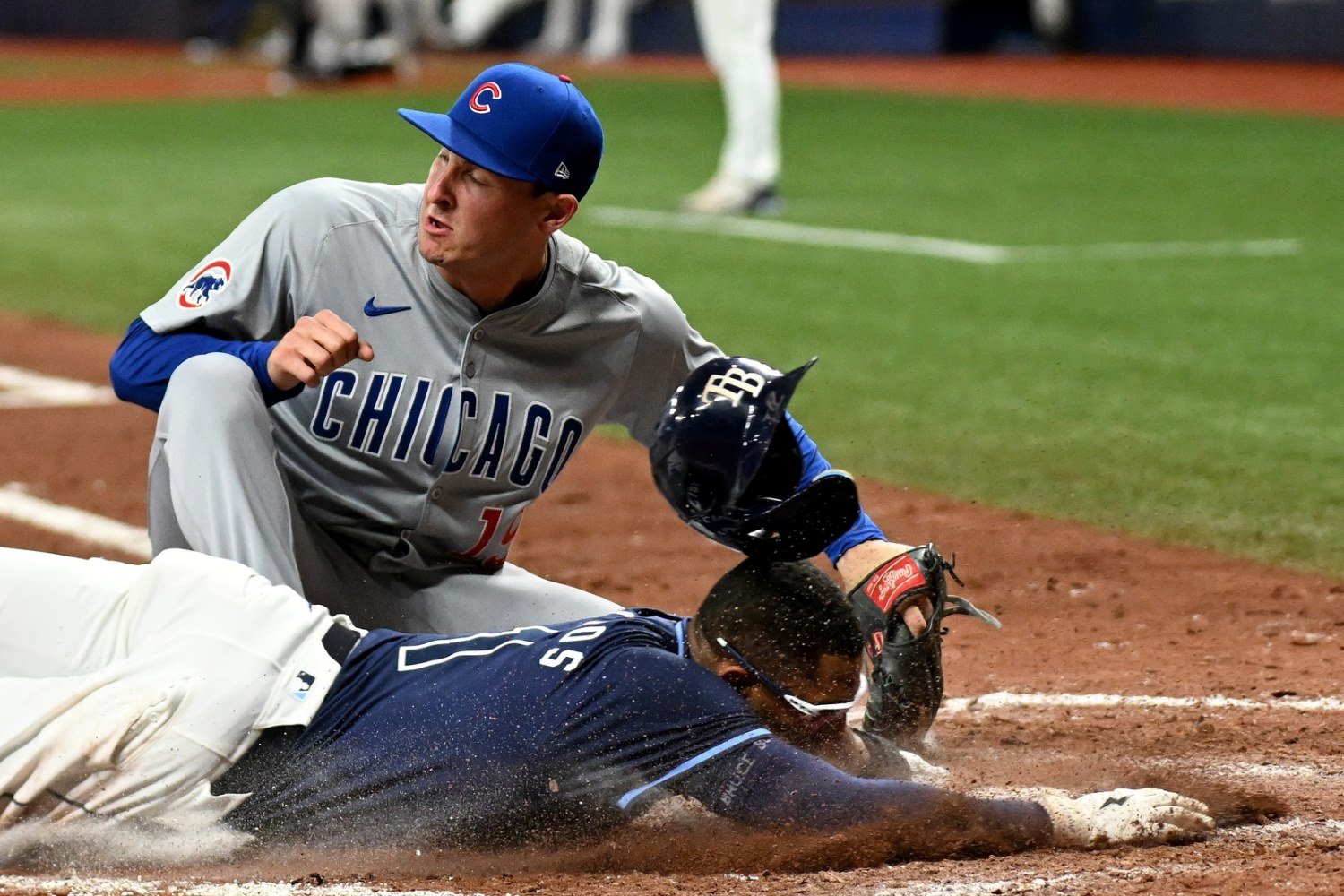 Acquired in the Scott Effross trade in 2022, Hayden Wesneski didn’t make the team out of spring training this year, despite being a mainstay on the big-league squad in 2023. He began that season in the rotation, but after some early struggles, he moved into a swingman role. He remained in that position this year, making seven starts and 21 appearances out of the bullpen. This season was full of ups and downs for Wesneski. He made his first appearance of the season on Apr. 17 after being recalled earlier in the day, tossing four scoreless innings against the Diamondbacks and only allowing one baserunner. He bounced in and out of the starting rotation, but remained pretty consistent with his performances through the first two months of the season. June was a rough month, as the home run ball began to hit him hard. After allowing just two home runs in 32 1/3 innings between April and May, Wesneski allowed six in 12 1/3 innings in June. This began to cost the Cubs games, as Craig Counsell had started to use him in high-leverage relief situations. Wesneski would return to the rotation at the end of June out of necessity, but he landed on the IL in late July with a right forearm strain, remaining there until the last week of the season. He was activated off the IL on Sept. 20 and appeared in three games to finish up his season, holding opponents scoreless in two appearances and allowing a home run in the other. This offseason, he has to work on cutting the home run rate down. He’s been good when the home run ball hasn’t gotten to him, as in the 18 outings that he hasn’t allowed a home run, he’s pitched to a 1.35 ERA in 46 2/3 innings. But in the other 10 outings, when he did allow a homer, Wesneski posted an ERA of 9.43 in 21 innings. Those numbers--both the ERA in games in which he surrenders a homer and the number of games in which he does so--have to go down if he wants to keep his job next season, and the best way to do this would be making adjustments to the pitches that get hit the hardest, such as the four-seam fastball, which had an average exit velocity of 90 MPH against it this year. Trying to induce more ground balls on his sweeper would be another good area on which to focus, as while he was getting a 43.3% miss rate when throwing the pitch, when it did get hit, it was only a ground ball 21.4% of the time. It was usually the sweeper that would get hit out of the park. Wesneski’s days of being a starter are likely over, but he isn’t necessarily cut out to be a high-leverage reliever just yet. I’d start him out in the 2024 Drew Smyly role next year, giving him a chance to get more meaningful opportunities if he performs well. But if he continues to give up crucial home runs and give away games, his time in the majors with the Cubs could come to an unceremonious end.
 -
Why the Cubs Should Promote Cam Smith to South Bend Immediately
ethandiamond posted an article in Minor Leagues
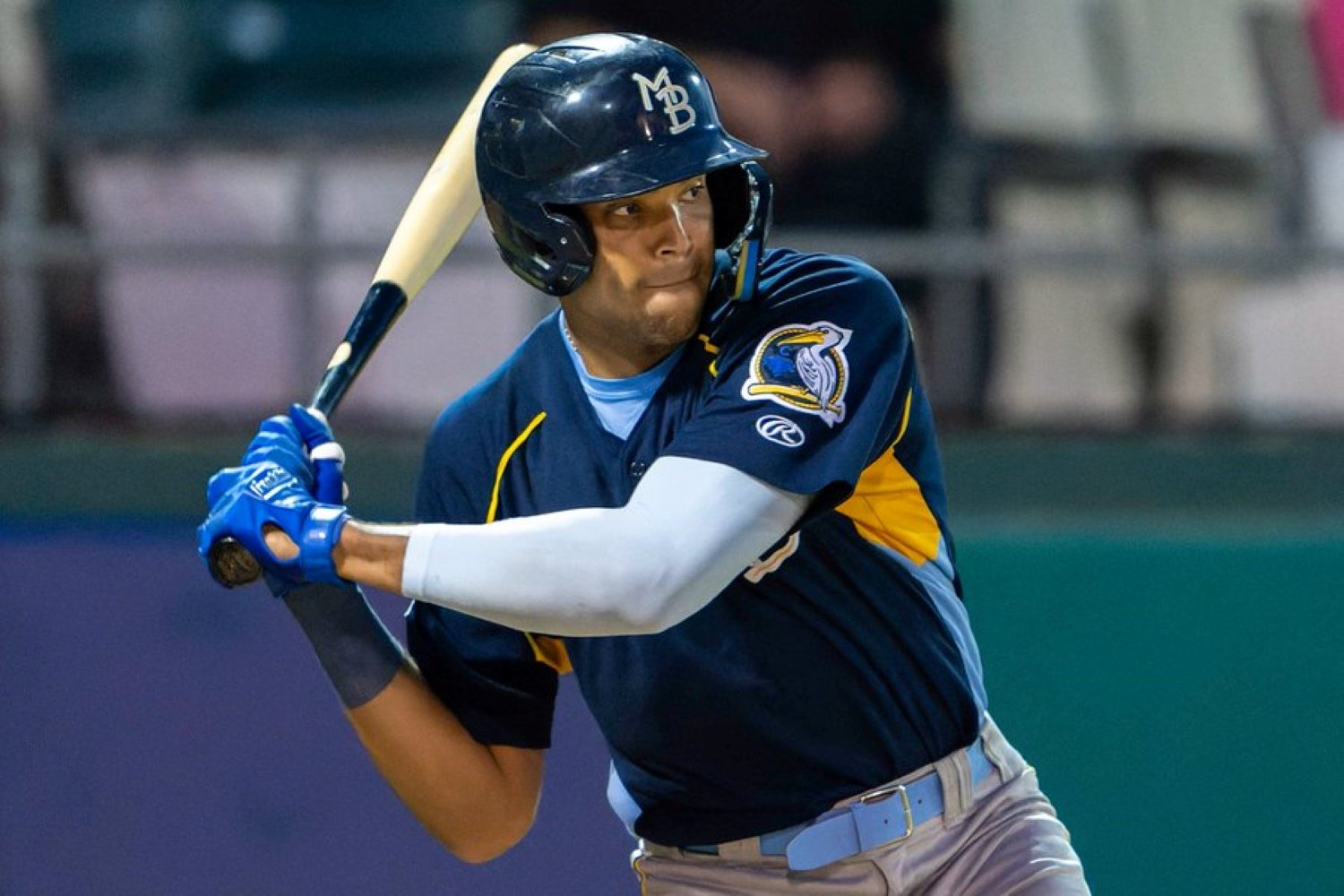 When the Cubs drafted Florida State third baseman Cam Smith with the 14th pick in last month’s draft, they hoped they had found the guy who will lock down the hot corner in their next championship-winning core. He was regarded highly by MLB Pipeline coming out of college, with 55-grade hit and fielding tools, 50-grade power, a 60-grade arm, and a 55 overall grade. So far, the return on investment has been great. Smith, unlike 2023 first-round pick Matt Shaw, was assigned to Myrtle Beach after a brief stint in Arizona. It already appears that he is too advanced for the Low-A level. He has been red-hot recently, homering in five straight games after going yard again Saturday. In the 14 games he’s played with the Pelicans, he is hitting .304/.385/.717. Along with the five homers, he’s hit two doubles and a triple; walked six times; and only struck out 11 times across 52 plate appearances. He continues to tear up the Carolina League. While it’s important to not rush player development, with just a few weeks left in the minor-league season, it would be beneficial to get Smith some experience playing in a higher level of competition. Back when the Draft took place in June, the runway was longer for draftees--especially once the signing deadline moved to mid-July. Moving the Draft to the All-Star break has given everyone less time to go through intake and join the organization, and when the league contracted some minor-league teams to reduce the number of short-season clubs and cap the number of players in the farm system at any time, they added pressure for prospects to move more quickly from signing as amateurs to reaching the major leagues. Myrtle Beach’s playoff hopes are a long shot, and even though South Bend won’t make the playoffs either, it’s still an opportunity to get Smith some exposure to more advanced pitching by promoting him to High-A. Not only will it help him in the long run, but it will also help the organization decide whether to start him at South Bend again next year, or move him up to Tennessee as he continues his journey toward the big leagues. Those decisions have never been more important, and getting good information to support them is tough.
 -
The new calendar of the MLB Draft and the ever-shrinking minor leagues make it important that teams change how they think about prospect promotion schedules. Image courtesy of Myrtle Beach Pelicans When the Cubs drafted Florida State third baseman Cam Smith with the 14th pick in last month’s draft, they hoped they had found the guy who will lock down the hot corner in their next championship-winning core. He was regarded highly by MLB Pipeline coming out of college, with 55-grade hit and fielding tools, 50-grade power, a 60-grade arm, and a 55 overall grade. So far, the return on investment has been great. Smith, unlike 2023 first-round pick Matt Shaw, was assigned to Myrtle Beach after a brief stint in Arizona. It already appears that he is too advanced for the Low-A level. He has been red-hot recently, homering in five straight games after going yard again Saturday. In the 14 games he’s played with the Pelicans, he is hitting .304/.385/.717. Along with the five homers, he’s hit two doubles and a triple; walked six times; and only struck out 11 times across 52 plate appearances. He continues to tear up the Carolina League. While it’s important to not rush player development, with just a few weeks left in the minor-league season, it would be beneficial to get Smith some experience playing in a higher level of competition. Back when the Draft took place in June, the runway was longer for draftees--especially once the signing deadline moved to mid-July. Moving the Draft to the All-Star break has given everyone less time to go through intake and join the organization, and when the league contracted some minor-league teams to reduce the number of short-season clubs and cap the number of players in the farm system at any time, they added pressure for prospects to move more quickly from signing as amateurs to reaching the major leagues. Myrtle Beach’s playoff hopes are a long shot, and even though South Bend won’t make the playoffs either, it’s still an opportunity to get Smith some exposure to more advanced pitching by promoting him to High-A. Not only will it help him in the long run, but it will also help the organization decide whether to start him at South Bend again next year, or move him up to Tennessee as he continues his journey toward the big leagues. Those decisions have never been more important, and getting good information to support them is tough. View full article
-
Porter Hodge is Establishing Why He’s the Best Reliever in the Cubs Bullpen
ethandiamond posted an article in Cubs
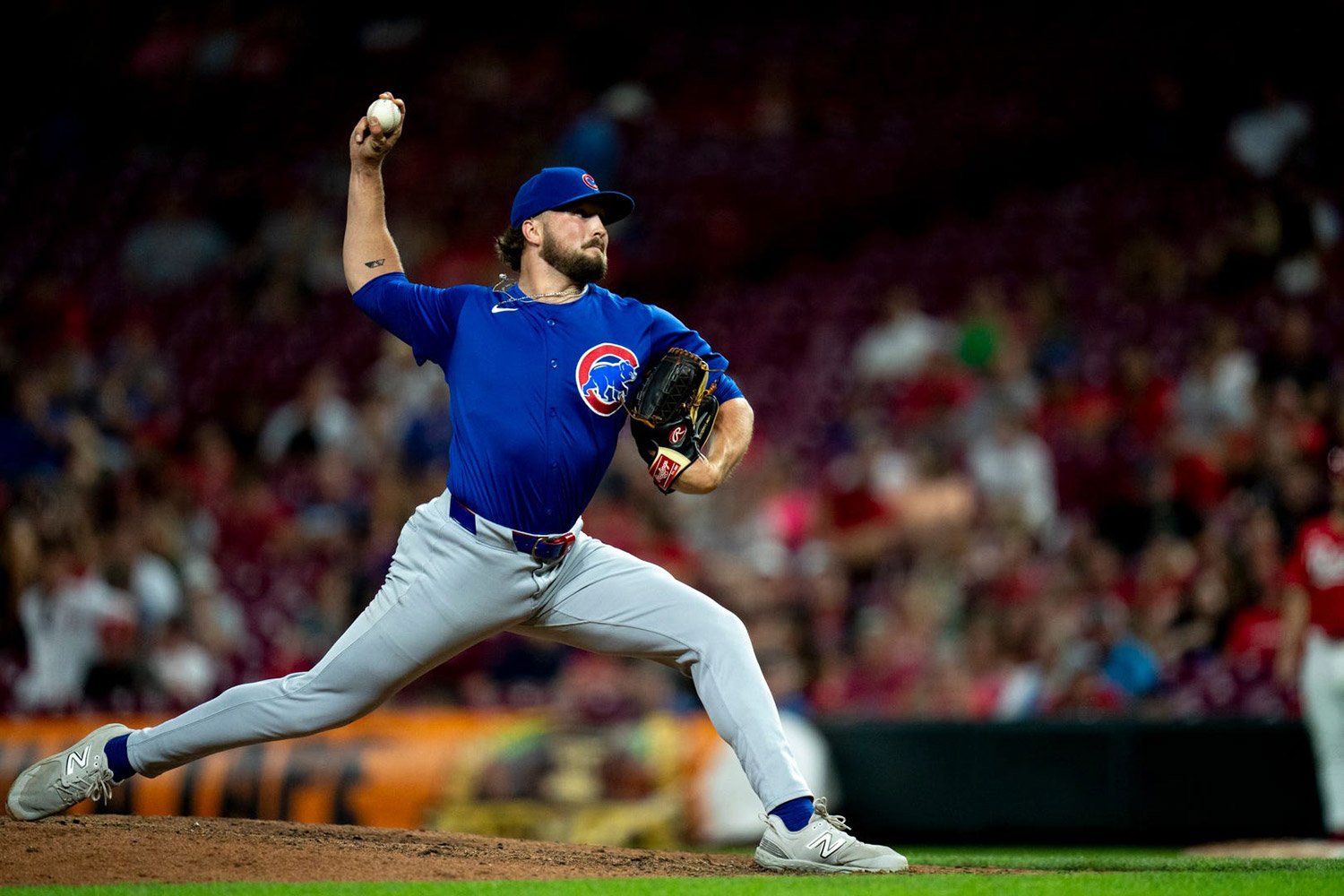 When someone asks who the best reliever in the Cubs bullpen is, you may think of a few names. Perhaps the first to come to mind is Tyson Miller, a great find by the front office after he was designated for assignment by the Mariners in May. Miller has become one of Craig Counsell’s most trusted bullpen arms in his first full season in the major leagues. Perhaps the resurgent Jorge Lopez, who has a 0.54 ERA in 16.2 innings as a Cub, comes to mind. But for me, the name that comes to mind is Porter Hodge, who I believe is clearly the best reliever in the Cubs' bullpen. The Cubs selected Hodge out of Cottonwood High School in Utah with their 13th-round selection in the 2019 MLB Draft. He didn’t play full-season ball with the Cubs until 2021 due to the minor league cancellation in 2020. He split time between the Arizona Complex League and Myrtle Beach that year, working as a starter in 10 of 14 games he played that season and posting a 7.28 ERA across both levels. However, his numbers got significantly better following his promotion to the Pelicans. In 2022, he made 17 starts for Myrtle Beach, posting a 3.00 ERA before earning a call-up to South Bend and posting a 2.01 ERA in eight appearances (seven of which were starts). Hodge would spend his entire 2023 campaign in Tennessee, making 12 starts before converting to a bullpen role to accelerate his progression to the majors (as seen with other Cubs prospects in recent years, such as Daniel Palencia and Michael Arias). By the end of the season, Hodge had made 35 appearances with a 5.13 ERA, though the Cubs liked his stuff enough to protect him from the Rule-5 Draft this past offseason. Hodge would begin his 2024 campaign off in Tennessee but earned a promotion to the Iowa Cubs after two scoreless appearances with the Smokies. Through 10 appearances in Iowa, Hodge’s numbers were not great, as he sported a 6.55 ERA. However, a struggling bullpen would lose Colten Brewer to a back injury on May 17th, and Hodge was brought up to The Show. Craig Counsell admitted that Hodge was not quite ready and had stuff he needed to work on, such as his command. Hodge would not appear in the Cubs' first four games following his call-up. Still, with the Cubs down big on May 22nd vs. the Braves, Hodge would enter into the game in the 9th inning, throwing ten fastballs and striking out the side while barely missing the immaculate inning. He gradually began to grow into Counsell’s circle of trust. However, the concerns regarding his command showed themselves on a June 6th outing in Cincinnati, where granted, he did get screwed by the home plate umpire, but he still walked three batters and surrendered two earned runs which ultimately put the game out of reach. The next day, Jordan Wicks was activated off the injured list, and Hodge was sent back down to Iowa. He would make three appearances for the I-Cubs after his demotion but was brought back to the major leagues on June 19th after Keegan Thompson was placed on the paternity list. This time, Hodge was here to stay. He announced his return with a 2.1 inning, five-strikeout performance vs. the Mets and has now worked his way into one of Craig Counsell’s high-leverage relievers. He picked up his first major league save in a 10-inning affair vs the Giants on June 27th. Since being recalled, Hodge has posted a 2.33 ERA with a 9.78 K/9 in 19.1 innings of work. He has kept his walks down to just a 2.79 BB/9 clip. He’s also posted 0.4 FanGraphs WAR (Wins Above Replacement), which trails only Héctor Neris among Cubs relievers in that timeframe. His ERA number ranks 4th among Cubs relievers in that window, behind Neris, Lopez, and Drew Smyly. If Hodge ranks second among Cubs relievers in fWAR and fourth in ERA since being recalled, why am I claiming he’s establishing himself as our best reliever? Let’s take a look at some peripherals and data. Hodge sports a 2.75 FIP, which shows that his ERA is not all luck but has been good. FIP, or Fielding Independent Pitching, is similar to ERA but instead focuses on what the pitcher has control over strikeouts, walks, hit-by-pitches, and home runs. It removes results of balls hit into the field of play; whether a ground to short or a double to the right; it is not factored into FIP. Hodge’s 2.75 ranks 3rd among qualified relievers since he was recalled. Only Héctor Neris and Jorge Lopez sport better FIP. What separates Hodge from those two is his stuff. Lopez allows a lot of ground balls, which is great for his ERA, but it’s also why his FIP is 2 points higher than his ERA. What Hodge and Neris rely on is their stuff. Below are the pitching summaries for Hodge and Neris since June 19th via Thomas Nestico (@TJStats on X/Twitter). Hodge brings a largely two-pitch mix with his cut-ride fastball and sweeper, though he has begun to experiment with his splitter more as two of the four thrown since he was recalled came in his last outing. What separates him from Héctor is his extension. Extension affects how the batter perceives the ball, from release point to pitch recognition and especially pitch velocity. For example, when Hodge throws a 99 MPH fastball, a hitter would perceive it a few ticks faster because of where Hodge is throwing it. So, while it is only 99, a batter would see this as a pitch over 100 MPH. While the difference between 99 and 101 doesn’t sound like a lot, a batter’s approach to the pitch can change with just a few ticks up in velocity. Meanwhile, Hector’s relatively average extension means he doesn’t get that kind of variability difference with a hitter, and his fastball velocity is not very high most of the time. Instead, he has to rely on soft contact with his fastball or switch to his strong splitter and slider to help him get out. While there can be an argument between Hodge and Neris as to who the better reliever is, I do think it’s Hodge, and I believe he will continue to establish that throughout the rest of the 2024 campaign as the Cubs try and get back into the playoff race. If Héctor slips back into his form pre-June 19th, Hodge would be the guy I would pick to take him out of the closer role. For now, though, let's hope both relievers keep doing well and that Hodge continues to improve his game and take it to the next level as the Cubs prepare for their most important stretch of the season.
 -
Porter Hodge has been a pleasant addition to the Cubs' bullpen. Let's dive into the numbers. Image courtesy of © Albert Cesare/The Enquirer / USA TODAY NETWORK When someone asks who the best reliever in the Cubs bullpen is, you may think of a few names. Perhaps the first to come to mind is Tyson Miller, a great find by the front office after he was designated for assignment by the Mariners in May. Miller has become one of Craig Counsell’s most trusted bullpen arms in his first full season in the major leagues. Perhaps the resurgent Jorge Lopez, who has a 0.54 ERA in 16.2 innings as a Cub, comes to mind. But for me, the name that comes to mind is Porter Hodge, who I believe is clearly the best reliever in the Cubs' bullpen. The Cubs selected Hodge out of Cottonwood High School in Utah with their 13th-round selection in the 2019 MLB Draft. He didn’t play full-season ball with the Cubs until 2021 due to the minor league cancellation in 2020. He split time between the Arizona Complex League and Myrtle Beach that year, working as a starter in 10 of 14 games he played that season and posting a 7.28 ERA across both levels. However, his numbers got significantly better following his promotion to the Pelicans. In 2022, he made 17 starts for Myrtle Beach, posting a 3.00 ERA before earning a call-up to South Bend and posting a 2.01 ERA in eight appearances (seven of which were starts). Hodge would spend his entire 2023 campaign in Tennessee, making 12 starts before converting to a bullpen role to accelerate his progression to the majors (as seen with other Cubs prospects in recent years, such as Daniel Palencia and Michael Arias). By the end of the season, Hodge had made 35 appearances with a 5.13 ERA, though the Cubs liked his stuff enough to protect him from the Rule-5 Draft this past offseason. Hodge would begin his 2024 campaign off in Tennessee but earned a promotion to the Iowa Cubs after two scoreless appearances with the Smokies. Through 10 appearances in Iowa, Hodge’s numbers were not great, as he sported a 6.55 ERA. However, a struggling bullpen would lose Colten Brewer to a back injury on May 17th, and Hodge was brought up to The Show. Craig Counsell admitted that Hodge was not quite ready and had stuff he needed to work on, such as his command. Hodge would not appear in the Cubs' first four games following his call-up. Still, with the Cubs down big on May 22nd vs. the Braves, Hodge would enter into the game in the 9th inning, throwing ten fastballs and striking out the side while barely missing the immaculate inning. He gradually began to grow into Counsell’s circle of trust. However, the concerns regarding his command showed themselves on a June 6th outing in Cincinnati, where granted, he did get screwed by the home plate umpire, but he still walked three batters and surrendered two earned runs which ultimately put the game out of reach. The next day, Jordan Wicks was activated off the injured list, and Hodge was sent back down to Iowa. He would make three appearances for the I-Cubs after his demotion but was brought back to the major leagues on June 19th after Keegan Thompson was placed on the paternity list. This time, Hodge was here to stay. He announced his return with a 2.1 inning, five-strikeout performance vs. the Mets and has now worked his way into one of Craig Counsell’s high-leverage relievers. He picked up his first major league save in a 10-inning affair vs the Giants on June 27th. Since being recalled, Hodge has posted a 2.33 ERA with a 9.78 K/9 in 19.1 innings of work. He has kept his walks down to just a 2.79 BB/9 clip. He’s also posted 0.4 FanGraphs WAR (Wins Above Replacement), which trails only Héctor Neris among Cubs relievers in that timeframe. His ERA number ranks 4th among Cubs relievers in that window, behind Neris, Lopez, and Drew Smyly. If Hodge ranks second among Cubs relievers in fWAR and fourth in ERA since being recalled, why am I claiming he’s establishing himself as our best reliever? Let’s take a look at some peripherals and data. Hodge sports a 2.75 FIP, which shows that his ERA is not all luck but has been good. FIP, or Fielding Independent Pitching, is similar to ERA but instead focuses on what the pitcher has control over strikeouts, walks, hit-by-pitches, and home runs. It removes results of balls hit into the field of play; whether a ground to short or a double to the right; it is not factored into FIP. Hodge’s 2.75 ranks 3rd among qualified relievers since he was recalled. Only Héctor Neris and Jorge Lopez sport better FIP. What separates Hodge from those two is his stuff. Lopez allows a lot of ground balls, which is great for his ERA, but it’s also why his FIP is 2 points higher than his ERA. What Hodge and Neris rely on is their stuff. Below are the pitching summaries for Hodge and Neris since June 19th via Thomas Nestico (@TJStats on X/Twitter). Hodge brings a largely two-pitch mix with his cut-ride fastball and sweeper, though he has begun to experiment with his splitter more as two of the four thrown since he was recalled came in his last outing. What separates him from Héctor is his extension. Extension affects how the batter perceives the ball, from release point to pitch recognition and especially pitch velocity. For example, when Hodge throws a 99 MPH fastball, a hitter would perceive it a few ticks faster because of where Hodge is throwing it. So, while it is only 99, a batter would see this as a pitch over 100 MPH. While the difference between 99 and 101 doesn’t sound like a lot, a batter’s approach to the pitch can change with just a few ticks up in velocity. Meanwhile, Hector’s relatively average extension means he doesn’t get that kind of variability difference with a hitter, and his fastball velocity is not very high most of the time. Instead, he has to rely on soft contact with his fastball or switch to his strong splitter and slider to help him get out. While there can be an argument between Hodge and Neris as to who the better reliever is, I do think it’s Hodge, and I believe he will continue to establish that throughout the rest of the 2024 campaign as the Cubs try and get back into the playoff race. If Héctor slips back into his form pre-June 19th, Hodge would be the guy I would pick to take him out of the closer role. For now, though, let's hope both relievers keep doing well and that Hodge continues to improve his game and take it to the next level as the Cubs prepare for their most important stretch of the season. View full article
