


-
Posts
332 -
Joined
-
Last visited
Content Type
Profiles
Joomla Posts 1
Chicago Cubs Videos
Chicago Cubs Free Agent & Trade Rumors, Notes, & Tidbits
2026 Chicago Cubs Top Prospects Ranking
News
2023 Chicago Cubs Draft Picks
Guides & Resources
2024 Chicago Cubs Draft Picks
The Chicago Cubs Players Project
2025 Chicago Cubs Draft Pick Tracker
2026 Chicago Cubs Draft Tracker: Picks & Bonuses
Blogs
Events
Forums
Store
Gallery
Everything posted by Thomas Domol
-
 Image courtesy of © Kamil Krzaczynski-Imagn Images Since 1876, the baseball team known as the Chicago Cubs have delighted (and dismayed) multitudes of fans from all corners of the Earth. As such, there's little uncharted territory. They've been here before, but arguably, they've never arrived at this point in quite this fashion. Another bout of adversity looms, but the team had a profitable week as they marched closer to both the All-Star break and the MLB trade deadline. The Cubs couldn't get off the ground against the Astros last weekend, but a winning surge to begin the week made that feel like a thing of the past. Matthew Boyd dazzled his former squad, the Cleveland Guardians, earning his eighth win of the year with a 7-inning, 5-hit performance. Boyd, who might earn an All-Star nod by the time you read this, is on a long list of the Cubs most responsibile for the team's prosperity. The league's leader in RBIs, Seiya Suzuki, belted yet another home run in a 5-2 Cubs victory to begin a three-game set. Throughout the months of April and May, the North Siders stacked up series wins. That was their focus this week, too. In his second start back from injury, Shota Imanaga gave up a trio of solo shots to the Guards, but settled in for 5 1/3 innings of decent ball. Regardless of whom the Cubs scoop up at the trade deadline, Imanaga's brilliance and resolve make him a legitimate candidate for their Game 1 start. The National League All-Star center fielder, Pete Crow-Armstrong, delivered a clutch performance and an RBI triple in the fourth inning of a 5-4 win for the Cubbies. Hovering around .500 in extra-innings contests this year, free baseball hasn't exactly been a comforting sight for the Cubs. Stirring feelings of 2016 nostalgia and ecstasy, the North Siders earned a three-game sweep Thursday night in a 10-inning thriller at the Friendly Confines. Along with another perfect appearance from the underrated Chris Flexen, Cade Horton punched in his best work as a big-league pitcher, with seven scoreless innings. Broom in hand, Clark the Cub ascended to the top of the iconic center field scoreboard to celebrate Matt Shaw's sacrifice fly to win the ball game 1-0. Riding a three-game win streak, the Cubs had the St. Louis Cardinals seeing firework red in the first of a three-game set, set off on America's birthday. The Cubs made history in front of another sellout crowd, clubbing a franchise-record eight home runs. With the Wrigley faithful in an absolute frenzy, Crow-Armstrong (the city's unofficial mayor) and sensational first baseman Michael Busch combined for five long balls. The rest came from Dansby Swanson, Carson Kelly, and Suzuki. It was one of those July days that puts October in your nose. Unfortunately, sharing the hangover of millions across the Chicagoland area, the Cubs came up short on Saturday. Trailing from the jump, the team made less than a full feast out of one scoring opportunity after another, stranding a total of 10 runners on base and hitting just 2-for-12 with runners in scoring position. They still managed to fashion a late-inning lead, but Brad Keller had his worst appearance of the year, surrendering five runs in the fateful eighth. The North Siders were able to get one back in the bottom half of the frame, but could not prevail in an 8-6 loss. At the outset of the Sunday night rubber match versus the Cardinals, the club is playing a great, sustainable brand of baseball. At this stage of the season, Chicago's primary focus is putting distance between themselves and their division rivals. What comes of the trade deadline will be the most impactful toward this end, as the acquisition of key pieces (like starting pitching, particularly in the wake of Jameson Taillon's injury) could have Chicago dictating their own postseason narrative. The next chapter starts now. View full article
 -
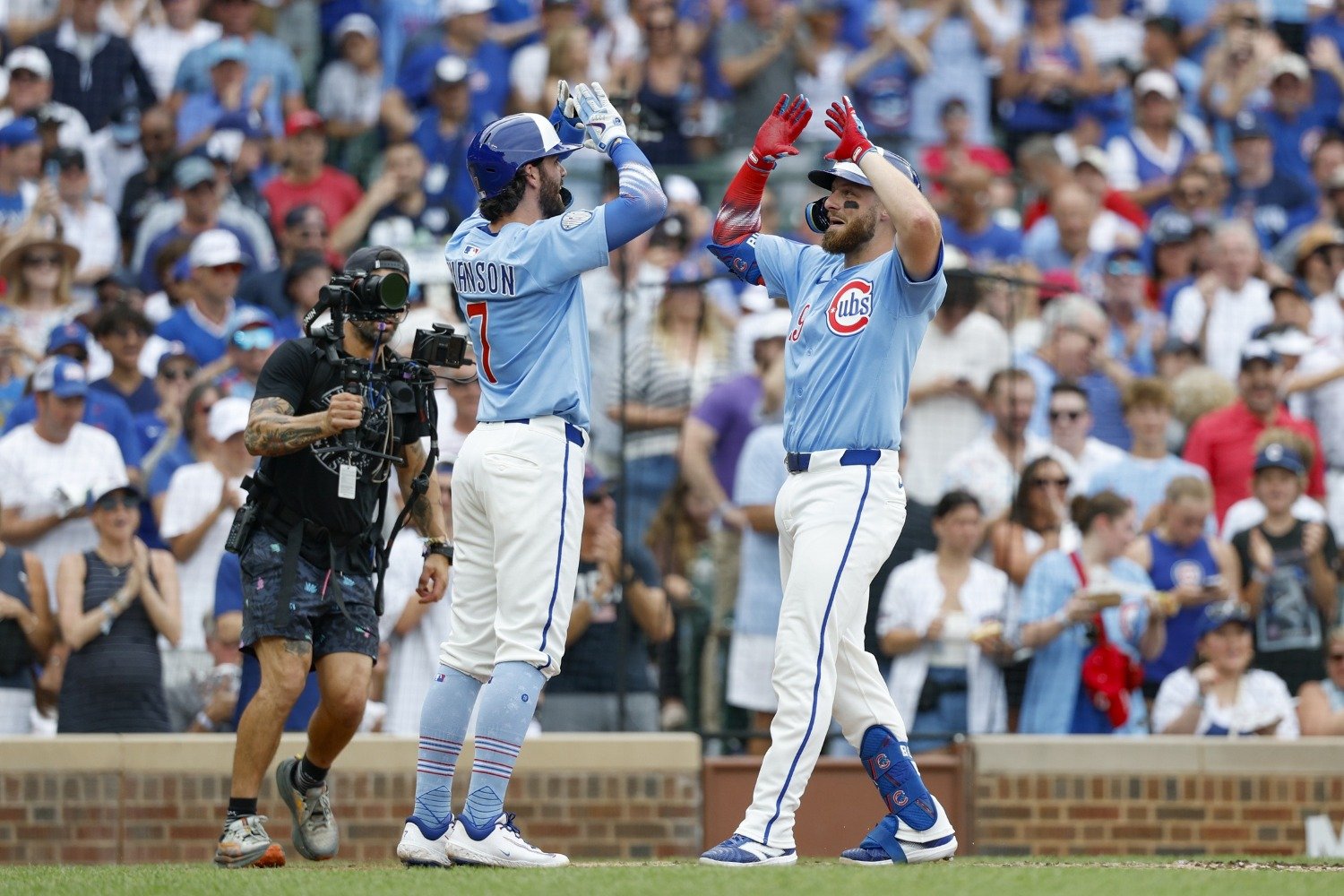 Since 1876, the baseball team known as the Chicago Cubs have delighted (and dismayed) multitudes of fans from all corners of the Earth. As such, there's little uncharted territory. They've been here before, but arguably, they've never arrived at this point in quite this fashion. Another bout of adversity looms, but the team had a profitable week as they marched closer to both the All-Star break and the MLB trade deadline. The Cubs couldn't get off the ground against the Astros last weekend, but a winning surge to begin the week made that feel like a thing of the past. Matthew Boyd dazzled his former squad, the Cleveland Guardians, earning his eighth win of the year with a 7-inning, 5-hit performance. Boyd, who might earn an All-Star nod by the time you read this, is on a long list of the Cubs most responsibile for the team's prosperity. The league's leader in RBIs, Seiya Suzuki, belted yet another home run in a 5-2 Cubs victory to begin a three-game set. Throughout the months of April and May, the North Siders stacked up series wins. That was their focus this week, too. In his second start back from injury, Shota Imanaga gave up a trio of solo shots to the Guards, but settled in for 5 1/3 innings of decent ball. Regardless of whom the Cubs scoop up at the trade deadline, Imanaga's brilliance and resolve make him a legitimate candidate for their Game 1 start. The National League All-Star center fielder, Pete Crow-Armstrong, delivered a clutch performance and an RBI triple in the fourth inning of a 5-4 win for the Cubbies. Hovering around .500 in extra-innings contests this year, free baseball hasn't exactly been a comforting sight for the Cubs. Stirring feelings of 2016 nostalgia and ecstasy, the North Siders earned a three-game sweep Thursday night in a 10-inning thriller at the Friendly Confines. Along with another perfect appearance from the underrated Chris Flexen, Cade Horton punched in his best work as a big-league pitcher, with seven scoreless innings. Broom in hand, Clark the Cub ascended to the top of the iconic center field scoreboard to celebrate Matt Shaw's sacrifice fly to win the ball game 1-0. Riding a three-game win streak, the Cubs had the St. Louis Cardinals seeing firework red in the first of a three-game set, set off on America's birthday. The Cubs made history in front of another sellout crowd, clubbing a franchise-record eight home runs. With the Wrigley faithful in an absolute frenzy, Crow-Armstrong (the city's unofficial mayor) and sensational first baseman Michael Busch combined for five long balls. The rest came from Dansby Swanson, Carson Kelly, and Suzuki. It was one of those July days that puts October in your nose. Unfortunately, sharing the hangover of millions across the Chicagoland area, the Cubs came up short on Saturday. Trailing from the jump, the team made less than a full feast out of one scoring opportunity after another, stranding a total of 10 runners on base and hitting just 2-for-12 with runners in scoring position. They still managed to fashion a late-inning lead, but Brad Keller had his worst appearance of the year, surrendering five runs in the fateful eighth. The North Siders were able to get one back in the bottom half of the frame, but could not prevail in an 8-6 loss. At the outset of the Sunday night rubber match versus the Cardinals, the club is playing a great, sustainable brand of baseball. At this stage of the season, Chicago's primary focus is putting distance between themselves and their division rivals. What comes of the trade deadline will be the most impactful toward this end, as the acquisition of key pieces (like starting pitching, particularly in the wake of Jameson Taillon's injury) could have Chicago dictating their own postseason narrative. The next chapter starts now.
 -
Cubs Week In Review: Faltering Cubs Stay Afloat, but Lead Narrows
Thomas Domol posted an article in Cubs
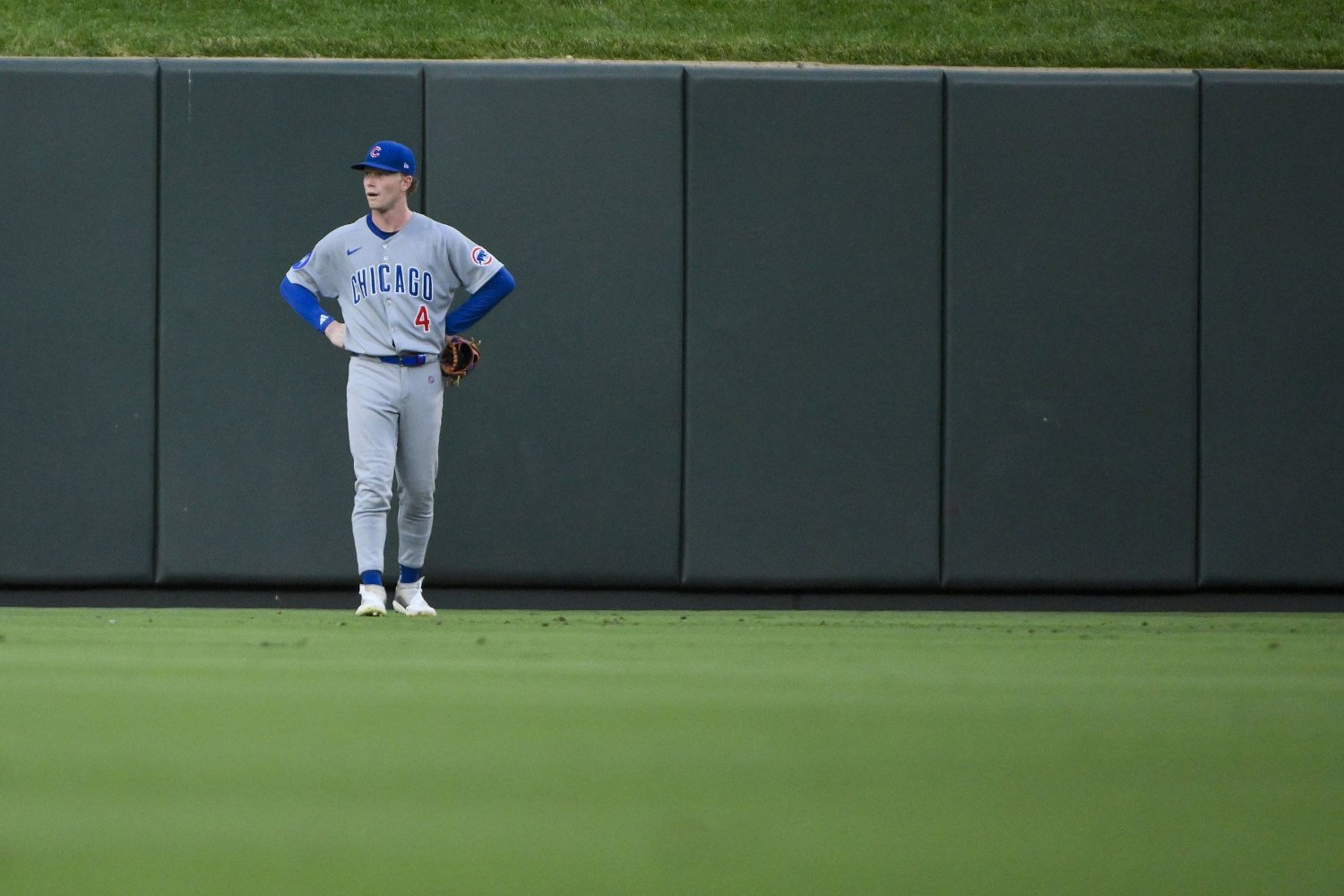 I suspect I'm not the only one who felt this sentiment, but until very recently, I allowed myself to believe in the myth that Chicago's North Side baseball club had essentially locked up the NL Central. Oops. While Craig Counsell and his clubhouse could still take the division crown near the end of September, the last two weeks of baseball have proved that no one in this league will go down without a fight. Wincing in the aftermath of last Sunday's 14-6 drubbing at Wrigley Field at the hands of a capable Seattle Mariners club, the Cubs loaded up their personal effects and took off for a seven-game trip to end an unremarkable, even turbulent month of June. Up first: the hated rival St. Louis Cardinals. Busch Stadium is "Big Mac Land," but at the outset of this four-game tilt, the only big thing the North Siders received was a massive slice of humble pie. Serving as the last straw for Ben Brown's demotion to Iowa, the Cubs were throttled by their arch nemeses. The Cards decked Brown, and the visitors answered with only seven hits and two runs in an 8-2 defeat, As their division lead dwindled, the Cubs got tied up in a slump of poor swing decisions and costly throwing errors. In other words, they started playing not to lose, rather than to win. This notion was reflected with Jameson Taillon, one of the sturdier hurlers for this club, toeing the rubber in game two. The offense briefly resuscitated itself with a five-run third inning, marked by a three-run bomb from the electric Seiya Suzuki, but that was far from enough. The Cards came roaring back with two runs of their own in that frame to cut the lead to one, followed up by a decisive four-run inning in the fourth to give Oli Marmol's squad the lead for good. The Cubs dropped the second game 8-7. Reaching a pre-All-Star break tipping point that could have shaped this club's outlook in a much different light, the Cubs bounced back in game three. Matthew Boyd is as good a stopper as this organization has right now and with his club needing it, he delivered a masterful performance. While his counterpart Erick Fedde was touched up for seven earned runs, Boyd spun six scoreless innings, lowering his ERA to 2.65. People had started to wonder out loud where the Cubs' intimidating offense went, but in this contest, they returned. Michael Busch led the way to an 8-0 victory. To qoute Cubs play-by-by announcer Boog Sciambi: "This is a series split that feels like a win." A win is a win, but it feels just a bit more significant when you hold your opponent to a goose egg. Chicago delivered a statement win in the series finale. Making his much-anticipated return from the injured list, staff ace Shota Imanaga looked as good as the team could have asked. He went five flawless innings, restoring an aura of confidence and electricity on the mound that felt like it had been missing. Not to go unnoticed, the bullpen remained brilliant, combining for four innings of shutout ball. Busch requested the naming rights to the Cardinals' house by becoming the first person of that surname to blast a home run. The Cubs tallied a 3-0 win at (Michael) Busch Stadium. In baseball, and indeed in sports, players switch sides all the time. It's a routine part of the game, but in some circumstances (such as the one that swapped Cam Smith and Kyle Tucker between the Chicago Cubs and Houston Astros), it feels anything but routine. Cade Horton had a rough start in the first game of the Cubs' first entanglement with the Astros since that trade, including giving up a three-run homer to Smith. Houston won, 7-4. Less than a full day after Smith recorded his indelible moment, however, Tucker got his. Coming just a triple away from the cycle, the Cubs' superstar right fielder punished his former squad, highlighted by a three-run blast over the wall in right field. His three RBIs were contributions to an all-day barrage of Cubs offense. Everyone in the lineup (except Pete Crow-Armstrong) recorded a hit. Though it was a pedestrian day for Crow-Armstrong at the tail end of a pedestrian week, he did still draw a walk and bring in a sac-fly RBI. Colin Rea delivered a respectable outing, pitching five innings and surrendering only two runs. Not only did the Cubs clobber their way to a 12-3 win, but in doing so, they calmed some of the nerves starting to swirl around the clubhouse. Taillon is currently the most divisive starting pitcher in the Cubs' rotation, although (unfortunately) not the least volatile or the worst. While Taillon largely held his own in the series finale, his squad's performance was emblematic of how things have gone recently when he takes the hill. Houston was a problem for Craig Counsell's club in the final game of this three-game set. A staggering inability to come through with clutch knocks stymied the Cubs at Daikin Park. The North Siders left seven runners on base and went 1-for-9 with runners in scoring position. Heading into a day off, the Cubs dropped the contest 2-0, and came up on the short end in the series as well. Taillon couldn't escape the fifth inning, although Houston's only runs came on a skyscraping Crawford Boxes Special by Jose Altuve. Victims of their own shortcomings and lapses, the Chicago Cubs are on a slide. They've squandered a commanding lead in the NL Central. The Rockies scratched out a win over the red-hot Brewers Sunday, so the Cubs still have a two-game cushion, but that's not much—and the Cardinals and Reds are close behind Milwaukee, too. It's only fair to retain some confidence, as the team is still on pace for over 90 wins, but the race is very much on. They still have a lead, but it's no longer a comfortable one.
 -
Image courtesy of © Jeff Curry-Imagn Images I suspect I'm not the only one who felt this sentiment, but until very recently, I allowed myself to believe in the myth that Chicago's North Side baseball club had essentially locked up the NL Central. Oops. While Craig Counsell and his clubhouse could still take the division crown near the end of September, the last two weeks of baseball have proved that no one in this league will go down without a fight. Wincing in the aftermath of last Sunday's 14-6 drubbing at Wrigley Field at the hands of a capable Seattle Mariners club, the Cubs loaded up their personal effects and took off for a seven-game trip to end an unremarkable, even turbulent month of June. Up first: the hated rival St. Louis Cardinals. Busch Stadium is "Big Mac Land," but at the outset of this four-game tilt, the only big thing the North Siders received was a massive slice of humble pie. Serving as the last straw for Ben Brown's demotion to Iowa, the Cubs were throttled by their arch nemeses. The Cards decked Brown, and the visitors answered with only seven hits and two runs in an 8-2 defeat, As their division lead dwindled, the Cubs got tied up in a slump of poor swing decisions and costly throwing errors. In other words, they started playing not to lose, rather than to win. This notion was reflected with Jameson Taillon, one of the sturdier hurlers for this club, toeing the rubber in game two. The offense briefly resuscitated itself with a five-run third inning, marked by a three-run bomb from the electric Seiya Suzuki, but that was far from enough. The Cards came roaring back with two runs of their own in that frame to cut the lead to one, followed up by a decisive four-run inning in the fourth to give Oli Marmol's squad the lead for good. The Cubs dropped the second game 8-7. Reaching a pre-All-Star break tipping point that could have shaped this club's outlook in a much different light, the Cubs bounced back in game three. Matthew Boyd is as good a stopper as this organization has right now and with his club needing it, he delivered a masterful performance. While his counterpart Erick Fedde was touched up for seven earned runs, Boyd spun six scoreless innings, lowering his ERA to 2.65. People had started to wonder out loud where the Cubs' intimidating offense went, but in this contest, they returned. Michael Busch led the way to an 8-0 victory. To qoute Cubs play-by-by announcer Boog Sciambi: "This is a series split that feels like a win." A win is a win, but it feels just a bit more significant when you hold your opponent to a goose egg. Chicago delivered a statement win in the series finale. Making his much-anticipated return from the injured list, staff ace Shota Imanaga looked as good as the team could have asked. He went five flawless innings, restoring an aura of confidence and electricity on the mound that felt like it had been missing. Not to go unnoticed, the bullpen remained brilliant, combining for four innings of shutout ball. Busch requested the naming rights to the Cardinals' house by becoming the first person of that surname to blast a home run. The Cubs tallied a 3-0 win at (Michael) Busch Stadium. In baseball, and indeed in sports, players switch sides all the time. It's a routine part of the game, but in some circumstances (such as the one that swapped Cam Smith and Kyle Tucker between the Chicago Cubs and Houston Astros), it feels anything but routine. Cade Horton had a rough start in the first game of the Cubs' first entanglement with the Astros since that trade, including giving up a three-run homer to Smith. Houston won, 7-4. Less than a full day after Smith recorded his indelible moment, however, Tucker got his. Coming just a triple away from the cycle, the Cubs' superstar right fielder punished his former squad, highlighted by a three-run blast over the wall in right field. His three RBIs were contributions to an all-day barrage of Cubs offense. Everyone in the lineup (except Pete Crow-Armstrong) recorded a hit. Though it was a pedestrian day for Crow-Armstrong at the tail end of a pedestrian week, he did still draw a walk and bring in a sac-fly RBI. Colin Rea delivered a respectable outing, pitching five innings and surrendering only two runs. Not only did the Cubs clobber their way to a 12-3 win, but in doing so, they calmed some of the nerves starting to swirl around the clubhouse. Taillon is currently the most divisive starting pitcher in the Cubs' rotation, although (unfortunately) not the least volatile or the worst. While Taillon largely held his own in the series finale, his squad's performance was emblematic of how things have gone recently when he takes the hill. Houston was a problem for Craig Counsell's club in the final game of this three-game set. A staggering inability to come through with clutch knocks stymied the Cubs at Daikin Park. The North Siders left seven runners on base and went 1-for-9 with runners in scoring position. Heading into a day off, the Cubs dropped the contest 2-0, and came up on the short end in the series as well. Taillon couldn't escape the fifth inning, although Houston's only runs came on a skyscraping Crawford Boxes Special by Jose Altuve. Victims of their own shortcomings and lapses, the Chicago Cubs are on a slide. They've squandered a commanding lead in the NL Central. The Rockies scratched out a win over the red-hot Brewers Sunday, so the Cubs still have a two-game cushion, but that's not much—and the Cardinals and Reds are close behind Milwaukee, too. It's only fair to retain some confidence, as the team is still on pace for over 90 wins, but the race is very much on. They still have a lead, but it's no longer a comfortable one. View full article
-
Image courtesy of Gregory Fisher-Imagn Images On the North Side of Chicago, the topic at the forefront of everyone's mind (other than the blistering heat) is exactly who Jed Hoyer will bring in to round out a Cubs starting pitching rotation in need of more than just a cosmetic shift. Zooming in on the top three candidates — Mitch Keller, Sandy Alcantara, and Seth Lugo — the individual that ends up with the squad will not just be a fresh face, but someone who clearly dictates the potential fortunes of this ball club. After years occupying the realm of sellers, the North Siders are firmly in the conversation to win the NL Central and more. All three of the above hurlers bring their own unique brand of positives, as well as drawbacks, but there is an answer as to who the Cubs should scoop up, and it's Seth Lugo. Our own Matt Trueblood connected the sides earlier this week, and what the 35-year-old righty stands to offer the Cubs is not only a proven winner, but much-needed familiarity. Like most pitchers who creep up into their mid-30's, Lugo has moved around to a number of squads where he wasn't necessarily the ace, but a guy in the top half of the rotation any skipper would expect to get outs and put the team in a position to rack up victories. Over 10 seasons in the big leagues, Lugo has a record of 60-45, 897 career punch outs, and a 3.34 ERA that's benefited greatly from his time in Kansas City. Of course, the veteran right-hander is craftier than he is dominant, and he gets by thanks to his unfathomable array of offerings. Per Baseball Svant, Lugo possesses a whopping ten different pitches he can send across the plate. From his most frequent (the four-seam fastball), to most seldom (split-finger fastball), he can change things up like Illinois weather in mid-February. Other than giving the Cubs a decently nasty trio of starters atop the rotation — along with Matthew Boyd and Shota Imanaga — Lugo's pitch variety is an almost immeasurable intangible in postseason play where batters can get all too familiar with what the guy on the mound is featuring. And, lest you bemoan his subpar metrics under the hood, note that his obscene diversity of pitches actually has some method behind the madness. None of his three most-used pitches this year — the four-seamer, the curveball, and the sinker — are allowing a wOBA to opposing hitters greater than .300, and only his cutter (.464 wOBA allowed) is getting hit with any sort of real authority. It might seem like smoke and mirrors on the surface, but there is a genuine harmony to the variety he has in his arsenal. Given the Cubs' recent infatuation with pitchers with bizarre traits, it isn't surprising that they're interested in deploying a guy who can throw every pitch under the sun. Championship teams, without exception, uncover a non-negotiable, evergreen staple it can roll out to either sustain momentum, or snatch it from the clutches of their opponent. Should he end up with the Chicago Cubs, that's exactly who Seth Lugo will be, 100 different pitches and all. View full article
-
Seth Lugo Isn't Perfect, but He Could be Perfect for the Cubs
Thomas Domol posted an article in Cubs
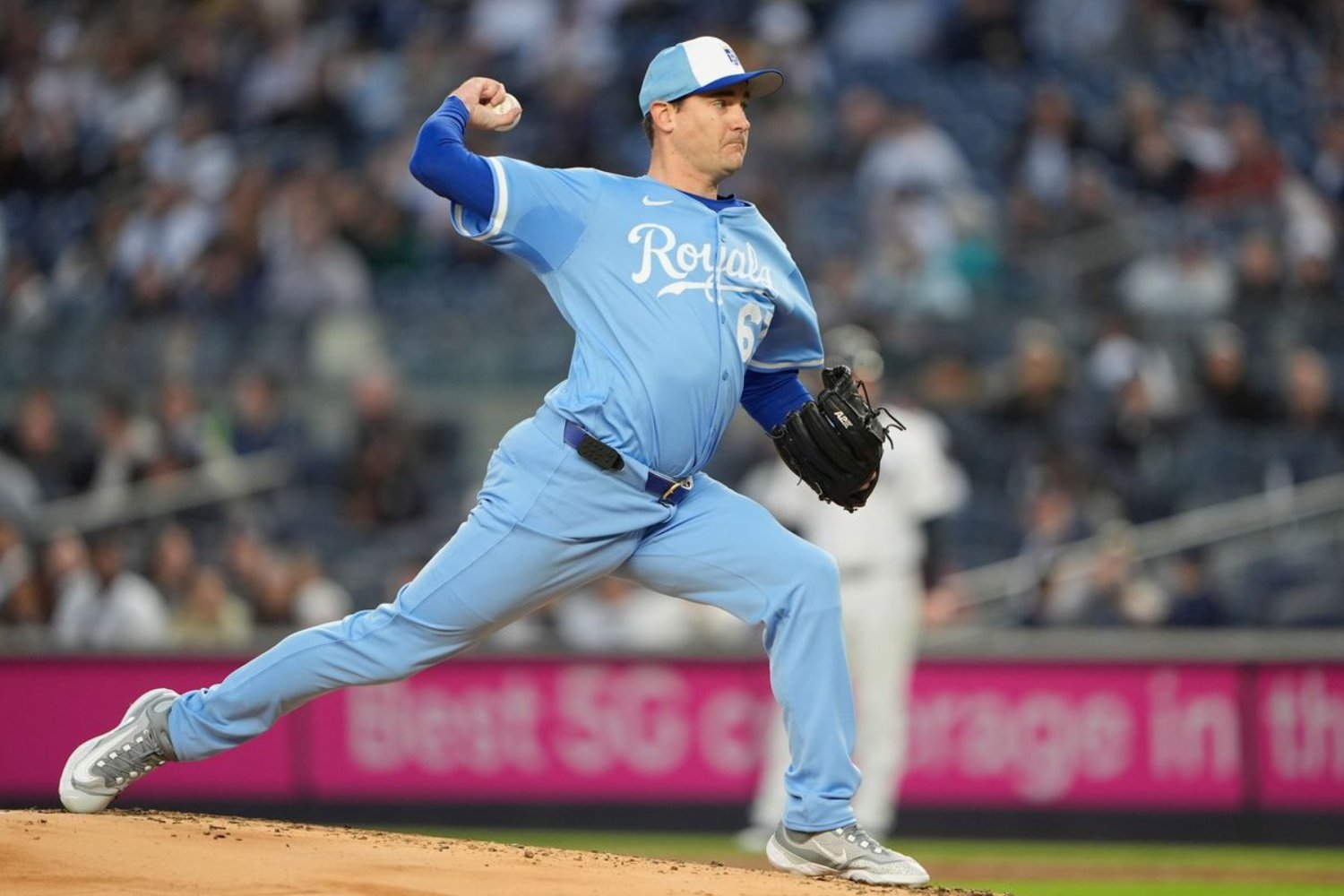 On the North Side of Chicago, the topic at the forefront of everyone's mind (other than the blistering heat) is exactly who Jed Hoyer will bring in to round out a Cubs starting pitching rotation in need of more than just a cosmetic shift. Zooming in on the top three candidates — Mitch Keller, Sandy Alcantara, and Seth Lugo — the individual that ends up with the squad will not just be a fresh face, but someone who clearly dictates the potential fortunes of this ball club. After years occupying the realm of sellers, the North Siders are firmly in the conversation to win the NL Central and more. All three of the above hurlers bring their own unique brand of positives, as well as drawbacks, but there is an answer as to who the Cubs should scoop up, and it's Seth Lugo. Our own Matt Trueblood connected the sides earlier this week, and what the 35-year-old righty stands to offer the Cubs is not only a proven winner, but much-needed familiarity. Like most pitchers who creep up into their mid-30's, Lugo has moved around to a number of squads where he wasn't necessarily the ace, but a guy in the top half of the rotation any skipper would expect to get outs and put the team in a position to rack up victories. Over 10 seasons in the big leagues, Lugo has a record of 60-45, 897 career punch outs, and a 3.34 ERA that's benefited greatly from his time in Kansas City. Of course, the veteran right-hander is craftier than he is dominant, and he gets by thanks to his unfathomable array of offerings. Per Baseball Svant, Lugo possesses a whopping ten different pitches he can send across the plate. From his most frequent (the four-seam fastball), to most seldom (split-finger fastball), he can change things up like Illinois weather in mid-February. Other than giving the Cubs a decently nasty trio of starters atop the rotation — along with Matthew Boyd and Shota Imanaga — Lugo's pitch variety is an almost immeasurable intangible in postseason play where batters can get all too familiar with what the guy on the mound is featuring. And, lest you bemoan his subpar metrics under the hood, note that his obscene diversity of pitches actually has some method behind the madness. None of his three most-used pitches this year — the four-seamer, the curveball, and the sinker — are allowing a wOBA to opposing hitters greater than .300, and only his cutter (.464 wOBA allowed) is getting hit with any sort of real authority. It might seem like smoke and mirrors on the surface, but there is a genuine harmony to the variety he has in his arsenal. Given the Cubs' recent infatuation with pitchers with bizarre traits, it isn't surprising that they're interested in deploying a guy who can throw every pitch under the sun. Championship teams, without exception, uncover a non-negotiable, evergreen staple it can roll out to either sustain momentum, or snatch it from the clutches of their opponent. Should he end up with the Chicago Cubs, that's exactly who Seth Lugo will be, 100 different pitches and all.
 -
Image courtesy of Sam Navarro-Imagn Images Waking up in a city like Chicago, witnessing the early-morning sun glitter off of Lake Michigan, it's easy for anyone, even hardened baseball supporters, to get caught up in dreams. Based on my observations, the obsession with those dreams is the notion that we live in a place where they're more likely to come true. For most of the Cubs' 2025 campaign thus far, that's been the vibe. However, even the most dream-like seasons have their pitfalls, and position player depth is proving to be one on the North Side of Chicago this year. Could the Astros' ambitious Cam Smith, so briefly once a Cub, have helped solve the problem? It's impossible to use hindsight to describe what Cam Smith, a multi-position 22-year-old, could have been for the Chicago Cubs, because the performances are unfolding right before our eyes. He blasted through an elite spring training earlier this year to make the big club in Houston out of the gate. The deal that sent him there brought Kyle Tucker, a man who is the definition of a "win now" presence on the squad, to Chicago, but probably only for one year. Less consequentially, the trade also sent Isaac Paredes (who is also having a strong year) and Hayden Wesneski (recovering from Tommy John surgery) to Houston, but let's focus on Smith and Tucker. To offer you a statistical comparison between Tucker and Smith would be fruitless at best. Tucker is one of the game's elite outfielders, while Cam Smith is developing as we speak. It is worth noting that, in the Cubs' mission to compete for a World Series, Smith's slash line of .271/.343/.402 does not scream prosperity nor production. The Chicago Cubs may very well reach the baseball summit without the young prospect, but if they don't, get ready to feel some buyer's remorse. Just as with any shopping run, the idea is to bring home goods that will last a while. If Tucker is wearing another team's uniform this time next year, it will be apparent that the Cubs shopped for groceries that could provide instant gratification, and not necessarily ones that could feed them later. Regardless of whether or not Cam Smith's value appreciates in the duration of his time with the Astros is immaterial to what Chicago could have done with him in their stout system. The Cubbies have a stockpile of desirable farmhands, which is perhaps why they were so willing to cut ties with Smith so soon after drafting him, yet the bottom line remains: whatever he accomplishes, it won't be for the Cubs. It's curious that Smith is not a pitcher, a position on the field that Jed Hoyer openly covets; were he a hurler, maybe he'd still be in blue Cubby pinstripes. Of note, some prominent starting pitchers could soon be donning the beloved home threads. For the Cubs to earn their stripes this season and beyond, they need to play good baseball. That's true no matter who is on this roster that Counsell has at his disposal. In this fun run the North Siders are on, we've been properly acquainted with individuals with a tenacious work ethic and some impressive tools of their own. Even with taking that and so much more into consideration, however, one would not be scolded for dreaming about how Cam Smith could have factored into this team's realities. The Cubs are built for right now, but if their championship hopes are deferred until later, the organization will have to dream on. View full article
-
Cam Smith, A Faded Cubs Memory of Something That Never Happened
Thomas Domol posted an article in Cubs
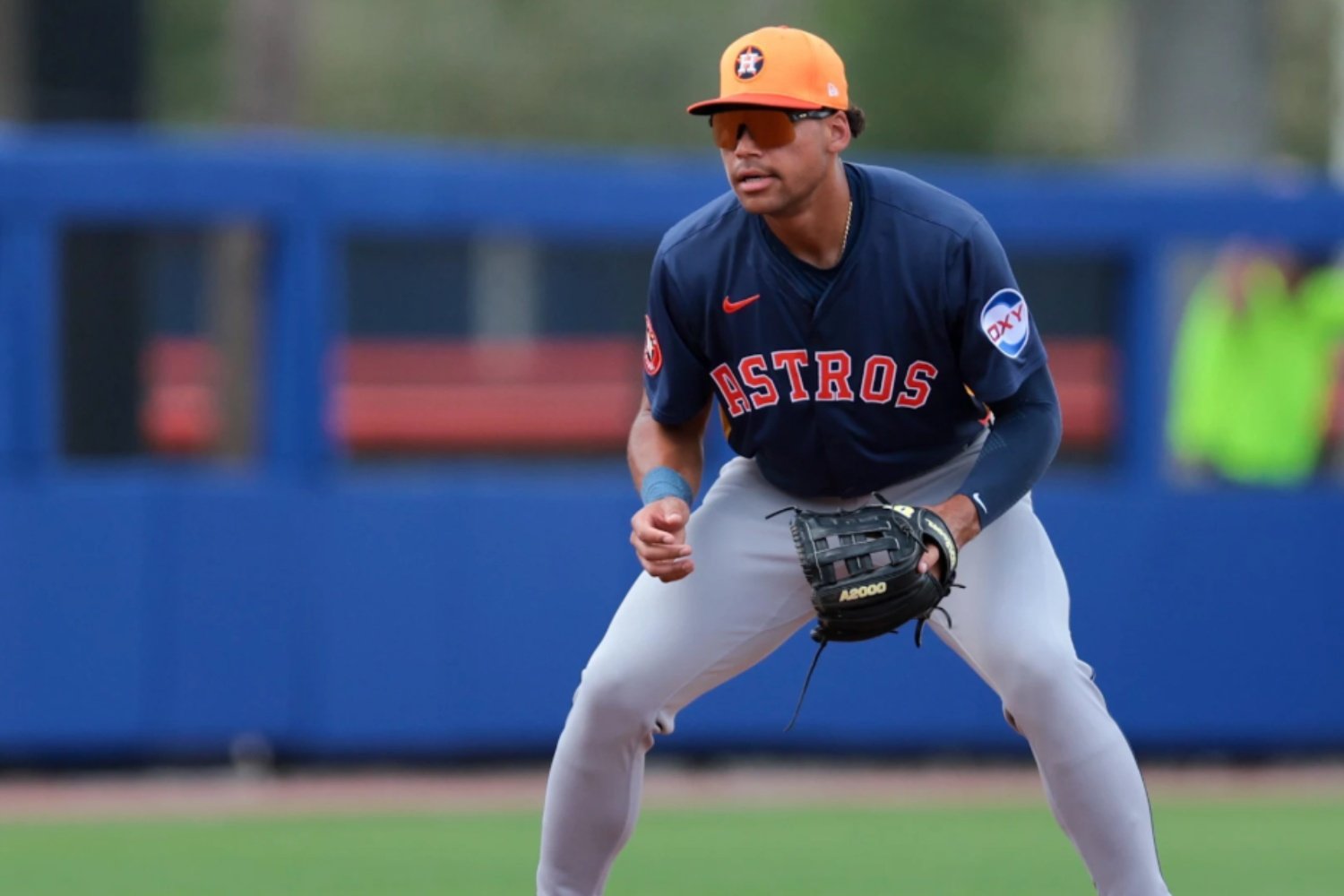 Waking up in a city like Chicago, witnessing the early-morning sun glitter off of Lake Michigan, it's easy for anyone, even hardened baseball supporters, to get caught up in dreams. Based on my observations, the obsession with those dreams is the notion that we live in a place where they're more likely to come true. For most of the Cubs' 2025 campaign thus far, that's been the vibe. However, even the most dream-like seasons have their pitfalls, and position player depth is proving to be one on the North Side of Chicago this year. Could the Astros' ambitious Cam Smith, so briefly once a Cub, have helped solve the problem? It's impossible to use hindsight to describe what Cam Smith, a multi-position 22-year-old, could have been for the Chicago Cubs, because the performances are unfolding right before our eyes. He blasted through an elite spring training earlier this year to make the big club in Houston out of the gate. The deal that sent him there brought Kyle Tucker, a man who is the definition of a "win now" presence on the squad, to Chicago, but probably only for one year. Less consequentially, the trade also sent Isaac Paredes (who is also having a strong year) and Hayden Wesneski (recovering from Tommy John surgery) to Houston, but let's focus on Smith and Tucker. To offer you a statistical comparison between Tucker and Smith would be fruitless at best. Tucker is one of the game's elite outfielders, while Cam Smith is developing as we speak. It is worth noting that, in the Cubs' mission to compete for a World Series, Smith's slash line of .271/.343/.402 does not scream prosperity nor production. The Chicago Cubs may very well reach the baseball summit without the young prospect, but if they don't, get ready to feel some buyer's remorse. Just as with any shopping run, the idea is to bring home goods that will last a while. If Tucker is wearing another team's uniform this time next year, it will be apparent that the Cubs shopped for groceries that could provide instant gratification, and not necessarily ones that could feed them later. Regardless of whether or not Cam Smith's value appreciates in the duration of his time with the Astros is immaterial to what Chicago could have done with him in their stout system. The Cubbies have a stockpile of desirable farmhands, which is perhaps why they were so willing to cut ties with Smith so soon after drafting him, yet the bottom line remains: whatever he accomplishes, it won't be for the Cubs. It's curious that Smith is not a pitcher, a position on the field that Jed Hoyer openly covets; were he a hurler, maybe he'd still be in blue Cubby pinstripes. Of note, some prominent starting pitchers could soon be donning the beloved home threads. For the Cubs to earn their stripes this season and beyond, they need to play good baseball. That's true no matter who is on this roster that Counsell has at his disposal. In this fun run the North Siders are on, we've been properly acquainted with individuals with a tenacious work ethic and some impressive tools of their own. Even with taking that and so much more into consideration, however, one would not be scolded for dreaming about how Cam Smith could have factored into this team's realities. The Cubs are built for right now, but if their championship hopes are deferred until later, the organization will have to dream on.
 -
Cubs Week In Review: The North Siders Feel The Heat & Largely Beat It
Thomas Domol posted an article in Cubs
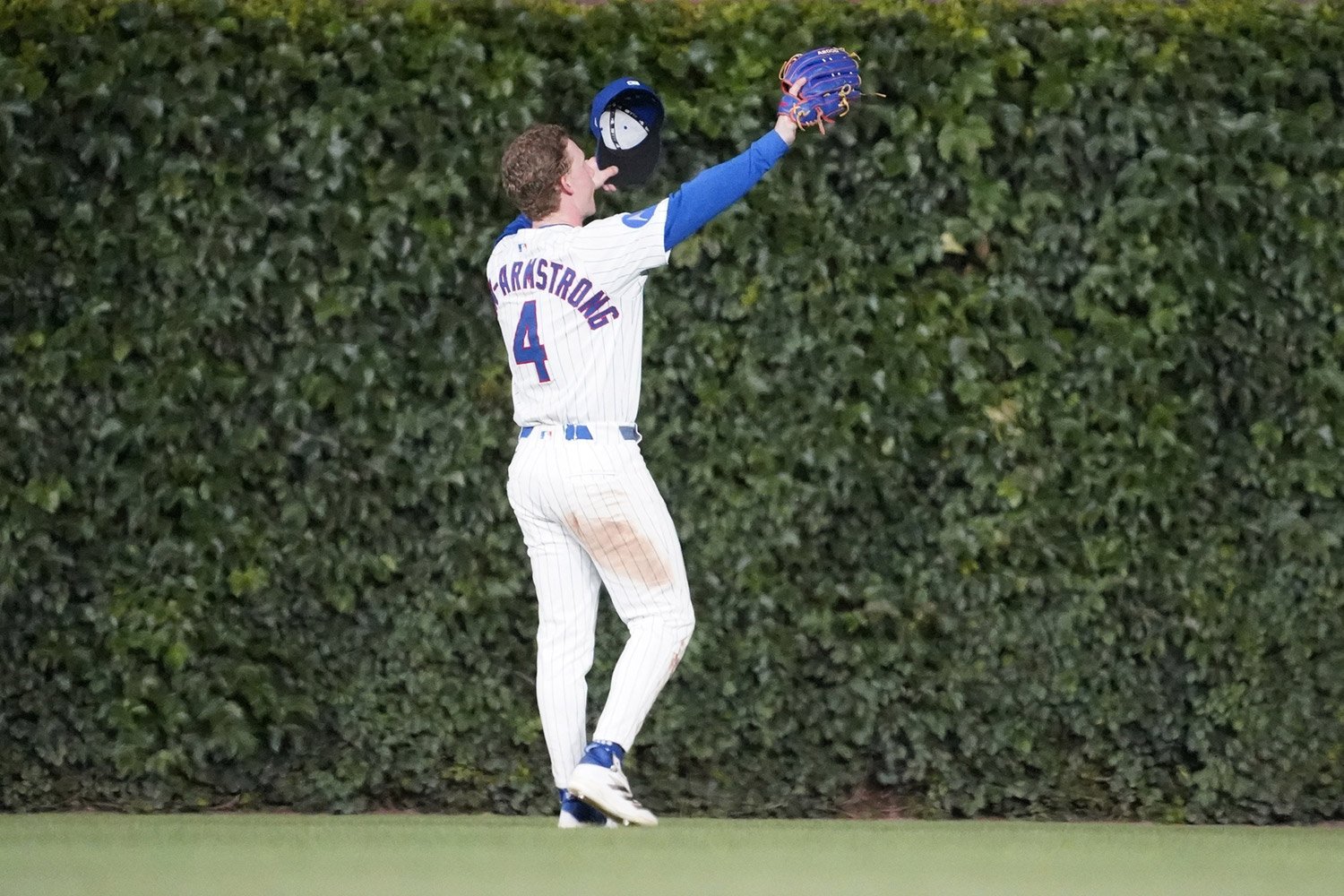 To this point in the 2025 season, even the most trepidatious Cubs fans had grown accustomed to viewing a baseball club that is easy to love because it has been winning at a high rate. In the past two weeks or so, while that feeling hasn't completely dissolved, it's become more apparent the challenges this squad must overcome to secure the division, and maybe even baseball's ultimate prize. This sentiment informed a tough week of contests from the Friendly Confines. An uncharacteristic dip in offense thrust the Cubbies into some curious one-run tilts. That's how their contest ended up in the finale of a four-game set with the Pirates. The North Siders eked out a 3-2 victory on the strength of another magnificent appearance from Chris Flexen. On the whole, the bullpen has taken a step back, but Flexen hasn't. To be the best, you have to beat the best, and while I say this begrudgingly in unison with scores of Cubs fans, the Milwaukee Brewers are still the class of the National League Central until Craig Counsell's squad dethrones them. The first of what was scheduled to be a three-game set with the Brewers at Wrigley Field suggested that the Cubs are perhaps ready for their coronation ceremony. The Cubbies broke through against Brewers starter Chad Patrick with a three-run blast off the bat of Seiya Suzuki. What happened in the eighth inning of this contest will replay in front of thousands at Pete Crow-Armstrong's Hall of Fame induction, should he make it there. After making one of the more jaw-dropping catches you'll ever see, Crow-Armstrong launched a ball deep into the right field bleachers that bounced off near the apex of the scoreboard. It was the signature moment of Cubs baseball thus far in the 2025 campaign and will be remembered far longer than the 5-3 final in favor of the North Siders. A sweeping monsoon across the Midwest postponed the middle game between the two interstate rivals, but the action resumed with two aces taking the bump for each team: Freddy Peralta of the Brewers and Jameson Taillon of the Cubs. Peralta is one of the more consistent Cubby killers in recent memory, and on an off day for Taillon, that was just about enough. Despite getting out to an early lead, the North Siders couldn't solve the Crew's elite righty. Taillon fell victim to a barrage of home runs as he often did in his more pedestrian campaigns. The Cubbies' furious late-game rally fell short in an 8-7 loss. The Cubs' three-game weekend set with the Seattle Mariners arrived with a clean slate and dangerous, near record-setting heat. The much-anticipated bullpen decline arrived in the first game of this series with an atrocious outing from Ryan Pressly. Still one of the more surprising success stories of this season, Pressly labored through a consequential inning of baseball, surrendering three hits and two crucial earned runs. Scattering nine hits, the Cubbies' seafaring abilities were no match for Seattle in a 9-4 defeat. Off the heels of one of the season's most deflating losses, there was a feeling the Cubs had to bounce back in the oppressive summer heat situated at 1060 West Addison, and luckily, they did. With a blustery wind howling out to the last row of bleachers, the Cubs were reunited with their thunderous offense. Ian Happ and Kyle Tucker led off the game with back-to-back bombs that sent the Wrigley faithful into a complete frenzy. The onslaught of home runs, including another from Happ as well as from Michael Busch and Pete Crow-Armstrong, staved off Seattle's considerable pop from the likes of Cal Raleigh. On the hottest day of the year, the Cubs promise burned brightly. Craig Counsell's club earned a 10-7 victory. Entering Sunday's rubber match with the Mariners, the Chicago Cubs are the closest they've been to a complete package. Weathering more injuries to players like Matthew Boyd seems neutralized by the long-awaited return of Shota Imanaga. When it comes to the eventual, climactic outcomes of this year's campaign, nothing was decided this past week, nor will it be for some time. But with the All-Star Break approaching, what the Cubbies have done is at least find a level of consistent play, which suggests that they will avoid a serious fortune-altering slide, as they have suffered in recent years. This team has all of its goals in front of it, and even better, an opportunity to attain them.
 -
Image courtesy of © David Banks-Imagn Images To this point in the 2025 season, even the most trepidatious Cubs fans had grown accustomed to viewing a baseball club that is easy to love because it has been winning at a high rate. In the past two weeks or so, while that feeling hasn't completely dissolved, it's become more apparent the challenges this squad must overcome to secure the division, and maybe even baseball's ultimate prize. This sentiment informed a tough week of contests from the Friendly Confines. An uncharacteristic dip in offense thrust the Cubbies into some curious one-run tilts. That's how their contest ended up in the finale of a four-game set with the Pirates. The North Siders eked out a 3-2 victory on the strength of another magnificent appearance from Chris Flexen. On the whole, the bullpen has taken a step back, but Flexen hasn't. To be the best, you have to beat the best, and while I say this begrudgingly in unison with scores of Cubs fans, the Milwaukee Brewers are still the class of the National League Central until Craig Counsell's squad dethrones them. The first of what was scheduled to be a three-game set with the Brewers at Wrigley Field suggested that the Cubs are perhaps ready for their coronation ceremony. The Cubbies broke through against Brewers starter Chad Patrick with a three-run blast off the bat of Seiya Suzuki. What happened in the eighth inning of this contest will replay in front of thousands at Pete Crow-Armstrong's Hall of Fame induction, should he make it there. After making one of the more jaw-dropping catches you'll ever see, Crow-Armstrong launched a ball deep into the right field bleachers that bounced off near the apex of the scoreboard. It was the signature moment of Cubs baseball thus far in the 2025 campaign and will be remembered far longer than the 5-3 final in favor of the North Siders. A sweeping monsoon across the Midwest postponed the middle game between the two interstate rivals, but the action resumed with two aces taking the bump for each team: Freddy Peralta of the Brewers and Jameson Taillon of the Cubs. Peralta is one of the more consistent Cubby killers in recent memory, and on an off day for Taillon, that was just about enough. Despite getting out to an early lead, the North Siders couldn't solve the Crew's elite righty. Taillon fell victim to a barrage of home runs as he often did in his more pedestrian campaigns. The Cubbies' furious late-game rally fell short in an 8-7 loss. The Cubs' three-game weekend set with the Seattle Mariners arrived with a clean slate and dangerous, near record-setting heat. The much-anticipated bullpen decline arrived in the first game of this series with an atrocious outing from Ryan Pressly. Still one of the more surprising success stories of this season, Pressly labored through a consequential inning of baseball, surrendering three hits and two crucial earned runs. Scattering nine hits, the Cubbies' seafaring abilities were no match for Seattle in a 9-4 defeat. Off the heels of one of the season's most deflating losses, there was a feeling the Cubs had to bounce back in the oppressive summer heat situated at 1060 West Addison, and luckily, they did. With a blustery wind howling out to the last row of bleachers, the Cubs were reunited with their thunderous offense. Ian Happ and Kyle Tucker led off the game with back-to-back bombs that sent the Wrigley faithful into a complete frenzy. The onslaught of home runs, including another from Happ as well as from Michael Busch and Pete Crow-Armstrong, staved off Seattle's considerable pop from the likes of Cal Raleigh. On the hottest day of the year, the Cubs promise burned brightly. Craig Counsell's club earned a 10-7 victory. Entering Sunday's rubber match with the Mariners, the Chicago Cubs are the closest they've been to a complete package. Weathering more injuries to players like Matthew Boyd seems neutralized by the long-awaited return of Shota Imanaga. When it comes to the eventual, climactic outcomes of this year's campaign, nothing was decided this past week, nor will it be for some time. But with the All-Star Break approaching, what the Cubbies have done is at least find a level of consistent play, which suggests that they will avoid a serious fortune-altering slide, as they have suffered in recent years. This team has all of its goals in front of it, and even better, an opportunity to attain them. View full article
-
Image courtesy of © David Banks-Imagn Images When you live in a garden as vibrant with flourishing life as the Chicago Cubs is, some flowers go unnoticed. It doesn't take a botanist or a baseball analyst to tell you how stunning a season Suzuki is having; all one must do is tune in and watch. After some increasingly agonizing blunders playing in right field the past couple of seasons, Suzuki, a fan favorite since arriving with the club in 2022, is turning in a career year in 2025 as a designated hitter for the Chicago Cubs. Were he not teammates with superstar center fielder Pete Crow-Armstrong, Suzuki would indeed hog much more of the spotlight. The double headliner of Suzuki and Crow-Armstrong, as it turns out, is one of the more exhilarating offense tandems in baseball, and a painfully enviable bromance. Likely to shatter his output from recent past seasons, Seiya Suzuki's full potential has been unlocked, and the ramifications of that serve to keep his squad in the mix for a World Series run. Even though you wouldn't know it after checking the box scores from the Cubs' most current stretch of games, they're top-to-bottom a feverishly proficient offensive club. Part of how they get their runs across the plate is by way of the long ball. As of the time of this writing, the Cubs have launched 104 home runs, nearly a quarter of them have come off the bat of Crow-Armstrong, but nearly another quarter of them have been deposited in the seats courtesy of Seiya Suzuki. Notoriously an aggressive hitter, Suzuki possesses undeniable power that has been curtailed only by a string of consistent injuries since his arrival from Japan. With 61 RBI as of this writing, Suzuki will comically eclipse several of his figures from past seasons. He has jumped all over fastballs this season, checking in with an improbable .557 slugging percentage on four-seamers. Some of this is due to the fact that he has vastly reinforced protection in the lineup, but another large part of it is that this is just the type of player Suzuki has always been. He's healthier, unencumbered by the follies of his outfield play, and mentally freed from the fear of striking out. Out of nowhere, the North Siders have a juggernaut designated hitter. He's still not without his pitfalls. As dominant as Suzuki is with blasting fastballs, he's still confounded by offspeed pitches. In 2024, Suzuki had a sobering 40.7% whiff rate, which has decreased to 31.6% this year, but that's still far from ideal. I don't mean to sound idyllic, but this Chicago Cubs squad, even while figuring out some relative adversity, is a tough out. Seiya Suzuki and his powerhouse offense are making sure his team stays on the field well into October. Cubs fans are known for their knowledge of the game and giving out flowers when they're earned, now is the time they hand a few out to their designated hitter. He tends to move in silence, but his impact is louder than ever. View full article
-
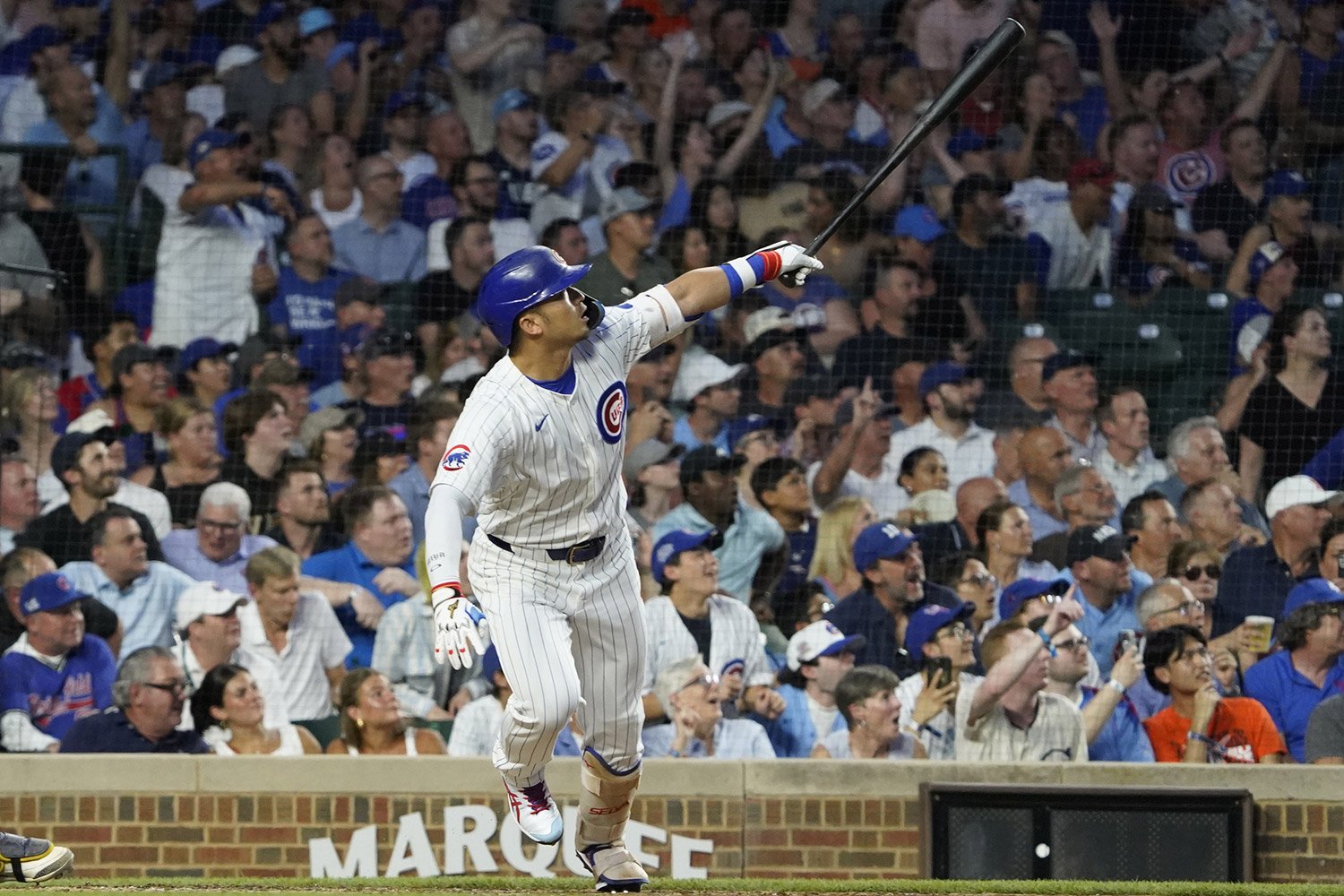 When you live in a garden as vibrant with flourishing life as the Chicago Cubs is, some flowers go unnoticed. It doesn't take a botanist or a baseball analyst to tell you how stunning a season Suzuki is having; all one must do is tune in and watch. After some increasingly agonizing blunders playing in right field the past couple of seasons, Suzuki, a fan favorite since arriving with the club in 2022, is turning in a career year in 2025 as a designated hitter for the Chicago Cubs. Were he not teammates with superstar center fielder Pete Crow-Armstrong, Suzuki would indeed hog much more of the spotlight. The double headliner of Suzuki and Crow-Armstrong, as it turns out, is one of the more exhilarating offense tandems in baseball, and a painfully enviable bromance. Likely to shatter his output from recent past seasons, Seiya Suzuki's full potential has been unlocked, and the ramifications of that serve to keep his squad in the mix for a World Series run. Even though you wouldn't know it after checking the box scores from the Cubs' most current stretch of games, they're top-to-bottom a feverishly proficient offensive club. Part of how they get their runs across the plate is by way of the long ball. As of the time of this writing, the Cubs have launched 104 home runs, nearly a quarter of them have come off the bat of Crow-Armstrong, but nearly another quarter of them have been deposited in the seats courtesy of Seiya Suzuki. Notoriously an aggressive hitter, Suzuki possesses undeniable power that has been curtailed only by a string of consistent injuries since his arrival from Japan. With 61 RBI as of this writing, Suzuki will comically eclipse several of his figures from past seasons. He has jumped all over fastballs this season, checking in with an improbable .557 slugging percentage on four-seamers. Some of this is due to the fact that he has vastly reinforced protection in the lineup, but another large part of it is that this is just the type of player Suzuki has always been. He's healthier, unencumbered by the follies of his outfield play, and mentally freed from the fear of striking out. Out of nowhere, the North Siders have a juggernaut designated hitter. He's still not without his pitfalls. As dominant as Suzuki is with blasting fastballs, he's still confounded by offspeed pitches. In 2024, Suzuki had a sobering 40.7% whiff rate, which has decreased to 31.6% this year, but that's still far from ideal. I don't mean to sound idyllic, but this Chicago Cubs squad, even while figuring out some relative adversity, is a tough out. Seiya Suzuki and his powerhouse offense are making sure his team stays on the field well into October. Cubs fans are known for their knowledge of the game and giving out flowers when they're earned, now is the time they hand a few out to their designated hitter. He tends to move in silence, but his impact is louder than ever.
 -
Image courtesy of © David Banks-Imagn Images For years, as the wheels from my Brown Line "L" train gave off sparks, racing toward Harold Washington Library, I silently pined for the chance to write about Chicago Cubs baseball. Almost a year ago to this very date, once the passionate and devoted staff here welcomed me aboard, the pining stopped. My first piece? A proposition, nay, a plea for former Cub Christopher Morel to be installed as the club's leadoff hitter. I thought it was a heck of a fun read, and some of you went along with it, while others met it with much consternation. Fond memories to be sure. One year later, this team is positioned as one of the best in the game, relying much more on constants than hypotheticals or experimentation. Morel brought more theatrics than a performance of Hamilton, but this squad, led by certified superstar Pete Crow-Armstrong, brings award-worthy drama too; they're just a lot better at it than before. If you'd like to learn more about why I believe this club is special, please read some of my other articles. Short of a complete stranglehold on their division, the Cubbies are presenting as more of a lock for the postseason with each half inning of baseball logged. Games like the Brewers' first trip to Wrigley in 2025 proved as much, with the likes of Nico Hoerner galloping around the bases, while the outfield pulled off some of the most astonishing hustle plays you'll ever see. Good teams don't need to tinker around with different formulas to win consistently; they know who they are and stick to what works. A lot is working for the Chicago Cubs ball club right now, including at third base, one of Christopher Morel's previous haunts. By way of incomprehensible fortune, I get to frequent Wrigley Field in the same way residents of Andersonville get to frequent their local Jewel-Osco. One of those occasions was the debut of the North Side's favorite Maryland Terrapin, Matt Shaw. The 23-year-old third baseman, as the organization's top prospect and first-round draft pick, arrived with more weight on his shoulders than Atlas. Spoiler alert: he crumbled under it, blinded by the bright lights of big market baseball and forced to make his way back to Iowa. A metamorphosis in his attitude and visible maturation has Shaw up with the big club and playing third base at a very high level, snatching up difficult bounces and making laser-accurate throws. What, for a time, was a revolving door position for the Cubs, marked by devastating miscues and inconsistency, is now one of the squad's numerous strengths, with Shaw locking down the hot corner. By the way, in case you were wondering, Shaw bats in the nine spot most nights, building a steady resume of productivity, while Cub veteran Ian Happ is back and mostly thriving in the leadoff spot, setting the table for the human wrecking ball that is Kyle Tucker. Although this lineup has experienced an offensive slump lately, most nights, it's a foundation we can count on—a far cry from where the team stood at this time last year. What kind of times lie ahead for this electric Chicago Cubs baseball team? A year removed from deck-shuffling, throw stuff at the wall and see what sticks moves, Craig Counsell has his squad playing with its best hand yet. The North Siders, at the time of this writing, are the best show in town, but even despite that, it feels like we've barely scratched the surface of what they will be, and their next act might be even better. While we wish him well, the magic wasn't in Christopher Morel; it's in this Chicago Cubs team. View full article
-
My Year With North Side Baseball: The Cubs Squad We Dreamed Of
Thomas Domol posted an article in Cubs
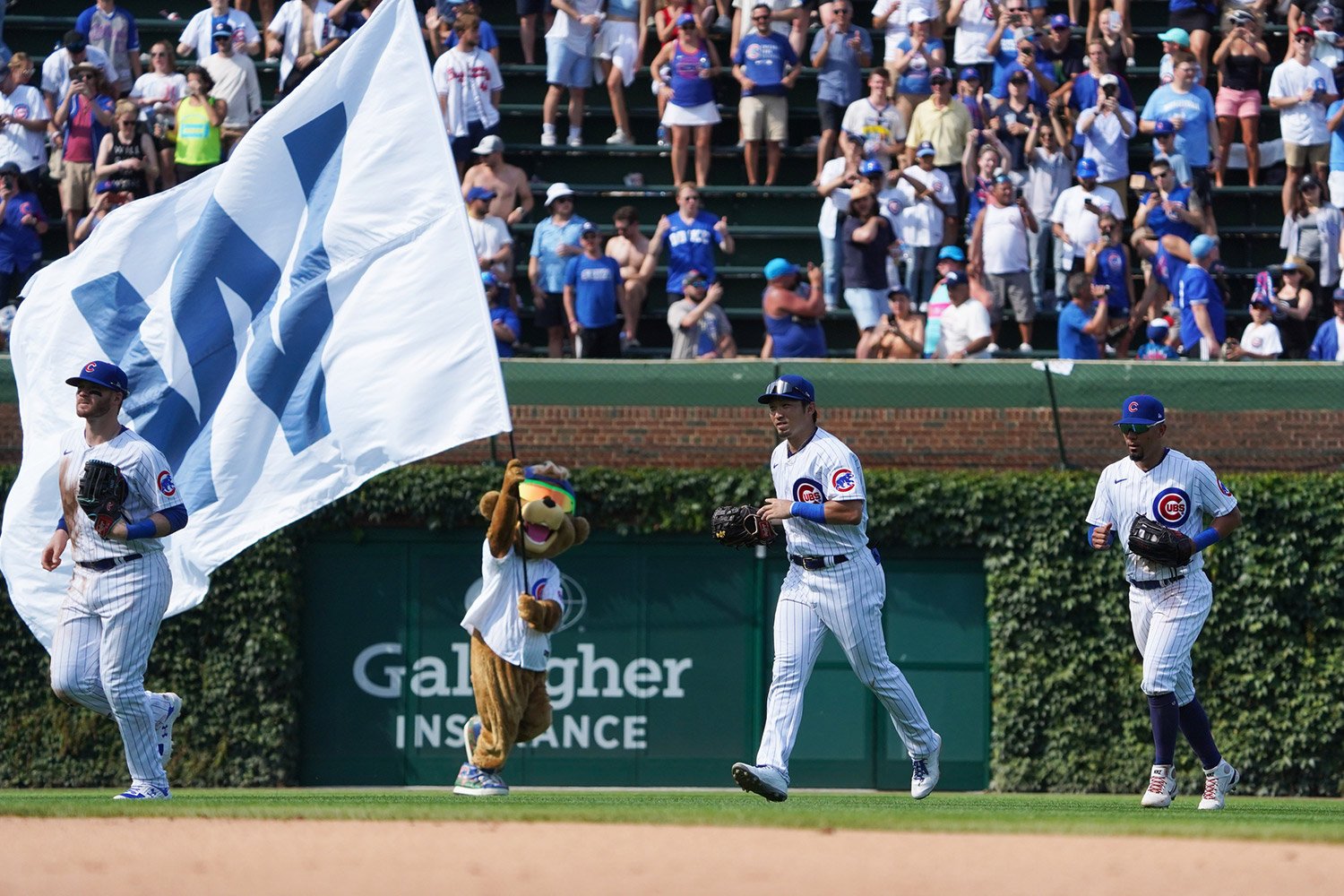 For years, as the wheels from my Brown Line "L" train gave off sparks, racing toward Harold Washington Library, I silently pined for the chance to write about Chicago Cubs baseball. Almost a year ago to this very date, once the passionate and devoted staff here welcomed me aboard, the pining stopped. My first piece? A proposition, nay, a plea for former Cub Christopher Morel to be installed as the club's leadoff hitter. I thought it was a heck of a fun read, and some of you went along with it, while others met it with much consternation. Fond memories to be sure. One year later, this team is positioned as one of the best in the game, relying much more on constants than hypotheticals or experimentation. Morel brought more theatrics than a performance of Hamilton, but this squad, led by certified superstar Pete Crow-Armstrong, brings award-worthy drama too; they're just a lot better at it than before. If you'd like to learn more about why I believe this club is special, please read some of my other articles. Short of a complete stranglehold on their division, the Cubbies are presenting as more of a lock for the postseason with each half inning of baseball logged. Games like the Brewers' first trip to Wrigley in 2025 proved as much, with the likes of Nico Hoerner galloping around the bases, while the outfield pulled off some of the most astonishing hustle plays you'll ever see. Good teams don't need to tinker around with different formulas to win consistently; they know who they are and stick to what works. A lot is working for the Chicago Cubs ball club right now, including at third base, one of Christopher Morel's previous haunts. By way of incomprehensible fortune, I get to frequent Wrigley Field in the same way residents of Andersonville get to frequent their local Jewel-Osco. One of those occasions was the debut of the North Side's favorite Maryland Terrapin, Matt Shaw. The 23-year-old third baseman, as the organization's top prospect and first-round draft pick, arrived with more weight on his shoulders than Atlas. Spoiler alert: he crumbled under it, blinded by the bright lights of big market baseball and forced to make his way back to Iowa. A metamorphosis in his attitude and visible maturation has Shaw up with the big club and playing third base at a very high level, snatching up difficult bounces and making laser-accurate throws. What, for a time, was a revolving door position for the Cubs, marked by devastating miscues and inconsistency, is now one of the squad's numerous strengths, with Shaw locking down the hot corner. By the way, in case you were wondering, Shaw bats in the nine spot most nights, building a steady resume of productivity, while Cub veteran Ian Happ is back and mostly thriving in the leadoff spot, setting the table for the human wrecking ball that is Kyle Tucker. Although this lineup has experienced an offensive slump lately, most nights, it's a foundation we can count on—a far cry from where the team stood at this time last year. What kind of times lie ahead for this electric Chicago Cubs baseball team? A year removed from deck-shuffling, throw stuff at the wall and see what sticks moves, Craig Counsell has his squad playing with its best hand yet. The North Siders, at the time of this writing, are the best show in town, but even despite that, it feels like we've barely scratched the surface of what they will be, and their next act might be even better. While we wish him well, the magic wasn't in Christopher Morel; it's in this Chicago Cubs team.
 -
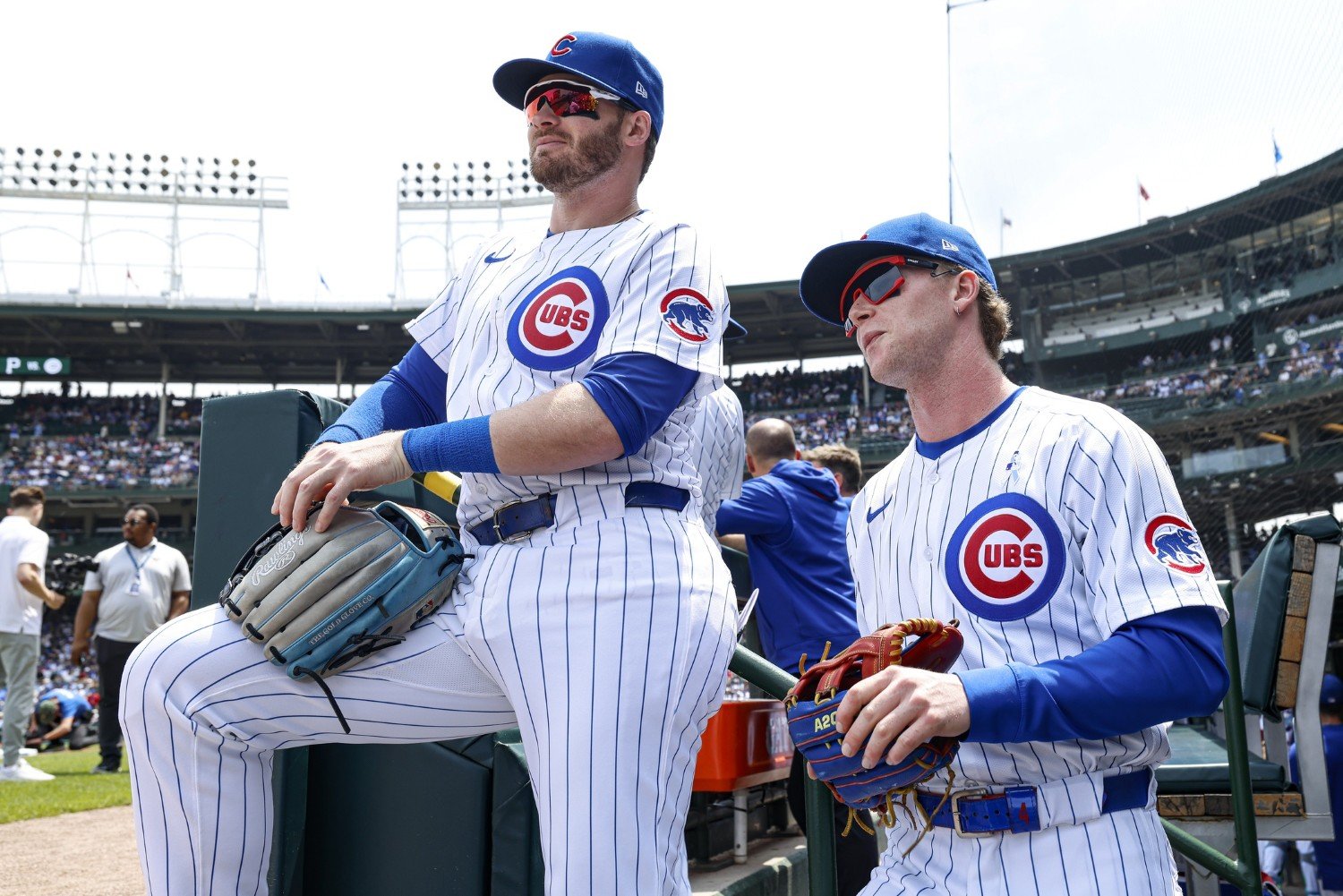 Peering around the league, trying to distinguish between teams bound for postseason "appearances" and those who might make true postseason "runs", Craig Counsell has his club tentatively planted in the latter category. Far from being one-dimensional or dependent on a particular player, this team can do a lot of things well. With both speed and power, they're second in baseball in runs per game, even amid a bit of a skid. They're equally adept at keeping runs off the board, though, and that's no longer thanks solely to their stout middle infield. Pete Crow-Armstrong is the anchor of the outfield group—the frontman. With his 11 Outs Above Average (OAA), he patrols center field like a night shift security guard at the Field Museum. Flanked by his experienced running mates Ian Happ in left field, and Kyle Tucker in right field, Crow-Armstrong has sanded off the rough edges on his game. He not only shows excellent speed and playmaking ability when he reaches the ball, but has improved his reads and routes to the ball. He's come into his own as one of the game's premier defenders. Getting to stand between Happ and Tucker, who in their own right are two of the most fundamentally sound players at their positions, has created a residual impact for the dynamic Crow-Armstrong. Together, this trio of outfielders stands to make the Cubs a real force to be reckoned with when October arrives. Although they're just 6-6 over their last 12 games, the Cubs have been consistently excellent this year. They survived a vicious early schedule, shredded a soft patch over three weeks from the middle of May to the start of this month, and win games in myriad ways. Take for instance, the closing game of the Cubs' three-game series in Washington D.C. versus the Nationals. With the Cubs maintaining a slim 2-0 lead, Nats speedster C.J. Abrams sliced a low-flying ball into right, over the head of Michael Busch. Tucker charged after the ball as Abrams rounded first base, trying to stretch the in-between play into a double. Tucker scooped up the ball and threw an absolute rope to Nico Hoerner, waiting at second base to apply the tag. The play not only eliminated a serious baserunning threat, but served as a microcosm of the types of plays this World Series contender of a club can make. It's plays like this (and hopefully a whole lot more, versus playoff-caliber teams) that will allow the Cubs to have the type of run they're envisioning in the playoffs. If their recent series versus the Detroit Tigers was a litmus test, they failed it. There is still a long way to go, but this stout outfield can help get them there. In the playoffs, teams get greedy. That's not a manager's foolish roll of the dice or a reckless turn toward baseball insanity; it's a survival tactic. The air changes in the playoffs. Stranded runners can and will haunt a team, and could very unkindly escort a team directly out of postseason contention. What this means, in practical terms, is that with two good ball clubs squaring off, runners are going to push the limits to reach scoring position, making the defensive awareness of the outfielders all the more imperative. Happ, Tucker, and Crow-Armstrong, all lurking in the outfield, prepared to make a play on anything shot in their direction, is a weapon bespoke to Chicago's North Side club. Along with the rest of their teammates, the outfielders have thus far turned in an impressive body of work, which hints at a greater passion and determination to erase the sins of the previous few seasons. This is supposed to not only be a playoff team, but a dangerous one once they get there, and these three know it. This season is starting to move faster, and the schedule is getting both tougher and more crowded. With that pace comes the clarity of some previously unknown factors, such as the increasing likelihood that Crow-Armstrong will be the starting center fielder for the National League All-Stars. But, what's even more clear: The Chicago Cubs are a team that will not succumb to its own miscues. They plan, they adapt, and they succeed. The club possesses an uncanny aptitude to take what they do well and make it better. Three big reasons why can be found in the outfield.
 -
Peering around the league, trying to distinguish between teams bound for postseason "appearances" and those who might make true postseason "runs", Craig Counsell has his club firmly planted in the latter category. Far from being one-dimensional or dependent on a particular player, this team can do a lot of things well—including, apparently, hitting home runs at the notoriously expansive Comerica Park. Leading Major League Baeball with 5.67 runs per game, the Chicago Cubs are elite when it comes to offensive prowess. They're equally adept at keeping runs off the board, though, and that's no longer thanks solely to their stout middle infield. Pete Crow-Armstrong is the anchor of the group—the frontman. With his 11 Outs Above Average (OAA), he patrols center field like a night shift security guard at the Field Museum. flanked by his experienced running mates Ian Happ in left field, and Kyle Tucker in right field, Crow-Armstrong possesses ever-evolving maturity and practical in-game experience to help him run down any ball, preventing it from touching anything but the stitching on the inside of his glove. He's come into his own as one of the game's premiere defenders. Getting to stand in between Happ and Tucker, who in their own right are two of the best, most fundamentally sound at their positions, has created a residual impact for the dynmaic Crow-Armstrong. Together, this trio of outfielders stands to make the Cubbies a real force to be reckoned with when October arrives. At times, it seems like all Cubs do is emerge triumphant in series against nearly all of their adversaries. Yes, that can be attributed to the considerably leniant stretch of games wherein the Cubbies face clubs with losing records, but it's also because in each game, the North Siders flawlessly execute a handful of plays that swings the momentum of the contest in their favor. Take for instance, the closing game of the Cubs' three-game series in Washington D.C. versus the Nationals. With the Cubs maintaining a slim 2-0 lead, the Nats speedster C.J. Abrams sliced a low-flying ball into right over the head of Michael Busch. Kyle Tucker came charging after the ball as Abrams rounded first base trying to stretch the in-between play into a double. Tucker scooped up the ball and threw an absolute rope to Nico Hoerner, waiting at second base to apply the tag to the Nationals' swift shortstop. The play not only elimnated a serious base running threat, but served as a microcasm of the types of plays this World Series contender of a club can make. It's plays like this and hopefully a whole lot more versus playof-caliber teams, that will allow the Cubs to have the type of run they're envisioning in the playoffs. If their recent series versus the Detroit Tigers were a litmus test, they failed it. There is still a long way to go but this stout outfield can help get them there. In the playoffs, teams get greedy. That's not a manager's foolish roll of the dice or a reckless turn toward baseball insanity, it's a survival tactic. The air changes in the playoffs; stranded runners can and will haunt a team and could very unkindly escort them directly out of postseason contention. What this means in practical terms is that with two good ball clubs squaring off, runners are going to push the limits to reach scoring position, making the defensive awareness of the outfielders all the more imperative. Happ, Tucker, and Crow-Armstrong, all lurking in the outfield, prepared to make a play on anything shot in their direction, is a weapon bespoke to Chicago's North Side club. Along with the rest of their team mates, the Cubby outfielders have thus far turned in an impressive body of work which hints at a greater passion and determination to erase the sins of the previous few seasons. This is supposed to not only be a playoff team, but a dangerous one; and these three know it. This season is starting to move faster than a red Ford Mustang fresh off of the assembly line in Dearbron, Michigan. With that pace comes the clarity of some previously unknown factors, such as the increasing liklihood that Pete Crow-Armstrong will be the starting centerfielder for the National League All Stars. But, what's even more clear: The Chicago Cubs are team that will not succumb to its own miscues. They plan, they adapt, and they succeed. The club possesses an uncanny aptitude to take what they do well and make it better. Three big reasons why can be found in the outfield. View full article
-
Image courtesy of © David Banks-Imagn Images Major League Baseball is one of the most fun leagues to watch, because nothing ever stays the same for long. A 162-game season means that the average fan of any given team will witness astonishing peaks and valleys. Even a contending squad like the Chicago Cubs is vulnerable to intermittent periods of struggle, and with a slate of eminently winnable games, the North Siders nonetheless found themselves going through theirs. The road can be a stranger place than a 24-hour Walgreens in Pilsen. Squaring off with a down-on-their-luck Phillies club, the Cubs found that out the hard way. The outset of this three-game set saw a Philadelphia squad that had lost eight of its previous nine games, but they were ready to bust out of that slump, and not even the Cubs' best efforts could prevent them. In an extra-innings struggle, the visitors could not deliver the clutch hits to earn the win at Citizens Bank Park. After six innings of two-run ball from starter Matthew Boyd, the bullpen held out long enough for the team's vaunted offense to deliver—but alas, they failed to adequately do so. The Phillies stole the opening game of the series 4-3, in 11 innings. The throughline of this 2025 campaign is the North Siders' admirable resilience. That was on full display in game two of their tilt with the Phillies. The burgeoning Ian Happ led the way with three RBIs. He's enjoying the return of some serious electricity in his bat, after a slow progression back from injury. An alarmingly poor Colin Rea gave way to the bullpen after 4 1/3 innings, but the Cubs relief corps answered the bell. Pitching nearly five innings of the contest, they blanked the Phillies. The Cubs managed the middle-game victory by a score of 8-4. In life and in baseball, the more seldom pain occurs, the worse it lingers. That was the prevailing sensation as the North Siders dropped the finale of their three-game versus Jesús Luzardo's club. The former Miami Marlin spun a masterpiece, punching out 10 batters. Ben Brown stumbled yet again, showing the urgency for the young righty to develop a wider pitch arsenal. After getting grilled by the Phils, Brown's status as a starting pitcher with this team is under further investigation. With the defeat, the Cubs suffered their second straight series loss. Philadelphia emerged victorious, 7-2. One quadrant of their schedule in which the Cubs have frequently excelled this season is in division play. After touching back down in Chicago, they welcomed the Pittsburgh Pirates into the federal landmark Wrigley Field for a four-game set. With the outstanding Jameson Taillon toeing the rubber, this game was a comforting return to basics for the North Siders. They came through with a close win in another playoff-type atmosphere. MVP candidate Pete Crow-Armstrong clobbered a 2-run shot to the delirious bleachers in right field to set the tone early. Ryan Pressly and his bullpen cohort kept the Bucs at bay, as the Cubs turned in a much-needed bounce-back win, 3-2. A spell of frustrating injuries have altered the complexion of the Cubbies' pitching staff, especially after Shota Imanaga went down back in early May. These storm clouds have had one silver lining, though: the arrival of Cade Horton, the organization's most prized pitching prospect. Squaring off against the Pirates' captain, Paul Skenes, the North Siders' 23-year-old hurler was brilliant. Horton tossed nearly six innings of shutout baseball. Highly questionable baserunning decisions cost the hosts their shot at getting to the electric Skenes, though, and the bullpen wavered just enough to make the difference. The Pirates evened the series with a 2-1 victory. Wrigley Field is a religious experience even in the middle of a hail storm, but on a sunny, mid-June Saturday, it feels just a little bit better when walking up to the marquee for the first time, fresh off the train. Luckily for the friends of the Friendly Confines, the Cubbies kept that feeling going with an impressive outing. Stepping up as he often has this season, Boyd sparkled on the mound, clocking in with six innings of quality baseball. He allowed just one hit, a solo home run to Andrew McCutchen in the first inning. Dansby Swanson delivered the game-winning run, a solo blast to the left field bleachers that nearly made it out to Waveland Avenue. With the win, the Cubs took back control of the divisional series and showed yet again, it can win any type of ball game. The Cubbies won their duel with the Pirates 2-1. Entering Sunday, then, the Cubs need to finish off a series win against Pittsburgh to feel good about their week—but they've done enough to avoid feeling truly bad about it, either way. The offense is not in top form, but they've survived a scoring drought in fine fashion. This team has a lot of ways to win. View full article
-
Cubs Week In Review: Low Offensive Output Makes for Pedestrian Week
Thomas Domol posted an article in Cubs
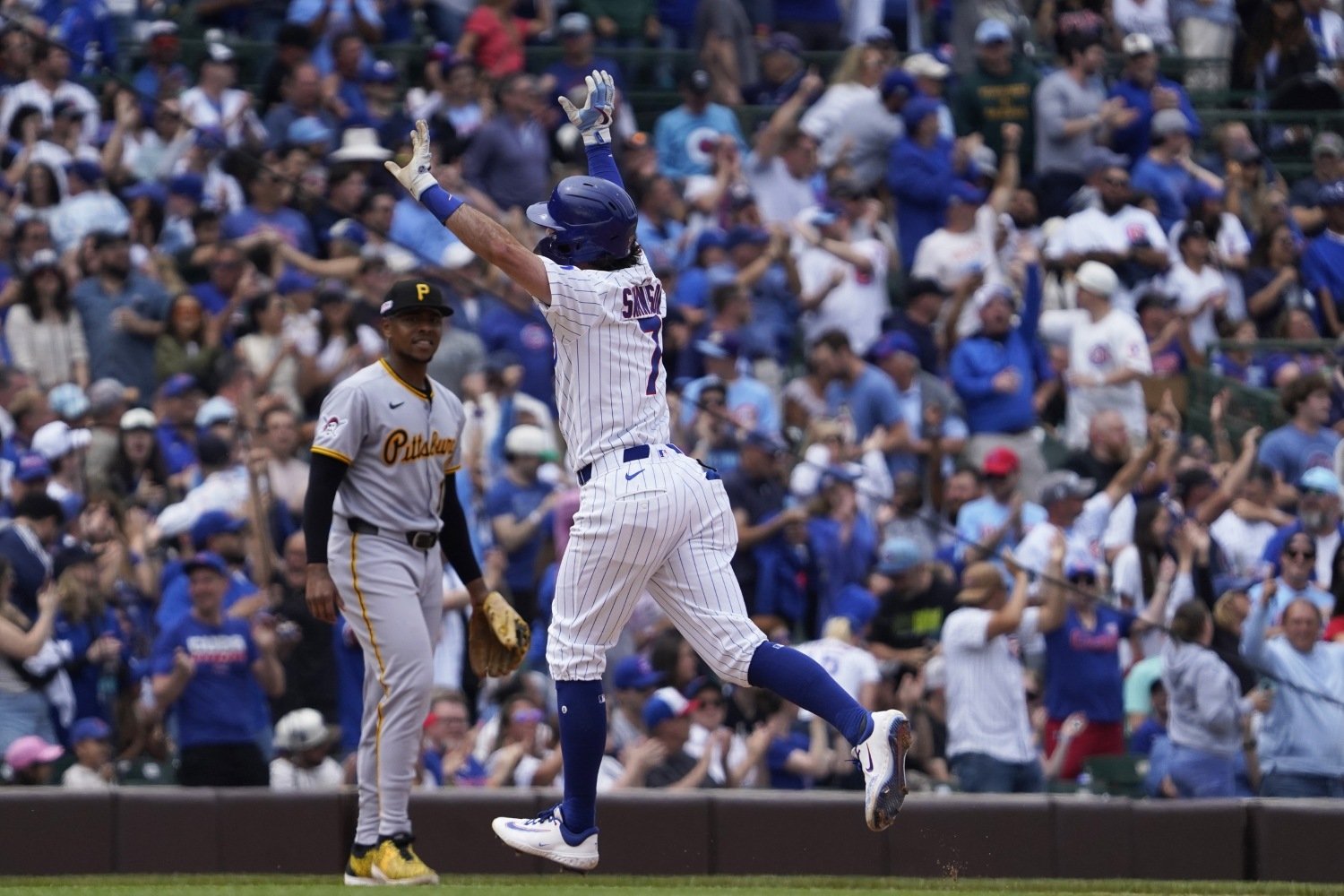 Major League Baseball is one of the most fun leagues to watch, because nothing ever stays the same for long. A 162-game season means that the average fan of any given team will witness astonishing peaks and valleys. Even a contending squad like the Chicago Cubs is vulnerable to intermittent periods of struggle, and with a slate of eminently winnable games, the North Siders nonetheless found themselves going through theirs. The road can be a stranger place than a 24-hour Walgreens in Pilsen. Squaring off with a down-on-their-luck Phillies club, the Cubs found that out the hard way. The outset of this three-game set saw a Philadelphia squad that had lost eight of its previous nine games, but they were ready to bust out of that slump, and not even the Cubs' best efforts could prevent them. In an extra-innings struggle, the visitors could not deliver the clutch hits to earn the win at Citizens Bank Park. After six innings of two-run ball from starter Matthew Boyd, the bullpen held out long enough for the team's vaunted offense to deliver—but alas, they failed to adequately do so. The Phillies stole the opening game of the series 4-3, in 11 innings. The throughline of this 2025 campaign is the North Siders' admirable resilience. That was on full display in game two of their tilt with the Phillies. The burgeoning Ian Happ led the way with three RBIs. He's enjoying the return of some serious electricity in his bat, after a slow progression back from injury. An alarmingly poor Colin Rea gave way to the bullpen after 4 1/3 innings, but the Cubs relief corps answered the bell. Pitching nearly five innings of the contest, they blanked the Phillies. The Cubs managed the middle-game victory by a score of 8-4. In life and in baseball, the more seldom pain occurs, the worse it lingers. That was the prevailing sensation as the North Siders dropped the finale of their three-game versus Jesús Luzardo's club. The former Miami Marlin spun a masterpiece, punching out 10 batters. Ben Brown stumbled yet again, showing the urgency for the young righty to develop a wider pitch arsenal. After getting grilled by the Phils, Brown's status as a starting pitcher with this team is under further investigation. With the defeat, the Cubs suffered their second straight series loss. Philadelphia emerged victorious, 7-2. One quadrant of their schedule in which the Cubs have frequently excelled this season is in division play. After touching back down in Chicago, they welcomed the Pittsburgh Pirates into the federal landmark Wrigley Field for a four-game set. With the outstanding Jameson Taillon toeing the rubber, this game was a comforting return to basics for the North Siders. They came through with a close win in another playoff-type atmosphere. MVP candidate Pete Crow-Armstrong clobbered a 2-run shot to the delirious bleachers in right field to set the tone early. Ryan Pressly and his bullpen cohort kept the Bucs at bay, as the Cubs turned in a much-needed bounce-back win, 3-2. A spell of frustrating injuries have altered the complexion of the Cubbies' pitching staff, especially after Shota Imanaga went down back in early May. These storm clouds have had one silver lining, though: the arrival of Cade Horton, the organization's most prized pitching prospect. Squaring off against the Pirates' captain, Paul Skenes, the North Siders' 23-year-old hurler was brilliant. Horton tossed nearly six innings of shutout baseball. Highly questionable baserunning decisions cost the hosts their shot at getting to the electric Skenes, though, and the bullpen wavered just enough to make the difference. The Pirates evened the series with a 2-1 victory. Wrigley Field is a religious experience even in the middle of a hail storm, but on a sunny, mid-June Saturday, it feels just a little bit better when walking up to the marquee for the first time, fresh off the train. Luckily for the friends of the Friendly Confines, the Cubbies kept that feeling going with an impressive outing. Stepping up as he often has this season, Boyd sparkled on the mound, clocking in with six innings of quality baseball. He allowed just one hit, a solo home run to Andrew McCutchen in the first inning. Dansby Swanson delivered the game-winning run, a solo blast to the left field bleachers that nearly made it out to Waveland Avenue. With the win, the Cubs took back control of the divisional series and showed yet again, it can win any type of ball game. The Cubbies won their duel with the Pirates 2-1. Entering Sunday, then, the Cubs need to finish off a series win against Pittsburgh to feel good about their week—but they've done enough to avoid feeling truly bad about it, either way. The offense is not in top form, but they've survived a scoring drought in fine fashion. This team has a lot of ways to win.
 -
Jameson Taillon's Consistency Is More Important To Cubs Than Dominance
Thomas Domol posted an article in Cubs
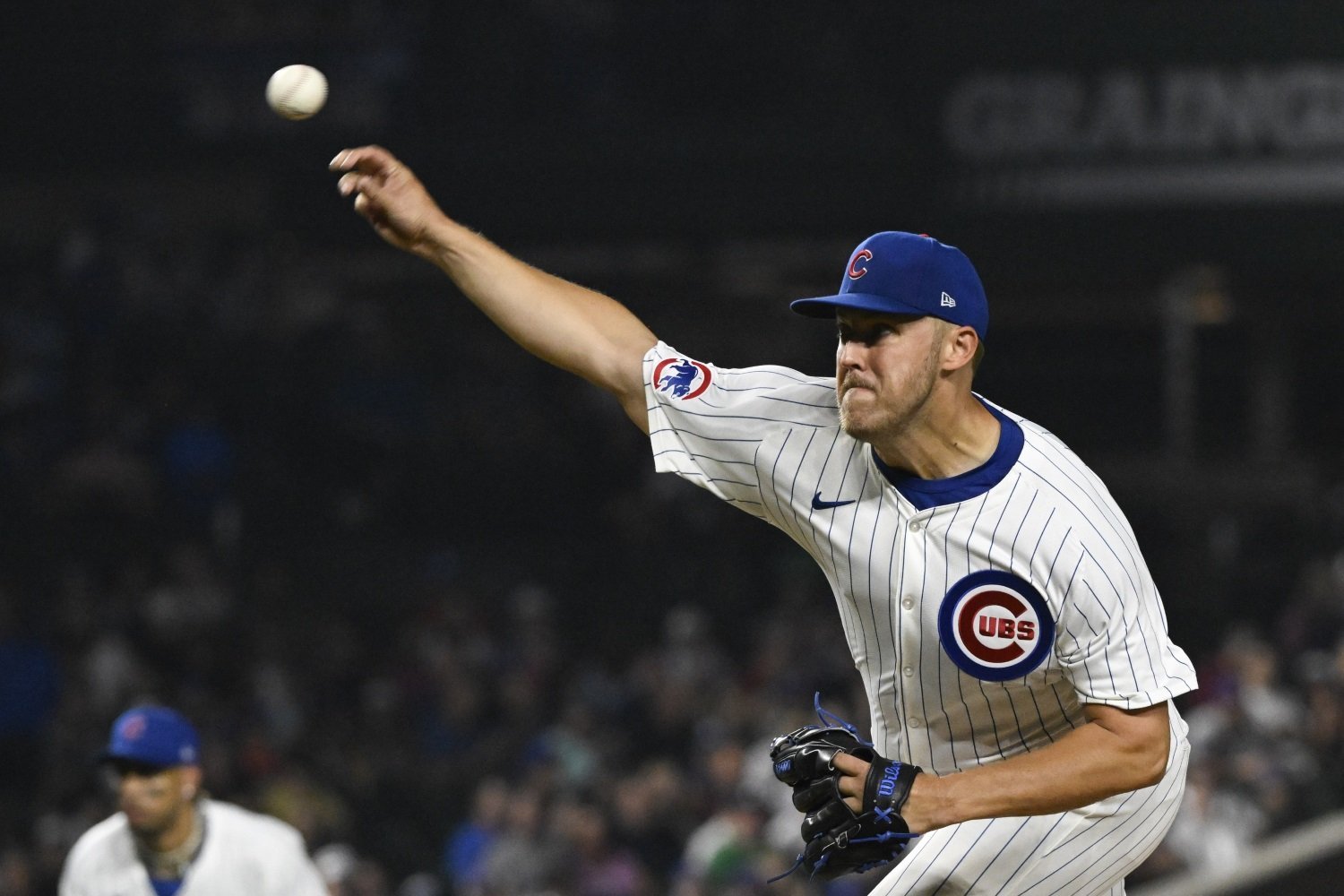 Every season sports a stretch of demanding, mettle-testing contests that reveal the true identity of a professional baseball team. Weathering a squall of injuries to the starting rotation, the Chicago Cubs are in the midst of that stretch. Enter Jameson Taillon, the light house, the safe harbor in this current storm. Through excellent, consistently proficient performances, Taillon has the North Siders sailing into clear skies, Working in the shadows of much more high profile starters on contending teams, Taillon deserves mention with the likes of his No. 2/3 starter contemporaries. Taillon boasts a 7-3 record with a 3.48 ERA and over 81 innings pitched. He's on a streak of six quality starts in a row and eight of his last nine. While all of this is objectively impressive, it's Taillon's consistency that matters most. Victories always come at a staggering premium, but for a team whose performances against clubs with winning records leaves a little to be desired, throwing out a steady arm who doesn't flinch under pressure is invaluable. This is not meant to sound hyperbolic, but one could make a case that Jameson Taillon is the most important player on the team's pitching staff at the moment. There are several factors that make this true, but again, it boils down to his no-nonsense consistency. He totes six different pitches, perhaps most intriguing of which is a lethal curveball that quite frankly he should deploy more often. According to Baseball Savant, Taillon has set down thirteen batters on this pitch by way of strikeout, and batters have only managed a paltry .068 batting average. More than that, he hasn't given up a home run on this particular pitch. He still relies heavily on his four-seam fastball, which has also seen an uptick in proficiency, producing an 18.1% whiff rate. The sweet fragrance of sureness wafts over the bustling crowds at Wrigley when Taillon pitches in 2025. As things sit at this very moment, the Chicago Cubs are in complete control of their own destiny. There's no proof to support the claim that this club is vulnerable to a long slump, thanks to the presence of players seemingly immune to cold streaks. Jameson Taillon is, in no small part, a crucial piece to this squad's continued prominence. Like a reliable car, no Cubs fan should feel uneasy handing over the keys to let the vehicle take you safely to the destination. Out of sight of this campaign's checkered flag just yet, who could want more?
 -
Image courtesy of © Matt Marton-USA TODAY Sports Every season sports a stretch of demanding, mettle-testing contests that reveal the true identity of a professional baseball team. Weathering a squall of injuries to the starting rotation, the Chicago Cubs are in the midst of that stretch. Enter Jameson Taillon, the light house, the safe harbor in this current storm. Through excellent, consistently proficient performances, Taillon has the North Siders sailing into clear skies, Working in the shadows of much more high profile starters on contending teams, Taillon deserves mention with the likes of his No. 2/3 starter contemporaries. Taillon boasts a 7-3 record with a 3.48 ERA and over 81 innings pitched. He's on a streak of six quality starts in a row and eight of his last nine. While all of this is objectively impressive, it's Taillon's consistency that matters most. Victories always come at a staggering premium, but for a team whose performances against clubs with winning records leaves a little to be desired, throwing out a steady arm who doesn't flinch under pressure is invaluable. This is not meant to sound hyperbolic, but one could make a case that Jameson Taillon is the most important player on the team's pitching staff at the moment. There are several factors that make this true, but again, it boils down to his no-nonsense consistency. He totes six different pitches, perhaps most intriguing of which is a lethal curveball that quite frankly he should deploy more often. According to Baseball Savant, Taillon has set down thirteen batters on this pitch by way of strikeout, and batters have only managed a paltry .068 batting average. More than that, he hasn't given up a home run on this particular pitch. He still relies heavily on his four-seam fastball, which has also seen an uptick in proficiency, producing an 18.1% whiff rate. The sweet fragrance of sureness wafts over the bustling crowds at Wrigley when Taillon pitches in 2025. As things sit at this very moment, the Chicago Cubs are in complete control of their own destiny. There's no proof to support the claim that this club is vulnerable to a long slump, thanks to the presence of players seemingly immune to cold streaks. Jameson Taillon is, in no small part, a crucial piece to this squad's continued prominence. Like a reliable car, no Cubs fan should feel uneasy handing over the keys to let the vehicle take you safely to the destination. Out of sight of this campaign's checkered flag just yet, who could want more? View full article
-
Image courtesy of © Rick Osentoski-Imagn Images Approaching mid-June, every contending baseball club has an Achilles' heel holding it back. Up until very recently, one could emphatically proclaim the Cubs' bullpen as its most glaring vulnerability. A combination of Caleb Thielbar, Brad Keller, Drew Pomeranz, and others have helped the squad to a cumulative bullpen ERA of 3.68. For a Chicago Cubs team with as much offensive talent as they've got, this bodes quite well for a club positioning itself for its larger aspirations pertaining to the regular season and well beyond. While the Cubs are still in good shape overall, this past week served as a sobering wake up call to a squad that must improve if it wants to stand with baseball's best. Flying a bit too close to the sun in retrospect, Craig Counsell's squad has gotten so acquainted with success that a surge in competition level was bound to create problems for Chicago's North Side baseball team. Though this past week saw the Cubbies tally their fifteenth series win of the season, it also marked the first time in a long time that the Cubs encountered some non injury-related adversity, which took its toll in the dreaded loss column. Kicking off a three-game set in our nation's capital, the North Siders came through with an offensive performance that even casual fans of the club have come to expect. With key contributions up and down the lineup, including a three-hit, three-RBI day for the suddenly-hot Michael Busch, the Cubs wore out the Nationals, taking the series opener 8-3. When this club struggles to score runs, which is a seldom event, they lose. Such was the case in the middle game against the Nats. Marking only the third time this season the Cubs have been shut out, the team squandered a spectacular performance from veteran starter Matthew Boyd. The Cubbies' lefty took a no-hit bid into the seventh inning, working as efficiently as any Cubs starter has all season. The death knell to the team on this day was a puzzling lack of run production. The Cubbies went 1-7 with runners in scoring position and left eight on base. The Nationals picked up the win 2-0. If this club is to make a deep run in the postseason as several pundits expect them to do, the Cubs' lead-off batter, Ian Happ, needs to match his glittering performance in game three, where he went 3-for-6 with a home run and four RBIs. Some of the club's offensive usual suspects also contributed, as Seiya Suzuki and Pete Crow-Armstrong created traffic on the bases. For Crow-Armstrong, his first inning two-run blast plated his 52nd and 53rd RBIs of the season. The Cubs sailed to a 7-1 victory. The weekend brought the highly-anticipated matchup and possible World Series preview between the Cubs and the magnificent Detroit Tigers. The two squads started the series with similar records but not similar philosophies. While the Cubs beat down their opponents with potent offensive heft, A.J. Hinch's squad boasts elite starting pitching, led by the reigning American League Cy Young champ, Tarik Skubal. That's a tall order for any team to go up against, and Skubal showed why in front of a sellout crowd this past Friday night at Comerica Park. Though Skubal pitched 7 1/3 innings for his club, it was actually his counterpart, Ben Brown, who impressed in many ways. He lasted seven innings and struck out as many batters. Chicago's offense could not get going, though, scraping across only one run. The Tigers collected the first game of the series by a score of 3-1. Fans of Major League Baseball know that Comerica Park is a pitcher-friendly space. That didn't stop the Cubs' signature elite offense from making a guest appearance in the Motor City. The North Siders clubbed five home runs, including two from Seiya Suzuki, on their way to an impressive win. The middle contest of this series marked the only time the Cubs looked themselves, with a nice balance of offense and shut down stuff from their flourishing bullpen. After the brilliant Jameson Taillon carried his team through seven strong innings, Caleb Thielbar and the electric Daniel Palencia lured the Tigers' balanced offense into its cage. The Cubs drew even in the series with a 6-1 win. Even watching on television, this series gave off serious playoff vibes. Luckily for the Cubs, it only felt like the postseason. Throwing the obviously overmatched Cade Horton on the bump, the rookie failed to hit any high notes in Motown. Tigers starter Jack Flaherty kicked the Cubbies' bats to the curb like a studio executive dismissing a lip-synching recording artist. Teams with more star power, like the Dodgers and Mets, have stolen the spotlight from Detroit, but this series solidified their status as the team to beat in professional baseball. Late, controversial calls at the plate neutralized any chance of a rally for the Cubs in this contest. Typically steadfast batters like Pete Crow-Armstrong and Kyle Tucker looked bewildered at the dish Sunday afternoon. With the loss, the North Siders saw their streak of seven series wins in a row draw to a close. The Tigers seized the finale, 4-0. Despite the level of frustration onset by the series in Detroit, nothing that transpired this past week changed anything for the Cubs. What fans should glean from the start of this road trip is that the team has made great strides in finding stability out of the bullpen, and expecting an offensive return to form in the coming days and weeks leading up to the All-Star Break is more than reasonable. The Cubs are more than well-positioned to maintain and perhaps even dominate their division. The squad might not be where they want just yet, but at least now it knows how to get there. View full article
-
Cubs Week In Review: The Bullpen Becomes The Steady Hand This Club Needed
Thomas Domol posted an article in Cubs
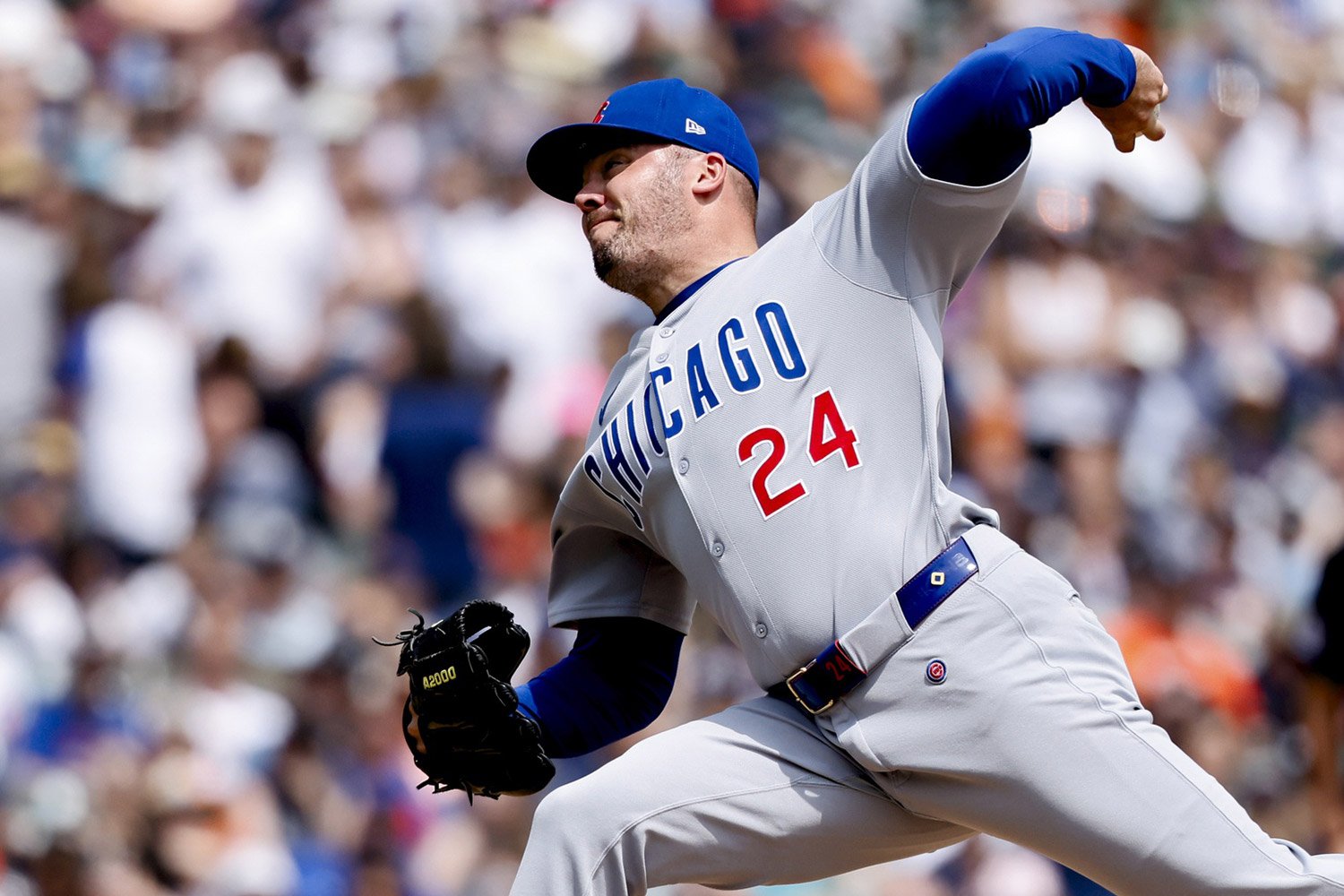 Approaching mid-June, every contending baseball club has an Achilles' heel holding it back. Up until very recently, one could emphatically proclaim the Cubs' bullpen as its most glaring vulnerability. A combination of Caleb Thielbar, Brad Keller, Drew Pomeranz, and others have helped the squad to a cumulative bullpen ERA of 3.68. For a Chicago Cubs team with as much offensive talent as they've got, this bodes quite well for a club positioning itself for its larger aspirations pertaining to the regular season and well beyond. While the Cubs are still in good shape overall, this past week served as a sobering wake up call to a squad that must improve if it wants to stand with baseball's best. Flying a bit too close to the sun in retrospect, Craig Counsell's squad has gotten so acquainted with success that a surge in competition level was bound to create problems for Chicago's North Side baseball team. Though this past week saw the Cubbies tally their fifteenth series win of the season, it also marked the first time in a long time that the Cubs encountered some non injury-related adversity, which took its toll in the dreaded loss column. Kicking off a three-game set in our nation's capital, the North Siders came through with an offensive performance that even casual fans of the club have come to expect. With key contributions up and down the lineup, including a three-hit, three-RBI day for the suddenly-hot Michael Busch, the Cubs wore out the Nationals, taking the series opener 8-3. When this club struggles to score runs, which is a seldom event, they lose. Such was the case in the middle game against the Nats. Marking only the third time this season the Cubs have been shut out, the team squandered a spectacular performance from veteran starter Matthew Boyd. The Cubbies' lefty took a no-hit bid into the seventh inning, working as efficiently as any Cubs starter has all season. The death knell to the team on this day was a puzzling lack of run production. The Cubbies went 1-7 with runners in scoring position and left eight on base. The Nationals picked up the win 2-0. If this club is to make a deep run in the postseason as several pundits expect them to do, the Cubs' lead-off batter, Ian Happ, needs to match his glittering performance in game three, where he went 3-for-6 with a home run and four RBIs. Some of the club's offensive usual suspects also contributed, as Seiya Suzuki and Pete Crow-Armstrong created traffic on the bases. For Crow-Armstrong, his first inning two-run blast plated his 52nd and 53rd RBIs of the season. The Cubs sailed to a 7-1 victory. The weekend brought the highly-anticipated matchup and possible World Series preview between the Cubs and the magnificent Detroit Tigers. The two squads started the series with similar records but not similar philosophies. While the Cubs beat down their opponents with potent offensive heft, A.J. Hinch's squad boasts elite starting pitching, led by the reigning American League Cy Young champ, Tarik Skubal. That's a tall order for any team to go up against, and Skubal showed why in front of a sellout crowd this past Friday night at Comerica Park. Though Skubal pitched 7 1/3 innings for his club, it was actually his counterpart, Ben Brown, who impressed in many ways. He lasted seven innings and struck out as many batters. Chicago's offense could not get going, though, scraping across only one run. The Tigers collected the first game of the series by a score of 3-1. Fans of Major League Baseball know that Comerica Park is a pitcher-friendly space. That didn't stop the Cubs' signature elite offense from making a guest appearance in the Motor City. The North Siders clubbed five home runs, including two from Seiya Suzuki, on their way to an impressive win. The middle contest of this series marked the only time the Cubs looked themselves, with a nice balance of offense and shut down stuff from their flourishing bullpen. After the brilliant Jameson Taillon carried his team through seven strong innings, Caleb Thielbar and the electric Daniel Palencia lured the Tigers' balanced offense into its cage. The Cubs drew even in the series with a 6-1 win. Even watching on television, this series gave off serious playoff vibes. Luckily for the Cubs, it only felt like the postseason. Throwing the obviously overmatched Cade Horton on the bump, the rookie failed to hit any high notes in Motown. Tigers starter Jack Flaherty kicked the Cubbies' bats to the curb like a studio executive dismissing a lip-synching recording artist. Teams with more star power, like the Dodgers and Mets, have stolen the spotlight from Detroit, but this series solidified their status as the team to beat in professional baseball. Late, controversial calls at the plate neutralized any chance of a rally for the Cubs in this contest. Typically steadfast batters like Pete Crow-Armstrong and Kyle Tucker looked bewildered at the dish Sunday afternoon. With the loss, the North Siders saw their streak of seven series wins in a row draw to a close. The Tigers seized the finale, 4-0. Despite the level of frustration onset by the series in Detroit, nothing that transpired this past week changed anything for the Cubs. What fans should glean from the start of this road trip is that the team has made great strides in finding stability out of the bullpen, and expecting an offensive return to form in the coming days and weeks leading up to the All-Star Break is more than reasonable. The Cubs are more than well-positioned to maintain and perhaps even dominate their division. The squad might not be where they want just yet, but at least now it knows how to get there.
 -
When the vibes for this club are as elevated as they are at this moment, it's hard to imagine what the comedown would be like—in the unlikely event it should come to that. Craig Counsell has his ball club playing at a level higher than the old Southwest Airlines Plane View Camera (RIP). There are a sparse few facets of this team to which analysts can point as weaknesses, but as the starting rotation succumbed to strategy-realigning injuries, the squad's hurlers are one of them. As the Cubs' starting rotation sits now, no one individual runs a higher risk to alter this club's fortunes for the worse than 25-year-old righty Ben Brown. Once a coveted prospect, Brown won the fifth spot in the rotation coming out of spring, by a slim margin. Theoretically, his performance to this point in the season is thrown off balance by the nature of what injuries to Justin Steele and Shota Imanaga have done to this team. Certainly, the ideal circumstance for the Cubs was to have the terrific trio of Steele, Imanaga, and Jameson Taillon mow down opposing batters and stack wins in front of the North Siders' youngsters toeing the rubber. Every five days, Ben Brown takes the hill equipped with a limited array of pitches, and he's thus watched his pitch count soar routinely, with more than a few baseballs clearing the fences of whatever ballpark he's working in. My esteemed colleague Randy Holt offered a comprehensive take on Brown's control issues, with corresponding charts for emphasis. It was a great read, and what it relayed to the audience is that Brown, trying not to groove anything with just a two-pitch mix, misses the strike zone, a lot. According to Baseball Savant, batters are hitting .304 versus his four-seam fastball, which he deploys over half the time in each of his outings. With really no other need for justification, the coaching staff has already begun working on a solution to Brown's volatility on the mound. In his most recent appearance opposite the Reds this past weekend, veteran reliever Drew Pomeranz opened, giving way to Brown after clearing the top third of the Cincinnati batting order. Perhaps his teammate spotting him those outs quelled some nerves for Brown, as he proceeded to shine in six scoreless innings. This club is in the process of keeping themselves on top and heading in the direction of postseason prosperity. Through myriad setbacks, the Cubs continue to rise to the occasion when it comes to setting the standard for their division. Clearly, Brown has a set of skills that make him an asset of value to this squad, but ideally, that would not be as a starter. With the rehabilitation of staff ace Shota Imanaga progressing in the right direction, some of the pressure on Brown's shoulders is about to be alleviated. The margins are razor-thin, but they could determine the difference between a playoff appearance, and a legitimate World Series run. What Brown can do for his team could play a deciding role. View full article
-
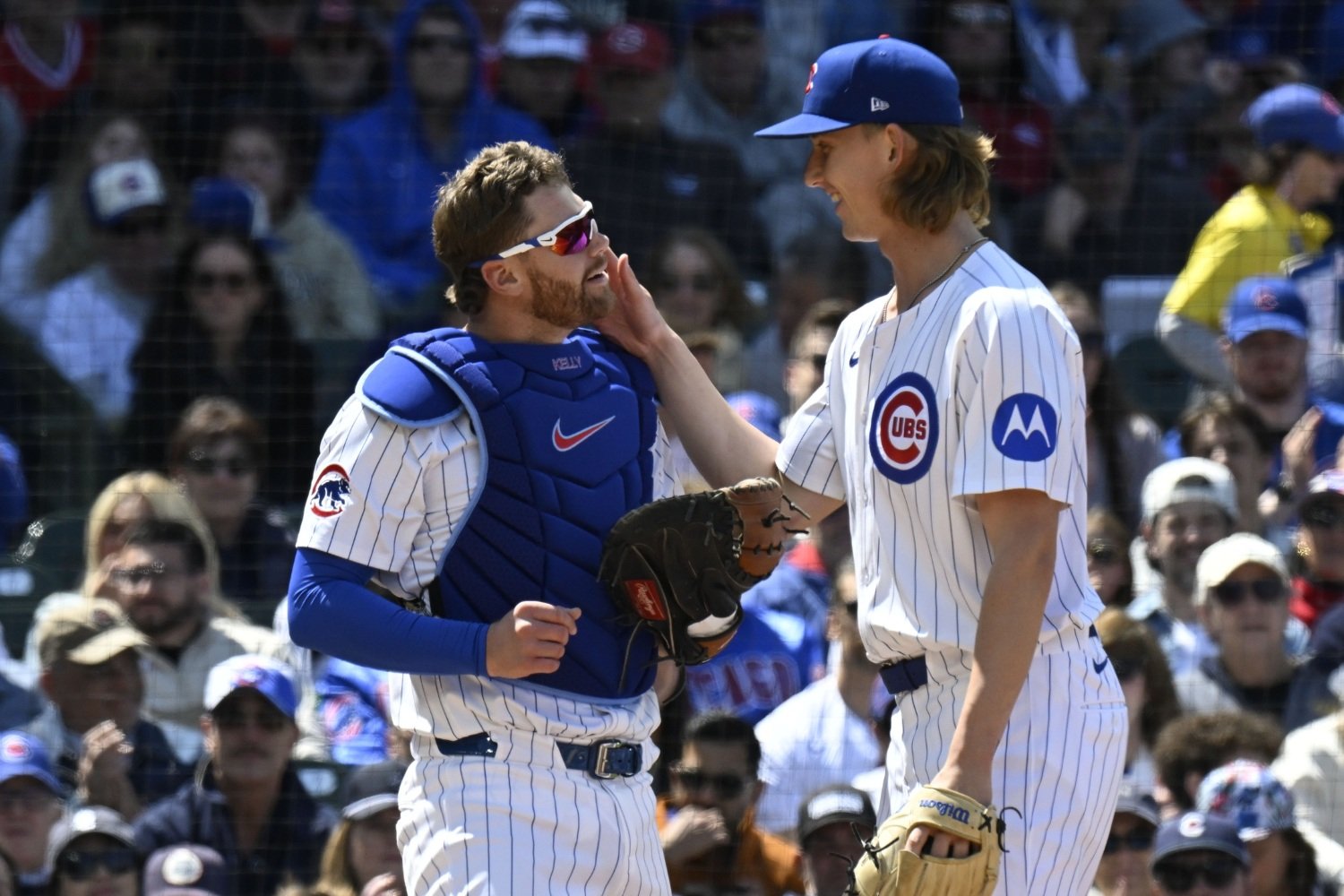 When the vibes for this club are as elevated as they are at this moment, it's hard to imagine what the comedown would be like—in the unlikely event it should come to that. Craig Counsell has his ball club playing at a level higher than the old Southwest Airlines Plane View Camera (RIP). There are a sparse few facets of this team to which analysts can point as weaknesses, but as the starting rotation succumbed to strategy-realigning injuries, the squad's hurlers are one of them. As the Cubs' starting rotation sits now, no one individual runs a higher risk to alter this club's fortunes for the worse than 25-year-old righty Ben Brown. Once a coveted prospect, Brown won the fifth spot in the rotation coming out of spring, by a slim margin. Theoretically, his performance to this point in the season is thrown off balance by the nature of what injuries to Justin Steele and Shota Imanaga have done to this team. Certainly, the ideal circumstance for the Cubs was to have the terrific trio of Steele, Imanaga, and Jameson Taillon mow down opposing batters and stack wins in front of the North Siders' youngsters toeing the rubber. Every five days, Ben Brown takes the hill equipped with a limited array of pitches, and he's thus watched his pitch count soar routinely, with more than a few baseballs clearing the fences of whatever ballpark he's working in. My esteemed colleague Randy Holt offered a comprehensive take on Brown's control issues, with corresponding charts for emphasis. It was a great read, and what it relayed to the audience is that Brown, trying not to groove anything with just a two-pitch mix, misses the strike zone, a lot. According to Baseball Savant, batters are hitting .304 versus his four-seam fastball, which he deploys over half the time in each of his outings. With really no other need for justification, the coaching staff has already begun working on a solution to Brown's volatility on the mound. In his most recent appearance opposite the Reds this past weekend, veteran reliever Drew Pomeranz opened, giving way to Brown after clearing the top third of the Cincinnati batting order. Perhaps his teammate spotting him those outs quelled some nerves for Brown, as he proceeded to shine in six scoreless innings. This club is in the process of keeping themselves on top and heading in the direction of postseason prosperity. Through myriad setbacks, the Cubs continue to rise to the occasion when it comes to setting the standard for their division. Clearly, Brown has a set of skills that make him an asset of value to this squad, but ideally, that would not be as a starter. With the rehabilitation of staff ace Shota Imanaga progressing in the right direction, some of the pressure on Brown's shoulders is about to be alleviated. The margins are razor-thin, but they could determine the difference between a playoff appearance, and a legitimate World Series run. What Brown can do for his team could play a deciding role.
 -
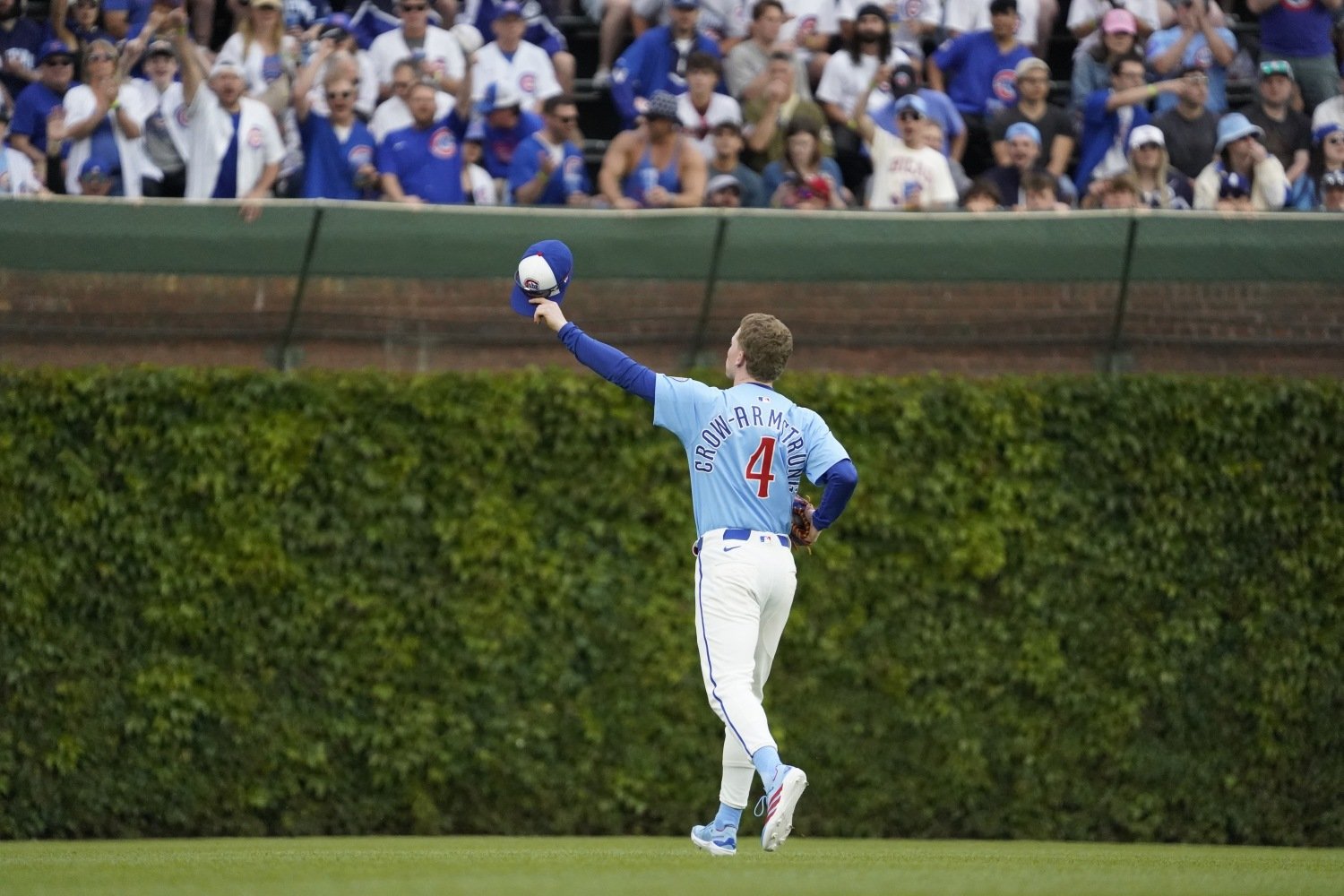 The astronomically high expectations fans hold for this year's Cubs don't exist in a vaccum. The talented individuals who make up the organization hold them, too. That's why this squad's success (in the face of relentless adversity rings ever more impressive.) Every week, the Chicago Cubs come together, morphing into a galvanized team that plays for each other and appears primed for the postseason. Scores of Illinoisans, from Batavia to the South Loop, will speak with anyone willing to listen about how special a place Wrigley Field is. This is an undeniable truth, but it's even better when the boys in blue win. That happened a lot this past week, in six home games. Kicking off the proceedings with three games versus the Colorado Rockies, the North Siders' commonly stout offense went missing, but the surging Jameson Taillon found a way to win. Taillon, now featuring a 3.86 ERA, was fabulous, going six and 2/3 innings in which he fanned seven batters. Dansby Swanson and Kyle Tucker delivered all of their club's scoring for the day, with three RBIs between them. The Cubs secured game one by a score of 3-1. I've hinted at the possible arrival of this squad's bullpen, which has indeed made great strides as of late, but game two of this series proved it emphatically. On another uncharacteristically anemic day for the Cubs' bats, the team plated two early runs—which would, sadly not be enough in an extra-innings contest wherein rookie pitcher Cade Horton encountered late trouble. The weary home-standers battled back from an 11th-inning deficit, with a heroic bloop single from third baseman Matt Shaw bringing home the winning run. Those theatrics earned the Cubbies the series win, 4-3. While each team possesses a core of vital role players tapped to aid in their squad's success, sometimes the stars must step up to deliver the spoils of victory. That's exactly what transpired in the third and final game of this series unfolded versus a putrid Rockies team. With Matthew Boyd sparkling on the mound through six innings, Pete Crow-Armstrong and Seiya Suzuki (two of baseball's RBI leaders) deposited two massive hits in a 2-1 victory. Crow-Armstrong launched his 15th home run of the season in the process. While a sweep of the Rockies was the presumed outcome from the outset of the series, it proved crucial in staying ahead of the Cubs' division rivals. Following an off day Thursday, the North Siders welcomed in the Cincinnati Reds for a three-game weekend set. Terry Francona's club presented as a marked step up in quality from their prior opponent in Colorado. Game one of this tilt served as a punishment for the Cubs' suddenly pedestrian offense. Starter Colin Rea suffered a rare stumble in the Friday afternoon contest, surrendering 10 hits and six earned runs. Newly acquired reliever Génesis Cabrera made his Cubs debut in what felt like a very low-leverage situation. He punched out three batters and issued one walk. The Reds used the long ball to thwart the home team, launching three devastating home runs. Not only did the North Siders lose 6-2, but in doing so, ended a dazzling run of victories in series-opening contests. The Chicago Cubs hold several intangibles that make them a winning ball club, but one paramount trait is its knack for recovering after a deflating loss. On an experimental day for the pitching staff, Drew Pomeranz opened the game, providing a buffer for the struggling Ben Brown. It proved an effective strategy, as Brown spun six innings of shutout baseball, punching out nine Reds in a very encouraging outing. Offensive contributions from Ian Happ, Seiya Suzuki, and Dansby Swanson allowed the North Siders to scrape together enough for a 2-0 win at the Friendly Confines. Under crystal blue skies on the North Side, the team's offense made its triumphant return in the rubber match. A confident and poised Taillon got another quality start under his belt, working efficiently and inducing pivotal ground ball outs. Michael Busch's two-run home run in the third inning set the tone for the home team. The charge returned to Busch's bat, as the Cubs infielder delivered more quality plate appearances. The 7-3 win put the North Siders four games up on the rival St. Louis Cardinals, as a nine-game road trip is set to kick off this week. Piling up wins and battle scars, this team is as unified as ever. As summer arrives, Counsell has his squad looking ready for a three-month grind that will land the Cubs a postseason berth, and perhaps much more.
